Archive for the ‘recipe’ Category

The First Garlic

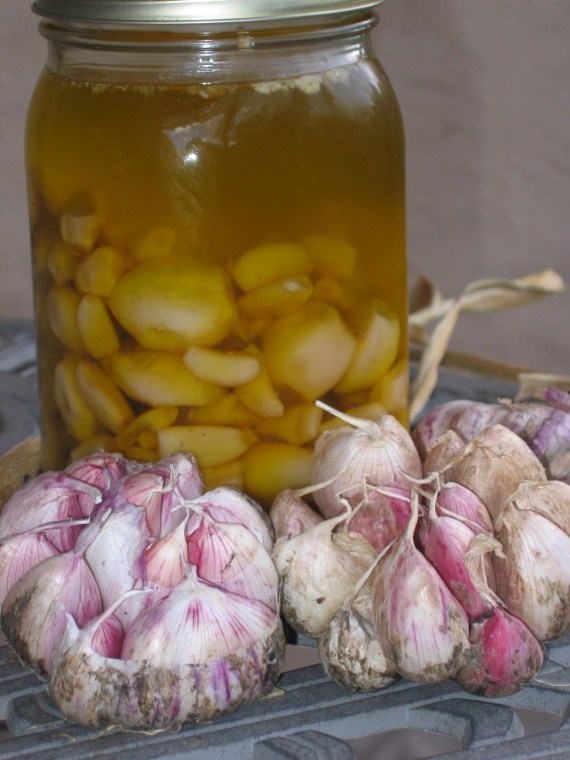
june 2009 008
I think it’s underappreciated that garlic is as seasonal as any other vegetable. Sure, you can obtain it throughout the year, and personally I’m never without it, but the great dishes of sheer garlic debauchery- aioli, roasted garlic, chicken with 40 cloves of garlic, etc.- were designed to be made with fresh garlic, the kind you harvest in early summer, before it develops the slight (sometimes pronounced) acridness that comes with storage.
I grow three kinds of garlic, and one of them is Chinese Pink, which I get from Territorial Seeds. It’s a nicely flavored hardneck type, and I grow it because it matures fully a month earlier than any other garlic that I’ve grown.

See my earlier posts on green garlic and using the scapes of hardneck garlic for other uses of the maturing garlic plant, but by June the Chinese Pink is mature and I’m ready for some garlic confit. The confit process involves long, slow cooking at low heat in fat, olive oil in this case. The result is soft, mellow, and intensely flavorful without the sharp punch of raw garlic. It will keep in the refrigerator for a good long time as long as you make sure the cloves are well covered with oil.

Click here for the recipe!
Continue reading
The Jewels of Summer: Cherries

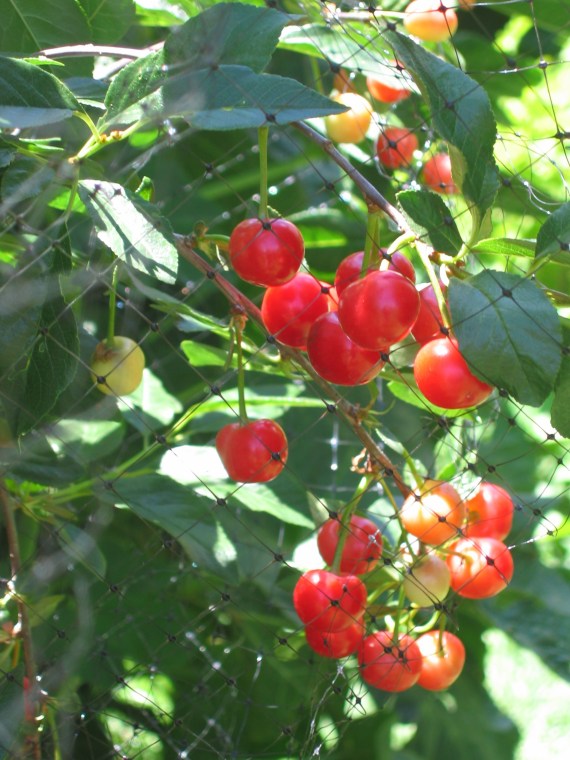
june 2009 003

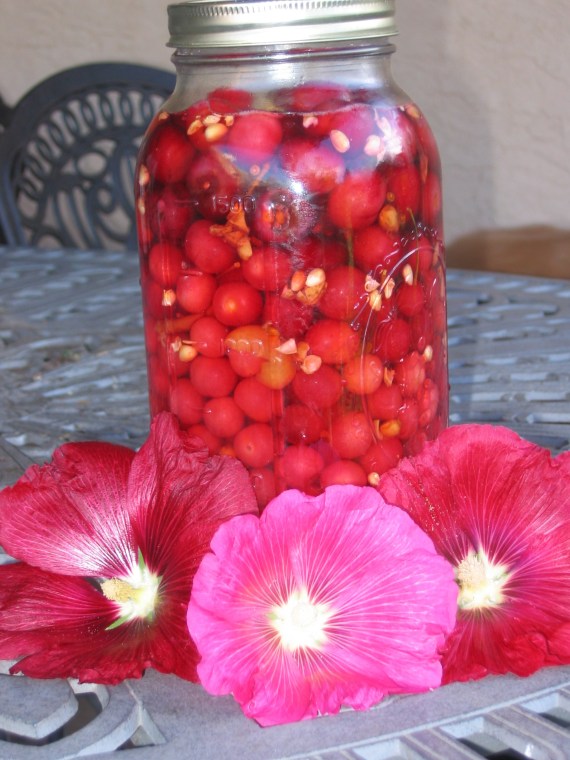
The single best reason that I know of to grow a pie cherry tree is to stand and gawk at it in full fruit on a sunny day. Even my dwarf North Star cherry, which is only two years old and no taller than I am, looks so stunning in the summer sun, with cherries glowing like Russian enamels, that I spend some time just standing there taking it in. But once you’re ready to stop looking and start eating, there are the cherries. Sour or pie cherries are of course perfect for pies, and they also make excellent jams, cobblers, etc. If you want a lot of good well-tested recipes, get yourself a copy of the British classic Jane Grigson’s Fruit Book.  But I decided to make cherry liqueur this year, and so far the results are very promising. Remember, besides being economical and ecological and virtuous, this urban homesteading stuff is an awful lot of fun.

june 2009 005

Click here for the recipe! Continue reading
The Greens of Summer: Frisee’

may 2009 027
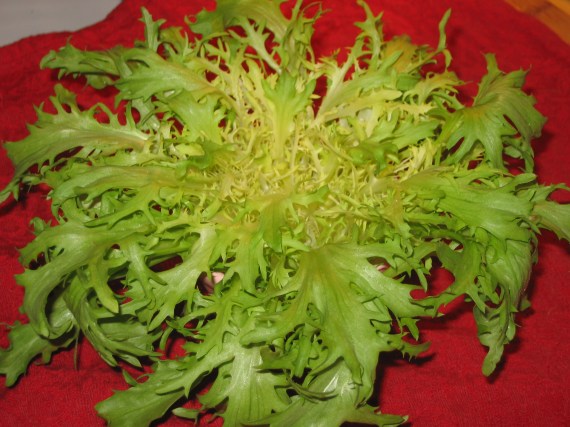
This is one of my favorite members of the chicory family to use in salads, and is a rugged and tolerant plant besides. Planted at the same time as lettuce, it comes along a little later. I start my early crop indoors for use in late April, and the later crop from seeds planted outdoors as soon as the ground unfreezes. Deep containers work fine, and it tolerates a little shade without fuss. Thin the plants to at least 8″ apart each way so that they have room to grow. When you have a big green fuzzball about 9″ across, it’s time to blanch. Simply invert a dinner plate on the plant and leave it there anywhere from 3 to 5 days, depending on how blanched you want it. I like mine only moderately blanched, as shown above, because at that stage the underlying chicory bitterness is still detectable. If you want yours milder, wait the full five days before cutting.

     Remove the plate, harvest the whole plant about 1-2 inches above the ground with kitchen shears, wash well, and enjoy. When cutting, avoid injuring the crown, and leave the plant in place. Most of the time it will produce another somewhat smaller head, which you can blanch and eat in its turn.

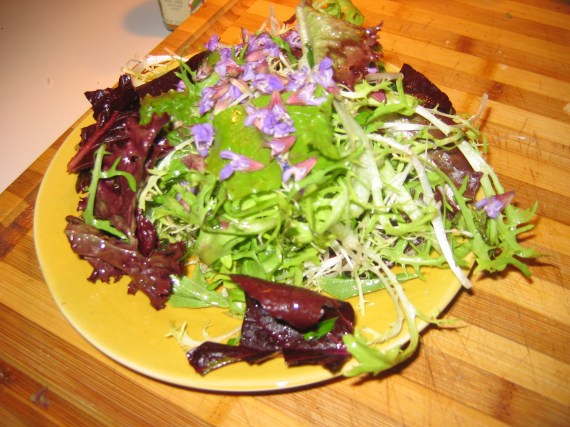
     When dressing a frisee’ salad, I prefer bold vinaigrettes. This is an occasion for a little roasted garlic in the dressing, or slice a small shallot very finely and marinate it in the vinegar for 15 minutes before completing the vinaigrette. This is a good place for your flavorful homemade red wine vinegar (see my post on making vinegar.) Bold and peppery Tuscan-style olive oils are good. A little crumbled bacon or crisped proscuitto on top is wonderful. And consider a dash of colatura (garum) in the dressing; see the “notes on specialty ingredients” section on my website.I like sturdy romaines in these salads, but this is not a place for tender butter lettuces. Thyme or the new, tender leaves of winter savory or (best of all, in my view) the exquisite blue blossoms of common sage are good herbal flavorings. Just for fun, I’ll add a pictture of a recent frisee’ and romaine salad, made in the brief sage blossom season.
may 2009 038

The Greens of Summer: curly mallow

June 08 014

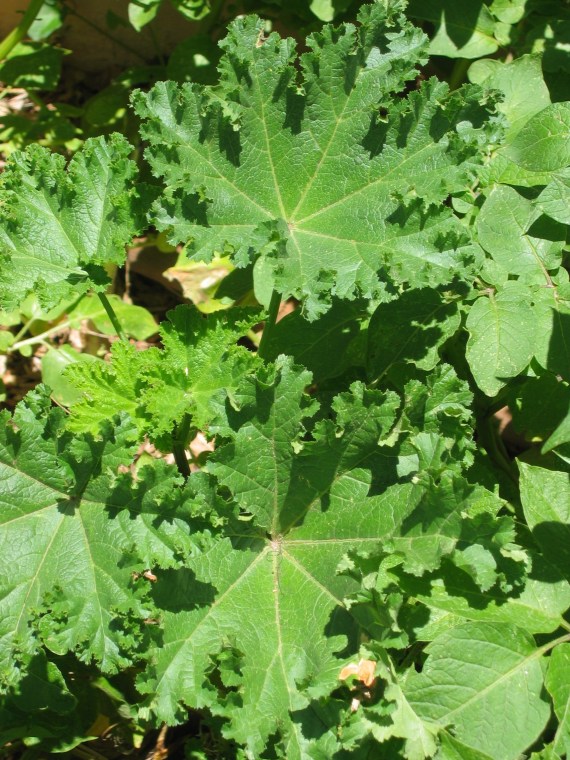
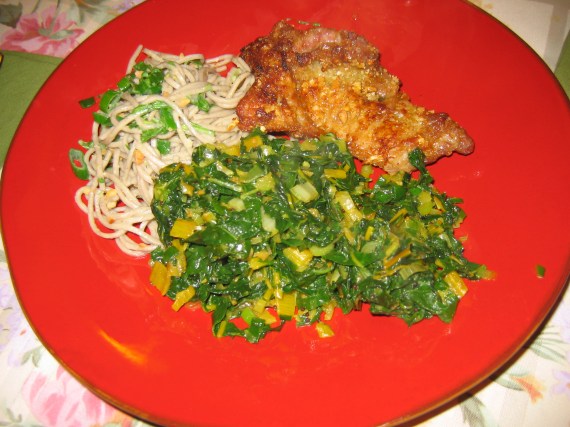
As our days heat up, our spring greens lose their luster, and we need green vegetables that can thrive in our intense sunlight. Fortunately, there are a lot of them. Curly mallow, Verticilla crispa, is one of the best in my opinion; it’s productive, disease-free, and hits its stride just as the spinach is bolting and goes on until a hard frost. The flavor is very mild, and the leaf has a demulcent “thickening” quality that gives body to greens mixtures. The plants can reach 5′ tall. I got seeds from Nichols Garden Nursery a few years ago, and it has seeded itself around nicely ever since. I often mix it half and half with Swiss chard, as I did here in an Indonesian recipe that I love and cook often.
april 2009 012
Continue reading