Archive for the ‘kitchen staples’ Category

Kitchen Staples: Blue Corn Pancakes


I’ve written before about the wonderful blue cornmeal that’s available at the Los Ranchos Farmers’ Market on Saturday mornings. A local couple, the Molinas, grow the blue corn, shell the kernels off the ear, then (this is the important part) roast the kernels to bring out their flavor before grinding them to a flour-fine meal. I feel rather proud of having discovered this cornmeal because you can’t tell from any distance that they have it. Their small and unassuming booth is recognizable by the display of rocks that Oracio has picked up over the years. If you try to use another blue cornmeal, make sure it’s ground very finely, and if it has chunky bits in it, grind it again in the blender. Then toast the meal lightly in the oven until it has a light toasty smell, making sure not to burn it or let it darken. Personally, I buy it at the market and let Oracio and Lourdes do the work. It makes pancakes that will light up your weekend morning.

1 cup blue cornmeal, very finely ground
1 cup all-purpose flour
1 teaspoon salt
1 tablespoon agave nectar or light brown sugar
1 teaspoon baking powder
1-2 cups buttermilk
1/4 cup melted butter
3 real free-range eggs
clarified butter for frying (I seldom bother to clarify mine, but you have to fry more carefully with unclarified)
butter and maple syrup

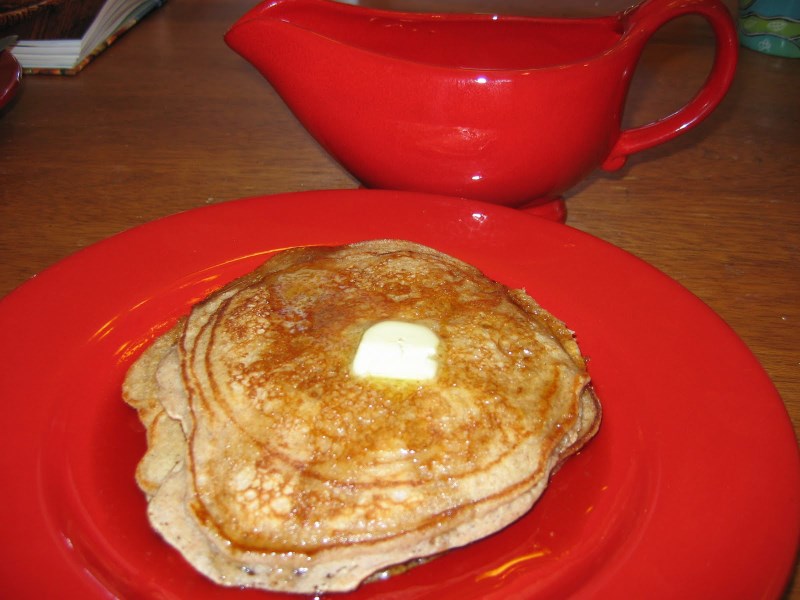
Mix the cornmeal, flour, baking powder, salt, and sugar if using together in a mixing bowl. Get your cast-iron skillet or other big heavy skillet heating over medium heat at least 5 minutes before you want to start cooking. Beat the eggs, the melted butter, and 1 cup of buttermilk together lightly. If using agave nectar instead of sugar, add it to the egg mixture. When the skillet is hot, mix the wet ingredients quickly and roughly into the dry ingredients, and add enough of the second cup of buttermilk to make a pourable batter. Film the skillet with clarified butter, pour in about a third of a cup of batter, and spread it out a little to make a pancake. Cook on the first side until the upper side shows little holes from the leavening, then flip skillfully and cook the other side until done. Slather with the best butter you can get, repeat to make a stack, and serve with real maple syrup.
A pancake is a very personal thing, and any recipe will need adjusting to your preference. I like the batter a little on the thick side and I can only judge this by eye, so I don’t measure the buttermilk after the first cup, I just mix enough in to make the texture right. I cook the first side until it’s lightly browned, as shown above, and then cook the second side to about the same color. I prod them a little with my finger to test for any uncooked dough in the center, but if you haven’t been doing this for a few decades, you may need to cut the first one open to make sure you’re cooking them through. I don’t cook over high heat because the outside gets too brown before the inside cooks through. I hate chunky inclusions of any kind, like berries and fruit. I like real maple syrup and don’t eat any other type. Other cooks say that thin batter is good, that browner is better, that oil or lard or bacon grease are the best cooking mediums, that honey is better than syrup, and I understand that some people are so lost to decency as to put cheese, chocolate chips, or big hunks of fruit in pancakes. Suit yourself. That’s the joy of cooking at home.
By the way, it is possible and even fun to cook with two skillets, or with a big griddle, and get pancakes on the table more quickly.
Kitchen Staples: Ethical Chicken

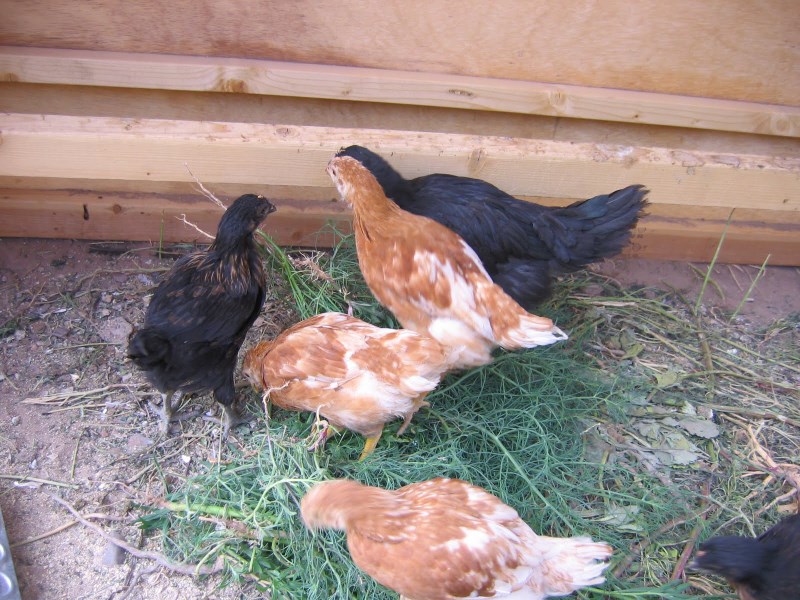
Recently a friend came to visit me and I proudly led her to the back of the yard to see my six beautiful hens in their secure coop. Instead of admiring them, she was dismayed because “They’re so crowded.” I must admit that I was floored. I have six hens in a 4 foot by 7 foot coop, with lots of headroom and high perches, and I think my chickens have it good.   Upon questioning, it was clear that she buys her chickens and eggs from the grocery store and has no idea what conditions in a commercial chicken operation are like. So here are some images to ponder: In the best possible commercial set-up, laying hens would have a square foot per bird. That means 28 chickens in my coop instead of six. More likely, there would be 4 hens for every 3 square feet, or 36 birds in my coop. Up to 42 hens would be in it in some operations, and they would be in cages no more than a foot high, often less, so that the hens couldn’t even straighten out their necks, but stacking the cages would enable 5 layers of birds to be kept in my 28 square feet, or up to 210 birds total, since my coop is 5 feet high.  Broiler chickens are even more crowded, if you can imagine such a thing, and the stench is hellish. I refuse to discuss the slaughter practices, because I don’t care to remind myself. When I had my sheep farm , I lived near a broiler operation, and I didn’t eat chicken again for years. If you comfort yourself by buying “free range” chicken, think again; a 20′ X 20′ yard may be the “range” for a barn holding 20,000 to 30,000 chickens.  If you want to be realistic about commercial farming practices, I urge you to read Michael Pollan’s best book The Omnivore’s Dilemma. Be aware that, by the end, you will feel driven to change your habits if you haven’t already.

All too often, people refuse to think about where their meat comes from and how it’s killed for a simple reason; they would have to drastically change their eating habits if they let themselves acknowledge what goes on in standard CAFO operations. I don’t care to perpetuate such cruelties, and so I am starting my own laying flock and I get my meat chicken from Pollo Real at the Santa Fe farmers’ market. They are a pasture operation, which means that the chickens are kept on pasture in “yurts” which are moved frequently. They are fed grain and they eat plants, insects, and all the things that chicken should eat. They have plenty of room. They re slaughtered on the farm, quickly and humanely. They cost a lot more than supermarket chicken, and they should. They are better for you and yours, better for the chickens, and better for the planet. Paying more makes us realize that we have to pay to support humane farming practices, and that meat should be a pleasant addition to a meal rather than the center of it.

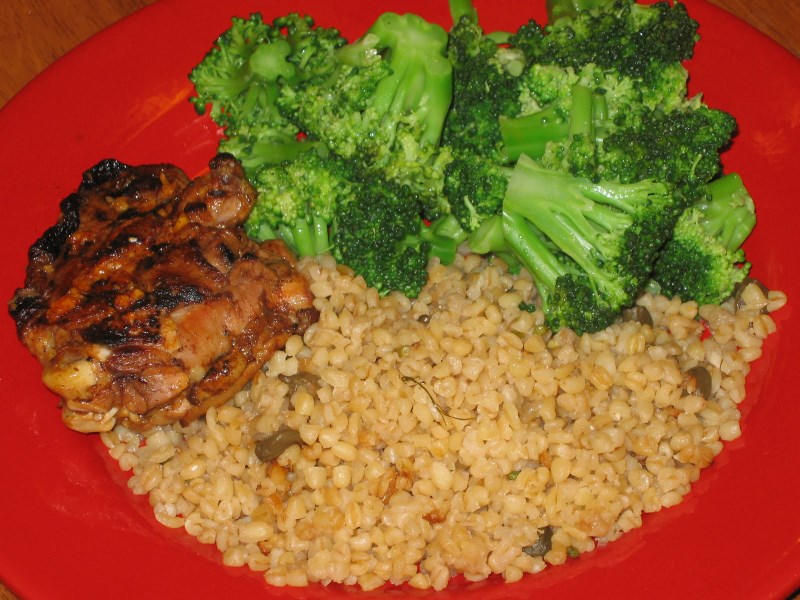
Better ethics and a better dinner; this is well worth an occasional trip to Santa Fe with a cooler, or look for Pollo Real chicken at La Montanita Co-op. Once you have some, there are a million ways to cook it, but here’s a simple favorite: just rub it with a paste made from a few clove of fresh garlic, a teaspoon of salt for every pound of chicken, a tablespoon of Spanish Pimenton de la Vera or smoked paprika, the juice of half a lemon, and enough olive oil to make  a paste. Grill it over a low fire until done to your taste, brushing with any leftover paste. Serve with lots of vegetables and whole grains. Sleep like a baby.

And, just for fun, here’s my own chicken flock.

The Greens of Summer: greens bruschetta

If you’re interested in making leafy greens an enjoyable part of your diet, I highly recommend Paula Wolfert’s book Mediterranean Grains and Greens. My favorite greens recipe, however, does not come from that book but from another of her books, Paul Wolfert’s World of Food. She calls it “marmalade of spring greens,” and it is intended as a spread for bread. I find it wonderful stuff to have tucked in the refrigerator, where it will keep for several days and makes great impromptu lunches and snacks. I have made it so often for so long that my recipe has morphed into something a little different from hers, as tends to happen with recipes that really work for me.

First, catch your greens. See my earlier blog post about greens options and about cleaning them. Right now I am mostly using mixtures of amaranth leaves ( the polite term for common pigweed), lambs quarters, purslane, sweet potato leaves, and New Zealand spinach, because those are the plants that are doing best in our summer heat. Gather about a pound of assorted greens. If you are using store bought, a mixture of Swiss chard or Tuscan kale and spinach will work well. I avoid the baby spinach that comes in cello bags. It doesn’t have enough flavor for use as a cooked green. If you enjoy bitter greens you can add several dandelion leaves (I am referring to the store bought kind, not the wild kind, which are too bitter to use at this time of year.) Or you can add a small bunch of watercress to add a little bit of snap. But don’t worry too much about this, because the seasonings will add the extra kick as long as the greens are good.

1 pound of mixed greens

One Shallot

Two cloves of garlic, fairly large

1/4 cup of olive oil

10 to 12 kalameta olives, finely chopped

2 tablespoons capers, preferably salt packed, washed of salt and soaked in cold water for an hour

Pinch of red pepper flakes

Salt and pepper to taste

Bring a pot of water to a boil, add the greens, and cook uncovered for one minute, just until they are thoroughly wilted. Drain and press out any excess moisture. Turn them out on the chopping board and chop them thoroughly in both directions, so that you retain some texture (you don’t want a paste) but all stems and leaf ribs are cut up into small pieces.

Chop the garlic and shallot quite finely over medium heat in the olive oil until cooked through but not brown. Add the chopped olives and the capers, either chopped or whole as you prefer. Sauté for a few minutes, then add the chopped greens, the red pepper, and a little salt. Cook over low heat, stirring occasionally, for about 15 minutes or until the greens are tender. Taste, season with salt and pepper as needed, and spread thickly on toasted or grilled bread. Top with some grated Parmesan cheese and a handful of toasted pine nuts.

Many variations are possible, and I seldom make this dish the same way twice. I may add several cloves of confited garlic instead of two cloves of fresh for a deep mellow flavor. A mashed filet of anchovy or a dash of colatura added at the saute’ stage give an especially rich flavor- this is very close to the Wolfert original. A generous spoonful of roasted tomato sauce added toward the beginning is a nice touch. A half teaspoon of Spanish smoked paprika, Pimenton de la Vera, gives a faint smoky edge as if you had cooked it over a wood fire.  A good sprinkling of fresh thyme or chopped oregano or marjoram leaves over the top just before serving gives a lovely whiff of its Mediterranean origin.  A poached or fried egg plopped on top makes it a hearty meal. You can serve the greens at room temp on a bed of fresh ricotta, drizzled with your best olive oil, and serve the bread on the side.

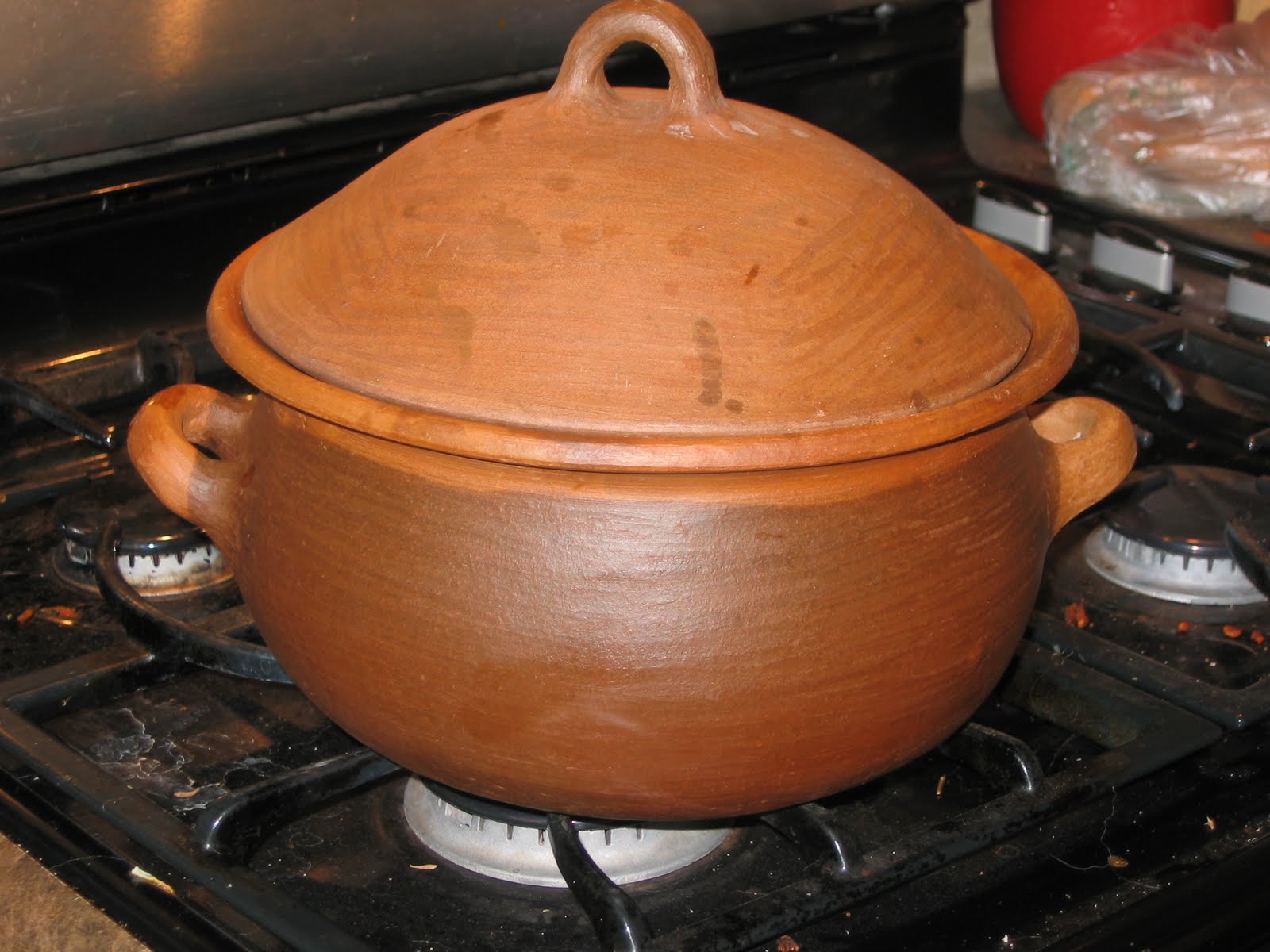
I should add that, like so many other things, it seems to taste best if cooked in clay. I tend to use either an unglazed clay bean pot or a Spanish cazuela, after doing the initial blanching of the greens in an ordinary pot. A Chinese sand pot works well too. If you’re curious, do read another of Ms. Wolfert’s books, Clay Pot Cookery, which contains everything you might want to know about cooking with clay.

The Perfect Brunch, and notes on the Los Ranchos Farmers’ Market


For the gardener and urban homesteader weekend mornings are a busy worktime, with plenty to do and (usually) cool and pretty weather in which to do it. But after a few hours, it feels good to relax with a perfect brunch. To me, the essence of the perfect breakfast or lunch is simplicity. This is not the time for fuss. Its simpicity relies on perfect ingredients, and that gives me a chance to showcase some of my favorites. Please let these good suppliers know that Local Food Albuquerque sent you.

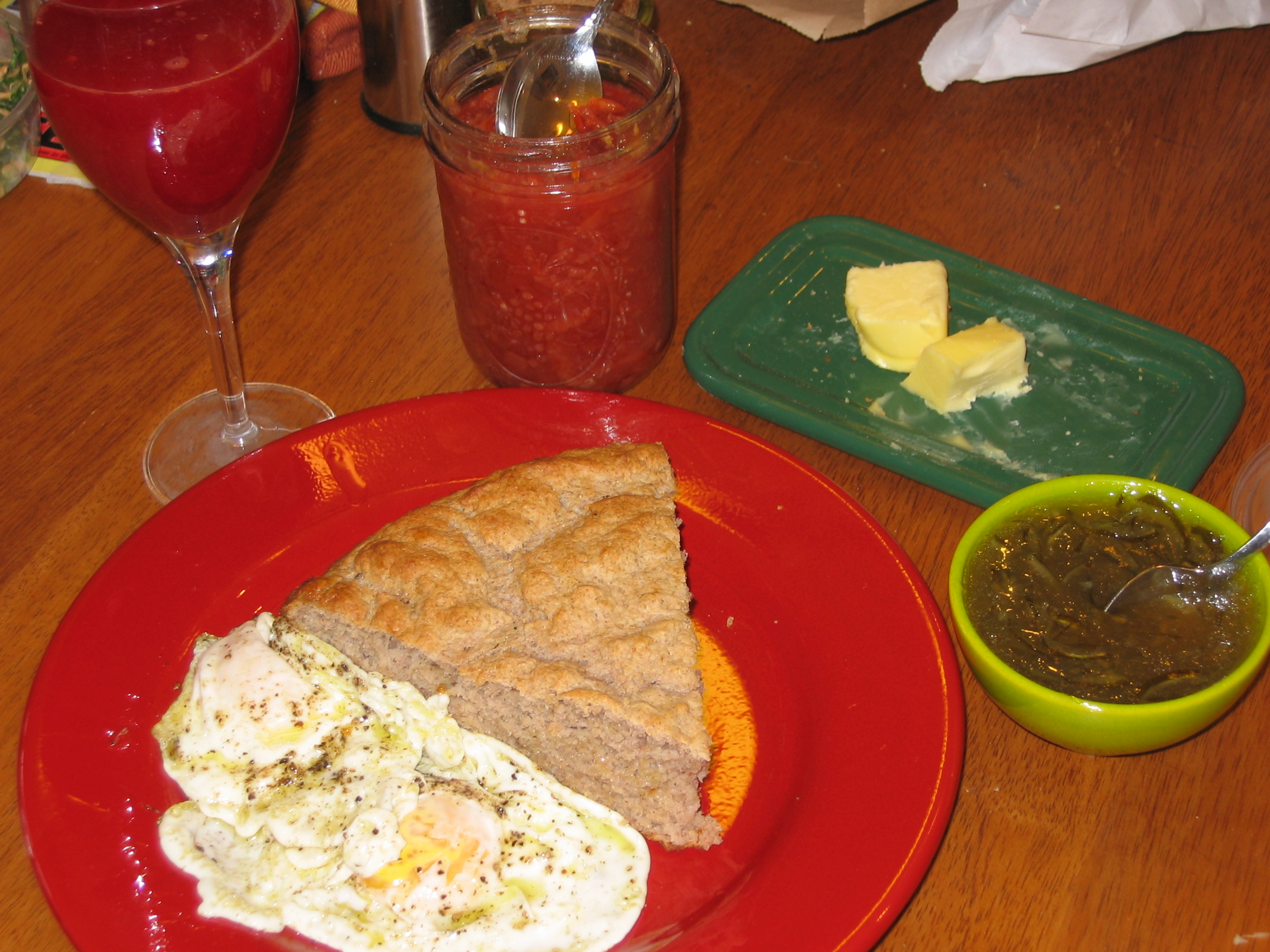
Corn bread: All Southerners and a lot of other people feel strongly about cornbread. I’m no exception. I give my recipe below, but cornbread preferences are very individual, so use your own favorite. The quality of the cornmeal is essential, and in my opinion there is none better than the roasted blue cornmeal sold by Oracio and Lourdes Molina at the Los Ranchos Farmers Market. They grow the blue corn, shell the kernels off the cob, roast the kernels, and grind them finely. The result is full of toasty corn flavor and makes cornbread that fills the kitchen with irresistable scent as it bakes. Oracio also sells his self-published book Hidden Village, which contains some fascinating bits of old New Mexico. Incidentally, their cornmeal makes the best blue corn tortillas imaginable.

Scones: if you don’t happen to be a cornbread fan, or even if you are, visit Hand to Mouth Foods at the Los Ranchos farmers Market (they are at the Corrales market too.) Jeffrey has a great hand for pastry, and his scones are very delicious. I also love his date and pine nut tarts, and my husband is an addict of the cranberry-pecan biscotti. They make a perfect finish to a perfect brunch. Email Jeffrey and Elaine at handtomouth@zianet.com and ask to be on their email list; you’ll get useful reminders of market times and products available.

The Best Butter: Good cornbread deserves to be slathered with good butter, and I use the only completely grass-fed butter that I know of, Pastureland. It’s made by the Pastureland Dairy Co-op in Minnesota that makes butter and cheese only in the summer, when the cows are eating 100% grass and nothing else. It’s shipped frozen in styrofoam cartons, and a prepaid UPS label is included so that you can send back the carton for reuse, free of charge. They also offer 100% grassfed cheeses. Grassfed butter is a good source of CLA, and you’ll have to decide for yourself whether that’s important to you. I eat Pastureland butter because it’s wonderfully delicious and because the grass-fed life is best for the cows. To arguments that it isn’t local, I can only respond that if a local dairy changed to 100% grass-feeding in season, I’d buy their products.

Blood orange marmalade: my favorite thing to dress up hot or toasted bread. See my post for the recipe.

Freshly squeezed orange juice: I used the very last blood oranges of the season. Any very good orange makes very good juice. In my view, the idea of adulterating something so perfect with champagne is sacrilegious, but suit yourself.

Eggs: The Los Ranchos Farmers Market has at least three egg vendors, and these are real free range eggs, not the pale imitations sold as free-range in grocery stores. Fry them according to your favorite method. Like cornbread, preferences are very personal. I’ve seen directions in cookbooks about how to avoid “undesirable brown crusting” at the rims, while to others that delicate crispy rim is the best possible contrast to the sapidity of the rest of the egg. Again, suit yourself. Next year I hope to be eating home-produced eggs, but right now my future laying hens are bouncy little fluffballs, so thank goodness for the farmers markets.

Put it all together and you have a simple and perfect meal. Enjoy it with people you really care about, who can be counted on to contribute to the general harmony.

Corn bread:
2 cups fine cornmeal, preferably Oracio’s
2 cups all-purpose flour
1 scant tablespoon baking powder
1/2 teaspoon baking soda
1/4 cup sugar (optional)
1 and 1/2 teaspoons salt
1/2 teaspoon cayenne pepper (optional)
2 cups buttermilk
1/4 cup melted butter
3 large eggs

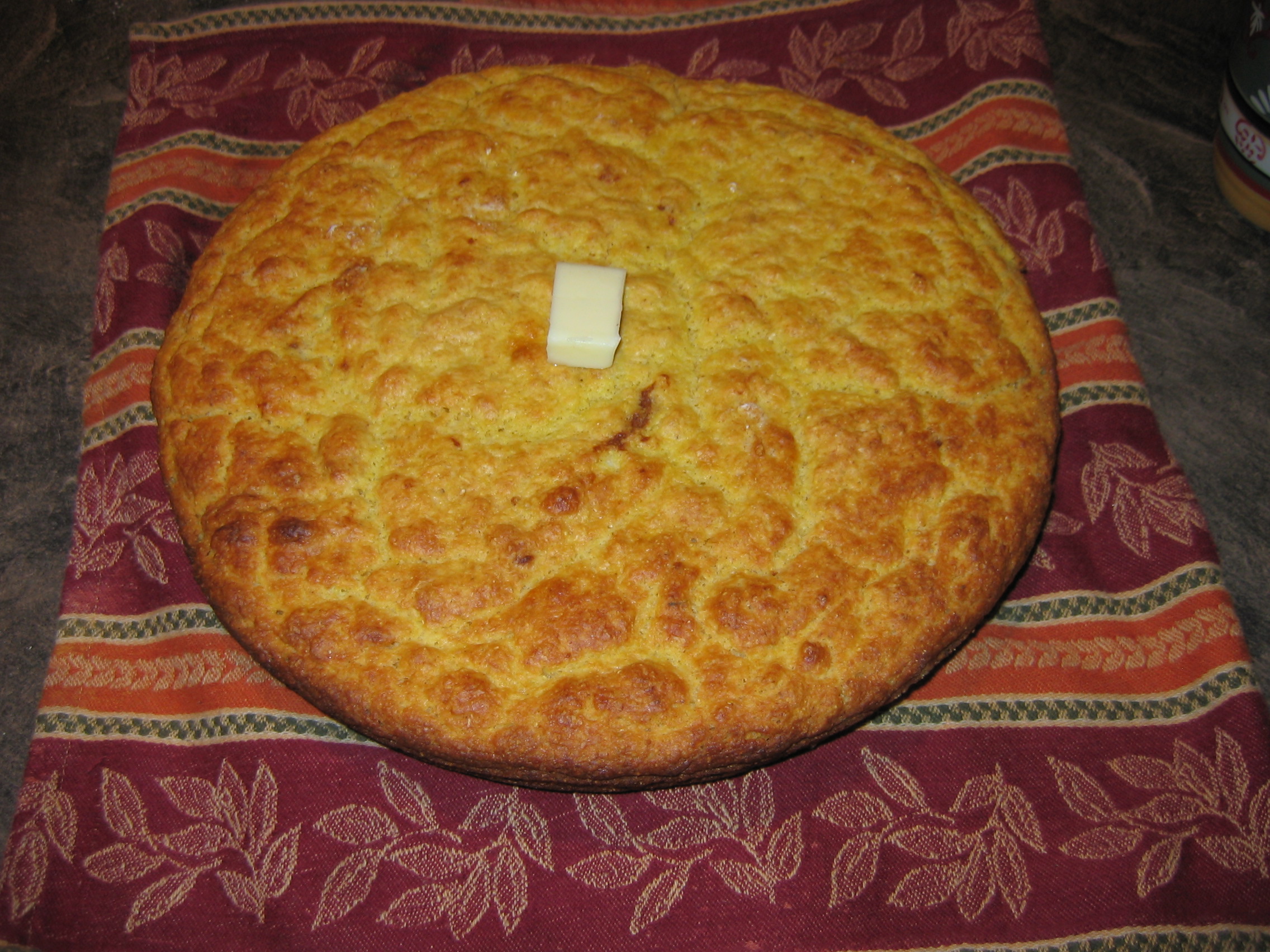
Preheat the oven to 400 degrees. Heat a 12-inch iron skillet in it (without a hot heavy pan, your crust will never be what it could be.) Mix all the dry ingredients thoroughly in one bowl and all the wet ingredients in another. When the oven and the skillet are thoroughly hot, mix the wet ingredients into the dry with a few quick strokes. Stirring too much activates the gluten and makes your cornbread tough. Pull the skillet out of the oven, swirl a couple of tablespoons of butter in it until melted and the skillet is greased all over, pour in the batter, and pop back in the oven. Bake until done, ie the top crust is browning and an inserted knife comes out clean. Take out of the oven, invert the skillet over a clean towel to turn out the cornbread, then use the towel to invert the cornbread again onto a rack. This requires dexterity and practice but is worth dooing because both the bottom and the top crust stay crisp. Let rest a couple of minutes, then cut into wedges and bring on the butter.