Archive for the ‘greens’ Category

Living in Interesting Times: More Experiments with Greens


Spring weather is always erratic here in the high desert, but more so this year than usual. First an early spring, with the crocuses blooming a full two weeks earlier than they ever have before. Then weeks of balmy spring weather and a glorious fruit-tree bloom, followed this week by a hard freeze, a day of snow, then a week of 70 degree afternoons. Seriously weird. The tiny green fruit that set so abundantly has shriveled and turned black, but of course the greens are undaunted. This is their glory season and the sudden temperature changes seem only to amuse them.

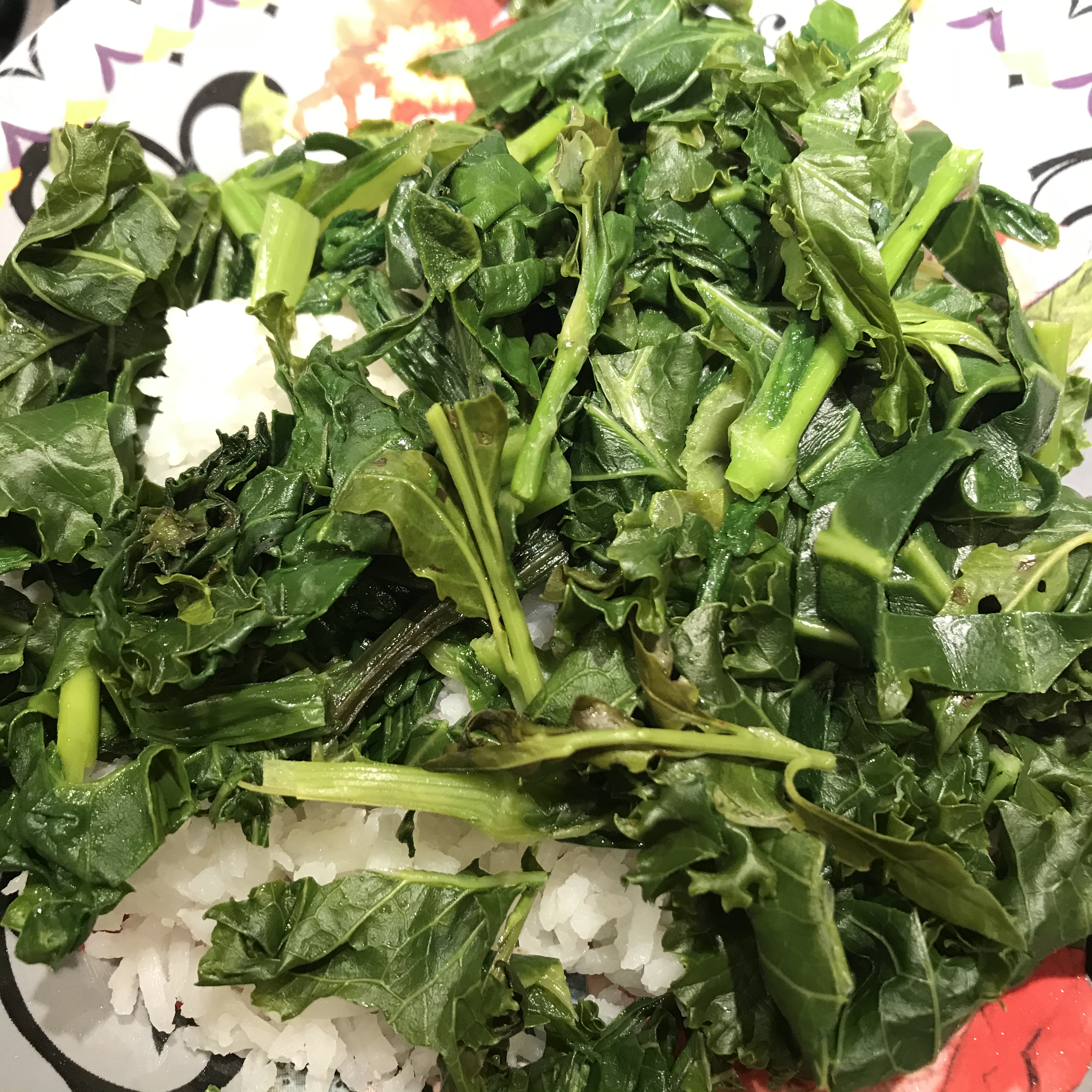
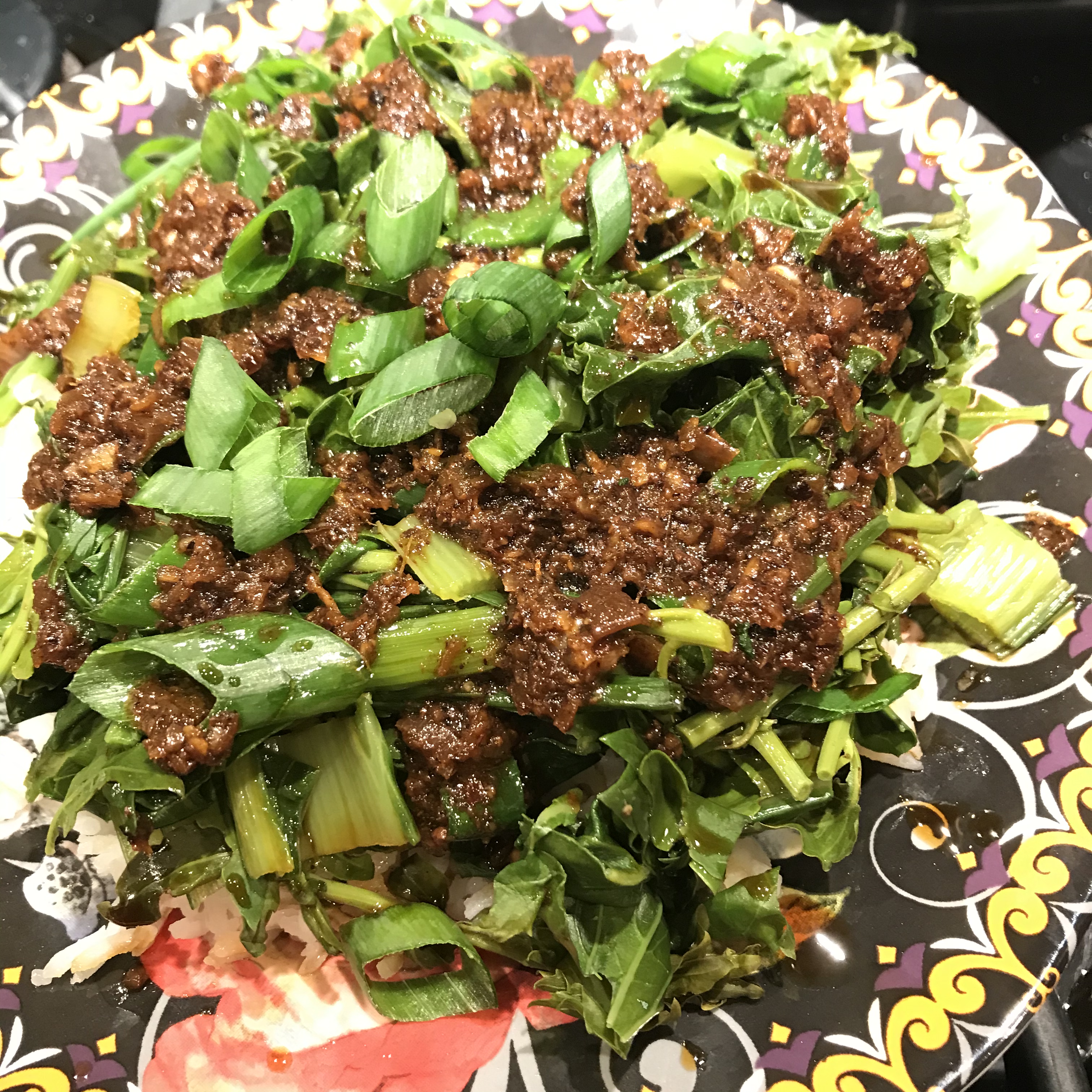
My only concern is to find new ways to eat them. Right now I’m happily reliving the Chinese phase that lasted through most of my twenties. While rereading Fuschia Dunlop’s The Food 0f Sichuan, I was reminded of the small cold dishes of vegetables with complex spicy dressings that are served in small portions as a sort of tapas array before meals, and I decided to try a larger version on a rice base as a light meal.

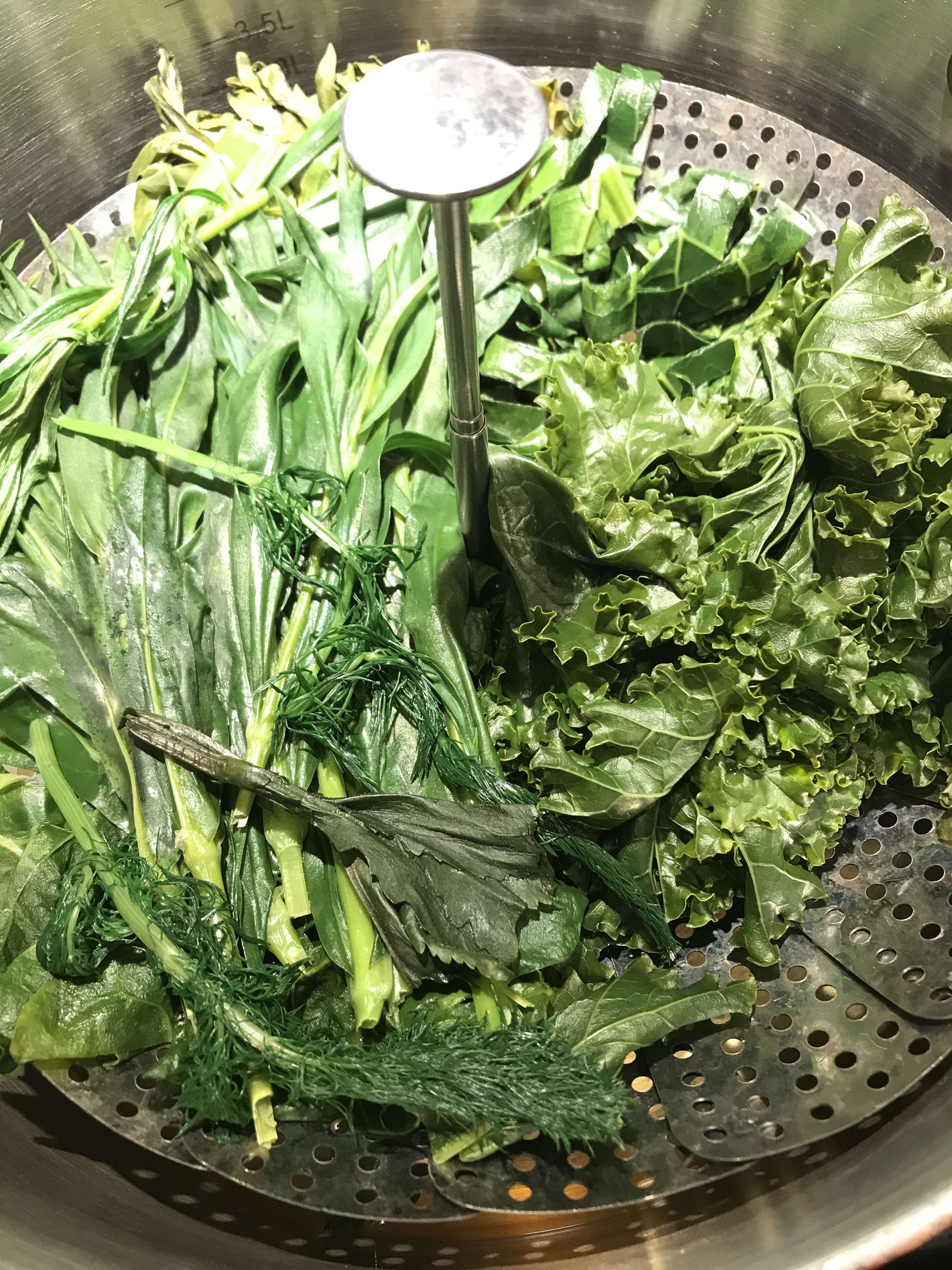
The greens were a handful each of a lot of things growing around the yard: two chard leaves with stems sliced, a collard leaf sliced into threads, scorzonera leaves sliced crossways, bladder campion stems, the tender tips of goji berry shoots, small fennel leaves, a few tarragon tips, and several leaves of young curly kale. All were steamed for about 4 minutes and then allowed to cool to room temperature. Cooked white rice was brought to room temperature.
The greens were chopped into pieces about an inch long, mixed up, and layered on top of the rice.

To make the dressing, a 1”x2” piece of ginger and two large cloves of garlic were pounded to a paste in the mortar with about a teaspoon of sugar. Stir in a tablespoon of hot oil with chile flakes (or less, depending on heat preference,) half a cup of good soy sauce, a couple of tablespoons of rice vinegar, and a tablespoon of Asian roasted sesame oil and you have a good basic dressing. Taste and see if you want it sweeter. Drizzle generously over the greens and eat, or elaborate further if you want with the addition of meat or shrimp.

Living in Interesting Times: Improvisational Stir-fries


The current world travails started me thinking about thrift. The most financially difficult period of my life was when I lived in Manhattan on a beginning designer’s salary and paid over 3/4 of my salary in rent. It probably goes without saying that I had no health insurance or paid sick leave and lived in constant fear of illness, and couldn’t afford any of the usual entertainments. It was one of the most useful periods of my life too, because it’s when I learned to make reading and cooking fill my entertainment function. I spent wonderful hours digging through the NY Public Library’s collection of cookbooks (free entertainment,) walking miles to Manhattan’s Chinatown (exercise +health maintenance+entertainment/sightseeing,) shopping in the wondrous markets there (thrift+entertainment,) then walking back and cooking dinner (nutrition+health maintenance+delicious entertainment.) I bought a huge carbon steel wok and cleaver for less than $10 each and with one thrift-shop pot to cook rice, one rice bowl, and one set of porcelain-tipped chopsticks, I was ready to cook anything.

I wouldn’t want to live like that now, and I’m appropriately grateful to have health insurance and sick leave. But I still love to channel the spirit of a thrifty Chinese spiritual grandmother and cook up a tasty stir-fry now and then. Rice is in very short supply in my area right now, but I have enough to cook up a pot of rice, add condiments to vegetables from my garden, and have a delicious meal for under $5 for two people. I wanted to use up some of the rich gold yolks that my chickens produce abundantly, and it occurred to me that frying them quickly into a sort of yolk pancake would yield a texture that could work well in a quick, explosive stir-fry.
Last year’s Fordhook Swiss chard is throwing up beautiful meaty leaves right now, so I started with four big chard leaves and four fat perennial green onions.

I tend to divide improvisational Chinese dishes into cooked rice (the base,) vegetables (the bulk,) protein (meat, eggs, etc.,) texture foods (often mushrooms in my kitchen,) and seasonings.  As with any improvisation, don’t throw stuff in at random. Think carefully to create a harmony. And everything has to be prepped and ready before you start. I assemble everything in little piles and pinch dishes on an 18×24” cutting board. I pulled the chard leaves away from the stems, cut the leaves in crosswise strips, and chopped the stems in 1/4” cross sections. The white part of the green onions were cut in 1/4” sections, and a few of the leaves cut into diagonal slivers.  I cooked five beaten egg yolks into a pancake in a hot skillet with avocado oil, let it cool, and cut it into long 1/4” wide slivers. A handful of sliced dried tree ears were hydrated in hot water. Tree ears are a texture food, and if they aren’t available, just omit them.  A couple of tablespoons of fermented black beans were soaked in cold water to reduce their salt load a little, then squeezed dry. A piece of ginger 1”x2” was cut into cross sections, a bulb end of green garlic likewise, then the two chopped together into pieces the size of coarse crumbs. A half cup of water had a tablespoon of rice vinegar, two teaspoons of sugar, a heaping teaspoon of cornstarch, and about 2 teaspoons of oyster sauce stirred in, and avocado oil, soy sauce, and Asian roasted sesame oil were standing by. I used some chile oil too, but you can leave it out if you don’t care for heat.

The rice is cooked and served up into heated bowls, and your prepped ingredients stand ready next to the wok or skillet. From here it goes so fast that you can’t believe it. Heat the cooking vessel fiery hot over highest heat, pour in some avocado oil, wait 30 seconds, put in the chopped ginger and garlic and fermented beans, and stir with a cooking paddle for a few seconds, just until the ginger scent reaches your nose. Throw in the drained tree ears, the chard stems, and the white part of the scallions, stirring vigorously for a few seconds after each addition. Add a few shakes of soy sauce and stir all this around for about 30 more seconds, then stir in the chard leaves and slivered egg-yolk pancakes. When the chard leaves look done, about a minute later if you were bold and kept the heat at maximum, add the water mixture (stirring hastily to get the cornstarch in suspension before adding to the wok,) and stir while it boils fiercely and thickens, another minute or less. Stir in the scallion leaves and serve over hot rice. Sprinkle with soy sauce and finish with a drizzle of sesame oil. Add some chile oil if you want to. The clarity relies on keeping the heat explosive. If you lose your nerve or pause at any point, your sauce will get sludgy and the purity of the taste  be lost.

If you want a serious education in Chinese cooking, I recommend any book by Fuschia Dunlop, and her Hunanese Revolutionary Chinese Cookbook may be my favorite. I dislike Chairman Mao (and all other dictators) pretty intensely but his home province has created some of this world’s truly delicious food. The old classic that I first learned from, Mrs. Chiang’s Szechwan Cookbook, is still around and turns up on EBay and used book sites. It has excellent discussions of ingredients and achieving the true taste, and the recipes are as good as ever.

Explosive frying, stir-frying at very high heat, is a good technique to have in your back pocket for almost any vegetable. They have to be sliced and trimmed to appropriate sizes so that they will cook through. Therefore, the technique doesn’t save kitchen time, it just shifts time to prep, with the cooking happening in 5-10 exciting minutes at the end. It does add a special flavor of its own, the famous “breath of the wok.”
Living in Interesting Times: Shortages

When I talk with friends and neighbors about the current pandemic, I am sometimes surprised to encounter a firm fixed belief that there are no food shortages and won’t be any food shortages. Ask them if they’ve tried to buy flour or rice lately and you won’t receive a sensible reply. My own view is that in such situations there are potentially two kinds of shortages: short-term ones caused by panic-buying and hoarding, and longer-term ones caused by interruption of supply chains. Our current difficulty (at least in my area) in getting rice, flour, eggs, and toilet paper fall in the first category. Some people’s’ hoarding caused others to go without, and I’ll just add that there is a special place in hell reserved for those who hoard and price-gouge infant food, diapers, and other baby supplies. But there is lots of other stuff available and most of us will be just fine except for a little grousing.

The other kind of shortage, from interruption of production and transportation chains, is longer-term, hard to predict accurately, and potentially more worrisome. Without predicting disaster, I can only say that American agriculture depends heavily on immigrant labor, and you can review the Farm Bureau’s summary of this. I will quote only one startling fact from their statistics: “If agriculture were to lose access to all undocumented workers, agricultural output would fall by $30 to $60 billion.” Since to help contain the pandemic we are closing borders and tightening enforcement, I don’t see how the agricultural labor supply can be unaffected. This could translate to fruit unharvested and veggies decaying in the fields or not getting planted in the first place.

This is a long-winded way of saying that all food should be treated like the treasure it is. Don’t hoard it, and don’t waste it either. Look at what you have and let your imagination run wild about how you might use it. Relax your usual food restrictions unless they relate to religion or health. Taste things you might not ordinarily think about. Get a couple of good cookbooks about vegetables so that you’re ready to get the most out of available produce. Two that I highly recommend are Six Seasons and Vegetables Unleashed. Both are available in e-format and will help you make the most of any food available. Think creatively about what to make. Can’t get rice? Make lettuce wraps. We are not going to starve, not by a long shot, and we can better utilize our supply chain by being more flexible in our thinking.
The problem that I really worry about is not national and international supply chains but local ones. Huge ag corporations won’t be allowed to go under, but your area small farmers and stock raisers just might, or may be disheartened enough by plowing good vegetables back into the dirt that they don’t continue. So find out where they are and how you can buy their produce. In my area the growers’ markets will open in May but  will be limited to food only, and since it’s in the open air, this is probably safer than going to a grocery store. Use all recommended precautions, but support those growers.

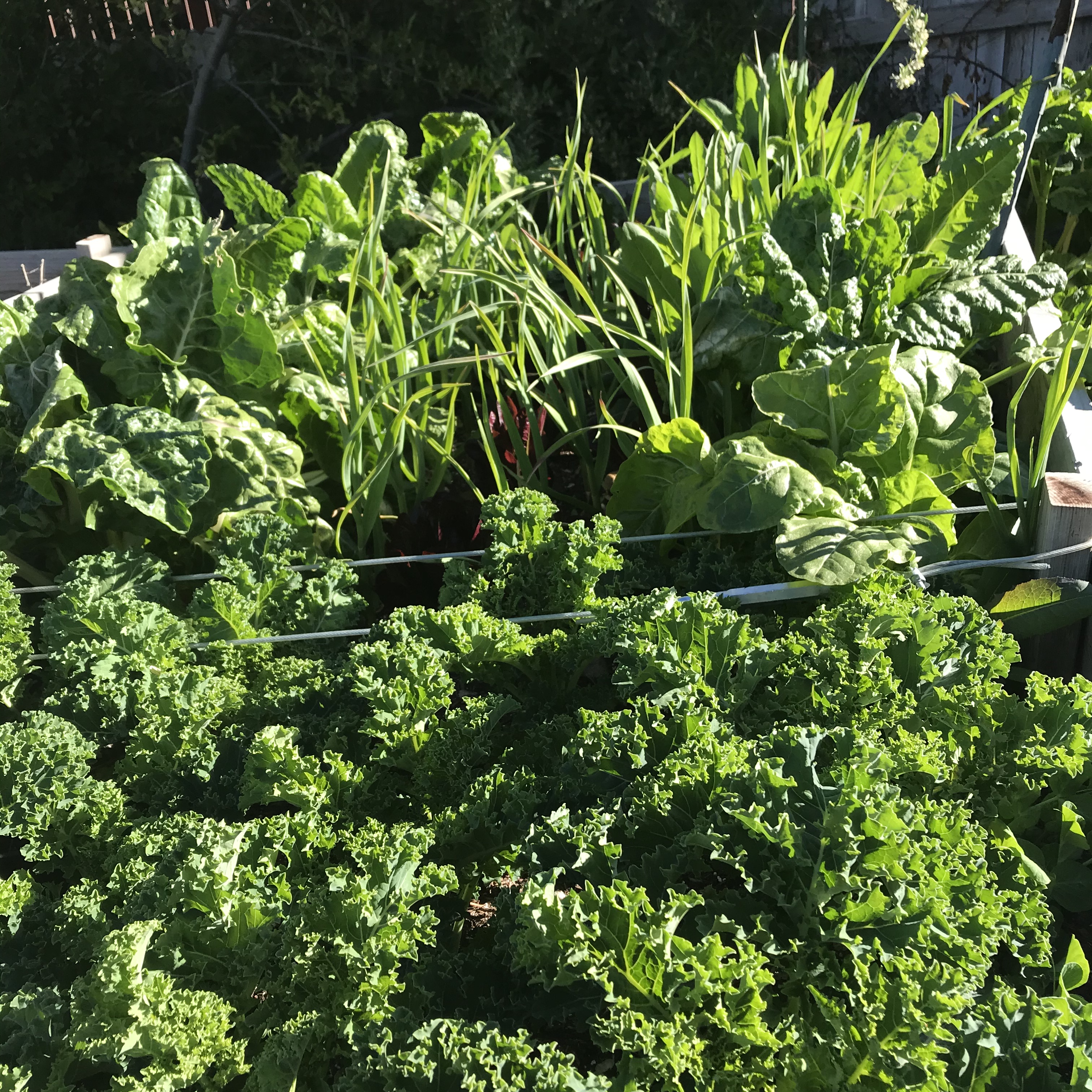
Plant something of your own. This morning I was thinking about what I would grow if I only had one small garden bed to work with. Given a tiny little space four feet on a side, I would double-dig it, enrich the hell out of the soil, and plant Fordhook Swiss chard and tuck some thyme plants in at the edges. Chard produces heavily all summer regardless of heat if kept watered, and few things will do more for your health than eating more leafy greens. The taste is mild and acceptable to nearly everyone. The old reliable Fordhook is more productive and resilient than the newer fancier colors, and the stems offer a second vegetable with a different texture, great in stir-fries. It can be harvested all summer and then left in place to produce some early greens the following year. Chickens adore any leaves that you don’t get around to eating, and if you know any goats, they love the tough ends of the stalks, or just compost them. One packet of seed produces all the greens a small family can eat. I don’t know of a more nutritious and efficient vegetable. As for how to use it, click on the “greens” category in the sidebar on the right side of this page  for a dozen or more ideas, and that’s just the beginning.


Living in Interesting Times: Spring Greens

This is a very strange time for everyone. As a healthcare provider, I know how much there is to worry about. I know that not everyone can isolate themselves from exposure, and not everyone has the luxury (and it is a luxury) of the money and space to store some crisis supplies. Not everyone has the luxury of a job right now, by a long shot. If you do, appreciate what you have and help others if you possibly can.

At this as at other tough times, I find myself thinking back to growing up in Louisiana. In hurricane country people were used to regular interruptions of basic services and kept on hand what they needed to get through 2-3 weeks. They helped each other and they followed the hurricane directives. So respect the restrictions we operate under right now and do the best you can not to be part of the problem.

Narrowing this down to the garden, there is nothing as comforting as being able to get some food from your own yard. There’s an egg shortage, but my chickens are laying, supplying us and a few colleagues and neighbors with at least some eggs. Rice and beans and seasonings are in the pantry, and if you always keep herbs in the garden and a few ham hocks in the freezer, you have the means to make things taste good.
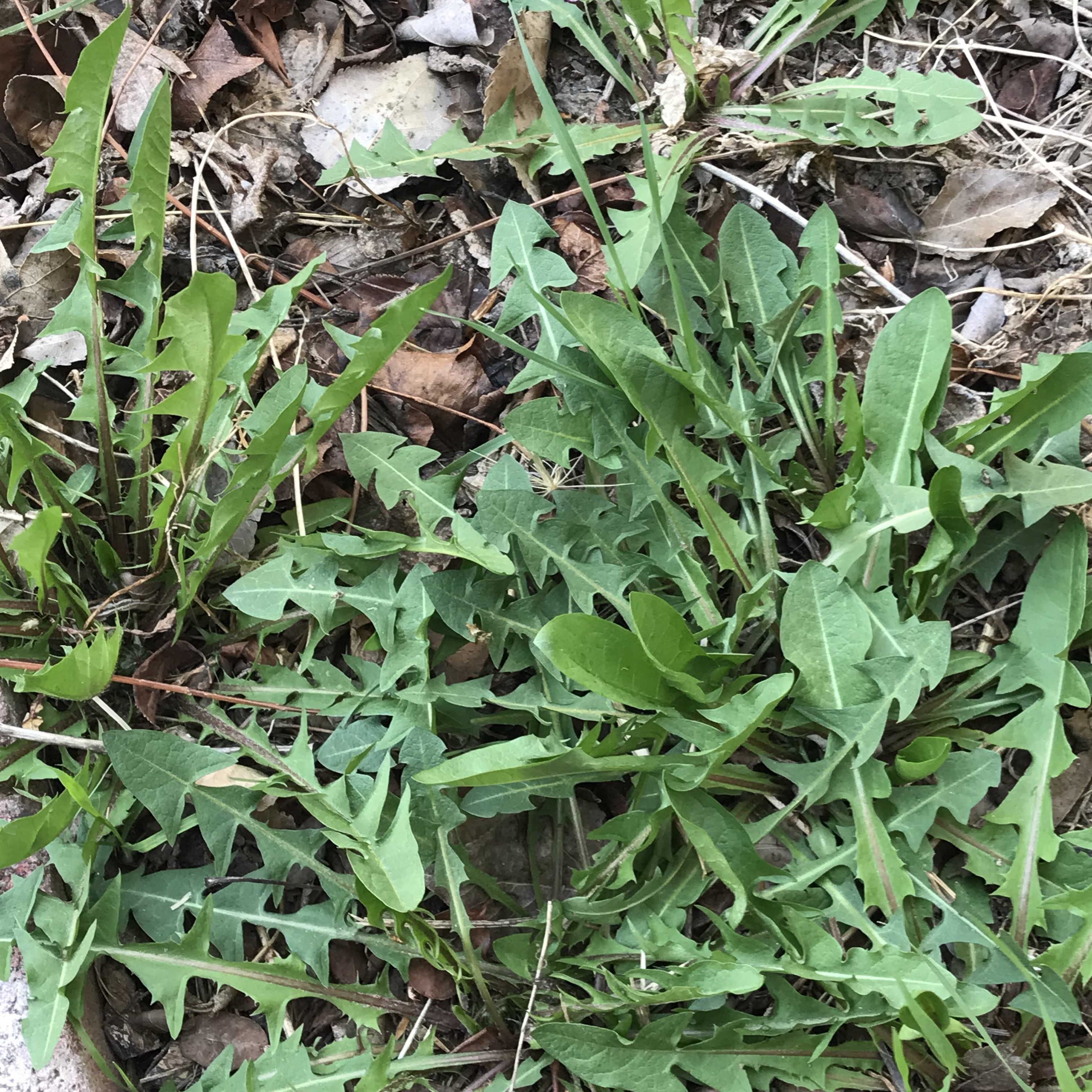
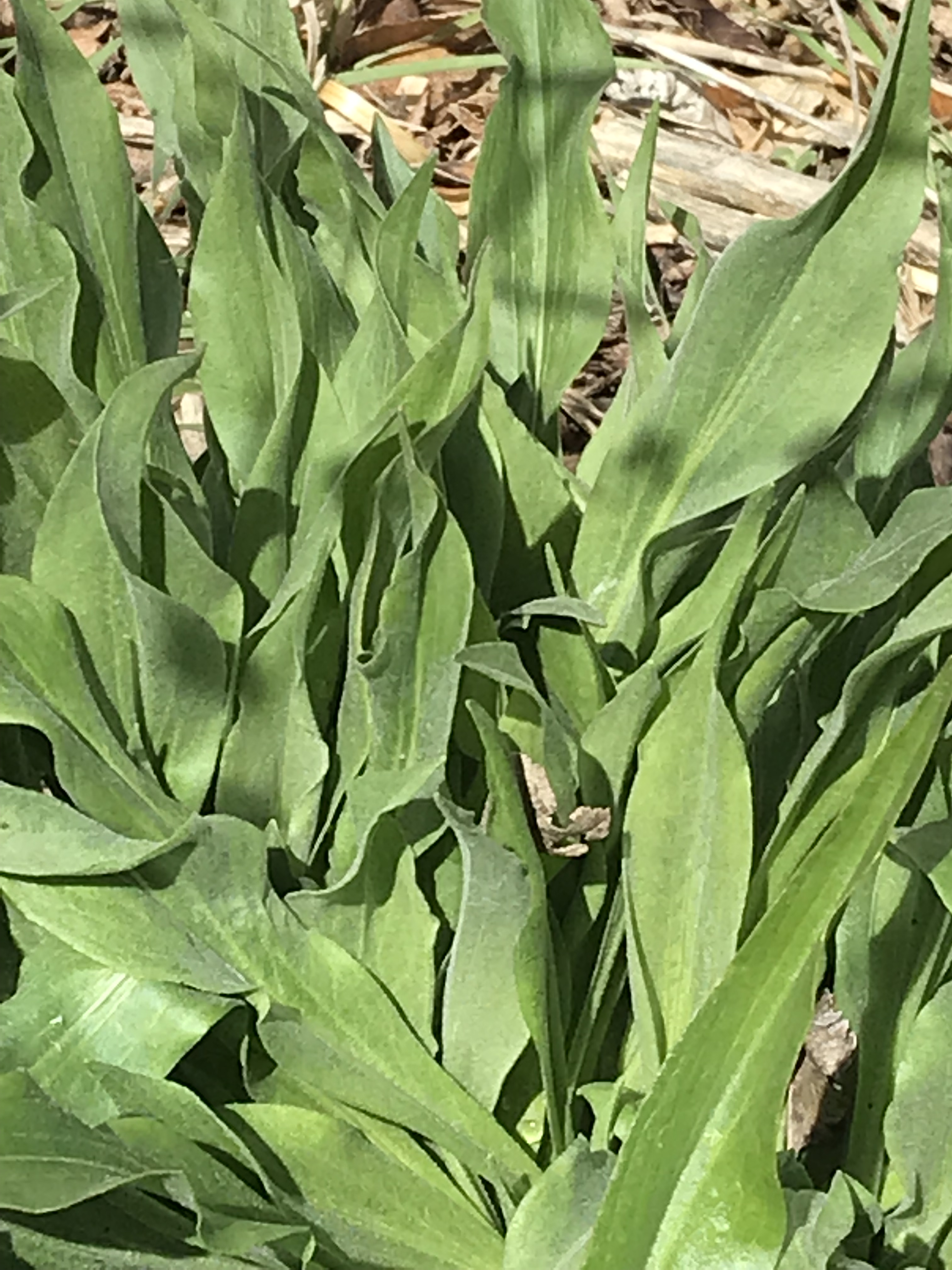
This is a great time to learn to use your weeds if you haven’t already. I actually had to buy seeds to have dandelions, but once you have them they are faithful kitchen friends every spring. If you don’t care for bitter greens, mix them with milder greens like nettles, scorzonera, bladder campion, and salsify, all growing lustily in my yard right now and all perfectly delicious when cooked. If you don’t know these unstoppable weeds, learn about them and plant them now or learn where they grow. Then spring will be a time of abundance, regardless of what’s going on in the greater world, and the less need you have for outside groceries, the more there are for someone else. Seal and freeze the extra to eat another time. If you have a patch of Egyptian or other perennial onions, you’ll always have seasoning on hand, and a handful of chopped oil-cured olives adds delicious umami.


Mixed cooked greens in the refrigerator can be eaten in tortillas with cheese, used to top rice with some butter and meat juices, or (most deliciously, in my view) spread on toasted sourdough bread and topped with fluffy grated flakes of good Parmesan.
After that will come the meaty delicious leaves from last year’s chard plants, mulberry sprigs, hops shoots, and who knows what all. This may be the year that I finally try cooking the newest Siberian elm leaves, instead of feeding them all to the animals. I’ll comb my foraging and permaculture books for other things I haven’t tried yet.

The reason to do all this is not that there is no food in stores. There’s lots of food, with strange exceptions currently caused by hoarding more than any actual lack of supply. The reason is to take yourself out of the hoarding mentality and into a frame of mind to nourish yourself well and realize that you will act responsibly and do as well as you can. Life is uncertain and COVID-19 even more so. Everyone is at risk right now, but if we are staying home responsibly when not working and minimizing risk to ourselves and others we’ll feel better. If we feel that we can get things for elderly friends and relatives so that they can isolate more effectively, we’ll feel better. And staying home to garden, tend animals, and forage in the yard feels a lot better than sitting around watching television.