Archive for the ‘greens’ Category

2015: Things That Worked

The long nights this time  of year are perfectly suited for curling up with seed and nursery catalogs, the most exquisite pornography available  and about as realistic as most pornography.  It’s also the time of year when I look back over what worked and what didn’t during the growing season.  So here are some things that worked, and some things that didn’t. Your mileage may vary.
image
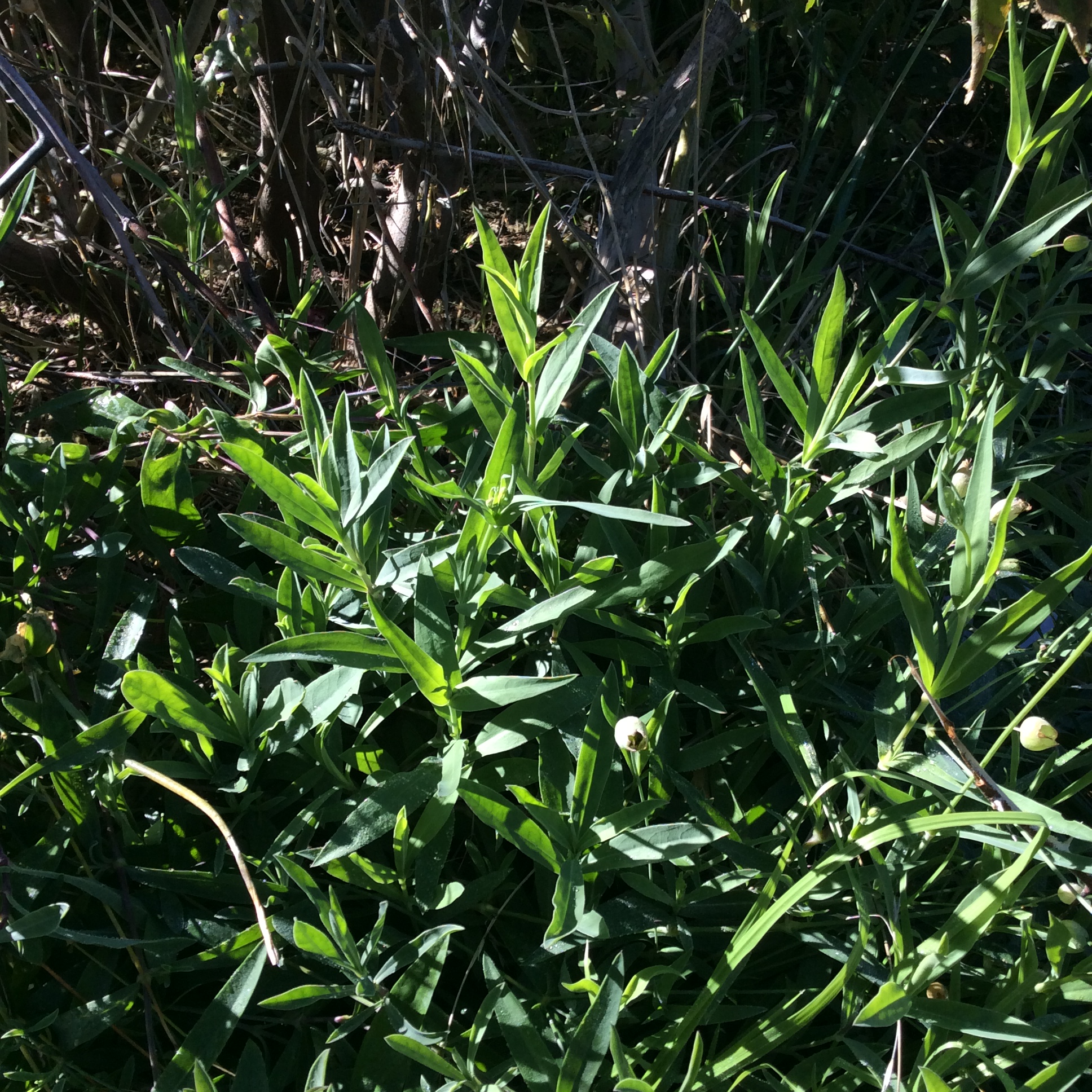
Silene, also known as bladder campion, always works. It is a common weed in many places, but not in my area, so I had to seek out seed and get it started. Treat it as a perennial and give it a spot where it can establish itself. The flavor of the young leaves is a very muted version of green peas, and the young stocks are tender. It is not exciting in flavor, nor is it a specially productive, but it is wonderfully available in latest fall and earliest spring, when little else is still thriving. It loses most of its volume when cooked, and I mostly use it in salads.
image
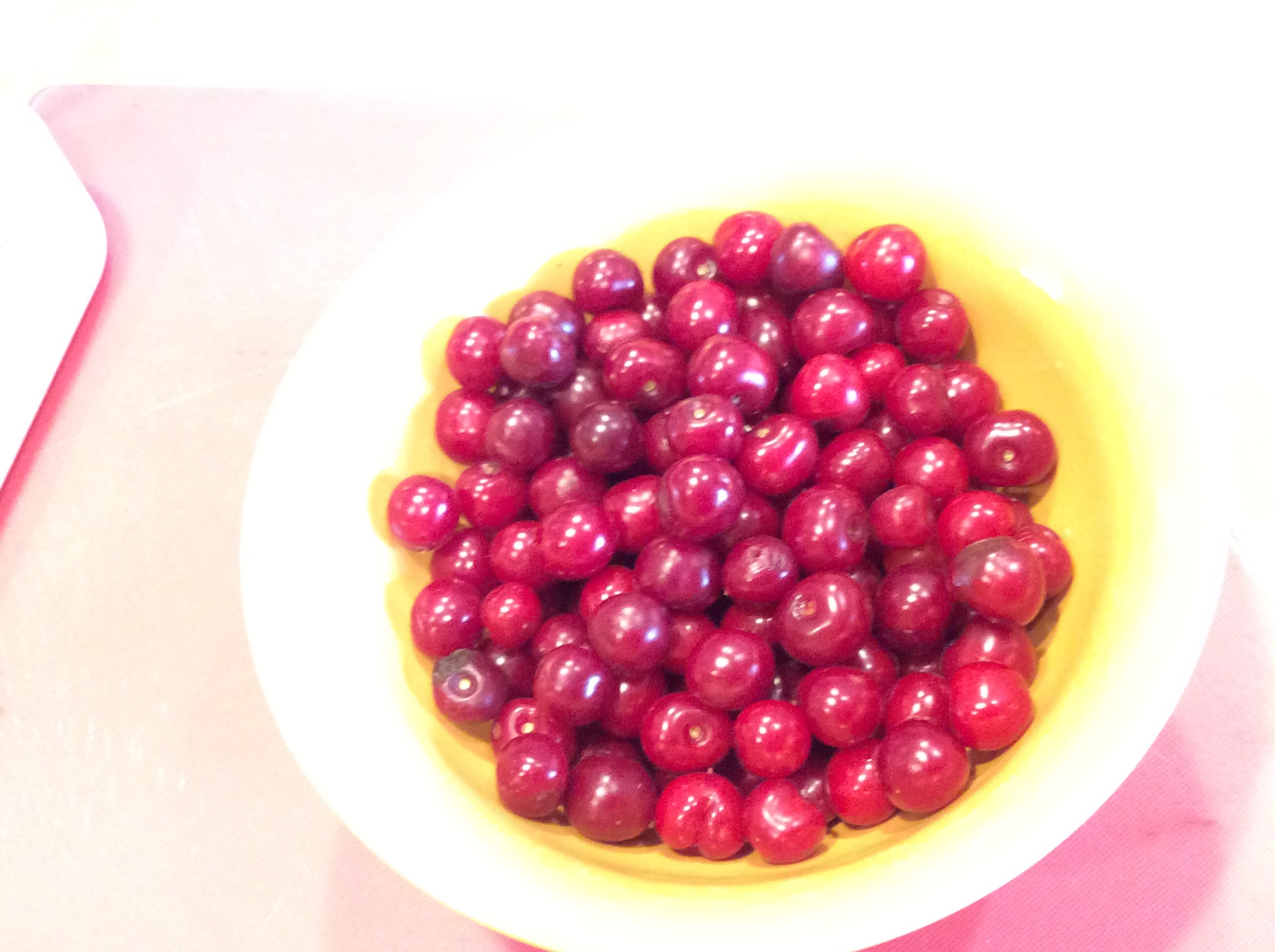
Sour cherries worked. My dwarf tree is five years old now and bearing nice crops. From that one small tree I made several cobblers and a full half-gallon of cherry liqueur. The tree also adds to quality-of-life, because in summer sunlight when hung with its hundreds of bright enameled fruits, it is beautiful enough to take your breath away.
image
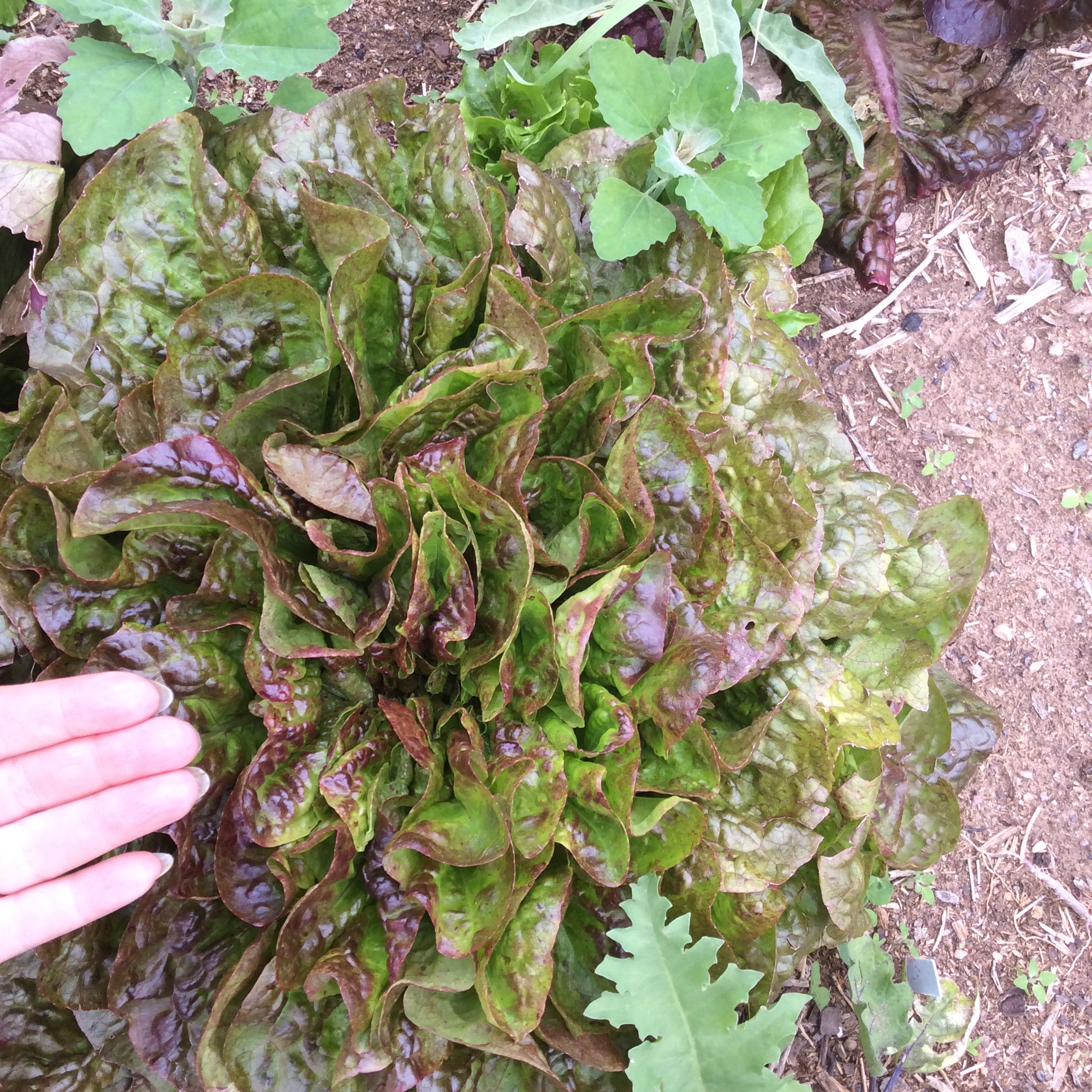
All the lettuces from Wild Garden Seeds worked. Their devotion to trialing their own crops really shows. Every lettuce variety and all the mixtures that I have tried from them have been wonderfully successful. Choose the size and color of lettuce that you want, and they will have something to suit your conditions.
image
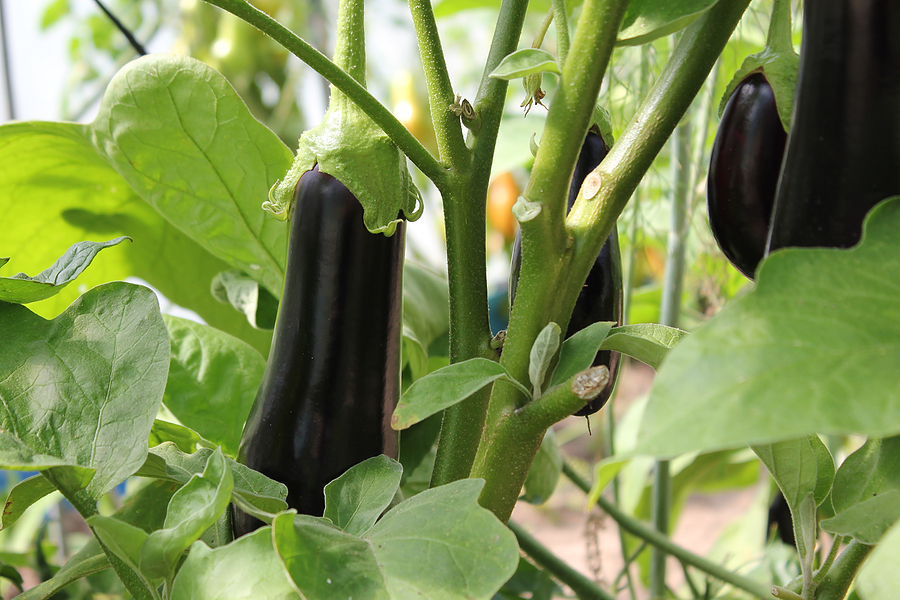
Grafted eggplants worked. The grafted tomatoes grew beautifully but so do my other tomatoes. The grafted eggplants, however, bore more fruit than ungrafted by a large margin. I consider them Roth the expense and I’ll be planting them again.
image
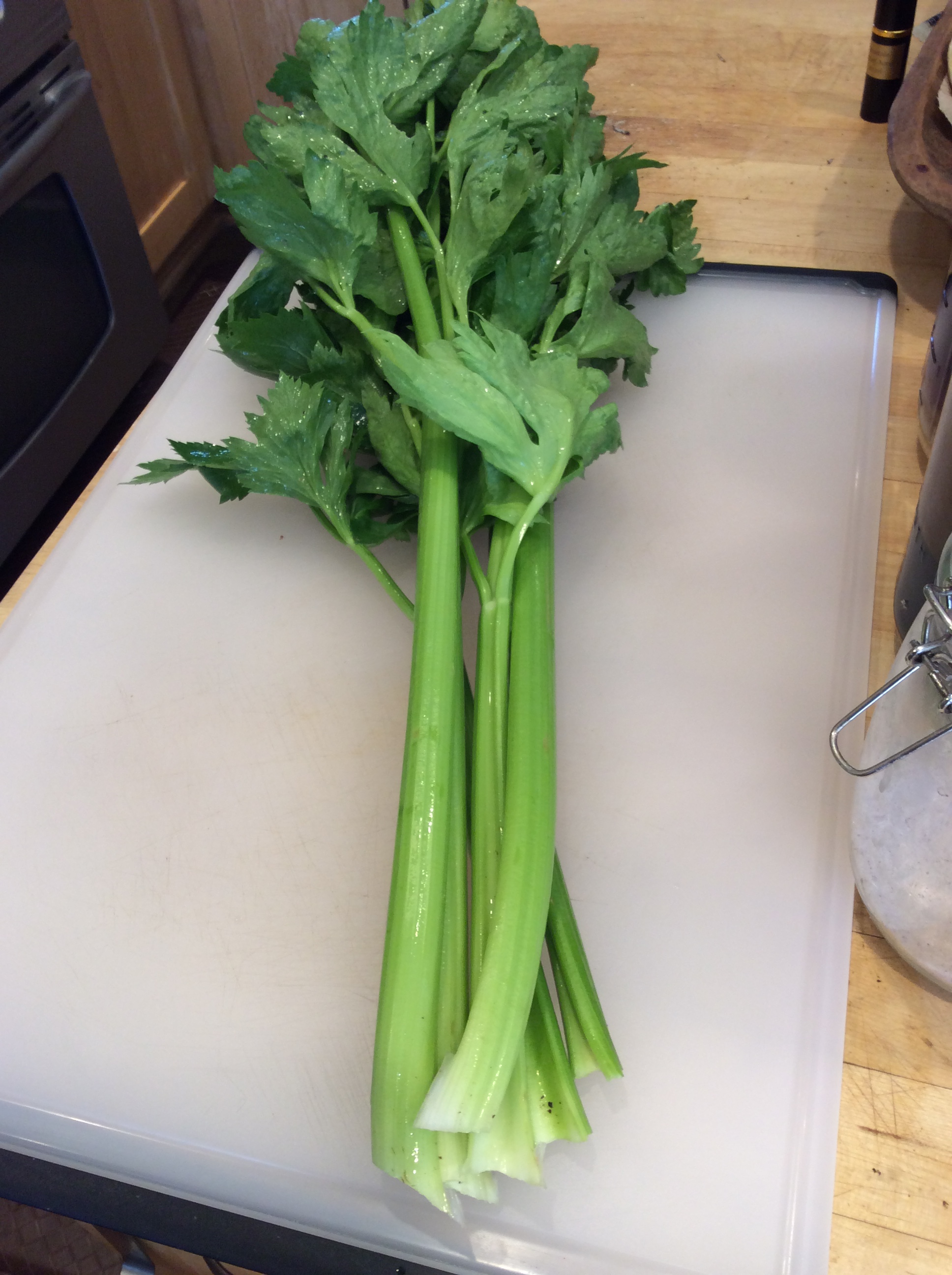
I put in some celery plants as a lark, and I’ll be planting more next year. They need the richest soil you have and some extra water, but they are sturdy and offer delicious crunching and cooking when the rest of the garden is going to sleep for the winter.
image
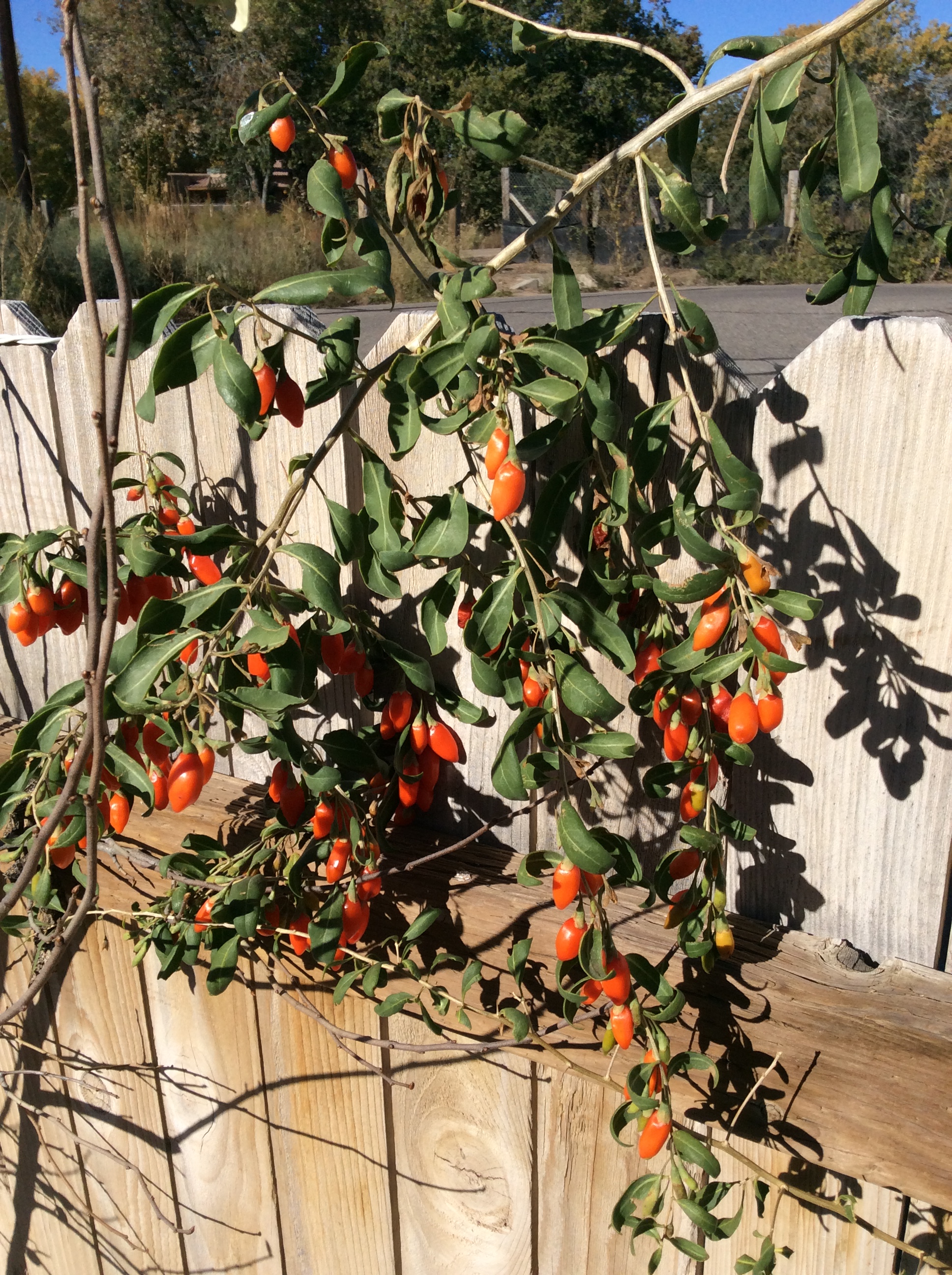
Goji berries worked. They need some extra water but not a lot, and the berries are pleasant out of hand and in salads. They offer maximum antioxidants for minimum carbohydrates.
image
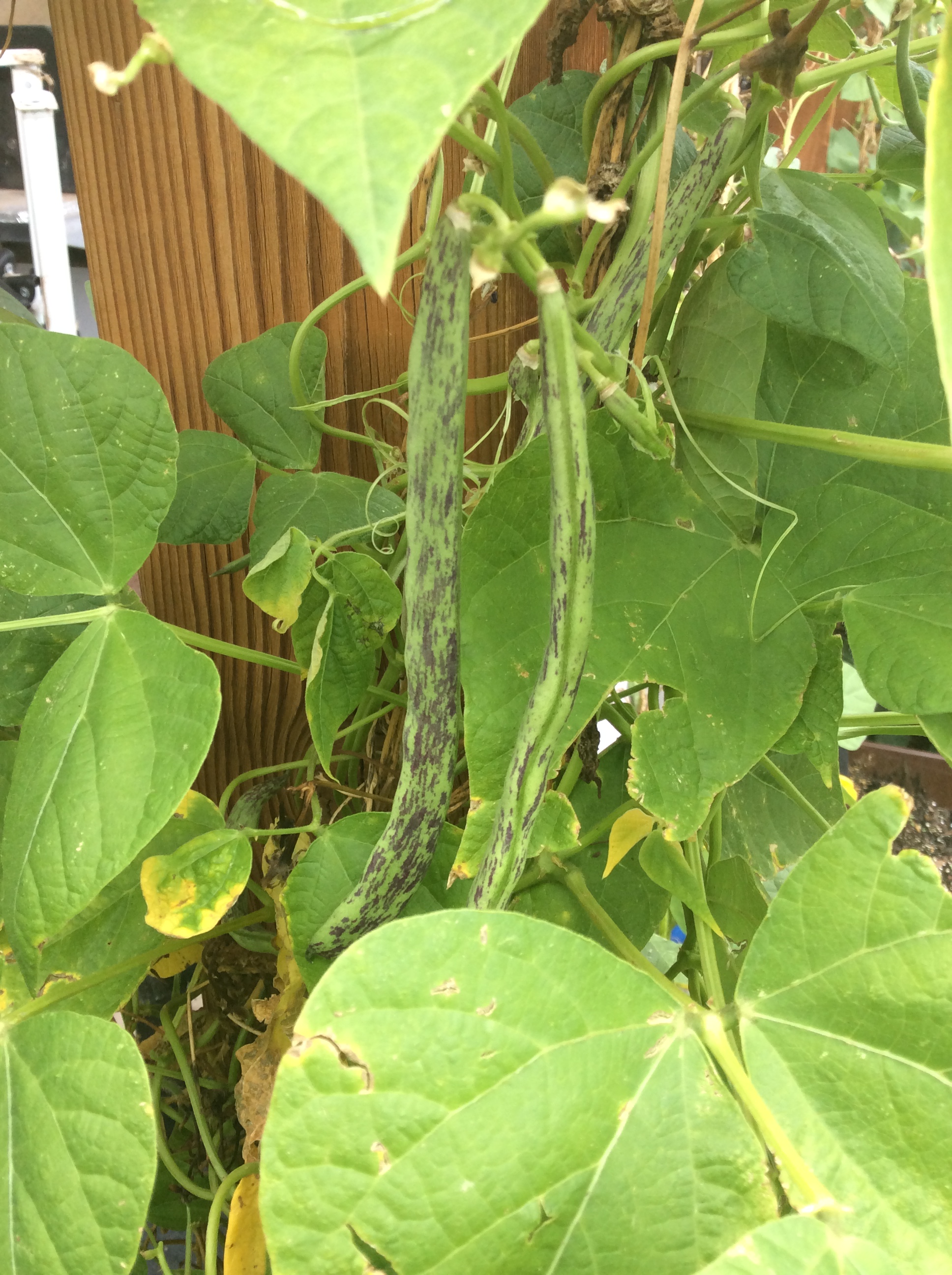
Rattlesnake beans worked. They are hard to stop. The pods have a very good flavor if picked young but do need stringing, no matter what the seed catalog says. They get quite tough as they age, so pick them over every day or two.

Every year I try some new things, and some work out and some don’t. In most cases a failure only means that you’re out a few dollars’ worth of seeds, so garden boldly.
The Greens of Fall: Nasturtiums II

image

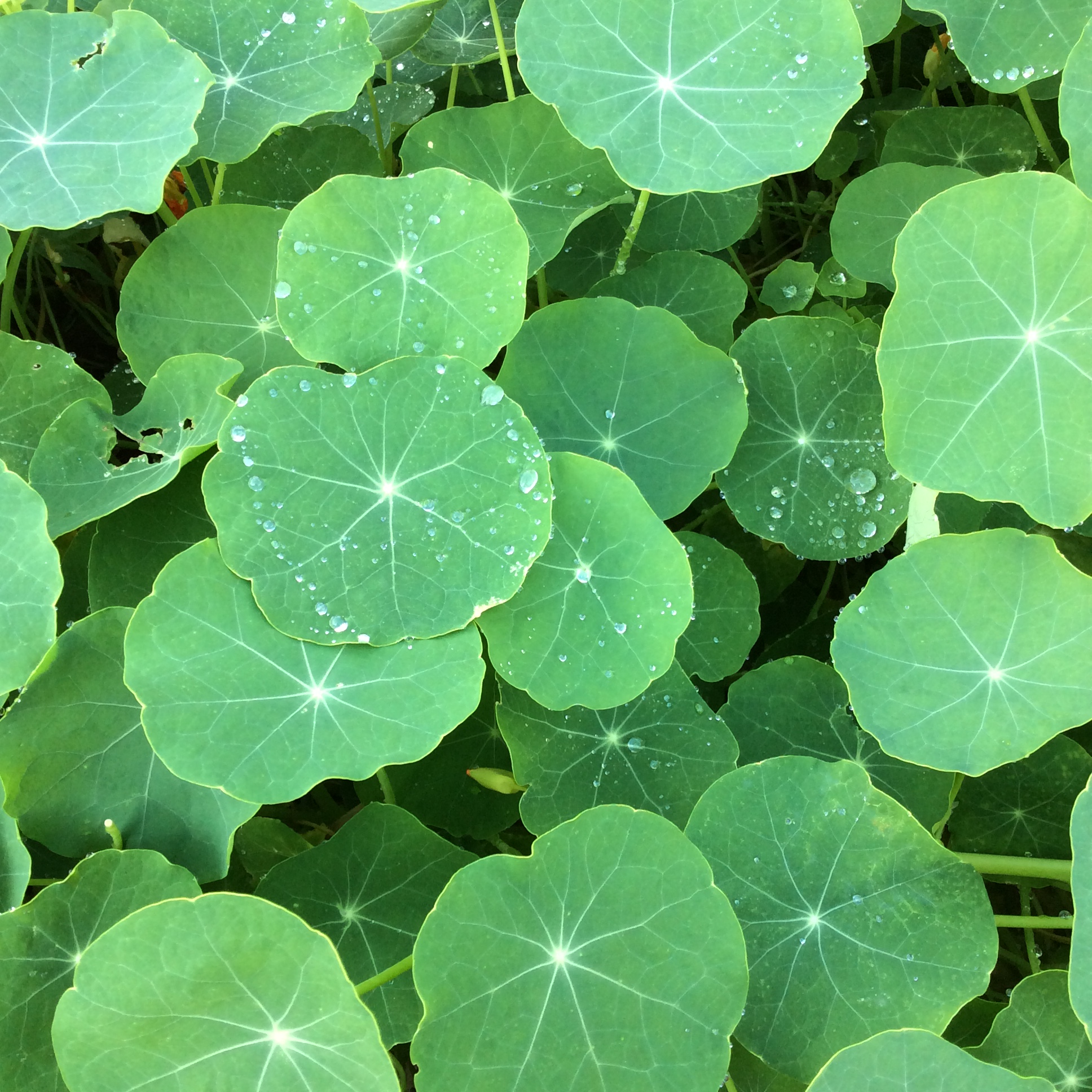
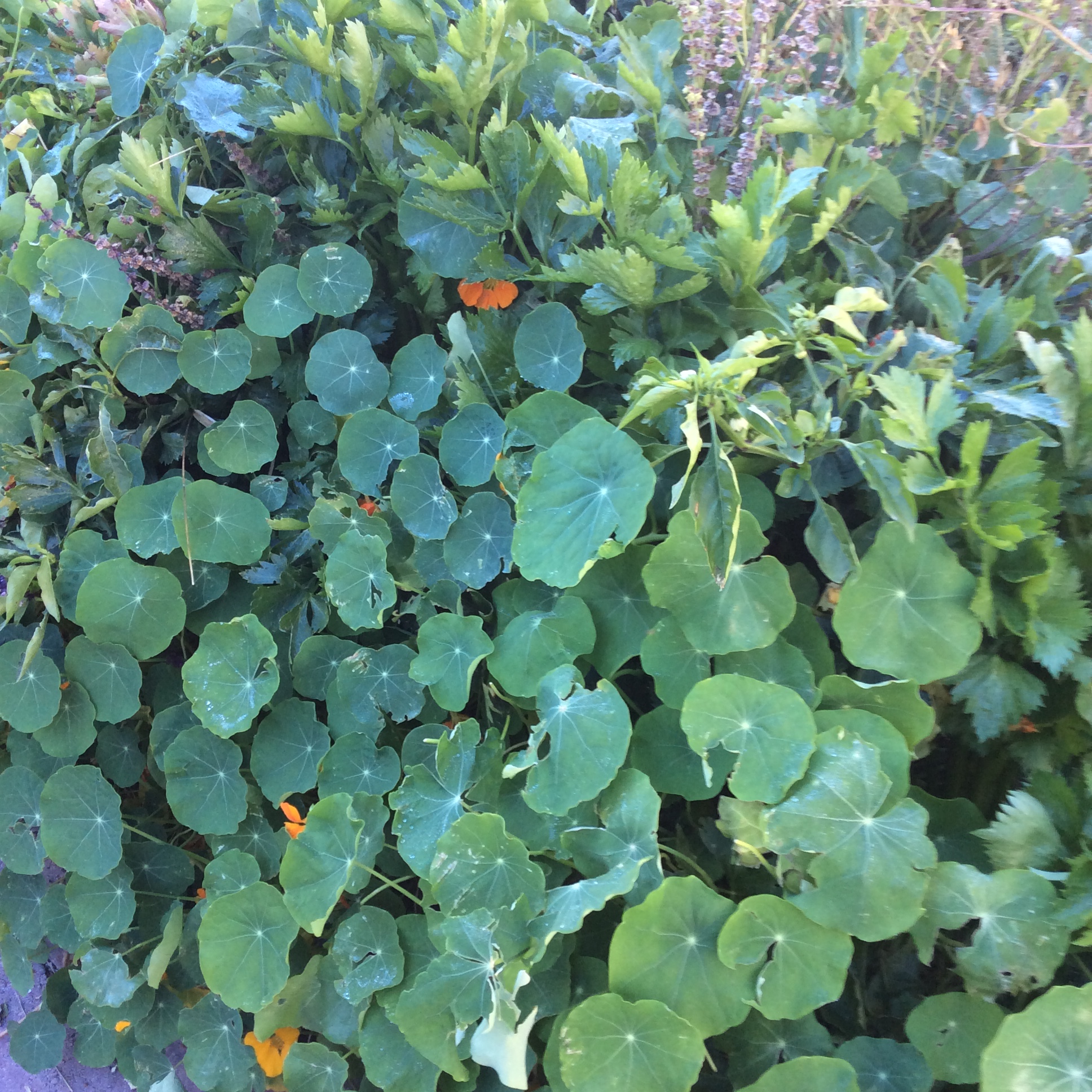
After several light frosts and a couple of hard frosts, the nasturtiums in my front yard are still holding their leaves in good condition, and still blooming a bit.  They won’t last much longer though, so this is the time to take advantage of them.  They are always good in salads or used to make hand rolls as suggested in my last post, because they combine a snappy watercress peppery flavor with a tender texture.  Cooked, they lose a lot of their sharpness but remain delicious.

image

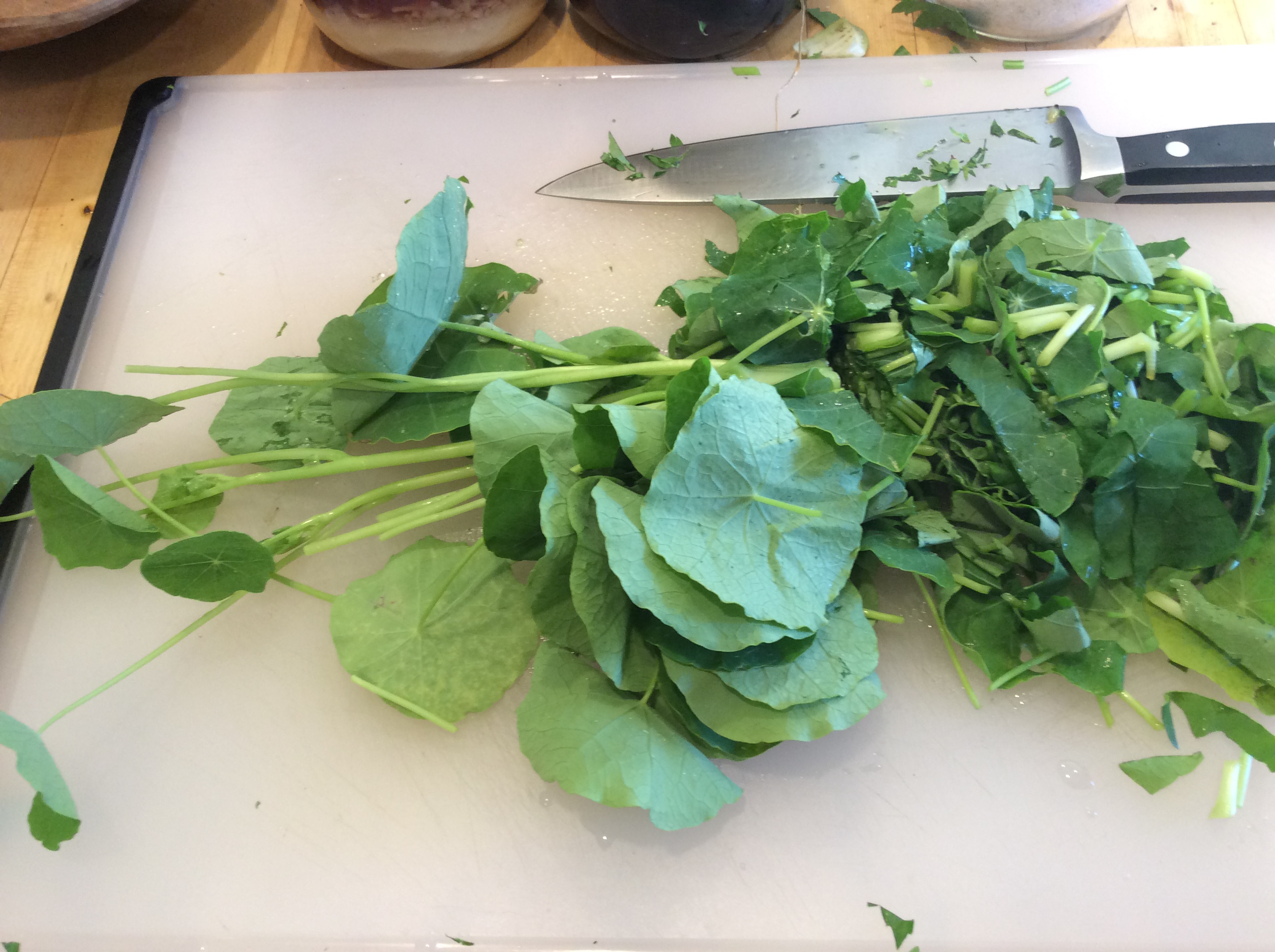
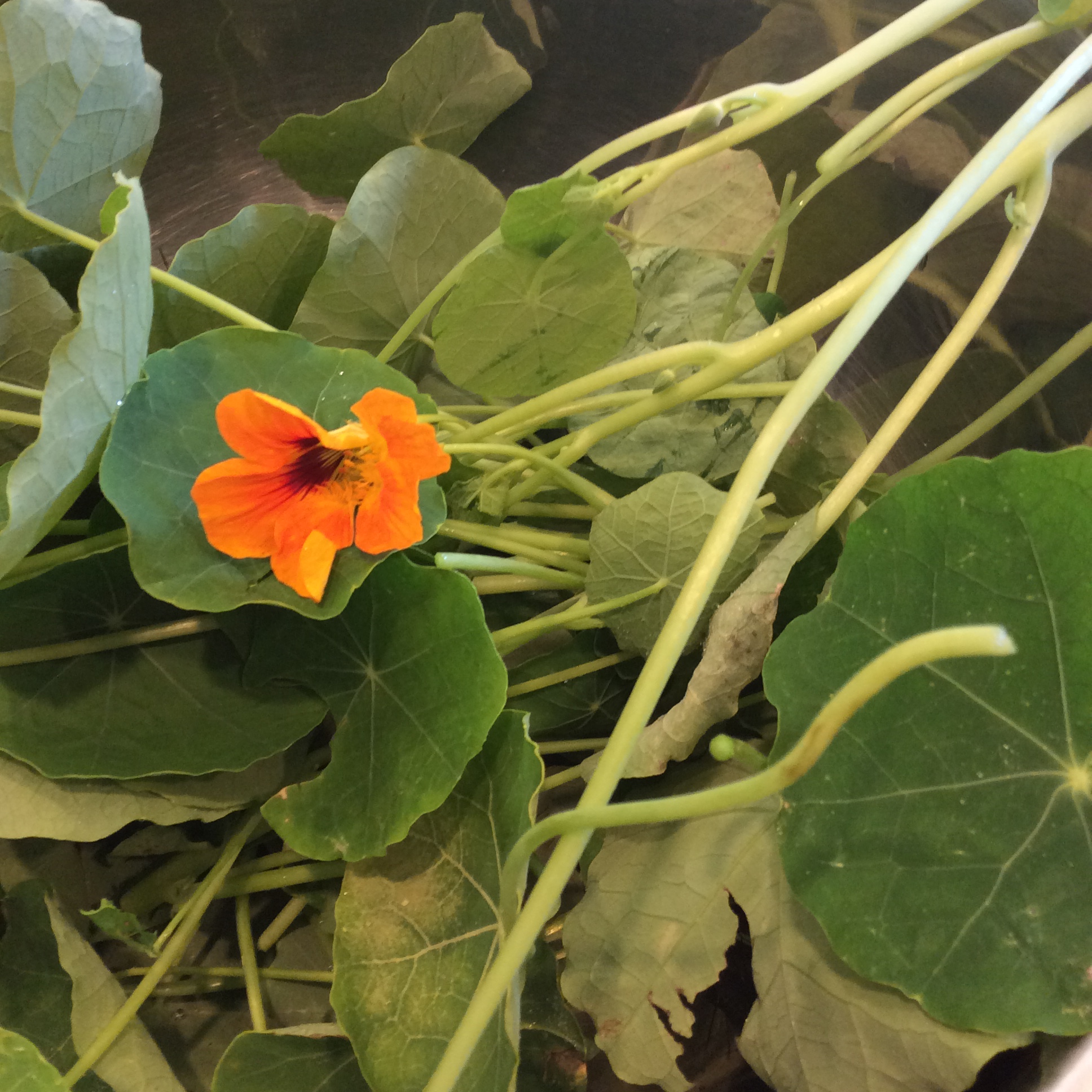
I grow the trailing nasturtiums that wind so nicely among other things in the bed, and at this time of year I grab about the last foot of stem. I snap them off wherever the stem snaps cleanly, which is usually while they are still smaller than a pencil. I take everything above that into the kitchen  for cleaning. I wash them and lay them out on the cutting board. The flowers are devoured on the spot as a cook’s treat, or can be saved for the top of a salad.  What remains is cut crosswise into half-inch segments. It’s important to keep them out about this length, or the stems can seem fibrous.

image

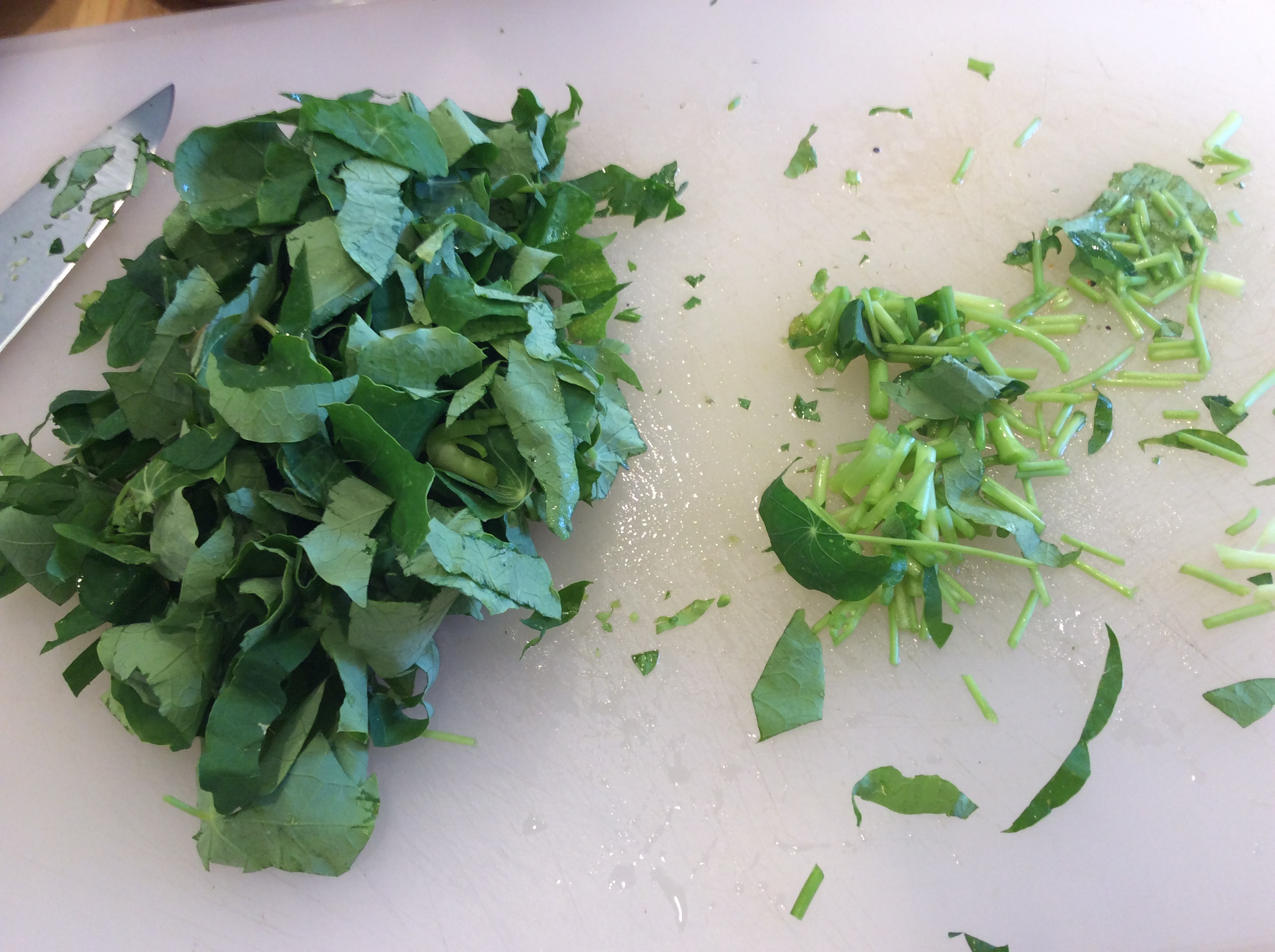
Now  stir the sections around a bit with your fingers, then lift off the leaves which are mostly on top and set them to one side, leaving most of the stem segments on the other. There will be a few of each item in the pile of the other, and it doesn’t matter.  This step is so you can give the stems a bit more cooking than the leaves.

image

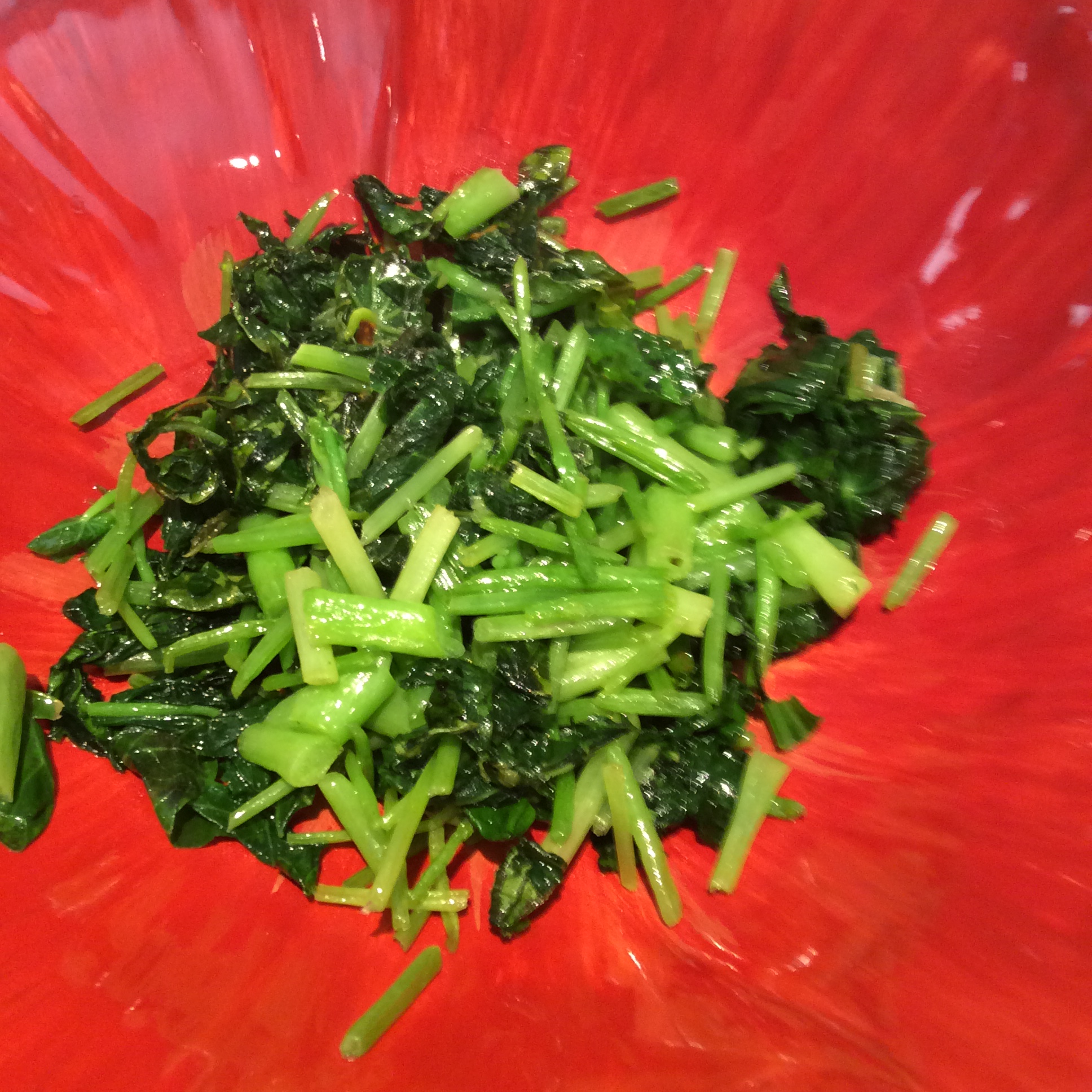
Now, cook them in any way that you would use other greens, cooking the stem sections for a couple of minutes longer than the leaves. I have two favorite ways. One is to sauté them fast in a tablespoon or so of hot flavorful olive oil, putting the stems in, sautéing for two minutes, then add in the leaves and sauté in for another minute.  Serve with salt and freshly ground pepper. Simple and good.

image

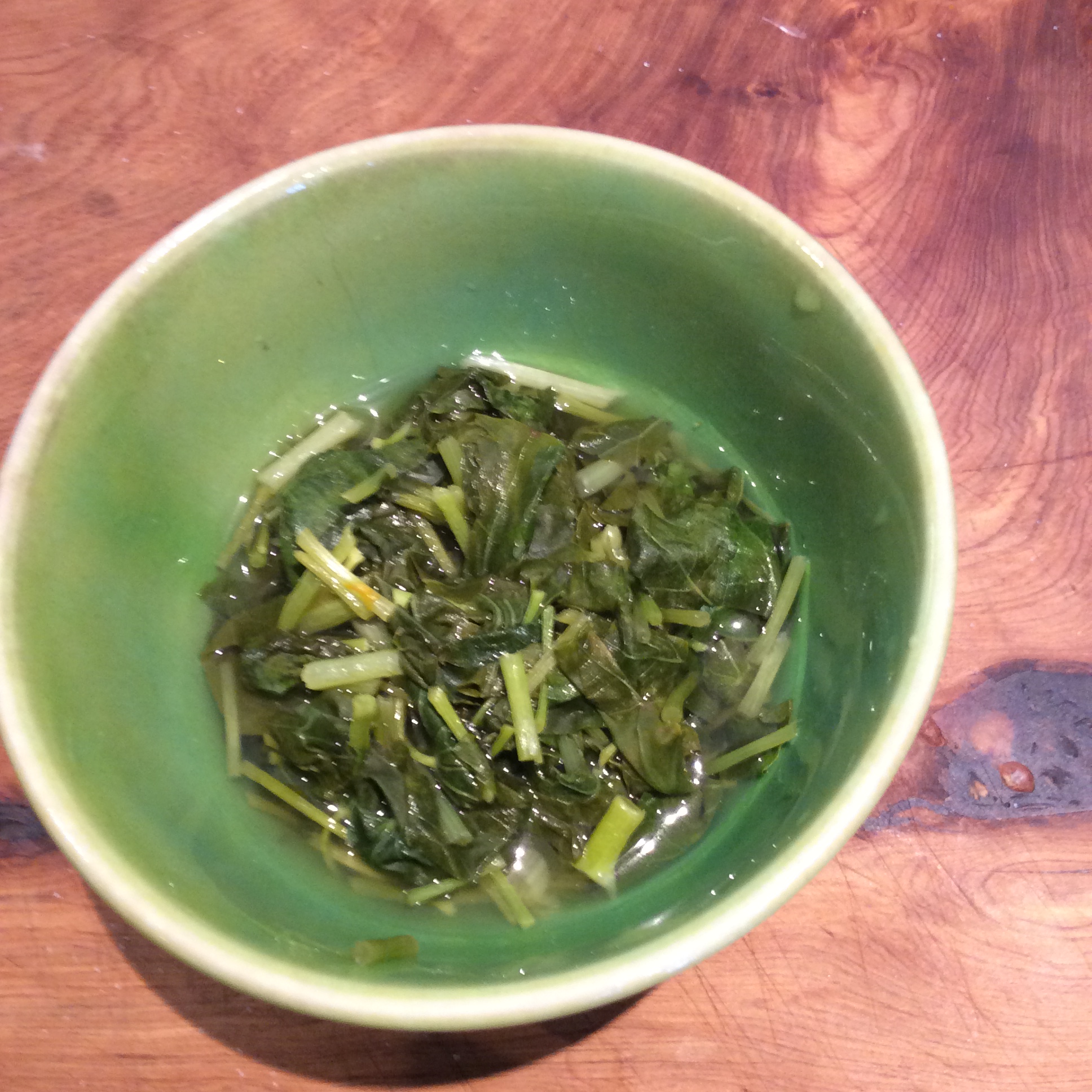
My other favorite use for them is a quick sort of sweet and sour pickle, which I like with grilled meat or dishes in the Japanese fashion.   For a heaping a handful of chopped nasturtium, eat half a cup of water in a small saucepan with 2 tablespoons of rice vinegar and 1 tablespoon of sugar or to taste, or you can use artificial sweetener if it is one that does well with cooking.  And a scant teaspoon of salt and bring to a boil. When it is boiling, put in the stems, boil for about two minutes, and the leaves, and take off the heat immediately and let it sit in the “pickling liquid” until room temperature.  serve immediately or keep in the refrigerator for a day or two.

image

For my taste the flavors in this quick “pickle” are too strong to use it as a side dish, but you could always use less vinegar and sweetening and salt, and use it as a side dish if you prefer that. When I was growing up in the south, collards were sometimes cooked this way, and I seem to remember that they were good.

Some people think highly of the nasturtium as a medicinal herb. If you wish to research this, please keep in mind that the nasturtium flower we are dealing with here is Tropaeolum majus, while  Nasturtium officinale is actually watercress.  This is why we use botanical names; in the long run, it avoids a lot of confusion.   In my view, the fact that they are green and lovely in cold weather and taste good is reason enough to eat them.


The greens of fall: Nasturtium

image
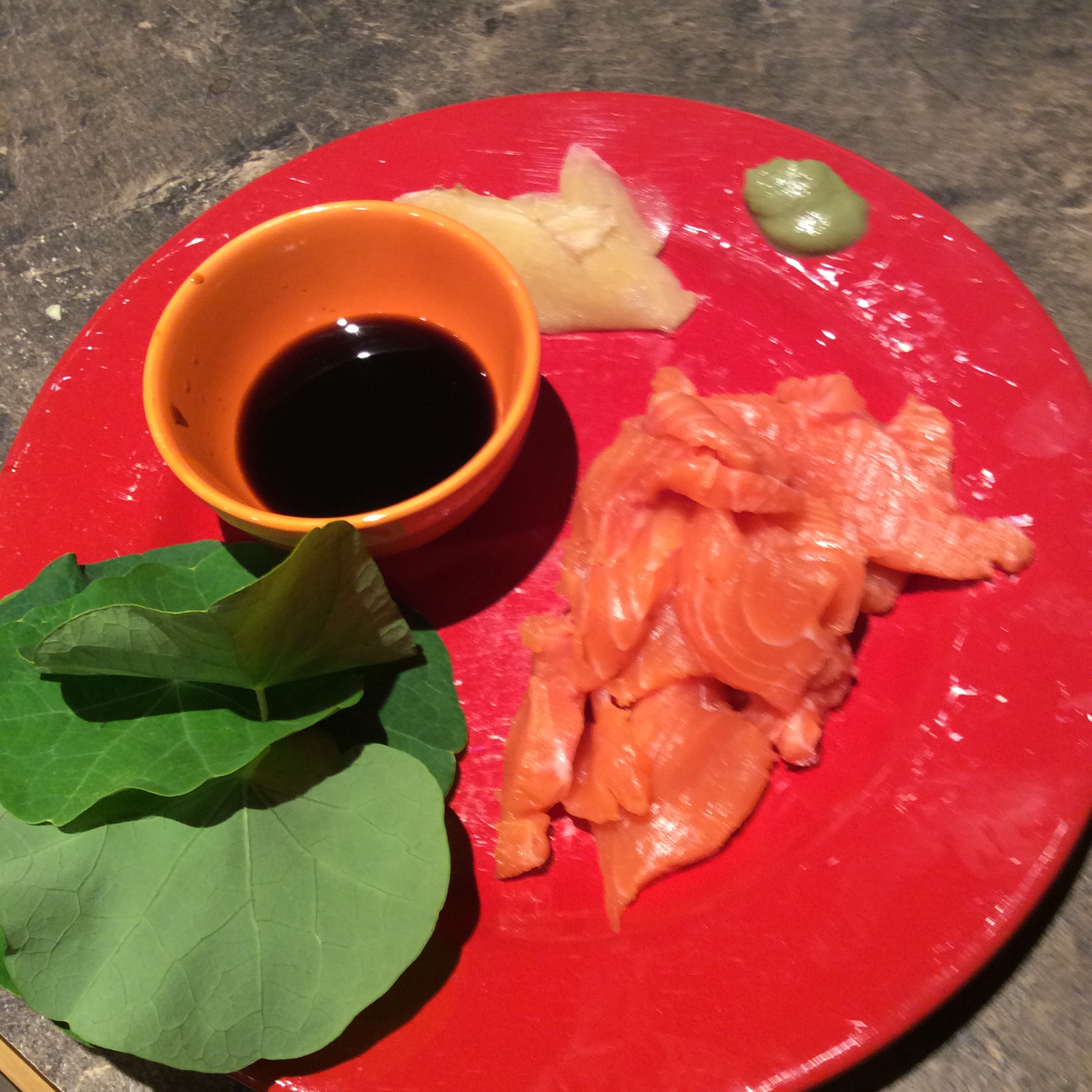
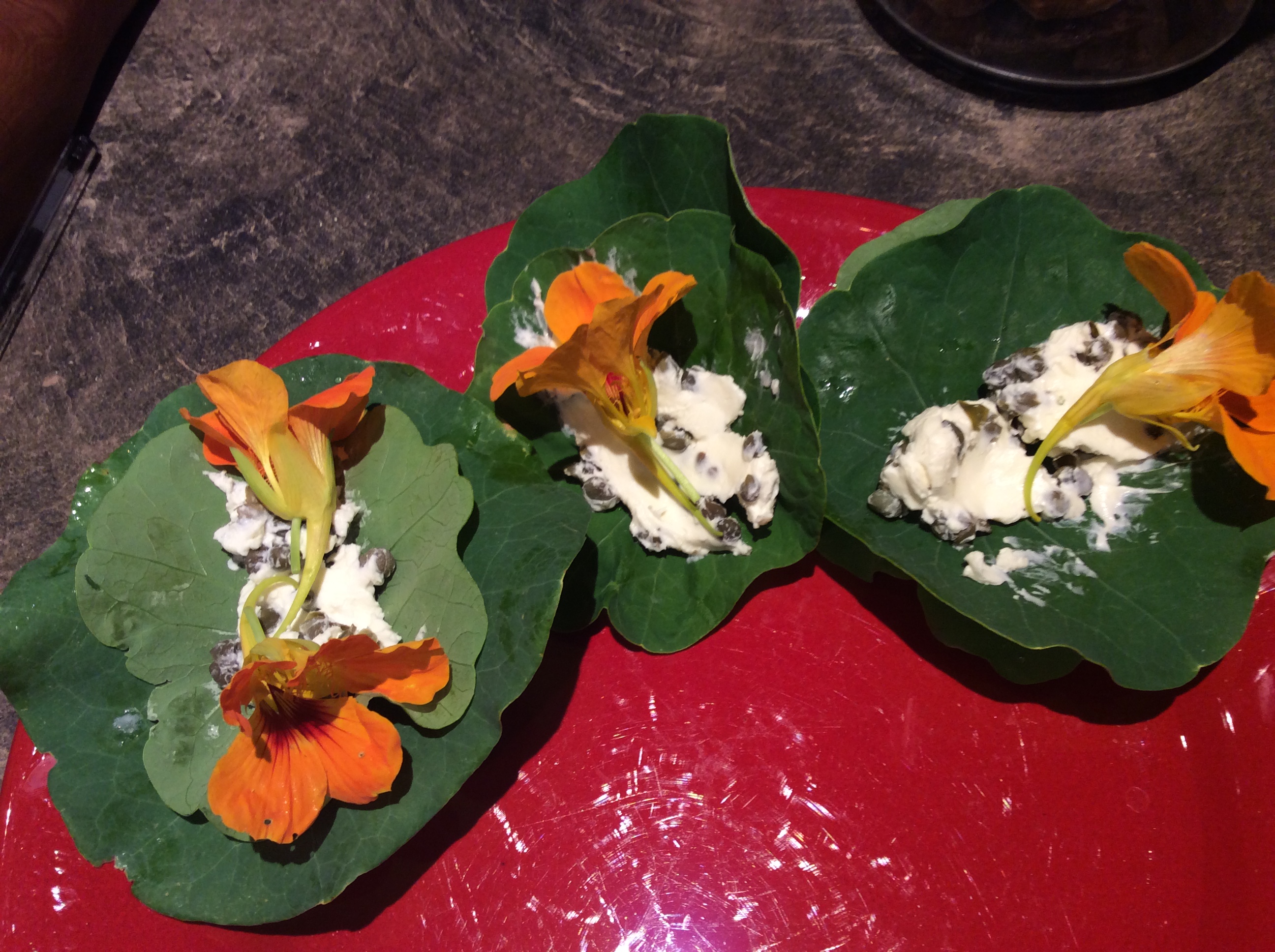
With the first frost behind us, there are parts of the garden that are just getting into full swing. This is the second great greens season. During the summer I enjoy the beauty of nasturtiums and put the flowers in salads frequently, as well as using the leaves here and there. After a frost, flower production slows way down but leaf production increases, and this is the time to use these wonderful tender leaves with the flavor of watercress. I use them fairly simply. The largest ones always become hand rolls, and my favorite things to put in them are cream cheese with capers and some of their own blossoms, slivered sushi salmon with pickled ginger and other accompaniments, and smoked salmon. I use two leaves stacked to make up each role so that you get a good watercressy flavor in each bite.
image
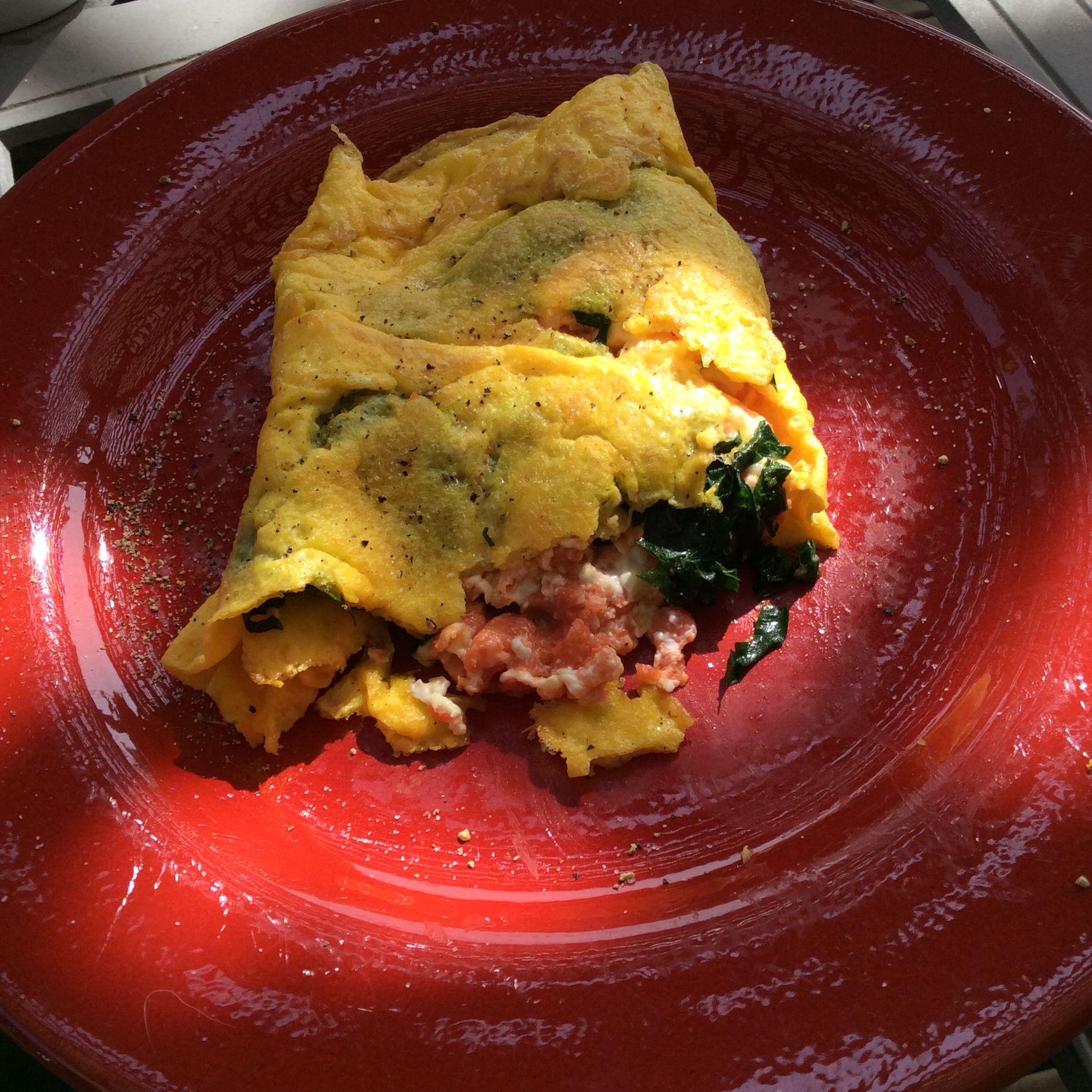
The smaller leaves go into quickly sautéed mixtures of greens and herbs that flavor omelettes. Green garlic is available again this time of year after the summer hiatus, and I like to chop up a small stalk of it leaves and all, chop up a packed pint of the smaller nasturtium leaves and a celery leaf or two chopped fine, and sauté them together quickly in butter and put them in an omelette of eggs from my own hens. Delicious. If you care to gild the lily by adding slivered smoked salmon and bits of cream cheese to the filling, it only gets better. If you can eat outside in the clear October sunlight, that’s best of all.
image
image

Integrating Your Weeds II: Amaranth

image
Amaranth is the second of my Holy Trinity of super-nutritious edible weeds. It is a creature of hot weather, and in my garden it’s appearing everywhere right now. Like lambs-quarters it will get huge if allowed to, and unless you have limitless room, your job is not to allow it to.
Consult any good wild-foods guide to identify it, and then assess how much of it you have. If your response is “OMG, it’s everywhere!” then don’t worry about propagating it. Your soil has plenty of seeds. If there are only one or two plants, proceed as for lambs-quarters the first season, and you will have amaranth in perpetuity. I have two varieties, one with smooth stems and one that forms small but unpleasant spines at the leaf joints, and I try to keep the spiny kind from ever going to seed.
Pick them when they’re about a foot high and have a nice large umbrella of leaves on top. I have no interest in eating stems, and I pull off the topmost part with all the largest leaves and add the rest of the plant to the mulch, taking care that it’s completely uprooted.
The greens are fairly mild but have a slight touch of the earthy flavor that’s so pronounced in beet greens. When grown in prime soil the flavor verges on meatiness in a delicious way, and my favorite way of cooking the greens adds other meaty umami flavors.
Wash a mixing bowl full of loosely packed leaves well and wilt them in a small amount of water, stirring frequently over fairly high heat until the leaves all look “cooked.” Drain them, saving all the cooking liquid. Return the cooking liquid to the pot and boil hard to concentrate it to a very small amount, maybe a couple of tablespoons (don’t turn your back on the pot or it will scorch.) Pour into a little bowl and save.
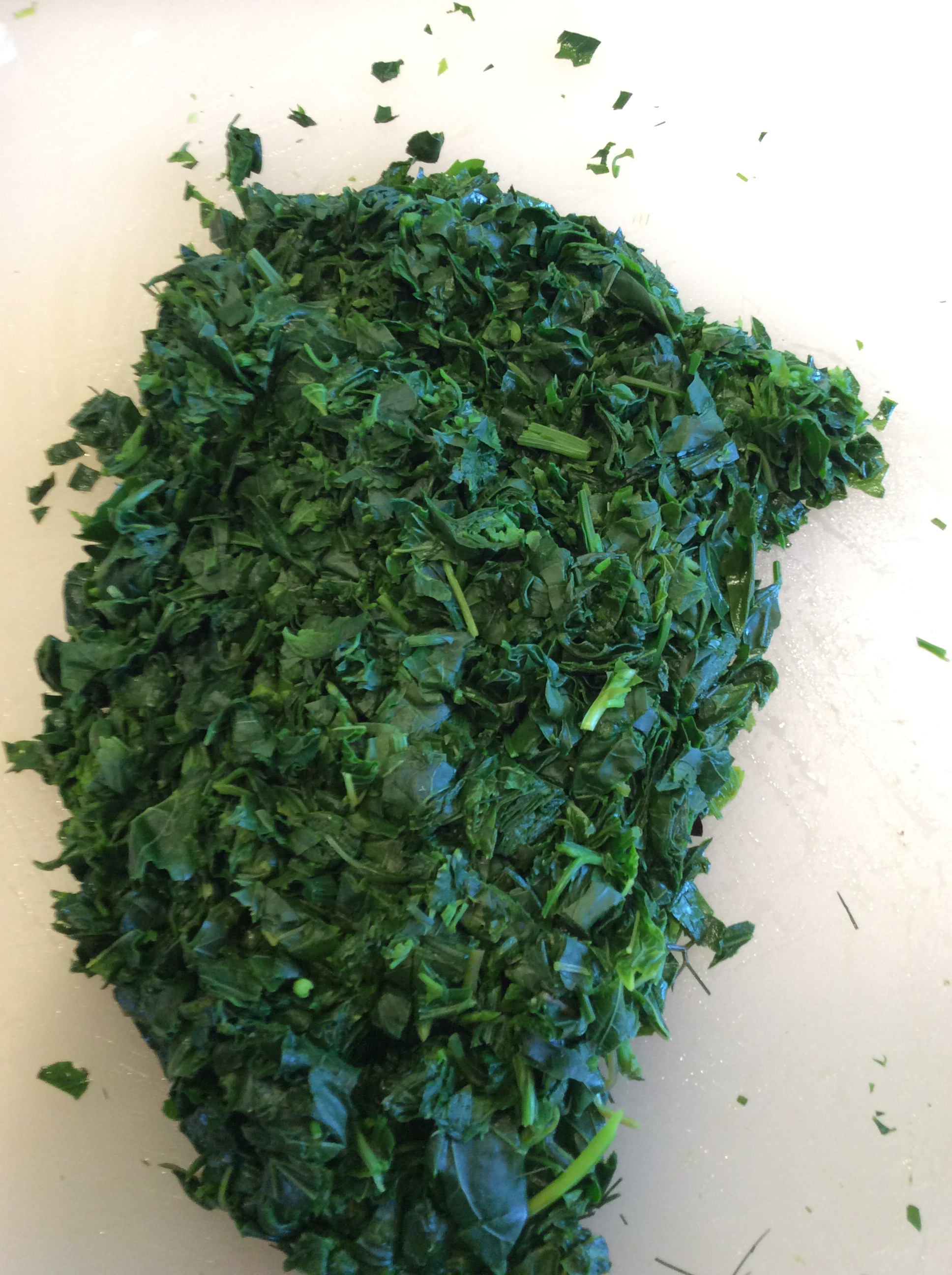
Chop 6 big green onions. Make a basic separation between white and green parts, but don’t get obsessive about it. Separately chop 6 big cloves of garlic. Heat about a quarter cup of olive oil in your largest skillet and cook the white parts over medium-high heat, stirring frequently. When they begin to look a little translucent and “cooked,” add the green parts, cook another couple of minutes, add the garlic, lower the heat to medium, and cook a few minutes more. Meanwhile, put the lump of blanched greens on a cutting board and chop fairly finely in both directions.
image
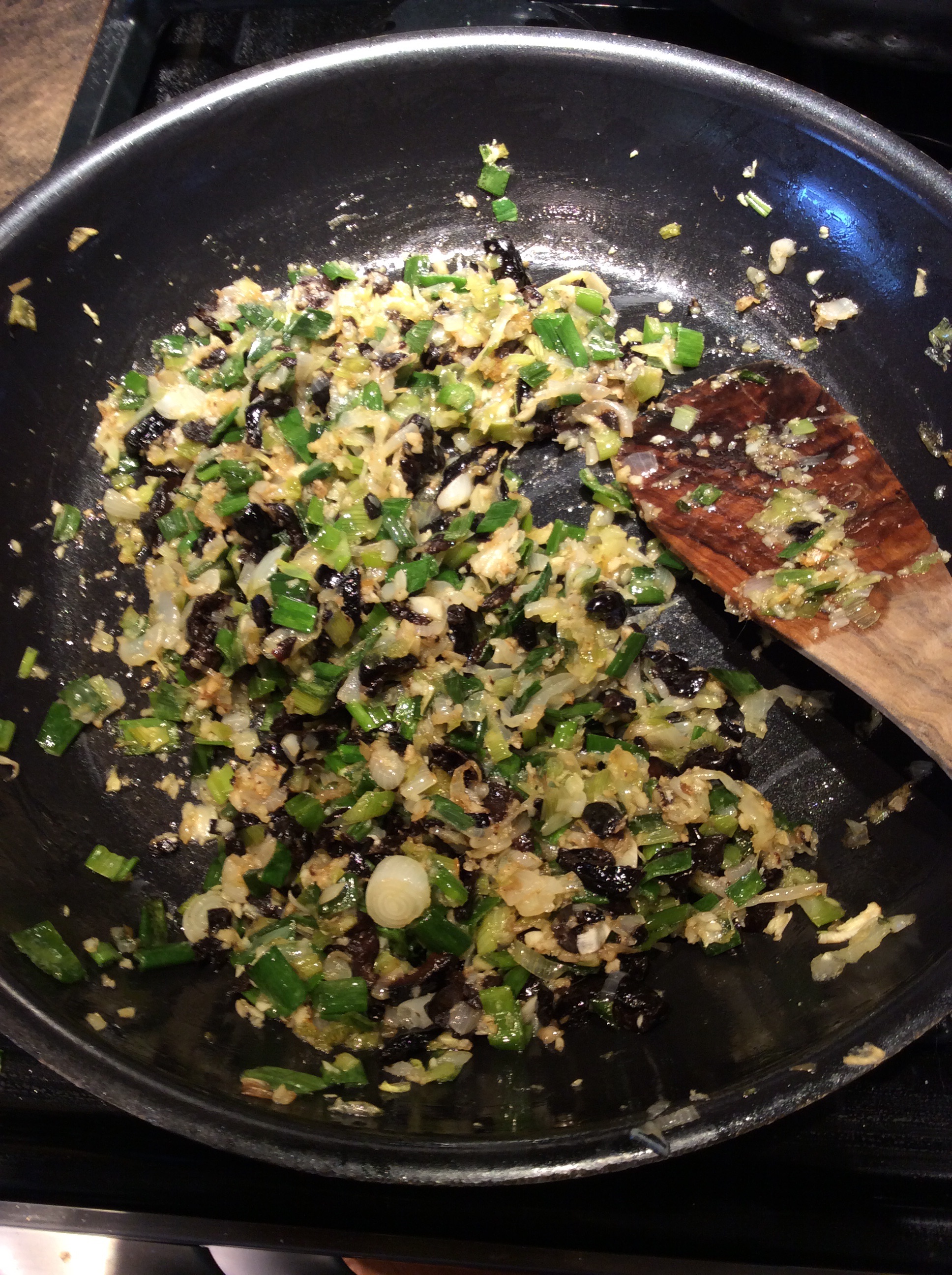
When the garlic looks cooked but has not colored at all, add a handful of pitted chopped oil-cured olives to the sautéed mixture and cook another minute.
image
Add the cooked chopped greens, the tiny amount of cooking liquid, a teaspoon of Spanish smoked paprika or, if you like heat, the same amount of ground chipotle chile. Add a small handful each of chopped parsley and chopped fennel fronds. If not cooking for vegetarians or vegans, add a smashed anchovy fillet or a dash of fish sauce. Cook the mixture over medium-low heat for at least 20 minutes, periodically turning it to get it all completely cooked (a spatula works well.) Taste it, salt to taste, and cook a few more minutes to let the salt blend in. Serve drizzled with good olive oil as a side dish, or fill an omelette with it and add some feta cheese, or bake in phyllo to make a hortapita or little spanakopitas, or do whatever else you fancy with it. Back when I ate bread, I used to love to smear this stuff on slices of grilled baguette and put some grated Parmesan and pine nuts on top. I can remember once baking it in thin bread dough with a raw egg on top, so that when baked in a hot oven the egg came out cooked. You can add cooked chickpeas and bits of cooked meat for a real peasant dinner. It freezes well in vacuum-sealed bags to keep you healthy all winter. When served next to beef or pork, I top each serving with a bit of butter to add to the general animalic savor. I like to have it in the refrigerator for a super-healthy lunch, and it seems to taste best at room temperature.
DSCN0988
December 2009 014
DSCN0747
DSCN0153
Incidentally, the main reason for a poor result is not cooking it long enough. If it tastes grassy, keep going until it tastes good. Undersalting is another problem. Add salt cautiously because of the salty olives, but add enough.
If you don’t have a wild good guide that you like, get John Kallas’s “Edible Wild Plants: Wild Food From Dirt to Plate” and you will be glad you did.