Archive for the ‘edible landscaping’ Category

The Greens of Summer: greens for hot weather


From a nutritional standpoint, one of the best things that we can do for ourselves is eat leafy greens. Most people eat fewer leafy greens than they think they do. Recently my mother assured me that she ate lots of them, but when I pressed her about exactly what she ate, the only thing she could come up with was “spring mix.” Salads are nice, but they’re just the beginning of the leafy green vegetable story.
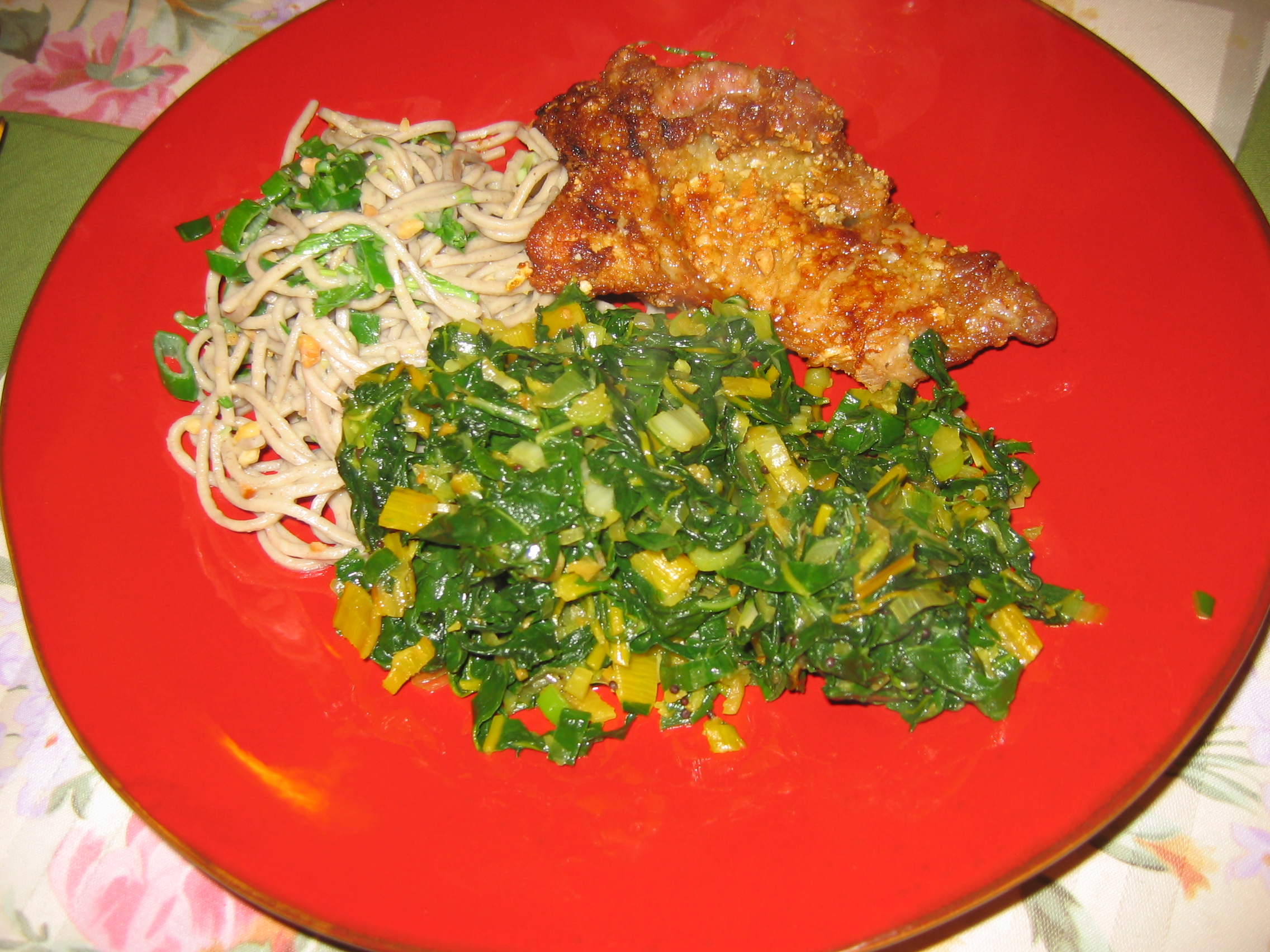
In Central New Mexico, it is easy to grow leafy greens in the spring and fall. It’s a little harder to keep a steady supply of nice tasty greens through the summer. Many greens such as collards and kale will grow through the summer but don’t taste good then. Fortunately there are a number of choices, and two of them will be with you whether you want them or not, so you might as well eat them. These are the common weeds lambs-quarters and pigweed. In my opinion only the tender tips taste really good, so I keep cutting them back to produce plenty of tips. Both are inclined to shoot out of bounds and get too big, and in that case I just pull them out and feed them to the chickens, since there will always be more young weeds coming along. Consult two good books on wild foods to help you identify them. Lambs-quarters is a mild green that can be blanched and used in any way you would use spinach. Pigweed, which is a variety of amaranth, is still fairly mild but has an earthy flavor rather like beet greens. Most kales taste too strong to me in hot weather, but Tuscan kale is pretty good in the summer, although I still like it better after the weather turns cold. Swiss chard is delicious all summer. The leaves of the common sweet potato, Ipomea batata, are a delicious and especially nutritious green vegetable relished in hot countries all over the world. As long as they get plenty of water, they thrive in our heat. All of the mallows are good heat tolerant greens. They are mild to the point of blandness and a little bit muciligenous. I use them as about 25% of greens mixtures to “smooth out” sharper greens, and as long as they are a quarter of the total mixture or a little less, they add a plush mouthfeel that makes the others taste better. . New Zealand spinach is delicious all summer as long as you keep the tips packed so that it stays bushy and tender and doesn’t go to seed.
This year I am trying some new ones. None of them are big enough to eat yet in my garden, but I mention them to get other gardeners thinking beyond the usual possibilities. Chayote, the mirliton of my Louisiana childhood, is widely grown in Mexico and the greens are used as often as the squash-like fruit. I am sprouting some to grow as greens, but they aren’t big enough to cut yet. I’ll. report on the flavor later. Quailgrass, Celosia argenta, is a heat loving green which is also very attractive. The winged bean and the cowpea are two legumes relished in Asia and Africa as leafy green vegetables, and they love heat. I am also trying Ethiopian cabbage and two fascinating tropical trees, Moringa and Chaya, which are valued as green vegetables in many parts of the world. Again, I will write a post about them when I have tasted them. If you are interested in expanding your range of possibilities I would refer you to the interesting website of ECHO; they have a display food garden in Florida where they grow many of these “alternative” possibilities and they do sell seeds for some of them. Bountiful Gardens is another good source for unusual seeds, and Baker Heirloom Seeds always has some interesting goodies to consider.

Having caught your greens, you now need to wash and cook them. Gritty greens are gruesome. My own method is to soak them in enough cold water to cover them generously for at least one hour, stir them around with my hands, lift them out of the water and discard it (put it on a garden bed, not down the drain,) rinse the bowl clean of grit and cover the greens with cold water again, stir with the hands, lift them out and discard the water again, and repeat the whole process once more. I have an 8-gallon plastic food grade bucket for this purpose, which I got at a brewing supply store. I don’t do it in the sink because then I couldn’t use the water to water the garden. Using this method, I never have any gritty particles in my greens. The initial soak seems to be important in loosening any attached dirt.

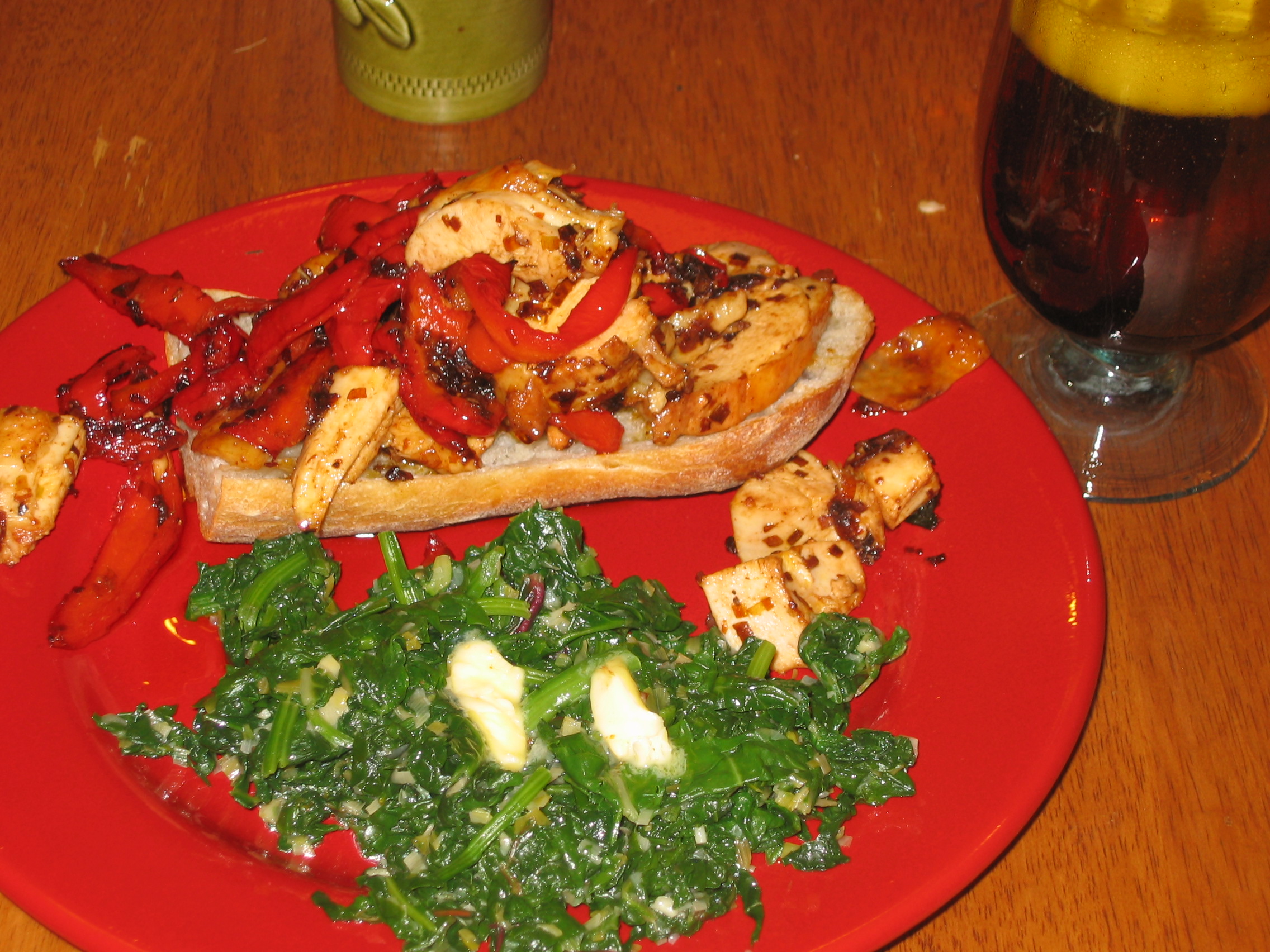
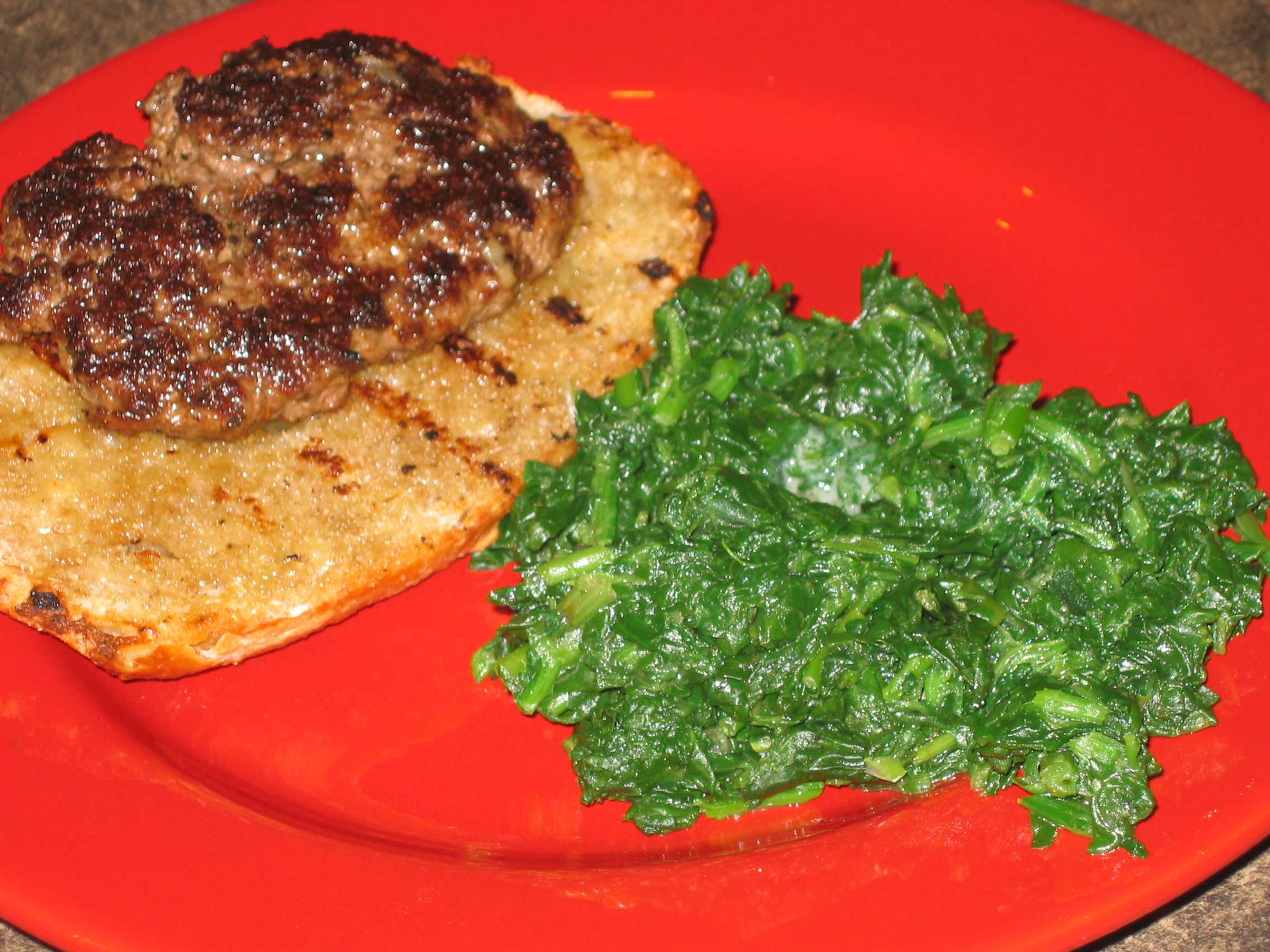
Now, on to the cooking part. My website and blogsite (click “greens” under Categories) are full of recipes for greens, but often I just blanch them until tender and serve with butter, a squeeze of fresh lemon, and a little salt and pepper. I picked up another good simple method in Hawaii, where many cooks have found that a combination of butter and a little soy sauce tastes wonderful. It doesn’t taste particularly Asian, just delicious. I like to add a little garlic to the combination. This is too simple to present as a formal recipe. Blanch 1 pound of greens until tender, drain them and press out all excess moisture, and chop them. Chop up one large or two small cloves of garlic, sauté them in 3 tablespoons of good grass-fed butter until cooked but not colored, and a tablespoon of best soy sauce, and toss with the cooked and chopped greens. Reheat briefly if necessary and serve.
The Perfect Brunch, and notes on the Los Ranchos Farmers’ Market


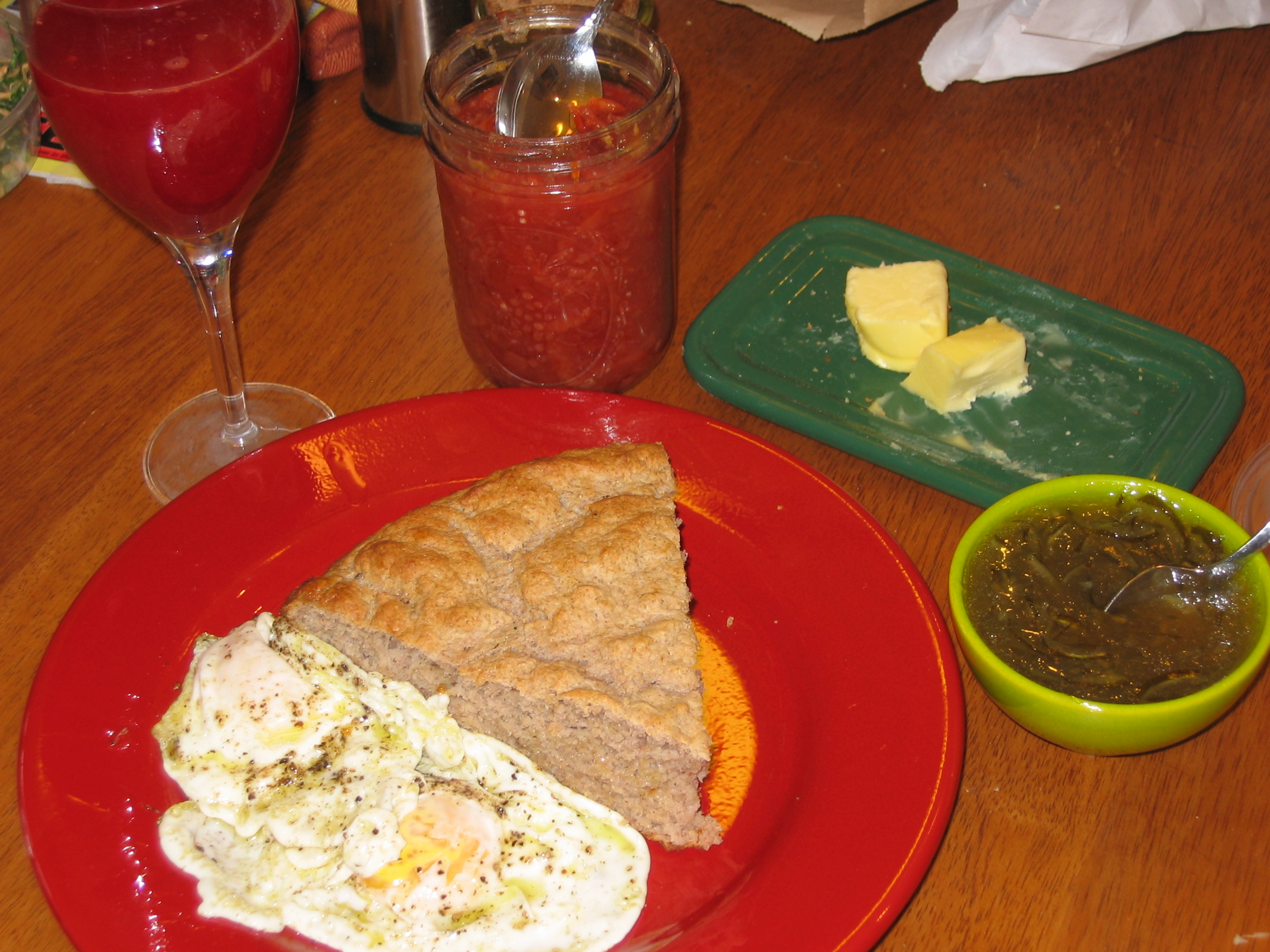
For the gardener and urban homesteader weekend mornings are a busy worktime, with plenty to do and (usually) cool and pretty weather in which to do it. But after a few hours, it feels good to relax with a perfect brunch. To me, the essence of the perfect breakfast or lunch is simplicity. This is not the time for fuss. Its simpicity relies on perfect ingredients, and that gives me a chance to showcase some of my favorites. Please let these good suppliers know that Local Food Albuquerque sent you.

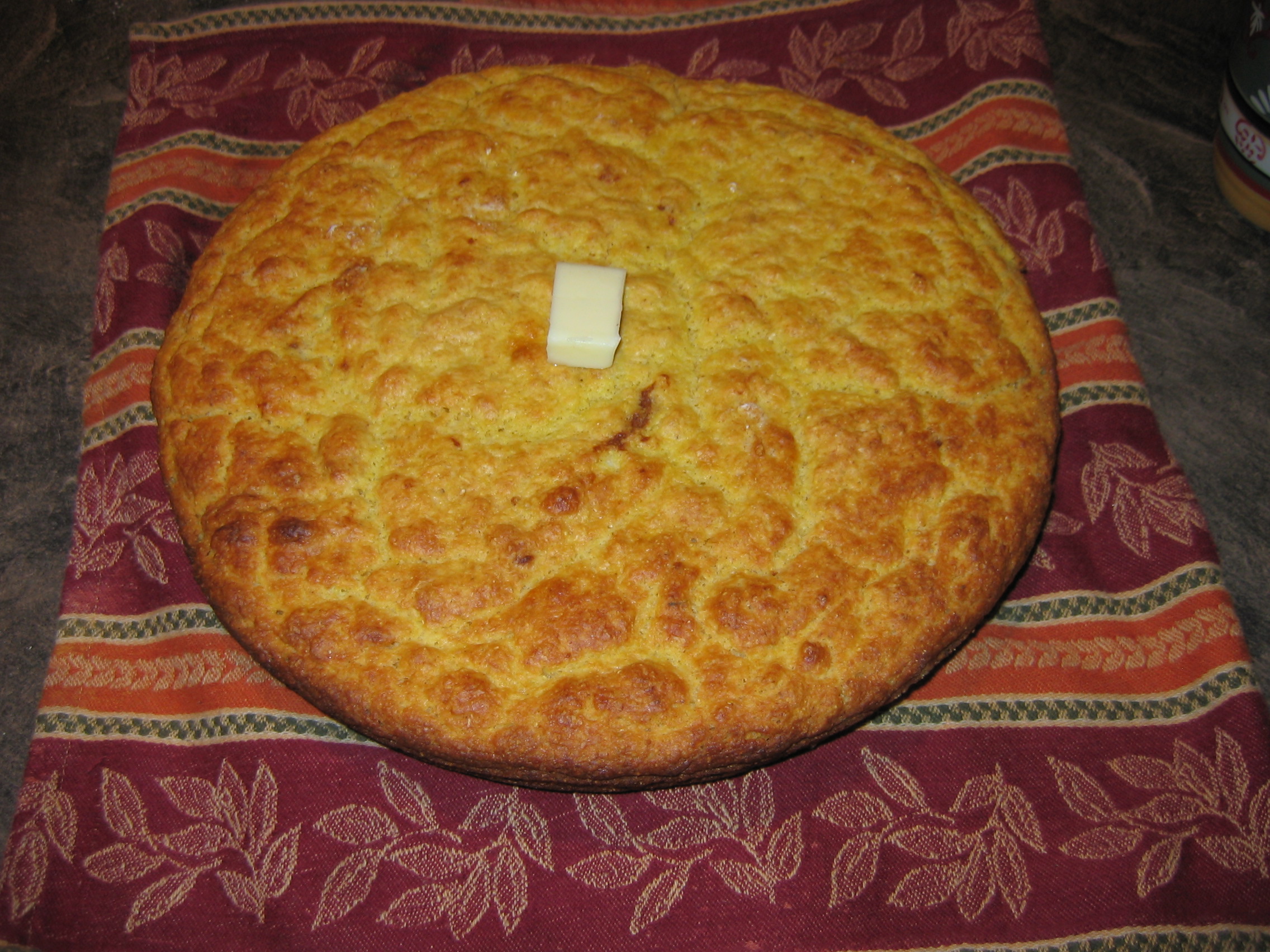
Corn bread: All Southerners and a lot of other people feel strongly about cornbread. I’m no exception. I give my recipe below, but cornbread preferences are very individual, so use your own favorite. The quality of the cornmeal is essential, and in my opinion there is none better than the roasted blue cornmeal sold by Oracio and Lourdes Molina at the Los Ranchos Farmers Market. They grow the blue corn, shell the kernels off the cob, roast the kernels, and grind them finely. The result is full of toasty corn flavor and makes cornbread that fills the kitchen with irresistable scent as it bakes. Oracio also sells his self-published book Hidden Village, which contains some fascinating bits of old New Mexico. Incidentally, their cornmeal makes the best blue corn tortillas imaginable.

Scones: if you don’t happen to be a cornbread fan, or even if you are, visit Hand to Mouth Foods at the Los Ranchos farmers Market (they are at the Corrales market too.) Jeffrey has a great hand for pastry, and his scones are very delicious. I also love his date and pine nut tarts, and my husband is an addict of the cranberry-pecan biscotti. They make a perfect finish to a perfect brunch. Email Jeffrey and Elaine at handtomouth@zianet.com and ask to be on their email list; you’ll get useful reminders of market times and products available.

The Best Butter: Good cornbread deserves to be slathered with good butter, and I use the only completely grass-fed butter that I know of, Pastureland. It’s made by the Pastureland Dairy Co-op in Minnesota that makes butter and cheese only in the summer, when the cows are eating 100% grass and nothing else. It’s shipped frozen in styrofoam cartons, and a prepaid UPS label is included so that you can send back the carton for reuse, free of charge. They also offer 100% grassfed cheeses. Grassfed butter is a good source of CLA, and you’ll have to decide for yourself whether that’s important to you. I eat Pastureland butter because it’s wonderfully delicious and because the grass-fed life is best for the cows. To arguments that it isn’t local, I can only respond that if a local dairy changed to 100% grass-feeding in season, I’d buy their products.

Blood orange marmalade: my favorite thing to dress up hot or toasted bread. See my post for the recipe.

Freshly squeezed orange juice: I used the very last blood oranges of the season. Any very good orange makes very good juice. In my view, the idea of adulterating something so perfect with champagne is sacrilegious, but suit yourself.

Eggs: The Los Ranchos Farmers Market has at least three egg vendors, and these are real free range eggs, not the pale imitations sold as free-range in grocery stores. Fry them according to your favorite method. Like cornbread, preferences are very personal. I’ve seen directions in cookbooks about how to avoid “undesirable brown crusting” at the rims, while to others that delicate crispy rim is the best possible contrast to the sapidity of the rest of the egg. Again, suit yourself. Next year I hope to be eating home-produced eggs, but right now my future laying hens are bouncy little fluffballs, so thank goodness for the farmers markets.

Put it all together and you have a simple and perfect meal. Enjoy it with people you really care about, who can be counted on to contribute to the general harmony.

Corn bread:
2 cups fine cornmeal, preferably Oracio’s
2 cups all-purpose flour
1 scant tablespoon baking powder
1/2 teaspoon baking soda
1/4 cup sugar (optional)
1 and 1/2 teaspoons salt
1/2 teaspoon cayenne pepper (optional)
2 cups buttermilk
1/4 cup melted butter
3 large eggs

Preheat the oven to 400 degrees. Heat a 12-inch iron skillet in it (without a hot heavy pan, your crust will never be what it could be.) Mix all the dry ingredients thoroughly in one bowl and all the wet ingredients in another. When the oven and the skillet are thoroughly hot, mix the wet ingredients into the dry with a few quick strokes. Stirring too much activates the gluten and makes your cornbread tough. Pull the skillet out of the oven, swirl a couple of tablespoons of butter in it until melted and the skillet is greased all over, pour in the batter, and pop back in the oven. Bake until done, ie the top crust is browning and an inserted knife comes out clean. Take out of the oven, invert the skillet over a clean towel to turn out the cornbread, then use the towel to invert the cornbread again onto a rack. This requires dexterity and practice but is worth dooing because both the bottom and the top crust stay crisp. Let rest a couple of minutes, then cut into wedges and bring on the butter.

The Greens of Spring: Broccoli Raab, and a brief note on spring flowers

This is a good time of year to eat some broccoli raab from the store, because you may well be convinced to plant your own while there’s still time. You may find the seeds sold as broccoli rabe, broccoli raab, or rapini. This is a vigorous grows-like-a-weed kind of vegetable, but it won’t tolerate hot weather, so get it in the ground now. Direct seeding works well as long as the ground is well prepared and you keep it weeded until it’s big enough to compete. Harvest as soon as it shoots to seed; you’ll notice broccoli-like heads which can vary from the size of a nickel to 3 inches across, depending on variety and weather conditions. Harvest while the buds are still tight, before any blooms appear. Just whack off the top 6-8 inches, leaves and all, compost the rest, and you have time to grow another crop in that space. It’s a close relative of the turnip, but instead of the pronounced (some would say extreme) earthiness of turnip leaves, it has a lovely clean flavor with a slight bitterness that makes it the perfect companion for mellow pasta.

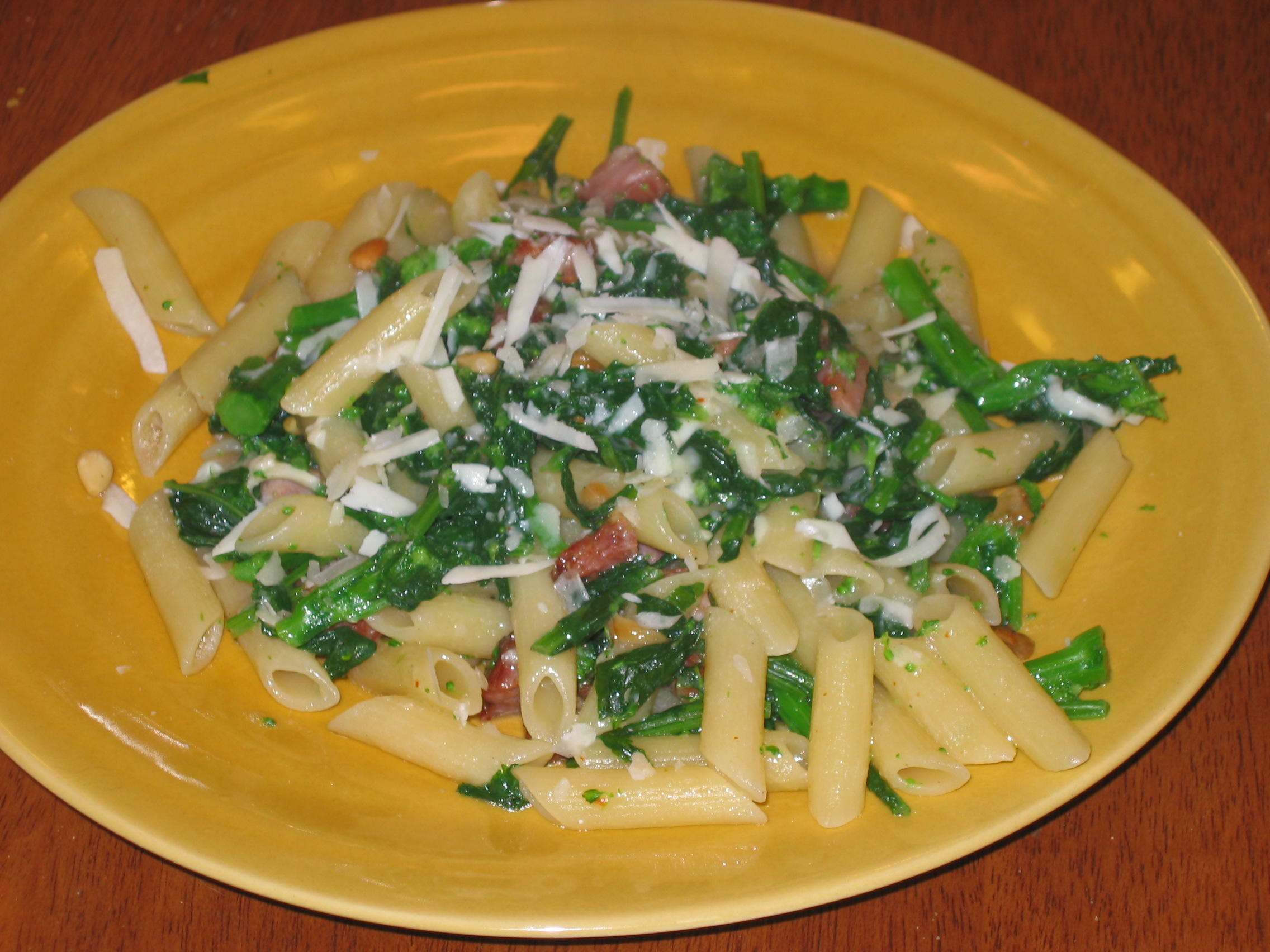
Usually I like greens in mixtures, but I prefer this one by itself. My favorite way to cook it is so simple that it isn’t really a recipe, and it’s on the plate within fifteen minutes of the water coming to a boil. The various steps fit in so well with one another that I prefer to write this as a brief kitchen story rather than a recipe. Read it through before beginning, so that the kitchen logic and logistics will be clear.

You will need: half a pound of good dried pasta, a large bunch of broccoli raab, good olive oil, red pepper flakes, a couple of ounces of good ham, Italian sausage, or pancetta (a small handful when chopped into cubes), an anchovy fillet if you like them, and a few ounces of good cheese, either Parmesan or part Parmesan and part Romano. Toasted pine nuts can be added as a bonus of you have any on hand.

Put on a pot of water to boil for the pasta. Don’t forget to salt it.

While the water is coming to a boil, chop up a small chunk of ham, or some good Italian sausage, or some pancetta, or a little slab bacon if it isn’t too smoky. Chop two large or three small cloves of garlic. Throw them in a small hot skillet with some olive oil, probably 2-3 tablespoons. Stir frequently. As soon as the garlic and meat are cooked, put in half a teaspoon of red pepper flakes and, if you like, a chopped rinsed anchovy fillet or a dash of colatura. Add a tablespoon or two of water, just enough to stop the cooking, and take the skillet off the heat. Wash a bunch of broccoli rabe, using a bunch as big as you can hold in two hands, and set it in a strainer to drain a little.

Meanwhile, the water should have come to a boil. Put in half a pound of good dried pasta. I think penne goes especially well with chunky greens. If you like whole wheat pasta, this is an especially good place to use it. Don’t reduce the heat. Keep it at a hard boil until after you add the greens.

While the pasta is boiling, cut the bunch of rapini in cross section across the bunch, slicing about every half inch. Discard the stem ends if they are more than half an inch in diameter. Five minutes after the pasta went in the water, put the chopped rapini in the water to boil with it. Once the water returns to the boil you can turn it down a little, but be sure to maintain a boil, not a simmer. Grate about 2/3 cup of good Parmesan and 1/3 cup of good Romano, or use all Parmesan if that’s what you have. These measurements refer to loosely packed measuring cups. My trip to Florence convinced me that Americans over-sauce and over-cheese their pasta. Personally I don’t meaure grated cheese in any formal way, and prefer to think in terms of two loose, scant handfuls of grated cheese.

When the pasta is ready, pour out into a strainer, return to the pan, toss with a glug of good olive oil, toss in the meat mixture and half the cheese, plate, sprinkle with the rest of the cheese, and toss some toasted pine nuts on top if you like. Eat and savor this splendid green.

By the way, I estimate that a “glug” is about two tablespoons. But in a dish like this, use kitchen sense rather than measurements. How much olive oil do you need in the skillet to keep the meat and garlic from sticking, and how much olive oil do you need to give a light delicious sheen to your pasta and greens? Your eyes are a better guide than a measuring spoon.

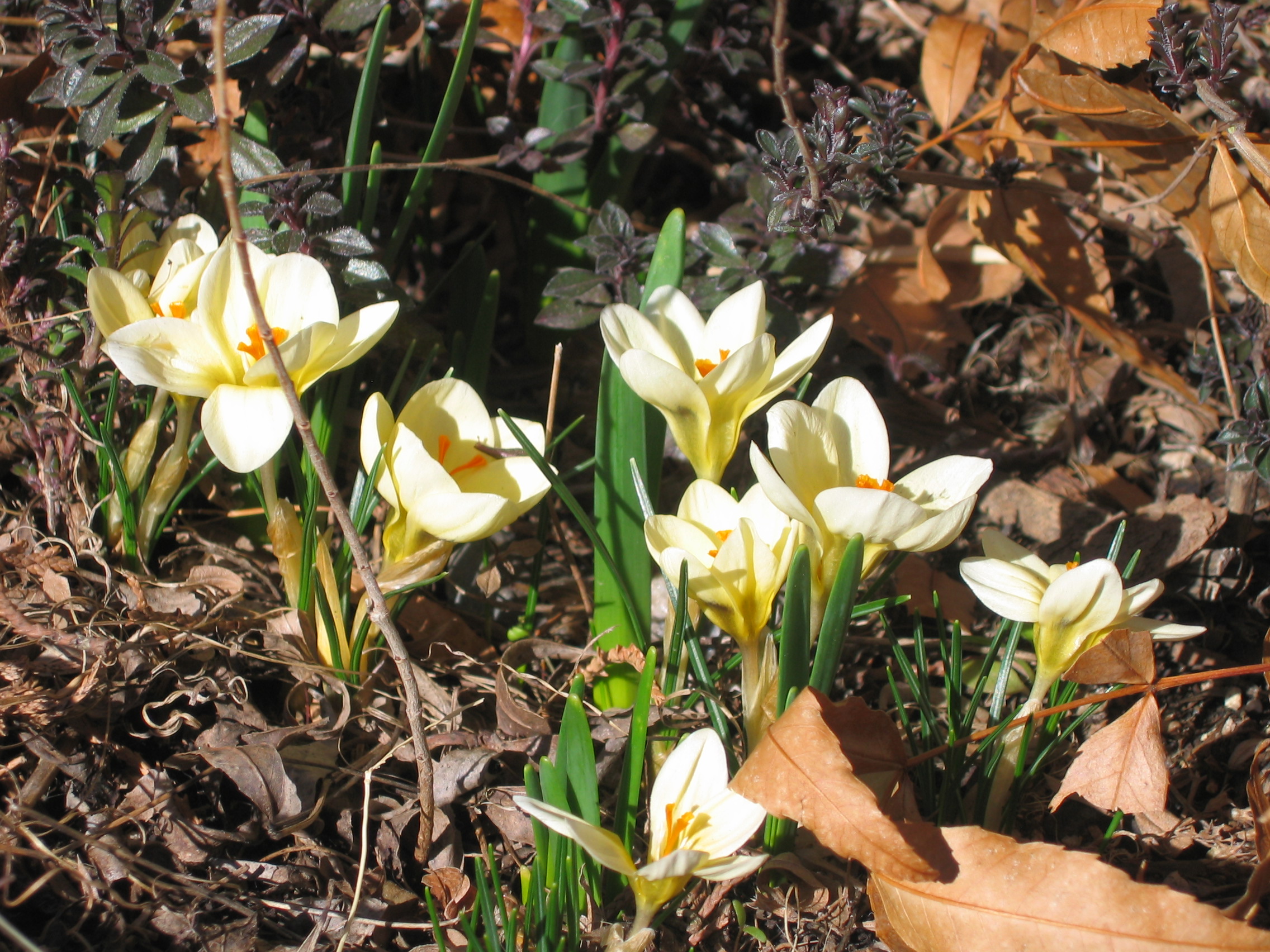
My garden is intended as a food garden, but there’s no reason why it can’t be a treat for the senses as well, and nothing lifts my spirits in late winter like bright crocuses blooming away in whatever appalling circumstances the season hands them. I strongly recommend at least a dozen bulbs of the cream-yellow Crocus crysanthus “Cream Beauty.” It’s always the first to bloom for me, and if you put it in the warmest part of your yard it will bloom in February in the Albuquerque area, a visible harbinger that your garden, like you, has survived another winter.

Planning Your Garden: the Weed Patch, and more on the Peruvian Purple Potato

Those of you who have been following my blog for a while know about my interest in useful weeds, ie plants which thrive on neglect, spread rapidly, and are often overlooked, but offer good eating. Now that I’m planning a brand-new garden from scratch, I’m planning a “weed patch” as part of it. This will be out of the path of garden traffic so that I can have milk thistles and nettles, and screened from the rest of the property with a row of sunflowers so that nobody but me has to look at it much, and there all my favorite edible thugs can slug it out together. If you have room for a weed corner, you might consider some of these:

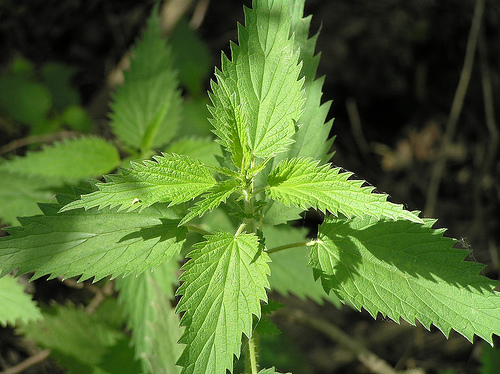
1. Stinging nettle. The nettle offers some of the best early-spring greens to be found. You can start them from seed (try Johnny’s Selected Seeds) or from plants (Richter’s is the only source that I know of.) They spread like wildfire, so underground barriers or a spot that you can mow all the way around are essential. See my post for harvesting and cooking details, and treat this plant with great respect, because the sting is pretty painful.
2. Curly Mallow. I like the leaves as part of a mix of greens, and it thrives on heat and doesn’t need too much water. I got the seeds from Nichols Garden Nursery years ago, and it’s been happily self-seeding ever since.
3. Milk thistle. THis will be a new one for me, but I’m told that the young shoots make good cooked greens when the prickles are trimmed off, so I’ll give it a try.
4. Sorrel. This might not seem like a weed, but it’s a healthy, vigorous, weedy-looking plant, so it can stay in the weed patch, out of the way. You can get seed almost anywhere, even from seed racks. It’s best to let it grow the first year, just removing flower stalks as they appear, and then start harvesting in early spring the second year.
5. Curled dock. This comon roadside weed is sour and bitter at most stages of development, but in the late fall and very early spring it’s one of the best greens around. Like its relative sorrel, it turns brownish-green when cooked, so I use it in mixtures of cooked greens rather than by itself. I don’t know of any source for the seeds. I picked mine by the roadside years ago, and this robust perennial has been with me ever since.
6. Dandelions. Like dock, they are actively distasteful most of the year, but in very early spring they offer delicious lightly bitter leaves which give a wild tang to a mixed salad or a little zip to a cooked greens mixture.

An alert reader let me know recently that the source I gave for the Peruvian Purple Potato no longer offers them. I save my own starter potatoes from year to year, but you can get the Peruvian from Ronnigers. They also have a splendid assortment of garlics, and some other plants of interest.