Archive for June, 2015

Unexpected Dolmas, and Notes on Grape Leaves

image
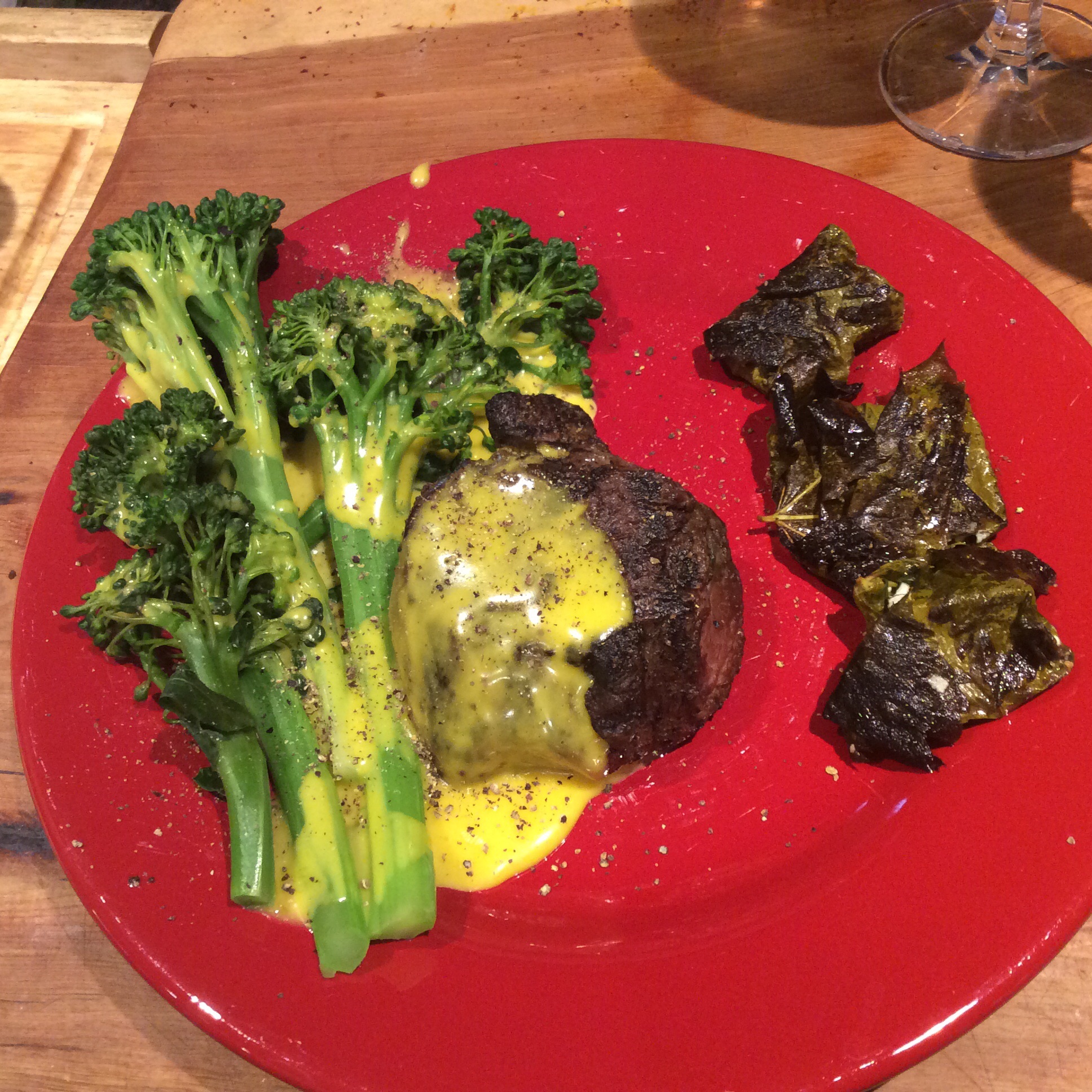
The tiny dolmas that you see on the edge of the plate above were never meant to be a post; they were meant to be a sort of amuse-bouche incorporated onto the main plate. But they were so delicious that I ended up writing about them.
They are simplicity itself. For two servings, start with eight fresh grape leaves, chosen according to the notes below. You pull a splendid chunk of Mount Vikos feta out of its wrapper, or if you have a really good locally made feta, you drain a goodly chunk of it and cut slices about half an inch thick and 1 1/2 inches long, or smaller depending on the size of your grape leaves. You need eight slices. Center each slice on a grape leaf, put a large pinch of chopped dill or chopped fresh fennel on top, and roll up the dolmas. The fresh leaves are a bit stiff and you will have to coax them. Heat up a nonstick ceramic skillet, and when it’s good and hot put in about 3 tablespoons of good olive oil. After a few seconds for the oil to heat, put in the dolmas with the last fold downward, to hold it in place. Fry until browned but not blackened, flip, and brown the other side. Serve. Eat. Simple as that. I can’t help noticing that these would make a great Cook’s Treat, a meze for one, eaten standing while working on other aspects of a large meal.

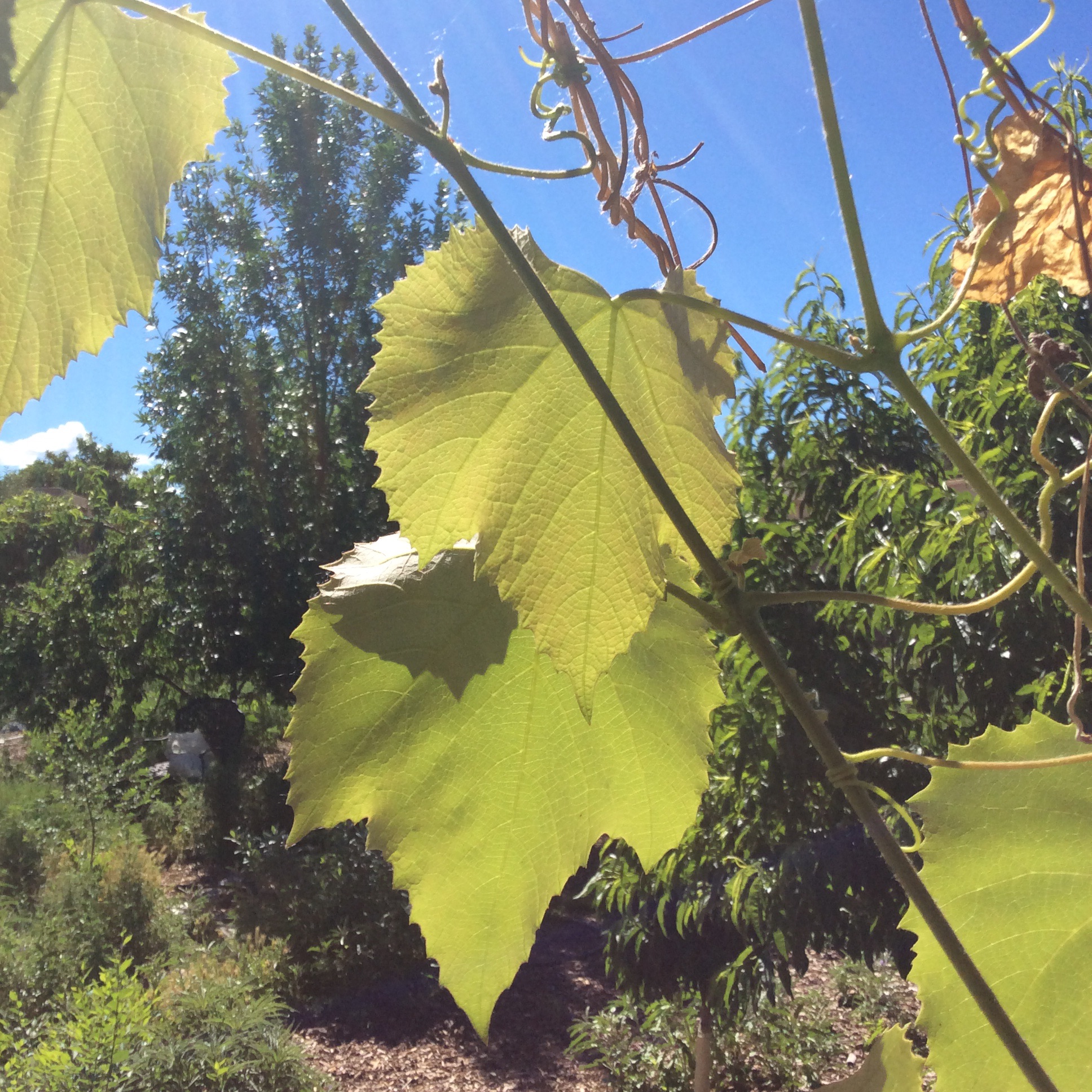
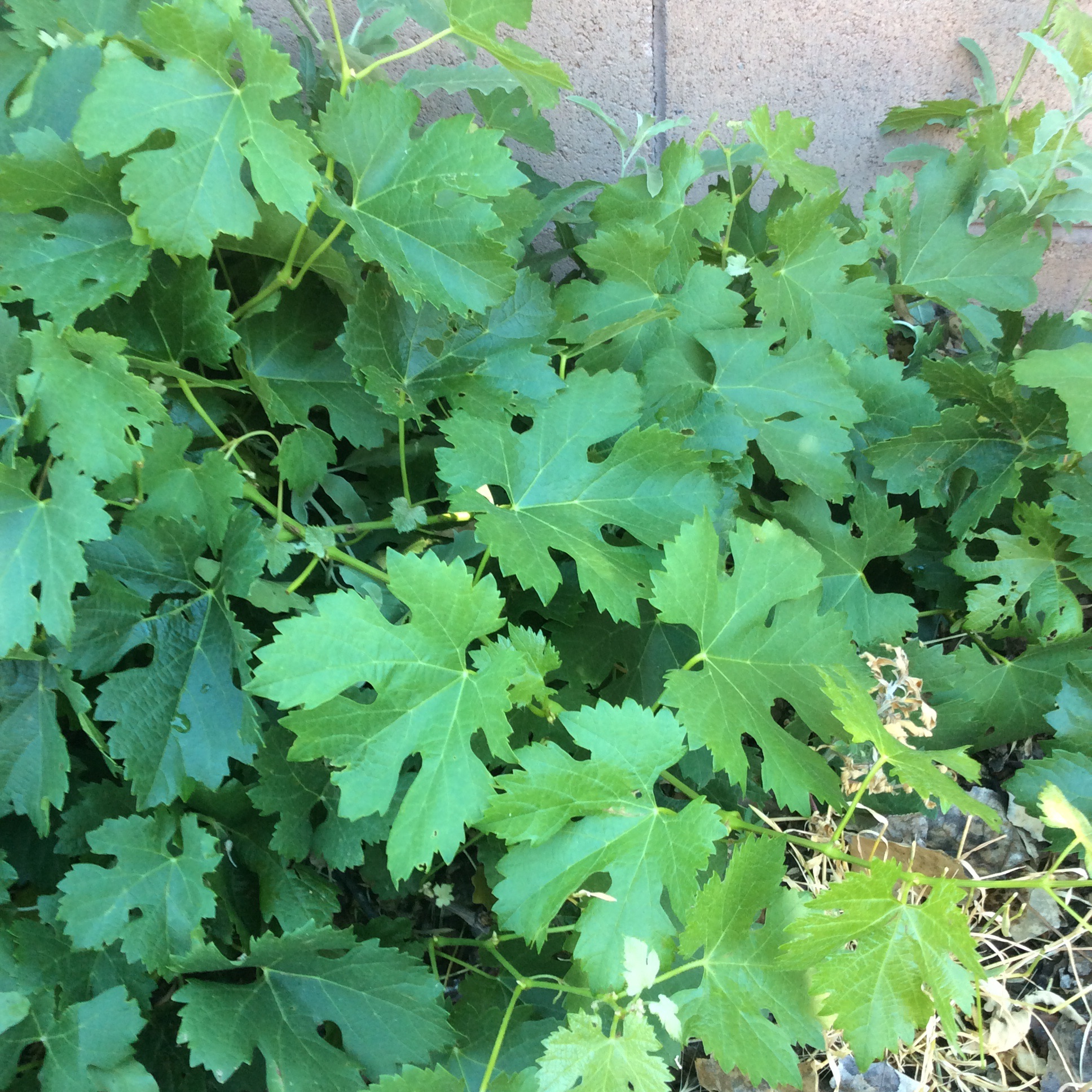
Now, about catching your grape leaves. I don’t know why some are tender and tart and others are papery and  unchewable, but I do know that it’s imperative to taste a leaf from the plant before you try to use them in cooking. I have two wine grape vines, a Syrah and a merlot, that have delicious leaves even when they have been on the vine a while, and a Concord that has totally inedible leaves even when tried very young. But I have tasted wine grape leaves that were awful, so taste your own vine or the vine that you have (legal) access to. If the leaf chews up without much of a problem, you are good to go. If you are left chewing something that feels like a papery candy wrapper to the teeth, no skill on the cook’s part will overcome this and you are better off with commercial brined grape leaves.
image

These are the leaves of my Concord vine, and they look perfect for stuffing, but don’t try to eat them unless you want an impaction.
image
These are the leaves of my Syrah grape, and they look too deeply lobed to cook with, but they are tender and sorrel-sprightly to eat.
Breeding Your Own Landrace

image
A plant variety is carefully selected to be as uniform as possible, so that each plant you grow of that variety will resemble the others fairly closely, with allowances for growing conditions.A landrace is a different and more chaotic and vibrant thing. A landrace is expected to have a high degree of variability, with the idea that you can plant it in a variety of different conditions and at least some of the plants will grow under those conditions. One way to look at a landrace is that it’s the widely varied genetic material from which varieties can be selected. So why would you want a non uniform seed stock? Well, does your weather change from one growing season to the next? Some members of your landrace will take the changes in stride. If you move, your landrace will go with you, and you will get some plants that adapt well to your new location. Hardcore survivalist types want landraces that can adapt to the challenges of a post-catastrophe area. Those of us who think in terms of smaller catastrophes still want to know that in a bad or atypical growing year our garden food supply will come shining through, or at least some of it will.

Currently I am trying to create my own overwintering brassica landrace. Overwintering doesn’t sound like a big deal among the brassicas, because many of them will overwinter in very cold climates, but our desert climate is a little different. Our winters are very dry and windy, and we have no snow cover, and so many plants like kale that overwinter well under snow will desiccate to death in our conditions.

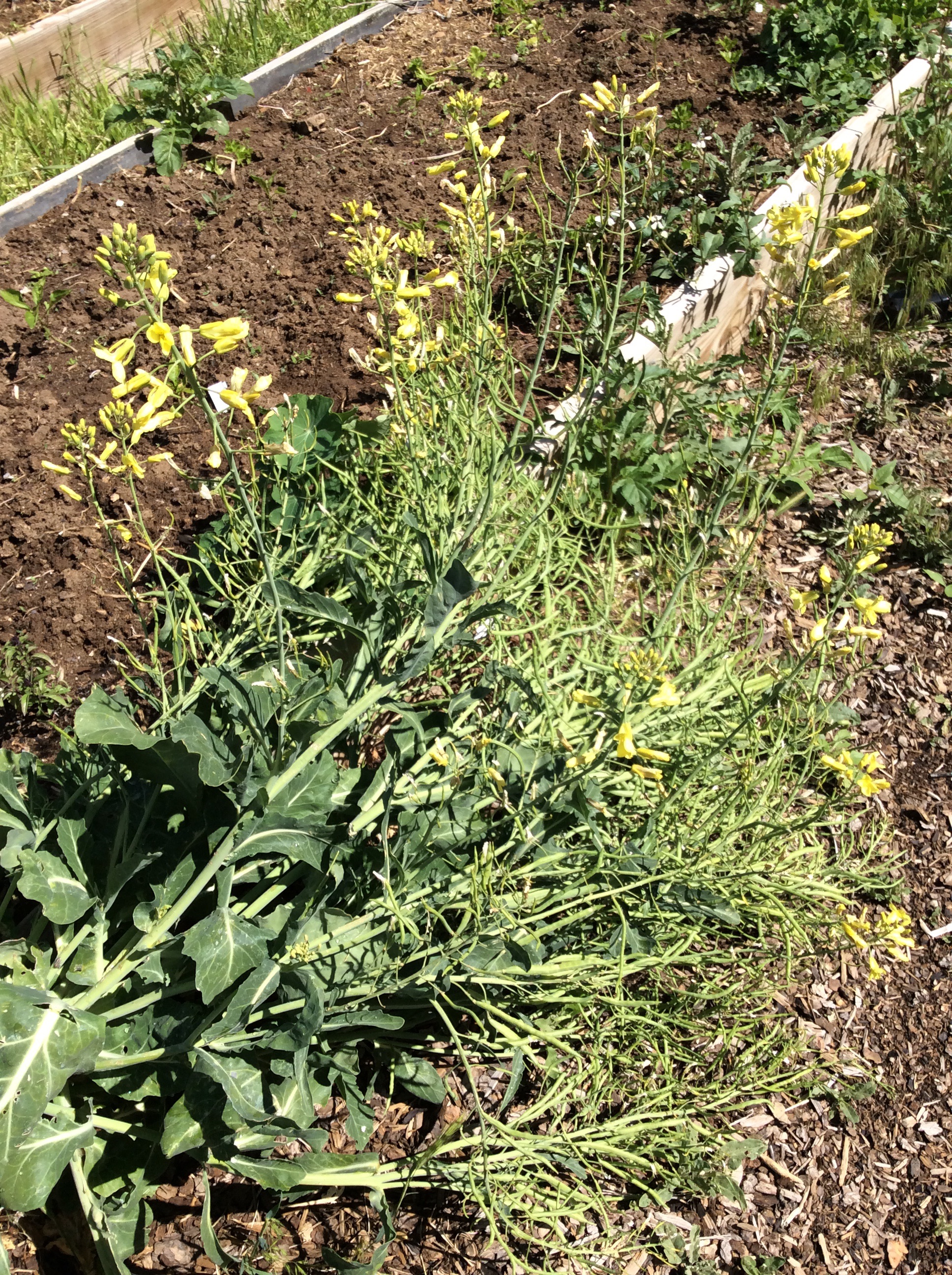
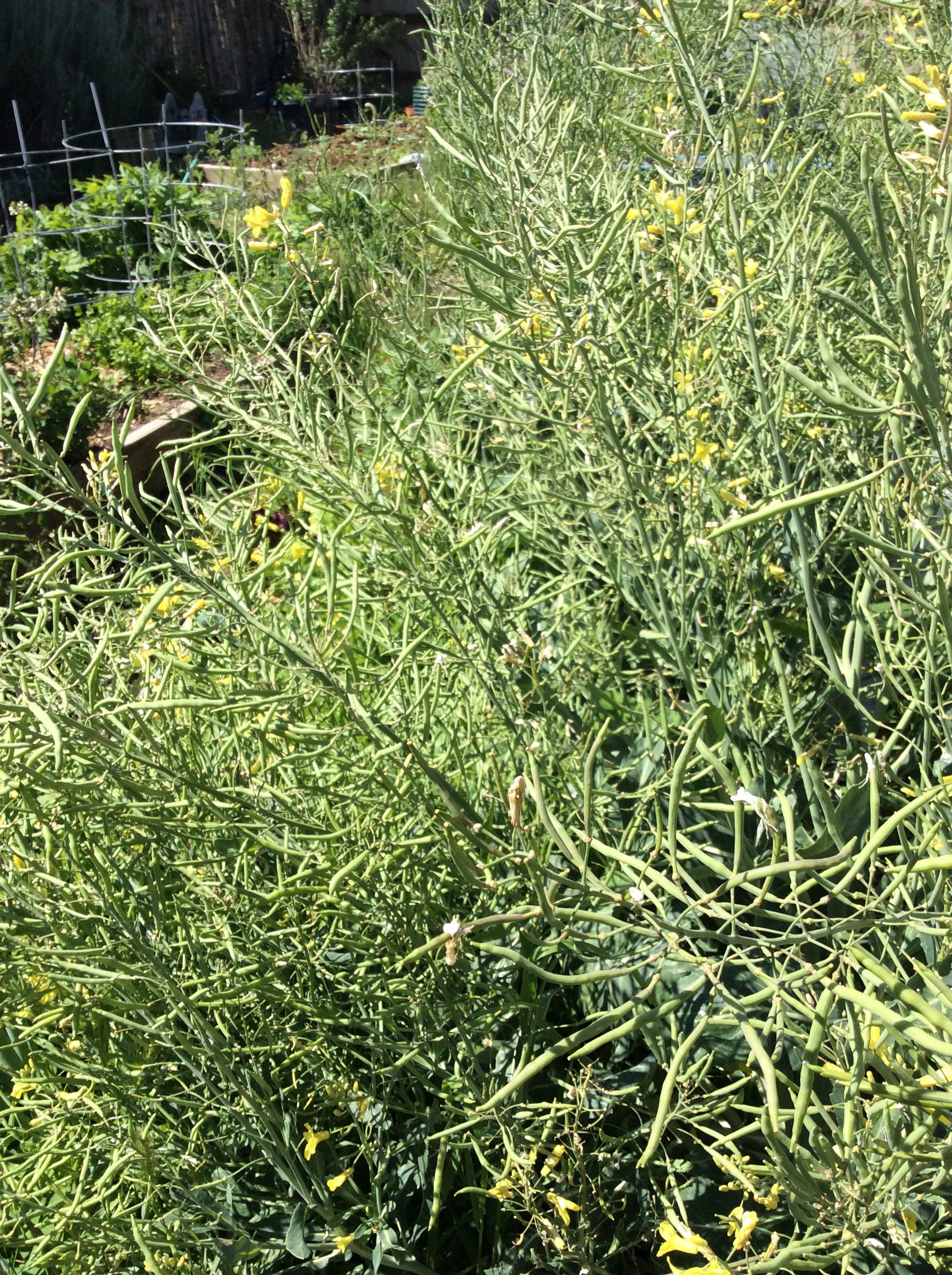
I started my project last year, by planting four different brassicas and leaving them in place over winter to see which ones survived. I chose to start with collards, Portuguese kale, Tuscan kale,and sprouting broccoli. Selection this spring was easy, because only one of the four survived. The Portuguese kale (also known as Tronchuda) came through the winter and put out a very nice crop of leaves during the late February and March “hunger gap.” I cooked some of the leaves to make sure that they were tasty, and they were sweet, mild, and very good.I let the plants go to flower, and found that bees mobbed the light yellow flowers. The buds were also a good addition to vegetable stir-fries, although they have to be picked small because they toughen quickly, and of course you have to leave a lot of them on the plant to get your seeds. The plants get huge as they set seed, and I trained them into the paths so as not to lose too much bed space. I let a spring planted broccoli go to flower at the same time, to try to introduce more genetic variability, and let the bees do the cross pollination. The plants set thousands of seedpods each, and I found that when the seedpods are about 2 inches long and very slender, they make a very nice stir-fry, with much the same flavor as the leaves but a different texture. Currently the seeds are ripening on the plants, and when they are dry I will plant some for fall eating and send them through the winter to see how they fare.

I hope to end up with plants with at least some variability. We do have a number of wild brassicas that grow in the area, so a little bit of outbreeding could occur even if I had not let the broccoli into the mix, and variability is what I’m after. Selection comes later; right now my interest is in having brassicas that overwinter in our difficult climate but aren’t uniform, and might even provide specimens that I want to select and stabilize for different purposes, maybe one type for hunger gap leaves and one type for masses of buds, for example. I have already spent happy hours researching the possibilities, and happy time is among the benefits that my garden provides.

image


Perennial Arugula, With Notes on Montpellier Butter

image

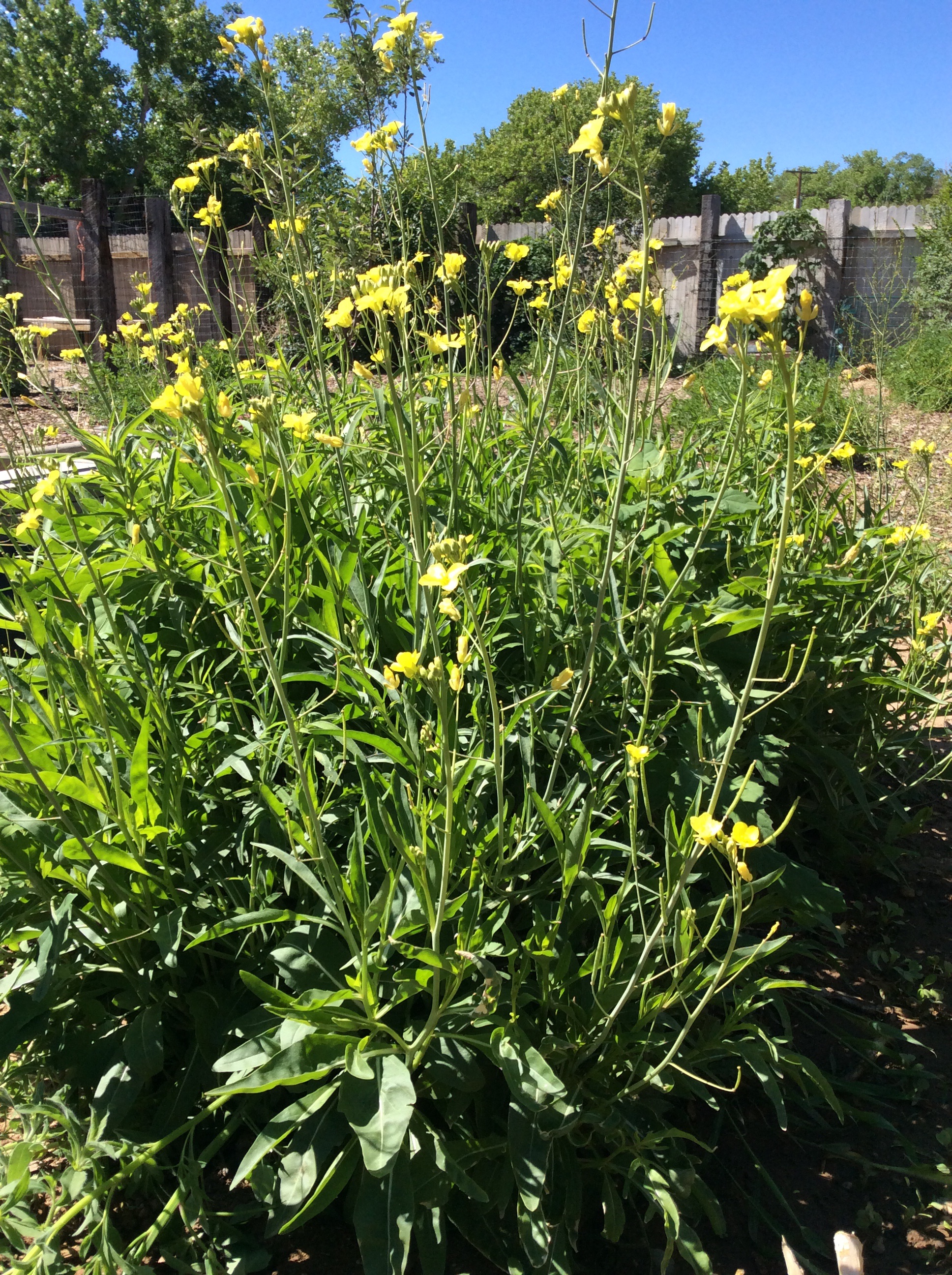
I have written frequently about annual arugula and how delicious, versatile, and easy it is. A few years ago I bought a packet of seed for perennial arugula, Diplotaxis tenuifolia. I planted them in a likely spot and then, as so often happens at my place, I was overcome by the sight of bare earth, forgot I had sown seeds already, and planted something large and rambunctious there. At the end of the gardening year I cleared the debris away and found tiny wispy plants that I recognized as the perennial arugula. They survived the winter, resprouted tentatively in the spring, and then all of a sudden they were a mass. A thuggish mass, ready to overpower anything in the way of their gangland fervor for territory. And they were, literally, hot. The initial flavor when I chewed on a leaf was pleasantly mustardy, developing gradually to a burn in the back of the throat as I swallowed that wasn’t painful, but certainly wasn’t pleasant either. While I puzzled over how to use them, they bloomed, and the delicately pretty sulfur-yellow blossoms drew bees from miles around. So, needless to say, they were kept.
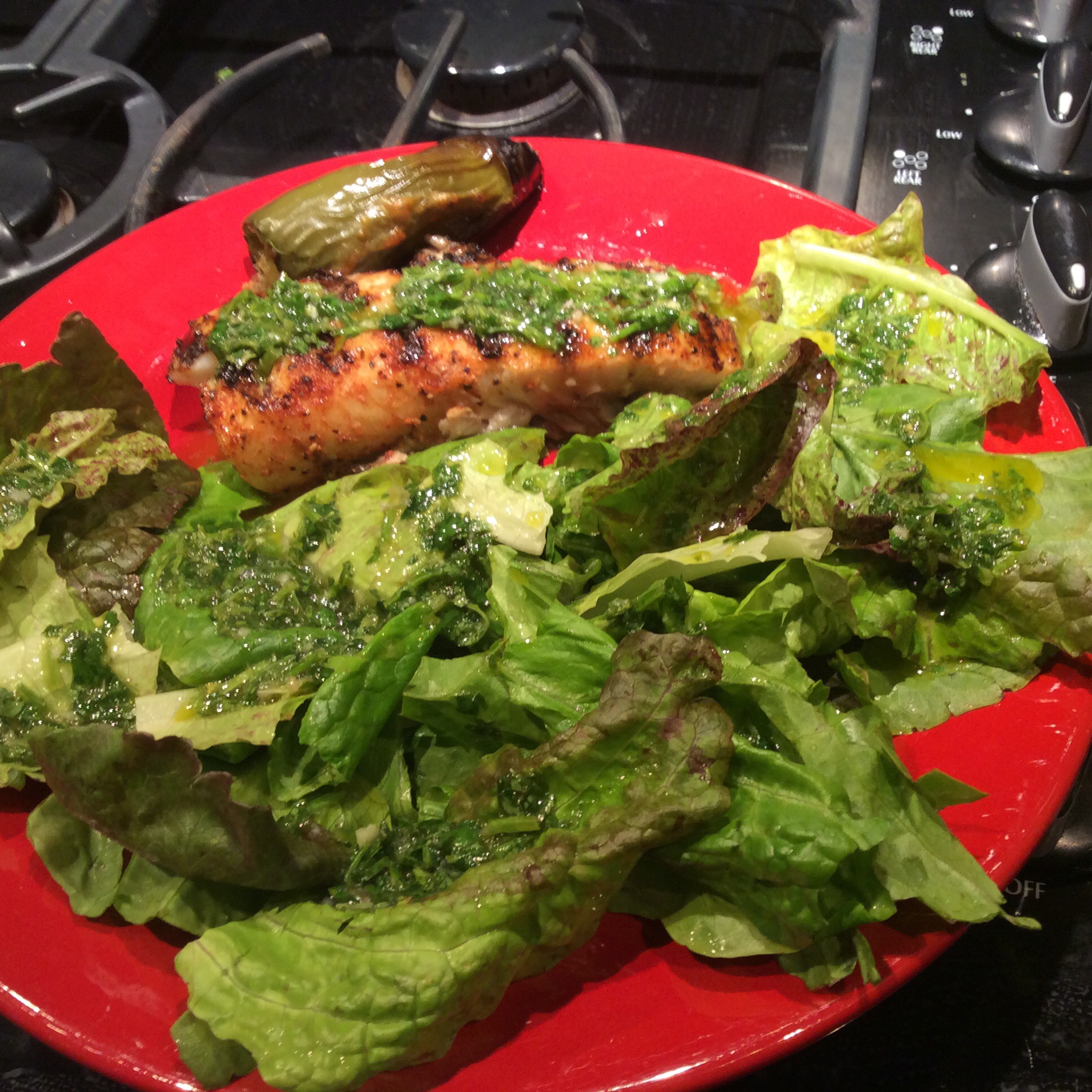
Sometimes it takes me a while to find the best use for a perennial. So far, my favorite use for this sturdy perennial is to blanch the leaves briefly in boiling water and use them more as a seasoning than a bulk ingredient. Used as a small part of a cooked greens mixture, they add interest. I like a small buttered pile of them as a sort of “cooked herb salad” alongside meats or salmon. I intend to try pounding them with a mortar and pestle as a wasabi-like seasoning. And they are superb in Montpellier Butter. I learned about this lovely seasoning in one of Elizabeth David’s books, I forget which one. But the greatest recipe of them all is the one published by Jeremiah Tower, and it goes like this:

Jeremiah Tower’s Montpelier Butter (this is as he published it. My own tweaks are below.)

Coarse salt
6 spinach leaves, washed
2 shallots, finely chopped
1/2 bunch watercress leaves (I use 15 good-sized nasturtium leaves)
2 tablespoons fresh flat-leaf parsley leaves
2 tablespoons fresh chervil leaves
2 tablespoons chopped fresh chives
1 tablespoon fresh tarragon leaves
2 cornichons, rinsed and chopped
4 salted anchovy fillets, rinsed, soaked in water for 10 minutes and dried with a paper towel
2 tablespoons salted capers, rinsed, soaked, and drained
1 small garlic clove
1/4 teaspoon cayenne pepper
Freshly ground black pepper
3 hard-cooked large egg yolks
2 large raw egg yolks
1/2 cup (one quarter pound) good grassfed butter, room temperature
1/2 cup extra-virgin olive oil
1 teaspoon white-wine vinegar
Bring a large saucepan of water to a boil; add salt. Combine spinach, shallots, watercress, parsley, chervil, chives, and tarragon in a fine sieve. Carefully place sieve in boiling water until greens are wilted, about 30 seconds. Remove, and place in ice-water bath to cool, or hold under very cold running water for several seconds until cool. Remove, and squeeze dry. Transfer to the food processor. Add cornichons, anchovies, capers, garlic, and cayenne pepper. Season with salt and black pepper. Process to a smooth paste. Add cooked and raw yolks, and butter. Process until thoroughly combined. Transfer to a medium bowl and slowly whisk in olive oil. Add vinegar, and whisk to combine. Adjust seasoning, if necessary.
This will keep a day or two in the refrigerator, and two months in the freezer.

My tweaks: I leave out the spinach leaves, watercress or nasturtium leaves, and chervil, and use about 25 perennial arugula leaves instead, blanched with the other seasonings as described above. I increase the tarragon to a quarter cup of whole leaves, and I also use a few large cloves of confited garlic rather than one raw clove. I use five hard-cooked egg yolks so that I don’t have to worry about harming an immunocompromised guest. And sorry, Jeremiah, but I do the whole thing in the processor and don’t whisk by hand at the end. I keep the butter in roughly formed little bars in the freezer, tightly wrapped, so that I can cut off large (LARGE) pats with a heated knife and plop them on steaks or grilled salmon and heat briefly under the broiler just before serving to soften and partially melt the butter, or on steamed vegetables, or on nearly anything. I don’t eat the carb-y stuff anymore, but if you do, it is wonderful on chunks of grilled baguette and transcendent on handmade egg linguine with grated Parmesan. If you try this with frozen Montpellier butter and don’t want to take time to thaw it, try grating it on a coarse grater before tossing with the linguine, piling on the salmon, or adding generously to the cooked greens.


Notes on the Ketogenic Diet

image

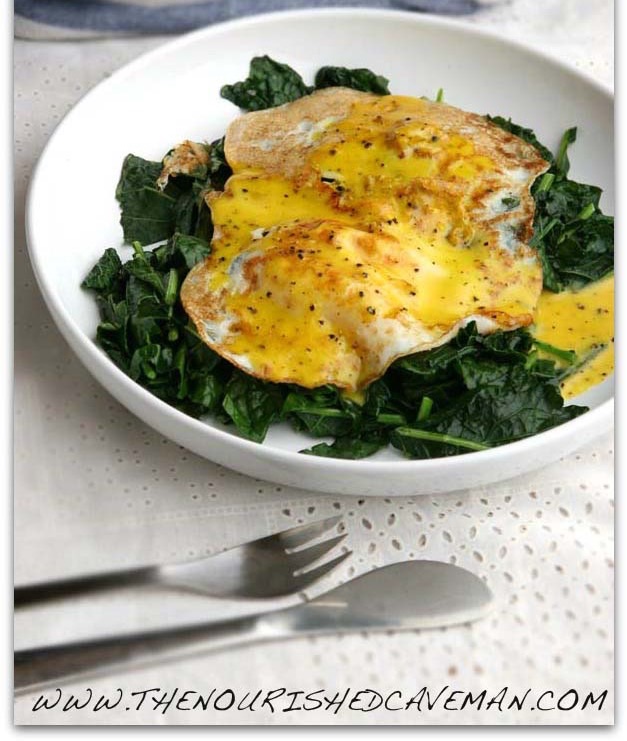
I have alluded several times to ketogenic dieting, and decided to say a little more before I go back to garden talk. I started eating ketogenically a little over three years ago, in response to increasing weight, blood pressure, and blood sugar. I don’t expect to eat any other way for the forseeable future, because I like being thinner, feeling better, and having no medications to keep track of. I am not making recommendations for anybody but myself. If you are interested, read the most recent Atkins book you can find, one that lists Volek and Phinney as authors since they are two of the foremost researchers in this field. For myself, I can only say that it has been exhilarating to find that the slow progression to type 2 diabetes is totally within my own control and doesn’t have to happen. I “cheat” on fruit when it’s fresh from my own yard but otherwise stay very low-carb. Deprived? Not hardly. The lovely plate above, “borrowed” from The Nourished Caveman, is just one example of what’s possible.

The bulk of my diet these days is leafy vegetables, both raw and cooked, and this is where being a gardener and forager comes in really handy. To get this quantity of greens in organic form from the store would be quite possible, but expensive. I cook them with healthy fats and any seasonings that take my fancy. I eat moderate amounts of meat, poultry, fish, and seafood. This is not an especially high-protein diet, although protein content is certainly high relative to the standard junk-food diet. I do use a few artificial sweeteners, mostly oligofructose (a natural derivative of chicory root) and liquid stevia, but I try to minimize them and I don’t obsess about making sugar-free desserts. Dessert should be an occasional treat, not a nightly right.

All of this said, I don’t intend to write much more specifically about this way of eating. It’s my lifestyle choice and not binding upon anyone else. If you’re interested, just be aware that my posts and recipes since I resumed blogging early in 2015 are compatible with a low-carb lifestyle, but older posts are not, and that green vegetables are your friends!
image
image
image
For those who have tried low-carb and not gotten good results, the link below is a nice concise and useful summary of the most common mistakes.
Low Carb Mistakes
Here’s another helpful input from the Atkins forums:
Doing Atkins Right