Posts Tagged ‘perennial vegetables’

Living in Interesting Times: More Experiments with Greens


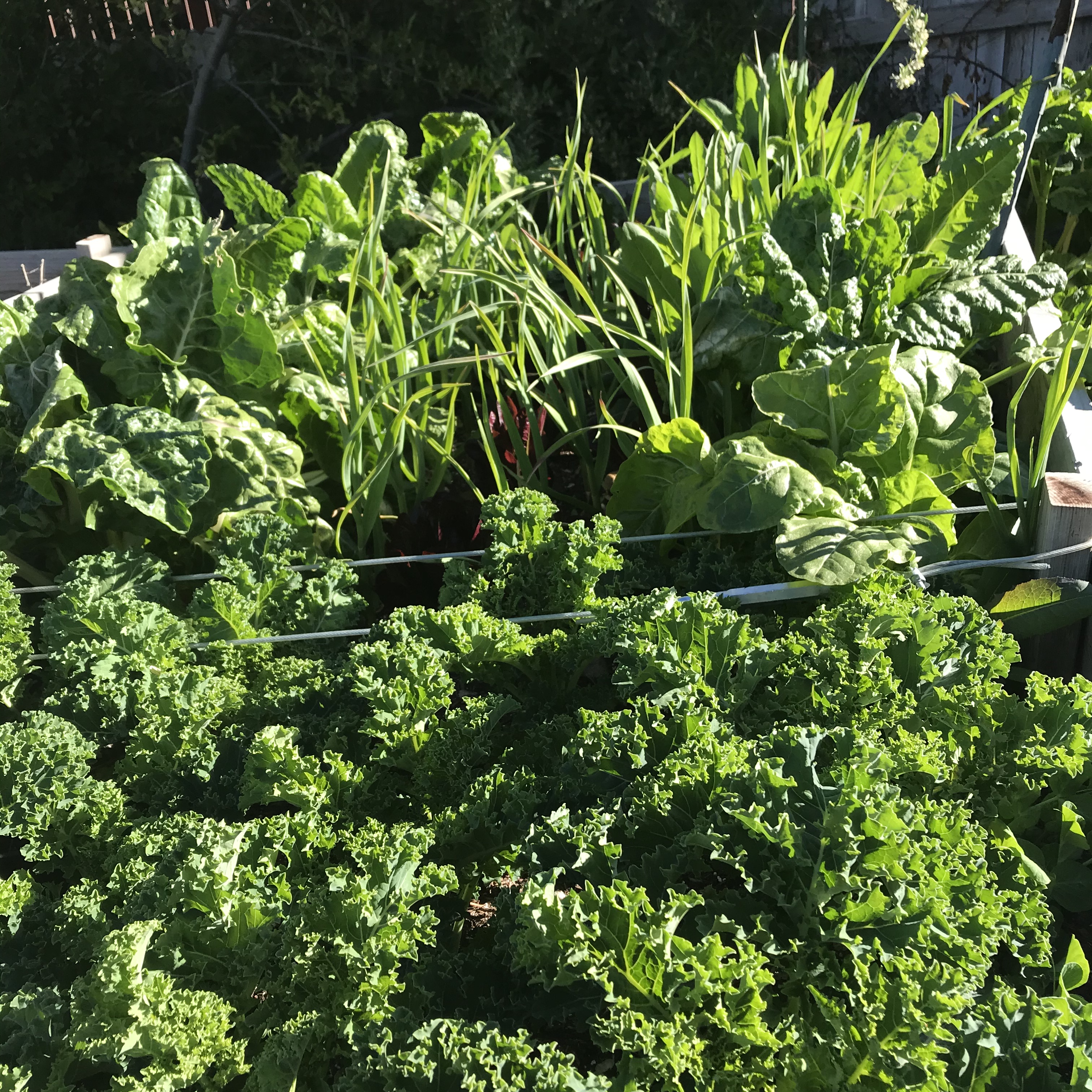
Spring weather is always erratic here in the high desert, but more so this year than usual. First an early spring, with the crocuses blooming a full two weeks earlier than they ever have before. Then weeks of balmy spring weather and a glorious fruit-tree bloom, followed this week by a hard freeze, a day of snow, then a week of 70 degree afternoons. Seriously weird. The tiny green fruit that set so abundantly has shriveled and turned black, but of course the greens are undaunted. This is their glory season and the sudden temperature changes seem only to amuse them.

My only concern is to find new ways to eat them. Right now I’m happily reliving the Chinese phase that lasted through most of my twenties. While rereading Fuschia Dunlop’s The Food 0f Sichuan, I was reminded of the small cold dishes of vegetables with complex spicy dressings that are served in small portions as a sort of tapas array before meals, and I decided to try a larger version on a rice base as a light meal.

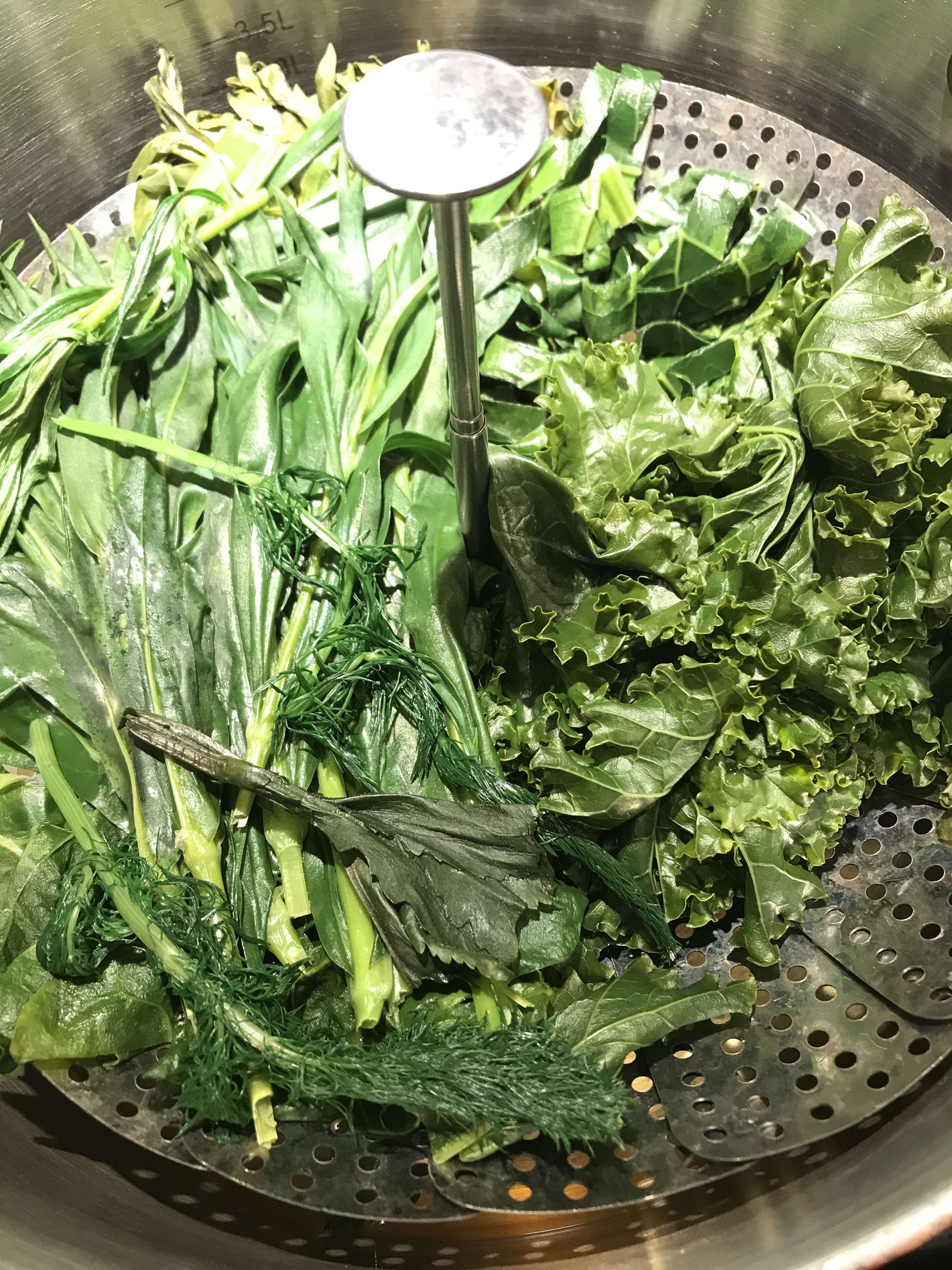
The greens were a handful each of a lot of things growing around the yard: two chard leaves with stems sliced, a collard leaf sliced into threads, scorzonera leaves sliced crossways, bladder campion stems, the tender tips of goji berry shoots, small fennel leaves, a few tarragon tips, and several leaves of young curly kale. All were steamed for about 4 minutes and then allowed to cool to room temperature. Cooked white rice was brought to room temperature.
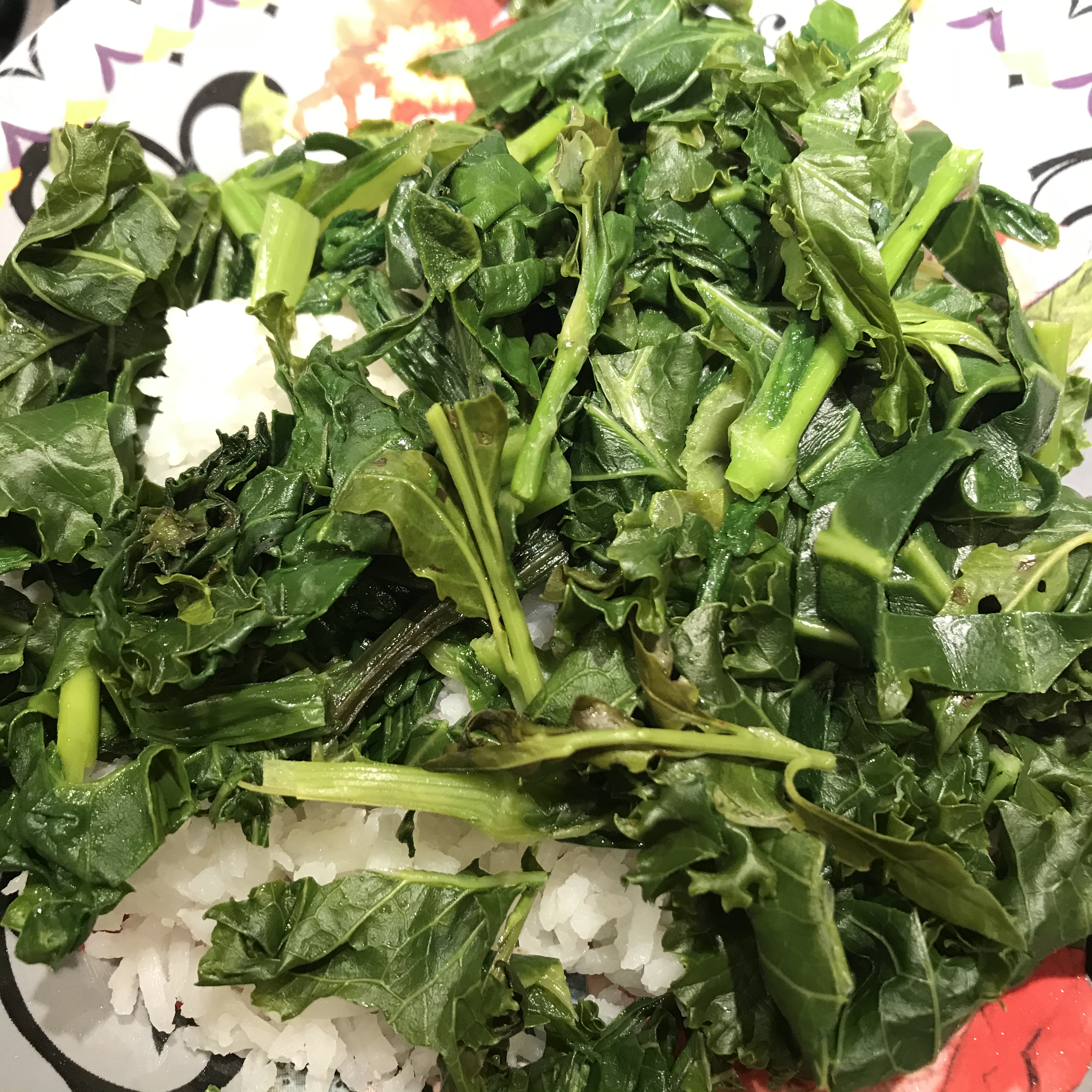
The greens were chopped into pieces about an inch long, mixed up, and layered on top of the rice.

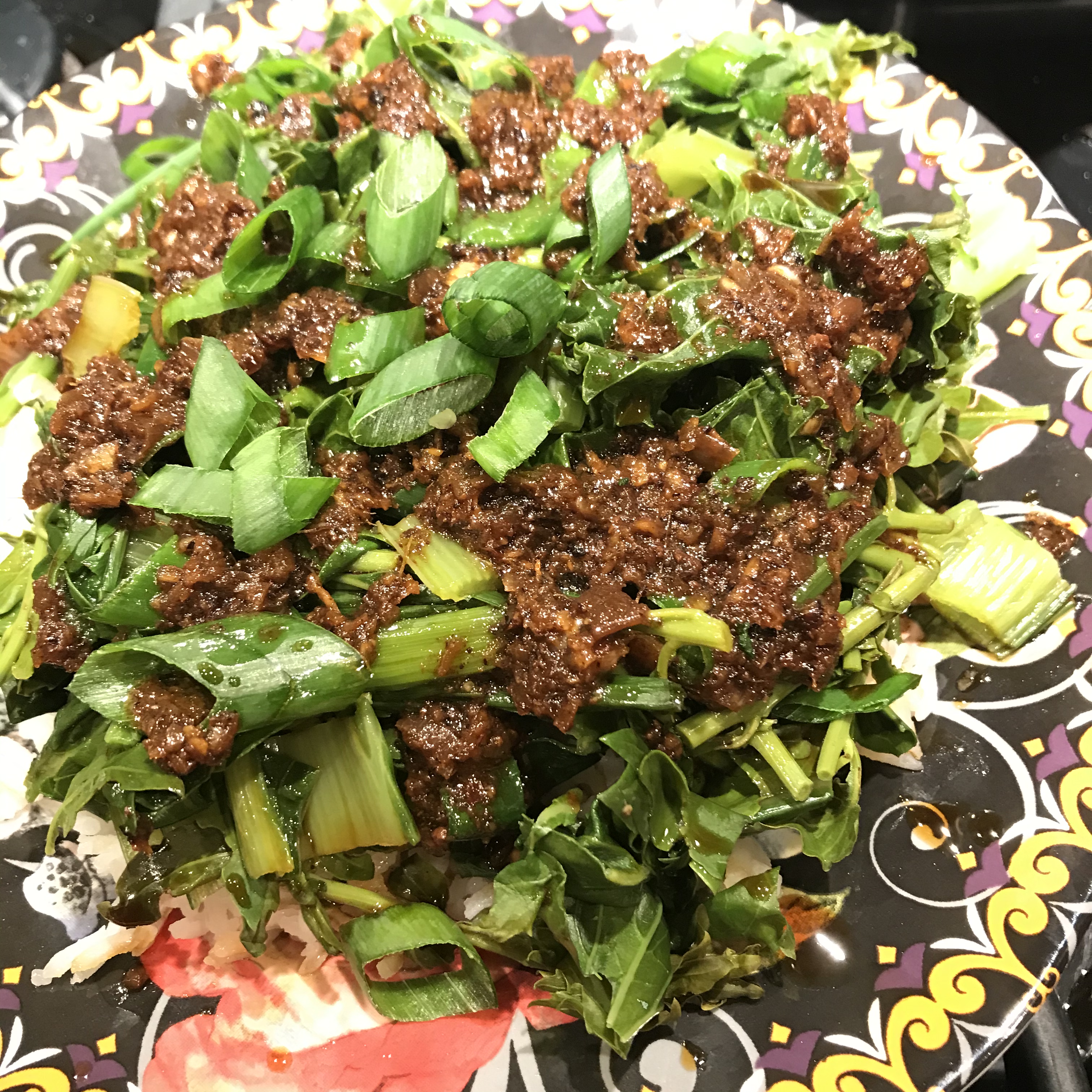
To make the dressing, a 1”x2” piece of ginger and two large cloves of garlic were pounded to a paste in the mortar with about a teaspoon of sugar. Stir in a tablespoon of hot oil with chile flakes (or less, depending on heat preference,) half a cup of good soy sauce, a couple of tablespoons of rice vinegar, and a tablespoon of Asian roasted sesame oil and you have a good basic dressing. Taste and see if you want it sweeter. Drizzle generously over the greens and eat, or elaborate further if you want with the addition of meat or shrimp.

Perennial Edibles: input from my blogging friend Luke

Thomas Jefferson wrote toward the end of his life “Though I am an old man, I am but a young gardener.” Today I’m writing about Luke of the Mortaltree blog, who, though a young man, is an old, experienced gardener.

Quite some time ago I wrote a post about the lack of genuine permaculture cookbooks to tell people what to do with unusual perennial vegetables if they were to grow them.  Luke took me seriously and started writing exactly such a guide.  It will be developed more and come out as a book later this year, so follow his blog if you want a notice when that happens, but he was kind enough to publish the preliminary material on his blog. Here are the introduction and Part I, with brief excerpts. Both Luke and I would love to hear reader’s thoughts. The photos here are mine; his are much more artistic.

Permanent Harvests

“Perhaps we could say yield is a ratio of utility to effort. In permaculture, we want everyone to utilize everything to the fullest. It’s reducing waste. It’s increasing pleasure. It’s making more of less, by realizing what we already have.

For the plant-crazed gardener, the efficiency-crazed gardener, the wild-plant forager, or anyone that eats with ethics, here is one look at obtaining your permanent harvest.”

Part I: The Primacy of Perennials

“Many of the best perennial vegetables are weeds that grow in quite inhospitable conditions. They only thrive all the more if given fertile sites. So much effort is put into the art of encouraging a plant to grow. Why shouldn’t we just find the plants that grow themselves. Then we can take our preference of tearing down and removing what we like just to keep the population of weeds in check. Perennial vegetables seem to be the perfect match for how we dream of managing natural resources.”

Part one goes on to describe a number of unusual perennial vegetables and a few annuals that are available very early in the year, during the hunger gap, and gives delicious-sounding  recipes for them.

The Fall Summation IV Part 3: Perennial Odds and Ends

So far I’ve written about 16 perennial vegetables that I eat regularly and enjoy, and there are still more to mention. Most are things that I haven’t really gotten to work well yet, but pictured above is a perennial veggie that I eat nearly every day. The Egyptian walking onion has become so intrinsic a part of my cuisine that I don’t take special note of it as a perennial vegetable. It’s just food. I have written elsewhere about how I manage it,  so I won’t repeat most of that material here except to say that I have four patches of it now, north exposure and south exposure, sun and shade.  This is how I ensure that almost every day of the year except January, there are green onions somewhere on the property that I can harvest. A good way to site them is to wait for a spring snow and then note two things: where the snow melts away first, and where it lingers the longest.  This gives you a good indication of your warmest and coolest microclimates, and you want to get some perennial green onions in each so that you have the longest possible season. If you don’t get any snow at all, odds are that you can grow them throughout the year with succession planting.

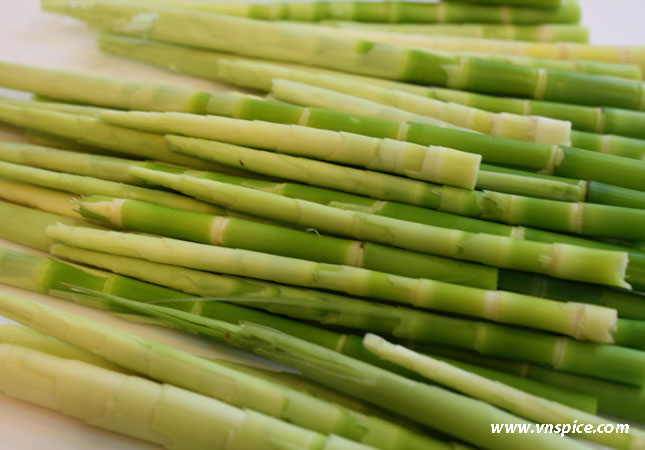
I stole the photo above because I daydream about lavish piles of fresh bamboo shoots. Three years ago I planted Phyllostachys dulcis, the famously invasive sweetshoot bamboo, a 35’ bamboo with shoots sweet enough to eat raw.  I reasoned nervously that in my desert climate the lack of water would probably keep it from spreading far, and for extra insurance I sited it against the fence of my goat’s pen so that, in a worst-case scenario, I could turn her loose on it.  Three years later, it is a clump of about five scrawny canes 6 feet high at most, and I have eaten exactly one bamboo shoot.  That one shoot was very delicious slivered into a salad, but this is not exactly the course that I anticipated. Maybe it’s my dry climate and alkaline soil, or maybe it’s karma,  but so far this one isn’t budging. I remain hopeful.  Maybe 2018 will be its year to take off.

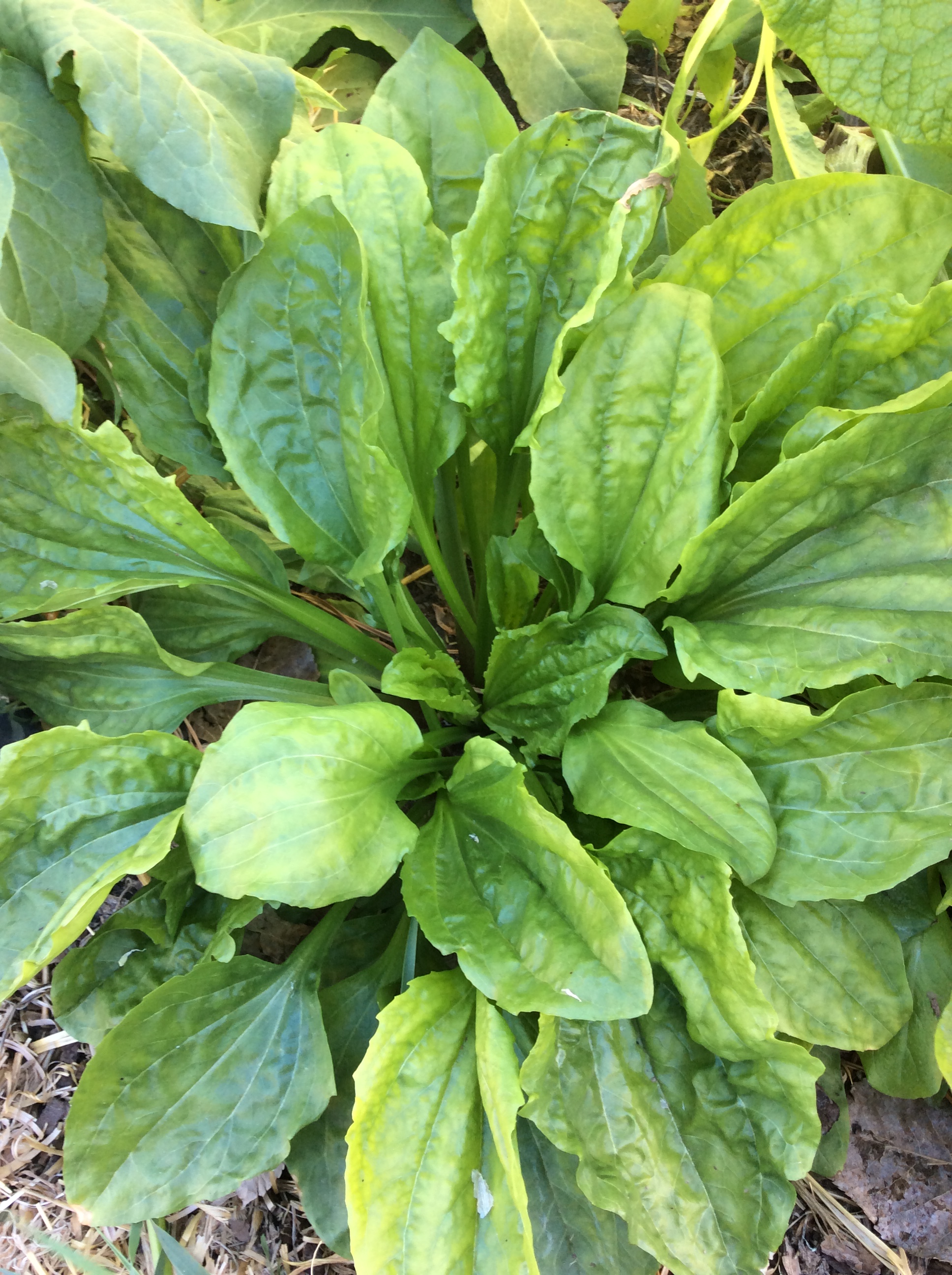
Rugel’s plantain is a plantain  that I actually paid money to have, because I read that it had better flavor than the common great plantain.  It might taste a little less rank and weedy, but I don’t find it to be a choice eating plant by any means.  Probably the best way to use it is boiled and seasoned baked in the planting chips, but then even the common plantain tastes okay when used that way.  So this one is a nice indestructible plant with limited uses.  I am willing enough to let it keep occupying that space, but if I had it to do over again, I probably would not spend money on a specimen.

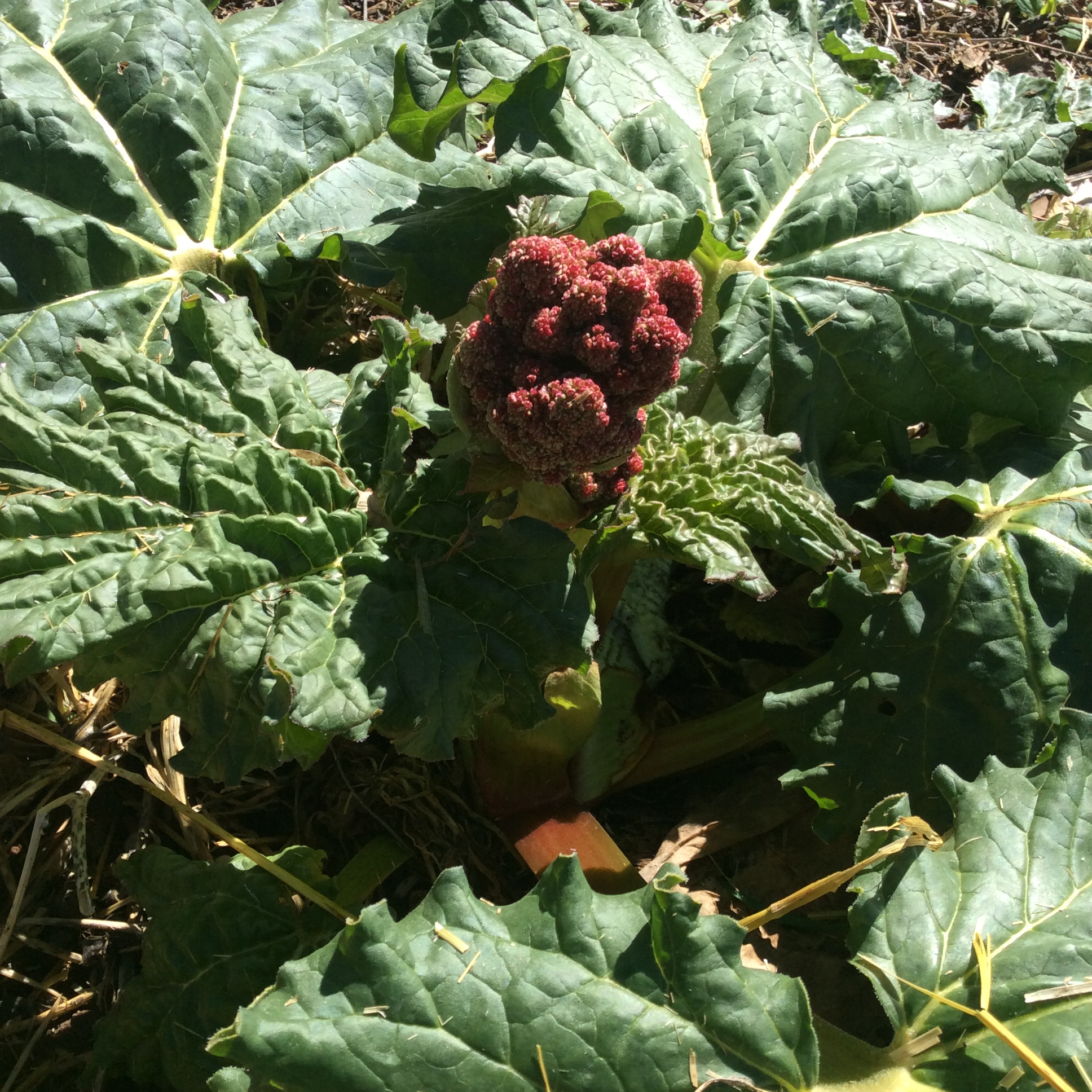
Rhubarb is not a plant that I find a lot of uses for, but I must say that I do enjoy harvesting in the tightly packed flower buds. When steamed, they look a lot like cauliflower but taste strikingly like sorrel, with a strong lemony tang.  The cooked buds make a delicious addition to mixed cooked vegetable salads.

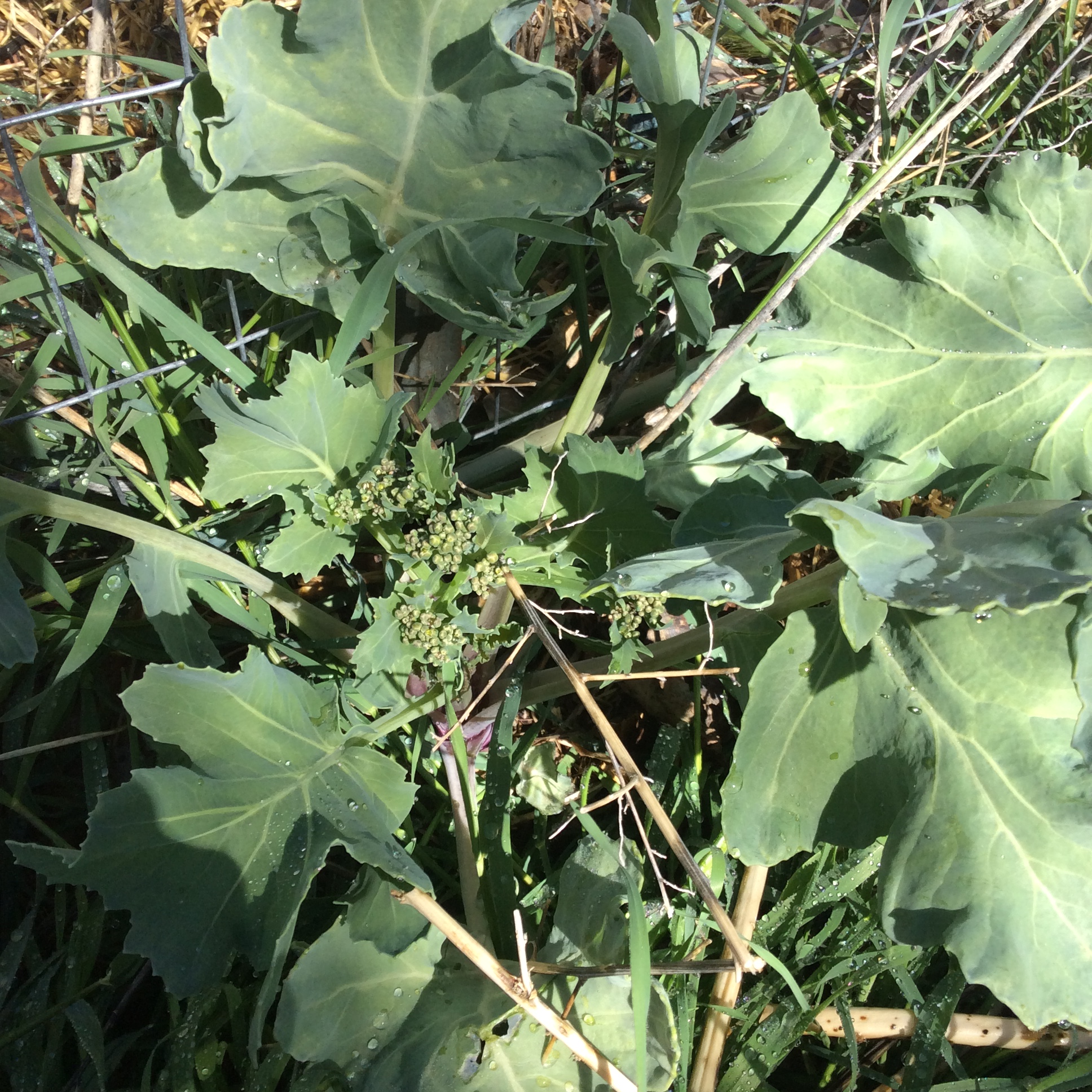
Sea kale  is a plant that is still settling in for me.  Each plant makes only six or seven big waxy leaves, and if you harvest more than one, the plant will probably die. Only one of my new plants bloomed this year, and I did not harvest the buds as a “mini broccoli“ because I wanted to smell the flowers, which are said to smell strongly of honey. Mine had very little scent, so I might as well have eaten the buds.  But they were mobbed with bees.   I am told that if you let the plant ripen seeds, that is another thing that will cause it to die. Per the reports of people who have it, it seems determined to die. I did read that the leaves could be harvested in late fall when the plant no longer needs them, but at that point mine were so ratty and bug-holed that I could not imagine eating them.  So in 2018 I will just harvest buds and leave it at that.  I want to love this plant, because Thomas Jefferson loved it, but so far it is not exactly earning its keep around my place.  Still, there are many perennials that it takes me years to learn to use well, so maybe this is one of them.

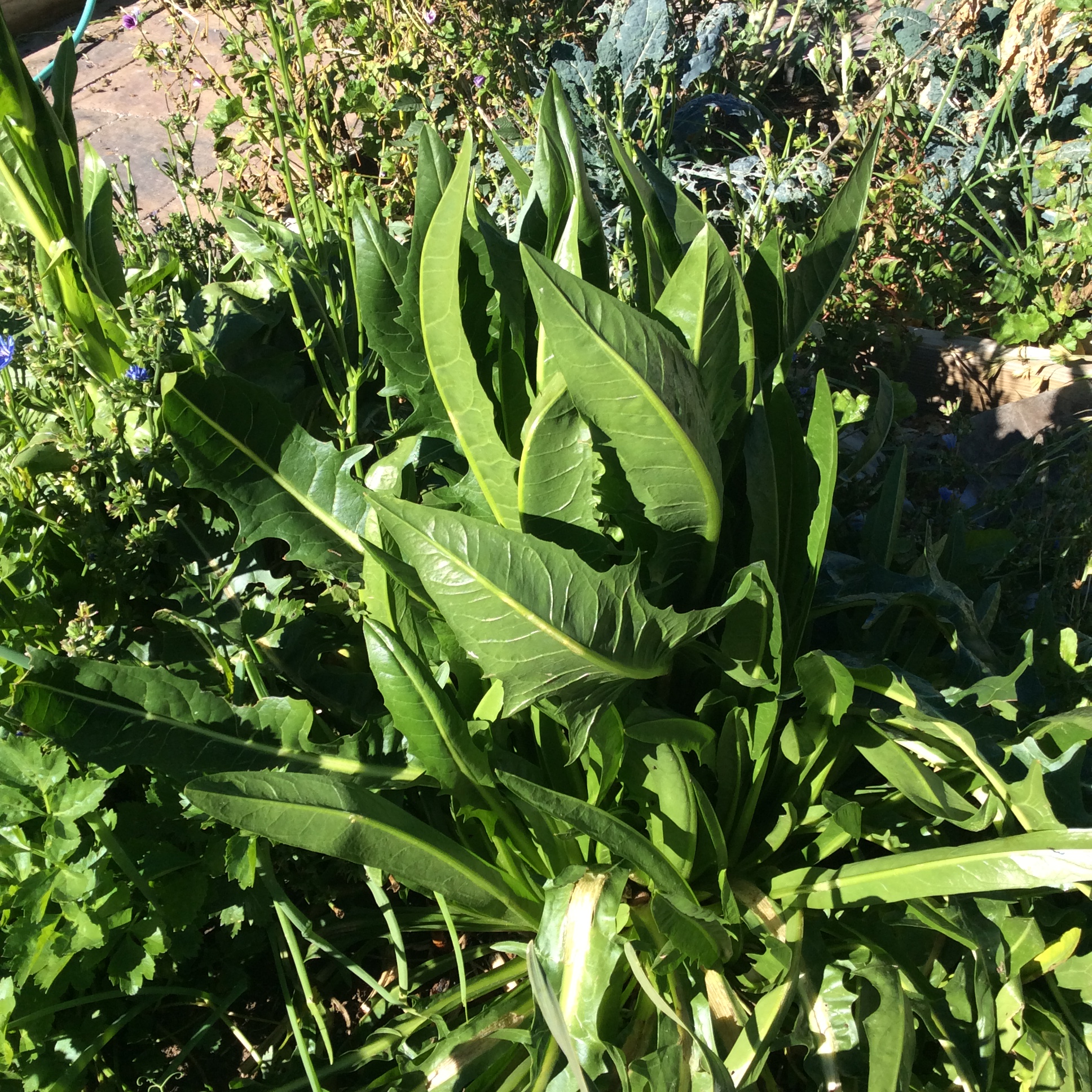
Chicory comes in dozens of forms. The one that I grow as a perennial is Clio, from Johnny’s Selected Seeds. It resembles a dandelion on steroids until it produces its sky-blue raggedy blooms. I cut down the bloomscape after it blooms, and harvest the newer leaves in fall. Like all bitter greens, it needs strong seasoning, and I especially like it with bacon lardons and red chile.  The flavor is different from dandelion leaves, a little richer and not as bitter, and some people like it who don’t care for dandelion at all. I think that probably you could force it with frost blankets in cold weather, but haven’t tried that yet because I have enough other things to eat in cold weather.

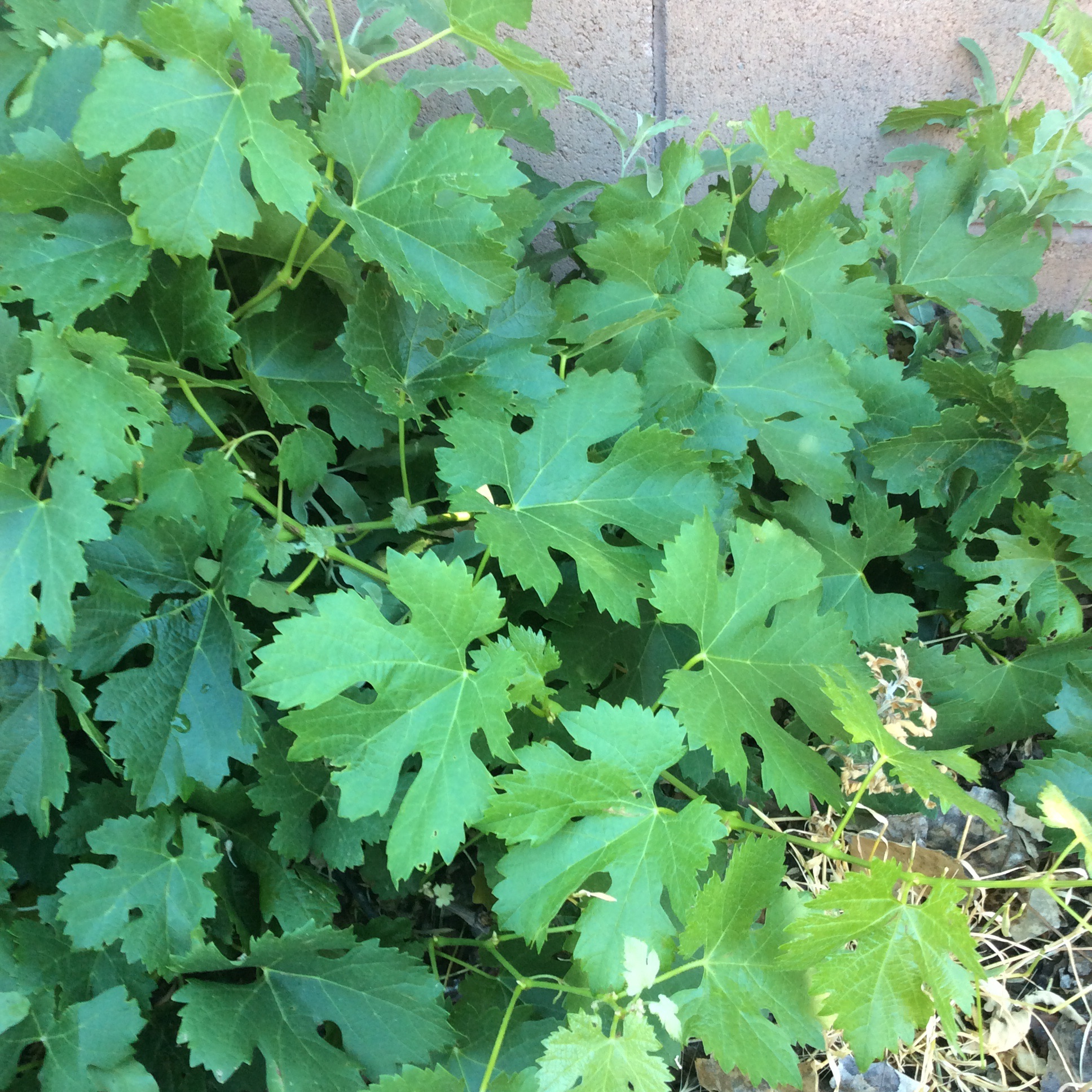
I think that every urban homestead needs to have a wine grape growing somewhere. You will never get enough grapes from one vine to make any wine or vinegar, but wine grapes tend to have nice edible leaves,  while the leaves of Concord grapes and many other grapes of American derivation are full of unchewable undigestible fibers and cannot be considered edible. Grape leaves are endlessly useful. I might actually make stuffed grape leaves once a summer, but once a week in the mid and late spring I grab a handful of grape leaves to throw in mixed greens. They need to be finally slivered because the leaf veins can be tough, and the stems need to be removed altogether, but they have a lovely tang. I also like the small fresh ones chopped into salads.  Young tender grape leaves fried quickly in olive oil make a labor-intensive but really lovely garnish for nearly anything that you might serve in late spring, and I recommend frying them in good olive oil because the rich oil combined with the shatteringly crisp lemony leaf is very delicious.

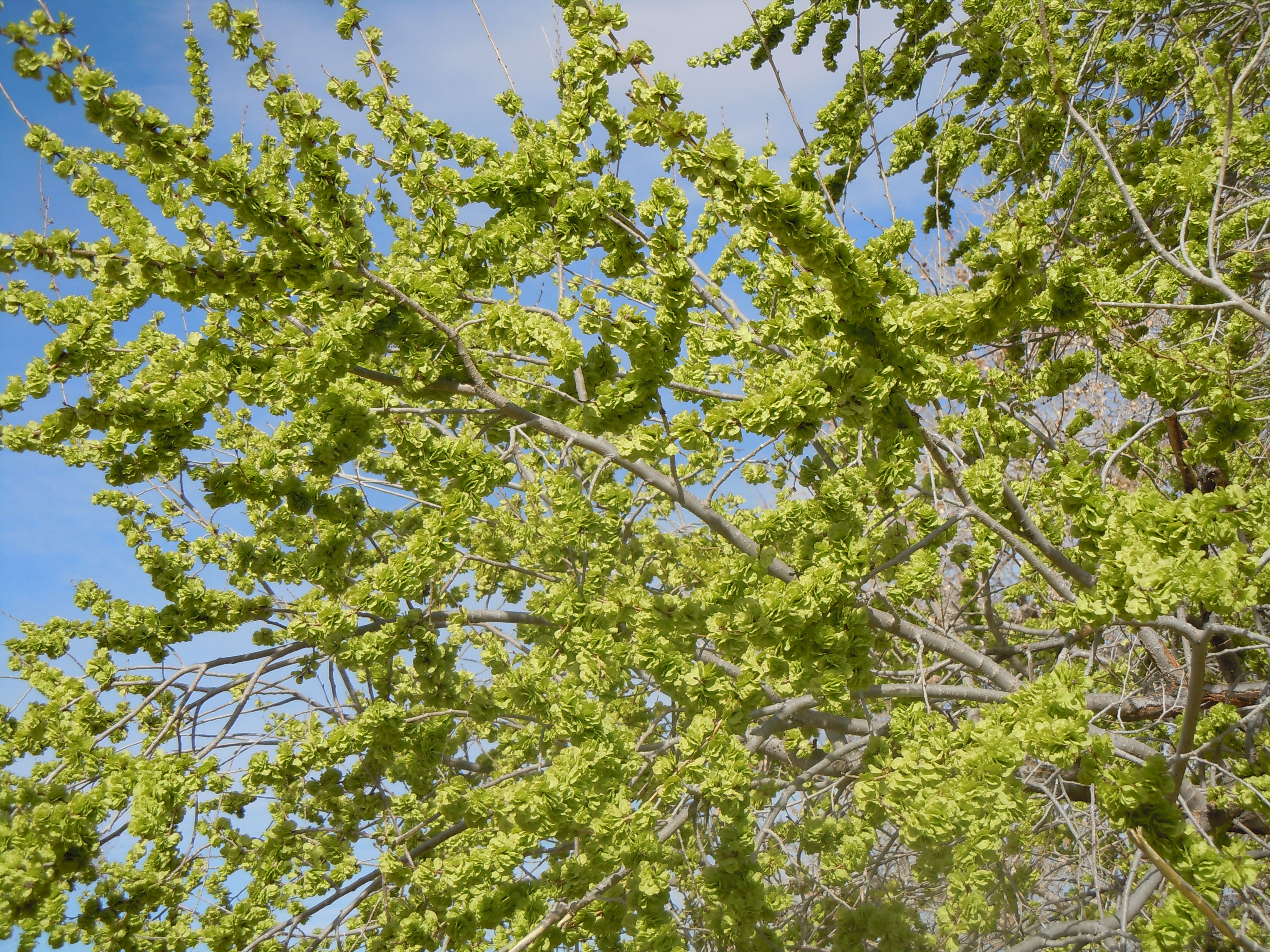
I have decided to count the Siberian elm samaras that grow all along the nearby path as a perennial since, after all, what could be more perennial than a tree? Elm samaras are mild and have no distinctive flavor of any kind,  but they are available in mind-blowing quantities, and are the first green of spring along with bladder campion and whatever I have managed to force under frost blankets.  They are a useful addition to salads and cooked greens, can be nibbled along the walk as a nice trail snack, and gathered by the bucketful  for my chickens and goat, who have gone through the winter without fresh greens.  So despite their lack of distinction, all of us are happy to see them. Within two weeks of their first appearance as a green mist on the trees, the edges have become papery and tough and the season is over. No problem, I am on to other things at that point.  But later in the growing season when I am cursing the wily and invasive Siberian elm, it helps to remember that it was one of the first fresh things to come to my table.


Fall Summation IV part 2: Further Perennials

In my last post, I started to sum up a few perennial edibles around my yard, and found that there are actually a lot more of them then I realized. So here’s part two.
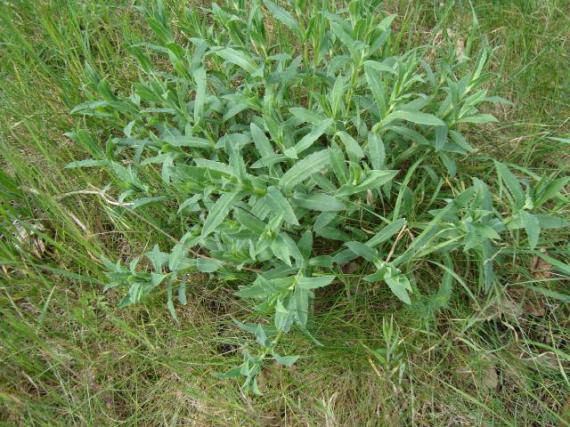
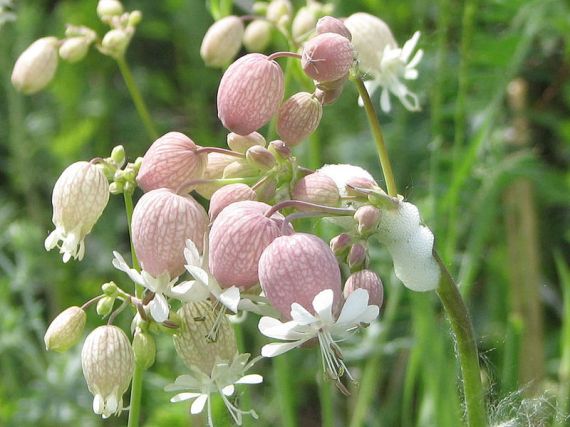
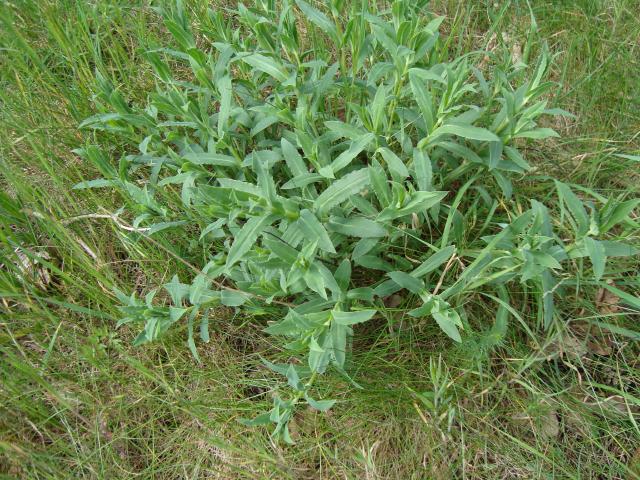
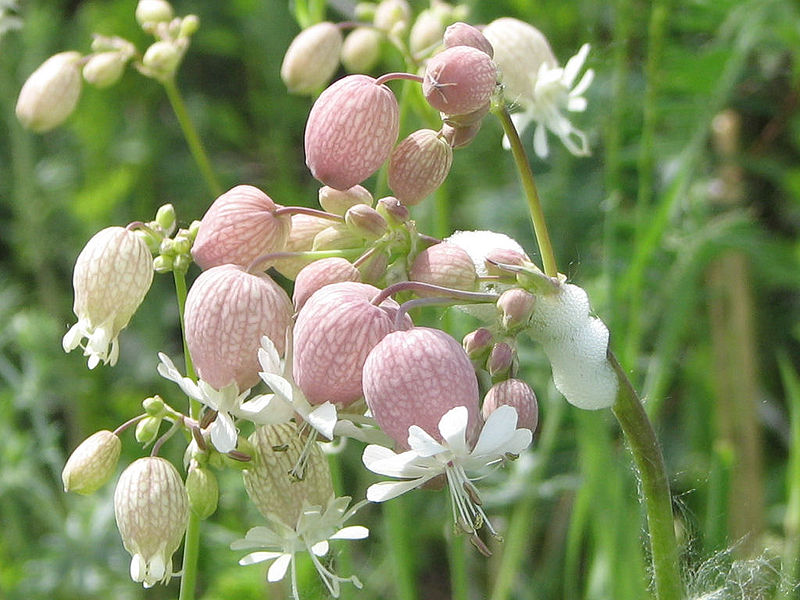
Bladder campion, Silene vulgaris, is always my first green of spring and my last green of fall. It is better cooked than raw in my opinion, but some leaves in a mixed salad will certainly not hurt anything and have a pleasant substantial texture. I had to buy seed of this one to get it started, and it was a couple of years before it really begin to grow well, but now I have enough to need to weed out some. It has never been a problem weed or gotten out of control under my conditions. It seeds itself around a bit, but not unreasonably.
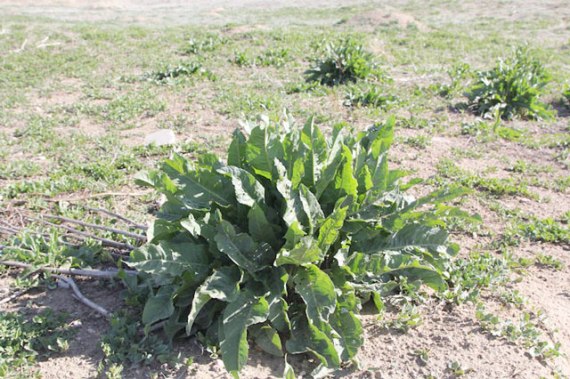
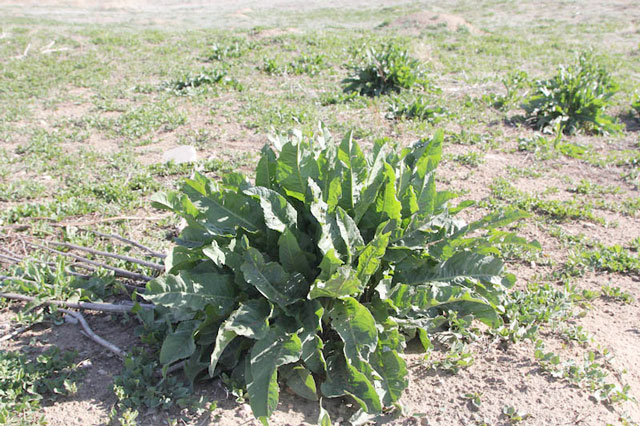
Curled dock is a common weed that most people could not imagine planting on purpose, but in my area it grows mostly along the irrigation ditches, which are also frequented by dogs. So to have a good clean supply, I do grow some in my weed patch. The slightly lemony greens are very good in mixed greens but rapidly get bitter as the weather warms. Get them early. And then get them again late, because like so many perennials, they produce a smaller but useful second crop of leaves in late fall.  This one does seed it self around like crazy, and every single seed seems to be viable, so do be careful to cut off the flower stalks early unless you want a lot more plants. There is a great deal written about the culinary uses of the seeds. I don’t care for them at all, but you can read about this elsewhere if you are interested.  Some people also use the roots medicinally, and that also could be researched elsewhere.
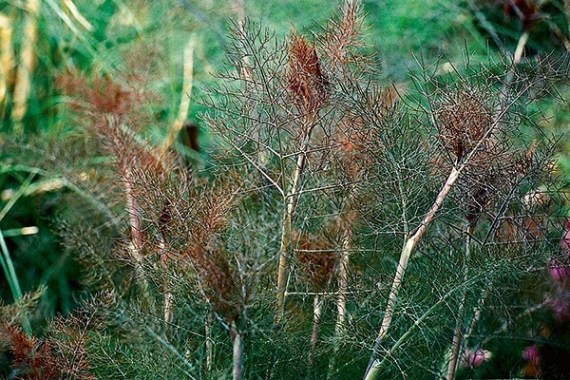
Bronze fennel is a lovely ornamental as well as a delicious seasoning herb and vegetable. I find the flavor a little more pronounced and anisey than that of green fennel. It’s also prettier. In Samuel Thayer‘s newest book, Incredible Wild Edibles, there is a wonderful chapter on how to use fennel.  My very favorite part is the young shoot, and so far I have not been able to induce my plants to make tender shoots in the fall, but I’m still trying. The leaves are a wonderful seasoning for fish and seafood, and are great chopped and sprinkled lavishly over salads.
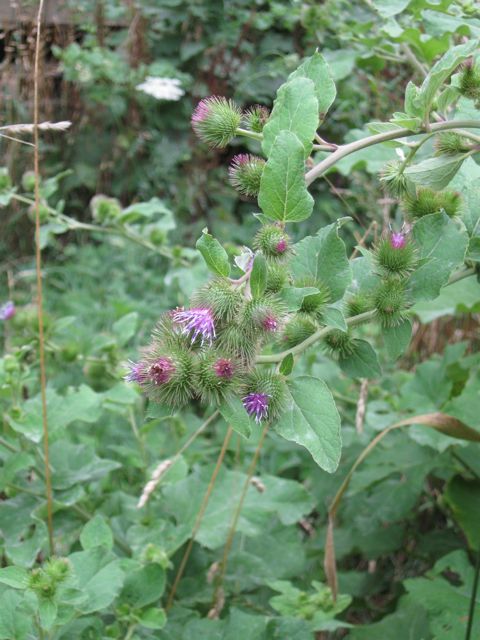
Burdock has not been a success for me so far, due to personal taste preferences. Even the youngest spring leaves taste rank and have a rough texture, the root is bland and turns an unpleasant color even when cooked with some lemon juice, and the peeled flower stalk is no more than passable to my palate. I think that the peeled stalk chunks might be tastier when cooked with stronger seasonings or perhaps grilled, and I’ll try that next year. It often happens that an edible perennial hangs around my place for years before I learn to use it in ways that I really like, so I think of burdock as a potential vegetable that I haven’t really learned about yet. I am happy enough to give it some space because my goat is crazy about the leaves and leaf stalks, but be aware that even if you think you are cutting down all the flower stalks, it ingeniously forms some tiny short ones that get past you and scatter seeds everywhere. Bees enjoy the flowers and birds enjoy the seeds, but the price of having it around is eternal vigilance and a fair amount of grunt weeding.
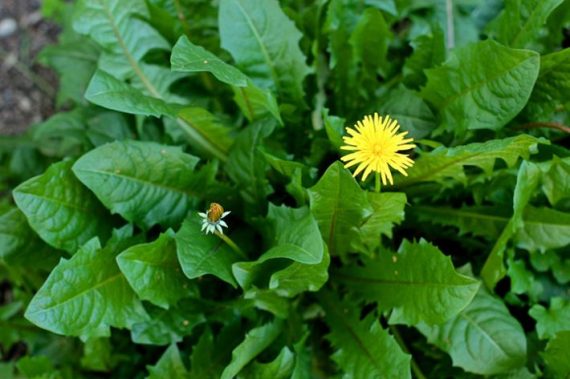
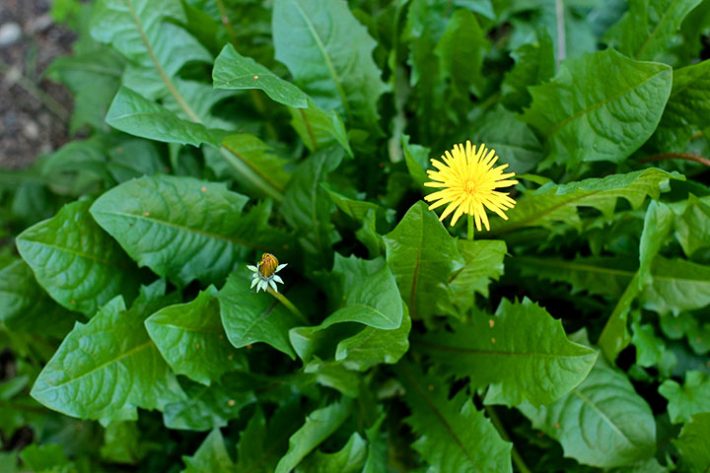
Dandelion is not a common weed in my area, believe it or not, and I had to buy seeds to get it started.  But I wanted it and was happy to persevere until I got some to germinate. The young leaves of dandelion have a fair amount of bitterness and might be an acquired taste, and most people start out by disliking them, then later in their foraging career begin to like them, and ultimately crave them.  I’m at the craving stage. I also enjoy using the flowers, although the bitter green sepals have to be pulled off, which is a bit tedious.  I think that the petals might be useful in fritters and similar preparations, but I haven’t done that yet.  There is always more to learn. I do like the young, tightly closed buds when I can get enough of them to bother cooking. I am not a fan of the root, and this is another plant where I leave the root in place to produce the parts that I like better.  Here in the  high desert I like to grow mine in partial shade because the leaves get more tender, less bitter, and quite a bit bigger. Incidentally, I bought some seeds called French Thick Leaf that were supposed to be very superior, and used some seeds from a northeastern person’s yard, and the plants are all pretty much identical.
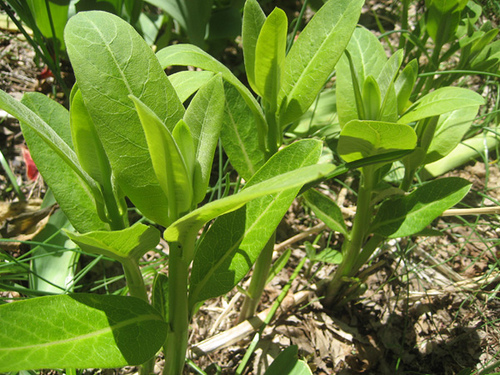
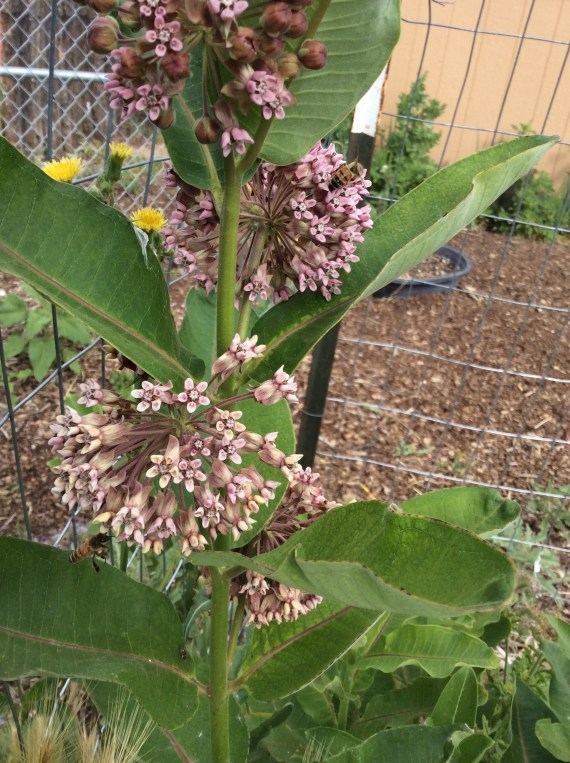
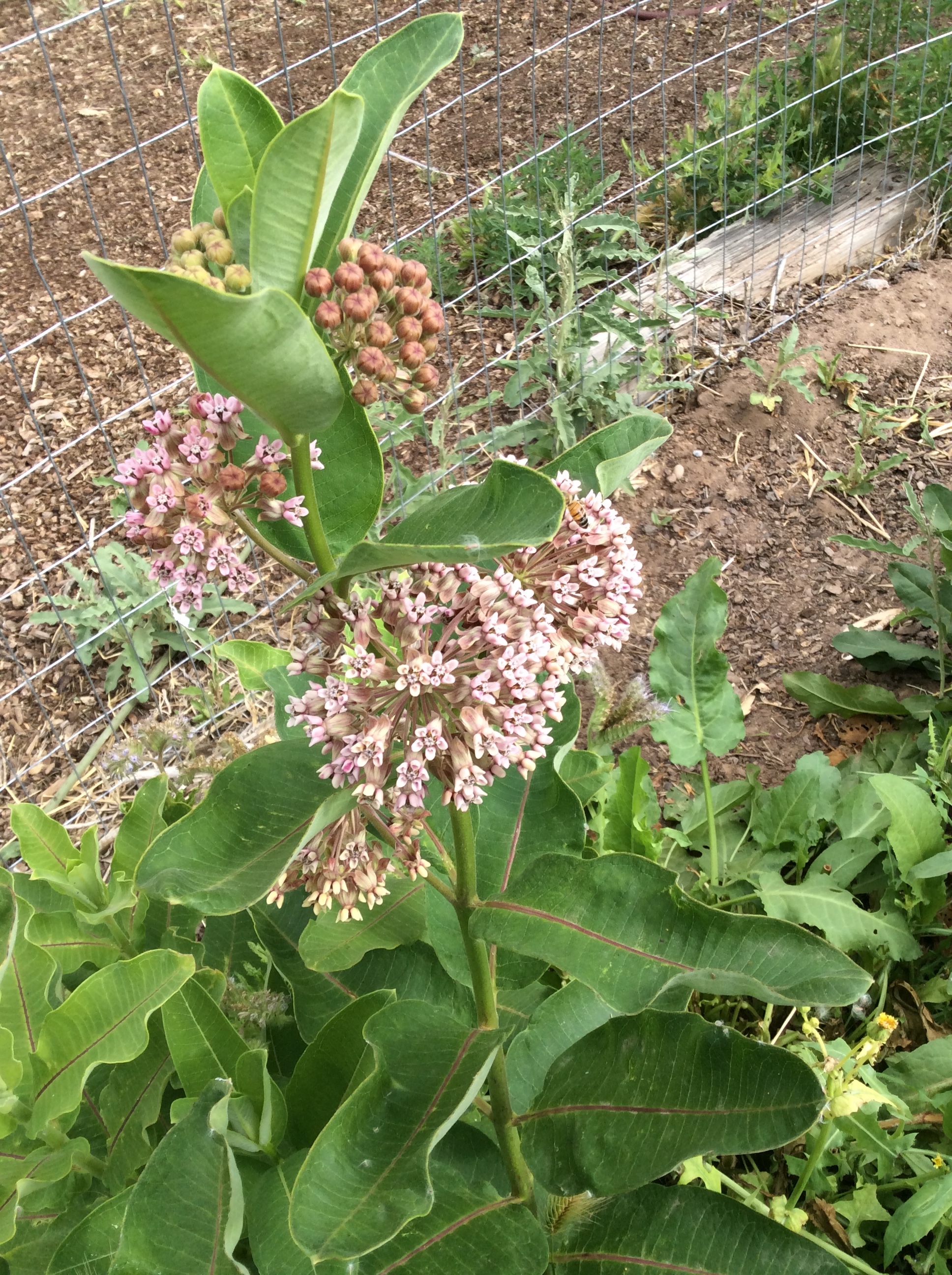
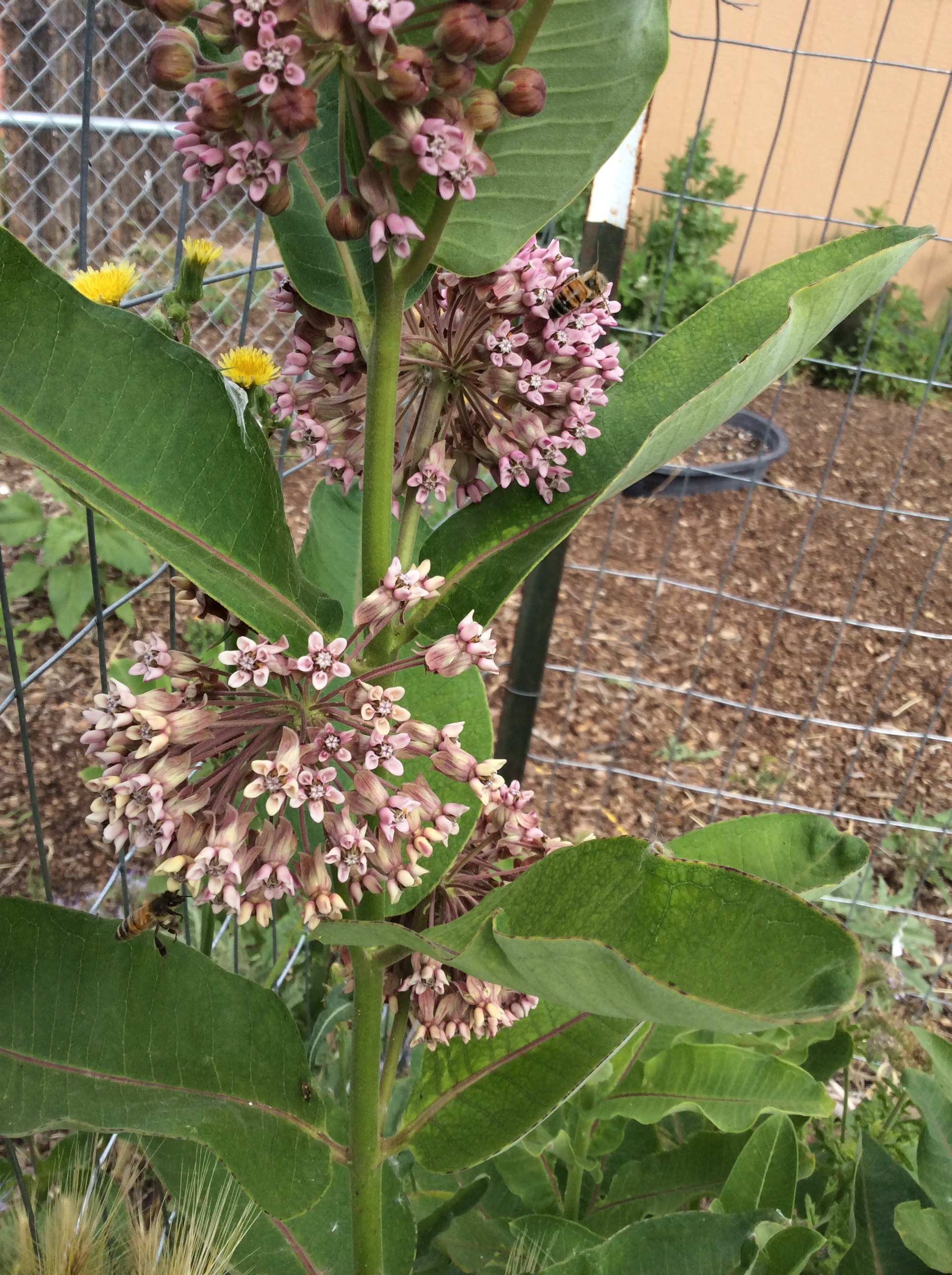
Common milkweed is another weed that just does not grow in my area, although I often see it when vacationing further north in Colorado. It took me a few tries to start it from seed, and it needs winter stratification. So far I have only had a few bites each of spring shoots and buds, plus one young pod, on my plate because it’s still getting established. But it has the mild “foody” flavor that I remember, especially good with butter. The vanilla-scented flowers are wildly attractive to bees, and of course this is the food plant of the monarch butterfly. Once established, it doesn’t need too much water, but it needs a fair amount to get started. Be sure that you know how to identify it as Asclepius syraica because there are some thin-leaved toxic milkweeds, and if you are foraging it in the wild I strongly suggest reading Samuel Thayer on how to tell the young shoots from dogsbane,  which resemble them in ways but are very bitter. I hope to have a lot of it around in the future.
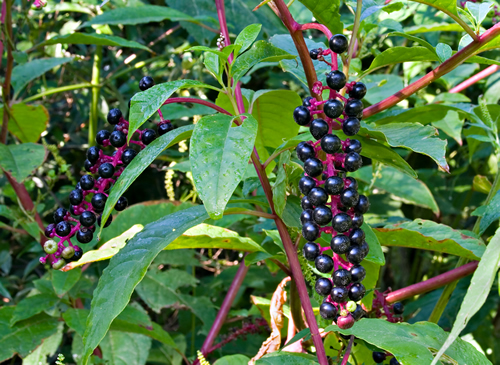
Pokeweed was one of my favorite wild foods when I was first getting interested in foraging. It’s a big rank plant, up to six feet high and as much across, and has to be sited accordingly. It also REQUIRES preboiling in a large volume of water, which is then thrown out, before further preparation for eating. It is toxic if not prepared properly. Please consult Samuel Thayer’s Incredible Wild Edibles before trying to eat it. Then you’ll have all the information you need to eat it safely. It doesn’t grow in the Southwest, but I finally got two plants started from seed, and hope to have more in the future. Euell Gibbons wrote about forcing pokeweed shoots in winter, and one day I may try some version of that.
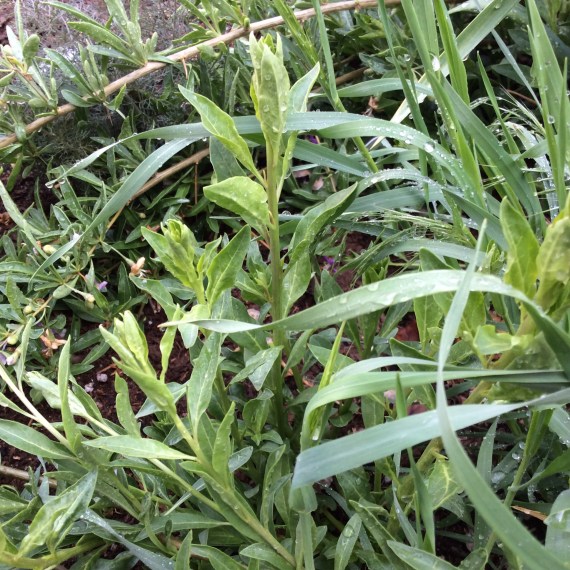
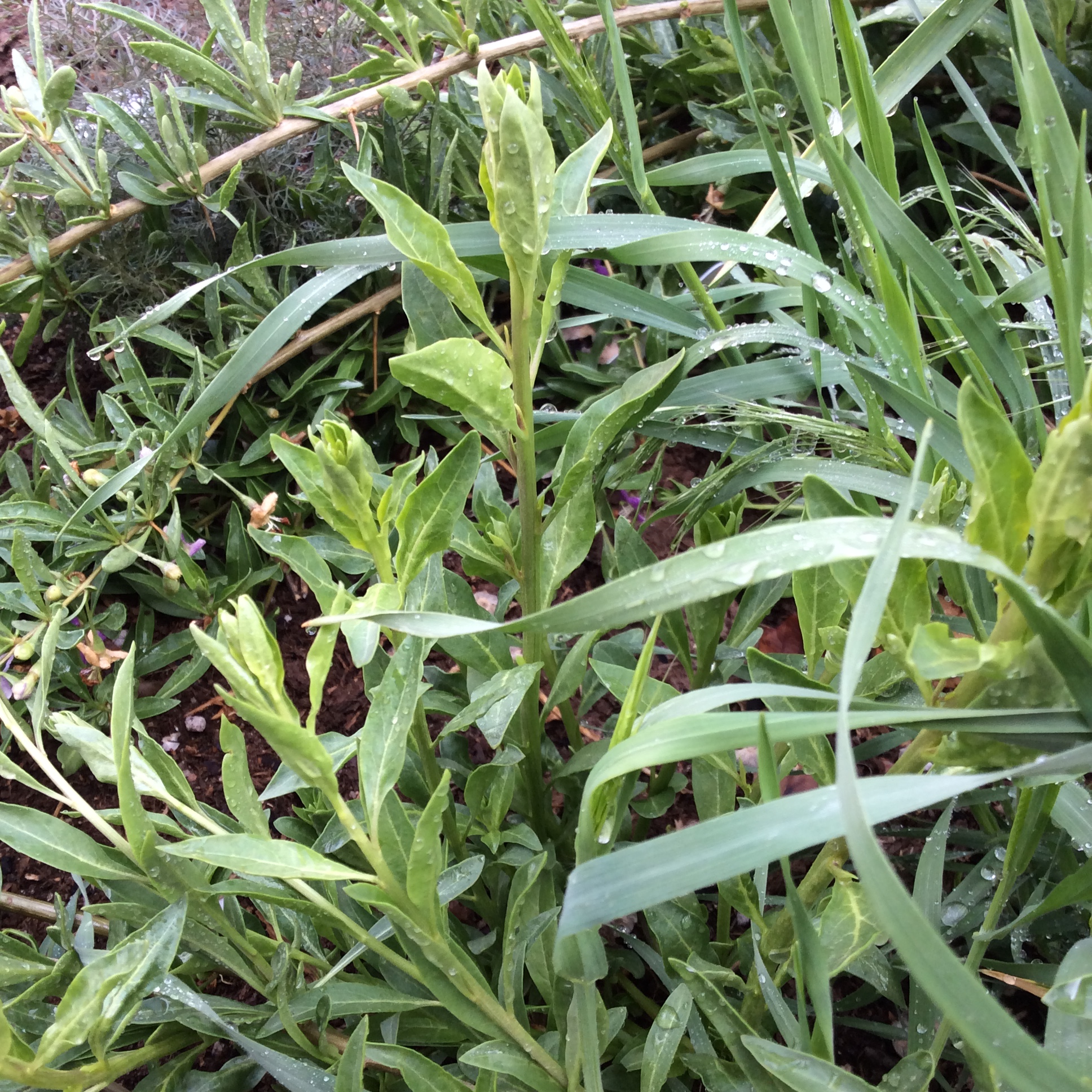
Goji Shoots come up everywhere after you’ve grown goji berries for a few years. They are very tasty sautéed in butter or olive oil. To enjoy them, you have to get new shoots as shown. They should be green all over and tender enough to snap when bent. If they have anything resembling brown bark, or have to be cut, skip them. I cut my plants back in late winter and harvest some shoots in spring, and this year I cut some plants back in late fall and put frost blankets over them to see if I can get some winter shoots. I’ll report back.
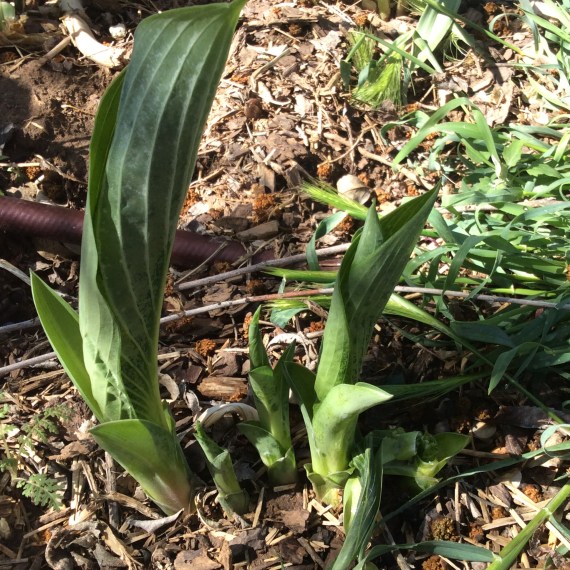
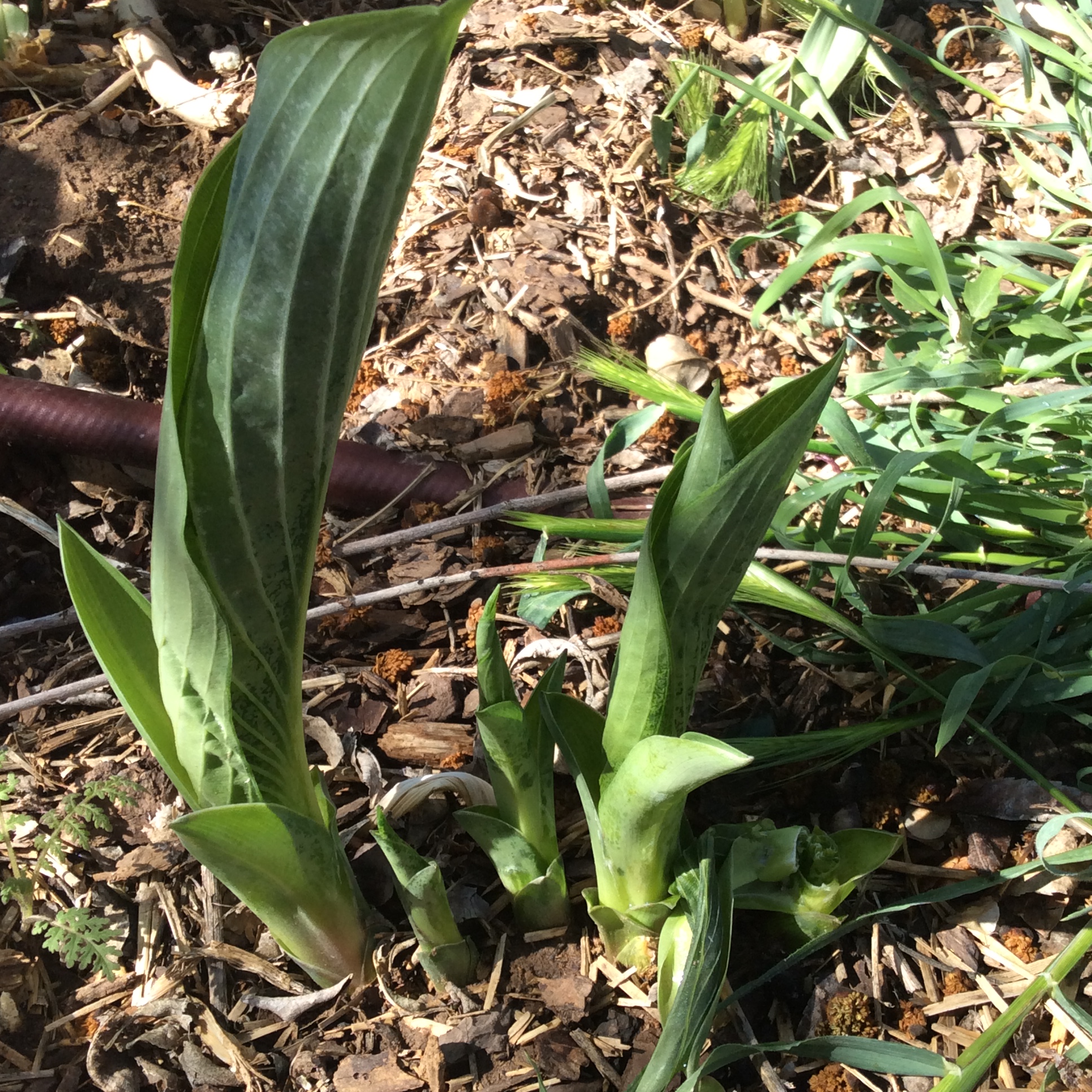
Hosta shoots are a new vegetable for me, because when I moved to my current home it was a flat lot covered with tumbleweed and baked into adobe by the blazing sun. It’s only now, eight years later, that my trees are big enough to provide shade for the shade-loving hostas. I chose the biggest ones that I could find because the shoots are bigger. I have only eaten them once because my plants are young and I don’t want to weaken them. They were mild and good steamed and eaten with a soy-ginger sauce. There is nothing especially distinctive about the flavor but nothing objectionable either, and the texture is tender as long as you get them before they unfurl. They would probably be a good addition to salads if sliced, although I haven’t tried that yet. It takes a couple of years before they’re established enough to harvest, which is usual with perennials. Once established, they could be harvested for a couple of weeks in spring, then allowed to form ornamental foliage. When the leaves get ratty in late summer they could be cut back, then a few shoots harvested again as they refurbish themselves. Of note, this is an edible perennial that would pass muster with the strictest homeowners’ association so you can grow it whatever your circumstances.