Posts Tagged ‘greens’

The Greens of Summer: curly mallow

June 08 014

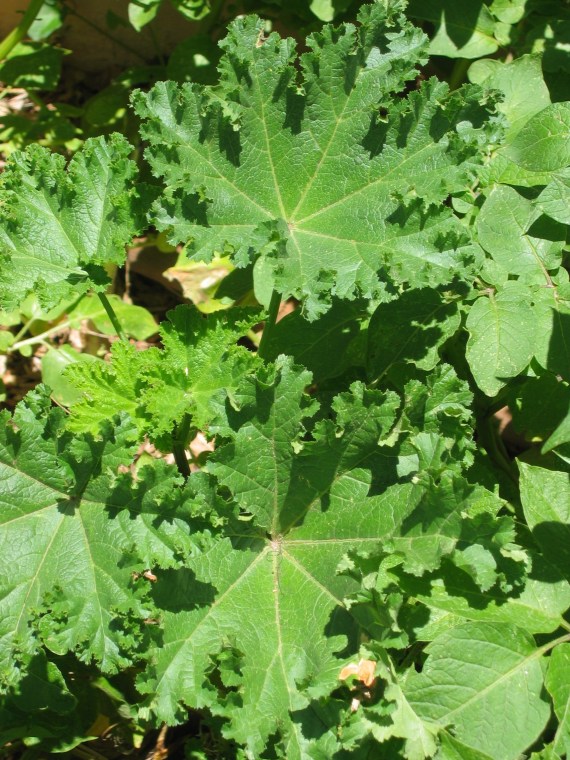
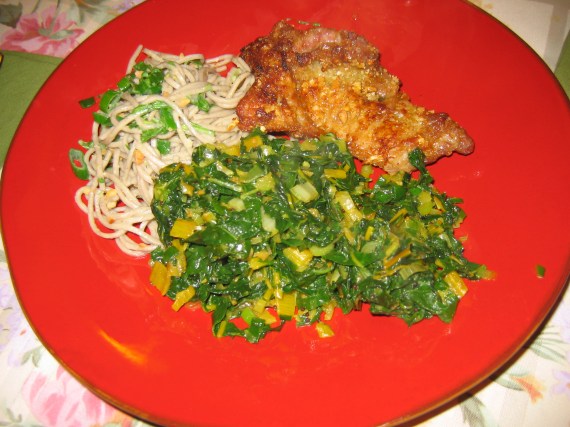
As our days heat up, our spring greens lose their luster, and we need green vegetables that can thrive in our intense sunlight. Fortunately, there are a lot of them. Curly mallow, Verticilla crispa, is one of the best in my opinion; it’s productive, disease-free, and hits its stride just as the spinach is bolting and goes on until a hard frost. The flavor is very mild, and the leaf has a demulcent “thickening” quality that gives body to greens mixtures. The plants can reach 5′ tall. I got seeds from Nichols Garden Nursery a few years ago, and it has seeded itself around nicely ever since. I often mix it half and half with Swiss chard, as I did here in an Indonesian recipe that I love and cook often.
april 2009 012
Continue reading

The greens of spring: scapes

may-2009-014
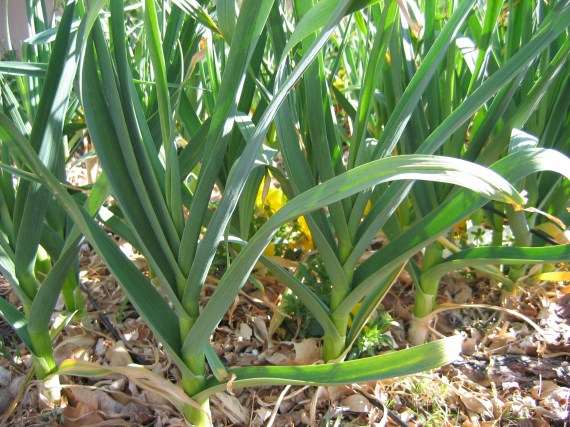
Garlics of the hardneck type have a wonderful array of flavors and are easy to grow. Separate cloves and plant them in early fall. Earlier in spring, green garlic could be harvested if you planted extra for that purpose, and it certainly is delicious. Please see my earlier post on alliums for more on green garlic. Now, though, the underground cloves are swelling and forming fibrous skin between divisions and aren’t good to eat as green garlic. But your garlic plants have sent up scapes, thoughtfully providing you with a pleasant garlicky green vegetable to tide you over until the “heads” are ready to harvest. You need to cut off the scapes, since they take energy from bulb formation, so this harvest is guilt-free pure bonus.

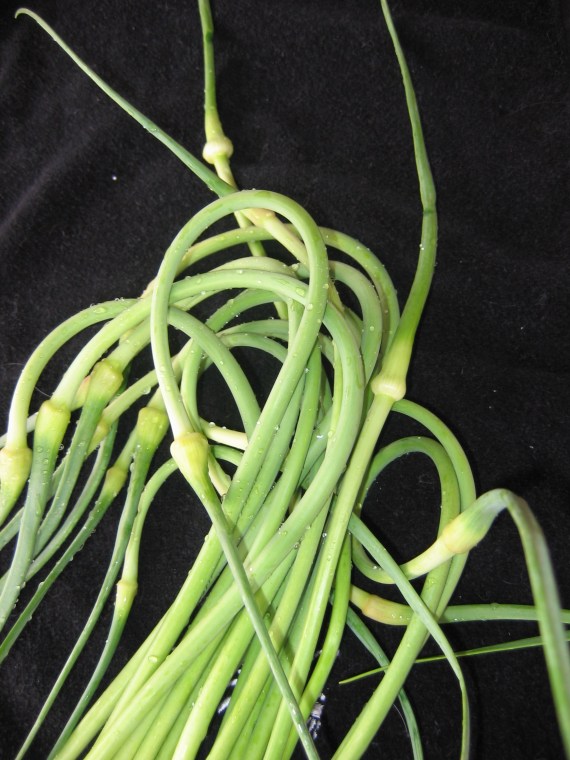
The scapes may have coiled into fantastical seaweedy coils. Make sure that you harvest them while the entire stem is still green, with no withering or yellowing. There may be a small touch of yellow around the blossom-sheath at the tip, but the stem should be all green. Cut them at the base of the highest leaf on the plant. Now wash well and cut each scape into one inch pieces, including the bulging part of the blossom sheath but discarding the long skinny tip above it. Now you are ready to cook them. See below for recipes and suggestions.

may-2009-015

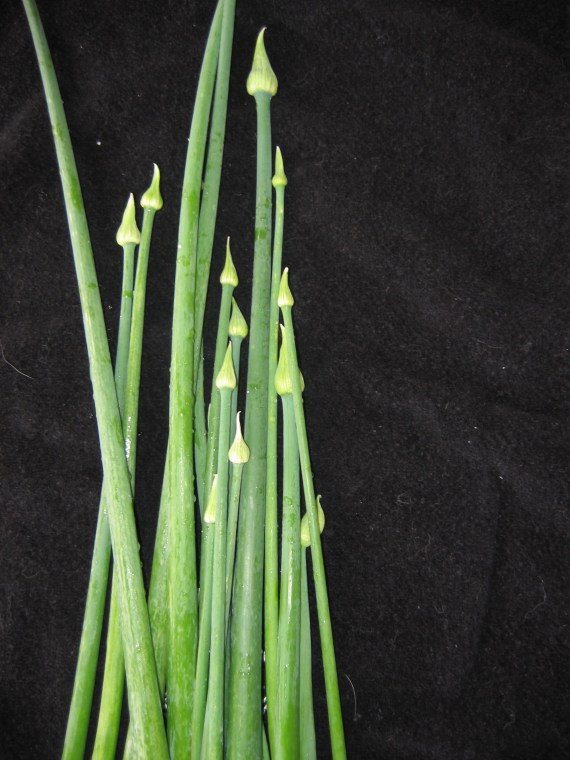
Onion scapes, shown above, are also a nice kitchen bonus. When green onions (see my last post) start to go to seed, this is what you get. Pick them while the blossom-sheath is still the size of the tip of your finger or smaller. Wash them and cut in segments as for garlic scapes, above. They need different handling at the stove. Click here for recipes and suggestions

The Greens of Spring: Alliums

march-2009-054
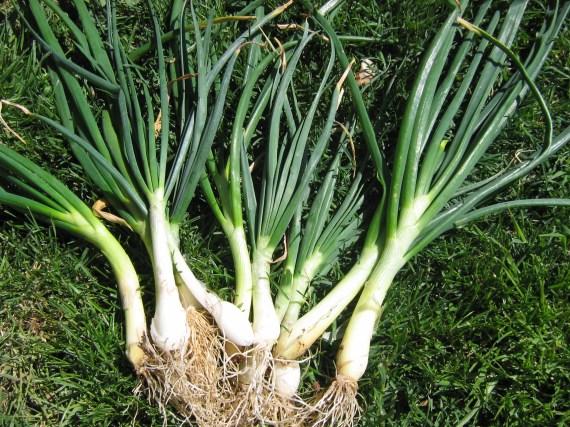
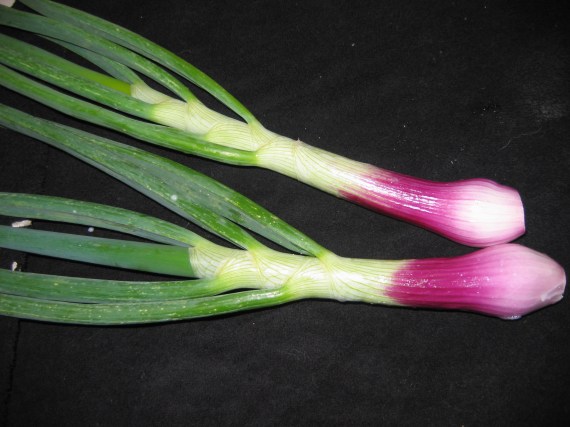
Onions and garlic are among the most common and useful seasonings worldwide, as well as in my kitchen. In spring my garden is full of green fresh forms of these lovely vegetables, and this is the time to plan for the green onions you’ll want later in the year. Start now, because they won’t be ready for a while. I suggest starting some long red onions from seed. They are available under several names. At Gourmet Seeds International in Tatum, New Mexico, they’re sold as Rossa lunga de Firenze. Also get a packet of the lovely Japanese green onions. My favorite is Shimonata. Don’t worry about the late start; you’re planting for the future. Start them now, and plant them out in fertile soil when they’re big enough to take care of themselves. I plant mine in clusters of 3-5 plants, with at least 8″ between clusters. They will grow slowly through the summer, and some of the Shimonata will be big enough to eat in the fall. In early fall the red onions will seem to mature and die at a small size. Don’t panic. Leave them in place. Both types will sit motionless, sulking, through the winter and will burst into lively growth in early spring. Usually the red onions will divide, and you will get two or even three beautiful mother-of-pearl-colored spring onions like the ones below from each. The shafts of both types will be thick, sometimes an inch in diameter. Harvest them as soon as they’re big enough to be usable, and keep harvesting until the flowerscapes appear.
They are useful in all kinds of cooking, and I love the shafts trimmed, rubbed with olive oil, and grilled slowly until sweet and softened. Slice up with a good sharp knife (very messy eating if you skip this step) and serve with sea salt and a little of your best olive oil.
april-2009-009

march-2009-045
To have green garlic next spring, stick cloves in the ground about 6″ apart in the fall. For this purpose, any good organic garlic from the store is fine. Harvest when they just begin to form a bulb swelling, trim the roots and peel, slice finely, saute in good butter, and season with sea salt. Good with pasta, on good toasted sourdough bread, or as a sauce for fish.
A few years ago I ordered some “French gray shallots,” which the catalog claimed were the only real shallot to use in French cooking. I was unimpressed: the shallots were strong-flavored, garlicky, small, and maddening to peel. I left a lot of them in place out of disinterest, and discovered that in late winter and spring their foliage makes great greens. Cut and use like chives, but they are significantly stronger in flavor. They add zip scattered in a salad, or add them to greens dishes for the last few minutes of cooking.
Sauteed green onions are a great addition to hortapita fillings and other greens dishes, so please check out my “greens” category on the sidebar for more recipes. Or, for a recipe in which green onions are the stars, click here!
The Greens of Spring: Greens Enchiladas

march-2009-056
This recipe makes no claims to be authentic Mexican, but it’s healthy and delicious, so enjoy it for what it is. It’s certainly in the Mexican spirit of making use of what comes along. I should mention that the idea came from Rick Bayless’s famous “greens tacos,” so thanks, Rick. I used mild and velvety blanched nettles for the greens . See my earlier post on nettles if you aren’t familiar with them.

For two servings:
6 corn tortillas
A little oil for pan-frying the tortillas
1 cup blanched mild greens; Swiss chard, spinach, mallow, nettles, or a combination.
1 pint Roasted Tomato and Tomatillo Salsa; see my  website Recipes page under “tomatoes,” or substitute your own favorite cooked salsa. Raw salsas like Pico de Gallo won’t work here.
¼ pound grated Monterey Jack cheese
¼ pound Cotija cheese (or use extra Monterey Jack for a milder flavor)
½ cup chopped cilantro

Fry the tortillas briefly, or cook them on a comal if you prefer. Set them aside. Chop the greens well, mix with 1 cup of the salsa, and heat to a full simmer, stirring frequently. Spread ¼ of the greens mixture on each of two tortillas, and scatter a bit of cilantro over. Top each with another tortilla, and spread with the rest of the greens mixture and sprinkle on a little more cilantro. Top each stack with one of the remaining tortillas, spread the tops and any exposed edges of the stacks with the rest of the salsa, and top with a mixture of the two cheeses or just with shredded Monterey Jack. Bake at 400 degrees until hot and the cheese is melted. You can brown it briefly under the broiler, if you wish. Serve garnished with the remaining cilantro.
This makes a wonderful lunch or light supper. For a more filling dinner, top each stack with a fried egg. Good with beer.
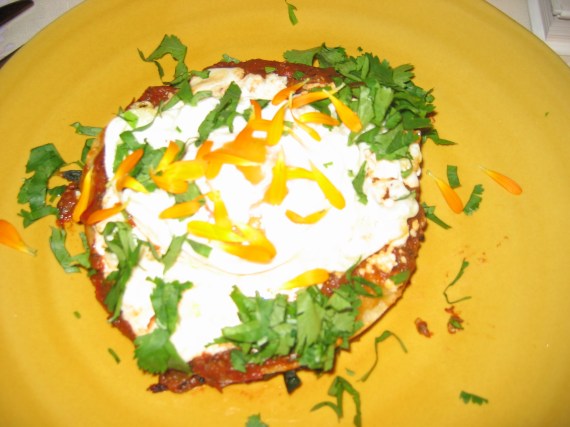
In the picture above, some calendula petals are scattered around with the cilantro. They don’t have much flavor, but add a lovely sunny color.