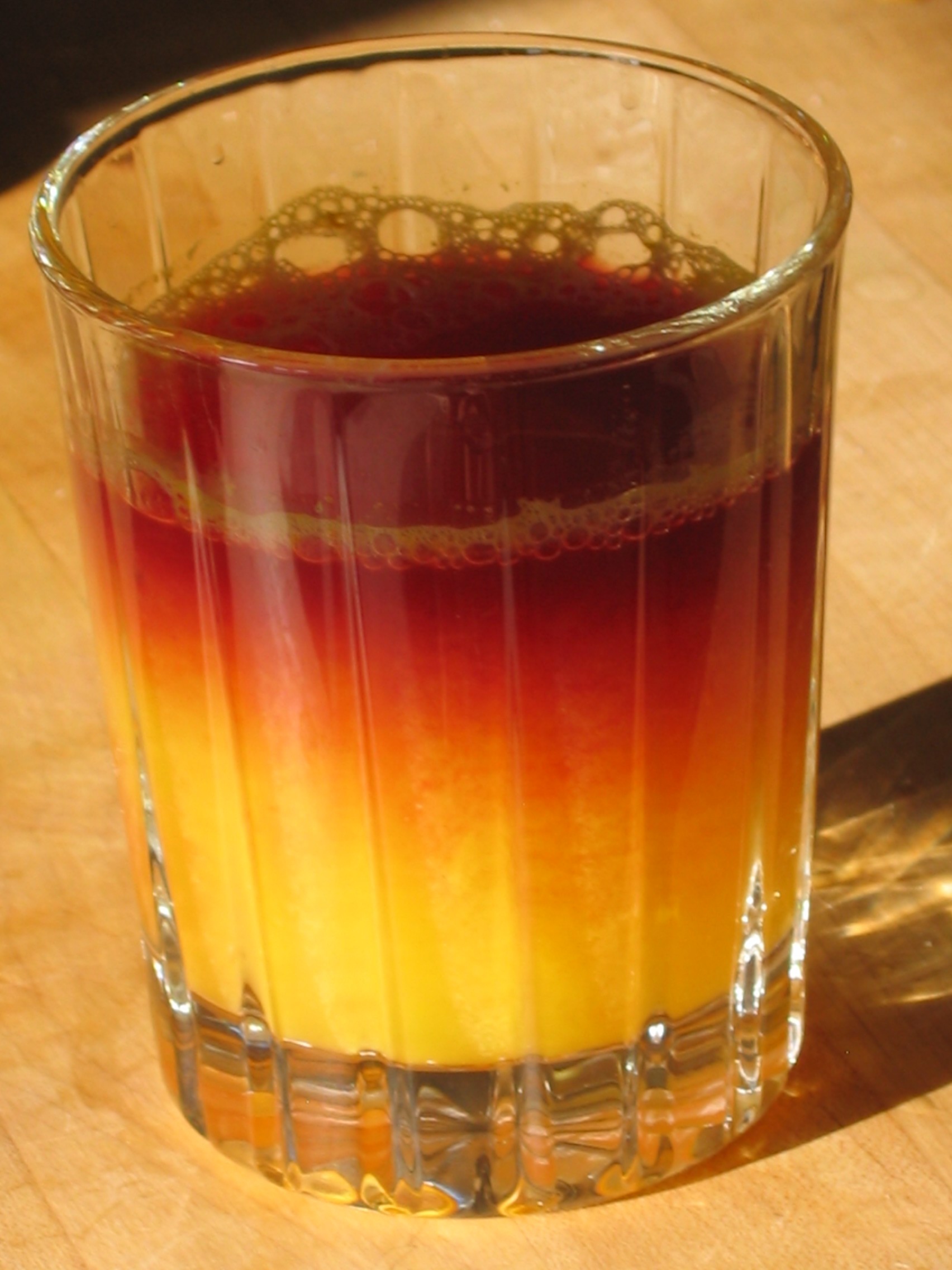
Time to step back a pace and remember that not all good things are local. Personally I would never want to eat exclusively local, and I relish good citrus fruit, chocolate, coffee, tea, and wine from other places, to name just a few. We can offer other parts of the planet a market for high-quality sustainable products, and I’m happy to do my bit to help with that by buying the best organic citrus fruit that I can find when it’s in season. Right now blood oranges (also sold as Moro oranges) and the sunset-pink Cara Cara oranges are available, and my favorite morning wake-up call is a glass of fresh-squeezed Cara Cara juice topped off with the juice of one or two blood oranges. Don’t stir, just let the blood orange juice sit on top and slowly disperse itself. I have tried “fresh-squeezed nonpasteurized not from concentrate” OJ from a local market and can honestly report that it was little better than the bottled kind. Get a good squeezer and make your own, and taste the best that orange juice can be. Within a few weeks the blood oranges will be gone from the markets, so drink them up now.
Archive for the ‘fruit’ Category
28 Sep
Passing Pleasures: Prickly Pear Tepache

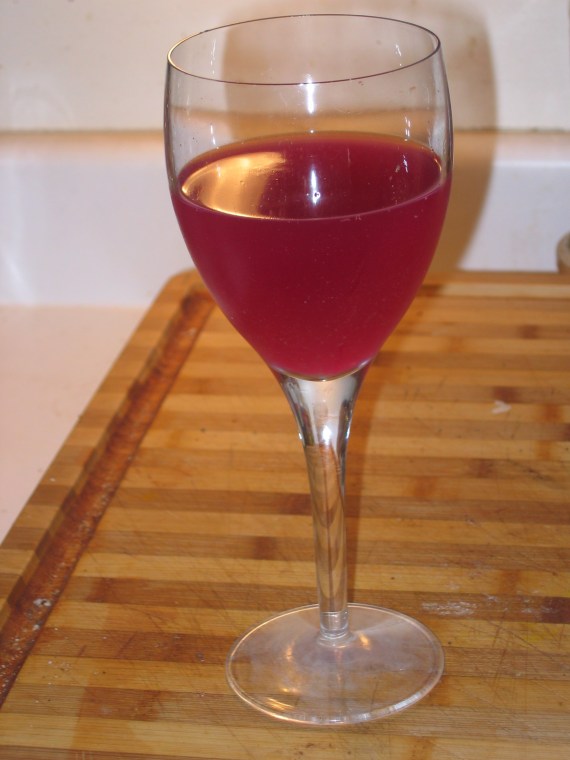
This fizzy, festive fuschia drink gets its color and flavor from a really local fruit, the tuna, or prickly pear fruit. Here in New Mexico you probably have some in your yard, and if you don’t, a neighbor probably does.
The basic directions are the same as for plain tepache. Pick, beg, or borrow eight tunas the size of an egg or bigger. Handle them with respect, because the wicked little prickles will make you itch and burn for days if you let them at your skin. Handle them with gloves. If you already know how to peel them with pliers or have someone to show you how, then peel them. Otherwise, throw them in the blender whole and crush to a puree, adding a little water if you have to in order to get the blender going. Pour the puree into a strainer lined with several layers of cheesecloth. Now, twist the cheesecloth closed and press it with a spatula or wooden spoon to release the juice. Don’t omit the cheesecloth, since the strainer alone won’t get the prickles out, and don’t squeeze the cheesecloth with your hands. You should end up with 1.5 to 2 cups of prickly pear juice. Now make tepache according to the directions I gave earlier in the summer (click here to get the directions) but add the prickly pear juice to the fermenting jar with the other ingredients. The other quantities stay the same, including the pineapple rind, which provides the wild yeasts that do the fermenting. Ferment according to the directions. The flavor of the tunas is accentuated by the fermenting process and will be dominant in the finished drink. Pour and toast the exhilarating autumn weather.
According to an article from Texas A&M, the antioxidants quercetin and kaempherol were found in prickly pear fruit, as well as other antioxidants. The link is below if you want to read more. Personally, I think the important thing about antioxidants is to get a lot of different ones, not by taking pills but by eating more fruits and vegetables (or, in this case, drinking them.)
6 Sep
The Joys of Summer: fruit crumbles

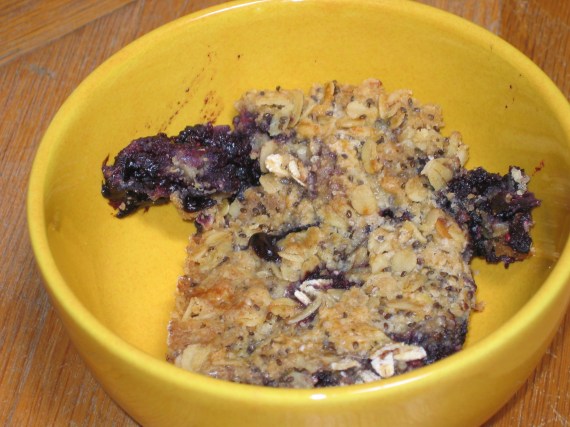
The stands at the farmers’ markets are full of fruit right now, and after you’ve eaten all that you can eat raw, it’s fun to make a special dessert here and there. This one is delicious, healthy as desserts go, and nearly as easy as eating the fruit raw.
Currently I’m experimenting with chia seeds in cooking and have found that, unlike many whole grains, they can actually taste good in desserts. I use them lightly toasted, and they add a pleasant nutty flavor as well as an extra nutritional punch to many dishes. Please see the end of this post for directions on toasting them.
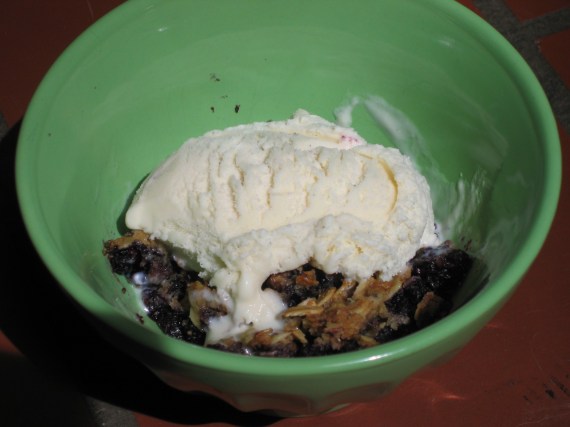
This crumble is good with nearly any fruit. Apples, berries of all kinds, plums (especially the dry-fleshed prune plums that are showing up in the farmers’ markets right now)and figs are all successful. Click the link below the next photo to get the recipe. This photo shows a hot serving hidden under organic vanilla ice cream. After all, summer doesn’t last forever.

Clich here for the recipe Continue reading
31 Aug
Kitchen staples: granola with chia seeds

Kitchen experimentation is a lot of fun, but early in the morning on a busy workday I don’t feel very experimental. I want something comfortable and familiar, quick to prepare, healthy, and tasty. Oh yes, and I also want it to keep me feeling good all morning, not just give me a sugar rush to get me out the door.
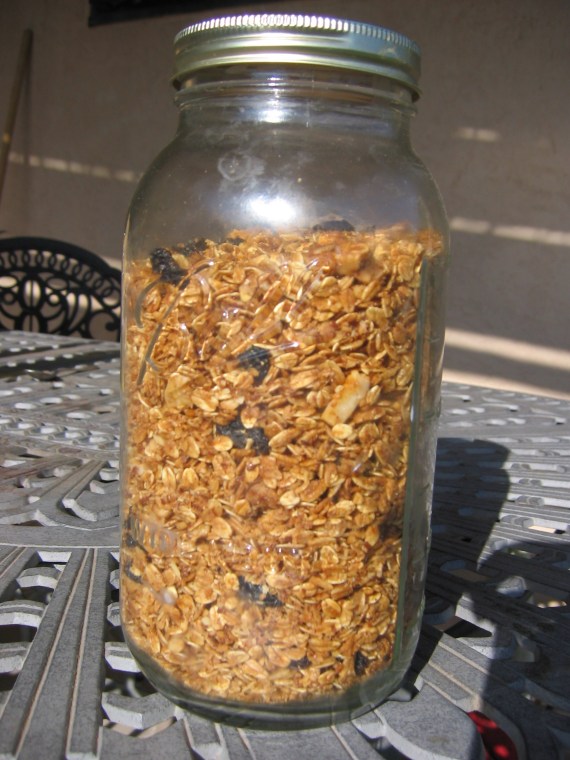
My homemade granola fits the bill perfectly. It offers whole grains, fruit, nuts, lots of fiber and antioxidants, and good flavor. If you eat it with yogurt, as I do, you get a good dose of healthy bacteria too. One easy kitchen job every 3-4 weeks keeps two people supplied with good breakfasts, plus an occasional handful out of the jar as a snack.
I use agave nectar as the sweetener due to its low glycemic index and good flavor. I used to use vegetable oil but now use a light-flavored olive oil. This is a great vehicle for chia seeds, too. If you’ve read Christopher McDougle’s interesting new book Born to Run, you know about how the Tarahumara tribe uses chia seeds as an energy source. Personally, I won’t eat anything just because it’s good for me; it also has to taste good. In this recipe, chia seeds taste good.
Click here for the recipe! Continue reading