Archive for the ‘edible landscaping’ Category

Unexpected Dolmas, and Notes on Grape Leaves

image
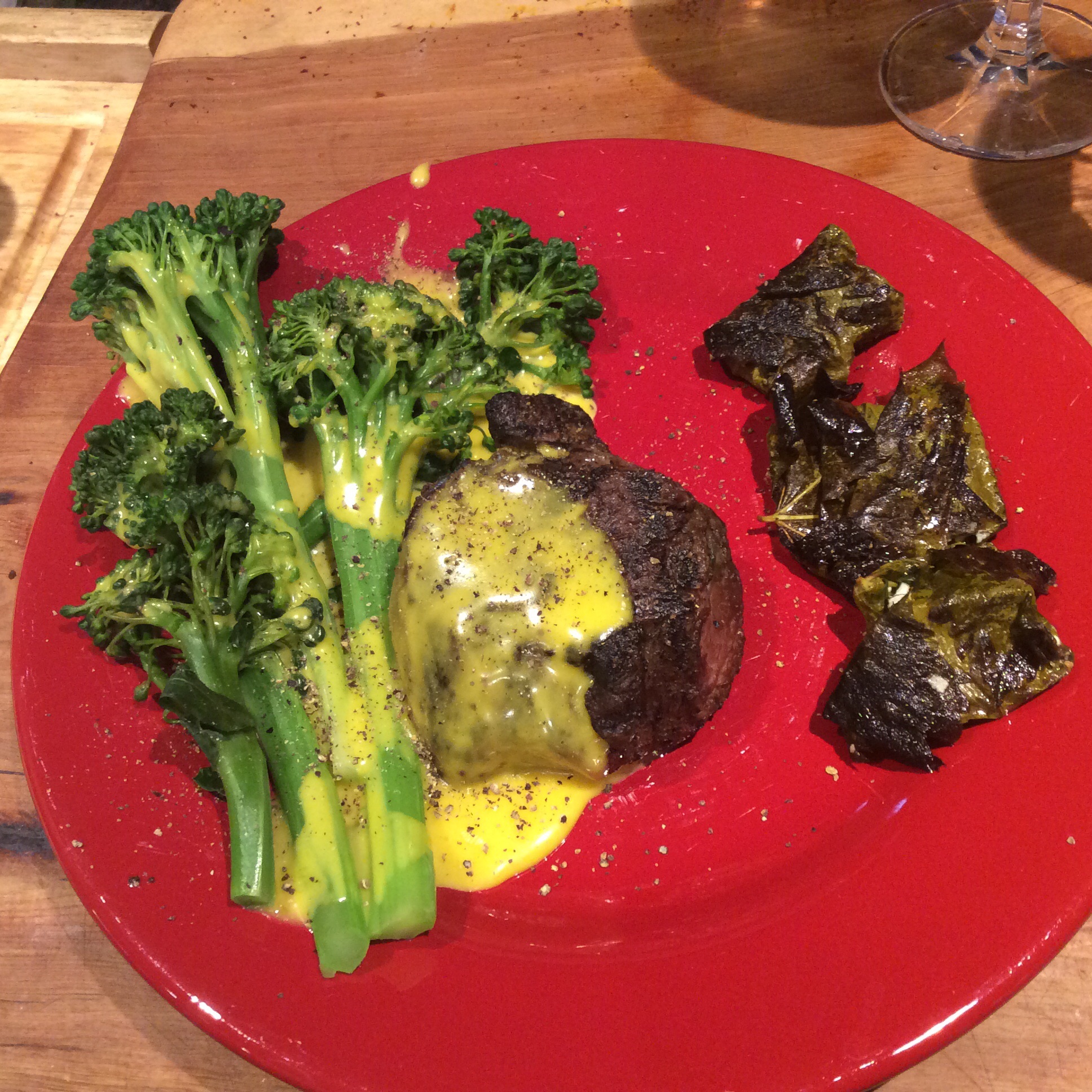
The tiny dolmas that you see on the edge of the plate above were never meant to be a post; they were meant to be a sort of amuse-bouche incorporated onto the main plate. But they were so delicious that I ended up writing about them.
They are simplicity itself. For two servings, start with eight fresh grape leaves, chosen according to the notes below. You pull a splendid chunk of Mount Vikos feta out of its wrapper, or if you have a really good locally made feta, you drain a goodly chunk of it and cut slices about half an inch thick and 1 1/2 inches long, or smaller depending on the size of your grape leaves. You need eight slices. Center each slice on a grape leaf, put a large pinch of chopped dill or chopped fresh fennel on top, and roll up the dolmas. The fresh leaves are a bit stiff and you will have to coax them. Heat up a nonstick ceramic skillet, and when it’s good and hot put in about 3 tablespoons of good olive oil. After a few seconds for the oil to heat, put in the dolmas with the last fold downward, to hold it in place. Fry until browned but not blackened, flip, and brown the other side. Serve. Eat. Simple as that. I can’t help noticing that these would make a great Cook’s Treat, a meze for one, eaten standing while working on other aspects of a large meal.

Now, about catching your grape leaves. I don’t know why some are tender and tart and others are papery and  unchewable, but I do know that it’s imperative to taste a leaf from the plant before you try to use them in cooking. I have two wine grape vines, a Syrah and a merlot, that have delicious leaves even when they have been on the vine a while, and a Concord that has totally inedible leaves even when tried very young. But I have tasted wine grape leaves that were awful, so taste your own vine or the vine that you have (legal) access to. If the leaf chews up without much of a problem, you are good to go. If you are left chewing something that feels like a papery candy wrapper to the teeth, no skill on the cook’s part will overcome this and you are better off with commercial brined grape leaves.
image

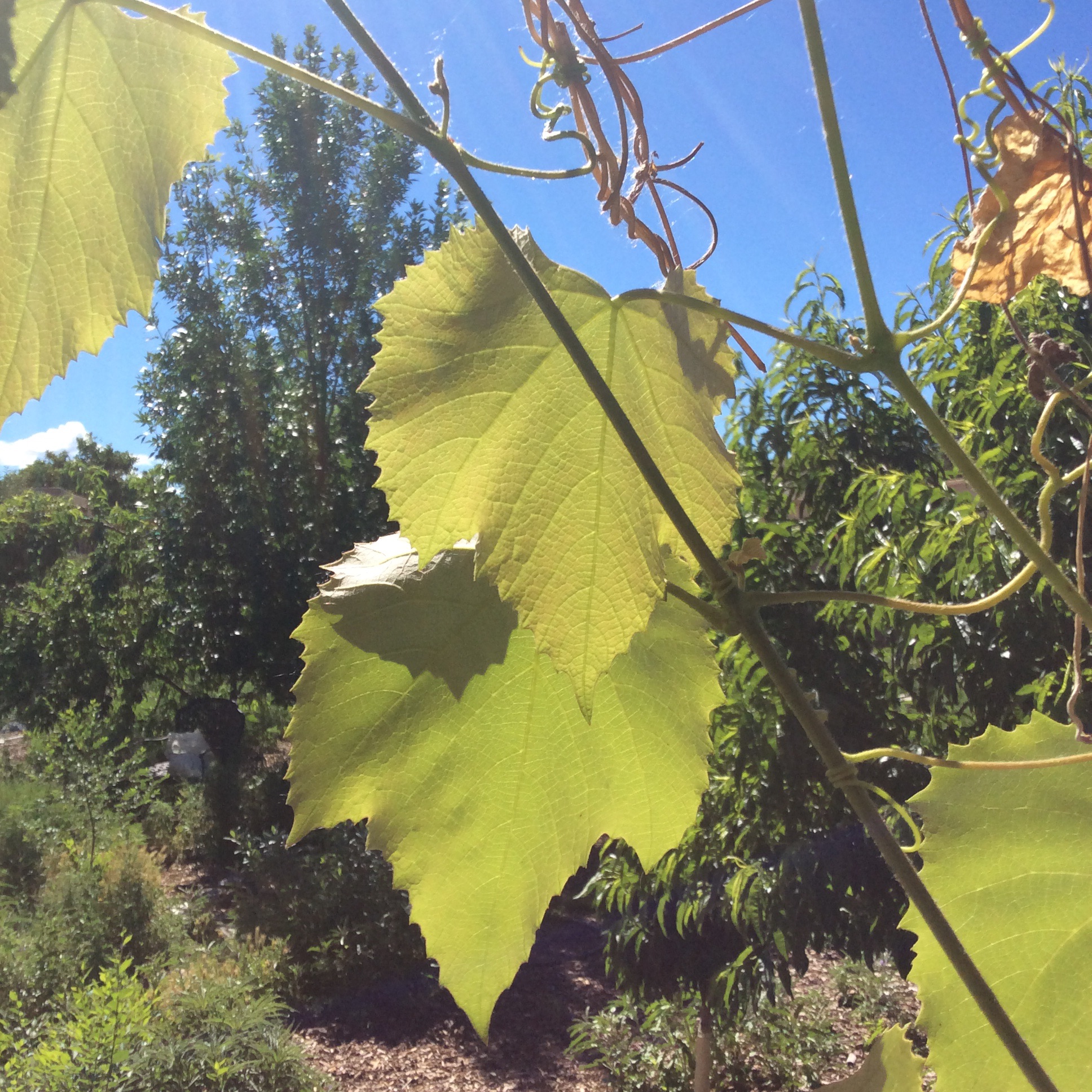
These are the leaves of my Concord vine, and they look perfect for stuffing, but don’t try to eat them unless you want an impaction.
image
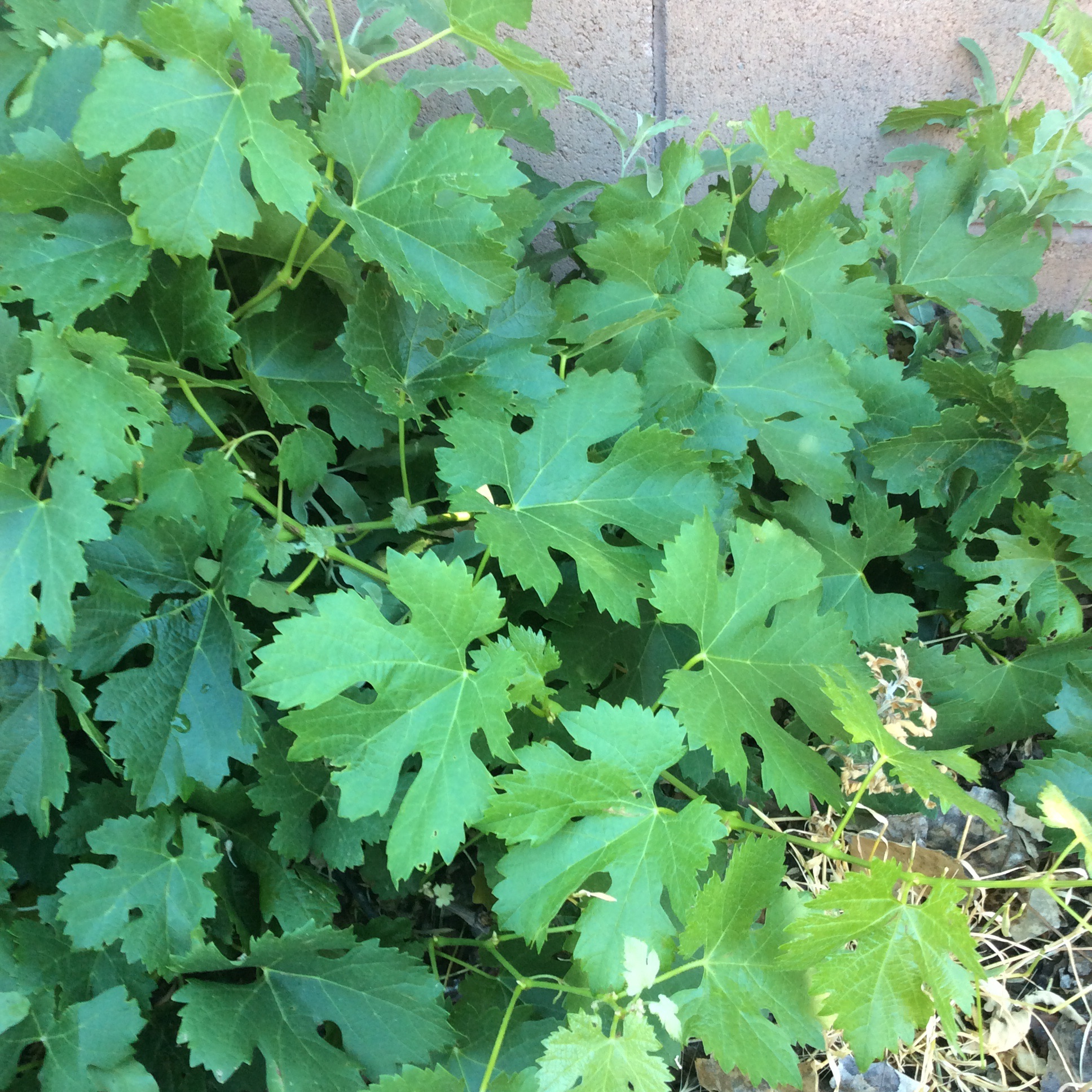
These are the leaves of my Syrah grape, and they look too deeply lobed to cook with, but they are tender and sorrel-sprightly to eat.
Perennial Arugula, With Notes on Montpellier Butter

image

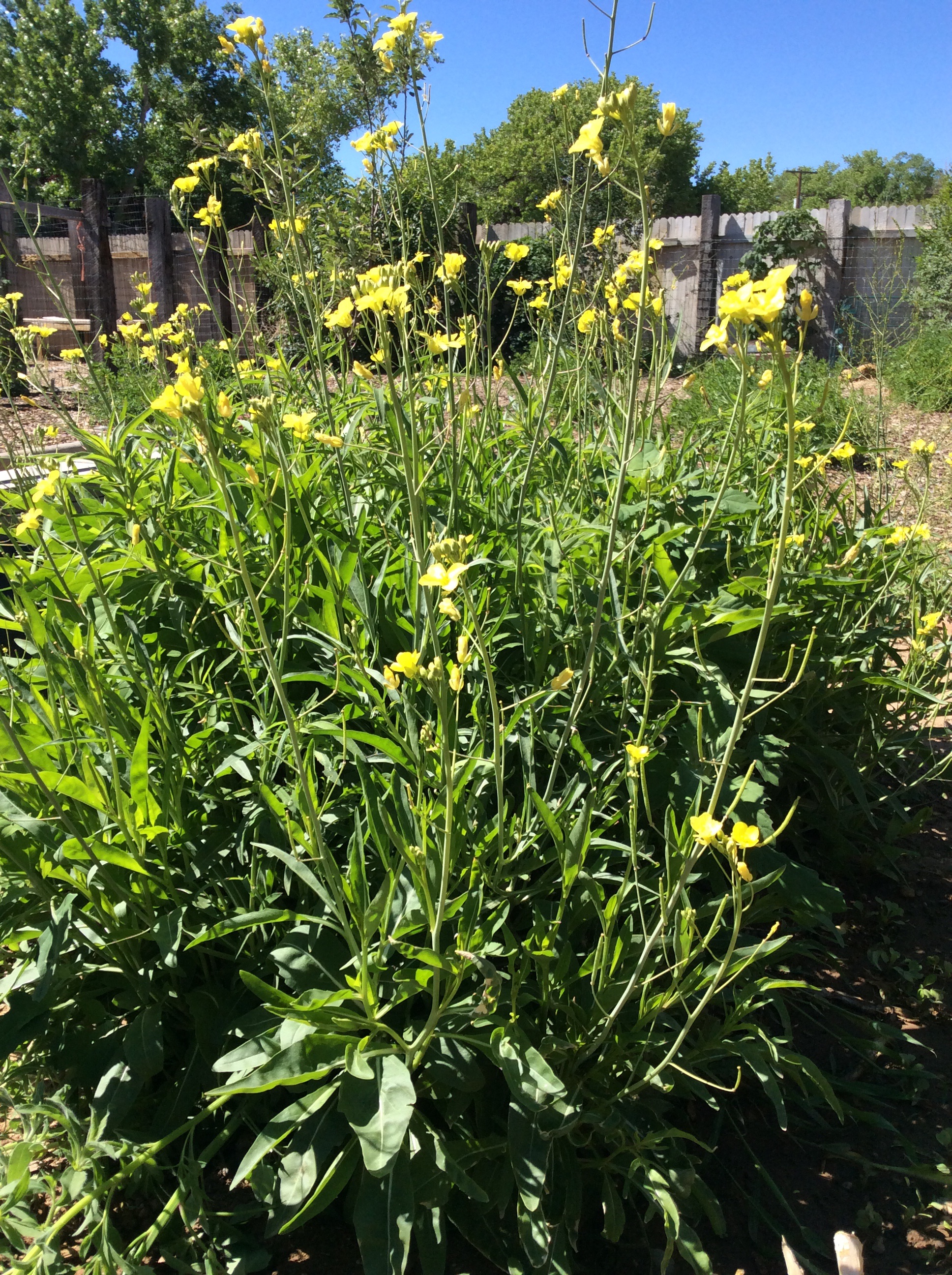
I have written frequently about annual arugula and how delicious, versatile, and easy it is. A few years ago I bought a packet of seed for perennial arugula, Diplotaxis tenuifolia. I planted them in a likely spot and then, as so often happens at my place, I was overcome by the sight of bare earth, forgot I had sown seeds already, and planted something large and rambunctious there. At the end of the gardening year I cleared the debris away and found tiny wispy plants that I recognized as the perennial arugula. They survived the winter, resprouted tentatively in the spring, and then all of a sudden they were a mass. A thuggish mass, ready to overpower anything in the way of their gangland fervor for territory. And they were, literally, hot. The initial flavor when I chewed on a leaf was pleasantly mustardy, developing gradually to a burn in the back of the throat as I swallowed that wasn’t painful, but certainly wasn’t pleasant either. While I puzzled over how to use them, they bloomed, and the delicately pretty sulfur-yellow blossoms drew bees from miles around. So, needless to say, they were kept.
Sometimes it takes me a while to find the best use for a perennial. So far, my favorite use for this sturdy perennial is to blanch the leaves briefly in boiling water and use them more as a seasoning than a bulk ingredient. Used as a small part of a cooked greens mixture, they add interest. I like a small buttered pile of them as a sort of “cooked herb salad” alongside meats or salmon. I intend to try pounding them with a mortar and pestle as a wasabi-like seasoning. And they are superb in Montpellier Butter. I learned about this lovely seasoning in one of Elizabeth David’s books, I forget which one. But the greatest recipe of them all is the one published by Jeremiah Tower, and it goes like this:

Jeremiah Tower’s Montpelier Butter (this is as he published it. My own tweaks are below.)

Coarse salt
6 spinach leaves, washed
2 shallots, finely chopped
1/2 bunch watercress leaves (I use 15 good-sized nasturtium leaves)
2 tablespoons fresh flat-leaf parsley leaves
2 tablespoons fresh chervil leaves
2 tablespoons chopped fresh chives
1 tablespoon fresh tarragon leaves
2 cornichons, rinsed and chopped
4 salted anchovy fillets, rinsed, soaked in water for 10 minutes and dried with a paper towel
2 tablespoons salted capers, rinsed, soaked, and drained
1 small garlic clove
1/4 teaspoon cayenne pepper
Freshly ground black pepper
3 hard-cooked large egg yolks
2 large raw egg yolks
1/2 cup (one quarter pound) good grassfed butter, room temperature
1/2 cup extra-virgin olive oil
1 teaspoon white-wine vinegar
Bring a large saucepan of water to a boil; add salt. Combine spinach, shallots, watercress, parsley, chervil, chives, and tarragon in a fine sieve. Carefully place sieve in boiling water until greens are wilted, about 30 seconds. Remove, and place in ice-water bath to cool, or hold under very cold running water for several seconds until cool. Remove, and squeeze dry. Transfer to the food processor. Add cornichons, anchovies, capers, garlic, and cayenne pepper. Season with salt and black pepper. Process to a smooth paste. Add cooked and raw yolks, and butter. Process until thoroughly combined. Transfer to a medium bowl and slowly whisk in olive oil. Add vinegar, and whisk to combine. Adjust seasoning, if necessary.
This will keep a day or two in the refrigerator, and two months in the freezer.

My tweaks: I leave out the spinach leaves, watercress or nasturtium leaves, and chervil, and use about 25 perennial arugula leaves instead, blanched with the other seasonings as described above. I increase the tarragon to a quarter cup of whole leaves, and I also use a few large cloves of confited garlic rather than one raw clove. I use five hard-cooked egg yolks so that I don’t have to worry about harming an immunocompromised guest. And sorry, Jeremiah, but I do the whole thing in the processor and don’t whisk by hand at the end. I keep the butter in roughly formed little bars in the freezer, tightly wrapped, so that I can cut off large (LARGE) pats with a heated knife and plop them on steaks or grilled salmon and heat briefly under the broiler just before serving to soften and partially melt the butter, or on steamed vegetables, or on nearly anything. I don’t eat the carb-y stuff anymore, but if you do, it is wonderful on chunks of grilled baguette and transcendent on handmade egg linguine with grated Parmesan. If you try this with frozen Montpellier butter and don’t want to take time to thaw it, try grating it on a coarse grater before tossing with the linguine, piling on the salmon, or adding generously to the cooked greens.


Veggies for One, or Two

image
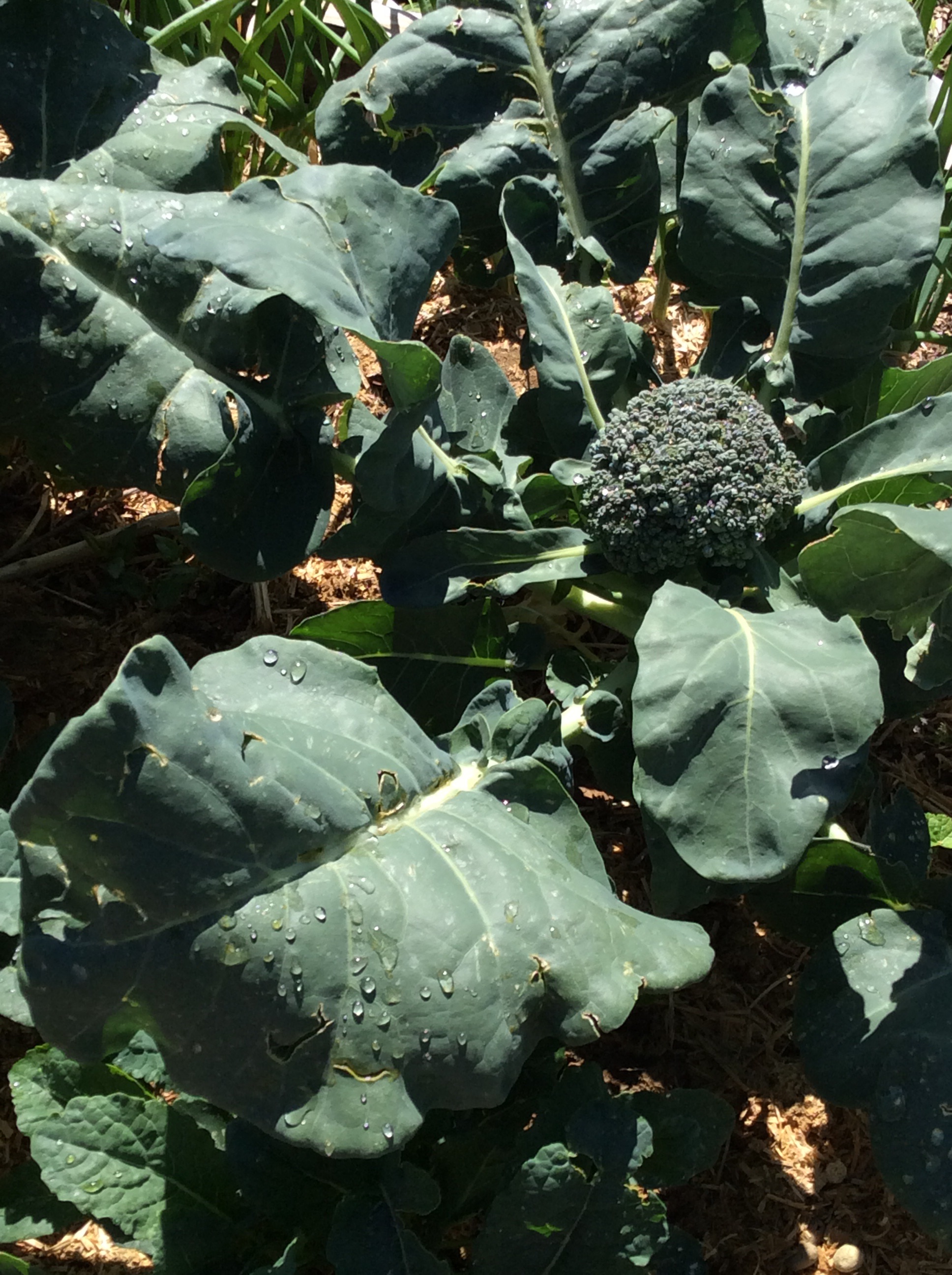
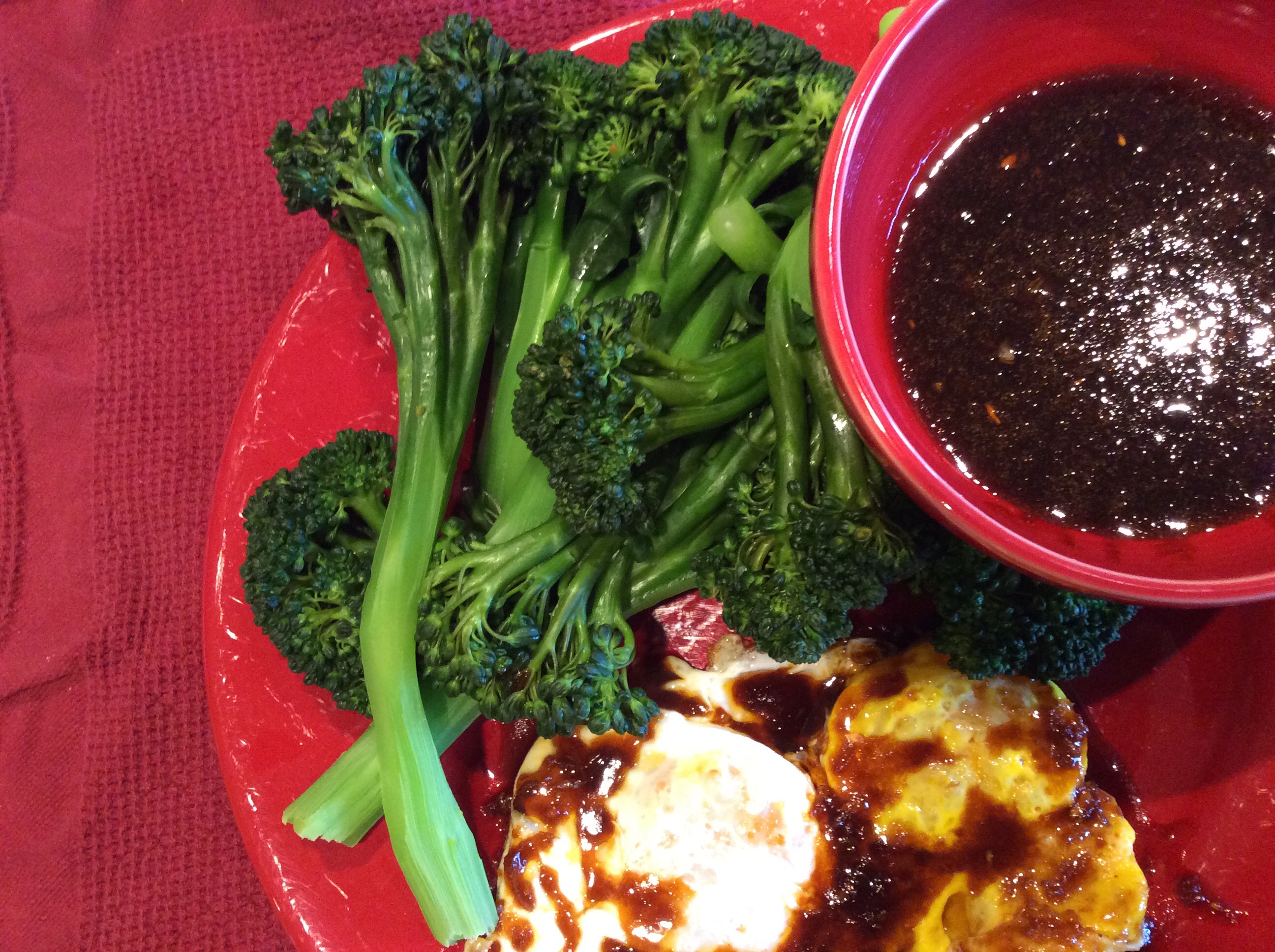
One of the joys of early summer is seeing gorgeous big heads of broccoli “crowning” above the leaves. After you’ve cut the central head, the fun is just beginning. Keep replenishing fertile mulch around the plants and keep them watered, and soon a ring of side shoots will appear above the foliage. Cut the shoots with their long stems, being careful not to harm the main stem of the plant. Rinse them off and peel the stems carefully with a vegetable peeler. Steam to taste. In my opinion, broccoli should be steamed for eight minutes, and raw broccoli is not a vegetable at all. Your mileage may vary.
My favorite way to eat these long elegant stalks is with a quasi-Korean dipping sauce. I was particularly hungry and added a fried egg (double-yolked, so I got a bonus) and drizzled it with the dipping sauce too. The sauce is flavored with gochujang, a lovely deep-flavored fermented sweet chile paste that is unlike any other form of chile. Currently the only brand of gochujang I use is from the quirky company Mother-in-Law’s Kimchee.it contains rice powder and sugar and has some carbs, but you don’t use that much and it doesn’t have any corn syrup. I make this sauce by the pint and keep it in the refrigerator. The recipe as given here makes just over one cup.
The sweeteners that I use are oligofructose, a chicory root derivative, and liquid stevia, because I’m a ketogenic eater. If you don’t worry about carbs, you can just add sugar to taste at the boiling stage. If you do use oligofructose, I recommend the Sweet Perfection brand. Other brands have a bitter taste to me.

Dipping sauce
3×1″ piece of ginger, peeled
8 cloves garlic
3 tablespoons coconut oil
2-3 tablespoons gochujang depending on your heat preference
1/4 cup rice vinegar
3/4 cup soy sauce
1/2 cup Sweet Perfection oligofructose
Drops of liquid stevia to taste

Chop the ginger and garlic while a small saucepan heats up over medium heat. When hot, add the coconut oil, let it heat a minute or two, and add the chopped ginger and garlic. Stir-fry until they are cooked and fragrant but haven’t colored at all. Add the rice vinegar and soy sauce, bring to a boil, and slowly pour in the oligofructose with your nondominant hand while whisking rapidly with your dominant hand. It will form awful clumps if not handled this way. When it is all incorporated, remove the pan from the heat, let stand at least ten minutes to cool, and add liquid stevia just 2-3 drops at a time, tasting to make sure you don’t go too far. Serve in neat small bowls with nearly any meat or vegetable that could use some quick perking up. It seems tailor-made for broccoli, but a big glug poured over rapidly stir-fried greens is also pretty damn good, especially with chopped hard-boiled egg on top to complete the meal, and a salad of leftover thinly sliced steak or chicken, fresh sliced romaine, and this sauce as a dressing makes a beautiful lunch.
image

Gather Ye Nitrogen While Ye May: Desert Bird-of-Paradise

image
Caesalpinia gilliesii, the Desert Bird-of-Paradise, is a spectacular plant. It is native to South America but is naturalized throughout the Southwest. It would probably grow in other places. It thrives on our alkaline soil, baking desert sun, and low rainfall. It’s gorgeous in bloom and neat-looking when not in bloom. It seeds itself around but is easily eradicated where not wanted. It provides filtered shade to other plants. And it fixes nitrogen. Quite a set of advantages.
I’m making use of it on a dry, hot, unirrigated strip of south-facing land along my driveway where I want to grow goji berries. The goji plants struggled and mostly died at first, but as seed-sown bird-of-paradise takes hold and provides them with some shade and nitrogen, the gojis are getting a new lease on life and have finally put out some berries. I trudge the hose over and give everything a deep soaking about once every 3-4 weeks.
image
For years I struggled with Caragena arborescans, which is the darling of the permaculturists but simply will not grow well, or at all, for me. Now I have Caesalpinia instead. No part of it is edible but it helps edibles grow. It has survived 10 degrees Fahrenheit with no problems. In Britian they do have hardiness issues with it, and I think it won’t tolerate wet feet. For dry gardens it works beautifully.
So look around you and see what nitrogen-fixers thrive in your area and grow without pampering. Use them. Don’t fuss with the ones that are determined to die.