Archive for the ‘cooking’ Category

“Processed” Food

IMG_5298

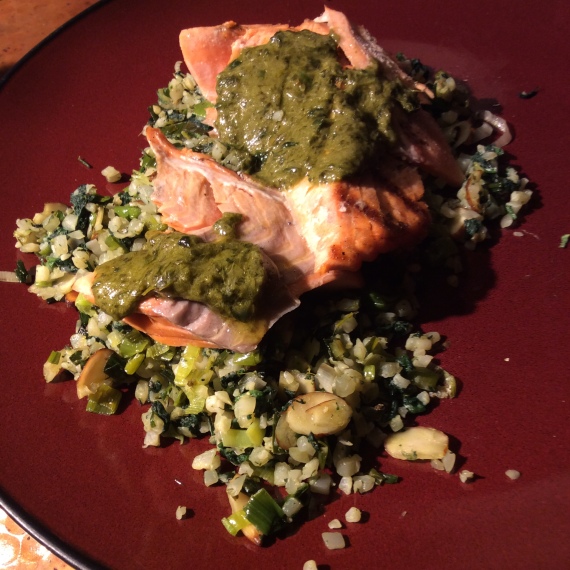
Like everyone else who works, I have a lot to do when I get home and some nights I need help to get a healthy dinner on the table. I eat a ketogenic (low carbohydrate) diet and don’t have pasta and rice and bulgur to fall back on. For those nights I keep some “fast food” in the freezer, like riced organic cauliflower. If I’m thinking ahead, I leave a bag out to thaw in the morning. More often I didn’t think ahead and need to thaw it quickly in the microwave. Either way, if you just cook it as is, you are going to have a rather damp mess on your hands, in my opinion anyway. So take the thoroughly thawed cauliflower, bundle it in a dish towel, and squeeze the water out of it. You’ll get a surprising amount out. Now you can throw it in a skillet with some salt, sliced green onions, chopped herbs, olive oil, and sliced almonds, and cook over medium heat for about 20 minutes with regular stirring. Don’t add water back. Cauliflower loves to go soggy if it gets a chance. It’s done when the cauliflower grains are done to your preference. I like mine a bit on the firm side, holding their shape briefly to the tooth without any hint of raw crunch.  Check whether it needs more salt before you serve. Meanwhile, grill some salmon as shown here, or warm up leftover chicken thighs, or slice up some warmed leftover meat. Land it on your cauliflower pilaf and flavor it with finishing butter (Montpellier butter with green garlic is shown here) which also lives in the freezer in convenient individually wrapped portions, or just drizzle with your best olive oil.
Some would say that I should grow, grate, and freeze the cauliflower myself if I’m going to use it, and when such people get hold of me, I always suggest that they invite me over for a meal 100% produced from their yard so that I can write about it😉. So far, those invitations haven’t arrived. I am not a believer in making the perfect the enemy of the good, and we are not full-time yard farmers and have to make our modern lives work. Besides, grating cauliflower is one of the few kitchen jobs that I hate and one that I outsource whenever possible. I grow things that are unobtainable at markets or distinctly better when home-grown, and cauliflower is neither. So let somebody else do the work for you.
Regarding the finishing butter above, I am used to horrified shrieks of “It’s GREEN!” Indeed it is, and so are a lot of other good things. Expose yourself (and your family and friends) to green food until you get used to it, and your health will benefit. After all, nobody has ever looked at wild-caught Alaskan salmon at my table and said “Ugh, it’s PINK!” Good food is good food. Close your eyes if you really must, but getting over biases about green is better.
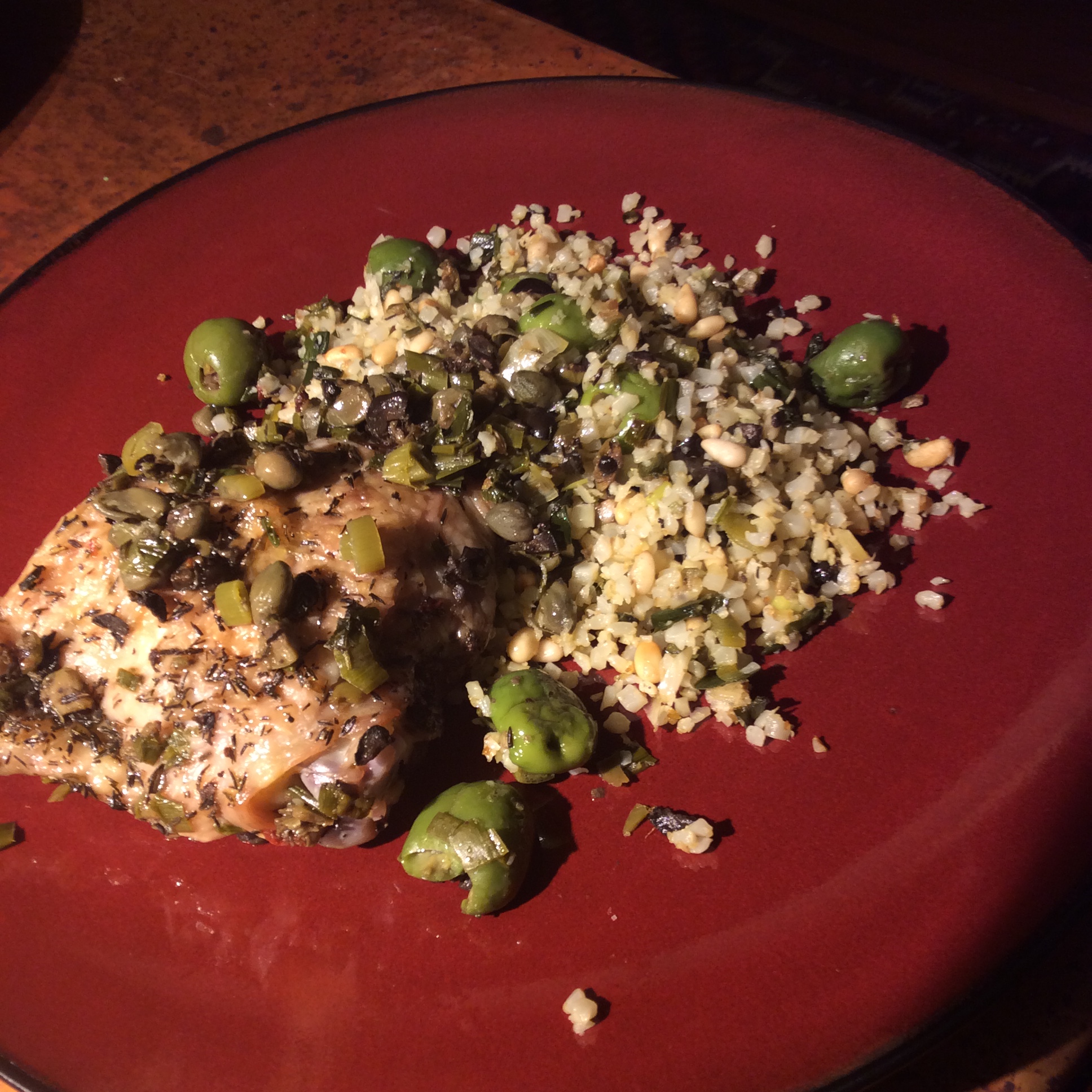
Here’s another version tricked out with capers, green garlic, thyme, pine nuts, and castelvetrano olives.
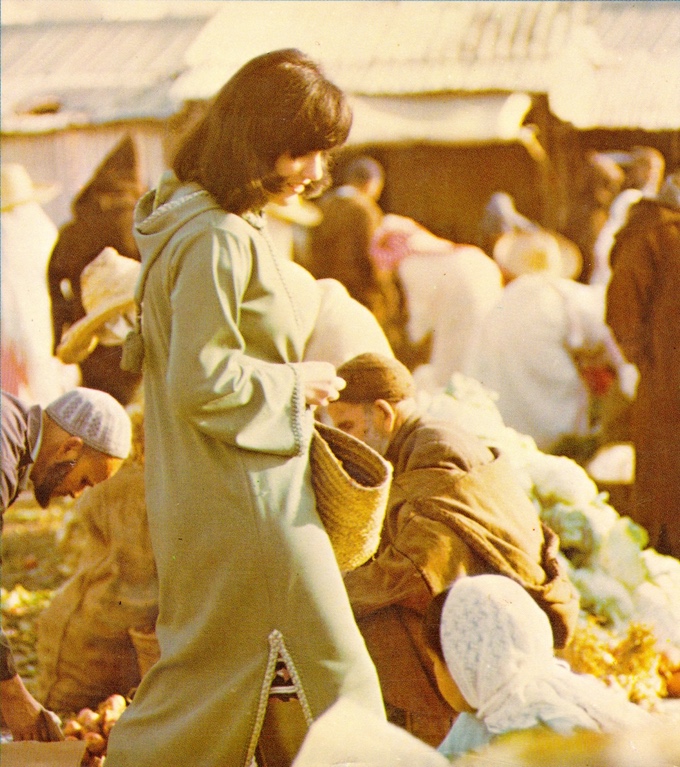

Unforgettable Paula Wolfert: A Tribute


When I was in my early 20s and becoming aware that I was by far my happiest in the kitchen and my interest in flavor and food was on a level that was not entirely normal, America was obsessing over classic French and Italian cuisine. Anxious cooks were obsessed with anything Julia. Later there was anything Marcella. But it was an oddly joyless time. If you went to a dinner party, you were expected to talk all evening about the food. Very little ever got said about anything but the food. There was a lot of competition involved, and the kitchen ethic that I grew up with in Louisiana, that of getting over yourself and cooking something good and inviting people in to enjoy themselves and each other, did not seem to be there.
Fortunately in Manhattan in the early 80s there was joyful food to be had. I would make the very long walk to Manhattan’s Chinatown, where there were basins full of wriggling seafood and strange vegetables all along the sidewalks, and ginger and wild-looking dried things that might be fungal or might be animal, and the elderly vendors would hand me unfamiliar vegetables with the invariable instruction “cook in soup.” There were the Indian markets on Lexington Avenue, full of wonderful spices with a combined aroma that seemed like Nirvana, where a passing shopper in a gleaming sari might easily stop and spent 20 minutes telling me how she cooked greens or chappati like the ones her grandmother made. There was a Greek market on Ninth Avenue that sold green coffee beans for roasting at home and olives from enormous barrels and where the proprietor might cheerfully pass me a shot of Greek brandy as he wrote up my modest purchases, for the pleasure of watching me gasp and sputter as I tried to swallow it.
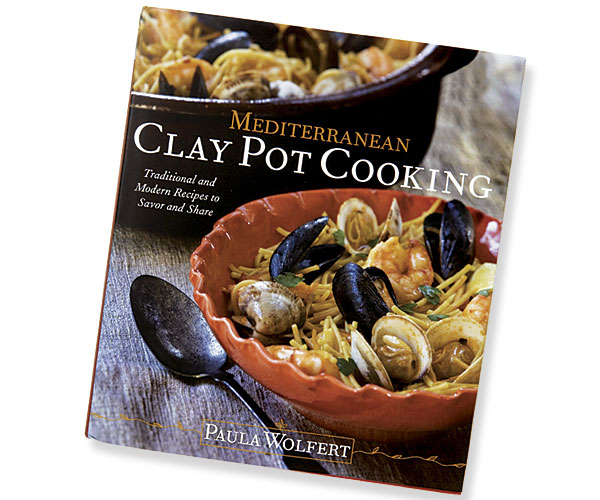
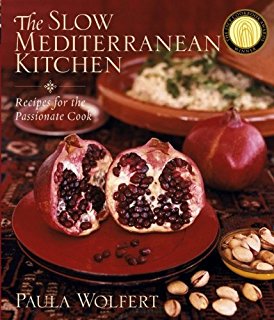
And there was Paula Wolfert. Instead of the staid rhythms of a classic cuisine, she wrote about the bold, the unexpected, and the renegade food of the world.  Her recipes were long and extremely detailed and assumed that you loved to be in the kitchen and that spending a few extra hours there was nothing but a pleasure.  She wrote about food that was not for showing off, but intended to warm and nourish people and make them incredibly happy.   Her name became a kind of secret code among enthusiastic home cooks, and we might have long pleasurable arguments about which of her books was best.  I bought my first couscoussiere, a huge tin lined copper beauty that was the glory of my kitchen and astonishingly cheap at the time because few people in America wanted one.  I preserved lemons and cooked chickpeas  and developed a serious addiction to coriander leaves and toasted my own spices and longed for an exciting life like Paula’s.  As Paula went on through various Mediterranean cuisines, I went with her, loving every minute of the journey.  My Paula Wolfert cookbooks are ragged, broken backed, and splashed with food, which is as it should be. In some cases they look less blemished, because I wore out the original copy and got a new one.

In 2013 Paula was diagnosed with Alzheimer’s disease, and consistent with her personality, she not only tried every way she could to maintain her own health but became a spokesperson for others with the illness.

The cookbook Unforgettable, with the story of Paula’s life woven through recipes that she loves, has just been published through a Kickstarter campaign, and all diehard fans will want to own it. You can find it on Amazon. But don’t forget all the other books that chronicled her passionate interests through the years and gave us recipes that we will never forget.
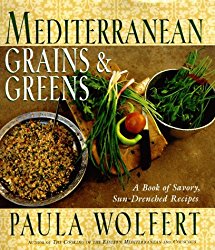
Even though we never met, Paula was my constant kitchen companion for decades. My hat is off to her, now and always. And by the way; best Paula Wolfert cookbook ever? Mediterranean Grains and Greens. No question. Or if you aren’t convinced, meet me in the kitchen sometime and we can have a lovely argument about it.

Perennial Saag Paneer


Yesterday I wrote about making Paneer with my grass-fed goat milk. Today I’ll talk about making saag paneer, one of my favorite dishes, and for a permaculture twist I’ll make it with perennials as much as possible. If you don’t have a weed patch, you can use a bunch of spinach. You will also need fresh ginger, cumin seeds, garam masala, heavy cream, and butter.
Assuming that you have the paneer, the next step is to catch your greens and alliums. I used equal parts each of nettles and bladder campion, and 4 stalks each of green garlic and perennial Welsh onions. The nettles and bladder campion were blanched for about 90 seconds so that the nettles could be handled easily, then drained, pressed, and chopped. The alliums were cleaned, trimmed, and sliced in 1/4″ cross section.

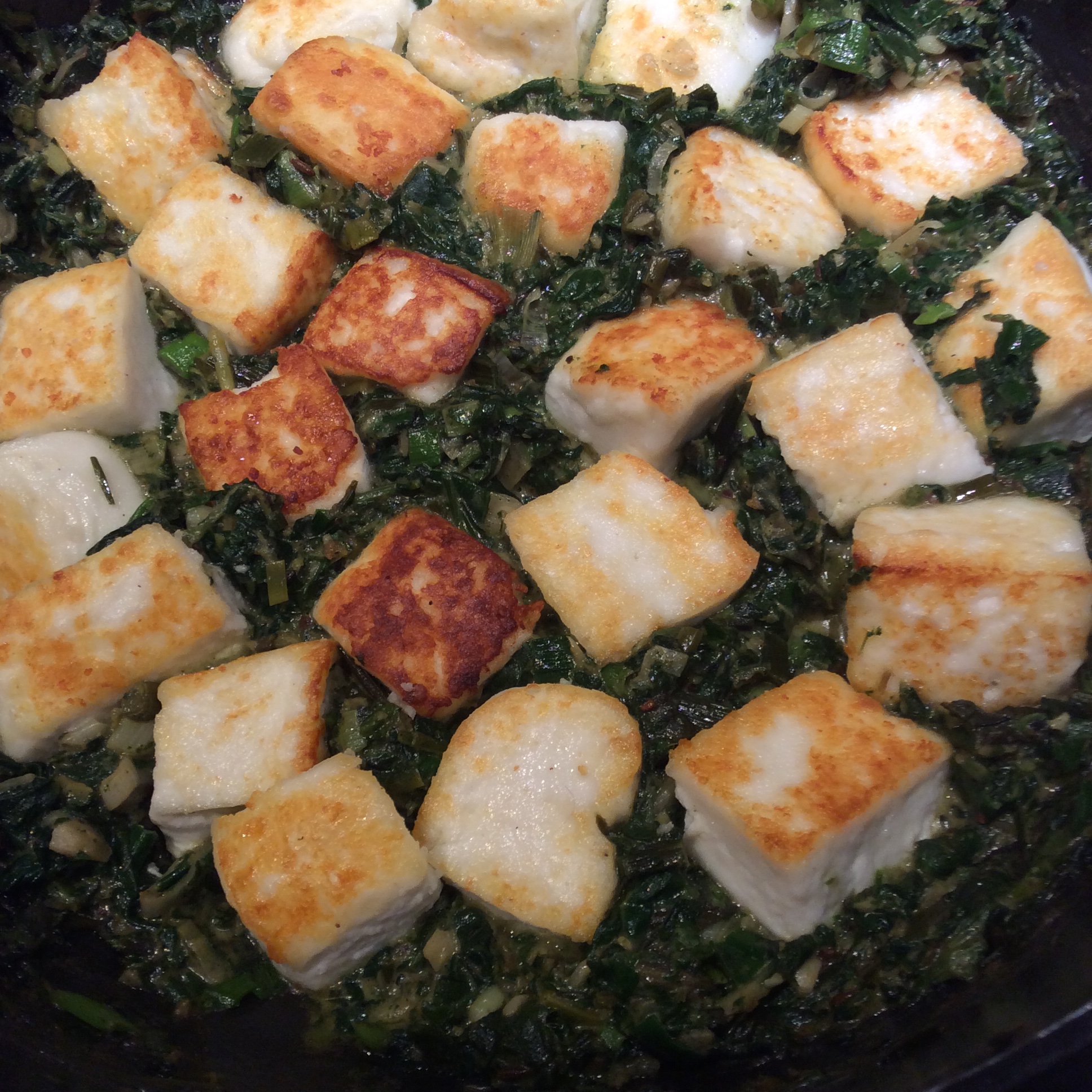
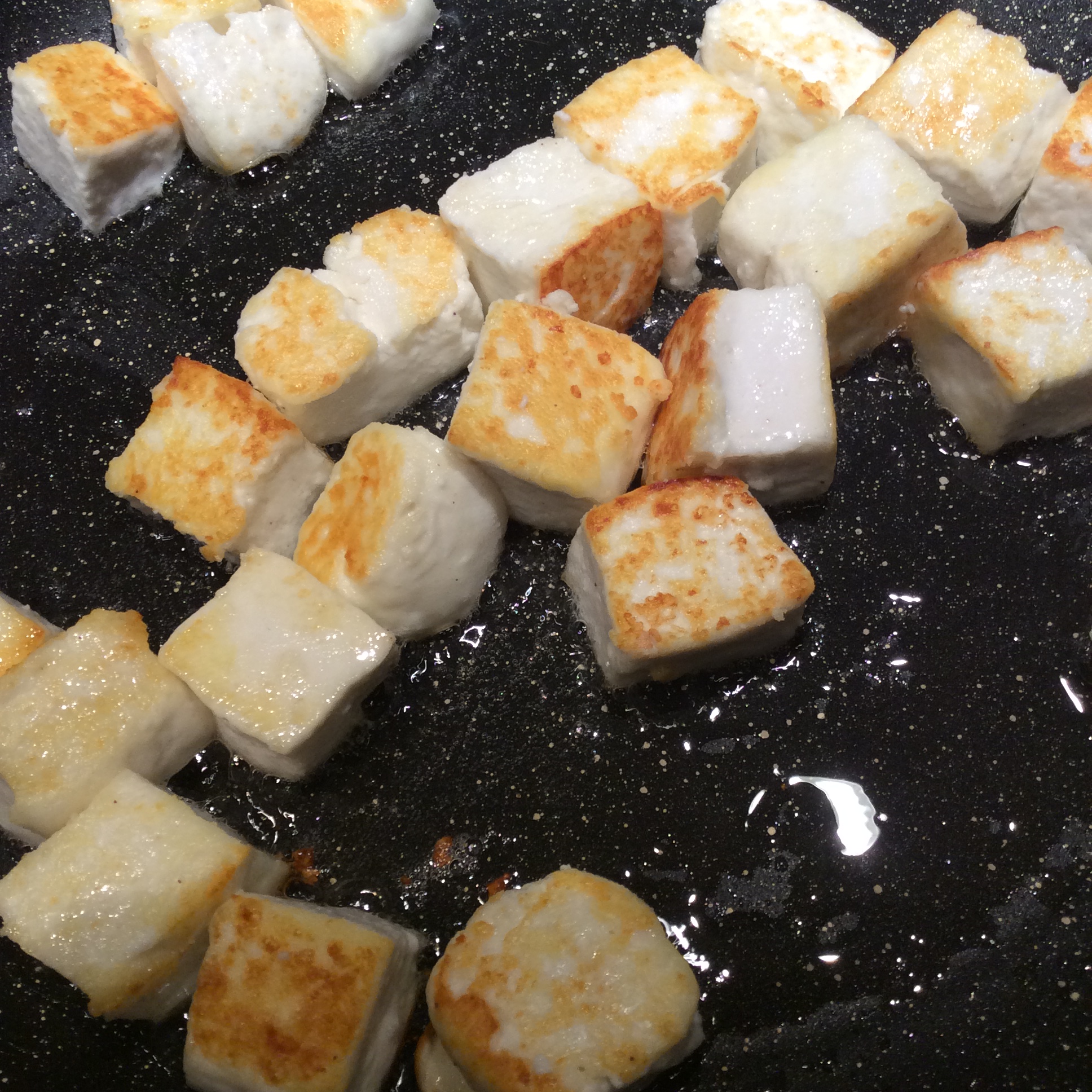
When ready to cook, heat a nonstick skillet, cut the paneer in 1″ cubes and salt it, and fry in mild oil of your choice (I like Macadamia nut oil) until browned. Set aside.


Chop a piece of fresh ginger about an inch square finely, and have ready a teaspoon of whole cumin seed and a heaping teaspoon of garam masala.
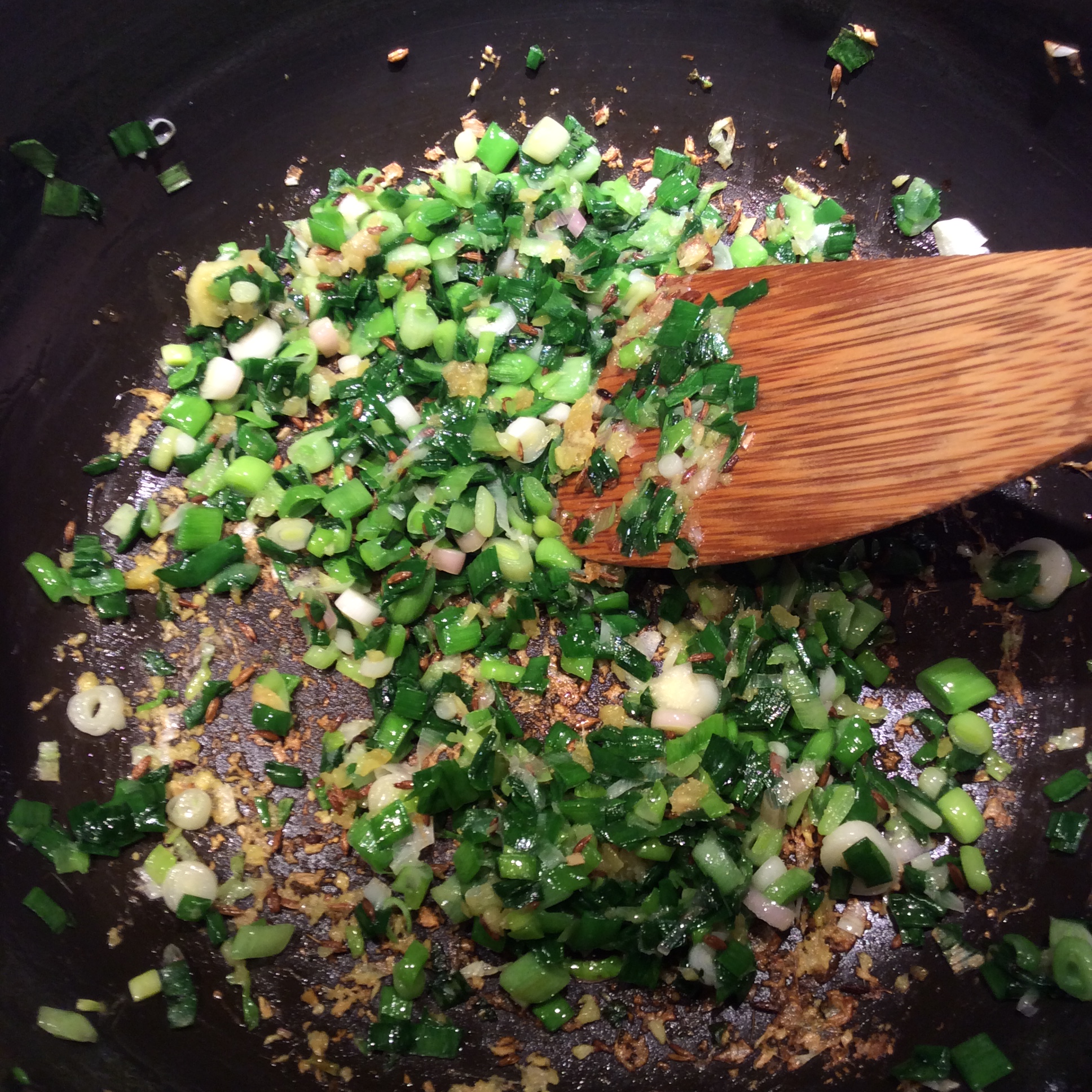
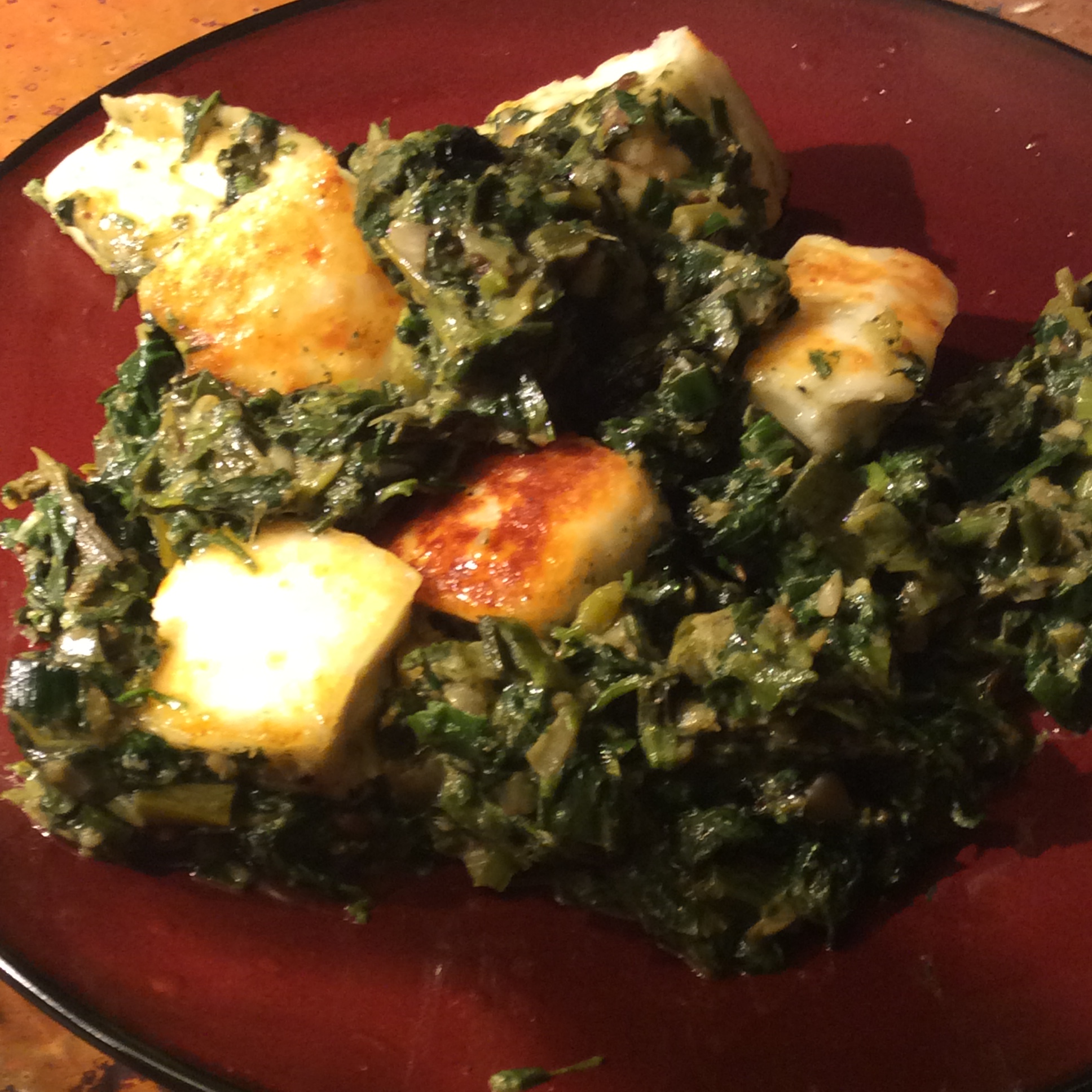
Heat a saucepan, put in a couple of tablespoons of mild oil, and fry the cumin seeds briefly until they darken a couple of shades. Immediately add the chopped ginger, stirfry furiously until it is cooked but not browned, and add the chopped alliums and lower the heat to medium-low. Add a half teaspoon of salt and sauté the alliums until they are softened, lowering the heat if necessary to keep them from burning. Add the garam masala, cook another minute or two, and add the cream. Add the blanched chopped greens and cook over low heat until they are thoroughly cooked, probably about another 10 minutes. Put the paneer cubes on top, pushing them into the greens mixture a bit, and cook over low heat until they are heated through. Serve with rice or, if you are a low carb eater, gloriously naked on the plate. Drizzle some melted butter or ghee over the top.

I was taught to make this dish a few decades ago by an Indian woman in Manhattan, and I am pretty flexible about the greens used as long as they’re mild. No bitter green has a place in this dish. The green garlic and onions are great in season, but chopped garlic and onion are traditional.  I’m very rigid about the seasoning, though. Sometimes I add a chopped hot pepper but that’s my only variation. The whole cumin seeds fried quickly in hot oil are not negotiable, and burning or scorching any of the seasonings or alliums  means you need to start over, so work carefully.

Goat Paneer

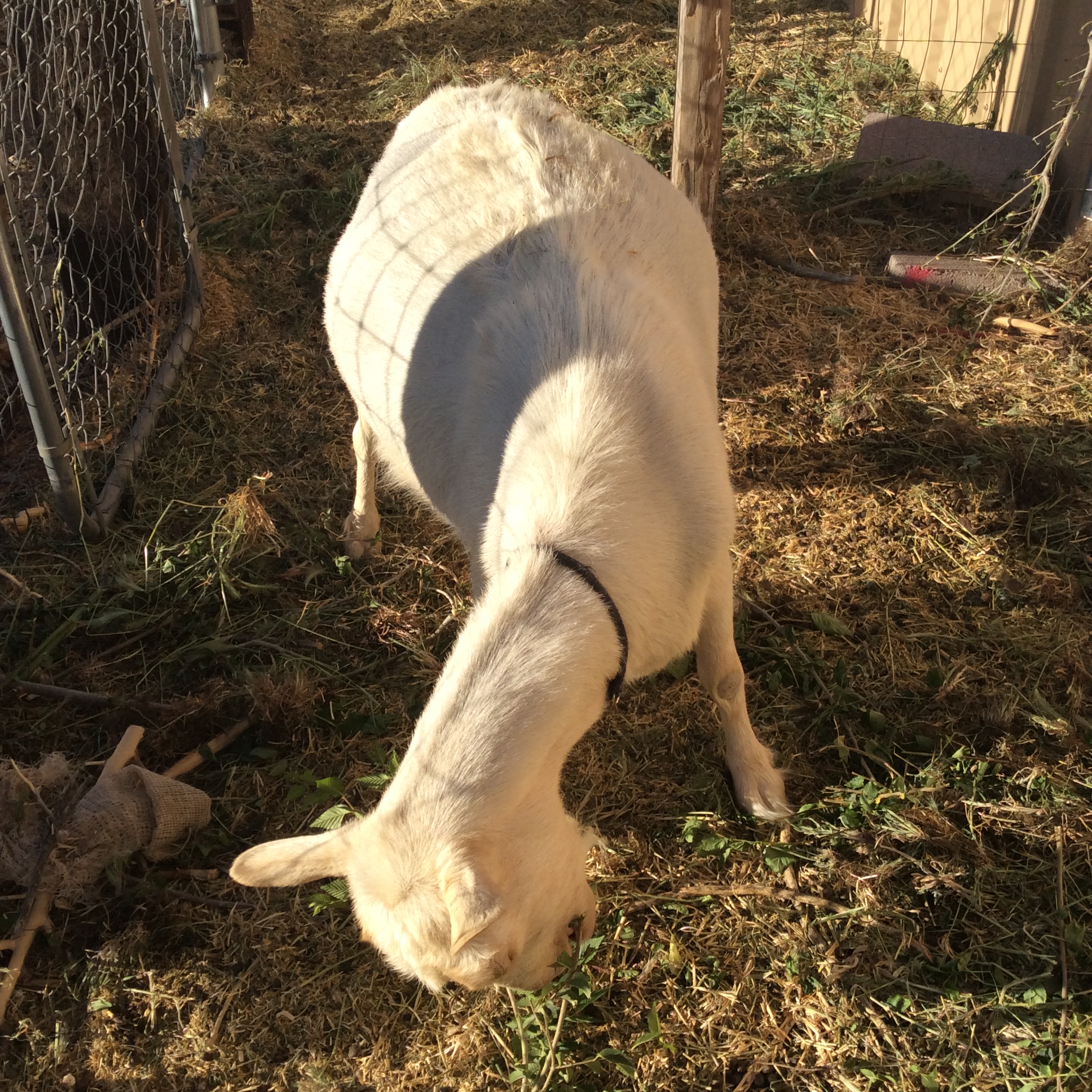
Goats are wonderful hardy friendly animals to have around,  and the amount of milk that they give is very considerable relative to the input required, but many people do not like the taste of most goat cheeses. If you are one of these people, or even if you like goat cheese, you may still want to know about some alternatives that avoid the goaty taste. Fresh ricotta and fresh paneer,  when made with fresh goat milk, are not distinguishable from cows’ milk products.  You need to use the milk within a day of milking, or at most two days, and it goes without saying that it has to be refrigerated all that time.

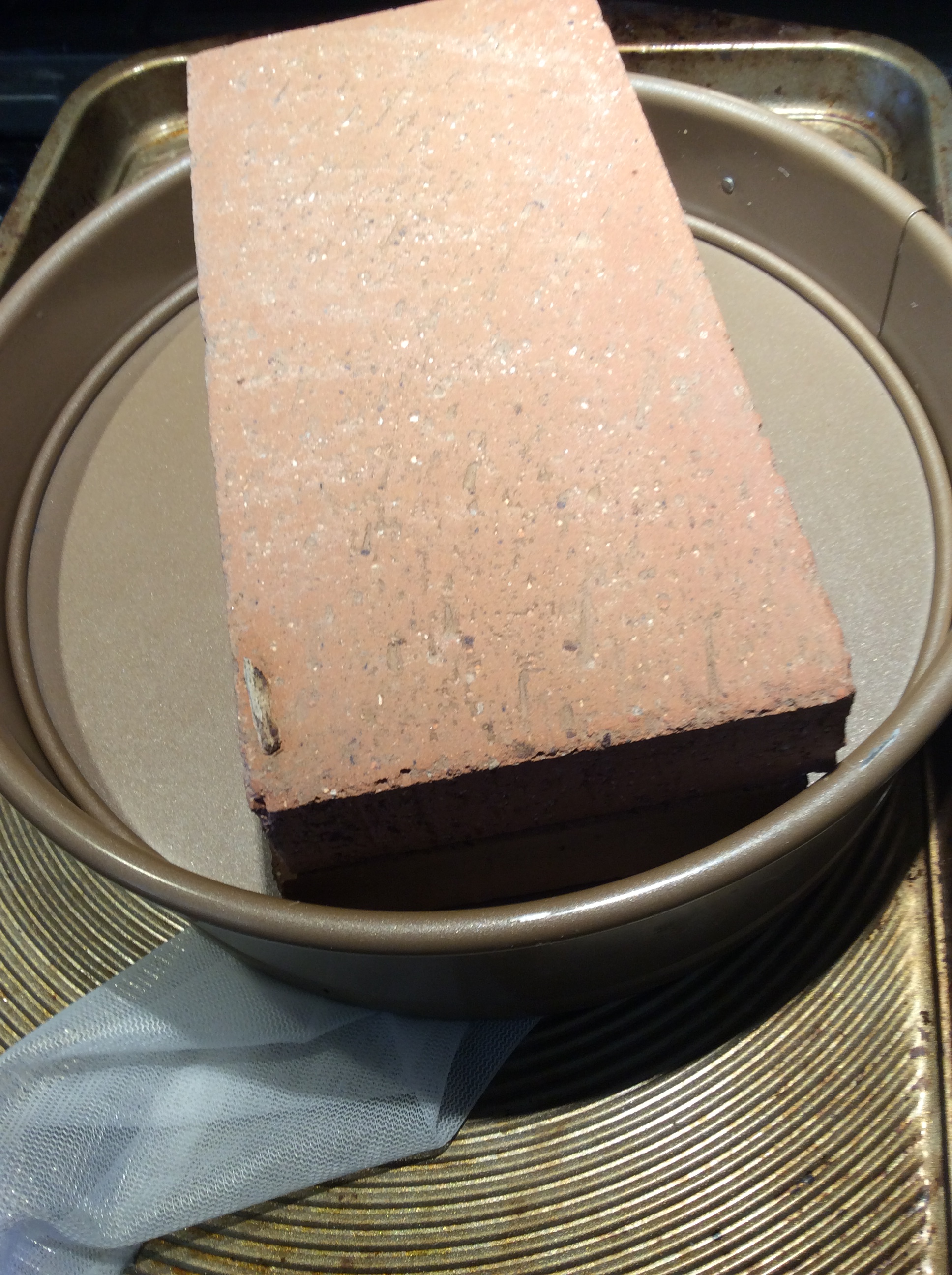
I have written elsewhere about making ricotta and you can review that page because the directions are the very same up to the pressing. Making paneer is every bit as easy but requires just a bit of forethought to have some simple equipment on hand. It has to be strained and then pressed. You can buy a cheese press for this, if you want it for some other purpose, but if you just want to  make paneer, all you need is  real cheesecloth (not the kind sold for dusting and polishing) for the straining, a  baking sheet,  a saucer, and a couple of bricks or other suitable weight. I use a springform pan and a nylon mesh bag made for straining fruit for cider.  A gallon is about the minimum amount of milk that is worth fooling with, and will produce about 8 ounces of finished paneer.

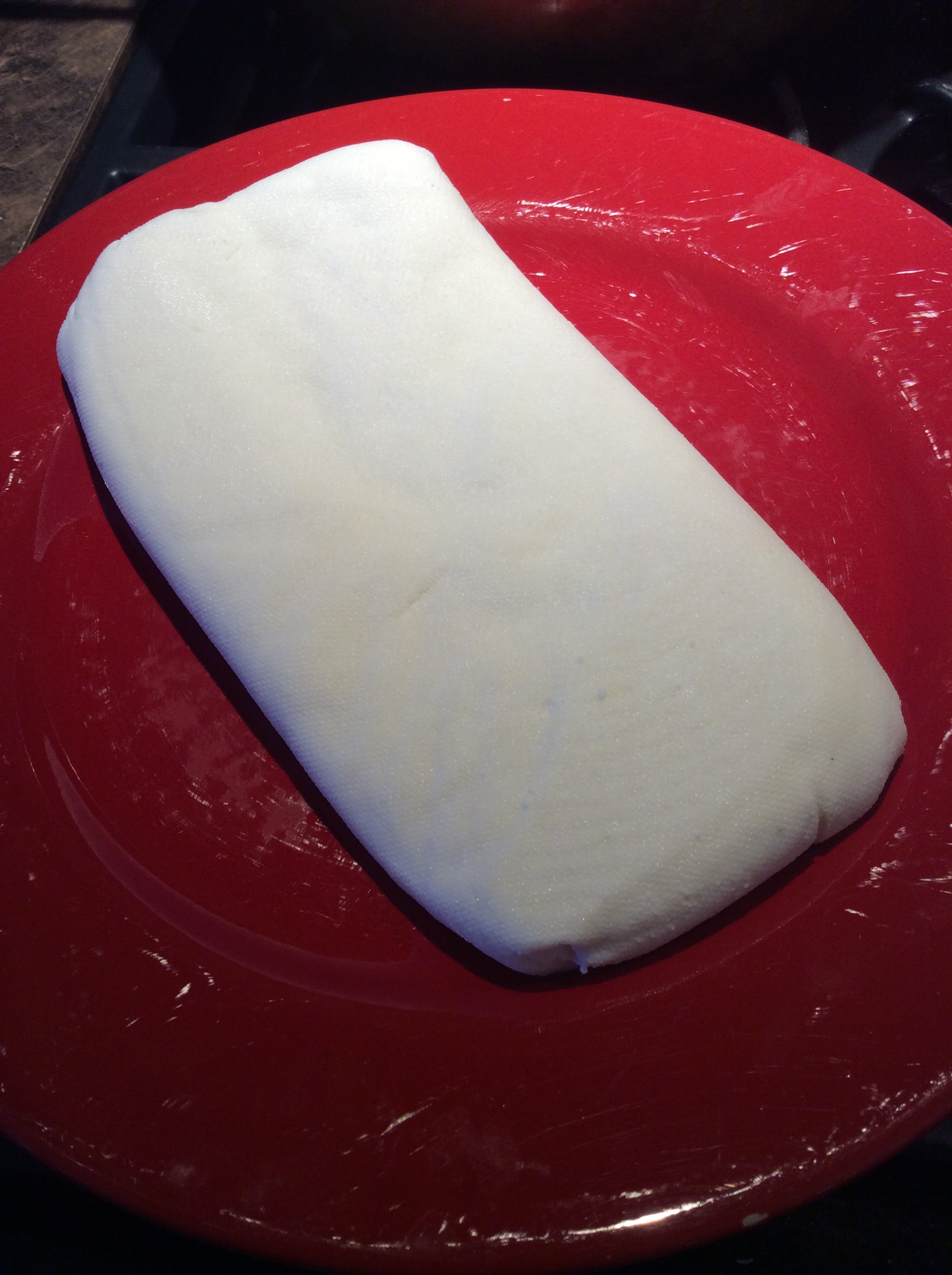
Heat the milk to almost boiling, watching it carefully because it wants to boil over. Add the vinegar, stir in, watch for the formation of curd, and add a little more vinegar if needed until you have white curdled curds in greenish whey.   Put a strainer in the sink or over a bowl if you wish to catch the whey and use it for some other purpose. Line with cheesecloth, pour the curdled milky mixture in, and let it drain for at least 30 minutes.  Within an hour, wrap the largely drained curds up in the cheesecloth with the idea of forming a block that will be about an inch thick. The other dimensions will depend on how much milk you were working with. For a gallon of milk, I plan a block of paneer about  3″ x 6″.  Put it on a baking sheet so that the remaining liquid can drain away, put the saucer upside down on top, and put the weight on the saucer. Or, if you are using my method, put the ring of the springform pan on the sheet, the cloth wrapped curds inside, and use the base of the springform pan on top  to hold the weight and “follow” the curd block as it shrinks in pressing.  Either way, leave your set-up for about eight hours.  You then have paneer, which can be used in many Indian dishes. It browns beautifully, and if the milk came from a grass fed animal, it is superbly  healthy.  It is the backbone of sa’ag paneer, one of my favorite dishes.  It also freezes well, so it’s a good way to preserve your precious grass fed milk.
img_5277