Archive for the ‘fish and seafood’ Category

A Mushroomy Meal

image
Sometimes it just comes together. The Universe hands you one. I walked into my local wonderful co-op this morning to get a lemon and they had a little basket of exquisite local porcinis, which a gatherer further north found after our recent major rainstorm. They were actually affordable (more or less.) I nabbed the whole pound and went home thinking that it was a shame to cook them on a blistering August day, but I planned to eat them anyway. Then it turned dark and cloudy and cool this evening. Perfect! I pulled some sablefish out of the freezer.
imageP
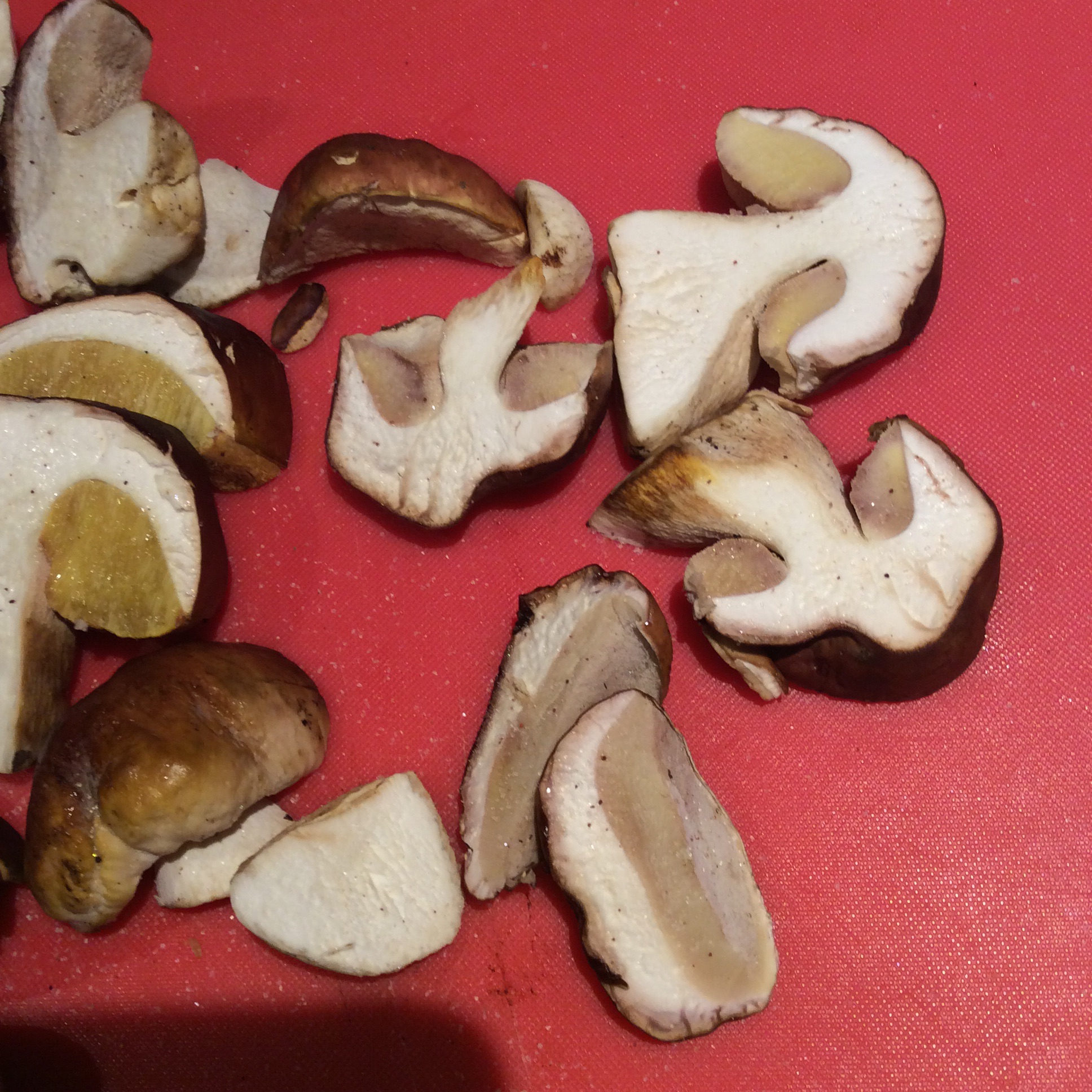
I sliced the porcinis in half lengthwise, then cut a “steak” out of each half that was nearly half an inch thick. I salted the mushroom steaks, and also the ends of caps and stems left over. I sprinkled the thawed fish liberally with salt and added some blackening seasonings to help it stand up to the assertive mushrooms. I chopped a clove of garlic and got some chicken glacé out of the freezer. You can buy glacé de poulet for about $6 for a quarter cup from http://www.olivenation.com, or you can make and freeze your own. Chicken glacé with fish? Hell yes. I learned this when tasting shrimp dishes in Mexico, which often have some chicken bullion concentrate added. It keeps the plate as a whole from getting too fishy, and makes a bridge between fish or seafood and some side dishes that wouldn’t usually go with it.
image
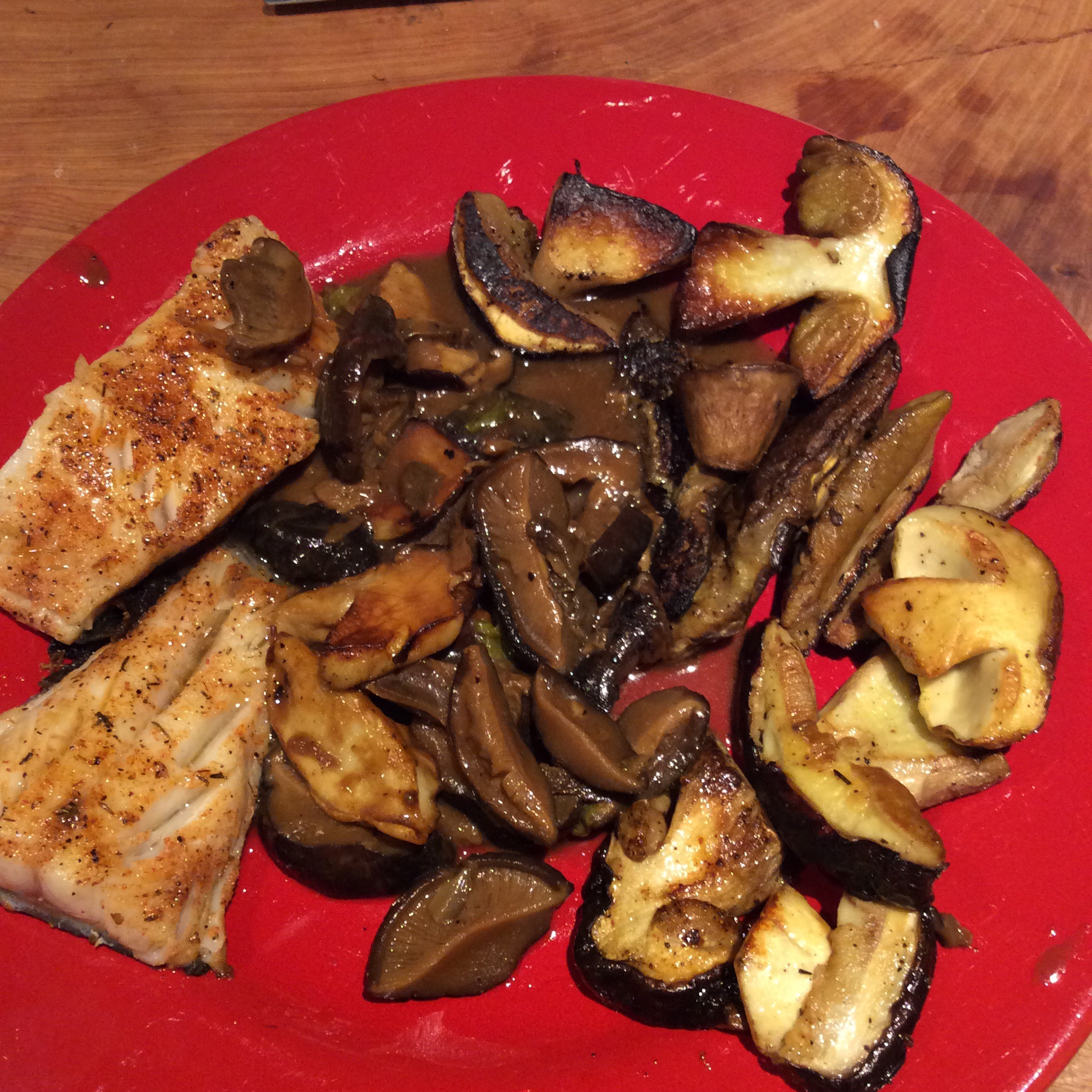
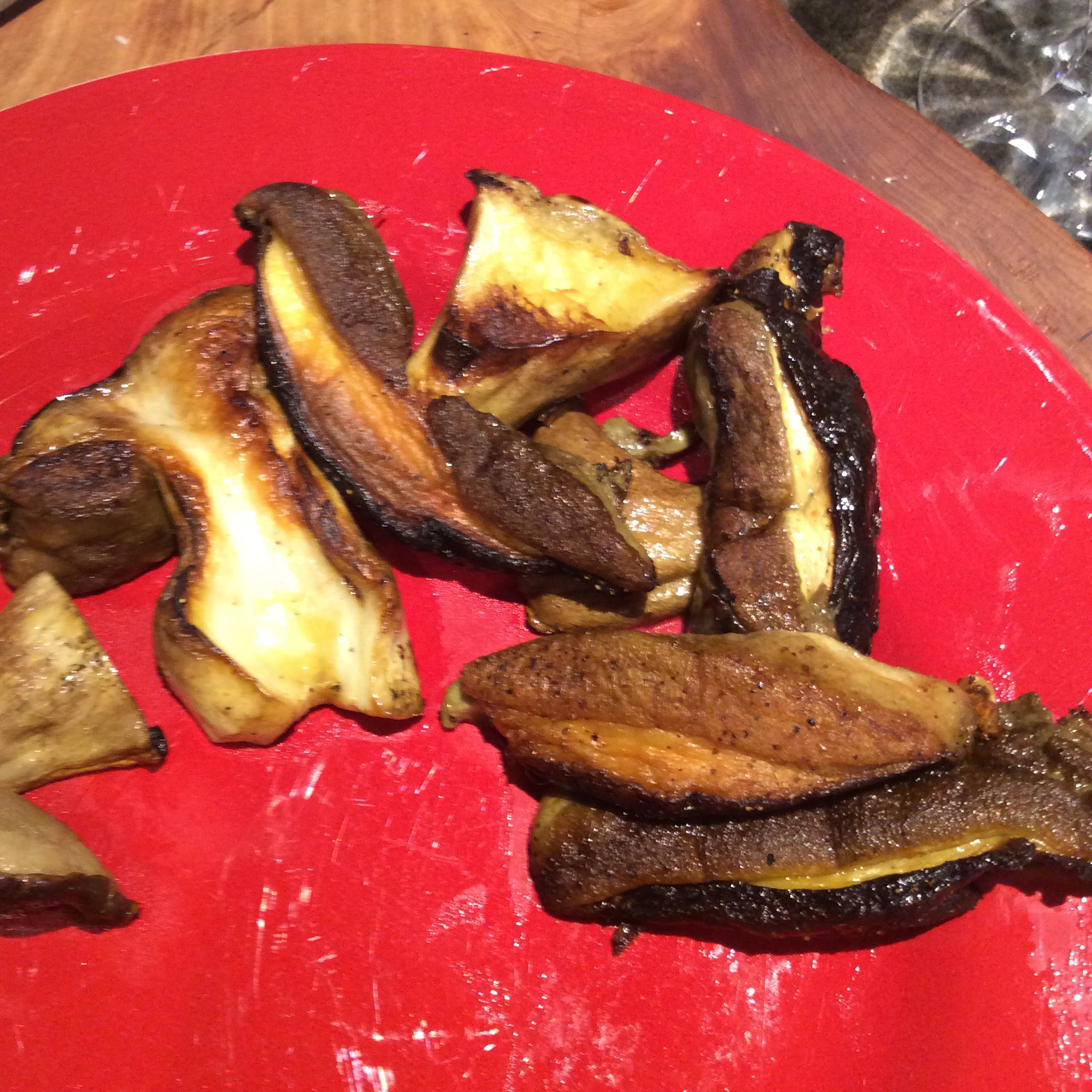
Everything happens very fast from here on. Preheat the oven to 275 and put your fish in it. The fish can spend anywhere between 15 and 20 minutes in the oven without harm while you sear the mushroom steaks as long as your oven is accurately regulated at 275. Heat your biggest skillet over high heat with the hood fan sucking air furiously. Put a hefty glug of good olive oil in the hot skillet and lay the porcini steaks in one layer. When well seared on one side, turn them and sear the other side. Remove to warmed plates putting the mushroom steaks on one side of each plate, add some more olive oil, and sear the remaining bits of porcini. When seared, add the chopped garlic and toss about furiously for maybe 30 seconds, then add the chicken glacé and a glug of good white wine, maybe a shot glass full. Boil hard until it thickens, salt to taste, and remove to a bowl. Wipe out the skillet very quickly, reheat over high heat, put in more olive oil, and sear the fish pieces quickly on each side. They should have been in the low oven about 15 minutes, and should be done when seared, but check and cook another minute if needed. Plate them across from the mushroom steaks and pour the mushroom sauce down the middle.

Eat with gratitude and a light but flavorful red wine. Give thanks for the rain and the edibles that appear behind it.
If you can’t get porcinis or they are the usual obscene price, you can use fresh shitake caps cut in half (all stem removed. Really.) Or use portobellos but use a spoon to scrape out the gills, which turn a nasty black-muck color in the pan.
So far my efforts to grow edible mushrooms outdoors haven’t come to much, but I’ll keep trying, and I’ll reward our local foragers whenever I can afford to.
Incidentally, if two people eating a pound of porcinis sounds gluttonous to you, well, uh, no kidding. All I can say in our defense is that we eat basically one meal a day, plus snacks. And I think that wretched excess is a wonderful thing when practiced in moderation😉
A Quick Summer Lunch, and more on fried grape leaves

image
Since writing about frying grape leaves crisp in the Crazy Salad post, I have become more and more interested in the range of flavors and textures produced by frying and toasting leaves. Grape leaves remain my favorites, because of the exquisite lemony-sorrel burst that follows the delicate crunch.
Before you try cooking your leaves, please read the part of the Crazy Salad post that deals with selection of leaves. The short version is : chew up a piece of leaf from the exact vine that you are thinking of cooking. If it chews easily, proceed. If you are left chewing what feels like a bit of wet paper between your teeth, rethink or find another vine. That fibrous quality will not go away when cooked in any fashion. I have liked the leaves of my wine grape vines best.
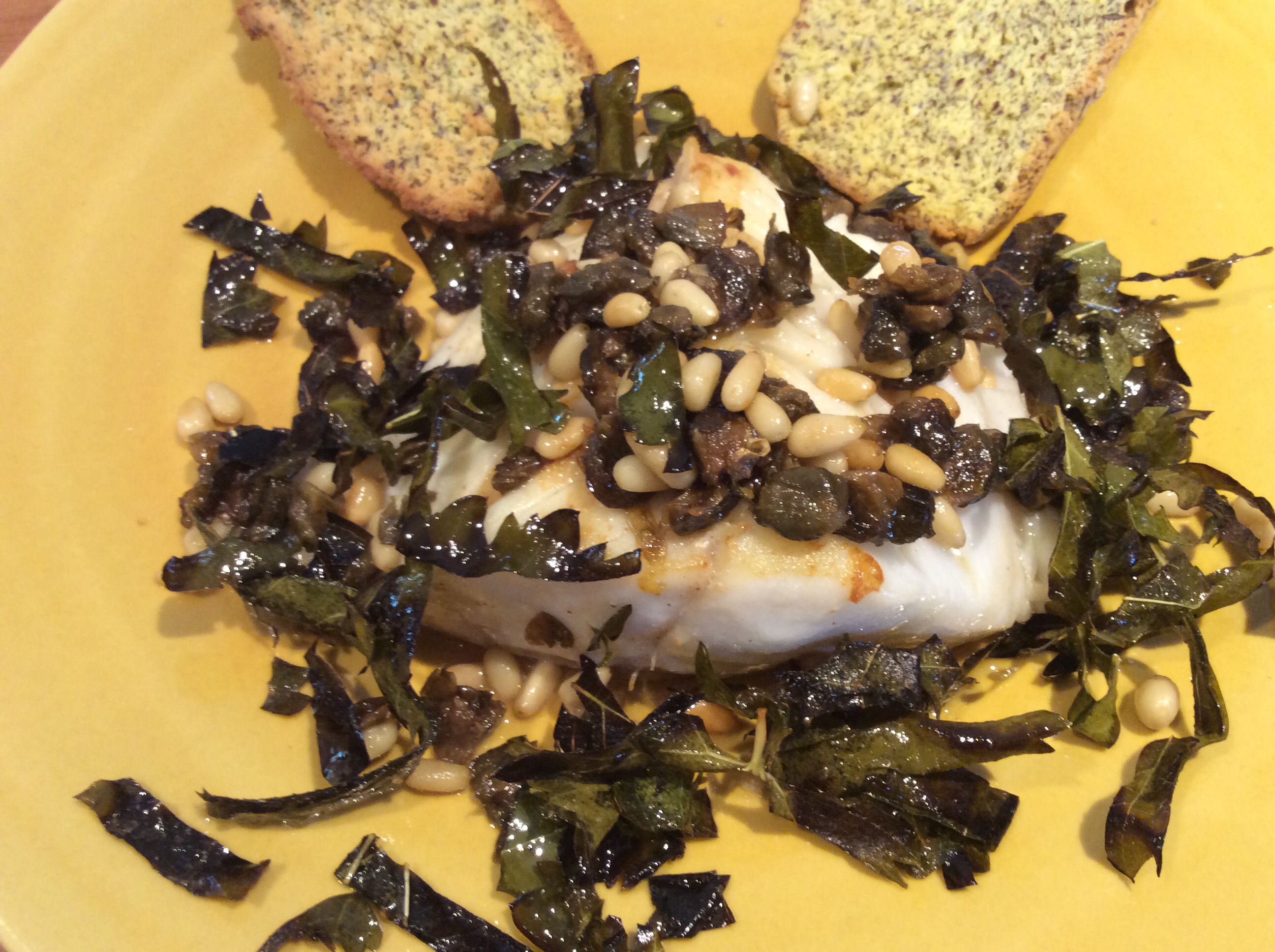
This is an easy and quick impromptu lunch or light dinner, vaguely Greek in its inspiration. Here I used a garnish of fried grape leaves and capers to add tang and herbaceous pizazz to a nice piece of black cod fillet. For each person eating, you need a 4-5 oz piece of Alaskan black cod fillet or salmon fillet, a handful of capers in salt, 5-6 fair-sized grape leaves, a clove of garlic, a small handful of lightly toasted pine nuts, a quarter of a lemon, salt, and 1-2 glugs of good olive oil.
Prep: Rinse the capers of loose salt, soak them in cold water for about 20 minutes, drain, and squeeze them dry one handful at a time. Rinse the grape leaves, shake them dry, snip the stem away, and stack them up for quick slicing. Slice them crosswise into strips about 1/4 inch wide. Salt the fish pieces, not too heavily because the capers will still be quite salty. Chop the garlic.
Cook: Heat a good nonstick skillet that can easily accommodate the fish pieces over medium heat. When it is hot, pour in 2 good glugs of olive oil. I would guess that this is about 2 tablespoons or a little less. Throw in one strip of grape leaf, and if it sizzles and changes color and crisps in several seconds but doesn’t burn, you are good to go. Otherwise, fiddle with the heat and try again. When the heat is right, toss in the grape leaf strips and stir-fry rapidly until they have all changed color and crisped and there are browned but not blackened spots. Scoop them out onto a paper towel to drain. Check crispness. Limp leaves will not give the right effect. Set them aside.
image
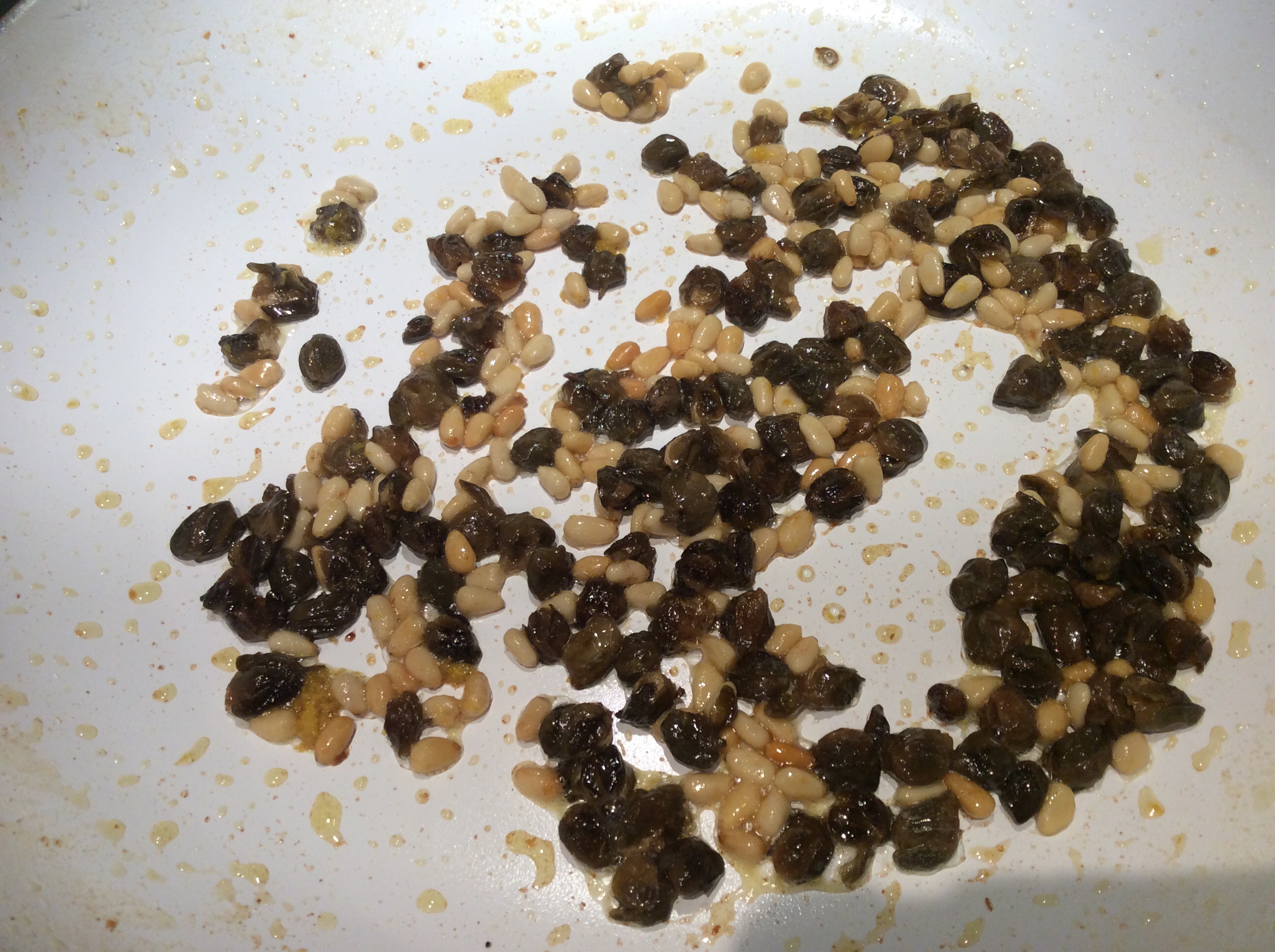
Wipe out the pan quickly, heat it again, put in the same amount of olive oil again, and add the chopped garlic and the capers. Sauté until the garlic is cooked but not browned at all and the capers have darkened a bit. You aren’t going for crisp this time because it would burn the garlic. When the garlic looks cooked, squeeze in the lemon juice and add the pine nuts. Cook a couple of minutes more and pour out into a bowl.
image
Reheat the pan, add a touch more olive oil, and put the fish fillets in skinless side down and cook over medium-high heat until they color an attractive gold in spots. Now turn skin side down and cook to your preferred degree of doneness. Personally, I like salmon medium-rare but black cod cooked until it flakes. Plate the fish, put the caper mixture over the top of each, and finally top with lavish drifts of fried grape leaves.
This is a good healthy dish for ketogenic and low-carb dieters and Paleo dieters, as well as for everyone else.

Fennel in the Garden and Kitchen; a Nose-to-Tail Herb

image
image
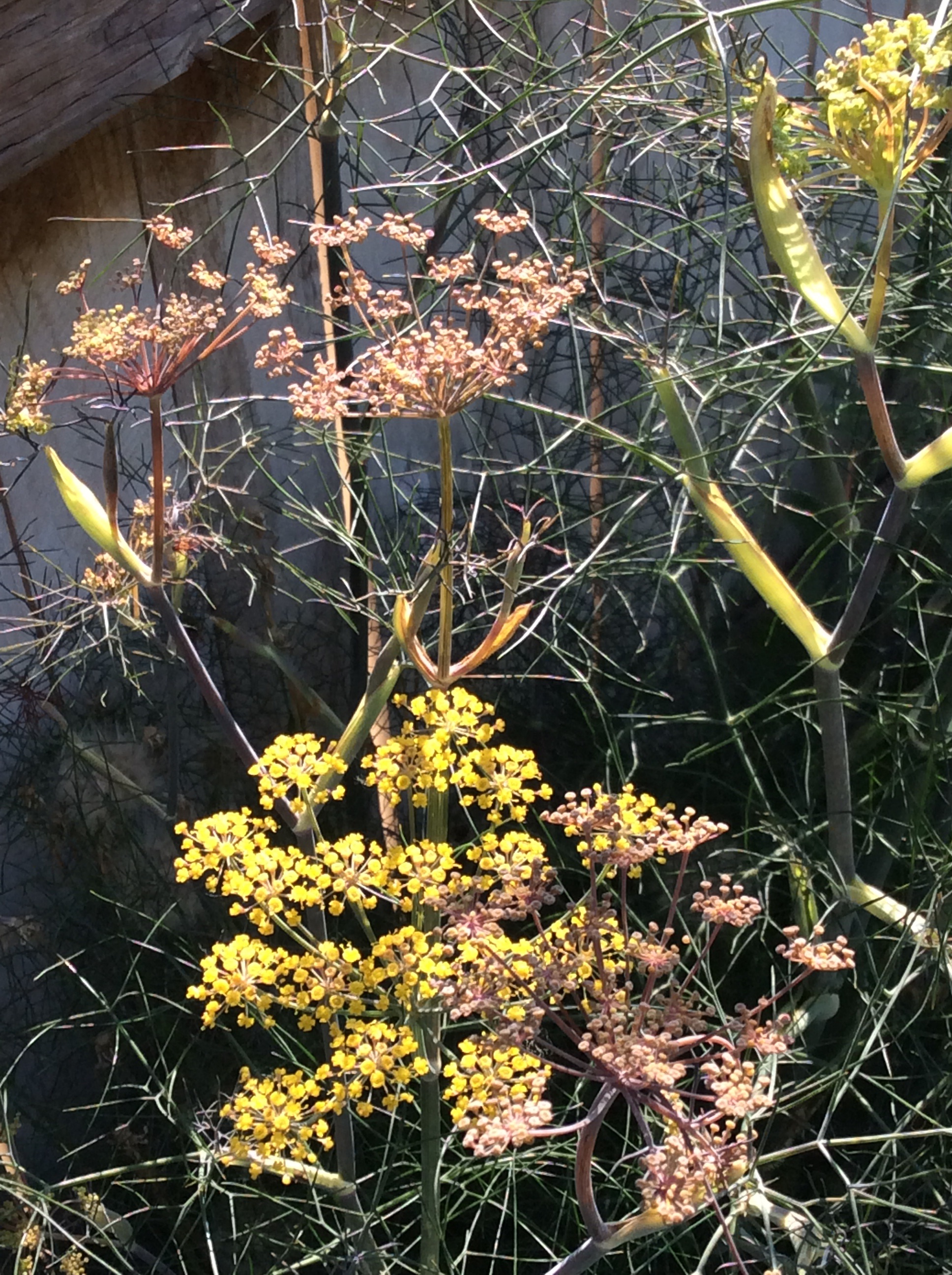
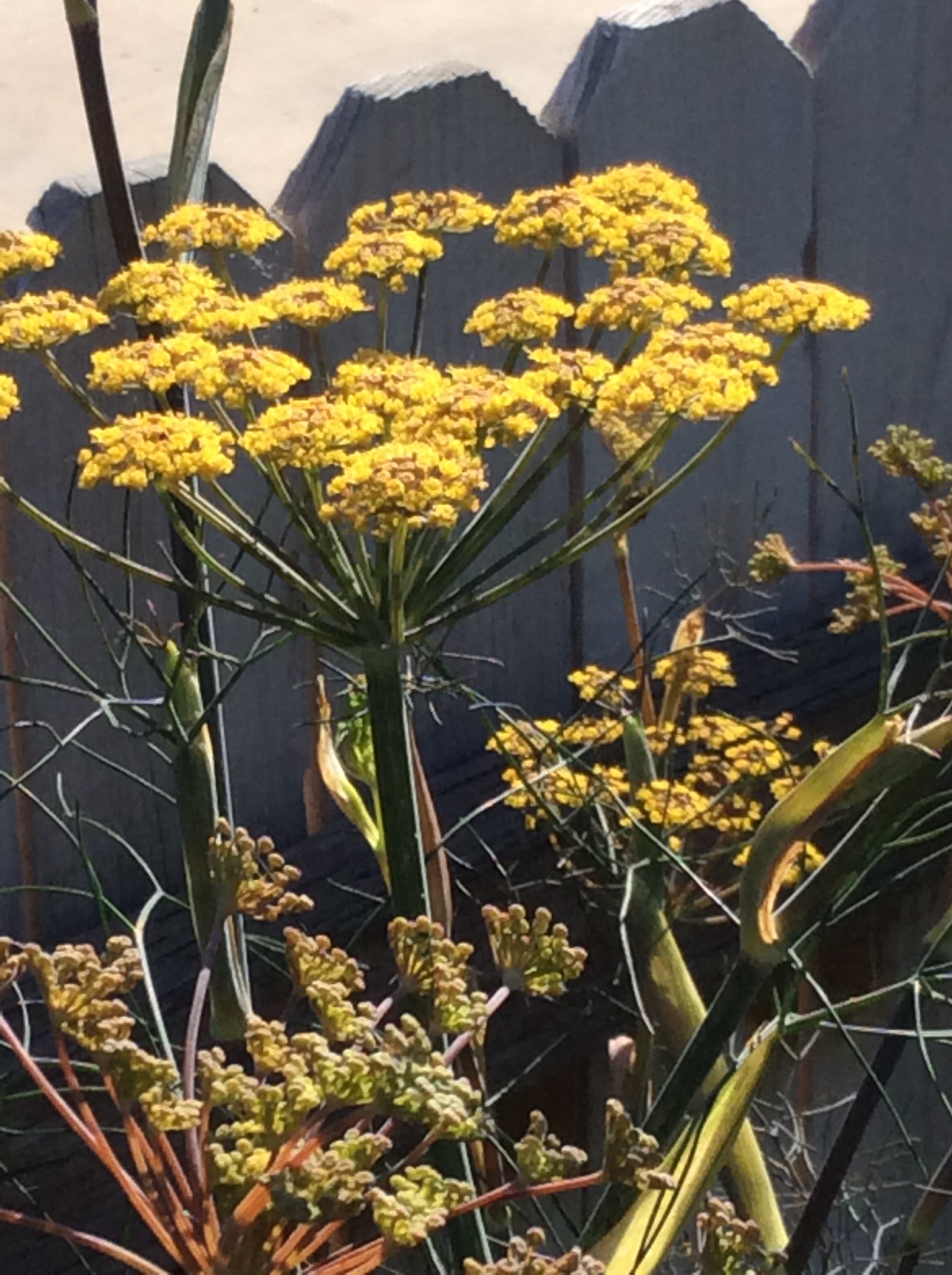
Fennel carries the true taste of summer. I love fennel and always have it around, and my favorite form, the only variety that I keep these days, is the subtly metallic bronze fennel. If you want fennel bulbs you will have to grow a bulbing type, but my interest is in other parts of the plant so the bronze suits all my purposes.
The first pleasure it offers is aesthetic: this is a lovely plant to have around. The color isn’t really bronze but a soft coppery-purple, and when hung with drops from a summer rain it is nothing short of breathtaking, in a quiet way. When dry, it is furry like a cat until the stalks form, and a little later the umbels of tiny yellow-green blooms look surprisingly pretty against the darker background. It would pass muster as a front yard edible in the most exacting neighborhood.
Second, it is beautifully aromatic. I brush my hand down a frond every time I pass it to inhale the anise-y scent.
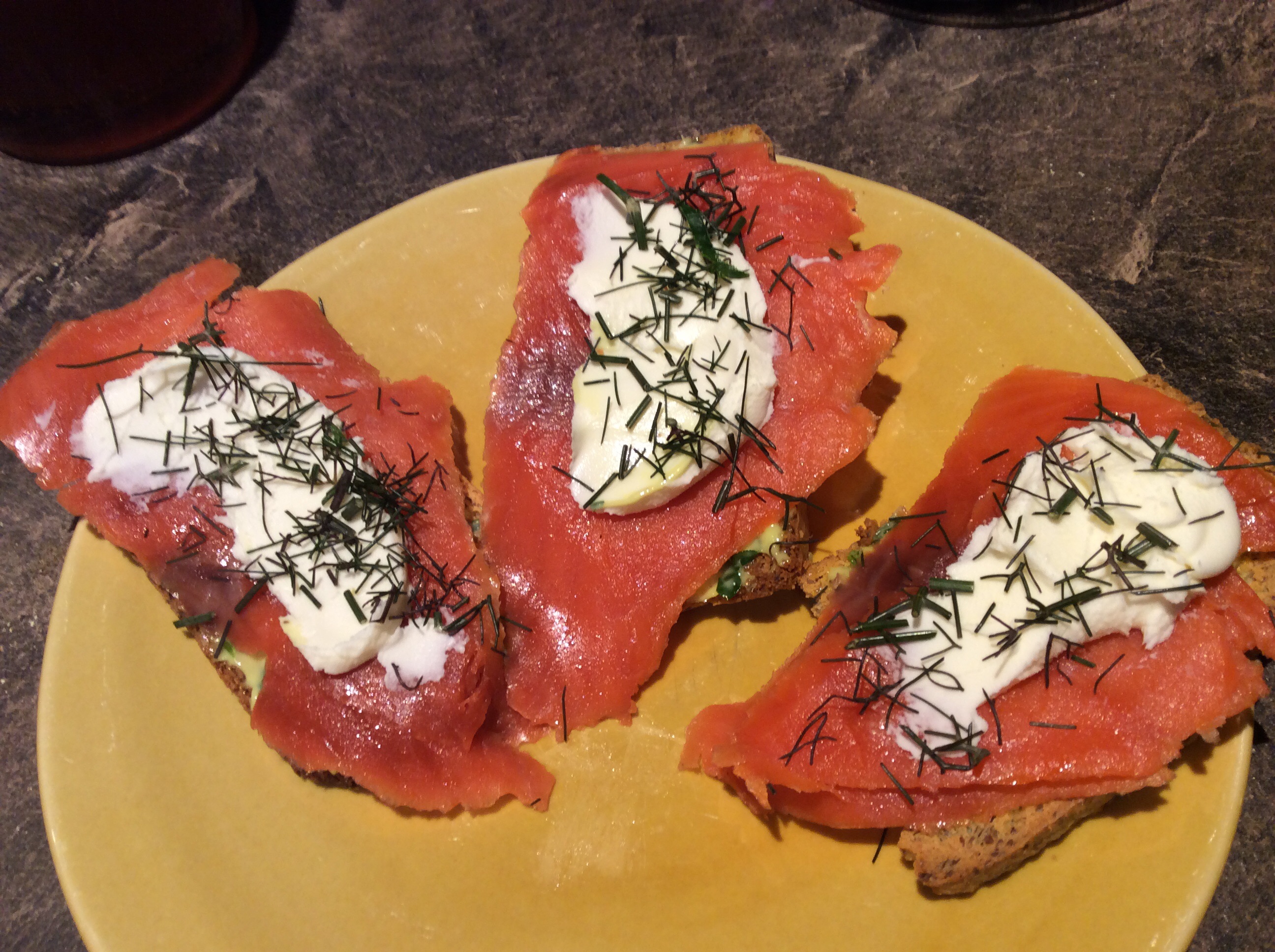
Third, it’s delicious. I can’t understand why so few people eat their bronze fennel. I admit that my main use of it is to chew up a frond while weeding or doing other garden tasks. The resiny rush is succeeded by a taste of intense sweetness and herbal licorice. I realized years ago, when going through a Greek cookbook binge, that fennel and not dill is a primary seasoning herb for horta, the greens mixture that forms a part of so many Cretan meals and snacks. A generous handful of chopped fennel fronds, sautéed with other aromatics, gives the right flavor to a batch of greens mixture. Chopped fronds are also an essential part of fish marinades and rubs, in my view, and can be delicious on chicken. A little dab of herb salad, made from chopped bronze fennel and chives or garlic chives and dressed with a very good vinaigrette, is good as a seasoning garnish alongside fish or chicken. Chopped fennel fronds are lovely in mayonnaise to sit atop grilled salmon, or yo dress cold fish salad. When grilling fish, consider putting the larger stems of fennel across the grill to make aromatic smoke. I love a small handful of chopped fronds in salads. This is a nose-to-tail herb, since besides using the leaves and stalks you can collect the pollen if you have enough plants (fennel pollen is a common aromatic seasoning in Tuscany,) and the seeds can also be collected for culinary use. One cookbook writer said that she made an anise-flavored pesto from blanched bronze fennel fronds, and that sounds delicious too, although I haven’t tried it yet. On days when I’ve worked late in the garden and the late sunset finds me hot and dirty and with a poor appetite from the heat, I can throw together smoked salmon crostinis with fennel:

Cut a few diagonal slices off a good baguette or, if you are ketogenic, cut a few thin slices of ketogenic coconut bread. Toast them, spread with green mayo Or your own favorite tarragon-seasoned mayonnaise, put on one thick or two thin slices of smoked wild-caught sockeye salmon, smear with some mascarpone or creme fraiche, and top each with a couple of generous pinches of  chopped fennel. It takes five minutes, it’s cool and soothing, and yum.

image
Incidentally, I remember reading somewhere long ago that fennel stalks coated with tallow were burned to summon good witches, and mullein stalks were used the same way to summon bad witches, unless maybe it was the other way around. So if you want to try it, you’ll need to get straight which is which. But I can say from experience that a couple of dried fennel stalks tossed on a dying fire in the fall give a lovely aromatic end to the evening that doesn’t summon anything but contentment and sleep.
image

Perennial Arugula, With Notes on Montpellier Butter

image

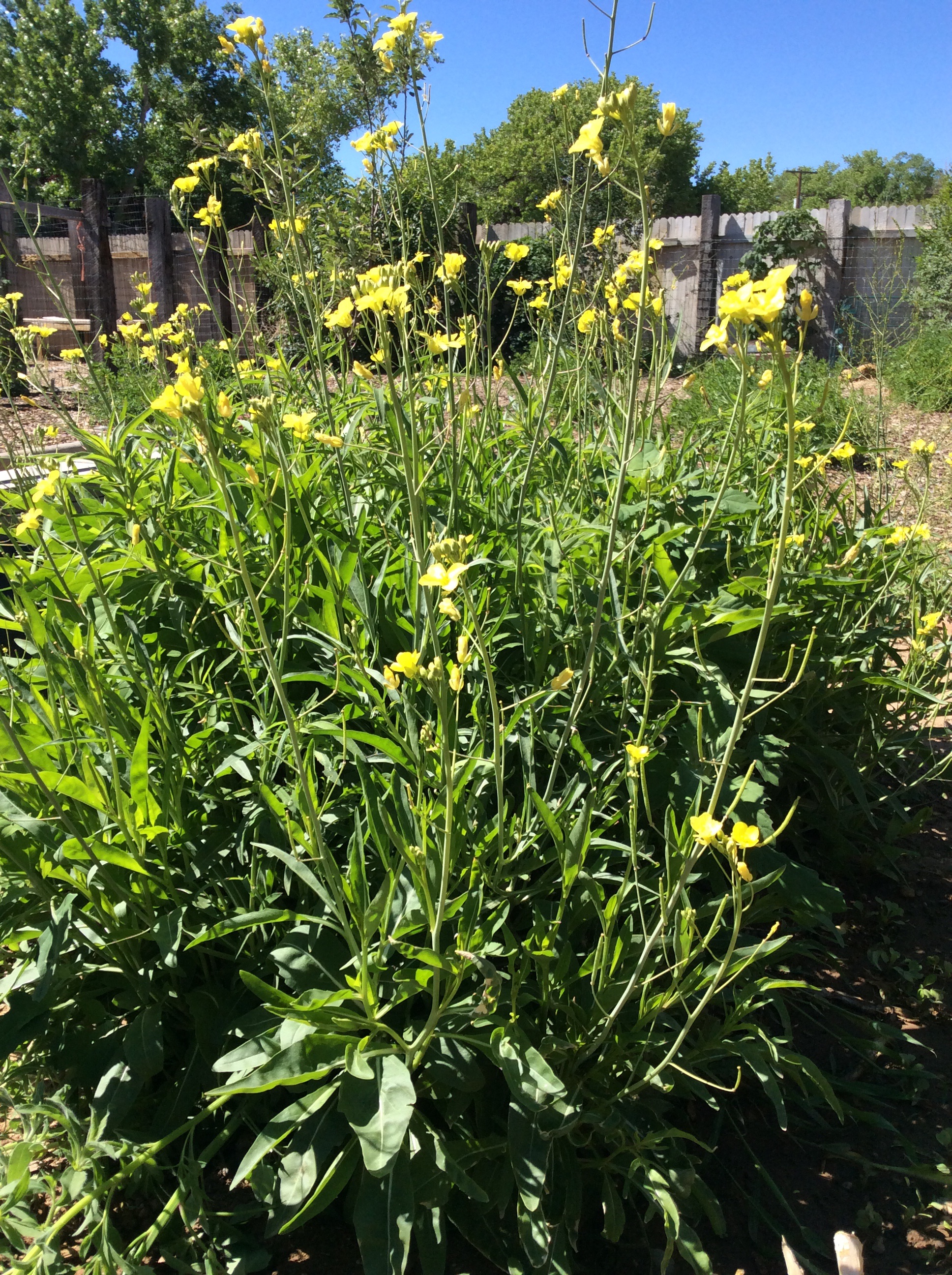
I have written frequently about annual arugula and how delicious, versatile, and easy it is. A few years ago I bought a packet of seed for perennial arugula, Diplotaxis tenuifolia. I planted them in a likely spot and then, as so often happens at my place, I was overcome by the sight of bare earth, forgot I had sown seeds already, and planted something large and rambunctious there. At the end of the gardening year I cleared the debris away and found tiny wispy plants that I recognized as the perennial arugula. They survived the winter, resprouted tentatively in the spring, and then all of a sudden they were a mass. A thuggish mass, ready to overpower anything in the way of their gangland fervor for territory. And they were, literally, hot. The initial flavor when I chewed on a leaf was pleasantly mustardy, developing gradually to a burn in the back of the throat as I swallowed that wasn’t painful, but certainly wasn’t pleasant either. While I puzzled over how to use them, they bloomed, and the delicately pretty sulfur-yellow blossoms drew bees from miles around. So, needless to say, they were kept.
Sometimes it takes me a while to find the best use for a perennial. So far, my favorite use for this sturdy perennial is to blanch the leaves briefly in boiling water and use them more as a seasoning than a bulk ingredient. Used as a small part of a cooked greens mixture, they add interest. I like a small buttered pile of them as a sort of “cooked herb salad” alongside meats or salmon. I intend to try pounding them with a mortar and pestle as a wasabi-like seasoning. And they are superb in Montpellier Butter. I learned about this lovely seasoning in one of Elizabeth David’s books, I forget which one. But the greatest recipe of them all is the one published by Jeremiah Tower, and it goes like this:

Jeremiah Tower’s Montpelier Butter (this is as he published it. My own tweaks are below.)

Coarse salt
6 spinach leaves, washed
2 shallots, finely chopped
1/2 bunch watercress leaves (I use 15 good-sized nasturtium leaves)
2 tablespoons fresh flat-leaf parsley leaves
2 tablespoons fresh chervil leaves
2 tablespoons chopped fresh chives
1 tablespoon fresh tarragon leaves
2 cornichons, rinsed and chopped
4 salted anchovy fillets, rinsed, soaked in water for 10 minutes and dried with a paper towel
2 tablespoons salted capers, rinsed, soaked, and drained
1 small garlic clove
1/4 teaspoon cayenne pepper
Freshly ground black pepper
3 hard-cooked large egg yolks
2 large raw egg yolks
1/2 cup (one quarter pound) good grassfed butter, room temperature
1/2 cup extra-virgin olive oil
1 teaspoon white-wine vinegar
Bring a large saucepan of water to a boil; add salt. Combine spinach, shallots, watercress, parsley, chervil, chives, and tarragon in a fine sieve. Carefully place sieve in boiling water until greens are wilted, about 30 seconds. Remove, and place in ice-water bath to cool, or hold under very cold running water for several seconds until cool. Remove, and squeeze dry. Transfer to the food processor. Add cornichons, anchovies, capers, garlic, and cayenne pepper. Season with salt and black pepper. Process to a smooth paste. Add cooked and raw yolks, and butter. Process until thoroughly combined. Transfer to a medium bowl and slowly whisk in olive oil. Add vinegar, and whisk to combine. Adjust seasoning, if necessary.
This will keep a day or two in the refrigerator, and two months in the freezer.

My tweaks: I leave out the spinach leaves, watercress or nasturtium leaves, and chervil, and use about 25 perennial arugula leaves instead, blanched with the other seasonings as described above. I increase the tarragon to a quarter cup of whole leaves, and I also use a few large cloves of confited garlic rather than one raw clove. I use five hard-cooked egg yolks so that I don’t have to worry about harming an immunocompromised guest. And sorry, Jeremiah, but I do the whole thing in the processor and don’t whisk by hand at the end. I keep the butter in roughly formed little bars in the freezer, tightly wrapped, so that I can cut off large (LARGE) pats with a heated knife and plop them on steaks or grilled salmon and heat briefly under the broiler just before serving to soften and partially melt the butter, or on steamed vegetables, or on nearly anything. I don’t eat the carb-y stuff anymore, but if you do, it is wonderful on chunks of grilled baguette and transcendent on handmade egg linguine with grated Parmesan. If you try this with frozen Montpellier butter and don’t want to take time to thaw it, try grating it on a coarse grater before tossing with the linguine, piling on the salmon, or adding generously to the cooked greens.