Archive for November, 2017

The Fall Summation III: The Firepit

I was happily involved in writing in the multiple parts of my fall summation IV post, when I suddenly realized that I never remembered to publish fall summation III. So here it is.
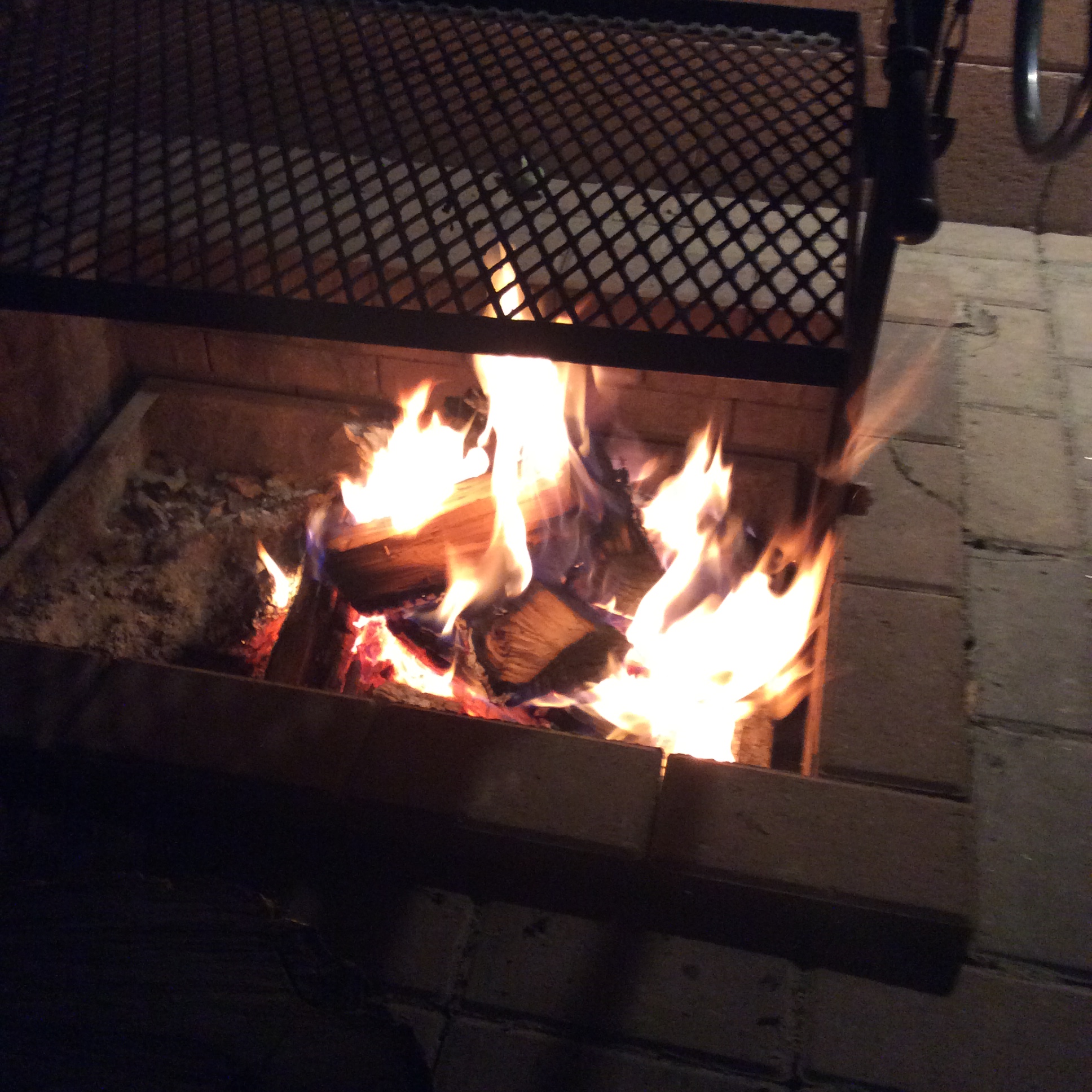
I have always enjoyed grilling as a wonderfully tasty way to cook meat and vegetables, but late this summer I acquired a firepit in my front yard, and it is fair to say  that it is one of the best small investments we ever made.  The pit itself is just a literal pit, a big hole in the dirt, skillfully lined with bricks by a landscape crew. Then there is a drop-in steel grill with a grate which is easily raised and lowered for precise control, and I wish I could remember where I bought it because it is the best ever.  Most important is the fuel, almost completely hardwood in my case although I start fires with twigs and small branches scrounged off the nearby walking path.

Cooking with wood is a whole different experience than cooking with charcoal, and I had not done it for about 25 years, so it took some time to get back in the swing.  When I want to just fire up the grill and cook something without undue fuss, I resort to my beloved Big Green Egg.  Cooking on the fire pit is more a process and an experience than just getting dinner ready. First, there is building the fire. Then, there is sitting next to it feeding it the right kind and amount of wood and giving it a few pokes at the right time to end up with a wonderful bed of red-hot coals  a couple of hours later.  Then there is cooking the food itself, and this is a hot eye-stinging experience that is somehow more pleasurable and more primal than any charcoal cooking could ever be.  The finale can then go one of two ways: either the coals can be damped with a bucket of water so that you end up with biochar for the garden or a bed of charcoal for the next fire, or more wood can be thrown on the fire and the diners can gather around it contemplatively with wine and marvel at their good fortune to be alive at this particular moment.

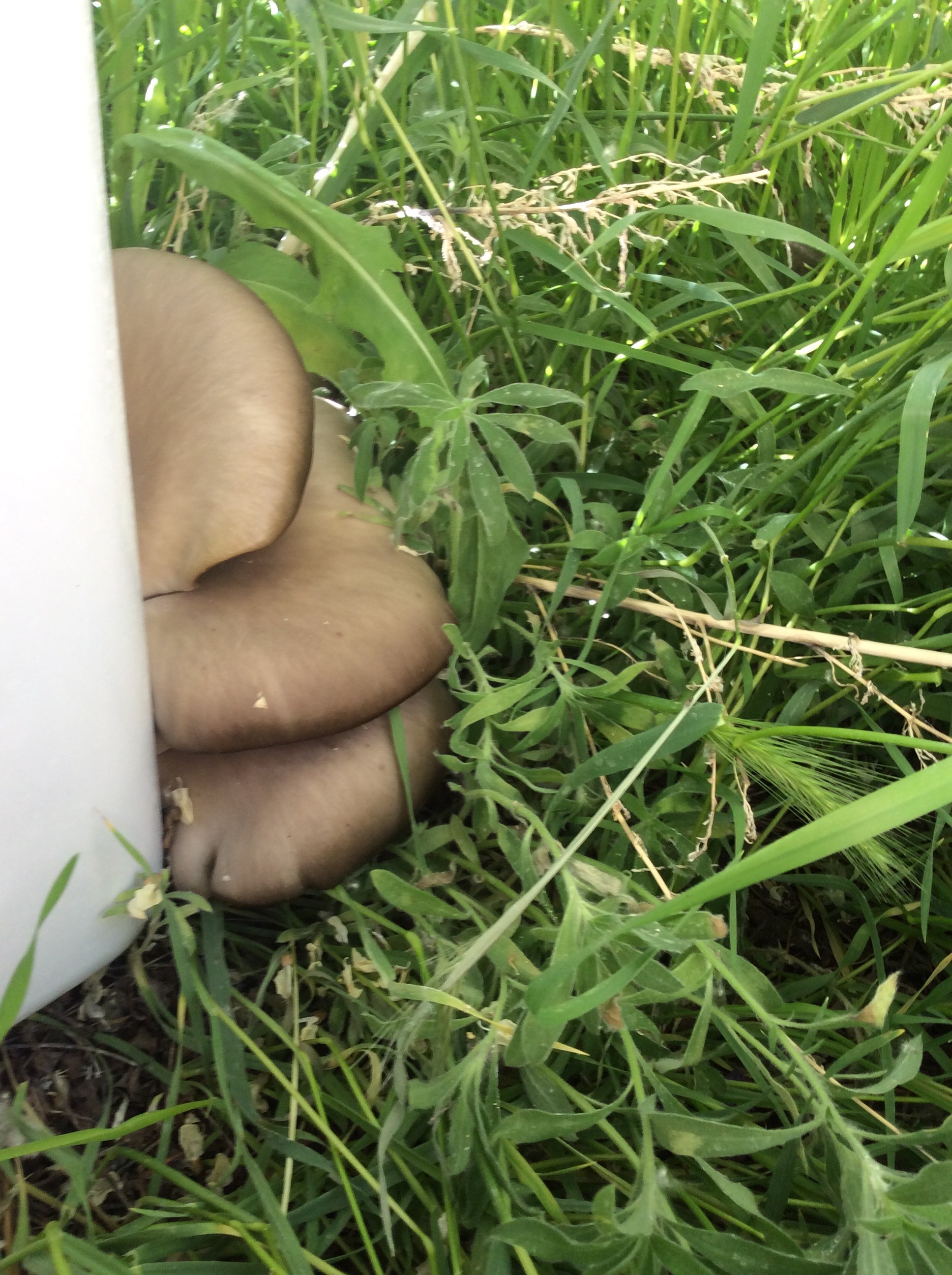
Don’t think that this is only an activity for carnivores. Pescatarians will find that wild-caught salmon is perfect for the grill, as long as you’re careful not to overcook.  Any vegetarian or vegan would love firepit cooking, for the rich meaty belt that hardwood smoke lends to vegetables. Eggplant, zucchini, and carrots are all wonderful sliced and grilled. I like to rub them with olive oil mixed with salt and a little chile chipotle. Wild mushrooms are lovely grilled, and store-bought mushrooms approach the savor of wild ones when grilled. Oyster mushrooms are especially suited to grilling.   Potatoes and sweet potatoes are both really good when pre-baked, pressed flat and about half an inch thick with your hand or the bottom of a glass, salted and brushed with olive oil or bacon fat, and grilled  just until the outside gets crisp and browned.  Sweet potatoes are very quick to burn because of the sugar they contain, so they need to be kept on a cooler part of the grill and be brought along more slowly and cautiously.  I understand that some people grill kale leaves very successfully, although so far I have not made that work well. And the more tender leaves of romaine lettuce are really delicious when the heads are grilled in halves.
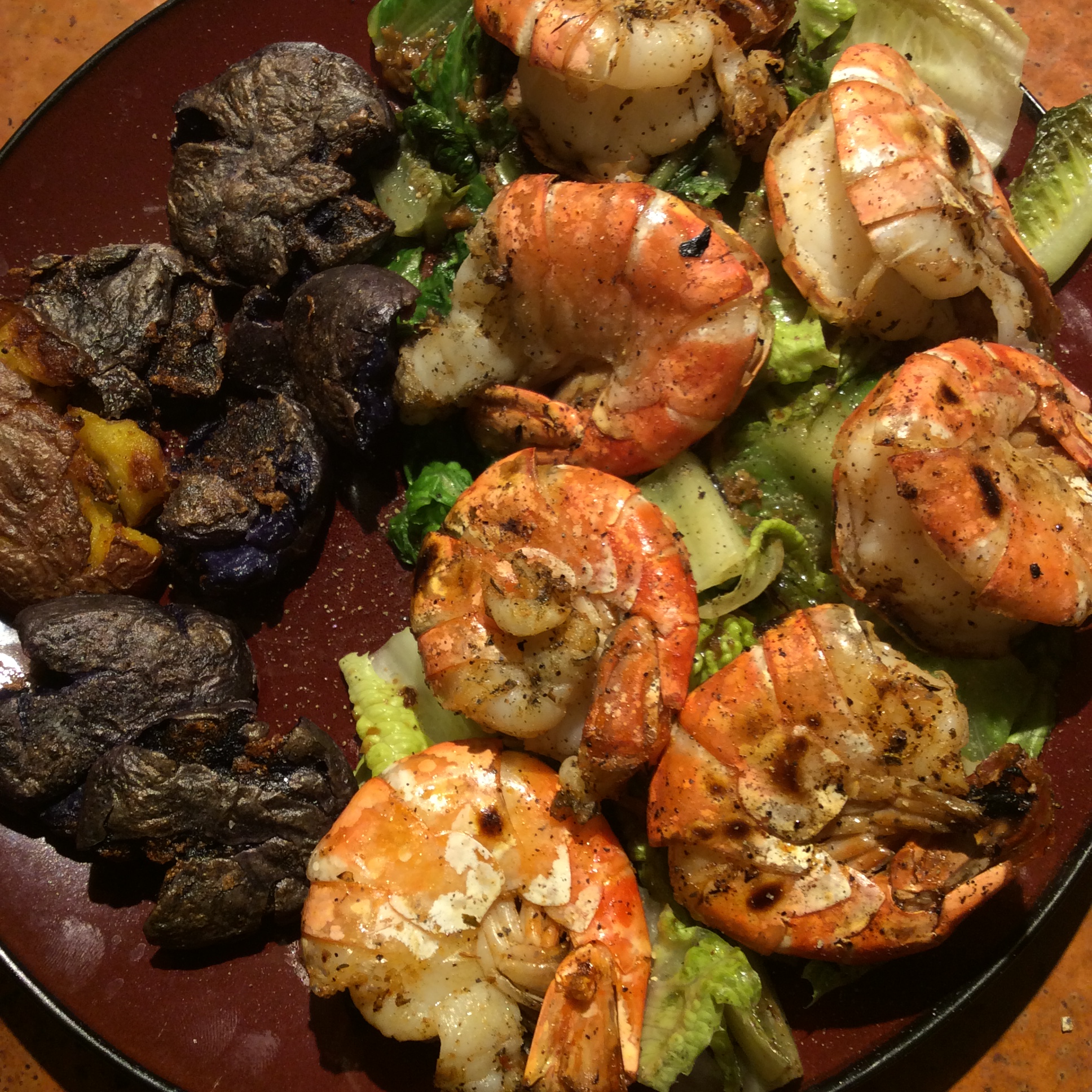
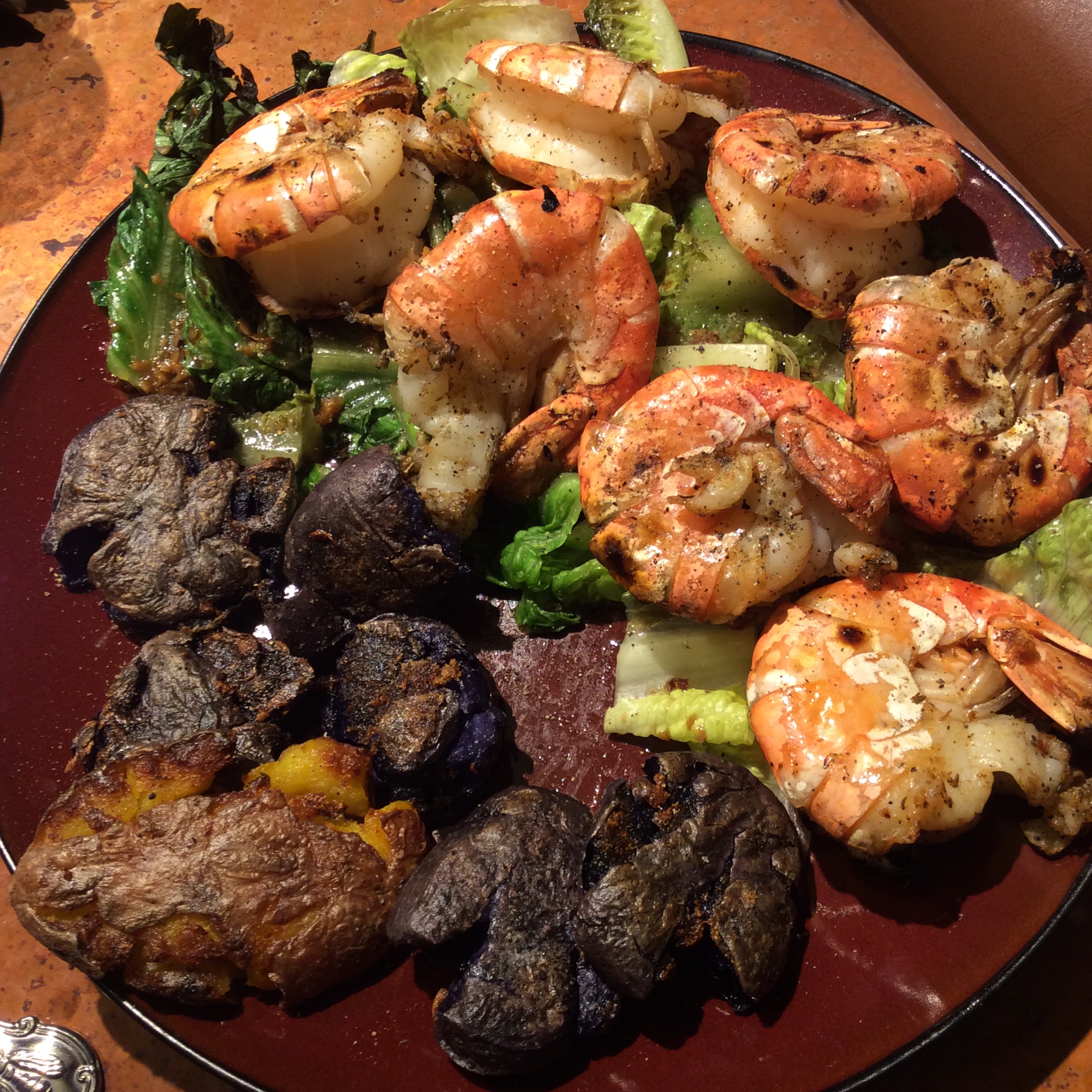
One of my favorite recent dinners involved large shrimp seasoned and grilled in their shells, served on a bed of grilled romaine lettuce made by cutting heads of romaine in half, drizzling them with my mother’s marinade, and grilling them over very hot coals for 2-3 minutes on each side.  I am in favor of taking the grilled romaine into the kitchen and slicing it crosswise before plating it, for more graceful eating. The ribs of the romaine  leaves become softer, sweeter, and a culinary revelation. I would think that the same thing could be achieved with Chinese cabbage. Another small drizzle of marinade when on the plate adds to the general savor.  In the photo above you see the grilled treatment given to little dark blue Magic Molly potatoes, which I intend to write about in another post.   In general we eat low-carb and avoid foods like potatoes, but the occasional treat does not come amiss. Overall, this is a meal that makes you realize that nothing more miraculous has ever happened in human history than the taming of fire. It made us more civilized and brought wolves in off the tundra to be our companions. We co-evolved with them for the next 40,000 years to the benefit of both parties, and their descendents still seem to enjoy hanging around the firepit.

For more on the entrancing world of wood fired cooking, read anything by Francis Mallman, particularly his first book, Seven Fires.
Fall Summation IV part 2: Further Perennials

In my last post, I started to sum up a few perennial edibles around my yard, and found that there are actually a lot more of them then I realized. So here’s part two.

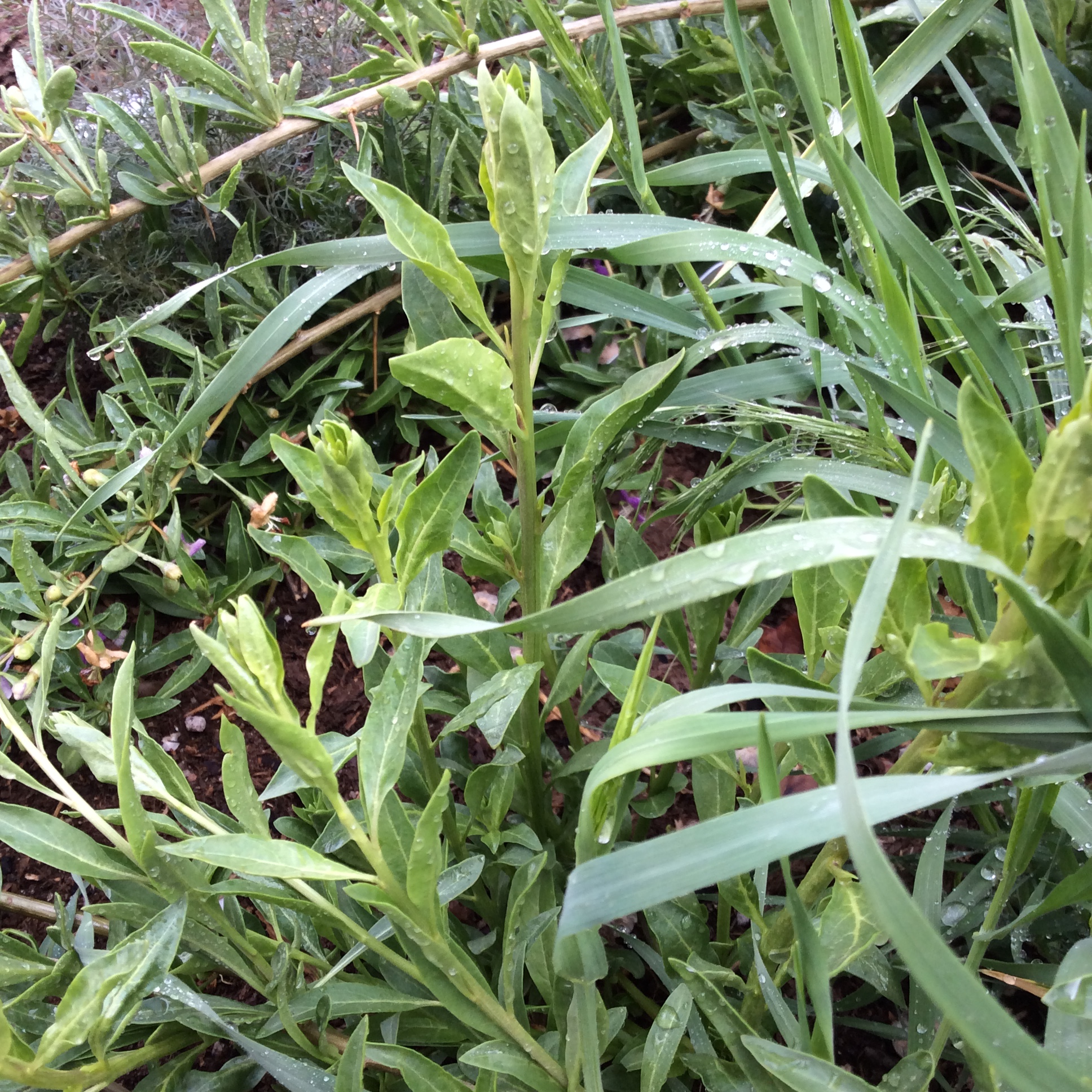
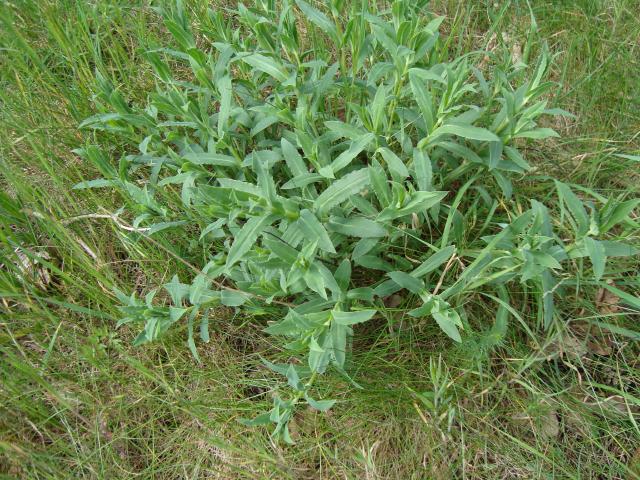
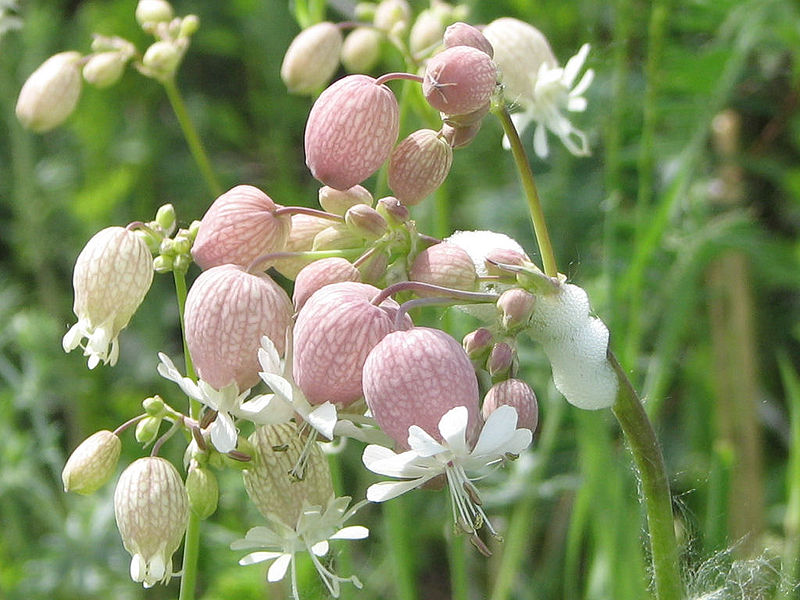
Bladder campion, Silene vulgaris, is always my first green of spring and my last green of fall. It is better cooked than raw in my opinion, but some leaves in a mixed salad will certainly not hurt anything and have a pleasant substantial texture. I had to buy seed of this one to get it started, and it was a couple of years before it really begin to grow well, but now I have enough to need to weed out some. It has never been a problem weed or gotten out of control under my conditions. It seeds itself around a bit, but not unreasonably.

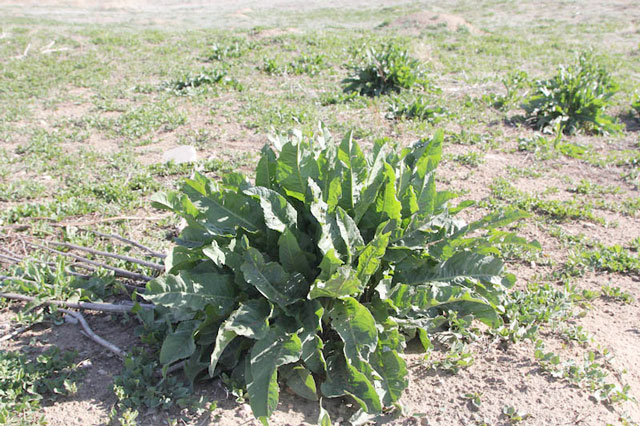
Curled dock is a common weed that most people could not imagine planting on purpose, but in my area it grows mostly along the irrigation ditches, which are also frequented by dogs. So to have a good clean supply, I do grow some in my weed patch. The slightly lemony greens are very good in mixed greens but rapidly get bitter as the weather warms. Get them early. And then get them again late, because like so many perennials, they produce a smaller but useful second crop of leaves in late fall.  This one does seed it self around like crazy, and every single seed seems to be viable, so do be careful to cut off the flower stalks early unless you want a lot more plants. There is a great deal written about the culinary uses of the seeds. I don’t care for them at all, but you can read about this elsewhere if you are interested.  Some people also use the roots medicinally, and that also could be researched elsewhere.

Bronze fennel is a lovely ornamental as well as a delicious seasoning herb and vegetable. I find the flavor a little more pronounced and anisey than that of green fennel. It’s also prettier. In Samuel Thayer‘s newest book, Incredible Wild Edibles, there is a wonderful chapter on how to use fennel.  My very favorite part is the young shoot, and so far I have not been able to induce my plants to make tender shoots in the fall, but I’m still trying. The leaves are a wonderful seasoning for fish and seafood, and are great chopped and sprinkled lavishly over salads.

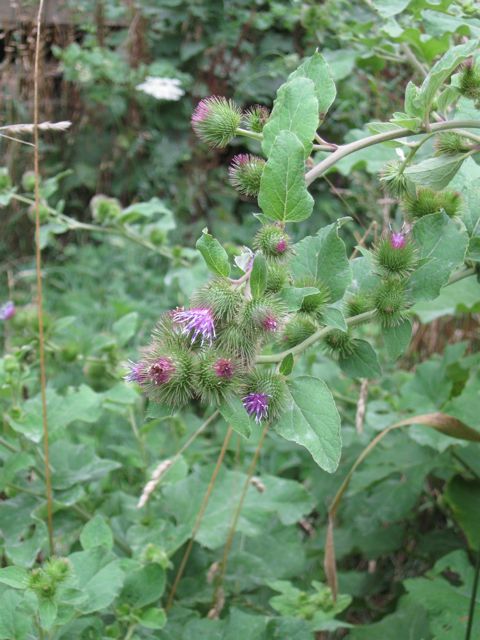
Burdock has not been a success for me so far, due to personal taste preferences. Even the youngest spring leaves taste rank and have a rough texture, the root is bland and turns an unpleasant color even when cooked with some lemon juice, and the peeled flower stalk is no more than passable to my palate. I think that the peeled stalk chunks might be tastier when cooked with stronger seasonings or perhaps grilled, and I’ll try that next year. It often happens that an edible perennial hangs around my place for years before I learn to use it in ways that I really like, so I think of burdock as a potential vegetable that I haven’t really learned about yet. I am happy enough to give it some space because my goat is crazy about the leaves and leaf stalks, but be aware that even if you think you are cutting down all the flower stalks, it ingeniously forms some tiny short ones that get past you and scatter seeds everywhere. Bees enjoy the flowers and birds enjoy the seeds, but the price of having it around is eternal vigilance and a fair amount of grunt weeding.

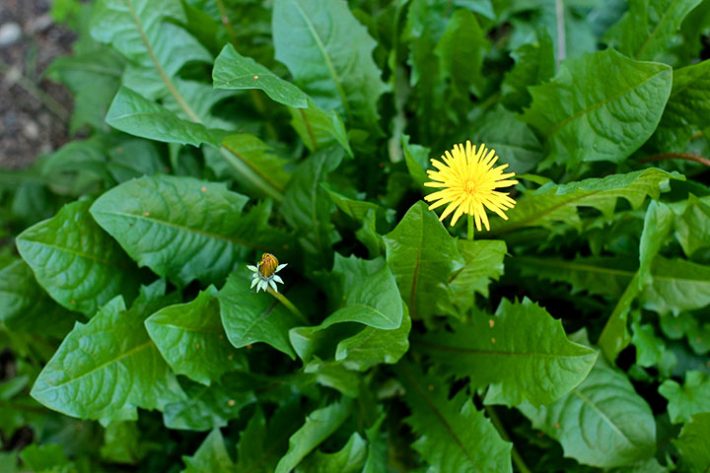
Dandelion is not a common weed in my area, believe it or not, and I had to buy seeds to get it started.  But I wanted it and was happy to persevere until I got some to germinate. The young leaves of dandelion have a fair amount of bitterness and might be an acquired taste, and most people start out by disliking them, then later in their foraging career begin to like them, and ultimately crave them.  I’m at the craving stage. I also enjoy using the flowers, although the bitter green sepals have to be pulled off, which is a bit tedious.  I think that the petals might be useful in fritters and similar preparations, but I haven’t done that yet.  There is always more to learn. I do like the young, tightly closed buds when I can get enough of them to bother cooking. I am not a fan of the root, and this is another plant where I leave the root in place to produce the parts that I like better.  Here in the  high desert I like to grow mine in partial shade because the leaves get more tender, less bitter, and quite a bit bigger. Incidentally, I bought some seeds called French Thick Leaf that were supposed to be very superior, and used some seeds from a northeastern person’s yard, and the plants are all pretty much identical.

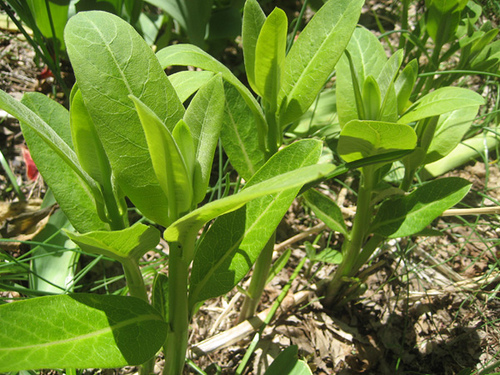
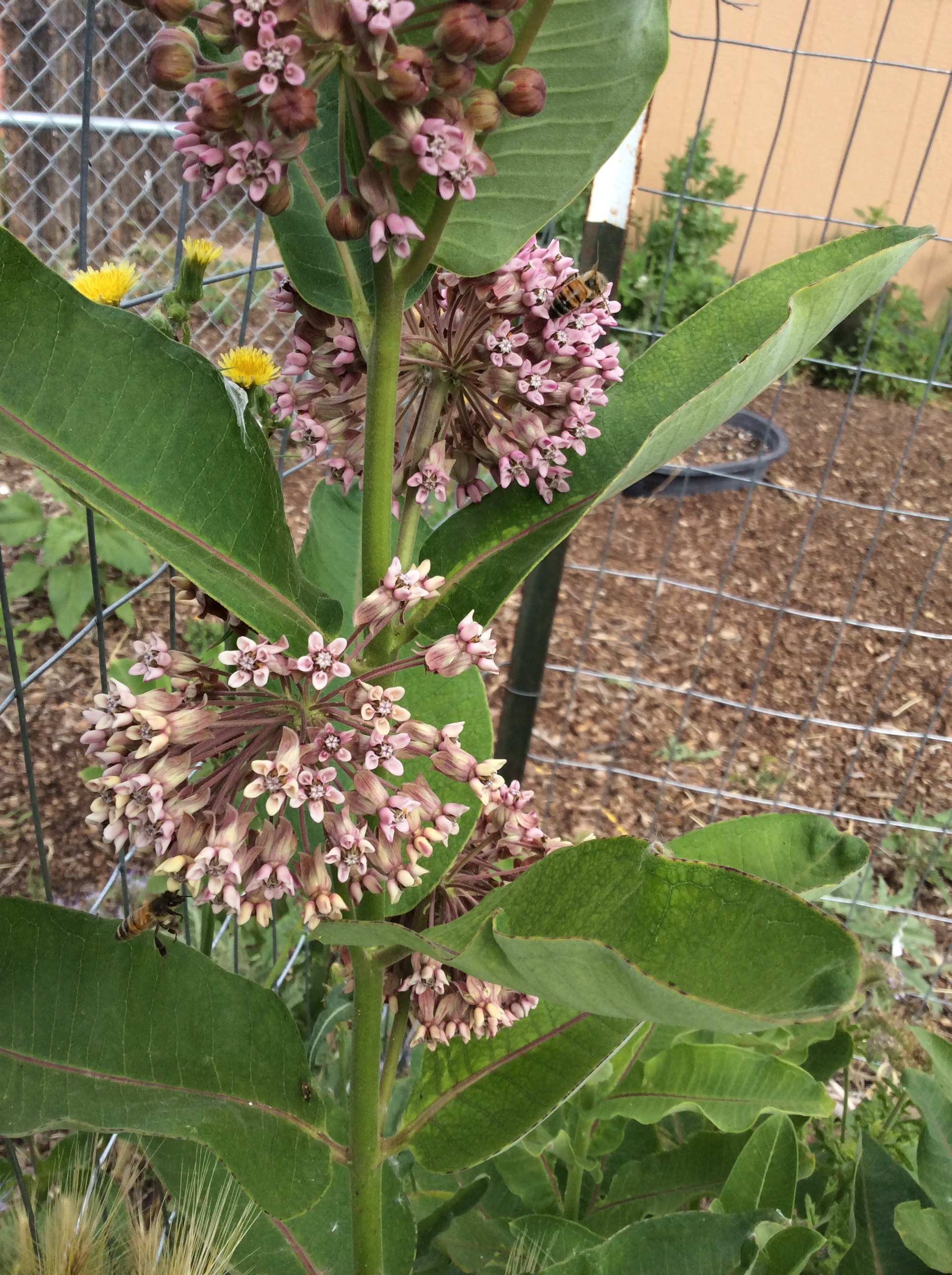
Common milkweed is another weed that just does not grow in my area, although I often see it when vacationing further north in Colorado. It took me a few tries to start it from seed, and it needs winter stratification. So far I have only had a few bites each of spring shoots and buds, plus one young pod, on my plate because it’s still getting established. But it has the mild “foody” flavor that I remember, especially good with butter. The vanilla-scented flowers are wildly attractive to bees, and of course this is the food plant of the monarch butterfly. Once established, it doesn’t need too much water, but it needs a fair amount to get started. Be sure that you know how to identify it as Asclepius syraica because there are some thin-leaved toxic milkweeds, and if you are foraging it in the wild I strongly suggest reading Samuel Thayer on how to tell the young shoots from dogsbane,  which resemble them in ways but are very bitter. I hope to have a lot of it around in the future.

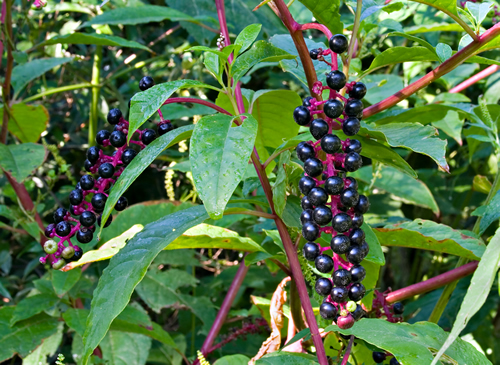
Pokeweed was one of my favorite wild foods when I was first getting interested in foraging. It’s a big rank plant, up to six feet high and as much across, and has to be sited accordingly. It also REQUIRES preboiling in a large volume of water, which is then thrown out, before further preparation for eating. It is toxic if not prepared properly. Please consult Samuel Thayer’s Incredible Wild Edibles before trying to eat it. Then you’ll have all the information you need to eat it safely. It doesn’t grow in the Southwest, but I finally got two plants started from seed, and hope to have more in the future. Euell Gibbons wrote about forcing pokeweed shoots in winter, and one day I may try some version of that.

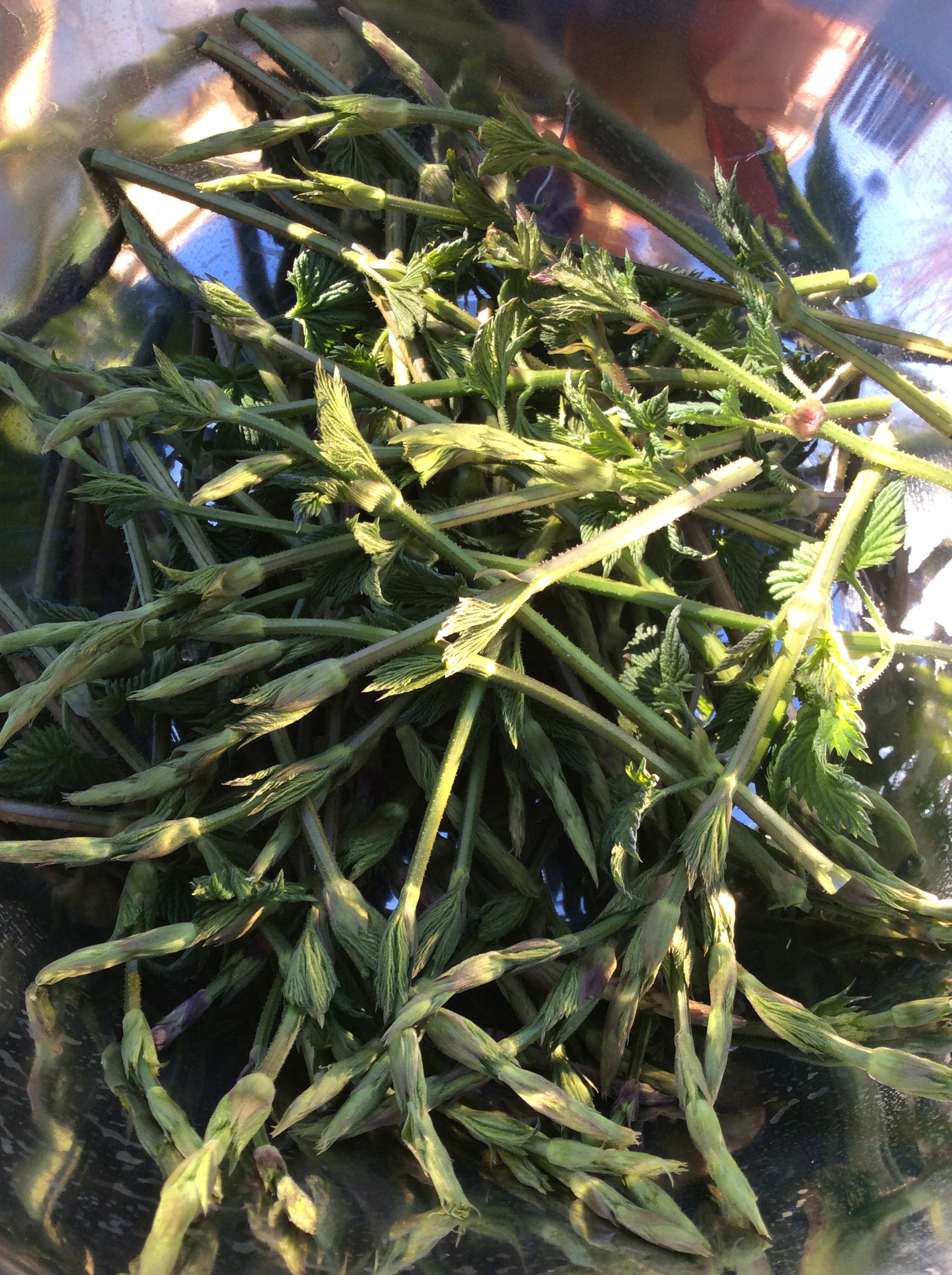
Goji Shoots come up everywhere after you’ve grown goji berries for a few years. They are very tasty sautéed in butter or olive oil. To enjoy them, you have to get new shoots as shown. They should be green all over and tender enough to snap when bent. If they have anything resembling brown bark, or have to be cut, skip them. I cut my plants back in late winter and harvest some shoots in spring, and this year I cut some plants back in late fall and put frost blankets over them to see if I can get some winter shoots. I’ll report back.

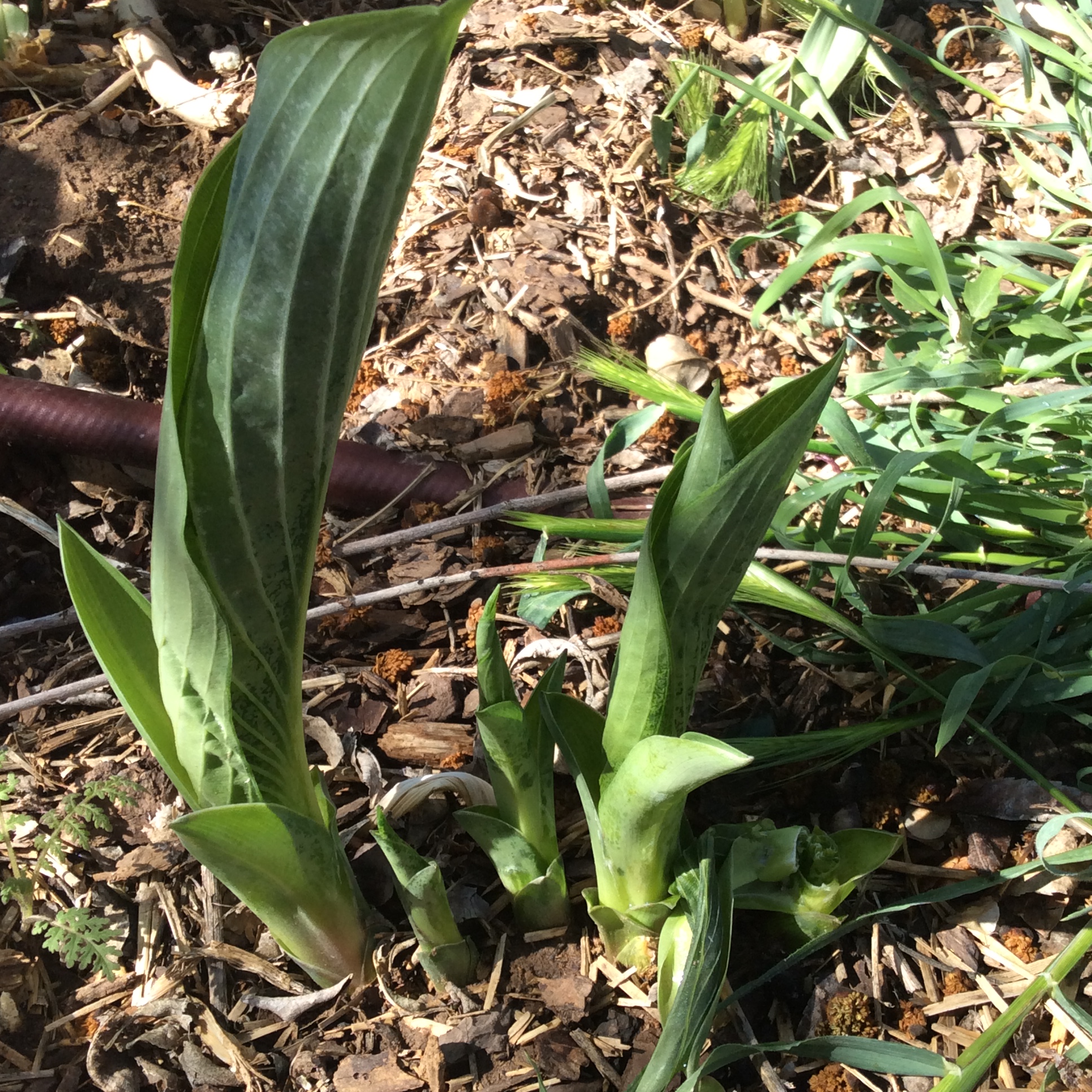
Hosta shoots are a new vegetable for me, because when I moved to my current home it was a flat lot covered with tumbleweed and baked into adobe by the blazing sun. It’s only now, eight years later, that my trees are big enough to provide shade for the shade-loving hostas. I chose the biggest ones that I could find because the shoots are bigger. I have only eaten them once because my plants are young and I don’t want to weaken them. They were mild and good steamed and eaten with a soy-ginger sauce. There is nothing especially distinctive about the flavor but nothing objectionable either, and the texture is tender as long as you get them before they unfurl. They would probably be a good addition to salads if sliced, although I haven’t tried that yet. It takes a couple of years before they’re established enough to harvest, which is usual with perennials. Once established, they could be harvested for a couple of weeks in spring, then allowed to form ornamental foliage. When the leaves get ratty in late summer they could be cut back, then a few shoots harvested again as they refurbish themselves. Of note, this is an edible perennial that would pass muster with the strictest homeowners’ association so you can grow it whatever your circumstances.

The Fall Summation IV: Perennials

I am beginning to plan for those future years  when digging in the garden is not such a pleasure. For that matter, there are already days when digging feels less like a hobby, pleasure, and form of worship and more like a chore, and so I am trying to have patches of perennials around that would carry me through a time when I did not feel able to dig.  I am also trying to create deep mulched beds that would make it possible to grow annuals with less work, but more about that in another post.

Some of the perennials that I have experimented with:

Stinging nettles are a real success. They have to be sited in a place where people and animals do not have to be exposed to them and get stung, but once established the only care they need is some water in my desert area, and cutting back in the winter so that the spring greens can be easily harvested. From now on, I will also cut back the withered stalks at the peak of late summer heat, so that when new shoots come up in the fall they can be gathered without much trouble.  They are delicious when cooked, and there is no more nutritious green, so I am even thinking of starting a second patch in another out-of-the-way corner of the yard. I have written about their kitchen uses in a number of past posts,  and I guess all I will say here about their flavor is that it is mild but somehow more intensely green than almost anything else that I’ve tasted.  They have to be handled cautiously and with gloves to avoid stings, but I have read with fascination that some people believe in putting the raw greens into smoothies, and apparently they are edible raw in that form. There are also contests in some places in Europe in which raw nettles are eaten in large quantities. Bizarre, but then, people are. Suit yourself.

Scorzonera  is a favorite of mine for its delicious stalks topped with tightly packed flower buds, and I have also learned to appreciate the leaves as a substantial but mild flavored addition to salads. It produces a small but useful second crop of leaves in late fall.   It tolerates drought  exceptionally well once established. I will be planting a lot more of this one. Be aware that I am talking about Scorzonera hispanica. There are other members of genus Scorzonera that have thready and insubstantial leaves. I don’t find the root to be worth the trouble of digging it up, and I leave it in the ground to make more leaves and stalks year after year with no labor on my part.

Salsify  produces long thin leaves which, in the spring, are tender and reasonably tasty.  The buds are probably the best part of the plant, although they are tiny and you would need a fair sized patch to have enough to be worth eating.  I have planted a new larger patch of it because I read somewhere that the long thin early spring leaves, when blanched for just a minute in boiling water, make a kind of “vegetable spaghetti“ that some people enjoy. I haven’t had a chance to try this yet but it would be a useful addition to my low-carb diet, which is “deficient “ in things to toss with butter and good Parmesan. Salsify  is often grown for the roots, but I find the root fairly bland and not that interesting. I would certainly eat it if I were hungry, though.

Asparagus  is one of my favorite vegetables, and this coming spring I will be planting more of the purple kind, which I find most delicious.  There is just nothing better. If only it were available in the garden for more of the year, I might not bother to grow anything else.

Turkish Rocket  makes delicious buds when harvested at exactly the right phase, with a bitter-nutty flavor very much like broccoli rabe. The season for it is short but pleasurable. I have never found any culinary use for the leaves or older buds.

Sorrel  makes one of my favorite simple sauces when chiffonaded and stewed briefly in butter with a little salt. Salmon was born to be grilled and eaten with sorrel butter. In addition to a healthy large clump of spring leaves, it makes another, even better clump in late fall. Very deserving of garden space. Above, you see the chiffonaded leaves used raw in salmon salad. It takes a surprising amount to make a good flavor impression, so think of sorrel as an ingredient, not a seasoning.

Hops  were planted all along my fences back when I used to brew beer. I don’t brew very  much anymore, but hops shoots are a lovely wild-bitter tasty treat that I look forward to every spring.  I am convinced that fancy preparation is a bad idea. Just rinse them, chop a bunch of them in 1 inch lengths, and fry quickly in olive oil with a generous pinch of salt. Nothing else. Be sure to let them form some browned crispy areas so they can taste their best.

Mulberry  can be kept tightly pruned or coppiced for an excellent harvest of small tender young leaves and shootsat the twig tips.  Don’t try the leathery older leaves, and stems should be tender enough to easily nip off with your thumbnail. It matters which mulberry you get, since some have perfectly good leaves and some are awful. I surreptitiously tasted at the organic nursery where I bought mine, to get leaves that had no unusual toughness or off flavors.  Mulberries have a good amount of resveratrol, but I have no idea about the resveratrol content of the leaves. I would guess, however, that it’s probably in there.  Once you have a mulberry tree you have it forever, and the only problem is keeping it pruned tightly enough that you can reach the leaf tips.  I recently learned from Samuel Thayer‘s newest book that the flowers can also be eaten in salads. I will be trying this next spring.  If you have a yard goat, goats adore mulberry branches above almost anything else, and will happily eat up your prunings. There are some wild food books  that claim that the leaves are hallucinogenic, and others that say the leaves are not hallucinogenic but the water in which they are cooked is. I call nonsense on all of this. Young tender mulberry leaves are one of my favorite greens, and I eat a lot of them, and drink the water that they were cooked in, and nothing remotely interesting has ever happened as a result.  Mulberry leaf tea is also widely used in Asian and given to children and old people, with absolutely no concerns.  I don’t know where this stuff comes from.  I am happy to say that Samuel Thayer, a profound expert on wild foods if ever there was one, talks about culinary  use of the leaves and does not mention this at all. A tightly pruned or coppiced mulberry can be kept in any front yard, since if you keep cutting it back it doesn’t bloom, and after the first few years  will provide a  surprising amount of greens.

Linden  is in all the permaculture books as a tree with edible leaves that can be used in salads or cooked. I have two small Linden trees, and I love the scent when they bloom, but to my taste the leaves are a little bit bland and I prefer good Mulberry leaves.  Still, they make a nice substantial addition to a salad with a good flavorful dressing, and are tenderest and best when gathered just as they emerge from their bracts.

To my immense pleasure, I find that I have more perennial veggies of interest than I thought I had, so I will put the rest in a second post.


The Fall Summation II: Mushrooms

I always felt that if I could grow mushrooms outdoors among my garden plants,  I would have a fully functioning little ecosystem even here in the desert.  This year, I finally achieved exactly that, and it’s one of the highlights of my gardening year. I should add that anybody who gardens is growing all kinds of soil fungi, but I wanted the edible kind. Three species came through for me. The first was the almond agaricus, shown above.  They are compost lovers, and I buried chunks of the spawn in a bed of compost that I was about to plant squash into. Unfortunately, the squash overran the bed and I only got a few mushrooms from around the edges, but they were very delicious.  This species really does have an intense flavor of almonds, and if you don’t love almonds you probably won’t want this mushroom, but if you do it is a special treat sautéed in butter and served alongside a nutty beefy piece of dry aged meat.

DCF 1.0

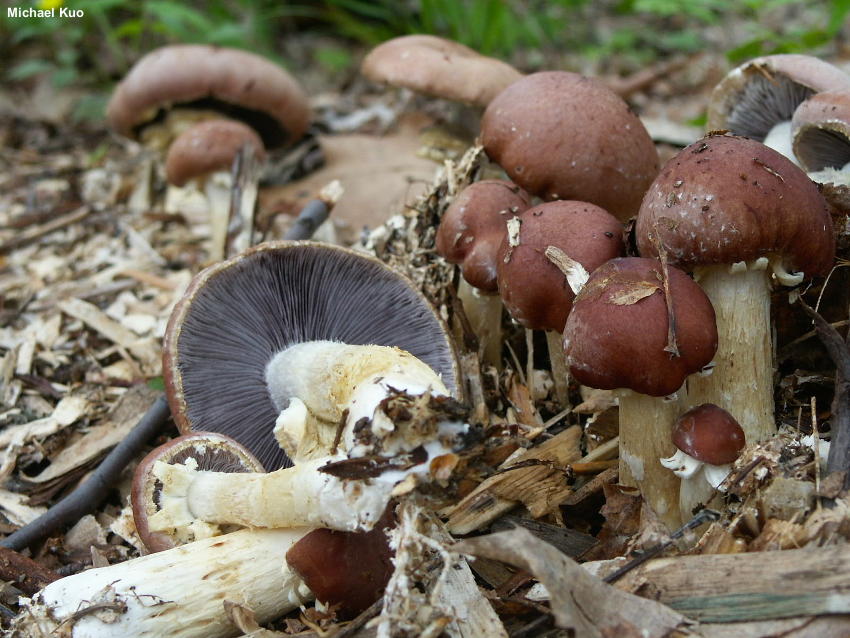
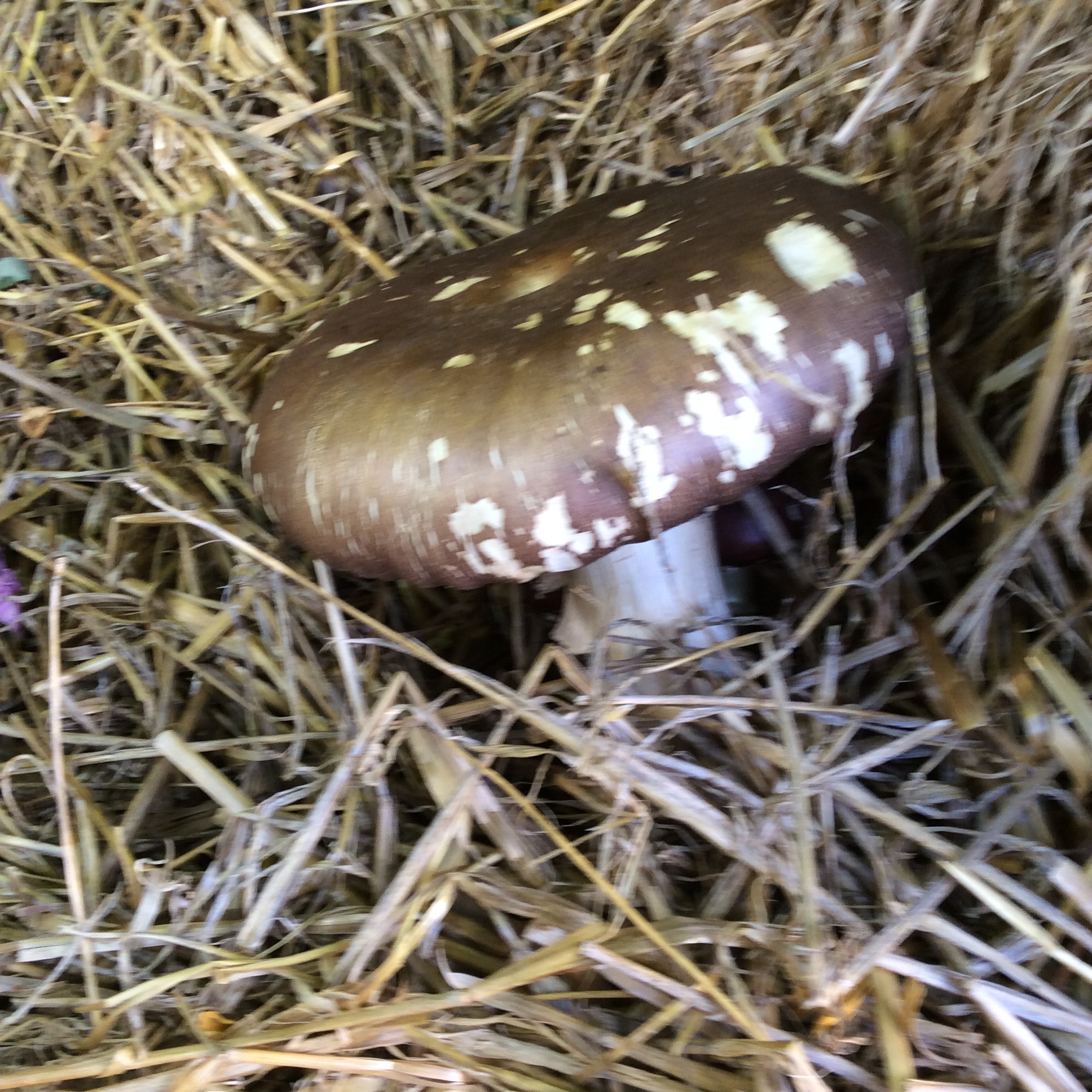
Stropharia rugosa-annulata, the wine-cap mushroom,  grows freely in mulched garden paths.  It will grow in pure straw mulch, and that is how I grew it at first, but there is no question that it tastes better if you incorporate some hardwood chips or sawdust in with the straw.  Even when grown in straw alone it tastes as good as a store-bought cremini or better, but once I incorporated some hardwood it became a treat. The picture  above shows how it should ideally look at harvest. The button stage, shown to the right, is tastiest but I can never resist letting one or two get huge. The picture below shows how it is more likely to look in my garden, because for some reason there are tiny little slugs that only seem to chew on this one mushroom species. But no problem, I just brush them off, and once it is washed and sautéed in butter you can’t tell that they were ever there.

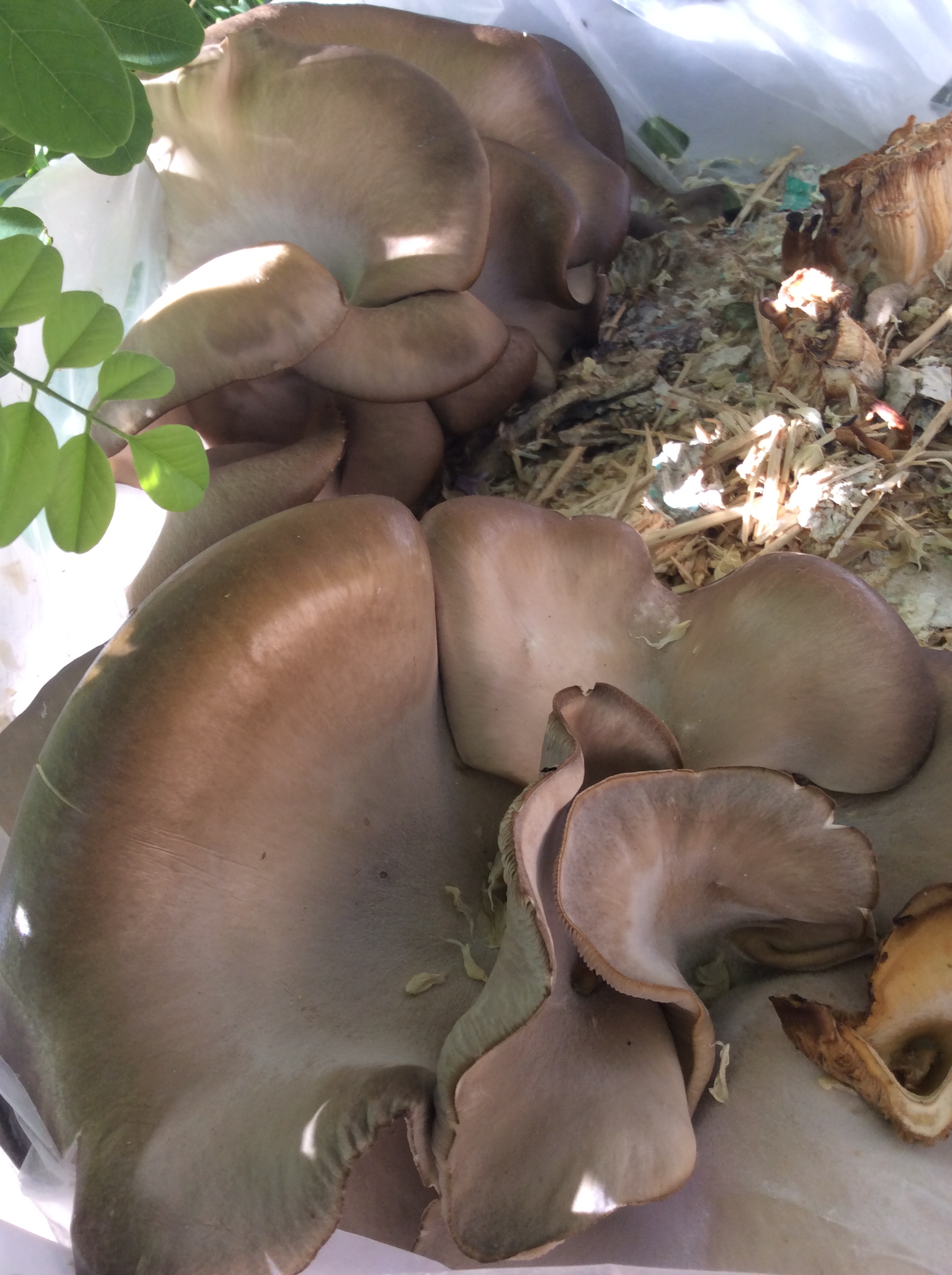
Then there are oyster mushrooms, my favorite cultivated mushroom to eat and one of the easiest to grow.  I grow them in the shade in almost whatever receptacle comes to hand, usually laundry baskets lined with clear plastic bags.  For the growing medium I use a mixture of straw and hardwood sawdust, sterilized sufficiently with hydrogen peroxide solution, with a little alfalfa shake included to nourish the mushrooms.  I stick the whole rig under a dense shade tree in late spring, in an area where water from the sprinkler will hit it when I water, but I don’t make any other effort to keep it wet. I like to let oyster mushrooms get big, to the point that they are really meaty.  After cleaning them and cutting away the tough stem area I slice them in quarter inch strips and sauté  them in olive oil with salt until they have some nice brown spots, adding a little chopped garlic toward the end of the cooking.  They are more tender when small, but not nearly as umami and tasty. It’s the difference between veal and beef, and I have never been a fan of veal. Of course, if you want a milder flavor and softer texture, pick them smaller.

Today I finished “planting” several baskets and bags with the blue oyster mushroom, a subspecies of the common oyster mushroom that fruits at a lower temperature.  They are going in an unheated shed, and might fruit during the winter. Remains to be seen if this will work, but anything that prolongs the mushroom season is worth a try.

Oyster mushrooms are determined to grow. Recently I broke up a spent basket and put the mycelium in lumps under straw mulch, and today I found tiny infant oyster mushrooms poking out. I threw a frost blanket over the area and weighted it down with pavers, and maybe I’ll get a late outdoor crop.

Nothing fills me with quite as much satisfaction as seeing one of my mushroom projects cooked and on the table.  I am not sure why this is, except that their biology is so unique and fascinating and they are so essential, in one form or another, to life on earth.  They have some interesting medicinal qualities, but I don’t feel any great need for medicine and prefer to eat them because they are fascinating  and delicious.

I’m enjoying a book called Radical Mycology, which is a compendium of nearly everything that you can imagine about mushrooms, including a heap of medical advice which, in my opinion, should be taken with a very large grain of salt.  But it is addictive reading and will get you through many a long winter evening and give you ideas for new projects.