Archive for 2016

Early Harvest: Green Garlic

image

Other than herbs and alfalfa tips for my chickens, green garlic is always the first thing that I harvest from the garden.  In my climate, which is more or less USDA zone seven, I plant in October and nearly always harvest green garlic the first week of March.  The part of the garlic patch that I plan to harvest green is planted very closely, about 2 inches apart each way, which is plenty  of room for this purpose.  Every year I plant more. It is really good stuff. For a long time I thought that it might not really be worth the trouble, because I was harvesting and eating only the white stem and incipient bulb and composting the greens.  Duh. The greens are the best part, as well as being full of allacin and other antioxidants, and any part that is bright green rather than yellow or brown can be used. You can grow a useful amount in a few square feet if your soil is rich, and it is harvested and out of the way in time to plant something else for the summer.

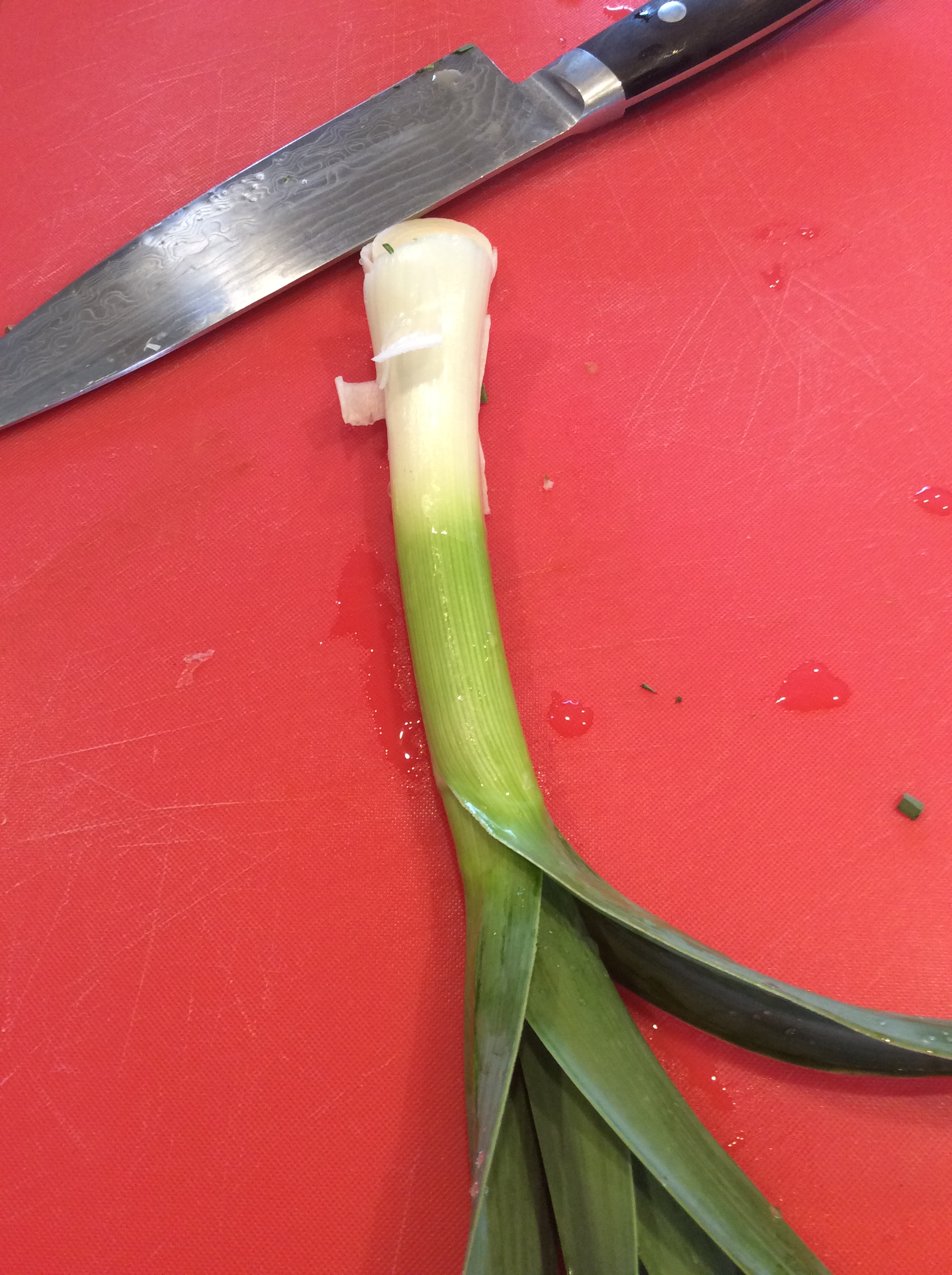
In the picture above you see a stalk of green elephant garlic, which is really a leek relative rather than a true garlic.  It is typically a foot or more tall and an inch or so in diameter at the green stage.   It has a slightly different flavor from true green garlic but is equally delicious.  I once bought green garlic at a farmer’s market that was bitter, but I have never tasted any other that was bitter. It may have had to do with growing conditions or variety. I have heard of people chopping garlic leaves into salads as a seasoning, but personally I don’t care for the taste raw and only use them cooked.

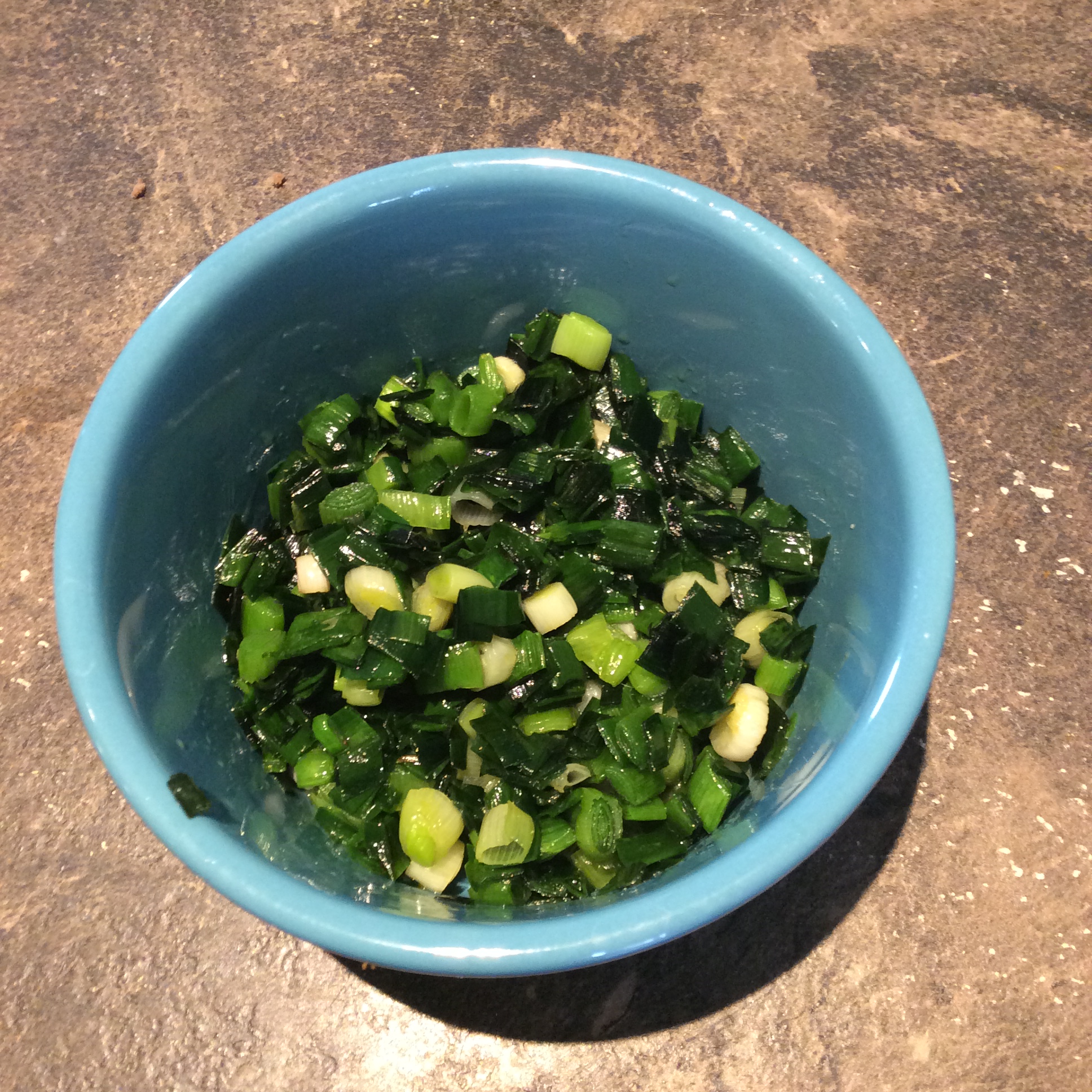
With all green garlic, I trim the roots and leaf tips and wash, then line them up and cut them in cross-section into slices about a quarter inch thick.  I sauté  in either butter or olive oil, whichever will suit the rest of the meal, slowly until the greens are tender. A little salt is thrown in along the way. They become soft and sweet and delicious, and I enjoy eating them as a vegetable on their own.  They also go very nicely into all kinds of other vegetable dishes.  If you are a carb eater, they would be delicious with fresh handmade egg pasta, butter, and a discreet amount of Parmesan, or tossed with new potatoes and butter. I love them in mixtures of cooked greens, too, and they are a lovely complement for fried eggs.  I plan to make a cream of green garlic soup  at some point this spring.  A few stalks sautéed in your smallest skillet while you are cooking other things also make a very nice cook’s treat  to eat standing in the kitchen, as a sort of tapa for one. After all, the laborer is worthy of her hire.
image

Like all the rest of us, green garlic will lose its youthful bloom sooner rather than later.  When the bulb is swelling and the leaf tips are turning progressively more yellow, it is past the point of being worthwhile to eat green.  In its brief season I harvest 10 or 12 stalks whenever I have some free time, clean and sauté them, and have them waiting in the refrigerator.  If I haven’t use them within a day or two, I vacuum seal them into neat little packets and keep them in the freezer to go in summer dishes.

Arugula, my favorite weed

Arugula is still my favorite weed, and this is the right time of year to get your seeds and scatter them in a likely spot. Keep the ground moist and wait for spring.

This is an old post and I’ve gone low-carb since then so now I enjoy my arugula in salads or sautéed, with some garlic cooked in and crumbled feta on top.

wooddogs3's avatarMy urban homestead

december08-001

At times I’m very surprised by what grows well in my high desert garden. I wouldn’t have guessed that arugula would not only grow well but would naturalize and happily spread itself about. Arugula is my favorite salad green, and I’ve learned to love it for cooking too. Something about its tender nutty sharpness is like watercress gone to heaven. It likes cold weather, and manages with surprisingly little water.

First, get your seed. I don’t recommend the wild-type often sold as “sylvetta” because the leaves are small leading to low yield, and in dry conditions it can get too sharp to be pleasant. Try to get the type designated as ‘cultivated” or the named variety Apollo, although the latter lacks the frilly leaves that make such a nice show on the salad plate. In winter or very early spring, scatter the seed in drifts on prepared ground and rake…

View original post 800 more words

Animals, Waste, and the Urban Homestead

december08-005
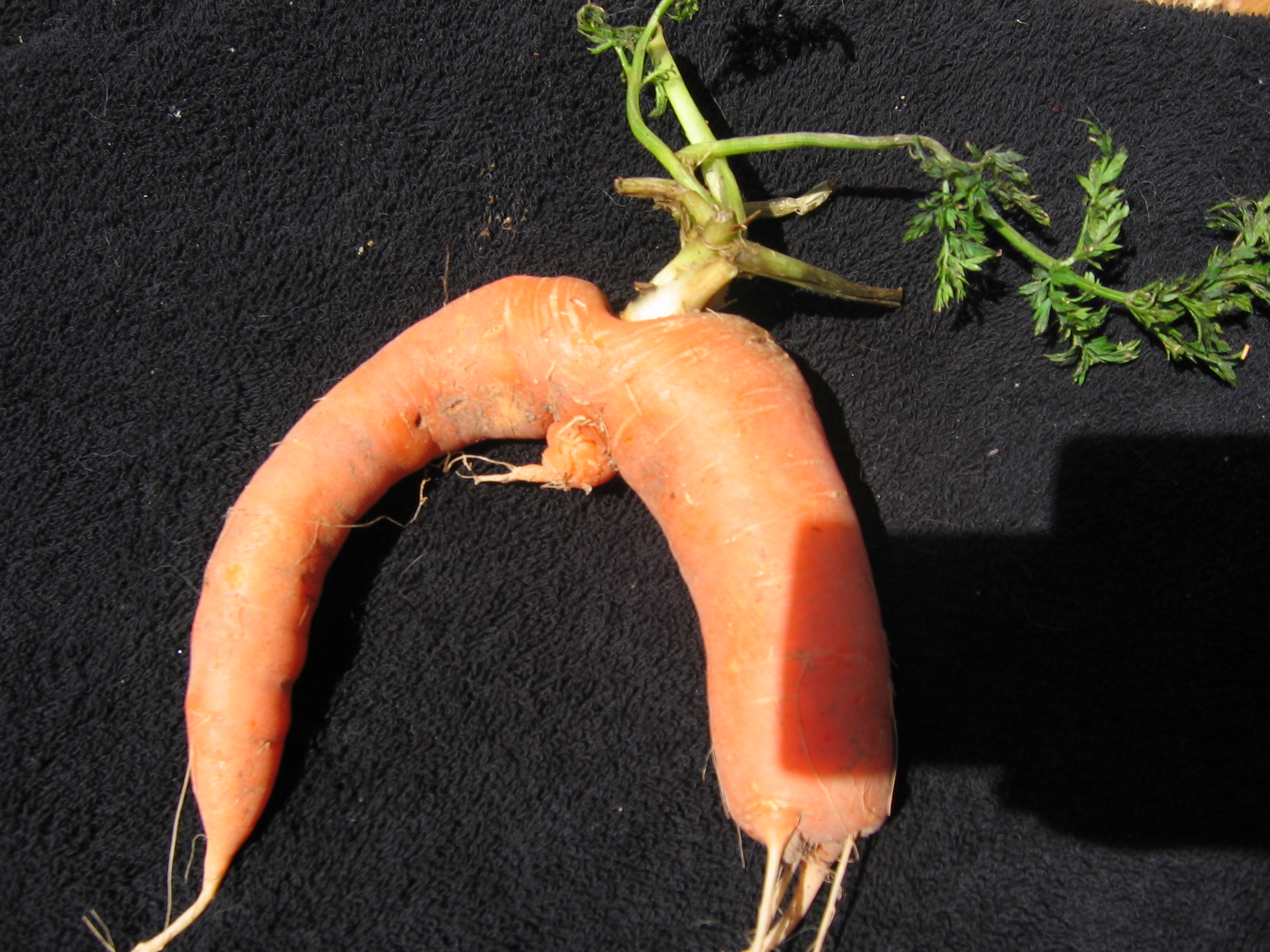
Many years ago now, in one of my earliest blog posts ( hard to imagine that I’ve been doing this for eight years now,) I posted the picture above of a carrot from my hard soil, because I thought it was funny and I had little else to talk about that day. Now, I think that my ardent carrot is part of a much bigger picture, and that picture is the ugly landscape of food waste.
Globally, unbelievable amounts of food are wasted, enough to feed a lot of hungry people, and you can read about that and about what one lively activist is doing about it in this article.
My own interest in the subject is smaller and more local. What can be done to reduce waste around our homes and neighborhoods? Start with the carrot above, and with imperfect produce in general. Are you willing to buy it and eat it? If your favorite grower at the farmer’s market sold imperfect stuff at a somewhat reduced price, would you buy it? Let them know.
When you are the grower, the task can be more satisfying, and small livestock can help. Eat what you can yourself, and share with others. People have been so market-conditioned to demand perfect produce that I can end up giving my friends the most perfect specimens and eating the imperfects myself. Get yourself a good nose-to-tail vegetable cookbook to help you eat and like the “nasty bits” of your veggies. Then look at what’s left and who will eat it, because a lot of it isn’t ready for the compost yet.
image
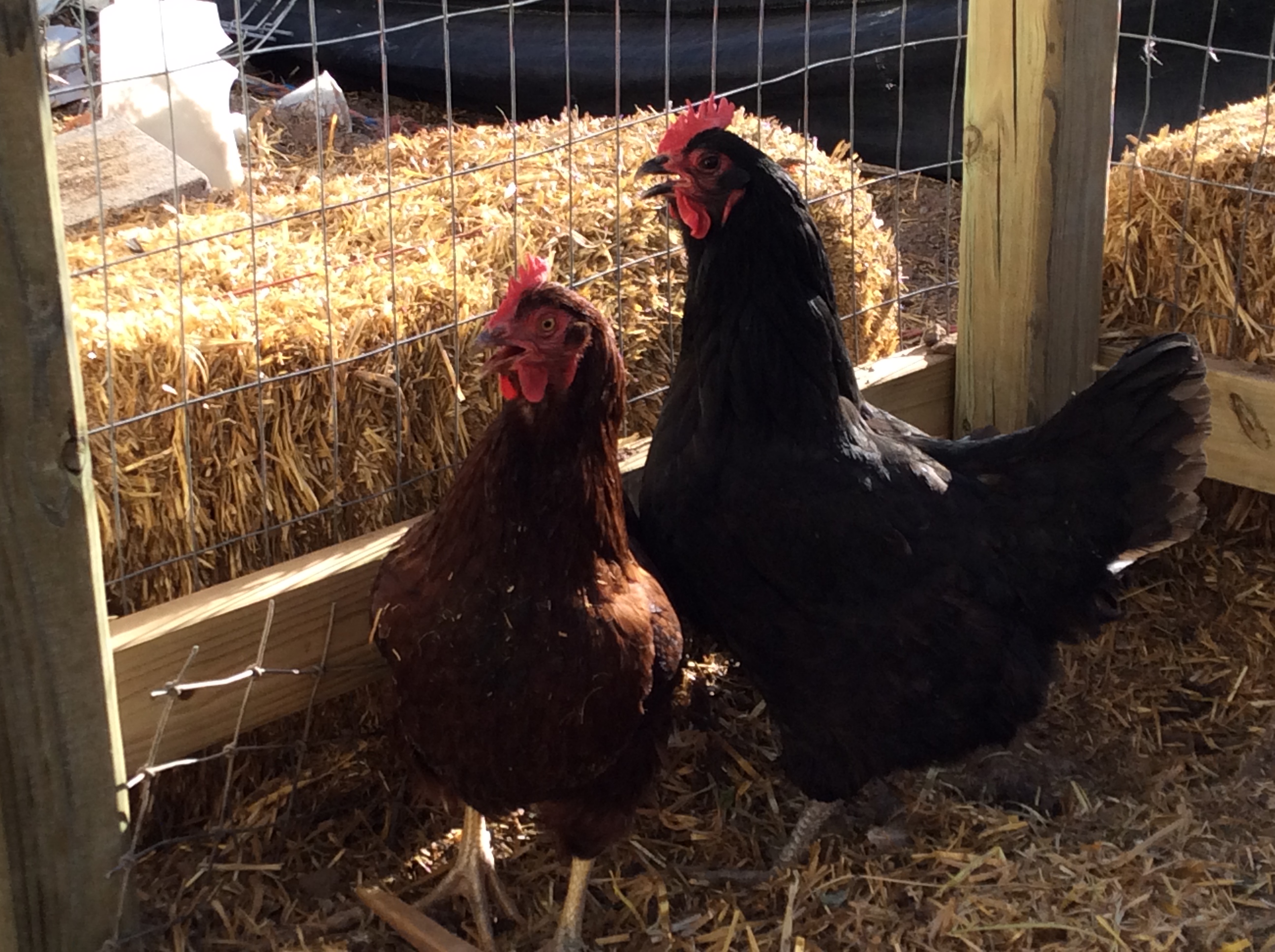
Chickens are your best friends when it comes to reducing waste. They will eat and relish greens in huge quantities, and will eat carrots, winter squash, and other chunky things if they’re cooked soft or ground in the Cuisinart. They love the residue out of the juicer, and will dispose of most of your table scraps if they are chopped finely. Personally I do not limit my chickens to a vegetarian diet because chickens are among the most profoundly omnivorous animals around, along with pigs and we ourselves. Any arguments that feeding them “garbage” is inhumane are absurd when said “garbage” was on my own plate and would have gone down my own gullet if my appetite had lasted a bit longer. They scratch over, poop on, and compost what they don’t eat, providing you with increased bounty down the road. I have read the argument that feeding them in this informal way malnourishes them, and can only reply that as long as extra calcium is supplied, my little flock shows admirable vigor and my hens lay industriously through age 4. A good laying pellet is available to them free-choice.

image

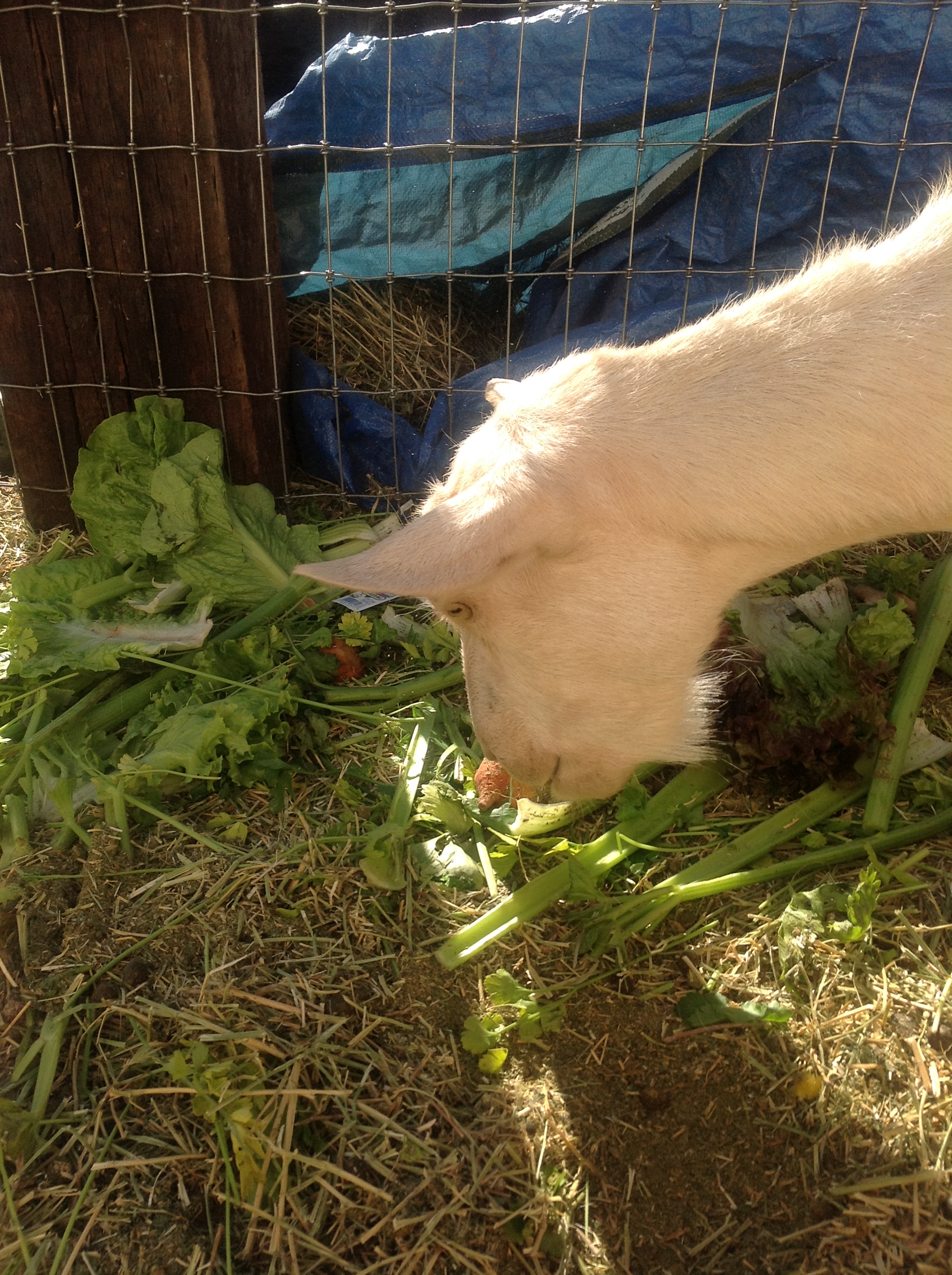
Goats occupy a different place in the waste-eating structure. Contrary to general belief they are fussy eaters and will nose at and play with anything but will only eat things that are choice in goat terms.  Goat treats include anything that’s woody and fresh, which is why you don’t keep them loose in your yard: all trees and shrubs will be killed in short order. It is also why they effortlessly absorb things that you have no other use for, such as rose prunings (unsprayed, of course.) My goat loves rose trimmings, corn stalks, carrots, pumpkins, celery and other things that the chickens have no use for, eats all my fruit tree trimmings and some excess fruit, gnaws every edible bit off broccoli stems and other large coarse plants that are otherwise hard to dispo, and will eat some large coarse weeds but only the ones that she personally selects. Amazingly, she rejects kale, lambs-quarters, and other things that I consider delicious. We do have a major trash tree in my area, the Siberian elm, and she adores them, so I cut down the ones that are growing where I don’t want them and leave the stumps in place, coppicing them for future goat food. She also eats a lot of expensive alfalfa, so believe me when I say that there is no such thing as a free goat. On the contrary.

image image

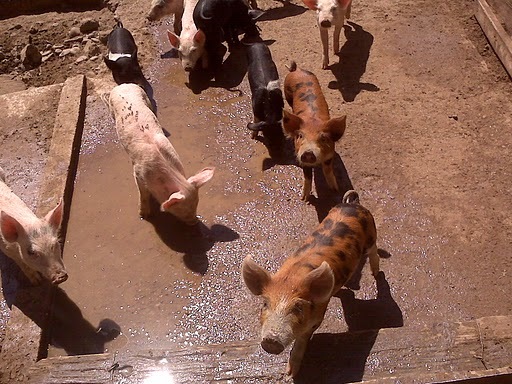
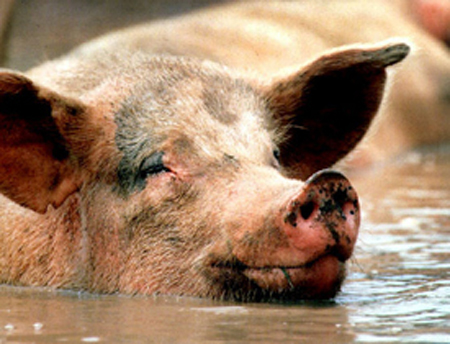
Pigs are among my favorite animals, and throughout the third world they are prized for turning waste into human food.  I wish that I could recommend them for the urban homestead, but they smell too bad when kept in small areas and get too big. A full-grown hog of breeding age is practically the size of a dining room table but stronger and more determined. Urban Farm Online has a good brief summary of why  they don’t recommend pigs. I have heard it suggested that the much smaller Vietnamese pig might be good for urban bacon, but I don’t know anything about that and don’t know if anybody has tried it. If it could be made to work, it could be interesting.

I would not want any of the above to be taken as saying that you can feed animals free on household scraps. If you have animals, you can plan to spend plenty of money on feed. You will also spend time learning to care for them, and then attending to their daily needs. But they will utilize some garden and kitchen leavings and supply you with a nice end product.


Chickens for meat

image

The picture above is courtesy of the wonderful blog site the Self Sufficient Home Acre, about which I will say more later in this post.
There are a number of reasons to grow and process some meat chickens at home, but one reason stands out for me: the conditions under which commercial broilers are raised and butchered are appalling. My home-grown meat birds are healthy eating because of the way that I feed them, but even if they weren’t, I can provide a better life and a better death than happens on a commercial basis.

The question of what type of chicken to raise is an important one. The chickens that are seen everywhere from chain grocery stores to fancy butcher shops are all Cornish crosses. They are extremely fast growing, being ready for harvest in about eight weeks, and have the extremely broad breast that appeals to American consumers. The meat is soft and doesn’t take much chewing. I don’t like them, personally, because they are so fast-growing that all they do is lie on their heavy breasts and eat. They don’t act like real chickens. Also, the meat doesn’t have time to develop deep flavor, and these birds do very poorly at high altitudes like my home area. On the other hand, the males of most laying breeds make a scrawny-looking eating chicken and they start crowing long before they are big enough to eat, a serious problem in my urban area. My personal preference is for Pioneer hybrids, which are relatively large and fast growing but look and act like real chickens. They are pretty to see, and reach edible size in 3-4 months. I butcher the males as soon as I hear crowing, and let the females grow on a bit. I have kept some for laying hens and they are pretty good layers.

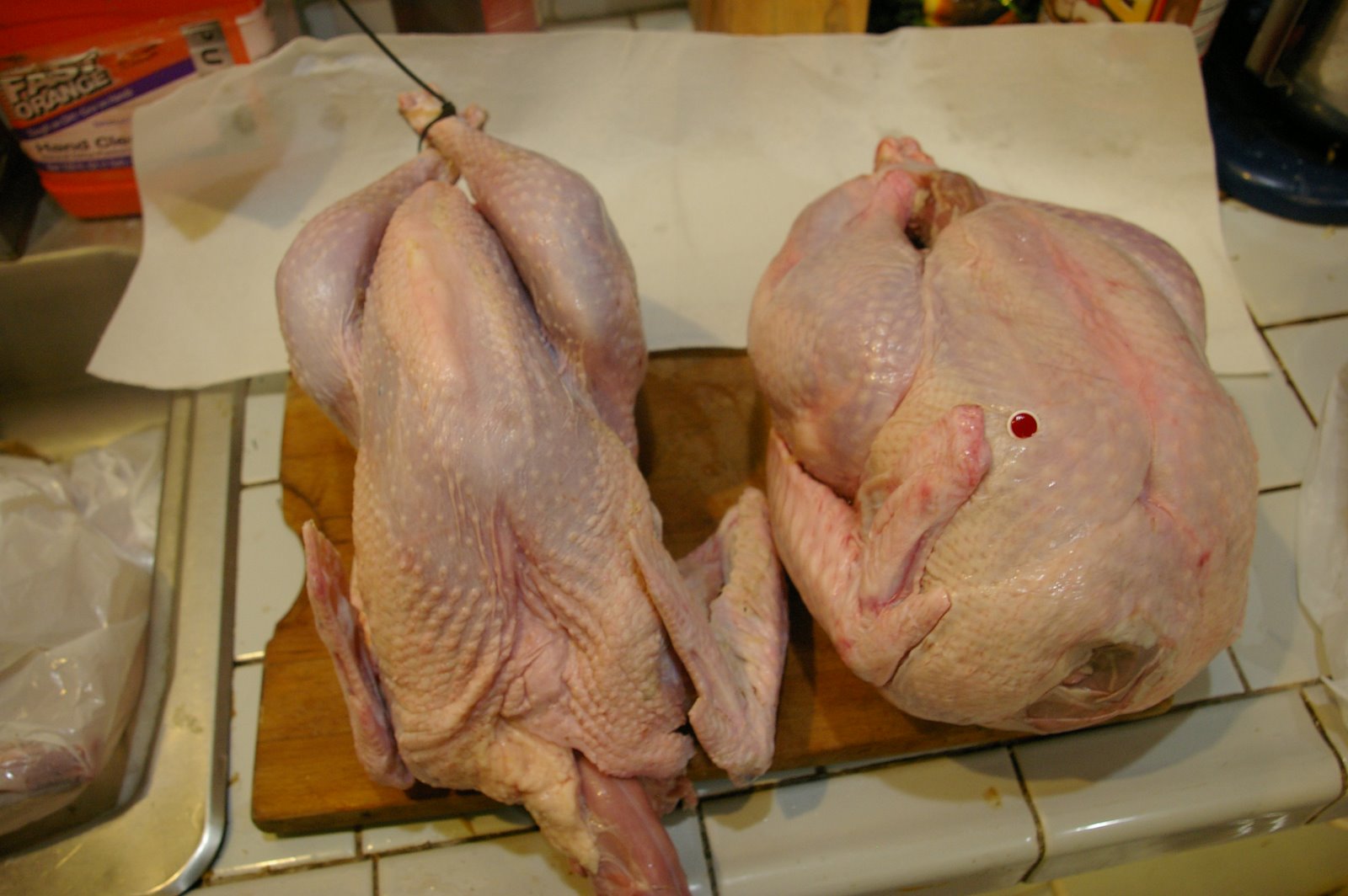
The  picture above illustrates something very important to understand about body morphology.  This particular picture is of commercial versus heritage turkeys, but the chickens are quite similar to this. The rounded bird on the right resembles the Cornish Cross which is used commercially, and the long bodied light-breasted bird on the left resembles the Pioneers and heritage breeds. American consumers are used to looking at a fairly spherical bird, and can find the natural configuration of a chicken startling. Some also find the meat a little tougher. I find it utterly delicious in flavor, the way chicken is supposed to taste, and don’t mind using my teeth a little bit. I often choose moist cooking methods such as braising to increase tenderness, but also grill these birds and am very happy with the results. And I really like it that these chickens can run around, forage, and flap up to the perch in normal fashion.

I came across a self-sufficiency blog that has wonderful material about home meat production, The Self Sufficient Home Acre. The author has a great post about the process of butchering chickens, and another about mindset and preparation for butchering. The photos are graphic, so don’t go there out of casual interest. But if you can imagine that a meat animal could be regarded respectfully and even reverently, then you may want to consider raising some of your own and taking responsibility for how it is treated and harvested, and this blog can help.

I also strongly recommend the book Mini Farming by Brett Markham. He has an excellent discussion of meat chickens and a great set of instructions for butchering. My set-up is based on his. His book is also a wonderful source of information about serious vegetable gardening and home-business laying flocks.

I feed the chicks a starter mix that’s 20% protein until they’re about 10 weeks old. They get grit right from the beginning, and at age three weeks when they have had time to eat some grit, I start giving them greens from the garden finely chopped, starting with small amounts and increasing over time. After the ten-week point I change their ration to the flaxseed-spiked layer pellet that my hens get, continue greens, and add additional protein with goat milk, table scraps, eggs that weren’t used up in a timely way, or whatever is handy. My goal is to produce maximum omega-3s without using too much flaxseed, which can give an off taste.

I have only one more thing to add, and that is that I incorporate every by-product of butchering back into the growth cycle. To me, that is part of taking the animal’s life seriously.  Each year I choose a spot where I want to grow trees or berries later, choosing a fenced-off area that my dogs can’t get to, and dig a series of deep holes in a large circle six feet or more across. After each butchering, the feathers, entrails, etc. are buried and covered with a couple of feet of soil. Then I set a straw bale or something similar on top to keep the fence-leaping coyotes out. Early the following spring I plant my chosen fruit tree or berry bush in the middle of the circle. They thrive. Five years after growing my first batch of meat chickens, the plum tree planted in that circle yields bushels of plums.

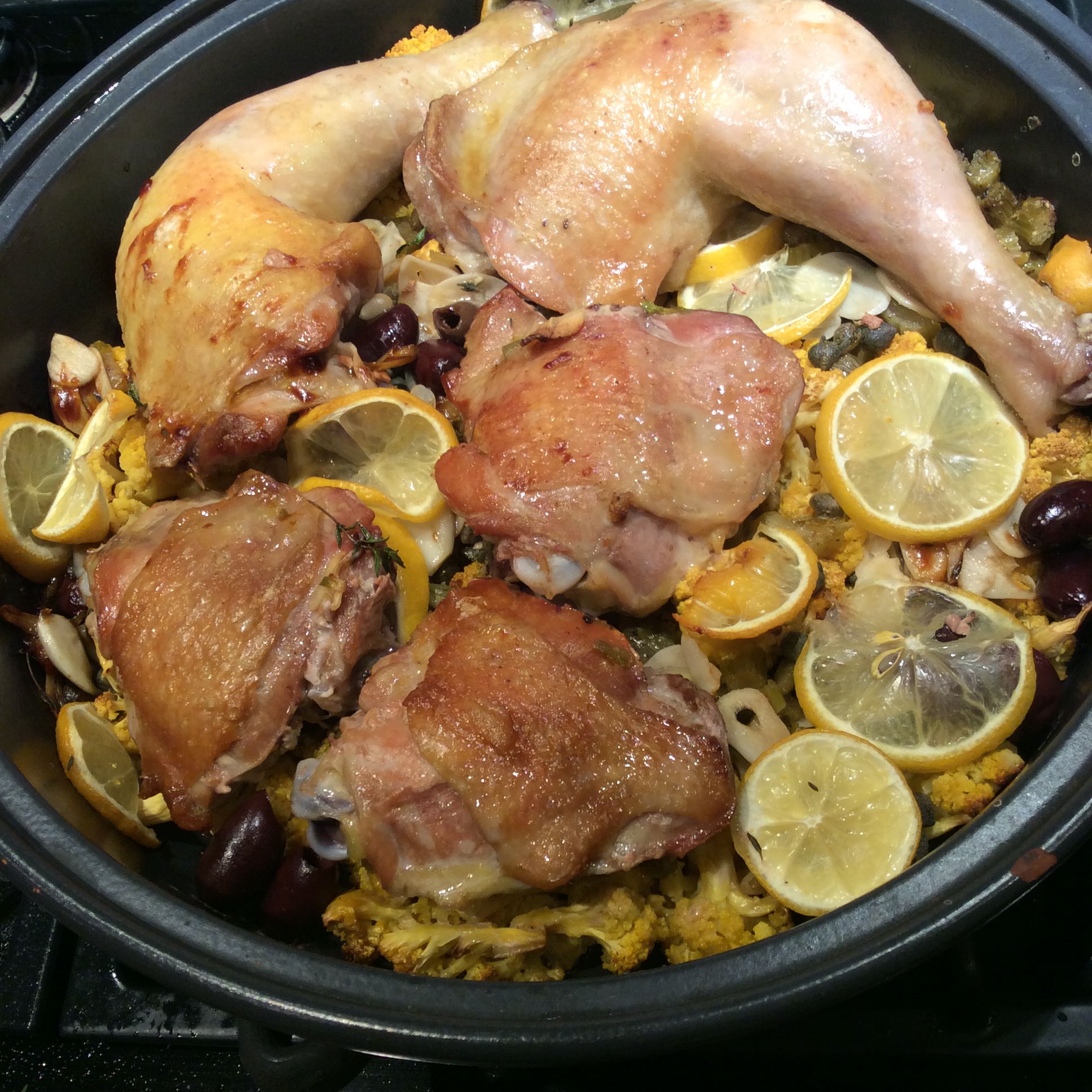
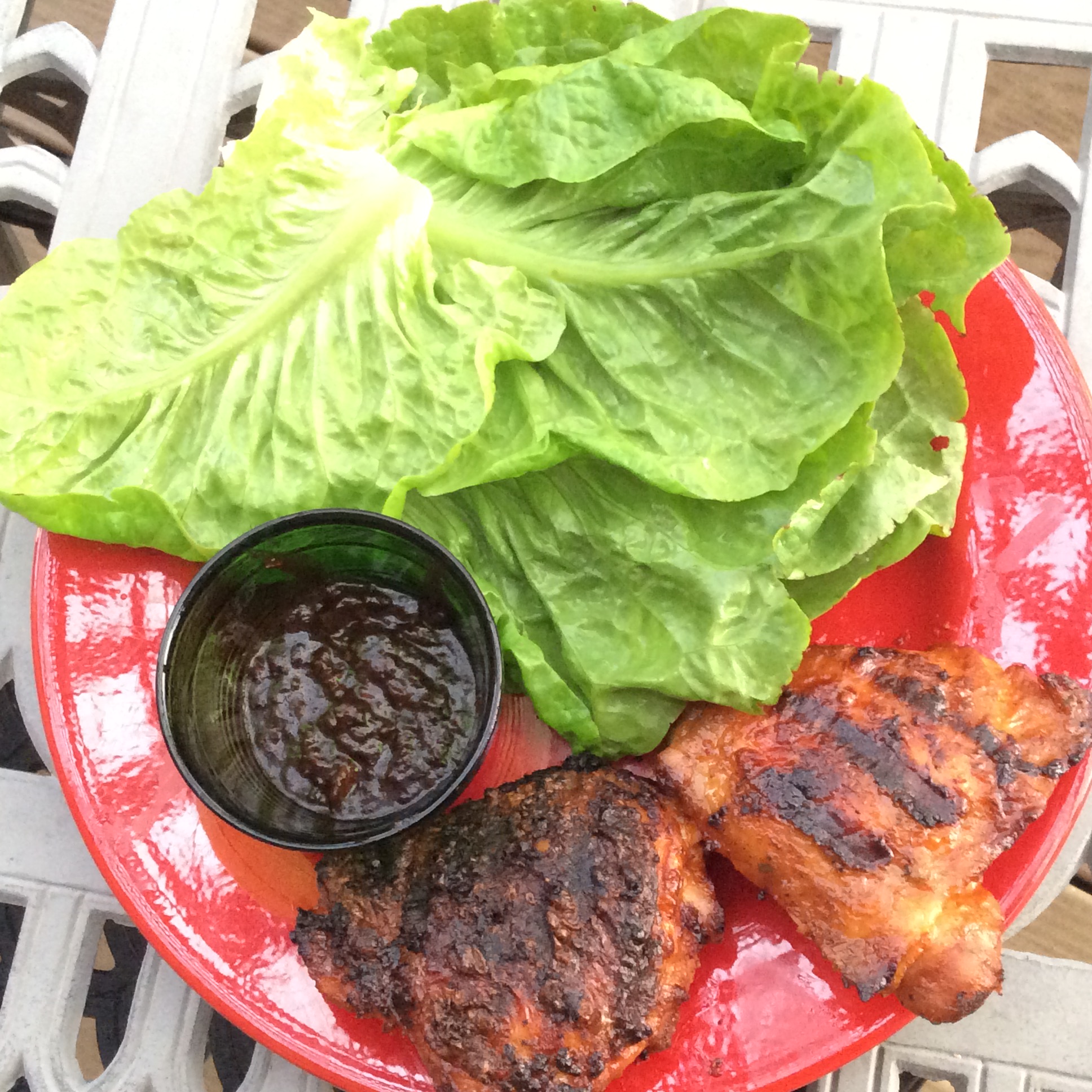
Ultimately, the proof is in the eating:
image
image