Archive for July, 2010

Beautiful Broccoli


Any honest gardener will admit to a lot of disappointments, small disasters, and unfulfilled ambitions. Heat waves sizzle delicate plants to a crisp. Hail happens. Or, maddeningly, a particular plant that’s supposed to be easy sizes you up and drops dead rather than be bothered with you.
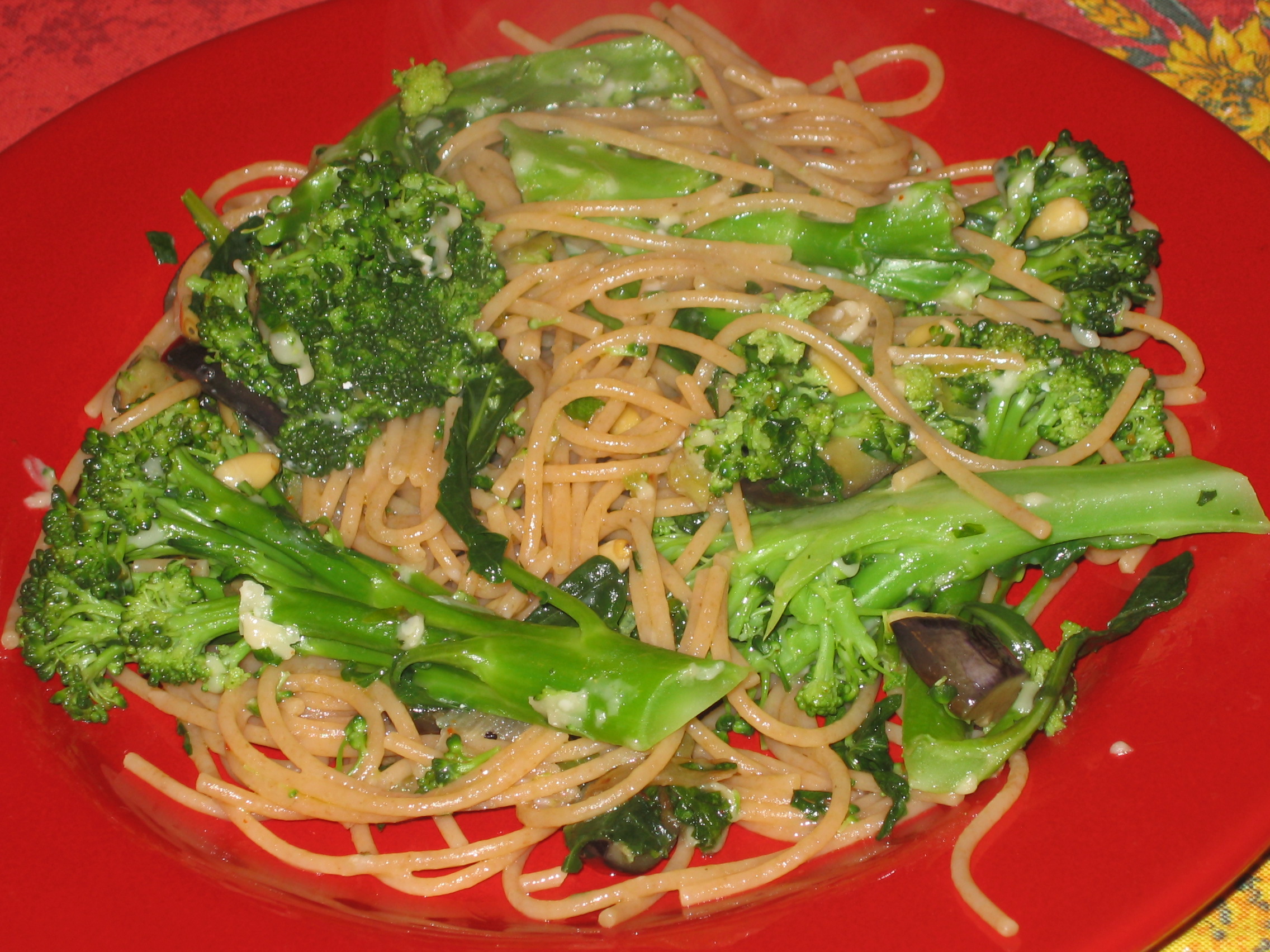
You get hooked, though, because something always does so well that you can hardly believe it. This year, supposedly heat-loving exotics like winged beans and chayote refused to grow, but broccoli, which likes cool weather, is producing better than ever before. I’ve gotten heads almost a foot across and side shoots as big as my fist or bigger. When picked twenty minutes before dinner, broccoli has a delicate flavor and none of the funk that can develop when it sits around. There are hundreds of good ways to cook it, but one of my favorites for a fast healthy meal is a pasta with broccoli cooked in the pasta pot.

For two large servings and good leftovers, you need:
1 large head of broccoli or two smaller ones
8 oz of dry pasta (whole wheat pasta tastes pretty good in this dish)
1/4 cup olive oil
3 large or 5 medium cloves garlic, sliced thinly.
one anchovy fillet, mashed (optional but gives depth)
half a teaspoon (or more) hot red pepper flakes
1/2 cup red wine
half a lemon
1/2 cup toasted pine nuts
a scant cup of best Parmesan cheese, grated

Start a pot of salted water boiling. Cut the broccoli into slender “branches” by splitting the stems. Slice the garlic cloves. When the water comes to a boil, put in the pasta. Heat half the olive oil in a small skillet and saute’ the garlic cloves until cooked through over medium heat. Add the anchovy and red pepper, saute’ another minute, then add the red wine and boil until it’s reduced to half. Add salt to taste. Keep checking the pasta, and about 3 minutes before it’s done, put the broccoli in the pot. Make sure it’s submerged and the water returns to a boil, then check the pasta in 2-3 minutes, and as soon as it’s perfectly done, drain the pot and return the drained noodles and broc to the pot. Toss in the remaining olive oil, then the skillet contents, then toss in all but a little of the cheese and promptly plate the pasta, remembering to leave enough in the pot for lunch the next day. Squeeze a little fresh lemon juice over each serving. Toss the pine nuts over the top along with the remaining cheese, and eat while hot. Elapsed time: about 15 minutes from the time the water comes to a boil to the table, if you’re reasonably quick and deft about splitting up the broccoli.
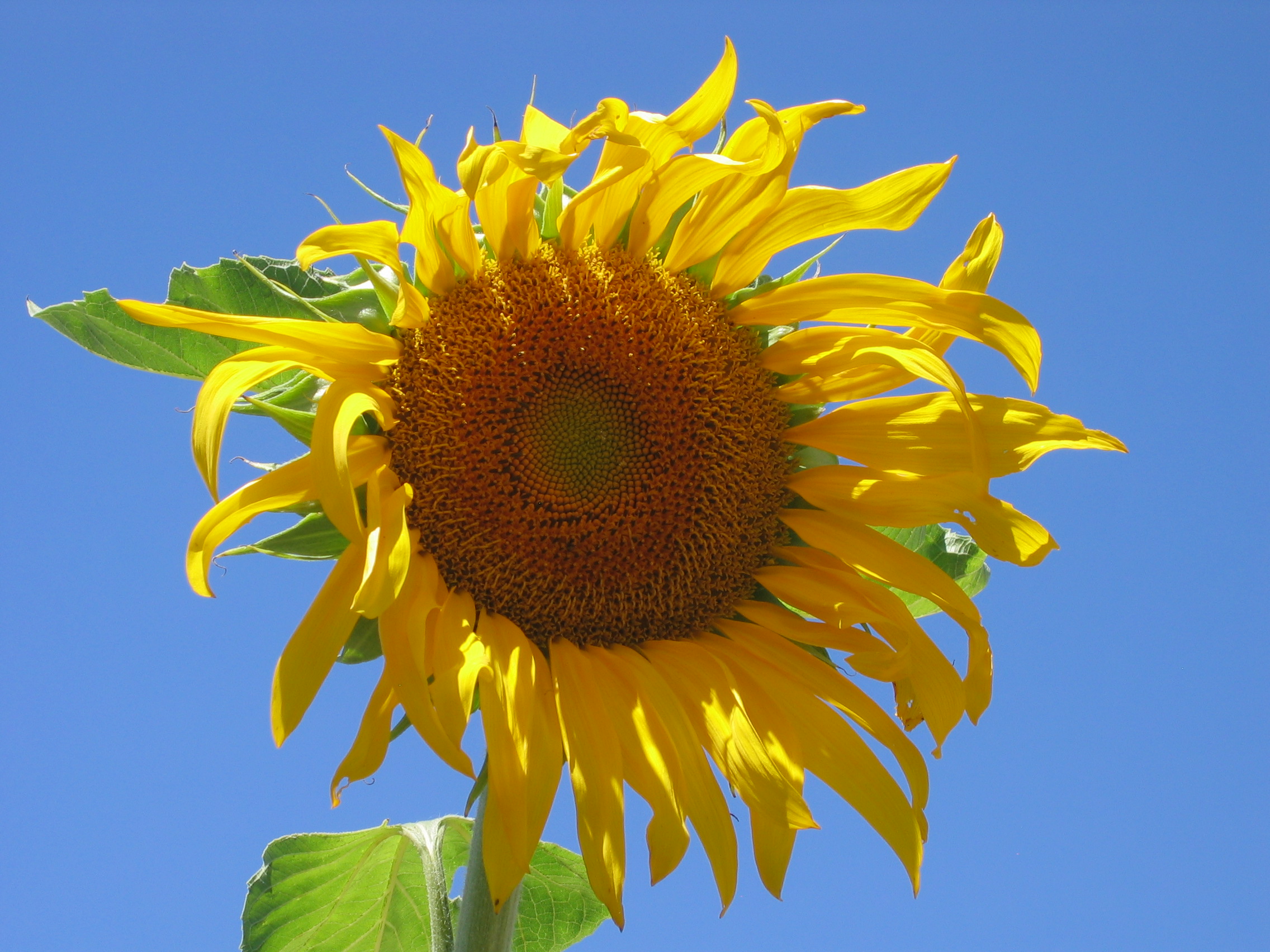
Don’t forget to scatter your vegetable garden with some flowers. It benefits the bees and it benefits your spirits.

The Greens of Summer: greens bruschetta

If you’re interested in making leafy greens an enjoyable part of your diet, I highly recommend Paula Wolfert’s book Mediterranean Grains and Greens. My favorite greens recipe, however, does not come from that book but from another of her books, Paul Wolfert’s World of Food. She calls it “marmalade of spring greens,” and it is intended as a spread for bread. I find it wonderful stuff to have tucked in the refrigerator, where it will keep for several days and makes great impromptu lunches and snacks. I have made it so often for so long that my recipe has morphed into something a little different from hers, as tends to happen with recipes that really work for me.

First, catch your greens. See my earlier blog post about greens options and about cleaning them. Right now I am mostly using mixtures of amaranth leaves ( the polite term for common pigweed), lambs quarters, purslane, sweet potato leaves, and New Zealand spinach, because those are the plants that are doing best in our summer heat. Gather about a pound of assorted greens. If you are using store bought, a mixture of Swiss chard or Tuscan kale and spinach will work well. I avoid the baby spinach that comes in cello bags. It doesn’t have enough flavor for use as a cooked green. If you enjoy bitter greens you can add several dandelion leaves (I am referring to the store bought kind, not the wild kind, which are too bitter to use at this time of year.) Or you can add a small bunch of watercress to add a little bit of snap. But don’t worry too much about this, because the seasonings will add the extra kick as long as the greens are good.

1 pound of mixed greens

One Shallot

Two cloves of garlic, fairly large

1/4 cup of olive oil

10 to 12 kalameta olives, finely chopped

2 tablespoons capers, preferably salt packed, washed of salt and soaked in cold water for an hour

Pinch of red pepper flakes

Salt and pepper to taste

Bring a pot of water to a boil, add the greens, and cook uncovered for one minute, just until they are thoroughly wilted. Drain and press out any excess moisture. Turn them out on the chopping board and chop them thoroughly in both directions, so that you retain some texture (you don’t want a paste) but all stems and leaf ribs are cut up into small pieces.

Chop the garlic and shallot quite finely over medium heat in the olive oil until cooked through but not brown. Add the chopped olives and the capers, either chopped or whole as you prefer. Sauté for a few minutes, then add the chopped greens, the red pepper, and a little salt. Cook over low heat, stirring occasionally, for about 15 minutes or until the greens are tender. Taste, season with salt and pepper as needed, and spread thickly on toasted or grilled bread. Top with some grated Parmesan cheese and a handful of toasted pine nuts.

Many variations are possible, and I seldom make this dish the same way twice. I may add several cloves of confited garlic instead of two cloves of fresh for a deep mellow flavor. A mashed filet of anchovy or a dash of colatura added at the saute’ stage give an especially rich flavor- this is very close to the Wolfert original. A generous spoonful of roasted tomato sauce added toward the beginning is a nice touch. A half teaspoon of Spanish smoked paprika, Pimenton de la Vera, gives a faint smoky edge as if you had cooked it over a wood fire.  A good sprinkling of fresh thyme or chopped oregano or marjoram leaves over the top just before serving gives a lovely whiff of its Mediterranean origin.  A poached or fried egg plopped on top makes it a hearty meal. You can serve the greens at room temp on a bed of fresh ricotta, drizzled with your best olive oil, and serve the bread on the side.

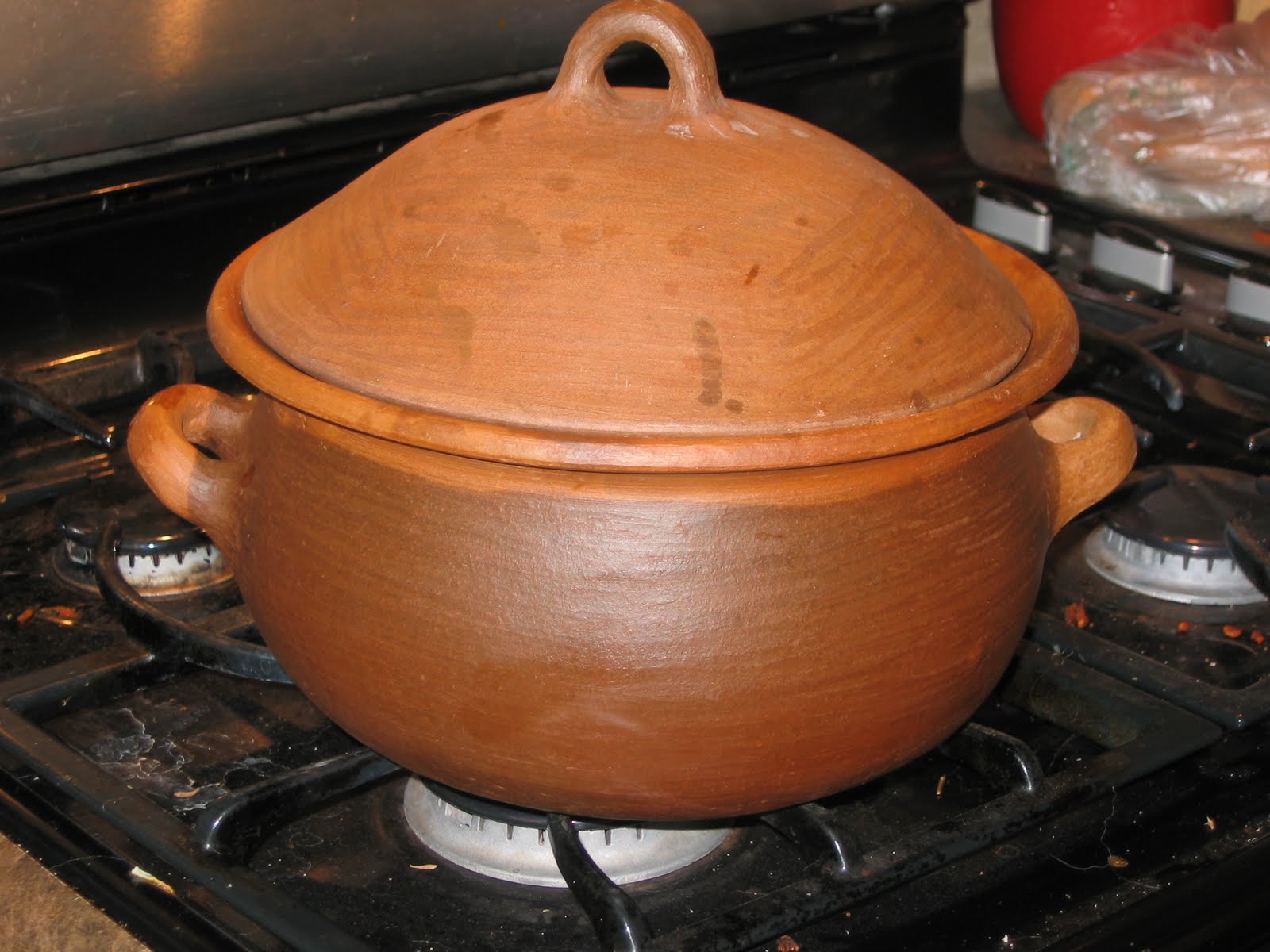
I should add that, like so many other things, it seems to taste best if cooked in clay. I tend to use either an unglazed clay bean pot or a Spanish cazuela, after doing the initial blanching of the greens in an ordinary pot. A Chinese sand pot works well too. If you’re curious, do read another of Ms. Wolfert’s books, Clay Pot Cookery, which contains everything you might want to know about cooking with clay.