Posts Tagged ‘wild greens’

Wild Lettuce

image

Wild lettuce is everywhere. I see it all over the downtown area of our city, growing in cracks in pavement and against buildings.  Wherever you are right now, there is probably a plant of it growing nearby. Its endurance is extraordinary and there is no getting rid of it, which suits me fine. A green that will grow in unwatered parts of my desert yard is an unusual thing, and I’m not likely to turn down a gift like that.

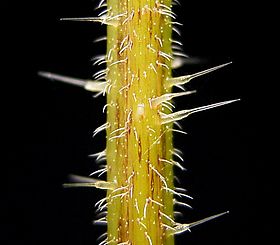
It’s quite variable in leaf shape and a few species are common in the U.S. In my area I mostly see Lactuca serriola, which is covered with small spines. I borrowed the photo above because the spines show more clearly than in my own photo. Accounts online and in foraging books differ, some reporting that the young leaves are delicious, others considering them a very poor food, and all commenting on the bitterness of the adult plant. In my area they don’t seem to get very bitter, not half as bitter as dandelions or chicory, and I love to eat the growing tips regardless of the age of the plant. This may relate to soil or temperature factors. I have noticed the same thing with sow thistle that grows in my yard, which lacks its characteristic bitterness, while dandelions in the same area seem even more bitter than those found elsewhere. Nature always has the last word and does not have to provide us with explanations. You have to get to know your home area.
image

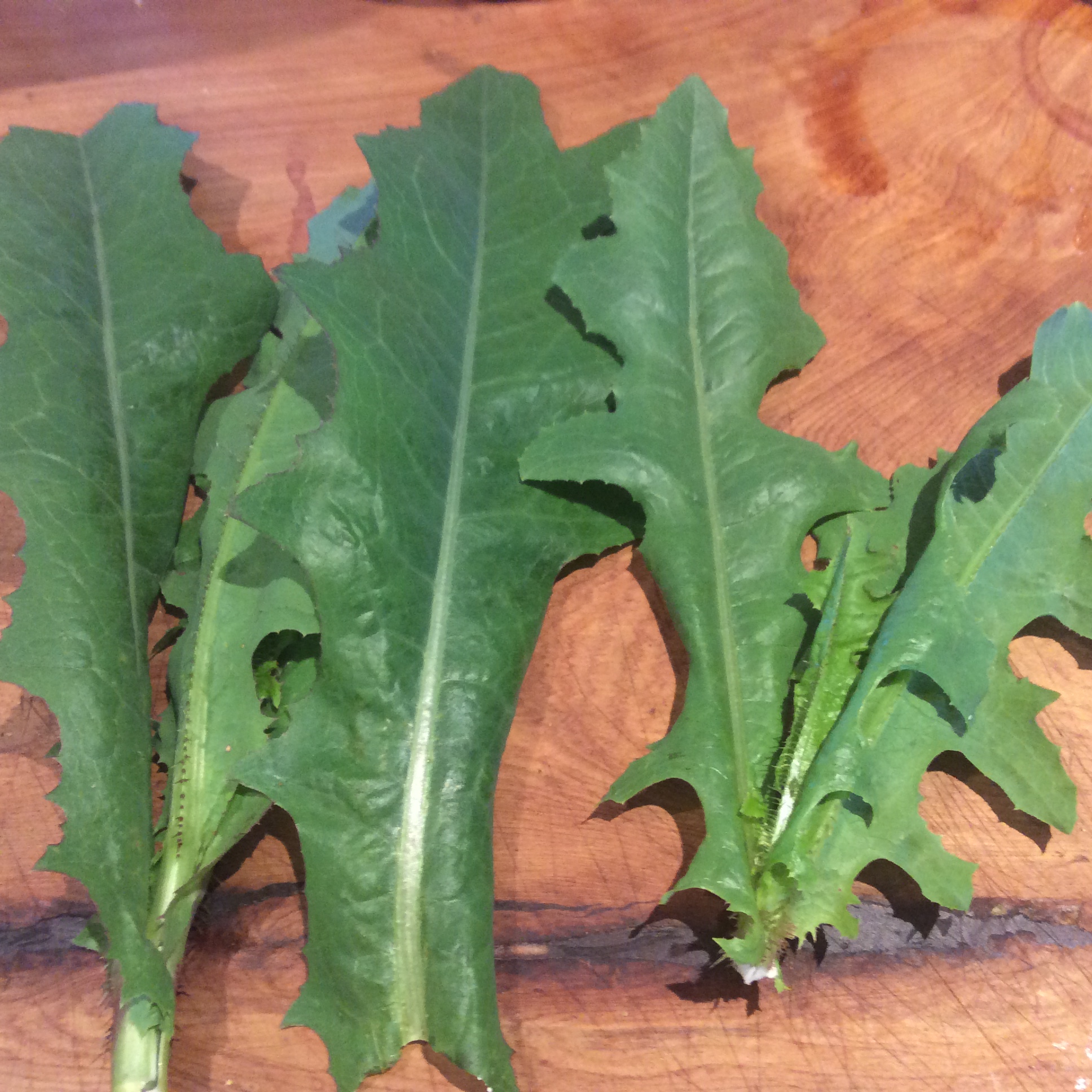
I pick the tips as shown on the right, but if I find a plant growing in shade I will pick larger leaves because they remain more tender than when grown in sun. They exude sticky white sap, which washes away easily. I toss the tips in boiling water for about 90 seconds and drain and squeeze, which renders the spines soft and harmless. Proceed as desired. With greens that have any tinge of bitterness, I like to sauté with garlic, olive oil, and pepper flakes, preferably the deep earthy Turkish Urfa pepper flakes or smoky chipotle flakes. A ten minute sauté creates a lovely vegetable.

The rest of the plant is a favorite treat for my goat, who is totally unbothered by the spines. It’s one of the few plants that she never seems to get finicky about.

There are some very weird things to be found online. Wild lettuce has  acquired a strange internet reputation as “lettuce opium” and there are places that sell the seeds and tincture and swear it will cure insomnia and/or get you high. I have no idea where this idea came from. I was startled to learn about it when I searched for a good photo, and overall I would disregard the whole idea. So do the people who have actually tried it; customer feedback includes comments like “very mild,” “placebo buzz only,” “nothing going on here,” and “useless.” One commenter who thought it was great admitted to being “crazy drunk” when he tried it, which no doubt makes a difference. Some think it is a useful mild sleep aid if smoked or brewed as a very strong tea. I don’t advise smoking anything at all so I wouldn’t know. For those interested in soporifics I can only say that when I eat it at dinner I feel sleepy at bedtime, and when I eat anything else for dinner I feel sleepy at bedtime.

Nettle Season

image

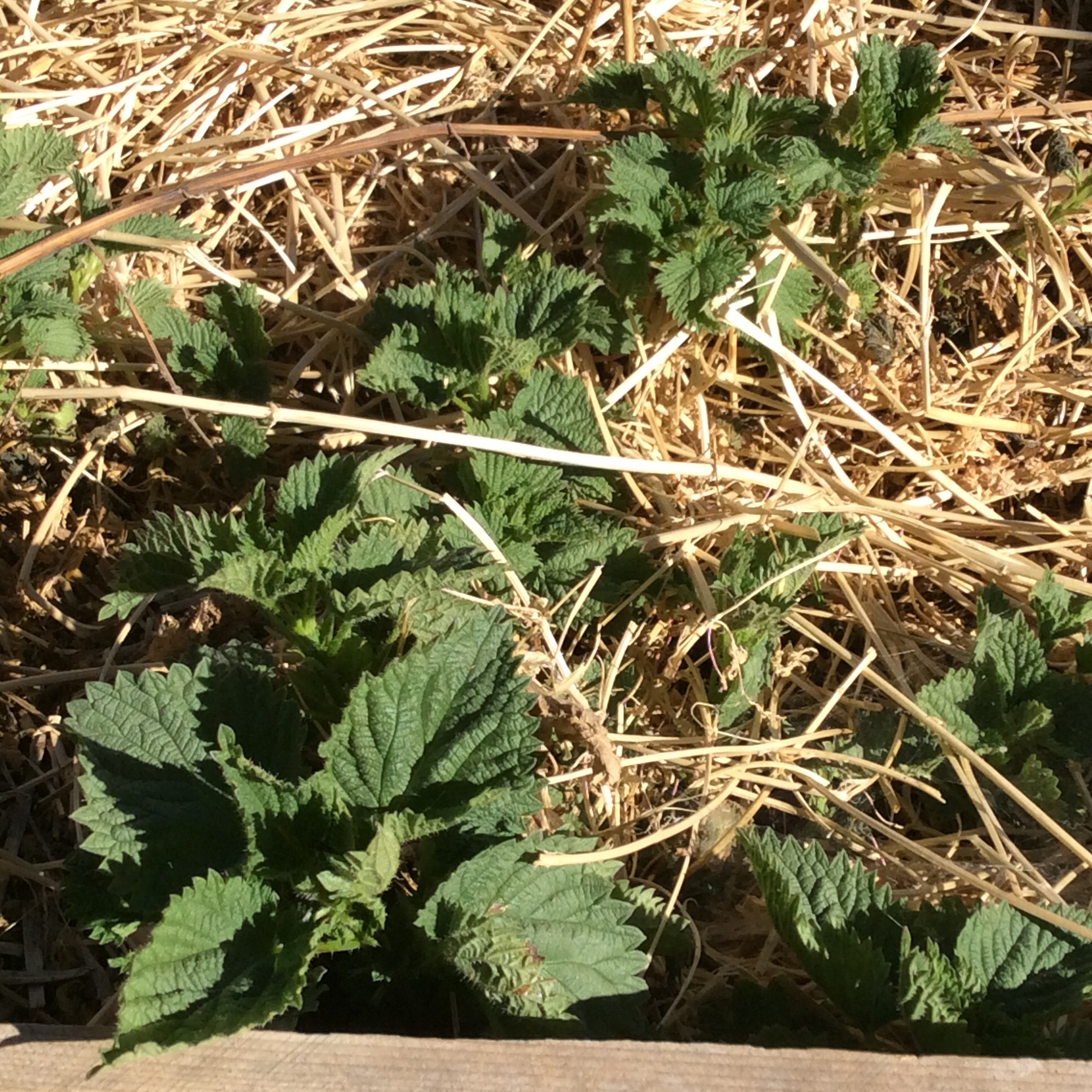
If green garlic is always the first thing that I harvest in spring, nettles are always the second. When I moved to New Mexico I couldn’t find any and couldn’t get seeds to germinate, so I was reduced to calling an herb nursery and begging them to dig up some nettles on their property and sell them to me. Every spring I’m glad that I did. Gather the tender tops with as little stem as possible, wearing leather garden gloves. Don’t handle them without gloves, no matter what you read on the Internet. I always manage to pick up a sting on my wrist just above the glove, but it hasn’t killed me yet. Wash in a big bowl of water, stirring them with a wooden spoon. Drain and dump them into lightly salted boiling water. Boil for two minutes and drain. They are now rendered weaponless: the venom (formic acid) has been denatured by heat and the zillions of fine spines that do such a good job of injecting the venom into your skin are soft. Squeeze the drained greens dry, chop them up to eliminate any stringiness in the stems, and finish cooking them any way you like. They are awfully good just braised in cream with a bit of sautéed green garlic and finished with butter and a little salt. You can click on the “greens” category of this blog for some other ideas. They are a mild-flavored green and can be used any way that you use spinach, although the flavor is a little different; “wilder” is the best way I can describe it. They are ultra-nutritious and worthy of a place on your spring menu. They are even…gulp…worth buying plants of if you don’t have them naturally.

image

DSCN0988

Foraging Know-how

I often write about my foraged and semi-foraged edibles, and periodically I like to post something about how to forage safely. With mushrooms, it’s a life-or-death matter to know what you’re doing. With plants there is sometimes a matter of deadliness at stake, but more often you are risking an upset stomach or a ghastly meal. So get it right, which is a fairly easy matter.
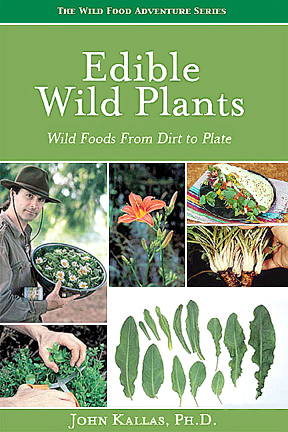
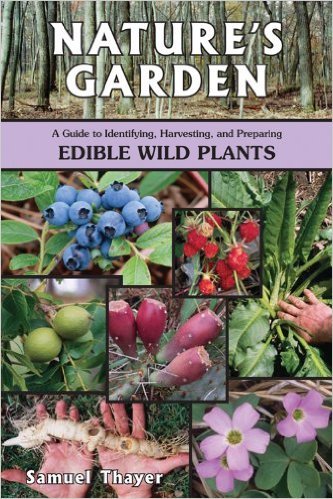
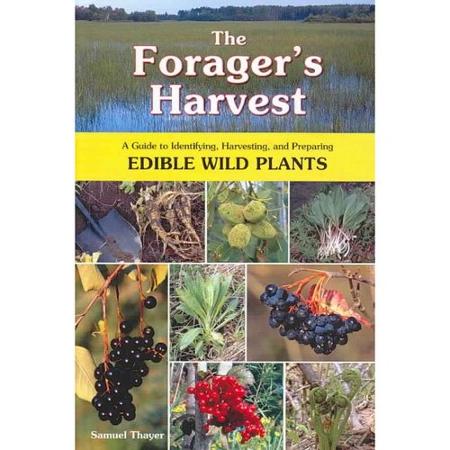
Easy instructions for beginners: buy any book by Samuel Thayer or John Kallas. They are both incredibly knowledgable foragers and good writers, and you will still be studying their books years from now and learning new things. I recommend starting with Kallas’s book, which is the comprehensive guide to wild greens that you will use for years or permanently. It is available in Kindle format, which is great because I can pull out my IPad at any time and study a bit without needing to lug around additional books with me. I have had this book since it was published and at least once or twice a month I go back to it to learn something new about using a familiar plant. Then add one of Thayer’s books, or both of them, to learn a new slant about the wild edibles you’ve already learned and learn some new ones. They aren’t available on Kindle, unfortunately, but they are wonderful.
There are a ton of other foraging books out there, and most of them have some special merit or charm, but if I ever had to narrow down my shelf, I would have these three. If you have some long winter evenings ahead of you, study and prepare so that you are ready to hit the ground in spring.
By the way, bear in mind that the original Cretan diet, the one that produced some of the longest-lived and healthiest people in the world, included wild greens as primary vegetables. They are extraordinary nutritional powerhouses and there is no better gift that you can give your body than to incorporate some of them into your diet. And, I hate to bring this up, but don’t just add them to your current diet; use them to replace something that isn’t doing your body good.
image
image
image

Filling the Hunger Gap

image
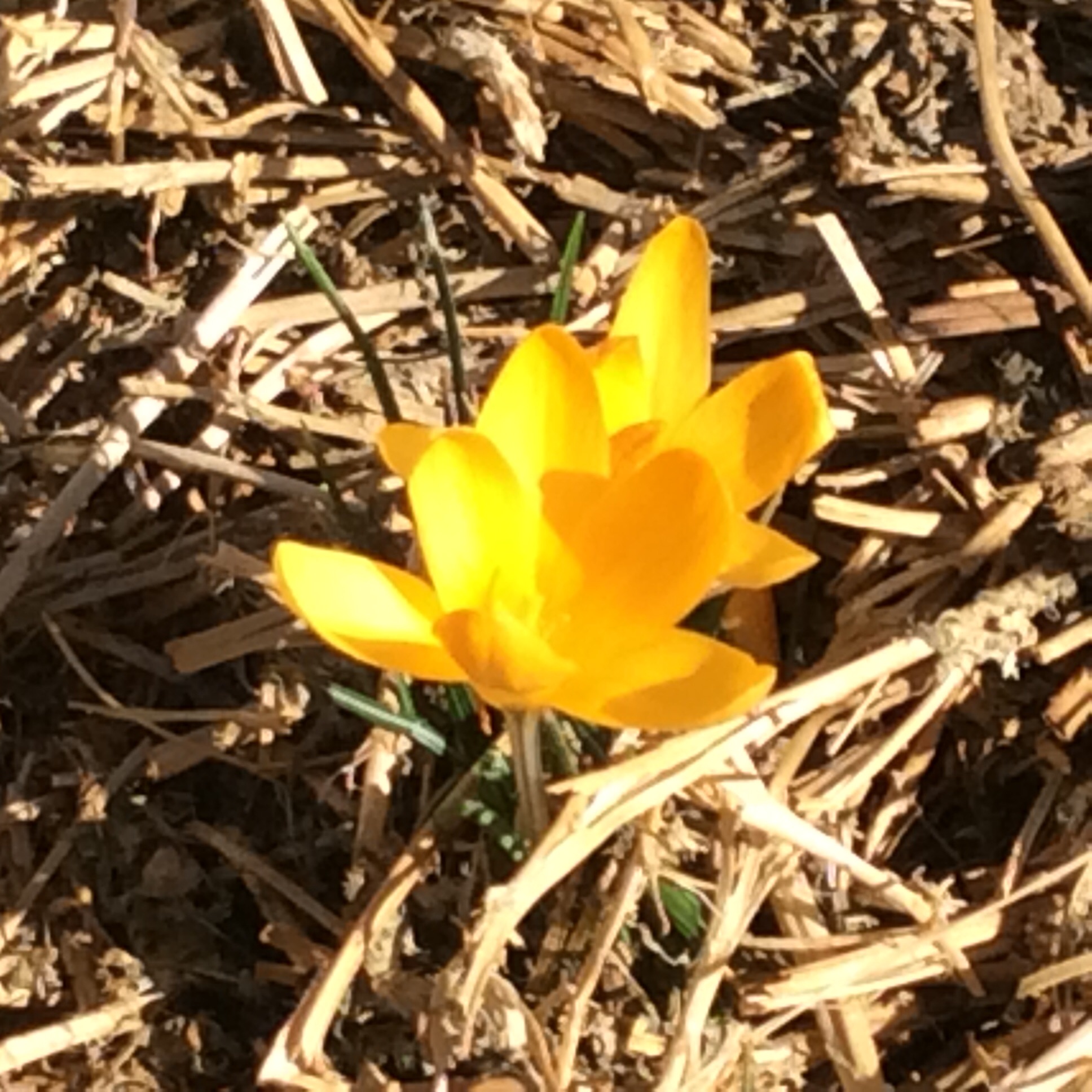
Our recent sunny warm days have brought the happy little Crysanthus crocuses up, and when they bloom I know that I’ve survived another winter and we are well on toward spring. But we are still in the time of year called the “hunger gap,” when in leaner times you would have eaten most of your preserved and stored food and fresh food would be a distant memory. In those days, just about the time that scurvy threatened, there would be a precious few fresh foods that would come through for you. I am no longer that interested in eating preserved foods, so the fresh greens of the hunger gap are increasingly important to me.
image
Stinging nettles are not just a fresh green in earliest spring, they are a nutritional powerhouse. Vitality and well-being seem to course through your body as you eat them. Also, they’re delicious. They don’t occur naturally in Albuquerque, and I had to buy plants in order to have them, but I have two nice patches now. They need some water and mulch in our desert area, but given those they spread rapidly, so be ready to control them by digging out excess roots when they spread too far. They sting fiercely at any age, so don’t plant them near paths and have good heavy leather gloves (they sting right through fabric) ready for harvesting. Pick any time after they reach about 5-6 inches high, harvesting the top 2 or 3 inches. You will have about a month to harvest before they get tough, gritty, and nasty. Keep your gloves on while you wash them and drop them into boiling water. Once blanched for 1-2 minutes, their spines are softened and their venom is broken down, and you can treat them like spinach or any other mild green. I love them in omelets or just blanched and chopped with some butter and cream. Be aware that the raw nettles can sting animals as well as people, and severe allergic reactions to the sting are possible, so please do site them responsibly.
image
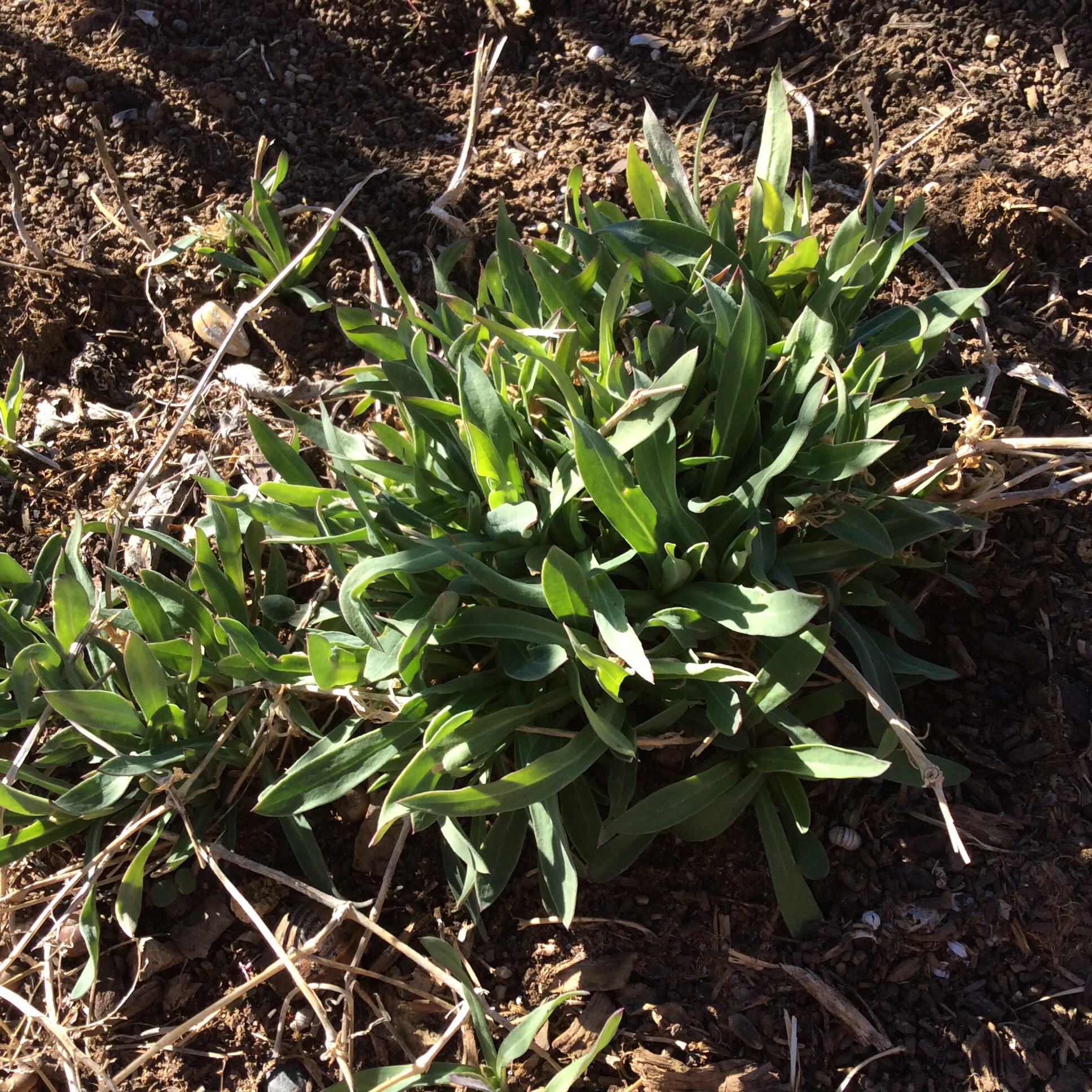
Bladder campion is another weed that doesn’t occur naturally in central New Mexico. I bought seeds from an herb supplier. Sprinkle them in a place that you can keep watered in late winter. In hot sunny areas they will appreciate a little shade. They will be scant and spindly the first year, and there won’t be anything to harvest. The second year you can pinch off the tips when they are 6-8 inches tall to add to salads, and by the third year you should get enough to cook. They are among the tenderest and mildest of wild greens, and I prefer them in salads, but a quick sauté in a little good butter is nice too.
image
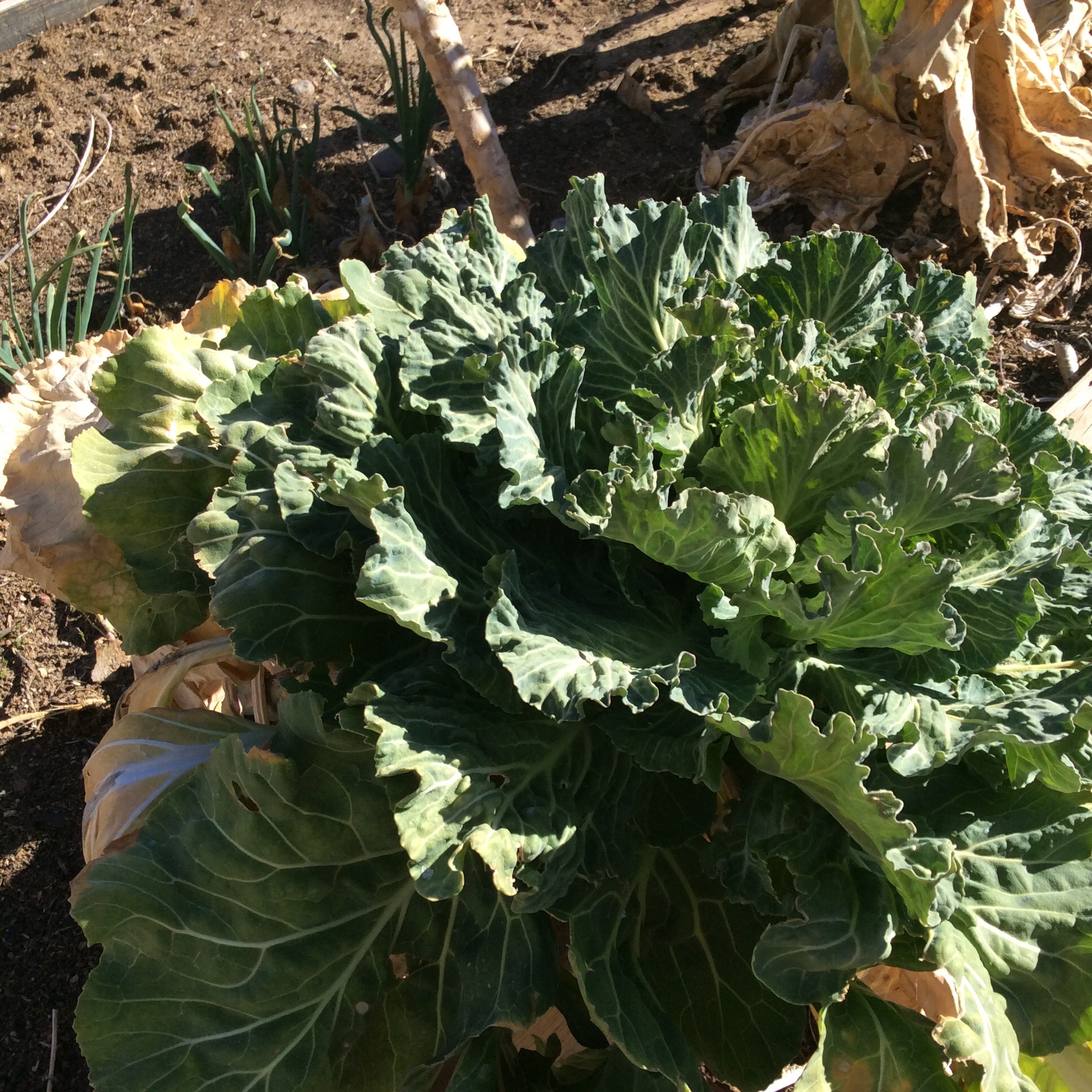
Tronchuda is not a weed, but a Portuguese kale with a cabbagey but mild flavor and enough vitamins, minerals, and antioxidants to make you crow. I bought my seeds from Nichols Garden Nursery a couple of years ago, and am selecting the ones that live through the winter for my Hunger Gap crop. You plant them in the spring, harvest the huge leaves for greens in summer and fall ( my chickens appreciate them too), and then leave the stem and the tuft of leaves at the top over the winter. They won’t survive if you don’t leave some leaves on. Those that survive will begin to leaf out again in February and provide you with thick, substantial leaves for stir-fries and cooking by early March. They are biennial and begin to shoot to flower by late March, and you can harvest the buds as a broccoli-like vegetable. Do bear in mind that if you want to save seed, you have to leave plenty of clusters to go to flower. Bees love the flowers and they are a nice early source of nectar. Collect the seed, dry them, and start the cycle over again.