Posts Tagged ‘vegetable gardening’

The Seeds You Need

image

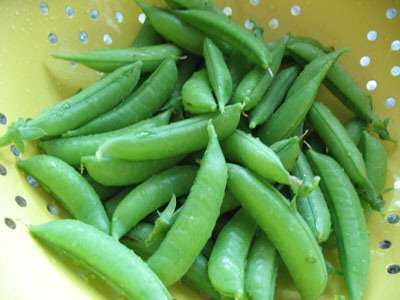
Here in the high-desert Southwest, our cold-weather vegetables need to be planted by mid-March, and so late February is my last good chance to review my seed box and order what I need. This resulted in my sending off a frantic order for sugar snap peas. My attachment to them is strong, largely because I love English (shelling) peas but never find time to shell them. My favorite snap pea is the original Sugar Snap. This variety has some disadvantages: it climbs 5-6 feet and has to be provided with support, the pods have strings and need to be de-stringed before cooking, and it doesn’t have much in the way of disease resistance (although I have had no problems with disease.) It has a single incomparable advantage: flavor that none of the newer, neater varietals can live up to. For best flavor, the peas inside the pod have to be allowed to develop. Don’t pick them in the flat snow-pea stage. Then rinse and string the pods, which is a very quick job, and steam them to eat with butter, stir-fry with some scallion and ginger, or cook them in your own favorite way. Yum.

In my opinion they develop a soapy taste when frozen, so I don’t recommend “putting them by.” Eat mountains of the fresh article and give any extra to people you really like.
The important thing is, order those seeds now.

And don’t forget to plant extra so that you can cut pea shoots. Cut when they are 6-8 inches high, pea shoots are delicious in salads and stir-fries.

Independence Day


I am not a locavore. I love Italian olive oil and cheese, Belgian chocolate, South American coffee, Spanish ham, Alaskan salmon,and wine from all over the place. I am not an extremist about anything, and I think that cutting oneself off from the rest of the world makes less than no sense at all.
That said, it’s a lovely feeling to be able to produce a lot of what you need yourself, with the imports as luxury add-ons for variety. I value the concept of food independence and intelligent localism, and Independence Day weekend is a great time to take stock of how we’re doing at meeting our own needs, and celebrate with a local feast.
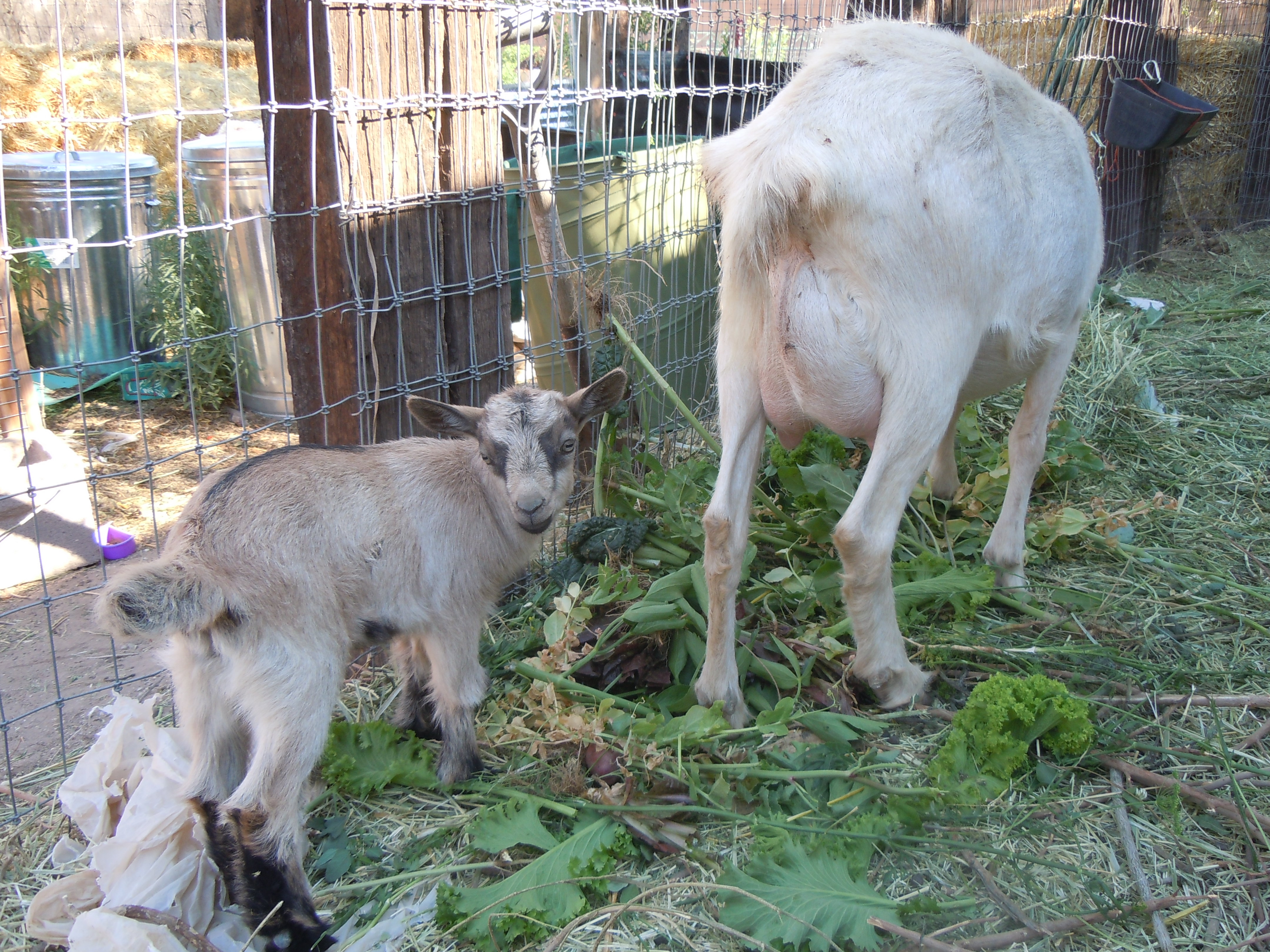
My current inventory looks pretty good. I’ve grown vegetables for years, but in my new location I’ve greatly expanded my vegetable garden and added laying hens and a dairy goat. I’m raising a batch of chicks for meat, and I have good local sources of grass-fed beef and humanely raised pork. So far this year, the only vegetables I’ve bought were potatoes and avocados, and not many of them. I can get flour from upstate New Mexico and southern Colorado. Not bad for a desert.
So, my 4th of July will start with a brunch of “yard salad,”homemade bread or cornbread, and eggs from our hens. Dinner is likely to include a grass-fed steak, more salad, and homemade egg pasta made from Sangre de Christo flour and backyard eggs. Midafternoon, we might snack on goat cheese from Magnolia, our “yard goat.” We’ll drink my own homebrewed mead, and drink a toast to our beautiful country and our own joy at being part of it.
This year I’ll ask my readers to consider having a local Independence Day feast, or as close to it as works for you. There are farmers’ markets this weekend, and some time to plan, so please leave a comment about how you plan to celebrate our local abundance.

Good Businesses: The Urban Store


Although my readers come from all over (even Kuwait, if you can believe it,) I try to keep an eye out for businesses and services that are of interest to my local readers here in Albuquerque. One of my most interesting findings so far is The Urban Store, at 3209 Silver Ave SE. Kathy and Chuck promote all things having to do with sustainability. Their mantra is “Grow, Eat, Return.” Grow good healthy local food, eat it, and return whatever’s left to the soil in a clean and usable form to grow more food and keep the cycle going.
When I first looked around the shop, I said to Kathy “You have all the stuff that really works.” After tiresome (and expensive) experimenting, I’ve found a lot of “green gadgets” that work and a lot of others that don’t. At the Urban Store the experimenting has been done for you, which will save you considerable time and money in the long run. They carry the Naturemill Composter, as well as a great variety of less high-tech composting systems. They have the books written by experienced people who actually know their stuff, and they don’t have the glossy but inaccurate ones thrown together to capitalize on the current fads. They have dehydrators and yogurt makers and cheesemaking supplies and kits to make organic wine and beer. They have an assortment of really well-crafted gardening tools, and shelves of bulk seeds, vermicomposting setups and solar ovens and lots more.
Now here’s the stuff that fascinates me: they work cooperatively with Desert Plastics, a local firm, to make rainbarrels and a wonderful micro-vegetable garden called the Urban Garden. This device, shown below, enables anyone to grow vegetables anywhere. It is cast from resin with UV inhibitors, and comes in 21 colors. It has its own drip system and drainage, and comes with 2 covers for protection from cold or blistering sun. The components are 100% recyclable. It is lighter and more durable than wood (which they also sell.) You can buy just the garden for $295, or for $400 they will deliver it to your site, fill it with organic soil, plant it with seeds for the veggies that you prefer, and give you some organic bug treatments and lots of training in how to micro-garden. The Urban Grower can make a garden out of a patio, balcony, or hard piece of ground that would be too much trouble to dig. They also carry rainbarrels, both stock and custom, and at next week’s Coop Tour they will be debuting a cast resin chicken coop. I’ll be there to take a look, because a chicken coop that’s easy to clean would hold a lot of appeal for me.


This store places a lot of emphasis on teaching, and in fact they will come to your site to consult on how to do whatever sustainable project you want to do.
I won’t use the term “green business,” because that has become a tired and overused marketing phrase with little meaning. Instead, I refer to “good businesses,” the sort that enrich our community and allow us to live better than we could without them. This is a good, even a great, business. You can visit them online, but it will be more fun to stop in and talk with them about how you’d like to make your life a little more sustainable. Whatever you have in mind, odds are that they already know a lot about it and can help you. And have fun! Ultimately, all this is not about giving-up in a grimly austere spirit. It’s about pleasure, and about how much you can have, and how good you can feel about what you do.
Books Worth Reading: Homesteading then and now


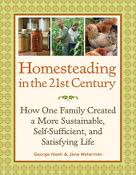
Urban homesteading and homesteading generally are enjoying 15 minutes of fame right now (this seems to happen every 30 years) and so there are a plethora of books about homesteading, many of them written by people who got their information from other books about homesteading. Occasionally a book turns up that was written by people who have actually walked the walk, not for a year or two but for decades, and this is such a book. It is much more about rural homesteading and small farming than about urban/suburban issues, but there are urban-oriented sidebars that have some useful information. The section on choosing a property is exceptional, and I strongly recommend that anybody who is thinking about buying a rural property read it carefully. Alas, it is packed with exactly the sort of useful advice that most of us don’t take when the time comes. Instead, we fall in love with a property, buy it, and then learn what the problems are and spend years and dollars sorting them out. But if you read this first, you will at least have your eyes opened about where the problems might lie before they actually smack you in the face. The section on vegetable gardening has good information about how to calculate realistically how much of each veggie you might actually use, as well as a lot of practical growing information. The sections on keeping animals deserve a careful and attentive reading BEFORE you actually purchase any animals. The material on maintaining animals in a healthy condition is excellent. If you are planning to raise meat animals, be aware that there is a good sidebar about going from sustainable/humane fantasy to blood-spattered reality, but there is little information about how to do that, so if you are planning to do your own butchering you will need other sources of information about the process. There is also a good piece of advice about discussing your self-sufficient fantasies with your partner, in detail, before embarking, because one person’s rural idyll can be the other person’s isolated nightmare. Sometimes even full disclosure doesn’t help. I can say from personal experience that my very truthful husband told me in a straightforward way, before we moved to a bigger property, that he didn’t want to do any garden or yard work, and it turned out that what he meant was this: he didn’t want to do any garden or yard work. I had the nerve to act surprised when I realized this. Now I arrange things so that I can manage the garden myself, and we’re both happy with the arrangement.
Writing about a new homesteading book makes me think of old homesteading books, and some of them are too good to be forgotten. The Complete Manual of practical Homesteading by John Vivian stands out. I first read it when I was 17, and when in my twenties I acquired an actual working farm, I used a lot of his information. I don’t agree with some of it, but I am very grateful that he started me on the path to thinking about how to do farm tasks as well as possible. I don’t think it’s in print any longer, but used copies turn up here and there, and it’s worth a read for anyone who has a larger or rural property. And if anybody knows where John Vivian is these days, let me know so that I can thank him. By scrupulously writing about only what he knew for himself and had done himself, he saved me a lot of time that I would otherwise have spent sorting out real information from the second-hand kind.