Posts Tagged ‘permaculture’

Natural Chaos

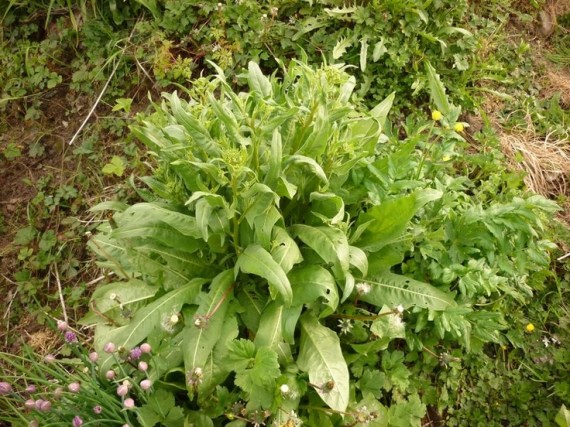
A garden bed with edible weeds in glorious (?) array

For a brief period earlier this year I had a lovely young helper in the garden, and he was a sponge for any information about plants and animals and a joy to have around. At one point, as he talked about how much he wanted a “yard farm” of his own, he looked around my yard and said thoughtfully “But mine will always be neat as a pin.” He didn’t say “by contrast,” but the implication was clear, and quite true.

Well, if there is one thing my urban homestead is not, it’s neat as a pin. Nature grows and blooms. Nature also surges, intrudes, overwhelms, dies back, regrows,  creeps, climbs, and insidiously gets Her own way. The gardener plays a part in natural chaos too; all the photos of lovely front yard veggie gardens that you see in magazines are taken before harvest. The gardener cuts the glowing rainbow chard, harvests the multicolored row of lettuces, picks the crimson tomatoes, and plucks the shiny apples, and suddenly things aren’t so camera-ready. Admittedly, many are neater than mine, since many gardeners lack my taste for edible weeds and my belief that nearly any plant has a purpose.  But if you want to get the most that you can get out of gardening, a degree of chaos tolerance may be a useful asset.

My blogging friend Luke of the Mortaltree blog summed this up so superbly that, with his permission, I’m linking to his post on the subject. So please hit this link and read his post “Taste of Chaos,” which really sums up the land-healing experience:

Taste of chaos

Turkish Rocket in garden and kitchen

Last year I finally got around to planting  the perennial vegetable Turkish rocket, Bunius orientalis, and this year I was able to experiment with it in the kitchen. I had read that it was invasive and so I limited myself to five plants that I could watch carefully, meaning that my experiments were on a very small scale. So far, here’s what I found:

As so many have discovered before me,  the leaves are so strongly mustardy that they create quite an unpleasant burn in the back of the throat, and they are not a culinary object as far as I am concerned. Even my goat wouldn’t  eat them.

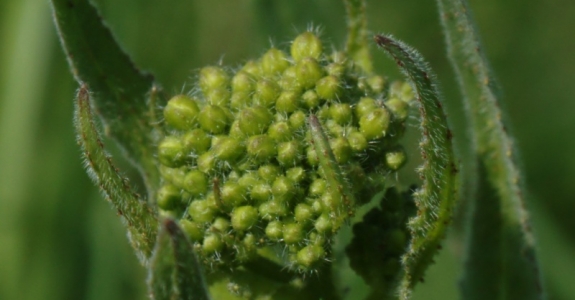
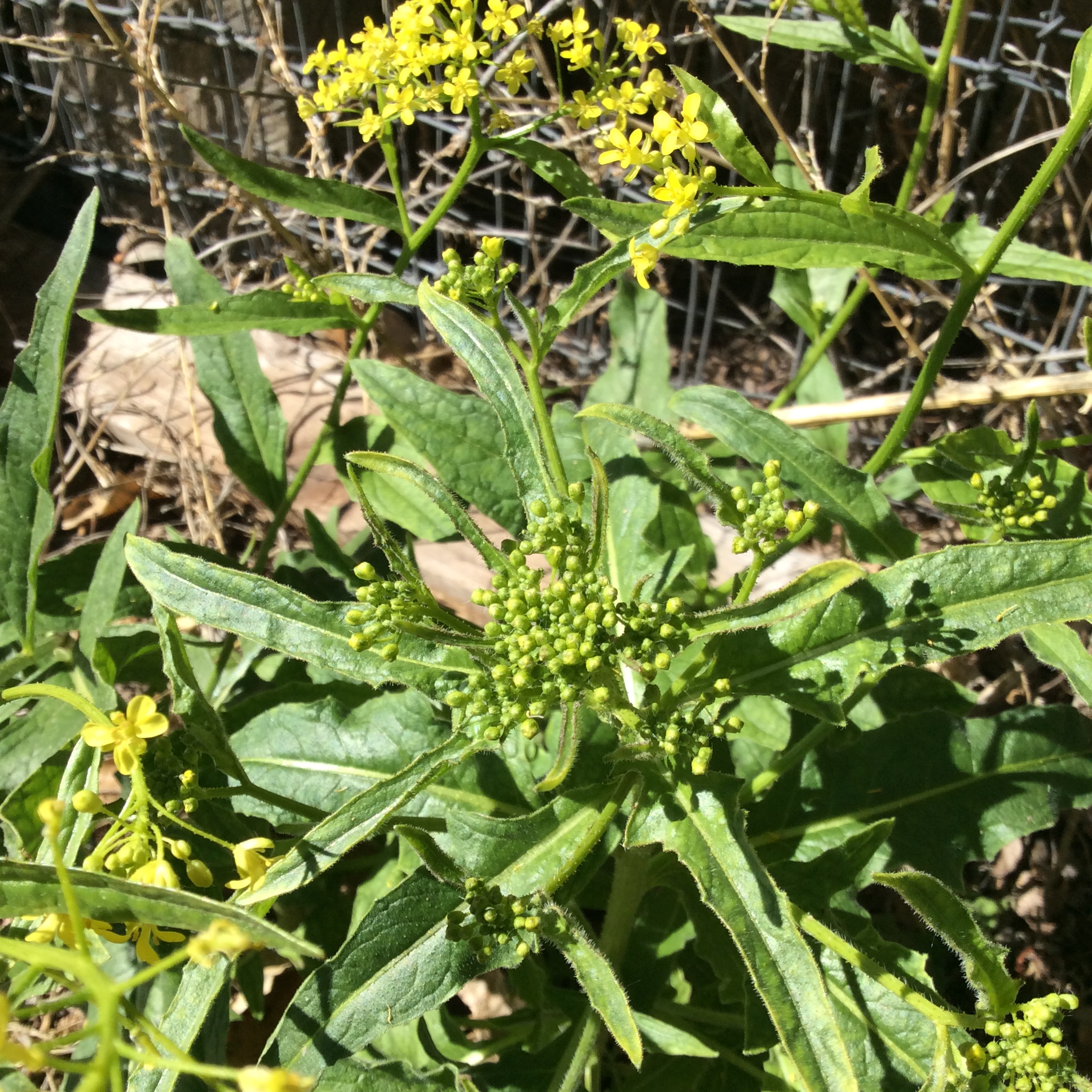
The bud clusters are used like broccoli rabe.  They can be very delicious, but timing is everything. The proper stage is shown in the photo above, when each stalk has one small bud cluster and the buds themselves are green, not yet showing the edges of bright yellow petals.  At this point, they can be blanched in boiling water for a minute or two, drained well, and then sautéed in olive oil with garlic and chili flakes and have the slight nutty-mustardy quality of good rabe,  with no burn as you swallow. You would need several well-established plants to get enough for a few servings, as far as I can tell, but they would certainly deserve their space.
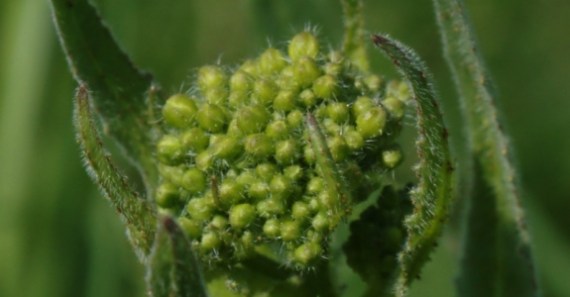
Here’s a close-up of a stalk in the perfect stage for eating. Snap off the top few inches of stem with the buds and it will cook up beautifully.
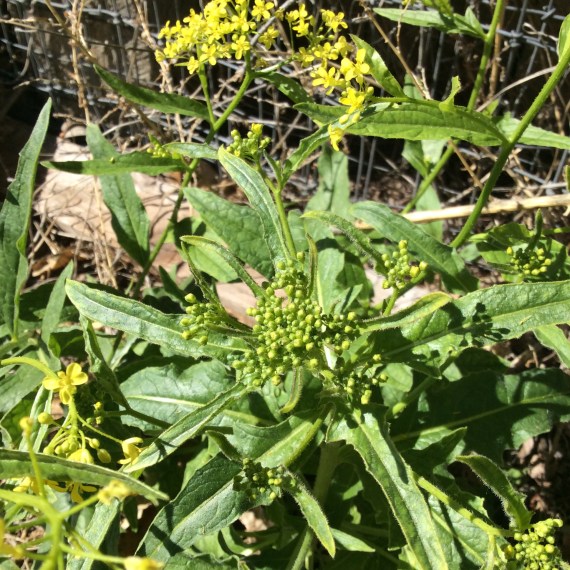
This picture shows the next stage in the stalk’s development.  The stem has elongated and the small original cluster has spread into sub clusters. I had hoped that this would be a good stage for harvesting, since you would get more material than at earlier stages, however it was not to be. At this stage, even when  cooked, there is a very unpleasant mustardy burn that continues to build in the back of the throat for a few minutes after swallowing. Not a pleasant experience. Once the subclusters have started to show and some yellow shows on the outermost buds, don’t bother.  It is possible that they could be  cooked longer, cooled, and ground with olive oil, salt, and maybe a little lemon into a sharp mustard-like condiment, but I have not experimented with that and throw it out as a purely theoretical idea, possibly similar to a green horseradish sauce.  Because of the throat burn factor, if you choose to experiment with that idea, try it out privately before you foist it on hapless guests.
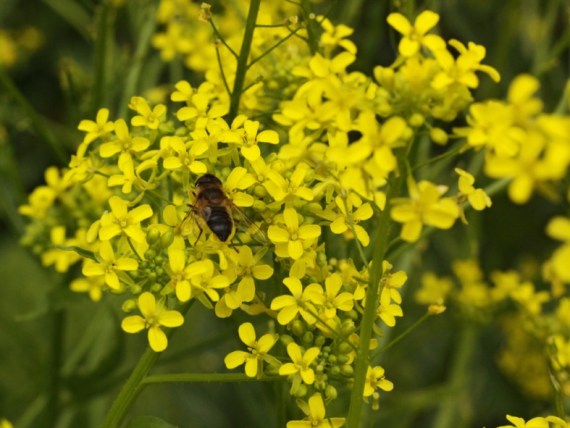
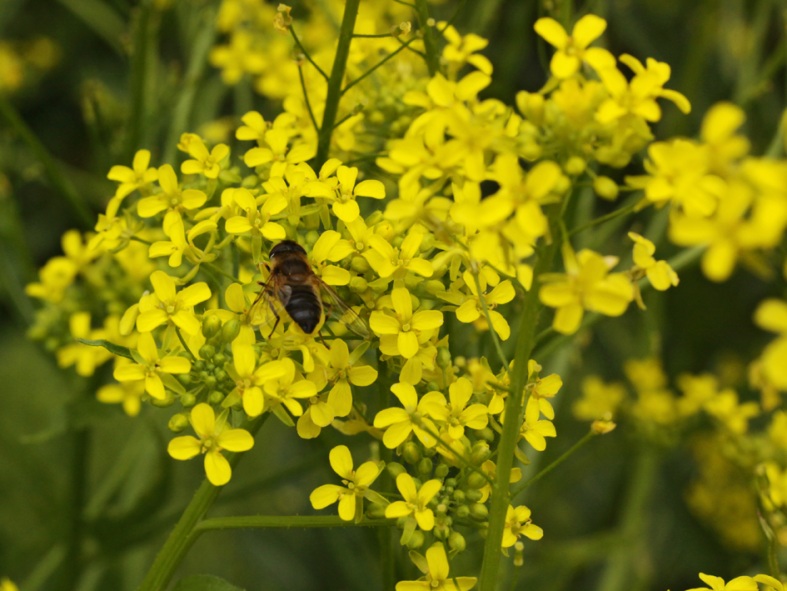
Then there is the flowering stage at which it is a bright cheerful yellow and is a fair bee plant, not highly preferred but certainly visited.
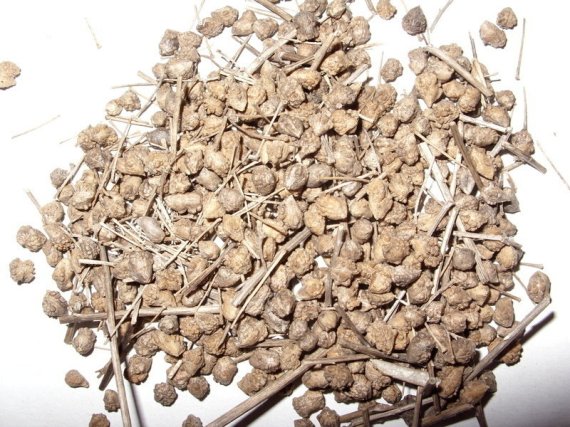
This is the stage that I am waiting for, so that I can plant a whole row of it and have a lot more to cook in the future.

For me this perennial vegetable fills a good niche  after the winter broccoli is gone, but before the spring broccoli begins producing. This time of year there are a lot of edible leaves in my garden but not too much else, so some textural variation is very welcome.

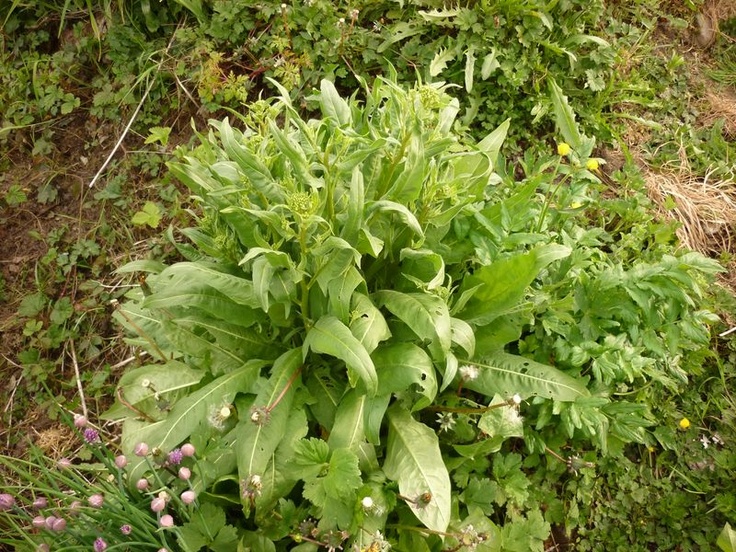
Regarding the claims of invasiveness, I am sure that this is true in many areas, but in my desert climate it requires a fair amount of water to grow well, so I doubt that it could grow outside the confines of my fence.

Urban Homestead Trees: Black Locust

When I moved to my current property eight years ago, the house sat on half an acre of adobe clay, punctuated here and there with construction rubble and overgrown with tumbleweeds. There was one pitiful trashy elm about 20 feet high, and nothing else. After putting a fence around the perimeter, my next project was to put in some trees.

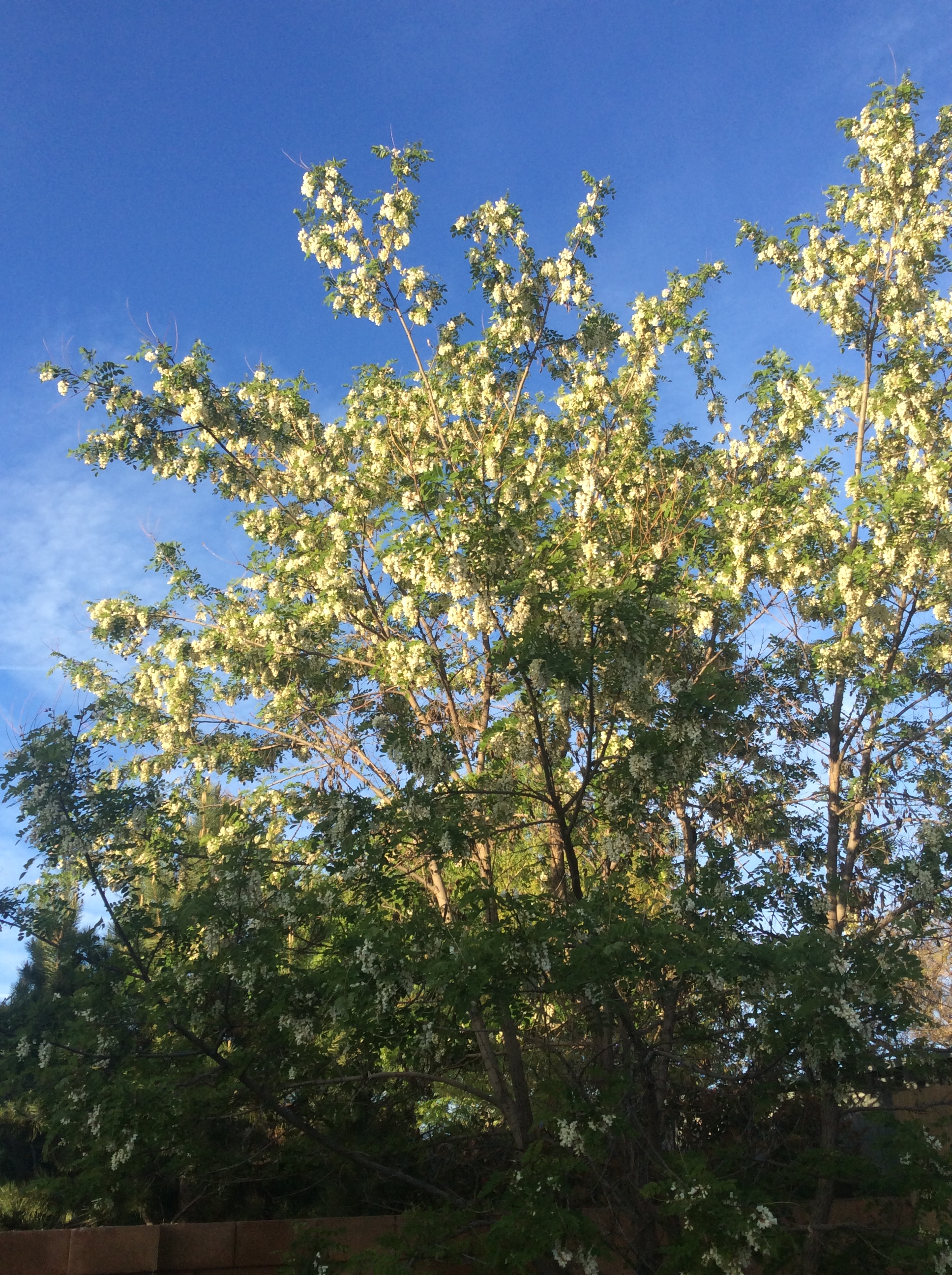
Mostly I chose fruit trees, along with one almond tree, but I left one back corner for a black locust, Robinia pseudoacacia, which may be my favorite tree. It is fiercely thorny, toxic except for the blossoms, suckers badly, and tends to shed limbs disconcertingly and hazardously as it gets older. But for a week in April it is glorious beyond belief, covered with white flowers, casting the scent of lilies for hundreds of feet around, and so filled with bees that the entire tree hums. I hope never to be without a black locust again.

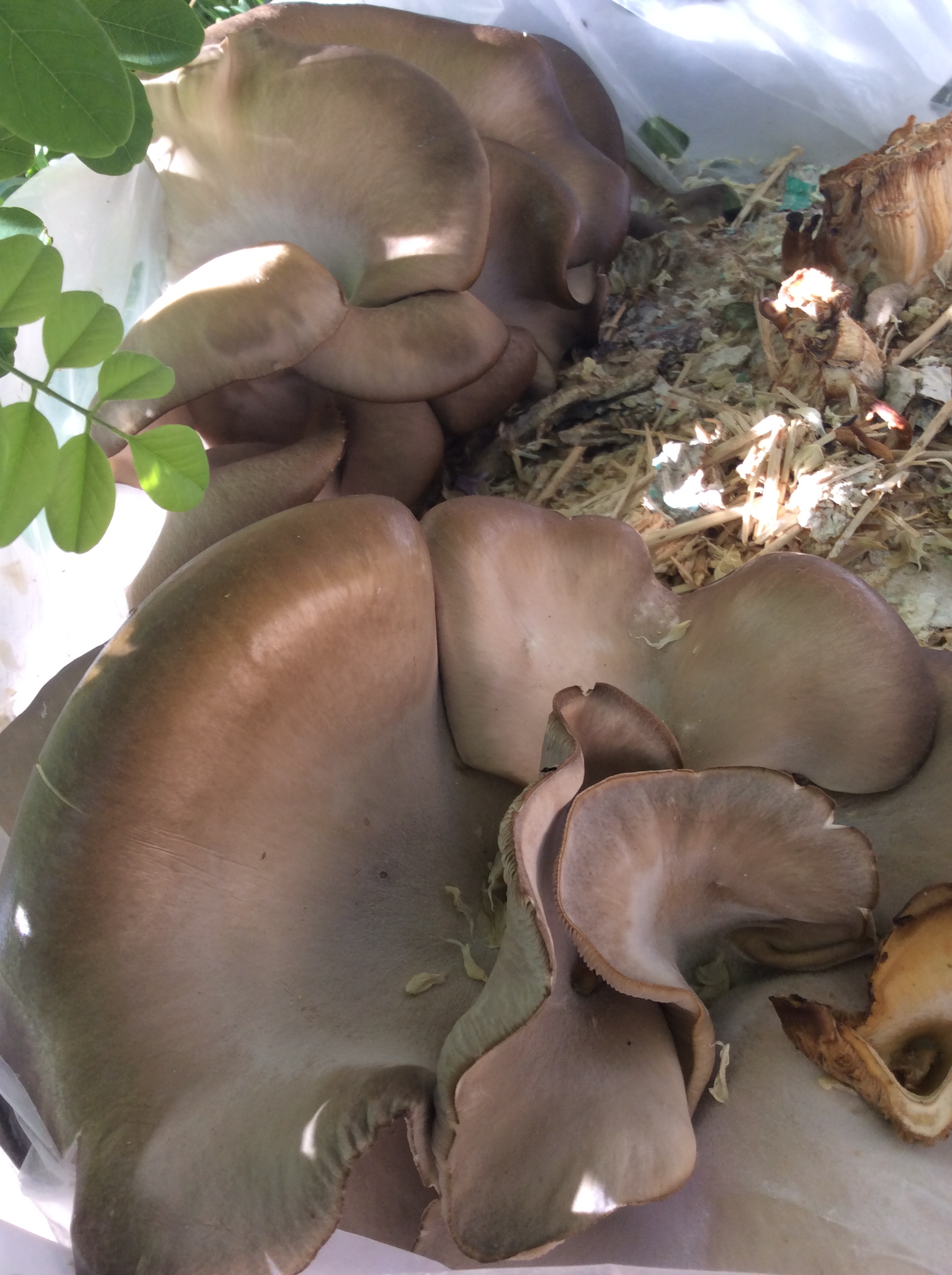
It also fixes nitrogen, which may benefit my soil, but its main advantage  the rest of the growing season is that it casts perfect lacy shade for growing plants that can’t tolerate the desert sun. Now that I have some light shade to work with, I’m finally able to grow milkweed and oca and groundnuts (apios) and cow parsnip and a number of other plants that used to shrivel and die as soon as the first hot days hit. I have never had any luck growing mushrooms outdoors here, but I’m trying again in the shade of the black locust, and the results are wonderful.

The blossoms of black locust are nice on salads, and can be battered and fried, but deep frying is one kind of cooking that I don’t go in for, so I don’t know much about it. The rest of the plant is toxic. My goat got out once and ate some without apparent harm, but that may have been luck. So try to site it away from livestock and in an area where a falling limb as it ages won’t be a disaster.


Permaculture Salad, and Notes on the Siberian Elm

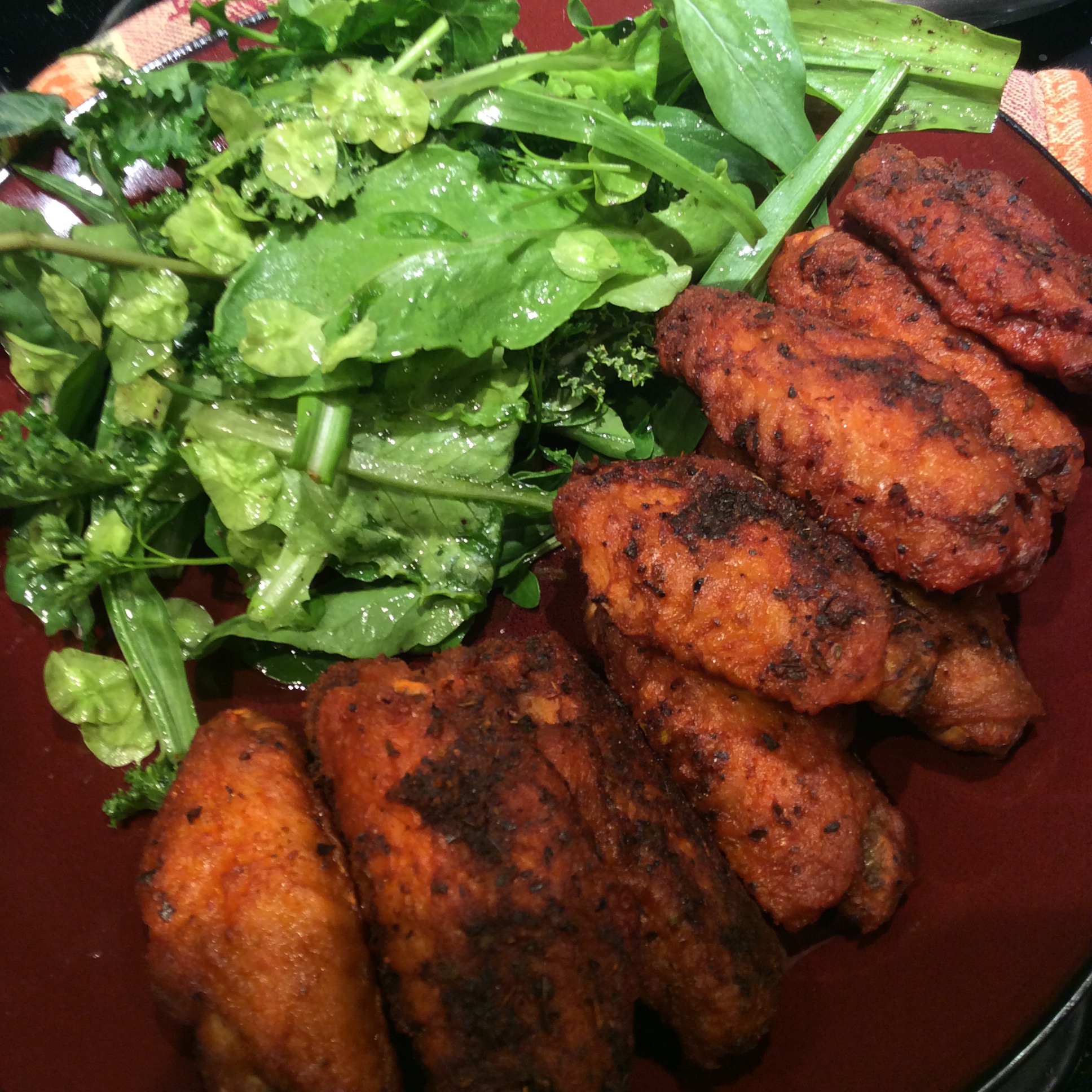
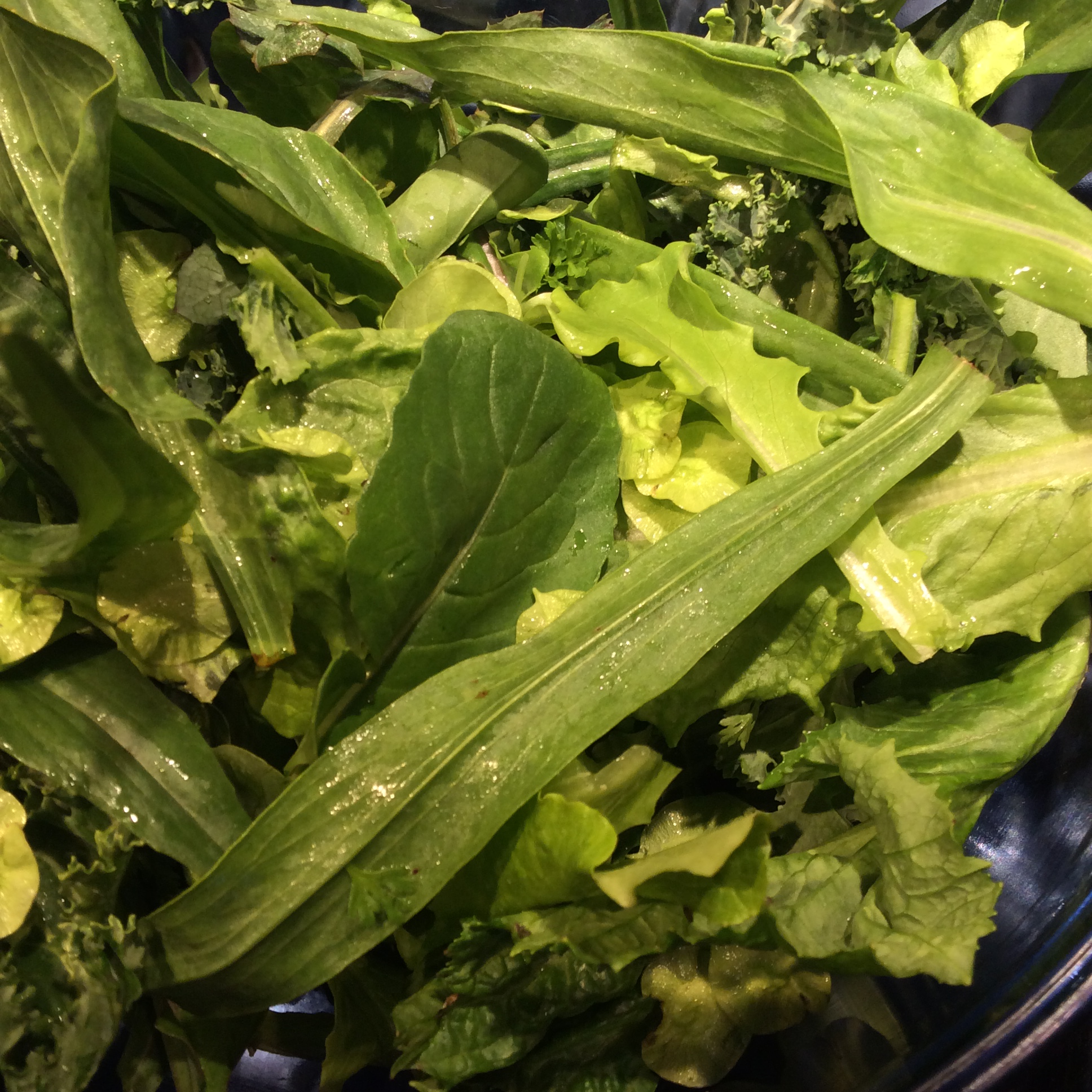
Spring on the urban homestead is so beautiful and bountiful that I can hardly believe it, and I spend more time than I care to admit just wandering around dazed with the wonder and joy of it all.  But there is a practical aspect to my trance, because while giving thanks to the cosmos for the life that surrounds me, I am noting what can go in the salad bowl that evening.

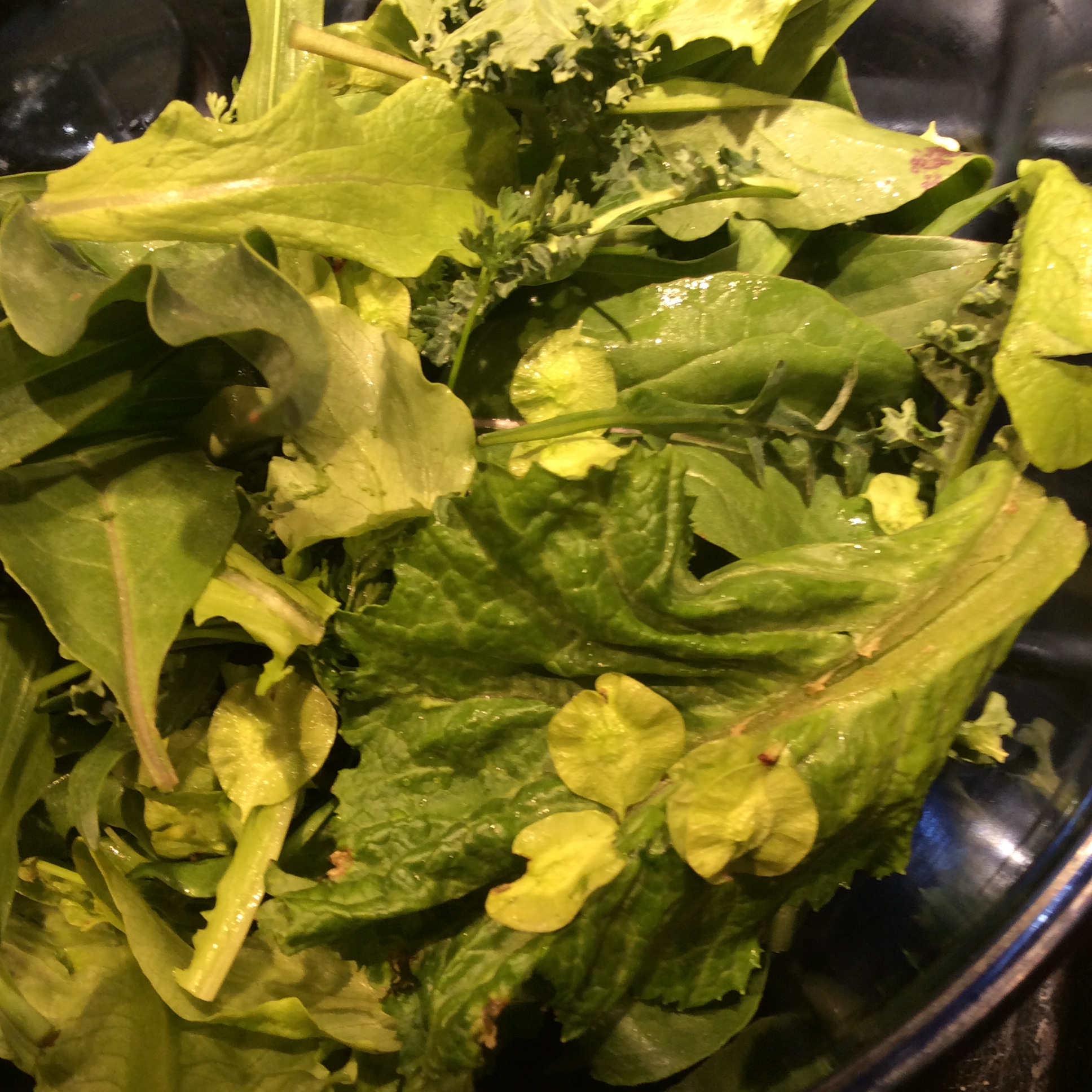
The salad shown above is a pretty typical urban homestead salad. It contains a handful of lettuce, some early arugula, and a lot of biennials and perennials that wintered over and got an early start.   Tiny leaves of curly kale that began to leaf out as soon as the weather got warm are good salad material, still sweet from night frosts, although I don’t like older kale in salads.  There is a little chervil because I threw the seeds around in warm spots last fall.

So here’s the species list for tonight:

Lettuce

arugula

chervil

scorzonera

salsify

wild lettuce

sow thistle

dandelion

Siberian elm samaras

Bladder campion

tarragon

mustard (one Southern Giant plant overwintered somehow)

Green perennial onions

A few further notes on the ingredients: in the past I had tried cooking scorzonera greens and thought they were fairly uninteresting, but for some reason I never tried them as salad material until this year. They are very mild in flavor and have a nice slightly substantial and tender texture, and I am using them a lot now.  They make a good base for some more flavorful greens like dandelion and mustard and arugula.  I have written in the past about how much I love the elongating flower stalks when pan grilled in olive oil, so this is a very good dual purpose vegetable. I plan to plant more of it.

In the past I have mostly used Siberian elm samaras as a “hand salad” eaten spontaneously on walks when  they presented themselves.  They are too mild to be of much interest cooked, although I do use them in greens mixtures sometimes, but I have found that I like them in salads in rather substantial amounts, probably a cup of washed samaras in a salad for two.  There is something about the texture that I enjoy, provided you pick them at the right stage, when they are about the size of a dime and the edges are still fresh green and have not yet grown at all papery.  They need a little bit of cleaning, but most of the debris can be floated off once you have broken up the clumps with your fingers, and 15 minutes of preparation is not too much for a vegetable that cost you no effort or money whatsoever in the growing.

Have a  look at what’s available to you in field and forest and in your own yard.  Learn how to make a really good vinaigrette. Use common sense, and don’t eat plants unless you are completely sure that they are edible.