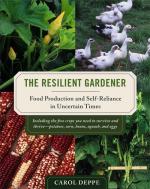
There are a lot of gardening books out there, and a lot of books on urban/suburban homesteading and on self-sufficiency. Many of them draw heavily from one another or from older books rather than from actual experience, but every now and then I come across a gardening book that I’m eager to share with others. Carol Deppe’s new book, The Resilient Gardener, is clearly based on years (decades?) of personal hands-on experience and is a must-read for anyone interested in the issue of personal food security. It is not a general gardening how-to book. Ms. Deppe discusses the best ways to improve your own food security by producing your own staple crops, and what makes a staple suitable for home food production with no unusual harvesting, threshing, or milling equipment. This isn’t one of the obnoxious-survivalist manifestos about how to be a country and a law unto yourself. It’s a sensible discussion of how ordinary people can direct their efforts to make themselves better equipped to endure the hiccups that life throws at us, whether environmental or health-related. As I read it, I found myself thinking about the spreading problems in my native Louisiana after Hurricane Katrina devastated New Orleans. Nearby cities like Baton Rouge weren’t hard hit by the storm. But Baton Rouge would nearly double in size in a week as evacuees poured in, grocery stores there would be nearly emptied of staple foods and anything fresh, streets would be filled with excess traffic and often impassable, and water and sewer systems would be strained. People with prudent habits were better equipped to help themselves and others through a difficult time.
No book about someone else’s needs and choices will ever be completely applicable to your own situation. Ms. Deppe includes a section on her own nutritional needs and decisions that can best be considered idiosyncratic. But then, as a doctor I believe that everyone’s needs are to a degree idiosyncratic, i.e. unique to themselves. Some basics apply to nearly everyone, but there’s a lot of individual variation. Her choices may have no applicability to you or me. They are, however, an encouragement to think carefully about our own needs and start doing more of what works for us.
I have no desire to be completely food-independent, even if such a thing were possible. But I do get great pleasure from contemplating the winter squash, potatoes, and sweet potatoes that came out of my own soil and will help feed me through the winter, and on winter evenings by the stove I’ll be studying Ms. Deppe’s ideas and planning how to be a more prudent member of my community next year.
23 Nov
Books Worth Reading: The Resilient Gardener
21 Nov
Kitchen Staples: fresh pasta
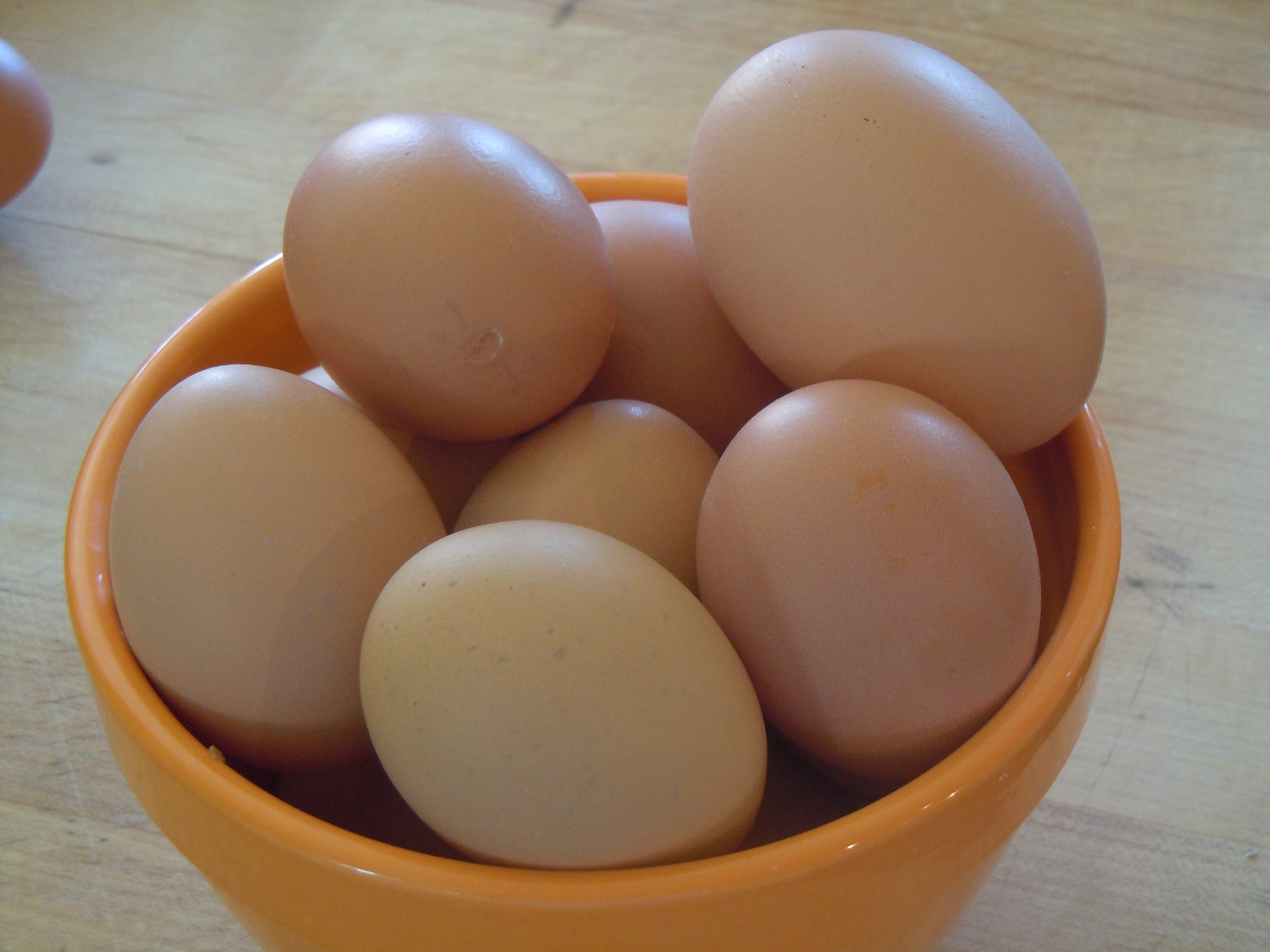
Now that my chickens are laying and I have all these lovely fresh eggs around, I’m trotting out all my recipes that use up eggs. One of my very favorites is fresh pasta, and I can’t think of any kitchen skill more worth acquiring than pasta-making.
I used to make and roll pasta entirely by hand, and so I made it about twice a year. If you want to do it all by hand, you can get directions from any of several excellent cookbooks, and I particularly recommend The Splendid Table or Essentials of classic Italian cooking. My own current method is (surprise!) a lot more rough and ready, and relies on my Kitchenaid mixer. If you have one, get the pasta roller attachment (expensive but it works really well) and you’re all set. I use the Pro 600 mixer. I don’t know if the lighter ones will do the job. This is still a time-consuming undertaking, best suited to those relaxed weekend days that I think of as Domestic Goddess days, but it’s worth investing some time for a really delicious result.
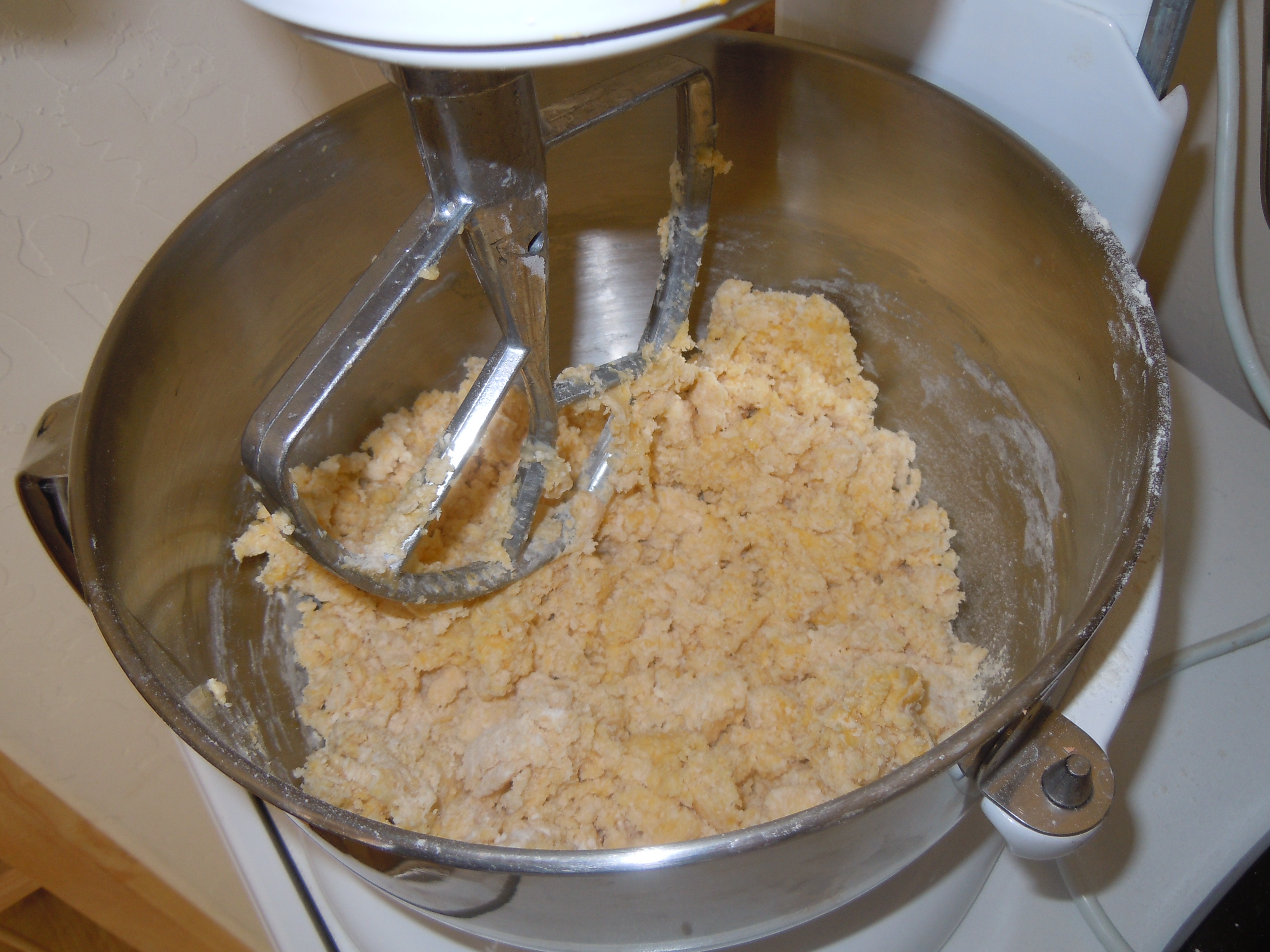
The quality of the eggs is important. If you don’t have your own hens, make an effort to get real free-range eggs (not the supermarket kind.) Start with the bowl in place on the mixer and the regular mixing blade. I usually start with three cups of flour, which makes 4 main-course servings or at least 6 first-course servings. Have about six eggs handy. Put the flour in the bowl, crack one egg into the mixing bowl, and start running the mixer at the lowest speed. After the first egg is incorporated, about half a minute, crack in the next one. Keep adding eggs until you have yellow shreds of moist-looking dough and some dry “crumbs” in the bowl, as shown here. Usually I use five eggs, but a lot depends on the flour, the size of the eggs, and the weather. If the dough won’t come together smoothly when you switch to the dough hook, add another egg and try again.
Now switch to the dough hook. Run the mixer at the lowest possible speed until the dough comes together into a ball on the hook, and keep kneading for at least five minutes. This is where I don’t know if the light models will work. Even my pro model strains pretty hard. It’s a stiff dough, much harder to handle than bread dough.
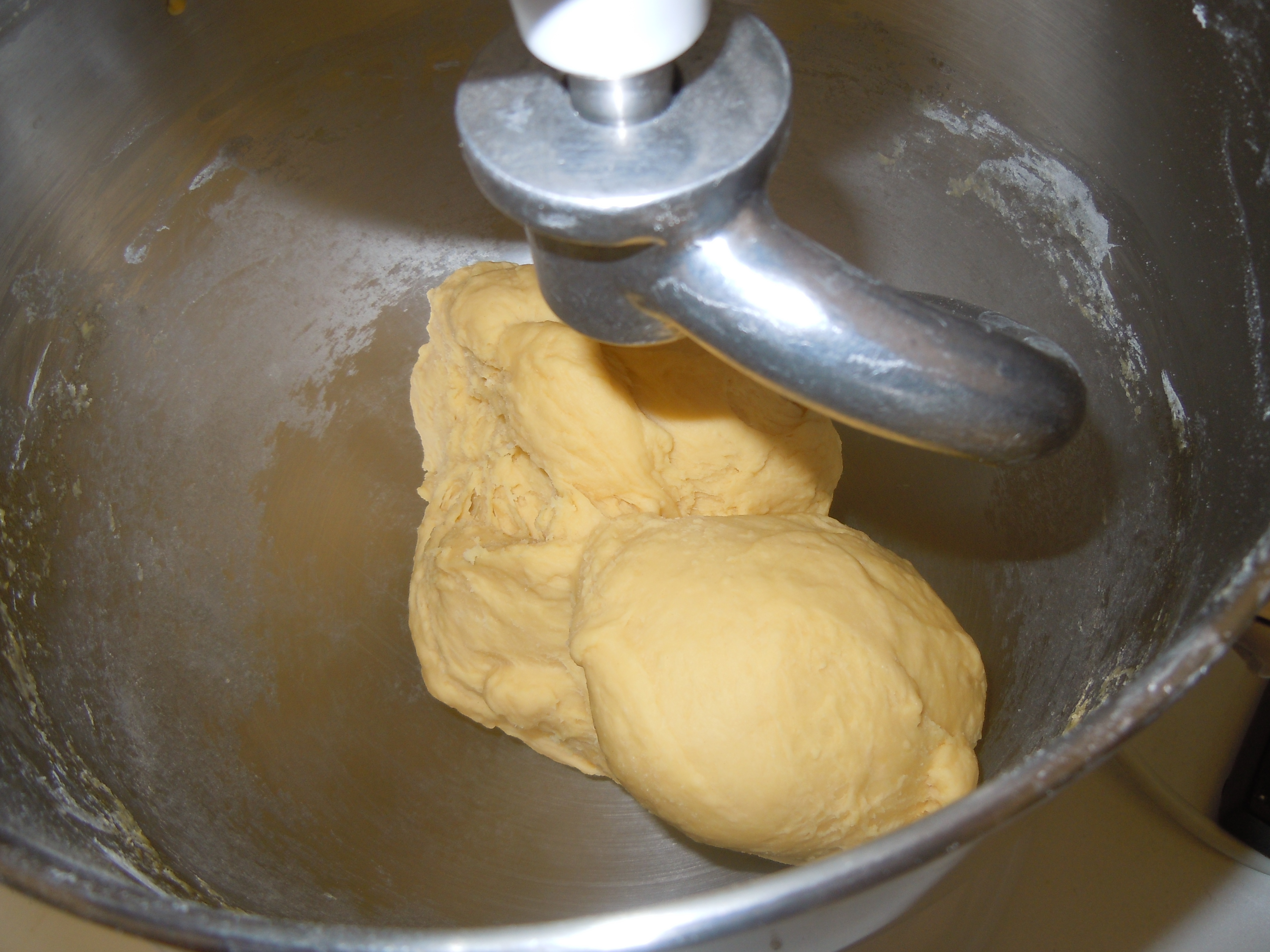
When the dough is smooth and thoroughly kneaded, dust the ball lightly with flour, wrap it in plastic wrap, and put it in the refrigerator for at least an hour and up to eight hours. When ready to roll it out, attach the pasta roller attachment. Cut the ball of dough into pieces about the size of a lemon, and dust each lightly with flour. SEt the rollers as wide as they will go, start the mixer at lowest speed, and start feeding the balls of dough through. I like to do all the balls through the widest setting, then all through the next setting down, etc. Now this is where a trick comes in handy. You are going to need a lot of hanging room for the sheets of dough. Wooden racks are sold for this purpose, but I got a metal laundry-drying rack instead and took the nylon mesh “shelf” off the top. It’s easy to clean due to the smooth surface, HOlds a lot more than most wooden racks, and folds away neatly when not in use. The sheets of pasta look absurdly charming hanging from their rack.
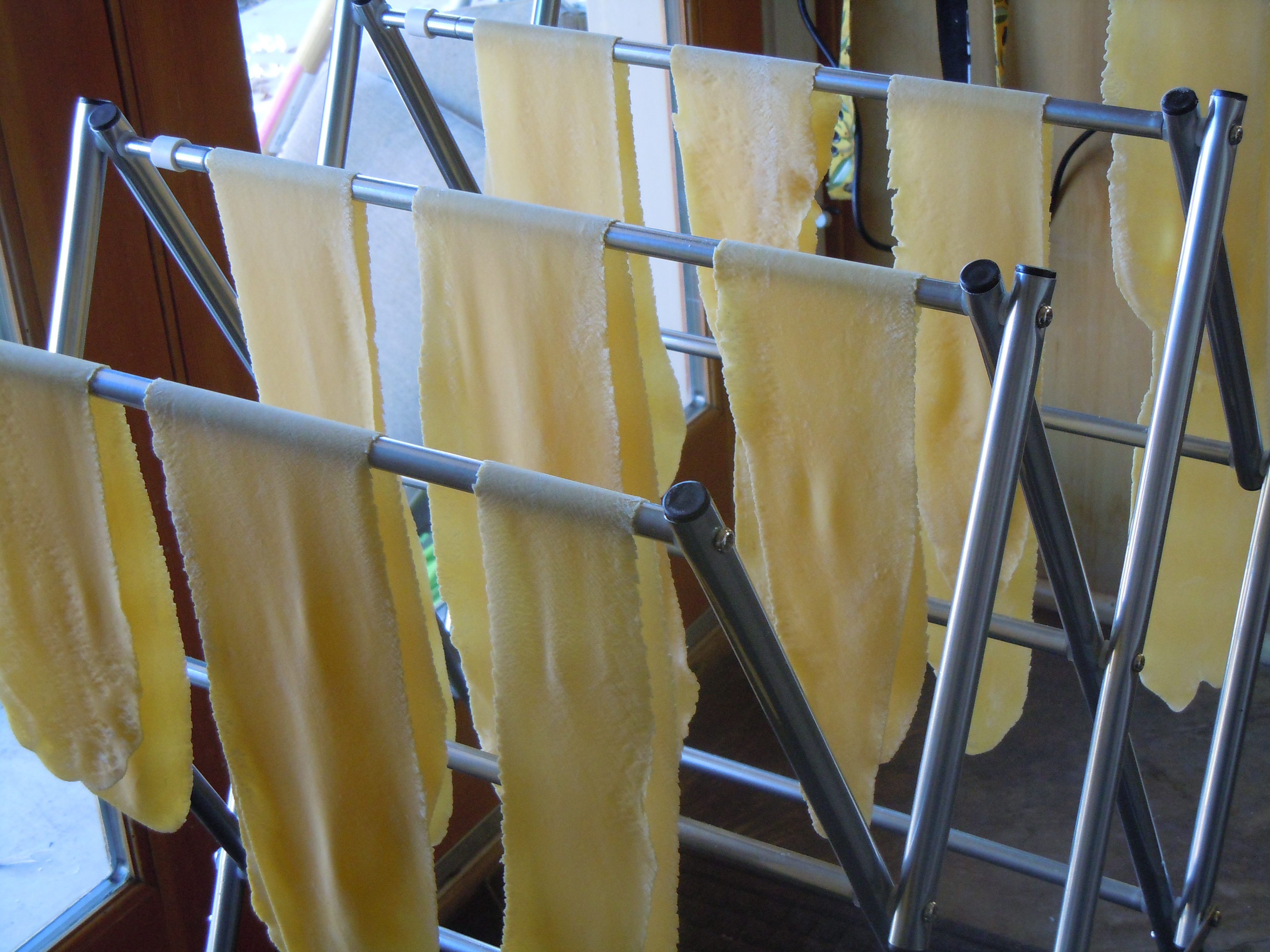
When they are all as thin as you want them, let them hang until somewhat leathery. This may be 15 minutes or may be an hour, depending on humidity, breeze, etc. When they are leathery but can still be folded without cracking, you are ready to cut the sheets into noodles. The pasta roller has an attachment that will do it for you, but I greatly prefer to do this step by hand. I like the unevenness that results, and I can cut anything from thin linguine to very wide papardelle, depending on the meal that I have planned. Work on a lightly floured surface, roll the sheets around your hand to form cylinders, and cut across to make noodles, as wide or thin as you like. Unfold them and lay out on clean dishtowels spread on the counter for the purpose.
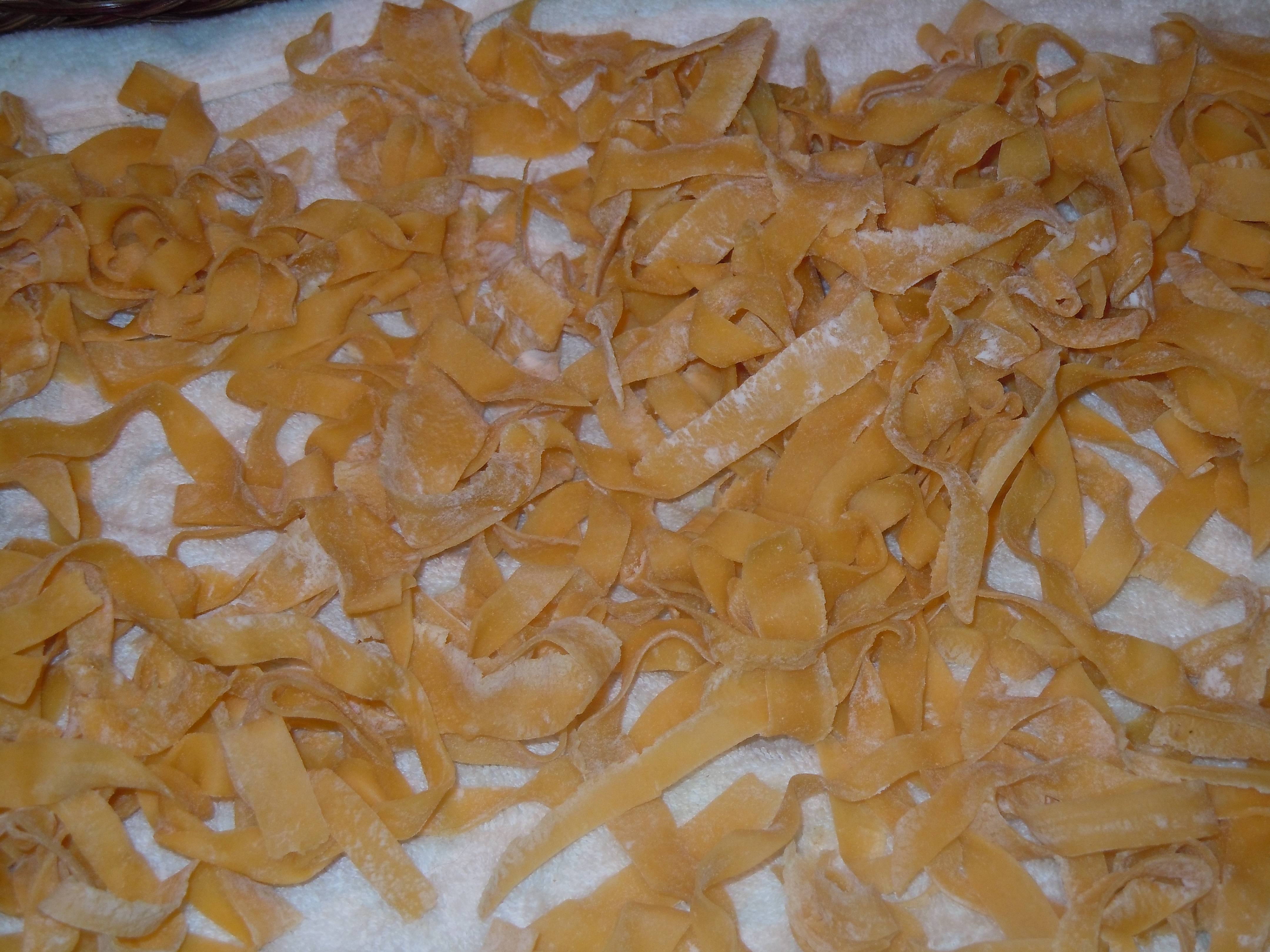
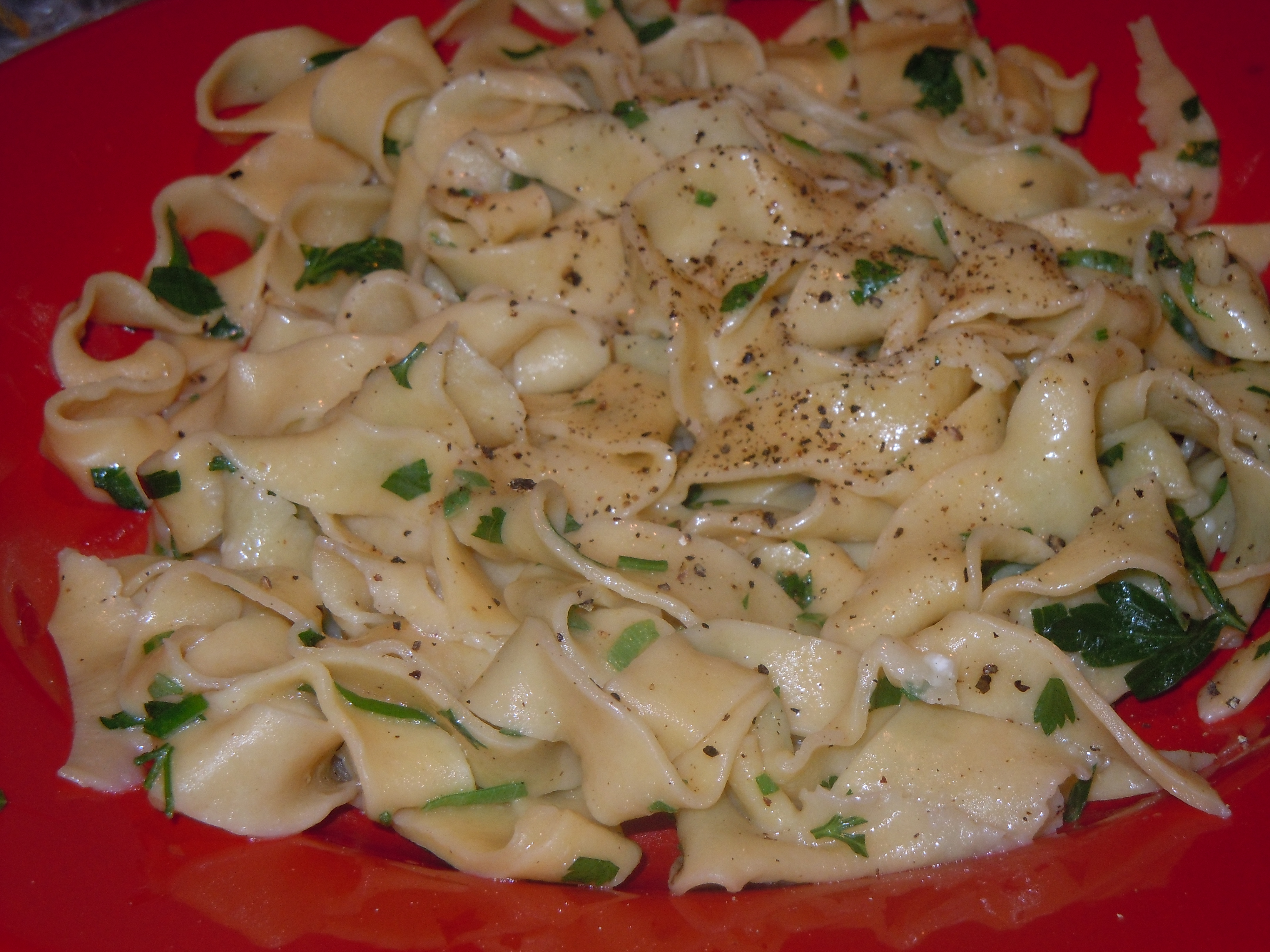
Cook soon for best quality, use plenty of salted water, and start testing for doneness as soon as the water returns to a boil. Sauce them simply to let their quality shine. In the near future I’ll post on my favorite mushroom sauce for fresh pasta, but for your first effort you might want to dress them with butter, cracked pepper, some chopped parsley, and the best Parmesan you can find. There is no simpler, or better, flavor.
17 Nov
Chickens are still legal residents of Albuquerque
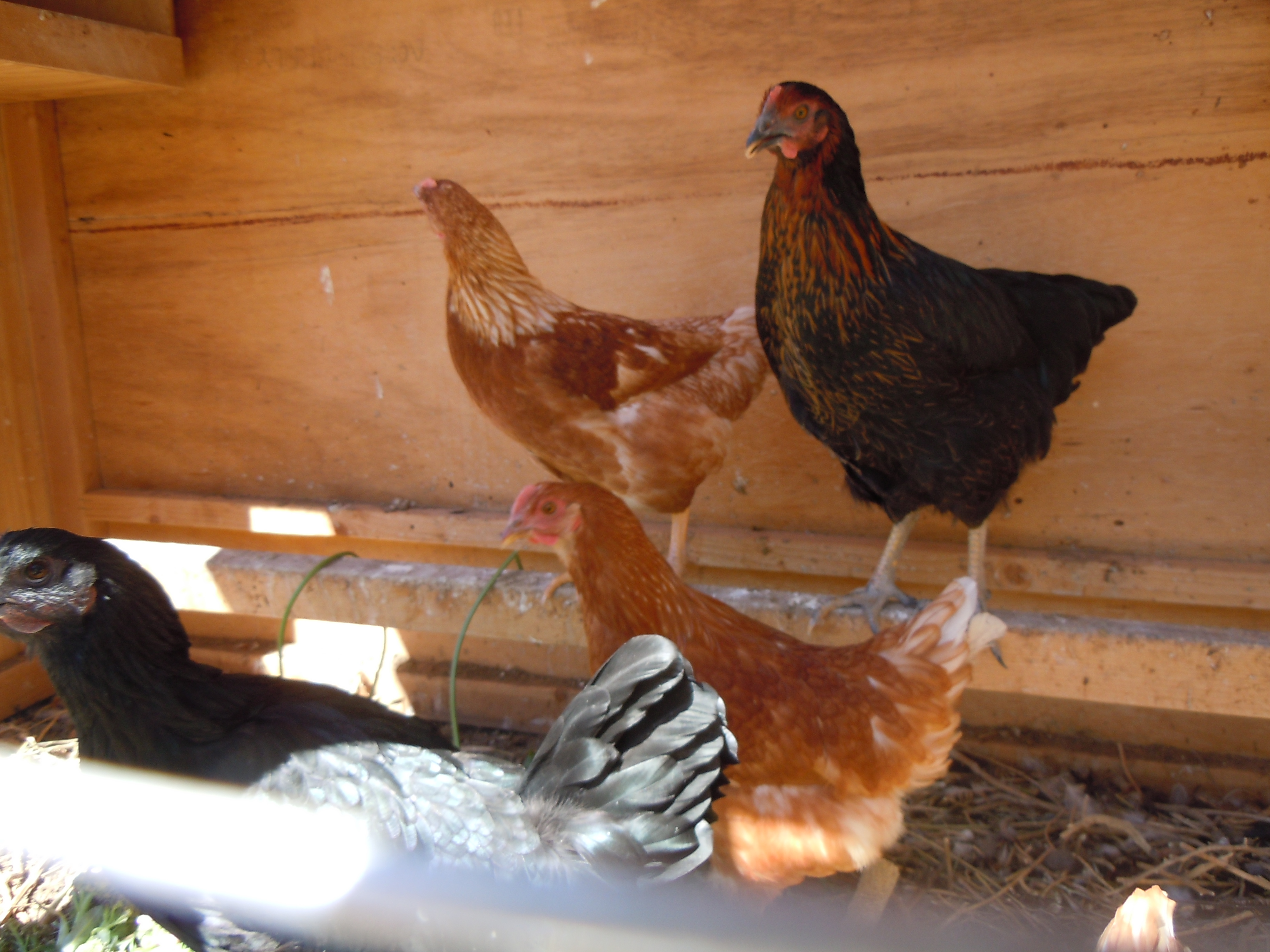
I don’t usually use this blog for anything remotely political, but I received some worried inquiries about our city’s HEART animal ordinance, and whether it bans or limits chickens in the city, so I feel compelled to set the record straight. Don’t worry, backyard farmers, your chickens and mine are safe. The HEART statute controls and limits the possession and care of companion birds, but it carefully defines “companion birds” within the ordinance, and chickens are specifically excluded, as are ducks, geese, and a lot of other birds. The relevant section reads as follows:
COMPANION BIRD. A bird commonly kept as a pet by humans and confined on the property of the Owner, including, but not limited to, parakeets, canaries, lovebirds, finches, parrots, macaws, cockatoos, cockatiels, toucans and lories, but excluding:
(1) all of the family Anatidae (waterfowl);
(2) all of the family Tetraonidae (grouse and ptarmigans);
(3) all of the family Phasianidae (quail, partridges and pheasants);
(4) all of the family Meleagridae (wild turkeys) except for the domestic strains of turkeys;
(5) all of the family Perdicidae (francolins);
(6) all of the family Gruidae (cranes);
(7) all of the family Rallidae (rails, coots and gallinules);
(8) all of the family Charadriidae (plovers, turnstones and surfbirds);
(9) all of the family Scolopacidae (shorebirds, snipe, sandpipers and curlews);
(10) all of the family Recurvirostridae (avocets and stilts);
(11) all of the family Phalaropodidae (phalaropes);
(12) all of the family Columbidae (wild pigeons and doves) except for the domestic strains of pigeons; and
(13) ducks, geese, chickens and other poultry.
Therefore, existing laws about chickens permitting us to keep up to fifteen chickens (only 1 rooster among them) prevail. Thank goodness, because there’s nothing like those fresh warm eggs.
15 Nov
Vegetable dinners: a roasted melange, and notes on gochujang
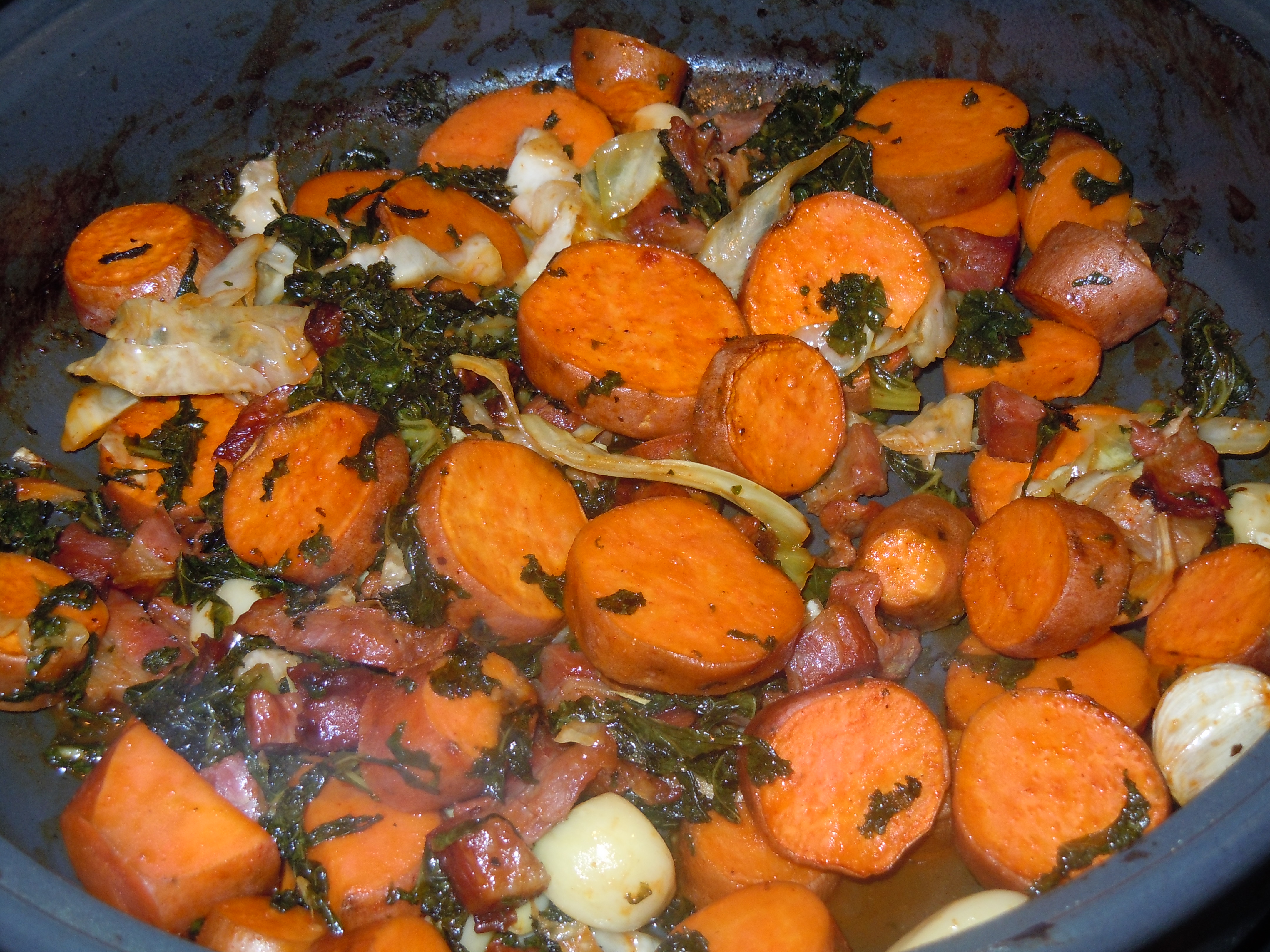
On frazzled days, one way to save time when making dinner is to put food in the oven and pretty much forget about it until it’s done. Many vegetables respond beautifully to this treatment, especially if flavored a little. I have a large clay Spanish cazuela about 14″ in diameter that I use for these impromptu roasts because I’m convinced that the clay improves the flavor, but you can use your standard 9X13 pan if you prefer. I am using a lot of sweet potatoes right now because I dug a lot of them recently, but I’ll include suggestions for substitutions. The idea is to use what you have and like.
You will need:
for the vegetables: 4 medium/large sweet potatoes cut in 1″ chunks (I scrub them well and leave the peel on), or a medium-sized winter squash peeled and cubed, or 6 large carrots scrubbed well and cut in 1/2″ chunks, or some combination of the above. I used sweet potatoes.
For the greens: 1 bunch of kale cleaned and cut in 1″ slices crosswise, or half a small green or red cabbage cut in thin slices, or 3/4 pound of sturdy leafy greens cleaned and cut in 1″ slices, to total about 3/4 pound. I used half Tuscan kale and half sliced green cabbage.
For the seasoning:
a handful of bacon, bacon ends, or pancetta, cut in little cubes. I used the tail end of a bacon slab.
3 large cloves garlic, chopped
3-4 tablespoons of olive oil
1 tablespoon of Korean gochujang paste (see below) or a teaspoon of Tabasco or other red chili sauce, or a teaspoon of red pepper flakes
about half a teaspoon of salt, or to taste
1/2 cup good stock or water
Preheat the oven to 375 degrees. Prepare the vegetables and toss them in the cazuela or pan. Mix the seasoning ingredients and pour over the vegetables, tossing with your hands to distribute. Try to end up with the chunky stuff mostly on top and the green stuff mostly on the bottom. Put the cazuela in the oven. Half an hour later turn the veggies with a spatula, and if the bottom seems dry and things are starting to stick, add a little more stock or water. Again, try to keep the greens mostly below the other stuff, where they won’t dry out. After an hour, check the vegetables for doneness. You don’t want them crisp for this dish; they need to be cooked through, a little soft, and well impregnated with the seasoning ingredients. When done, drizzle a tablespoon or so of your best olive oil over all, bring to the table in the cazuela, and eat with a crusty baguette or toasted whole-wheat bread, as you prefer. It couldn’t be easier or healthier.
You can leave out the bacon or pancetta and have a vegan/vegetarian meal. I don’t recommend it, because the pork has a wonderful alchemy with the sweet winter vegetables and the chili paste, and creates a whole much greater than the sum of its parts.
Now and then we find an ingredient that represents the Platonic ideal of its kind. For me, the Korean chili paste gochujang is the seventh heaven of the chile pepper. There is nothing quite like its deep, intense, fermented flavor, unctuous texture, and exquisite mahogany color, and it has a special affinity with pork and a thousand uses outside of traditional Korean cooking. These days the only gochujang that I will use is the one from Mother-in-law’s Kimchee, which does have some sugar in it but no high-fructose corn syrup and is properly fermented and deep and delicious. If it isn’t available in your area, you can order it online. I like the original one, called “concentrated” on the label.
I talk a lot about making dietary and lifestyle changes slowly and one at a time. This is a great time to start thinking about eating more green leafy vegetables. Salads are great, but cold weather is a perfect time to incorporate more cooked greens as main dishes, side dishes, or soups. If you garden, kale and cabbage will help get you through the winter. If you forage, dock, chicory, and dandelion greens are among the few wild foods available in winter in our area (plan to mix them with milder greens from the garden or store.) If you buy at the store, Tuscan kale is everywhere, and since there is no better leafy green, go for it. I do recommend sticking to organic greens wherever possible. If you always have garlic, olive oil, and a little good bacon or pancetta in the house you are always ready to make a lovely dish of saute’ed greens, and there are lots of variations. Check out my “greens” category on this blog for more recipes. I know I have said this before, but I’ll keep saying it: don’t undercook them. The thicker tougher greens like curly kale are acutely unpleasant to eat when undercooked and tough, so taste before sending to the table, and if chewing requires a ruminant level of effort, cook five minutes longer and taste again. Mark Bittman is now galaxy-famous as the author of many authoritative cookbooks, but few people are aware that his first effort was a little gem called “Leafy Greens.” You can still find it second-hand, and it’s worth tracking down. Read it and use it, and your family’s health will benefit.
 My urban homestead