Unforgettable Paula Wolfert: A Tribute


When I was in my early 20s and becoming aware that I was by far my happiest in the kitchen and my interest in flavor and food was on a level that was not entirely normal, America was obsessing over classic French and Italian cuisine. Anxious cooks were obsessed with anything Julia. Later there was anything Marcella. But it was an oddly joyless time. If you went to a dinner party, you were expected to talk all evening about the food. Very little ever got said about anything but the food. There was a lot of competition involved, and the kitchen ethic that I grew up with in Louisiana, that of getting over yourself and cooking something good and inviting people in to enjoy themselves and each other, did not seem to be there.
Fortunately in Manhattan in the early 80s there was joyful food to be had. I would make the very long walk to Manhattan’s Chinatown, where there were basins full of wriggling seafood and strange vegetables all along the sidewalks, and ginger and wild-looking dried things that might be fungal or might be animal, and the elderly vendors would hand me unfamiliar vegetables with the invariable instruction “cook in soup.” There were the Indian markets on Lexington Avenue, full of wonderful spices with a combined aroma that seemed like Nirvana, where a passing shopper in a gleaming sari might easily stop and spent 20 minutes telling me how she cooked greens or chappati like the ones her grandmother made. There was a Greek market on Ninth Avenue that sold green coffee beans for roasting at home and olives from enormous barrels and where the proprietor might cheerfully pass me a shot of Greek brandy as he wrote up my modest purchases, for the pleasure of watching me gasp and sputter as I tried to swallow it.
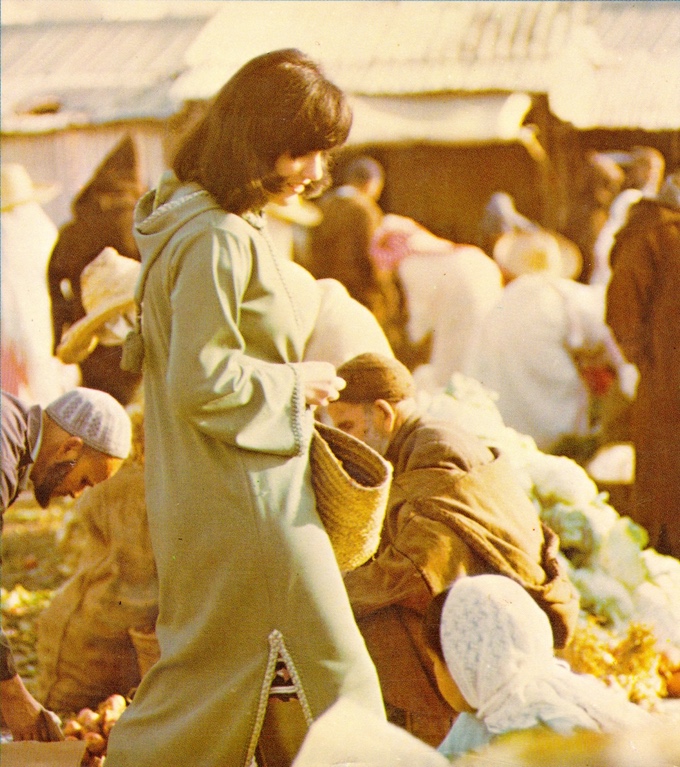
And there was Paula Wolfert. Instead of the staid rhythms of a classic cuisine, she wrote about the bold, the unexpected, and the renegade food of the world.  Her recipes were long and extremely detailed and assumed that you loved to be in the kitchen and that spending a few extra hours there was nothing but a pleasure.  She wrote about food that was not for showing off, but intended to warm and nourish people and make them incredibly happy.   Her name became a kind of secret code among enthusiastic home cooks, and we might have long pleasurable arguments about which of her books was best.  I bought my first couscoussiere, a huge tin lined copper beauty that was the glory of my kitchen and astonishingly cheap at the time because few people in America wanted one.  I preserved lemons and cooked chickpeas  and developed a serious addiction to coriander leaves and toasted my own spices and longed for an exciting life like Paula’s.  As Paula went on through various Mediterranean cuisines, I went with her, loving every minute of the journey.  My Paula Wolfert cookbooks are ragged, broken backed, and splashed with food, which is as it should be. In some cases they look less blemished, because I wore out the original copy and got a new one.

In 2013 Paula was diagnosed with Alzheimer’s disease, and consistent with her personality, she not only tried every way she could to maintain her own health but became a spokesperson for others with the illness.

The cookbook Unforgettable, with the story of Paula’s life woven through recipes that she loves, has just been published through a Kickstarter campaign, and all diehard fans will want to own it. You can find it on Amazon. But don’t forget all the other books that chronicled her passionate interests through the years and gave us recipes that we will never forget.
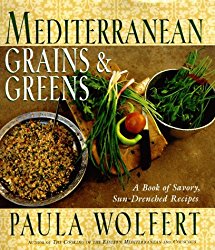
Even though we never met, Paula was my constant kitchen companion for decades. My hat is off to her, now and always. And by the way; best Paula Wolfert cookbook ever? Mediterranean Grains and Greens. No question. Or if you aren’t convinced, meet me in the kitchen sometime and we can have a lovely argument about it.
Permaculture Salad, and Notes on the Siberian Elm

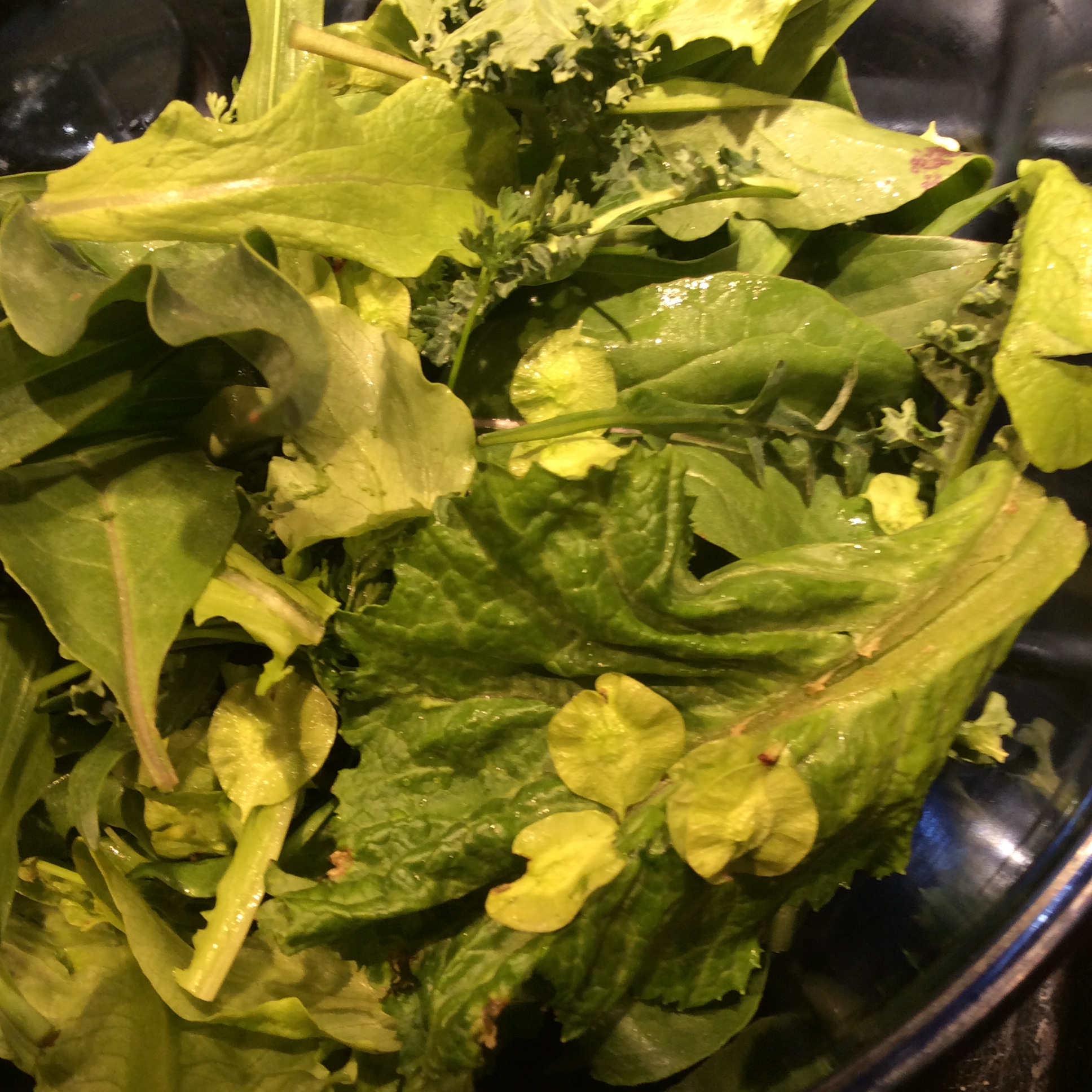
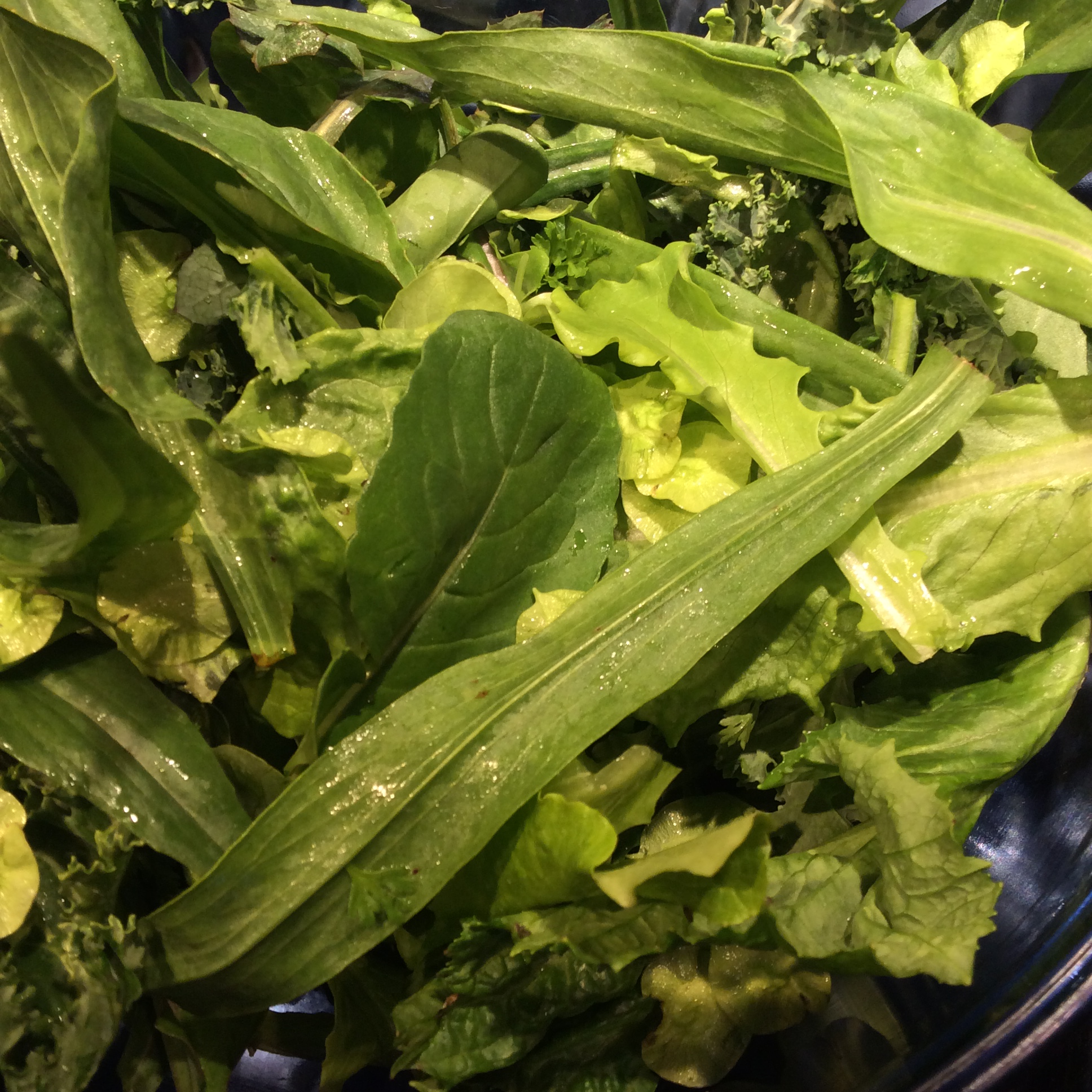
Spring on the urban homestead is so beautiful and bountiful that I can hardly believe it, and I spend more time than I care to admit just wandering around dazed with the wonder and joy of it all.  But there is a practical aspect to my trance, because while giving thanks to the cosmos for the life that surrounds me, I am noting what can go in the salad bowl that evening.

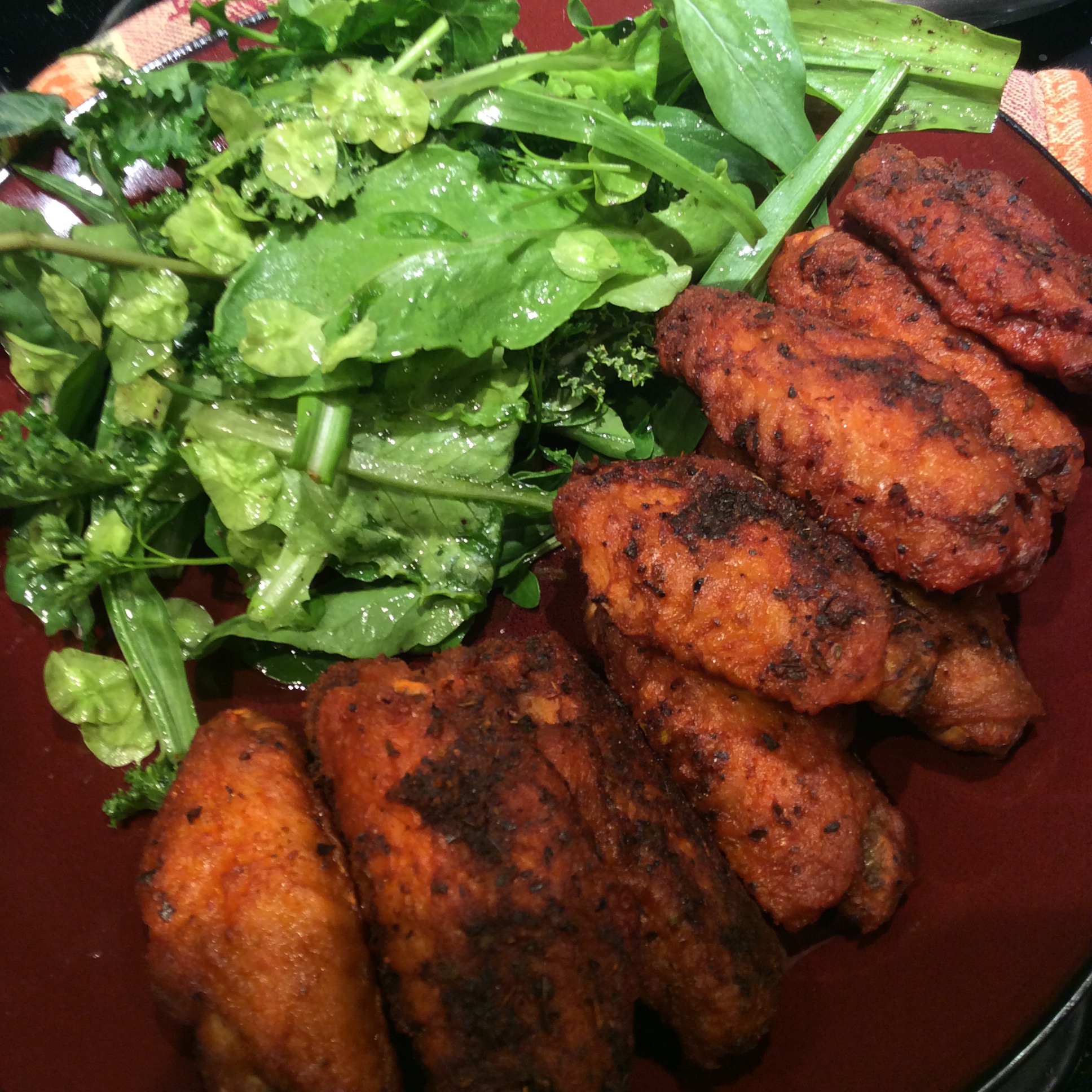
The salad shown above is a pretty typical urban homestead salad. It contains a handful of lettuce, some early arugula, and a lot of biennials and perennials that wintered over and got an early start.   Tiny leaves of curly kale that began to leaf out as soon as the weather got warm are good salad material, still sweet from night frosts, although I don’t like older kale in salads.  There is a little chervil because I threw the seeds around in warm spots last fall.

So here’s the species list for tonight:

Lettuce

arugula

chervil

scorzonera

salsify

wild lettuce

sow thistle

dandelion

Siberian elm samaras

Bladder campion

tarragon

mustard (one Southern Giant plant overwintered somehow)

Green perennial onions

A few further notes on the ingredients: in the past I had tried cooking scorzonera greens and thought they were fairly uninteresting, but for some reason I never tried them as salad material until this year. They are very mild in flavor and have a nice slightly substantial and tender texture, and I am using them a lot now.  They make a good base for some more flavorful greens like dandelion and mustard and arugula.  I have written in the past about how much I love the elongating flower stalks when pan grilled in olive oil, so this is a very good dual purpose vegetable. I plan to plant more of it.

In the past I have mostly used Siberian elm samaras as a “hand salad” eaten spontaneously on walks when  they presented themselves.  They are too mild to be of much interest cooked, although I do use them in greens mixtures sometimes, but I have found that I like them in salads in rather substantial amounts, probably a cup of washed samaras in a salad for two.  There is something about the texture that I enjoy, provided you pick them at the right stage, when they are about the size of a dime and the edges are still fresh green and have not yet grown at all papery.  They need a little bit of cleaning, but most of the debris can be floated off once you have broken up the clumps with your fingers, and 15 minutes of preparation is not too much for a vegetable that cost you no effort or money whatsoever in the growing.

Have a  look at what’s available to you in field and forest and in your own yard.  Learn how to make a really good vinaigrette. Use common sense, and don’t eat plants unless you are completely sure that they are edible.

Spring Miscellany

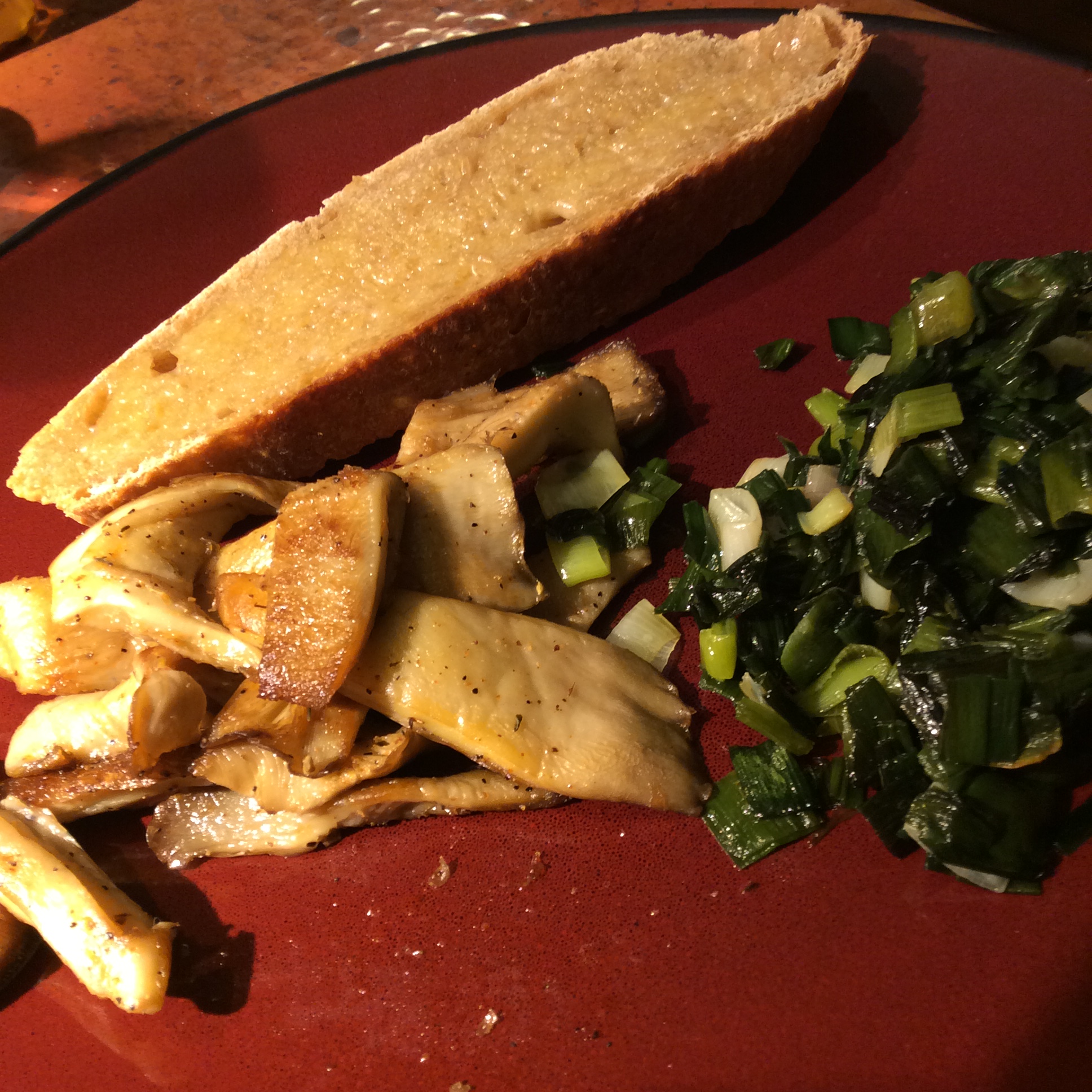
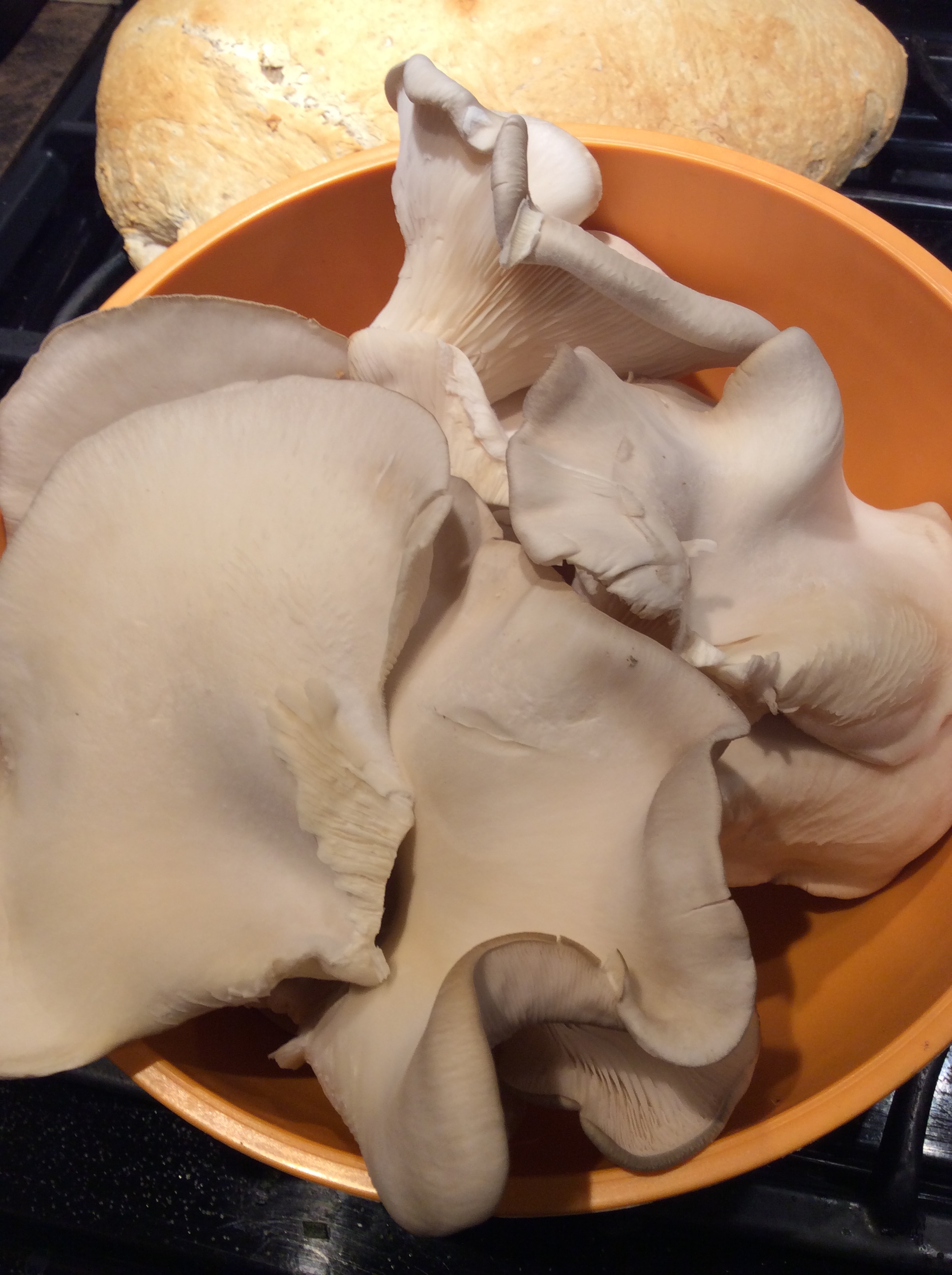
Tonight I find myself eating a lovely and satisfying dinner out of the yard, and reflecting on a series of happy surprises.

First, I went to the shed to get a tool, and my latest mushroom laundry basket had a gorgeous huge clump of oysters across the top.

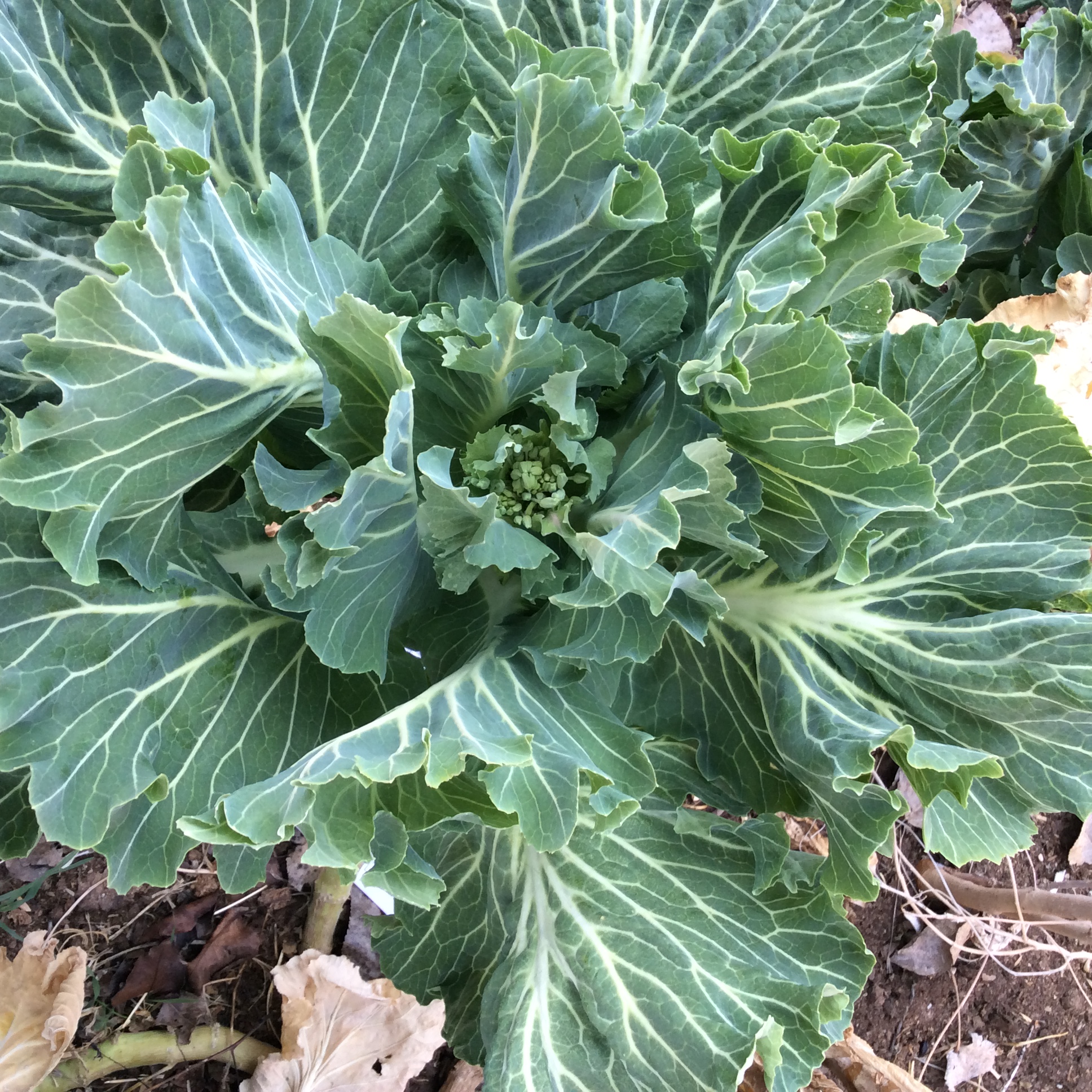
The tronchuda, or Portuguese kale, was still tender and sweet from night frosts, and there was a wild abundance of green garlic to cook with it because I finally planted enough to satisfy my taste for it.

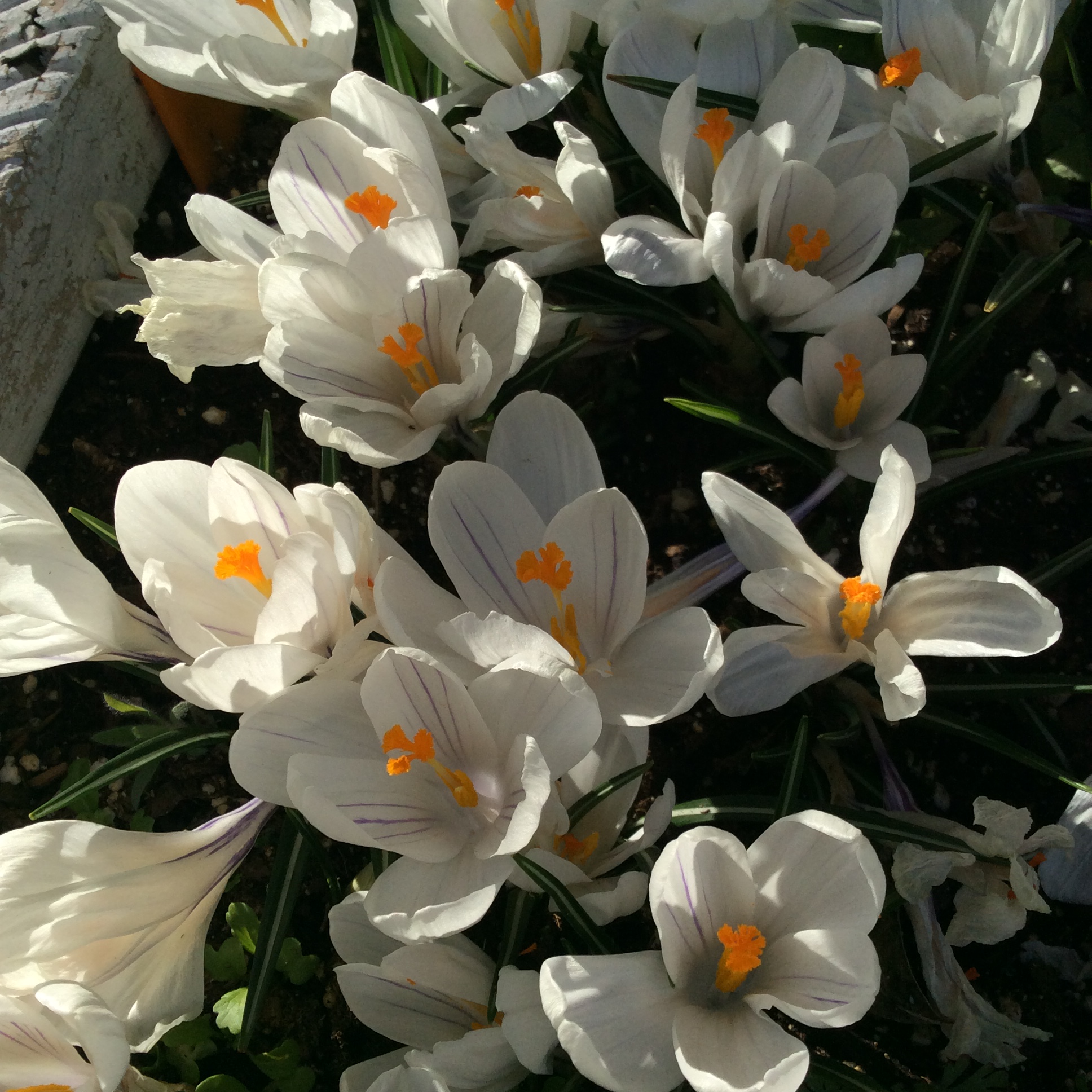
The exquisite late Jeanne d’Arc crocuses were finishing the crocus season.

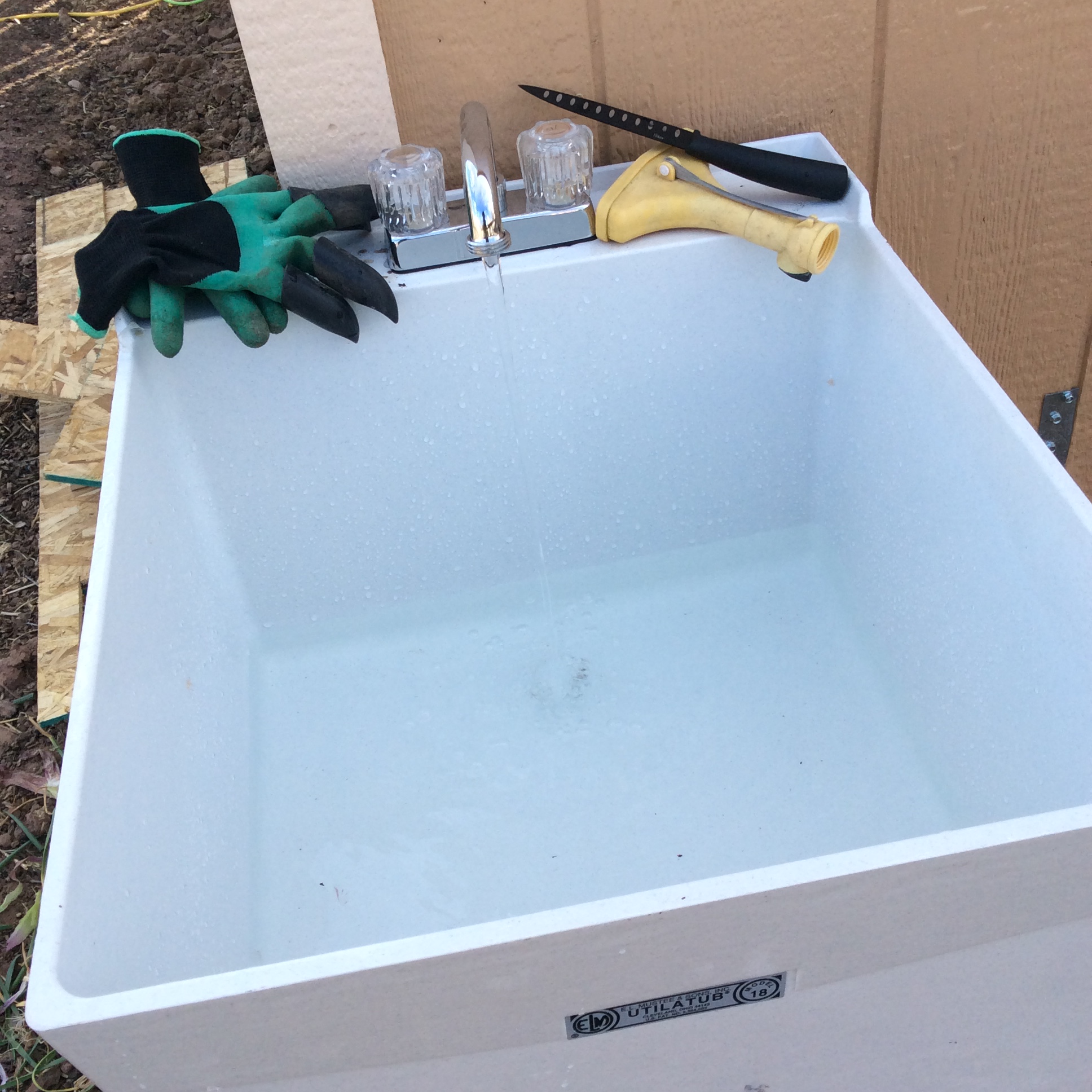
And the garden goods could be washed and prepped right in the garden where the water could do some good. This is an ordinary laundry sink, but I asked the nice man at the plumbing supply store to sell me the correct fittings to hook a garden hose to it. So the water can be turned on and off, and the water drains out into a bed that can really use the moisture. My ingenious yard man got me a 3 foot piece of hose with the correct fittings to attach to the fawcet at one end and the hose at the other, so there is no fumbling underneath when I want to use the sink. And it could be lifted and moved if I wanted the water to land somewhere else.

Life is good, and spring is good.

Filling the Hunger Gap

I decided to reblog this older post because these three plants are still my most reliable, mild, and versatile early greens. This is a good time of year to think about planting some perennial greens or locating a wild patch that you can harvest from, and you will rejoice every spring for years to come.

wooddogs3's avatarMy urban homestead

image
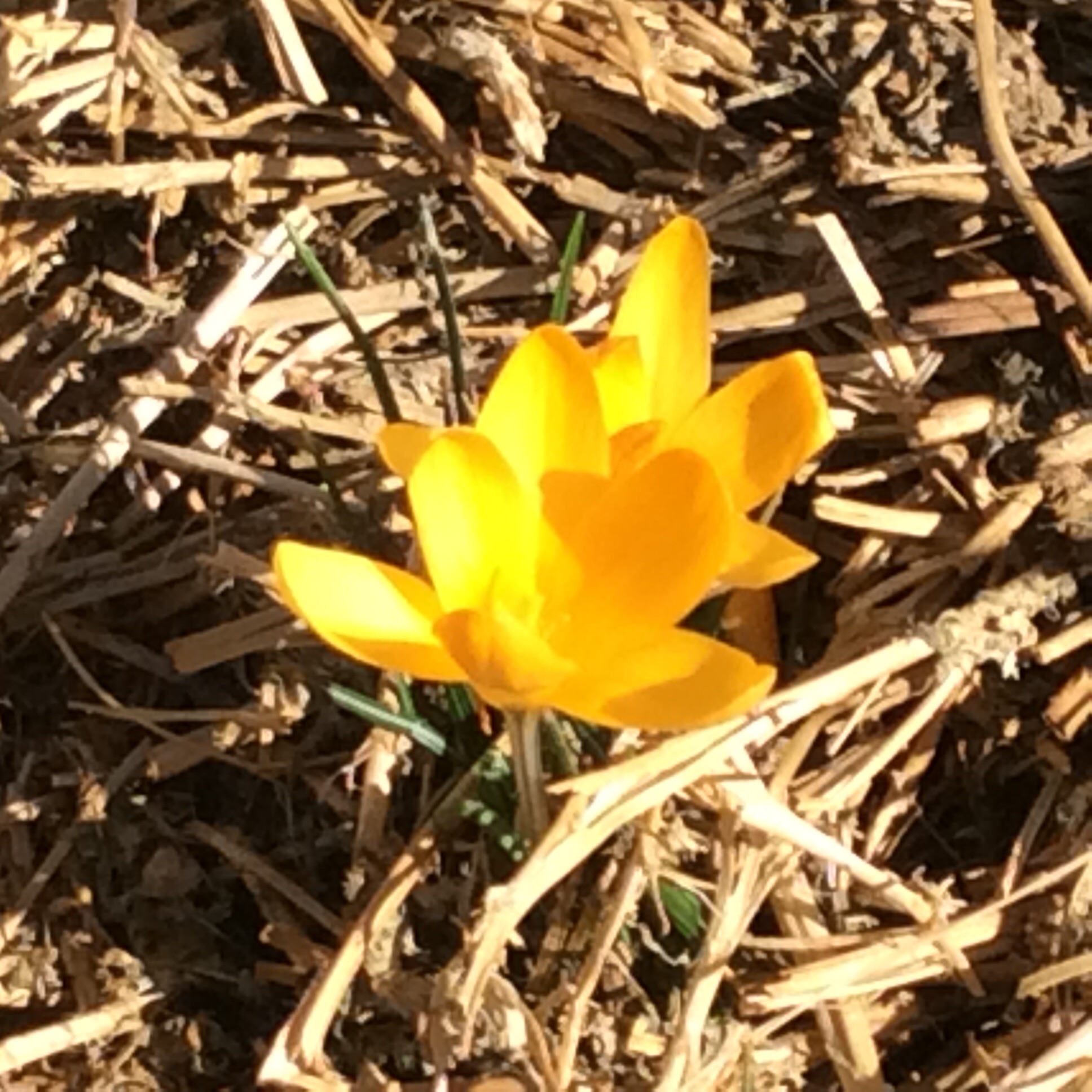
Our recent sunny warm days have brought the happy little Crysanthus crocuses up, and when they bloom I know that I’ve survived another winter and we are well on toward spring. But we are still in the time of year called the “hunger gap,” when in leaner times you would have eaten most of your preserved and stored food and fresh food would be a distant memory. In those days, just about the time that scurvy threatened, there would be a precious few fresh foods that would come through for you. I am no longer that interested in eating preserved foods, so the fresh greens of the hunger gap are increasingly important to me.
image
Stinging nettles are not just a fresh green in earliest spring, they are a nutritional powerhouse. Vitality and well-being seem to course through your body as you eat them. Also, they’re delicious. They don’t occur naturally…

View original post 504 more words