Archive for the ‘mushrooms’ Category

The Oyster of the Woods

image
There is nothing more interesting than mushrooms. Really. An independent kingdom of organisms, they have much in common with animals and their interactions with plants are complex and often beneficial. For a wonderful read about mushrooms and their biological role, check out Paul Stamets’s Mycelium Running, and you will be wonderstruck at the hypheal hijinks going on all around you.
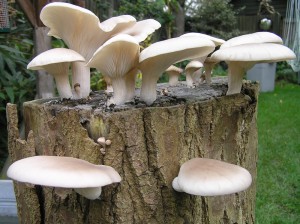
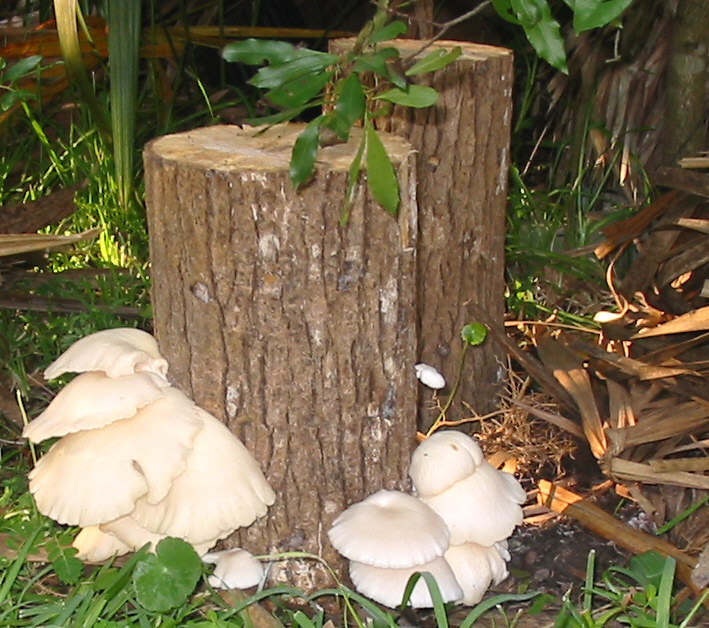
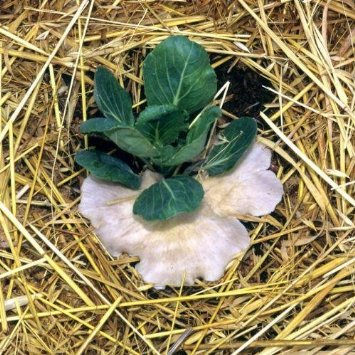
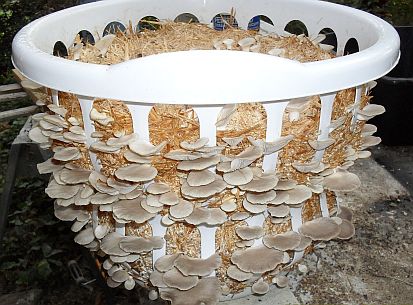
They are extremely easy to grow for everyone but me.  I am convinced that mushrooms have a very important role to play in a functioning urban homestead, even here in the high desert.  So far, however, I have been unable to make that work out in practice.  I have tried spreading the spawn among existing plantings under heavy straw mulches, and putting the spawn in piles of hard wood chips, and so far have not had any significant success, due to lack of consistent moisture, lack of shade, dry air, and insufficient attention.  I have harvested a few mushrooms, but nothing to write home about.  That is why the below images below are borrowed, to show how easily it can be done in moister climates than mine.
image

image

image

image
.
Since I have finally accepted that it’s going to take more focus than just throwing some spawn around, my next attempt will be to insert plug spawn into damp hay bales in the dense shade of my black locust tree. I have also cut down a small Siberian elm recently and have a few pieces of suitable fresh log to try drilling plug spawn into. Next August I will harvest them, or not.
Meanwhile, many farmers’ markets have a mushroom farmer or two, and oysters can be found in our river bosque here and in many woods and forests if you are a knowledgable forager and know exactly what you are picking. Mushroom foraging is not for you unless you are prepared to study it seriously and know all your local toxics. No margin for error here.
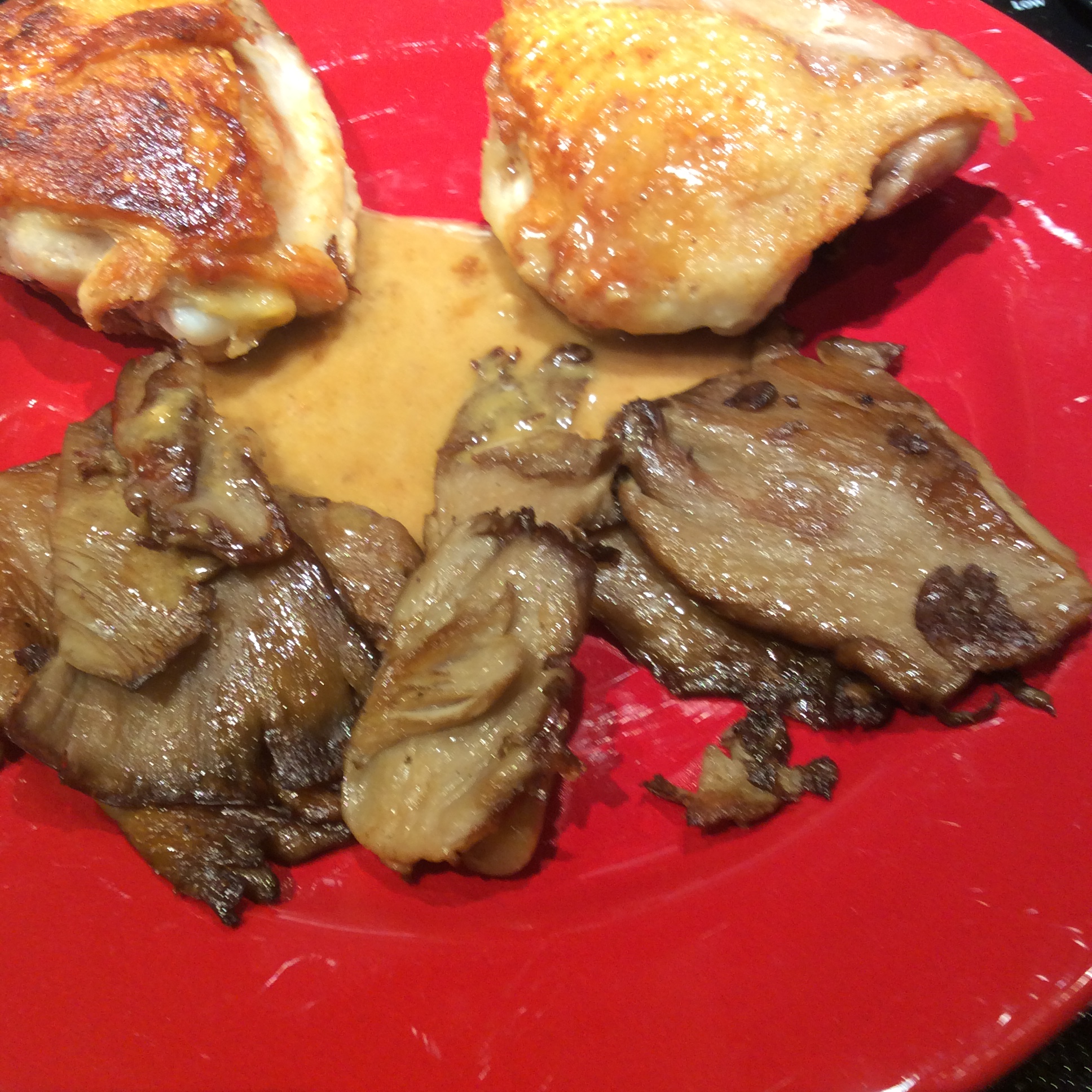
However you get hold of them, good oyster mushrooms are just delicious. I love their earthy-almondy aroma and their meaty texture. I like them best simply pan-fried with a little macadamia oil and salt, but roasting them with a bit of butter and soy is awfully good, and so is grilling them rubbed with olive oil. The addition of a little chicken glacé early in the cooking stage so that it can cook into the caps suits their meaty flavor.
For preserving, I roast them with macadamia oil and salt just to the point that they are cooked through, cool them, bag, and freeze. When wanted, they can be thawed and pan-grilled until they get some lovely brown crunchy bits. I dehydrate the clean stems as long as they’re not buggy and grind them into oyster flour to thicken mushroom sauces and soups. I admit that I also open my little bag of oyster flour just to inhale deeply and recall the woods where I found them.
Yesterday I found that I had tossed more caps with macadamia oil and salt than would fit in my roasting pans, and stuck the surplus in the dehydrator. They emerged as delicious crunchy lightly browned Oyster Crackers. Yum. I will make more of those. A small pan-grilled cap on an Oyster Cracker would make a wonderful cook’s treat. In fact, a couple of them with nothing on top made a great cook’s treat…
Kitchen staples: the pantry (and freezer) of the low-carb home

image
There are ingredients and seasonings that I have to have on hand at all times or I get nervous. With them, I’m ready to make a meal out of whatever foodstuff comes to hand. All such lists are intensely personal and idiosyncratic and I make no claims for universality, just usefulness. Due to my very low-carb eating, staples like pasta and flour aren’t on the list for me.

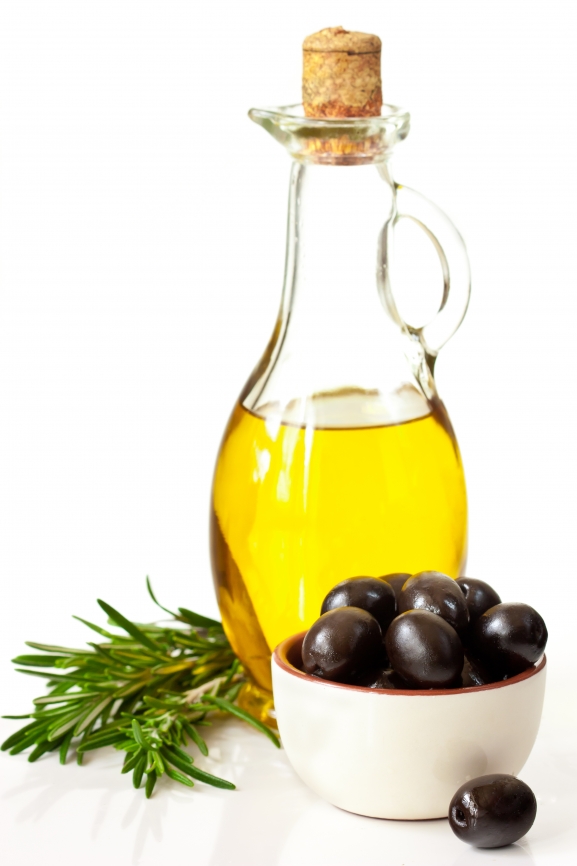
1. Really good fresh olive oil. Olive oil oxidizes fairly rapidly and, in my opinion, should not ever be used if more than a year old. Rather than take chances on freshness, I belong to the Fresh Pressed Olive Oil club; every three months they ship you three (or more if you choose) bottles of olive oil guaranteed to have been harvested and produced within the last 3 months; sourcing from the Southern Hemisphere as well as more traditional source areas makes this possible. I have belonged for years and hope they go on as long as I live and cook. A wide range of olive varieties and oil styles is represented. Pour it over cooked vegetables, dress salads, drizzle it on meat dishes, use as a base for a sauté of veggies. The Cretans and Ikarians thrive on it and so can we. I also keep oil-cured olives around at all times for their meaty umami belt in mixed greens.
2. Red Boat fish sauce. This is not only the best fish sauce available for Asian cooking, but pinch-hits very nicely for Italian colatura (garum.) A dash in vinaigrette gives a wonderful savor.
3. Dried mushrooms. I keep dried shitake, maitake, and porcini on hand at all times, and others at times as the mood takes me. With them, I am always prepared to add texture and flavor to cooked veggies, give a fitting garnish to a good piece of meat by soaking and sautéing them, or make a really good soup on short notice. I am ketogenic and don’t use flour, bread crumbs, or any other starch product, so I intend to try grinding them to powder and using them to “bread” and fry chicken, but that’s still on my to-do list.
4. Eggs. The best eggs I can get. Most of the time I have eggs from my own chickens, and in midwinter when my hens take a rest, I buy from a local co-op. Beyond the obvious omelet, frittata, and scramble, a fried egg is a wonderful way to make vegetables into a complete meal, and egg yolks are a wonderful velvety thickener for sauces.
5. Grass-fed butter. Grass-fed because it’s better for the cows and the planet as well as for me. Butter because there is nothing like it for improving flavor.
6. Coconut milk, which in my book is a joint pantry item with Hand brand Thai curry pastes. On days when I am short of time, energy, and verve, I can pick up some fresh fish or thaw a couple of pastured chicken thighs, soak and slice a few shiitakes, and pull together a healthy meal in under twenty minutes.
7. Freezer item: Wild-caught Alaskan salmon. I pay whatever I have to pay to get good fish, and I always buy Alaskan because their fisheries are well managed. The fillets are thin and thaw rapidly when I haven’t thought ahead about dinner. After a workday that ran later and harder than I expected, I’ve been known to take a frozen fillet still in its vacuum seal into the hot tub with me. Fifteen minutes later, I feel rejuvenated and the salmon is ready to cook.
8. Freezer item: homemade broth from grassfed beef and pastured chickens. I have written at length elsewhere about homemade broth. I really feel that nothing else will do as much to instill food thriftiness and improve your soups and sauces.
9. Nuts of various kinds. Almonds and Macadamias always, others here and there. Because they taste good and you can run for hours on a handful of them if you need to and they add flavor and crunch and specialness to all kinds of dishes.

10. Freezer item: blanched and chopped greens. Mine are a mixture of whatever was fresh and vibrant in the garden and field on any given day. If I had no garden and didn’t forage, I would use mixtures of spinach, chard, and Tuscan kale, and blanch and chop them and vacuum-seal before freezing. I find that I eat a lot more greens if I have them available in a handy form, and can make horta or whatever in a matter of  ten minutes rather than having a more prolonged process to go through.

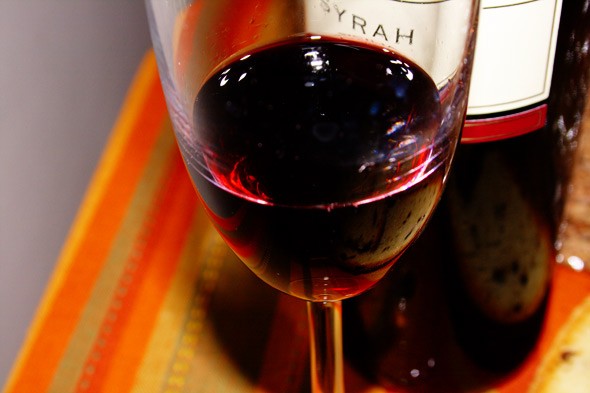
11. Good red wine. Because life contains joy and is worth celebrating.

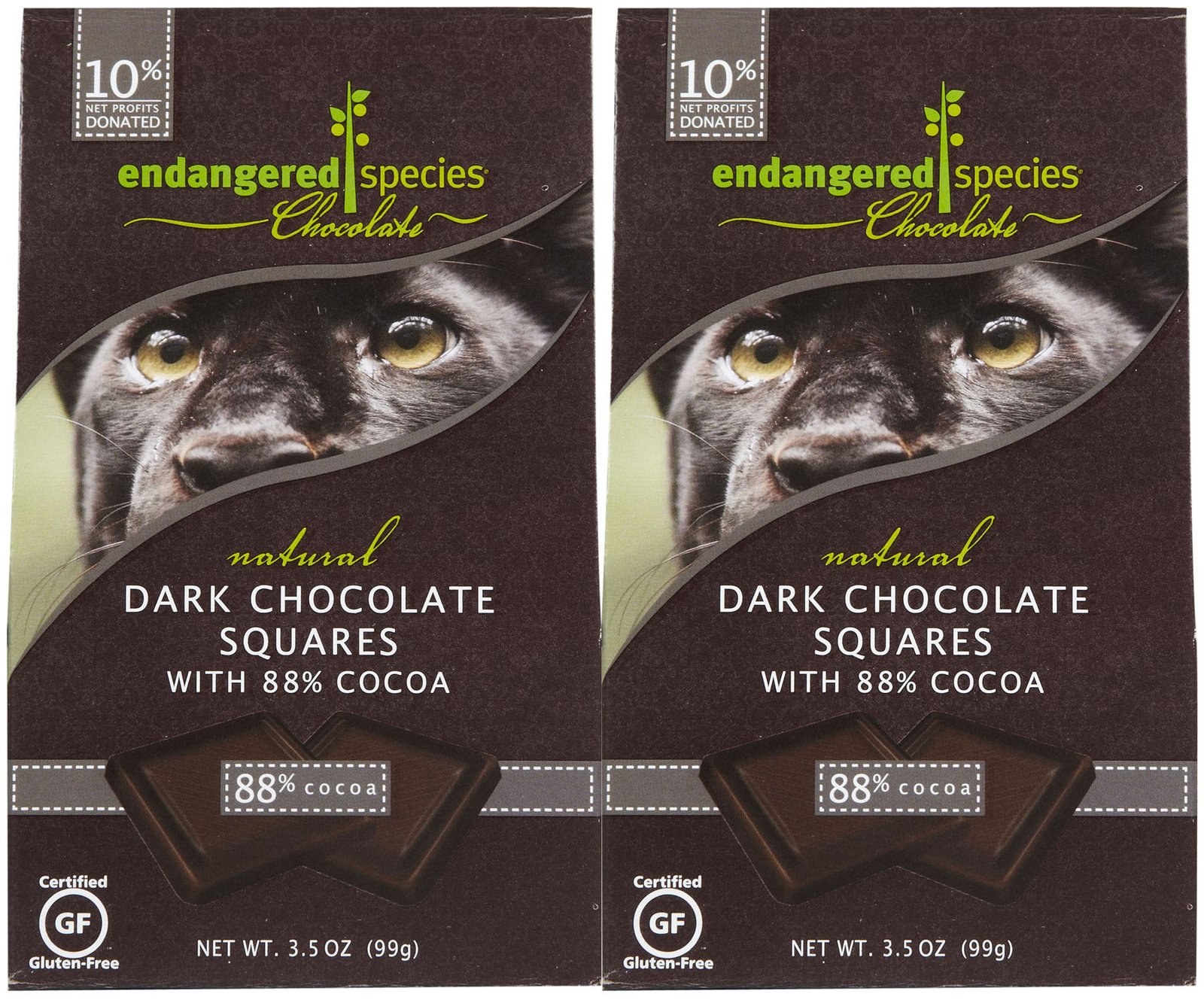
12. Very dark chocolate. Because see #11.
image
image

A Hopeful Sign

image
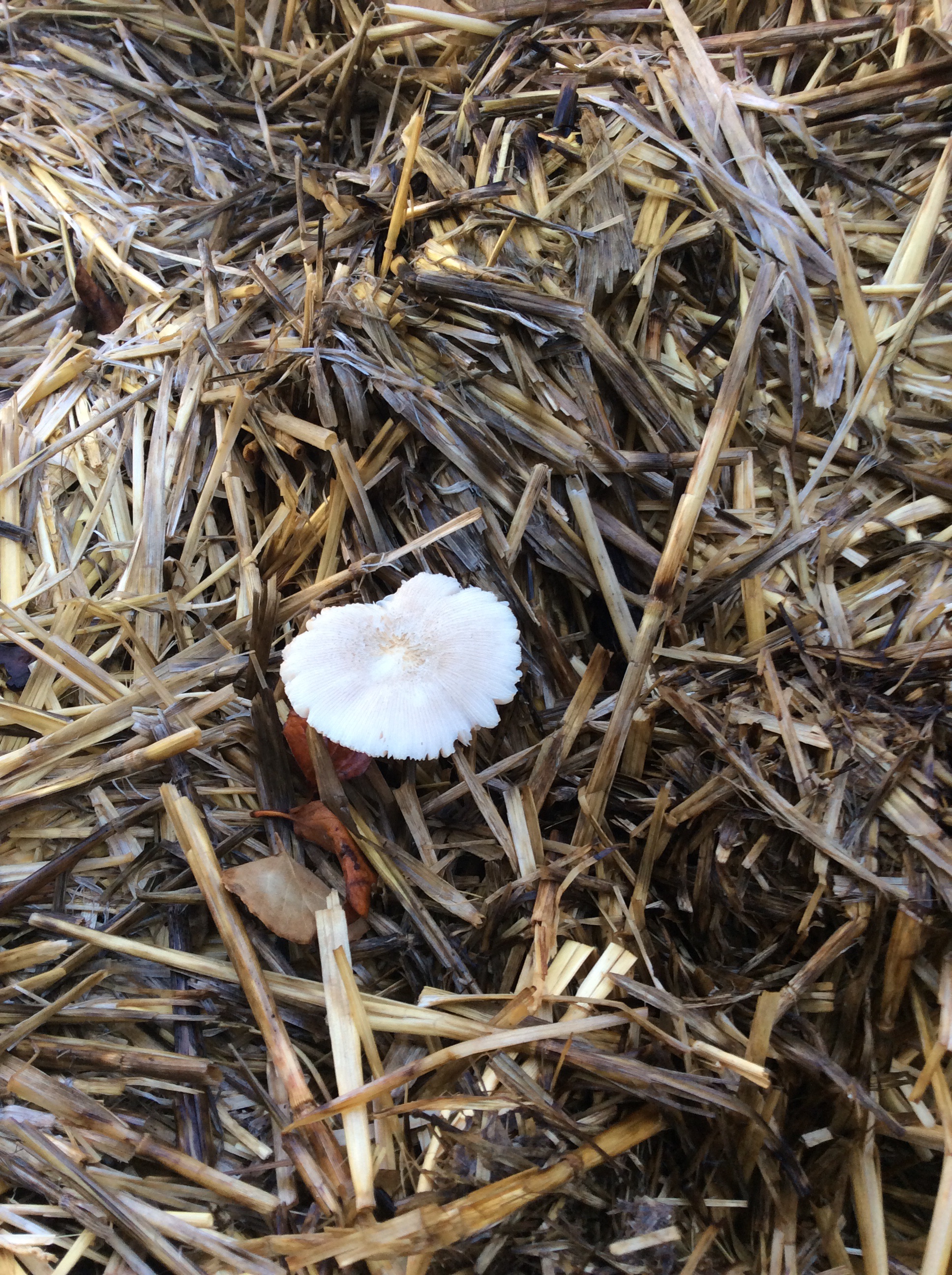
Early this spring I was mulling over the issue of a long narrow patch of ground that gets water from my garden sprinkler but doesn’t produce anything. I decided to try outdoor mushrooms. It was a fairly foolish idea because the area is fully exposed to our desert sun, but I do not lack for the damnfool quality. So in March I covered the strip 10″ deep with loose straw, wet it down, spread a bag each of oyster and King Winecap spawn, and paid it no further attention. The oyster spawn produced nothing, unsurprisingly. But this morning I found a tiny baby Stropheria putting a head up to have a look around.
I hope it goes without saying that you don’t eat any mushroom without carefully identifying it, even if you planted mushrooms in that very spot. Get at least 2-3 good mushroom field guides and don’t eat unless you are 100% confident of your ID. A mushroom-loving writer once remarked that ” There are old mushroom eaters and there are bold mushroom eaters, but there are no old bold mushroom eaters.” Take it to heart. Anyway, unless I get more mushrooms I will let this one go to spore rather than picking it.
Even if I never harvest any mushrooms the project is worth it, because the presence of a small fruiting body above ground indicates the presence of a large mycelium entity that you don’t see. I can’t encourage people enough to read Mycelium Running by Paul Stamets to understand the importance of this.
My spawn came from Fungi Perfecti. They have a fascinating array of kits if you want to stick your toe into mushroom growing, and they offer a wide variety of spawn and instructional books if you want to produce mushrooms on a bigger scale.

Mushrooms and the Food Garden

image

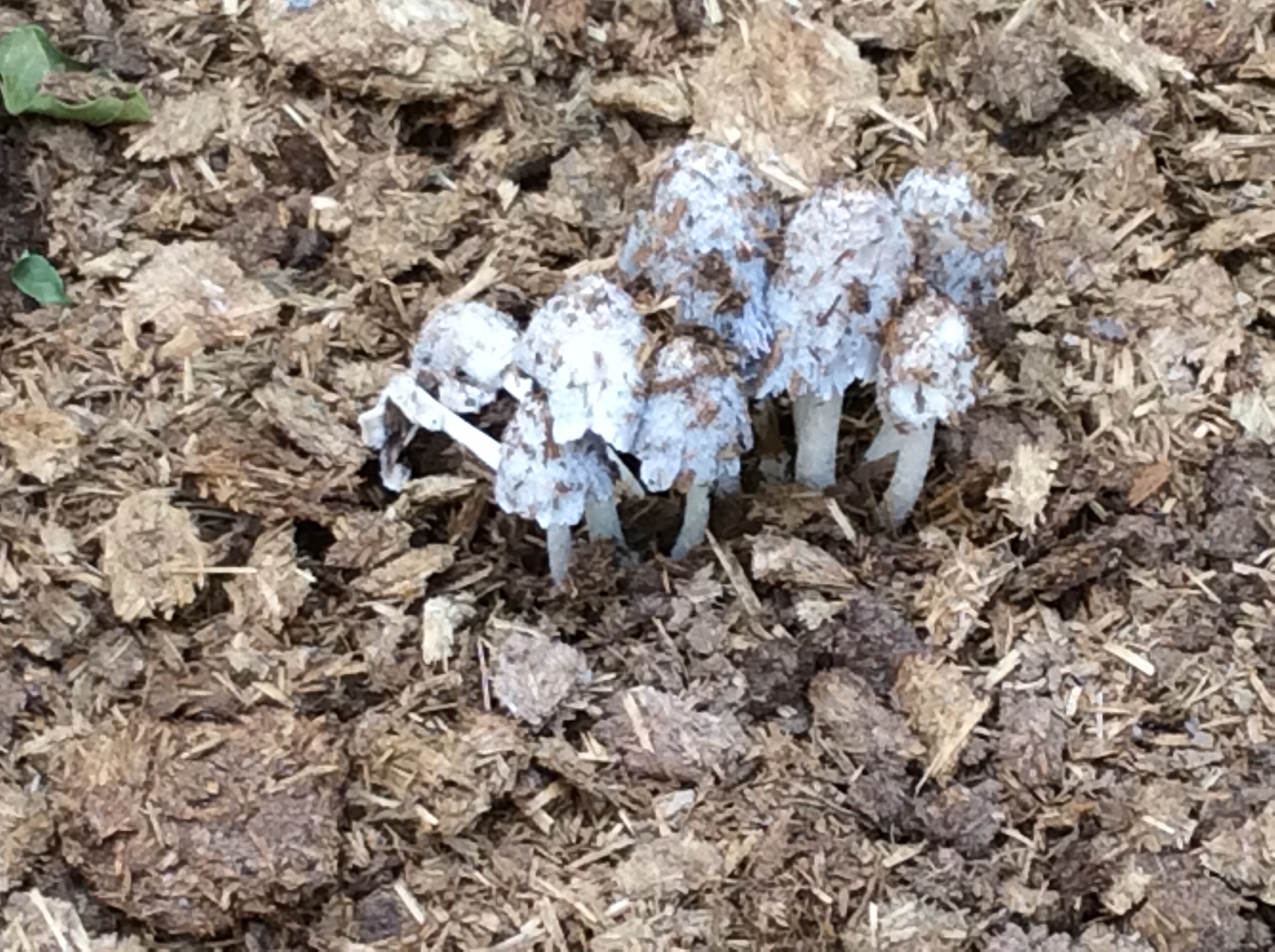
Spotting these mushrooms on top of a pile of decomposing horse manure this morning reminded me to encourage everyone to read Paul Stamets’s book Mycelium Running if they haven’t already read it. It’s a marvelous book about the activities of the entrancing kingdom of fungi, and incidentally it’s a good read. There is no effective way to understand an ecosystem without understanding what the fungi within it are doing. I use them as an indicator when planting into manure: I spread feed bags and other sources of thick paper on an area that I want to reclaim, pile up manure from my neighbor’s horses a minimum of a foot thick, flatten the top of the pile and wet it down thoroughly, and then wait, wetting it again every few days. When I see mushrooms in the early morning before our desert sun burns them away, I can plant large seeds like winter squash into the pile with every expectation that they will grow.