Archive for the ‘Vegetable dinners’ Category

A Grand Mess of Greens

image

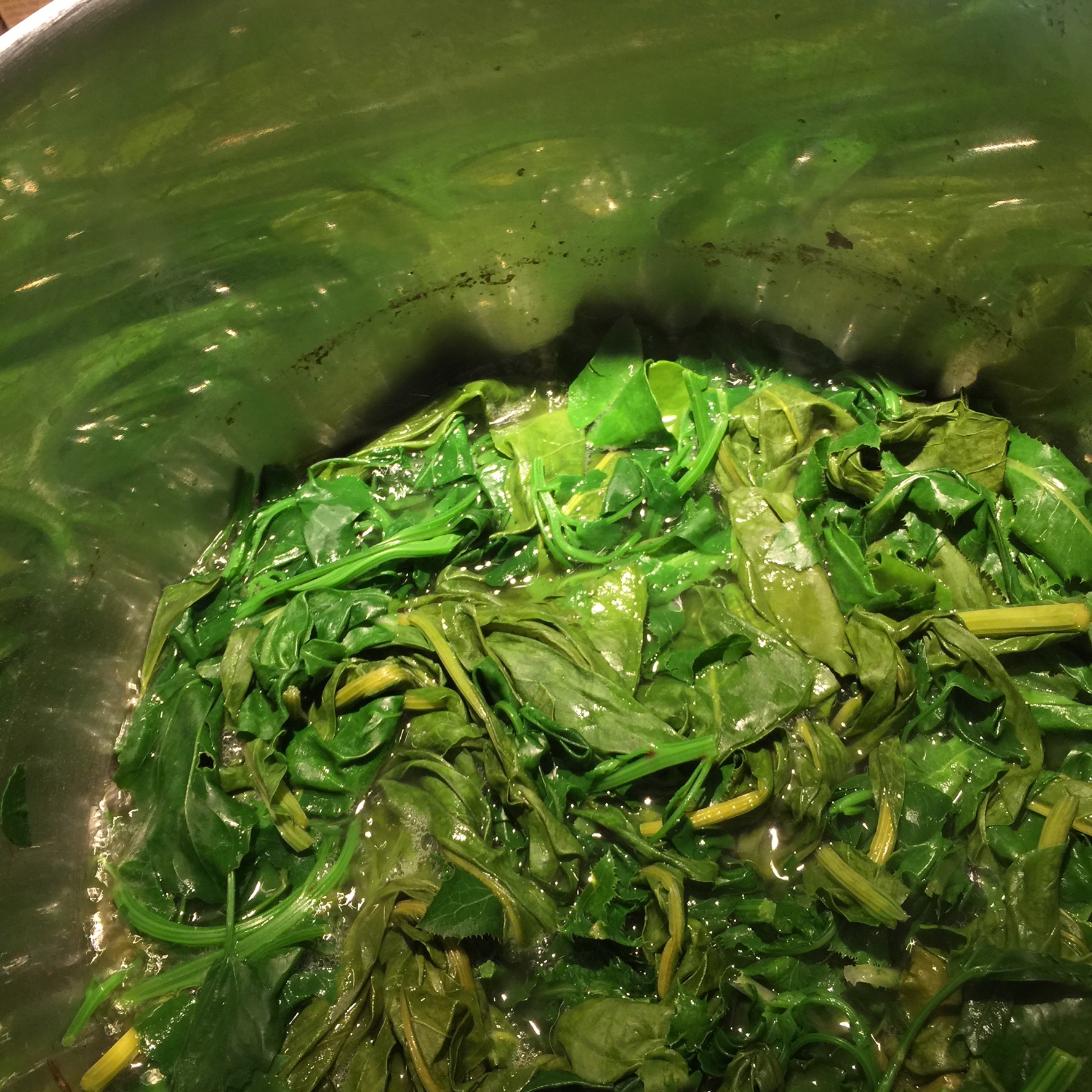
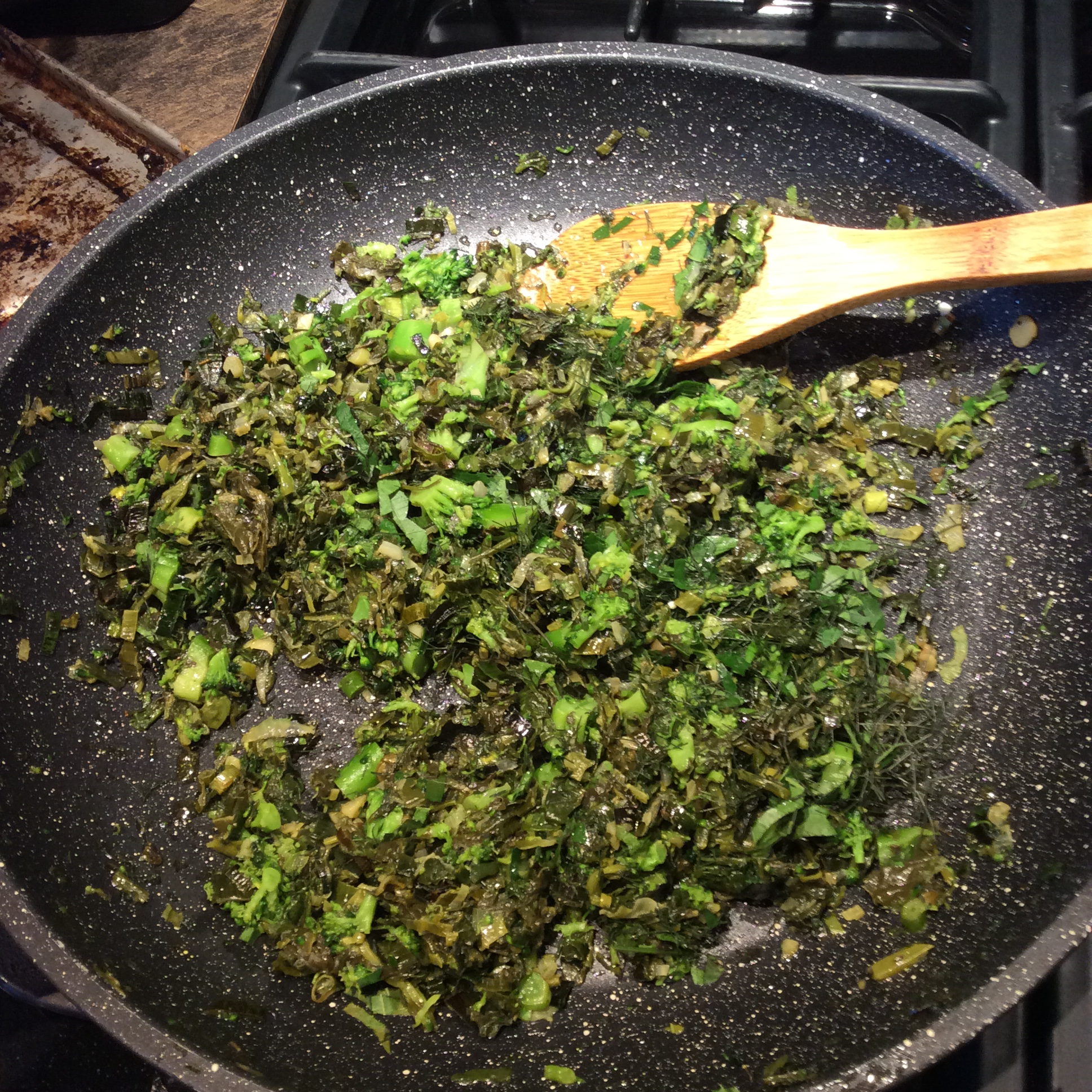
I love the various vegetables that the seasons offer me, and for the most part prefer to eat what my environment is offering me fresh that day. I do freeze greens mixtures, though, so that I never run short and have them all winter. Recently I came across a forager’s description of his “56 species calzone” and it made me want to count up the number of species in the large batch of cooked seasoned greens for the freezer  that I’m working on today.

The main components: chard, dock, lambs-quarters, spinach, nettles

Seasonings and minor components: mulberry leaves, hops shoots, lettuce ( about to bolt,) dandelion,  scorzonera, salsify, sunflower, green onion, young leeks, elephant garlic, corn poppies, young grape leaves, marjoram, mint, fennel, mustard, cattail shoots, pea vines, broccoli leaves,  arugula, sow thistle, wild lettuce

Sauteed separately and added: chopped broccoli stems, grape leaves, green garlic

So, 30 species, a thoroughly respectable count for an average early summer morning,  and a potential treasure on winter days when I need to be flooded with the antioxidants of summer. In general I blanch the bulk greens in a fairly small amount of water which I later drink or make soup from, saute the chopped alliums and seasonings, then combine all and saute together for five-ten minutes or until the flavors have blended.
image
image

The true Cretan diet, the one that nourished some of the healthiest and longest-lived people in the world, was based on huge numbers of wild mountainside greens. It’s said that over 300 edible greens grow on Crete, and the average citizen can recognize over a hundred, making my 30 seem limited. But be assured that if you can learn to recognize ten of your local edible weeds and know when to harvest them and how to prepare them, your health and table will improve.  I’ve been tracking the preferences of a vegetable-despising friend, and he will eat greens, sometimes even second helpings, if they don’t look like greens on the plate. An example is the horta egg cake that I make often. He will even eat plain greens if they have a sweet component and a bit of texture, and an easy way to provide this is to douse them in the Quasi-Korean Sauce that I always have in the refrigerator and put a handful of roasted peanuts on top. If you eat bread, toasted sourdough bread crumbs provide delicious crunch on greens sautéed with garlic and chile flakes.
Be aware that greens have a remarkable capacity to absorb and mute flavors, and may need more seasoning than you think. Salt seems to disappear into them, and enough seasoning may be key to getting your loved ones to eat them and even like them. So keep tasting and adjusting until the flavor is right.
If you want to learn to identify some wild greens, gather them at the right stage, and cook them well, there is no better foraging author than John Kallas.
Flexible Romesco Sauce

image

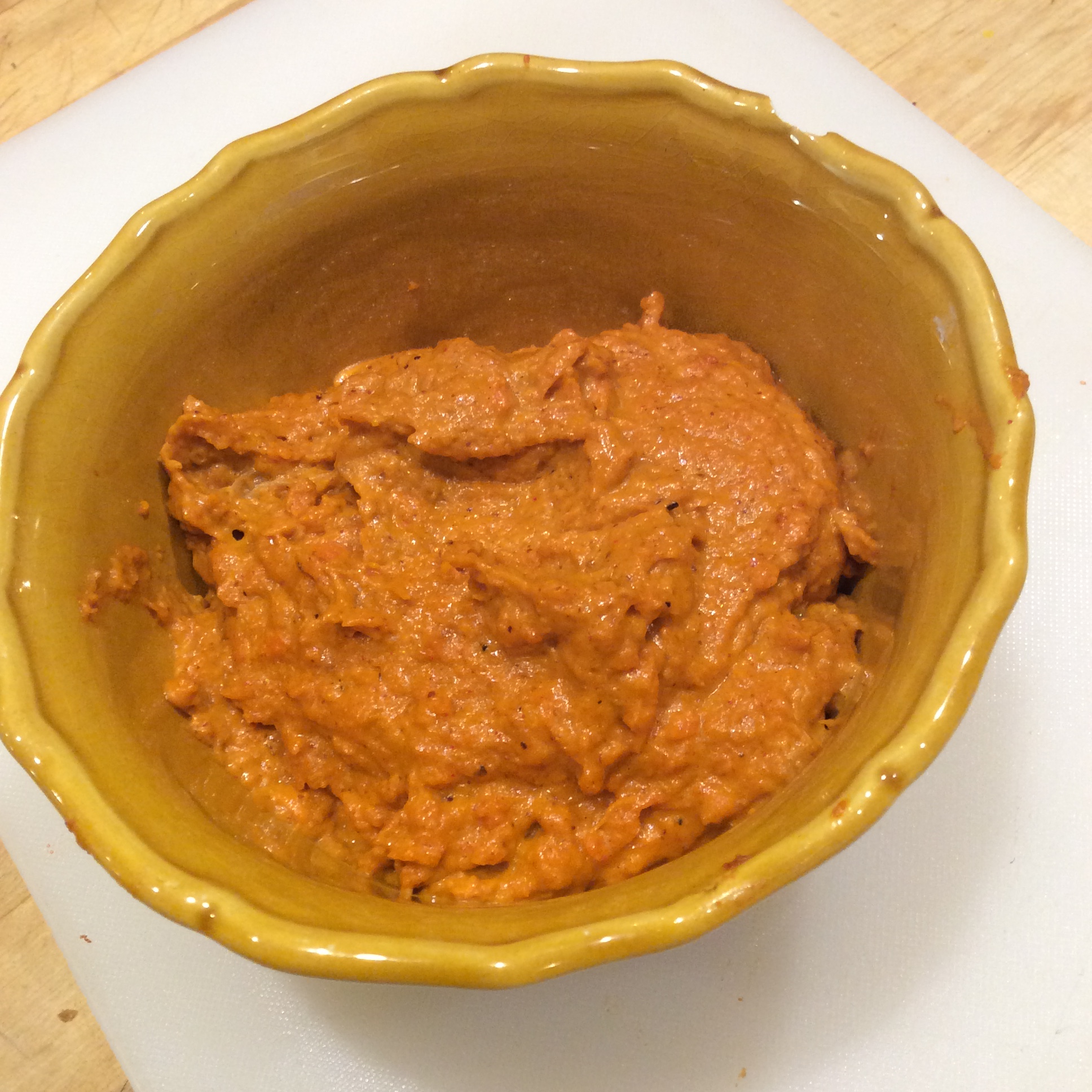
I’m a great fan of the Spanish Romesco sauce, and while I love it in its classic form, I also find its basic structure an adaptable framework that will support a lot of variations. Right now I’m digging up last year’s Autumn King carrots to make room  for a new planting. They are too tough now for eating fresh, but they are still sweet and flavorful, so I’m using some to make roasted carrot Romesco sauce.

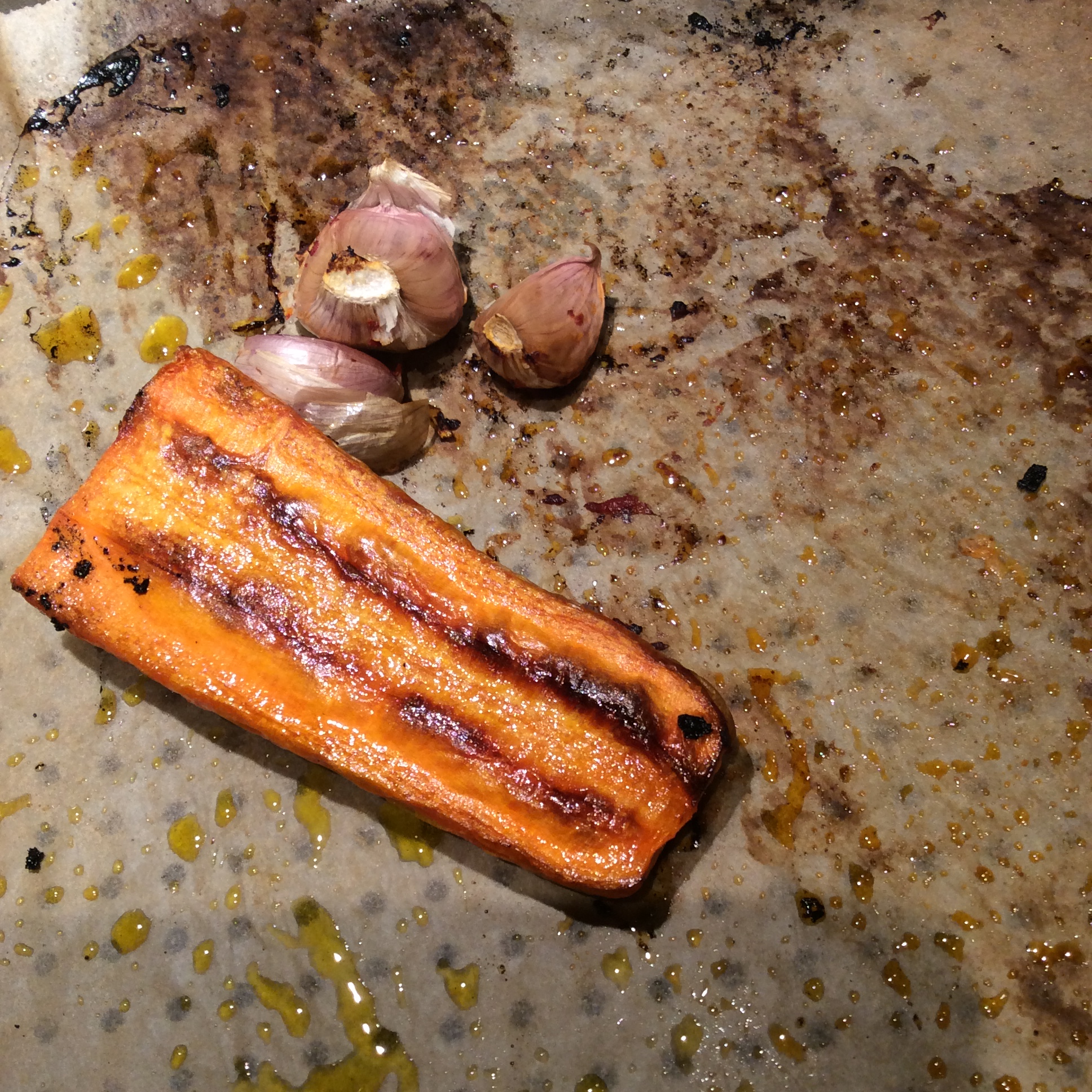
To start, turn the oven on to 500 degrees. Then one large Autumn King carrot (or two regular carrots) is cut in slices. One small onion is cut in quarters. Three cloves of garlic are separated from their head but not peeled. I use two roasted tomatoes out of my freezer, but you can put in two tomatoes, either fresh or canned plum tomatoes, to roast with the other veggies. Toss the veggies lightly in olive oil and put them on a sheet pan to roast, watching carefully because they can burn quickly.

image

When the carrot looks roasted but not burned and the onion is softened and translucent, take the veggies out. Skin the onion and peel the garlic cloves. Put all the roasted stuff in the food processor with half a cup of roasted almonds and grind as finely as possible. If you are using pre-roasted tomatoes, add them now and grind with the rest. Add two teaspoons of any of the following chiles: ground red New Mexico chile, or Spanish Nora chile, or half Spanish smoked Pimenton and half ground chipotle chile. This last mixture adds a beautiful heat and smoky edge, and is my own favorite. Process, and add two tablespoons of either lemon juice or sherry vinegar. I prefer the sherry vinegar, but a Romesco with lemon can be good with shrimp. Now add really good olive oil until the mixture comes together as a somewhat loose paste. Add more chile if needed. Salt to taste; it’s a condiment, and I like it on the salty side. Serve with roasted vegetables, or meat or chicken roasted rather plainly, or slices of baguette, or cold shrimp, or blackened fish, or nearly anything.

There are lots of other possibilities for a good flexible Romesco.  Roasted peeled red peppers are traditional. Roasted winter squash or sweet potato might be good, and I can imagine using roasted kale or chard leaves for a really dark, earthy, and healthy version. In my opinion the roasted tomatoes are necessary, but I’ve seen recipes that don’t include them. Some people prefer toasted bread crumbs to nuts to add body. And I can’t tell you how much sauce this will make, because I don’t know how much olive oil will taste right to you.

image

I recently ate it with tiny crisp-fried bits of chicken and low-carb flaxseed focaccia and it was very, very good.

Colcannon II

image
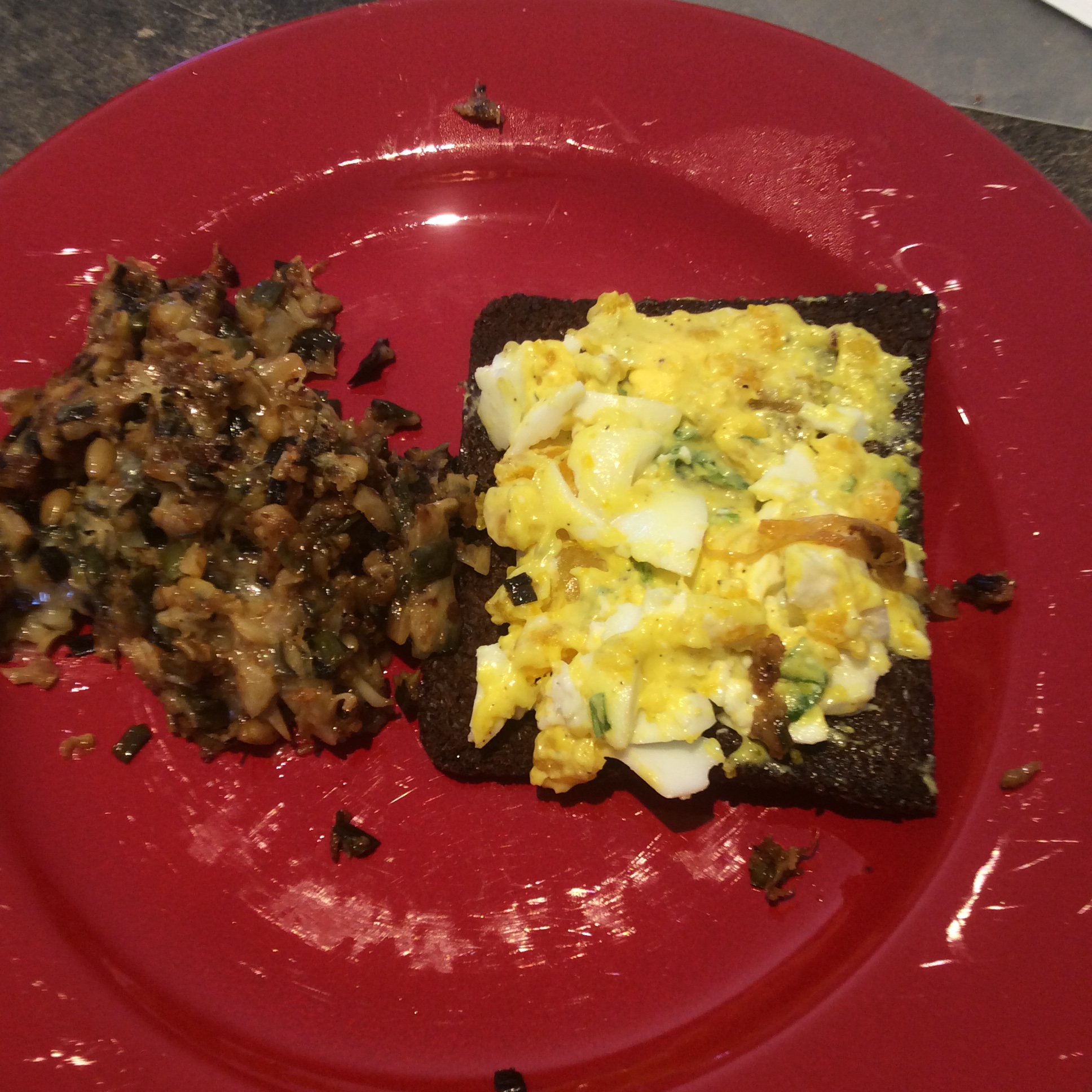
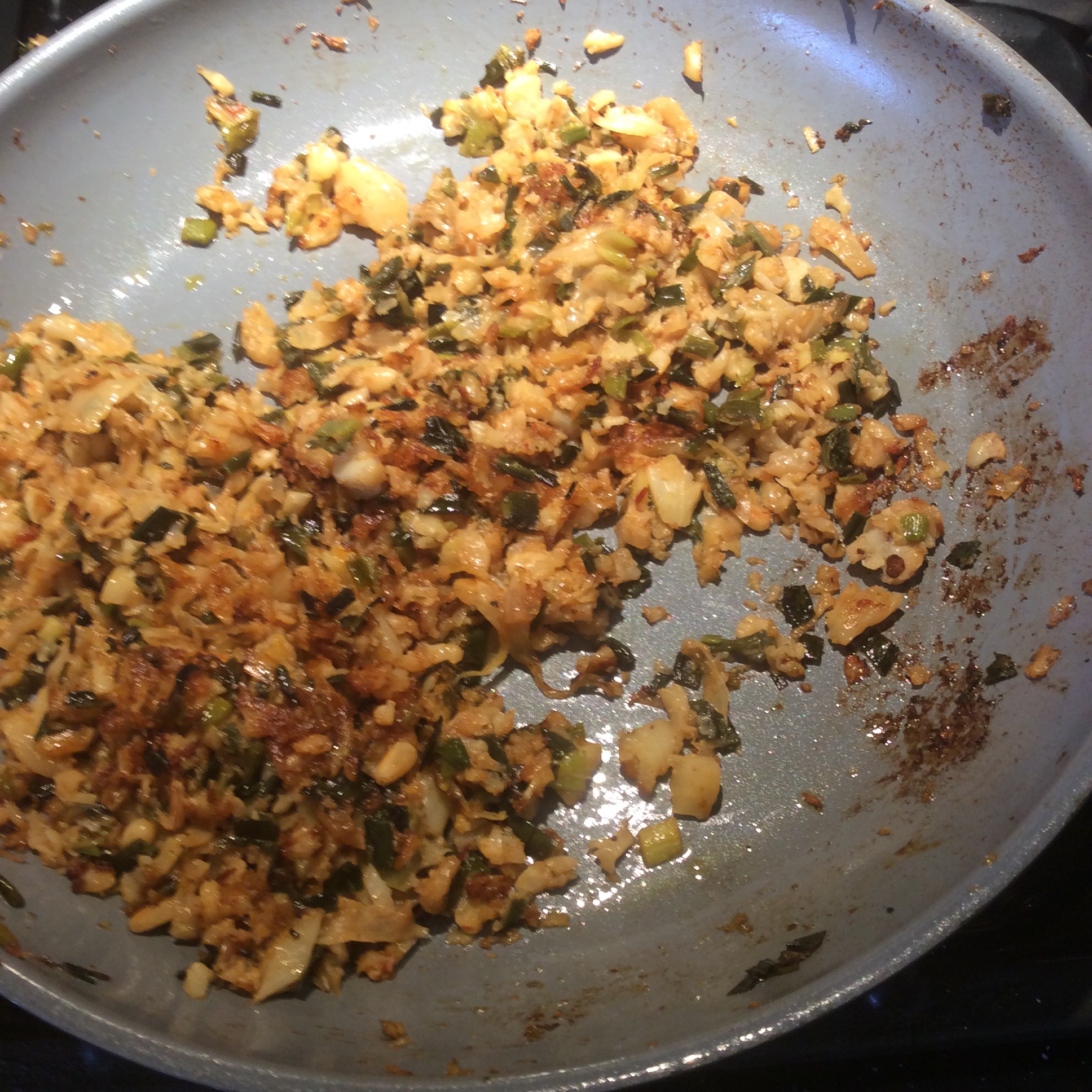
My last post was about a low-carb version of the classic peasant dish colcannon, and I suggested making plenty because there are lots of uses for it. Today I was surfeited with delicacy and wanted a punchier flavor. Easy. I threw a pint of leftover colcannon (intended to serve two) in a skillet with a bit of bacon grease and a chopped canned chipotle chile in adobo, seeds pulled out, a spoonful of the adobo added too. I fried this mixture over medium heat, going for some browning. The vegetables in the colcannon will brown easily because of the milk proteins in the butter and cream that you used when you originally cooked it. When as brown as you like, throw in a handful of grated cheddar, stir another half minute until the cheese softens, and serve with plenty of ground black pepper on top. I needed a very filling meal, so added a quick egg salad with sliced hard-boiled eggs, homemade olive oil mayonnaise and fresh chopped tarragon (just up this week!) on a slice of flaxseed bread. If I had been less hungry, I would just have sliced half an avocado alongside.
Cauliflower and cabbage are both chameleon vegetables and will take on almost any flavor that you care to give them, within reasonable limits. So keep pushing their limits. I’m still debating what to make with the rest of the leftover colcannon.
image

Low Carb Colcannon

image

A few decades ago when I owned a sheep farm, I grew a lot of potatoes and made a lot of colcannon in the winter. This old Irish dish combines smashed boiled potatoes with milk and cream, and incorporates other vegetables according to your fancy. Onion and cabbage are traditional favorites, herbs and greens are common, and others are possible.

These days I want low-carb vegetable dishes, but I still want my easy accommodating colcannon and I have a ton of green garlic and green onions around, so I started there. I write a lot about green garlic and green onions because they are so easy to grow and have available for earliest spring, so chock-full of allacin and various antioxidants, and so very tasty. If you grow no other vegetable, put some small organic onions and at least a few dozen garlic cloves in among your ornamentals in fall (as long as you don’t use pesticides,) and next spring you will have these sweet and delicious vegetables to work with.

image

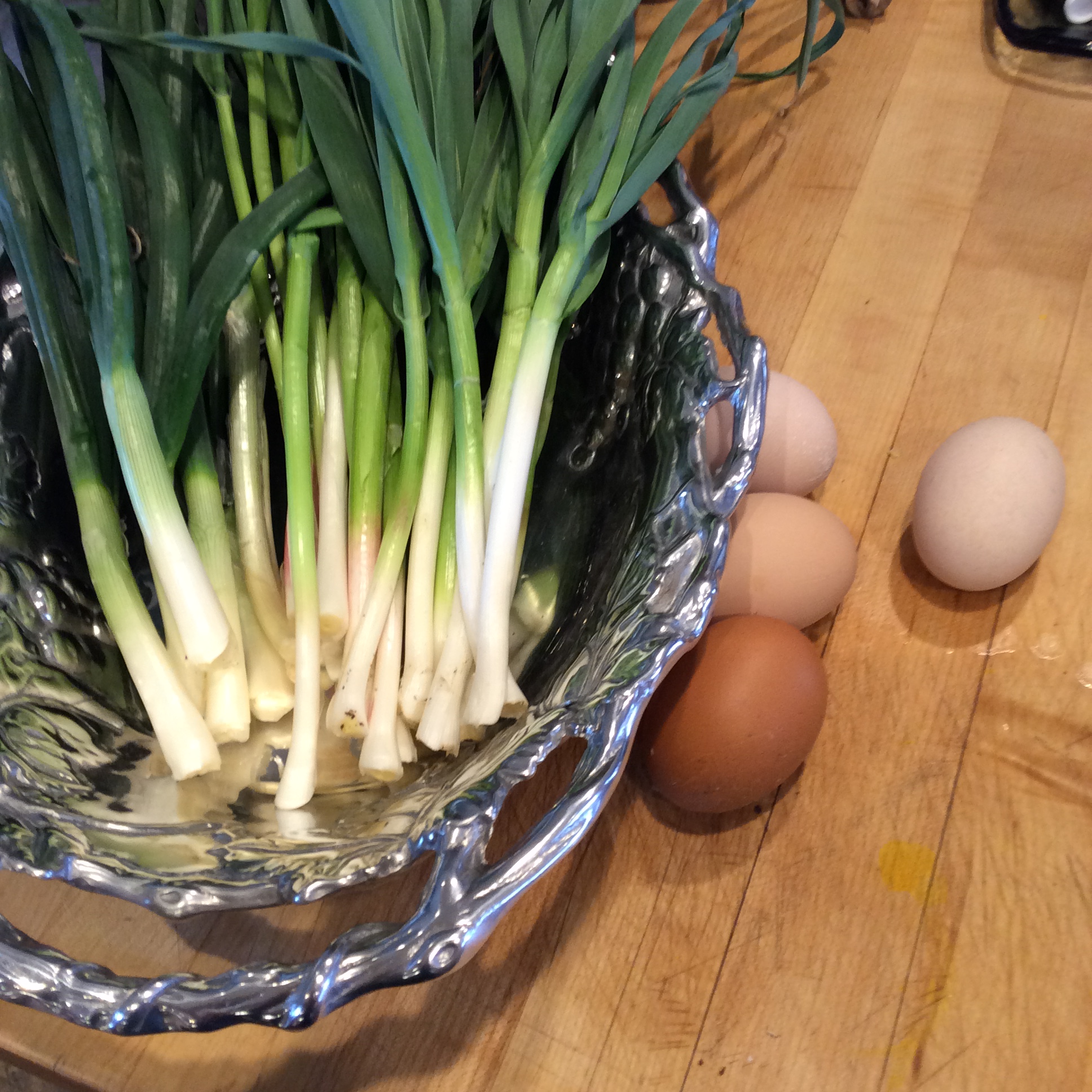
I started with six big green onions, a dozen stalks of green garlic, a head of cauliflower, half a head of cabbage, and butter and cream.

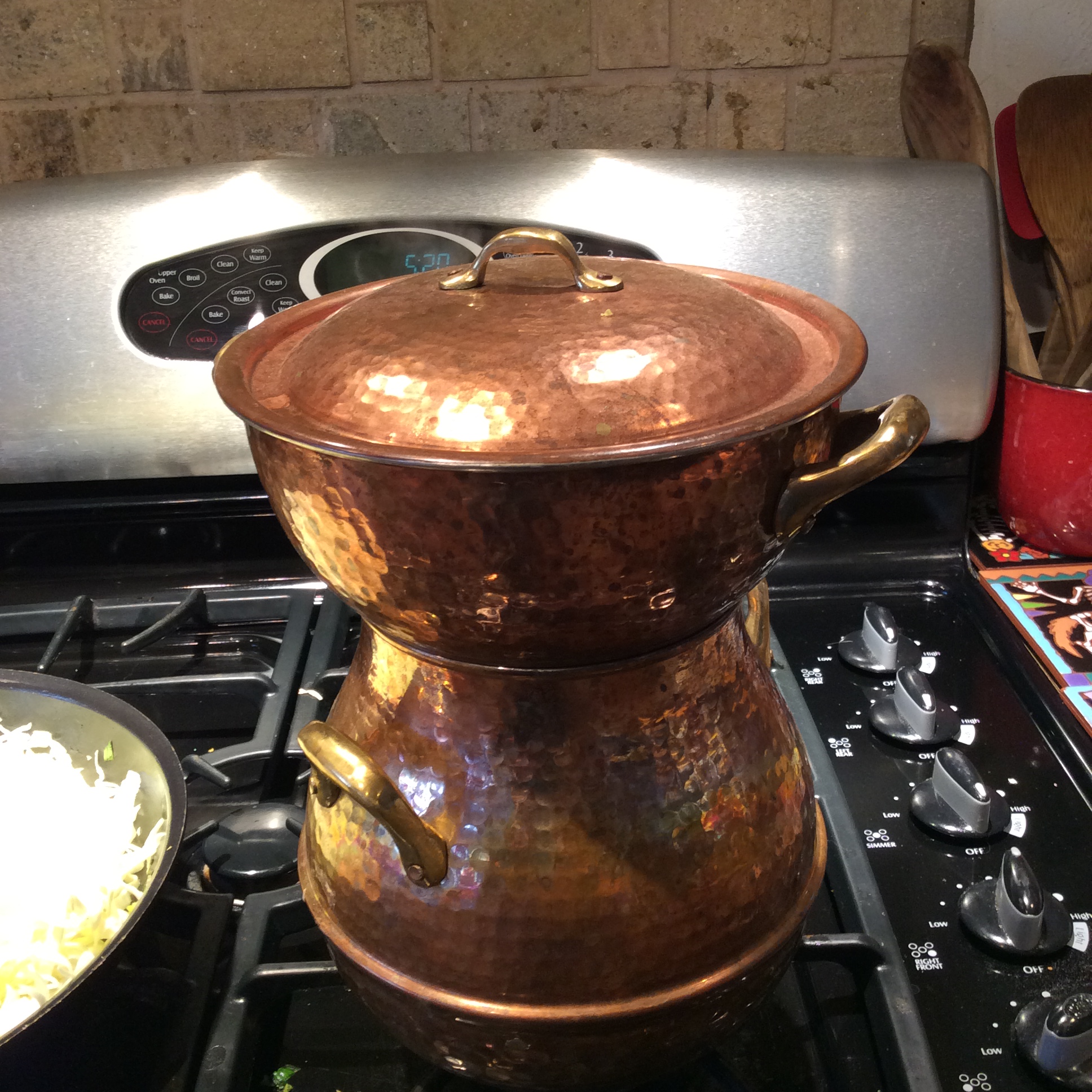
First, cut the florets off the cauliflower and put them in the steamer for half an hour. They need that much steaming time to be soft and smashable. I use my old couscousierre to steam veggies because I like to look at it, and incidental pleasures are half the fun of cooking.

image

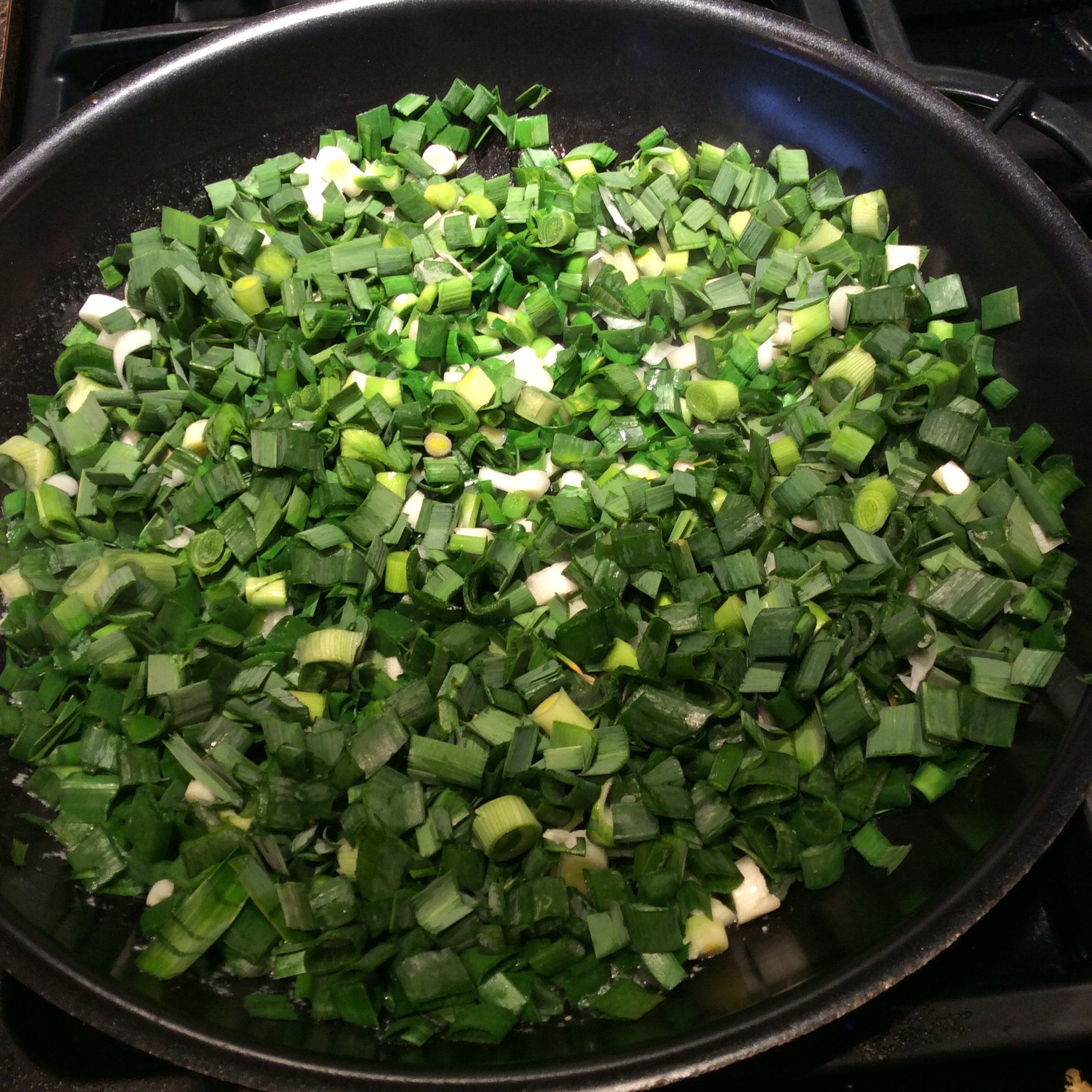
Wash the green alliums and trim off any yellowing or dry-looking leaf tips. On a large cutting board, slice the washed and trimmed green onions and green garlic into quarter inch cross-section slices.

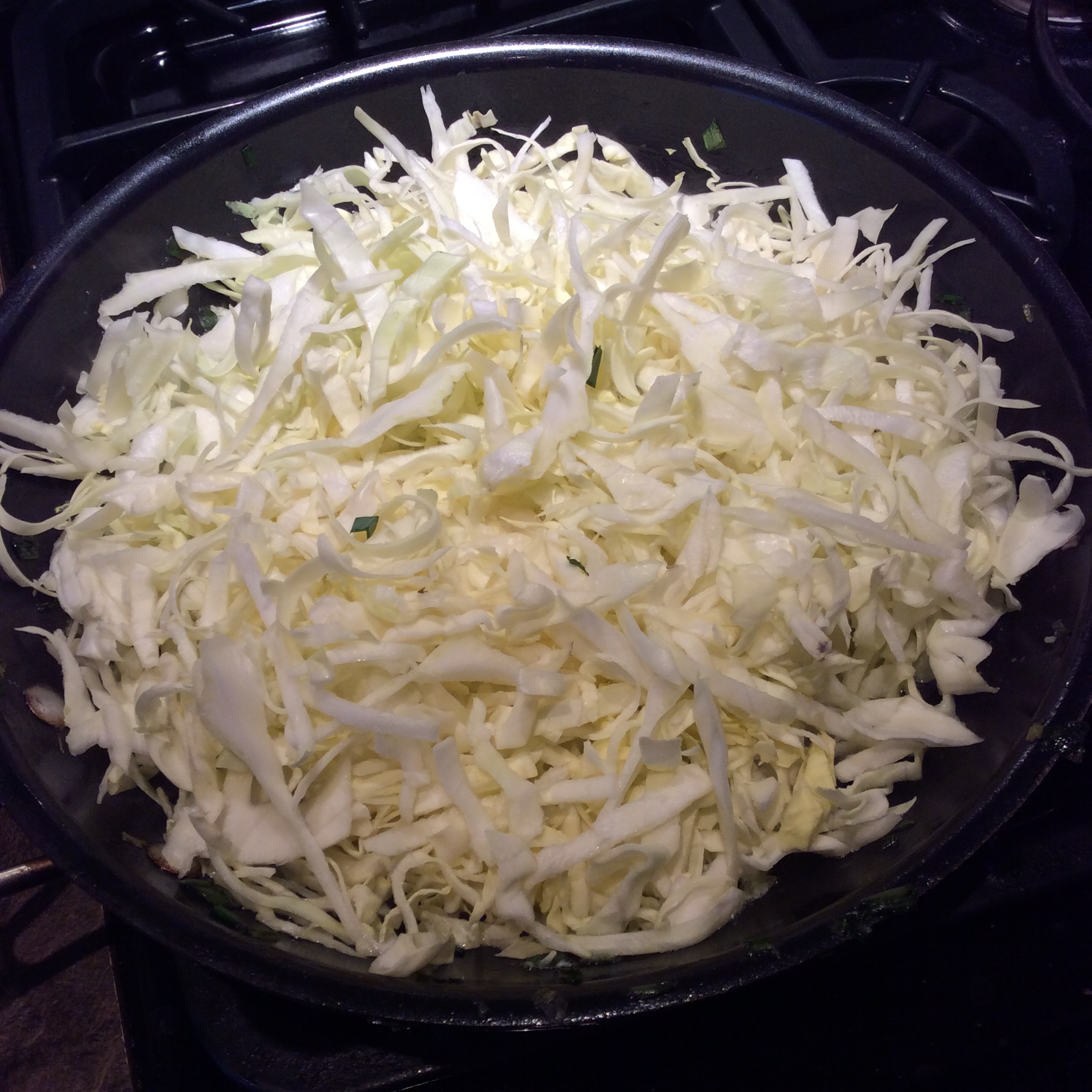
imageHeat a large skillet over medium heat, put in about 3 tablespoons of good butter, and sauté the greens over medium heat, adding some salt and stirring frequently, until thoroughly cooked, soft, and sweet. Meanwhile, slice the cabbage into very fine slices, discarding any thick ribby pieces. When the green alliums are cooked, scrape them into a bowl, return the skillet to the heat, add another good-sized knob of butter, and put in the cabbage shreds. Cook them over medium heat with some salt, stirring frequently, until very thoroughly cooked and sweet. This takes a while, and you need to keep an eye on the time and open your steamer when the cauliflower has cooked for 30 minutes.

image

When the cabbage is cooked, put in the steamed florets and start smashing them with the back of a big wooden spoon. When thoroughly smashed, add half a cup of heavy cream and the cooked green garlic and taste the mixture for salt, correcting to taste. Cook over low heat for another half hour, stirring occasionally, to let the flavors amalgamate. Stir in a generous amount of freshly ground pepper and serve.

image

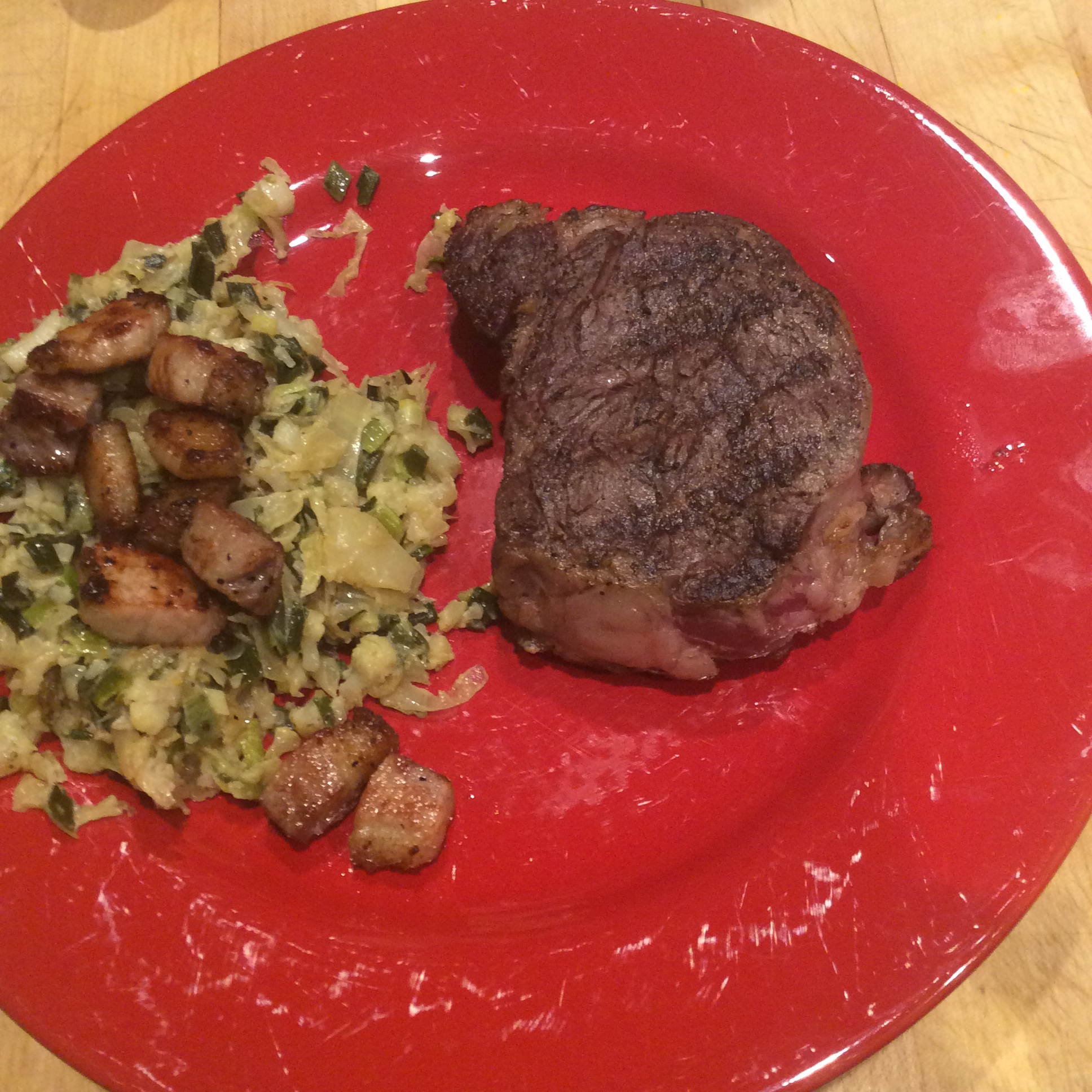
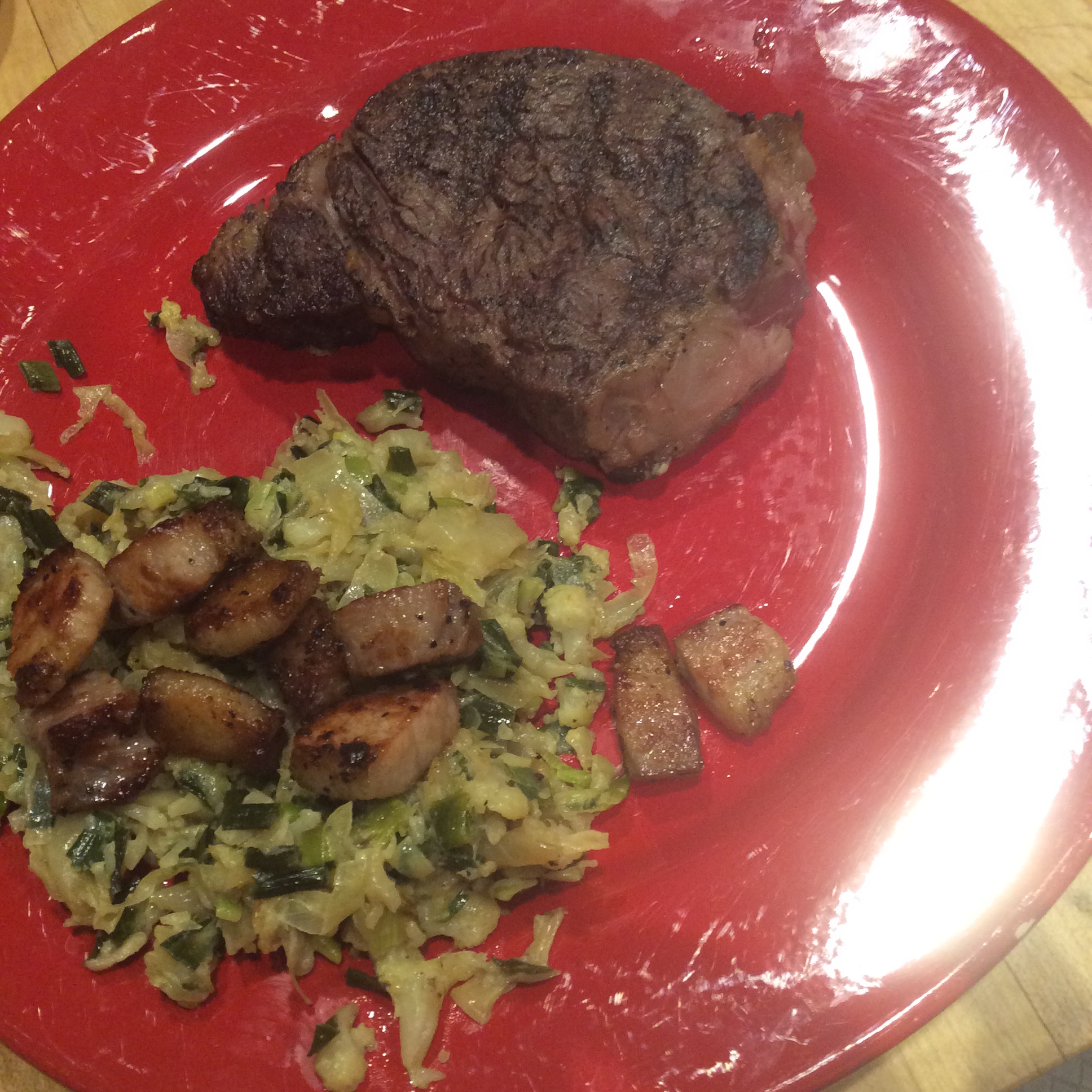
This is the fun part. Serving possibilities are endless. I pan fried some lardons of mild bacon to top it off and put a small steak on the side. It’s so filling that I didn’t eat more than a bite or two of the steak, so now I have leftover steak to plan another meal around.

Unlike potato colcannon, which can get gummy if reheated, the cauliflower version is even better when left over. You can top it with sautéed greens, or a fried or poached egg, or both. A bit of mild cheese could be grated in or gratineed on top, or this could accompany a roasted chicken. It is a wonderful basis for meals in mixed omnivorous-vegetarian crowds, because the vegetarians will find it satisfying on its own or with an egg and the omnivores can have meat on top or alongside and will probably not eat much meat because it isn’t needed.

I do think it’s wise to respect the essentially sweet and delicate nature of this dish, and keep seasoning simple. If you take your time with the sautéing, and use butter, the cabbage and green alliums develop wonderful depth of flavor. Heavy cream is essential in my opinion, and it has a lovely sweet flavor of its own. I also think a key step is to add some salt during the sautéing process so that it cooks into the vegetables well. Just not too much. This all takes some time, about an hour from bringing the green alliums in from the garden to finished colcannon, so there is no point in making smaller quantities. It will get eaten.