Archive for the ‘recipe’ Category

Kitchen Staples: Broth


Few things will improve your cooking as much as getting rid of all commercial broth products and making your own. On my website I have extensive notes about broth-making, and you can read them here. In this post, I’ll just add a few notes about broth and its uses, and refer you to that site for the details.

Use very good materials to begin with. You can get lovely flavorful pastured chicken necks and backs from Pollo Real at the Santa Fe farmer’s market, and there is no better basis for chicken broth. Give the roasting step the time it needs, and the pay-off in flavor will be considerable. Don’t salt your broth, because you may want to reduce it later which will concentrate it manyfold. I pressure-can mine for later use, but if you have room in your freezer, that’s an easier alternative.

Once you have good broth on hand, you can use it to reduce waste and pick up some goodness from all kinds of things that you might otherwise discard. If I buy a pound of oyster mushrooms or shitake mushrooms to roast for a winter dinner, I put the stems and trimmings in a quart of broth to simmer for an hour, building the foundation for a great mushroom sauce or mushroom soup on another day. Chicken bones left over after dinner? Pop them in a quart or two of broth to simmer and enrich the flavor. Onion skins and ends on your cutting board? A slow simmer in broth will improve its flavor and give it a lovely gold color, and the rawness of the onions is lost en route.Many people save their bones and vegetable trimmings in plastic bags in the freezer, but I think the flavor is better if you simmer them while they’re fresh. The broth can be frozen more successfully than the ingredients.

Fish and seafood broths need to be cooked separately from other meats, naturally, and don’t include any salmon trimmings. I love salmon, but it does ruin fish fume’. But if you buy a few mild fish heads to start fish broth, then every time you have shrimp shells, crab shells, or any other flavorful but inedible seafood bits available, you can extract its flavor in broth and save the broth for a great paella or gumbo when you’re in the mood.

Once some good enriched broth is hanging out in your kitchen, what do you do with it? There is almost no pan-grilled or roasted meat that can’t be improved by a simple reduction sauce. Remove the meat from the pan, pour a cup of good broth into the pan over high heat, boil hard and scrape all the lovely browned bits into the broth, and when it’s reduced to a few tablespoons and has a syrupy consistency, swirl in a tablespoon of butter and serve immediately. A glug of good red or white wine, depending on the meat and seasoning, can be added to the pan for the initial deglazing, then add the stock and boil down. If you want to get fancier, most of the sauces of classic French Cuisine are at your command when you have really good broth to start with, and you can check out Glorious French Food or another cookbook to consider your options. Grains like rice and bulgur are delicious when ccoked in broth. If you’re a fan of Mexican cooking, you’ll want to try Zarela Martinez’s trick of toasting dried chiles of various kinds and then soaking them in broth rather than water before grinding them into a mole’ paste or other flavoring paste. Great stews like coq au vin are within your reach, although they will use up a lot of broth, which is why you make a lot in the first place. A paprikash like the one above requires little more than a meaty main ingredient, top-notch paprika, and really good broth (my own far-from-conventional recipe is below.)When I’m feeling dispirited and glum I revert to my Louisiana roots and make gumbo, and it invariably cheers me up, and usually cheers some other people too.

I advise avoiding strong-flavored vegetables of the cabbage family, such as broccoli and kale, for general-purpose broth. If you use leafy greens, they will color the broth, so don’t use them unless you’re willing to have green broth. Onions, carrots, celery, shallots, and leeks are aromatic staples that improve any broth. If you want to make all-vegetable broth, my favorite way is to roast the vegetables to bring out their flavor via the lovely Maillard reactions, and add a few mushrooms for the base note; dried shitakes are especially good for this, and as long as you don’t use too many, the flavor will not be identifiably Asian. .

If we can grasp some positive principle from the wretched ecomony, it should be to get the best value we can from everything we use. Nothing does that better or more gracefully than broth.
Continue reading
Kitchen Staples: Blue Corn Tortillas

November 2009 006

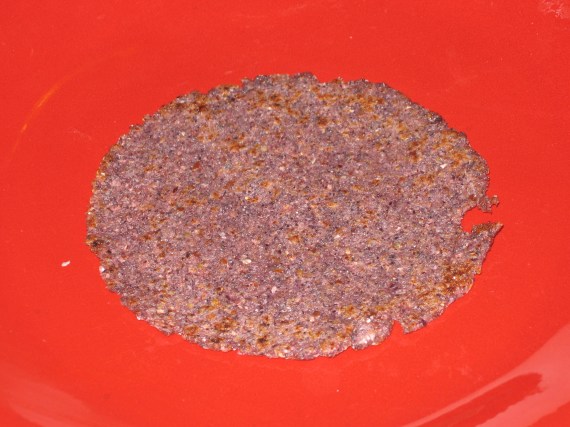
Like any New Mexican, I adore corn tortillas. Until now, though, my adoration for blue corn tortillas has been purely theoretical. Yes, they have more fiber and a lot more antioxidants than regular tortillas de masa, but most of the ones I’ve been able to buy were also tough and a bit on the cardboardy side.  At my last trip to the Santa Fe Farmer’s Market, I found a bag of organic blue cornmeal from Talon de Gato farm, and decided to try making my own. After a little experimenting, I came up with a result that I really like.
November 2009 008

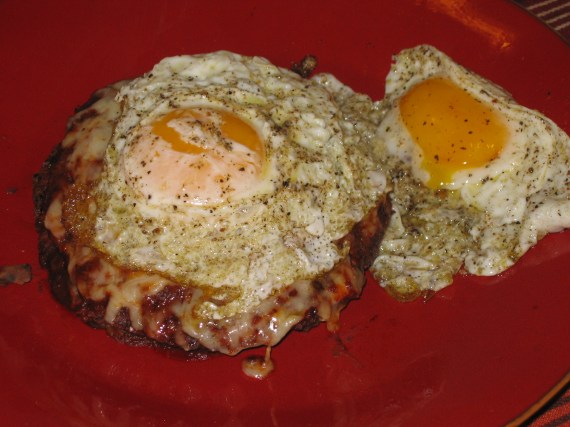
I especially like them as the main ingredient in stacked enchiladas, but they’re good with just a little butter, hot off the griddle. Click here for the recipe. Continue reading

Kitchen Staples: Injera

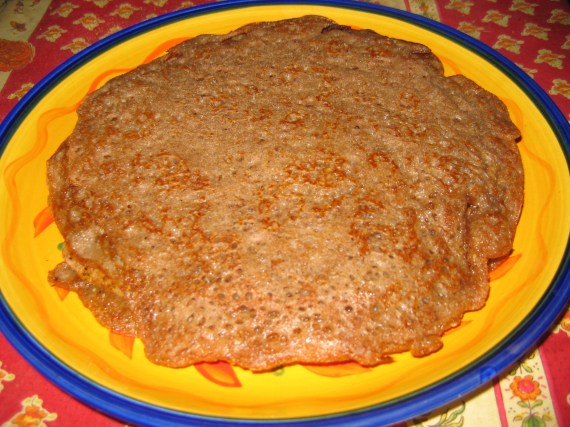
October 2009 014
Flatbreads are a handy kitchen trick to have up your sleeve for times when you don’t want to bother with raised breads or they won’t suit the meal you have in mind. Since they don’t need to rise, they are not gluten-dependent and make a great vehicle for a variety of whole grains.
The Ethiopian flatbread called injera is made from a fermented batter that give it a frothy texture and a charming lightly sour flavor. Traditionally it’s made from the tiny grain called Teff. Of course it’s good with Ethiopian food, but I love it with many Indian dals as well as with salads and grilled meats. It serves as your table utensil; pieces are torn off and used to scoop up whatever you’re eating it with.
In this country most recipes are bastardized versions that don’t involve any fermenting. Some add vinegar to get the soured flavor. But why not just do it right? I keep a sourdough culture around and find plenty of uses for it, and it makes injera as well as it makes standard breads. You can always capture your own starter, but I like the South African starter from sourdough fanatic Ed Wood, at Sourdo.com. It does a great job of souring and leavening whole grain flours. You can use commercial yeast instead but the flavor won’t be as good. Every homestead, urban or otherwise, needs a good sourdough starter around, so consider starting one now, but if you don’t want to bother, I include directions for commercial yeast. In my next few posts I’ll include some recipes that are good to eat with your injera.
Click here for the recipe Continue reading

Passing Pleasures: Prickly Pear Tepache

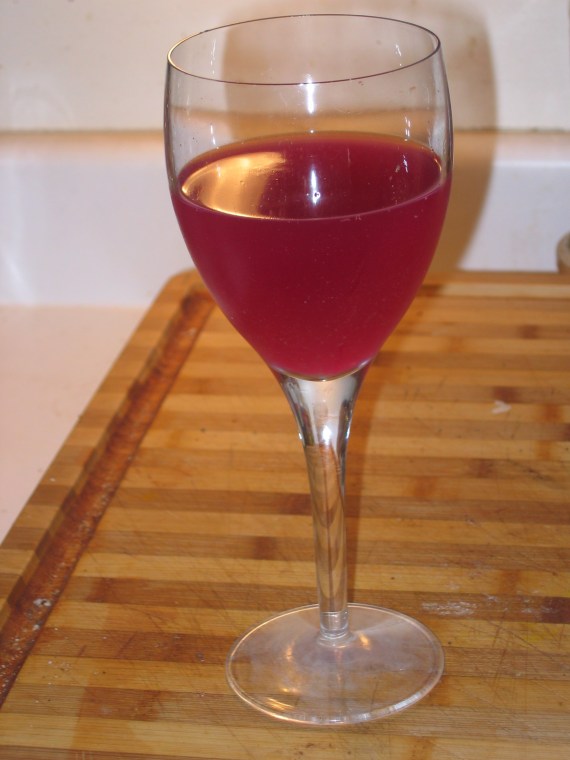
september 2009 039

This fizzy, festive fuschia drink gets its color and flavor from a really local fruit, the tuna, or prickly pear fruit. Here in New Mexico you probably have some in your yard, and if you don’t, a neighbor probably does.

The basic directions are the same as for plain tepache. Pick, beg, or borrow eight tunas the size of an egg or bigger. Handle them with respect, because the wicked little prickles will make you itch and burn for days if you let them at your skin. Handle them with gloves. If you already know how to peel them with pliers or have someone to show you how, then peel them. Otherwise, throw them in the blender whole and crush to a puree, adding a little water if you have to in order to get the blender going. Pour the puree into a strainer lined with several layers of cheesecloth. Now, twist the cheesecloth closed and press it with a spatula or wooden spoon to release the juice. Don’t omit the cheesecloth, since the strainer alone won’t get the prickles out, and don’t squeeze the cheesecloth with your hands. You should end up with 1.5 to 2 cups of prickly pear juice. Now make tepache according to the directions I gave earlier in the summer (click here to get the directions) but add the prickly pear juice to the fermenting jar with the other ingredients. The other quantities stay the same, including the pineapple rind, which provides the wild yeasts that do the fermenting. Ferment according to the directions. The flavor of the tunas is accentuated by the fermenting process and will be dominant in the finished drink. Pour and toast the exhilarating autumn weather.


According to an article from Texas A&M, the antioxidants quercetin and kaempherol were found in prickly pear fruit, as well as other antioxidants. The link is below if you want to read more.  Personally, I think the important thing about antioxidants is to get a lot of different ones, not by taking pills but by eating more fruits and vegetables (or, in this case, drinking them.)

http://www.sciencedirect.com/science?_ob=ArticleURL&_udi=B6T6R-4BG8TR7-3&_user=6865397&_rdoc=1&_fmt=&_orig=search&_sort=d&_docanchor=&view=c&_searchStrId=1027331814&_rerunOrigin=google&_acct=C000050221&_version=1&_urlVersion=0&_userid=6865397&md5=67b4ea1bcff5a8121ec6c61beea769b7.