Archive for the ‘Ketogenic diet’ Category

Fall Summation IV part 2: Further Perennials

In my last post, I started to sum up a few perennial edibles around my yard, and found that there are actually a lot more of them then I realized. So here’s part two.
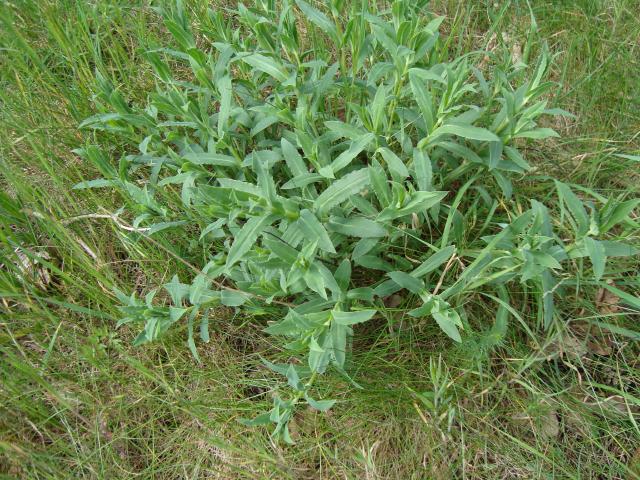
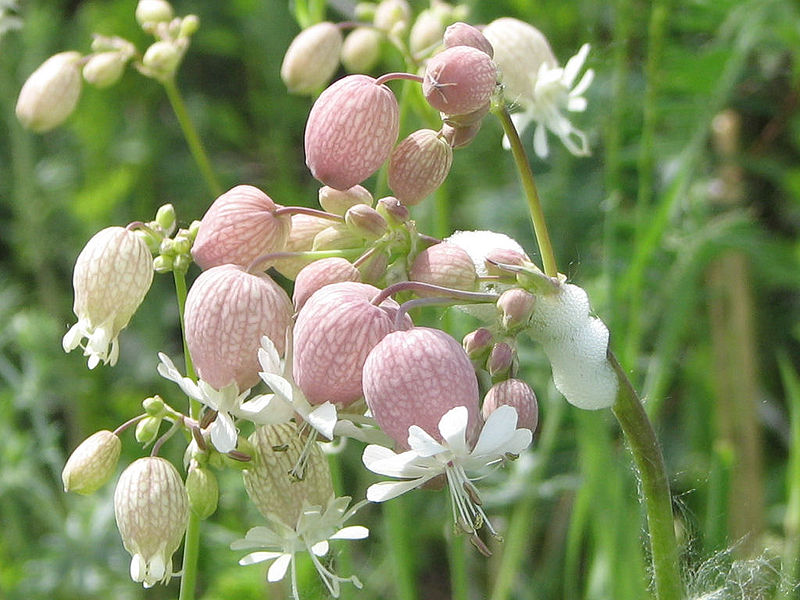
Bladder campion, Silene vulgaris, is always my first green of spring and my last green of fall. It is better cooked than raw in my opinion, but some leaves in a mixed salad will certainly not hurt anything and have a pleasant substantial texture. I had to buy seed of this one to get it started, and it was a couple of years before it really begin to grow well, but now I have enough to need to weed out some. It has never been a problem weed or gotten out of control under my conditions. It seeds itself around a bit, but not unreasonably.
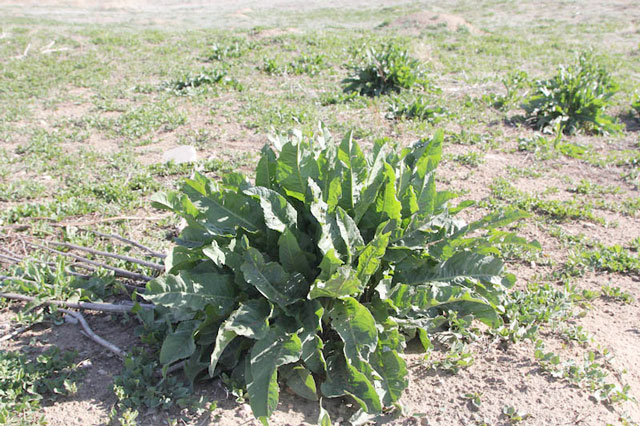
Curled dock is a common weed that most people could not imagine planting on purpose, but in my area it grows mostly along the irrigation ditches, which are also frequented by dogs. So to have a good clean supply, I do grow some in my weed patch. The slightly lemony greens are very good in mixed greens but rapidly get bitter as the weather warms. Get them early. And then get them again late, because like so many perennials, they produce a smaller but useful second crop of leaves in late fall.  This one does seed it self around like crazy, and every single seed seems to be viable, so do be careful to cut off the flower stalks early unless you want a lot more plants. There is a great deal written about the culinary uses of the seeds. I don’t care for them at all, but you can read about this elsewhere if you are interested.  Some people also use the roots medicinally, and that also could be researched elsewhere.

Bronze fennel is a lovely ornamental as well as a delicious seasoning herb and vegetable. I find the flavor a little more pronounced and anisey than that of green fennel. It’s also prettier. In Samuel Thayer‘s newest book, Incredible Wild Edibles, there is a wonderful chapter on how to use fennel.  My very favorite part is the young shoot, and so far I have not been able to induce my plants to make tender shoots in the fall, but I’m still trying. The leaves are a wonderful seasoning for fish and seafood, and are great chopped and sprinkled lavishly over salads.
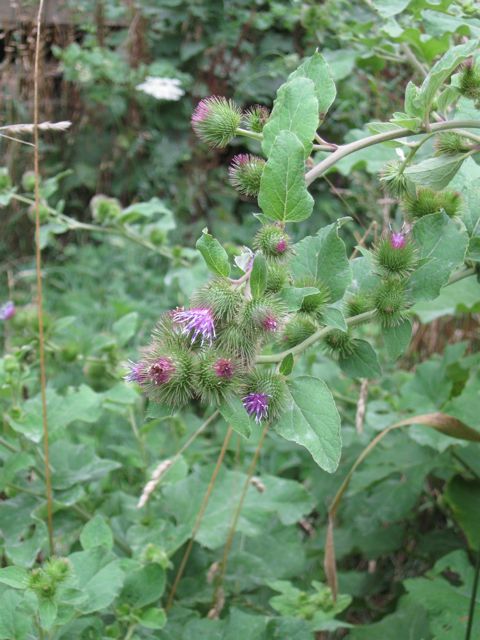
Burdock has not been a success for me so far, due to personal taste preferences. Even the youngest spring leaves taste rank and have a rough texture, the root is bland and turns an unpleasant color even when cooked with some lemon juice, and the peeled flower stalk is no more than passable to my palate. I think that the peeled stalk chunks might be tastier when cooked with stronger seasonings or perhaps grilled, and I’ll try that next year. It often happens that an edible perennial hangs around my place for years before I learn to use it in ways that I really like, so I think of burdock as a potential vegetable that I haven’t really learned about yet. I am happy enough to give it some space because my goat is crazy about the leaves and leaf stalks, but be aware that even if you think you are cutting down all the flower stalks, it ingeniously forms some tiny short ones that get past you and scatter seeds everywhere. Bees enjoy the flowers and birds enjoy the seeds, but the price of having it around is eternal vigilance and a fair amount of grunt weeding.
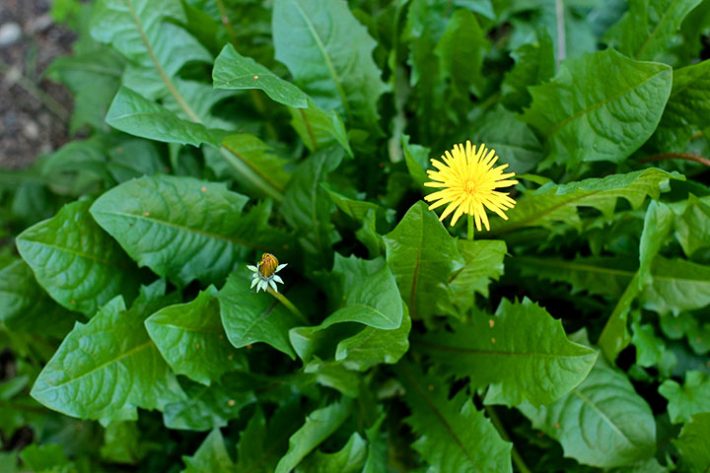
Dandelion is not a common weed in my area, believe it or not, and I had to buy seeds to get it started.  But I wanted it and was happy to persevere until I got some to germinate. The young leaves of dandelion have a fair amount of bitterness and might be an acquired taste, and most people start out by disliking them, then later in their foraging career begin to like them, and ultimately crave them.  I’m at the craving stage. I also enjoy using the flowers, although the bitter green sepals have to be pulled off, which is a bit tedious.  I think that the petals might be useful in fritters and similar preparations, but I haven’t done that yet.  There is always more to learn. I do like the young, tightly closed buds when I can get enough of them to bother cooking. I am not a fan of the root, and this is another plant where I leave the root in place to produce the parts that I like better.  Here in the  high desert I like to grow mine in partial shade because the leaves get more tender, less bitter, and quite a bit bigger. Incidentally, I bought some seeds called French Thick Leaf that were supposed to be very superior, and used some seeds from a northeastern person’s yard, and the plants are all pretty much identical.
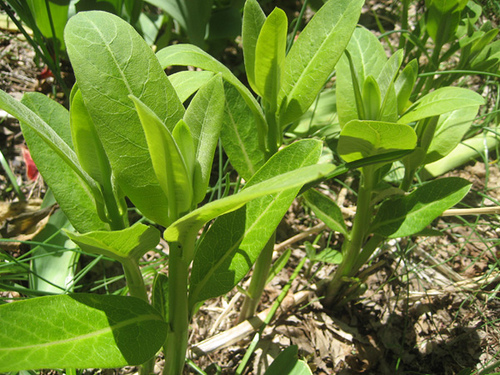
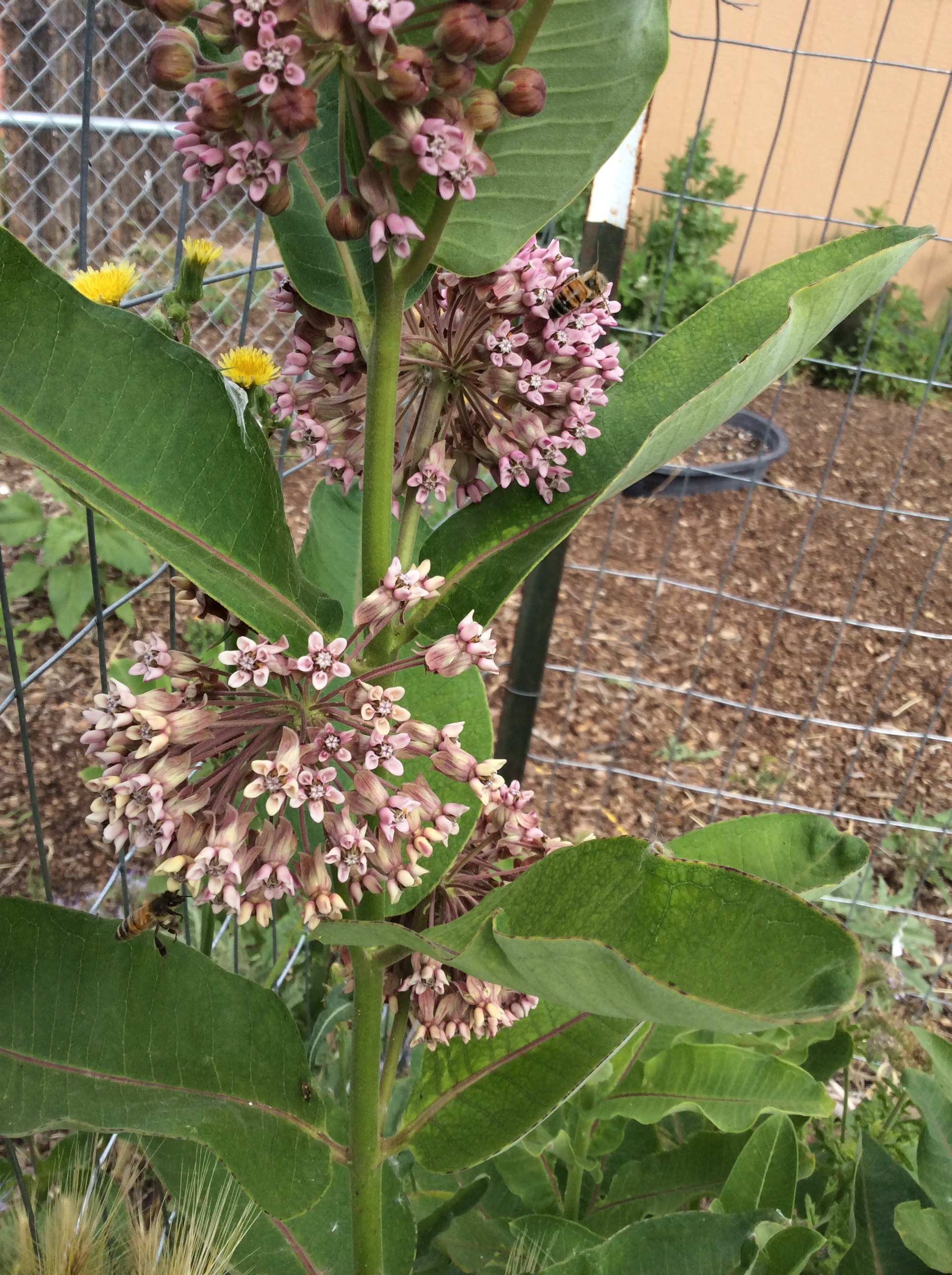
Common milkweed is another weed that just does not grow in my area, although I often see it when vacationing further north in Colorado. It took me a few tries to start it from seed, and it needs winter stratification. So far I have only had a few bites each of spring shoots and buds, plus one young pod, on my plate because it’s still getting established. But it has the mild “foody” flavor that I remember, especially good with butter. The vanilla-scented flowers are wildly attractive to bees, and of course this is the food plant of the monarch butterfly. Once established, it doesn’t need too much water, but it needs a fair amount to get started. Be sure that you know how to identify it as Asclepius syraica because there are some thin-leaved toxic milkweeds, and if you are foraging it in the wild I strongly suggest reading Samuel Thayer on how to tell the young shoots from dogsbane,  which resemble them in ways but are very bitter. I hope to have a lot of it around in the future.
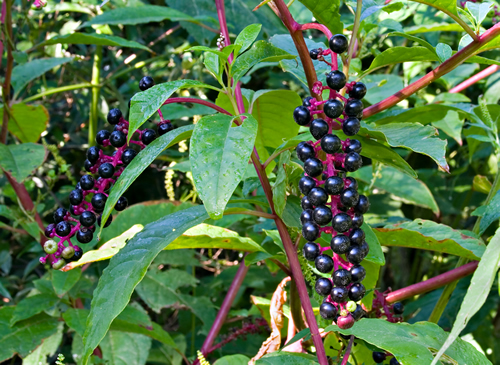
Pokeweed was one of my favorite wild foods when I was first getting interested in foraging. It’s a big rank plant, up to six feet high and as much across, and has to be sited accordingly. It also REQUIRES preboiling in a large volume of water, which is then thrown out, before further preparation for eating. It is toxic if not prepared properly. Please consult Samuel Thayer’s Incredible Wild Edibles before trying to eat it. Then you’ll have all the information you need to eat it safely. It doesn’t grow in the Southwest, but I finally got two plants started from seed, and hope to have more in the future. Euell Gibbons wrote about forcing pokeweed shoots in winter, and one day I may try some version of that.
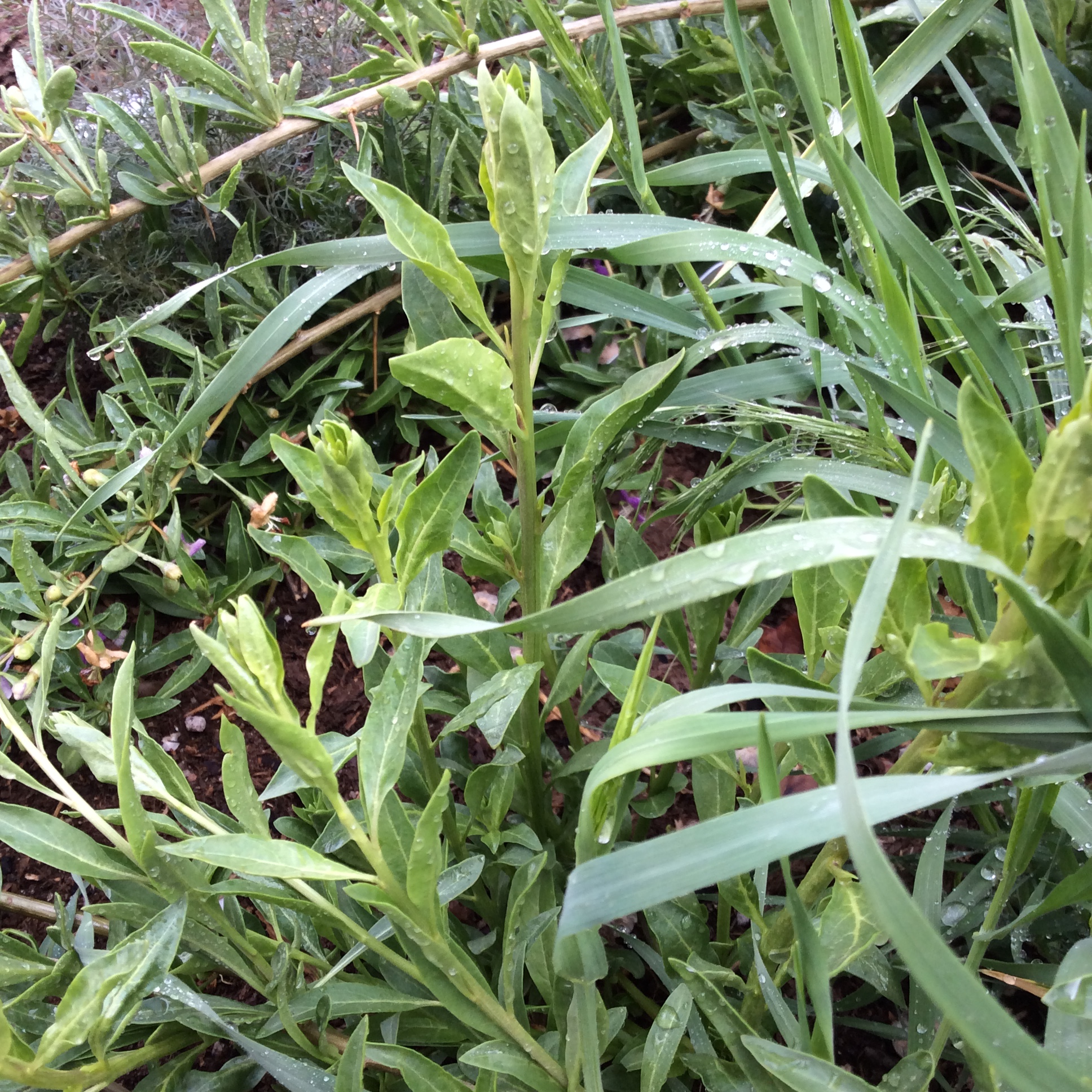
Goji Shoots come up everywhere after you’ve grown goji berries for a few years. They are very tasty sautéed in butter or olive oil. To enjoy them, you have to get new shoots as shown. They should be green all over and tender enough to snap when bent. If they have anything resembling brown bark, or have to be cut, skip them. I cut my plants back in late winter and harvest some shoots in spring, and this year I cut some plants back in late fall and put frost blankets over them to see if I can get some winter shoots. I’ll report back.
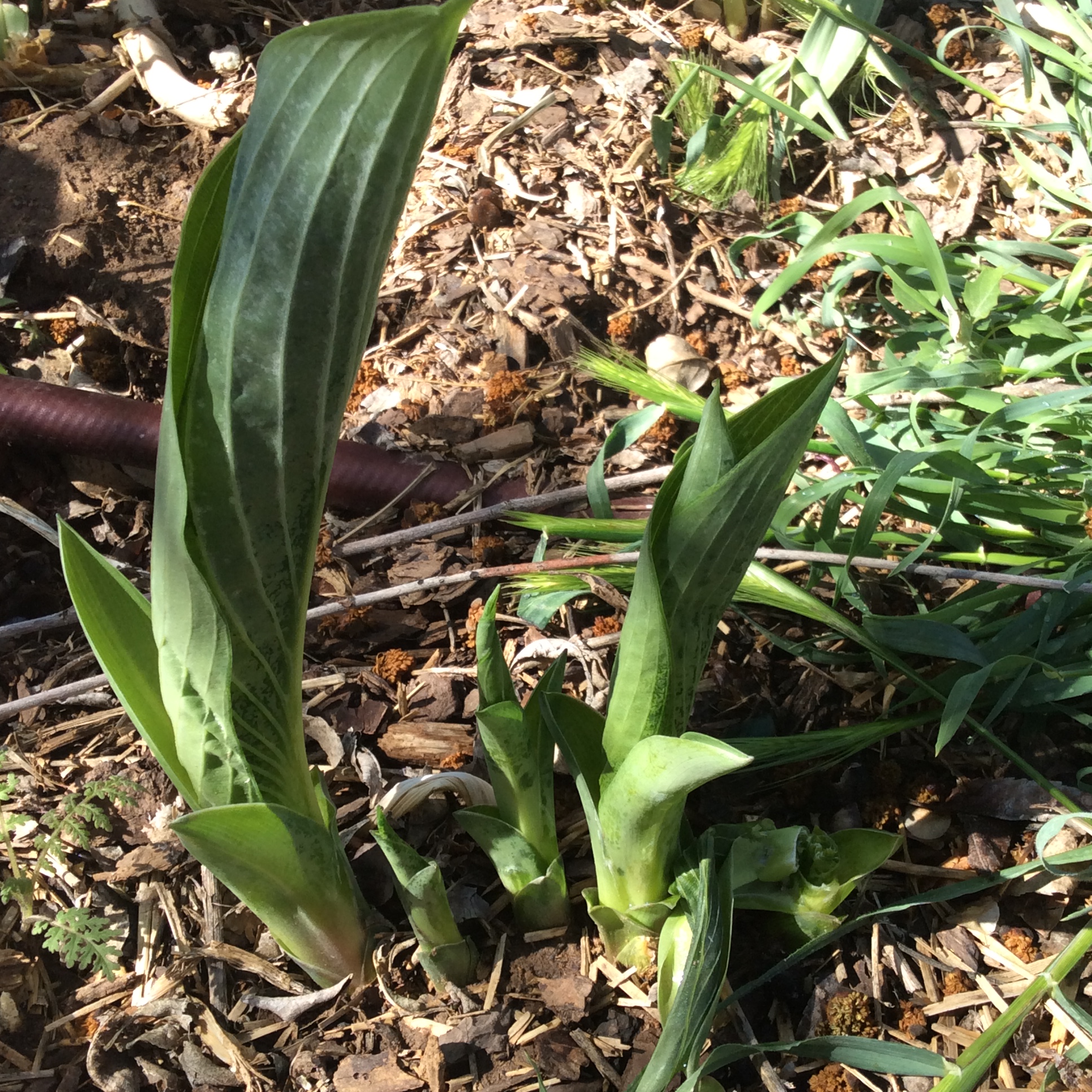
Hosta shoots are a new vegetable for me, because when I moved to my current home it was a flat lot covered with tumbleweed and baked into adobe by the blazing sun. It’s only now, eight years later, that my trees are big enough to provide shade for the shade-loving hostas. I chose the biggest ones that I could find because the shoots are bigger. I have only eaten them once because my plants are young and I don’t want to weaken them. They were mild and good steamed and eaten with a soy-ginger sauce. There is nothing especially distinctive about the flavor but nothing objectionable either, and the texture is tender as long as you get them before they unfurl. They would probably be a good addition to salads if sliced, although I haven’t tried that yet. It takes a couple of years before they’re established enough to harvest, which is usual with perennials. Once established, they could be harvested for a couple of weeks in spring, then allowed to form ornamental foliage. When the leaves get ratty in late summer they could be cut back, then a few shoots harvested again as they refurbish themselves. Of note, this is an edible perennial that would pass muster with the strictest homeowners’ association so you can grow it whatever your circumstances.

The Fall Summation IV: Perennials

I am beginning to plan for those future years  when digging in the garden is not such a pleasure. For that matter, there are already days when digging feels less like a hobby, pleasure, and form of worship and more like a chore, and so I am trying to have patches of perennials around that would carry me through a time when I did not feel able to dig.  I am also trying to create deep mulched beds that would make it possible to grow annuals with less work, but more about that in another post.

Some of the perennials that I have experimented with:

Stinging nettles are a real success. They have to be sited in a place where people and animals do not have to be exposed to them and get stung, but once established the only care they need is some water in my desert area, and cutting back in the winter so that the spring greens can be easily harvested. From now on, I will also cut back the withered stalks at the peak of late summer heat, so that when new shoots come up in the fall they can be gathered without much trouble.  They are delicious when cooked, and there is no more nutritious green, so I am even thinking of starting a second patch in another out-of-the-way corner of the yard. I have written about their kitchen uses in a number of past posts,  and I guess all I will say here about their flavor is that it is mild but somehow more intensely green than almost anything else that I’ve tasted.  They have to be handled cautiously and with gloves to avoid stings, but I have read with fascination that some people believe in putting the raw greens into smoothies, and apparently they are edible raw in that form. There are also contests in some places in Europe in which raw nettles are eaten in large quantities. Bizarre, but then, people are. Suit yourself.

Scorzonera  is a favorite of mine for its delicious stalks topped with tightly packed flower buds, and I have also learned to appreciate the leaves as a substantial but mild flavored addition to salads. It produces a small but useful second crop of leaves in late fall.   It tolerates drought  exceptionally well once established. I will be planting a lot more of this one. Be aware that I am talking about Scorzonera hispanica. There are other members of genus Scorzonera that have thready and insubstantial leaves. I don’t find the root to be worth the trouble of digging it up, and I leave it in the ground to make more leaves and stalks year after year with no labor on my part.

Salsify  produces long thin leaves which, in the spring, are tender and reasonably tasty.  The buds are probably the best part of the plant, although they are tiny and you would need a fair sized patch to have enough to be worth eating.  I have planted a new larger patch of it because I read somewhere that the long thin early spring leaves, when blanched for just a minute in boiling water, make a kind of “vegetable spaghetti“ that some people enjoy. I haven’t had a chance to try this yet but it would be a useful addition to my low-carb diet, which is “deficient “ in things to toss with butter and good Parmesan. Salsify  is often grown for the roots, but I find the root fairly bland and not that interesting. I would certainly eat it if I were hungry, though.

Asparagus  is one of my favorite vegetables, and this coming spring I will be planting more of the purple kind, which I find most delicious.  There is just nothing better. If only it were available in the garden for more of the year, I might not bother to grow anything else.

Turkish Rocket  makes delicious buds when harvested at exactly the right phase, with a bitter-nutty flavor very much like broccoli rabe. The season for it is short but pleasurable. I have never found any culinary use for the leaves or older buds.

Sorrel  makes one of my favorite simple sauces when chiffonaded and stewed briefly in butter with a little salt. Salmon was born to be grilled and eaten with sorrel butter. In addition to a healthy large clump of spring leaves, it makes another, even better clump in late fall. Very deserving of garden space. Above, you see the chiffonaded leaves used raw in salmon salad. It takes a surprising amount to make a good flavor impression, so think of sorrel as an ingredient, not a seasoning.

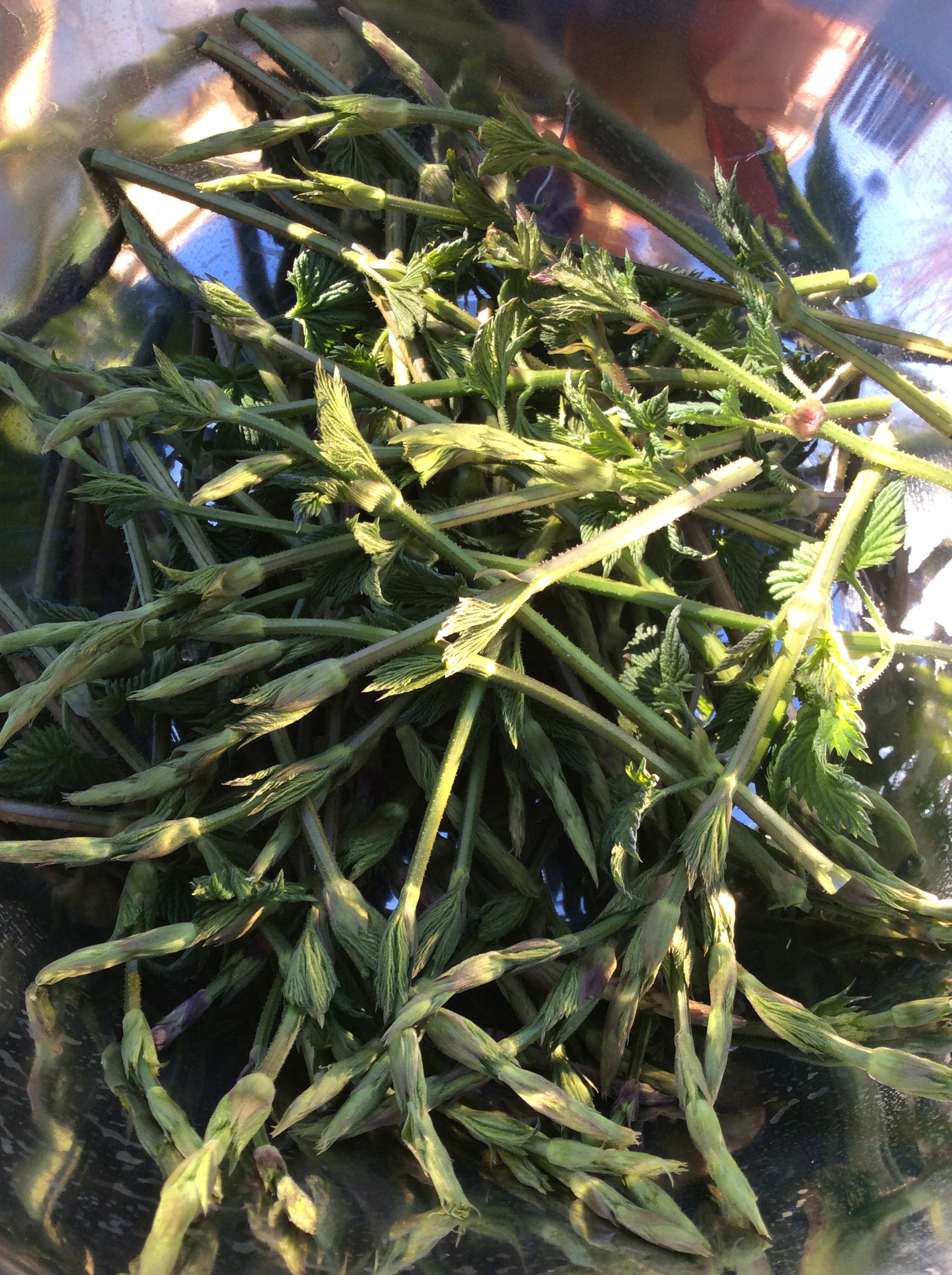
Hops  were planted all along my fences back when I used to brew beer. I don’t brew very  much anymore, but hops shoots are a lovely wild-bitter tasty treat that I look forward to every spring.  I am convinced that fancy preparation is a bad idea. Just rinse them, chop a bunch of them in 1 inch lengths, and fry quickly in olive oil with a generous pinch of salt. Nothing else. Be sure to let them form some browned crispy areas so they can taste their best.

Mulberry  can be kept tightly pruned or coppiced for an excellent harvest of small tender young leaves and shootsat the twig tips.  Don’t try the leathery older leaves, and stems should be tender enough to easily nip off with your thumbnail. It matters which mulberry you get, since some have perfectly good leaves and some are awful. I surreptitiously tasted at the organic nursery where I bought mine, to get leaves that had no unusual toughness or off flavors.  Mulberries have a good amount of resveratrol, but I have no idea about the resveratrol content of the leaves. I would guess, however, that it’s probably in there.  Once you have a mulberry tree you have it forever, and the only problem is keeping it pruned tightly enough that you can reach the leaf tips.  I recently learned from Samuel Thayer‘s newest book that the flowers can also be eaten in salads. I will be trying this next spring.  If you have a yard goat, goats adore mulberry branches above almost anything else, and will happily eat up your prunings. There are some wild food books  that claim that the leaves are hallucinogenic, and others that say the leaves are not hallucinogenic but the water in which they are cooked is. I call nonsense on all of this. Young tender mulberry leaves are one of my favorite greens, and I eat a lot of them, and drink the water that they were cooked in, and nothing remotely interesting has ever happened as a result.  Mulberry leaf tea is also widely used in Asian and given to children and old people, with absolutely no concerns.  I don’t know where this stuff comes from.  I am happy to say that Samuel Thayer, a profound expert on wild foods if ever there was one, talks about culinary  use of the leaves and does not mention this at all. A tightly pruned or coppiced mulberry can be kept in any front yard, since if you keep cutting it back it doesn’t bloom, and after the first few years  will provide a  surprising amount of greens.

Linden  is in all the permaculture books as a tree with edible leaves that can be used in salads or cooked. I have two small Linden trees, and I love the scent when they bloom, but to my taste the leaves are a little bit bland and I prefer good Mulberry leaves.  Still, they make a nice substantial addition to a salad with a good flavorful dressing, and are tenderest and best when gathered just as they emerge from their bracts.

To my immense pleasure, I find that I have more perennial veggies of interest than I thought I had, so I will put the rest in a second post.


Fall and Winter Leaves II: Nettles

Nettles are one of my favorite greens, and one of the most nutritious plants around, so treating them with the respect and care that helps you avoid stings is definitely worth the trouble. I have a thriving nettle patch in a corner of my yard that I don’t routinely have to visit, so I have always harvested the new greens in the spring and then assiduously ignored the nettle patch for the rest of the year.  This is partly because I get interested in other things, but mostly because as a child, when I first started foraging to the intense dismay of my parents, my mother wisely bought me a set of Euell Gibbons books so that I would not poison myself.  Mr. Gibbons wrote eulogistically about nettles, but cautioned his readers that after the spring flush they develop oxalate crystals and are gritty and inedible.  I believed every word he wrote, and so I never tried them after they were about a foot high.

Here in the desert, in the unwatered spot where they have to live in my yard, nettles die back beginning in July, and the stems look dead by September.  But this year we got an uncharacteristic long heavy rainstorm in late September, and to my surprise the dead nettle stems began to leaf out again.  This week I noticed a mat of fresh nettle leaves, and told myself that no doubt they would be gritty, exactly as Euell had predicted.  But I did gather a couple of quarts (using leather gloves) of nettle sprigs and tried cooking them. They were exactly as verdant tasting as the spring greens, and neither gritty nor tough.  Now that I know this, I will try to remember to cut my nettle patch back when it dies in the hottest late summer weather, and begin to water in September so that the late fall shoots will be easier to pick.

Cooked greens in the refrigerator are an appetizing snack or light meal waiting to happen.  Today I didn’t particularly feel like eating a heavy lunch, but I did want something, and I wanted it to be healthy. I had a cup of blanched nettle greens hanging out in the refrigerator, and half a cup or so of leftover cooked cauliflower rice, so I grabbed two large scallions out of the walking onion patch and picked three large carrot leaves off the last remaining carrots.  The garlic that I planted in late summer is sprouting, so I picked one stalk that was about 6 inches high  to use as green garlic.  The fresh green stuff was chopped and sautéed in butter until cooked through, then the cooked nettles and cooked cauliflower rice were added along with about 2 cups of canned chicken broth and half a cup of heavy cream.  You could certainly leave this as a chunky soup, but I decided that I wanted a cream soup, and put the little potful in my Vitamix blender. About a minute later, it was completely creamy and thickened. I poured it back in the cooking pan, added a little water to thin it to a good consistency, simmered for 10 minutes, salted to taste, and ate it with a spoon full of drained yogurt on top to supply a subtle acidic element.  The entire process, including grabbing the green stuff from the yard, took about 15 minutes. This is a pretty small time investment for something as absurdly healthy as nettle soup.

Needless to say, vary to suit your own taste. Cooked cauliflower is a surprisingly good creamy thickening agent, and if you are vegan you could use olive oil for the initial sauté  and vegetable broth for the cooking liquid, and leave the cream out or substitute nut milk. It could be finished with a few drops of lemon juice instead of drained yogurt. Vegetarians can change the broth and leave everything else the same. As written it is a delicately flavored and very comforting soup, perfect for days when fate is being unkind, but if you want something more emphatic  you can start playing with herbs.  If you don’t happen to have a nettle patch, use some other leafy green. Have fun in your kitchen and make the result work for you.  My mother objects to my greens soups on the undeniable grounds that they are green, but if you have a prejudice against the color green in food I do hope that you will get over it, because it is the marker for some of the healthiest food that you can possibly eat.

And by the way, Euell Gibbons wasn’t right about everything, but his foraging books are still well worth reading for their palpable joy in the outdoors.  In one plant essay he says that wild foods are his way of taking communion with nature and the Author of nature, and I think this sums it up.

Fall and Winter Leaves I: Savoy Cabbage

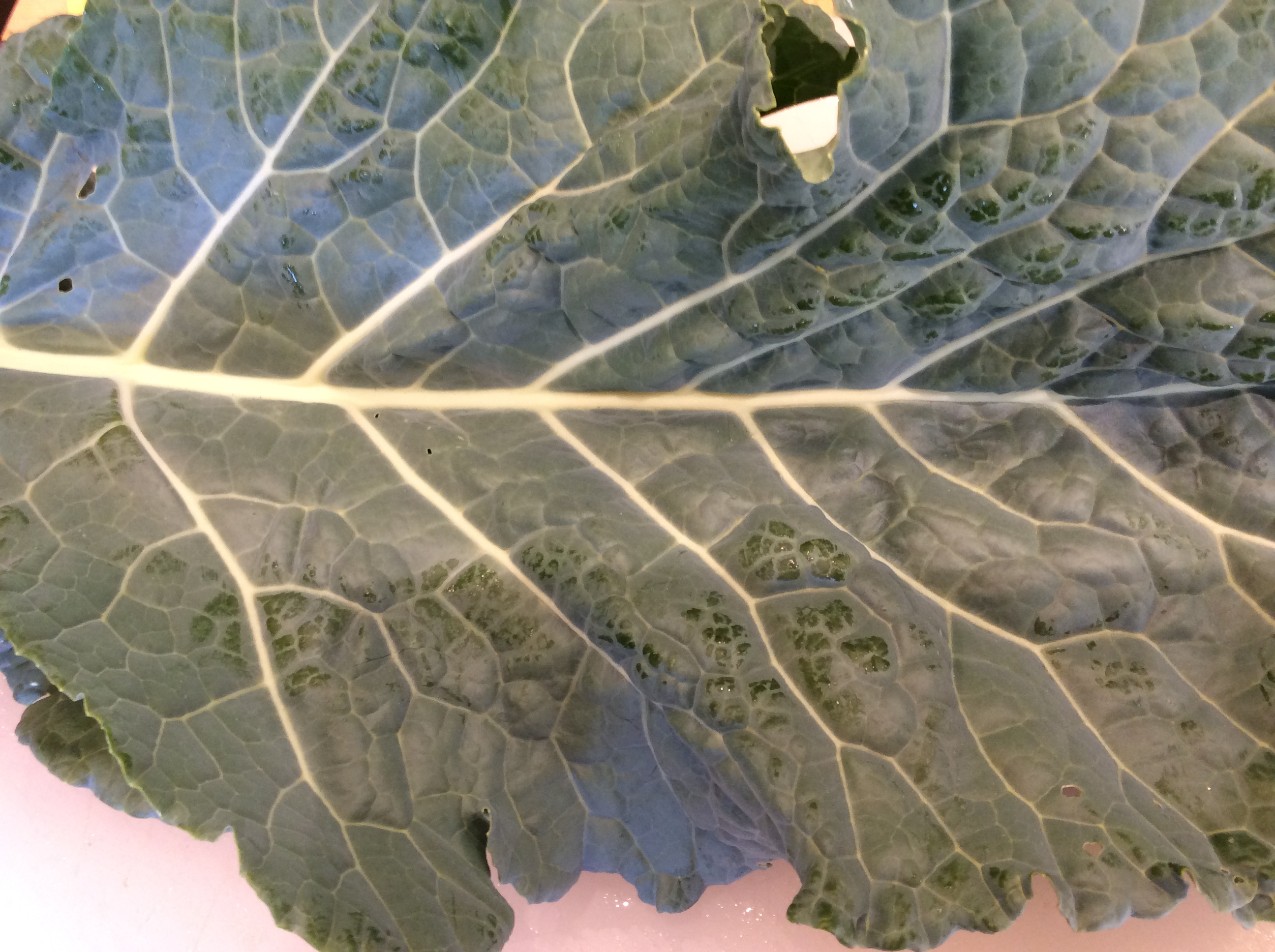
By late fall my freezers are always stuffed full, and I’ve done enough gardening for a while and am ready to sit by the stove in the evening, studying seed and nursery catalogs. But there’s always some late-season surprise in the garden to keep me interested. This year, it’s cabbage.  In late August I had a little empty space in a bed with rich soil, and a few savoy cabbage seeds that I hadn’t  remembered to  plant earlier, so I threw them in.  Most of them never germinated, because in desert country in August it’s pretty hard to keep a seedbed moist enough to start anything.  But two little seedlings did get going, and struggled through the heat and the competition, and when  the nights got cold in October they began to grow rampantly. Now they are about 4’ across. They’re thriving through the first hard frosts, but probably won’t live long enough to head up, so I started eating the leaves. To my surprise, these are the mildest and best crucifers I ever ate, far better than non-savoy cabbage, with a crisp texture, no toughness except in the veins, and no “cabbagey” aftertaste when chewed raw. They’re sweeter and milder than collards, kale, Portuguese kale, regular cabbage, or any other cabbage family green that I’ve grown. I tear the two sides off the large central stem/vein, which goes to the goat. Roll up the leaf halves, cut them in 1/4” strips across the larger veins, and then use your clean hands to massage them briskly by handfuls, planning about one minute per large leaf to soften the texture. If planning to use them raw, massage a bit longer. This massaging trick is invaluable in dealing with the more substantial leafy greens. Generally half a large leaf is plenty for one person, although real greens-lovers might eat more. Greens are full of soluble fiber and very filling.

As for how to use them, try any of the following:

Slaw, either classic or spicy Asian with ginger, scallions, and rice vinegar

As the basis for a Kale Caesar salad

Stir-fried with garlic and ginger, or with black bean sauce

Cooked like collards with bacon fat and onion and garlic, with a handful of crumbled crisp bacon over the top.

In a simple soup with ham or sausage, chicken broth, and sautéed garlic

Sauteed with leeks and finished with cream

Or try using them cut to appropriate size as a far healthier version of lettuce wraps, or whatever else you can dream up.

Like all dark leafy greens they are alarmingly healthy and likely to make you outlive your finances, so better keep saving. They are also surprisingly luxuriant and attractive in the garden, until you start cutting at them.