Archive for the ‘Ketogenic diet’ Category

Diet in brief

image

I very seldom talk about low carb/ ketogenic diets except with my patients because I think that your diet decisions are best made by you, in conjunction with the doctor who knows you best. But I will say here that ketogenic diet is, in my opinion, the most desirable treatment for type 2 diabetes and the only one with no side effects. I am also keeping an eye on the evidence for low carb diets in simple weight loss. So I wanted to pass on this public-information piece from the Harvard School of Public Health:

http://www.hsph.harvard.edu/nutritionsource/carbohydrates/low-carbohydrate-diets/
And of course, my reason for bringing this up on a gardening blog to to make yet another shameless plug for green and leafy vegetables. Your nearest farmer’s market will have them if you don’t grow your own. Just eat them. Lots of them. Eat them instead of the starchy stuff. Your body will thank you.
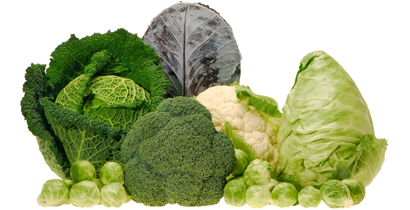
Kohl

The Joys of Spring: Goumis

image

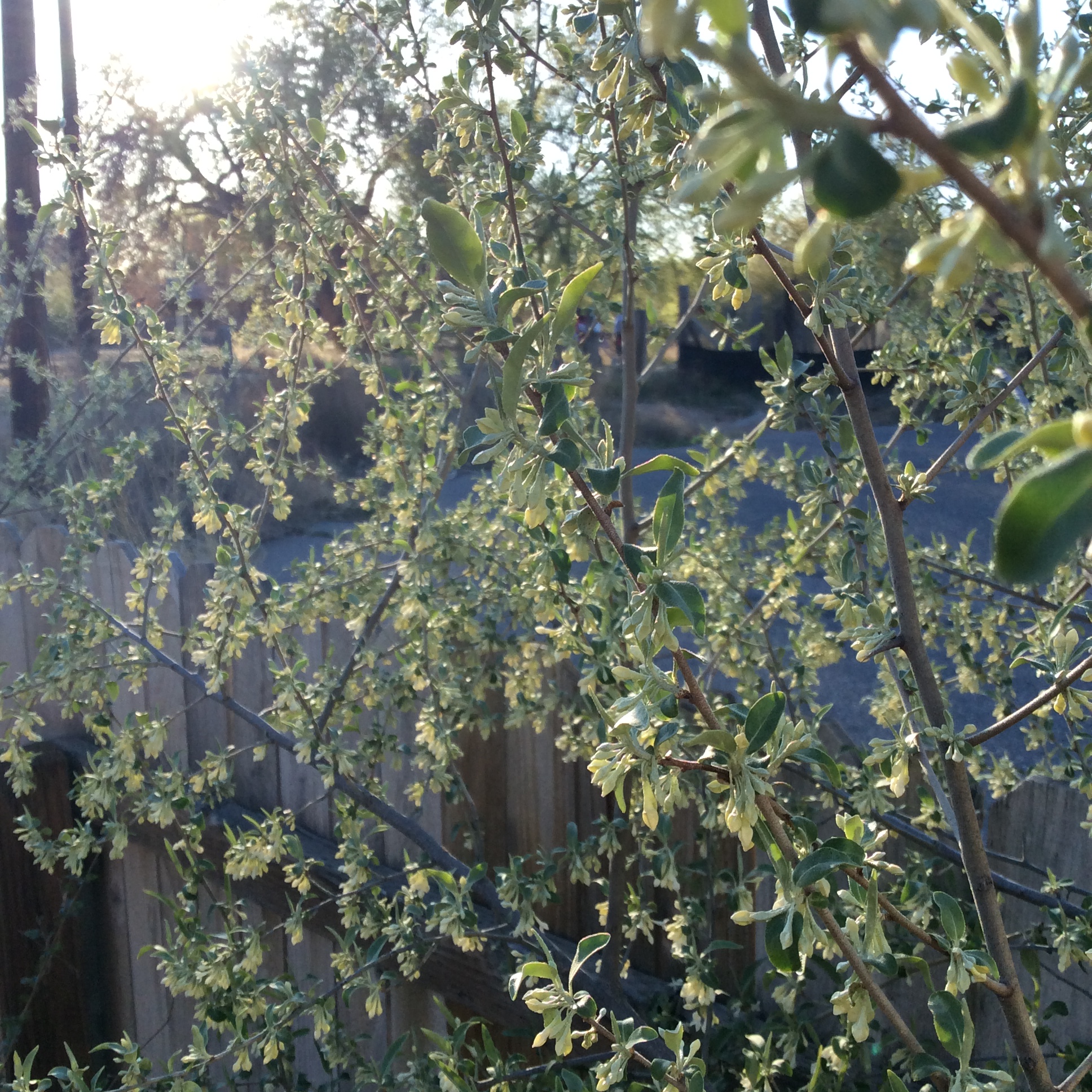
A few years ago I began a project to grow fruits that offered maximum antioxidants with minimum carbohydrates, in other words fruits very different from the swollen sugar-pops that fill the American grocery store. I had been reading with great interest about Goumi berries because genus Eleagnus thrives in my area with relatively little water. I planted three of them, and over the next two years they got a bit bigger but nothing much happened. Last year, their third year, they grew over 5 feet tall and one produced three tiny berries. Hardly an exciting outcome. But this year they have already earned their place; all three are covered with scads of small discreet blossoms and when the sun hits them, the scent that they throw all over my front yard is indescribable. It has the honeyed spicy sweetness that characterizes Russian olives in bloom, but without the grape Koolaid note. Utterly delicious. They are humming with bees, and I do wonder what Goumi honey would taste like.

The bush seldom tops six feet, and unlike their relatives the Russian olives and autumn olives, they are thornless.  They are nitrogen fixers and tolerate my poor alkaline soil, and are not demanding about water. I soak mine every two or three weeks and ignore them the rest of the time. They are not dangerously invasive like their cousins. I hope that later in the year I’ll be reporting on fruit production and quality. The berries have a high lycopene content and the seeds inside contain a quantity of omega-3 fatty acids.  But even if I had no interest in the fruit, they would be the stars of my early spring yard. Sometimes my message is a simple one: grow this plant, you’ll like it.

Chicken Skin Genius

image

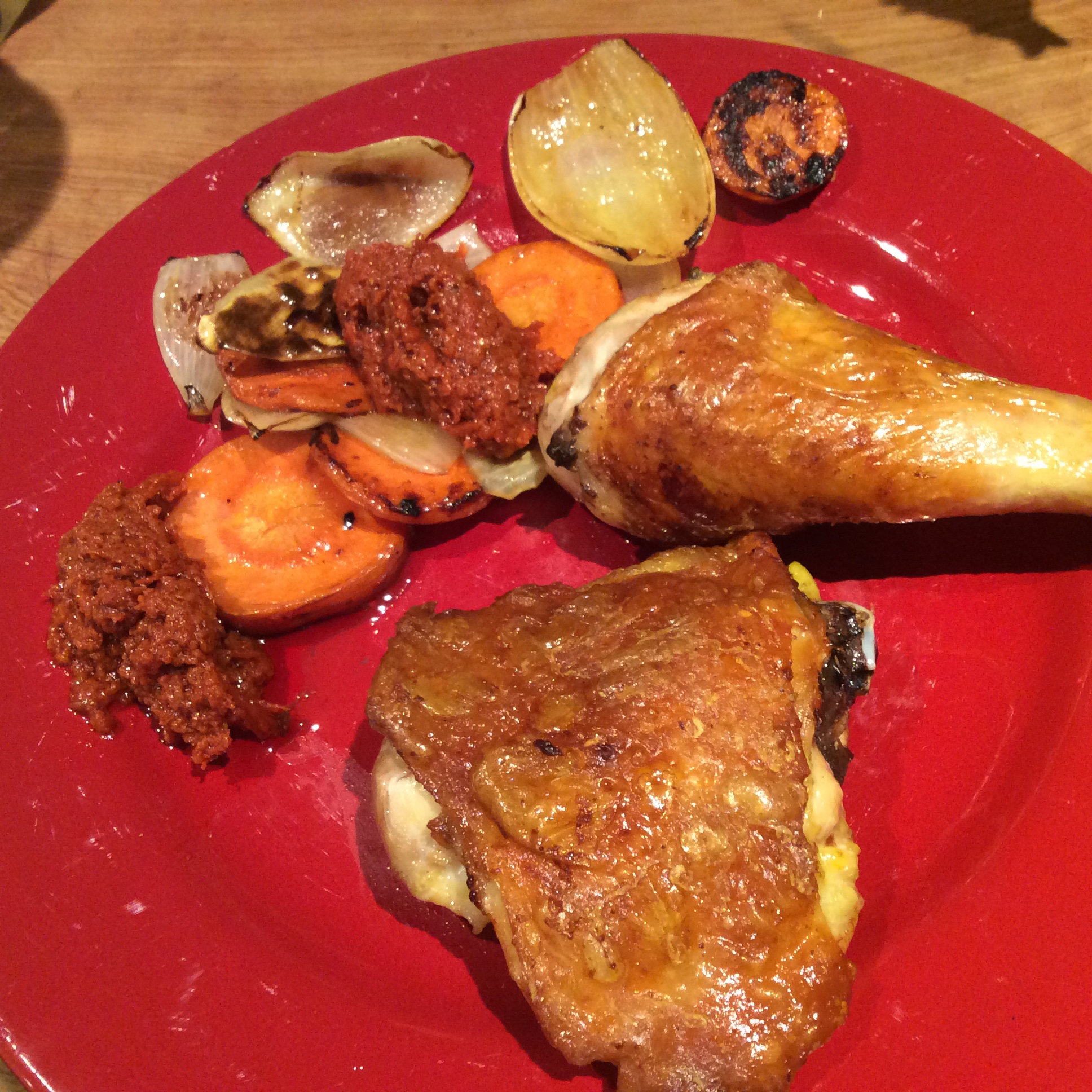
When I learn something new at the stove, I get absurdly excited. And I am especially excited about a good way to crisp chicken skin.  I feed my meat birds very carefully with a lot of greens to produce the highest possible level of caratinoids and omega-3 fatty acids, and many of those nutrients are in the skin.  So of course I want to make the skin as enticing as possible. Besides, it is the best tasting part of the chicken.  A simple tip that I learned in the Genius Recipes section on the wonderful Food 52 website involves seasoning chicken, preferably thighs and legs, and frying the chicken slowly skin side down in nothing more than its own fat or a small amount of olive oil.   I have not tried it with white meat, and wings might be too irregular to cook well this way.  In brief, I season drumsticks and thighs with salt and pepper, refrigerate them overnight, and when ready to cook I heat my cast-iron skillet over medium low heat.  I rub the chicken pieces  lightly with olive oil and put them in the skillet skin side down. Then, I do other things and forget about them.  In 15 or 20 minutes, the skin is done to a beautiful deep crispy crunchy brown.  Work a spatula under each piece taking care to keep the skin intact, flip the chicken and continue cooking skin side up until done through.  Simple as that. The skin is quite glorious in its unabashed simplicity.  You do need to be in the kitchen to turn the heat down if necessary  but for the most part you can concentrate on other things.  Serve any reasonable vegetable on the side.  If you want to deglaze the pan with white wine and chicken broth and boil it down and finish with butter to make a pretty wonderful bit of pan juice, offer the juice on the side or set the chicken in a pool of it. Don’t pour it over the skin or  it will lose its crispness. Sometimes it’s fun to pare a meal down to very simple components. Besides, it makes me wish that chickens were all skin.

Nettle Season

image

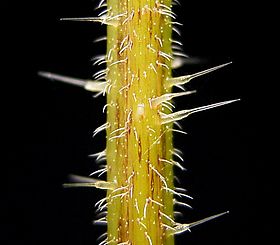
If green garlic is always the first thing that I harvest in spring, nettles are always the second. When I moved to New Mexico I couldn’t find any and couldn’t get seeds to germinate, so I was reduced to calling an herb nursery and begging them to dig up some nettles on their property and sell them to me. Every spring I’m glad that I did. Gather the tender tops with as little stem as possible, wearing leather garden gloves. Don’t handle them without gloves, no matter what you read on the Internet. I always manage to pick up a sting on my wrist just above the glove, but it hasn’t killed me yet. Wash in a big bowl of water, stirring them with a wooden spoon. Drain and dump them into lightly salted boiling water. Boil for two minutes and drain. They are now rendered weaponless: the venom (formic acid) has been denatured by heat and the zillions of fine spines that do such a good job of injecting the venom into your skin are soft. Squeeze the drained greens dry, chop them up to eliminate any stringiness in the stems, and finish cooking them any way you like. They are awfully good just braised in cream with a bit of sautéed green garlic and finished with butter and a little salt. You can click on the “greens” category of this blog for some other ideas. They are a mild-flavored green and can be used any way that you use spinach, although the flavor is a little different; “wilder” is the best way I can describe it. They are ultra-nutritious and worthy of a place on your spring menu. They are even…gulp…worth buying plants of if you don’t have them naturally.

image

DSCN0988