Archive for the ‘herbs’ Category

Onion Flowers

imageimage


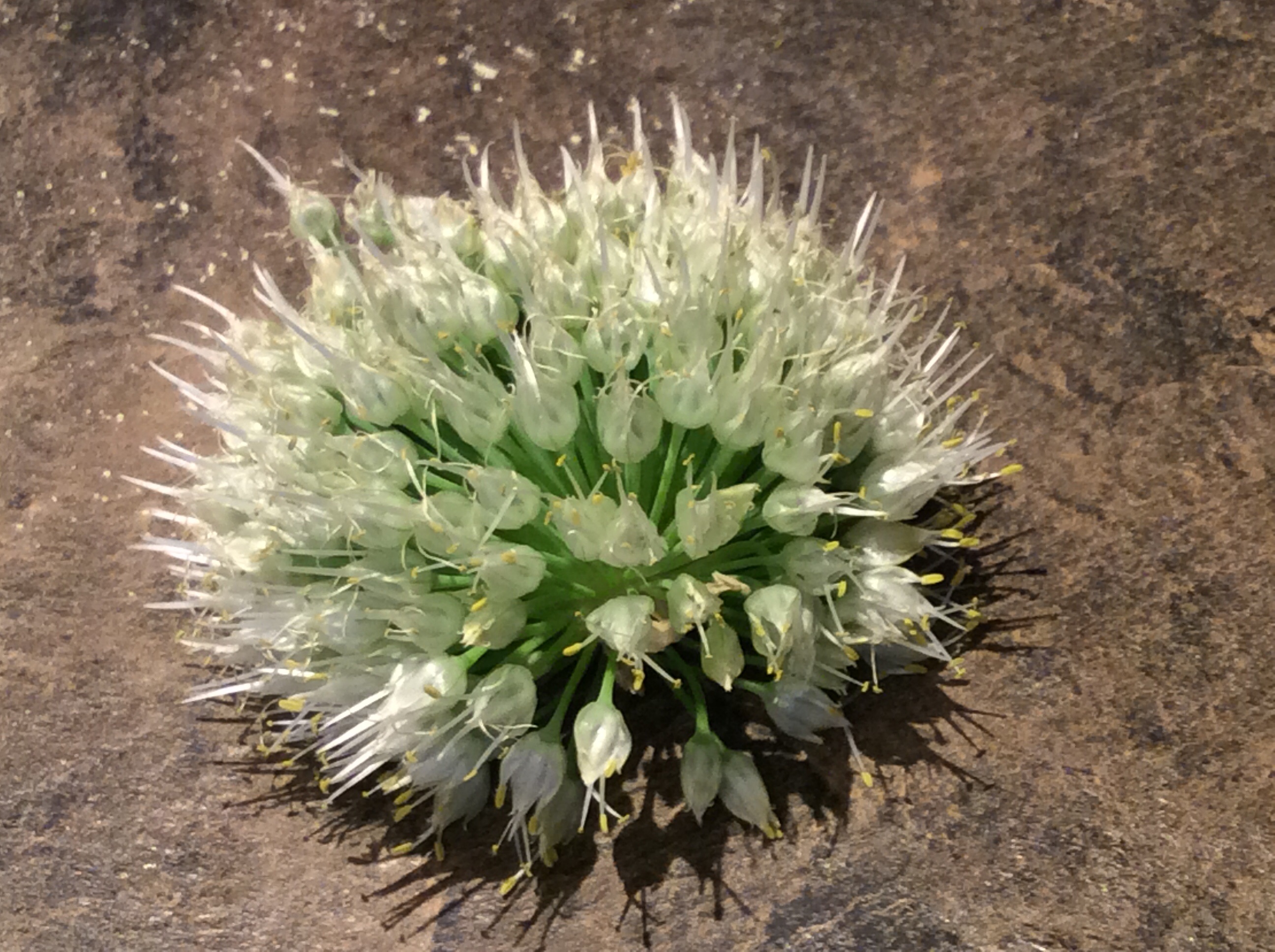
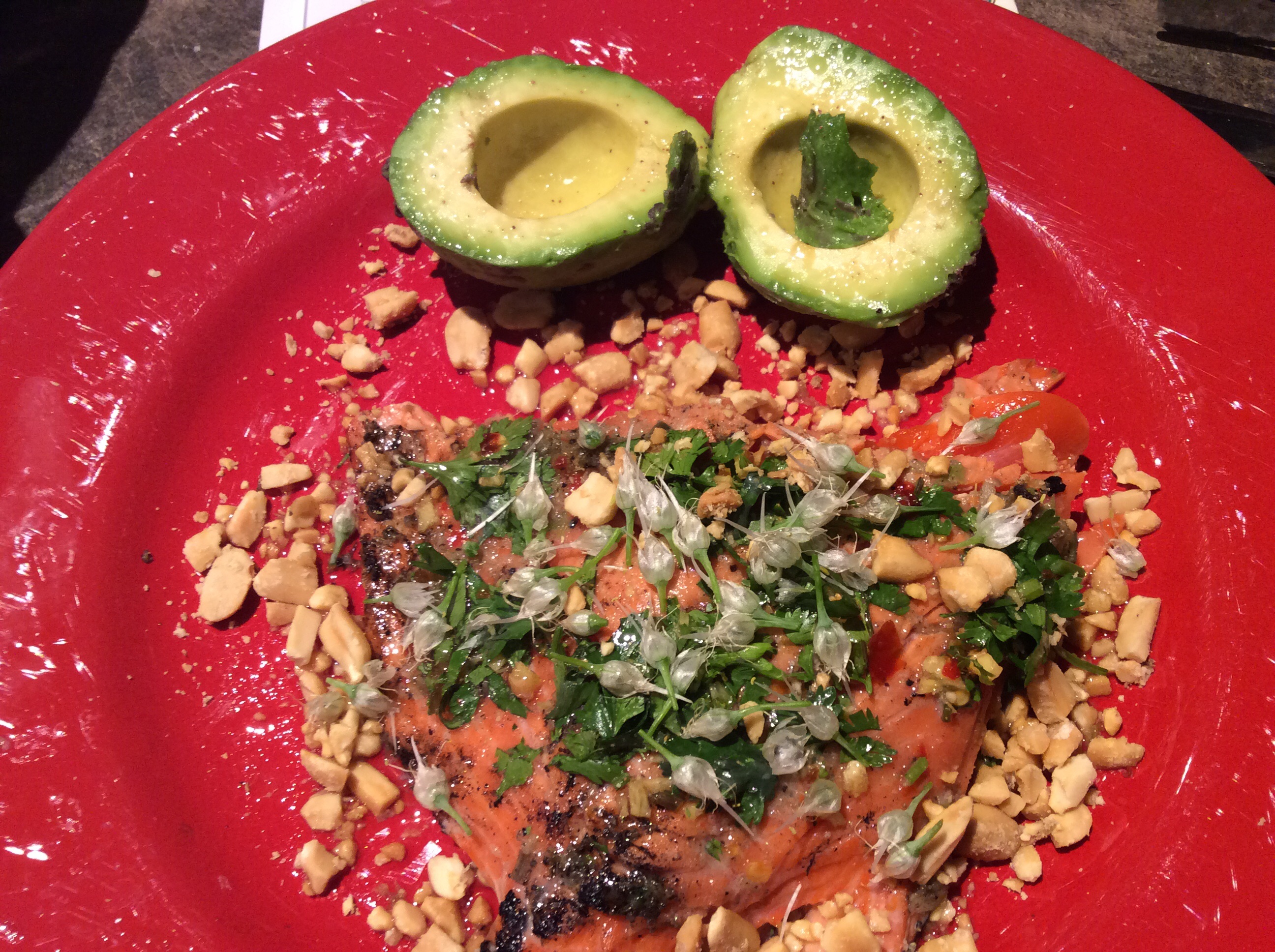
I have written about onions and onion scapes, but what happens when a scape gets past the busy gardener and blooms? Well, then you have onion flowers. Harvested shortly after they open and clipped off the bloomscape with kitchen shears, they taste of onions but light, a bit floral, delicate. They are delicious in salads, and I love them showered over any of the delicious herb-laden southeast Asian dishes. Here, you can see them garnishing Thai-ish grilled salmon. Try them on burgers or steaks, sprinkled lavishly over a dollop of good butter melting on the hot meat. They are a great addition to grilled chicken. Just don’t let them bloom in vain!

This makes onions a true nose-to-tail vegetable, with every part both edible and desirable.


Improvisational Cooking: Greens on the Table

imageimage
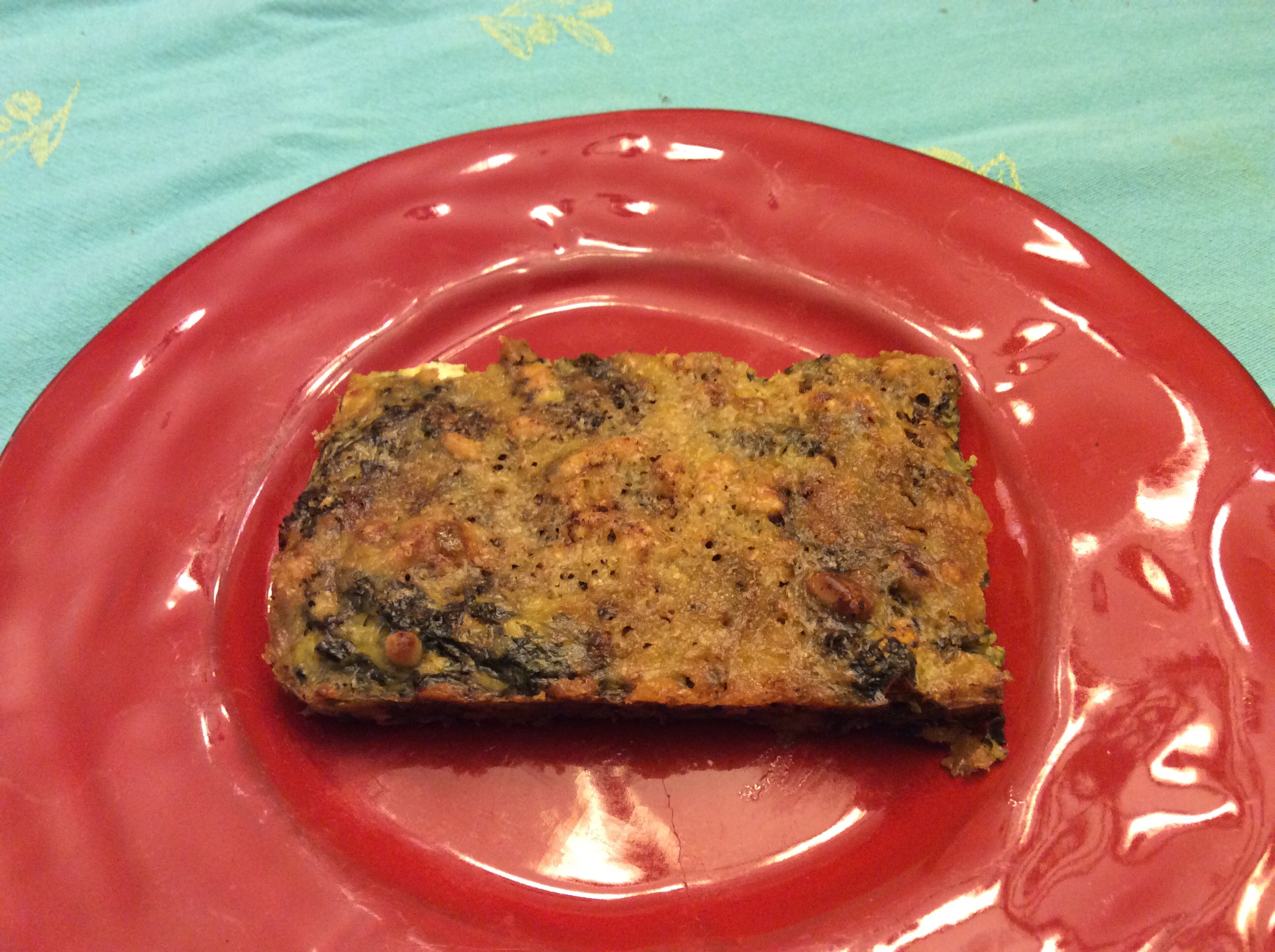
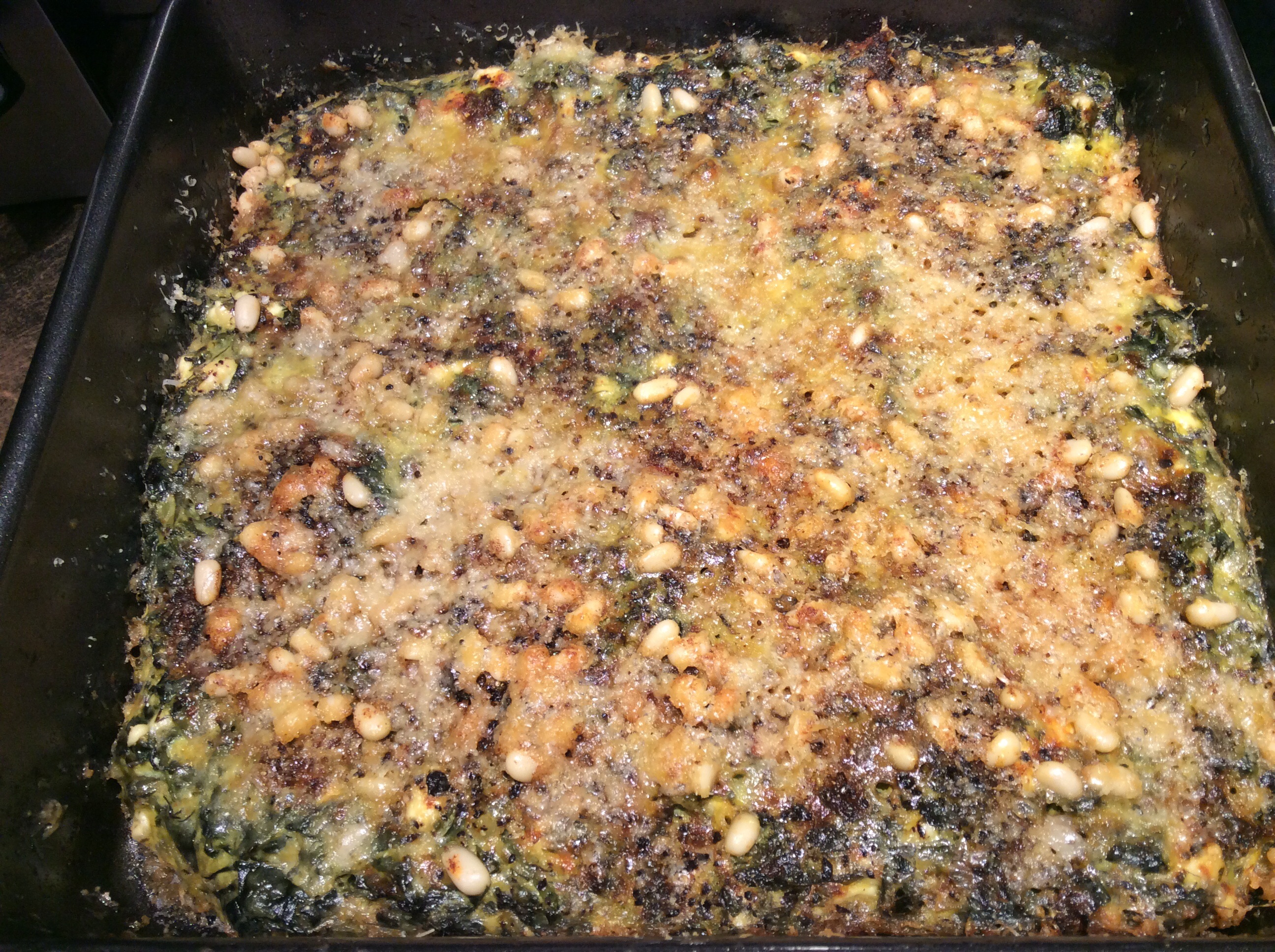
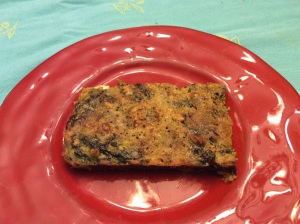
I am always yapping on about eating more leafy greens, and periodically I like to write about how I put leafy greens on my own table. Here is a low-carb recipe that even greens-phobes tend to like, and leftovers make wonderful lunches and snacks. It is improvisational in nature and you can substitute at will: this is a skeleton recipe and you can flesh it out any way you like.

The basic ingredients are greens, alliums, flavoring leaves, oil, cream, eggs, nuts, seasonings, and cheese. The greens, alliums, and flavoring leaves can be varied endlessly, except that the bulk of the greens should be relatively mild.

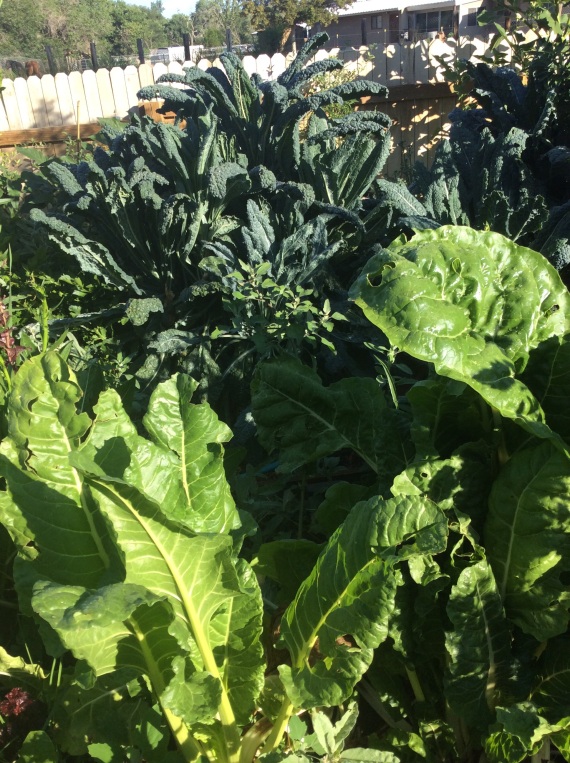
First, catch your greens. I carry a white plastic food-grade 3 gallon bucket out into the garden and pick it full, with the greens loosely thrown in and not packed down. Today I picked mostly lambs-quarters leaves, with some late spinach and early chard. If I was working from the farmer’s market or grocery store, I would choose a very large bunch of chard and Tuscan kale, and would tear out the large central midribs. Wash the greens twice. Grab them by handfuls and, on a BIG cutting board, chop them coarsely.

Second, decide on your alliums. Today I picked two big green onions and a couple of very big stalks of green garlic. If you don’t have a garden, a large onion and three cloves of garlic would work. You could use two cloves of garlic and two bundles of onion scapes from the farmer’s market.  Shallots are good in the winter. Don’t use garlic scapes in this recipe, because the texture doesn’t work.  Chop your alliums finely.

Third, consider your flavoring leaves. Think in terms of adding herbal, sharp, aromatic, and sour flavors. Today I picked several large young wine grape leaves for the sharp-sour note, a few leaves of lovage and a handful of parsley for green-herbal tones, and a few sprigs each of thyme and fennel for aromatic notes. Possibilities are endless. If working from the grocery store shelves, I would often choose a small bunch of parsley and some tarragon and thyme. Chop your flavoring leaves finely.

For the oil, I use top-notch extra virgin olive oil.

For the cream, I chose a can of coconut milk because I had one on hand, but heavy cream would do just as well, and if you insist on almond or cashew milk you can use that. You need a cup or a little more of your cream of choice.

For eggs, I use three whole eggs and nine egg yolks. Do be sure to get the best pastured eggs that you can get.

For nuts, I always use about half a cup of pine nuts. If you choose some other nut, chop them coarsely.

For seasonings, I used about a teaspoon each of red pepper and Urfa pepper flakes. I seldom vary this, just because I love this combination with greens. You may prefer freshly grated black pepper.

For the cheese, I nearly always use 6 ounces of finely grated Parmesan and eight ounces of the wonderful Mt. Vikos feta, crumbled.

Having made your choices and prepared your ingredients, preheat the oven to 375 and generously grease a pan about 10 by 14 with olive oil. Sprinkle the bottom of the pan with some of the Parmesan. Beat the eggs and egg yolks together and salt them a bit.

Heat some olive oil, about a quarter cup, in your largest skillet and sauté the alliums until they are softening. Add the coarsely chopped greens and salt rather generously, and cook turning frequently and carefully as the greens shrink. Cook them 15 minutes or longer, until they taste good when you eat a bite, and then add the flavoring leaves and sauté about two more minutes. Now add the cream. Boil a minute and take them off the heat and let cool 10-15 minutes.

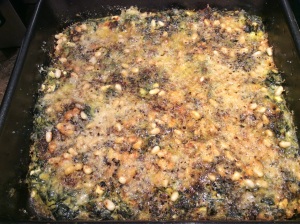
When the greens are just cool enough to handle, stir in the crumbled feta and then the beaten eggs and yolks. Spoon the mixture into the greased cheesed pan, smooth out a bit with a wooden spoon, and sprinkle with the red pepper and Urfa pepper flakes. Then sprinkle on the pine nuts, or whatever nuts you chose.  Top with the rest of the Parmesan (I like to drizzle on a bit more olive oil, too) and bake at 375 until the mixture is firm and a knife tip comes out clean, about 18-20 minutes for me. then, if you like, run under the broiler until the top crisps a bit. Be careful not to burn the nuts. Let it cool a little and serve in generous squares, jam-packed with nutrition. Smaller squares could be used as a finger food.
image

Eat Your Allicin! Notes on Green Garlic

image
Garlic went through a period of being a fad health supplement for its allicin content. Allicin is an antioxidant to which miracles were ascribed at the time. Now that the fad is long over, maybe we can return to the subject in a more measured way, and eat some delicious food while we’re at it.
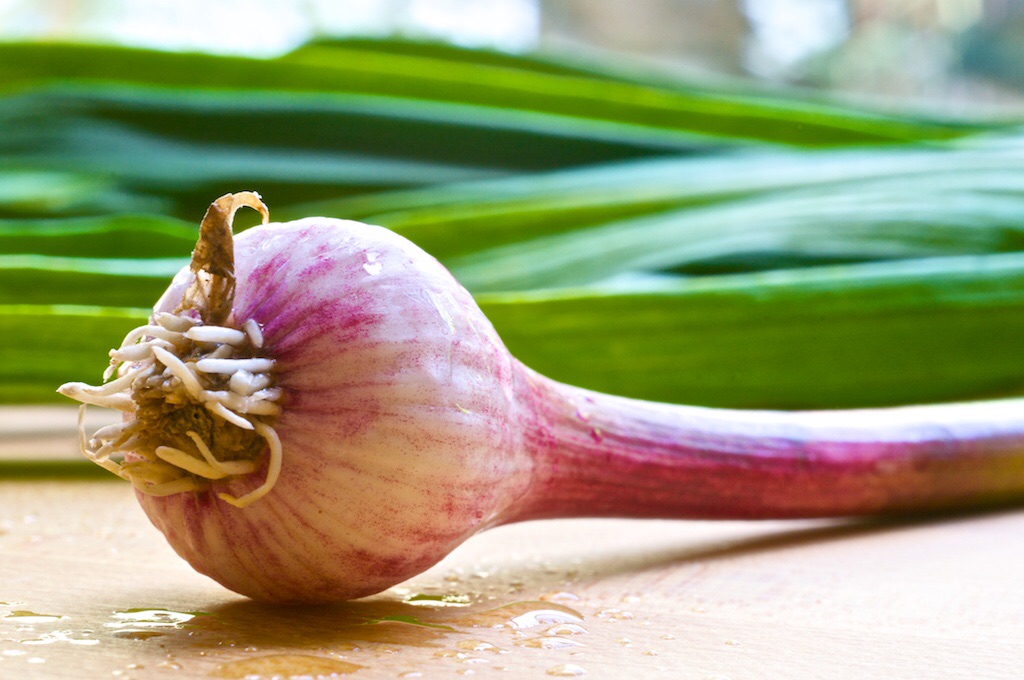
There is relatively little allicin in mature culinary garlic, since it is found mostly in the skin. But there’s a way to eat a lot of it and enjoy it: eat green garlic, which is also a culinary delight. Garlic cloves are planted in early fall, and the greens shoot up in early spring. They vary in size according to variety. They are edible at any stage, from the tiny ramp-like beginning to nearly-mature but still soft-skinned bulbs as shown above. When the stem begins to thin and wither and the leaves look distinctly un-fresh, it is maturing and should be used as bulb garlic rather than green garlic. And here’s how to get your antioxidants in full: in the green garlic stages the whole plant is edible and tasty, and the leaves, shoot, and tender skin contain most of the allicin (reference below). The leaves, stem, and skin( after the outermost layer is peeled off) all go into your sauté pan. Cut the root end off, trim the leaf tips, wash well, slice very thinly the whole length of the nascent bulb, shaft, and leaves, chop finely, and sauté in butter or olive oil with a good punch of salt until tender. Keep the heat medium to medium-low and plan to spend 15 minutes or so on the process, lowering heat as needed. It is done when it tastes rich, garlicky, mellow, and a little sweet. Do note that slicing it very thinly crosswise in the beginning is key to the shoot and leaves being pleasant to eat, since they contain strong lengthwise fiber. They can be used as the basis of any dish that includes garlic, unless the green color would be a problem, in which case just use the bulb and tender inner skin. I also like the whole sautéed plant as a vegetable side dish when it comes from the milder varieties of garlic. If I am going to eat it by itself, I slice thinly crosswise but don’t chop the slices up, so there is some textural interest in the finished dish. Also, make sure to salt to taste during cooking, not when finished, so that the salt can penetrate. This is really good next to a lovely steak.
image
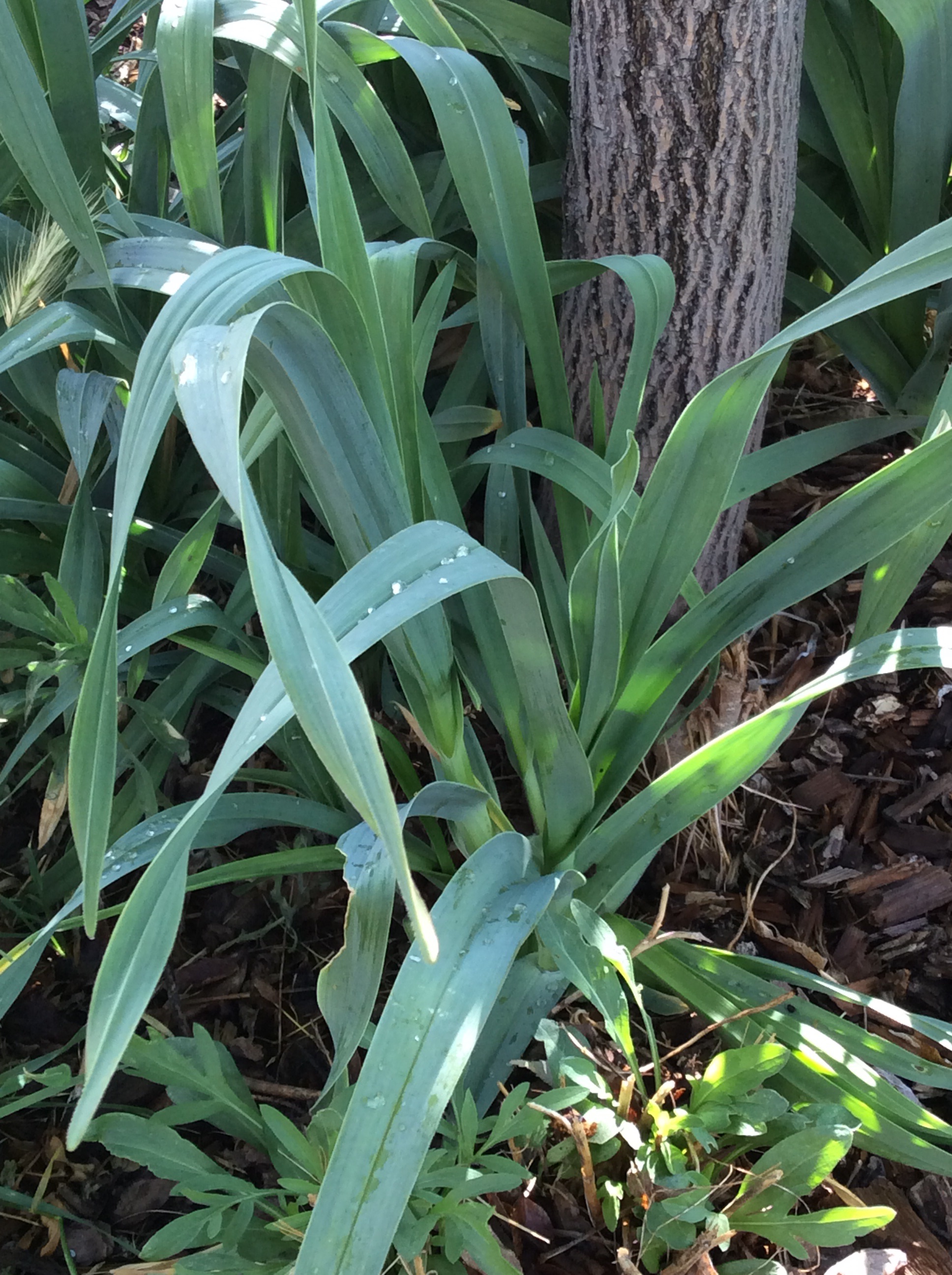
Don’t forget that you can tuck a useful amount of green garlic into flowerbeds and at the bases of trees. Just don’t confuse it with daffodil foliage or other poisonous plants with similar long narrow leaves. If in any doubt, tear a leaf and sniff. Garlic leaves smell like garlic!
I have heard that the leaves can also be dried, powdered, and used as a seasoning, but I’ve never tried it and don’t vouch for it. I go for fresh stuff.
Here’s your reference on the allicin content:
“Department of Pharmacology, School of Medicine, Ardabil University of Medical Sciences, Iran
Food Chemistry (Impact Factor: 3.26). 05/2010; 120(1):179-183. DOI: 10.1016/j.foodchem.2009.10.004
ABSTRACT The presence of allicin in green garlic plant extracts was investigated. Allicin in aqueous extracts from green garlic leaf, shoot and young bulbs were determined by HPLC. Allicin was present at highest level in extracts from whole green garlic plant at 0.48 ± 0.01 mg/mL, followed by that in shoot and leaf extracts at 0.44 ± 0.00 and 0.26 ± 0.01 mg/mL, respectively. The results obtained in this study offer green garlic as a new source of allicin, as green garlic plant is used as a favourite vegetable in many countries.”
image

A Glory of Greens, and notes on Turkish greens soup

image


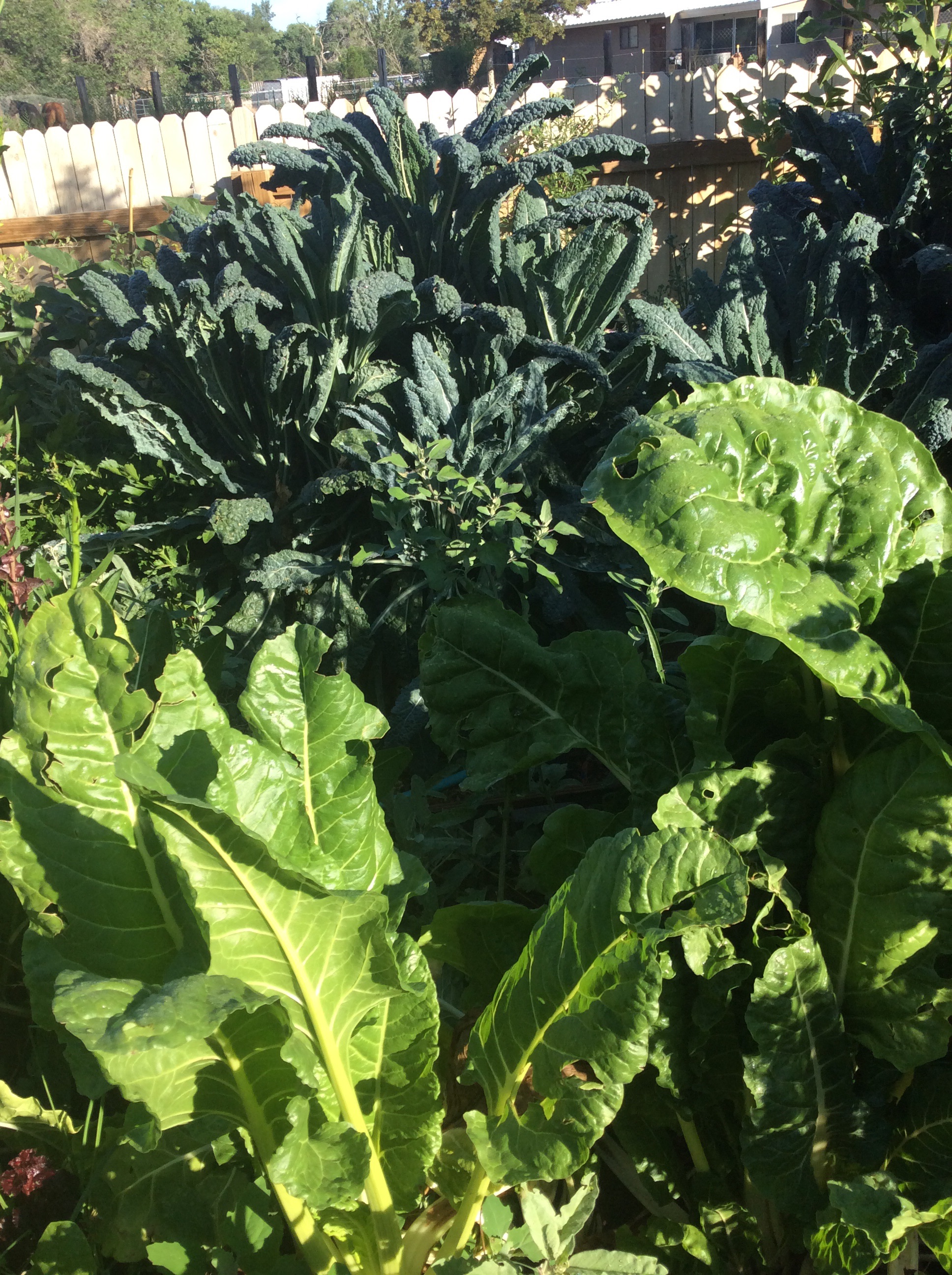
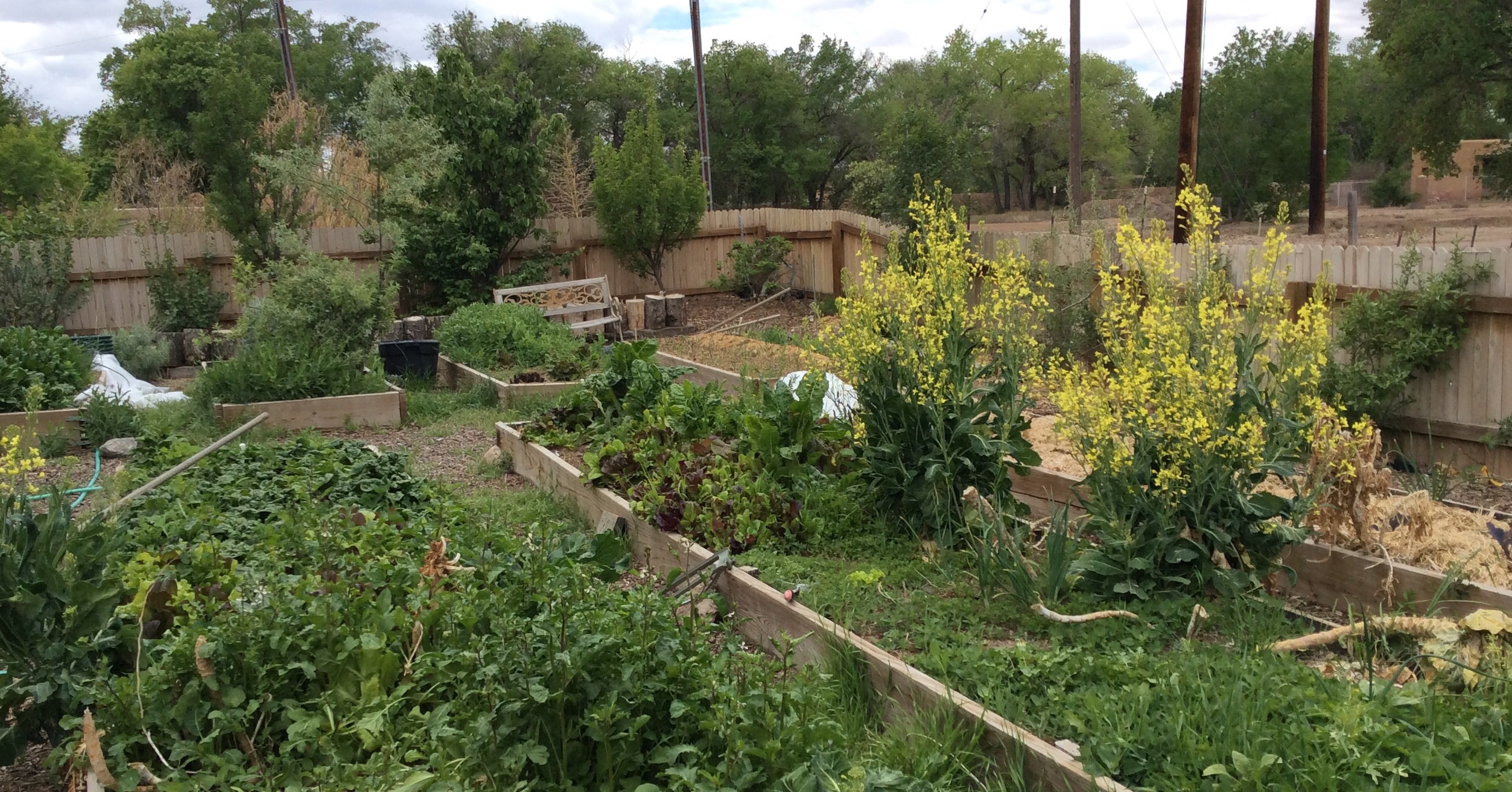
There is nothing more vibrant than a garden full of greens in the spring, all growing like mad, offering you a million healthy possibilities. During the two unfortunate years that I couldn’t garden, I did at least rogue out all the weeds that weren’t edible, and now nearly everything that sprouts in my beds is delicious, whether I planted them intentionally or not. And everybody, every one of us, would do well to eat more greens. Our health would improve and we would feel so damn good. Remember, the REAL Mediterranean diet, the one that was originally studied on Crete and that produced a long-lived and healthy population, was based on a huge variety of cultivated and wild greens.

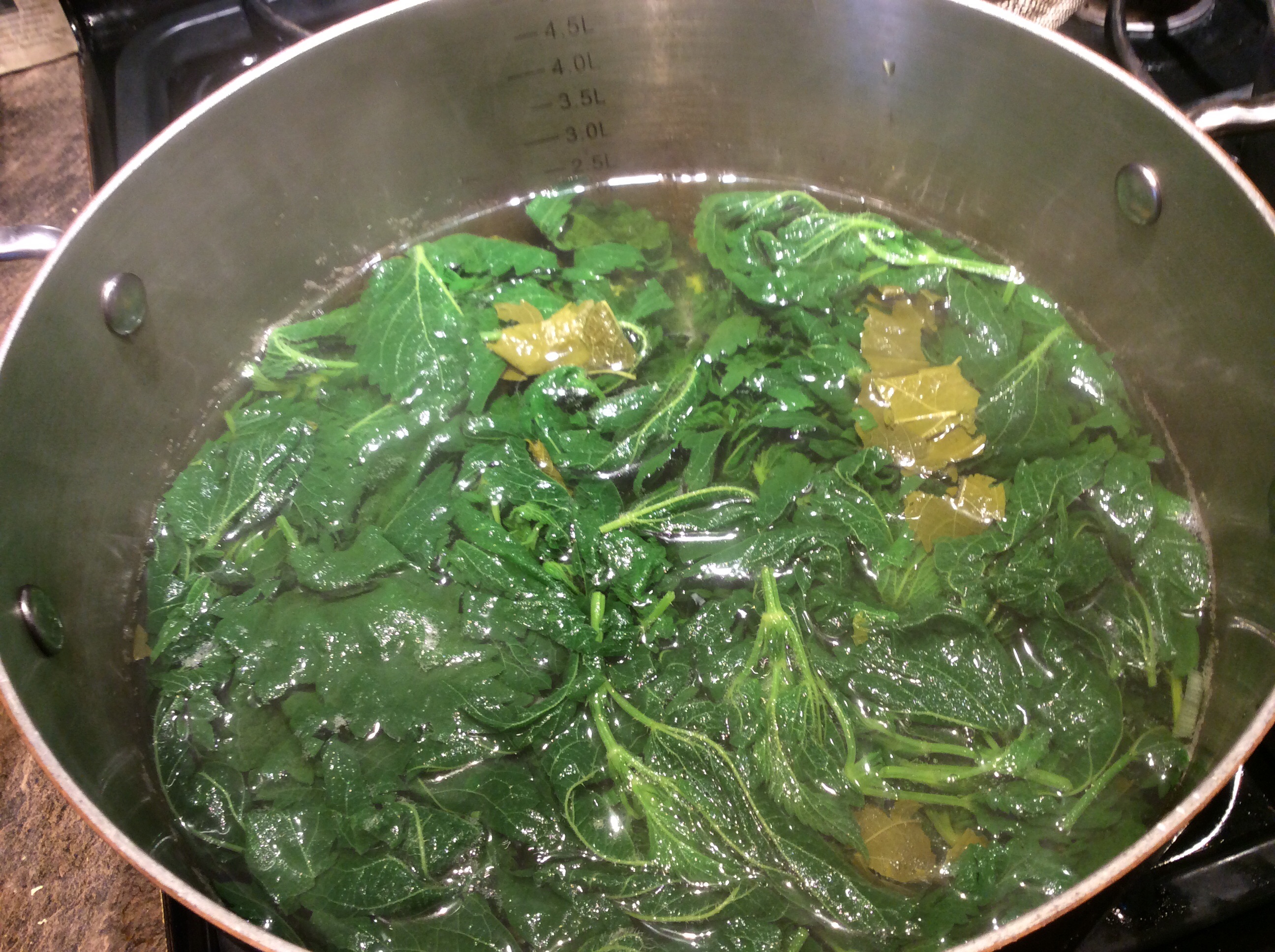
Today I noticed nettles, spinach, and lambs-quarters that needed to be harvested pronto. I also had lively green garlic ready to harvest. I picked a three-gallon pail to the brim, but loosely filled as I threw the bounty in, not packed down. I washed them ( it goes without saying that when nettles are in the mixture, you use gloves whenever handling them and stir in the washing water with a big wooden spoon, not your hand,) and decided to make a Turkish greens soup for dinner.
image
This is a soup that I have been making variations of since a lovely trip to Turkey nearly thirty years ago. It is based roughly on a soup that my guide described his wife making, but it’s interpreted by me and changes every time I make it, so I don’t vouch for its authenticity. This time it was a thick velouté; other times it’s a rough potage, and sometimes it resembles gumbo z’heirbes. So here’s how this one happened:
Prepare and wash three gallons, loosely packed, of assorted greens. No bland store-bought baby spinach! If you don’t have a garden, consider chard, adult spinach, and Tuscan kale, one bunch each.
Pull a quart of good rich chicken stock out of the freezer (it is in there, isn’t it?)or procure a quart of good chicken stock from somewhere.
Set the chicken stock to melting over medium heat in a gallon pot.
Chop three large stalks of green garlic, stems, leaves, and all, and sauté them in a quarter cup or so of excellent olive oil in a sauté pan. OR use a small onion and two cloves of garlic, chopped, for the sauté step. Make sure they are cooked through, and soft but not colored, before proceeding.
When the garlic mixture is ready and the stock is boiling, begin adding the greens to the stock, stirring, and remembering not to touch those nettles. Boil for about a minute after the last of the greens is added. Now add the garlic mixture to the soup pot and simmer for five minutes.
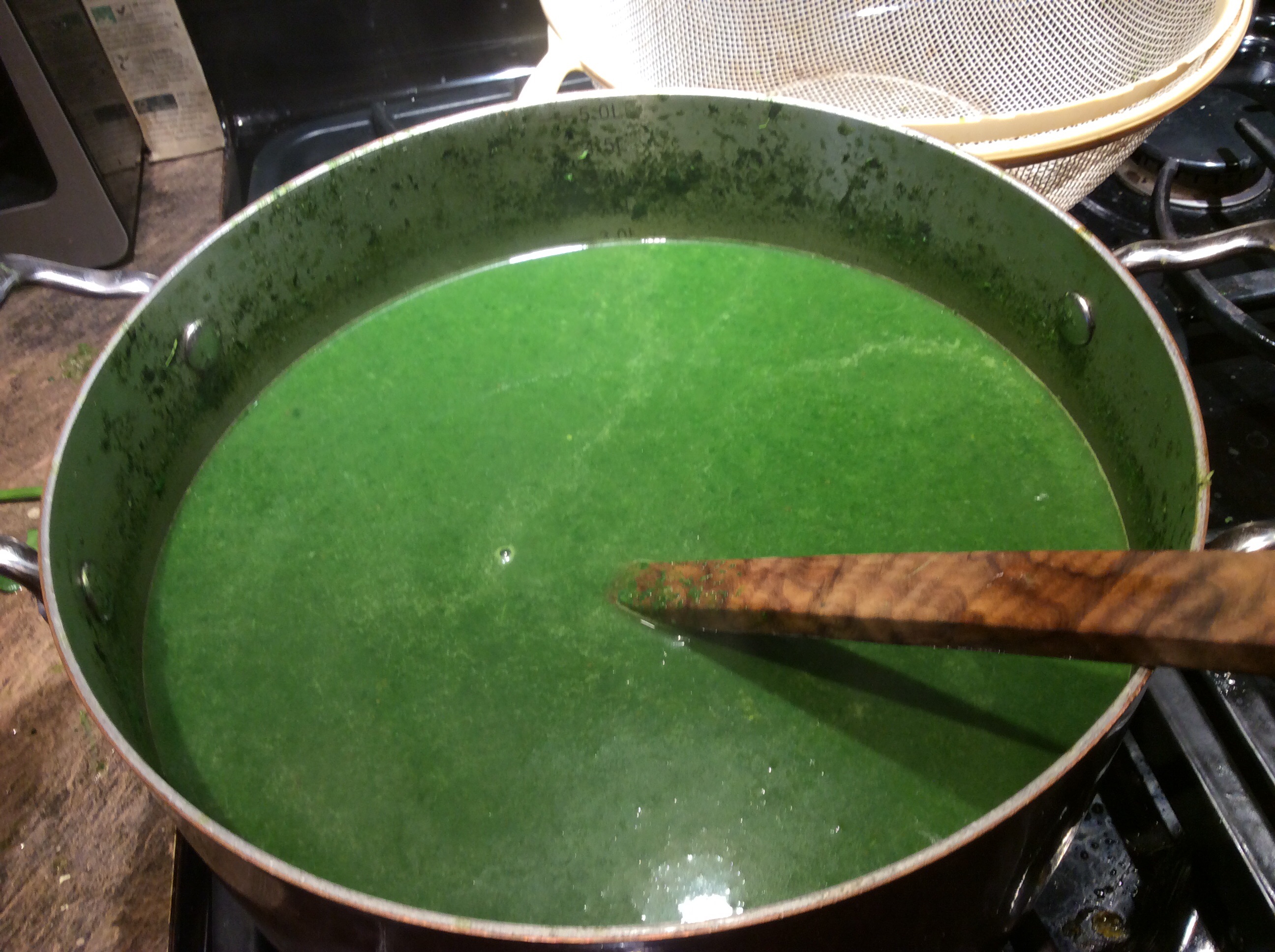
Now purée with a stick blender. Add salt to taste (I think it needs to be on the salty side)and add a teaspoon of Urfa pepper flakes, Aleppo pepper flakes, or mild red pepper flakes. I like a bit of oregano and thyme. Taste and correct the seasoning carefully.
Mix some full-fat Greek yogurt with salt to taste and have it ready.
Put six egg yolks in a bowl, whisk them up, and slowly add a cup of the hot soup, whisking furiously all the time. Slowly pour the egg mixture into the soup over lowest heat, and whisk another minute or two until it’s lightly thickened and smooth.
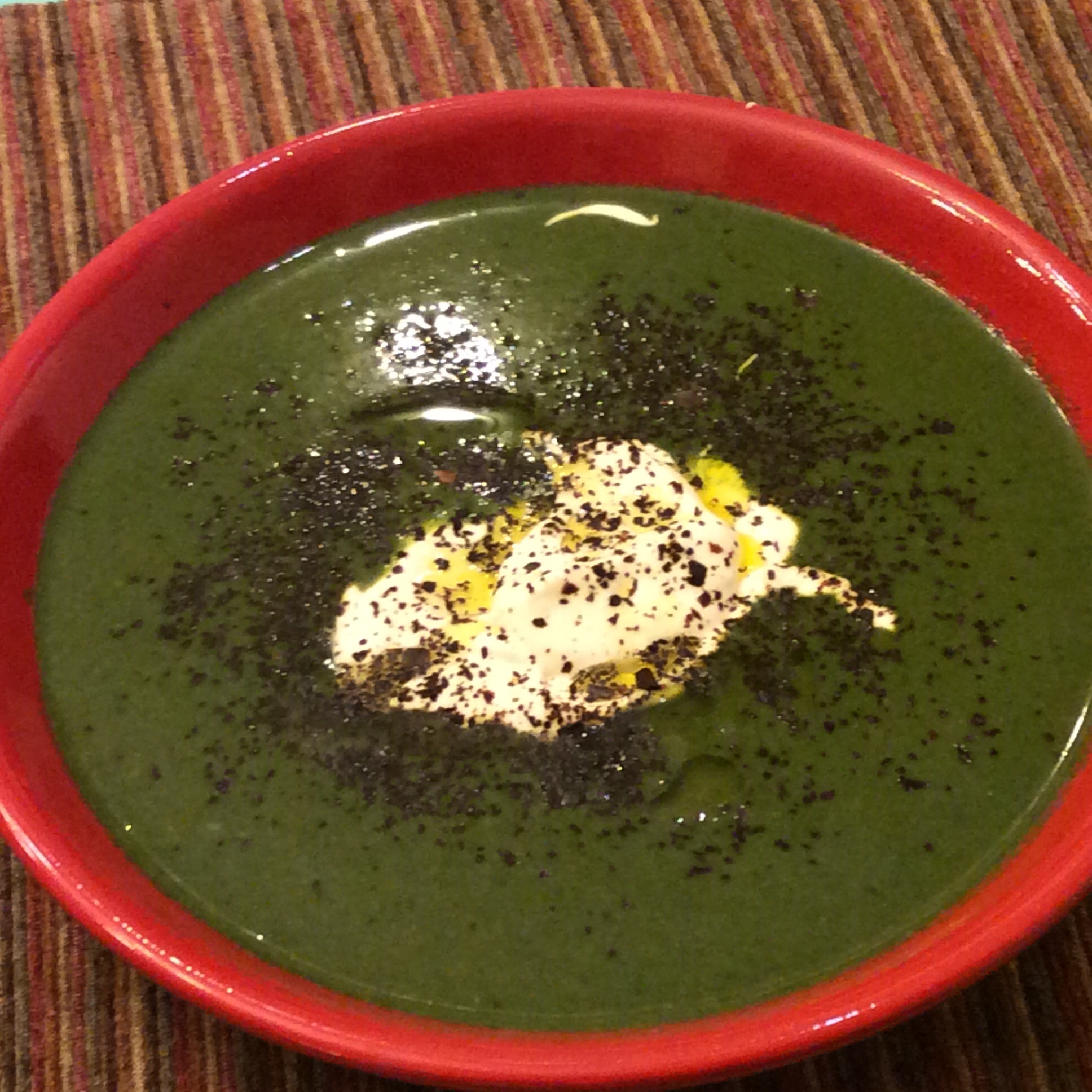
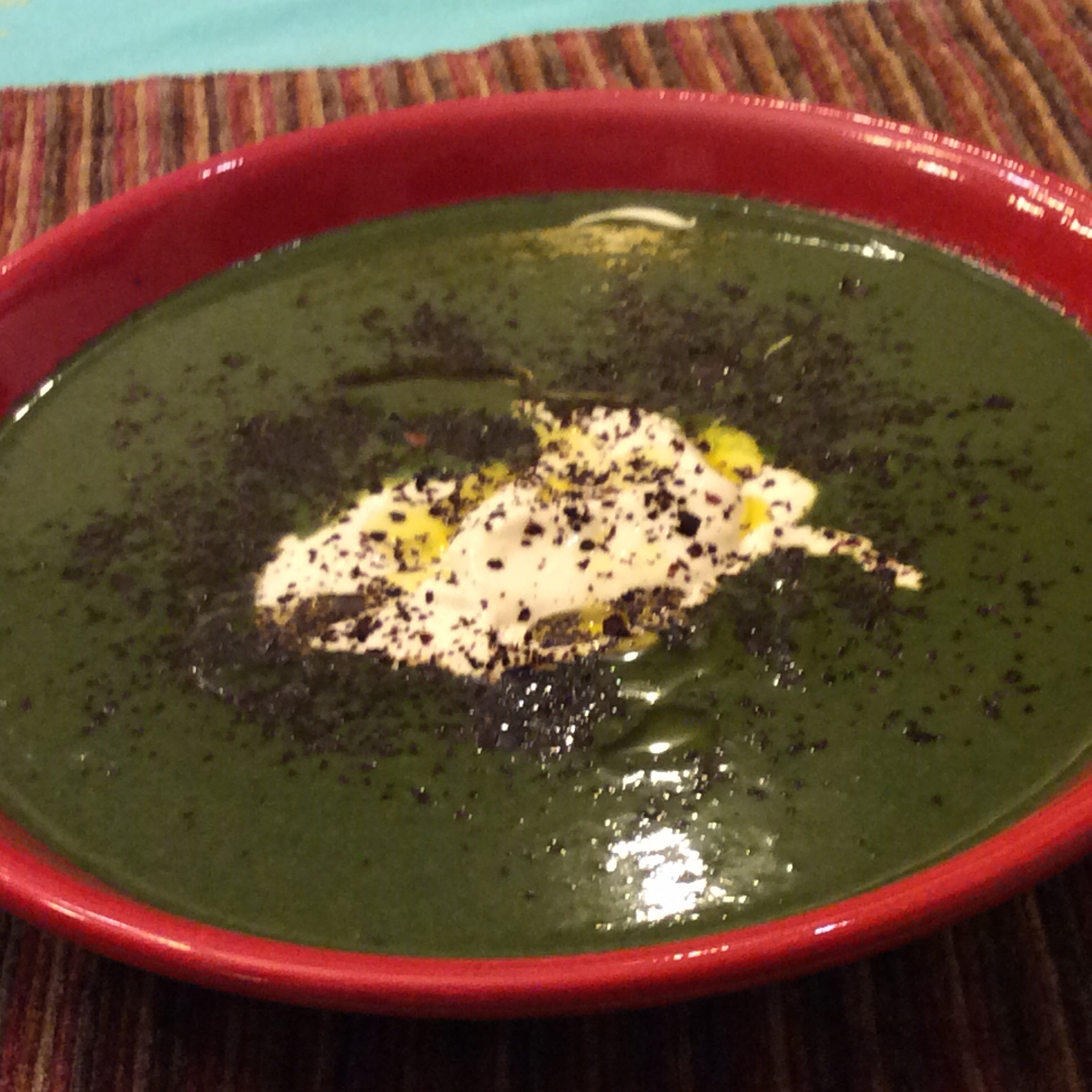
Serve into bowls, pile a half cup of salted yogurt in each bowl, drizzle lavishly with your best olive oil, and sprinkle heavily with more Urfa or red pepper flakes. Eat, and flourish.
image

image

image

image