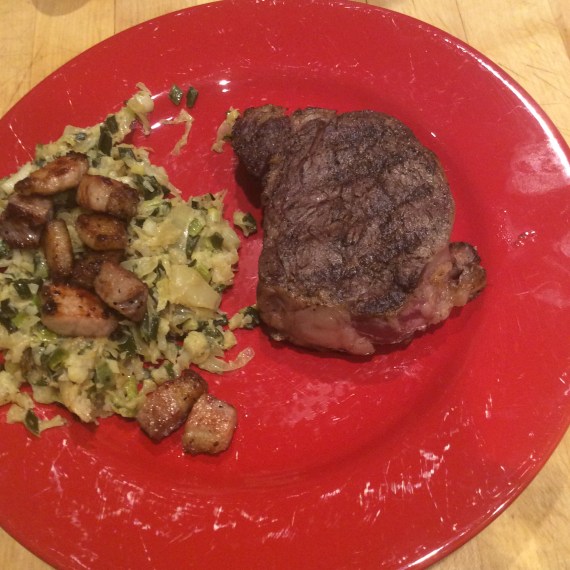
A few decades ago when I owned a sheep farm, I grew a lot of potatoes and made a lot of colcannon in the winter. This old Irish dish combines smashed boiled potatoes with milk and cream, and incorporates other vegetables according to your fancy. Onion and cabbage are traditional favorites, herbs and greens are common, and others are possible.
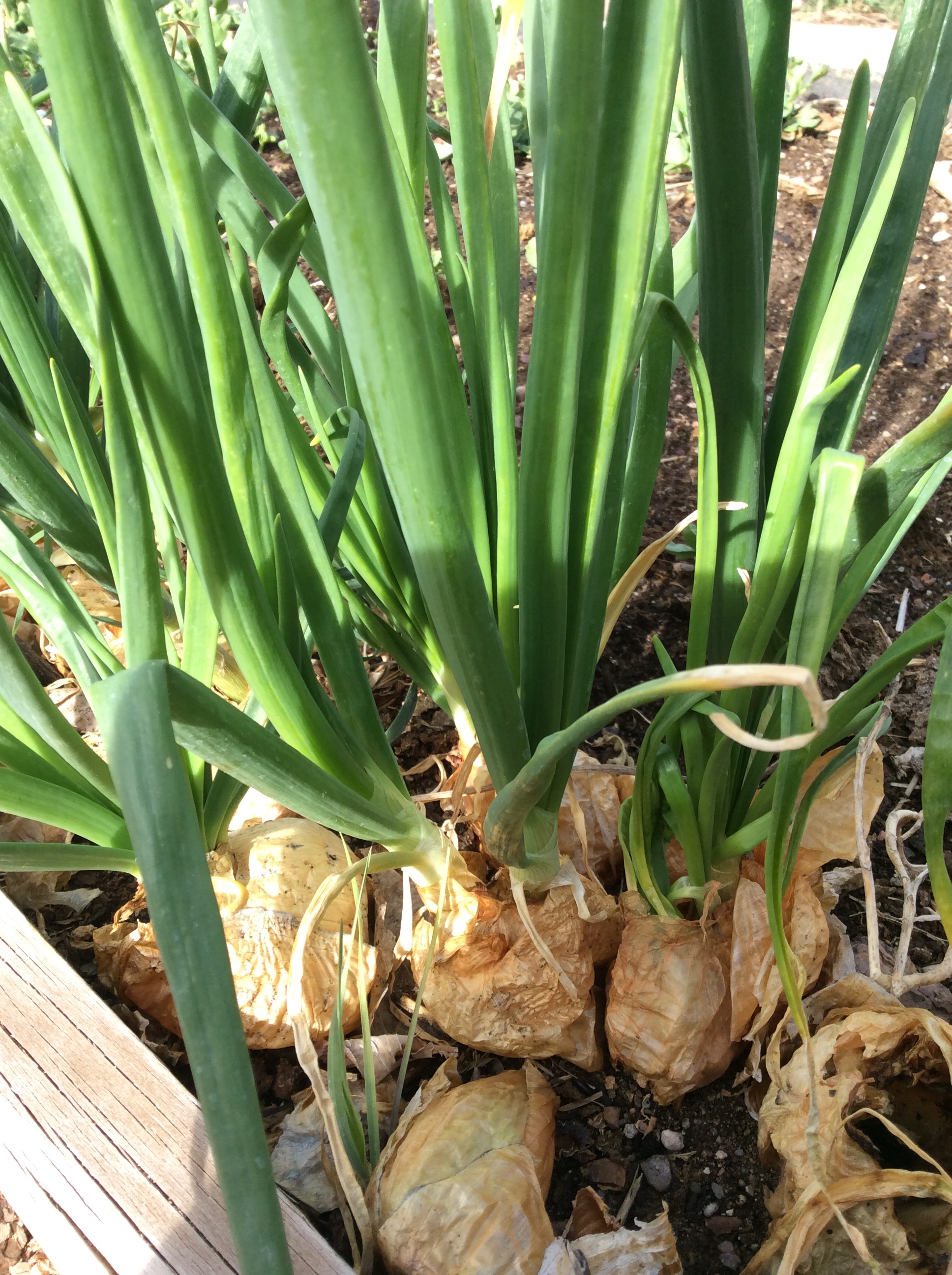
These days I want low-carb vegetable dishes, but I still want my easy accommodating colcannon and I have a ton of green garlic and green onions around, so I started there. I write a lot about green garlic and green onions because they are so easy to grow and have available for earliest spring, so chock-full of allacin and various antioxidants, and so very tasty. If you grow no other vegetable, put some small organic onions and at least a few dozen garlic cloves in among your ornamentals in fall (as long as you don’t use pesticides,) and next spring you will have these sweet and delicious vegetables to work with.
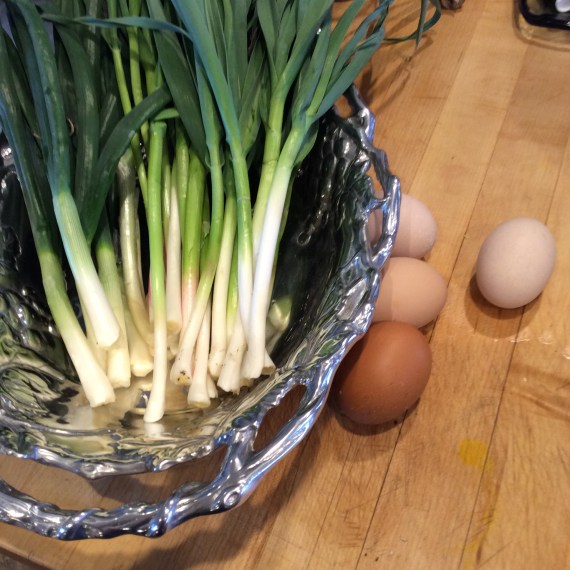
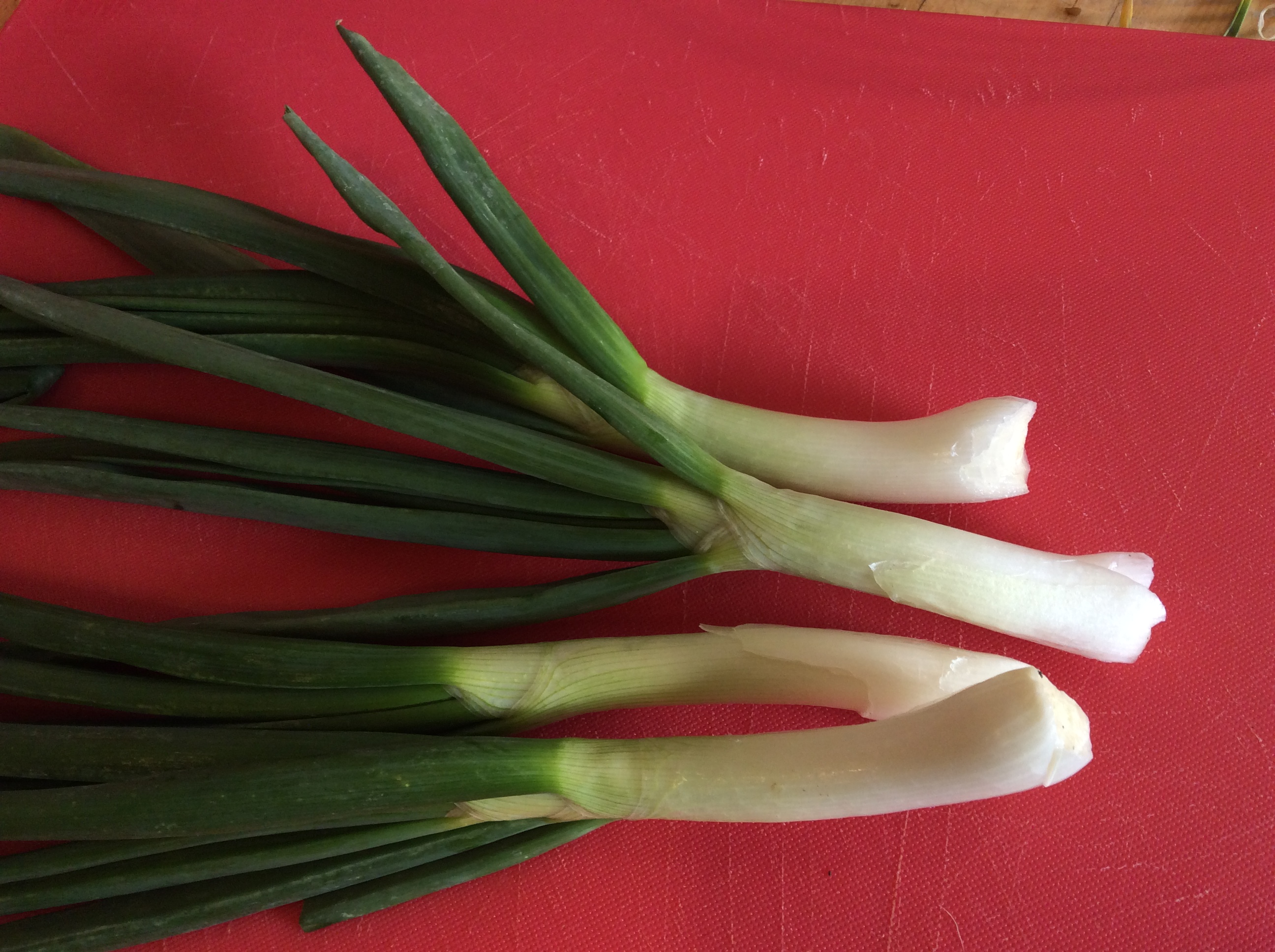
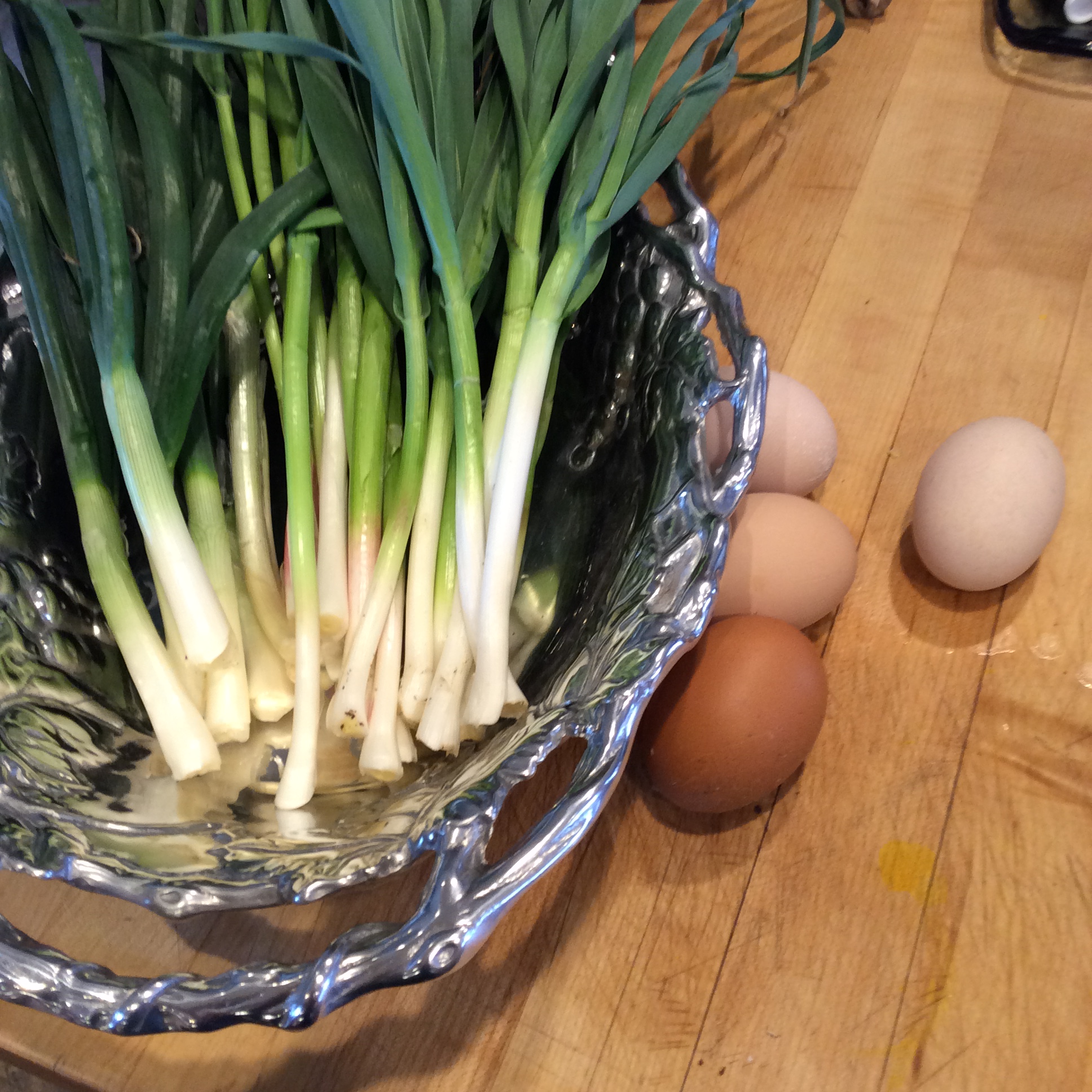
I started with six big green onions, a dozen stalks of green garlic, a head of cauliflower, half a head of cabbage, and butter and cream.
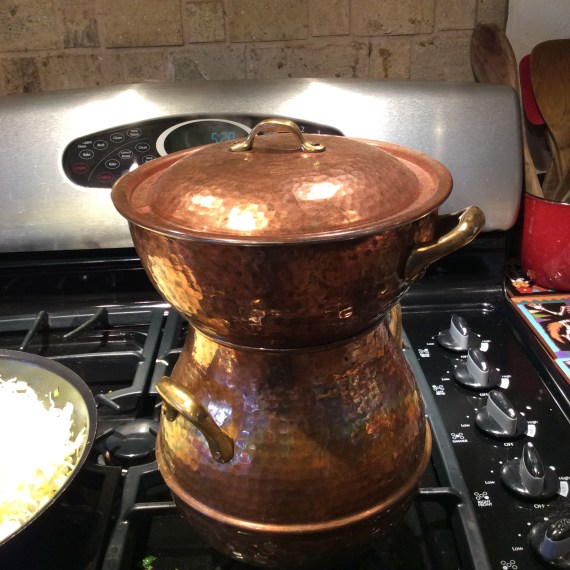
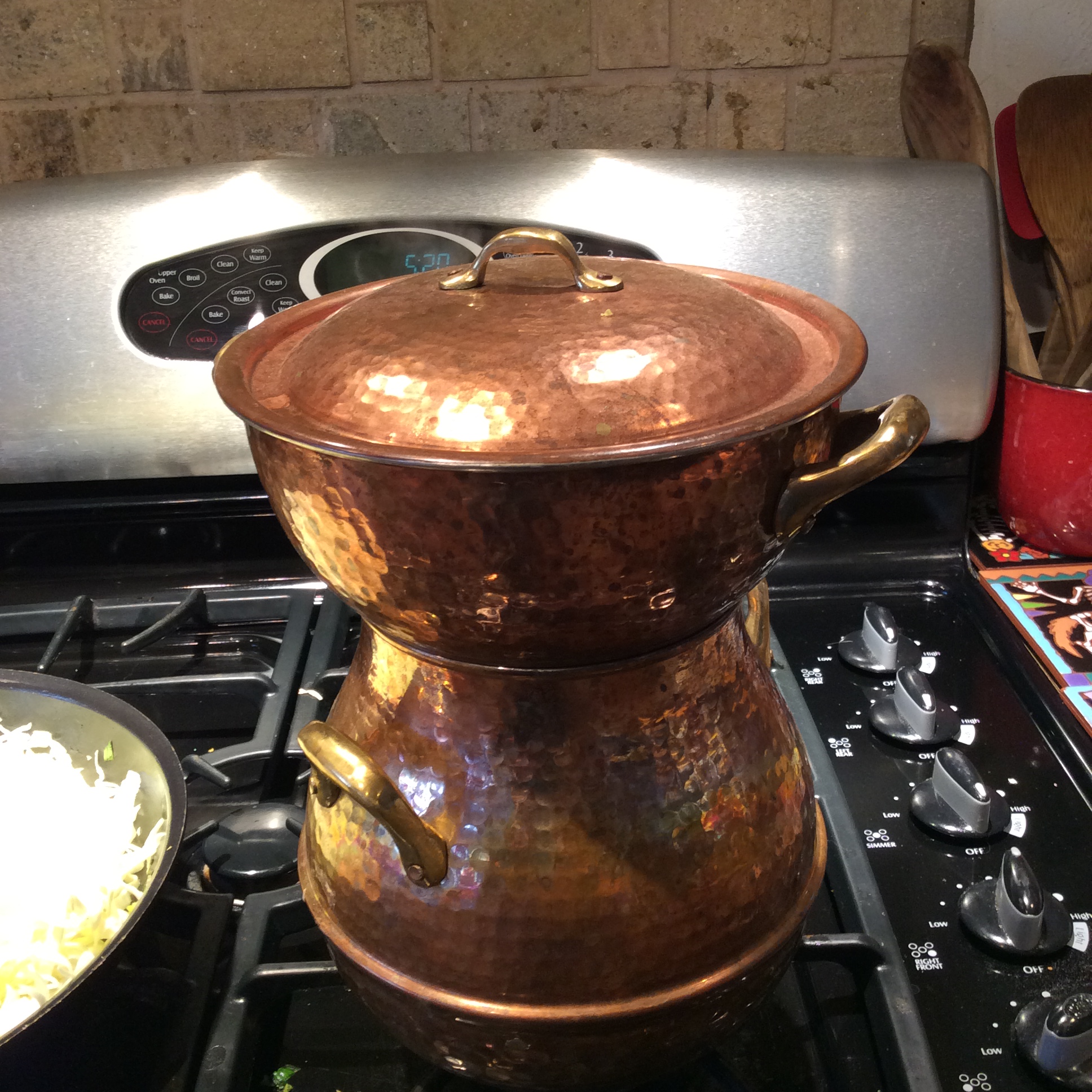
First, cut the florets off the cauliflower and put them in the steamer for half an hour. They need that much steaming time to be soft and smashable. I use my old couscousierre to steam veggies because I like to look at it, and incidental pleasures are half the fun of cooking.
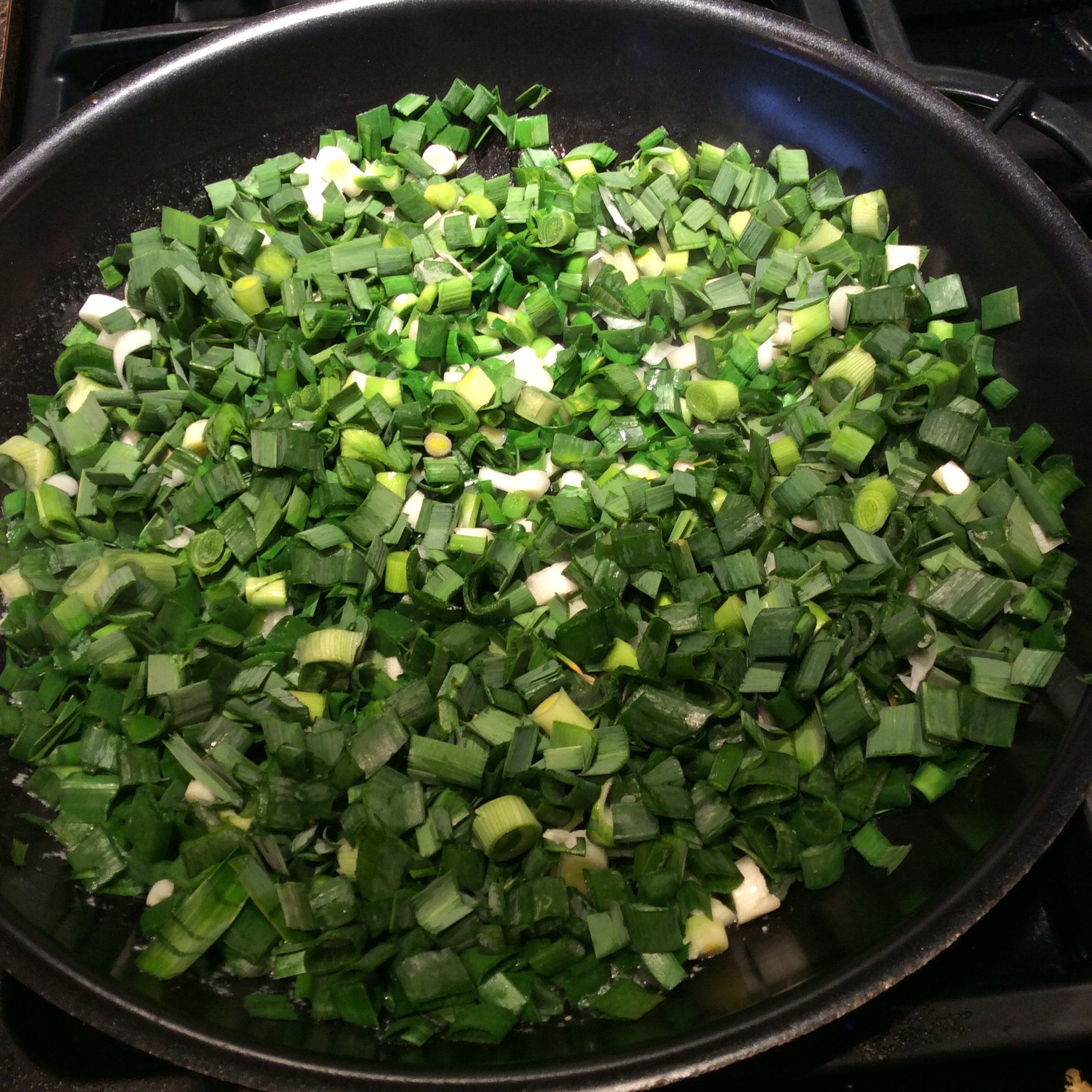
Wash the green alliums and trim off any yellowing or dry-looking leaf tips. On a large cutting board, slice the washed and trimmed green onions and green garlic into quarter inch cross-section slices.
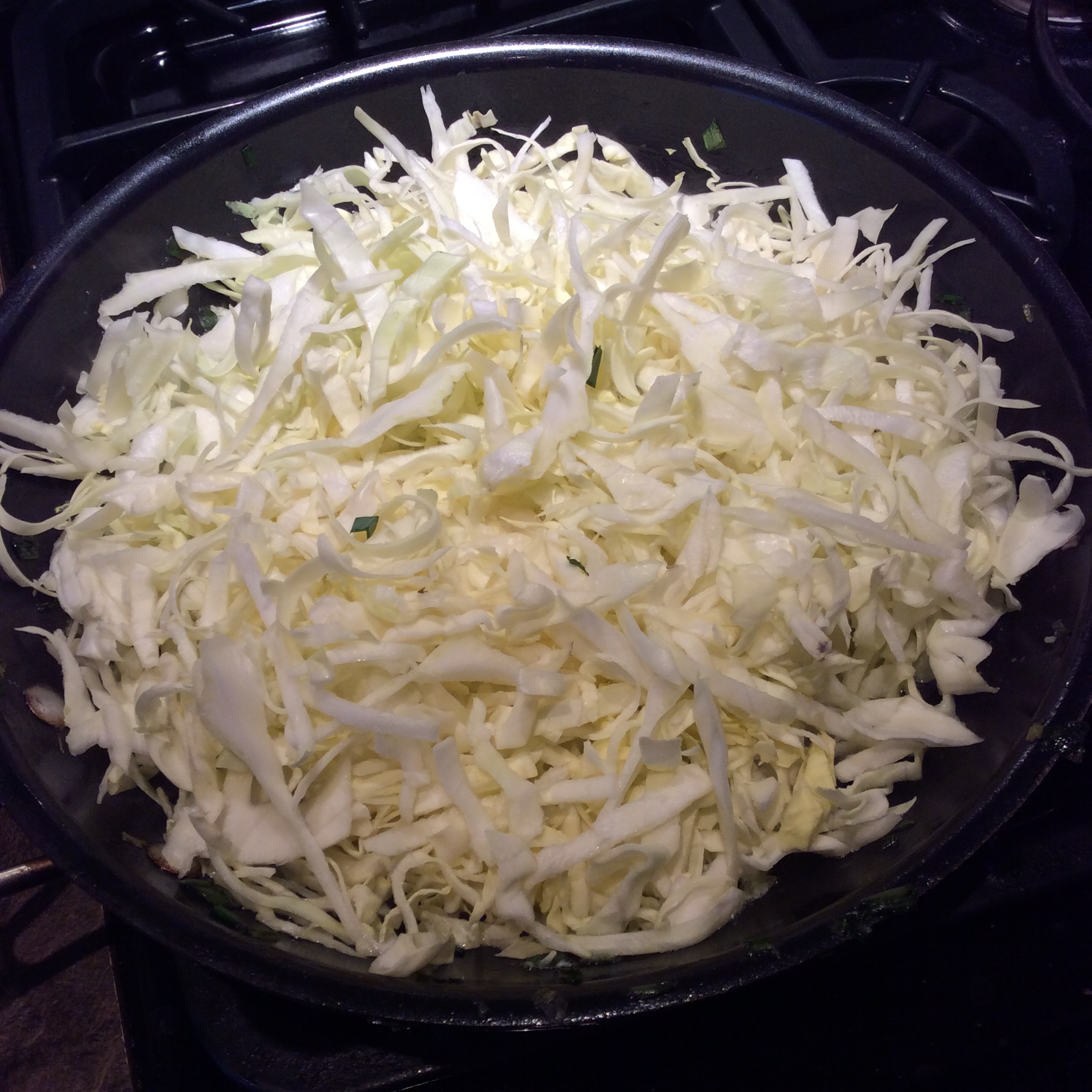
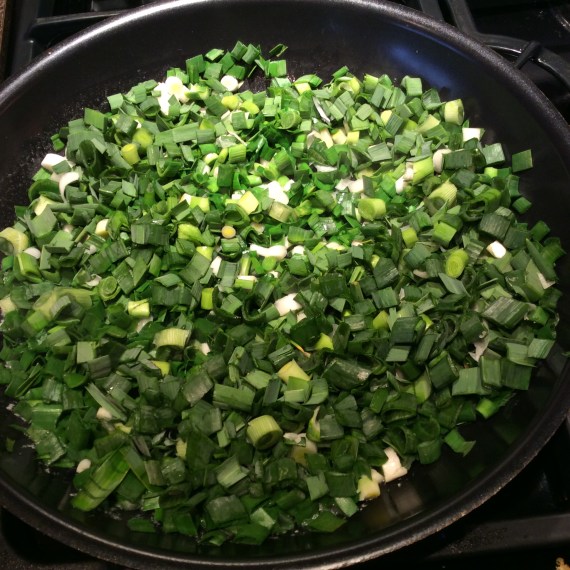 Heat a large skillet over medium heat, put in about 3 tablespoons of good butter, and sauté the greens over medium heat, adding some salt and stirring frequently, until thoroughly cooked, soft, and sweet. Meanwhile, slice the cabbage into very fine slices, discarding any thick ribby pieces. When the green alliums are cooked, scrape them into a bowl, return the skillet to the heat, add another good-sized knob of butter, and put in the cabbage shreds. Cook them over medium heat with some salt, stirring frequently, until very thoroughly cooked and sweet. This takes a while, and you need to keep an eye on the time and open your steamer when the cauliflower has cooked for 30 minutes.
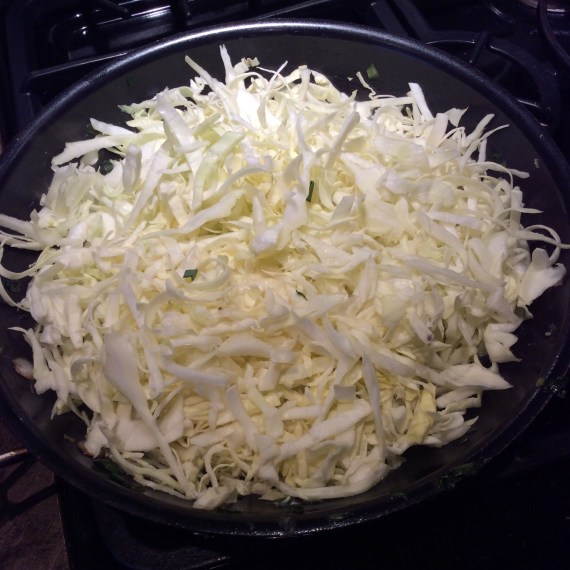
When the cabbage is cooked, put in the steamed florets and start smashing them with the back of a big wooden spoon. When thoroughly smashed, add half a cup of heavy cream and the cooked green garlic and taste the mixture for salt, correcting to taste. Cook over low heat for another half hour, stirring occasionally, to let the flavors amalgamate. Stir in a generous amount of freshly ground pepper and serve.
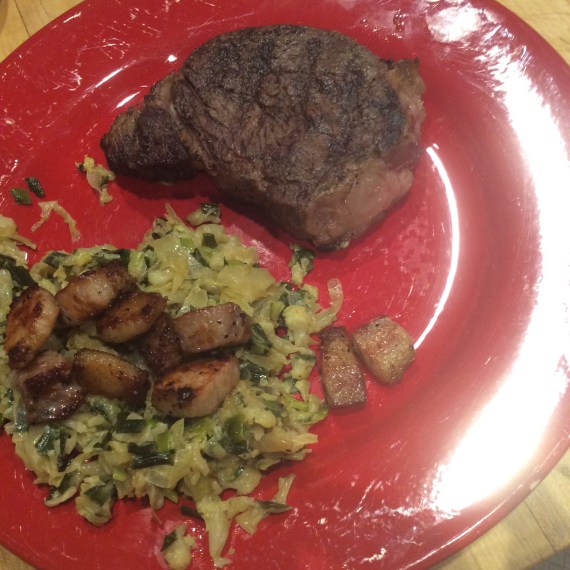
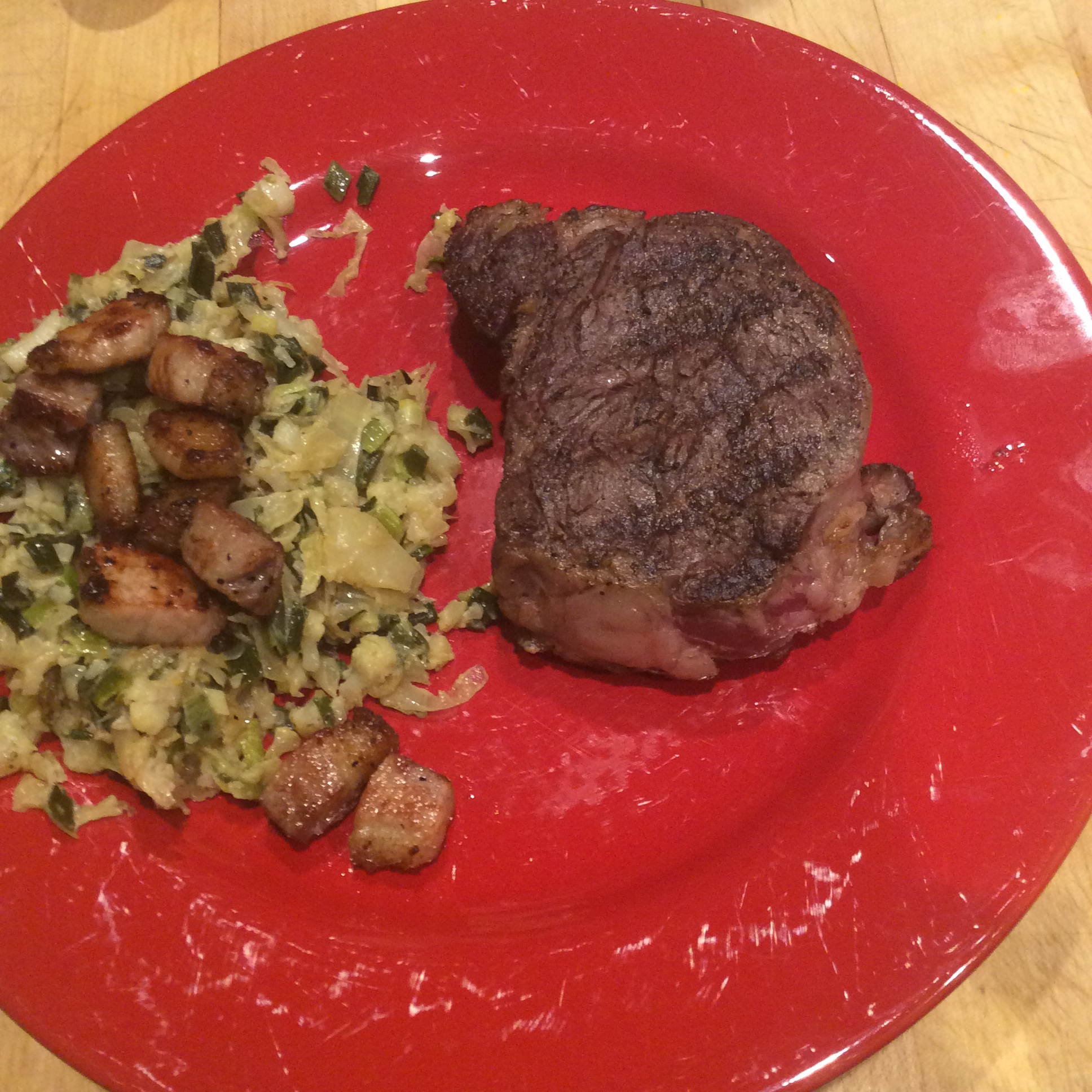
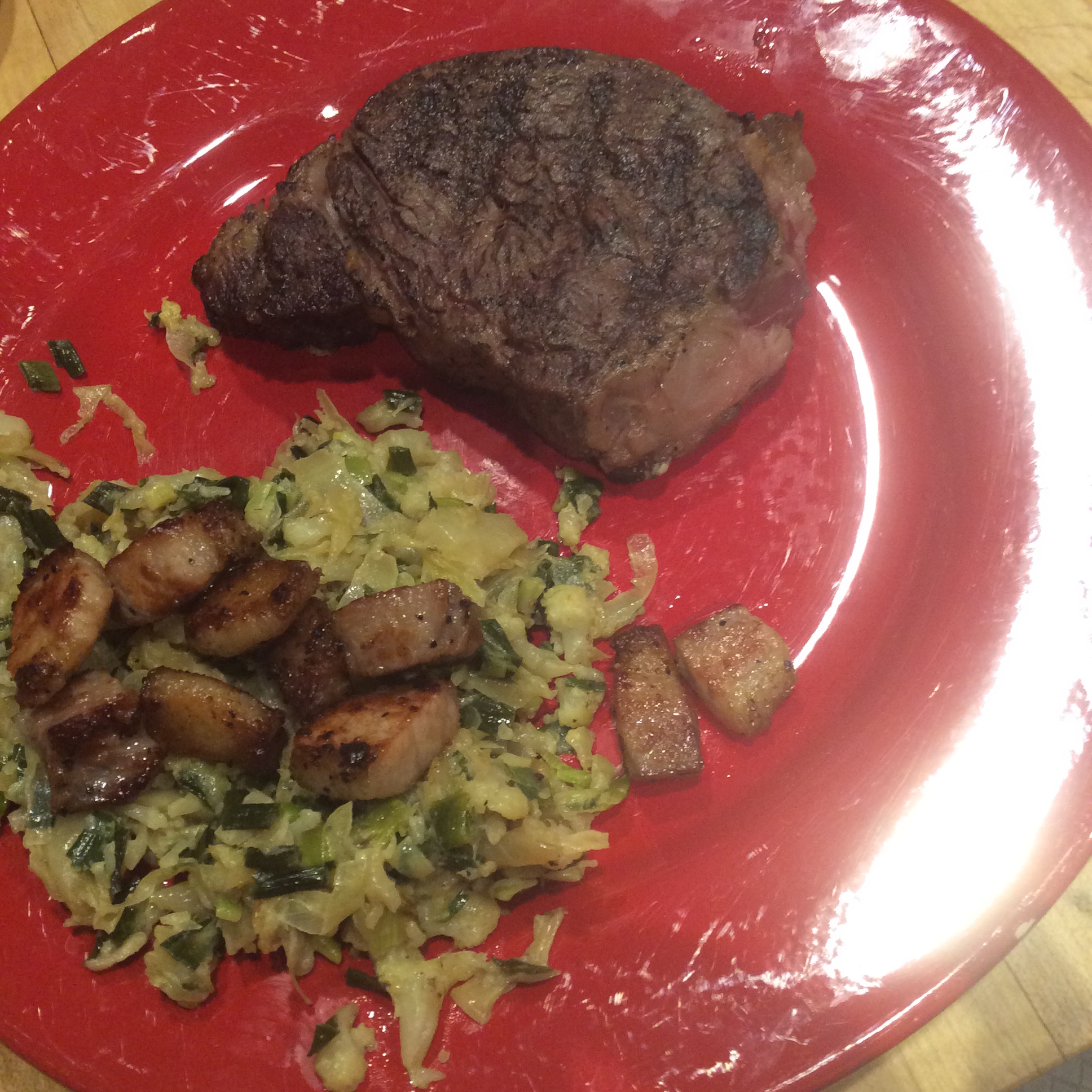
This is the fun part. Serving possibilities are endless. I pan fried some lardons of mild bacon to top it off and put a small steak on the side. It’s so filling that I didn’t eat more than a bite or two of the steak, so now I have leftover steak to plan another meal around.
Unlike potato colcannon, which can get gummy if reheated, the cauliflower version is even better when left over. You can top it with sautéed greens, or a fried or poached egg, or both. A bit of mild cheese could be grated in or gratineed on top, or this could accompany a roasted chicken. It is a wonderful basis for meals in mixed omnivorous-vegetarian crowds, because the vegetarians will find it satisfying on its own or with an egg and the omnivores can have meat on top or alongside and will probably not eat much meat because it isn’t needed.
I do think it’s wise to respect the essentially sweet and delicate nature of this dish, and keep seasoning simple. If you take your time with the sautéing, and use butter, the cabbage and green alliums develop wonderful depth of flavor. Heavy cream is essential in my opinion, and it has a lovely sweet flavor of its own. I also think a key step is to add some salt during the sautéing process so that it cooks into the vegetables well. Just not too much. This all takes some time, about an hour from bringing the green alliums in from the garden to finished colcannon, so there is no point in making smaller quantities. It will get eaten.



 My urban homestead