Archive for the ‘edible landscaping’ Category

My Years with Cardoons

img_5066

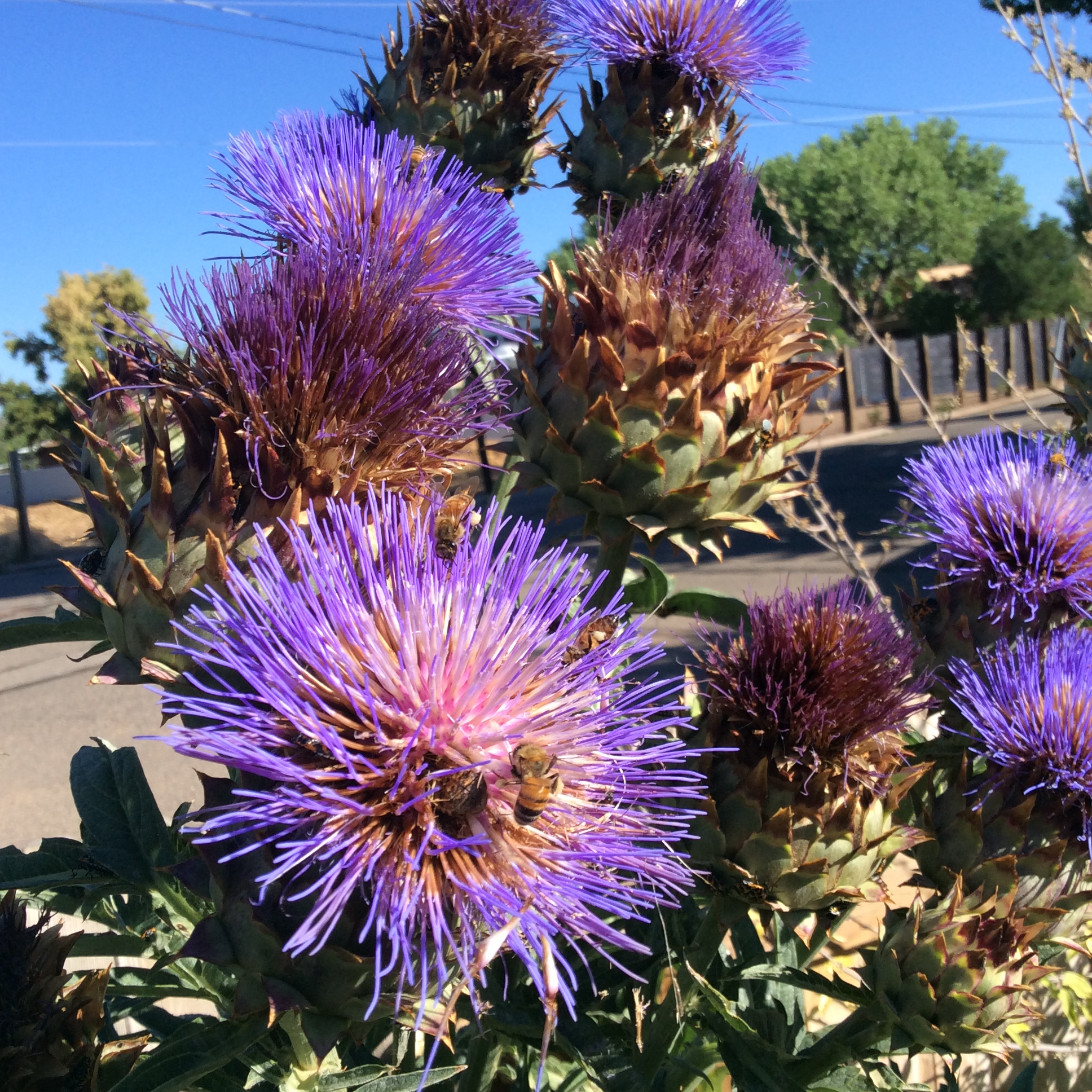
It took me a long time to learn to eat cardoons. My own cardoons, at least. I first found them in the market while honeymooning in Italy, and there they are neatly blanched, trimmed, and ready for the pot. I loved them, and ordered seeds from Italy as soon as I got home. They grow robustly in my desert climate and alkaline soil, and they are very ornamental. I had them for years before I successfully cooked them, and they were wonderful bee fodder all that time, blooming in the blasting-hot late summer when few other flowers are available to our pollinators. I tried to cook them without the tedious step of blanching the plants, and would say that this just doesn’t work.
image

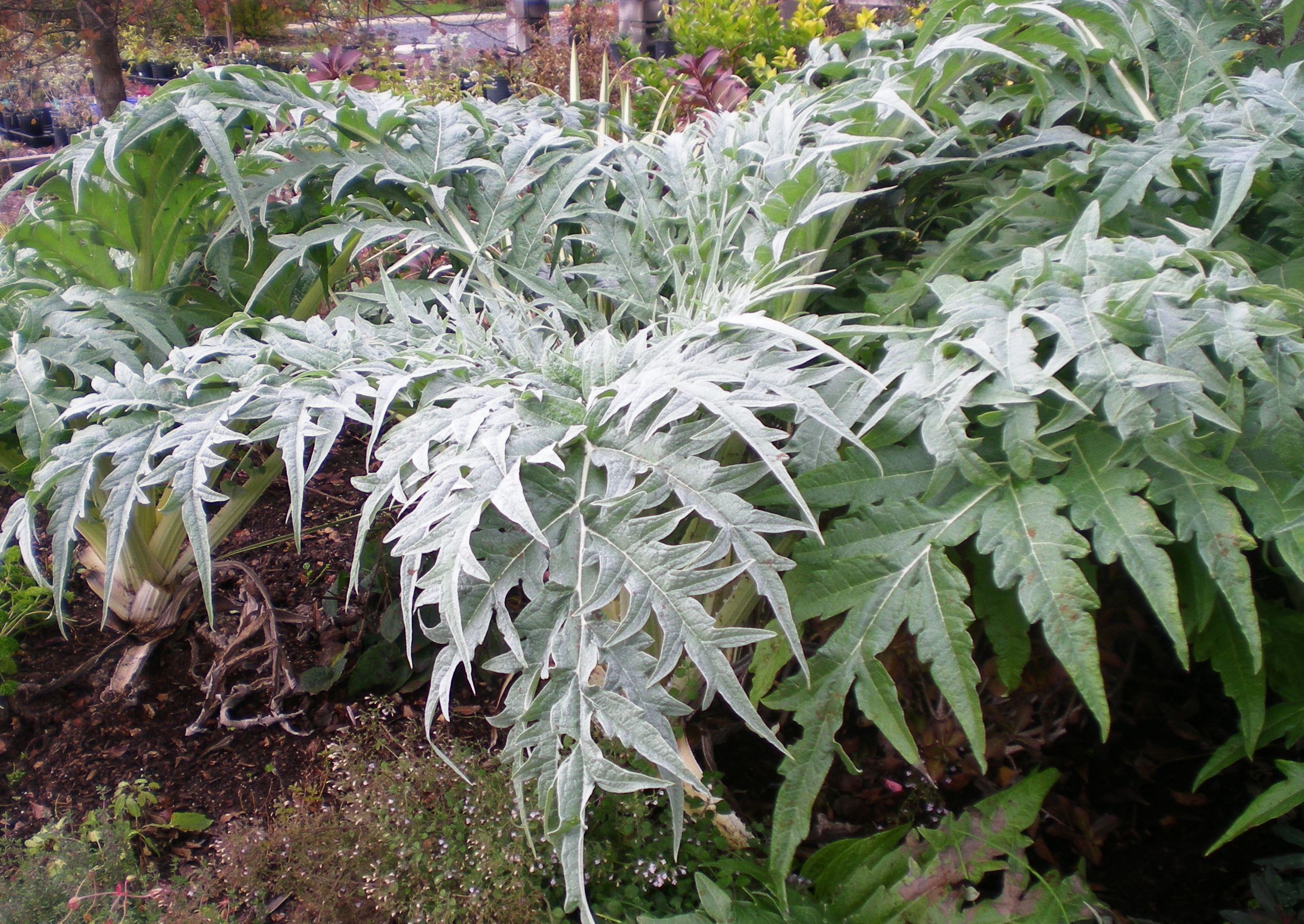
They die back unattractively after flowering, but then sprout again from the ground up. The foliage is silvery, full, and stunning in November. Unfortunately this is also the time when they’re best for eating, so mine aren’t exactly ornamental right now.

Before eating, blanch the stalks for a couple of weeks. I covered mine with some landscape cloth I had around, which is black and fuzzy and nearly lightproof while letting air and water through. You could also wrap your bundled plant in a couple of layers of corrugated cardboard, tieing it on carefully to exclude light from the stalks.

When blanched, use a sharp knife to cut the whole center out of the plant. Wear gloves, because cardoons are thistles and have nasty bristles down the edges of the leaf stalks and at the leaf margins. Cut off the leaves, leaving a bundle of stalks, and pull off any outer stalks that look ragged. My goat adores the leaves and trimmings, and since the leaves are intensely bitter, this is the best use for them.
img_5060

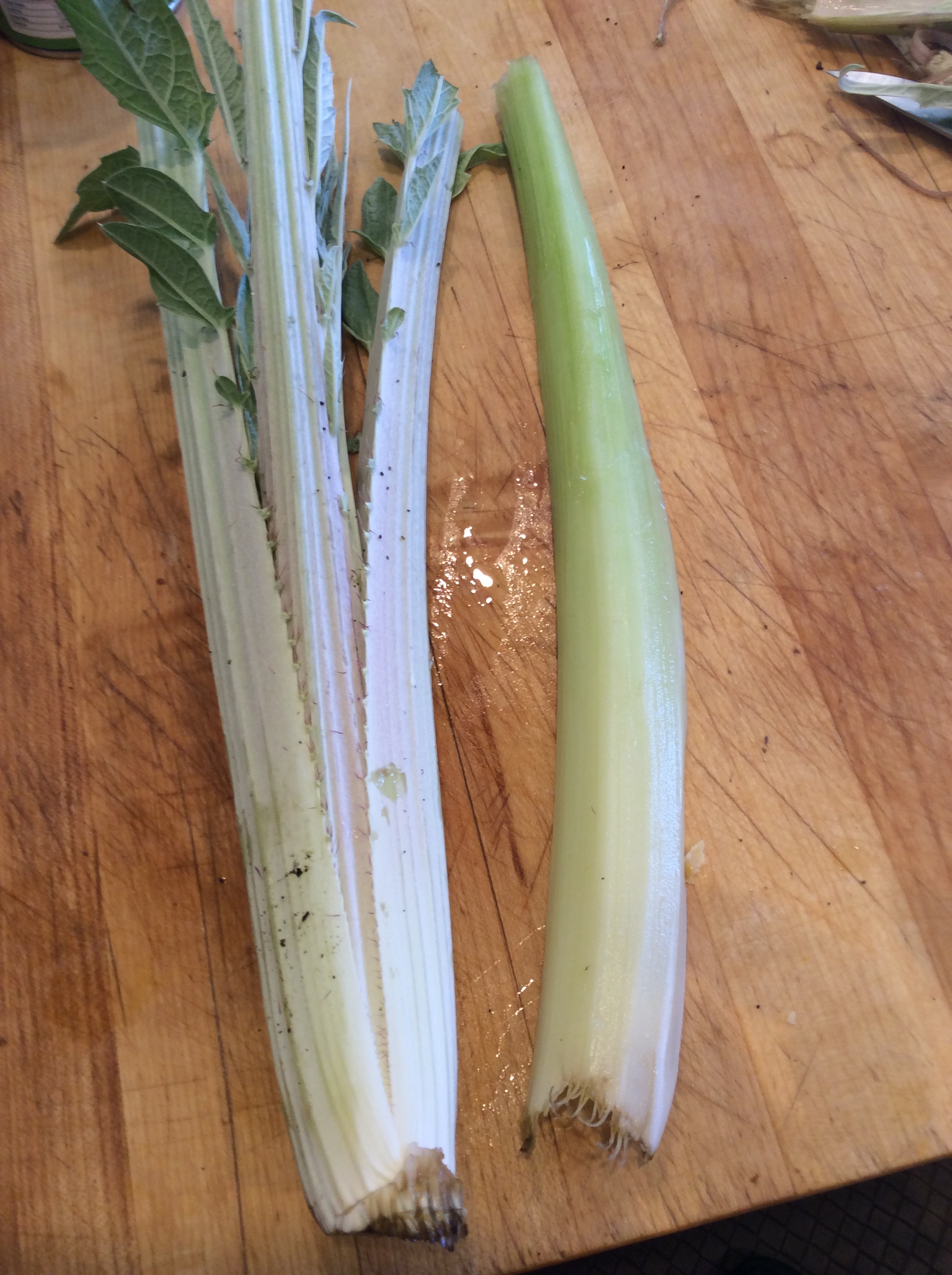
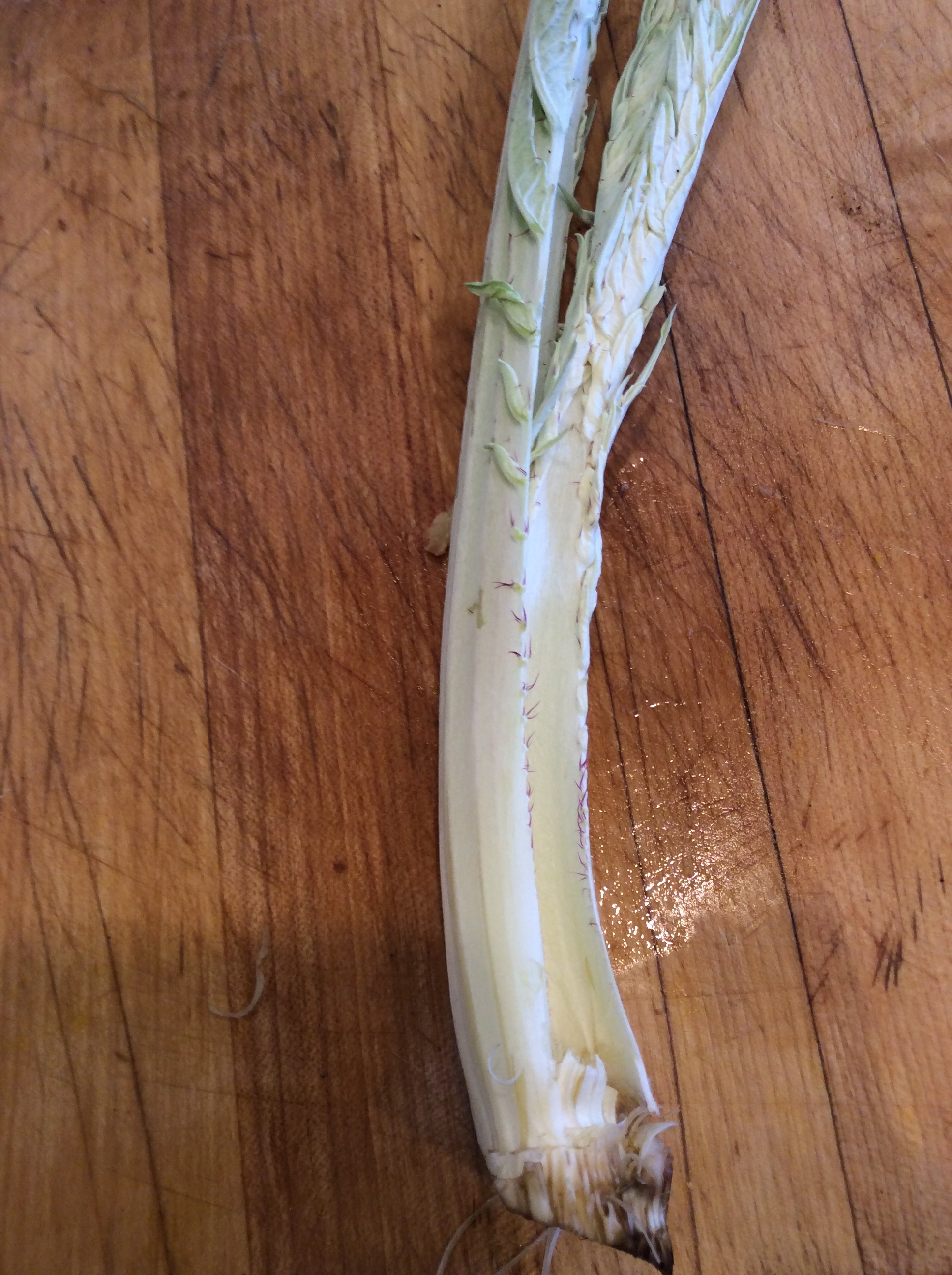
Separate the leaf stalks, wash well, and use a vegetable peeler to skim off the outer margin on each edge, where the bristles are. Now use the peeler to skin off the tough stringy part on the convex outer surface of each stem.  When you are done, they will look like the peeled stalk on the right above. The innermost stalks are tender and fairly stringless and just need the base trimmed and the row of bristles on each edge skinned off. Be sure you pull off the leaves from the center stalks, because even though they are very blanched and not bitter, they are tough even after cooking. Cut off the stalks at the point that they start to look corrugated and use everything below that.
img_5061

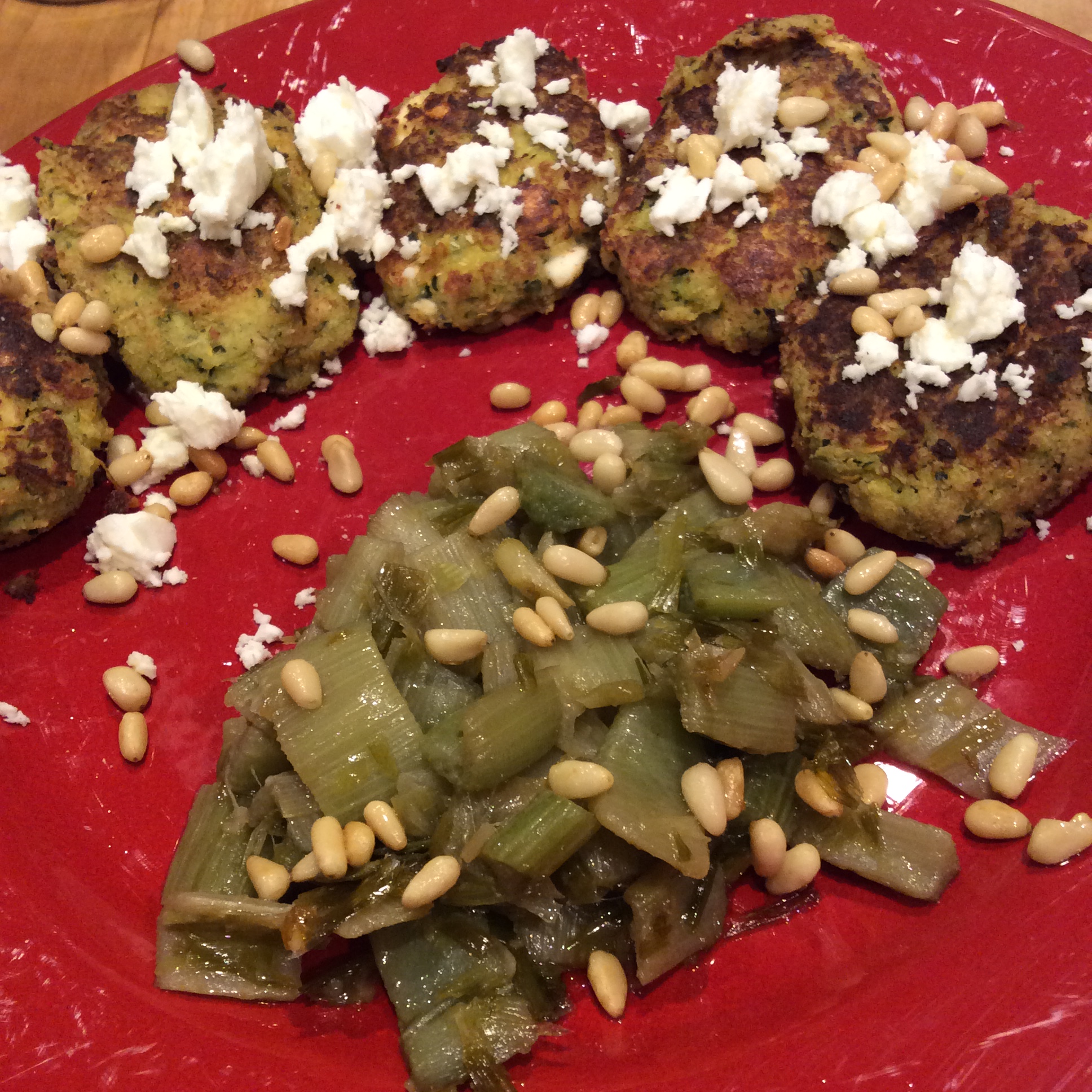
Cut the stalks in half-inch cross sections  and blanch in boiling salted water for about two minutes, then drain well and either continue cooking as you desire or refrigerate them for later.  They have a flavor rather similar to artichokes, so I gave them a bagna cauda treatment by sautéing them for about five minutes in plenty of good olive oil with a chopped clove of garlic and half a mashed anchovy fillet and a final garnish of roasted pine nuts.  Their own flavor is subtle, so don’t get too heavy handed with the seasonings.
img_5063

I think they are awfully tasty. The bad news is that one large plant, with a fair amount of preparation, makes two generous servings.  But given that they are drought tolerant, attractive, and truly carefree perennials, I don’t mind putting in some effort in the kitchen.  As for the low yield aspect, I will just work on growing more of them.

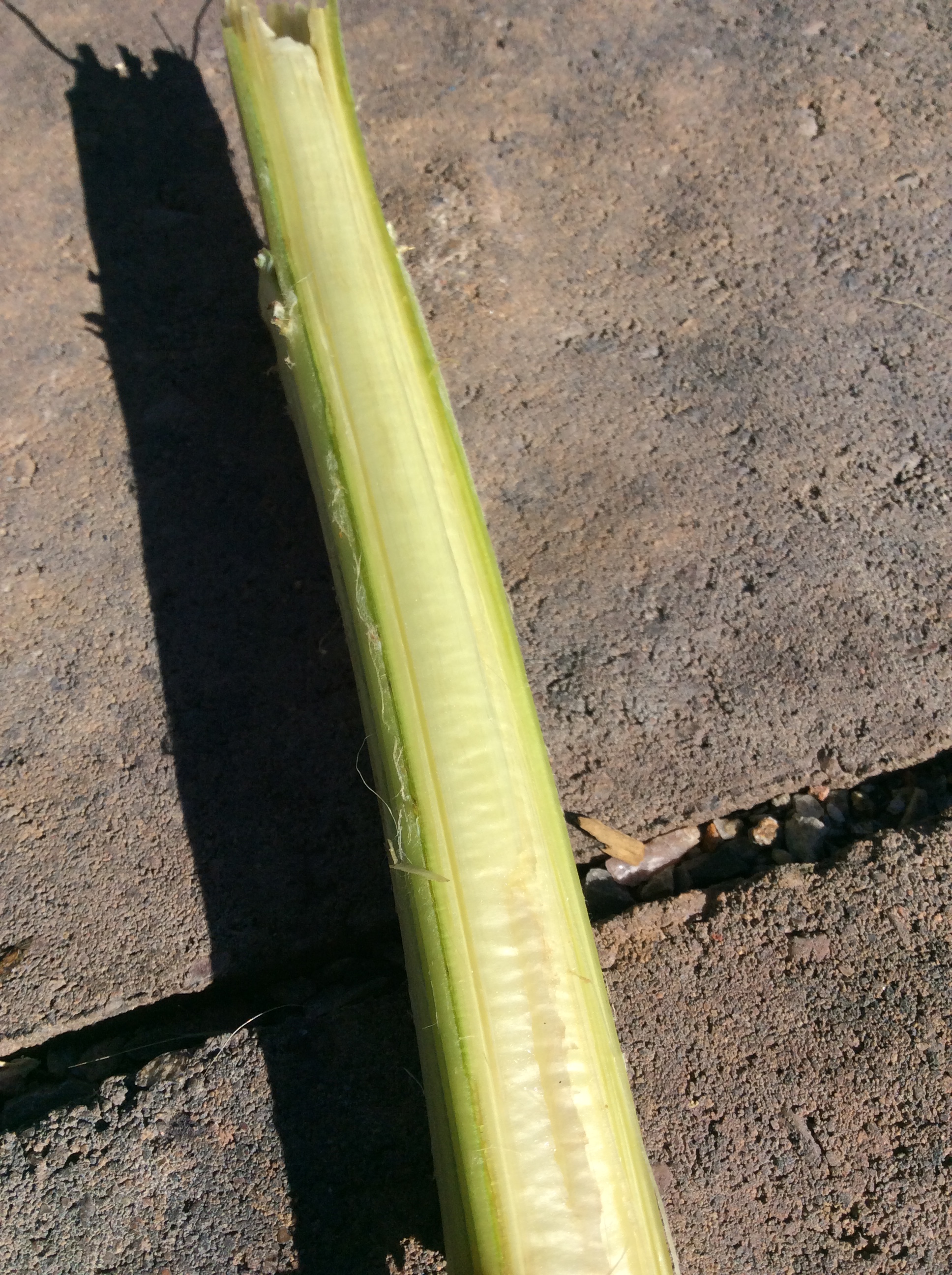
Incidentally, before they flowered last summer, I picked a flower stalk when it had lengthened to about 3 feet but before the buds started to swell. I peeled the thick tough skin off the stalk, cut it in sections about an inch long, and sautéed it in olive oil with some salt until cooked through and fairly tender.  The upper 8 to 10 inches of the stalk, when treated this way, made a delicious vegetable with a crisp texture and a pronounced artichoke flavor.  The other 2+ feet of the stock were not usable because, even when the outer tough skin is peeled away, fibers have developed in the pith itself.  But if you have a lot of cardoons and can afford to pick several stalks, this makes one really delicious vegetable. Otherwise treat the top of one stalk as a Cook’s Treat and cook it in your smallest skillet and eat it standing up in the kitchen, gloating quietly to yourself.
image


Superfruit Sauce

img_4763

A couple of years ago I started my low-carb fruit project, aimed at growing maximum antioxidants with minimum carbohydrates.  This summer my plantings started to bear. Here are a few observations:

1. A good Italian plum tree is abundant beyond rational imagination. In season the branches are weighed down with thick ropes of plums and its overblown beauty warms your heart at sight. Make sure you have plans for the fruit. Prune plums are not low-carb at all but have plenty of soluble fiber in a delicious form, so I eat some.

2. Goji berries are my worst garden invader so far. They seem to behave better in other parts of the country, but they love my alkaline desert soil and go wild. Everywhere I look, yards from the parent plant, eager offspring are poking up among the broccoli and muscling aside the beans. The plants are rather thin, though, and don’t block any appreciable amount of sunlight, so I am happy to have them. But if your nature and aesthetic are more meticulous than mine, better plan to use a root barrier. The shoots, gathered when they still snap cleanly, were one of my favorite perennial vegetables this year. The flavor of the fruit is nothing to write home about, but I enjoy them in savory dishes or mixed with other berries.

3. Clove currants, when left on the bush for a couple of weeks after they turn black, are delicious. Eat them before that and you’ll wonder why you wasted space on them.

4. Goumi berries are very well suited to alkaline soil and tolerate heat well. They smell heavenly when they bloom in May, with a far-reaching honeyed sweetness that is free of the grape Koolaid note that can be overbearing in their close relative the Russian olive.  Again, once they turn red, start tasting every few days, and don’t harvest until they taste good. It’s very worthwhile to buy the expensive named varieties. I didn’t, and my wild-type berries are so tiny that harvesting is very slow and tedious. I’ll be planting some selected varieties next spring.

I had relatively small amounts of all the berry types this spring, so I decided to mix them together and add plums to make a sauce base for producing my own hot sauces and chutneys. Other than stoning the plums, I didn’t do any other prep. I threw roughly equal quantities of the four types of fruit in a stockpot, added good red wine to just cover the fruit, and simmered slowly until the fruits were soft. I think it was about 90 minutes. Then I put the mixture through a food mill to remove any woody seeds that the goumis had contributed and to smoothe and thicken the mixture.

img_4765

Add salt to taste. Now you have an antioxidant-rich purée that can go in a number of directions. Cooked down a little further until it thickens up, and sweetened to taste with sugar or your favorite artificial sweetener, it makes a tart local substitute for cranberry sauce. Cooked a bit with sweetener and chopped garlic and ginger, it makes a delicious Asian sauce for garnishing pork, dipping dumplings, or just as a table sauce. Make hot sauce by pureeing a can of chipotles en adobo in the blender and adding to the superfruit base by spoonfuls until you get the heat level that you want. Sweeten or not; I like some sweet with my heat. My favorite use is superfruit chutney: to a cup of base add a couple of teaspoons of mustard seed lightly toasted in a dry skillet, a teaspoon of garam  masala, a small onion and a clove of garlic finely chopped, and a small piece of ginger grated. Crumble in a dried chile or two if you like heat.  Salt a little less than you think is optimal. Simmer together, adding a little water if necessary, until the alliums are cooked and soft. Taste, adjust seasoning and salt, and cool. Serve with nearly anything Indian.

img_4258

I froze some superfruit base in cartons to use this winter. It could also be canned, although I would suggest pressure canning for safety.


Canna Lilies

img_4917

Every year I try a few new edibles, and I try to lean toward perennials. I have a lot of edible perennials in the spring but very few that produce in hot weather, so I’m especially interested in any heat-tolerant edible. This spring I read about canna lilies as a multi-purpose edible, with young leaves, rhizomes, and flowers all edible. I have seen them perennialized in my area, they tolerate heat beautifully, and I grew up in Louisiana and still have a taste for overblown tropical flowers, so putting in a canna patch was a natural. They grew well and were very pretty, and didn’t even need that much water since they were well mulched.

The hitch came in the kitchen. I tried young tightly rolled leaves sliced on salads, flower petals on top of salads, and finally the season’s new rhizomes boiled. In all three cases the problem was that there was no objectionable flavor but also no desirable flavor. Cannas taste as much like nothing at all as it’s possible to imagine. Since I don’t know of any pressing nutritional reason to eat them, and since yield is low and they use up a fair amount of space, I doubt that I will try them again. I imagined that my goat would enjoy the leafy adult stalks, but to my astonishment she won’t touch them.

So, overall, no reason to keep growing them except that they’re pretty and can make a dramatic addition to summer flowers. And this leads to a bit of ranting about the concept of permaculture. I have recently perused with interest a book claiming that  permaculture could help feed a rapidly expanding world population in an environmentally sound way, but the picture of the authors’ market display shows nothing but standard annual vegetables.  Another book which purports to be a permaculture cookbook has recipes based almost entirely on standard annual vegetables.  If you hope to eat something other than asparagus and spring greens, what exactly do you grow? My weed patch is a partial answer to this question in my own yard, and I’m experimenting with a few Japanese and Andean perennial edibles (so far without much success.) Fruit is an obvious possibility but many of us have weight or blood sugar issues and need to limit the amount of fruit we eat. So in my view the question remains unanswered, and I will be growing and eating annual vegetables for the foreseeable future.  I’m also interested in the concept of wild-crafting, and in my case this means that I attempt to grow edible perennial weeds in my own yard, where I can control soil and moisture and not worry about overharvesting in the wild.

In springtime, the asparagus springs up, nettles and a host of other wild greens sprout, and I can feel like a real permaculturist for the entire month of April. After that, it gets a lot more limited and I’m a more traditional gardener. Unfortunately, canna lilies are not going to do anything to change that.

Late in the Garden Year

img_4881

Here in central New Mexico our garden year is slowly drawing to a close and the first frosts have blasted the tenderest plants but the days are still warm and lovely.  I have been out in the woods gathering wildlings but they are shutting down for the year. So it’s a good time to start summing up the season.  I hope to write in more detail about all these things over the winter, but life being the uncertain business that it is, might as well get started now.

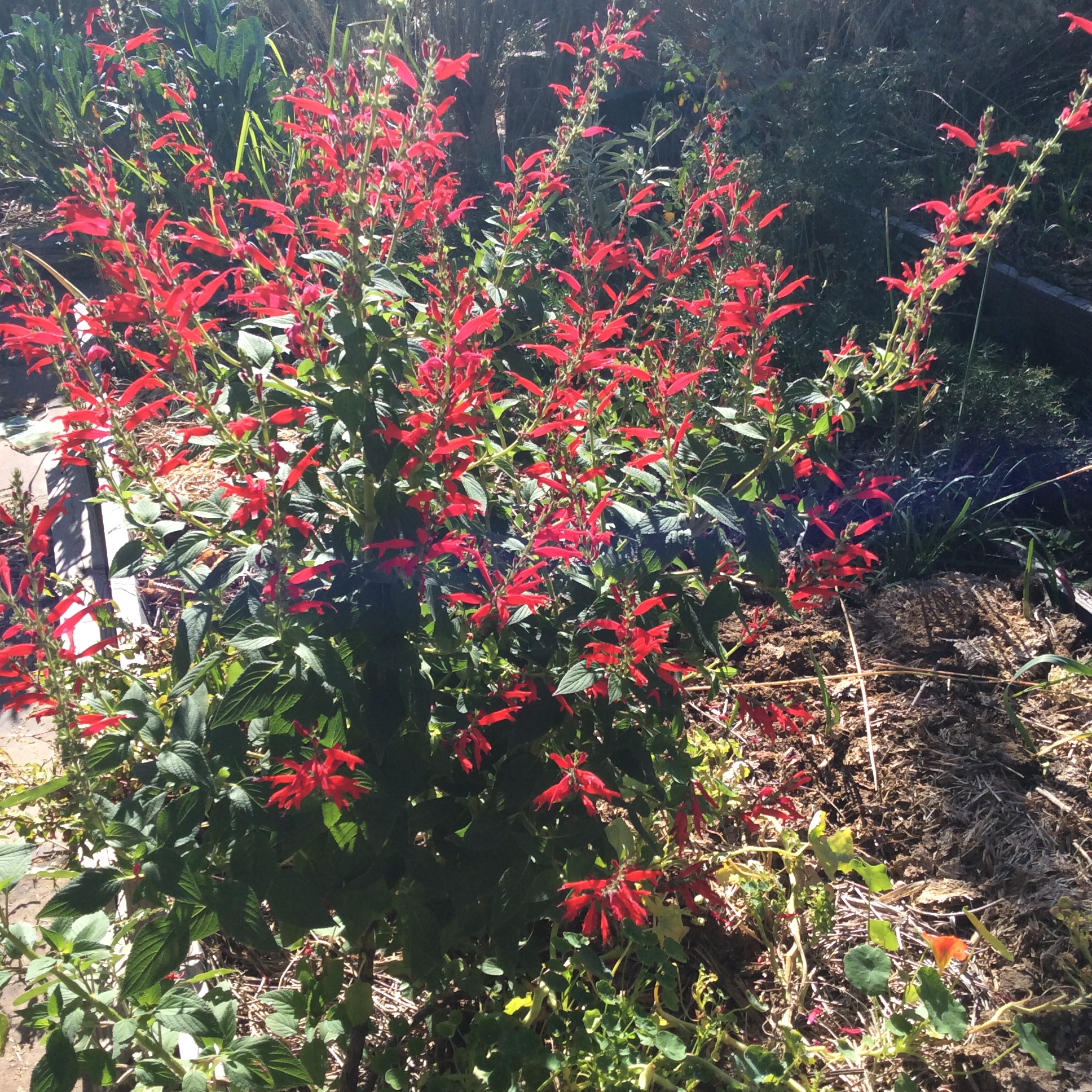
First, beauty. In October, the tender tropical pineapple sage covers itself with red flower spikes and is one of the loveliest sights the garden can offer at this season, so every spring I buy a plant and stick it in somewhere. It makes a good last hurrah for the bees. I make tea from it occasionally during the summer and I’m experimenting right now with tincturing the leaves to make a cordial. More on that later.

img_4888

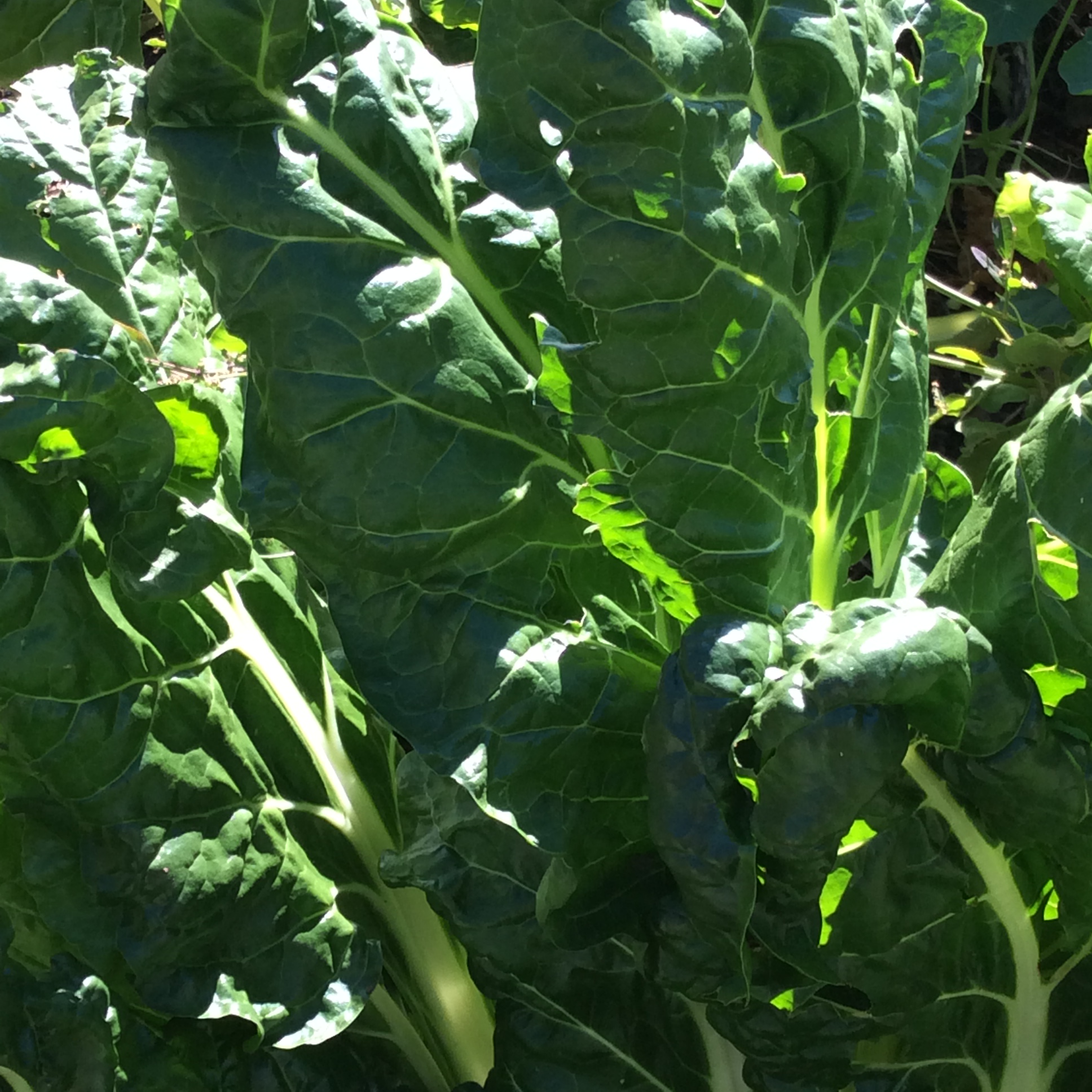
This is chard’s second-best season.  In late spring and summer there are other  greens that I prefer, so I plant my chard in June and in October it is covered with lush green leaves and ready to harvest, when most other greens have given up.   Then I leave the plants in place over the winter and in the spring they send out a burst of leaves that are thick, meaty, tender, and utterly delicious. Remember to harvest the spring leaves before the central stalk starts to form, because as soon as the plant begins to shoot to seed, the leaves become dirty-tasting.  Pick all the fall leaves that you want, since this does not seem to affect the ability of the plant to live through the winter. Blanch some for winter greens if you don’t already have enough in the freezer.

img_4850

All my garden fruits except the quinces are finished for the year, but rose hips are easily found. I am  busy making extracts and cordials from them as a source of vitamin C, flavonoids, and pleasure over the winter.

img_4882

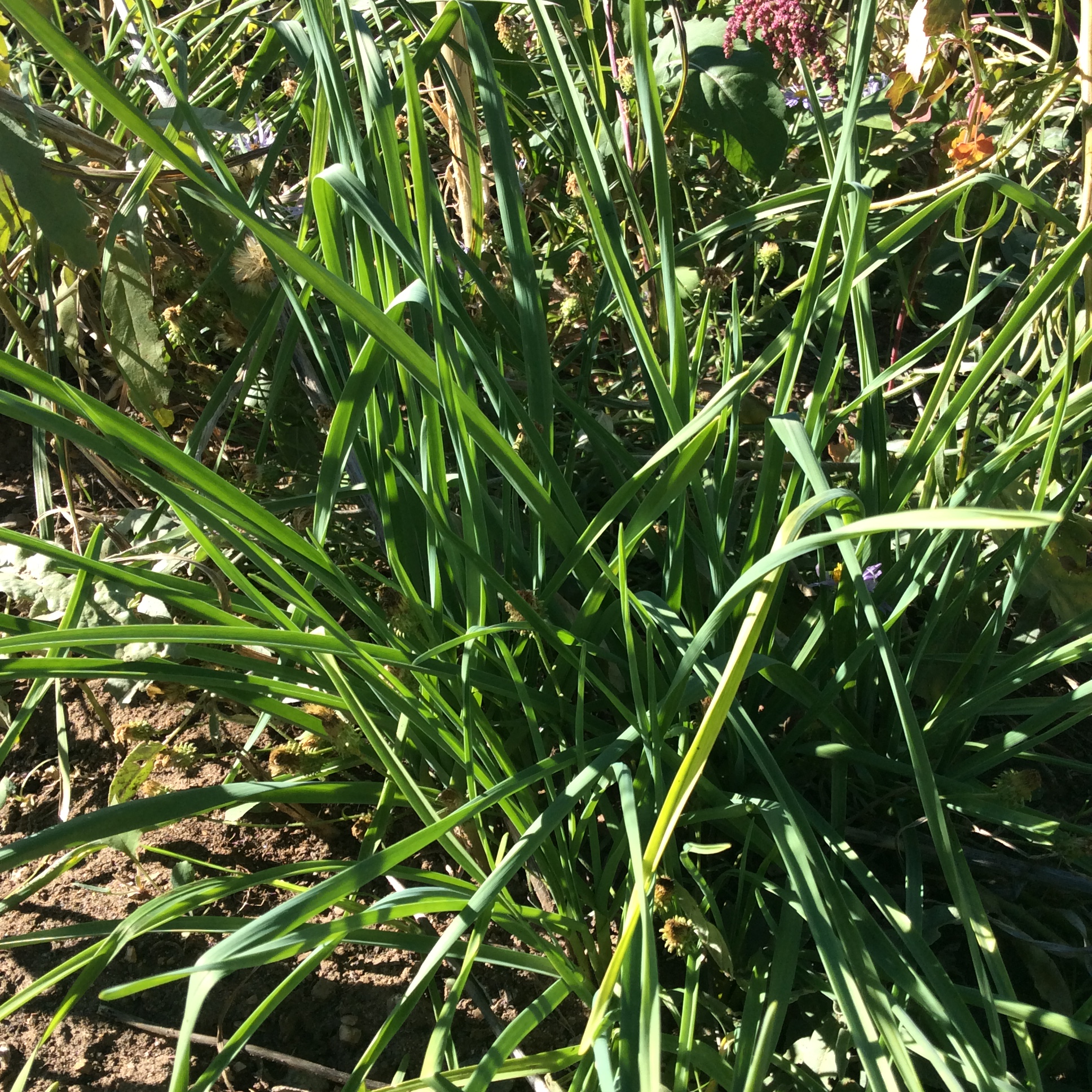
The perennialized section of elephant garlic is making clusters of thin tender leaves that are delicious  snipped up for garlicky chives.  I don’t care for the bulbs, and think that the greens are the best part of this leek relative,  so I cut all that the plants will produce as I need them.  The thin chive like greens shown here come from the tiny bulbils that are found around the outside of the bulbs. I plant them in handfuls to get a thick growth of greens as shown here.

img_4880

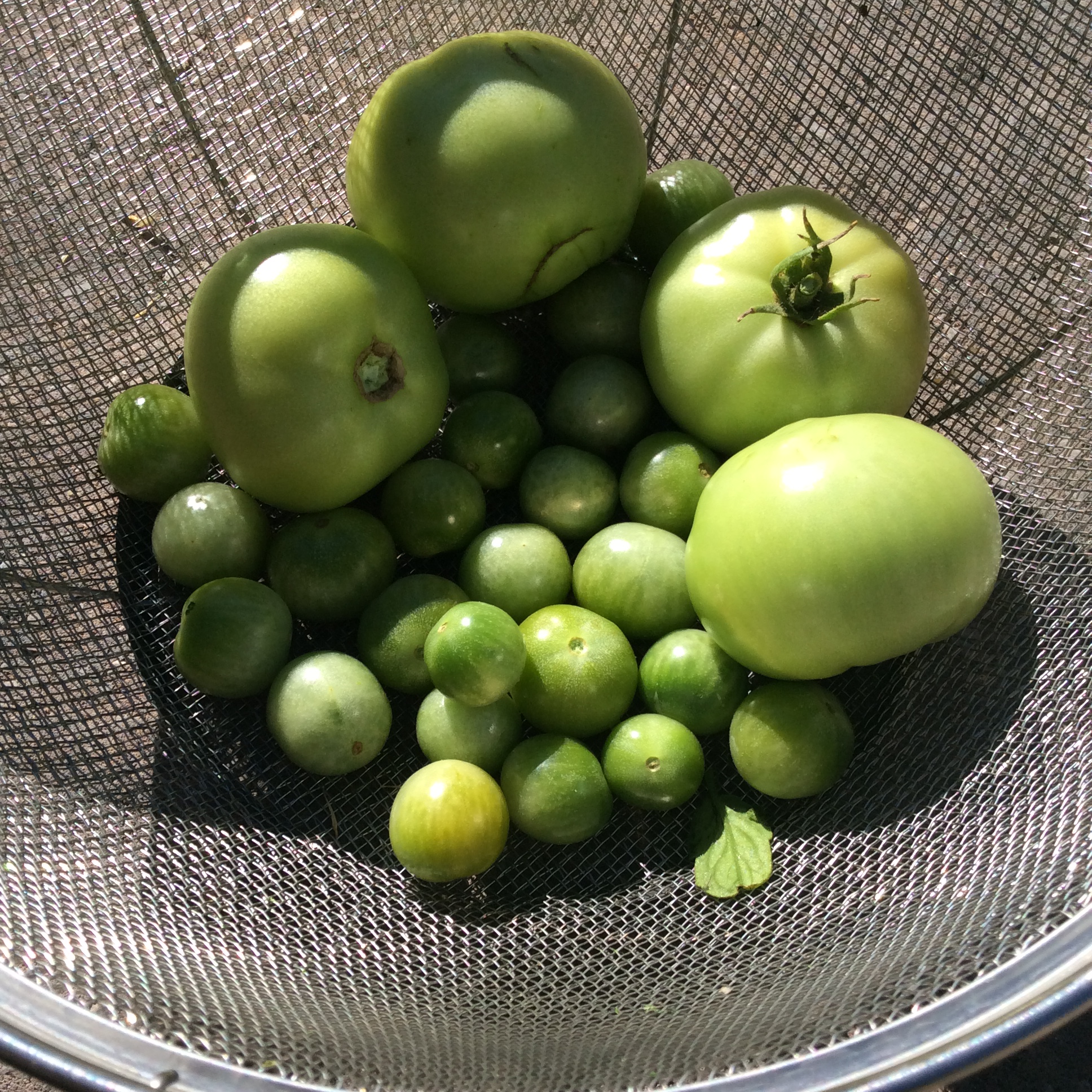
Those last green tomatoes make a wonderful sweet tangy chutney.

img_4891

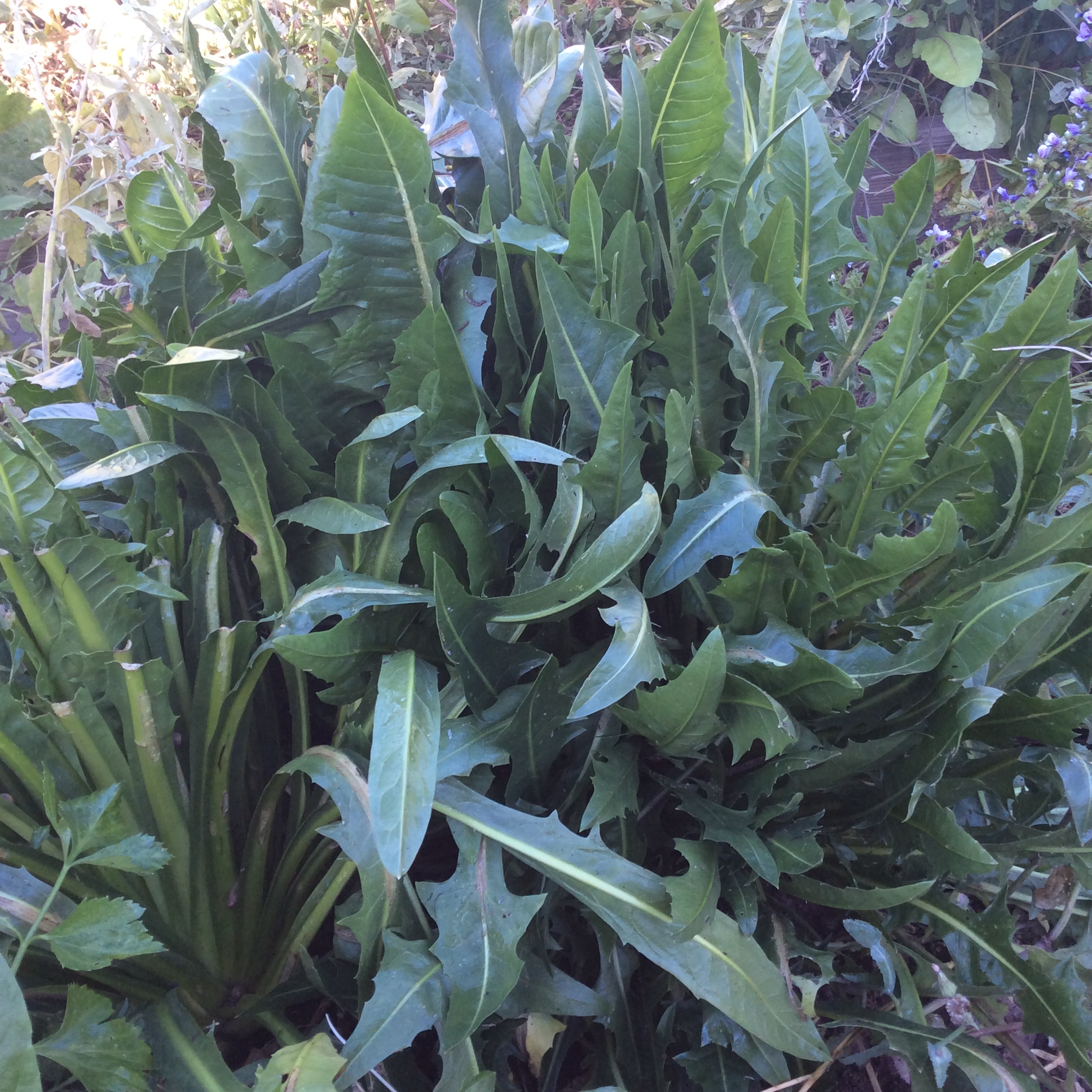
I have a clump of perennialized chicory,  and it languishes in hot weather but produces a vigorous crop of deep greens in the fall.  The lower half of the leaf is mostly stalk, so I tend to cut off the upper halves for cooking. Chicory is a bitter green, much like dandelion.  It responds wonderfully to sautéing  with bacon or pancetta, garlic, and some red chili if you like it. It is also very good for adding savor to mixed greens that include blander species such as chard.

img_4892

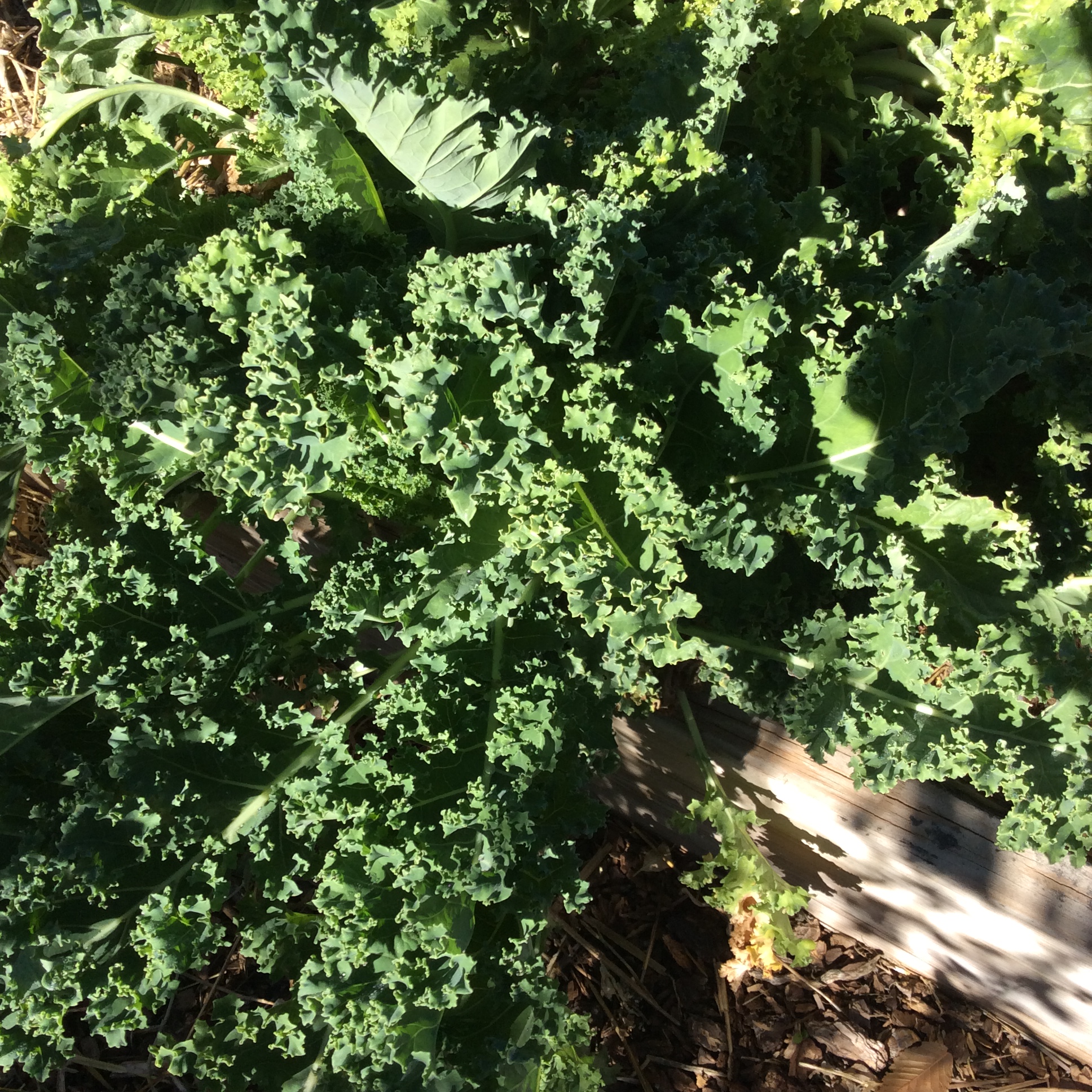
Kale is at its best this time of year, and becomes more tender and sweet after a few frosts. The Tuscan kale will winterkill sooner than the others, so eat it first.  In climates with snow cover, curly kale will last throughout the winter, but in our very dry and windy winters with very little snow it seldom survives in any sort of edible condition.  Covering it with a frost blanket might well preserve it, but is more trouble than I really care to go to.  There are plenty of other things to eat.

img_4890

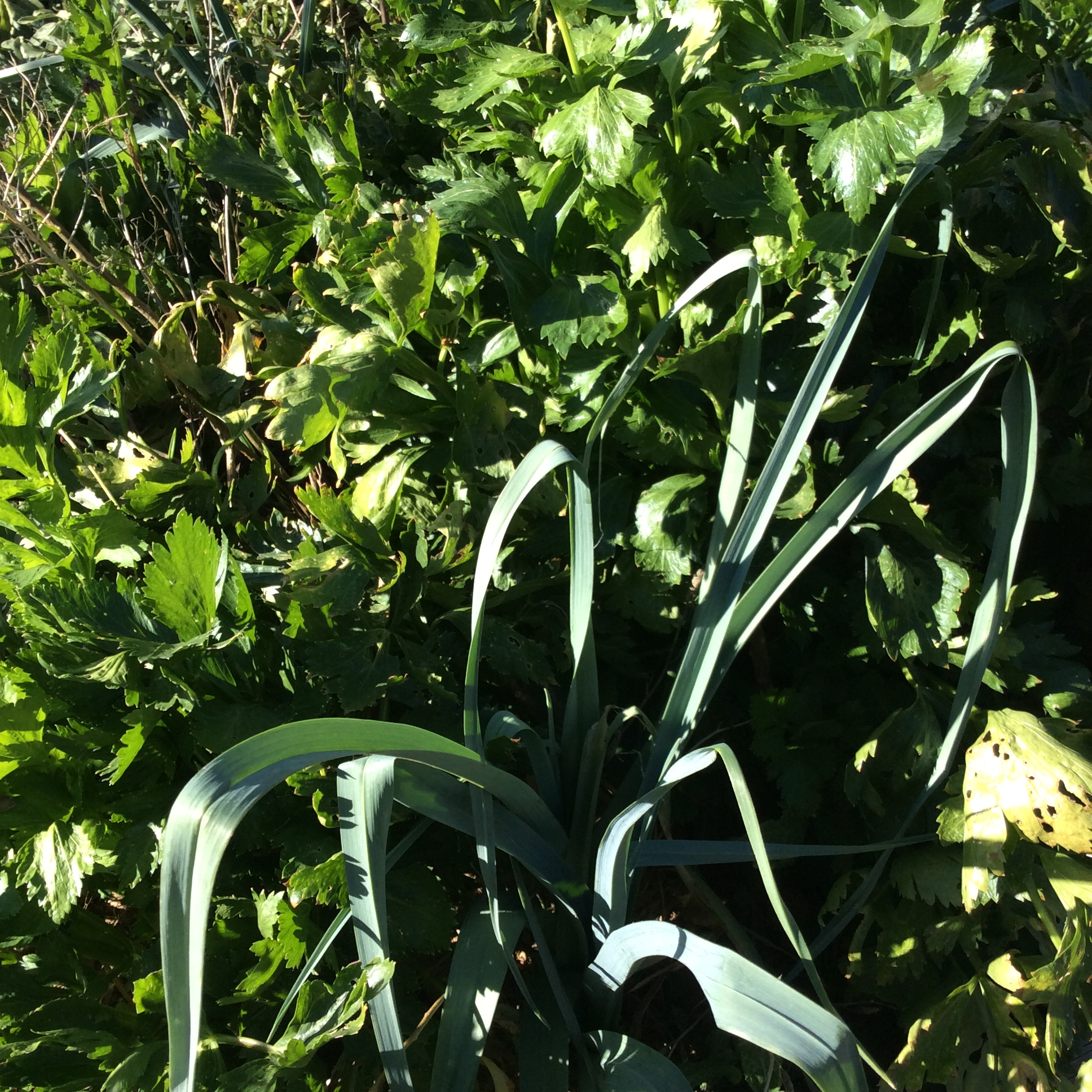
Celery and leeks need to be kept well supplied with water, and will still be fresh and good in the first week or two of November.  I usually buy leek plants in the spring, and none of the hardiest varieties are available as plants. There are very hardy varieties that will hold perfectly in the ground over winter, but to have them you have to remember to plant the seeds in midwinter, and I always forget.  Maybe this year I’ll remember.

img_4885

img_4884

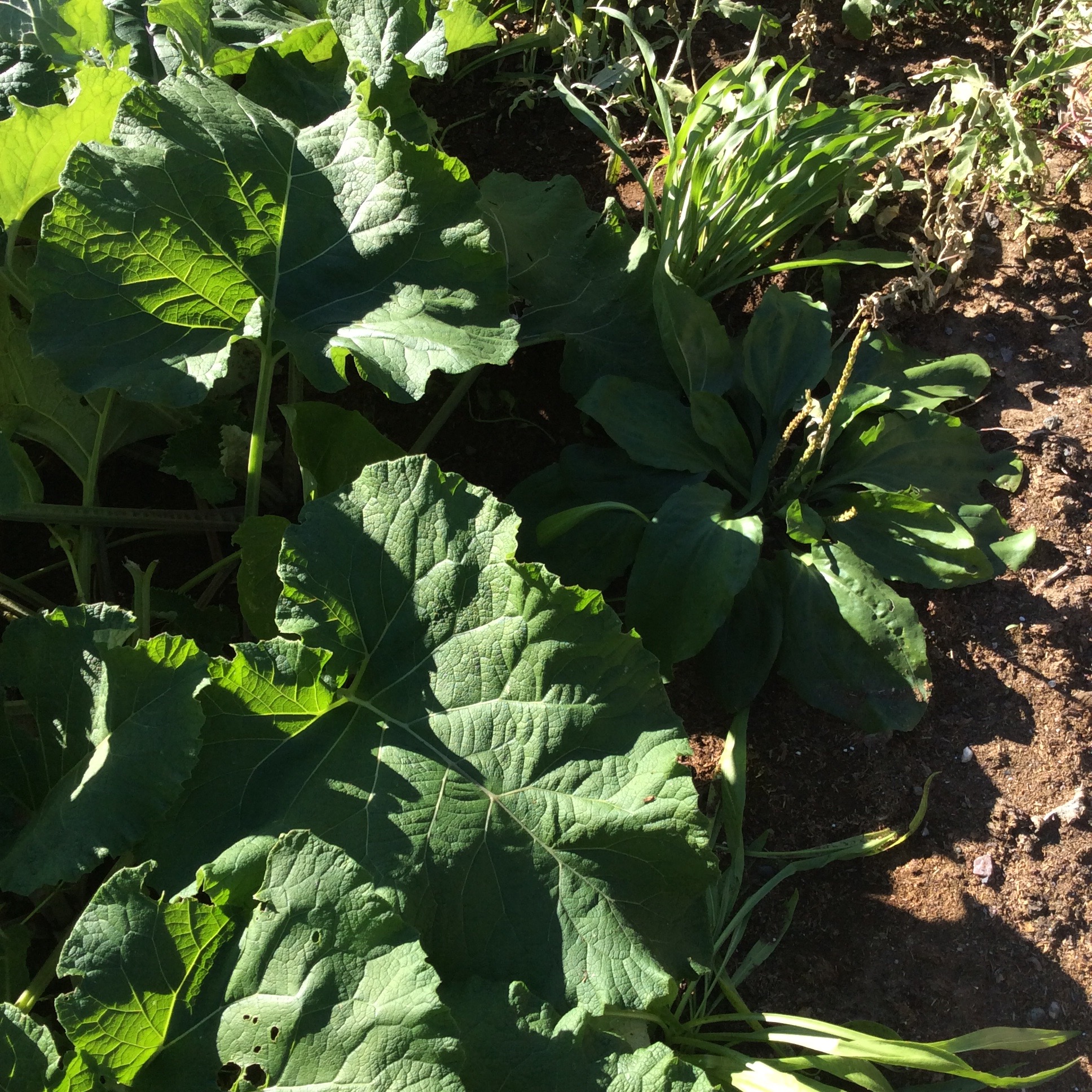
Now we come to the perennial weed patch.  Nobody who lives or gardens in the east will ever believe how much trouble I have taken to get burdock, milkweed, nettles, pokeweed, plantain, and scorzonera to grow in my area.  Burdock provides a good root in the fall from first year plants, makes large coarse leaves that my goat adores, and produces a flower stalk that is supposed to be the best part of the plant for edible purposes. I only got it to germinate this year, so I have not tried the stalks yet, but will be digging my first roots soon. Some people say the leaves and leaf stems are edible, but they are so stringy in texture and coarse in flavor that I’ve never been that desperate for something to eat.

The plantain is the Rugels variety which is rumored to be less stringy and have a better flavor than common plantain. I haven’t tasted it yet but will report back.

Milkweed can be eaten in many ways in many seasons.  As far as I know, our desert native milkweeds are largely inedible, but I have finally gotten the common milkweed to germinate and grow strongly. So next spring I hope to have edible shoots, buds, and pods. Read master forager Samuel Thayer’s books for excellent sections on the uses of milkweeds.

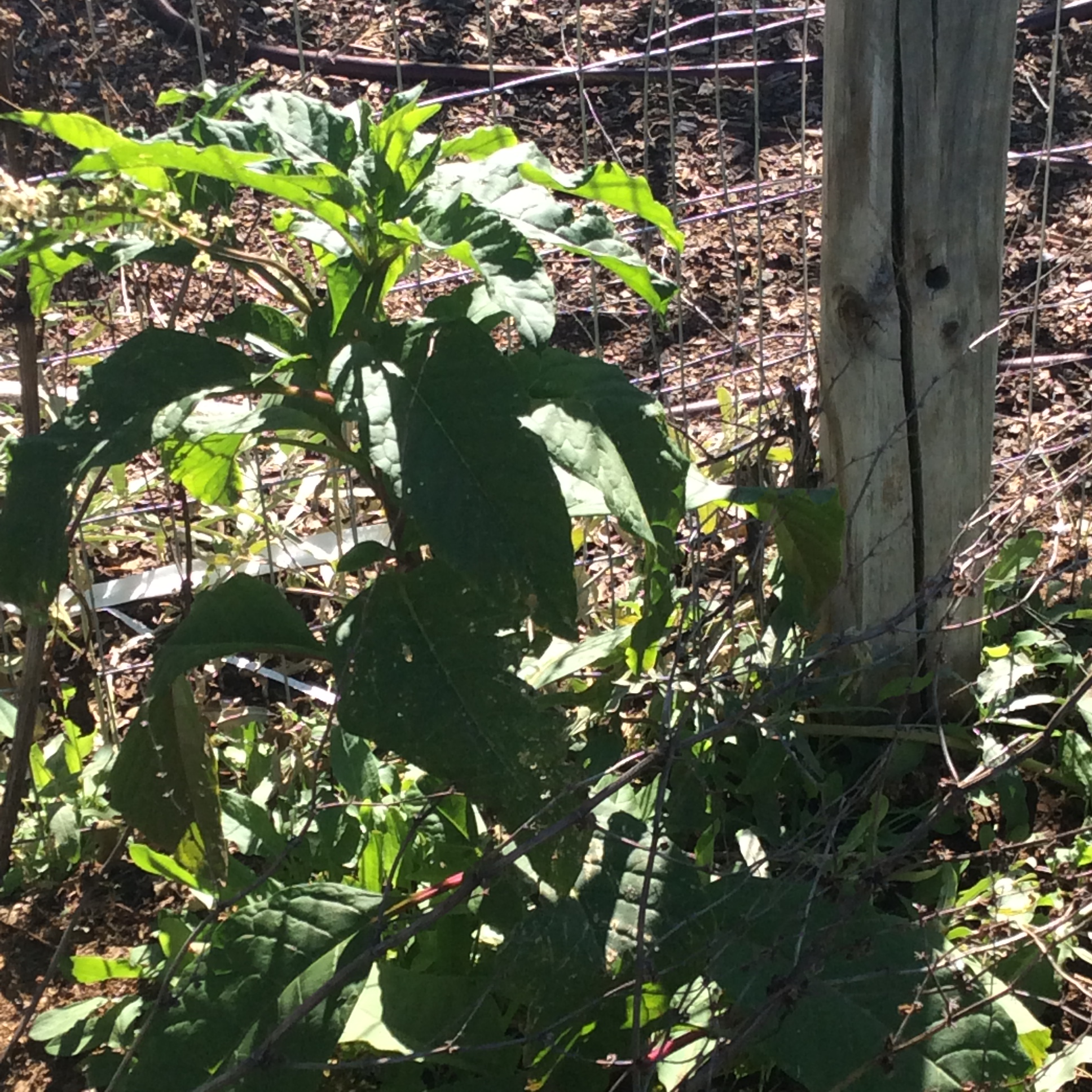
Pokeweed can be a giant nuisance but the spring greens have a great savor.  Or at least that’s what I remember, although I haven’t tasted them for 25 years and couldn’t swear to it.  If you decide to try them, remember that  only the young shoots about 6 inches high are edible and boiling in two changes of water is not optional. It is necessary to remove toxins. I hope to harvest my first shoots next spring.

Nettles and dock are two superb spring greens that seldom occur wild in my area, but grow very nicely in my weed patch.  They provide some of the earliest and most nutritious greens of the spring, and in late fall they produce some new greens that are well worth having at that season.  Every year I swear that I will remember to cut down the nettle patch in late summer so that the new greens can grow up unobstructed, and every year I forget and have to harvest the new greens with elbow length grilling gloves. But they are worth it.  Try to keep the nettles separate from the other plants, or you will have a tough time harvesting everything around them. The sting is pretty fierce.

I give my weed patch a periodic shallow mulch with mixed alfalfa and goat manure. They might grow well enough with no attention to fertility, but if you want your produce to be as nutritious as possible, the soil needs feeding.

If you wonder why it is worth having a weed patch, remember that these are some of nature’s wonder plants, among the most nutritious greens in the world. In addition, they taste really good.   Also, with perennials, once established the only work you have every year is harvesting and cooking them.  Once adapted to an area, they are unlikely ever to desert you. Permaculture also avoids soil disturbance. These plants are not classically attractive and need an inconspicuous spot, but they have a superbly healthy rough-and-ready vigor that is bracing even if it isn’t beautiful.