Archive for the ‘cooking’ Category

Kitchen staples: the pantry (and freezer) of the low-carb home

image
There are ingredients and seasonings that I have to have on hand at all times or I get nervous. With them, I’m ready to make a meal out of whatever foodstuff comes to hand. All such lists are intensely personal and idiosyncratic and I make no claims for universality, just usefulness. Due to my very low-carb eating, staples like pasta and flour aren’t on the list for me.

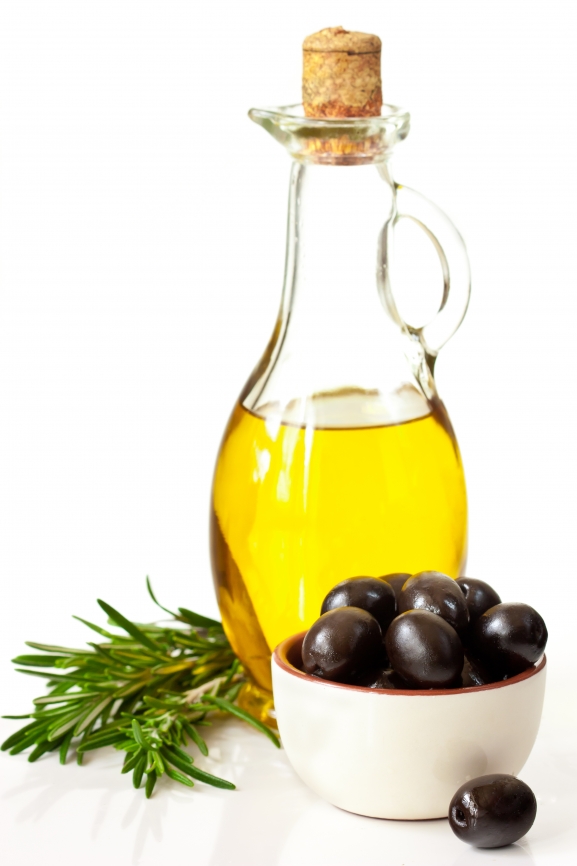
1. Really good fresh olive oil. Olive oil oxidizes fairly rapidly and, in my opinion, should not ever be used if more than a year old. Rather than take chances on freshness, I belong to the Fresh Pressed Olive Oil club; every three months they ship you three (or more if you choose) bottles of olive oil guaranteed to have been harvested and produced within the last 3 months; sourcing from the Southern Hemisphere as well as more traditional source areas makes this possible. I have belonged for years and hope they go on as long as I live and cook. A wide range of olive varieties and oil styles is represented. Pour it over cooked vegetables, dress salads, drizzle it on meat dishes, use as a base for a sauté of veggies. The Cretans and Ikarians thrive on it and so can we. I also keep oil-cured olives around at all times for their meaty umami belt in mixed greens.
2. Red Boat fish sauce. This is not only the best fish sauce available for Asian cooking, but pinch-hits very nicely for Italian colatura (garum.) A dash in vinaigrette gives a wonderful savor.
3. Dried mushrooms. I keep dried shitake, maitake, and porcini on hand at all times, and others at times as the mood takes me. With them, I am always prepared to add texture and flavor to cooked veggies, give a fitting garnish to a good piece of meat by soaking and sautéing them, or make a really good soup on short notice. I am ketogenic and don’t use flour, bread crumbs, or any other starch product, so I intend to try grinding them to powder and using them to “bread” and fry chicken, but that’s still on my to-do list.
4. Eggs. The best eggs I can get. Most of the time I have eggs from my own chickens, and in midwinter when my hens take a rest, I buy from a local co-op. Beyond the obvious omelet, frittata, and scramble, a fried egg is a wonderful way to make vegetables into a complete meal, and egg yolks are a wonderful velvety thickener for sauces.
5. Grass-fed butter. Grass-fed because it’s better for the cows and the planet as well as for me. Butter because there is nothing like it for improving flavor.
6. Coconut milk, which in my book is a joint pantry item with Hand brand Thai curry pastes. On days when I am short of time, energy, and verve, I can pick up some fresh fish or thaw a couple of pastured chicken thighs, soak and slice a few shiitakes, and pull together a healthy meal in under twenty minutes.
7. Freezer item: Wild-caught Alaskan salmon. I pay whatever I have to pay to get good fish, and I always buy Alaskan because their fisheries are well managed. The fillets are thin and thaw rapidly when I haven’t thought ahead about dinner. After a workday that ran later and harder than I expected, I’ve been known to take a frozen fillet still in its vacuum seal into the hot tub with me. Fifteen minutes later, I feel rejuvenated and the salmon is ready to cook.
8. Freezer item: homemade broth from grassfed beef and pastured chickens. I have written at length elsewhere about homemade broth. I really feel that nothing else will do as much to instill food thriftiness and improve your soups and sauces.
9. Nuts of various kinds. Almonds and Macadamias always, others here and there. Because they taste good and you can run for hours on a handful of them if you need to and they add flavor and crunch and specialness to all kinds of dishes.

10. Freezer item: blanched and chopped greens. Mine are a mixture of whatever was fresh and vibrant in the garden and field on any given day. If I had no garden and didn’t forage, I would use mixtures of spinach, chard, and Tuscan kale, and blanch and chop them and vacuum-seal before freezing. I find that I eat a lot more greens if I have them available in a handy form, and can make horta or whatever in a matter of  ten minutes rather than having a more prolonged process to go through.

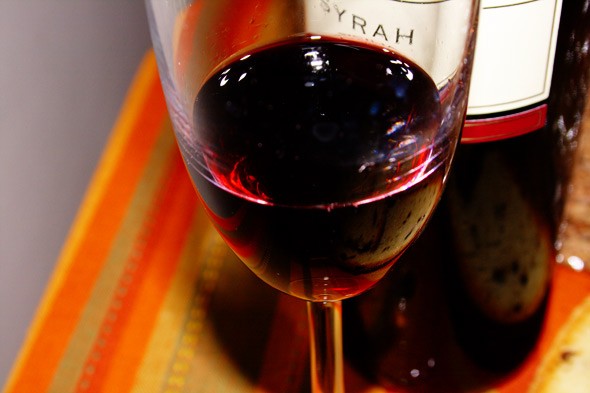
11. Good red wine. Because life contains joy and is worth celebrating.

12. Very dark chocolate. Because see #11.
image
image

My 200th post: Celery, Nose to Tail

image
My WordPress dashboard brought to my attention that I have been yapping endlessly about home food production for 199 posts. Naturally, I decided to make my 200th post about a green vegetable, the very thing that I am forever droning on about.
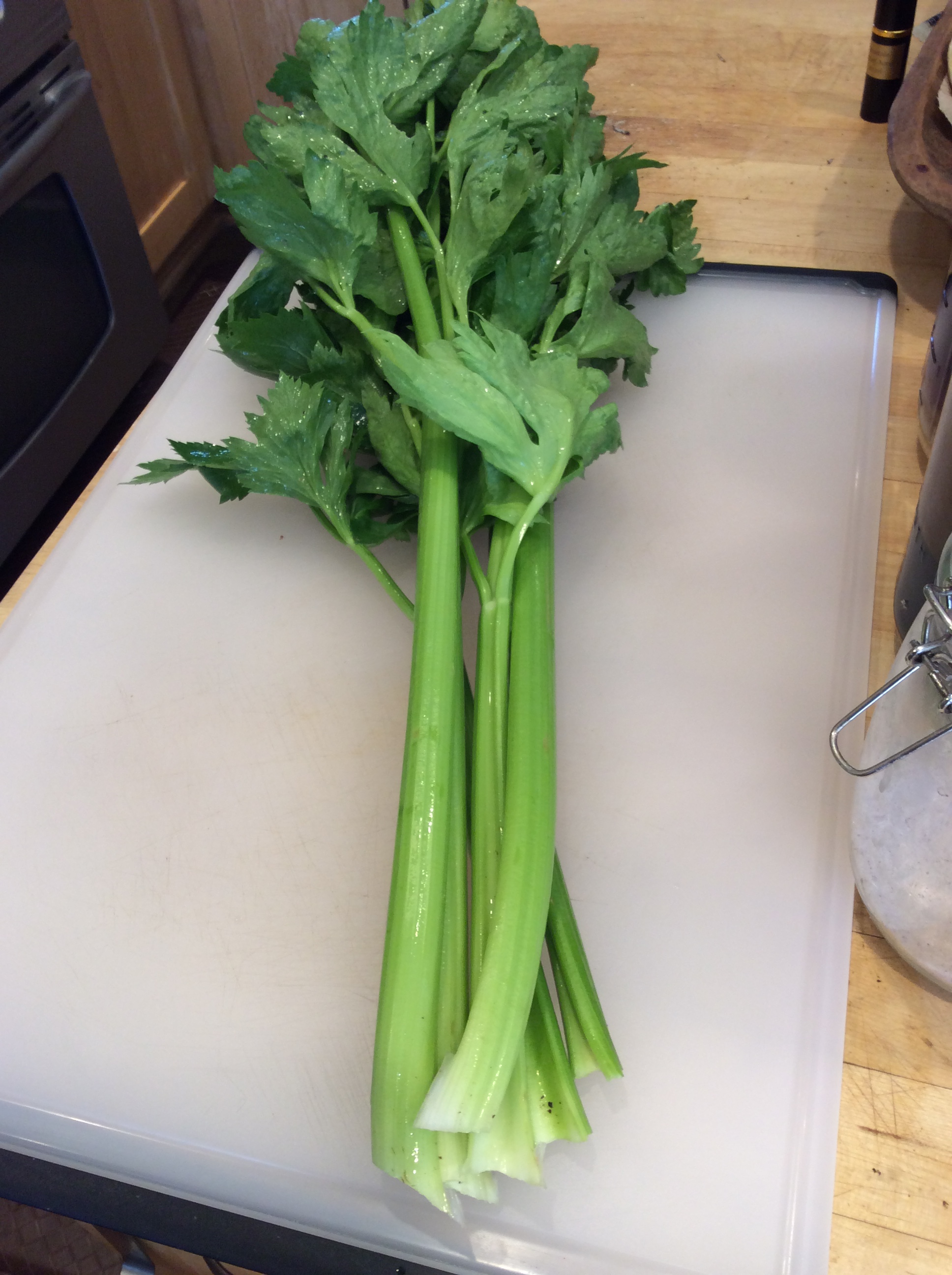
I never tried growing celery because I never ate that much of it. I crunched an occasional stalk, and as a homegrown Louisiana cook I cooked it in the mirepoix that begins so many Cajun dishes, but a bunch a year pretty much met my needs. Then last spring I noticed that a supplier had celery plants at the same time that I noticed I had a bed about to be empty. So I ordered a dozen plants as a lark.
As it turns out, celery is highly versatile in the kitchen as well as easy to grow. It needs your best soil and some elbow room, and here in the desert it has to be watered regularly. Given those conditions it will grow into a wonderful mound of greens.
For general snacking, stalks can be harvested as soon as they’re big enough. Break or cut near the base, but don’t damage the plant. The stalks are a little less tender than grocery store celery, and also a lot less watery and have a full delicious flavor of their own. I snacked away about four of my twelve plants and had eight big plants left by fall. After several frosts when the rest of the garden was over, the celery was green and robust and I finally got around to harvesting it. I never blanched the plants. Blanching produces lighter, yellower, and more tender stalks, but it is also a fair amount of trouble and I am as lazy a gardener as there is.
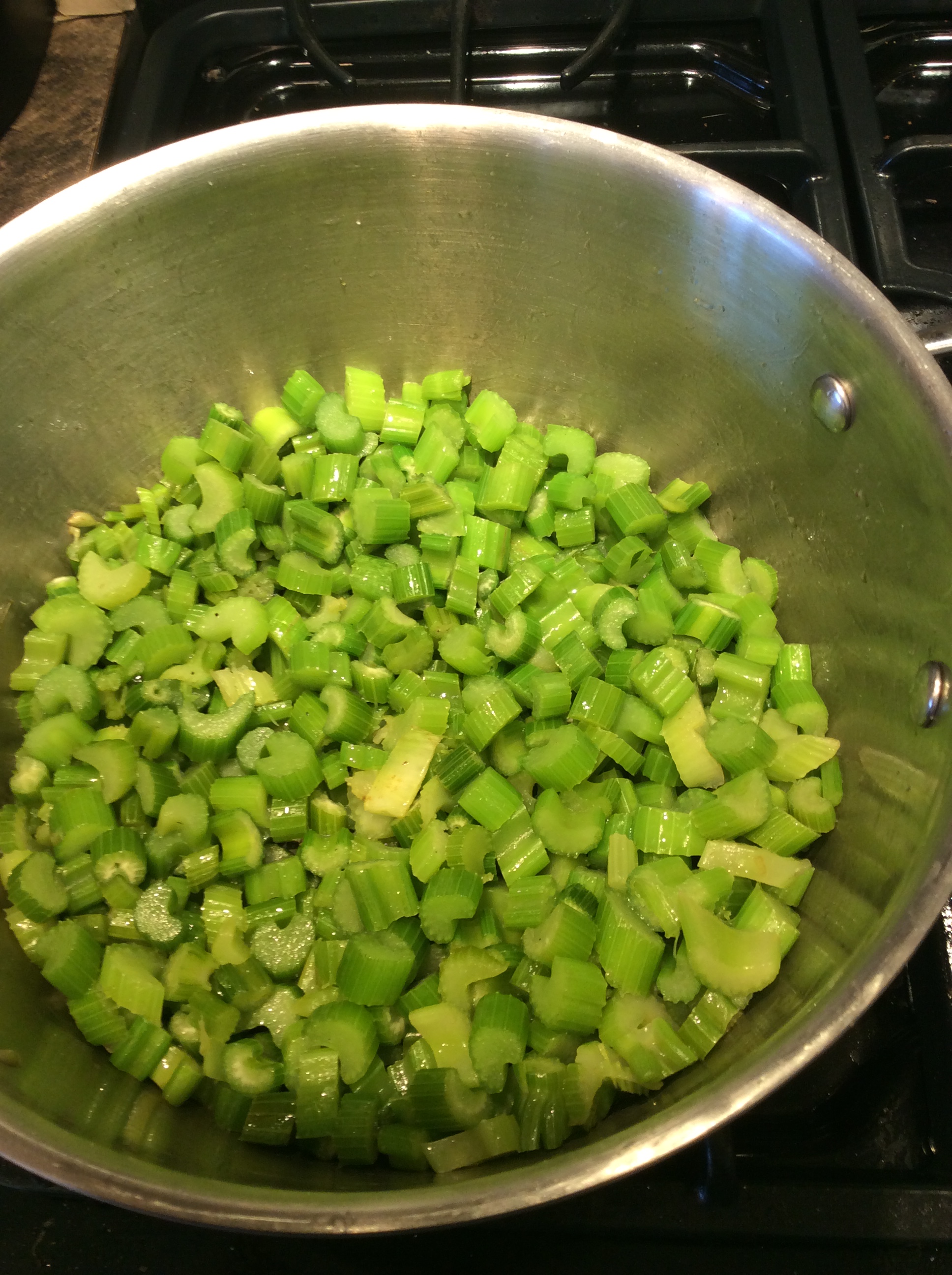
I cleaned the stalks thoroughly and cut them in 1/2″ cross sections and sautéed them in batches in very good olive oil. I thoroughly enjoyed eating them as a green vegetable, with salt and bits of fried guanciale on top. I froze a lot in vacuum-sealed bags to eat this way and to use in mirepoix and soup all winter.
image
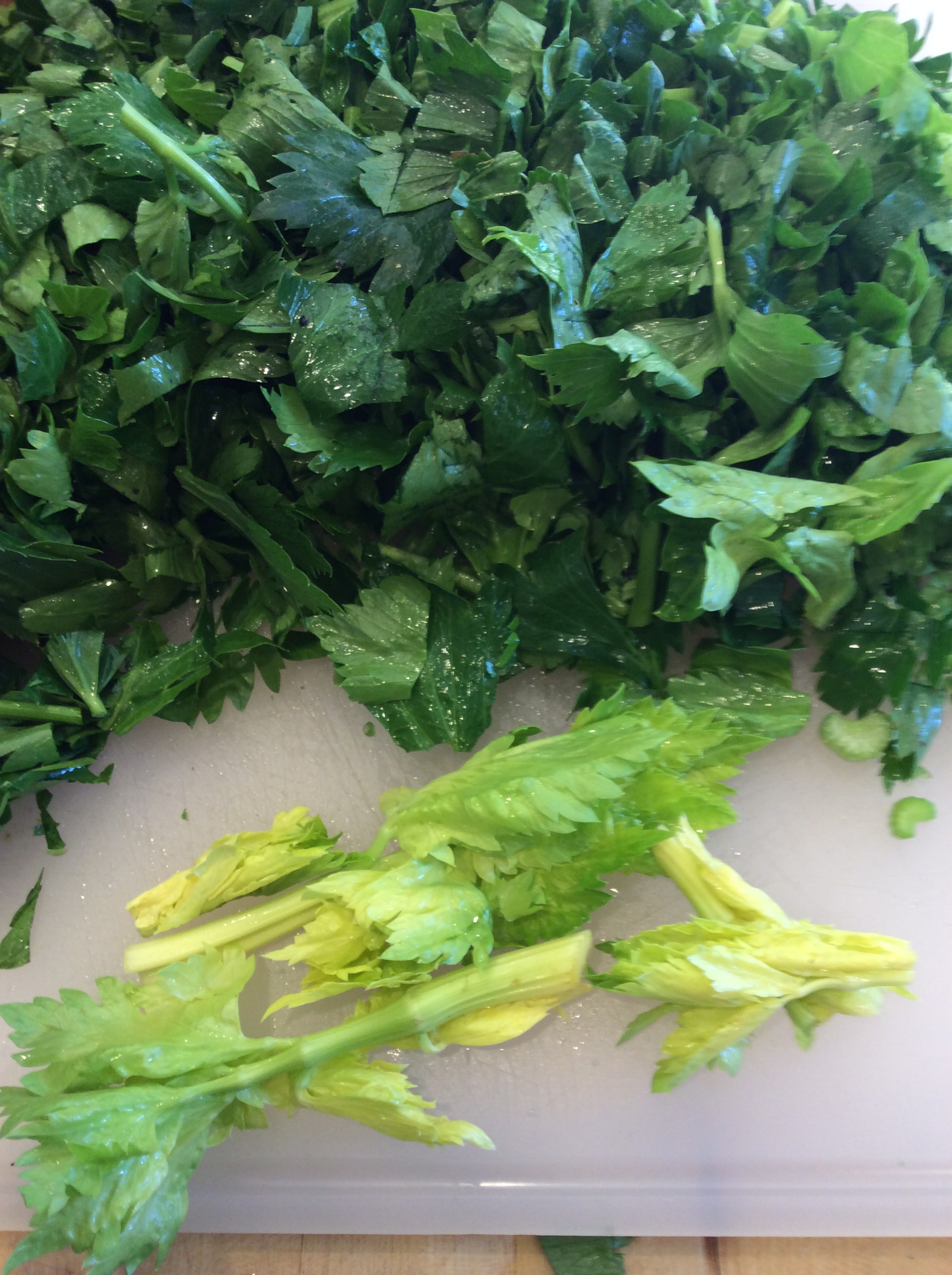
I was left with a counter full of the upper halves of the plants, all thin stalks and dark green leaves. I sorted out the pale self-blanched leaves in the middle, ate some dipped in olive oil as a cook’s treat, and refrigerated the rest for use in salads.
image
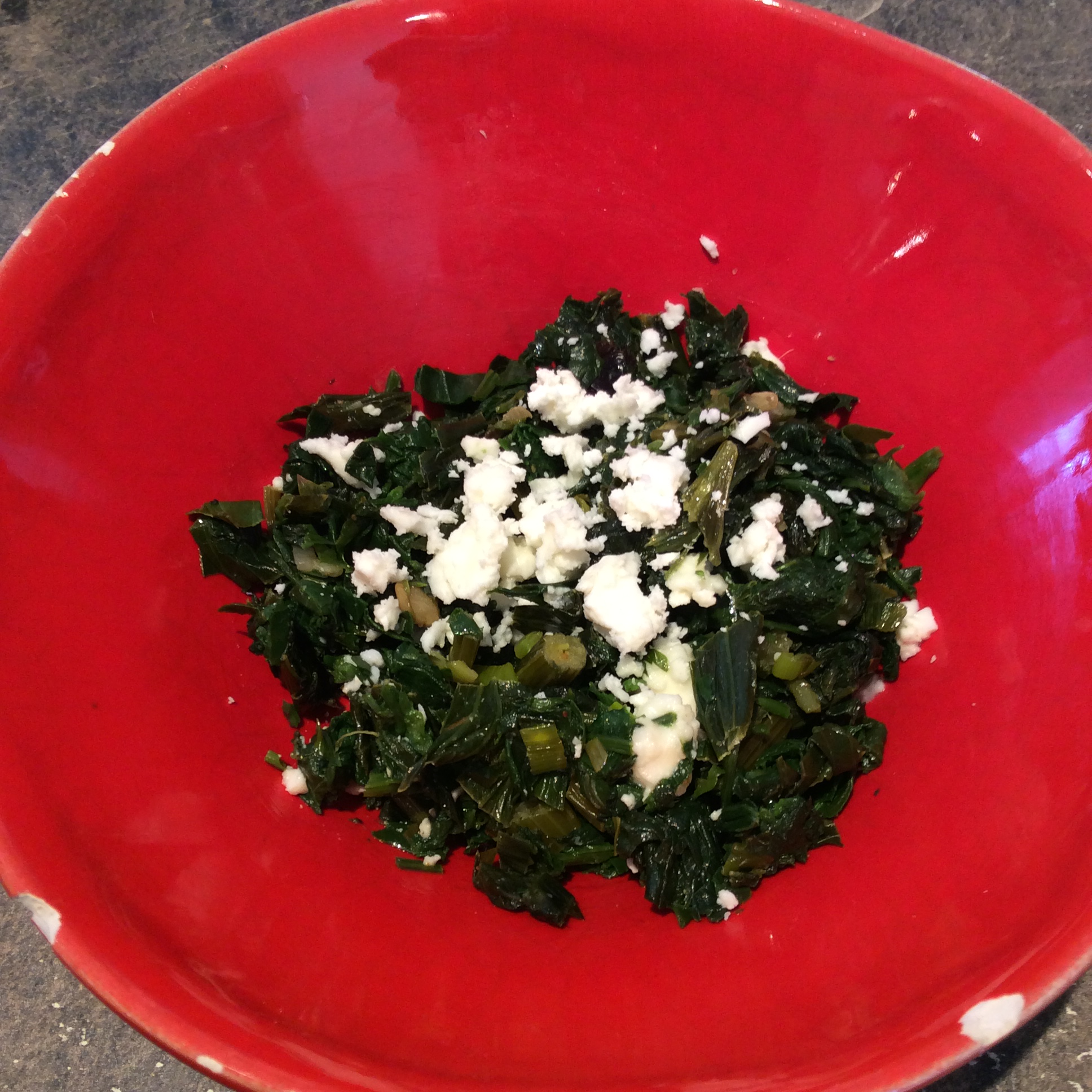
I was left with heaps of dark leaves like the ones toward the top of the picture above. I am not one to waste leafy greens, so I cut them in the same half inch cross sections, leaves and all, and sautéed them in olive oil until cooked. I put a bit of the cooked tops in a skillet with more olive oil and added a chopped clove of garlic, some salt, several chopped black oil-cured olives, and a squeeze of lemon to make a Horta of pure celery leaves. I ate it with crumbled feta and greatly enjoyed it, but have to say that this is a bitter green and probably only real greens-lovers will enjoy it. But when I made a horta with celery tops as about a quarter of the total greens and used milder greens to make up the bulk, I was surprised how much the bitter leaves added to the savory nature of the dish.
image
I sealed and froze the rest of the cooked tops and am using them with my frozen lambsquarters and amaranth to make horta that meets with general approval. I think that a bit of the pure celery-top horta would be good as a sort of herb salad next to roast duck to cut the richness, but I haven’t tried it yet.
I want to say once again, when cooking leafy greens, don’t be afraid to cook them. I often find the stronger greens tough and revolting when lightly cooked but delicious with 10 or 15 more minutes on the stove. As long as you are sautéing there is minimal nutritional loss. The thing I no longer ever do is blanch them and toss out the blanching water. If a sauté method isn’t appropriate, I blanch in a very small amount of water with frequent stirring, sort of half-steaming in effect, and drink the bit of water after it’s been drained off and cooled.

Just as a point of interest, a phytochemical found in celery called luteolin is being studied for neuroprotective effects. If true, one more reason to eat your celery, and your green veggies generally. You can find an abstract here.

Foraging Your Protein

image

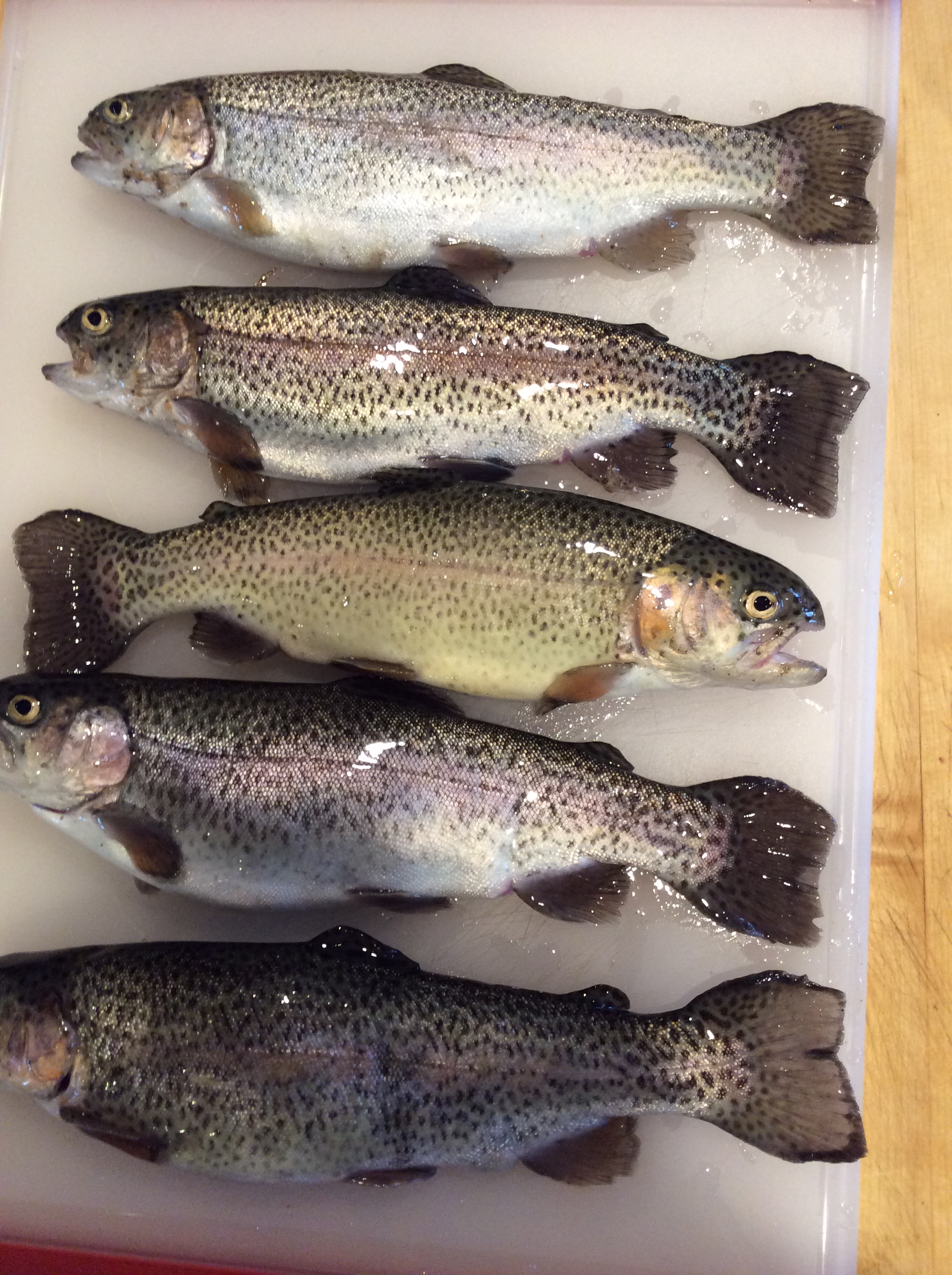
Here in the high desert, fishing might seem like an unlikely pastime. But we have world-class trout fishing, and recently I decided to learn to fish. After exactly one month of reading and practice, I had the day commemorated above. Of course this is balanced against several days when I didn’t get anything, which is part of the fun. NATURE DOES NOT EXIST FOR YOUR CONVENIENCE. If you insist on a sure thing, go buy your fish at the store.

For people like me who are learning on their own, here are my recommendations:

  1. First, get a basic book on fishing. Read it. I used Fishing for Dummies, and everything you need to know to get started is in there somewhere. A good book will help you understand what tackle you really need and what can wait.
  2. Study the section on reel types, but if you are new to all this, get a spincast reel for your first reel. They are so very easy to use. I caught all the trout above on a $20 spincast rod and reel. They work.
  3. Get a fishing license. It’s the law. Be sure to go to your local Fish and Game office and get it in person, because if you tell them you’re a beginner, they will load you down with useful advice about where to fish.
  4. Plan to be outdoors in a pretty area, and catching fish is a bonus.
  5. Practice casting in your back yard before you go out to fish.
  6. In popular fishing spots you will usually see lovely grandfatherly people who got there ahead of you. Walk up to them, tell them you’re a beginner, and ask for advice. A few will chase you off and the vast majority will bend over backwards to help you understand how to fish that particular bit of water.
  7. Before you ever catch your first fish, know how to kill a fish humanely and how to gut it, and how to fillet it if that’s your preference, so that you will actually enjoy eating it. The second trout that I caught was cooked without removing the bloodline. Yech. Watch videos on YouTube that show you exactly what to do. Do this BEFORE you ever go fishing. Don’t waste an animal’s life, ever.
  8. Don’t get too fancy too early. Don’t start with fly fishing unless you insist. Bait-fishing is very successful.
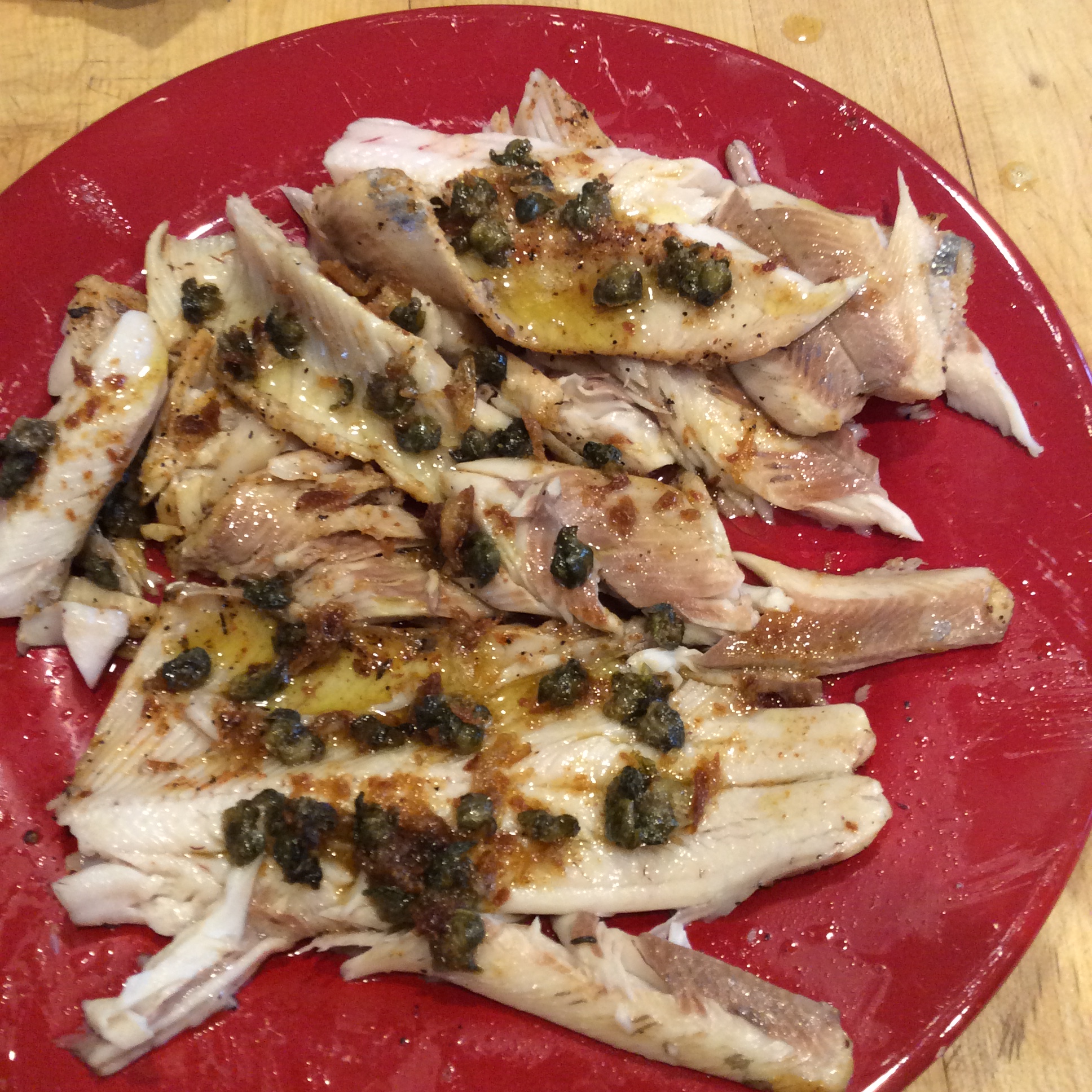
  9. Make sure you have butter, lemon, and capers in the house at all times, so that when you are finally successful, you can do your catch proud.
  10. Have fun, and post a picture of your first catch, because you may find out that you have fishing friends you didn’t know about.
  11. image
  12. image
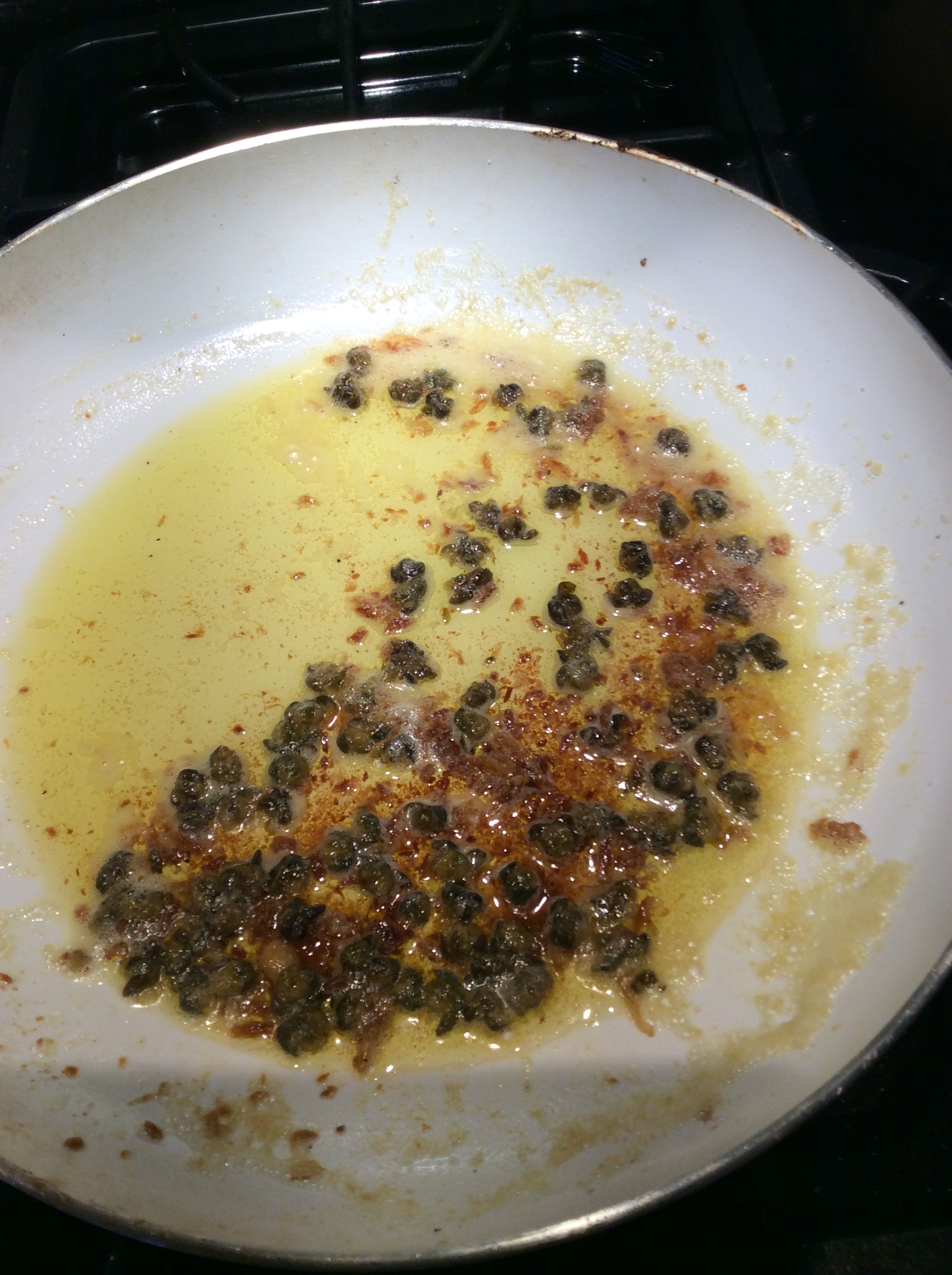
  13. Basic sauce for trout: drain a tablespoon of pickled capers per fish. Chop up a clove of garlic per fish. Have ready a quarter of a lemon per fish. Warm a tablespoon of butter per fish, plus a tablespoon for the pan, in a skillet over medium heat. When it starts to bubble, add the capers and garlic and stir over medium heat until the garlic is slightly browned. Squeeze in the lemon juice,  cook hard for 30 seconds, and drizzle over the filleted cooked fish.

2015: Things That Worked

The long nights this time  of year are perfectly suited for curling up with seed and nursery catalogs, the most exquisite pornography available  and about as realistic as most pornography.  It’s also the time of year when I look back over what worked and what didn’t during the growing season.  So here are some things that worked, and some things that didn’t. Your mileage may vary.

image
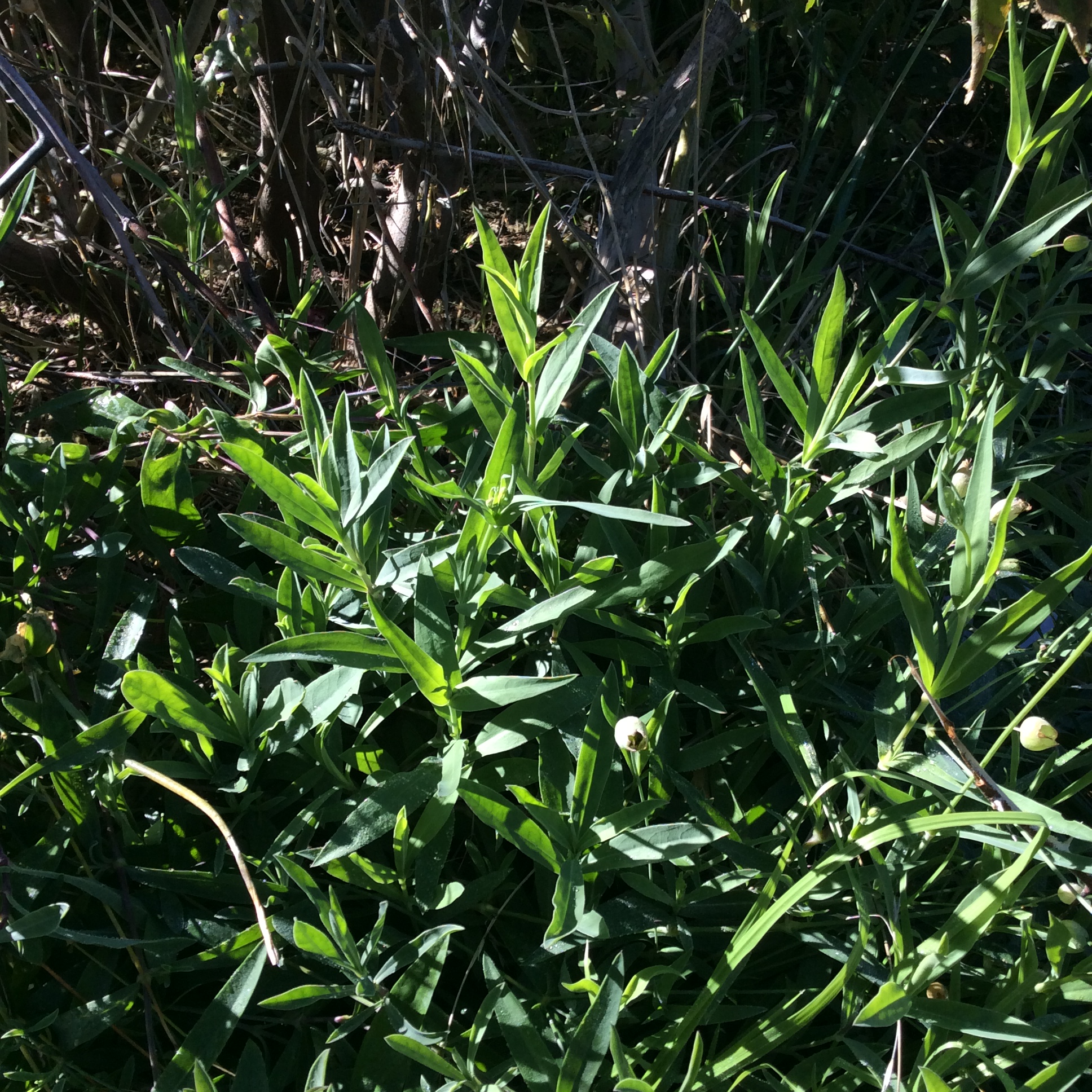
Silene, also known as bladder campion, always works. It is a common weed in many places, but not in my area, so I had to seek out seed and get it started. Treat it as a perennial and give it a spot where it can establish itself. The flavor of the young leaves is a very muted version of green peas, and the young stocks are tender. It is not exciting in flavor, nor is it a specially productive, but it is wonderfully available in latest fall and earliest spring, when little else is still thriving. It loses most of its volume when cooked, and I mostly use it in salads.
image
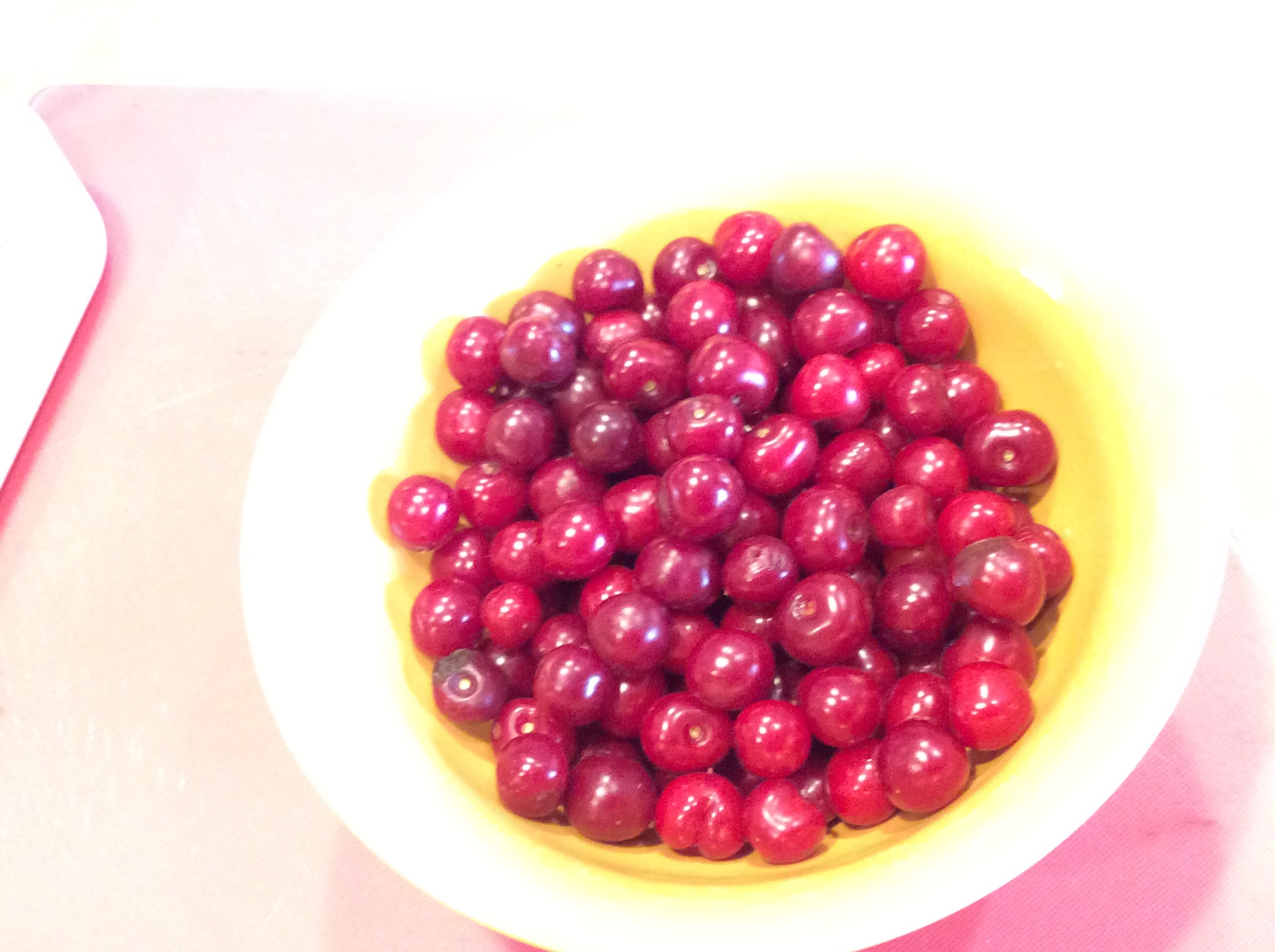
Sour cherries worked. My dwarf tree is five years old now and bearing nice crops. From that one small tree I made several cobblers and a full half-gallon of cherry liqueur. The tree also adds to quality-of-life, because in summer sunlight when hung with its hundreds of bright enameled fruits, it is beautiful enough to take your breath away.
image
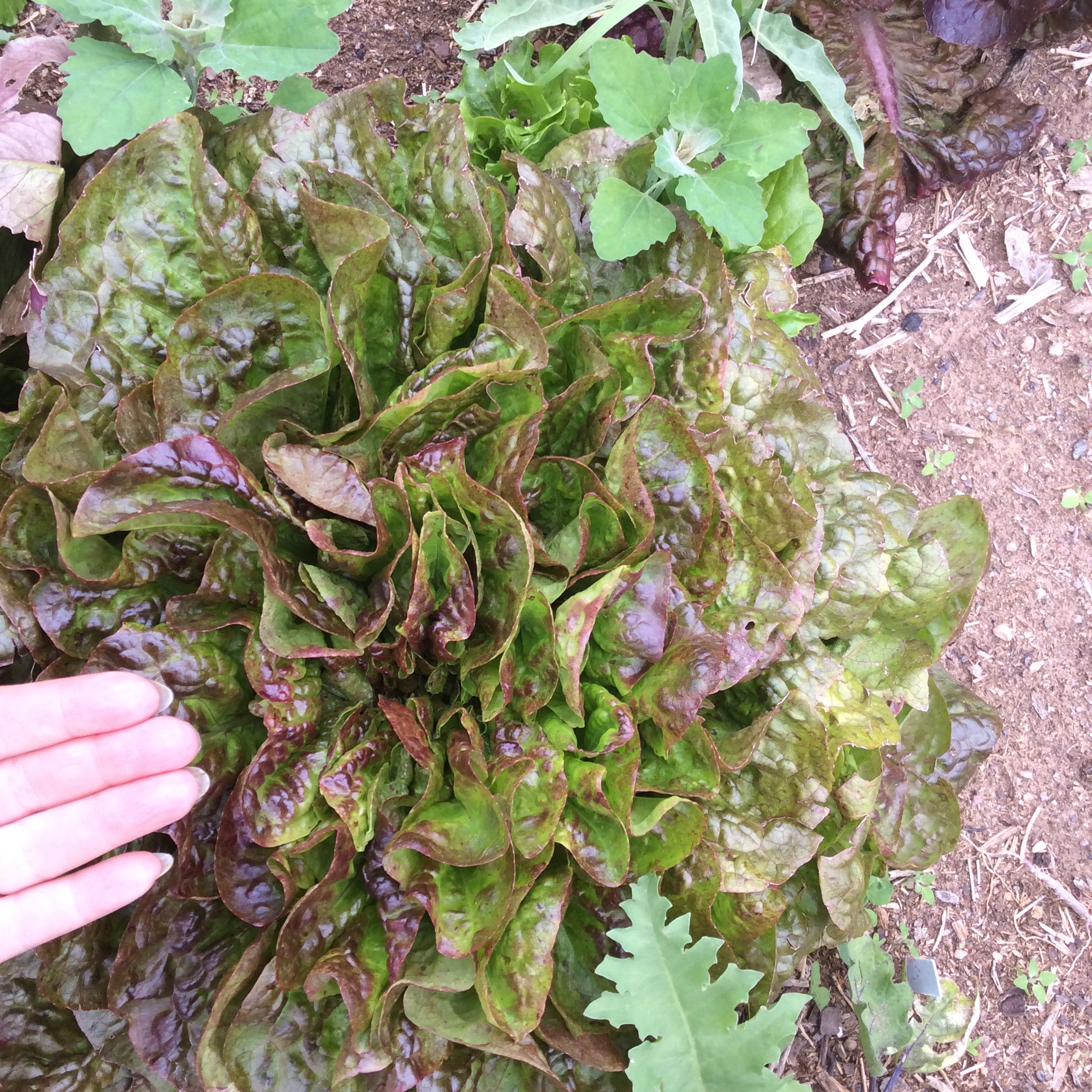
All the lettuces from Wild Garden Seeds worked. Their devotion to trialing their own crops really shows. Every lettuce variety and all the mixtures that I have tried from them have been wonderfully successful. Choose the size and color of lettuce that you want, and they will have something to suit your conditions.
image
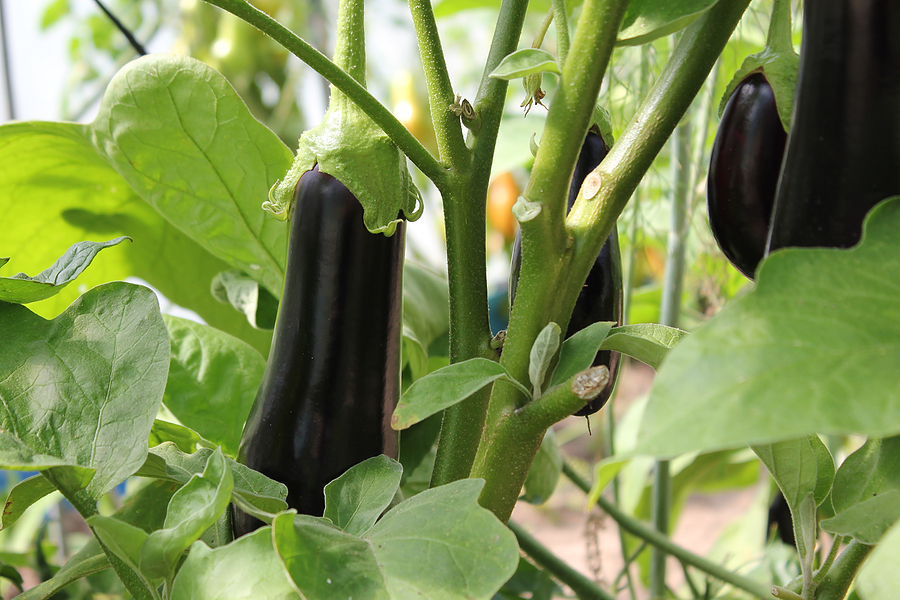
Grafted eggplants worked. The grafted tomatoes grew beautifully but so do my other tomatoes. The grafted eggplants, however, bore more fruit than ungrafted by a large margin. I consider them Roth the expense and I’ll be planting them again.
image
I put in some celery plants as a lark, and I’ll be planting more next year. They need the richest soil you have and some extra water, but they are sturdy and offer delicious crunching and cooking when the rest of the garden is going to sleep for the winter.
image
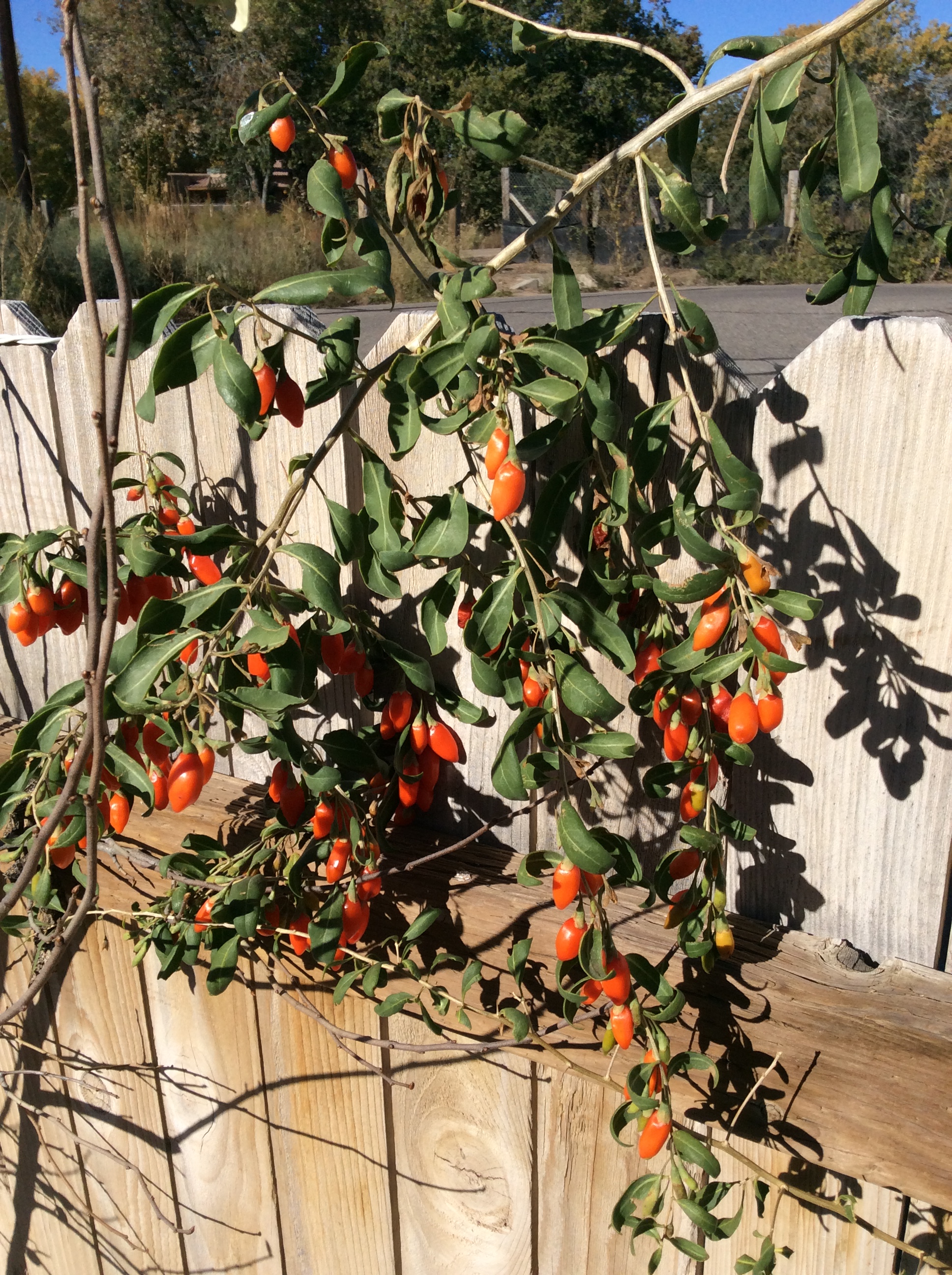
Goji berries worked. They need some extra water but not a lot, and the berries are pleasant out of hand and in salads. They offer maximum antioxidants for minimum carbohydrates.
image
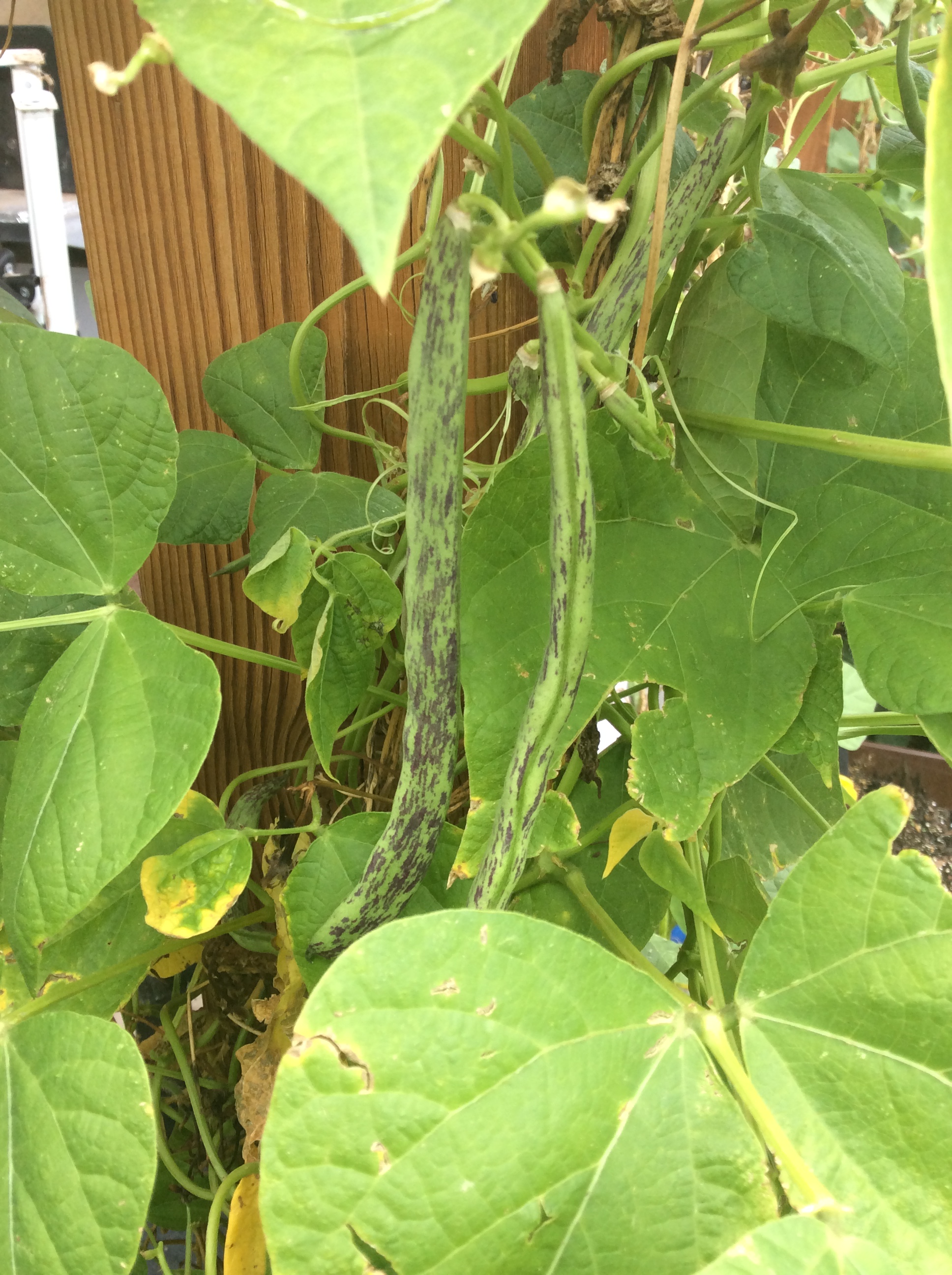
Rattlesnake beans worked. They are hard to stop. The pods have a very good flavor if picked young but do need stringing, no matter what the seed catalog says. They get quite tough as they age, so pick them over every day or two.

Every year I try some new things, and some work out and some don’t. In most cases a failure only means that you’re out a few dollars’ worth of seeds, so garden boldly.