Posts Tagged ‘leafy greens’

A Glory of Greens, and notes on Turkish greens soup

image


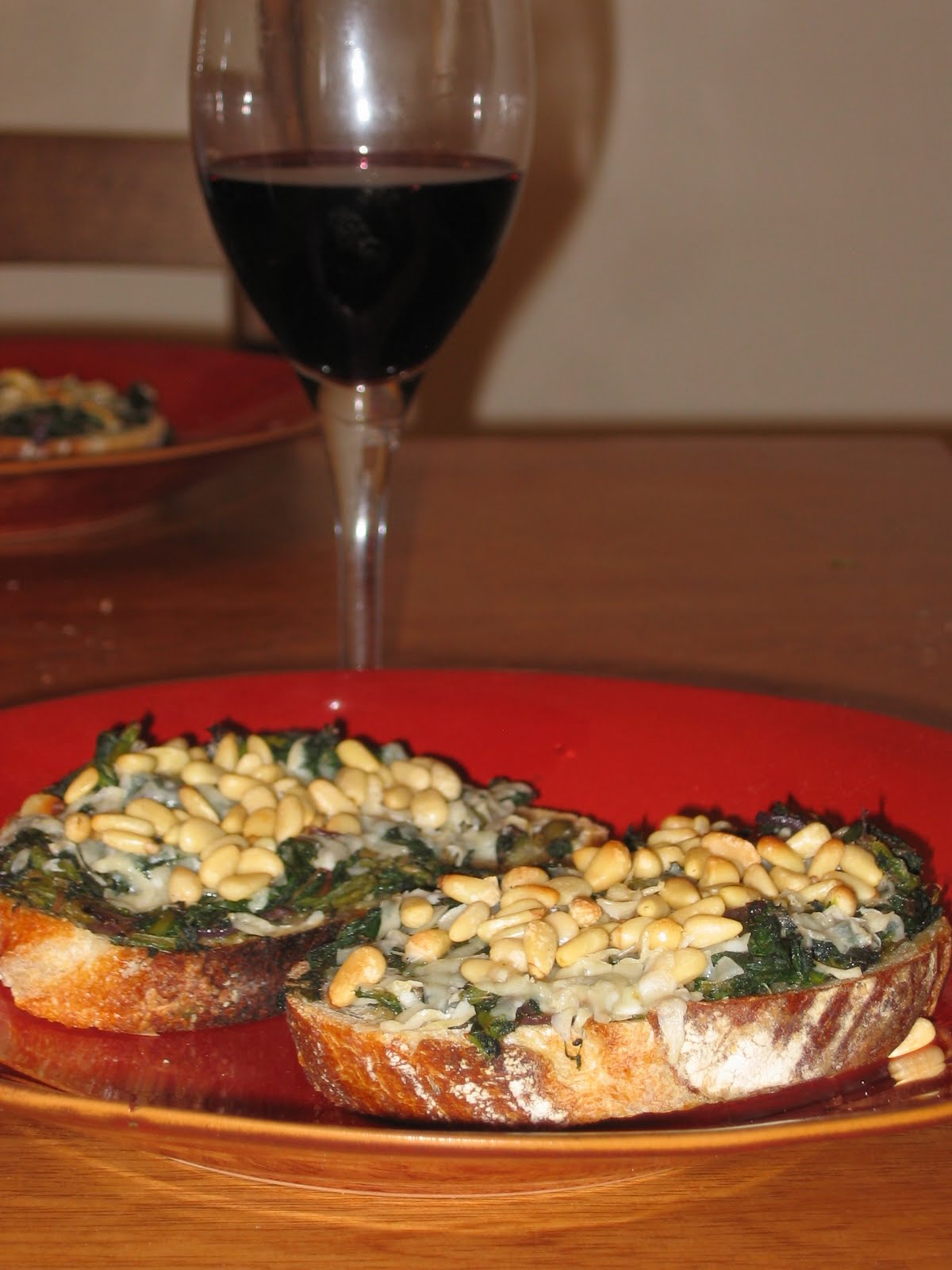
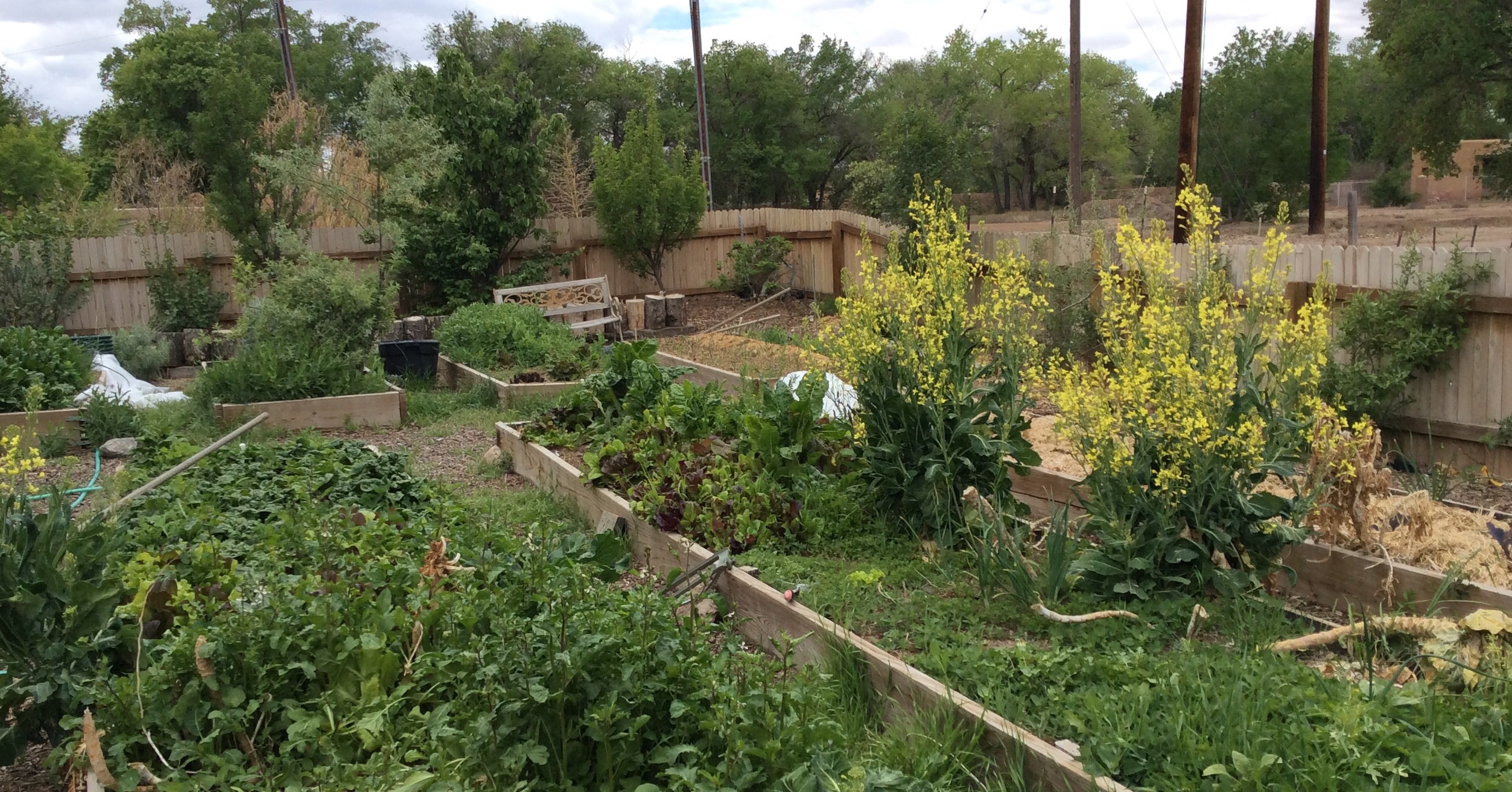
There is nothing more vibrant than a garden full of greens in the spring, all growing like mad, offering you a million healthy possibilities. During the two unfortunate years that I couldn’t garden, I did at least rogue out all the weeds that weren’t edible, and now nearly everything that sprouts in my beds is delicious, whether I planted them intentionally or not. And everybody, every one of us, would do well to eat more greens. Our health would improve and we would feel so damn good. Remember, the REAL Mediterranean diet, the one that was originally studied on Crete and that produced a long-lived and healthy population, was based on a huge variety of cultivated and wild greens.

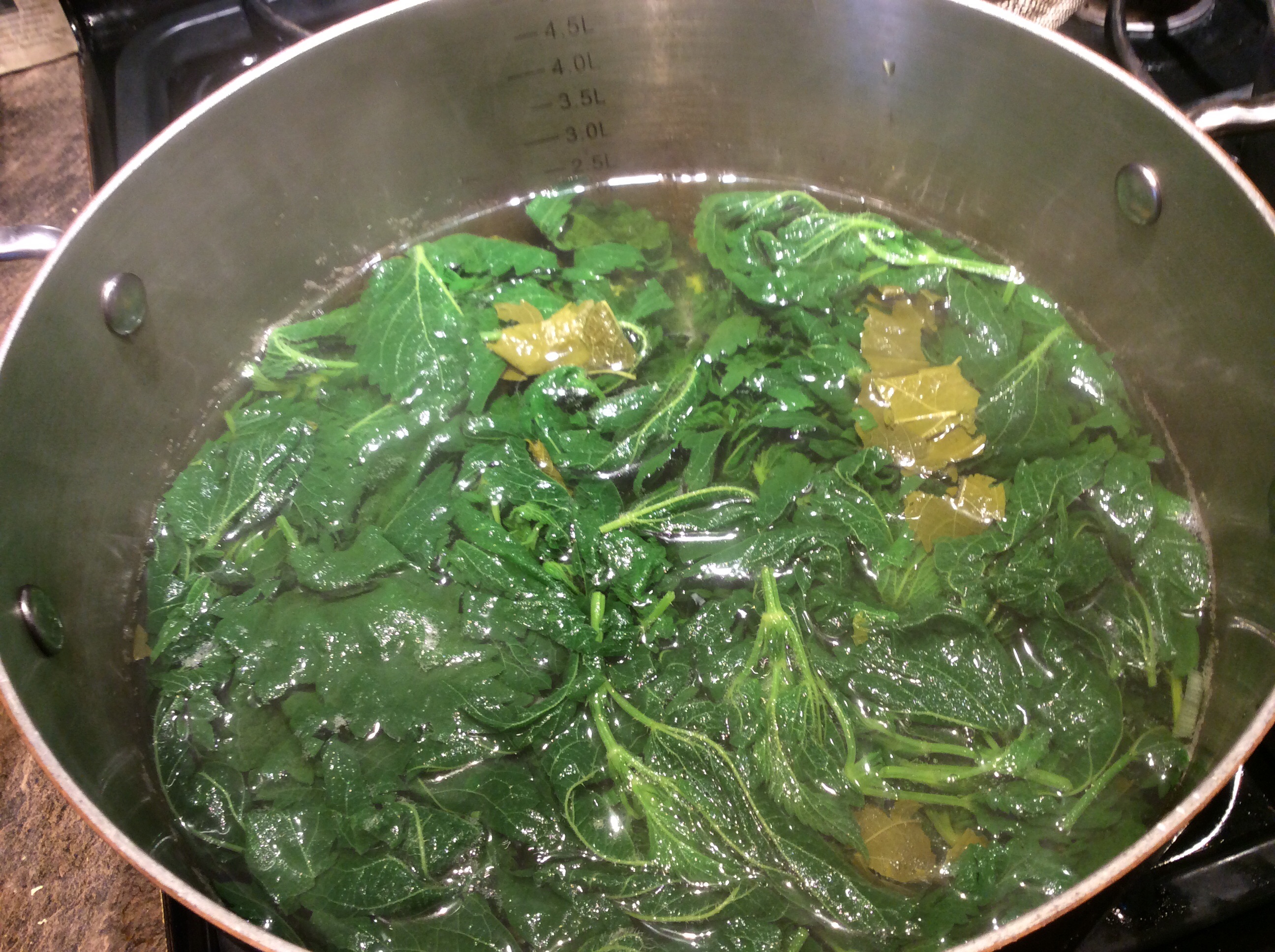
Today I noticed nettles, spinach, and lambs-quarters that needed to be harvested pronto. I also had lively green garlic ready to harvest. I picked a three-gallon pail to the brim, but loosely filled as I threw the bounty in, not packed down. I washed them ( it goes without saying that when nettles are in the mixture, you use gloves whenever handling them and stir in the washing water with a big wooden spoon, not your hand,) and decided to make a Turkish greens soup for dinner.
image
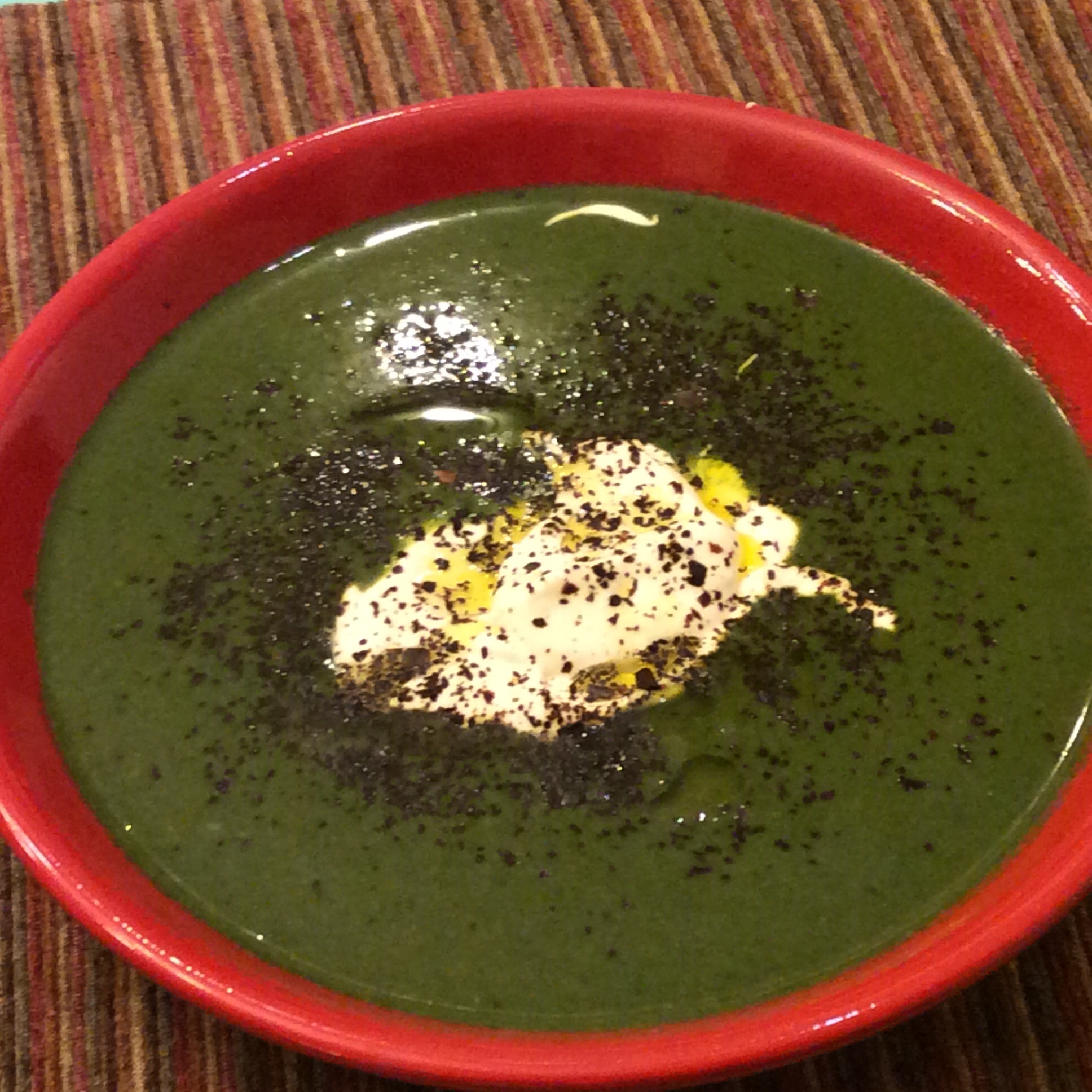
This is a soup that I have been making variations of since a lovely trip to Turkey nearly thirty years ago. It is based roughly on a soup that my guide described his wife making, but it’s interpreted by me and changes every time I make it, so I don’t vouch for its authenticity. This time it was a thick velouté; other times it’s a rough potage, and sometimes it resembles gumbo z’heirbes. So here’s how this one happened:
Prepare and wash three gallons, loosely packed, of assorted greens. No bland store-bought baby spinach! If you don’t have a garden, consider chard, adult spinach, and Tuscan kale, one bunch each.
Pull a quart of good rich chicken stock out of the freezer (it is in there, isn’t it?)or procure a quart of good chicken stock from somewhere.
Set the chicken stock to melting over medium heat in a gallon pot.
Chop three large stalks of green garlic, stems, leaves, and all, and sauté them in a quarter cup or so of excellent olive oil in a sauté pan. OR use a small onion and two cloves of garlic, chopped, for the sauté step. Make sure they are cooked through, and soft but not colored, before proceeding.
When the garlic mixture is ready and the stock is boiling, begin adding the greens to the stock, stirring, and remembering not to touch those nettles. Boil for about a minute after the last of the greens is added. Now add the garlic mixture to the soup pot and simmer for five minutes.
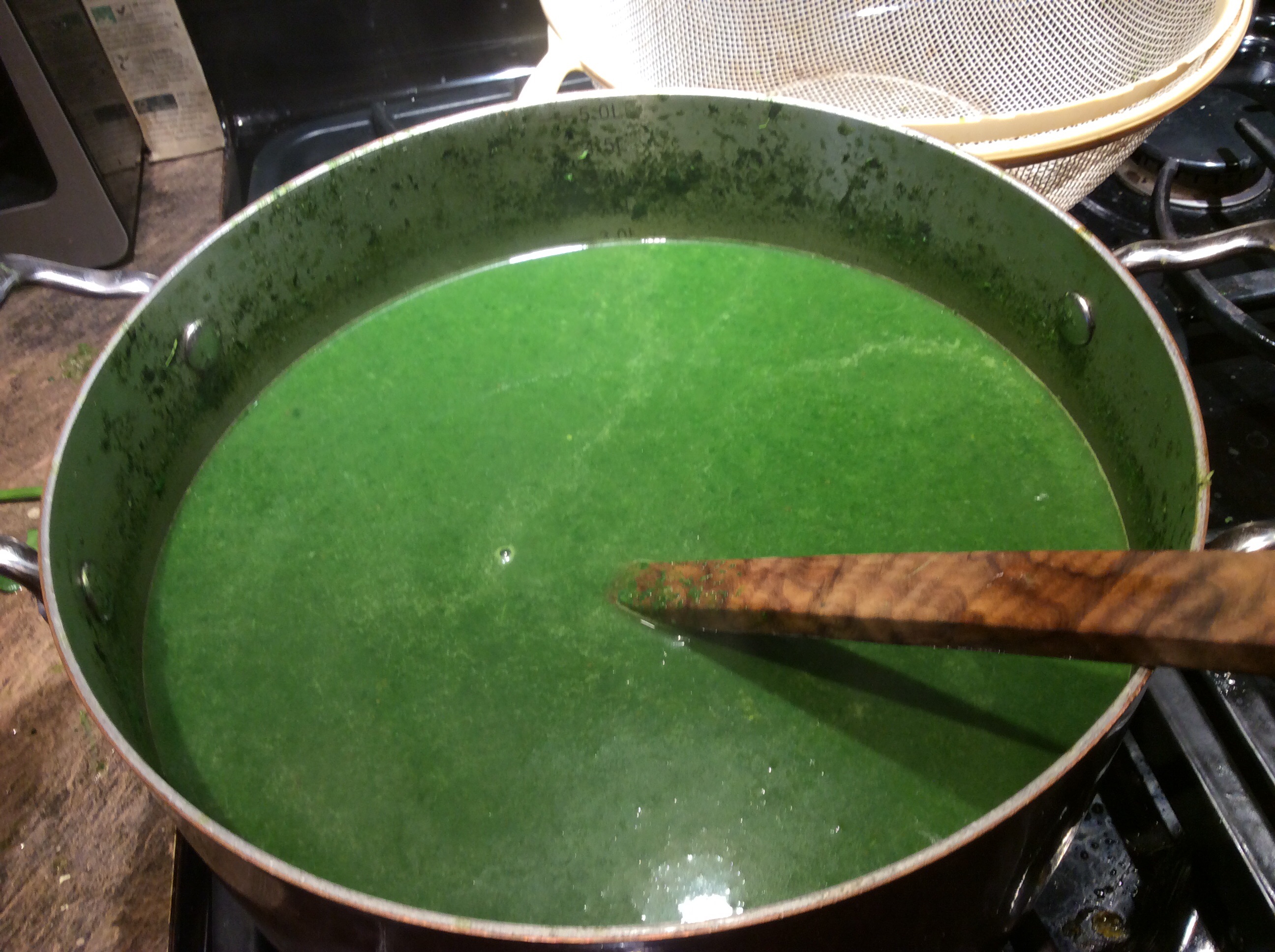
Now purée with a stick blender. Add salt to taste (I think it needs to be on the salty side)and add a teaspoon of Urfa pepper flakes, Aleppo pepper flakes, or mild red pepper flakes. I like a bit of oregano and thyme. Taste and correct the seasoning carefully.
Mix some full-fat Greek yogurt with salt to taste and have it ready.
Put six egg yolks in a bowl, whisk them up, and slowly add a cup of the hot soup, whisking furiously all the time. Slowly pour the egg mixture into the soup over lowest heat, and whisk another minute or two until it’s lightly thickened and smooth.
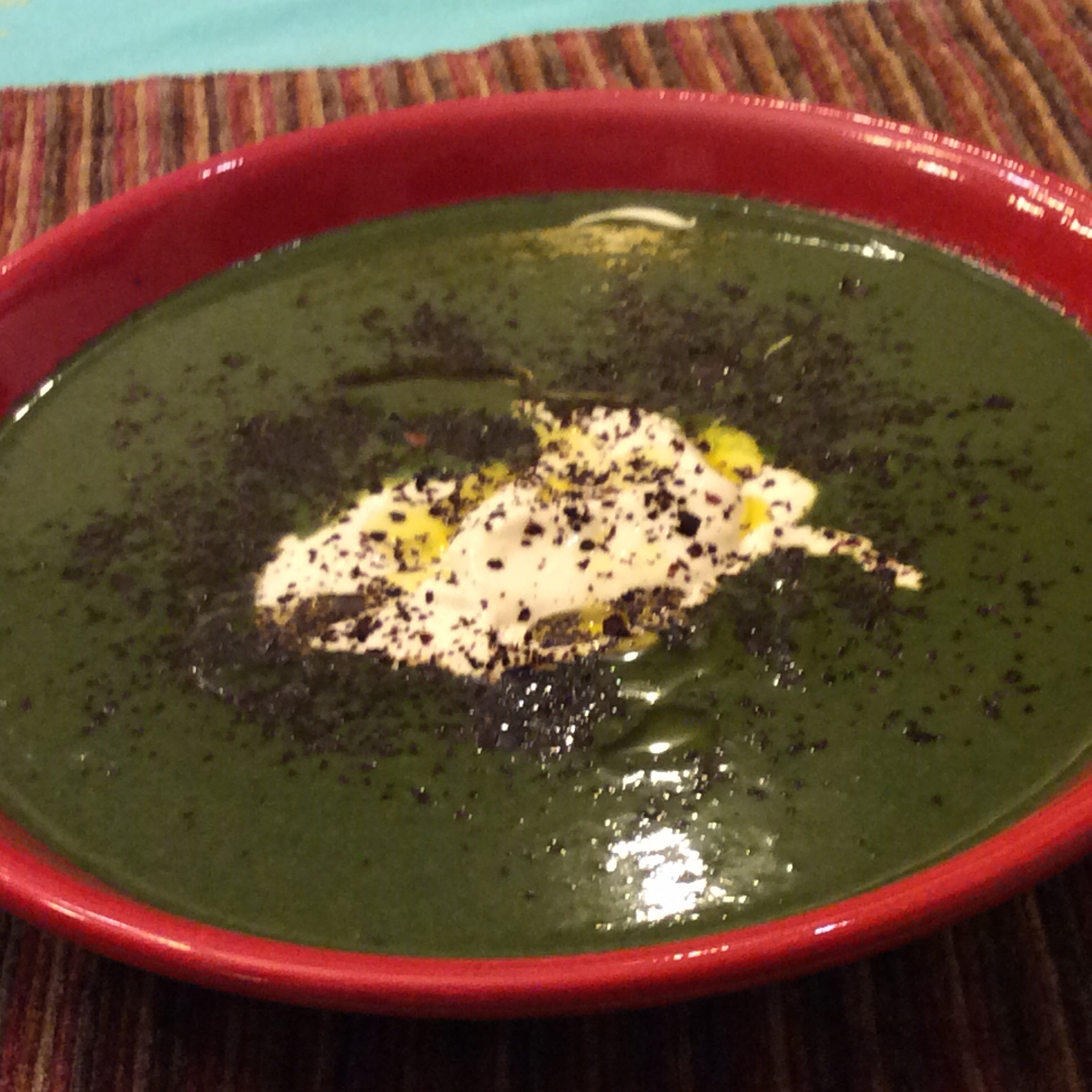
Serve into bowls, pile a half cup of salted yogurt in each bowl, drizzle lavishly with your best olive oil, and sprinkle heavily with more Urfa or red pepper flakes. Eat, and flourish.
image

image

image

image


The Seeds You Need

image

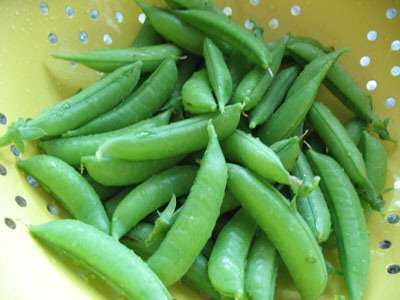
Here in the high-desert Southwest, our cold-weather vegetables need to be planted by mid-March, and so late February is my last good chance to review my seed box and order what I need. This resulted in my sending off a frantic order for sugar snap peas. My attachment to them is strong, largely because I love English (shelling) peas but never find time to shell them. My favorite snap pea is the original Sugar Snap. This variety has some disadvantages: it climbs 5-6 feet and has to be provided with support, the pods have strings and need to be de-stringed before cooking, and it doesn’t have much in the way of disease resistance (although I have had no problems with disease.) It has a single incomparable advantage: flavor that none of the newer, neater varietals can live up to. For best flavor, the peas inside the pod have to be allowed to develop. Don’t pick them in the flat snow-pea stage. Then rinse and string the pods, which is a very quick job, and steam them to eat with butter, stir-fry with some scallion and ginger, or cook them in your own favorite way. Yum.

In my opinion they develop a soapy taste when frozen, so I don’t recommend “putting them by.” Eat mountains of the fresh article and give any extra to people you really like.
The important thing is, order those seeds now.

And don’t forget to plant extra so that you can cut pea shoots. Cut when they are 6-8 inches high, pea shoots are delicious in salads and stir-fries.

The Weed You Need: Edible Wild Plants in Your Garden


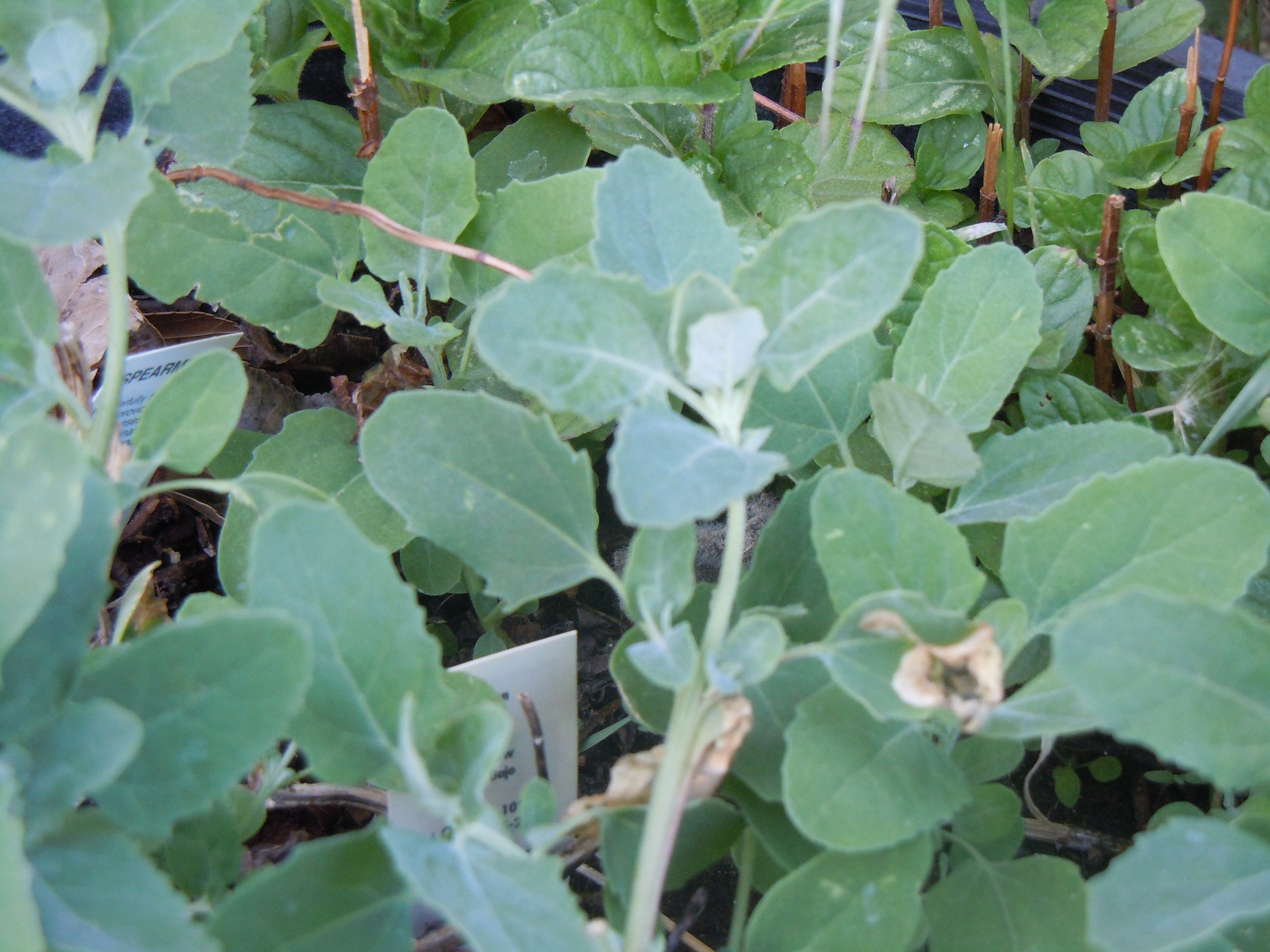
Lambs-quarters seedlings
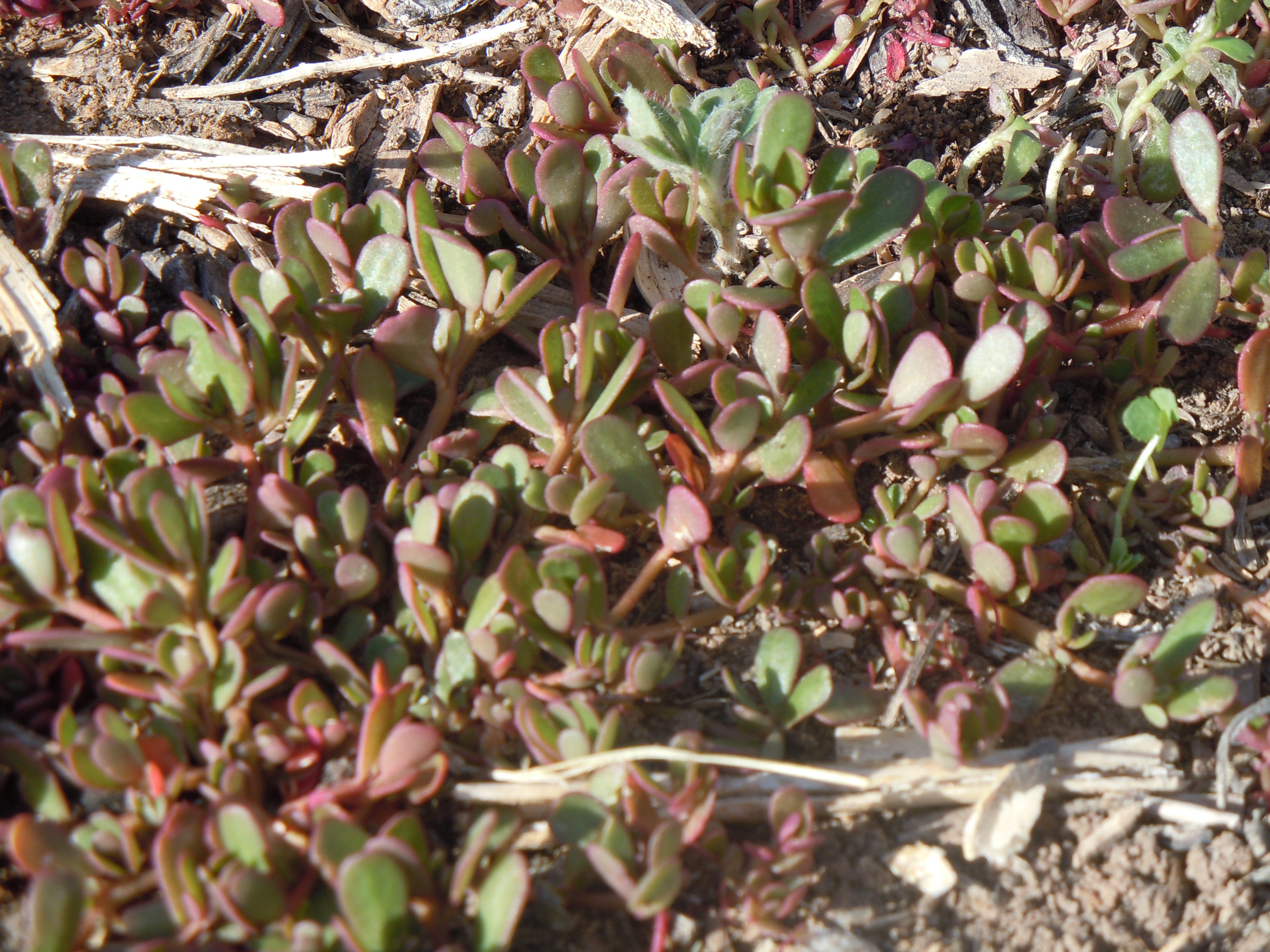
Here in New Mexico we have a trio of useful weeds that make delicious greens during the summer heat. In fact, I suspect that most pieces of the continent that aren’t actually submerged have these three. Lambs-quarters, amaranth, and purslane are ultra-nutritious, mild and pleasant in flavor, and take nearly any sort of abuse. They come along in that order; right now lambs-quarters in my yard is nearly ready to harvest, amaranth seedlings are about an inch high, and purslane seedlings are a fine mist on the ground. The reason to learn to recognize them now is so you don’t weed them out. They are shown here in seedling stages, but never rely on one source to identify a wild plant unfamiliar to you, at least not if you intend to eat it. Get a good foraging book (anything by Samuel Thayer or John Kallas will have the info that you need) and double-check yourself. Then, harvest and eat. These three are easy to use. Lambs-quarters is my favorite, but I’d hate to be without any of the three. I generally blanch them for two minutes in boiling salted water in an open pot, drain and press out all moisture, and chop, then proceed in any of dozens of ways or freeze them in vacuum-sealed bags for winter. Lambs-quarters and amaranth can be eaten by themselves with great pleasure, but personally I find purslane a little slimy by itself and prefer it as no more than 25% of a greens mixture. It’s full of omega-3 fatty acids, though, so don’t neglect it. Click the “greens” category on my sidebar and scroll through some ideas to get you going. Be careful not to let them overwhelm your garden plants. Amaranth and Lambs-quarters can grow six feet high and three across in good garden soil, and they can crowd out nearly any other plant that you might be trying to grow. Leave one of each to go to seed, and pull the others before they take over. I can’t think of anything nicer that most people could do for their health than eat more leafy greens. If you have chickens, be sure to give them all the nutritious weeds that they can eat. My dogs love cooked greens too, although of course they are given only limited quantities.
I can cut the tender tips several times per plant, but these are wild annuals and they do what wild annuals do, which is make huge quantities of seed before winter. When the days shorten, they will go to seed. I’ve tried planting seed in late summer to extend the harvest, and the new plants went to seed before they were six inches tall.  They haven’t been bred for our purposes, and I say thank goodness something hasn’t. Their season is a long and generous one, so enjoy it. Spread some seedheads in any neglected areas that you aren’t using, and you’ll benefit next year.

Amaranth seedling

Purslane seedling

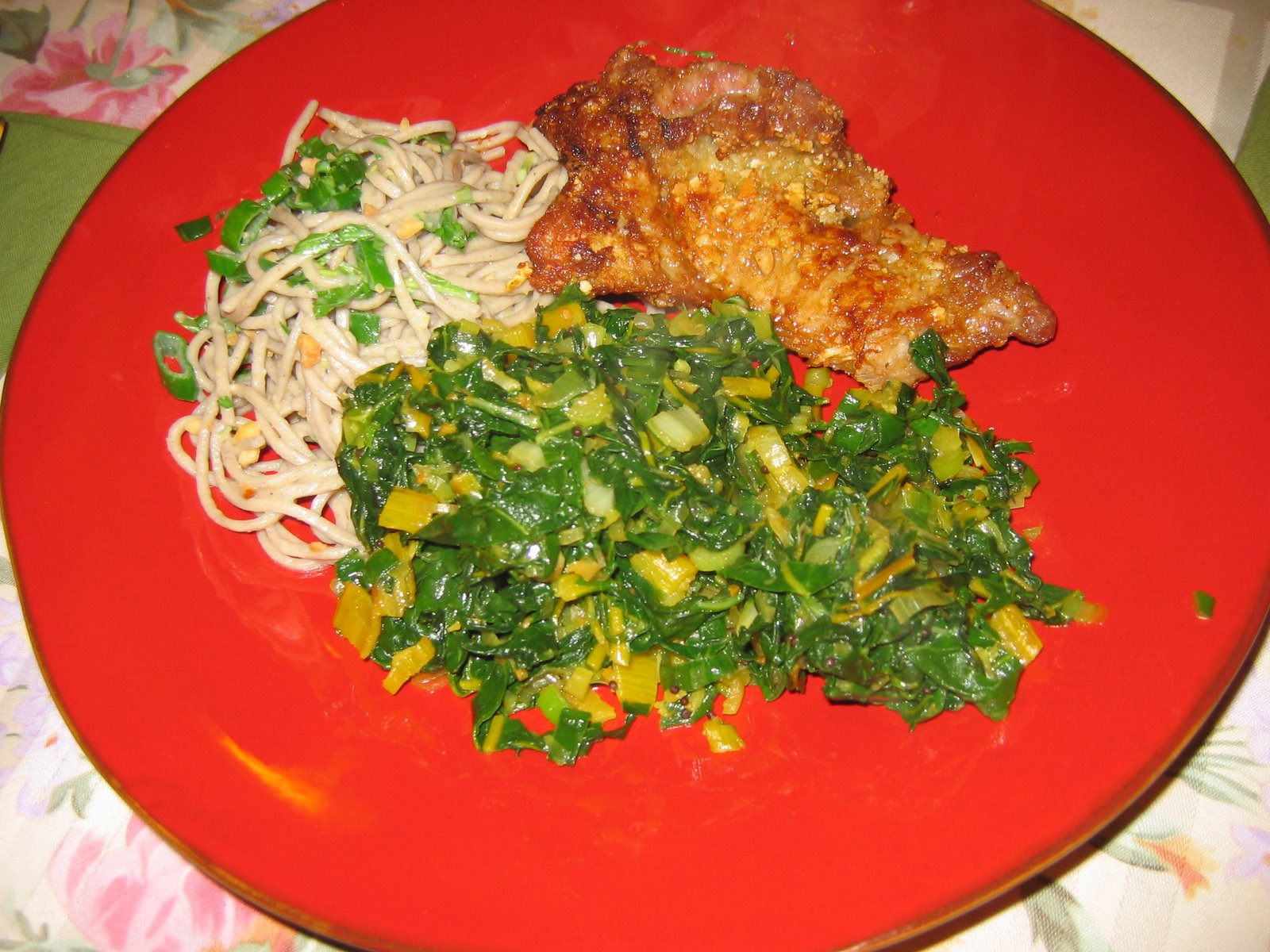
Vegetable dinners: Starting the new year


Recently a reader contacted me about how to transition to a diet of “all real food.” Expense and time were real concerns for him, as they are for most of us.  Well, there’s no question that if you’ve been eating a lot of convenience and supermarket food, real food is likely to be more expensive. You will be making more things from scratch, so it will take more time, too. So my first piece of advice is: don’t make a New Year’s resolution to change your whole diet. I am very mistrustful of New Year’s resolutions; in fact I am mistrustful of any statement that anyone is going to make sudden sweeping changes in their way of being in the world and maintain those changes over time. Personally, my transition in food and lifestyle took place over years, with one step building on the previous ones, and no one change so huge that I couldn’t maintain it until it became a habit.
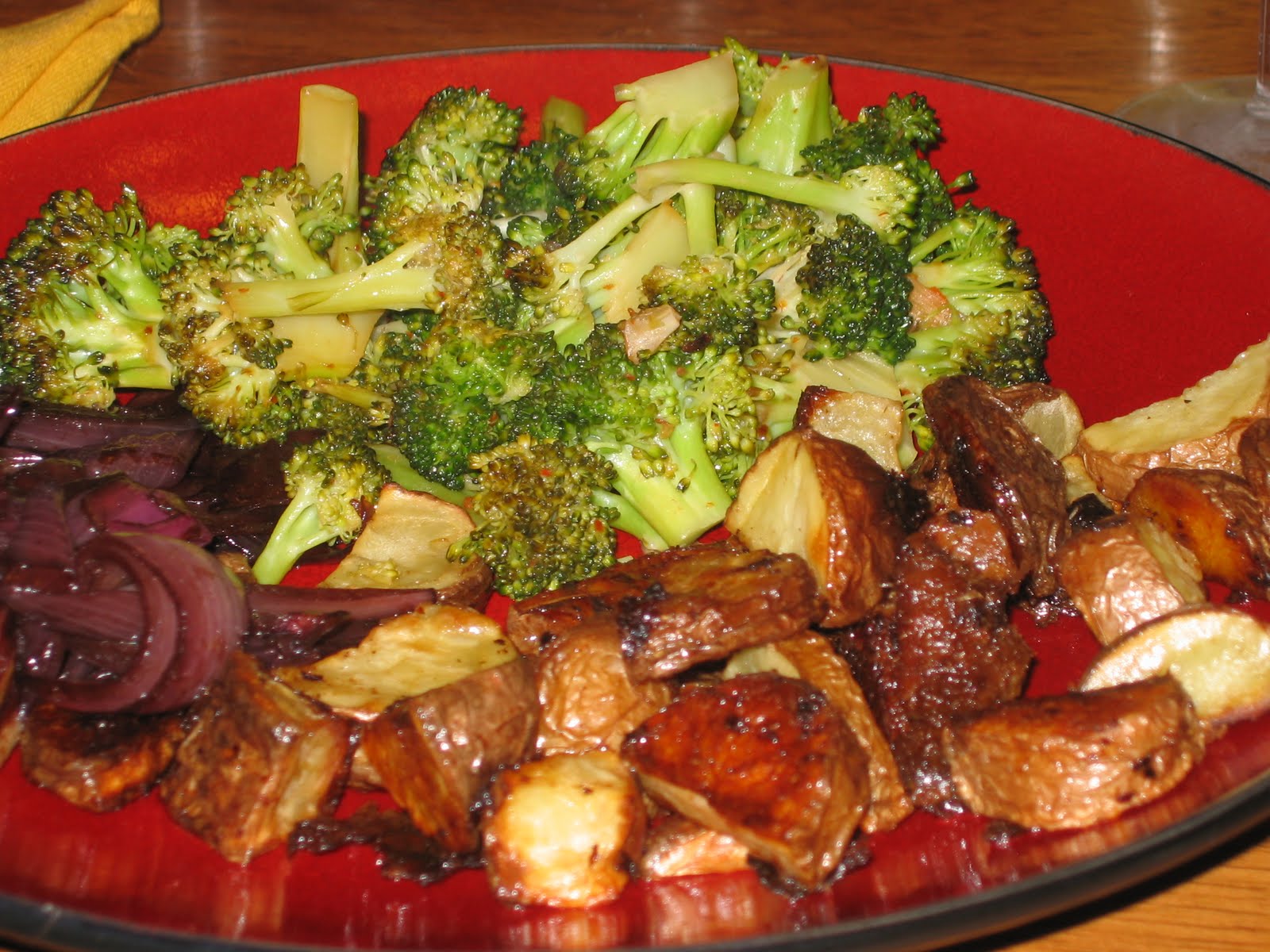
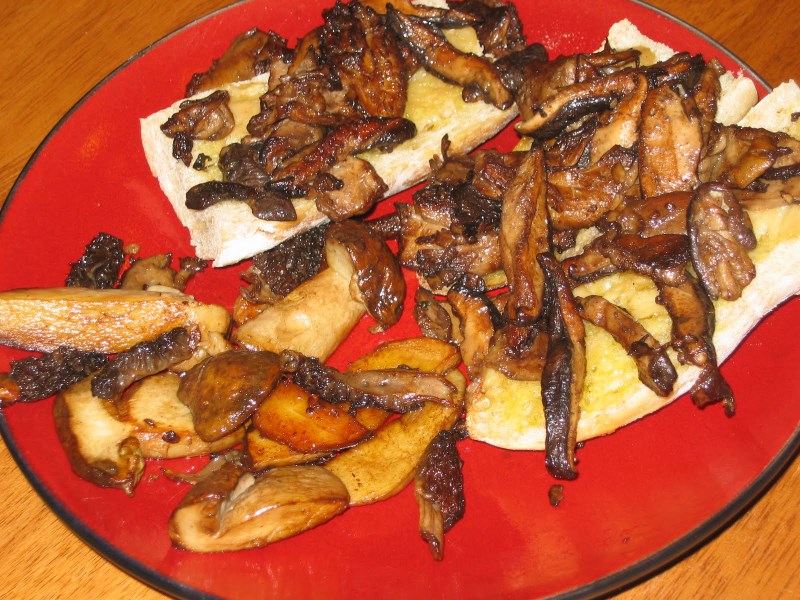
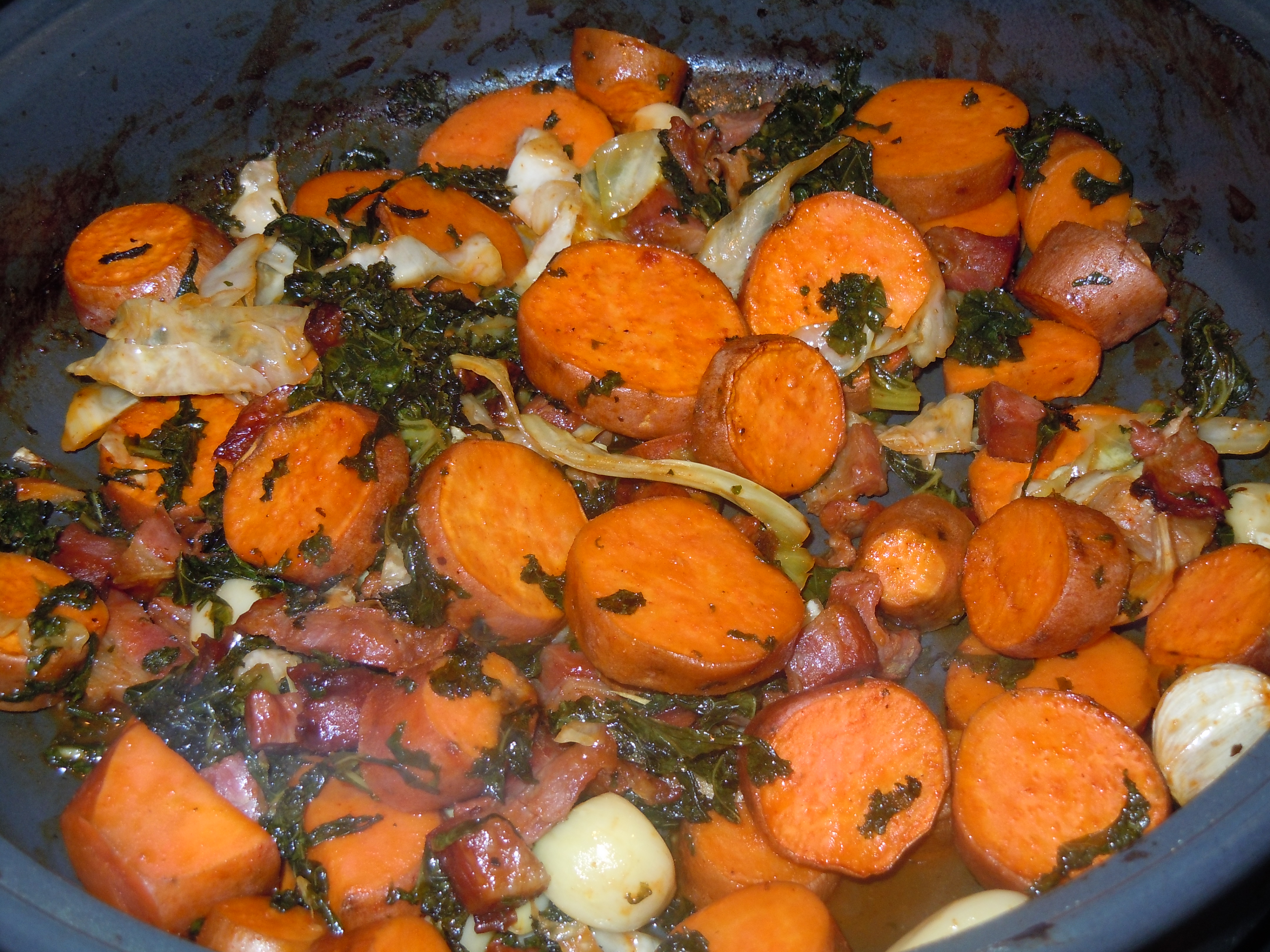
So here’s how I would approach this change: eat more vegetables. Fill your plate with them. Twice a week or so, make two or three simple vegetable dishes for dinner, and don’t have any meat available. On the other nights, offer a small amount of meat and lots of vegetables. A loaf of good bread is a great way to center the table for all-vegetable dinners, and at first you can buy the bread and transition to home-baked later on if you want to. Heat the bread up and have butter or olive oil available to make it festive. Let your vegetable meal be a celebration. Learn a few simple whole-grain dishes and use them as “grounding and centering” dishes to offer some variety from bread. Don’t forget vegetable pasta dishes, which are delicious and appeal to kids. Buy your vegetables wherever you usually shop, and learn to cook them in ways that taste really good. Notice that at this first stage you do not torment yourself by trying to grow all your own food, eat local only, or eat organic only. You just cook the veggies that are readily available to you in ways that work for you. Pay special attention to learning to cook leafy greens in ways that you really like. They are abundantly good for your health, and if you take up gardening later on, they are among the easiest things to grow, but they are also the most likely to sit in the garden unused if you don’t have your kitchen techniques down pat. When you and your family are used to eating lots of vegetables, you can add more whole-grain dishes, or go organic, or shop at the farmers’ market when possible.

If you make this your first step toward a whole-foods diet, you won’t save much money initially because CAFO meat at the supermarket is cheap, but you won’t spend more than usual. Invest a very little bit of money in a really good vegetable cookbook; a wonderful and inexpensive one is Fast, Fresh, and Green by Susie Middleton. Check out my “vegetable dinners” category, too.

When you and your family are really loving your veggies and you can turn out vegetable dishes smoothly and without kitchen trauma, and plates heavy with vegetables look just right to you, take the next step. Enlist your family in deciding what the next step will be. If you use a lot of dairy products, organic dairy might be a good step. Or consider a backyard garden, or a farmers’ market excursion once a week in season, or more whole grains, or whatever. Bear in mind that truly ethical meats are going to be expensive, and if you just substitute them for the supermarket kind in the amounts you are used to eating, you are in for a nasty surprise when you add up the bills. I don’t suggest changing to them until you have formed the habit of eating small amounts of meat and making veggies the biggest part of your meal.
Don’t forget breakfast. Cook a pot of wild rice or red quinoa ahead of time and heat up enough for breakfast, topping it with some butter and maple syrup or honey. This is a treat even for people who don’t like “health” foods.

I don’t believe that negative energy is ever very helpful. Don’t berate yourself for the things you aren’t doing, just be appreciative of the positive changes that you’re making. If you need to pick up a quart of milk at the convenience store some night, don’t go crazy over it. If unexpected events change your life for a while, respond to them as needed, and then go back to your new way. Somewhere along the way, read or reread The Omnivore’s Dilemma, still head and shoulders above other books about factory-farming systems and, in my view, much better than Pollan’s subsequent books at helping you remember why you are making these changes. Love your food, and enjoy your mealtimes, and step will follow naturally on step. Have fun, and happy New Year!