Posts Tagged ‘greens’

The Eggplant Chronicles II: cooking eggplant

image
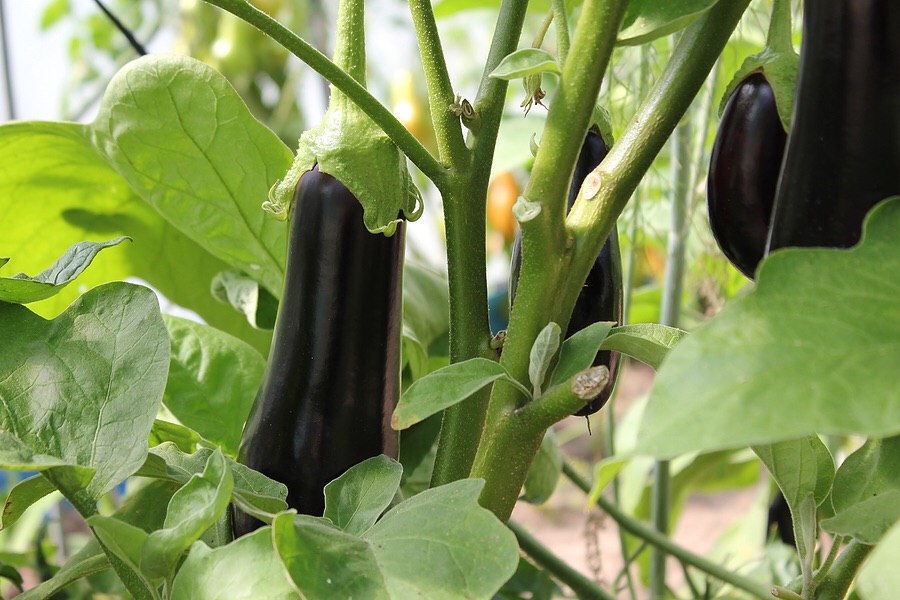
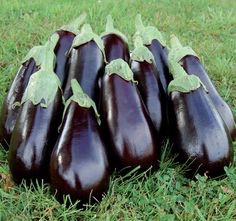
Like most Louisiana natives I love eggplant, and I have fervent opinions about how it should be prepared for cooking. For any application in which it is to be sautéed, I believe that it must be salted and drained first. This is not to get out bitterness, as some cookbooks say; a well-grown eggplant of a good variety doesn’t have bitterness. The disgorging process gives the eggplant a better texture, almost silky, and in my view is not optional.
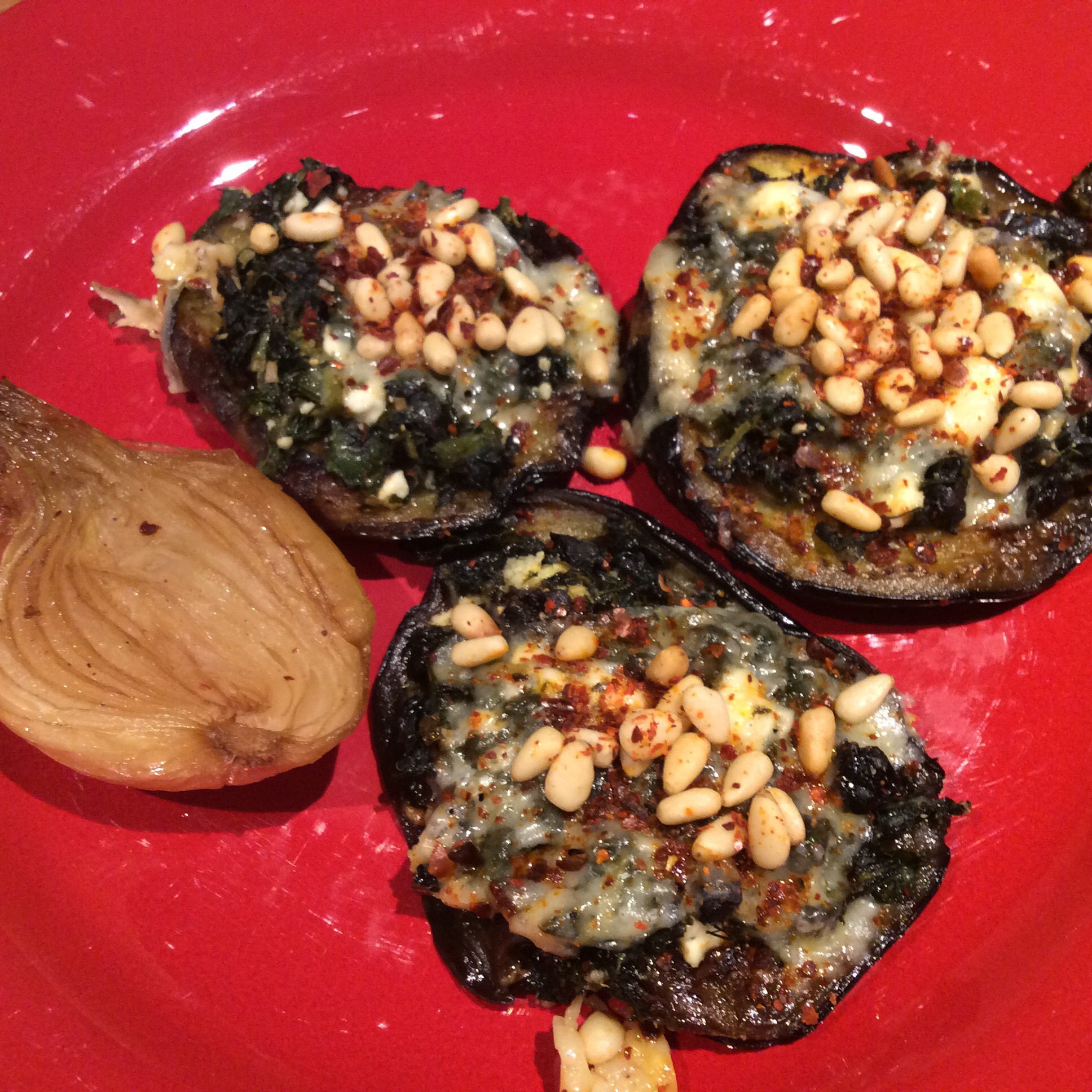
For this dish, I cut an enormous yet still young Black King eggplant into thick meaty slices about half an inch thick. I salted them liberally on both sides in the morning, stuck them in a bag in the refrigerator, and in the evening laid them out in a single layer on half of a clean towel and pushed down hard on the slices with the other half of the towel, pressing out as much liquid as possible. Now sauté them in olive oil over medium-high heat, laying them out on a baking sheet as they finish cooking, and making sure to cook them until they can easily be penetrated with a fork. Meanwhile, decide what you want to put on them. I had some horta (cooked greens mixture) made according to the description in my amaranth post, liberally flavored with garlic, fennel fronds, and salt-cured olives, and decided to use that. Other possibilities include leftover cut-up meat or chicken with herbs, scrambled eggs highly seasoned with herbs, tomato sauce, or whatever. I mixed the horta with crumbled feta for a little pizazz. Top with cheese ( I used an artisanal cheese similar to Parmesan) and pop in a 425 degree oven for 25 minutes or so. Pull them out, top with pine nuts or your own favorite nuts and a lavish sprinkle of Maras pepper flakes or other good red pepper flakes, and put back in the oven for a minute or two. I added some roasted onion halves on the side. Serve. Eat.
This sort of dish screams for a good smooth red wine and has to be eaten with a carefree attitude. Laissez les bon temps roulez, after all.
image

image

Pleasures of the Garden: Solo Specials

image
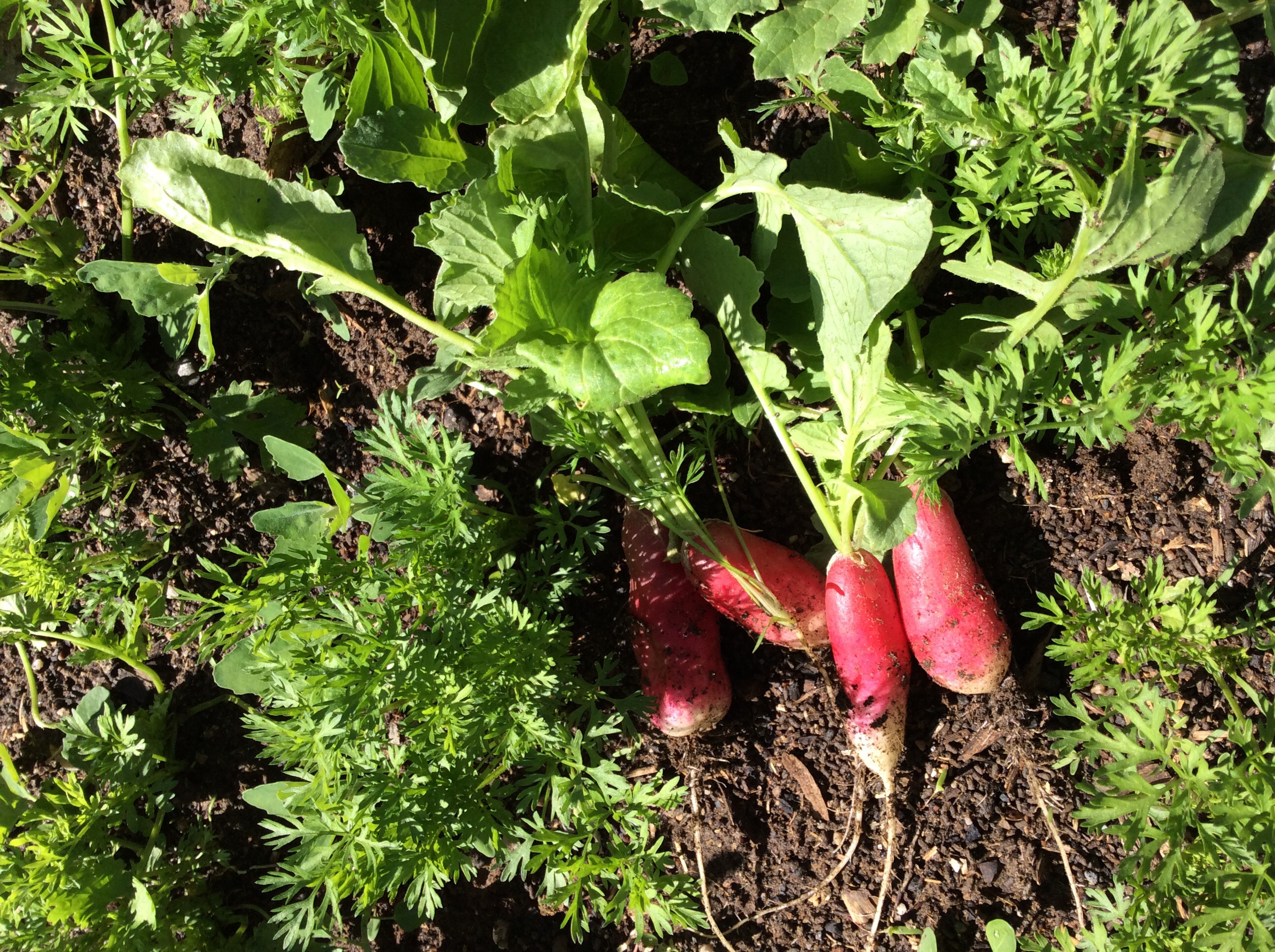
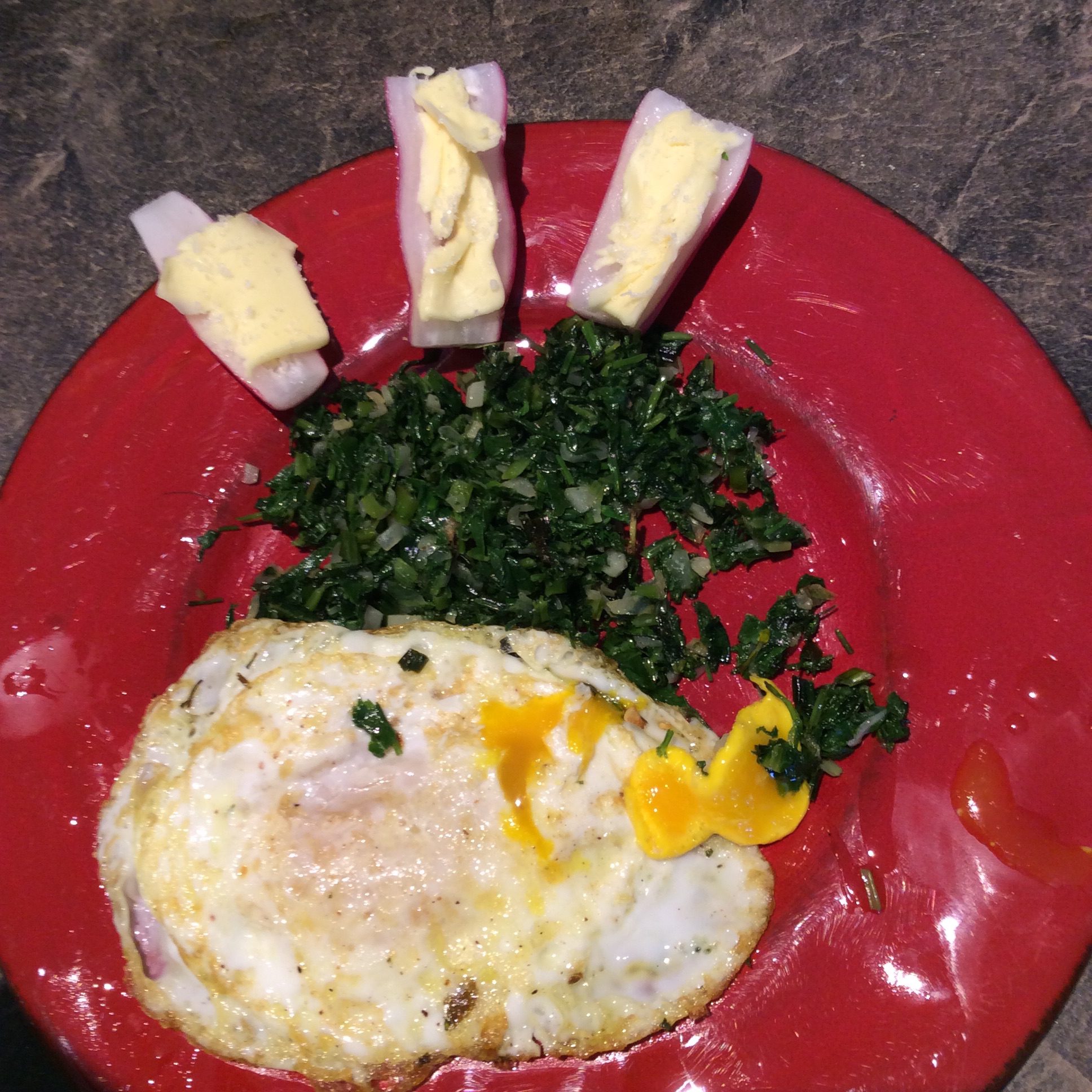
If you have the habit of solitude, there is no better hobby than gardening, and cooking for one can be a real pleasure too. Today I noticed that the radishes which I plant in my carrot rows ( one radish seed every four inches or so, to break the soil up and offer some shade and shelter for the tiny infant carrots) were ready to pick. Only four were ready, and I’m on my own today, so I began planning my solitary lunch, based on very flavorful (somewhat bitter) greens. I had the four radishes and their tops. I also picked the tops of several infant carrots ( they needed thinning and didn’t yet have any roots to speak of,) two large leaves of spinach, a couple of leaves of arugula, and a few large sprigs of lambs-quarters from the weed patch, to offer a mild cushion for the stronger greens. I also grabbed tender tips of alfalfa and a stalk of green garlic. A still-warm egg from the henhouse completed my outdoor prep.
image
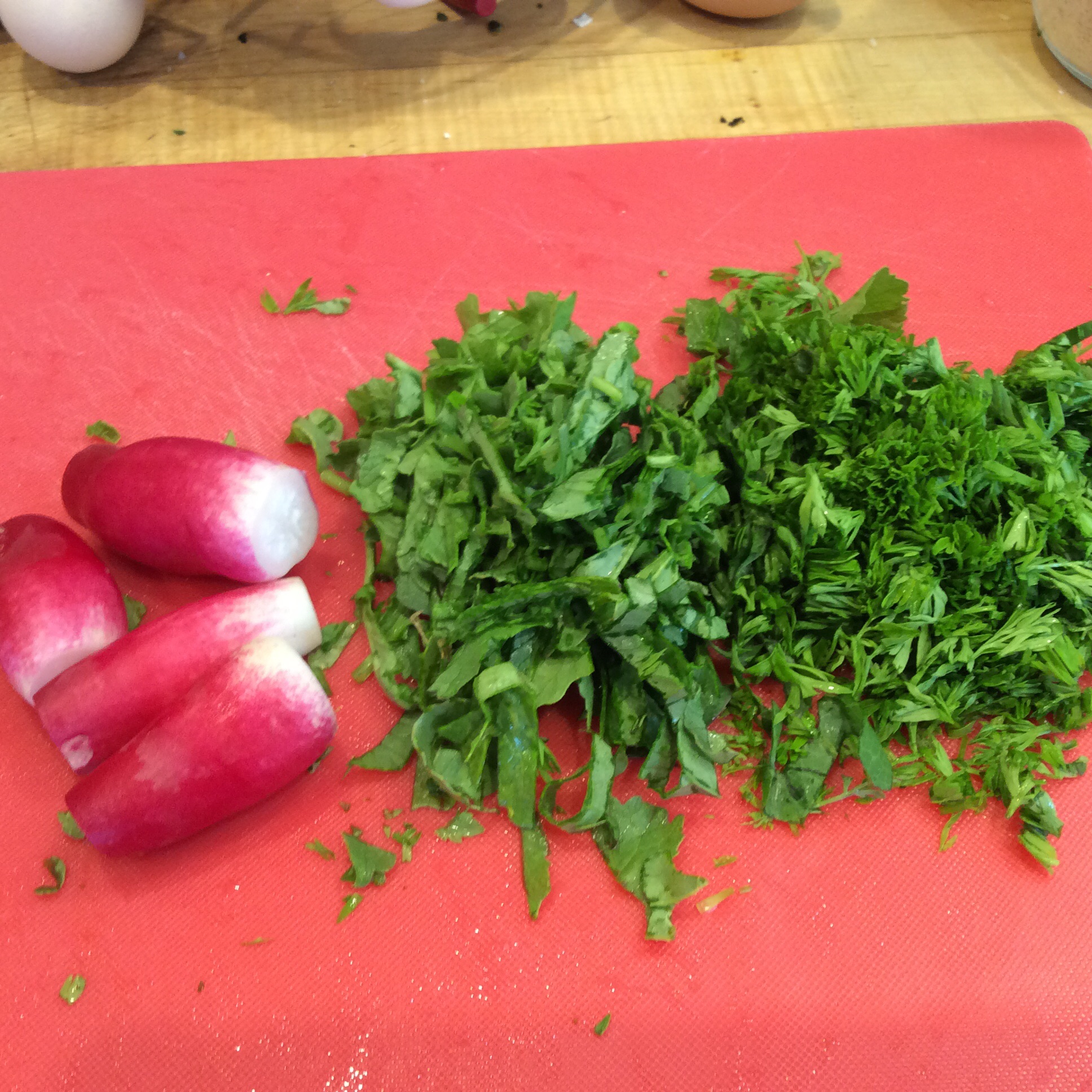
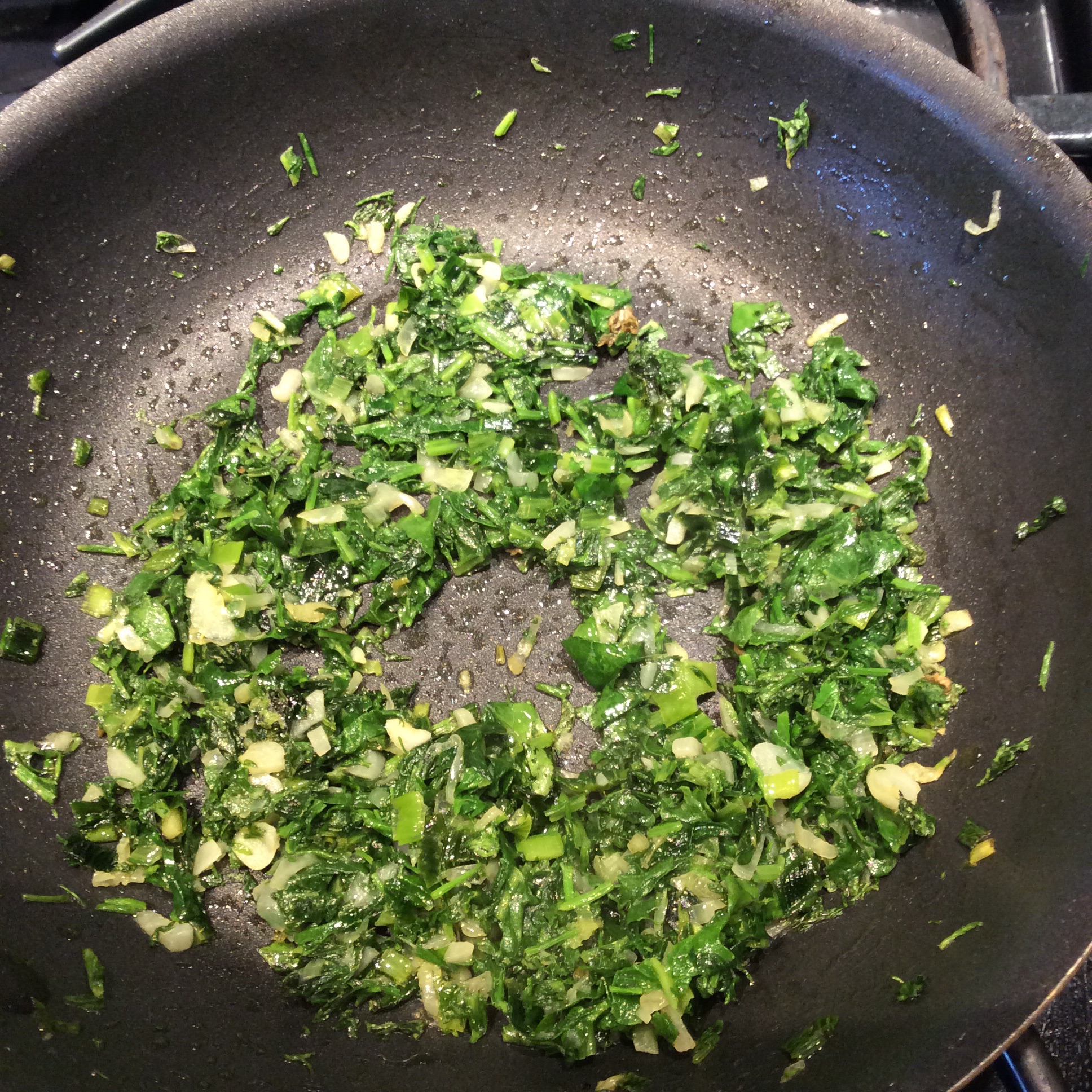
Indoors, I washed the radishes and greens, sliced the radishes in half lengthwise, chopped the stalk of green garlic finely, and then chopped all the other greens together more coarsely. In a small skillet, I heated a couple of tablespoons of good olive oil and started sautéing the green garlic. When it started to look a little cooked, the rest of the greens went in. Then I added some salt and cooked over medium-low heat for a little over 15 minutes, until the greens were softened and mellowed but still had plenty of character.

image

Meanwhile, I spread the sliced radishes with good grass-fed butter and sprinkled them lavishly with my best fleur de sel. When the greens were ready, I turned them out onto a little warm plate, added some more olive oil to the skillet and quickly fried the egg in it, and added the radish slices that I hadn’t already eaten to the plate.
image
Yum. There is absolutely nothing like a fried egg to mellow the flavor of strong bitter greens. And now, filled with bubbling good health, I can go on to an afternoon of further garden chores.
I eat a ketogenic (ultra-low-carb) diet for health and weight reasons, but if bread is still in your kitchen, a couple of slices off a good baguette would add heartiness to this perfect little impromptu meal.
Ah, the witchcraft we perform in our gardens and kitchens when nobody’s looking.

The Offbeat “Broccolis:” brocolettas in the spring garden

image
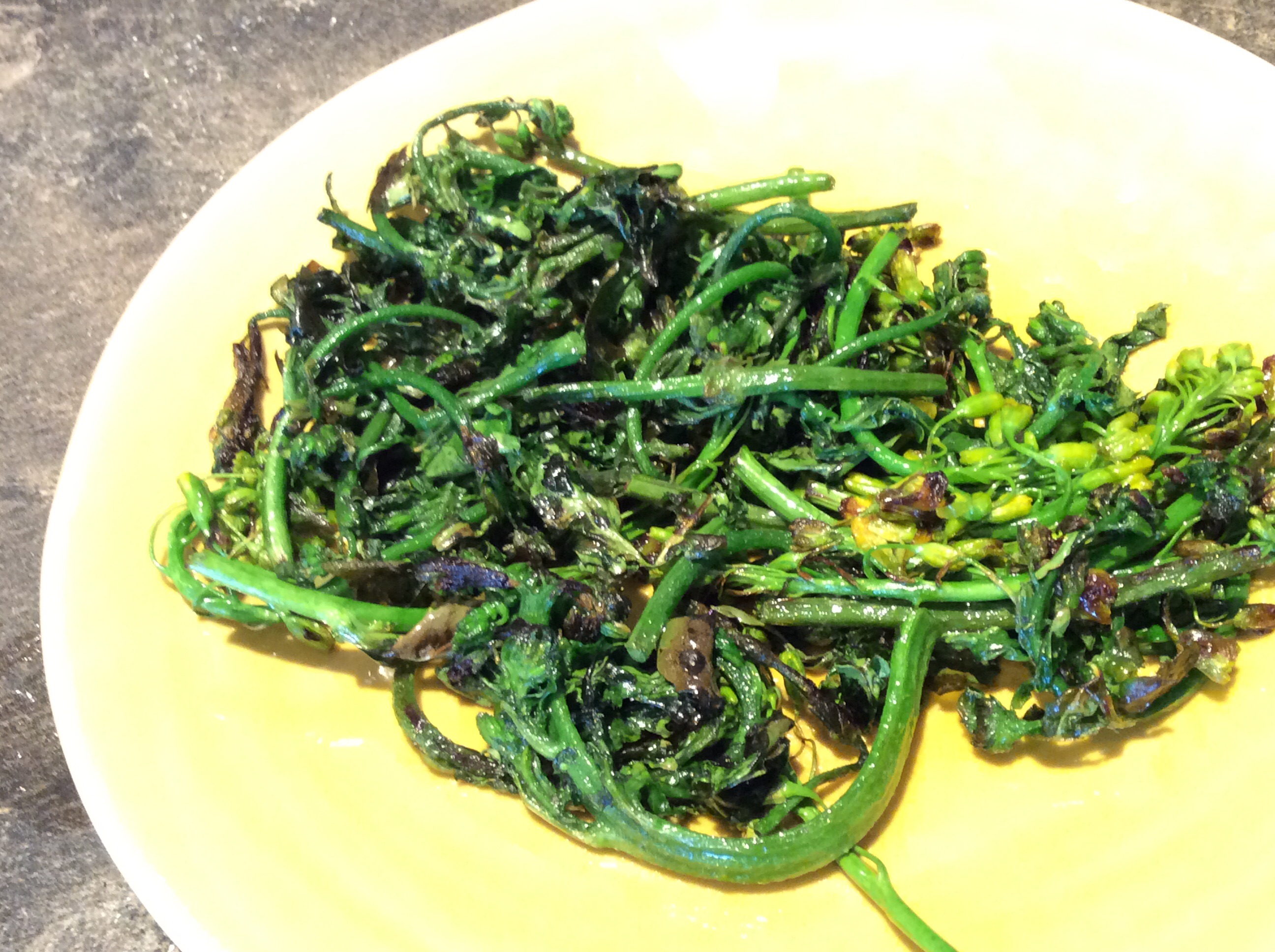
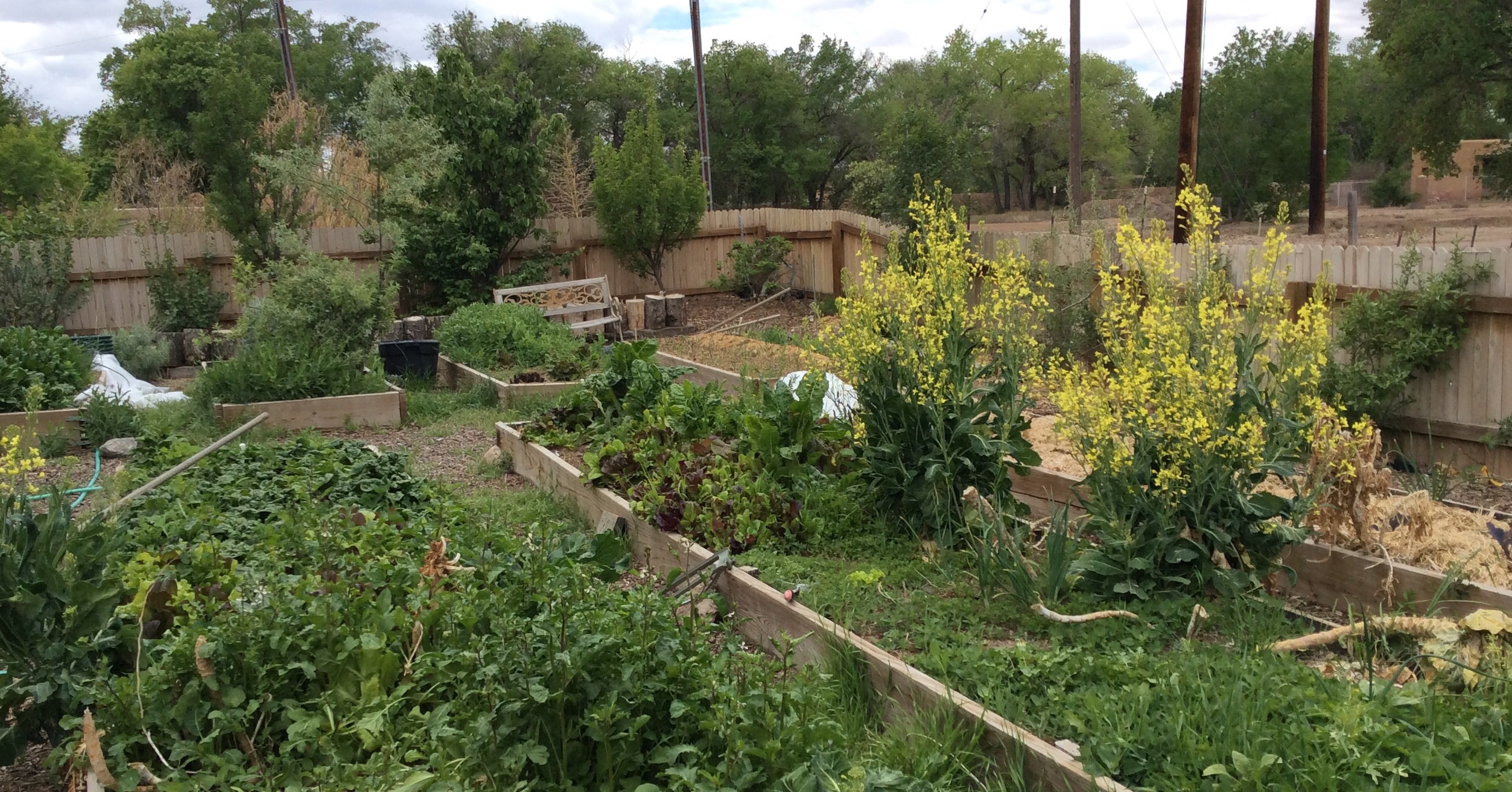
Broccoli is widely touted for its nutritional content and culinary versatility, and my garden beds are full of broccoli-in-waiting, but there is also “broccoli” to be had right now. All the common garden crucifers produce bud clusters when they shoot to seed, and all of them are good to eat when snapped off before the flowers open. Some go to seed the first year, and some have to go through a winter before they bolt. I try to use cover crops that will be edible as greens and also offer me a “second harvest” of bud clusters. Currently I am harvesting bud clusters from arugula, daikon, and the collards that I over-wintered for seed production (they make a huge amount of buds, and a few clusters will never be missed). Arugula is especially good for this purpose, because first you get those exquisite nutty-peppery salad greens, second the top-bud harvest with its wild, unimproved, bitter-edged flavor, then the remaining buds open and are wildly attractive to bees, and finally the remainder of the plant enriches your soil when chopped and dug in, all in the span of a few months. I buy the seed in bulk and cover-crop it whenever a piece of garden bed is going to be empty for a little while. You can also harvest buds from bolted radishes and wintered-over kale, and probably a lot of things that I haven’t tried yet. Be aware that they are tiny, and you need a lot of plants to have enough to cook. I have heard these offbeat buds referred to as “broccolini” or “brocoletta.” I call them brocolettas, because “broccolini” really refers to a form of domestic broccoli with long, small stems.

When I call the flavor “unimproved,” I am referring to the fact that our common domestic vegetables are bred for the mildest flavor possible. The things that I grow and forage for are not. They have very pronounced flavors from their protective phytochemicals, and can stand assertive seasoning. Think garlic, red pepper, thyme, and other strong flavors.

My favorite way of cooking the washed bud clusters is to throw them in a hot pan of very good olive oil with a little washing water still clinging to them, salt them, turn frequently and keep the heat fairly high, and serve them when the green parts are crisp-tender and there are crisp brown areas but no blackened spots, and eat them in their feral glory with some extra olive oil on top and a twist or two of the pepper-mill. They can be a “hot salad” on their own, or complement a flavorful entree. Take that, flavorless baby spinach!

Nose-to-tail vegetable eating stretches over each vegetable’s growing season, in my view, rather than meaning that every single part of the vegetable is edible and choice. Arugula’s leaves and buds are very desirable eating, the flowers are excellent bee forage, and then the remaining plant offers biomass for mulch and compost, or you can let them self-seed first and have your next crop planted. Now that’s multi-purpose.

A Glory of Greens, and notes on Turkish greens soup

image


There is nothing more vibrant than a garden full of greens in the spring, all growing like mad, offering you a million healthy possibilities. During the two unfortunate years that I couldn’t garden, I did at least rogue out all the weeds that weren’t edible, and now nearly everything that sprouts in my beds is delicious, whether I planted them intentionally or not. And everybody, every one of us, would do well to eat more greens. Our health would improve and we would feel so damn good. Remember, the REAL Mediterranean diet, the one that was originally studied on Crete and that produced a long-lived and healthy population, was based on a huge variety of cultivated and wild greens.

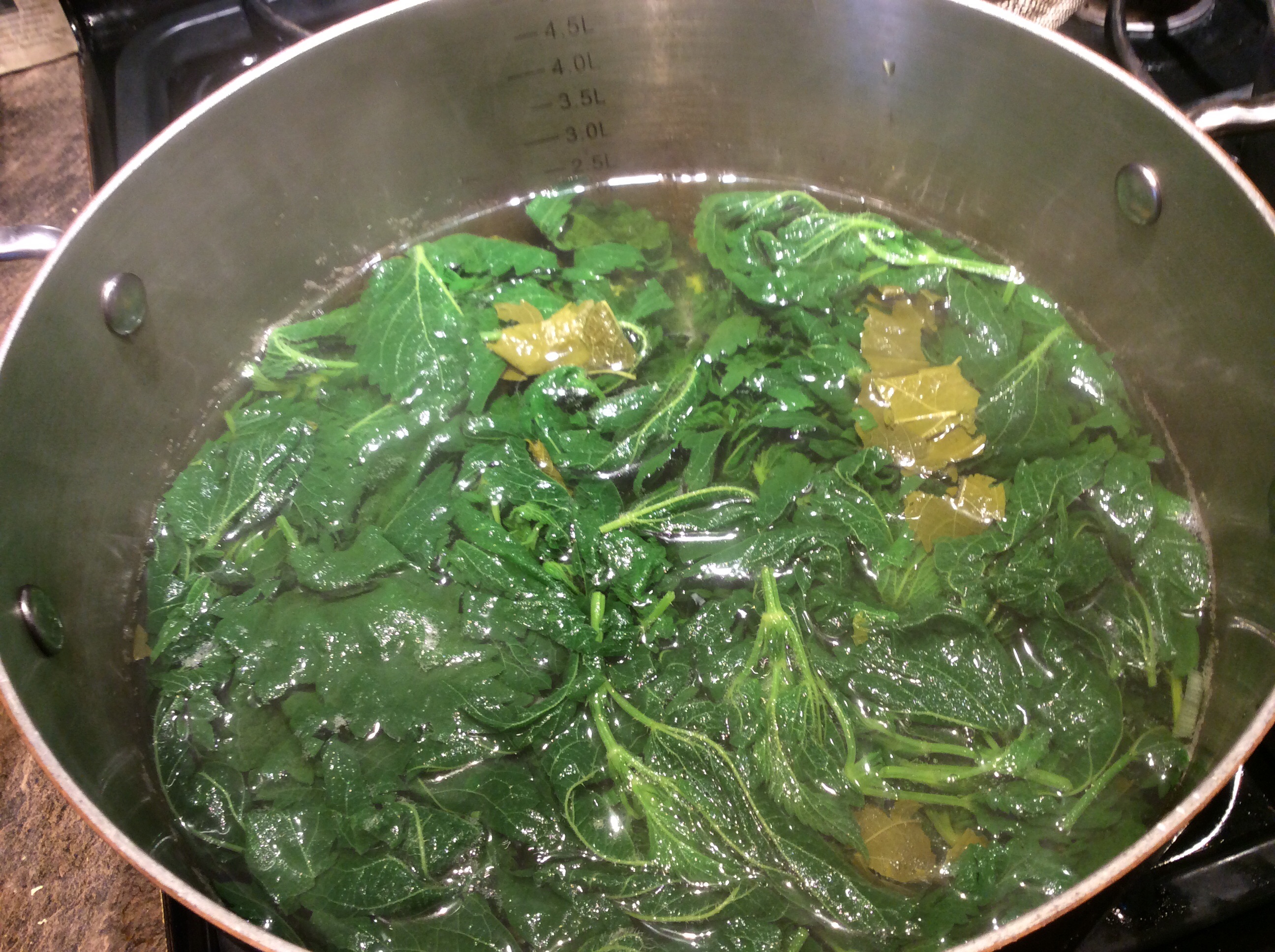
Today I noticed nettles, spinach, and lambs-quarters that needed to be harvested pronto. I also had lively green garlic ready to harvest. I picked a three-gallon pail to the brim, but loosely filled as I threw the bounty in, not packed down. I washed them ( it goes without saying that when nettles are in the mixture, you use gloves whenever handling them and stir in the washing water with a big wooden spoon, not your hand,) and decided to make a Turkish greens soup for dinner.
image
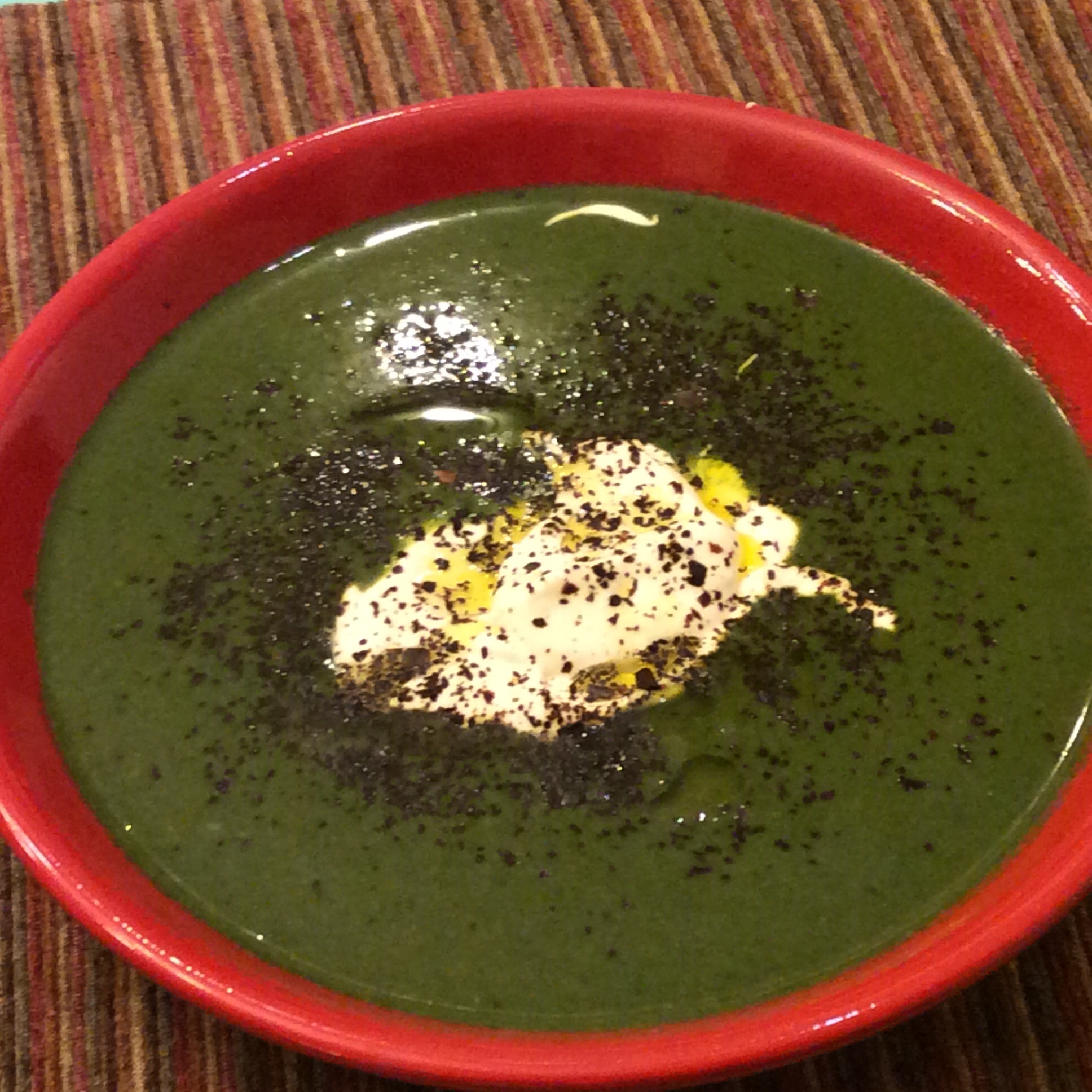
This is a soup that I have been making variations of since a lovely trip to Turkey nearly thirty years ago. It is based roughly on a soup that my guide described his wife making, but it’s interpreted by me and changes every time I make it, so I don’t vouch for its authenticity. This time it was a thick velouté; other times it’s a rough potage, and sometimes it resembles gumbo z’heirbes. So here’s how this one happened:
Prepare and wash three gallons, loosely packed, of assorted greens. No bland store-bought baby spinach! If you don’t have a garden, consider chard, adult spinach, and Tuscan kale, one bunch each.
Pull a quart of good rich chicken stock out of the freezer (it is in there, isn’t it?)or procure a quart of good chicken stock from somewhere.
Set the chicken stock to melting over medium heat in a gallon pot.
Chop three large stalks of green garlic, stems, leaves, and all, and sauté them in a quarter cup or so of excellent olive oil in a sauté pan. OR use a small onion and two cloves of garlic, chopped, for the sauté step. Make sure they are cooked through, and soft but not colored, before proceeding.
When the garlic mixture is ready and the stock is boiling, begin adding the greens to the stock, stirring, and remembering not to touch those nettles. Boil for about a minute after the last of the greens is added. Now add the garlic mixture to the soup pot and simmer for five minutes.
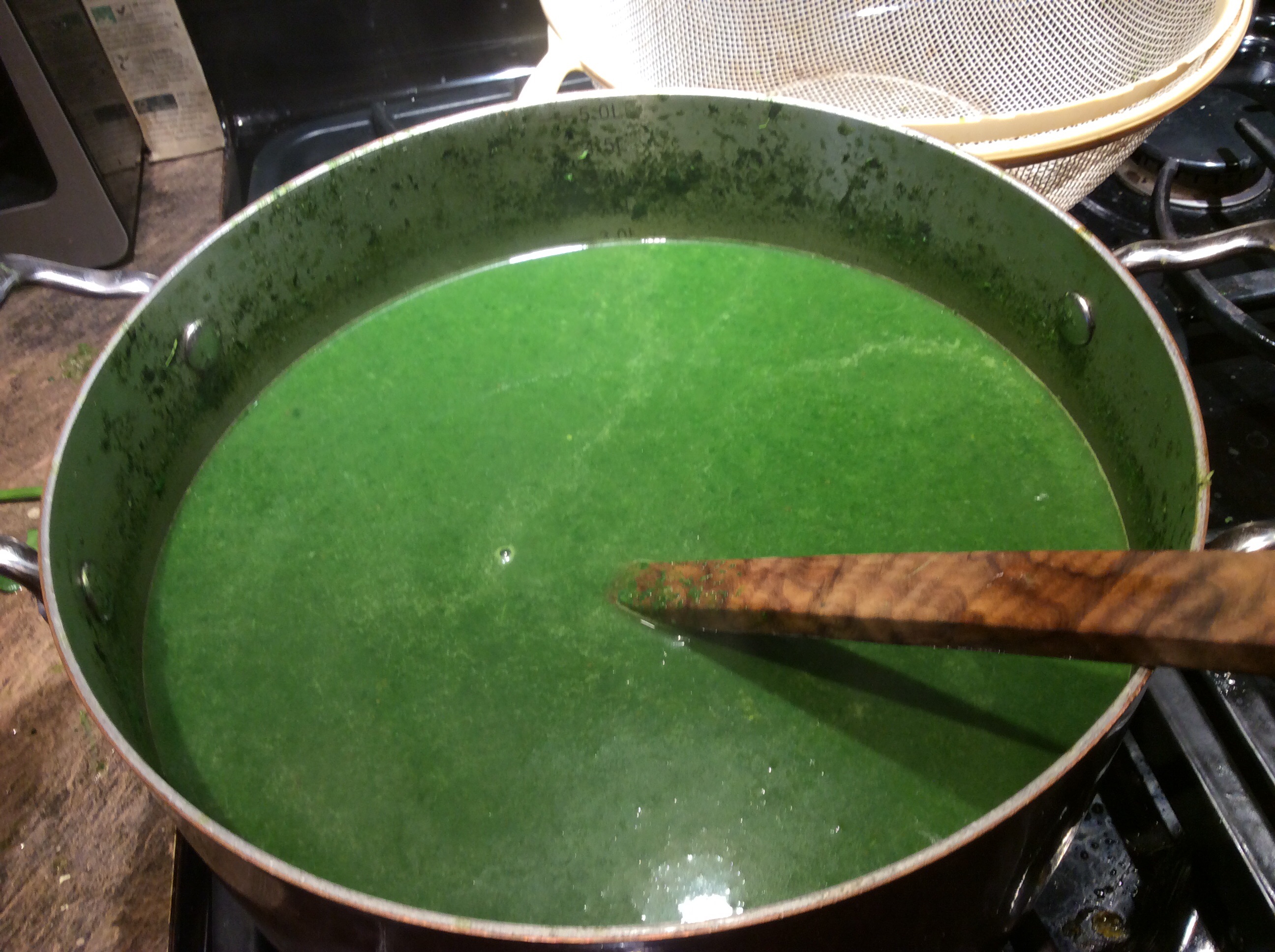
Now purée with a stick blender. Add salt to taste (I think it needs to be on the salty side)and add a teaspoon of Urfa pepper flakes, Aleppo pepper flakes, or mild red pepper flakes. I like a bit of oregano and thyme. Taste and correct the seasoning carefully.
Mix some full-fat Greek yogurt with salt to taste and have it ready.
Put six egg yolks in a bowl, whisk them up, and slowly add a cup of the hot soup, whisking furiously all the time. Slowly pour the egg mixture into the soup over lowest heat, and whisk another minute or two until it’s lightly thickened and smooth.
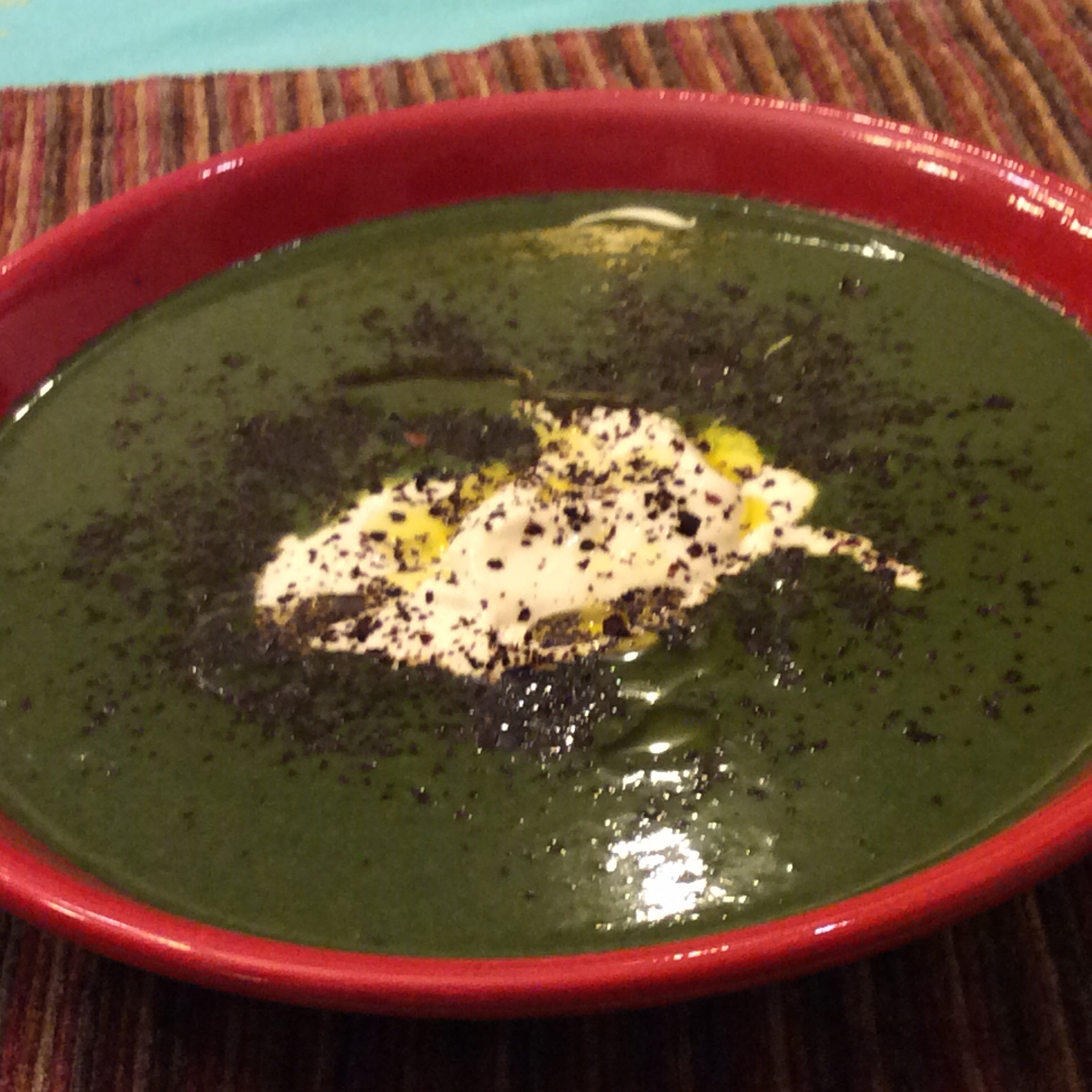
Serve into bowls, pile a half cup of salted yogurt in each bowl, drizzle lavishly with your best olive oil, and sprinkle heavily with more Urfa or red pepper flakes. Eat, and flourish.
image

image

image

image