Posts Tagged ‘green leafy vegetables’

Green Slaw, and notes on salt-curing greens

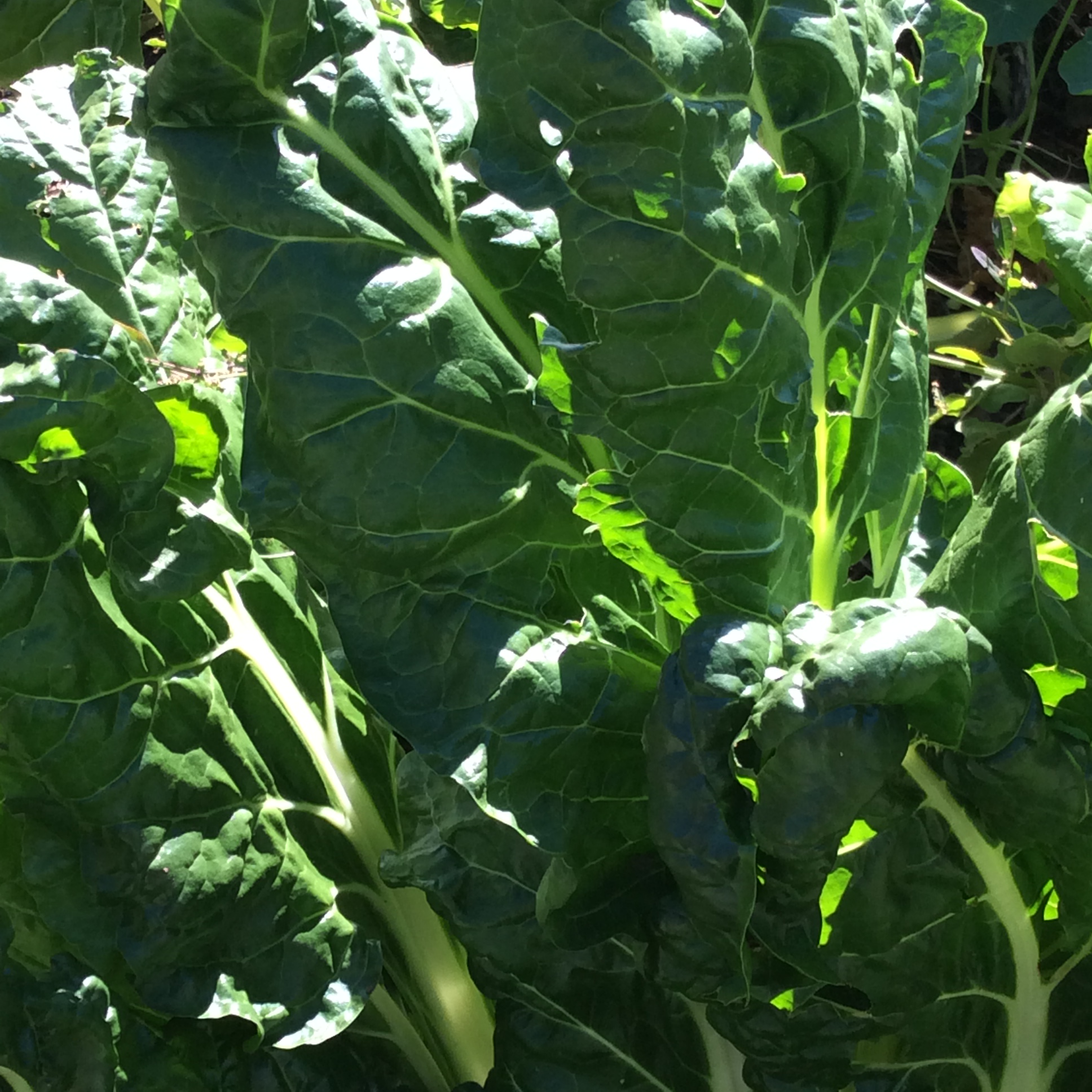
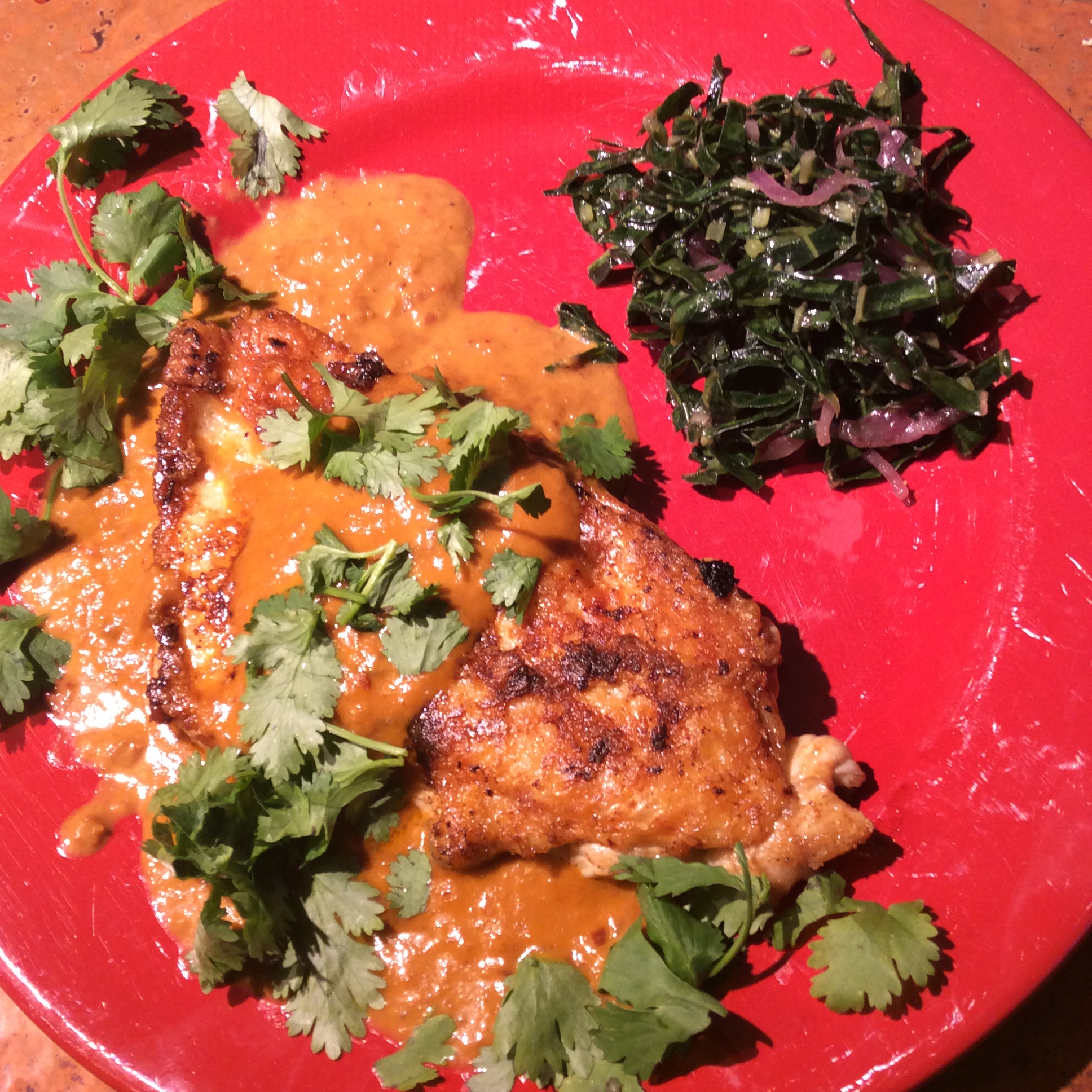
Right now my garden is full of savoy cabbage and collards, the cold-hardiest greens around, and I’m trying to eat them in as many forms as possible. There are no greens more nutritious, and after a few hard frosts the texture is excellent. One way I really love to eat them is salt-wilted or salt-cured, which makes them more tender and gives them a velvety texture. The slaw shown above was designed to go with Mexican flavors and makes use of cilantro stems, which are often wasted but shouldn’t be. They have pure cilantro flavor and, unlike the leaves, will stand up to marinating or cooking.
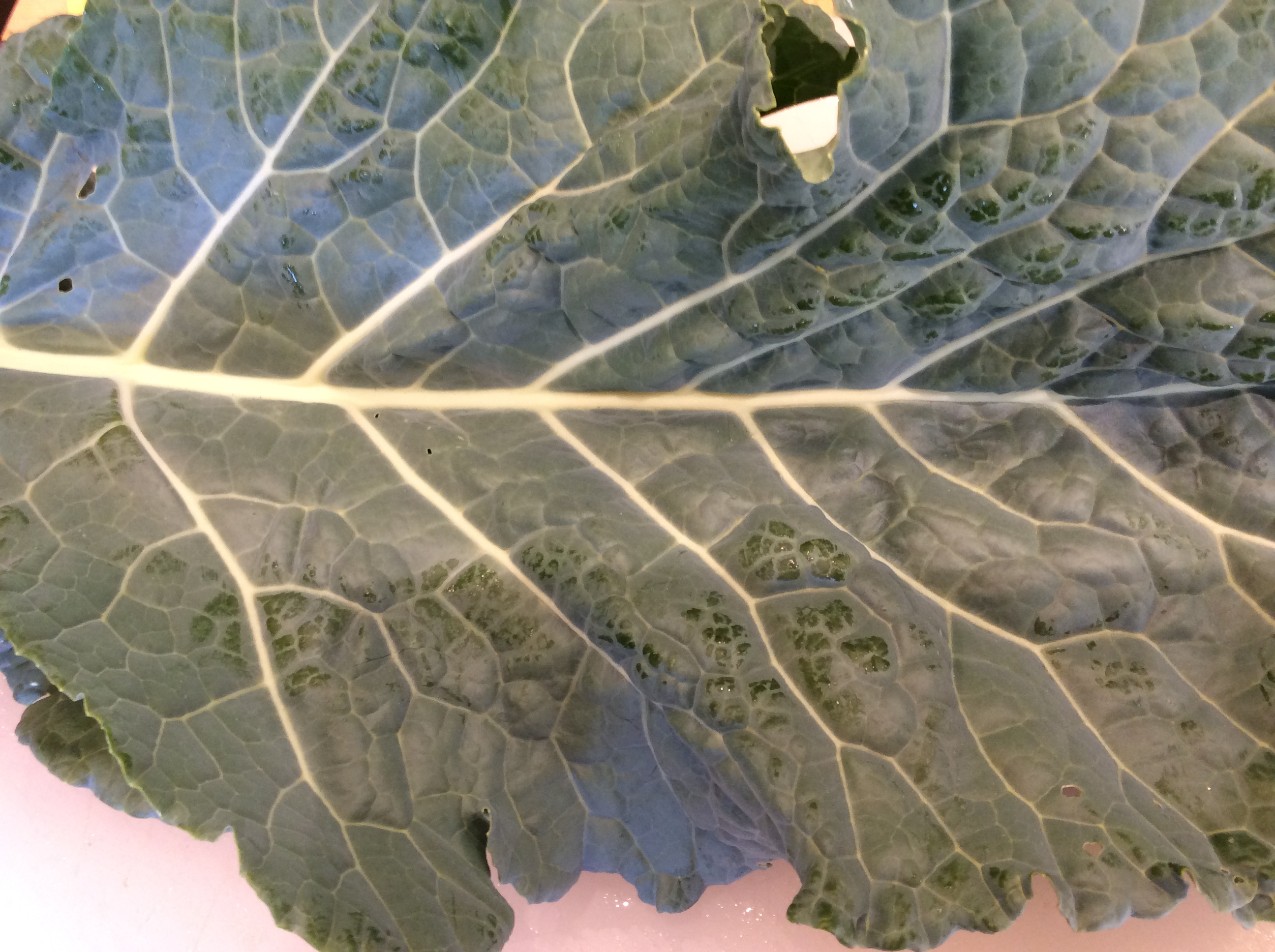
For two people, I used one giant outer leaf of savoy cabbage and cut the midrib out. I then rolled the leaf halves up and cut them into thin strips less that 1/4” wide. Half a red onion was cut into very thin slices. The cabbage and onion strips were put in a bowl and salted generously. I didn’t measure the salt, but the idea is to use somewhat more than you might sprinkle on at the table, not to drench them with salt. Half a teaspoon for this small salad would probably do it.  Then- this step is important- I massaged the salt in with my fingertips for about a minute. The bowl was then put aside for half an hour. Meanwhile, I chopped a small clove of garlic finely and cut a handful of cilantro stems in fine cross section, as well as getting the chicken breasts and sauce ready. While the chicken breast was cooking, I squeezed out the greens to get rid of excess liquid. Then I tossed in the cilantro stems and garlic, squeezed the juice of half a lime over the leaves, tossed with couple of tablespoons of good olive oil, and finished with a few grinds of black pepper and a generous sprinkle of ground toasted cumin. The most important final step is to taste and consider the seasoning before serving. It may need additional salt, since much was lost when the liquid was squeezed out. And after considering the flavor balance, I ended up tossing in a light sprinkle of stevia, probably equivalent to about half a teaspoon of sugar.

This basic technique can be taken in many other directions. For a more Chinese take, leave out the cumin, use rice vinegar instead of lime juice, and add some grated ginger with the garlic and finish with a final drizzle of roasted sesame oil.  A sweeter take that can accompany Korean food or barbecue with equal facility can be achieved by tossing the wilted veggies, garlic, and cilantro stems with quasi-Korean sauce.  (Incidentally, when making that sauce, remember that oligofructose is not an essential ingredient and, if you aren’t low-carb, you can just use a smaller amount of sugar.) If pursuing an Asian flavor, use a neutral oil like macadamia oil rather than olive oil.  Rather than cilantro stems, you can use finely chopped parsley stems or a handful of finely sliced celery. You might want to salt-wilt the celery with the cabbage and onions if you use it, to make the texture blend in more harmoniously. You can dress the wilted veggies with wine vinegar or tarragon vinegar, add some finely chopped fresh thyme, and finish with a very good olive oil to have the slaw accompany more traditional western flavors. Parsley stems, lemon juice, oregano, and a final sprinkle of feta on top makes it more Greek, which is where I learned the salt-wilting technique in the first place. You can of course use part of a cabbage head rather than outer leaves, and red cabbage turns a lovely scarlet when salt-wilted and dressed with something acidic.  The point is that salt-wilting is a way to make thick cabbagey leafy greens more tender and chewable so that they can readily be eaten raw, and then you can take the flavor in any direction you want.  If you absolutely don’t have time for the salt-wilting step, you could try just massaging the finely sliced veggies with your fingers for an extra couple of minutes, and depending on your greens, this may soften the texture enough to make them very tasty, although the plush texture achieved by salt-curing won’t be there.  And if you don’t want to serve it as part of your meal, a small portion from half a large leaf or  so made in the kitchen while you do other things is a great cook’s treat  to eat while you work and prevent overeating later on.

I never tire of harping on the fact that leafy greens form the basis of the Cretan diet, the diet that nourished some of the healthiest and longest- lived people in the world. Also, they are full of soluble and insoluble fiber and very filling, so you have half the chicken breast left over to eat the next day, providing economies of time and money in addition to the health benefits.There is a meme going around that says

“How do you reset your body back to its factory settings?

It’s kale, isn’t it?

Please don’t say it’s kale”

Substitute “leafy greens” for “kale” and this becomes fairly accurate, and can be made delicious. If you grow your own greens, it’s also dirt-cheap. So there just isn’t a downside.
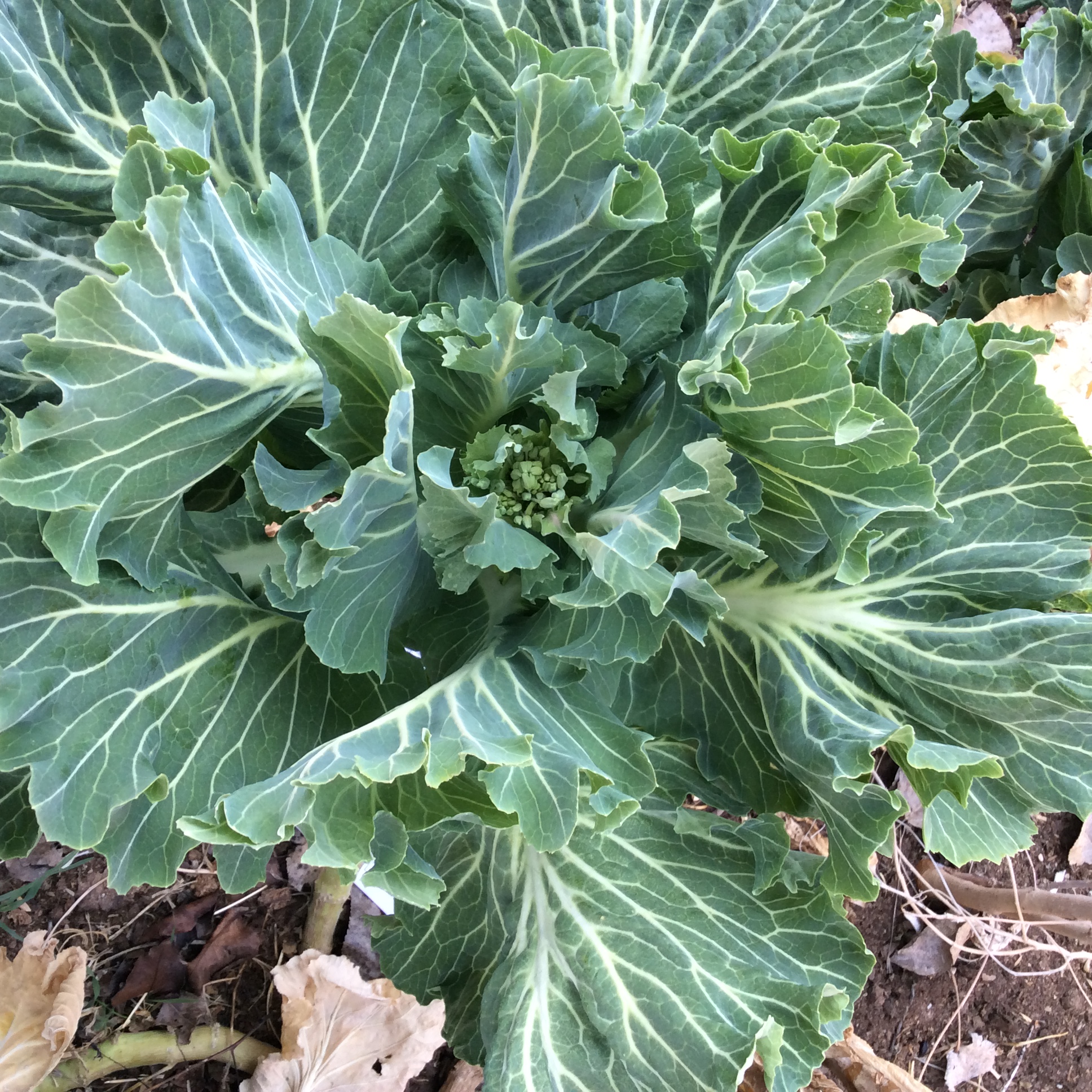
 

Fall and Winter Leaves I: Savoy Cabbage

By late fall my freezers are always stuffed full, and I’ve done enough gardening for a while and am ready to sit by the stove in the evening, studying seed and nursery catalogs. But there’s always some late-season surprise in the garden to keep me interested. This year, it’s cabbage.  In late August I had a little empty space in a bed with rich soil, and a few savoy cabbage seeds that I hadn’t  remembered to  plant earlier, so I threw them in.  Most of them never germinated, because in desert country in August it’s pretty hard to keep a seedbed moist enough to start anything.  But two little seedlings did get going, and struggled through the heat and the competition, and when  the nights got cold in October they began to grow rampantly. Now they are about 4’ across. They’re thriving through the first hard frosts, but probably won’t live long enough to head up, so I started eating the leaves. To my surprise, these are the mildest and best crucifers I ever ate, far better than non-savoy cabbage, with a crisp texture, no toughness except in the veins, and no “cabbagey” aftertaste when chewed raw. They’re sweeter and milder than collards, kale, Portuguese kale, regular cabbage, or any other cabbage family green that I’ve grown. I tear the two sides off the large central stem/vein, which goes to the goat. Roll up the leaf halves, cut them in 1/4” strips across the larger veins, and then use your clean hands to massage them briskly by handfuls, planning about one minute per large leaf to soften the texture. If planning to use them raw, massage a bit longer. This massaging trick is invaluable in dealing with the more substantial leafy greens. Generally half a large leaf is plenty for one person, although real greens-lovers might eat more. Greens are full of soluble fiber and very filling.

As for how to use them, try any of the following:

Slaw, either classic or spicy Asian with ginger, scallions, and rice vinegar

As the basis for a Kale Caesar salad

Stir-fried with garlic and ginger, or with black bean sauce

Cooked like collards with bacon fat and onion and garlic, with a handful of crumbled crisp bacon over the top.

In a simple soup with ham or sausage, chicken broth, and sautéed garlic

Sauteed with leeks and finished with cream

Or try using them cut to appropriate size as a far healthier version of lettuce wraps, or whatever else you can dream up.

Like all dark leafy greens they are alarmingly healthy and likely to make you outlive your finances, so better keep saving. They are also surprisingly luxuriant and attractive in the garden, until you start cutting at them.

A Quick Thai-ish Snack

After yesterday’s brief dissertation on nam prik pao,  it occurred to me that one thing I had not really demonstrated about this Thai seasoning paste is its ability to make something very good very fast.

Today I was not hungry for lunch but did want something healthy in a hurry to tide me over.  I decided on a quick very small bowl of greens. I used mulberry shoots, but any rather sturdy green would do. If you use something substantial like collards or kale, one collard leaf or two kale leaves  would work for a passing snack.  For smaller leaves, a generous handful is the right spirit.

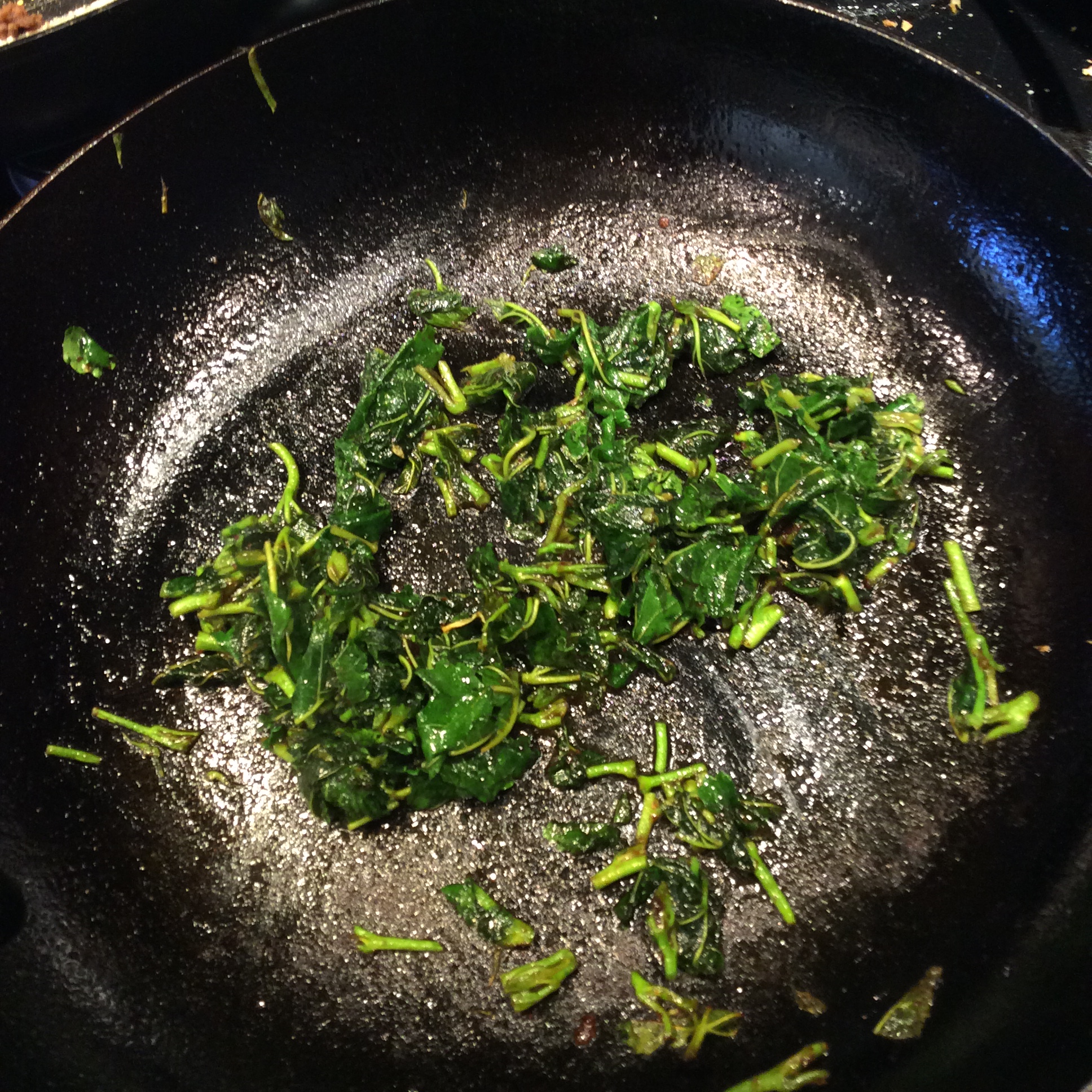
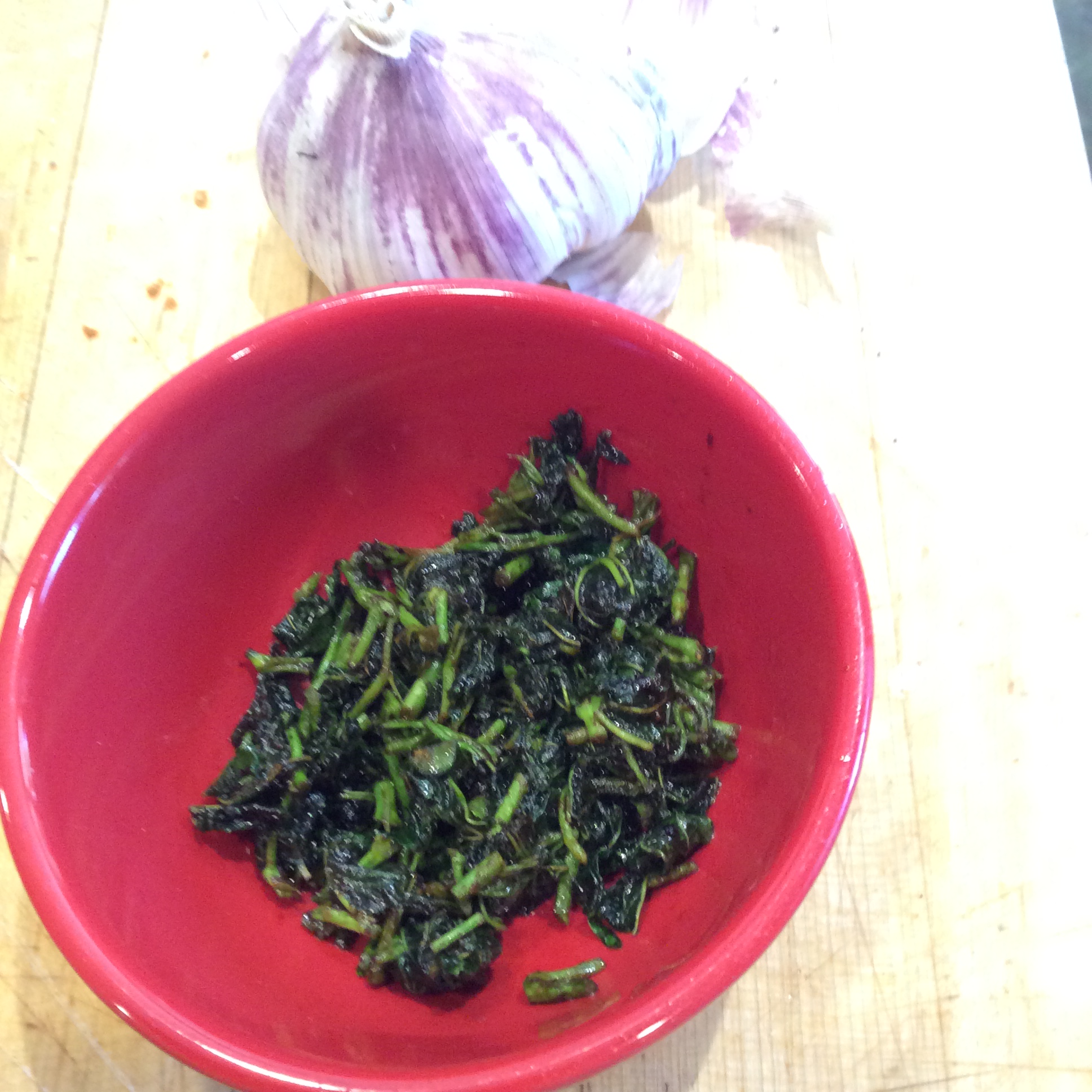
All you need is your leaves, fish sauce, a little coconut oil or other cooking fat, and nam prik pao.  Wash and chop the leaves or, if they are large and substantial, chiffonade them.   Heat your smallest skillet, put in the coconut fat and heat it briefly, and put in a heaping teaspoon of nam prik pao.  Stir it around for about 30 seconds to distribute it through the fat, throw in your greens over medium heat, and stir around for a couple of minutes, drizzling with a little bit of fish sauce but not too much because the small quantity of greens can get too salty in a hurry.  When the greens are done to the degree of tenderness that you like, put them in a little bowl and eat them.  Simple as that. You will feel a pleasant glow of virtue because of the soluble fiber and antioxidants that you have taken in, and it will taste good  and take less than five minutes. The leaves are whatever struck your eye on the way from the garden to the kitchen and took approximately a minute to gather. No fuss no bother.  You can chop some herbs on top if you want to and that will be delicious, but it will still taste awfully good without them.

You could use the same principle to make a side dish for dinner, or for that matter a main dish, and a few different Southeast Asian vegetable dishes with a cushioning bowl of rice if you can eat it make a wonderful dinner full of interesting flavors.  If you are a low-carb person, you can use cauliflower rice instead of real rice, or have both available for the various kinds of eaters at your table.   But the recipe as written is for your own private pleasure.

The Greens of Winter: Soup Base

img_5098

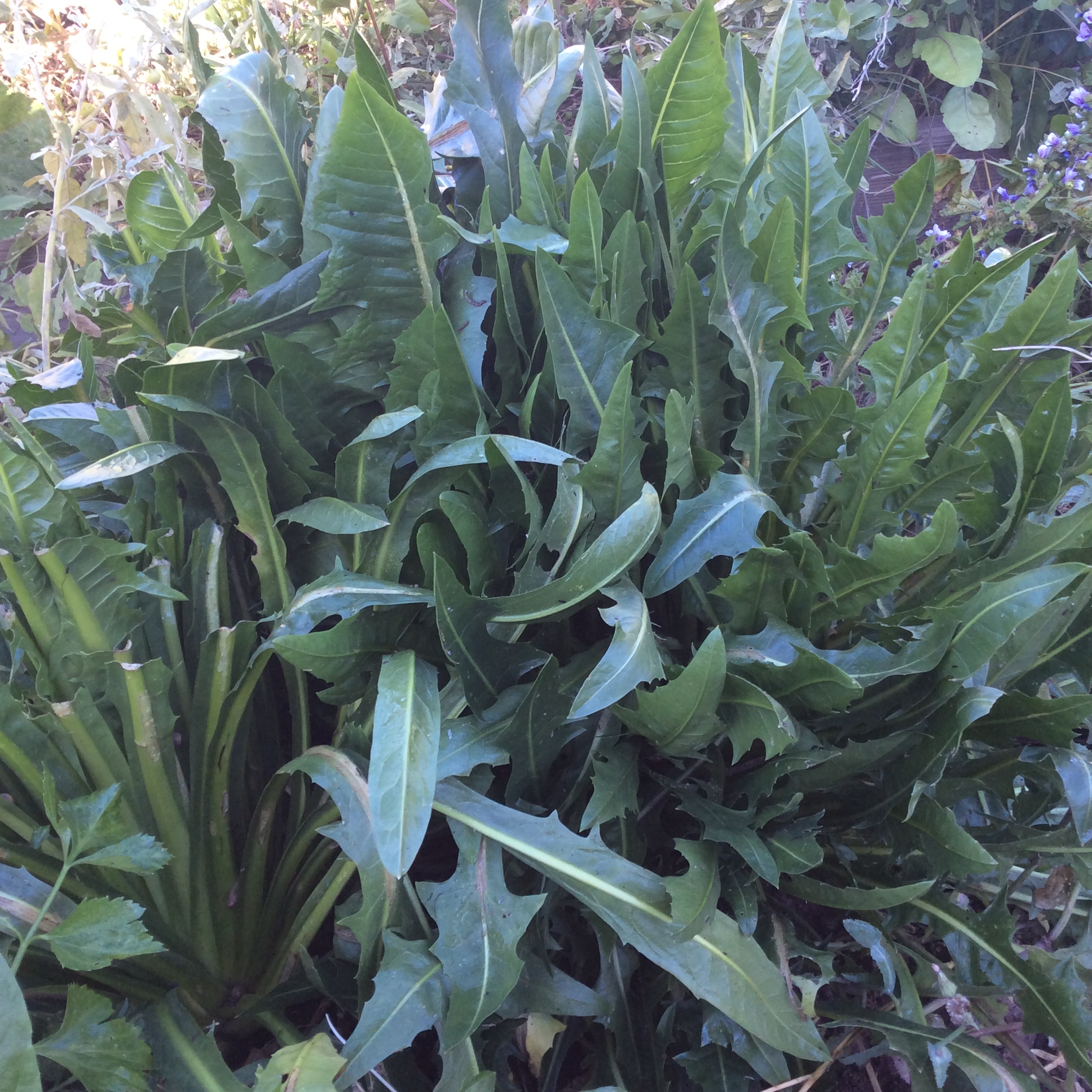
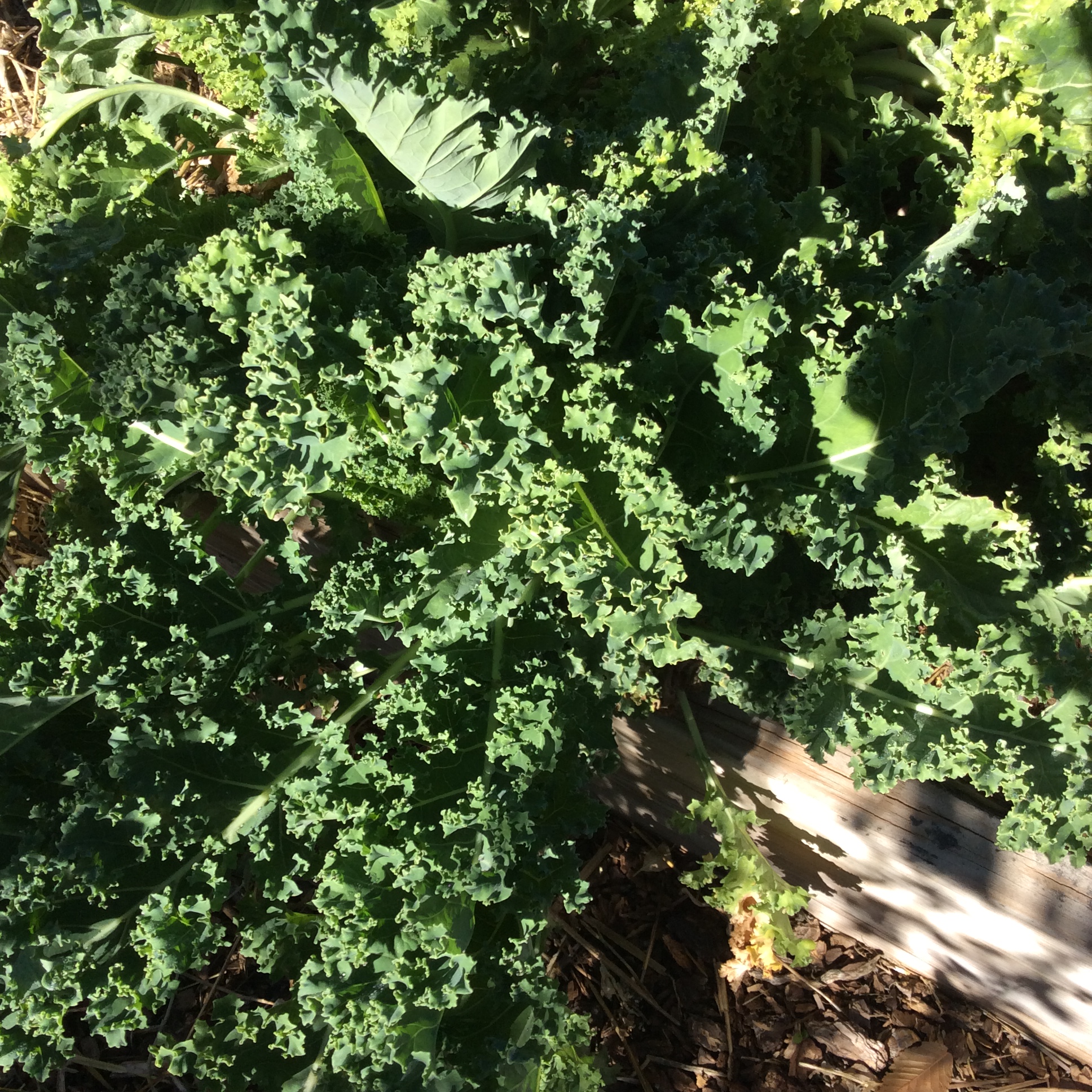
Earlier this week I walked through my frost-killed garden to see what was left. For the most part I don’t make any special effort to protect my garden in the fall because after a long summer I’m ready to move on to the things I do in the winter, so the pickings were slim, but I found lots of chicory, dandelion, chard, broccoli leaves, alfalfa tips, celery, and kale, along with green garlic and green onions, and some of the herbs were still in fine shape. I decided to make soup, and since I had a lot more greens than I remembered planting, it occurred to me to make a soup base that could sit in the freezer, ready at any time to be turned into soup in a hurry. To the garden ingredients I added a large onion and a largish handful of sun-dried tomatoes from earlier in the summer. You could also use a jar of dried tomatoes in oil, drained.  The celery was used from base to leaf tip. I used roughly equal volumes of all the greens types, about the equivalent of a medium-sized supermarket bunch of each.

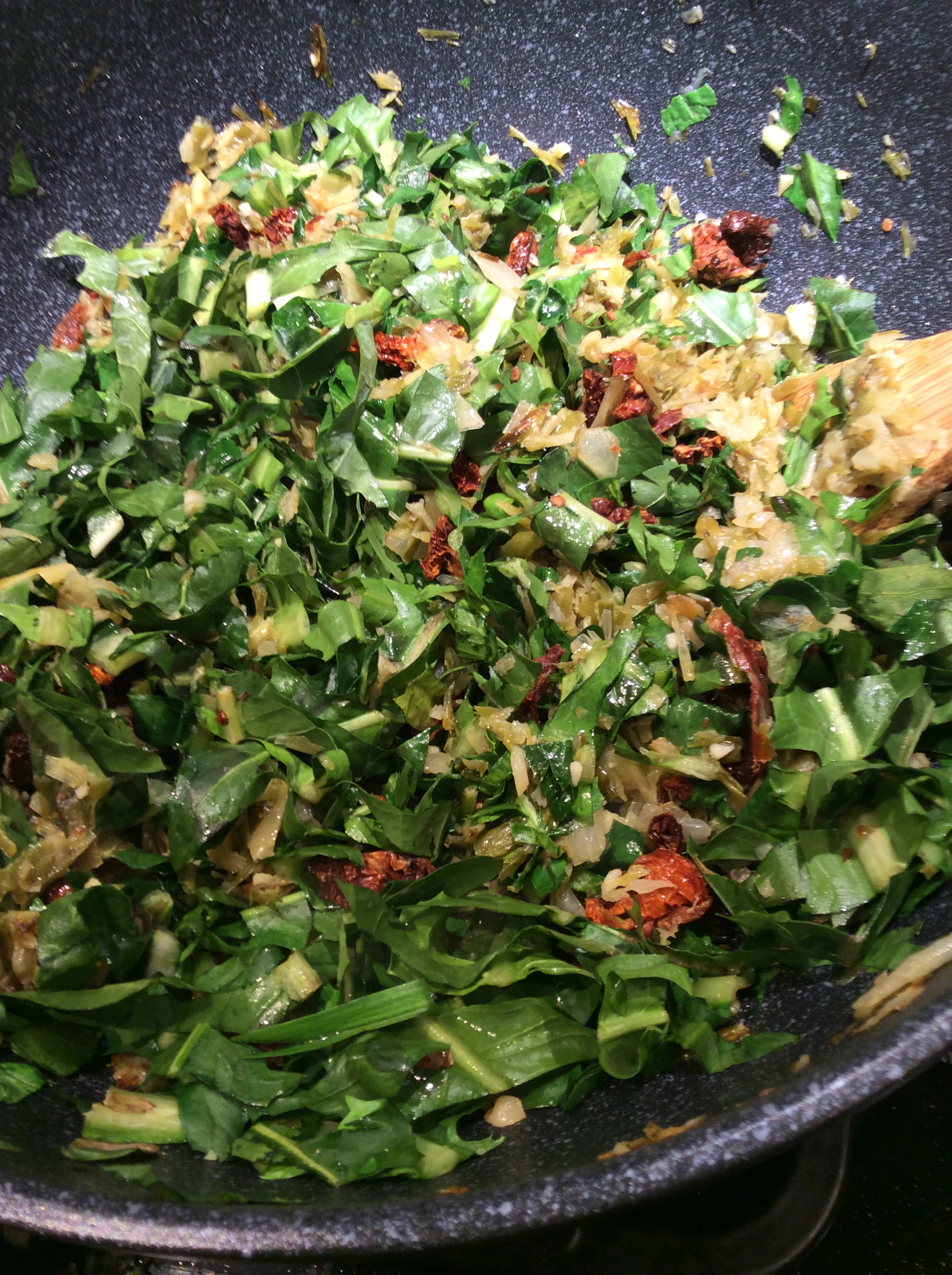
The onion was sliced thinly and sautéed very slowly in olive oil while I washed and prepared the greens. I was aiming for a rich caramel color, which meant low heat and frequent stirring, which is no extra trouble if you’re in the kitchen anyway. I used my wok because I knew that the volume of sliced greens would be considerable. First the green garlic and green onions were cleaned, finely slivered, and held separately, then everything else was washed and midribs removed and cut in cross section into roughly 1/2″ slices.

img_5084

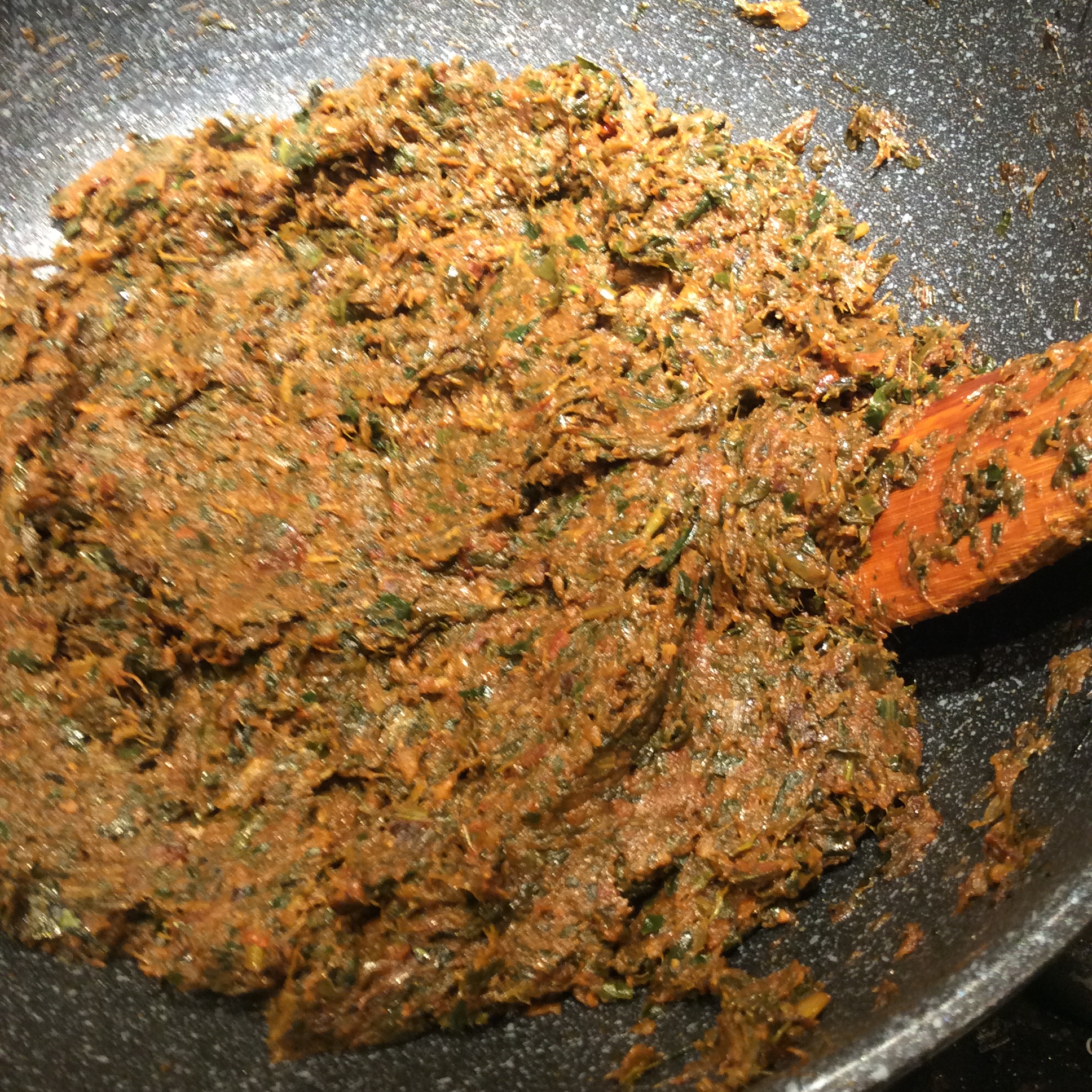
When the onion was a nice toffee color I added the chopped green alliums, cooked about another five minutes, then added the other greens and some more olive oil along with about a teaspoon of salt. Don’t stint on the olive oil. You want sautéed flavor, not steamed flavor.  The heat was turned up to medium and the whole mass stirred and turned with a wide wooden spoon about every five minutes to keep it cooking evenly. As soon as the greens were in the pan I ground the sun dried tomatoes into small powdery chunks in the blender and added them to the wok. They rehydrated well enough in the moisture from the leaves.  Keep cooking until the greens are soft when chewed.

When you have a darkened dense mass of soft greens, put the whole business in the food processor and grind to the finest paste that you can achieve. Taste. You want it on the salty side, because that helps with preservation and it’s going to be diluted later. Add more salt if needed. I prefer to use fish sauce rather than salt to season at this point because it adds a wonderful rich savor. I used about a tablespoon. Don’t use this if you might be serving vegetarians.

img_5085

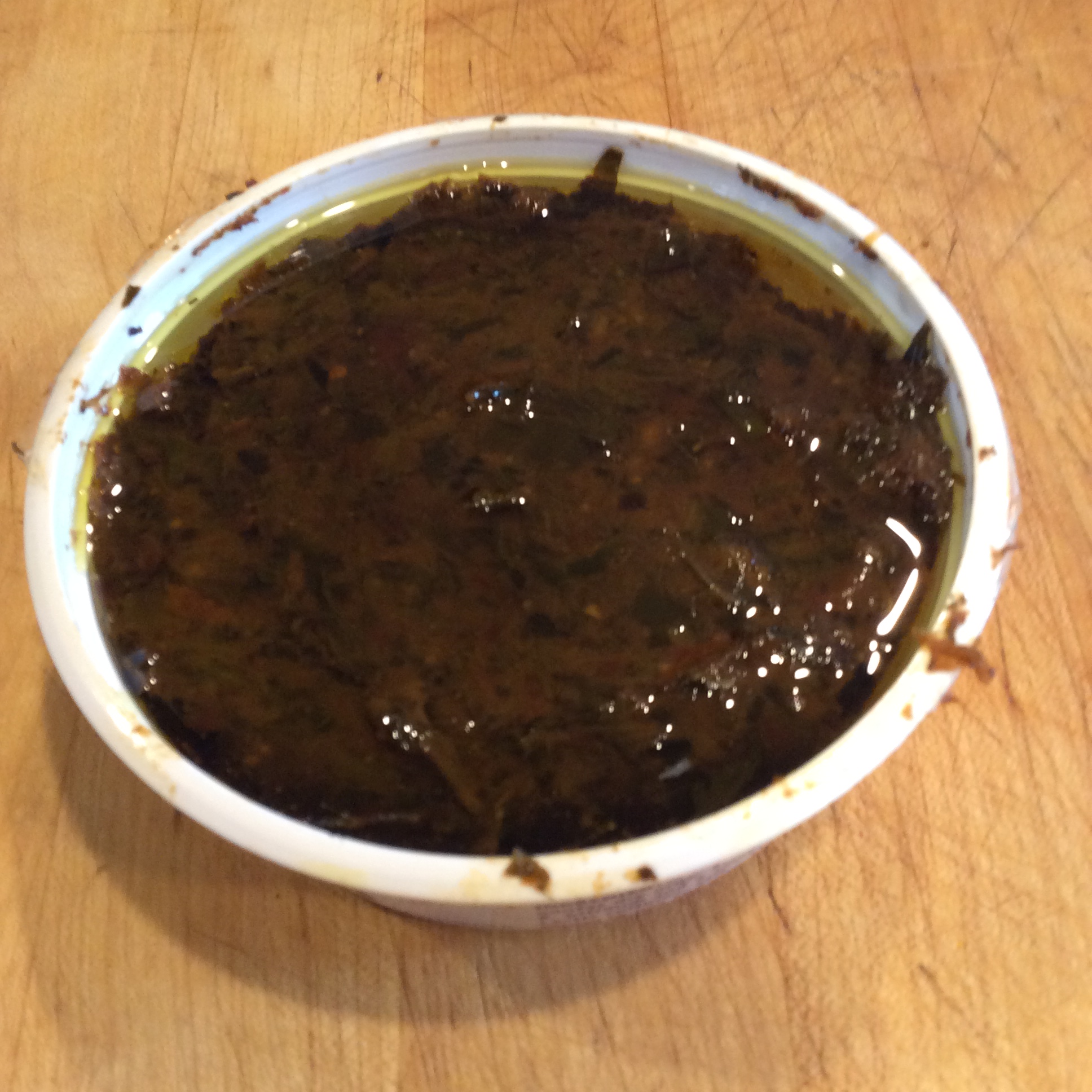
Now cool your soup paste and pack it into one-cup containers, each of which makes about a quart of finished soup. Coat the top with olive oil, push lids on tightly, and freeze.

img_5091

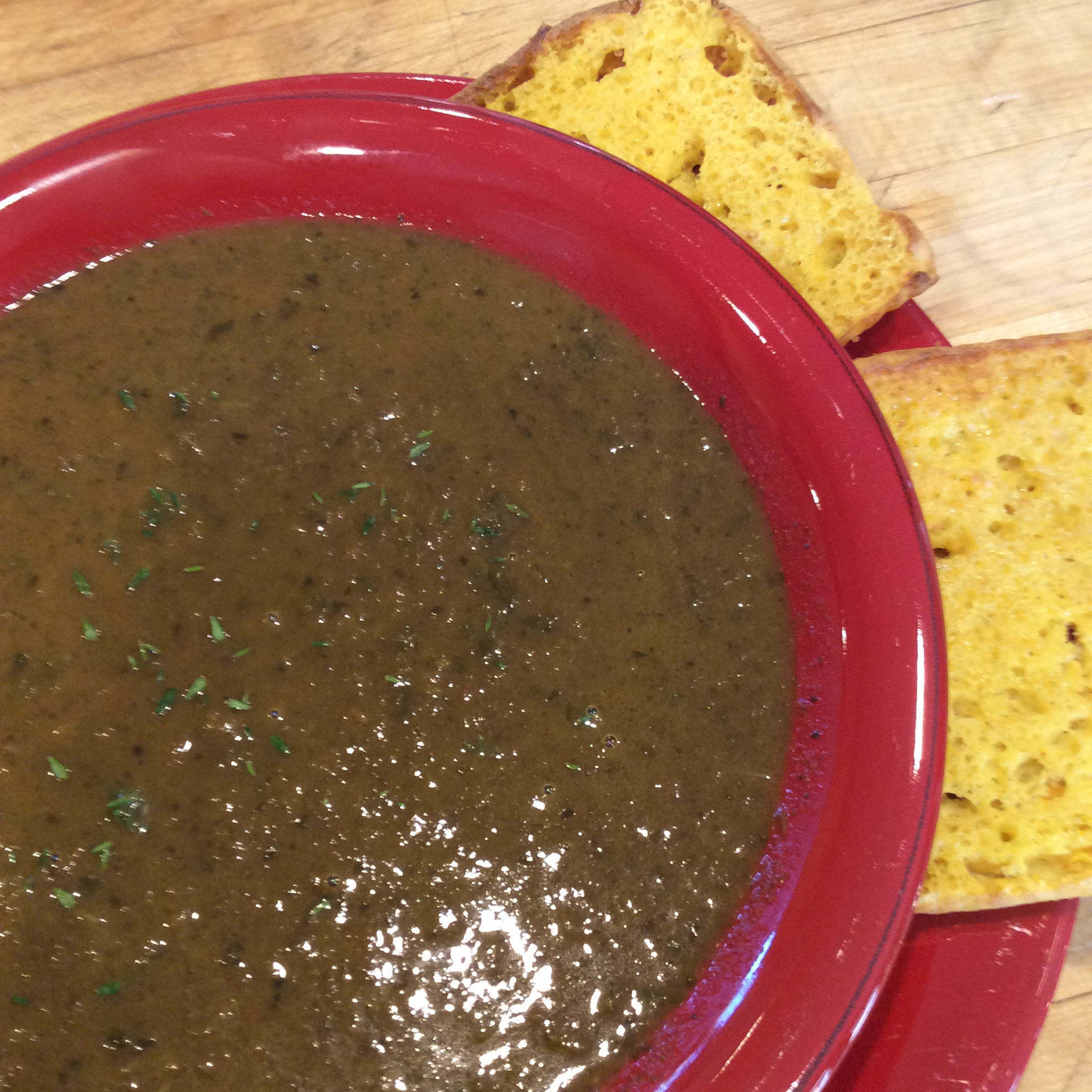
When ready to use, put a quart of any kind of salt-free or low-salt broth you like in a saucepan, add a cup of soup paste, and simmer until thawed. Correct the texture with a stick blender if it needs smoothing out. Taste for seasoning and adjust in any way you like. The caramelized onions, deeply sautéed greens, and fish sauce gave a meaty-umami flavor to the potful I made for lunch today, so I salted to taste and added a swirl of fat from my homemade bacon and a generous sprinkling of thyme leaves, a meaty-umami herb if ever there was one. Yum. With toasted buttered slices of my low-carb fake-o cornbread, it made a perfect light healthy Thanksgiving brunch to lead into the excesses to come at dinner.

This basic formula can be varied endlessly according to what you like and have available. If you serve vegans at your table, using some miso rather than fish sauce and good olive oil for the final swirl with water or vegetable broth as the liquid would suit their needs while fully satisfying the omnivores. If you don’t like the brownish color, leave the tomatoes out and it will be more green. Pan-grilled small oyster or other mushrooms would make a good garnish. A fried or poached egg adds tremendous heft to soup if you want a richer meal, or some bacon lardons fried crisp would satisfy any ardent carnivore with a minimum of actual meat. You can add cow or coconut cream for a cream soup (try a toss of chopped fresh tarragon for the final garnish,) or some leftover tomato sauce for interesting tartness, or finish it with a handful of good freshly grated Parmesan along with olive oil and let the cheese dissolve in the hot soup. For a more Cretan effect, use crumbled feta and olive oil on top.  There are a hundred possibilities and you can get any of them from freezer to table in well under 20 minutes. Serve any kind of bready stuff that suits your diet alongside, and you and your table mates will be full. I say that a quart of soup is two servings, but I understand that normal people can serve three or four with a quart. Know your family’s tastes.

In my opinion the celery is necessary rather than optional, and I strongly advise including at least a small portion of bitter greens (dandelion and chicory in this case.) When making mixed greens, I’ve often noticed that a savory-meaty element is lost if I don’t include some bitter greens. The proportion is small and the final product isn’t bitter and is enjoyed be people who don’t like strong greens in other contexts. Besides, they’re so damn good for you.

img_4891

img_4892

img_4888