Posts Tagged ‘edible wild plants’

Mild Wild Greens:the Siberian elm


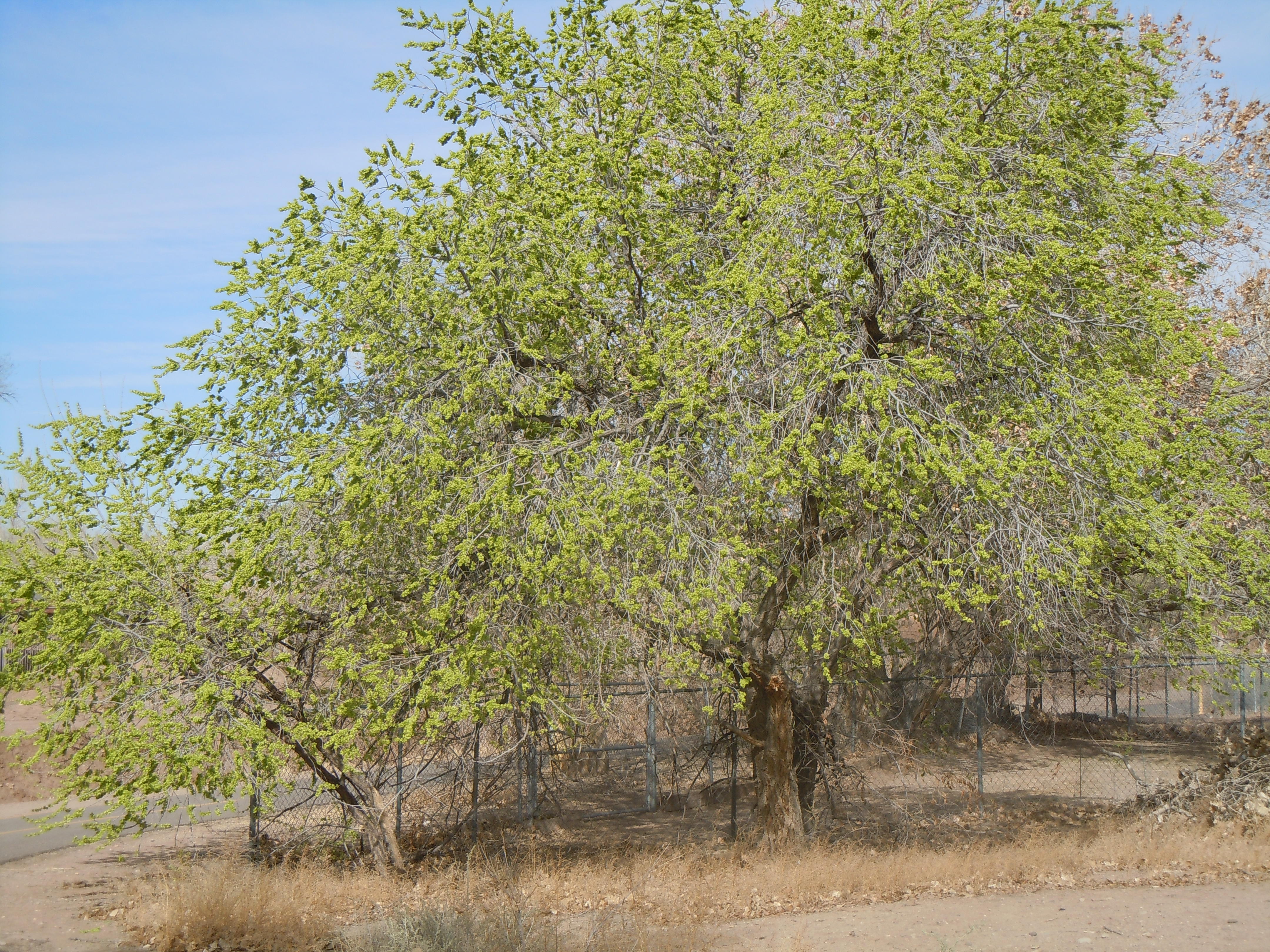
There are some plants for which I have an intense and personal dislike, and the Siberian elm is close to the top of the list. It’s one of our more common trees, because it’s so highly adapted to invade and crowd out more desirable trees. The seeds come up everywhere, and their hold on life is astoundingly tenacious. Even as tiny seedlings, they have a deep root system. If you don’t get the whole thing out, they will come up from the root, they spread by root, and they produce, by scientific measure, a trillion skillion seeds per tree per season.

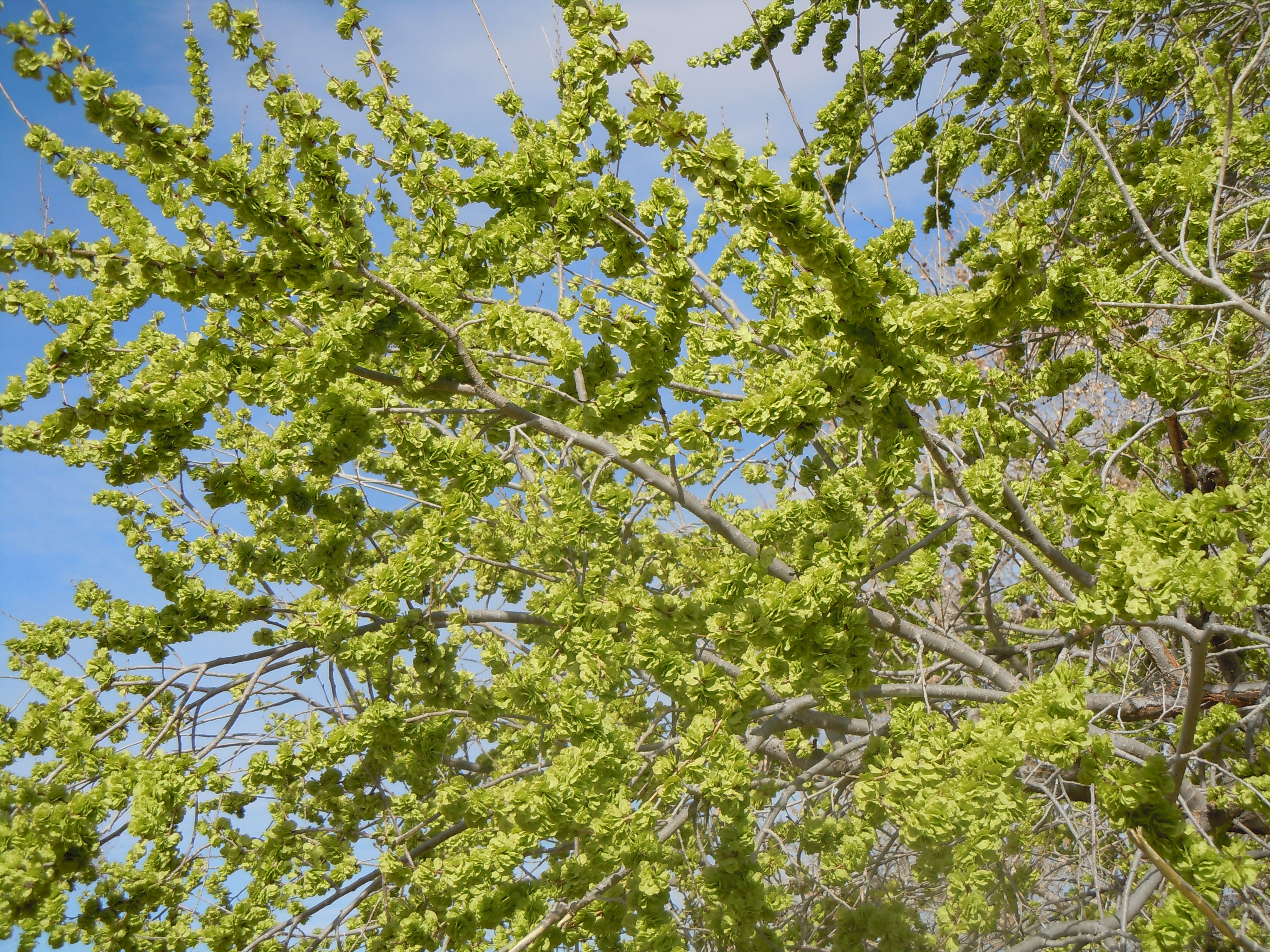
But this time of year, they have two good qualities. The first is that they cover their branches early in spring with bright lime green samaras, the casing within which the seed develops. They look fresh and green before anything else, which lifts my spirits toward spring. And, the samaras are edible and quite good, and available in mind-bending quantities. The samaras are round and paper-thin. Just pull them off the branches by the handful and add to salads or eat on the spot for a quick snack. Be sure to get them young, when fully expanded and a little over half an inch across but before the edges have started to dry and lose their intense greenness. Taste a few. If there is a “papery” feeling in your mouth, they’re too old. Use only those that are tender. The flavor is pleasant, mild, a little “green,” and very slightly sweet. They don’t have the texture or character to endure cooking. Just eat all you can, and if you have chickens, goats, etc., give them some too. There’s plenty.

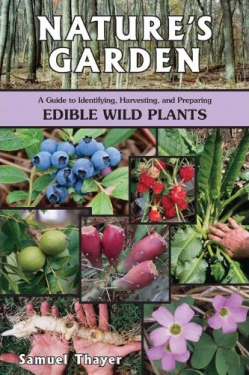
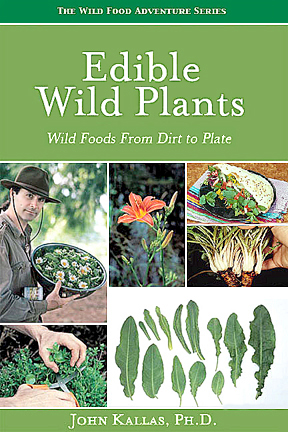
Whenever you eat a food that is completely new to you, use good sense. Eat a little, wait a day, eat a little more only if you had no reaction to the first try. It goes without saying that you don’t put any wild plant in your mouth unless you are 100% sure what it is. For more on wild foods and foraging common sense, read anything by Samuel Thayer or John Kallas. Please don’t use my blog to identify plants, since identification is not my emphasis. You need a couple of good field guides for that. Start with Thayer’s Nature’s Garden and Kallas’s Edible Wild Plants: Wild Foods from Dirt to Plate and you may end up with an intriguing new hobby.
Addendum: when I wrote this post 6 years ago, I forgot to mention that the samaras are a great addition to spring salads, too. I had a little more to say about them this year, and you can read it here.
Books Worth Reading: John Kallas on Edible Wild Plants


The holiday weekend was a great time to read in a warm spot, which reminded me that I should be sharing more of the books that I think are really helpful. I should add that I don’t accept free review copies; whenever I review a book, I paid the same price for it that you will. I think that this is essential to an accurate judgment of the value-for-money aspect of the books that I recommend.
With that in mind, John Kallas’s Edible Wild Plants: Wild Foods from Dirt to Plate is a very good value if you want to get started in foraging. I get a lot of inquiries about wild foods, and this is a book that I can recommend without reservation to any beginner; if you read and pay attention, you will learn to collect a number of common plants safely and prepare them well. Kallas concentrates on leafy greens which are found in most parts of the country, and he organizes them by flavor category in addition to giving accurate botanical and ID information. This is a lot more useful and practical than you might realize if you aren’t accustomed to foraging for greens. A well-balanced dish of greens needs a range of flavor notes, as well as a base of mild greens to build upon, and as you learn the plants from Kallas you will learn the notable aspects of their flavors. In my opinion, nearly any experienced forager could pick up a tip or two here, about preparation if not about identification.
Only greens and shoots are found in this book. If this seems too limited, keep in mind that most of us aren’t going to spend the time needed to forage and prepare wild staples, at least not most of the time. It’s romantic to read about gathering wild rice or arrowroot, or to imagine spending a clear autumn day gathering and storing fruit or nuts, but the wild foods that are widely available throughout much of the country for much of the year and that you can forage in a few minutes on your way home from work are mostly greens and shoots. Besides, if most of us were to make one change in our diets and maintain it, the addition of more green veggies would be a good one to pick. If foraging gets you to eat more leafy greens, this is a good thing.
If, like me, you’re a Kindle addict, this book is available on Kindle. I use the Kindle app on my Ipad so that I can see the photos in color. I daydream about eventually having a large collection of good foraging books on one e-device that I can carry around in my backpack, but unfortunately most of the wild-foods books available for Kindle are not of high quality. This one is.
DR. Kallas’s website can be found here if you’d like to order the book directly from him. You can also read his reviews of foraging books, and his thoughtful comments are invaluable when deciding what books you want to add to your collection.

Sudden changes of plan


In urban homesteading as in the rest of life, it’s never possible to know what the future holds. In early July as I was planning and starting my fall/winter garden, my very beloved husky was diagnosed with metastatic cancer and a short life expectancy. Thanks to the care of a wonderful canine oncologist he is free of pain and enjoying his last weeks, but it rapidly became clear to me that the fall garden was not going to be a priority after all, both because of his care needs and because I want to spend all the time that I can with him. Weeding, planting, and the constant ongoing care that a garden needs came to a sudden halt.
So, what to do about the garden? I was soon able to identify the vegetables that flourish on neglect. Corn did well, and we gorged on fresh sweet corn regularly, although the last planting was too young to take the neglect and so our corn season ended early. Sweet potatoes have been unstoppable. Swiss chard has done well, and the winter squash is out to eat the world. We have a problem with borers in our area, so this year I limited myself to squash of the C. moschata variety, which are rumored to be resistant to them. The vines are producing well and not a single one has shown that sudden disheartening wilting that heralds the squash borer. My enthusiasm for edible weeds really paid off, as we ate greens dishes full of lambs-quarters, mallow, amaranth, and purslane. I always let some of my spring crop of arugula go to seed, and a self-sown fall crop is coming up to supply our salad bowl. Self-sown chicory is showing up here and there. Dandelions have grown a foot across, and are too bitter to eat now but after a few frosts they’ll be perfect for braising. Mallow enjoys heat and neglect and even offers pretty purple flowers if you grow the Malva sylvestris type. The wild-type daylilies are spreading happily and will supply spring shoots. Peruvian purple potatoes are healthy and strong. They form tubers late, but in a couple of months we expect to be eating a lot of them. Cherry and paste tomatoes are winding their way through the general melee and producing a surprising number of tomatoes.
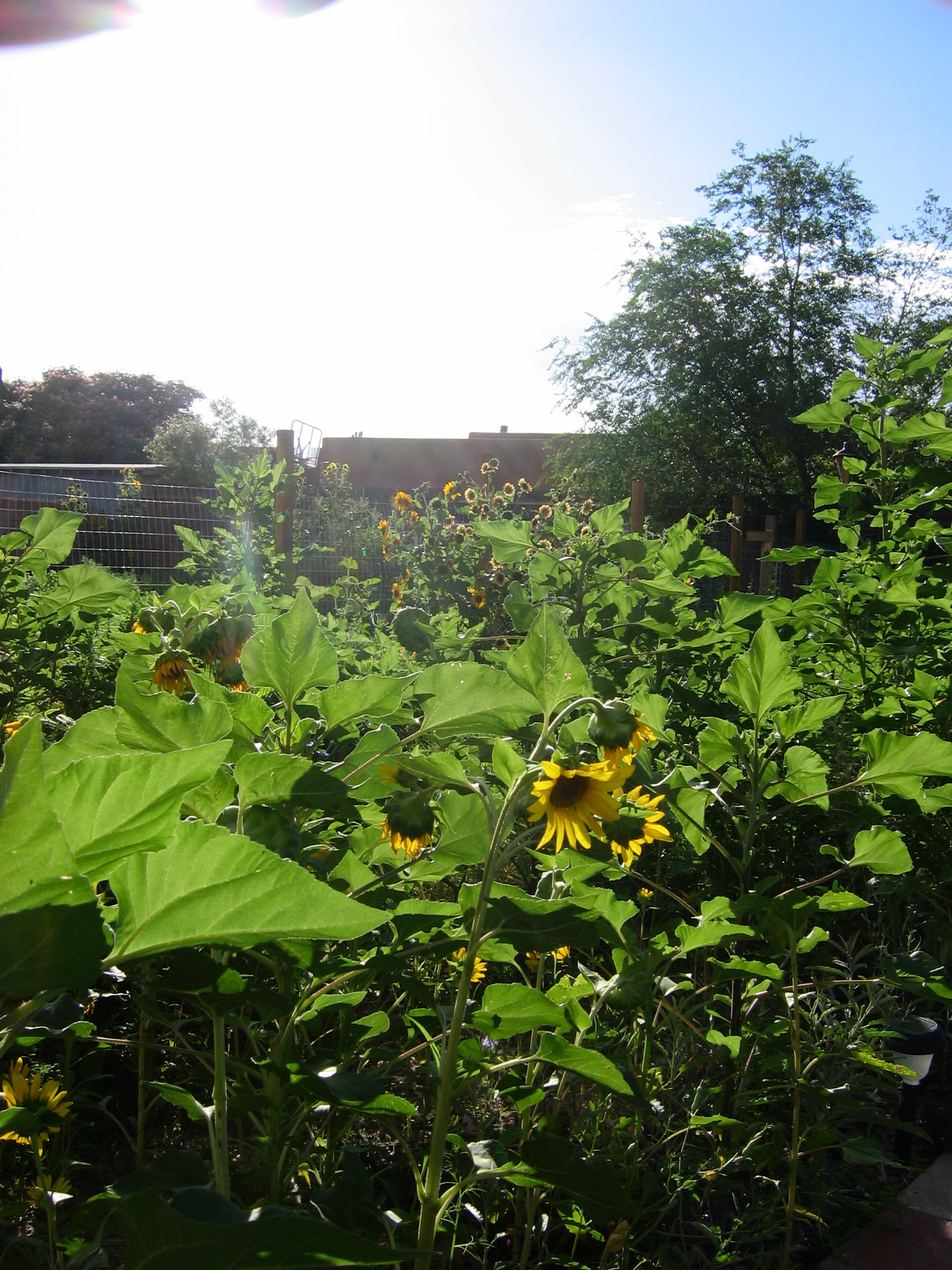
At the time that my dog was diagnosed there were hundreds of wild sunflower seedlings all around the property, and I decided to let them grow unmolested, thinking that they would eventually supply green matter for mulch and would keep worse weeds from taking over. We now have a sunflower forest twelve feet high on two sides of the house, and the beauty of the flowers lights up the days. They also attract thousands of bees to the open flowers, and the ripening seeds have drawn hundreds of goldfinches to my yard. Hummingbirds strafe each other over my head, and my husky spends his good days wandering in his own private jungle.
To me the spirit of urban homesteading is one of making do as best we can despite uncontrollable circumstances. It’s a spirit that sets priorities and says “First things first.” My priorities right now are clear, and there are more important things then a carefully planned winter garden. To feed the bees and birds and to find my life unexpectedly full of bright color, flashing movement, wild life,and even good homegrown food although not the food that I had planned on is a gift that I hope I won’t forget.

My Bookshelf: Safe Foraging with Samuel Thayer


Periodically someone asks me what wild food books I recommend. There are a number of good ones, and a much larger number of bad ones. For overall high quality, level of detail, and knowledge of his subject, I’m a fan of Samuel Thayer and his books on foraging, The Forager’s Harvest and Nature’s Garden. Thayer has chosen to cover a smaller number of plants at a much higher level of detail than other guides, and if you’re a beginner I especially recommend this approach. There’s plenty of time to branch out later. I also recommend the delightful books of Euell Gibbons. They are not field guides and I don’t care for the recipes much, but his sheer joy in his subject is infectious. I became interested in wild foods when I was 12, and my wise mother bought me a set of Euell Gibbons books so that I wouldn’t poison myself. The gift has lasted almost 40 years (so far) and it would be impossible to calculate how much it deepened my love for the natural world.
This is a good opportunity for me to talk about my own view of foraging and use of wild edibles. Too many people with too little knowledge are out there seeking wild foods (and, worse, teaching about wild foods.) Most of us didn’t learn from experienced parents and grandparents, so respect your own learning speed and style. Consult at least two guidebooks before you decide that you have identified a plant, and read the first 40 pages of Nature’s Garden before you do any actual foraging because the information about a safe approach and common pitfalls is invaluable and well written. Remember that you are introducing your body to entirely new foods, and eat very small portions the first time, followed by small portions the second time, to determine your tolerance. NEVER assume that one part of a plant is edible just because another part is edible. Many common vegetables have toxic parts- the ordinary potato has toxic foliage- so there’s no reason to assume that edible leaf equals edible fruit or root, or vice versa. NEVER use this blog to identify a wild edible. I write about cooking and eating, not about plant identification, and the information that I give is not adequate to identify a wild plant when used alone, nor are my photographs taken with clear identification in mind. If you want online information, Thayer has an excellent website at Forager’s Harvest, and Langdon Cook has a delightful blog about wild food adventures in the Seattle area. Our climate in New Mexico is very different, but many of the plants he collects are found in our area.
That said, I can’t think of any hobby that has given me more pleasure than foraging. Sometimes people ask me why I seek and eat wild foods, when I have a garden and can grow all the vegetables I want. Euell said it best: “Wild foods are my way of taking communion with nature, and with the Author of nature.” I can’t think of anything we all need more right now than a positive connection with nature that makes us love it and want to protect it.