A Low-Carb Mexican Lunch, and a nod to Rick Bayless

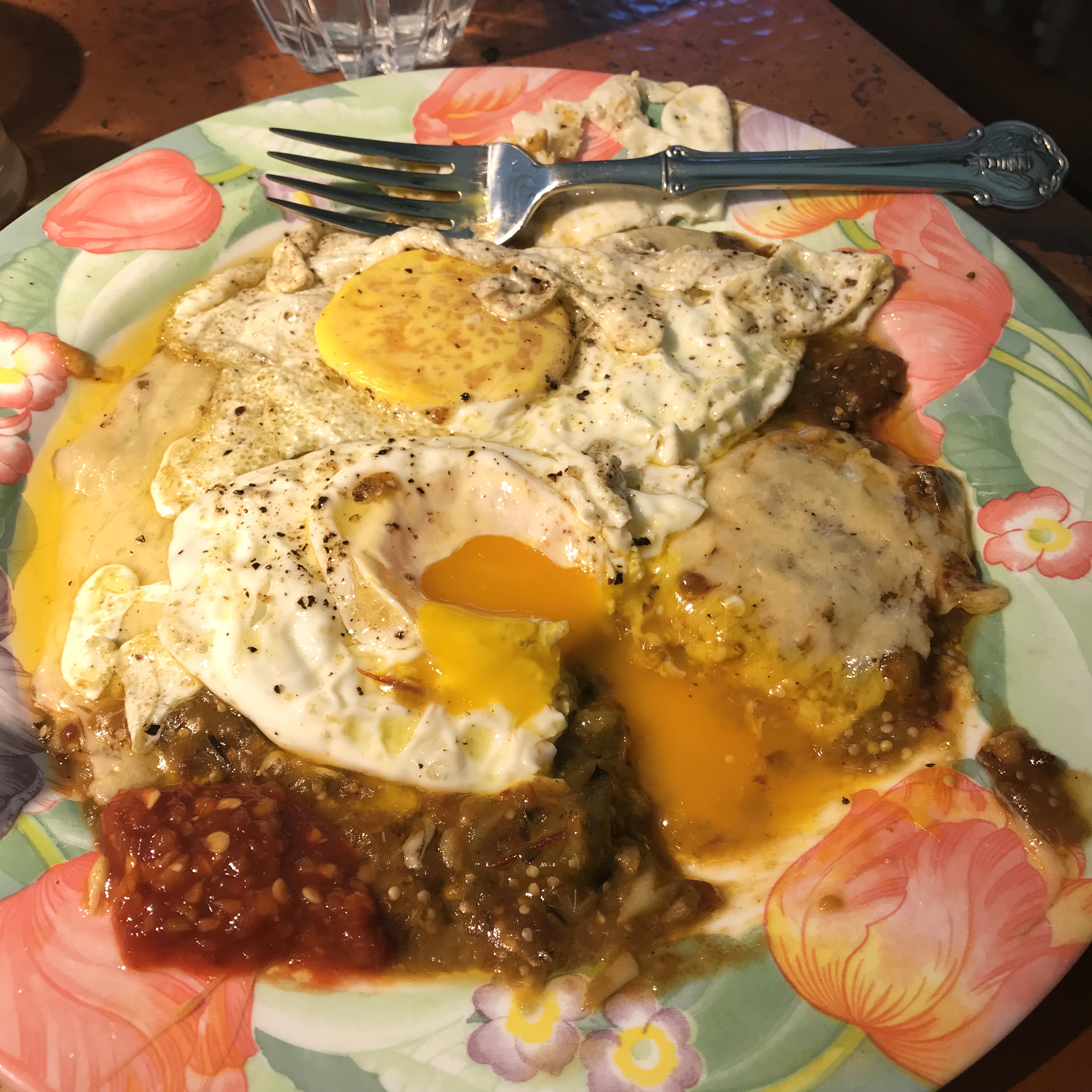
Somehow, nothing looks as naked and unappetizing as a lonely egg on a plate. A lovely piece of buttered sourdough toast rounds out the picture nicely, but is off limits if you control your blood sugar by eating low carb. There are lots of potential solutions to the lonely egg problem, but one of my favorites is to put the eggs on a base of gratineed salsa and cheese, a sort of deconstructed queso fundido. The concept couldn’t be simpler. Preheat the broiler. Make mounds of thick salsa on a well-greased baking sheet, one per diner, spaced two inches apart each way.  Cover each mound with a generous heap of grated grass-fed cheddar. Cook under the broiler until the cheese is melted. Using a lightly oiled spatula, finagle each mound onto a plate, and put one or two fried eggs or a small heap of scrambled eggs on top.
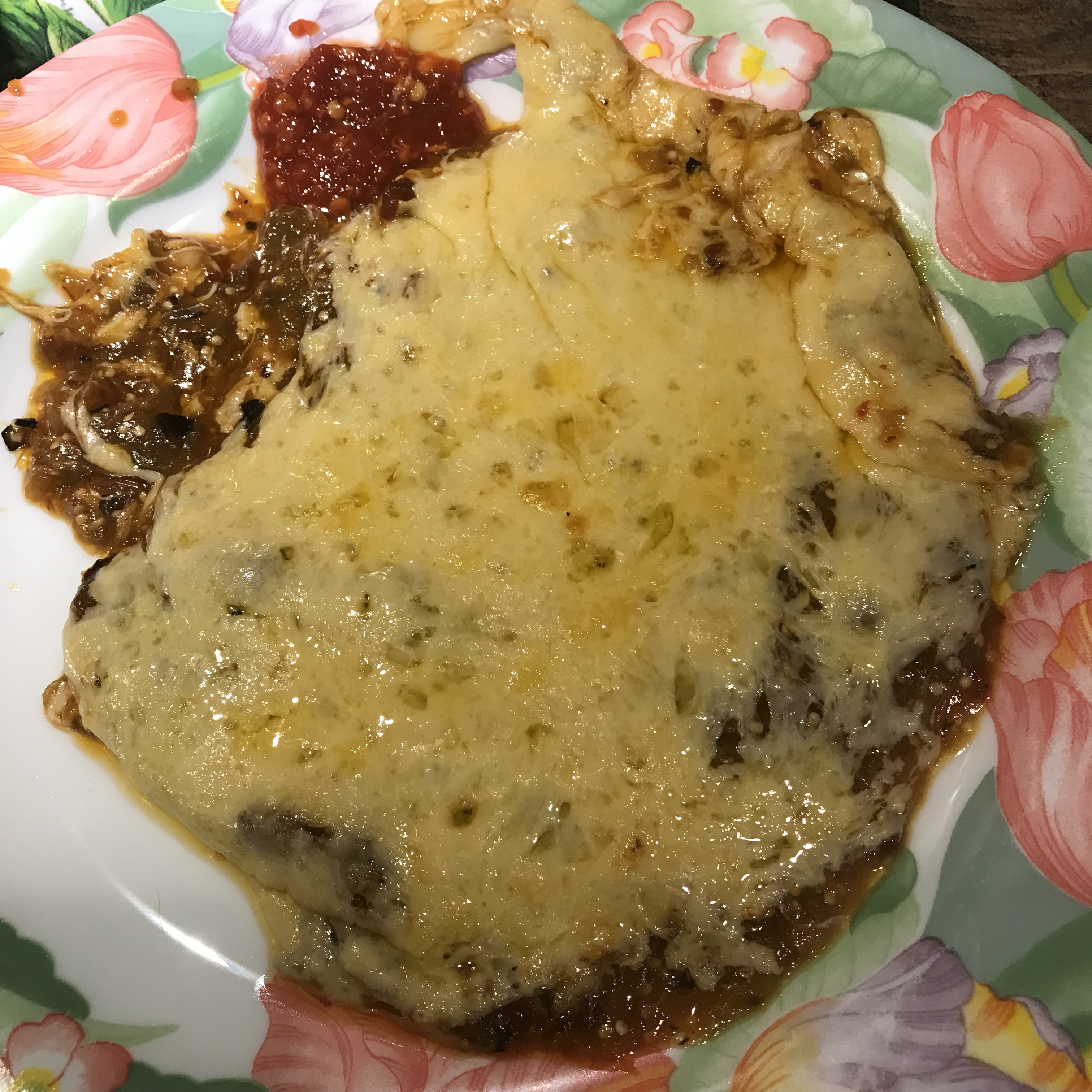
If you wish to elaborate further, you can drizzle avocado oil on top and run under the broiler again for a second as you see in the top picture, but it isn’t strictly necessary. I like a spoonful of hot red chile on the side. Serve. The low-carb eaters have a glorious gooey flavorful mess, and the carb eaters can be provided with tortillas.

It occurs to me to say something about my favorite salsa, one that is always in my refrigerator in warm weather. It’s a slight variation on an old Rick Bayless recipe and is easy to make, medium hot, smoky, and delicious.

I start with two pounds of tomatillos. You can make a half batch if you want, but if you like salsa it’s worth making a whole recipe. You will also need 5-6 large cloves of garlic and a can of chiles chipotle in adobo. These are essential to the flavor.

Peel the husks off the tomatillos, rinse them, and put on a baking pan lined with aluminum foil. Off to the side of the pan, not under the direct heat of the broiler, put six cloves of garlic in their husks. Broil the tomatillos, turning as needed until they are cooked and have blackened spots all over. Every time you check the pan, keep an eye on the garlic cloves. Take the garlic out when the husks have blackened spots but the cloves inside aren’t blackened. When the tomatillos are done, set the pan aside and put a few of them in the blender. Peel and add the garlic cloves, and add four chipotles with their adobo, using more or fewer according to your heat tolerance. Blend until smooth. This is to avoid large chunks of chipotle or garlic in the finished salsa. Add the rest of the roasted tomatillos and blend to your desired degree of chunkiness. You can, if you wish, salt to taste and declare your salsa finished. But there is a further refinement: searing, sometimes referred to as frying the salsa.  This is a step that is necessary for many salsas to achieve their full authentic flavor, and it is useful in this case  as a finishing step that brings the flavors to life. It is messy but very simple. Heat a cast-iron skillet over medium-high heat until good and hot, put in a couple of tablespoons of bacon fat which goes especially well with this salsa, and when it coats the bottom of the pan, pour the salsa in. It will spatter, hiss, and snap furiously, and it does make quite a mess of the stove.  Continue to boil the salsa furiously for a couple of minutes or until thickened a bit, and pour it out into a bowl. Use hot or chill, then bring to room temperature or warm it for use later. It freezes very well. A handful of chopped cilantro is a tasty garnish.

In addition to the eggy meal above, this salsa is very tasty in fish tacos or as a base for broiled shrimp. One of its best uses is to mix with cooked greens, bake until hot, and add a topping of grated cheese. Broil until the cheese is melted and browned in spots. Yum.


Dressing Up the Greens

My fanaticism about leafy greens is no secret,  and I have said in the past that if you keep them prepped and ready and preferably pre-cooked, you will eat a lot more of them. In the summer I try to keep horta, the Greek cooked greens mixture, in the refrigerator and see how many ways I can use it.
Although in general I eat low-carb, I do sometimes bake sourdough bread because I have a very good starter and it would be a pity not to use it now and then. Well, actually, I do it because sourdough bread is one of my favorite things and I allow myself an occasional relapse. The last time I made sourdough, I put a lump of dough about the size of a softball in the refrigerator, and a few days later I got the urge to use it.
If you have the dough and the horta ready, a greens calzone is a very easy thing to produce and looks rather spectacular. Pat the chilled dough out into a large thin circle, pile horta on half of it, top with generous layers of grated Parmesan and torn-up mozzarella, fold the bare half over the top, brush a beaten egg over the top dough and sprinkle with coarse salt, cut some slits in the top, and bake at 425 degrees until cooked through and browned. Ten minutes of actual hands-on time and some oven time when you can do other things.

If you don’t happen to have bread dough in the refrigerator, many stores and pizzerias now sell fresh pizza dough.

Species in my current batch of horta: lambsquarters, chard, walking onions, green garlic, broccoli leaves, mulberry shoots, wild lettuce tips, parsley, thyme.  Really a tiny number of species this time, but still awfully good.

Peapod Feast

One of my favorite vegetables in the world is the Oregon Giant snow pea. It makes large pods that don’t acquire their best flavor until the peas inside swell to nearly full-size, more like a snap pea. At that stage they’re the best thing in the garden, and everything else goes on the back burner while they’re in season. They do need their strings removed before cooking. Anything this delicious is worth working a little for.

Most of the time, I use them the same way that I’d use hand-rolled fettuccine. I prefer the simplified Alfredo treatment shown above: Boil enough  pods for two people in salted water for four minutes, put in a strainer to drain thoroughly, and to the hot pan add two tablespoons of butter and half a cup of heavy cream. Boil furiously over high heat for just a few minutes until the cream starts to thicken, then return the peas to the pan and boil hard for another minute. Turn off the burner and add a three-fingered pinch of salt and a generous handful of grated Parmesan, stir just until the cheese begins to melt, plate the peas, and sprinkle a bit  more cheese and some freshly ground pepper over the top. Have fleur de sel available at the table. Perfection.

As to what quantity of peas serves two people, well, how many do you have? I use this recipe for about a pound to 1.5 pounds of pods. I could probably eat a pound myself, but try not to. If you have more, scale up the sauce a bit.

If you need some variety, peas also respond well to a carbonara treatment with egg yolks and some pancetta or bacon (don’t sneer at the bacon. It’s inauthentic but delicious.)

The pods are also delicious plain with some butter and salt, or grilled in a grilling basket, or dipped raw into dip of your choice.


Pollinators And Their Current Buffet

It’s no secret to anyone at this point that our pollinators are in trouble.  There are a lot of things that individuals can do, including never using neonicotinoid pesticides,  and feeding pollinators as well as possible and providing habitat for them.  One important factor is that some native pollinators thrive best when a number of different kinds of pollen sources are available to them:

https://www.sierraclub.org/sierra/bumblebees-need-diverse-diet-too

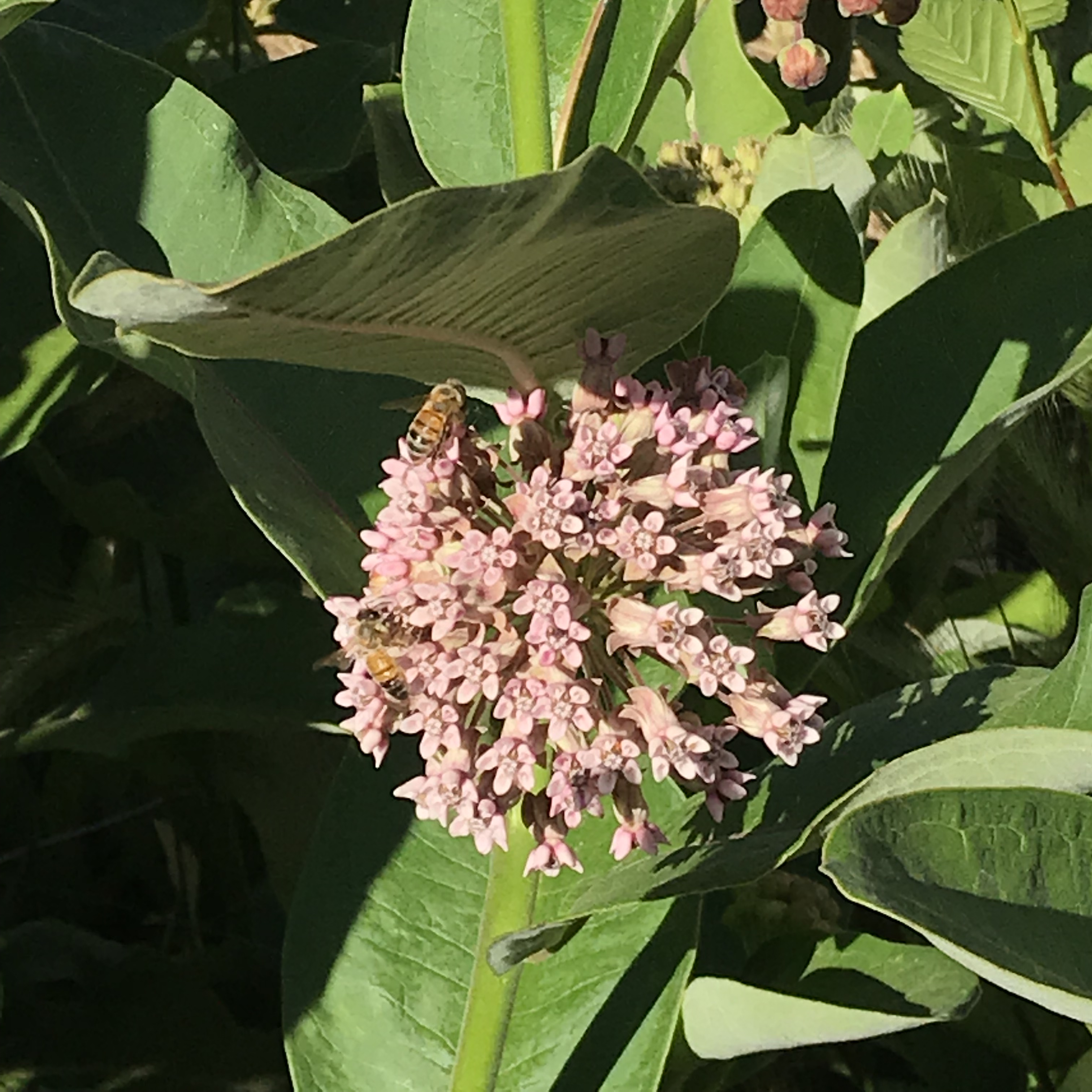
With that in mind, I began looking around my yard to see what all is available to my resident bumblebees and other pollinators right now.  All the bees in my area seem to be quite mad for poppies, but the poppy season is drawing to a close. Still, there are lots of other things. Exhibit A, above, is milkweed. It has taken me four years to finally have a thriving blooming patch of milkweed, but the bees definitely appreciate it. The picture above shows honeybees, but the bumbles visit it regularly too.  I haven’t seen any monarchs yet, but I remain hopeful.

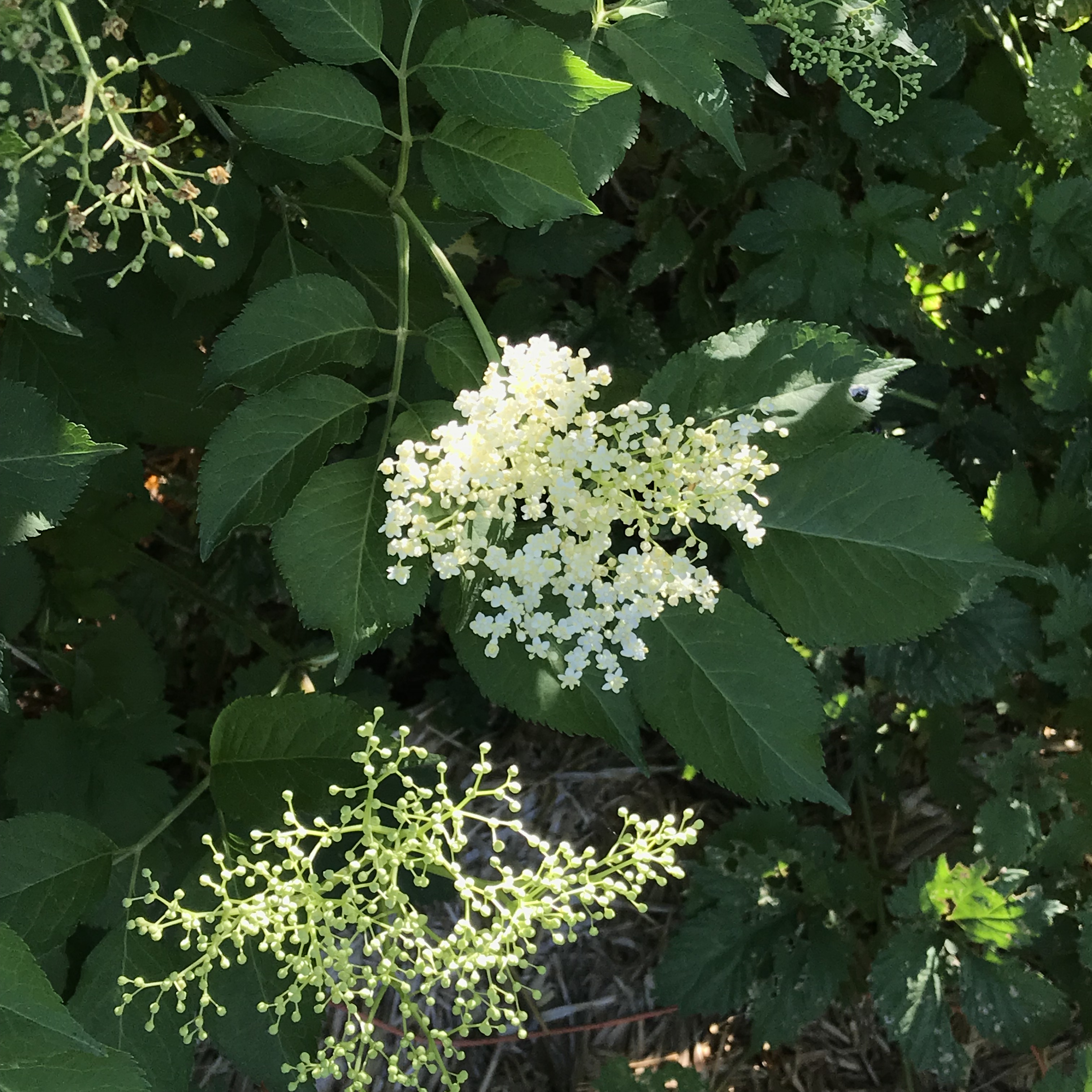
The elderberry bushes are in bloom and they seem to be attractive to all kinds of bees and other pollinators, as well as being attractive to me when in fruit.

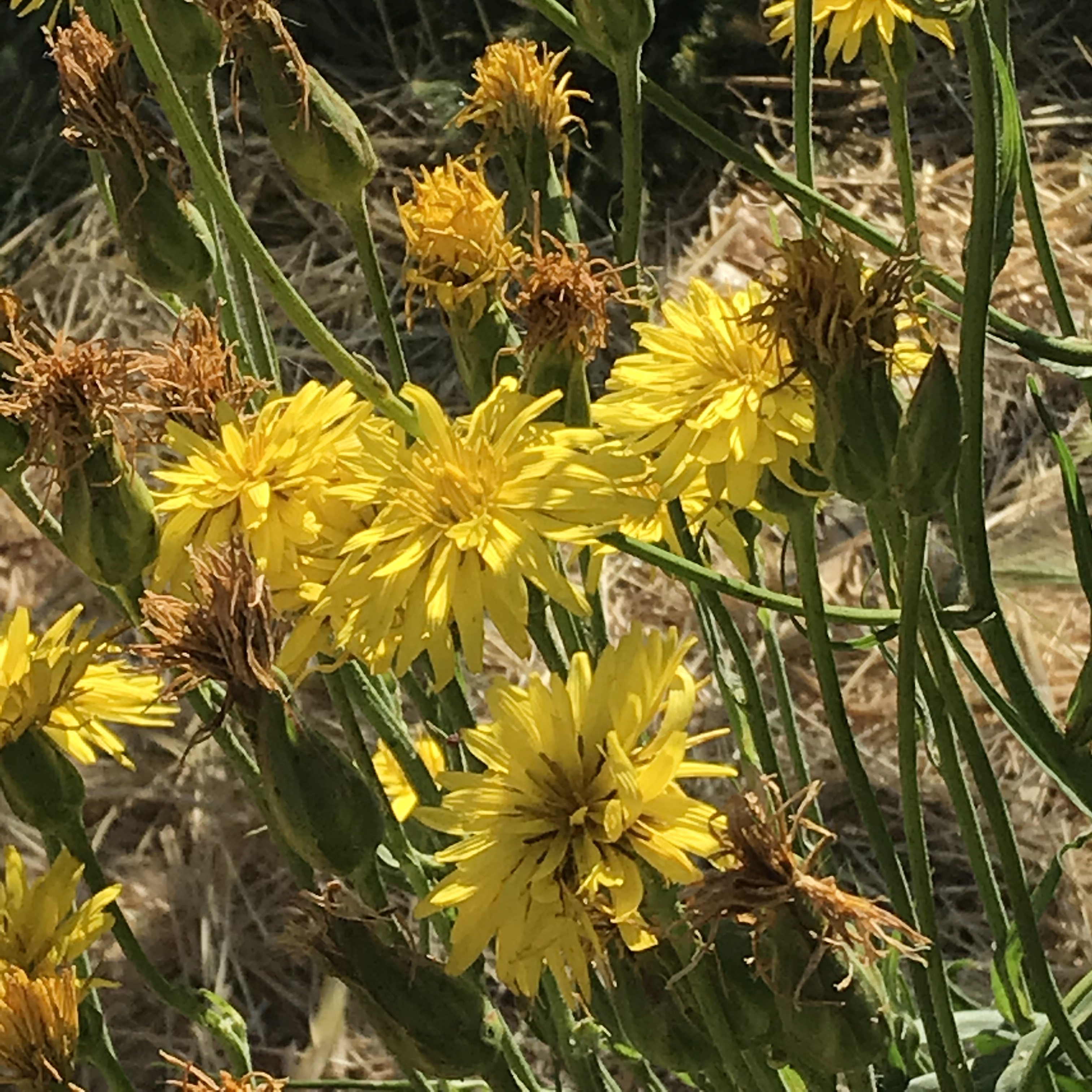
I grow scorzonera largely for food use and had never heard of it being a significant pollen producer, but the bees and butterflies love it when in flower.

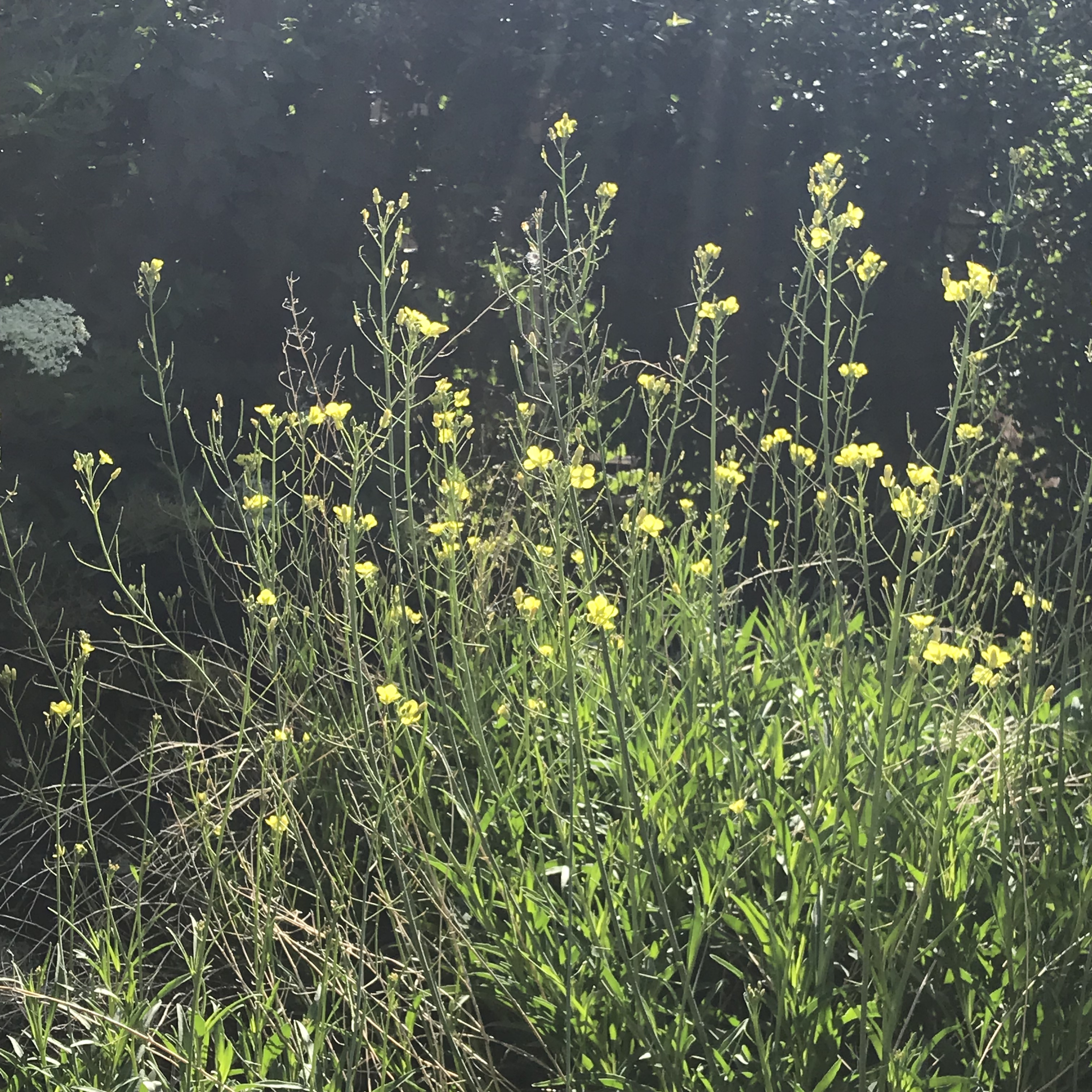
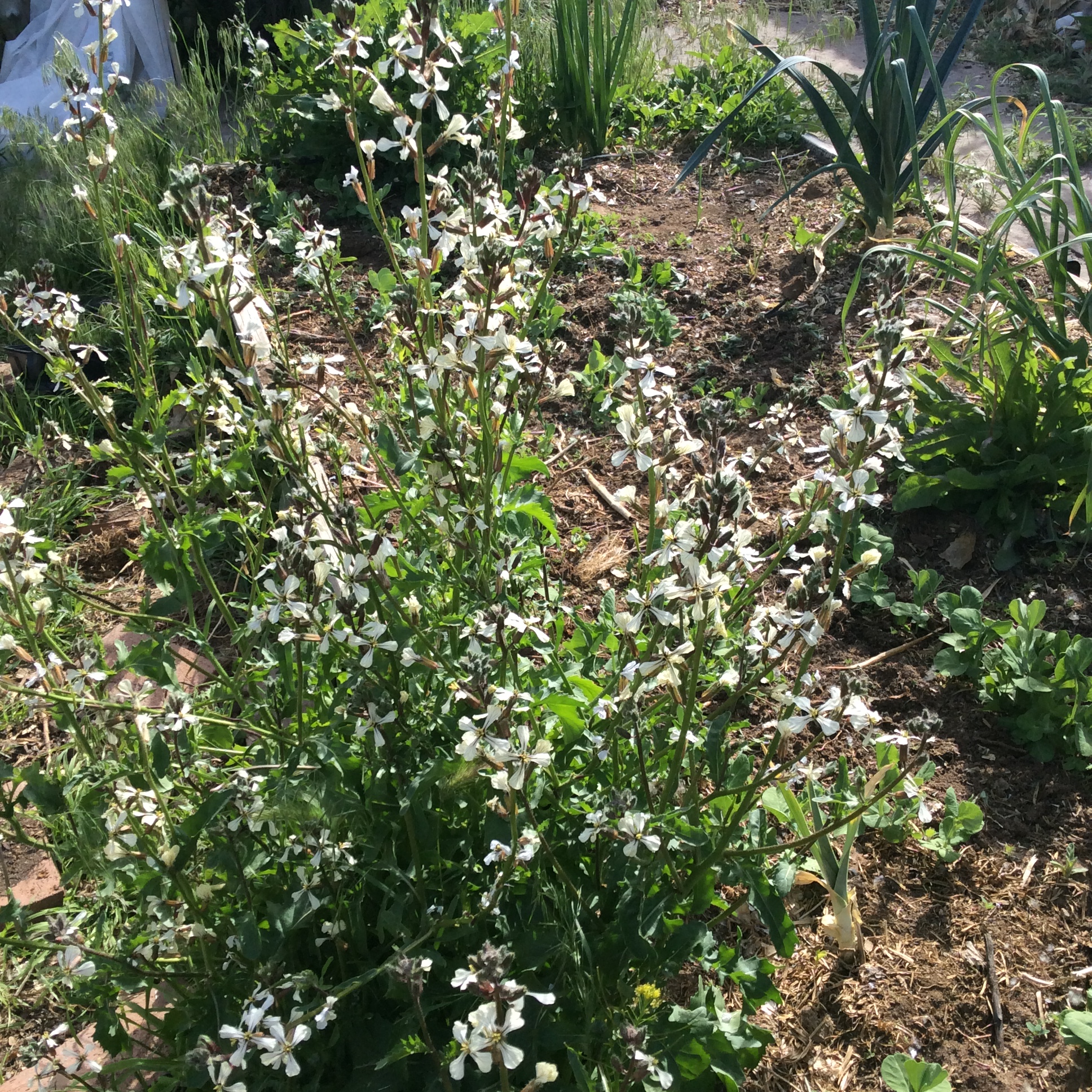
Next to milkweed, the most thronged plant in the yard right now is perennial arugula, which tends to bloom just after the annual arugula,shown below,  finishes. Both are wildly attractive to bees. The honeybees can light on the slender stalks without too much trouble, but when a bumblebee lands on them, they bend over double.  Interestingly, this does not seem to deter the bumbles. They just sort of ride the stalk down and mine the flower of pollen while hanging upside down.   These are cruciferous plants, and I have noticed that when collards, kale, or broccoli are allowed to go to flower, the bees are crazy about them too. I am not sure what makes crucifers so attractive to bees.  But there is no arguing with the fact.

If you absolutely do not want to grow any vegetables in your front yard, it can still be used as a pollinator garden, with fruit trees, berry bushes, and any number of flowering perennials and annuals that bees enjoy.