Archive for the ‘urban homesteading’ Category

Food Diatribe I

I grow some winter vegetables under frost blankets so the growing season is never completely over for me, but it is certainly a lot slower than it was a couple of months ago, and I have some time in the evening to read and even, occasionally, to think. One of the things that I think about most is the future of agriculture and American health. I am hardly indifferent to the health of other countries, but I like to start at home, and the fact is that by many parameters we have worse health outcomes than most first-world countries and many third-world countries. I have put a few references below, but the short version is that you name the health parameter, from overall longevity to infant mortality to rates of cardiac death to obesity and diabetes, and we’re not doing well. I will only be addressing factors that have some well-established link to diet and therefore to agriculture.

This is the article that provoked this post:

Why Small Local Organic Farms Aren’t the Key to Fixing Our Food System

This article is an example of the stuff going around in the popular press right now, because a great way to get clicks is to attack the current mantra whatever it is, and “organic and local” is the current food mantra.  And I believe that this article is partially correct: the production of grain, legumes, etc. does benefit from some economies of scale because of the land and equipment involved, and even raising grassfed large livestock requires a lot of grass and, therefore, a lot of land.
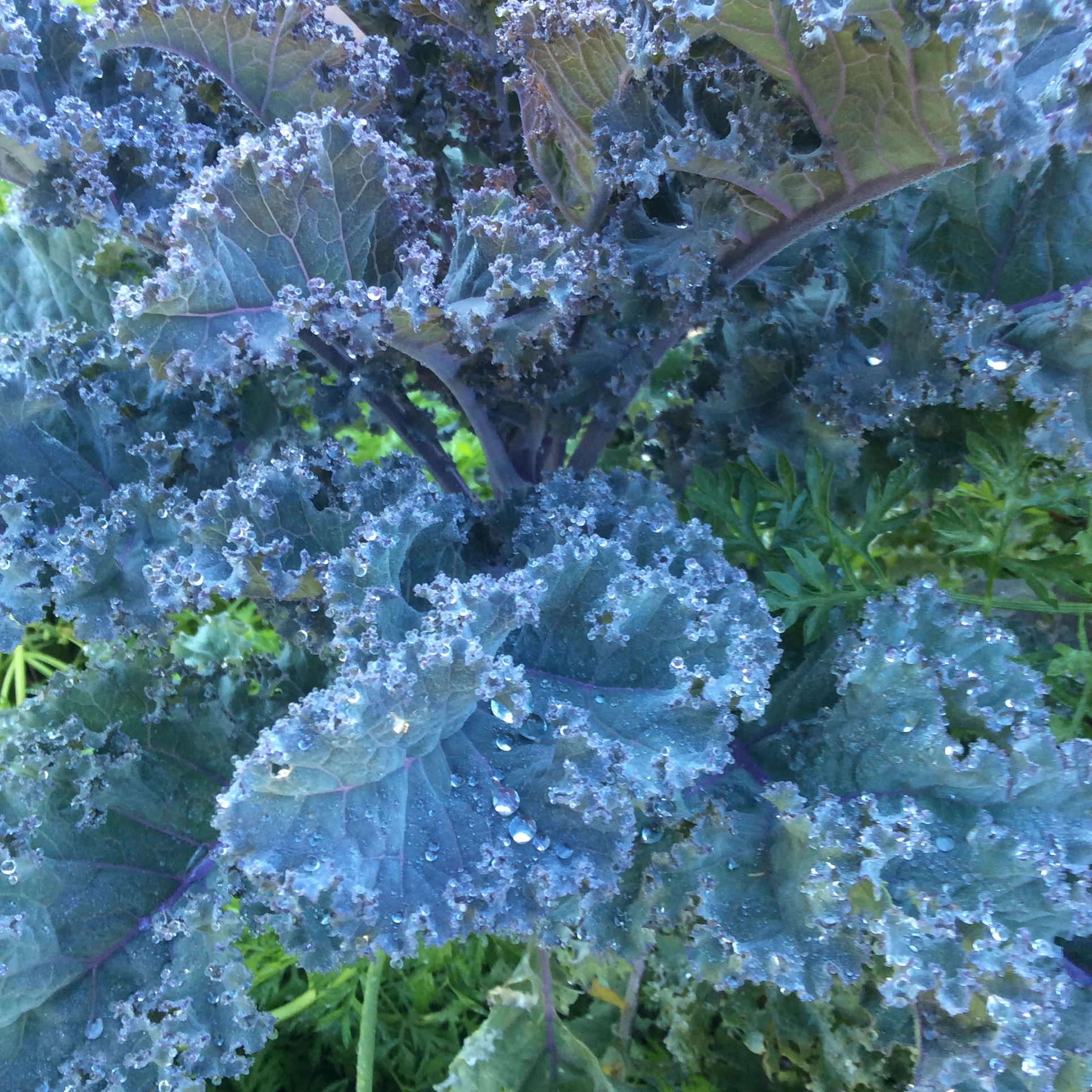
This is where I disagree:  the article does not address the fact that what small local organic farms are producing, mostly produce and small livestock, is exactly what most of us would benefit from eating more of, and the environment would be better off if we did.  I believe that in many ways American agricultural thinking is still stuck in the old model of maximum calories per acre, even though nobody would ever talk about it that way anymore.  Corn, for instance, can produce a huge number of calories per acre, and therefore a huge amount of food, most of it not good for us. The only reason to grow so damn much corn is to produce a huge number of calories. So I invite you to just look around you, and figure out how many people of your acquaintance or visible in any public place are suffering from a calorie deficiency.  I am not talking here about nutrient deficiencies, but about simple calorie deficiencies. Calorie deficiencies  exist in America, definitely, but they are not common. I follow a lot of lifespan, healthspan, and mindspan research,  and much of it looks at what has nourished healthy populations, not for a part of one lifetime, but for generations and even millennia.  Vegetables keep emerging as a theme. One of the things that I think could benefit every single American without necessarily changing anything about cooking techniques,  overall diet, specialty ingredients, etc. is simply to think in terms of removing half of what is on an average plate and replacing it with more vegetables. Not the starchy sweet ones but the real ones, especially leafy greens. Nobody is in a better position to help you with that than your local small farmer.

Another issue arises when it comes to the question of how your local small farmer can make a living, because the organic local produce that he or she produces clearly has to be more expensive than most other factory-farmed produce, so that farmers can stay in business. So how can low-income people with  little ability to spend flexibly make better food choices? I think this might be the place to use government subsidies creatively. Right now, subsidies make it possible for Big Ag farmers to make a profit producing huge amounts of GMO corn that go into feeding animals in unhealthy ways and making corn-based sweeteners that make us fat and sick. If, instead, farmers were subsidized for things like employing local labor and using good employment and environmental practices, this would be the beginning of a solution. With topsoil erosion a huge agricultural problem and steadily worsening, subsidizing the farmers who don’t contribute to it could make a real difference.  If low income consumers were also subsidized for using local farm resources, say for example foodstamp dollars would buy one dollar at a grocery store but two dollars at a farmers’ market, it would become more possible for low income people to eat high quality produce. And yes, I would advocate taking away the subsidies that make GMO corn profitable. Cheap beef is sick beef, and cheap sweetener is the basis of an obese society. It is unclear to me why taxpayers should pay for the privilege of making people and animals fatter and sicker. Some people don’t believe in any subsidies at all, but if we’re going to have them, I’m in favor of using them for long-term improved health of soil, animals, and people.
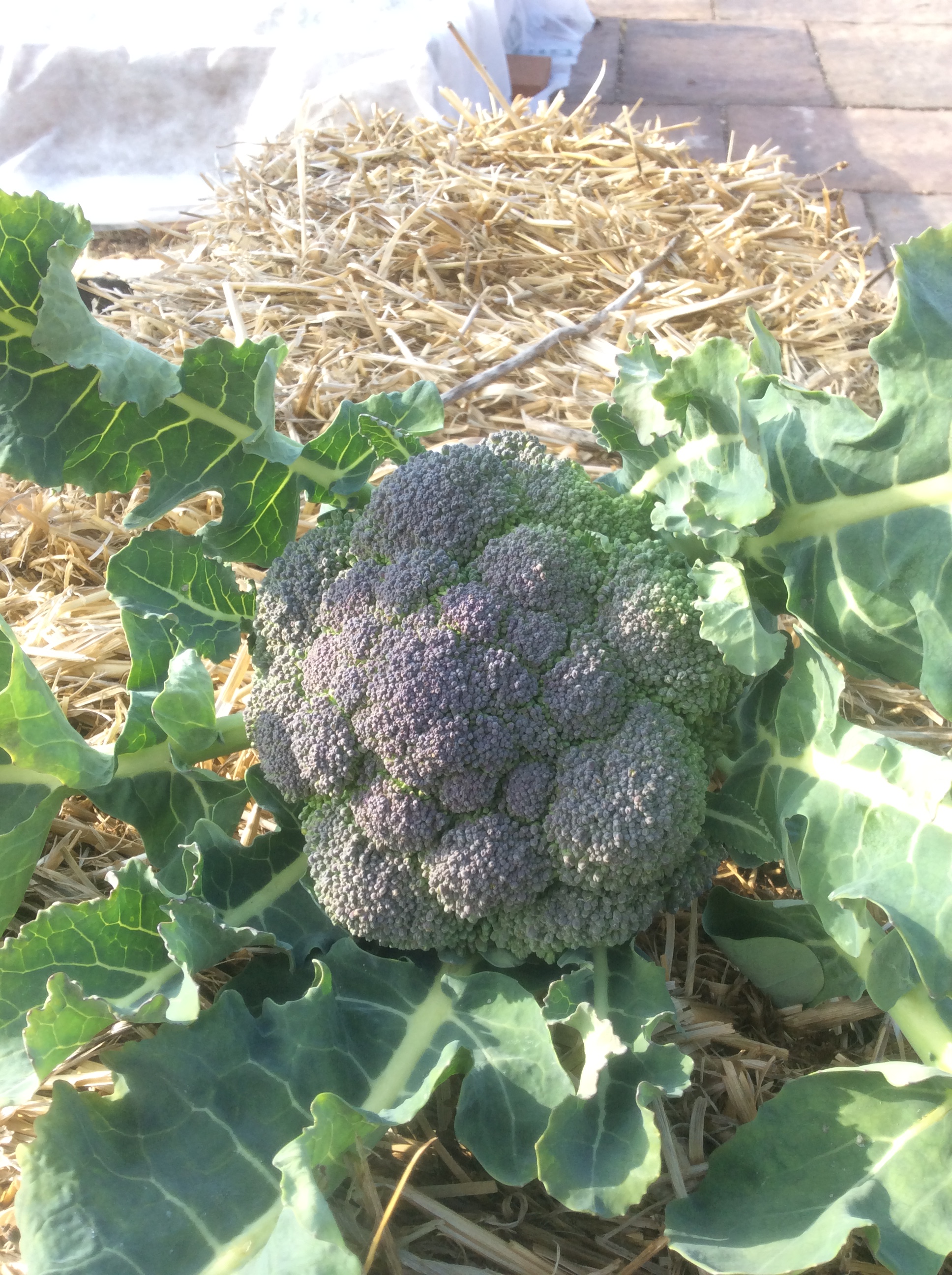
I can’t resist adding (because, after all, it’s what this blog is about) that if you have just a little bit of land, you are in a good position to help yourself.  Put in a vegetable garden and plant a few fruit trees,  or identify fruit trees in other places that you can harvest from (many people don’t want the fruit from their trees or get a lot more fruit than they can use,) and you are in an excellent position to make a salutary change in your diet at minimal expense.

WHO stats of life expectancy by country:

(1) https://en.m.wikipedia.org/wiki/List_of_countries_by_life_expectancy

We are 31st per 2015 statistics. Really.  And remember the China and its administrative region Hong Kong do not participate in the world health organization and are not in their statistics, but both have significantly greater longevity on average than America. So if they were added in, we would drop further.

Stats of rate of cardiac-related death by country:

http://www.worldlifeexpectancy.com/cause-of-death/coronary-heart-disease/by-country/

In cardiac death rates we look okay at first, down at number 107 among countries for which stats are available, but then you notice the long list of countries, including some third-world nations, that have lower rates than we do. You may also notice that France, Italy, the UK, Germany, Switzerland, and most first-world countries generally are doing a good bit better than we are, with notably lower rates of cardiac death. It is very legitimate to ask what we need to do better.

Prevalence of diabetes by country:

https://www.indexmundi.com/facts/indicators/SH.STA.DIAB.ZS/rankings

Here, too, we look okay at first, down at 42nd place in percentage of people age 20-79 diagnosed with diabetes. But then notice Spain down at 89th place, Canada at 95th, Norway at 130th, France at 143rd, the UK at 152nd,  and in fact all developed and many undeveloped nations showing diabetes rates well below ours, and it is imperative to ask how we can do better.

The Fall Summation V: Summer Squash

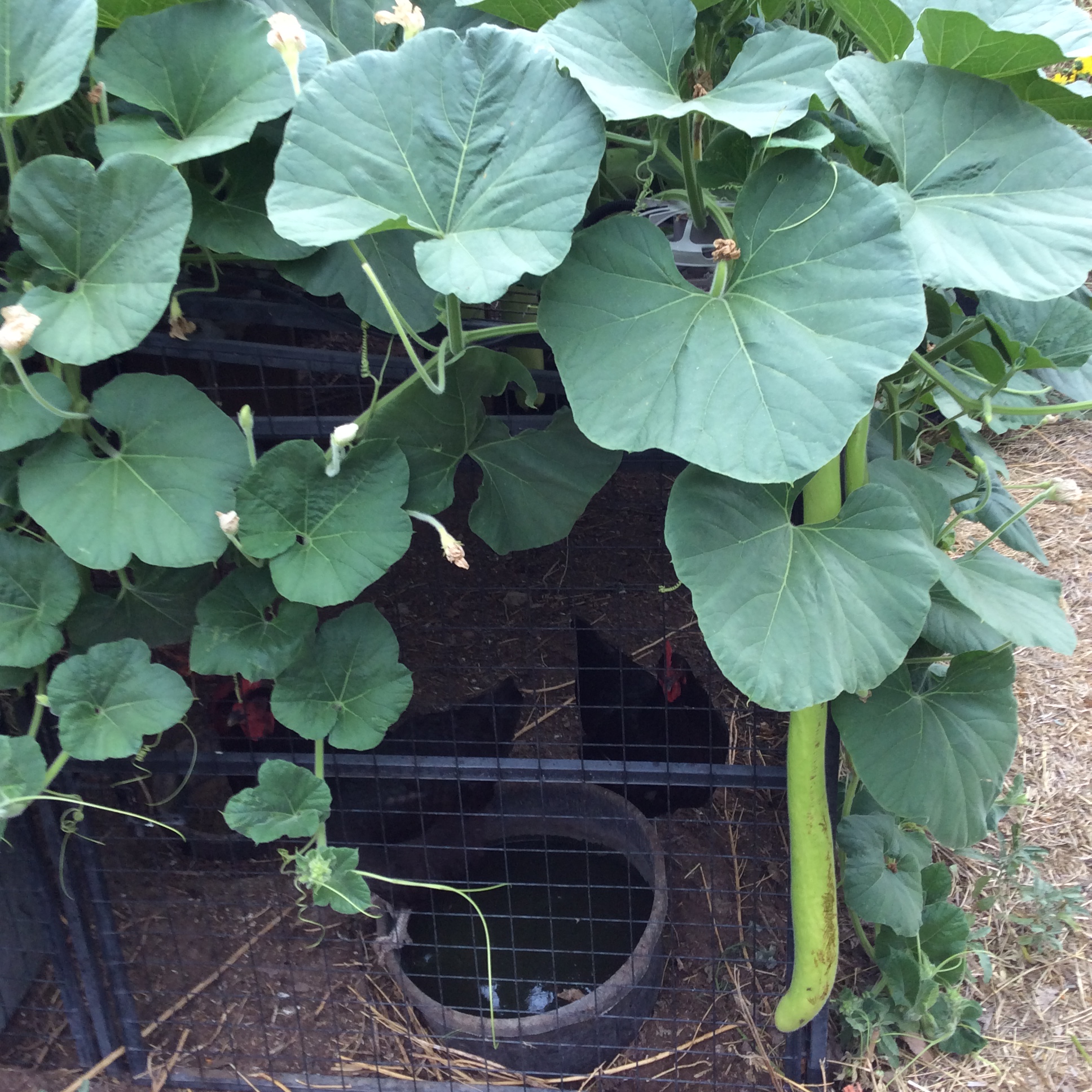
At this point, in this area, I have given up on standard zucchini. No matter how disease-resistant the variety is touted as being, it succumbs to icky yellow wilts. This summer I tried three vining types which proved totally resistant to bugs and wilts and were alarmingly healthy. The three were trombocino, Thai bottle, and serpiente. My hands-down favorite was the serpiente, which is shown above. It produced three-foot-long “zucchini” all summer until killed by hard frost, with nary a bug or yellowed leaf in sight. I should note, though, that two plants covered an area about 20’x20’ so thickly that nothing else would grow.  Next year I will limit myself to one plant and prune it a bit to control its ambitions.

The trombocino squash  had healthy vines but seemed to have some pollination problems, and many of the young squash withered and dropped off unpollinated. There were plenty of pollinating insects, so I don’t know what the problem was but I don’t think that I will grow it again.

The Thai bottle  squash was a very prolific producer but I did not find this out until the end of the season. Throughout the season I thought that it was not producing more than a few squash, but when the first hard frost killed the leaves back, I found 24 fully mature squash that had been invisible under the thick leaf cover.  Since they are only edible when rather small, I would not grow this one again unless I had a very large trellis or some other arrangement where I could reliably see the small squash.  But if you do have a large trellis and want one plant to cover it in a short period of time, this is your candidate.  But do note that it has to be a big, really strong trellis. This squash is probably capable of covering the side of a building, given a very large trellis and half a chance.

I should note that if you love squash blossoms, as I do, the serpent and bottle squashes have small fragile white flowers, not the great golden trumpets that gladden our hearts.   I might put in one hill of pumpkins just for the gorgeous and delicious blossoms.

When it comes to flavor, all three were the equal of any zucchini I’ve ever eaten. Personally I think that too much is made of flavor nuances in zucchini, and they all taste much alike to me. Same with these vining squashes, all of which have a mild flavor when young and a texture just slightly firmer that zucchini. Get them young, when a thumbnail goes right through the skin with no particular effort. I think that all summer squash are best when cut in pieces of the size you want for the dish you’re making, salted generously, and left for an hour. Excess liquid can then be squeezed away with a dish towel. I just don’t think there’s any substitute for this step, although I do skip it if my decision to cook squash for dinner was impulsive.

The mature fruits that you inevitably find when frost kills the leaves are not usable as squash, but when cut in half with a pruning saw, the chickens relish the insides.

The Fall Summation IV Part 3: Perennial Odds and Ends

So far I’ve written about 16 perennial vegetables that I eat regularly and enjoy, and there are still more to mention. Most are things that I haven’t really gotten to work well yet, but pictured above is a perennial veggie that I eat nearly every day. The Egyptian walking onion has become so intrinsic a part of my cuisine that I don’t take special note of it as a perennial vegetable. It’s just food. I have written elsewhere about how I manage it,  so I won’t repeat most of that material here except to say that I have four patches of it now, north exposure and south exposure, sun and shade.  This is how I ensure that almost every day of the year except January, there are green onions somewhere on the property that I can harvest. A good way to site them is to wait for a spring snow and then note two things: where the snow melts away first, and where it lingers the longest.  This gives you a good indication of your warmest and coolest microclimates, and you want to get some perennial green onions in each so that you have the longest possible season. If you don’t get any snow at all, odds are that you can grow them throughout the year with succession planting.

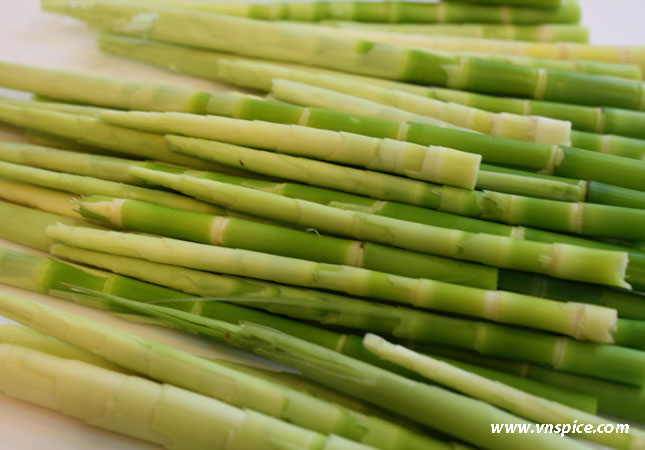
I stole the photo above because I daydream about lavish piles of fresh bamboo shoots. Three years ago I planted Phyllostachys dulcis, the famously invasive sweetshoot bamboo, a 35’ bamboo with shoots sweet enough to eat raw.  I reasoned nervously that in my desert climate the lack of water would probably keep it from spreading far, and for extra insurance I sited it against the fence of my goat’s pen so that, in a worst-case scenario, I could turn her loose on it.  Three years later, it is a clump of about five scrawny canes 6 feet high at most, and I have eaten exactly one bamboo shoot.  That one shoot was very delicious slivered into a salad, but this is not exactly the course that I anticipated. Maybe it’s my dry climate and alkaline soil, or maybe it’s karma,  but so far this one isn’t budging. I remain hopeful.  Maybe 2018 will be its year to take off.

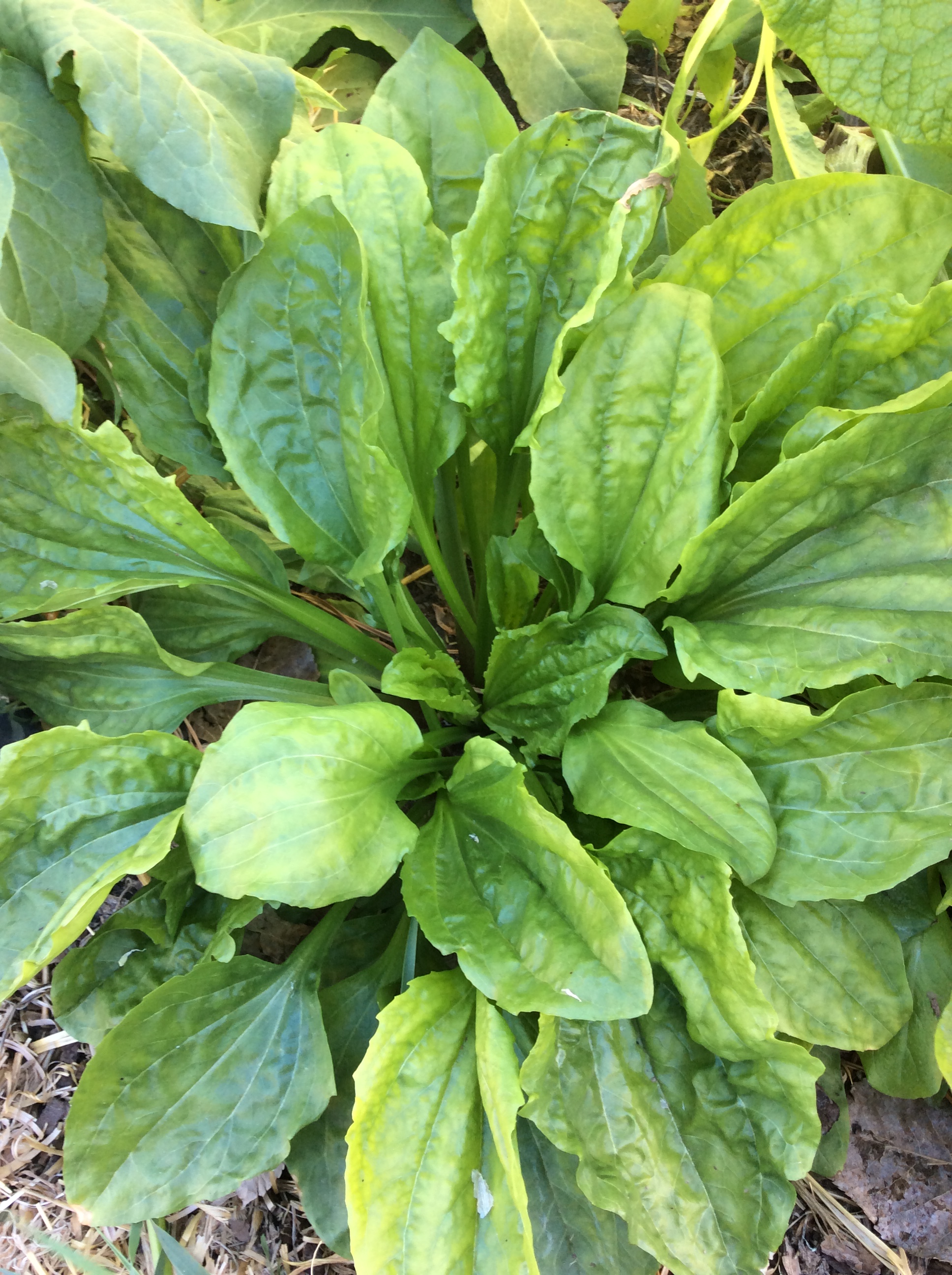
Rugel’s plantain is a plantain  that I actually paid money to have, because I read that it had better flavor than the common great plantain.  It might taste a little less rank and weedy, but I don’t find it to be a choice eating plant by any means.  Probably the best way to use it is boiled and seasoned baked in the planting chips, but then even the common plantain tastes okay when used that way.  So this one is a nice indestructible plant with limited uses.  I am willing enough to let it keep occupying that space, but if I had it to do over again, I probably would not spend money on a specimen.

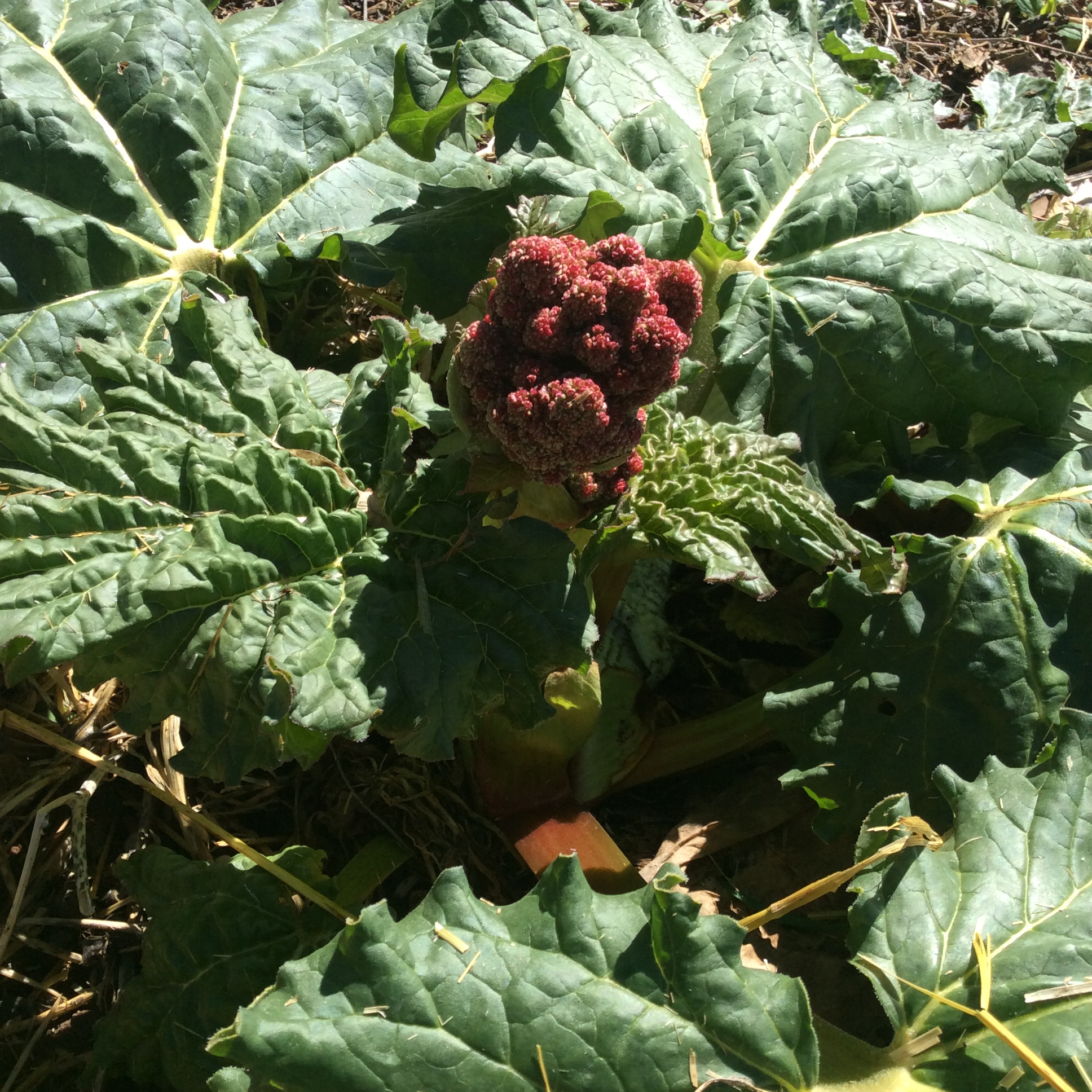
Rhubarb is not a plant that I find a lot of uses for, but I must say that I do enjoy harvesting in the tightly packed flower buds. When steamed, they look a lot like cauliflower but taste strikingly like sorrel, with a strong lemony tang.  The cooked buds make a delicious addition to mixed cooked vegetable salads.

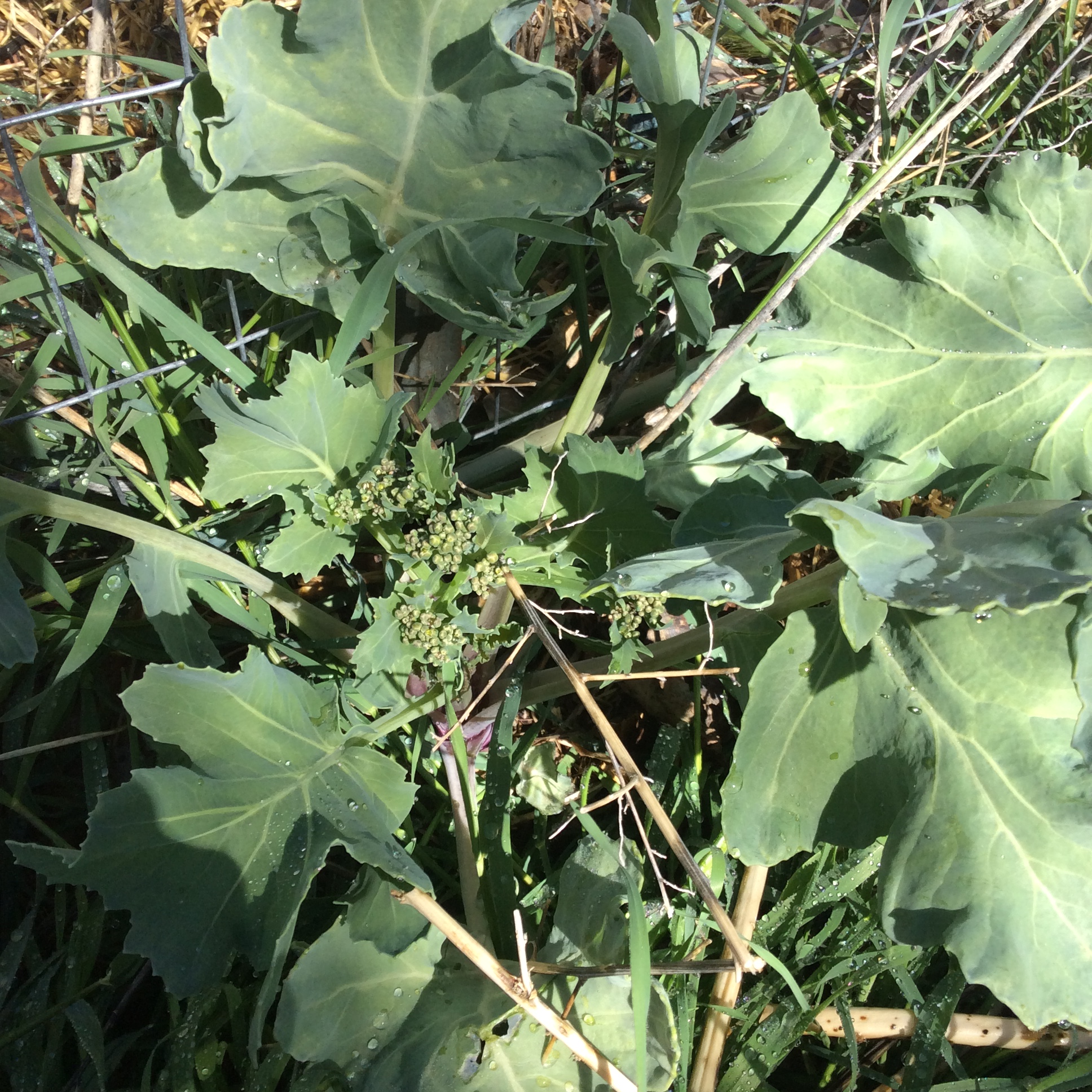
Sea kale  is a plant that is still settling in for me.  Each plant makes only six or seven big waxy leaves, and if you harvest more than one, the plant will probably die. Only one of my new plants bloomed this year, and I did not harvest the buds as a “mini broccoli“ because I wanted to smell the flowers, which are said to smell strongly of honey. Mine had very little scent, so I might as well have eaten the buds.  But they were mobbed with bees.   I am told that if you let the plant ripen seeds, that is another thing that will cause it to die. Per the reports of people who have it, it seems determined to die. I did read that the leaves could be harvested in late fall when the plant no longer needs them, but at that point mine were so ratty and bug-holed that I could not imagine eating them.  So in 2018 I will just harvest buds and leave it at that.  I want to love this plant, because Thomas Jefferson loved it, but so far it is not exactly earning its keep around my place.  Still, there are many perennials that it takes me years to learn to use well, so maybe this is one of them.

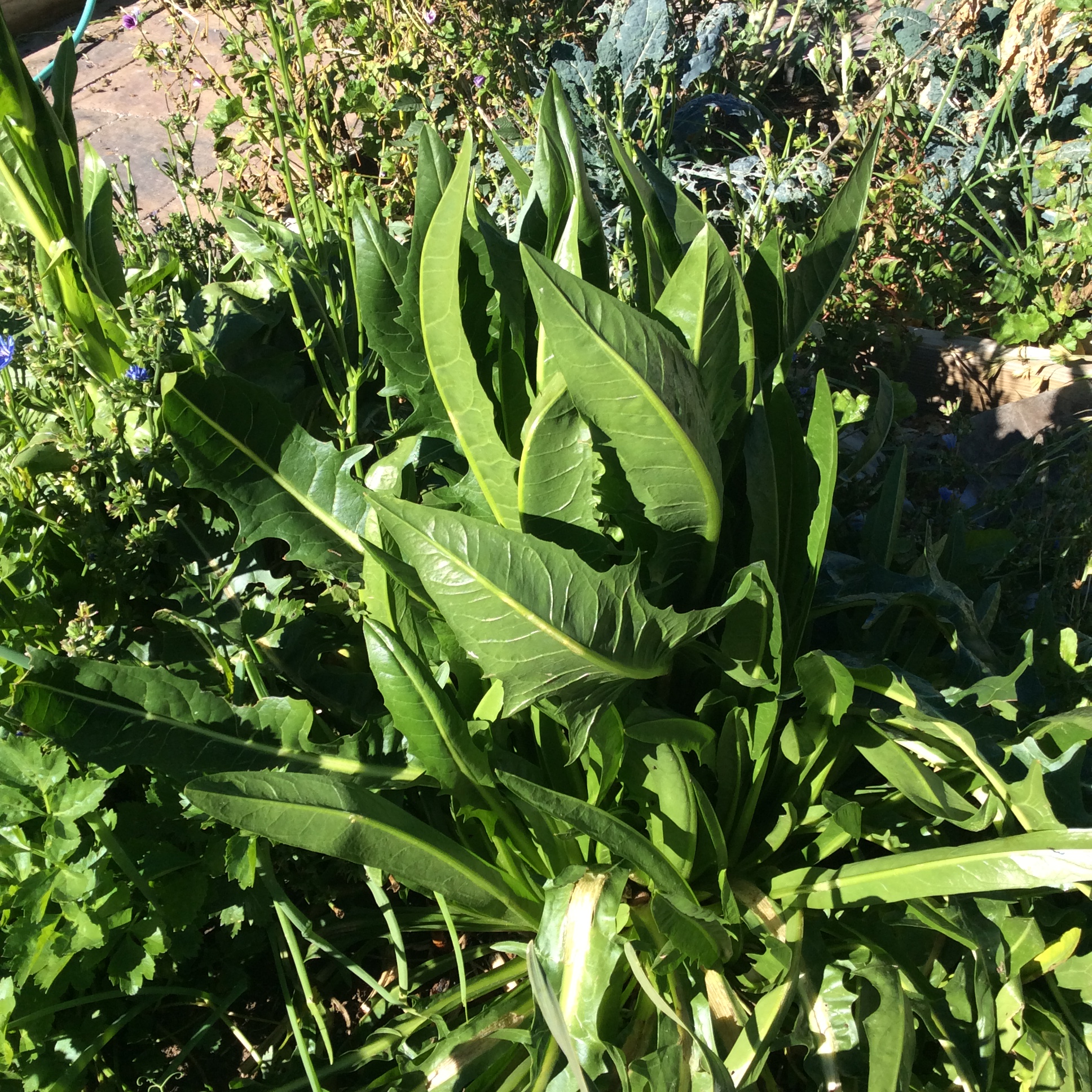
Chicory comes in dozens of forms. The one that I grow as a perennial is Clio, from Johnny’s Selected Seeds. It resembles a dandelion on steroids until it produces its sky-blue raggedy blooms. I cut down the bloomscape after it blooms, and harvest the newer leaves in fall. Like all bitter greens, it needs strong seasoning, and I especially like it with bacon lardons and red chile.  The flavor is different from dandelion leaves, a little richer and not as bitter, and some people like it who don’t care for dandelion at all. I think that probably you could force it with frost blankets in cold weather, but haven’t tried that yet because I have enough other things to eat in cold weather.

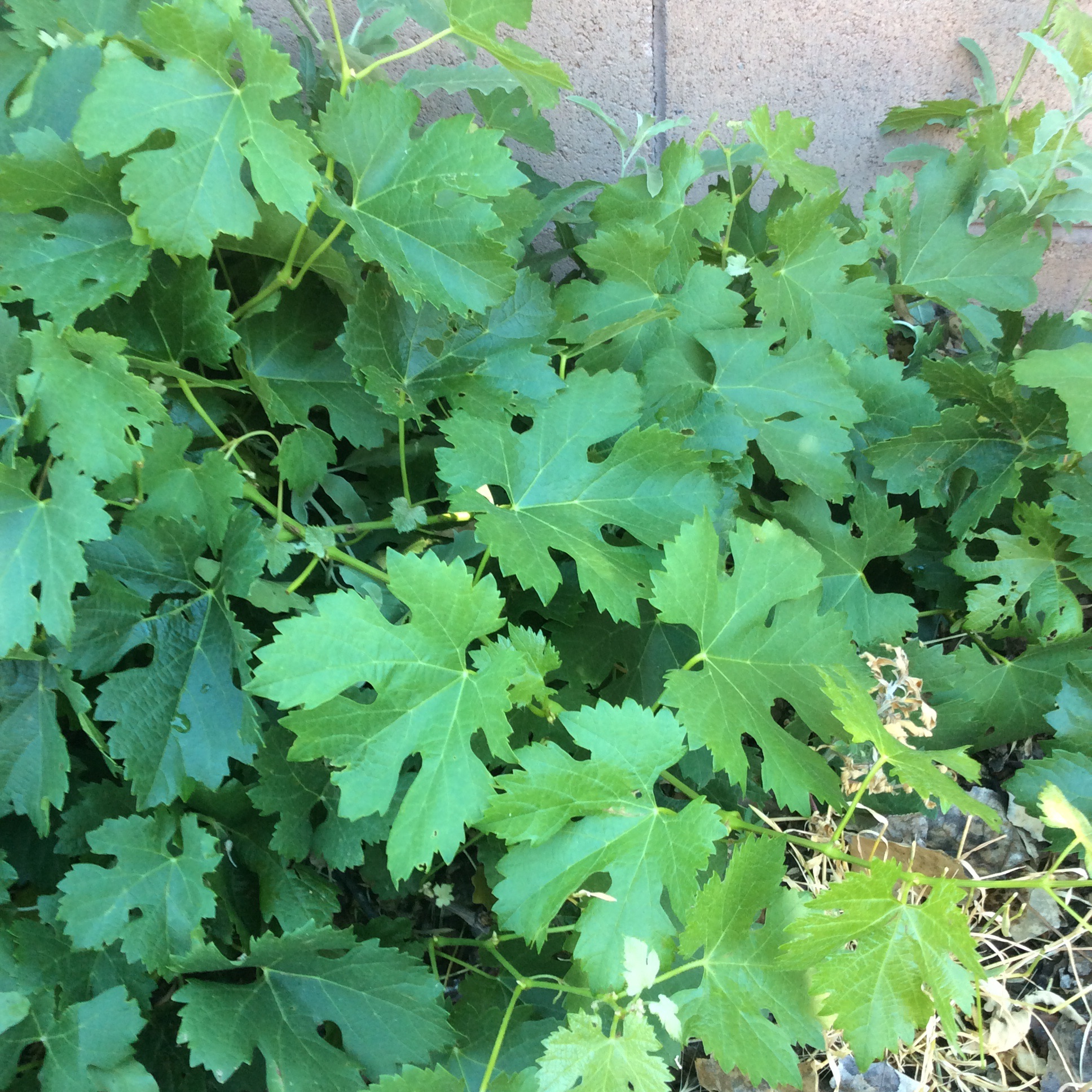
I think that every urban homestead needs to have a wine grape growing somewhere. You will never get enough grapes from one vine to make any wine or vinegar, but wine grapes tend to have nice edible leaves,  while the leaves of Concord grapes and many other grapes of American derivation are full of unchewable undigestible fibers and cannot be considered edible. Grape leaves are endlessly useful. I might actually make stuffed grape leaves once a summer, but once a week in the mid and late spring I grab a handful of grape leaves to throw in mixed greens. They need to be finally slivered because the leaf veins can be tough, and the stems need to be removed altogether, but they have a lovely tang. I also like the small fresh ones chopped into salads.  Young tender grape leaves fried quickly in olive oil make a labor-intensive but really lovely garnish for nearly anything that you might serve in late spring, and I recommend frying them in good olive oil because the rich oil combined with the shatteringly crisp lemony leaf is very delicious.

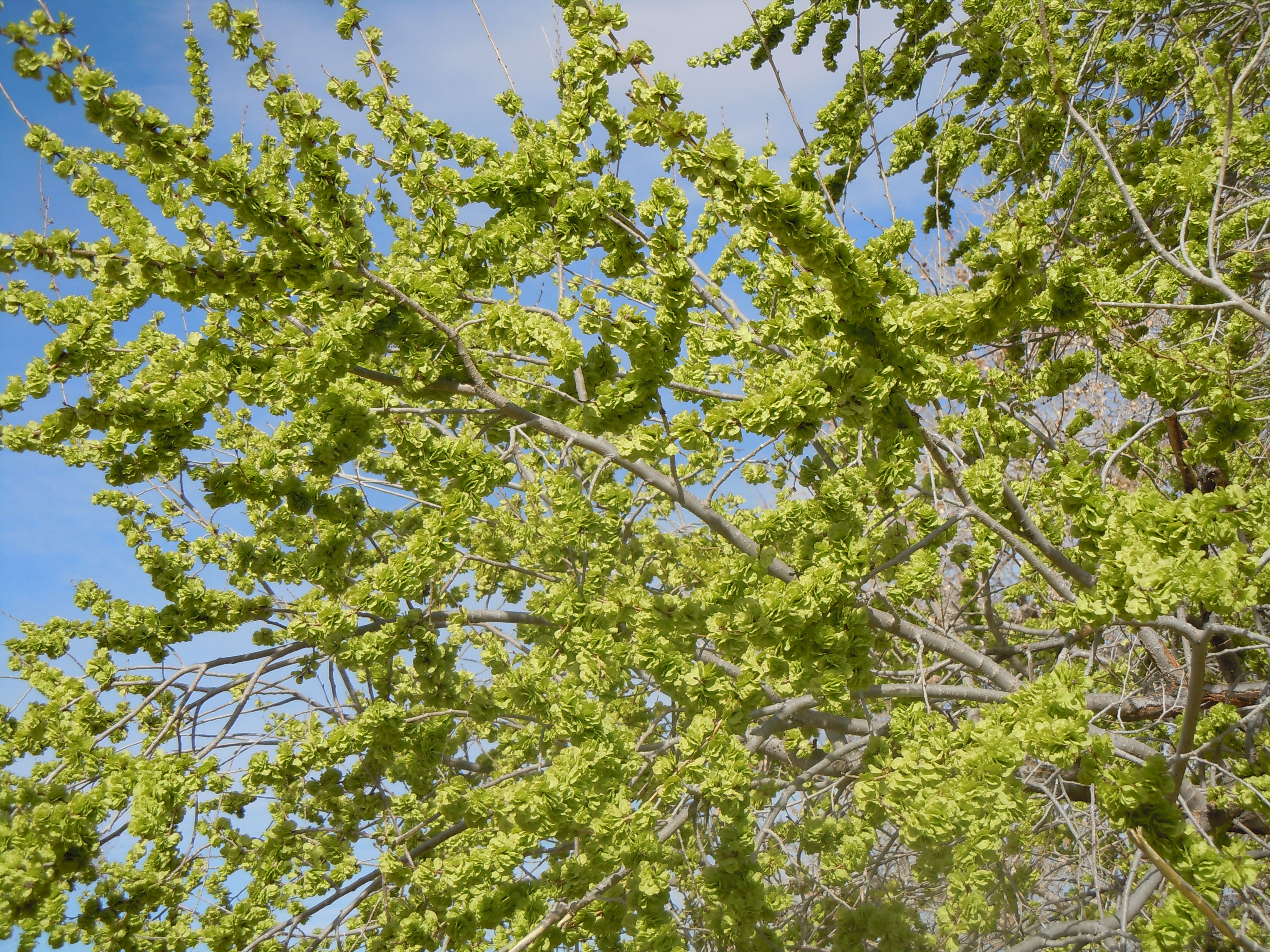
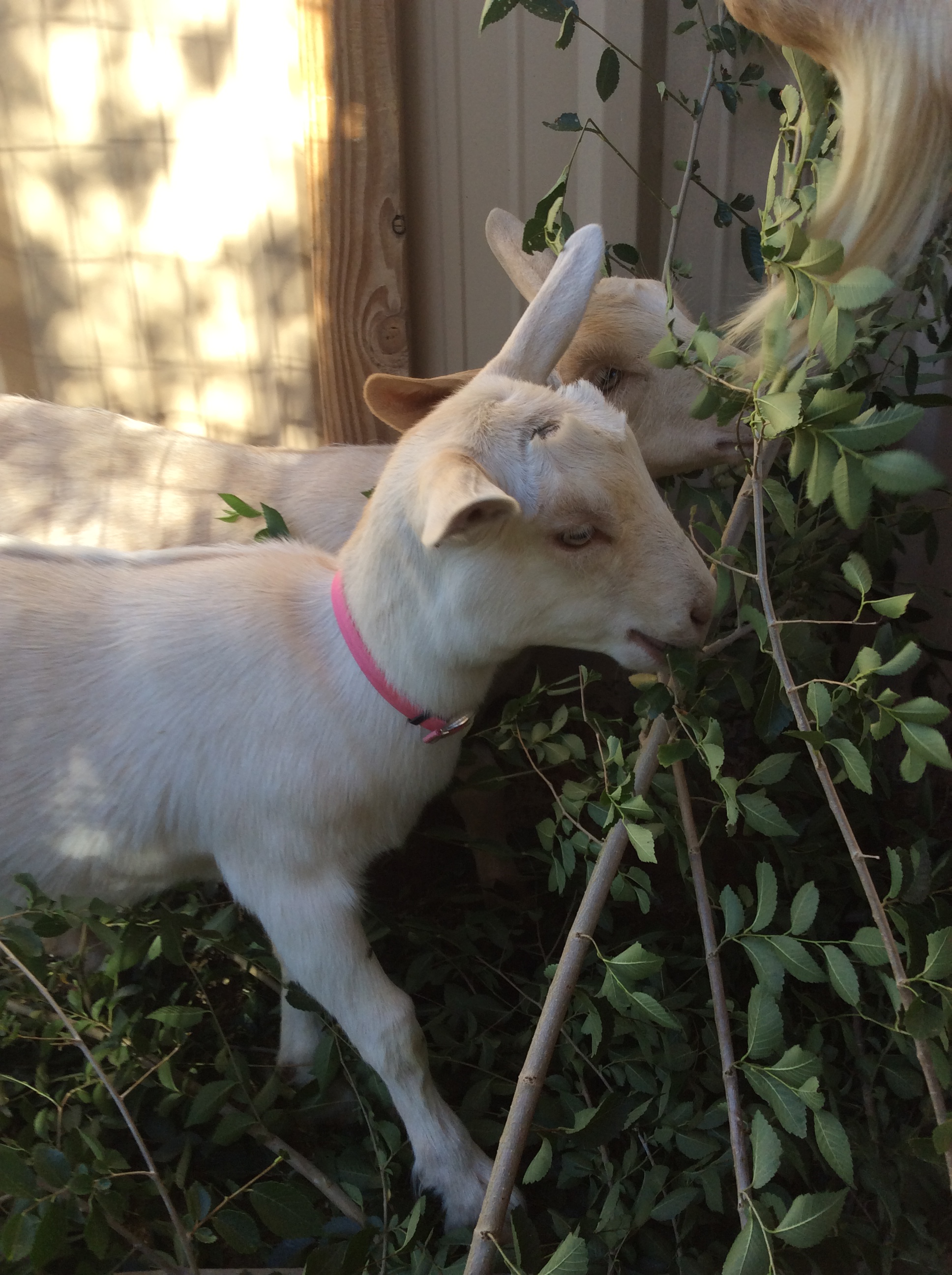
I have decided to count the Siberian elm samaras that grow all along the nearby path as a perennial since, after all, what could be more perennial than a tree? Elm samaras are mild and have no distinctive flavor of any kind,  but they are available in mind-blowing quantities, and are the first green of spring along with bladder campion and whatever I have managed to force under frost blankets.  They are a useful addition to salads and cooked greens, can be nibbled along the walk as a nice trail snack, and gathered by the bucketful  for my chickens and goat, who have gone through the winter without fresh greens.  So despite their lack of distinction, all of us are happy to see them. Within two weeks of their first appearance as a green mist on the trees, the edges have become papery and tough and the season is over. No problem, I am on to other things at that point.  But later in the growing season when I am cursing the wily and invasive Siberian elm, it helps to remember that it was one of the first fresh things to come to my table.


The Fall Summation III: The Firepit

I was happily involved in writing in the multiple parts of my fall summation IV post, when I suddenly realized that I never remembered to publish fall summation III. So here it is.

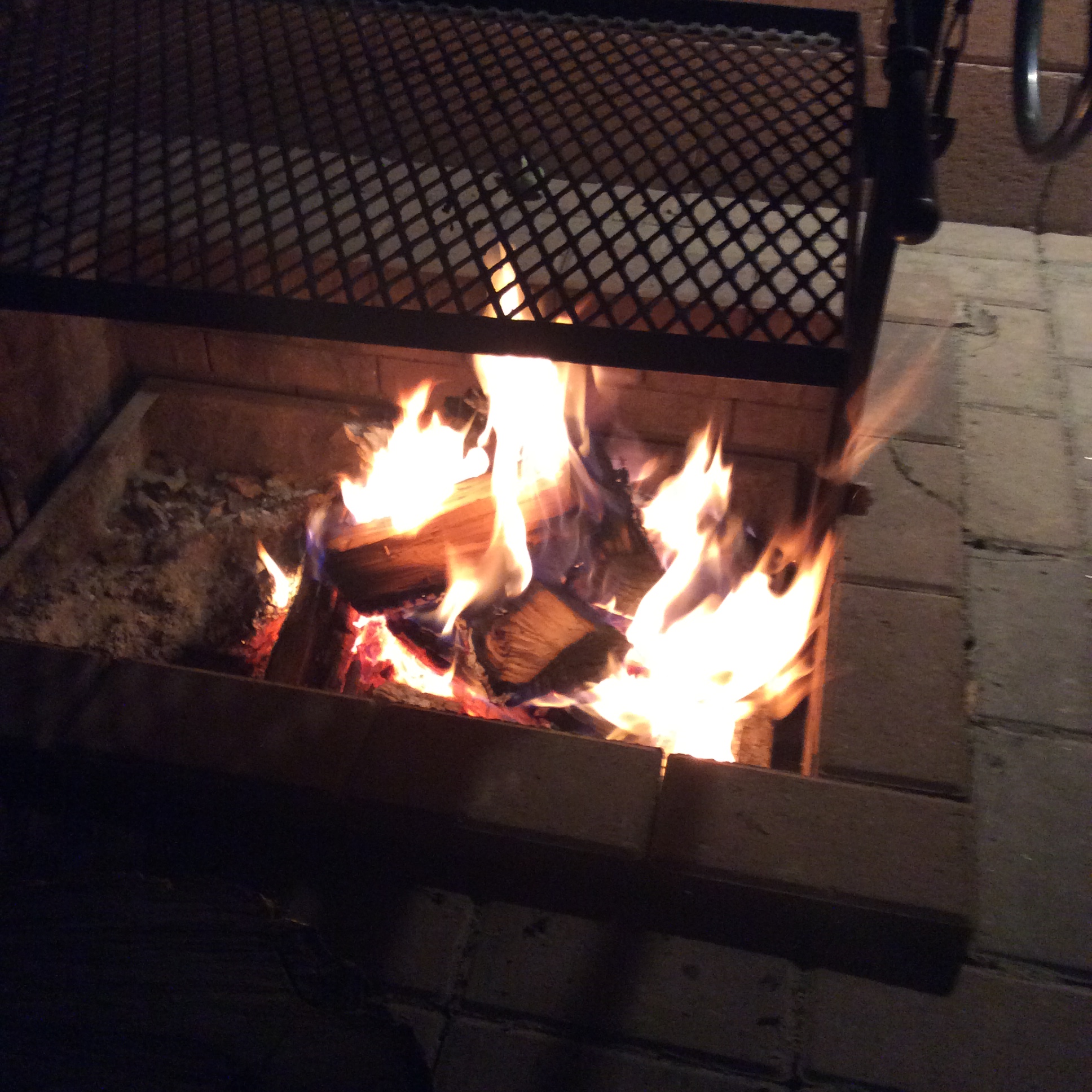
I have always enjoyed grilling as a wonderfully tasty way to cook meat and vegetables, but late this summer I acquired a firepit in my front yard, and it is fair to say  that it is one of the best small investments we ever made.  The pit itself is just a literal pit, a big hole in the dirt, skillfully lined with bricks by a landscape crew. Then there is a drop-in steel grill with a grate which is easily raised and lowered for precise control, and I wish I could remember where I bought it because it is the best ever.  Most important is the fuel, almost completely hardwood in my case although I start fires with twigs and small branches scrounged off the nearby walking path.

Cooking with wood is a whole different experience than cooking with charcoal, and I had not done it for about 25 years, so it took some time to get back in the swing.  When I want to just fire up the grill and cook something without undue fuss, I resort to my beloved Big Green Egg.  Cooking on the fire pit is more a process and an experience than just getting dinner ready. First, there is building the fire. Then, there is sitting next to it feeding it the right kind and amount of wood and giving it a few pokes at the right time to end up with a wonderful bed of red-hot coals  a couple of hours later.  Then there is cooking the food itself, and this is a hot eye-stinging experience that is somehow more pleasurable and more primal than any charcoal cooking could ever be.  The finale can then go one of two ways: either the coals can be damped with a bucket of water so that you end up with biochar for the garden or a bed of charcoal for the next fire, or more wood can be thrown on the fire and the diners can gather around it contemplatively with wine and marvel at their good fortune to be alive at this particular moment.

Don’t think that this is only an activity for carnivores. Pescatarians will find that wild-caught salmon is perfect for the grill, as long as you’re careful not to overcook.  Any vegetarian or vegan would love firepit cooking, for the rich meaty belt that hardwood smoke lends to vegetables. Eggplant, zucchini, and carrots are all wonderful sliced and grilled. I like to rub them with olive oil mixed with salt and a little chile chipotle. Wild mushrooms are lovely grilled, and store-bought mushrooms approach the savor of wild ones when grilled. Oyster mushrooms are especially suited to grilling.   Potatoes and sweet potatoes are both really good when pre-baked, pressed flat and about half an inch thick with your hand or the bottom of a glass, salted and brushed with olive oil or bacon fat, and grilled  just until the outside gets crisp and browned.  Sweet potatoes are very quick to burn because of the sugar they contain, so they need to be kept on a cooler part of the grill and be brought along more slowly and cautiously.  I understand that some people grill kale leaves very successfully, although so far I have not made that work well. And the more tender leaves of romaine lettuce are really delicious when the heads are grilled in halves.

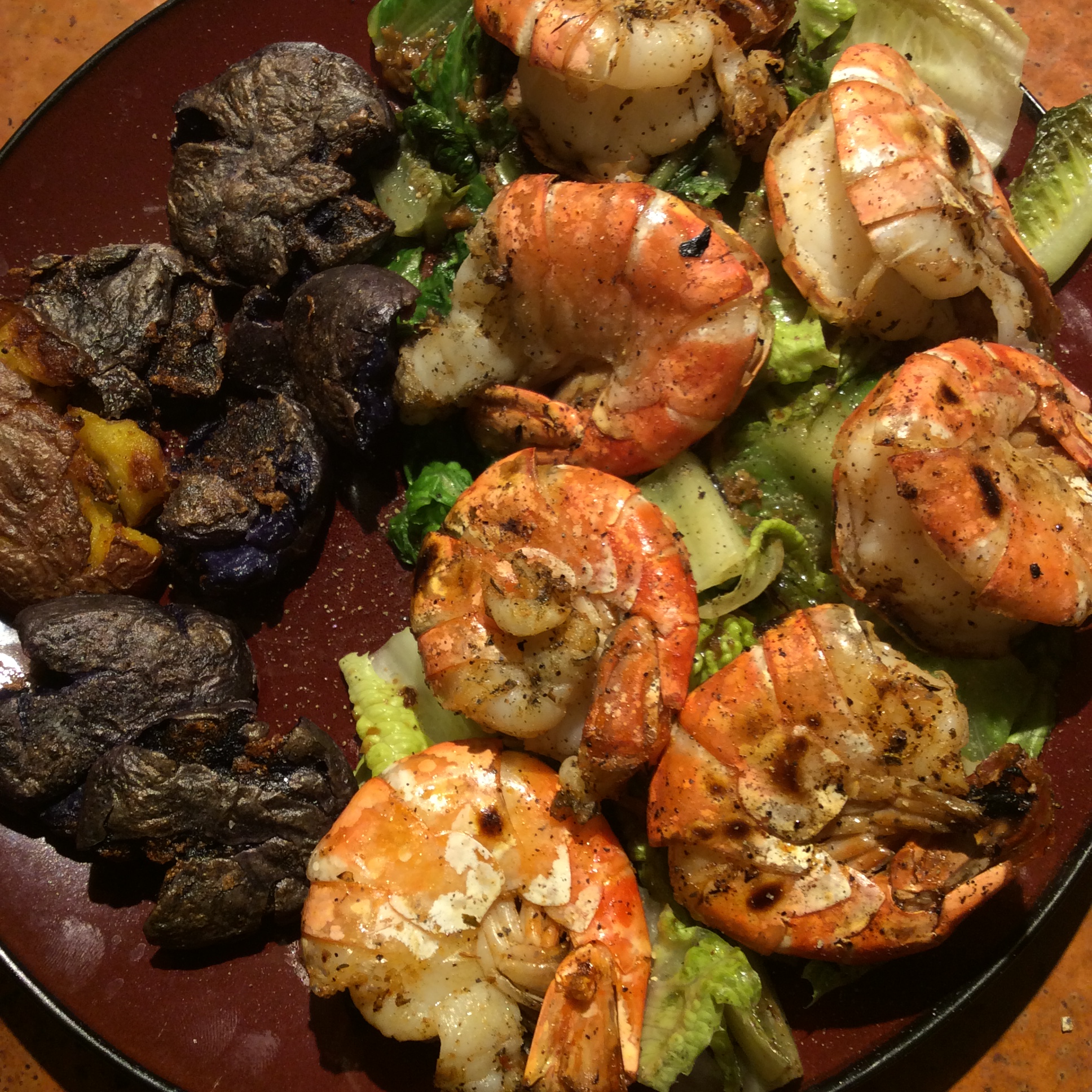
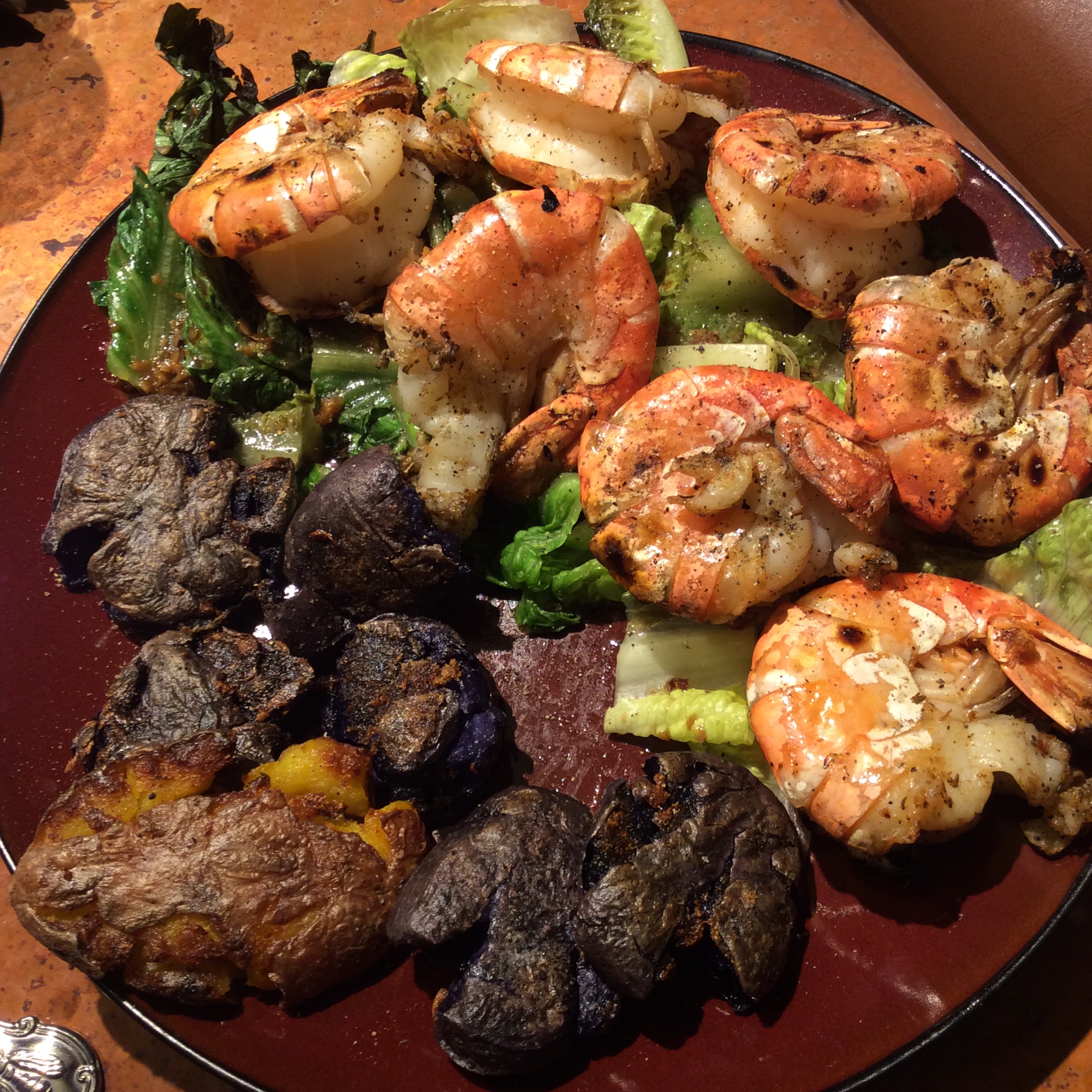
One of my favorite recent dinners involved large shrimp seasoned and grilled in their shells, served on a bed of grilled romaine lettuce made by cutting heads of romaine in half, drizzling them with my mother’s marinade, and grilling them over very hot coals for 2-3 minutes on each side.  I am in favor of taking the grilled romaine into the kitchen and slicing it crosswise before plating it, for more graceful eating. The ribs of the romaine  leaves become softer, sweeter, and a culinary revelation. I would think that the same thing could be achieved with Chinese cabbage. Another small drizzle of marinade when on the plate adds to the general savor.  In the photo above you see the grilled treatment given to little dark blue Magic Molly potatoes, which I intend to write about in another post.   In general we eat low-carb and avoid foods like potatoes, but the occasional treat does not come amiss. Overall, this is a meal that makes you realize that nothing more miraculous has ever happened in human history than the taming of fire. It made us more civilized and brought wolves in off the tundra to be our companions. We co-evolved with them for the next 40,000 years to the benefit of both parties, and their descendents still seem to enjoy hanging around the firepit.

For more on the entrancing world of wood fired cooking, read anything by Francis Mallman, particularly his first book, Seven Fires.