Archive for the ‘urban farm animals’ Category

Local readers, your input is needed!


A reader who is moving to Albuquerque soon left the following comment on my “About Us” page:
“My husband just accepted a job in Albuquerque that starts in Nov, 2011 so we’ll be moving there from Northern Colorado. We currently raise/sell goats, chickens, and pigs for meat. We also sell eggs. (Our other critters are 4 llamas, and 2 sheep). I garden for our own eating pleasure and am striving to be more self-sufficient each year.
Would any of you be willing to take part in a conversation regarding raising farm animals in the Albuquerque area? Do you have contacts or websites that I should be sure to check out?
Some of my questions are as follows:
Chickens don’t like to lay eggs in extreme temperatures (too cold/too hot). How do you handle this in ABQ?
Is there a market for meat goats? (Boer goats)
Pigs: do you know of anyone who raises pigs to market weight and sells to local friends/neighbors that I might talk with? Do you need to compensate in any way for the heat?
Thanks for getting me excited about the Albuquerque area and starting our new adventure!”
Becky – Meadow Muffin Acres – Loveland, CO

I’m going to invite my local readers in Albuquerque to respond to Becky’s questions. Please leave a comment if you know anything that would be helpful to her. My own responses are as follows:
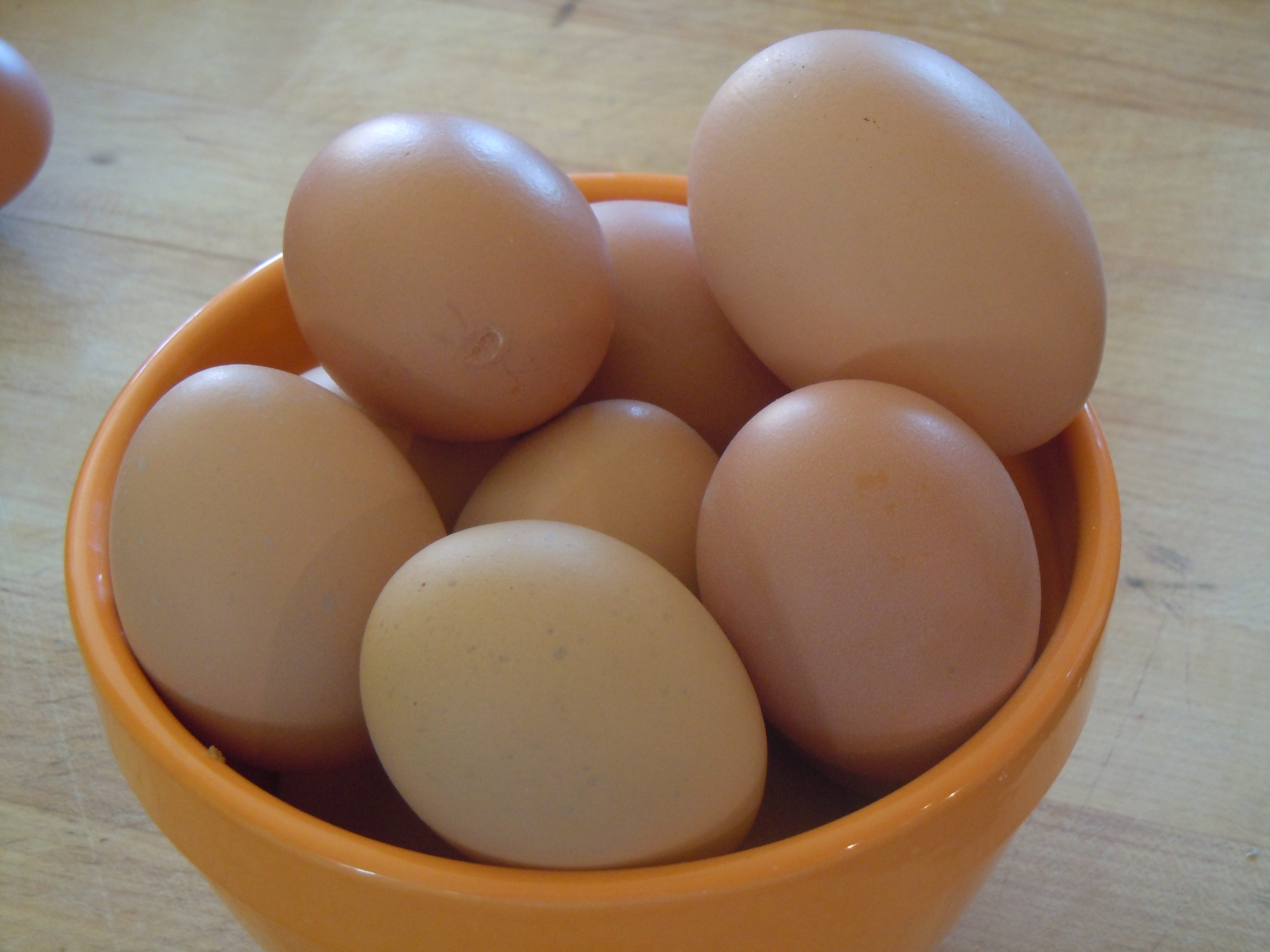
1. I haven’t had any major temperature-related issues with my laying hens. They lay almost all the way through the winter, with a lull in late December and early January, and they slow down a little during the hottest months, July and August, but even during the most scorching seasons I get three or four eggs a day from my six hens.
2. I don’t know how much market there is for goats, but it seems worth a try, especially if they were grass-and-browse raised, because there’s a substantial market for grassfed meats here.
3. I no longer know anyone who raises pigs, more’s the pity, but there would be a good market for them. I would definitely be one of your buyers! I used to know a family who raised pigs just a few miles south of Albuquerque, and they told me that a mud wallow was essential to keep the pigs cooler on hot days. Access to shade was also essential, and on the hottest afternoons their son used to go out and spray down the pigs with the hose. The pigs loved it, and would keep trying to shove their way into the stream.
4. If you are looking for other farm-based business opportunities, a micro chicken-processing facility would be well worth considering. Many of us like to raise our own meat chickens but on a single-household scale the plucker and scalder that make butchering efficient just aren’t affordable. When I had a farm in upstate New York there was a couple who had the equipment and would process chickens for the rest of us, and it was a huge convenience. I would happily work with anyone who had the set-up to process my chickens, as well as pay for the processing. So keep it in mind!
The people at the Urban Store have their finger on the local pulse when it comes to this sort of enterprise, so I would definitely give Kathy a call or email her from their website. All best wishes to you, and welcome to town.
The Meaty Issue


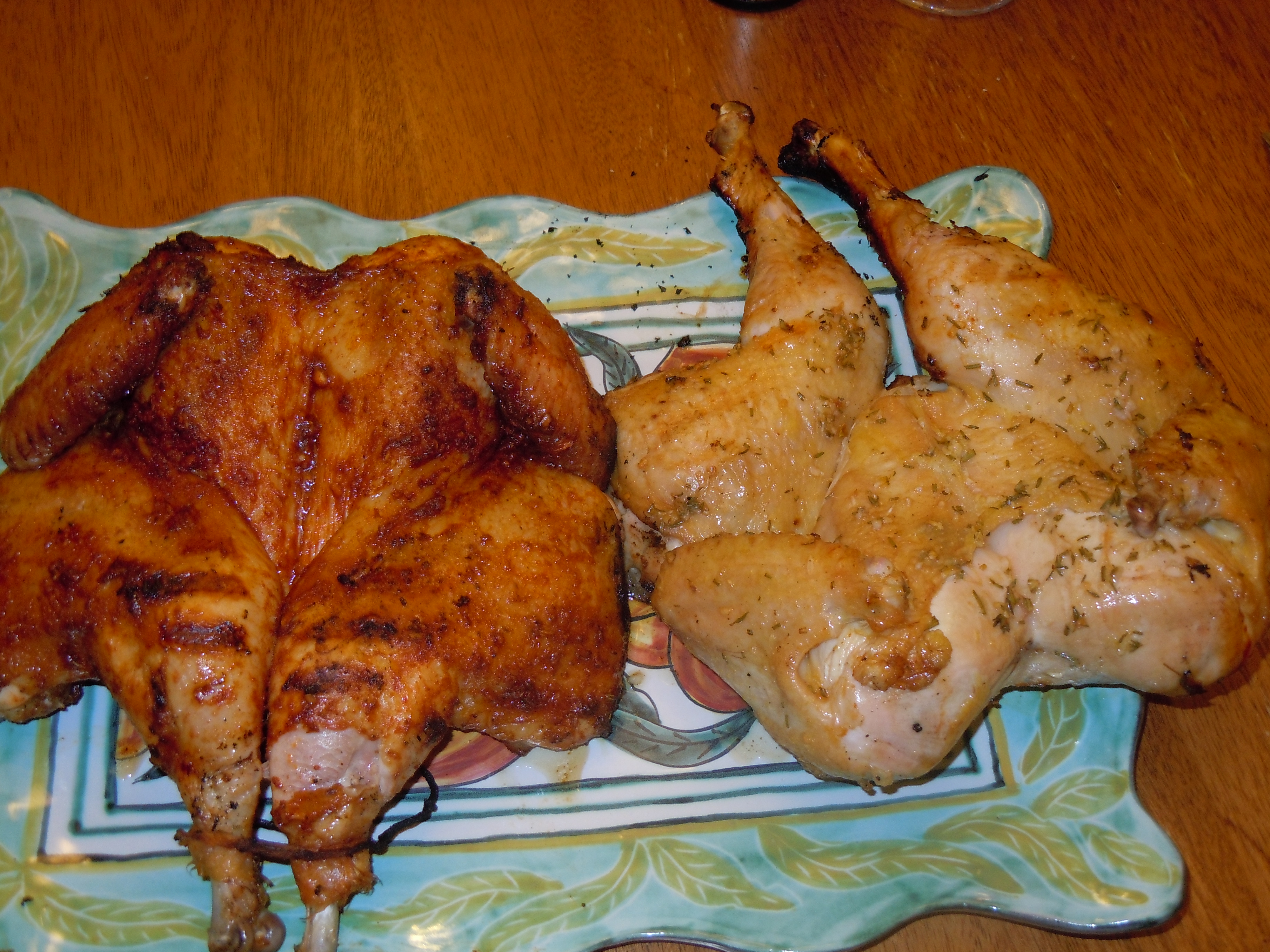
This year I decided to raise some meat chickens. I had several reasons for doing so, including that I had some ideas for how to feed chickens to maximize their omega-3 content and how to fit them into a very small operation. But the real and primary reason is that I felt that, if I planned to continue eating meat (and I do,) it was time to take direct responsibility for where meat comes from. In short, and not to put too fine a point on it, I needed to kill some of my meat myself to continue eating it with a clear conscience.
I was already aware that this decision would get a lot of negative reactions. Back 25 years ago when I had a sheep farm, I had plenty of opportunity to observe peoples’ discomfort with where their food comes from. Visitors would ask me in righteous horror “how I could bear to eat them” and would assure me that they themselves were “far too sensitive” to do such a thing. I should add that they were not, for the most part, vegetarians. These were people who ate meat, often on a daily basis, but never associated the elegant and expensive legs of lamb they got at Manhattan’s premium butchers with the animals cavorting around my barnyard. I developed the habit of shrugging and saying “The meat that you eat doesn’t come from volunteers.” It made no impression whatsoever.
I’ve had a chance to see this again with my meat chickens. I know now that there isn’t much point in talking to visitors about where the meat in all grocery stores, even the best, comes from. My only wish is that I could lead each of these people by the hand into a commercial broiler raising operation, and into the “processing plant” where such chickens are turned into neatly wrapped packages. I visited an operation like that once, and to this day I still won’t eat commercial chicken if I have any choice about it.
If I could be granted one wish with regard to the national diet and character, it would be that every single person who eats meat from the standard confined animal feeding operations comes to understand clearly what that means, and the appalling costs to the animals, the environment, and our own ability to comprehend clearly where our food comes from. The late Carla Emory quoted her then-husband as saying “If more people butchered their own meat, there would be a lot less war, because more citizens would understand what killing really means.” Amen to that. Pretending that it doesn’t happen because it happens somewhere else simply won’t work forever, with food or war or anything else. And that’s why it was so important to me to participate in every aspect of putting meat on our table. And when I did? Well, I was filled with gratitude for the roles that animals play in our lives, and for the opportunity to understand clearly where the meat on my table comes from. There’s nothing special about my circumstances; anyone with a little bit of yard can have the same experience. If you’re willing to leave a comment with your own thoughts and/or experiences with producing meat, I’d love to hear about it.
P.S. It was delicious, and every bit will be used. It’s too precious to waste.

Independence Day


I am not a locavore. I love Italian olive oil and cheese, Belgian chocolate, South American coffee, Spanish ham, Alaskan salmon,and wine from all over the place. I am not an extremist about anything, and I think that cutting oneself off from the rest of the world makes less than no sense at all.
That said, it’s a lovely feeling to be able to produce a lot of what you need yourself, with the imports as luxury add-ons for variety. I value the concept of food independence and intelligent localism, and Independence Day weekend is a great time to take stock of how we’re doing at meeting our own needs, and celebrate with a local feast.
My current inventory looks pretty good. I’ve grown vegetables for years, but in my new location I’ve greatly expanded my vegetable garden and added laying hens and a dairy goat. I’m raising a batch of chicks for meat, and I have good local sources of grass-fed beef and humanely raised pork. So far this year, the only vegetables I’ve bought were potatoes and avocados, and not many of them. I can get flour from upstate New Mexico and southern Colorado. Not bad for a desert.
So, my 4th of July will start with a brunch of “yard salad,”homemade bread or cornbread, and eggs from our hens. Dinner is likely to include a grass-fed steak, more salad, and homemade egg pasta made from Sangre de Christo flour and backyard eggs. Midafternoon, we might snack on goat cheese from Magnolia, our “yard goat.” We’ll drink my own homebrewed mead, and drink a toast to our beautiful country and our own joy at being part of it.
This year I’ll ask my readers to consider having a local Independence Day feast, or as close to it as works for you. There are farmers’ markets this weekend, and some time to plan, so please leave a comment about how you plan to celebrate our local abundance.

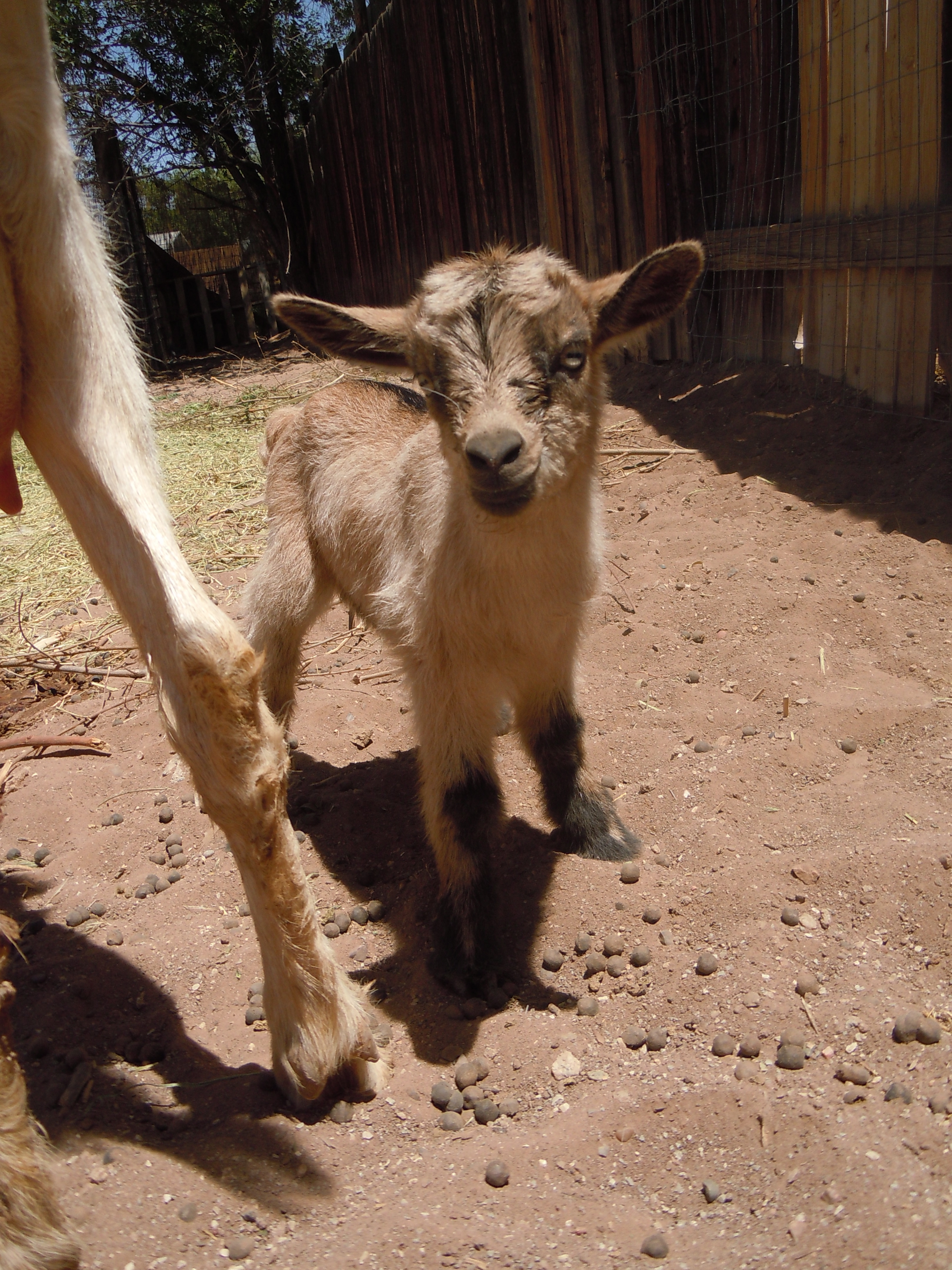
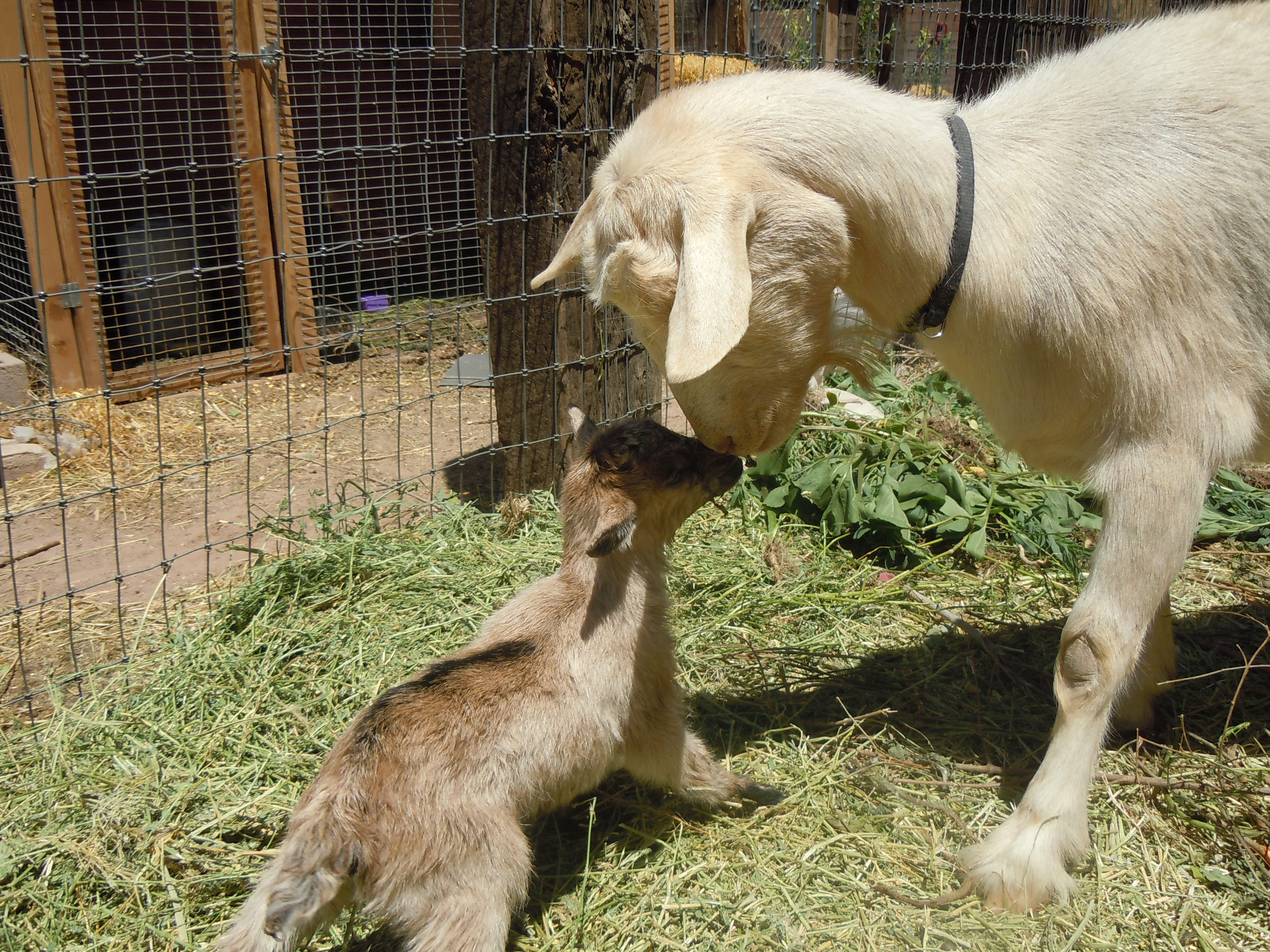
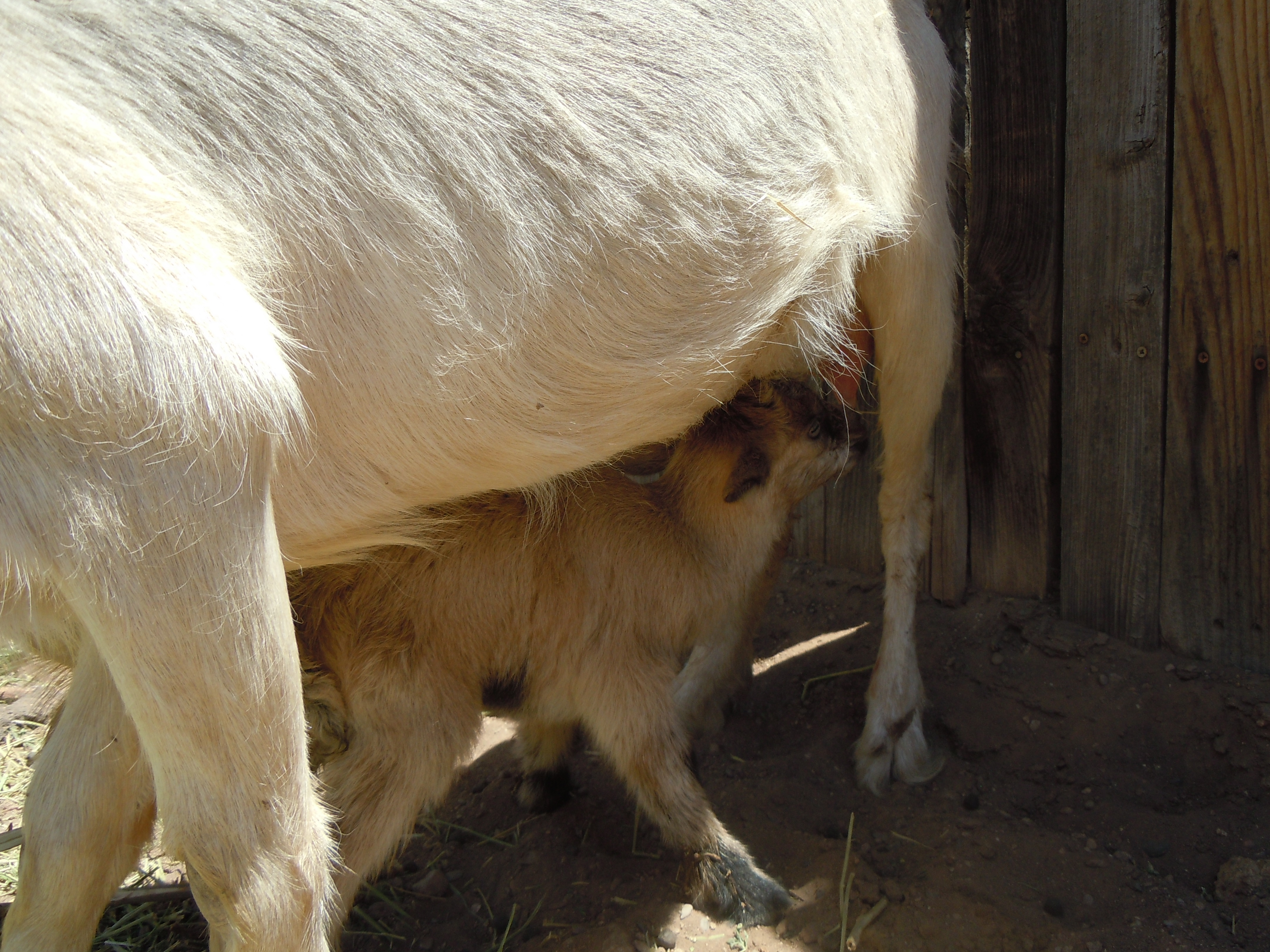
It’s a doe!


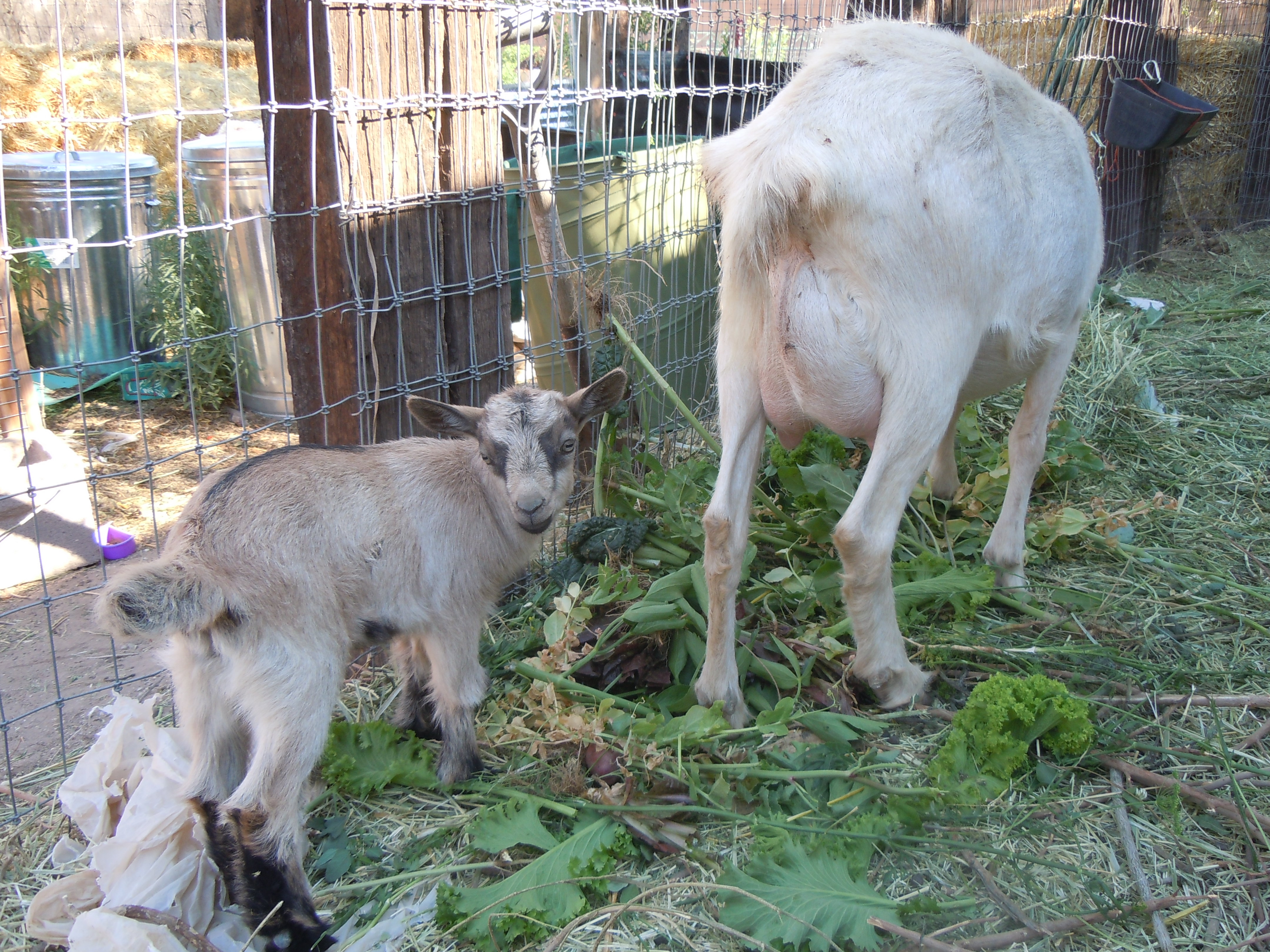
My goat Magnolia delivered a doe kid this morning. Seeing her try to stand as soon as she was born, try to walk within 15 minutes of being born, and a little later, with dry fur and a full belly, start checking out her new world is pretty awesome. So welcome to the world, Cocoa, and may it be a good place for you.