Archive for the ‘urban farm animals’ Category

Food Diatribe II: Leafy Green Season

Medscape just published an article worth reading. The information is from a prospective study of older adults living in the community, and showed a direct linear relationship between consuming one or two servings a day of leafy green vegetables and slower cognitive decline. In fact, eating leafy greens daily offered the cognitive equivalent of being 11 years younger.

One expert neurologist asked to comment on the findings responded with confirmation: “This study adds to the rapidly evolving and convincing evidence that you are what you eat when it comes to brain health,” Richard Isaacson, Weill Cornell Medicine, New York City, said. “From a practical clinical perspective, regular intake of green leafy vegetables should be a standard part of a risk reduction paradigm to delay cognitive decline throughout the lifespan.”

Amusingly, another expert said that it was “too soon” to recommend leafy greens, and advised waiting for further confirmation from future studies, a typical recommendation for new drugs but not typically applied to foodstuffs that healthy people have been eating for millennia. I do of course see his point, which is not to jump into thinking of leafy greens as a cure-all, but really now. So here is my response as a gardener, a doctor, and an avid reader of research: don’t wait. Some of the longest-lived and healthiest populations in the world have had  markedly high  consumption of leafy greens. There is no downside and no dangerous side effect to worry about unless you are on warfarin. So just do it. You can read the article here if you want, and it contains a link to the study. Then, just do it. Grow them if you can. If you have a small garden patch, make an investment in your family’s health by filling it with greens. If you don’t garden, you can haunt your farmers market or start making foraging trips. If you prefer to eat salad, choose darker greens, not lettuce hearts or iceberg, and eat a big bowlful.

Right now I’m still eating last fall’s leafy greens from under frost blankets. The collards and Savoy cabbage held up best, and are uniquely delicious after exposure to cold. I harvested Swiss chard for people and chickens all last summer, and then put a frost blanket over half  the row.  The new leaves of spring are the meatiest and most delicious that a chard plant ever produces, and the protected ones are nearly eating size, while the unprotected ones will come in some time next month. Just be sure to get them before the central stalk starts to elongate, because they lose their sweet meatiness and get strangely dirty-tasting when the flowering stalk starts to form. Green alliums are coming up everywhere, and my nettle patch is sprouting strongly.

If you keep animals for food, feed greens to your animals (not nettles, but chickens do love the leftover cooked ones.) I have a carnivorous friend who eats supermarket meat and insists that he’s a secondary consumer of vegetables, and I keep trying to tell him that on the contrary, he’s just a secondary consumer of GMO corn. Unless you are buying animal foods known for a fact to be grassfed or pastured and not grain-finished, you aren’t consuming the nutrients of vegetables.  But if you keep your own, it’s astounding what quantities of greens chickens will eat if they get a chance, while cattle, sheep, and goats can be raised to butterball fatness on grass and greens alone if you have enough. The nutritional profile of the eggs and meat is enhanced and the animals are much happier. I’ll have more to say about meat in the near future.

Spring Egg Yolks

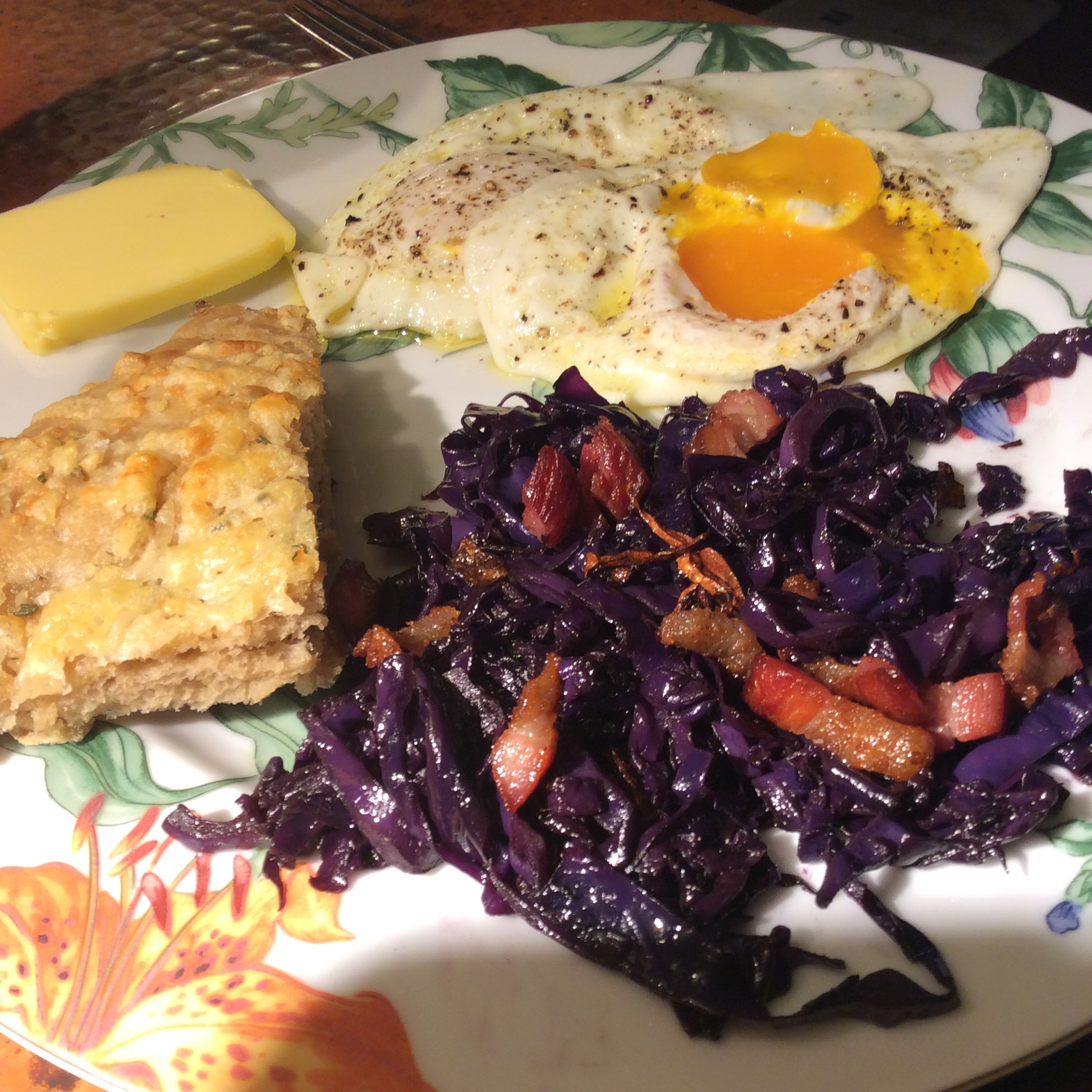
During the longest nights my laying hens take a rest, and if I want eggs I have to buy them at the Co-op. This is probably a good thing, because it keeps me aware that even the best winter eggs from local farmers aren’t as good as the glorious golden-yolked beauties that my hens start to lay in February. Greens and flaxseed make the yolks full of omega-3s  and carotenoids. The effort of keeping enough greens going under frost blankets to supply the chickens as well as my own kitchen really pays off now. Later on in the spring they will lay like crazy and I’ll have eggs to share and I’ll be making profligate dishes like low-carb cheesecake, which involves 16 egg yolks. But when the first tiny golden crocus crysanthus blooms in February, I begin to get the first few treasured eggs, with yolks of the same gold as the crocuses. For now, I get a couple of eggs a day and every one is cherished. Even low-carb bread becomes something wonderful when dipped into a rich creamy fried egg yolk. As far as I’m concerned, top-notch fried eggs go with everything, and I love a plate of cooked veggies and fried eggs for dinner. A fried egg or two makes any plate of vegetables into dinner.  But there are tons of other possibilities.

In celebration of earliest spring, I took a look at what other bloggers have done with eggs. Here’s a brief round-up.

First, I can’t resist pointing out one of my own favorite old posts.

https://albuquerqueurbanhomestead.com/2016/11/18/eggs-in-a-hurry/


Hank Shaw is one of the most wonderful foragers and foodies that I know of. As soon as I have more eggs, I plan to salt-cure some yolks by his method and grate them over greens.

https://honest-food.net/salt-cured-egg-yolks/

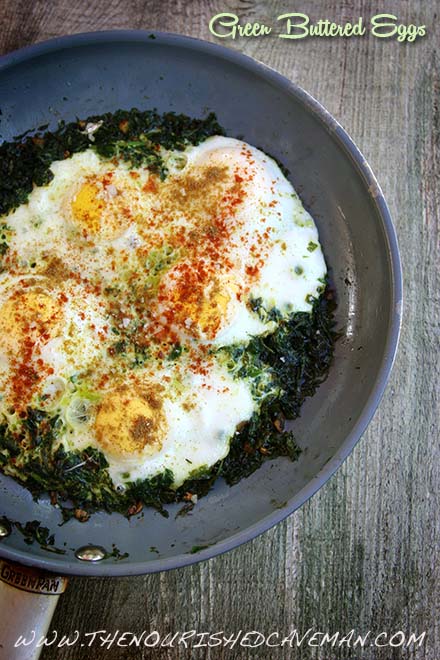
The wonderfully herbal green buttered eggs from The Nourished Caveman are a go-to recipe for me, and I vary the greens according to availability and mood.

https://thenourishedcaveman.com/green-buttered-eggs/

This one will never come out of my kitchen, because I can’t stand sardines in any form. But it is so nutrient-rich that you should have a look at it.

https://thenourishedcaveman.com/nutrient-dense-fishermans-eggs/

Crispy fried eggs are wonderful for making a salad into a meal.

https://nomnompaleo.com/post/104615214153/sunnyside-salad-crispy-fried-eggs-on-greens

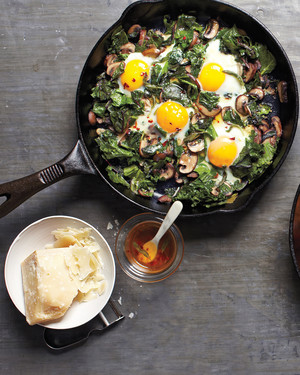
And Martha Stewart adds mushrooms to an eggs and greens skillet.

https://www.marthastewart.com/852125/fried-eggs-greens-and-mushrooms

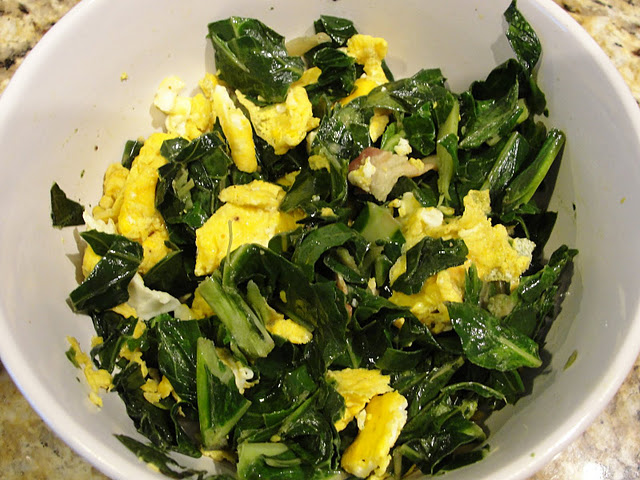
Or scramble your eggs a bit on the hard-cooked side and toss them into greens or salads as an ingredient.


Raw Grass- fed Milk from De Smet Dairy

If you are a fan of raw milk, or would like to become a fan of it, we are finally in luck in central New Mexico. De Smet Dairy in Bosque Farms is producing certified raw milk from mostly Jersey and Jersey cross cows, and it is truly delicious. Even better, their cows are 100% grass fed, making their milk a nutritional powerhouse on a level that is very difficult to find elsewhere.  Way back when I had a Jersey cow of my own I had milk that tasted like this, but never since then.   They also sell cream top yogurt made from their milk, and eggs from pastured chickens. There is a tiny little farm shop down at the farm itself, or in Albuquerque and Santa Fe you can buy the milk at La Montanita Co-op or at Moses Kountry.

I have to  add that if you drain the yogurt overnight in a double layer of cheese cloth until it is reduced to about half its previous volume, it is so creamy and rich and delicious that you can hardly stand it.

I borrowed these pictures off their Facebook page, and you can connect with them on Facebook if you want to.

Grass-fed Beef for the New Year

Our winter is short here in the desert, but it’s cold at night, and rich warming meals are welcome. The garden is quiescent and there is a little more time to cook. And a bubbling pot of something-or-other makes the whole house more welcoming.

I like to cook with grass-fed beef because it’s healthy for the planet, the cows, and me. Contrary to much current dogma about how animal husbandry is always environmentally unsound, grass-fed beef produces high-quality human food from grasslands that shouldn’t be plowed or tilled. One important way to sequester carbon is to keep it in the soil in the first place. Does over-grazing occur? Of course. But to condemn responsible ranchers because of the irresponsible ones is like saying that all medications are bad because some people overdose on them.

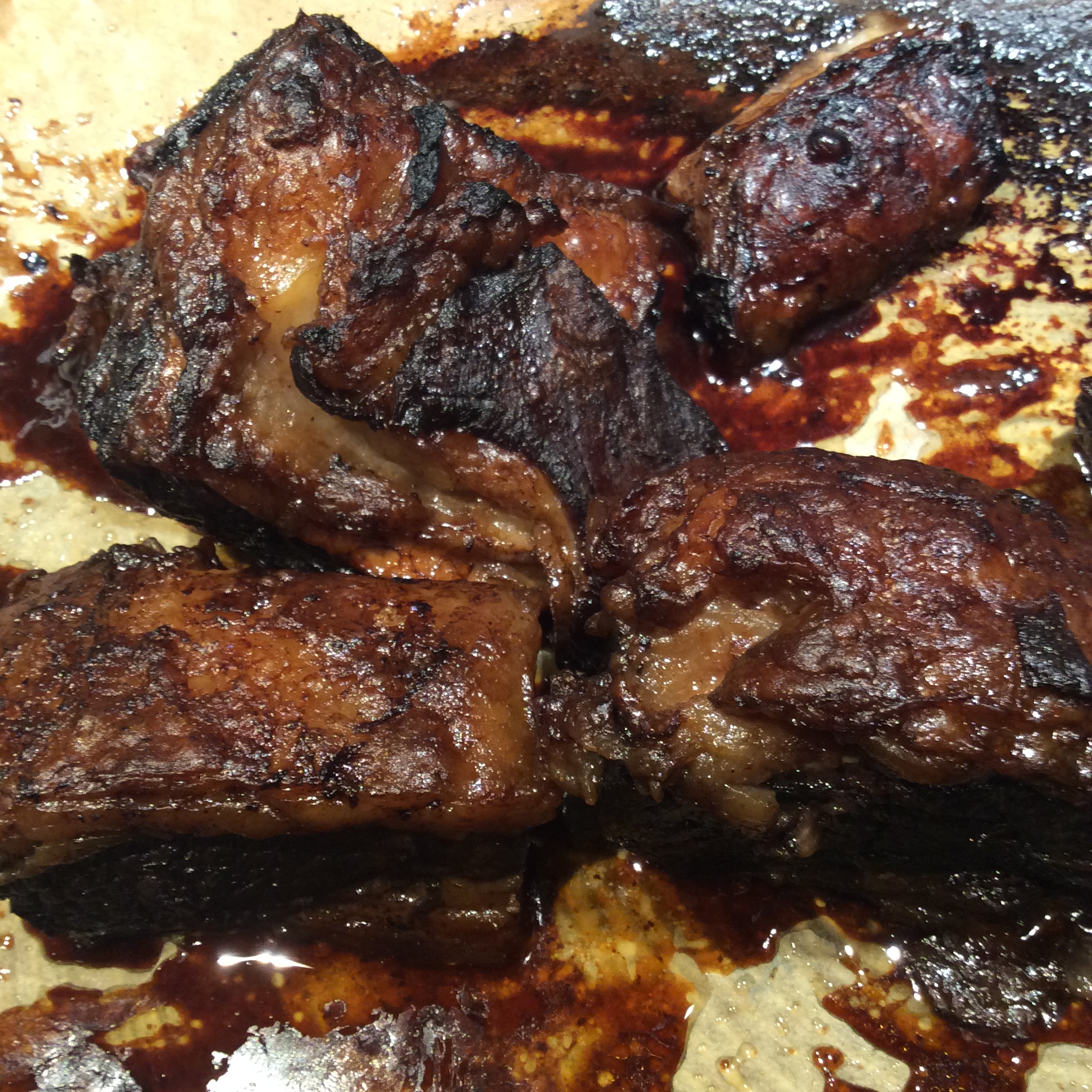
The less popular cuts of beef, like short ribs, are less expensive and take beautifully to long, slow braising. I especially like Chinese red-cooking techniques for general deliciousness, and they take well to slow-cooker cooking with just a bit of fancy finishing just before dinner. I started this meal about 24 hours before New Year’s dinner.

Red-cooked really refers to any dish cooked with soy sauce, but most commonly refers to the rich stews based on Master Sauce, a mixture of broth, soy sauce, and sweet spices. So to start this dish, you need six hefty short ribs of grass-fed beef and some Master Sauce.

To make Master Sauce, combine a quart of good beef broth with a cup of naturally fermented soy sauce, a half cup of sugar or the equivalent in an artificial sweetener that you like, and the following seasonings:

1 organic onion, cut in half, with the skin on

a teaspoon of ground five-spice powder

three cloves of garlic, peeled and smashed

3 complete stars of star anise

a 3” piece of ginger, scrubbed and smashed some with a heavy object but still in one piece

3 whole cloves

1 whole stick of cinnamon

I like to tie the seasonings up in cheesecloth because I find it easier than straining the sauce later. Either way, combine all the sauce ingredients in the liner of a six quart slow cooker and add the short ribs. Cook overnight at low setting. The next day, about 12-14 hours later, drain off the broth and strain it or remove the cheesecloth. Put the broth in the refrigerator so that the fat can congeal. The meat should be falling off the bones. Remove the bones and reserve the meat.

About half an hour before dinner, preheat the broiler. Take the congealed fat off the broth and reserve. Measure out three cups of the Master Sauce broth, put in a heavy saucepan, notice its level in the pan, and boil over high heat until it’s reduced to about half that level, or 1 1/2cups.  Reserve any remaining master sauce and freeze it to give you a  head start on the next red cooked stew.

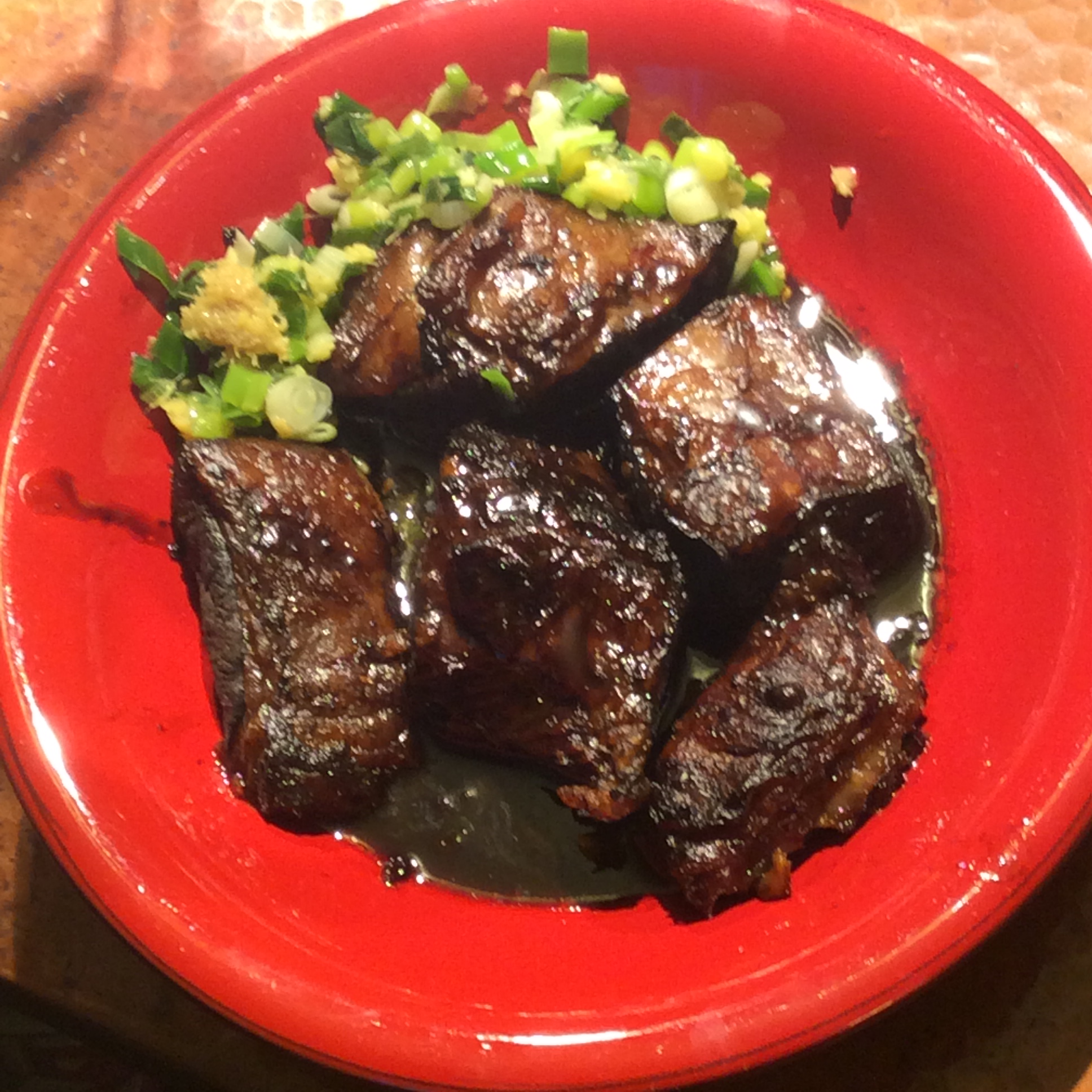
If you wish, while the broth is reducing, make a simple but wonderful relish by chopping another 3” piece of peeled ginger finely, chopping a cleaned bunch of green onions into 1/4 inch cross sections, heating 2 tablespoons of the reserved beef fat in a saucepan, stirring in the ginger and cooking for one minute until it sizzles, stirring in the green onions and a heaping quarter teaspoon of salt, and stir-frying another minute or two.

Now taste your reduced broth. Tasting as you are finishing things is an important and surprisingly neglected step. This is the time to think about your food. Is the balance of flavors right? Is there anything else it needs?  I like to add another scant teaspoon of five-spice powder and a little chopped ginger at this point to freshen the flavor. Arrange the meat on a roasting pan, fat side up whenever possible, drizzle with some of the sauce, and broil until the fat starts to brown. Watch carefully so it doesn’t burn. When the fat is browned, turn off the broiler and let the meat sit in there another few minutes to make sure it’s good and hot. Place in serving bowls, pour over some more sauce, and put a generous spoonful of ginger-scallion relish on one side. Eat. The cold and wind have no further power to harm you, at least not tonight.

Sometimes a main dish needs, not a side dish, but an underpinning to absorb juices and offer a cushion to the intense flavors. If you eat rice or noodles, this dish goes well with either, but low-carb eaters will like it as is, assuming that an alternative to sugar was used. Steamed broccoli florets would make a good underpinning and add a nice color pop, and when I serve this stew again in a day or two that’s probably what I’ll add. Cauliflower rice is a possibility.

Now, about the rest of that reserved fat: the fat of grassfed beef has excellent Omega-3 to Omega-6 balance and good helpings of CLA and beta-carotene.  I don’t throw it away. Besides the small amount used in making the relish, I save some for rubbing on steaks and other meats about to be grilled. But short ribs are a fairly fatty cut, and there is still plenty left.  Often I mix it with kelp meal and crushed eggshells or oyster shell flour to make a supplement for my chickens that they gobble up with extreme enthusiasm.  Remember, chickens are not natural vegetarians by any means. In fact, they are among the most omnivorous animals alive, along with pigs, chimpanzees, and us.  So let them follow their natural inclinations and make use of healthy scraps that come up in your kitchen.