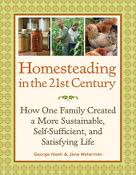
Urban homesteading and homesteading generally are enjoying 15 minutes of fame right now (this seems to happen every 30 years) and so there are a plethora of books about homesteading, many of them written by people who got their information from other books about homesteading. Occasionally a book turns up that was written by people who have actually walked the walk, not for a year or two but for decades, and this is such a book. It is much more about rural homesteading and small farming than about urban/suburban issues, but there are urban-oriented sidebars that have some useful information. The section on choosing a property is exceptional, and I strongly recommend that anybody who is thinking about buying a rural property read it carefully. Alas, it is packed with exactly the sort of useful advice that most of us don’t take when the time comes. Instead, we fall in love with a property, buy it, and then learn what the problems are and spend years and dollars sorting them out. But if you read this first, you will at least have your eyes opened about where the problems might lie before they actually smack you in the face. The section on vegetable gardening has good information about how to calculate realistically how much of each veggie you might actually use, as well as a lot of practical growing information. The sections on keeping animals deserve a careful and attentive reading BEFORE you actually purchase any animals. The material on maintaining animals in a healthy condition is excellent. If you are planning to raise meat animals, be aware that there is a good sidebar about going from sustainable/humane fantasy to blood-spattered reality, but there is little information about how to do that, so if you are planning to do your own butchering you will need other sources of information about the process. There is also a good piece of advice about discussing your self-sufficient fantasies with your partner, in detail, before embarking, because one person’s rural idyll can be the other person’s isolated nightmare. Sometimes even full disclosure doesn’t help. I can say from personal experience that my very truthful husband told me in a straightforward way, before we moved to a bigger property, that he didn’t want to do any garden or yard work, and it turned out that what he meant was this: he didn’t want to do any garden or yard work. I had the nerve to act surprised when I realized this. Now I arrange things so that I can manage the garden myself, and we’re both happy with the arrangement.
Writing about a new homesteading book makes me think of old homesteading books, and some of them are too good to be forgotten. The Complete Manual of practical Homesteading by John Vivian stands out. I first read it when I was 17, and when in my twenties I acquired an actual working farm, I used a lot of his information. I don’t agree with some of it, but I am very grateful that he started me on the path to thinking about how to do farm tasks as well as possible. I don’t think it’s in print any longer, but used copies turn up here and there, and it’s worth a read for anyone who has a larger or rural property. And if anybody knows where John Vivian is these days, let me know so that I can thank him. By scrupulously writing about only what he knew for himself and had done himself, he saved me a lot of time that I would otherwise have spent sorting out real information from the second-hand kind.
Archive for the ‘urban farm animals’ Category
2 May
Books Worth Reading: Homesteading then and now
29 Apr
Beltane Fire
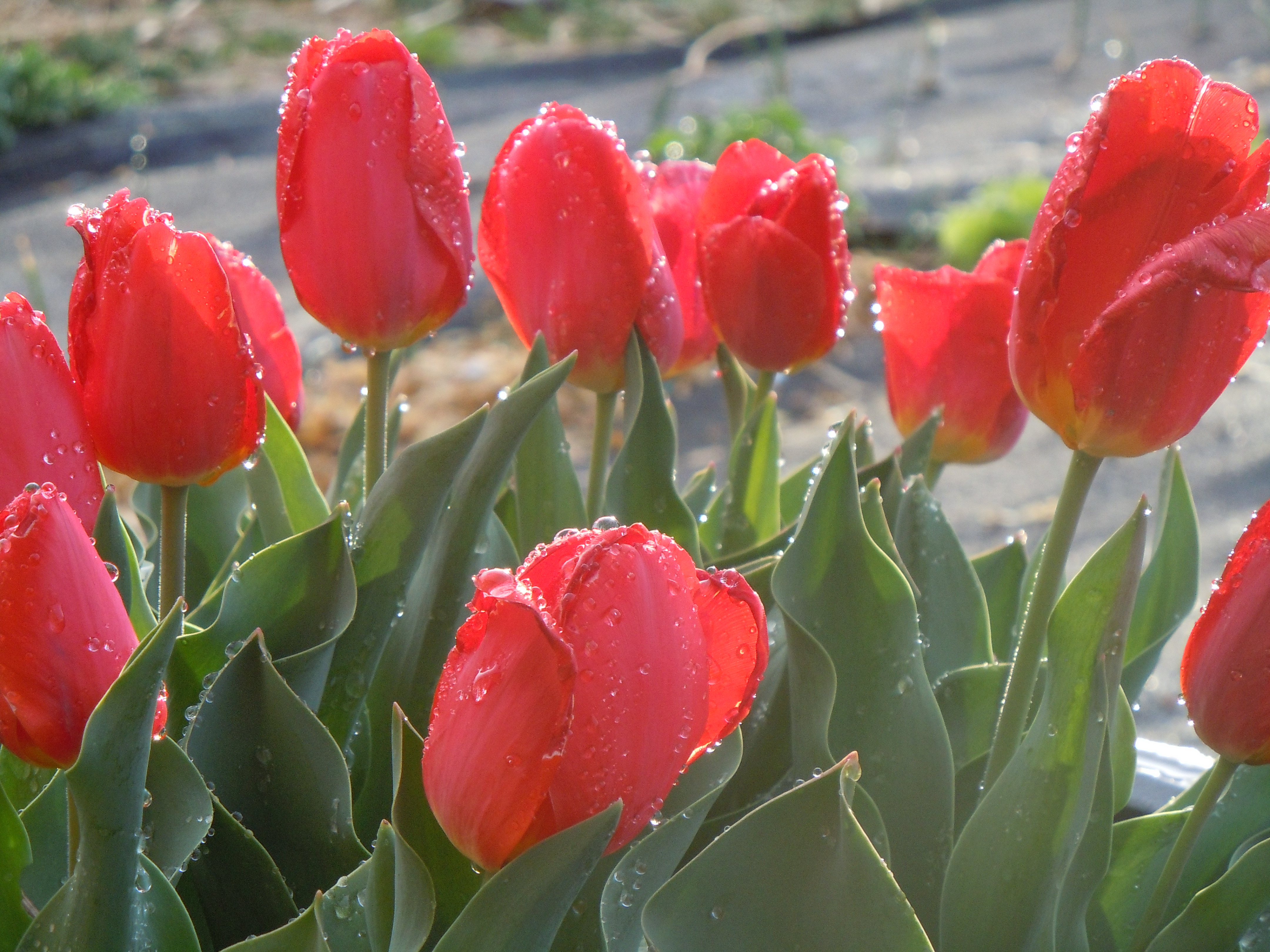
Beltane, May Day, has long been one of the most important festivals of the agricultural year, when our ancestors danced around maypoles, leaped across fires, and chose mates or thought about it. It’s easy to see why. The earth is fully awake and full of the promise of the year’s abundance. Flowers are everywhere. Salad bowls brim with the first fruits of the soil. The frosts are largely past, and we can entrust ourselves to the splendors of the unfolding season. Hens lay, cows and goats give milk, and urban homesteading is briefly and exquisitely simple.
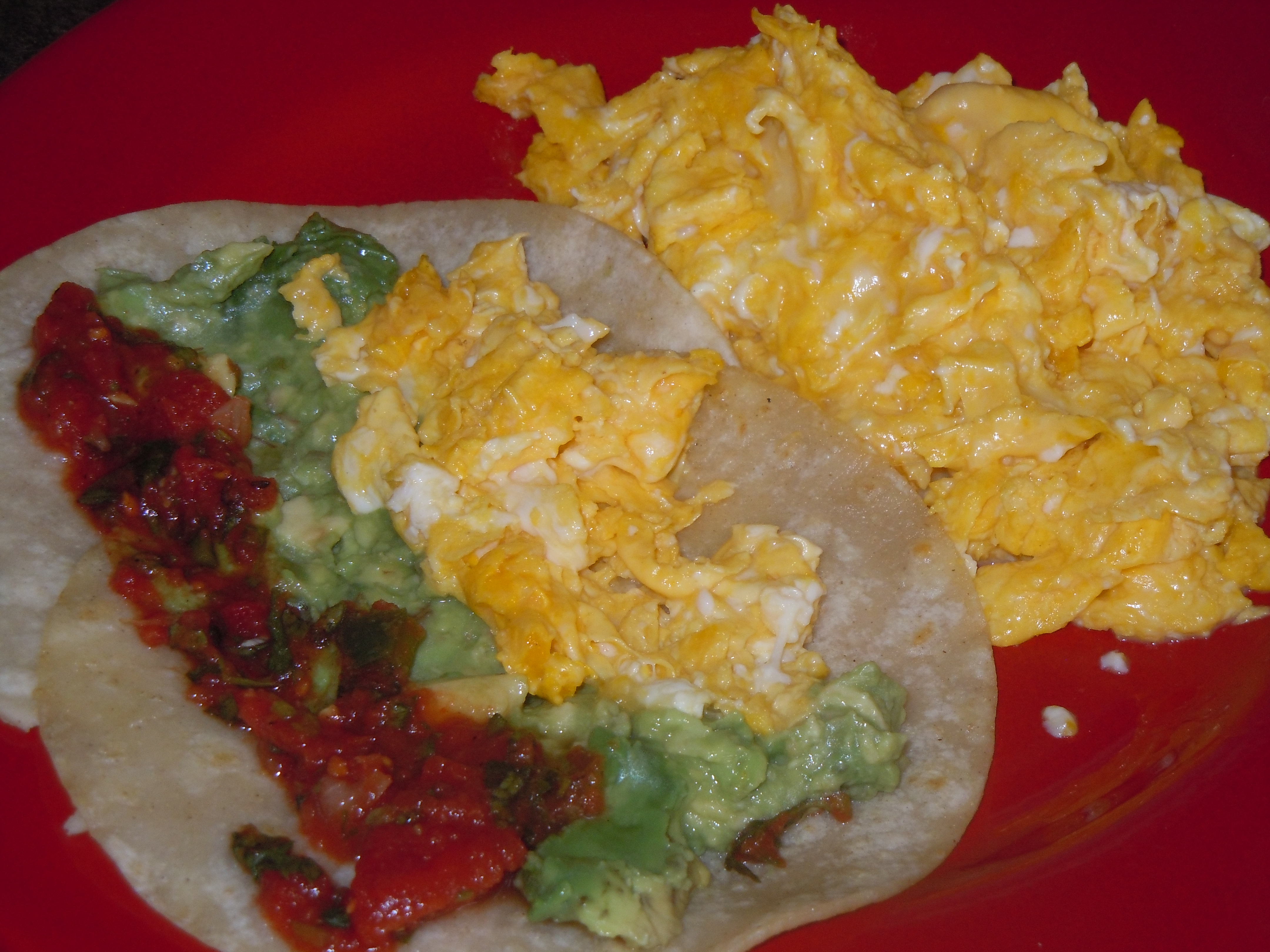
This is also the main planting season, and there’s so much to do in each lengthening day that I seldom feel like making fussy meals. The hens are laying mightily, and eggs can be turned into a series of light fresh meals. Here, scrambled egg tacos combine great eggs from your hens or the farmers’ market with good soft corn tortillas, avocados, and your favorite fiery red salsa, either homemade or bought. This is too simple to be called a recipe. For two people, prepare eight corn tortillas by your preferred method; I toast mine briefly on a hot comal and put them in a clay tortilla-holder to keep hot. Have the salsa ready at room temp. Cut two good ripe avocados into chunks and dress them lightly with lemon juice and salt. I like to mash them into a very rough and chunky puree. Saute’ half an onion or the white part of a green onion, chopped finely, in butter or oil until cooked. Pour in 5 eggs and scramble them over medium heat, throwing in about half a teaspoon of salt and a good pinch of ground toasted cumin (a kitchen staple if you do much Mexican cooking, but you can omit it if you don’t have it or don’t want to make it.) When the eggs are done to your liking, pile them on two small plates and serve immediately with the tortillas, the salsa, and the avocados. Roll some egg, some salsa, and some avocado in each tortilla, and eat messily.
17 Apr
Meet Magnolia
One of the biggest steps in making an urban homestead is adding animals. Chickens are the easiest, and you can get Brett Markham’s book Mini Farming for info about how he integrates layers and meat chickens into a small operation. I have wanted for a while to add a dairy animal, and based on my past experiences with goats here are the pros and cons:
Pro: goats are small and easy to handle compared to a cow. They tend to be hardy. They will eat brush (they love Siberian elms.) They are intelligent and affectionate. They produce a lot of milk relative to body size, and the milk is easy to digest.
Con:they are unbelievable escape artists and require excellent fencing. They will eat all your shrubs and trees unless well fenced. You need to know their health and nutrition needs. Contrary to popular belief, they won’t “eat anything;” they are actually picky eaters who need very specific kinds of food. They need to be bred, and I do not recommend keeping a buck in a suburban area, so you will need to take them somewhere to be bred. If bred or in milk, they need supplemental food and it can get expensive. You need to have a plan for how to handle the milk and what to do with it, keeping in mind that unless you pasteurize it you may not be able to sell it legally (check your local ordinances, but it is illegal in many areas to sell raw milk.)
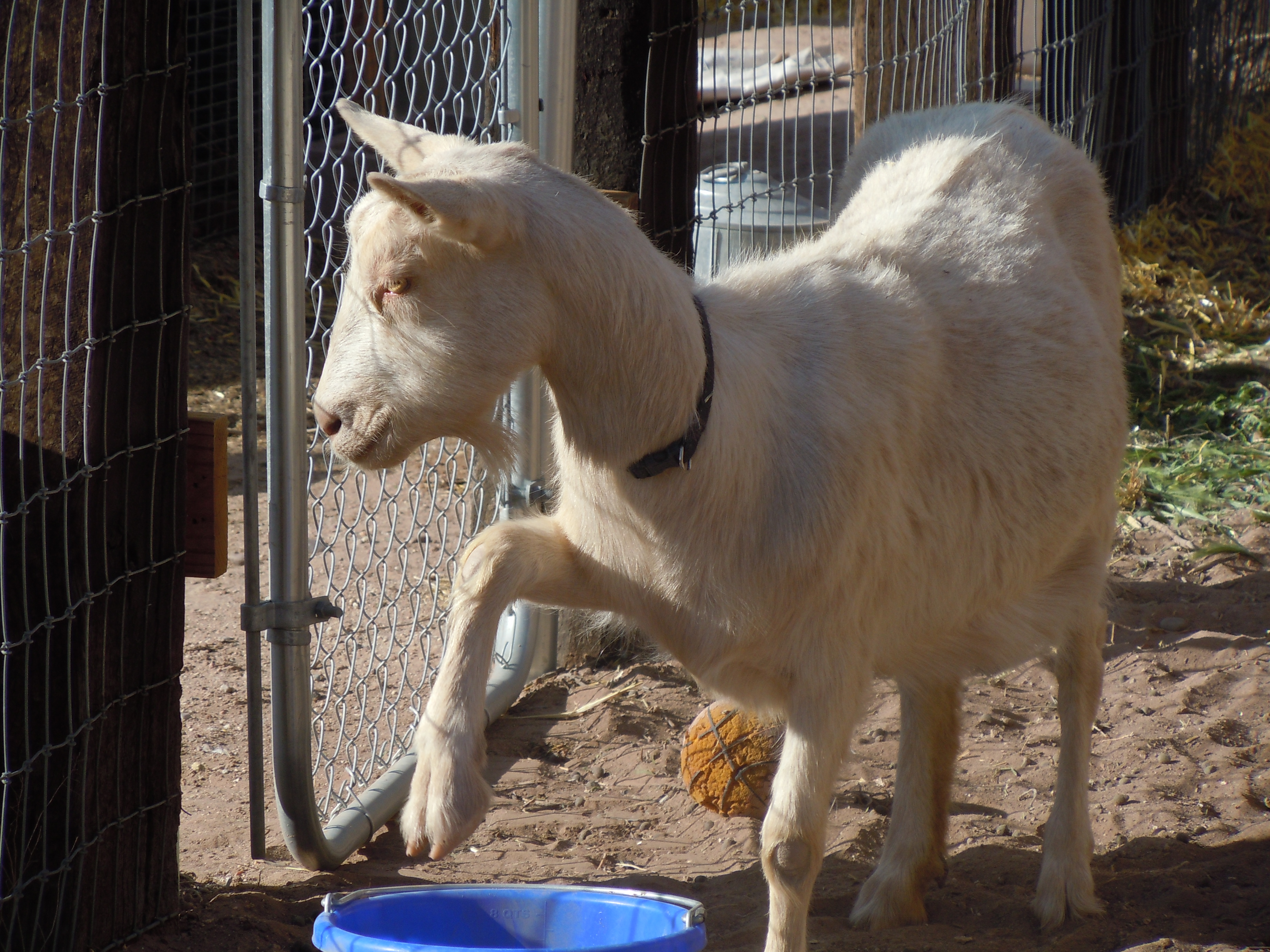
Get a good book on dairy goat raising and actually read it before deciding to get a goat. That said, they are lovely animals and I’m very happy to have one again. Magnolia is a yearling doe, purportedly bred. We’ll see. Meanwhile, she participates in homestead life by standing on top of her goat-house commenting on all yard activity and eating all the siberian elm cutting I bring her.
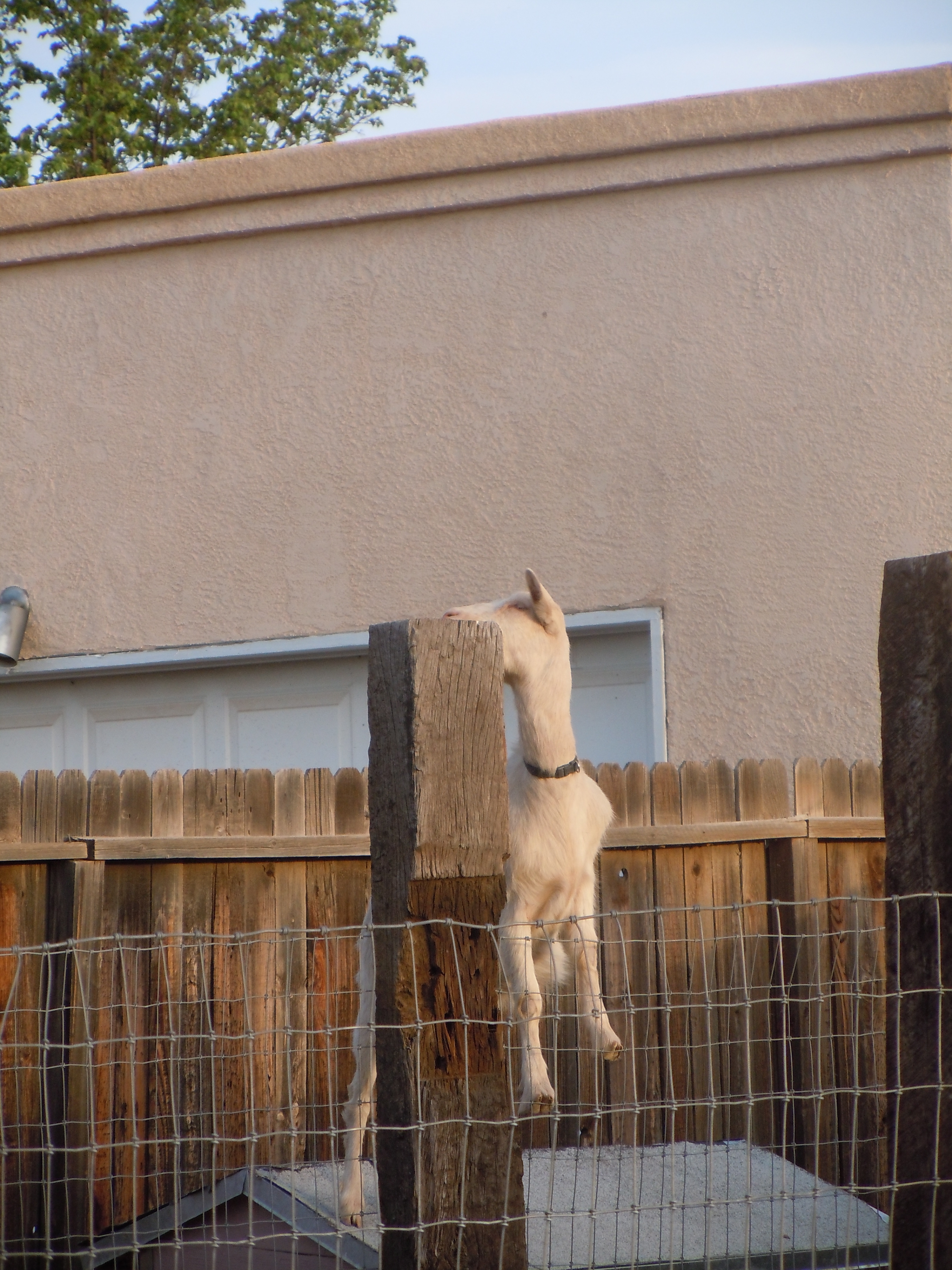
 My urban homestead