
I am going to stop writing posts for a short time to give myself time after the death of my husky Bonito, known around the house as Bonito Braveheart. I expect to be back with new recipes, projects, etc after that. Meanwhile, I’m asking all my readers to reflect on what animals mean to us in our daily lives, and consider a donation to a favorite animal-related charity. In economic hard times, often animals are the first to suffer, as scarce resources are diverted away from them to causes that seem more pressing. Donate, offer to be a rescue animal foster parent, or better yet adopt a rescue animal yourself. Please consider adopting an adult animal, since it’s harder to find homes for them. And if you already have pets, enjoy every minute with them. Best wishes, Heather
Archive for the ‘Uncategorized’ Category
13 Sep
Brief pause
16 Jul
Kitchen Staples: Blue Corn Pancakes

I’ve written before about the wonderful blue cornmeal that’s available at the Los Ranchos Farmers’ Market on Saturday mornings. A local couple, the Molinas, grow the blue corn, shell the kernels off the ear, then (this is the important part) roast the kernels to bring out their flavor before grinding them to a flour-fine meal. I feel rather proud of having discovered this cornmeal because you can’t tell from any distance that they have it. Their small and unassuming booth is recognizable by the display of rocks that Oracio has picked up over the years. If you try to use another blue cornmeal, make sure it’s ground very finely, and if it has chunky bits in it, grind it again in the blender. Then toast the meal lightly in the oven until it has a light toasty smell, making sure not to burn it or let it darken. Personally, I buy it at the market and let Oracio and Lourdes do the work. It makes pancakes that will light up your weekend morning.
1 cup blue cornmeal, very finely ground
1 cup all-purpose flour
1 teaspoon salt
1 tablespoon agave nectar or light brown sugar
1 teaspoon baking powder
1-2 cups buttermilk
1/4 cup melted butter
3 real free-range eggs
clarified butter for frying (I seldom bother to clarify mine, but you have to fry more carefully with unclarified)
butter and maple syrup
Mix the cornmeal, flour, baking powder, salt, and sugar if using together in a mixing bowl. Get your cast-iron skillet or other big heavy skillet heating over medium heat at least 5 minutes before you want to start cooking. Beat the eggs, the melted butter, and 1 cup of buttermilk together lightly. If using agave nectar instead of sugar, add it to the egg mixture. When the skillet is hot, mix the wet ingredients quickly and roughly into the dry ingredients, and add enough of the second cup of buttermilk to make a pourable batter. Film the skillet with clarified butter, pour in about a third of a cup of batter, and spread it out a little to make a pancake. Cook on the first side until the upper side shows little holes from the leavening, then flip skillfully and cook the other side until done. Slather with the best butter you can get, repeat to make a stack, and serve with real maple syrup.
A pancake is a very personal thing, and any recipe will need adjusting to your preference. I like the batter a little on the thick side and I can only judge this by eye, so I don’t measure the buttermilk after the first cup, I just mix enough in to make the texture right. I cook the first side until it’s lightly browned, as shown above, and then cook the second side to about the same color. I prod them a little with my finger to test for any uncooked dough in the center, but if you haven’t been doing this for a few decades, you may need to cut the first one open to make sure you’re cooking them through. I don’t cook over high heat because the outside gets too brown before the inside cooks through. I hate chunky inclusions of any kind, like berries and fruit. I like real maple syrup and don’t eat any other type. Other cooks say that thin batter is good, that browner is better, that oil or lard or bacon grease are the best cooking mediums, that honey is better than syrup, and I understand that some people are so lost to decency as to put cheese, chocolate chips, or big hunks of fruit in pancakes. Suit yourself. That’s the joy of cooking at home.
By the way, it is possible and even fun to cook with two skillets, or with a big griddle, and get pancakes on the table more quickly.
14 Jun
The Greens of Summer: greens for hot weather
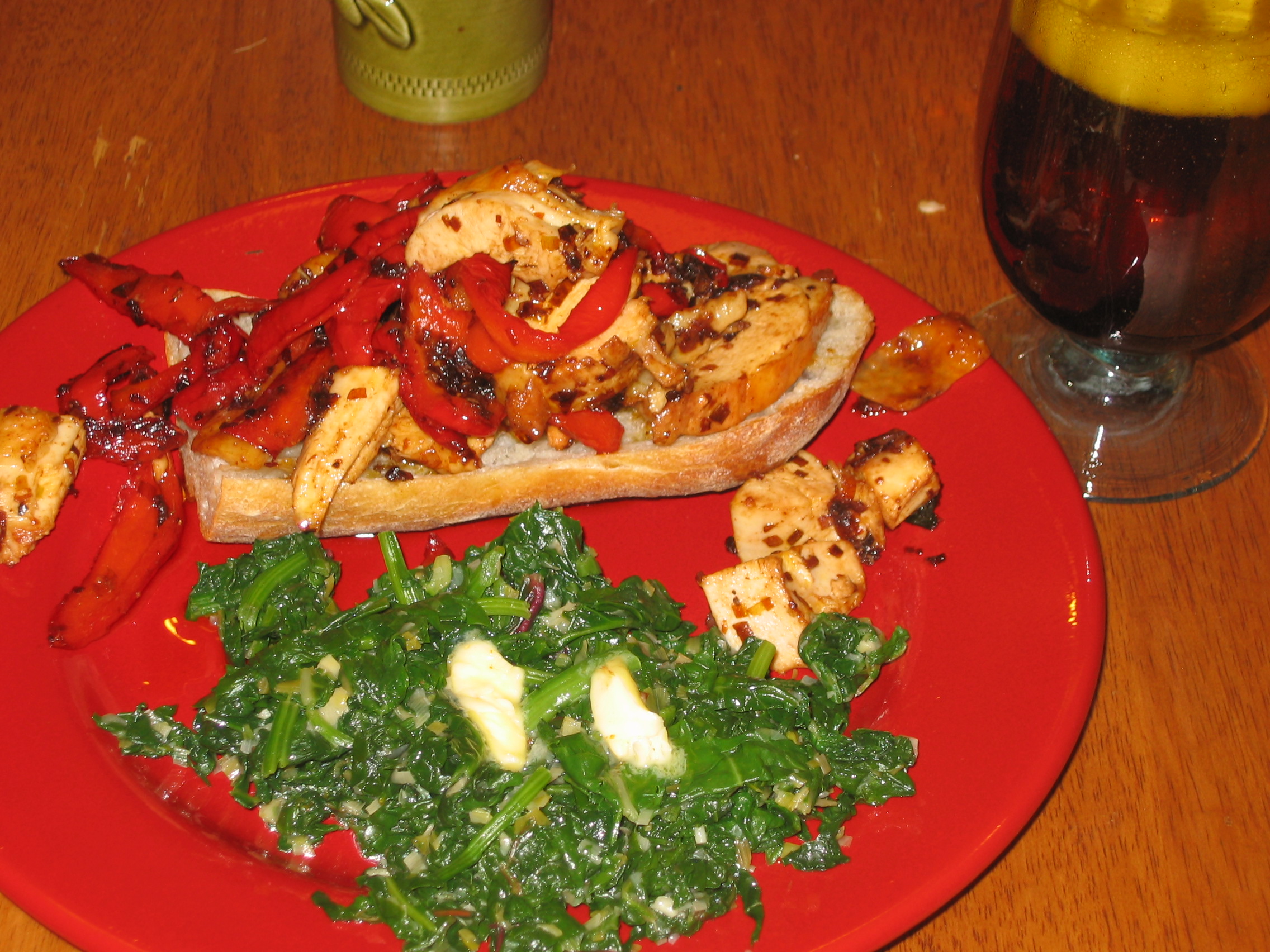
From a nutritional standpoint, one of the best things that we can do for ourselves is eat leafy greens. Most people eat fewer leafy greens than they think they do. Recently my mother assured me that she ate lots of them, but when I pressed her about exactly what she ate, the only thing she could come up with was “spring mix.” Salads are nice, but they’re just the beginning of the leafy green vegetable story.
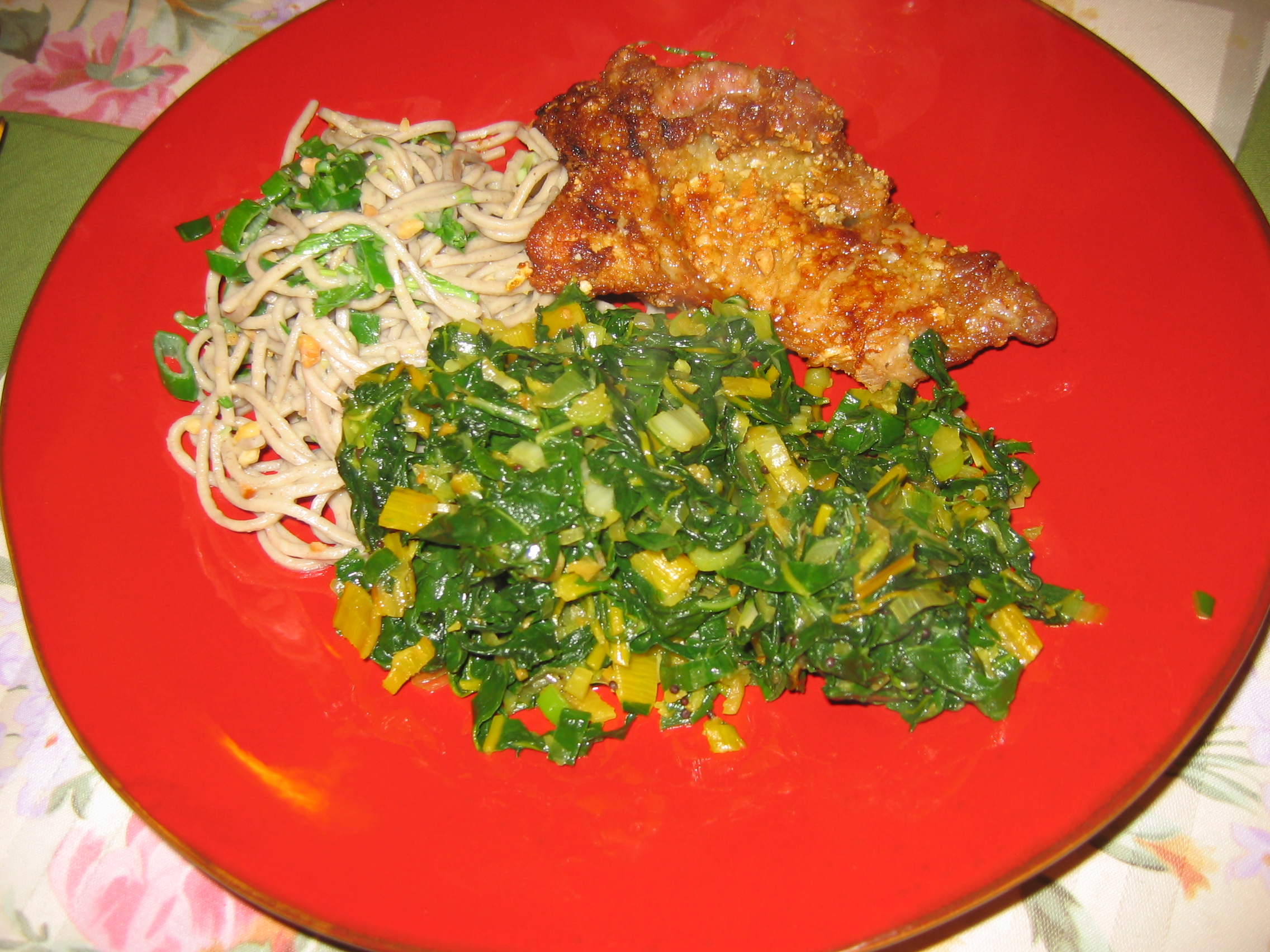
In Central New Mexico, it is easy to grow leafy greens in the spring and fall. It’s a little harder to keep a steady supply of nice tasty greens through the summer. Many greens such as collards and kale will grow through the summer but don’t taste good then. Fortunately there are a number of choices, and two of them will be with you whether you want them or not, so you might as well eat them. These are the common weeds lambs-quarters and pigweed. In my opinion only the tender tips taste really good, so I keep cutting them back to produce plenty of tips. Both are inclined to shoot out of bounds and get too big, and in that case I just pull them out and feed them to the chickens, since there will always be more young weeds coming along. Consult two good books on wild foods to help you identify them. Lambs-quarters is a mild green that can be blanched and used in any way you would use spinach. Pigweed, which is a variety of amaranth, is still fairly mild but has an earthy flavor rather like beet greens. Most kales taste too strong to me in hot weather, but Tuscan kale is pretty good in the summer, although I still like it better after the weather turns cold. Swiss chard is delicious all summer. The leaves of the common sweet potato, Ipomea batata, are a delicious and especially nutritious green vegetable relished in hot countries all over the world. As long as they get plenty of water, they thrive in our heat. All of the mallows are good heat tolerant greens. They are mild to the point of blandness and a little bit muciligenous. I use them as about 25% of greens mixtures to “smooth out” sharper greens, and as long as they are a quarter of the total mixture or a little less, they add a plush mouthfeel that makes the others taste better. . New Zealand spinach is delicious all summer as long as you keep the tips packed so that it stays bushy and tender and doesn’t go to seed.
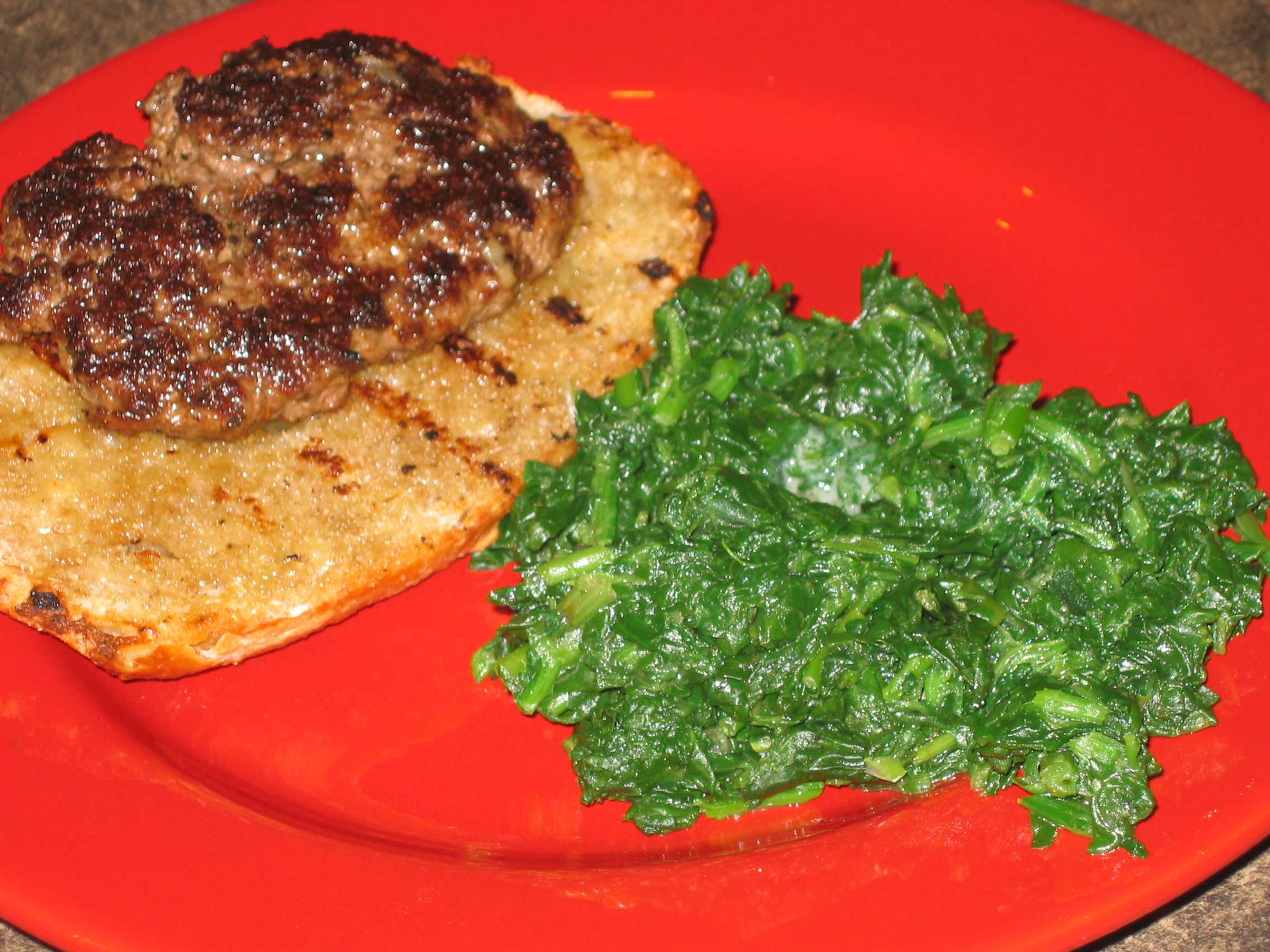
This year I am trying some new ones. None of them are big enough to eat yet in my garden, but I mention them to get other gardeners thinking beyond the usual possibilities. Chayote, the mirliton of my Louisiana childhood, is widely grown in Mexico and the greens are used as often as the squash-like fruit. I am sprouting some to grow as greens, but they aren’t big enough to cut yet. I’ll. report on the flavor later. Quailgrass, Celosia argenta, is a heat loving green which is also very attractive. The winged bean and the cowpea are two legumes relished in Asia and Africa as leafy green vegetables, and they love heat. I am also trying Ethiopian cabbage and two fascinating tropical trees, Moringa and Chaya, which are valued as green vegetables in many parts of the world. Again, I will write a post about them when I have tasted them. If you are interested in expanding your range of possibilities I would refer you to the interesting website of ECHO; they have a display food garden in Florida where they grow many of these “alternative” possibilities and they do sell seeds for some of them. Bountiful Gardens is another good source for unusual seeds, and Baker Heirloom Seeds always has some interesting goodies to consider.
Having caught your greens, you now need to wash and cook them. Gritty greens are gruesome. My own method is to soak them in enough cold water to cover them generously for at least one hour, stir them around with my hands, lift them out of the water and discard it (put it on a garden bed, not down the drain,) rinse the bowl clean of grit and cover the greens with cold water again, stir with the hands, lift them out and discard the water again, and repeat the whole process once more. I have an 8-gallon plastic food grade bucket for this purpose, which I got at a brewing supply store. I don’t do it in the sink because then I couldn’t use the water to water the garden. Using this method, I never have any gritty particles in my greens. The initial soak seems to be important in loosening any attached dirt.
Now, on to the cooking part. My website and blogsite (click “greens” under Categories) are full of recipes for greens, but often I just blanch them until tender and serve with butter, a squeeze of fresh lemon, and a little salt and pepper. I picked up another good simple method in Hawaii, where many cooks have found that a combination of butter and a little soy sauce tastes wonderful. It doesn’t taste particularly Asian, just delicious. I like to add a little garlic to the combination. This is too simple to present as a formal recipe. Blanch 1 pound of greens until tender, drain them and press out all excess moisture, and chop them. Chop up one large or two small cloves of garlic, sauté them in 3 tablespoons of good grass-fed butter until cooked but not colored, and a tablespoon of best soy sauce, and toss with the cooked and chopped greens. Reheat briefly if necessary and serve.
21 May
Passing Pleasures: wildflower meadows, and notes on a weeding service
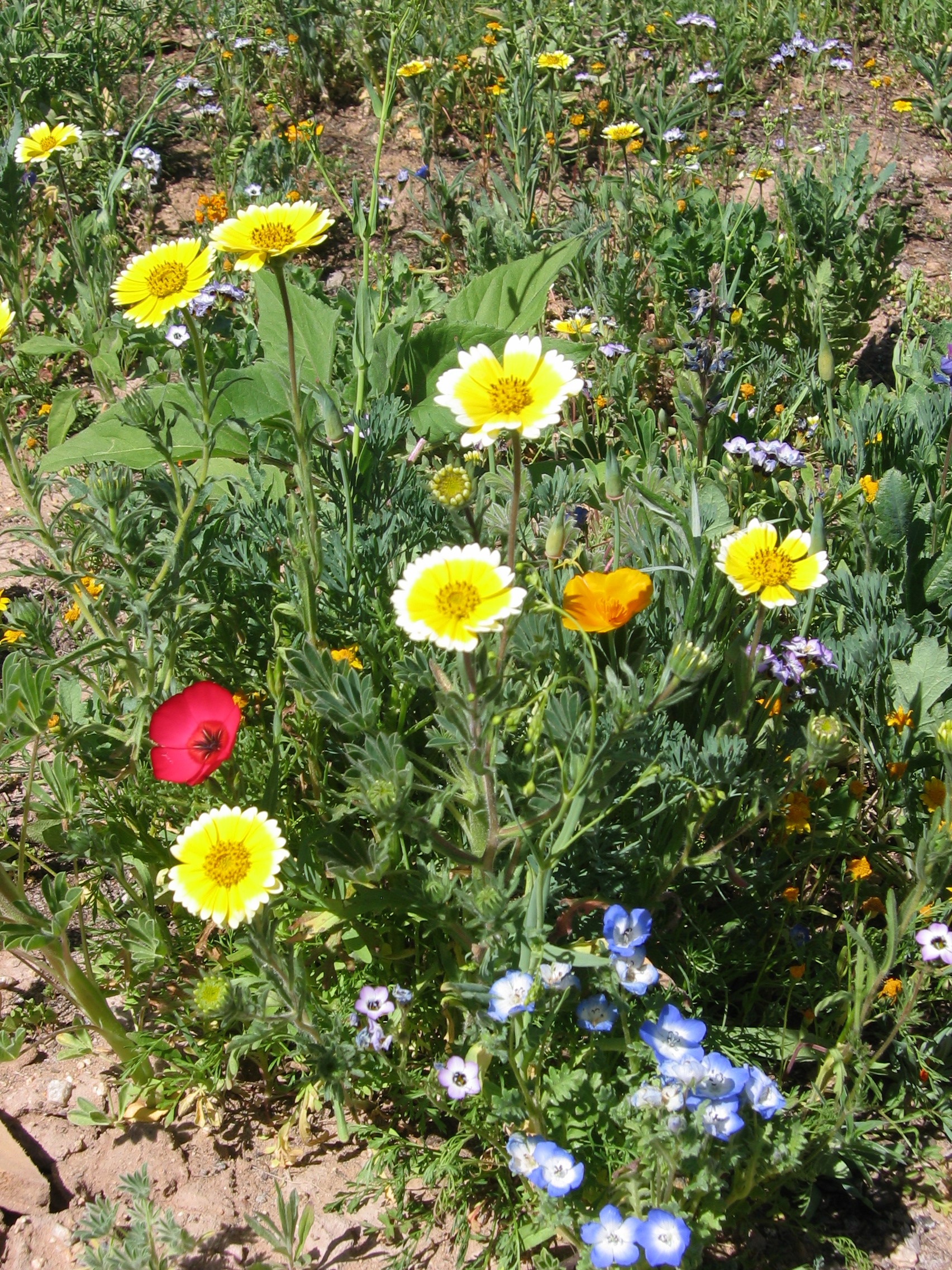
At my new place there is a large backyard, completely barren and given over to weeds by the former owner. When we moved in last winter I decided to concentrate my most intensive efforts on other areas, but eventaully I wanted an orchard of dwarf fruit trees in the back yard and didn’t want any grass there. The soil was terrible, and I decided to till the area shallowly and plant desert/upland wildflowers, which are accustomed to struggling for survival. I used the “California Brilliant” mix from Peaceful Valley. I didn’t do any soil improvement.
Naturally the weeds came up as well as the wildflowers, and the whole area had to be weeded over by hand in the spring to give the infant wildflowers a chance. There was too much area for me to do alone, and I can personally recommend the Albuquerque weeding service “U weed me?” Liz, who can be reached at lizabkap@hotmail.com, is an armed forces veteran and a dependable, reliable person who spent more time on her knees with me in my back yard than seems reasonable, and never complained.
The wildflowers started blooming in late April, and something new comes into bloom every week or two. That area of my yard is a constant pleasure, and I walk through it every morning just to see what’s blooming. It needs some water but not as much as a lawn, and between the flowers, the bees, and the hummingbirds, it’s at least three times as interesting as a lawn. Before you decide on wildflowers, take into account that bare spots do occur, that weeding is necessary, and that the flowers have to be allowed to go to seed if you want to keep the meadow going, which isn’t necessarily going to be an attractive process. But you’ll have a glorious springtime.
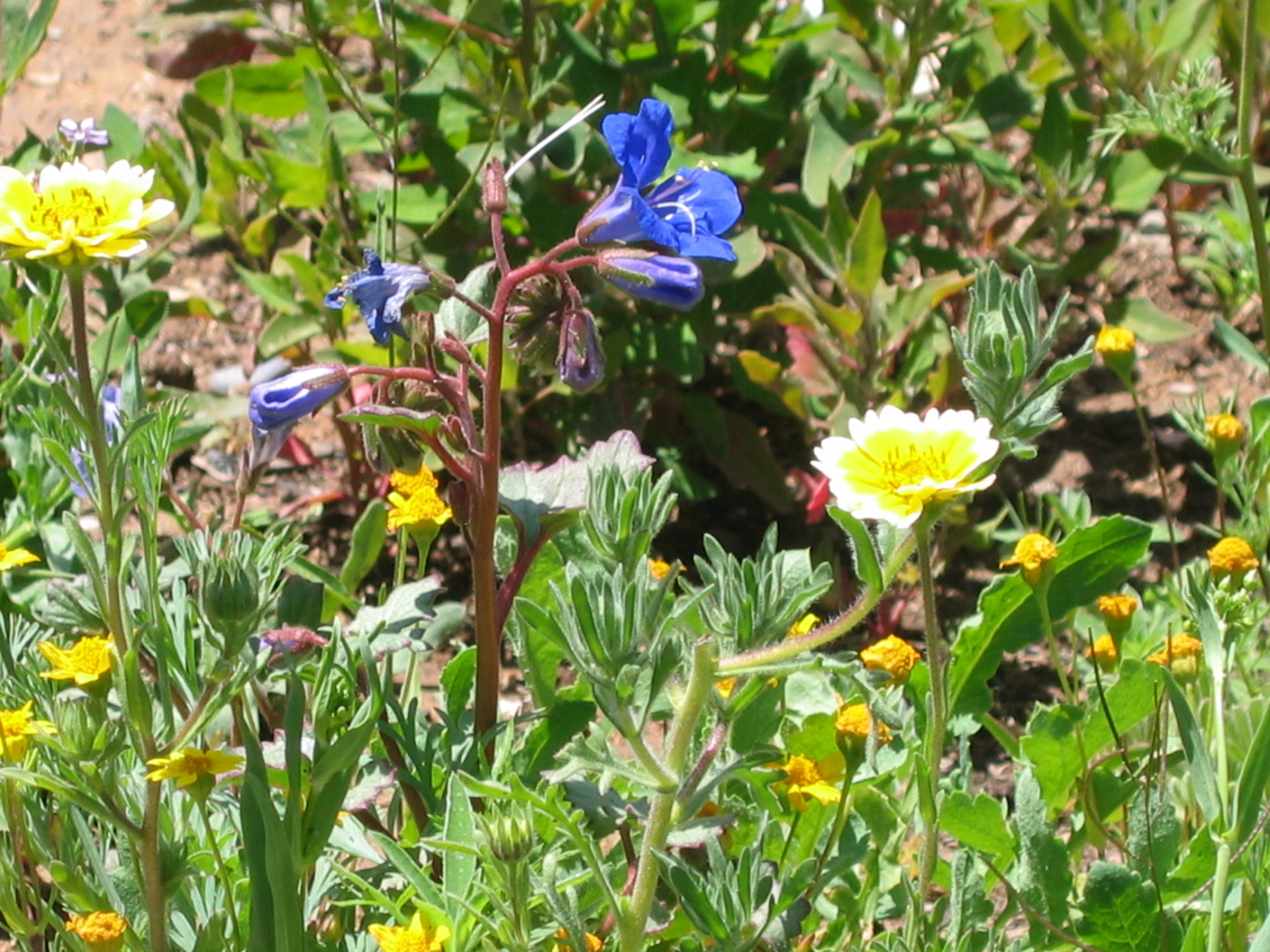
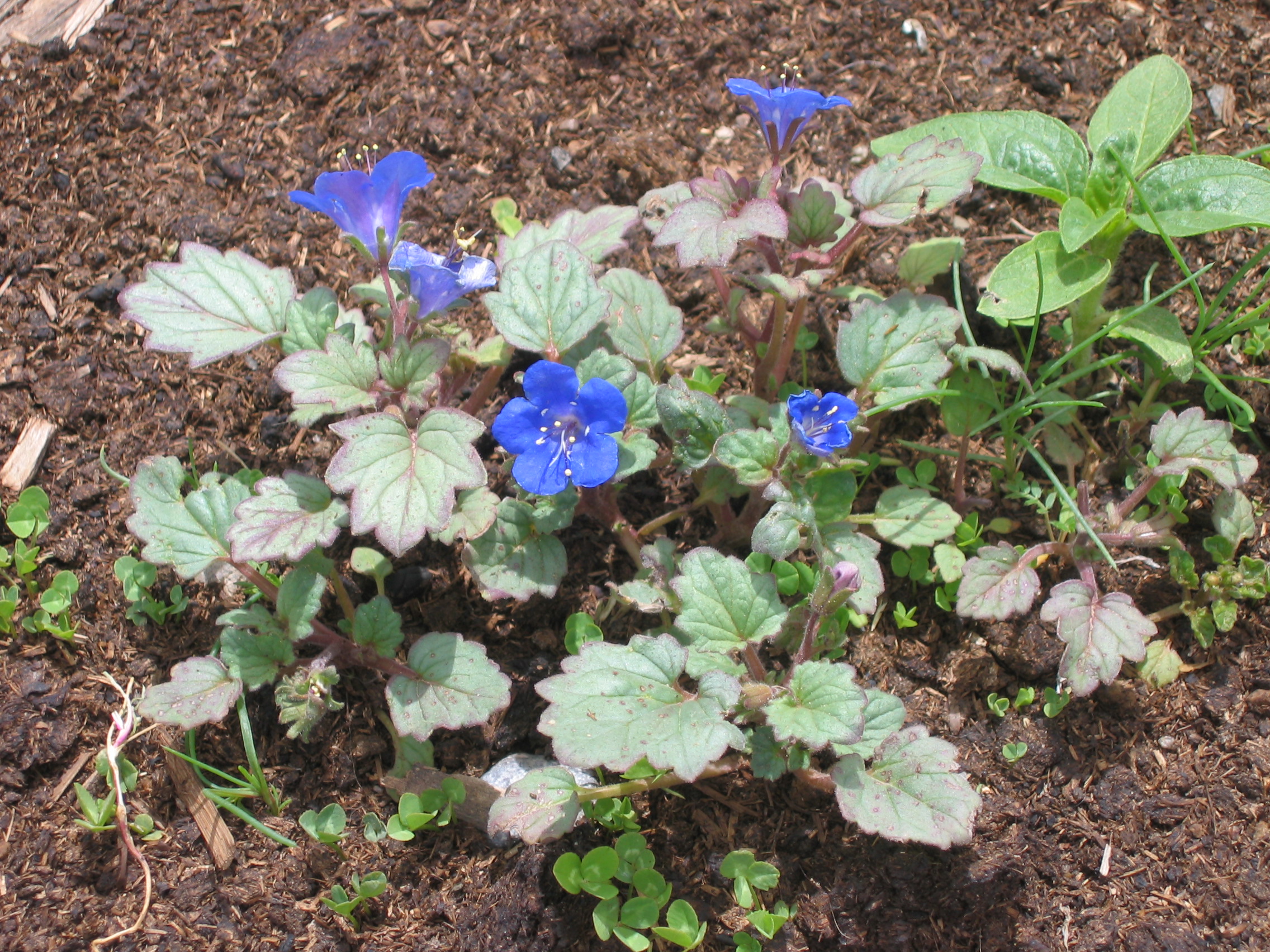
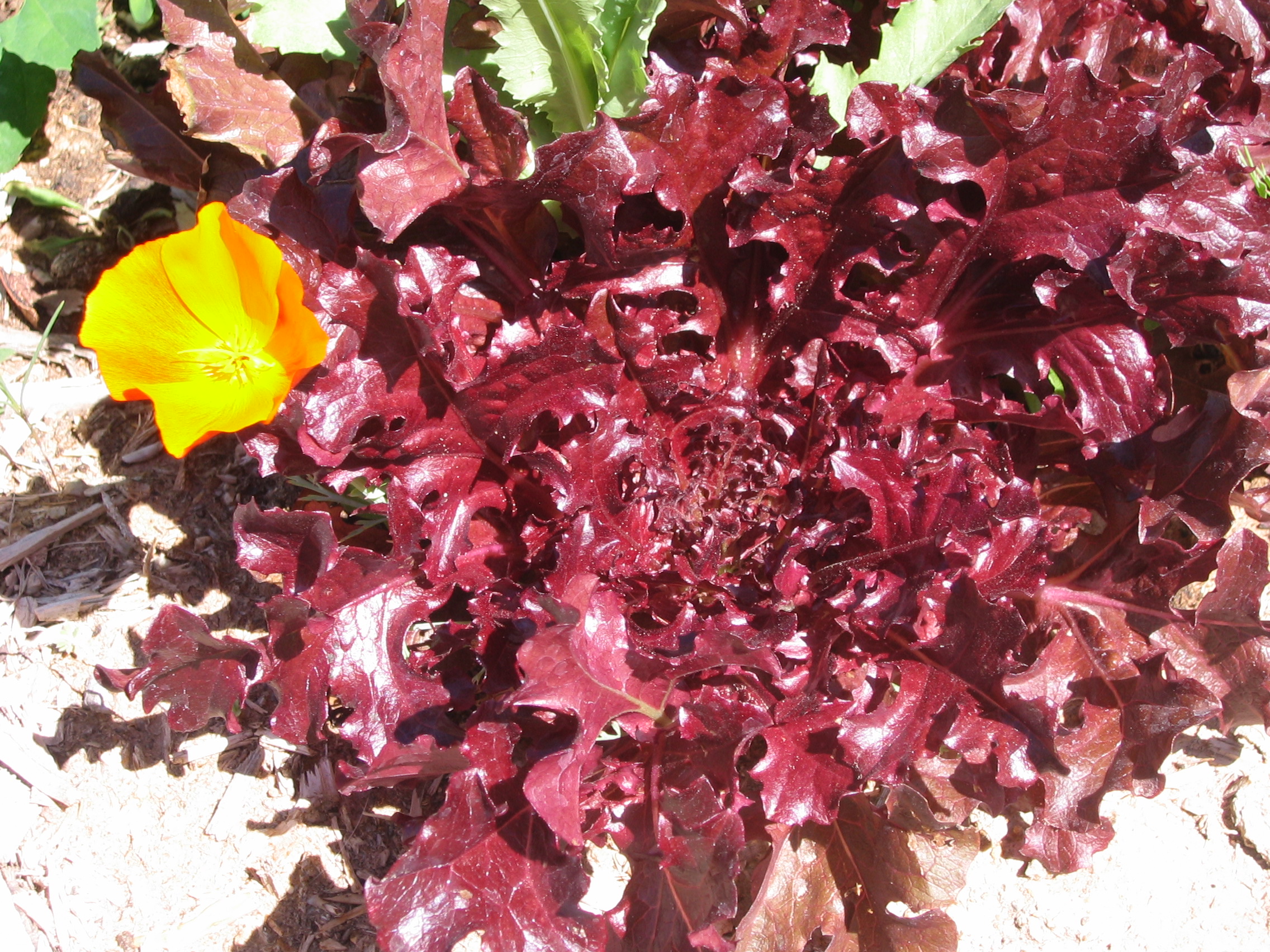
I scattered a little of the mix in a vegetable bed just for fun, and some lovely chance combinations are occurring, like the Califirnia poppy above making itself at home in my lettuce bed.
 My urban homestead