Archive for the ‘Uncategorized’ Category

Energy and Us

img_5163

Project manager Daniel and our solar array.

Many of the projects that I undertake require a little thought but are nonetheless very easy to initiate. Trying a new kind of broccoli, or even a new apple tree, is as simple as remembering to order the seed or plant at the right time, taking care of it, and waiting patiently.

One of the biggest and most worthwhile projects that I have undertaken required a lot more forethought, and Lord knows it required a lot more money,  but it created a whole new dimension to my little urban homestead.  The decision to take our house solar was one that my husband and I talked about and read about for a long time before we committed. It was going to be very expensive, because due to some quirks of its construction and siting our house uses a lot of power in the summer.  It was going to be difficult to plan, because I did not want solar panels put on our older roof  and wasn’t prepared to sacrifice any yard space to the panels.  But I wasn’t prepared to give up the idea of going solar either. After studying many aspects of the question, I sincerely believe that solar energy is a big part of the future  and will help us live  on our beautiful planet in a healthier way.

Ultimately we decided that the driveway was the biggest piece of real estate really going begging around our place. There was room enough there to power the house and then some, but because of trees that I refused to consider having damaged, posts could only be put on one side, making it a rather interesting piece of engineering.   No problem; Osceola Energy came to the rescue.  This New Mexico solar firm responded immediately to our idea and took care of everything, including the engineering consultations. Owners Galina Kofchock and Adam Harper, account manager Victoria, and project manager Daniel  made it happen.  They kept us informed every step of the way, dealt with all the necessary inspections and permits,  and  cheerfully accommodated sudden homeowner impulses, such as the snakes that you see ornamenting one of the beams.  When it was finished they provided us with an app that allows me to watch my panel making energy, if I feel so inclined.

It matters enormously  what solar company you choose. By the time my solar structure was built, I had heard enough horror or disappointment stories from friends and acquaintances to know how badly it can go if you get the wrong company.  So ask around and check references before you commit. But I can honestly say that, if you are in New Mexico,  I can recommend this company strongly and without reservation.  Since the solar array was finished, we have used them for electrical jobs large and small and have been pleased with their reliability, communication, and workmanship every single time.  They take the small jobs as seriously as the large jobs.

I am a firm believer in living on Earth in as healthy a way as possible. There is a moral as well as a practical dimension to producing your own food and your own energy.  Being able to power your own house is part of a general picture of resilience, and resilience is good for your daily mental health.  There was a community element as well, since many people walking past the house stopped off if they saw me in the front yard, to ask about the solar array and our experience with it.  I met some neighbors that I would not have met otherwise, and it has been fun.


The January Garden

img_5178

Here in agricultural zone 7 we have a fairly short winter, and I have never gone in for winter gardening.  I don’t have a greenhouse, for the simple reason that I have never been able to make up my mind what kind to get or where to put one. By late fall I have a freezer full of summer food, and I spend the long nights by the woodstove, catching up  on my reading and deciding what to try next.

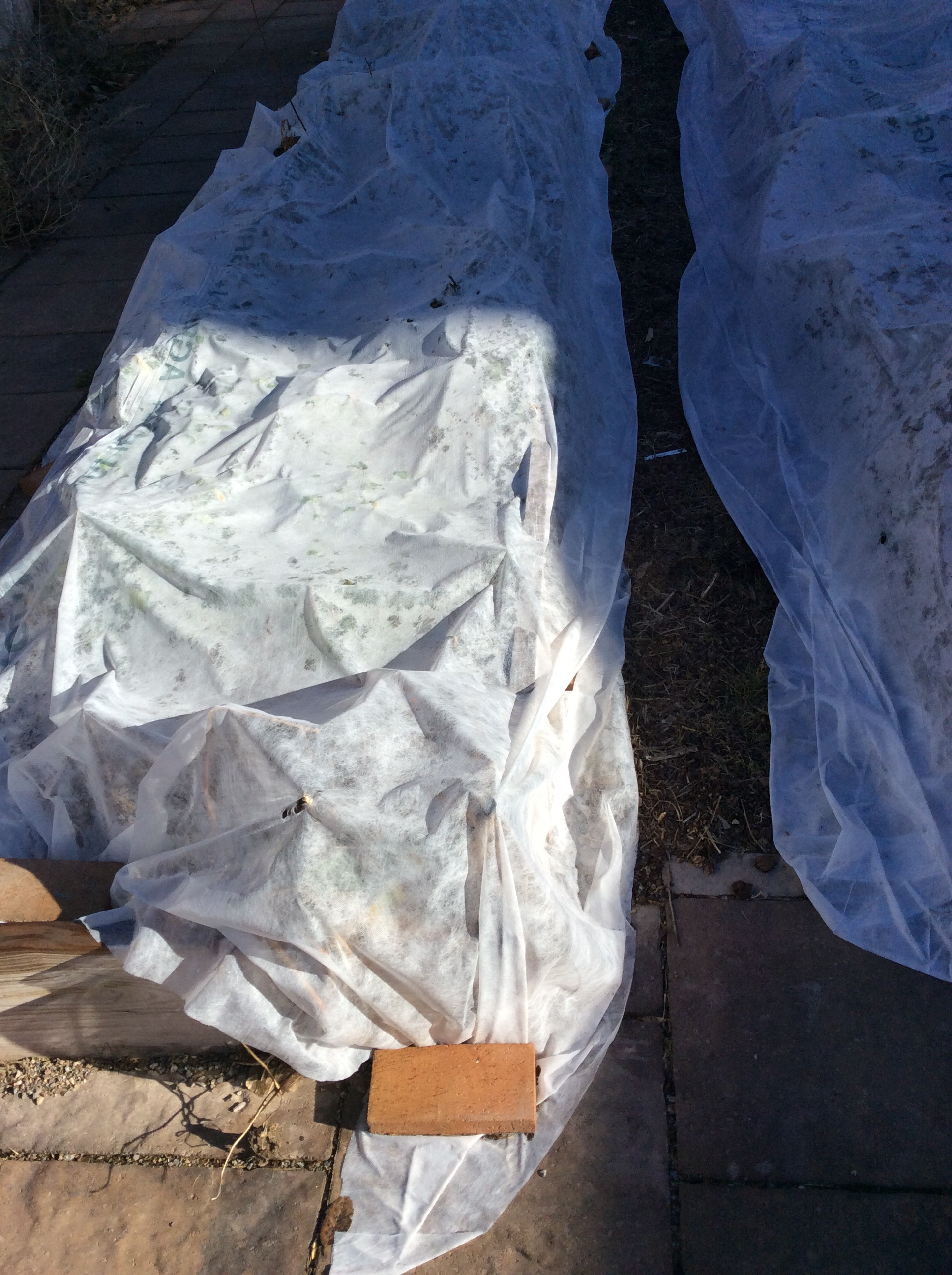
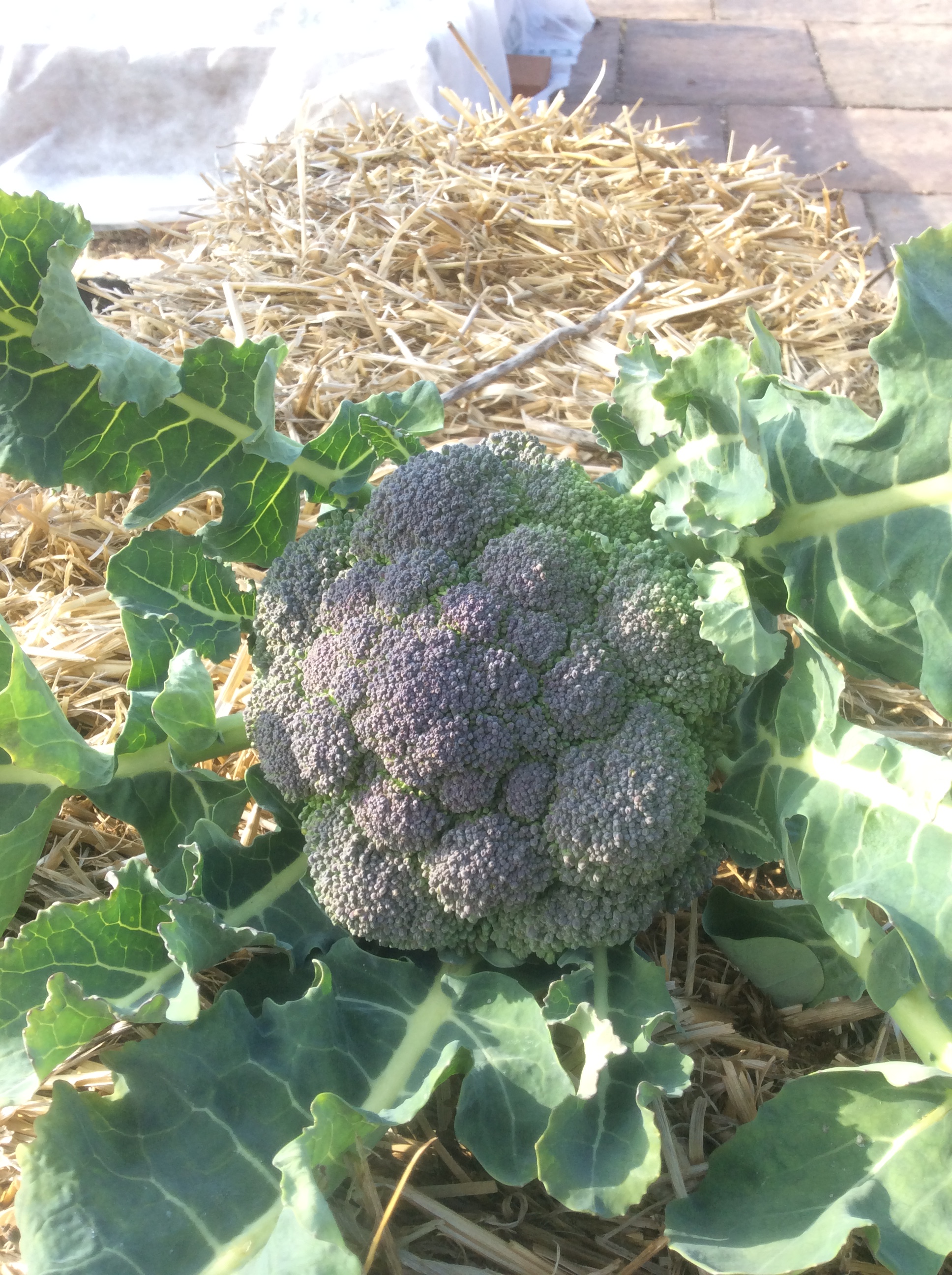
This year, though, I decided to try some very low-tech strategies to prolong my season.  This came about largely because in September I happened to visit a local nursery for supplies and saw a single lonely six pack of young broccoli plants going begging.  It seemed a shame to let them become trash, so I brought them home and planted them with the vague idea that they might winter over. After a little more thought, I ordered  a roll of Agribon-19 plant protection fabric, a lightweight nonwoven fabric that conveys about 2 degrees of frost protection.  It is 13 feet wide and comes folded double, so I put a double layer over the 10′ row of little plants and held it down with stones and bricks around the edges. I did not use hoops or any other kind of support, just left plenty of room for the little plants to grow. (Please note that you cannot do this with tomatoes, peppers, and other plants that have a “growing point” at the top of the plant. In those cases you have to support the fabric and keep it off the growing tip. But the majority of cold-weather garden plants do just fine this way. )  I watered periodically, but did not pay any other attention to the plants until I noticed small heads of broccoli forming. Then I  started checking more regularly. Naturally, because of the cold, the plants grew more slowly and the heads formed more slowly than they would in warm temperatures. This was an advantage.  I found that the heads would hold for up to a week before harvesting with no loss of quality.

The heads were unusually tender and sweet. I liked them best just steamed with a little butter or olive oil and salt. Not every plant produced well. Two of the six plants began to form heads, then the infant head “browned out” and died, although the rest of the plant looked healthy.  I am not sure if this was a disease or what it was, and hope that maybe one of my knowledgeable readers can clue me in.  But I harvested four beautiful heads, and they are continuing to form healthy side shoots, including the two plants that did not form heads.  Not a bad return for my minimal effort, with an investment of $2.99 for plants and about $10 worth of frost protection fabric which can be reused.

Two weeks ago, after the encouraging broccoli results, I planted three beds of salad greens, cooking greens, and more broccoli. Two beds are covered with a single layer of the lightweight Agribon-19 and the other with the much heavier Agribon-70, which gives about 8 degrees of frost protection but lets less light through. So far, all the beds have germinated well. I will be reporting on results. I still want a greenhouse, but this is looking good as a cheap way to keep fresh food on the table.

Good candidates for  growing this way are lettuces of all kinds, chicory, practically everything in the brassica family including broccoli, kale, and collards, arugula, green onions, green garlic,  and who knows what all else.  One of the beds that I covered is one where I have let edible weeds go to seed in the past, so I will watch with interest to see if I get an early crop of those too.  I have planted some snow peas undercover as well, to see if I get a substantially earlier crop this way.  In my climate we have a lot of wind storms in the spring, and just giving some protection from wind might speed them along.

image

This picture is a cautionary tale: you can see here that before using the lighter cloth, you do need to cut away any old stems etc. that are sticking up, since they can tear the fabric.

Also, because of the decreased light transmission, the plants growing under fabric are essentially hothouse plants and will have to be hardened off to full sun gradually in the spring.  I speculate that the more bitter greens such as dandelion would be tastier and less bitter when grown this way, but don’t know for sure yet.  I am greatly looking forward to finding out.


Green Alliums Madeleine

img_5210

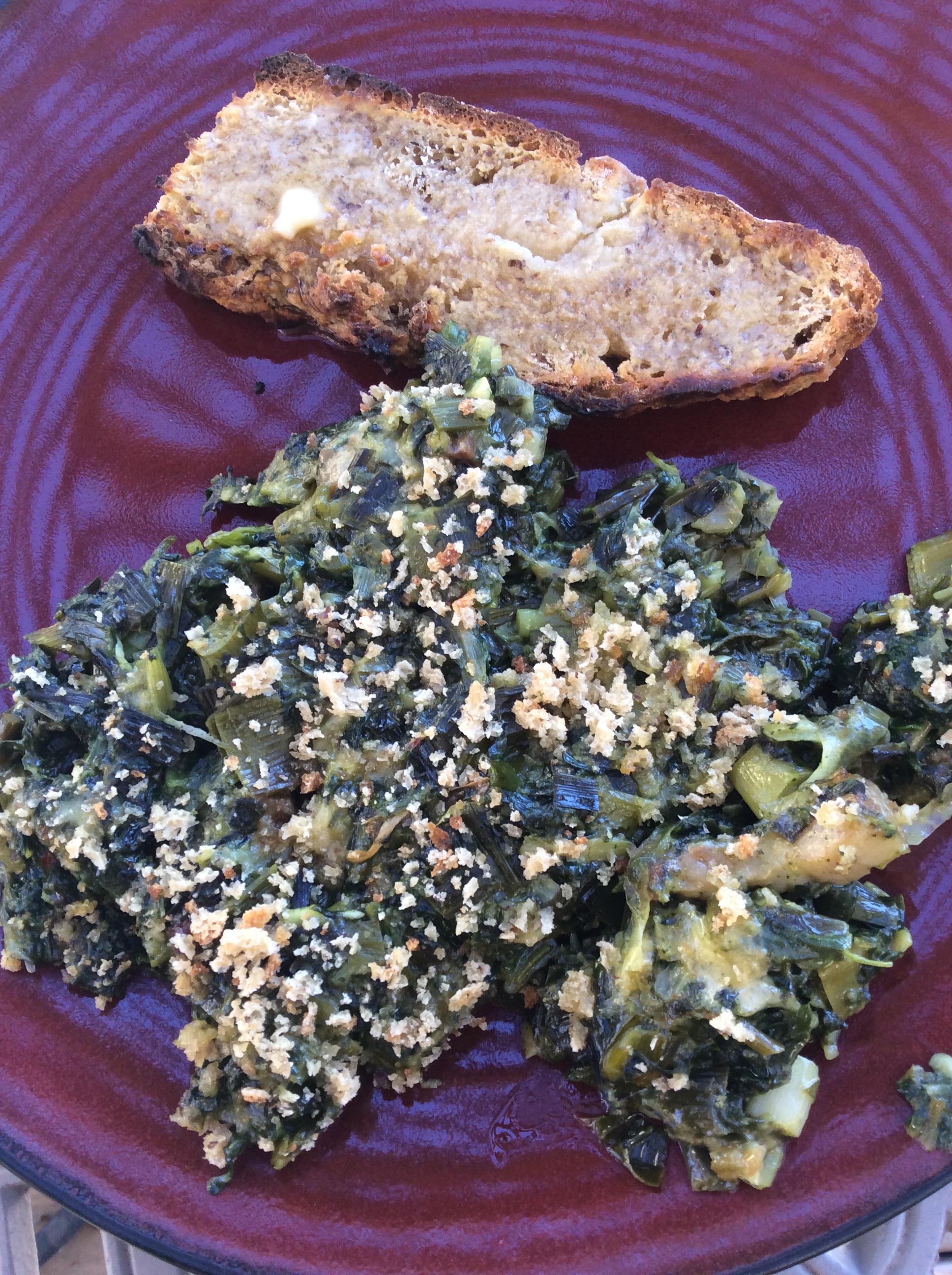
In my home state of Louisiana there is a popular dish called Spinach Madeleine. It combines spinach, bacon, onions and garlic, flour, cream, and (no kidding) Kraft Jalapeño Cheese Rolls, back when those existed. True Louisiana cooks now use Velveeta Mexican cheese instead. It’s really delicious, a testimonial to the Cajun ability to bring gastronomic harmony out of any degree of chaos. I use a mild grass-fed cheddar instead. I never tire of this dish, which made the River Road Cookbook go viral back before the Internet existed.

Recently I found myself interested in the lovely warm flavor of sautéed green onions and green garlic, as well as being interested by their high health benefits, and decided to try giving them the Madeleine treatment. My freezer is full of sautéed green alliums, so this was a quickie dish for me, made with equal parts of sautéed green onion and green garlic. If you’re starting from scratch, you will need about 10 ounces of spinach and three standard bunches of green onions, chopped in 1/4 inch slices and sautéed in 1/3 cup of olive oil until tender.

Other ingredients:

1/4 lb bacon

1 clove garlic, chopped

1 tablespoon flour or porcini flour

1/3 cup cream

2 cups grated mild cheddar, preferably grass-fed

1/2 teaspoon ground chipotle chile (optional)

1  pinch (no more) grocery-store chili powder

Cut  the bacon in strips or lardons and fry brown in their own fat over medium heat. When done, add the chopped garlic to the pan, stir a minute, and add the flour or porcini flour and stir for 1-2 minutes. Add the green onion mixture and cook over medium heat until heated through. Stir in the cheese and seasonings and stir just until the cheese is melted. Turn into a buttered baking dish. Top with buttered bread crumbs if you like them. Bake at 350 for about 25 minutes, and brown the crumbs just a touch if you used them. Yum.

If you want a look at the original recipe, it can be found here: http://www.jfolse.com/recipes/vegetables/sidedish45.htm

The Greens of Winter: Soup Base

img_5098

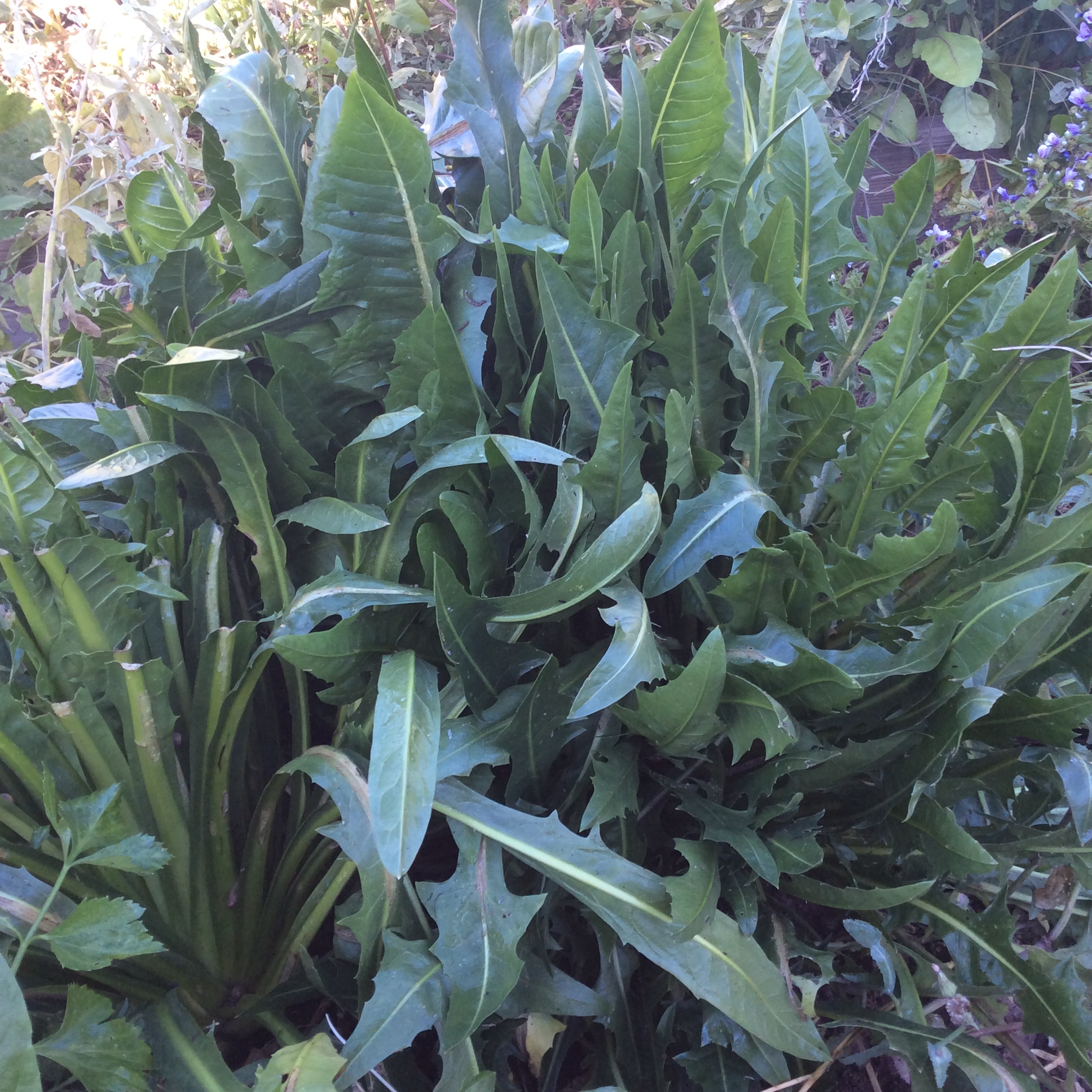
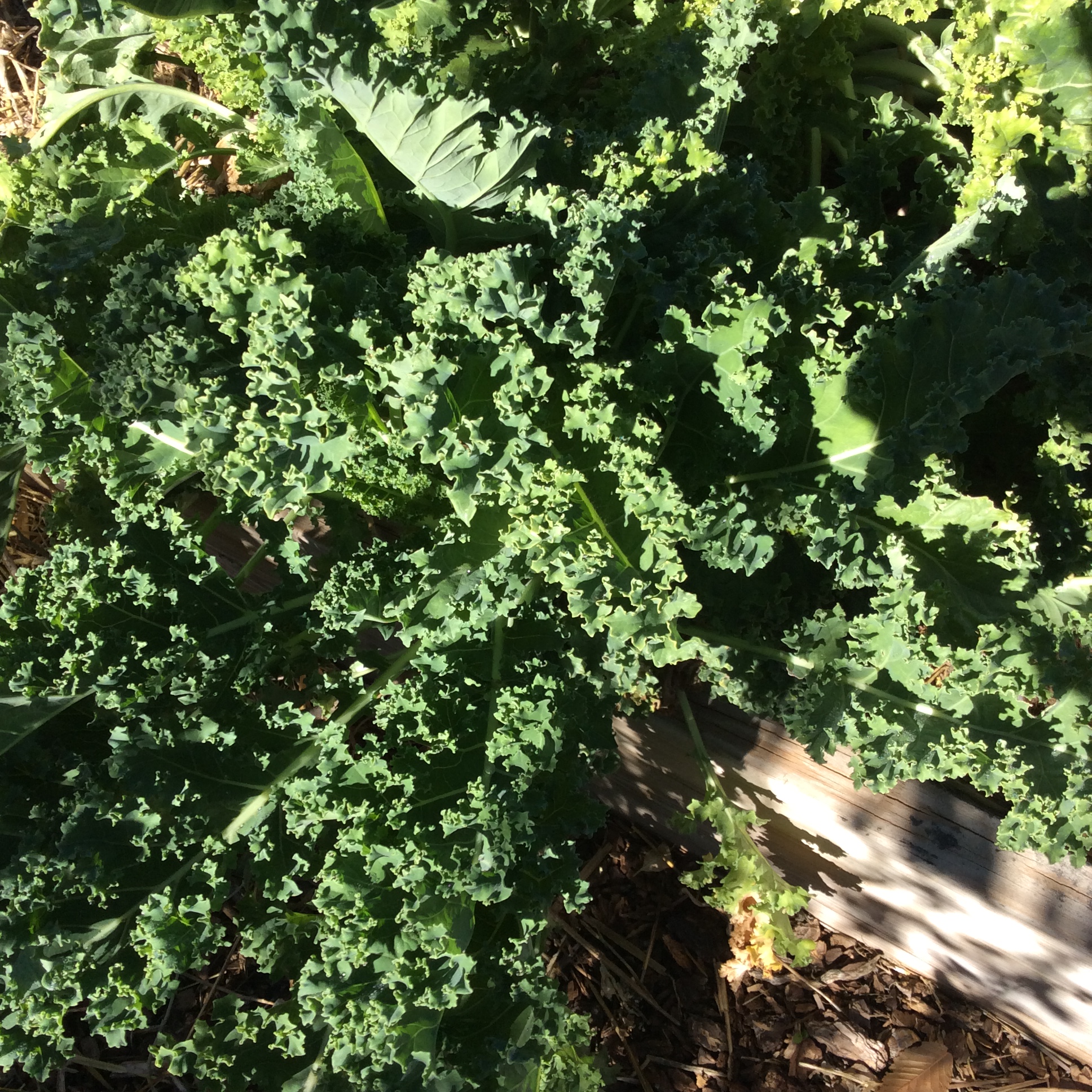
Earlier this week I walked through my frost-killed garden to see what was left. For the most part I don’t make any special effort to protect my garden in the fall because after a long summer I’m ready to move on to the things I do in the winter, so the pickings were slim, but I found lots of chicory, dandelion, chard, broccoli leaves, alfalfa tips, celery, and kale, along with green garlic and green onions, and some of the herbs were still in fine shape. I decided to make soup, and since I had a lot more greens than I remembered planting, it occurred to me to make a soup base that could sit in the freezer, ready at any time to be turned into soup in a hurry. To the garden ingredients I added a large onion and a largish handful of sun-dried tomatoes from earlier in the summer. You could also use a jar of dried tomatoes in oil, drained.  The celery was used from base to leaf tip. I used roughly equal volumes of all the greens types, about the equivalent of a medium-sized supermarket bunch of each.

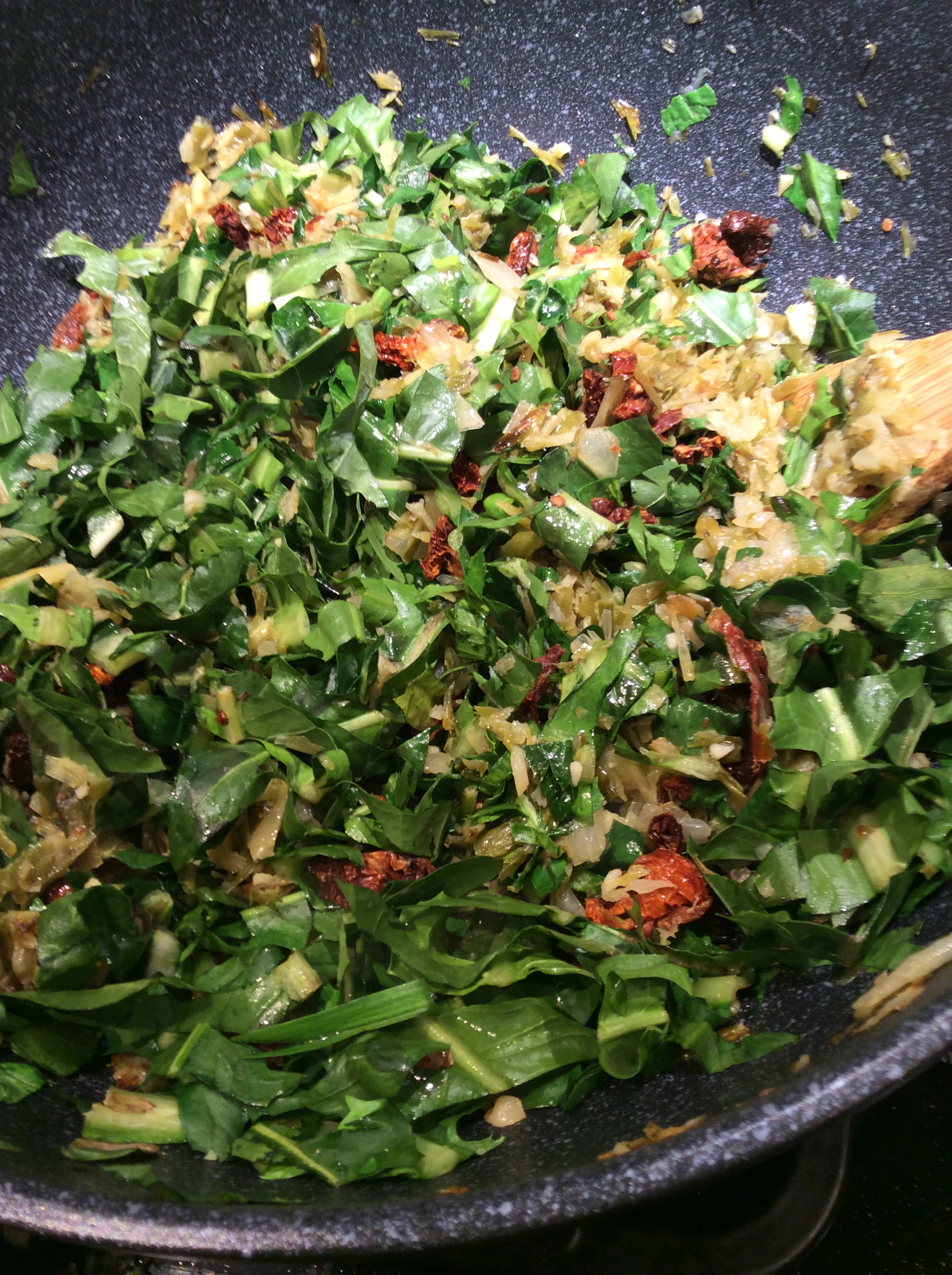
The onion was sliced thinly and sautéed very slowly in olive oil while I washed and prepared the greens. I was aiming for a rich caramel color, which meant low heat and frequent stirring, which is no extra trouble if you’re in the kitchen anyway. I used my wok because I knew that the volume of sliced greens would be considerable. First the green garlic and green onions were cleaned, finely slivered, and held separately, then everything else was washed and midribs removed and cut in cross section into roughly 1/2″ slices.

img_5084

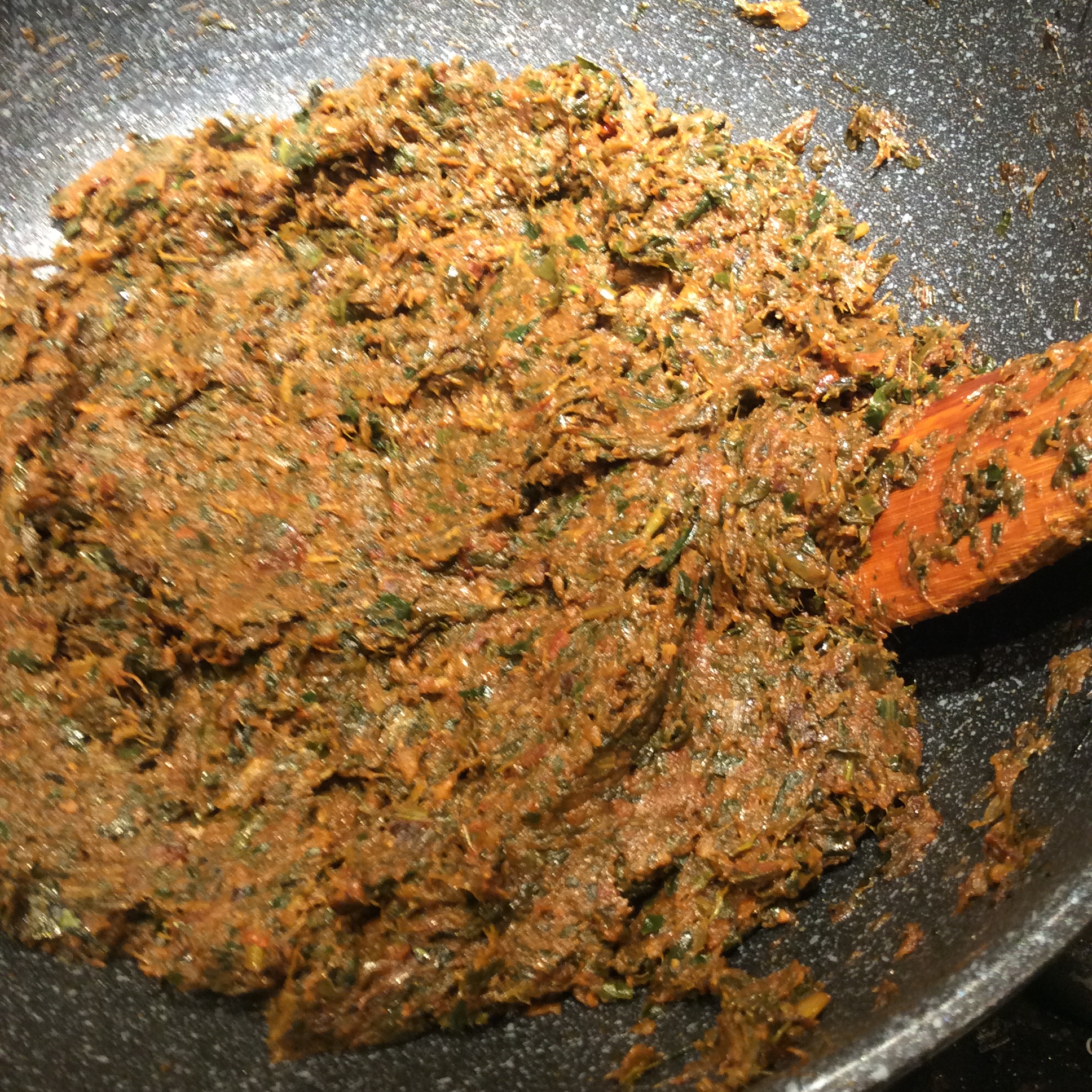
When the onion was a nice toffee color I added the chopped green alliums, cooked about another five minutes, then added the other greens and some more olive oil along with about a teaspoon of salt. Don’t stint on the olive oil. You want sautéed flavor, not steamed flavor.  The heat was turned up to medium and the whole mass stirred and turned with a wide wooden spoon about every five minutes to keep it cooking evenly. As soon as the greens were in the pan I ground the sun dried tomatoes into small powdery chunks in the blender and added them to the wok. They rehydrated well enough in the moisture from the leaves.  Keep cooking until the greens are soft when chewed.

When you have a darkened dense mass of soft greens, put the whole business in the food processor and grind to the finest paste that you can achieve. Taste. You want it on the salty side, because that helps with preservation and it’s going to be diluted later. Add more salt if needed. I prefer to use fish sauce rather than salt to season at this point because it adds a wonderful rich savor. I used about a tablespoon. Don’t use this if you might be serving vegetarians.

img_5085

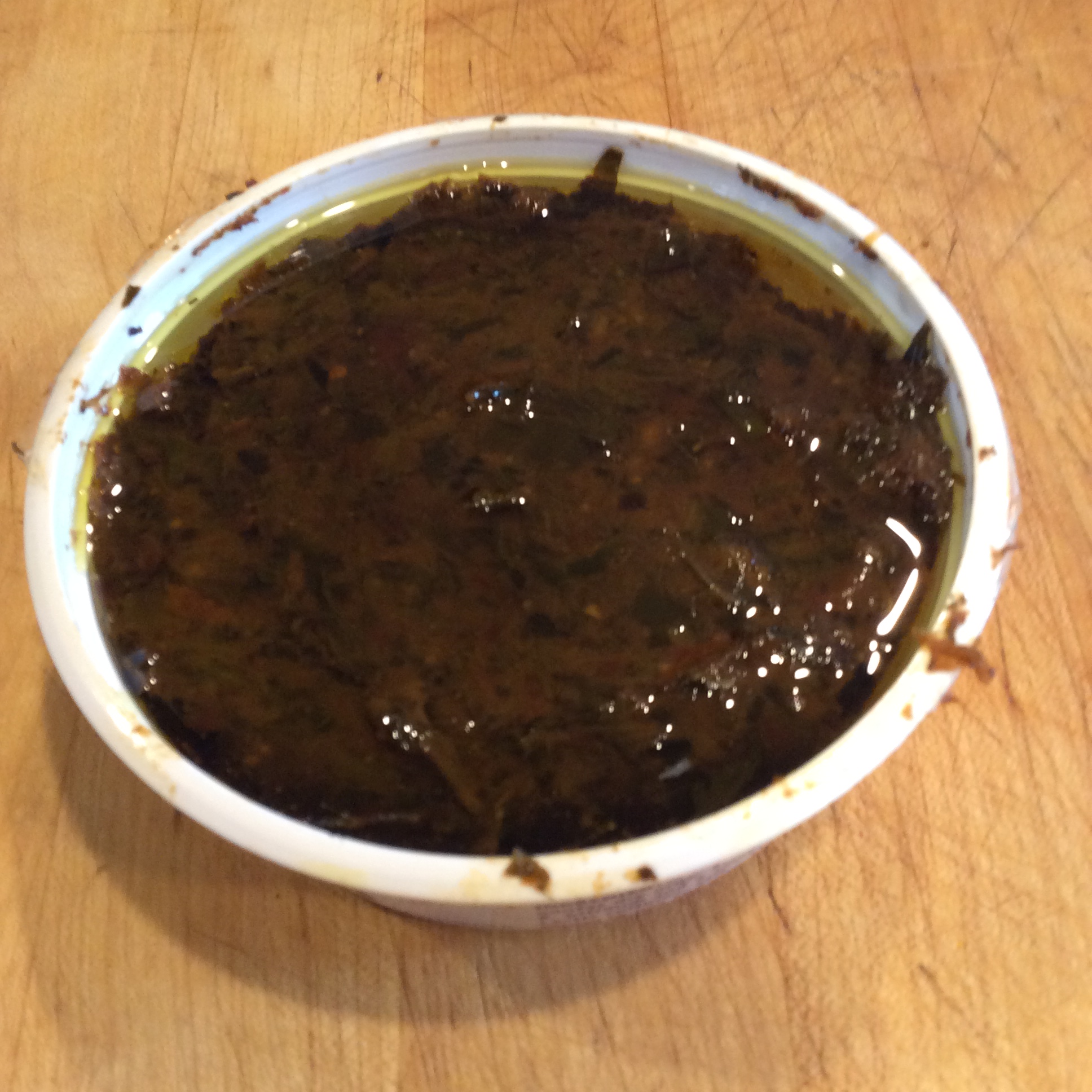
Now cool your soup paste and pack it into one-cup containers, each of which makes about a quart of finished soup. Coat the top with olive oil, push lids on tightly, and freeze.

img_5091

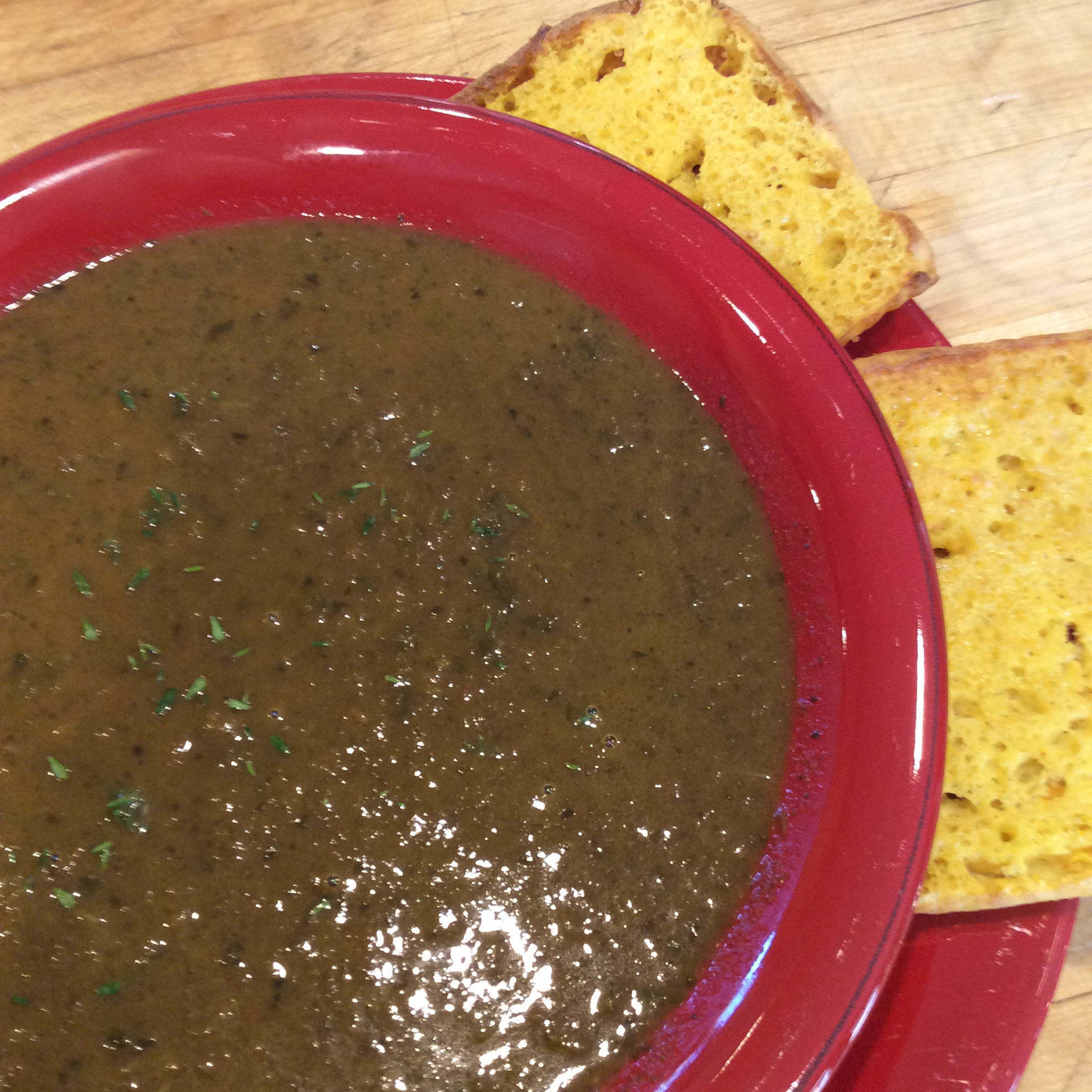
When ready to use, put a quart of any kind of salt-free or low-salt broth you like in a saucepan, add a cup of soup paste, and simmer until thawed. Correct the texture with a stick blender if it needs smoothing out. Taste for seasoning and adjust in any way you like. The caramelized onions, deeply sautéed greens, and fish sauce gave a meaty-umami flavor to the potful I made for lunch today, so I salted to taste and added a swirl of fat from my homemade bacon and a generous sprinkling of thyme leaves, a meaty-umami herb if ever there was one. Yum. With toasted buttered slices of my low-carb fake-o cornbread, it made a perfect light healthy Thanksgiving brunch to lead into the excesses to come at dinner.

This basic formula can be varied endlessly according to what you like and have available. If you serve vegans at your table, using some miso rather than fish sauce and good olive oil for the final swirl with water or vegetable broth as the liquid would suit their needs while fully satisfying the omnivores. If you don’t like the brownish color, leave the tomatoes out and it will be more green. Pan-grilled small oyster or other mushrooms would make a good garnish. A fried or poached egg adds tremendous heft to soup if you want a richer meal, or some bacon lardons fried crisp would satisfy any ardent carnivore with a minimum of actual meat. You can add cow or coconut cream for a cream soup (try a toss of chopped fresh tarragon for the final garnish,) or some leftover tomato sauce for interesting tartness, or finish it with a handful of good freshly grated Parmesan along with olive oil and let the cheese dissolve in the hot soup. For a more Cretan effect, use crumbled feta and olive oil on top.  There are a hundred possibilities and you can get any of them from freezer to table in well under 20 minutes. Serve any kind of bready stuff that suits your diet alongside, and you and your table mates will be full. I say that a quart of soup is two servings, but I understand that normal people can serve three or four with a quart. Know your family’s tastes.

In my opinion the celery is necessary rather than optional, and I strongly advise including at least a small portion of bitter greens (dandelion and chicory in this case.) When making mixed greens, I’ve often noticed that a savory-meaty element is lost if I don’t include some bitter greens. The proportion is small and the final product isn’t bitter and is enjoyed be people who don’t like strong greens in other contexts. Besides, they’re so damn good for you.

img_4891

img_4892

img_4888