Archive for the ‘passing pleasures’ Category

I Brake for Endorphins

image


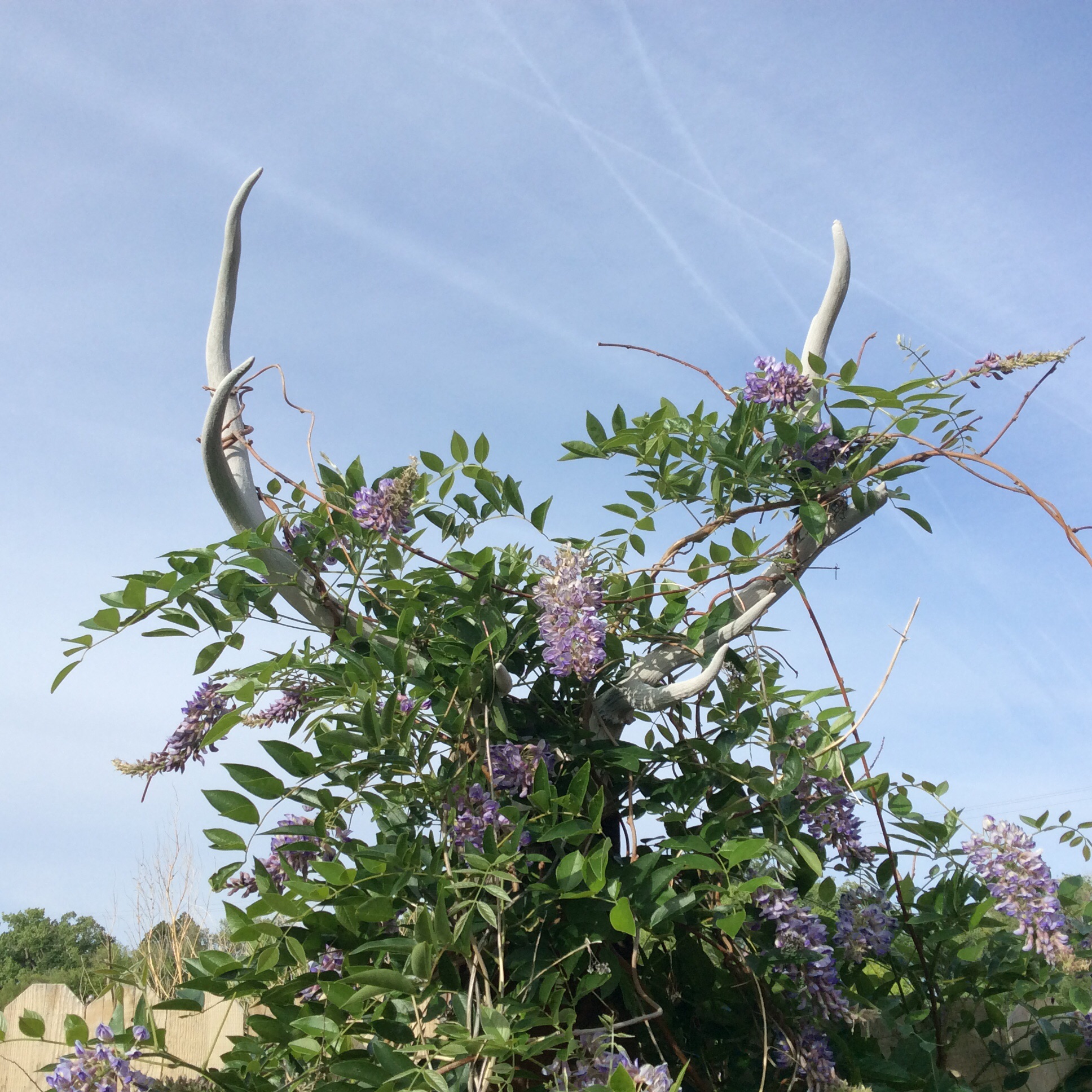
I garden largely for practical reasons: I like to have clean healthy delicious food at my disposal. But however practical your garden, there should be things that make you shiver with pleasure just to look at them. This ambitious outgrowth of my Blue Moon wisteria made me stop and stare when it bloomed. Thanks to the planet!


Onion Flowers

imageimage


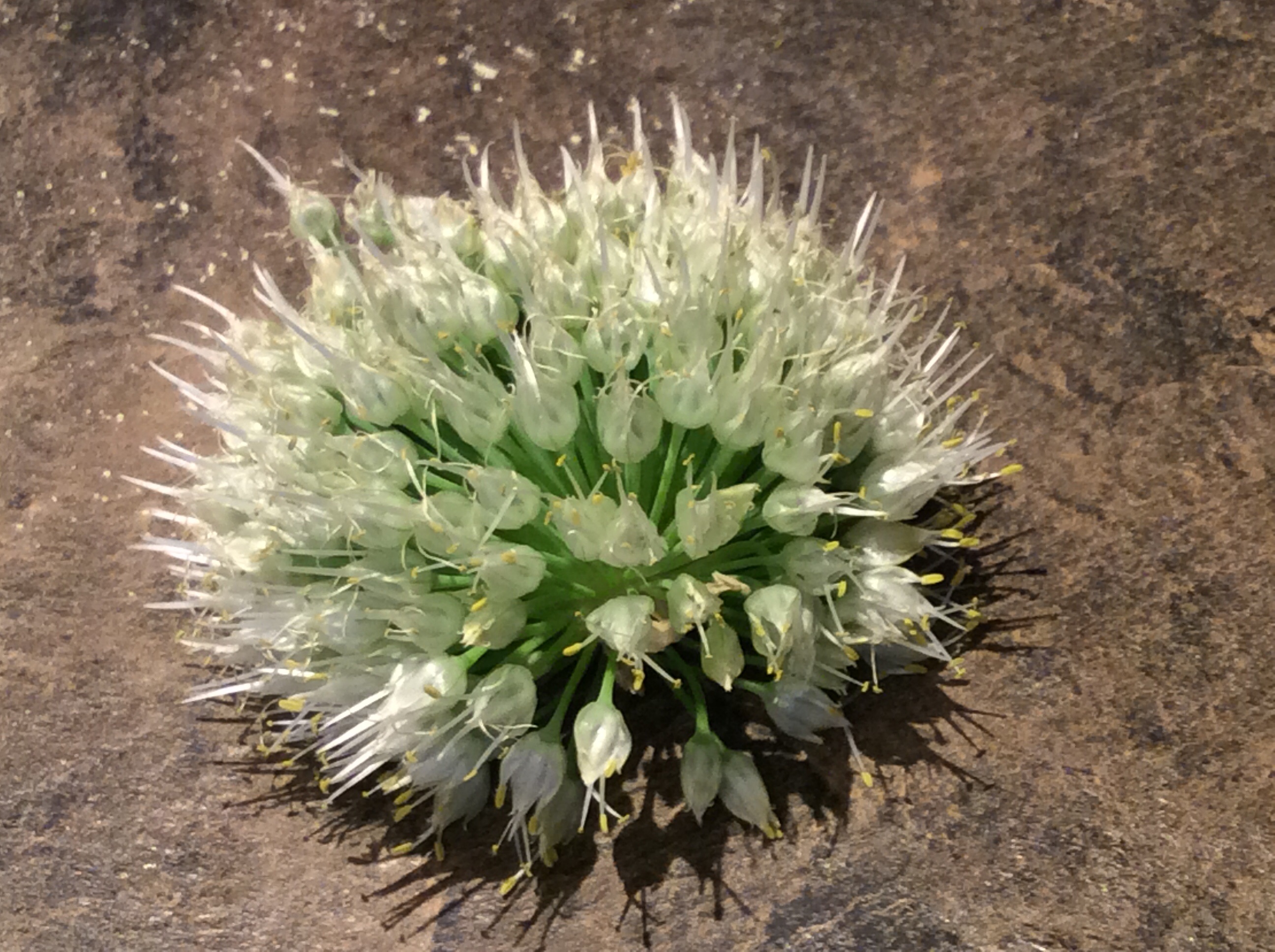
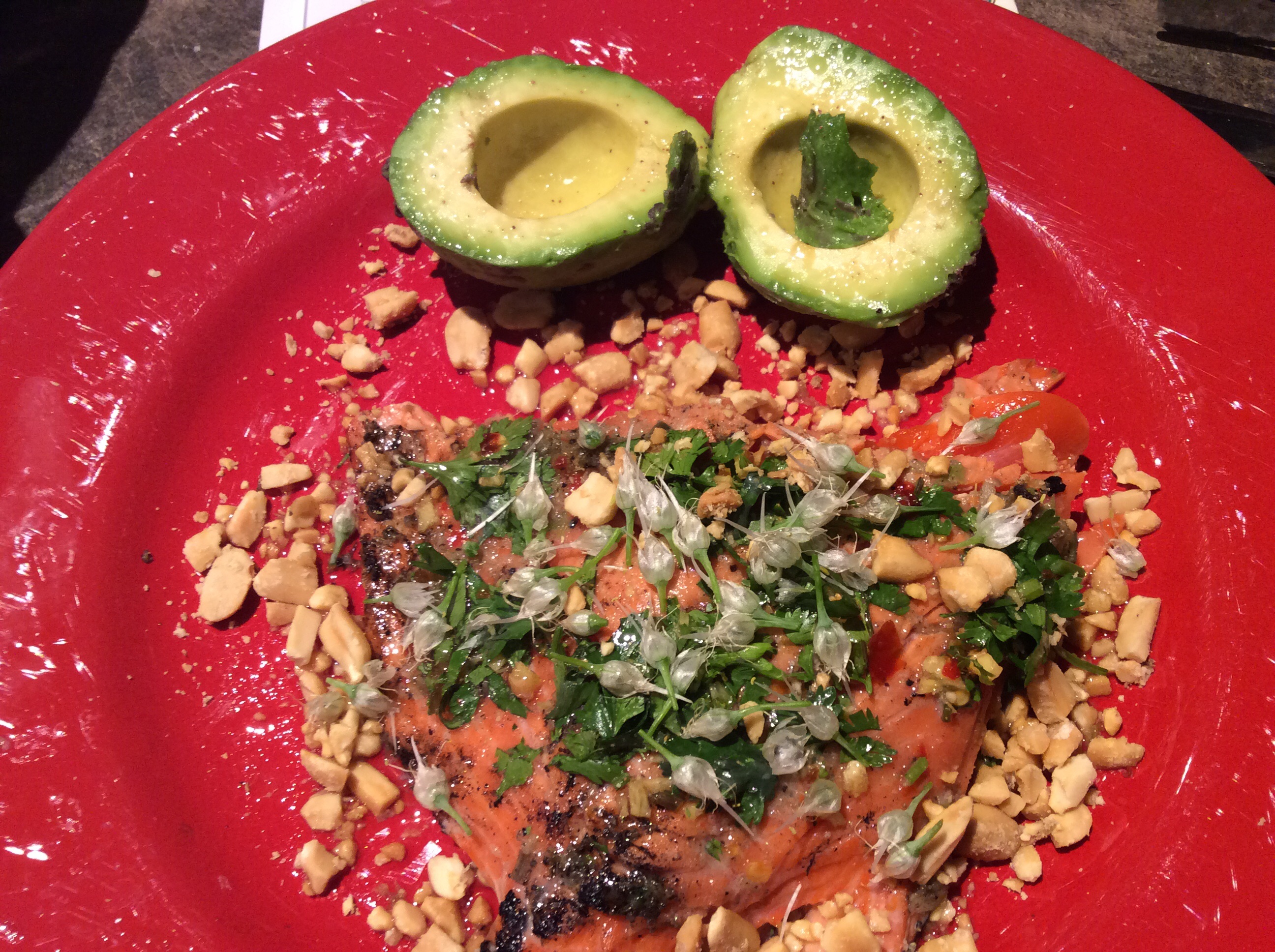
I have written about onions and onion scapes, but what happens when a scape gets past the busy gardener and blooms? Well, then you have onion flowers. Harvested shortly after they open and clipped off the bloomscape with kitchen shears, they taste of onions but light, a bit floral, delicate. They are delicious in salads, and I love them showered over any of the delicious herb-laden southeast Asian dishes. Here, you can see them garnishing Thai-ish grilled salmon. Try them on burgers or steaks, sprinkled lavishly over a dollop of good butter melting on the hot meat. They are a great addition to grilled chicken. Just don’t let them bloom in vain!

This makes onions a true nose-to-tail vegetable, with every part both edible and desirable.


Pleasures of the Garden: Solo Specials

image
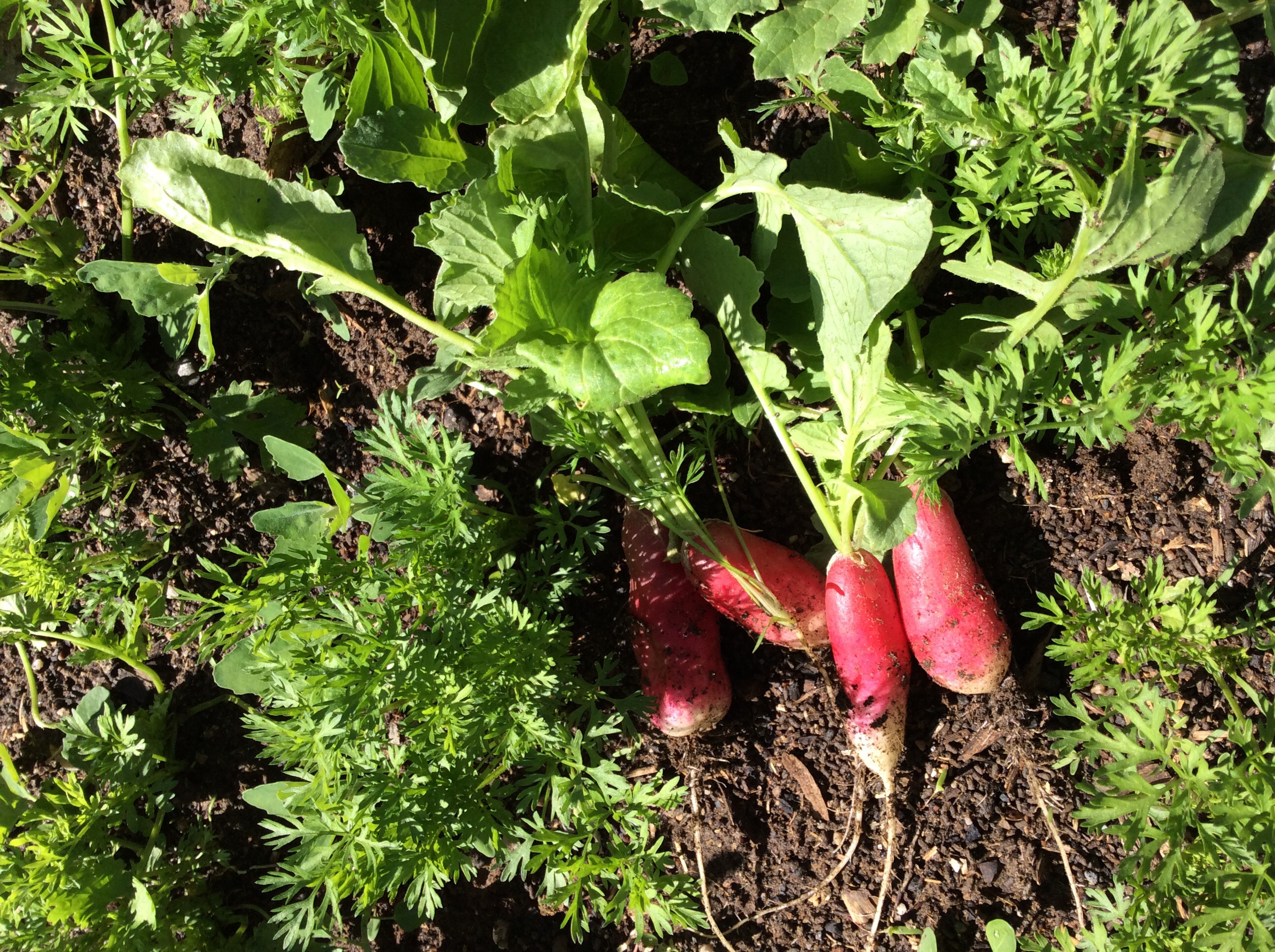
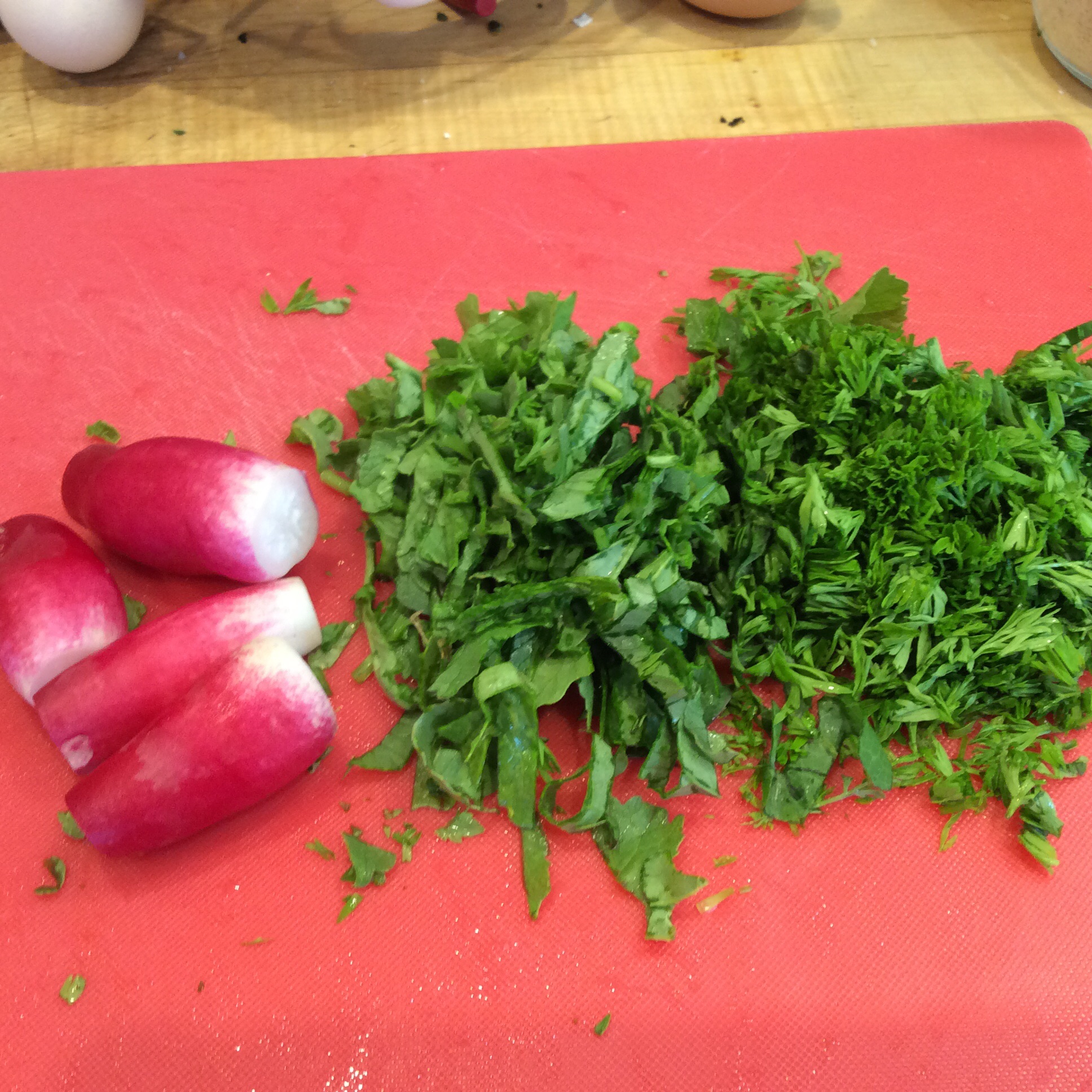
If you have the habit of solitude, there is no better hobby than gardening, and cooking for one can be a real pleasure too. Today I noticed that the radishes which I plant in my carrot rows ( one radish seed every four inches or so, to break the soil up and offer some shade and shelter for the tiny infant carrots) were ready to pick. Only four were ready, and I’m on my own today, so I began planning my solitary lunch, based on very flavorful (somewhat bitter) greens. I had the four radishes and their tops. I also picked the tops of several infant carrots ( they needed thinning and didn’t yet have any roots to speak of,) two large leaves of spinach, a couple of leaves of arugula, and a few large sprigs of lambs-quarters from the weed patch, to offer a mild cushion for the stronger greens. I also grabbed tender tips of alfalfa and a stalk of green garlic. A still-warm egg from the henhouse completed my outdoor prep.
image
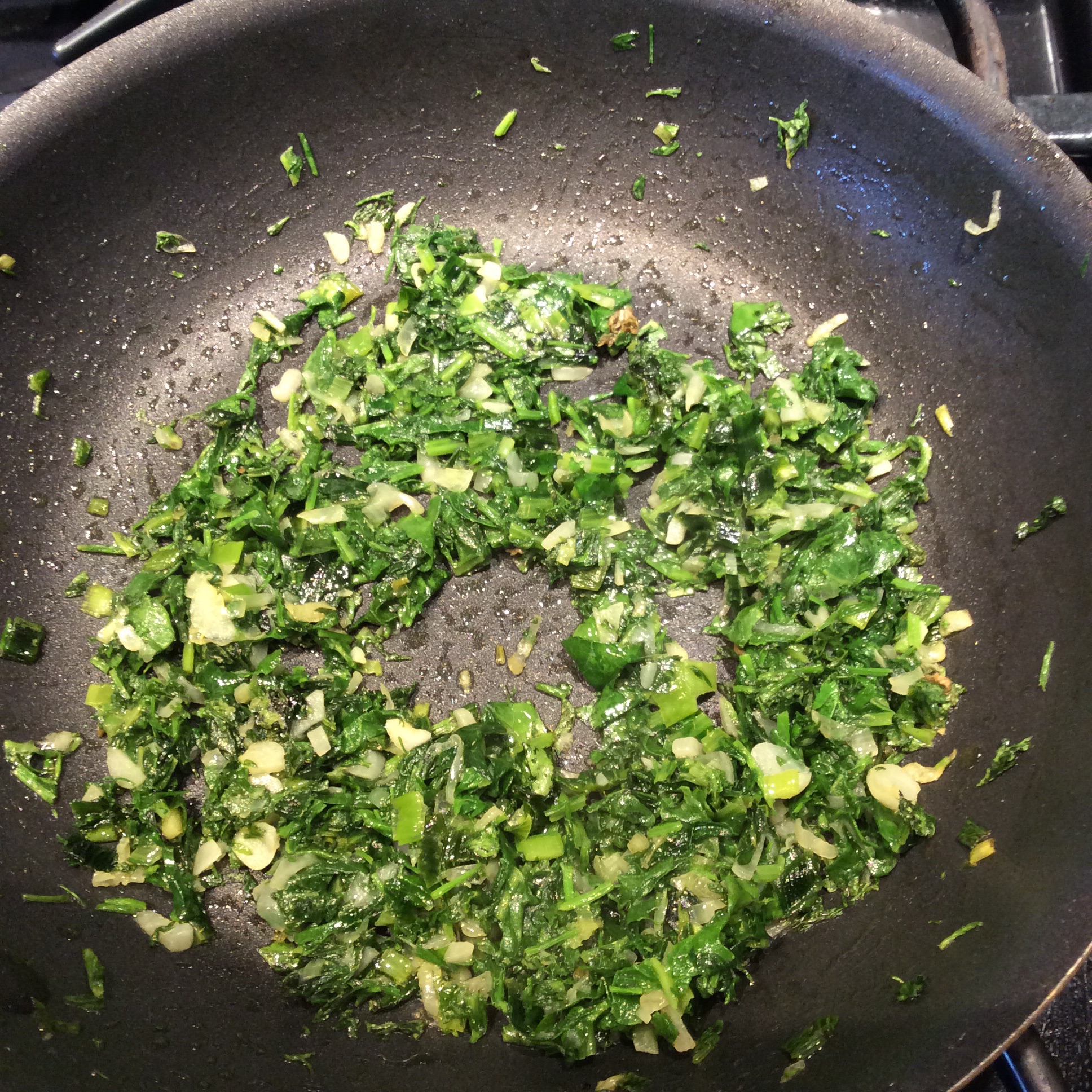
Indoors, I washed the radishes and greens, sliced the radishes in half lengthwise, chopped the stalk of green garlic finely, and then chopped all the other greens together more coarsely. In a small skillet, I heated a couple of tablespoons of good olive oil and started sautéing the green garlic. When it started to look a little cooked, the rest of the greens went in. Then I added some salt and cooked over medium-low heat for a little over 15 minutes, until the greens were softened and mellowed but still had plenty of character.

image

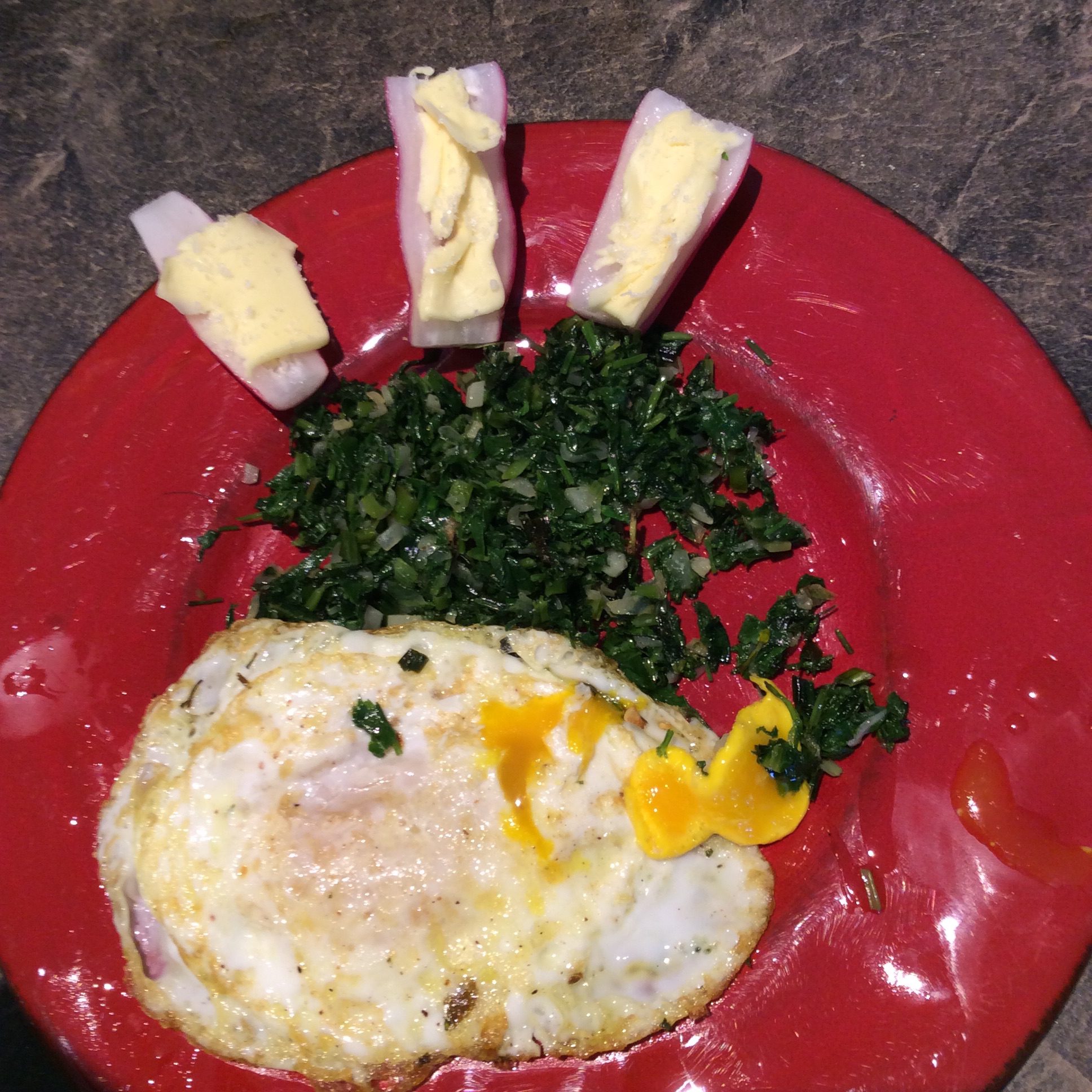
Meanwhile, I spread the sliced radishes with good grass-fed butter and sprinkled them lavishly with my best fleur de sel. When the greens were ready, I turned them out onto a little warm plate, added some more olive oil to the skillet and quickly fried the egg in it, and added the radish slices that I hadn’t already eaten to the plate.
image
Yum. There is absolutely nothing like a fried egg to mellow the flavor of strong bitter greens. And now, filled with bubbling good health, I can go on to an afternoon of further garden chores.
I eat a ketogenic (ultra-low-carb) diet for health and weight reasons, but if bread is still in your kitchen, a couple of slices off a good baguette would add heartiness to this perfect little impromptu meal.
Ah, the witchcraft we perform in our gardens and kitchens when nobody’s looking.

The Offbeat “Broccolis:” brocolettas in the spring garden

image
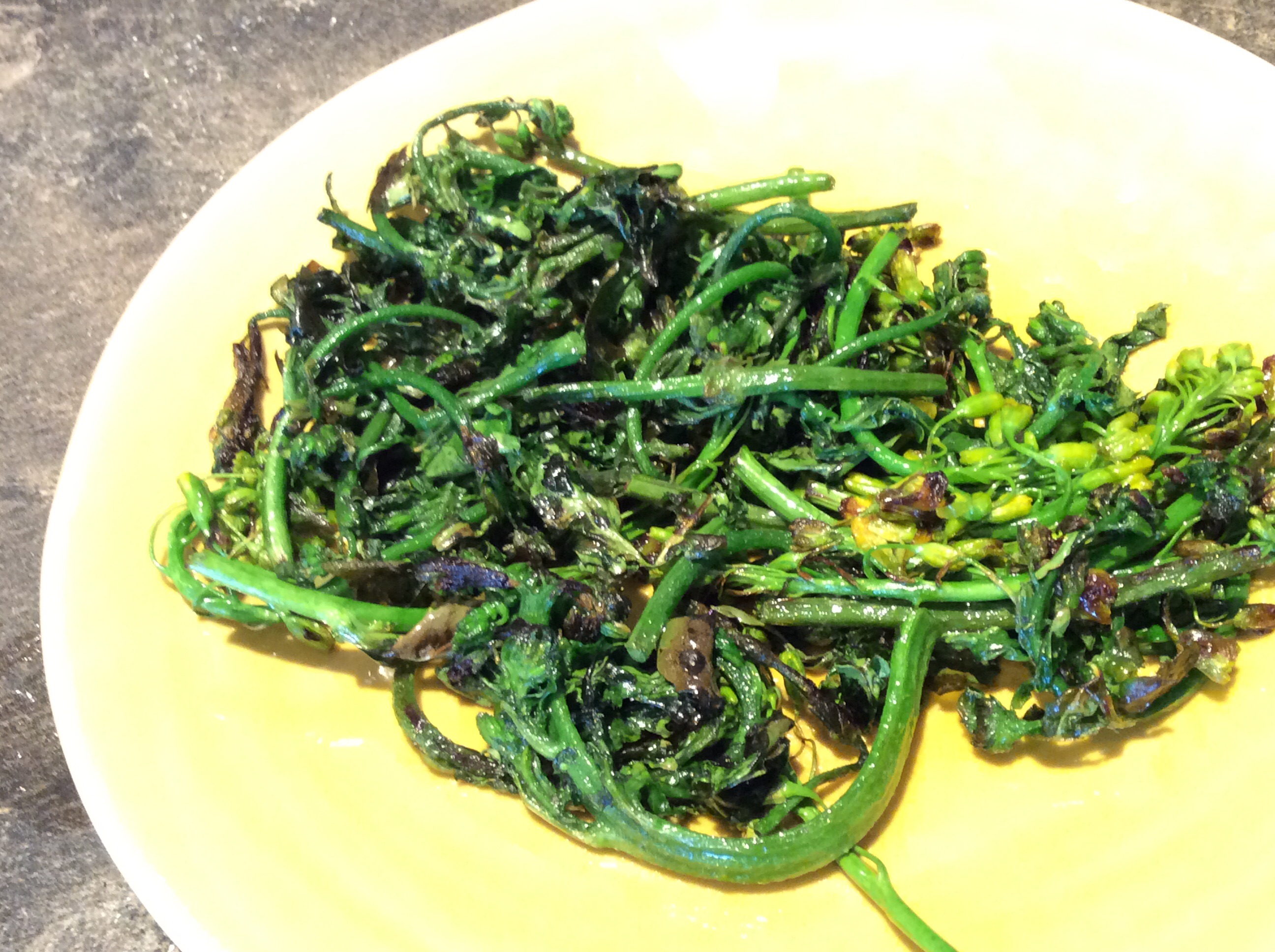
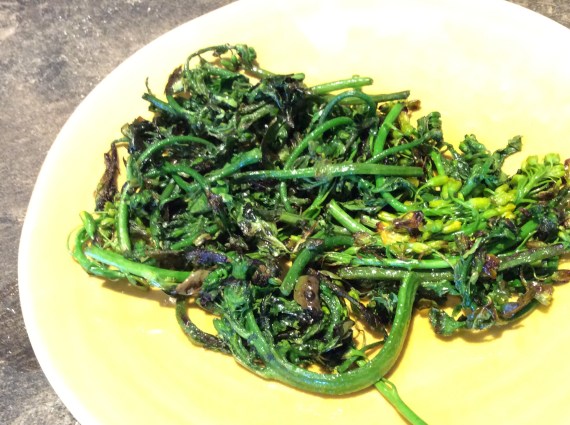
Broccoli is widely touted for its nutritional content and culinary versatility, and my garden beds are full of broccoli-in-waiting, but there is also “broccoli” to be had right now. All the common garden crucifers produce bud clusters when they shoot to seed, and all of them are good to eat when snapped off before the flowers open. Some go to seed the first year, and some have to go through a winter before they bolt. I try to use cover crops that will be edible as greens and also offer me a “second harvest” of bud clusters. Currently I am harvesting bud clusters from arugula, daikon, and the collards that I over-wintered for seed production (they make a huge amount of buds, and a few clusters will never be missed). Arugula is especially good for this purpose, because first you get those exquisite nutty-peppery salad greens, second the top-bud harvest with its wild, unimproved, bitter-edged flavor, then the remaining buds open and are wildly attractive to bees, and finally the remainder of the plant enriches your soil when chopped and dug in, all in the span of a few months. I buy the seed in bulk and cover-crop it whenever a piece of garden bed is going to be empty for a little while. You can also harvest buds from bolted radishes and wintered-over kale, and probably a lot of things that I haven’t tried yet. Be aware that they are tiny, and you need a lot of plants to have enough to cook. I have heard these offbeat buds referred to as “broccolini” or “brocoletta.” I call them brocolettas, because “broccolini” really refers to a form of domestic broccoli with long, small stems.

When I call the flavor “unimproved,” I am referring to the fact that our common domestic vegetables are bred for the mildest flavor possible. The things that I grow and forage for are not. They have very pronounced flavors from their protective phytochemicals, and can stand assertive seasoning. Think garlic, red pepper, thyme, and other strong flavors.

My favorite way of cooking the washed bud clusters is to throw them in a hot pan of very good olive oil with a little washing water still clinging to them, salt them, turn frequently and keep the heat fairly high, and serve them when the green parts are crisp-tender and there are crisp brown areas but no blackened spots, and eat them in their feral glory with some extra olive oil on top and a twist or two of the pepper-mill. They can be a “hot salad” on their own, or complement a flavorful entree. Take that, flavorless baby spinach!

Nose-to-tail vegetable eating stretches over each vegetable’s growing season, in my view, rather than meaning that every single part of the vegetable is edible and choice. Arugula’s leaves and buds are very desirable eating, the flowers are excellent bee forage, and then the remaining plant offers biomass for mulch and compost, or you can let them self-seed first and have your next crop planted. Now that’s multi-purpose.