Archive for the ‘Ketogenic diet’ Category

Red-cooked Winter Greens

Any regular reader of my blog knows my nutritional obsession: nobody really eats enough leafy greens, including me. But I do make regular efforts to correct this.

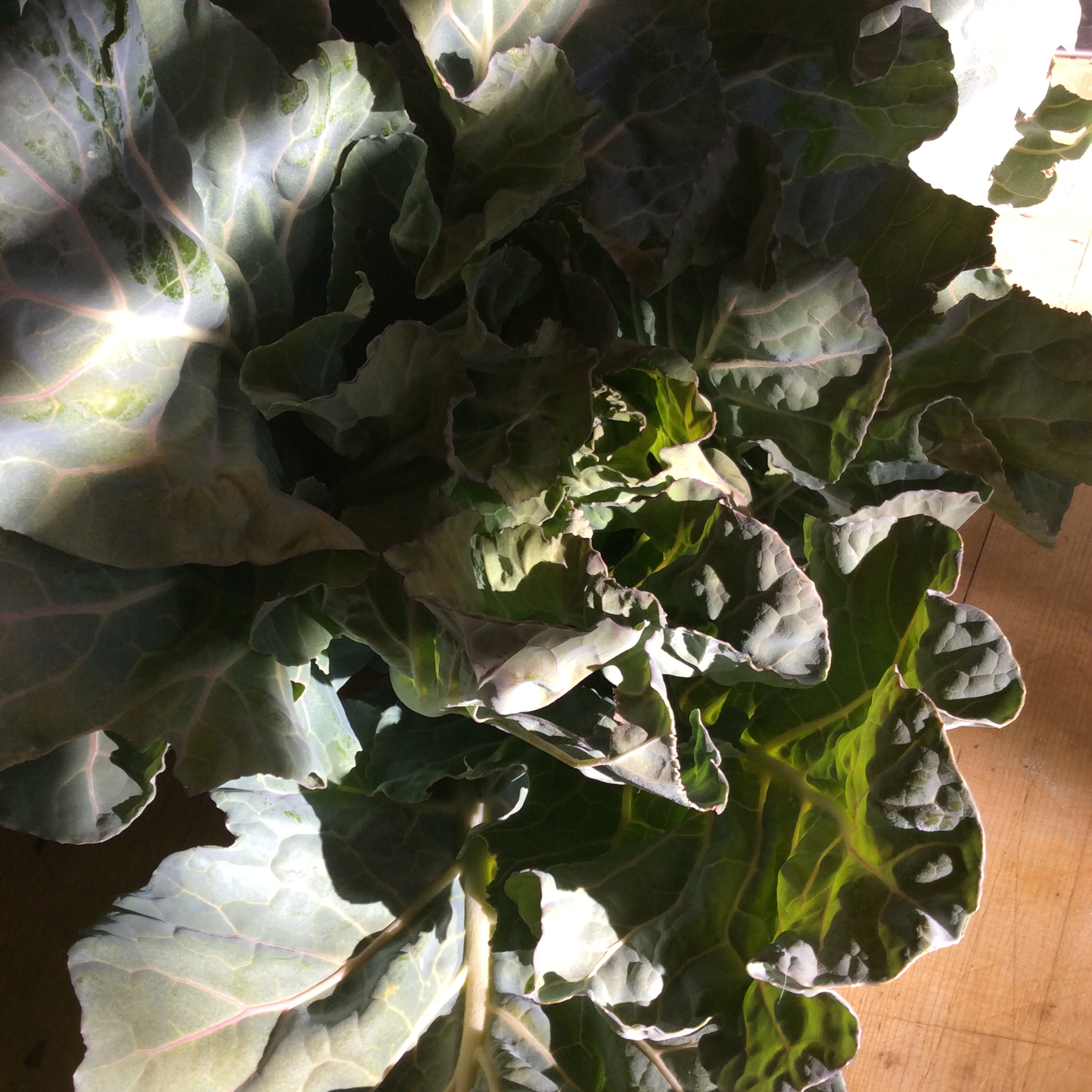
In my last post  I wrote about grassfed short ribs red-cooked in Chinese fashion, and tonight I wanted that soft succulent meat again  but with a strong vegetable component, not the pure meatfest that I had last time. I am also conducting an ongoing experiment to see what greens can produce in winter in my garden with no protection. This sounds simple, given that I am down in zone seven and vegetables like kale are famous for holding all winter up in zones four and five, but it’s a little more complicated than that. Our desert winters are not as cold as further north, but they are absolutely dry with no protective snow cover and have occasional windstorms that will wipe the moisture out of almost anything but a cactus. Kale is invariably withered by early December. I have been trying to breed my own desert-hardy greens but have learned this year that collards, the common green of my southern Louisiana childhood,  are remarkably cold-tolerant and resist drying out better than anything else. I picked the last plant today, and the lower leaves are a little desiccated but the whole upper half of the plant is still in excellent condition.

I still had a cup of Master Sauce left over from cooking the short ribs. This is not the very concentrated sauce  that was used to finish the ribs, but the original cooking liquid. If you don’t have any Master Sauce, combine a cup of water or preferably good broth, a full “star” of star anise, a teaspoon of five-spice powder, a smashed cloves of garlic, a tablespoon of sugar or the equivalent in artificial sweetener of your choice, and a few “coin” slices of fresh ginger. Bring  to a boil in your smallest saucepan, simmer 15 minutes, remove the solid star anise and garlic and ginger, and use. If you have a cup of this juice in a jar in your refrigerator, you are ready to red-cook veggies at any time. Just use within a week. You may like it a little more or less sweet. Suit yourself.

All I did with the collards was wash them, remove the tough center ribs, slice them about a quarter inch wide, bring the master sauce to a boil, and drop the leaves in. I would estimate that there were 8 to 10 whole leaves and maybe about 2 quarts very loosely packed when they were sliced up. This would be the equivalent of one bunch of supermarket collard greens.

Bring the Master Sauce to a boil and throw in the greens. Stir frequently and watch

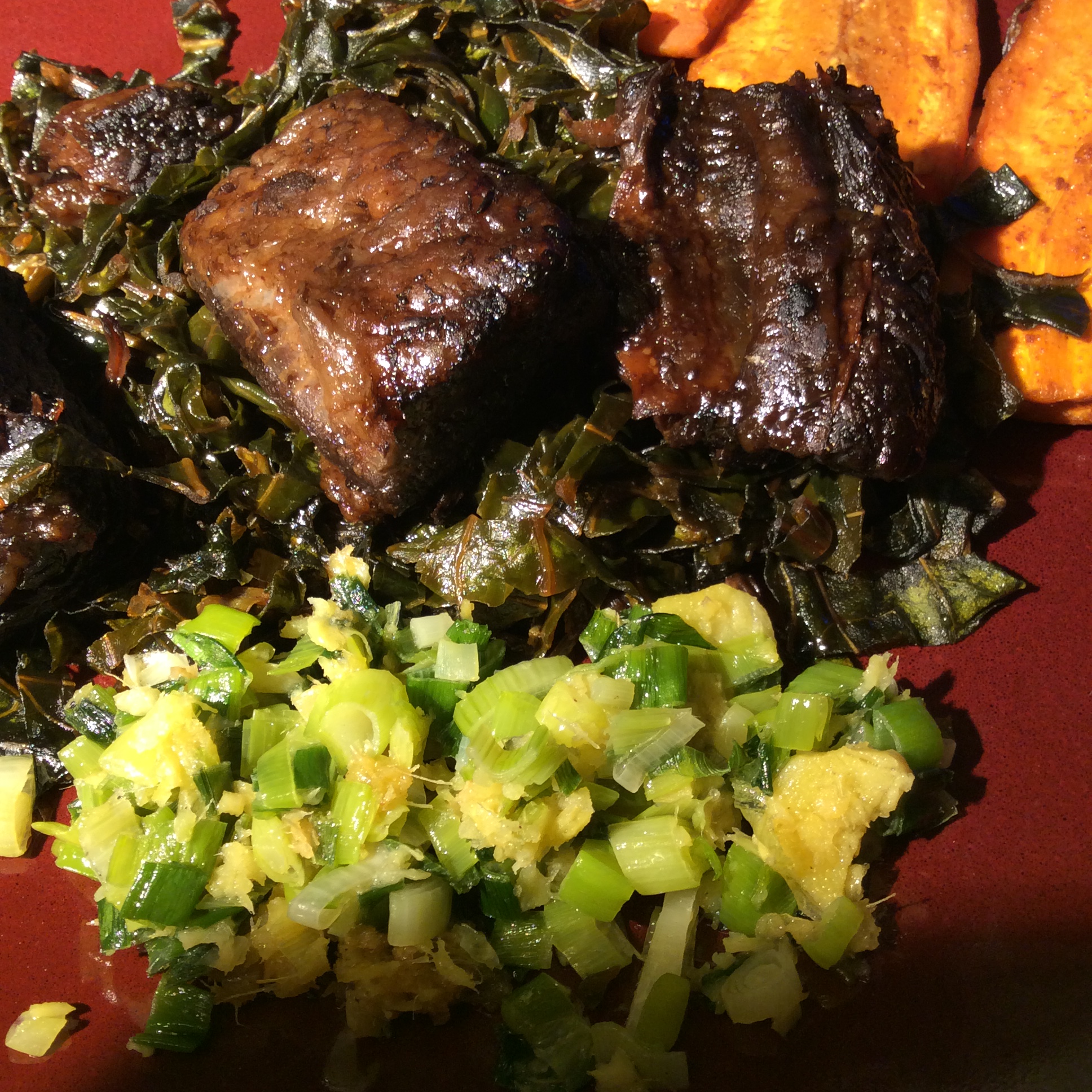
I cooked over medium-high heat for a bit over fifteen minutes, stirring very frequently toward the end, until the greens were fairly soft and the liquid almost gone.  At this point they are dark and very intensely flavored and delicious. If you want them a brighter color but a little less flavorful, you can stop at the stage above, before the greens start to darken,  but be aware that they are definitely somewhat tougher  at this bright green stage.  Some people like the extra chewiness, but most do not, and often your thick-leaved winter greens will be better accepted by others if they are cooked a little more. In fact, as I keep saying, this is true of greens in general. Cook them until they taste good, and don’t stop sooner.  As long as you are using the cooking liquid, or in this case evaporating away most of it, there is little nutrient loss, and the greens will taste better so that you eat more of them, and also will probably suit your GI tract better.  In the picture below, you can see the finished dark greens underneath the short rib meat. What you can’t see is that there is quite a pile of them, and really only several bites of meat.    Add ginger and green onion relish, or not, as you choose.  But the greens are serving as the bulk of the meal, and you avoid any use of starches, and you will be full for hours and hours afterwards because of all the soluble fiber in the greens. I added a couple of roasted carrot slices for more color, and of course for flavor.
Incidentally, if any greens are left over, they are delicious the next day and can be just brought to room temperature and eaten as a sort of cooked salad.
Grass-fed Beef for the New Year

Our winter is short here in the desert, but it’s cold at night, and rich warming meals are welcome. The garden is quiescent and there is a little more time to cook. And a bubbling pot of something-or-other makes the whole house more welcoming.

I like to cook with grass-fed beef because it’s healthy for the planet, the cows, and me. Contrary to much current dogma about how animal husbandry is always environmentally unsound, grass-fed beef produces high-quality human food from grasslands that shouldn’t be plowed or tilled. One important way to sequester carbon is to keep it in the soil in the first place. Does over-grazing occur? Of course. But to condemn responsible ranchers because of the irresponsible ones is like saying that all medications are bad because some people overdose on them.

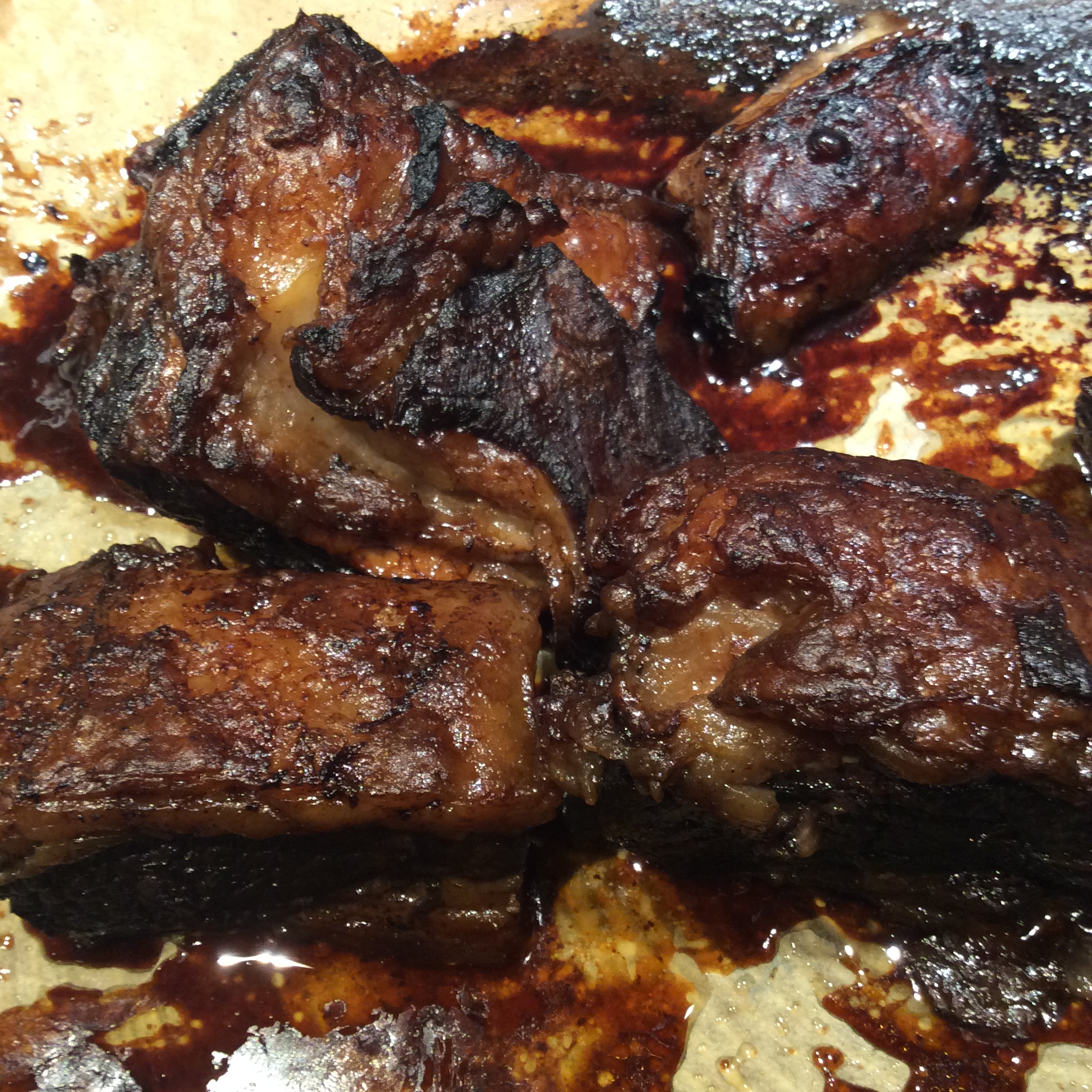
The less popular cuts of beef, like short ribs, are less expensive and take beautifully to long, slow braising. I especially like Chinese red-cooking techniques for general deliciousness, and they take well to slow-cooker cooking with just a bit of fancy finishing just before dinner. I started this meal about 24 hours before New Year’s dinner.

Red-cooked really refers to any dish cooked with soy sauce, but most commonly refers to the rich stews based on Master Sauce, a mixture of broth, soy sauce, and sweet spices. So to start this dish, you need six hefty short ribs of grass-fed beef and some Master Sauce.

To make Master Sauce, combine a quart of good beef broth with a cup of naturally fermented soy sauce, a half cup of sugar or the equivalent in an artificial sweetener that you like, and the following seasonings:

1 organic onion, cut in half, with the skin on

a teaspoon of ground five-spice powder

three cloves of garlic, peeled and smashed

3 complete stars of star anise

a 3” piece of ginger, scrubbed and smashed some with a heavy object but still in one piece

3 whole cloves

1 whole stick of cinnamon

I like to tie the seasonings up in cheesecloth because I find it easier than straining the sauce later. Either way, combine all the sauce ingredients in the liner of a six quart slow cooker and add the short ribs. Cook overnight at low setting. The next day, about 12-14 hours later, drain off the broth and strain it or remove the cheesecloth. Put the broth in the refrigerator so that the fat can congeal. The meat should be falling off the bones. Remove the bones and reserve the meat.

About half an hour before dinner, preheat the broiler. Take the congealed fat off the broth and reserve. Measure out three cups of the Master Sauce broth, put in a heavy saucepan, notice its level in the pan, and boil over high heat until it’s reduced to about half that level, or 1 1/2cups.  Reserve any remaining master sauce and freeze it to give you a  head start on the next red cooked stew.

If you wish, while the broth is reducing, make a simple but wonderful relish by chopping another 3” piece of peeled ginger finely, chopping a cleaned bunch of green onions into 1/4 inch cross sections, heating 2 tablespoons of the reserved beef fat in a saucepan, stirring in the ginger and cooking for one minute until it sizzles, stirring in the green onions and a heaping quarter teaspoon of salt, and stir-frying another minute or two.

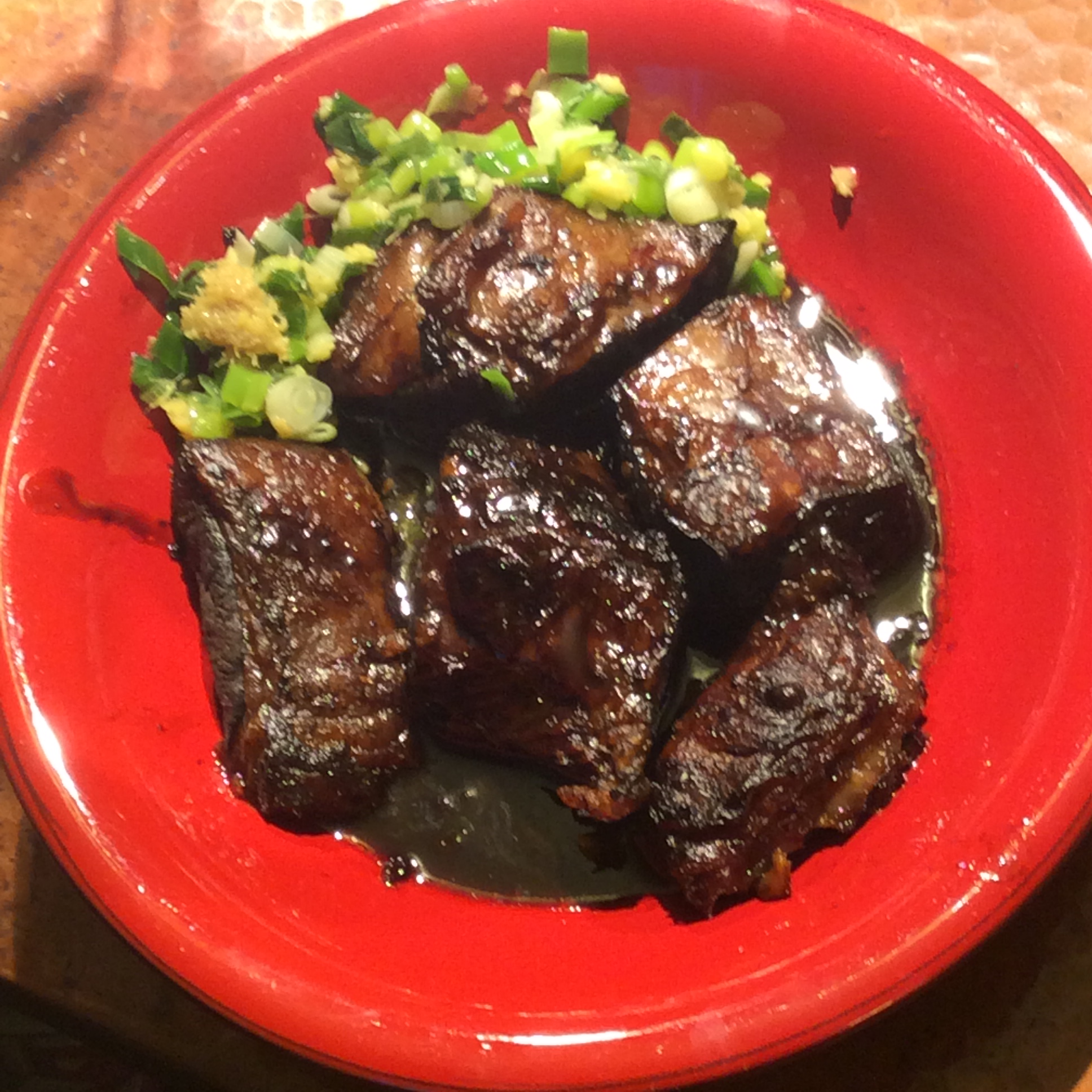
Now taste your reduced broth. Tasting as you are finishing things is an important and surprisingly neglected step. This is the time to think about your food. Is the balance of flavors right? Is there anything else it needs?  I like to add another scant teaspoon of five-spice powder and a little chopped ginger at this point to freshen the flavor. Arrange the meat on a roasting pan, fat side up whenever possible, drizzle with some of the sauce, and broil until the fat starts to brown. Watch carefully so it doesn’t burn. When the fat is browned, turn off the broiler and let the meat sit in there another few minutes to make sure it’s good and hot. Place in serving bowls, pour over some more sauce, and put a generous spoonful of ginger-scallion relish on one side. Eat. The cold and wind have no further power to harm you, at least not tonight.

Sometimes a main dish needs, not a side dish, but an underpinning to absorb juices and offer a cushion to the intense flavors. If you eat rice or noodles, this dish goes well with either, but low-carb eaters will like it as is, assuming that an alternative to sugar was used. Steamed broccoli florets would make a good underpinning and add a nice color pop, and when I serve this stew again in a day or two that’s probably what I’ll add. Cauliflower rice is a possibility.

Now, about the rest of that reserved fat: the fat of grassfed beef has excellent Omega-3 to Omega-6 balance and good helpings of CLA and beta-carotene.  I don’t throw it away. Besides the small amount used in making the relish, I save some for rubbing on steaks and other meats about to be grilled. But short ribs are a fairly fatty cut, and there is still plenty left.  Often I mix it with kelp meal and crushed eggshells or oyster shell flour to make a supplement for my chickens that they gobble up with extreme enthusiasm.  Remember, chickens are not natural vegetarians by any means. In fact, they are among the most omnivorous animals alive, along with pigs, chimpanzees, and us.  So let them follow their natural inclinations and make use of healthy scraps that come up in your kitchen.


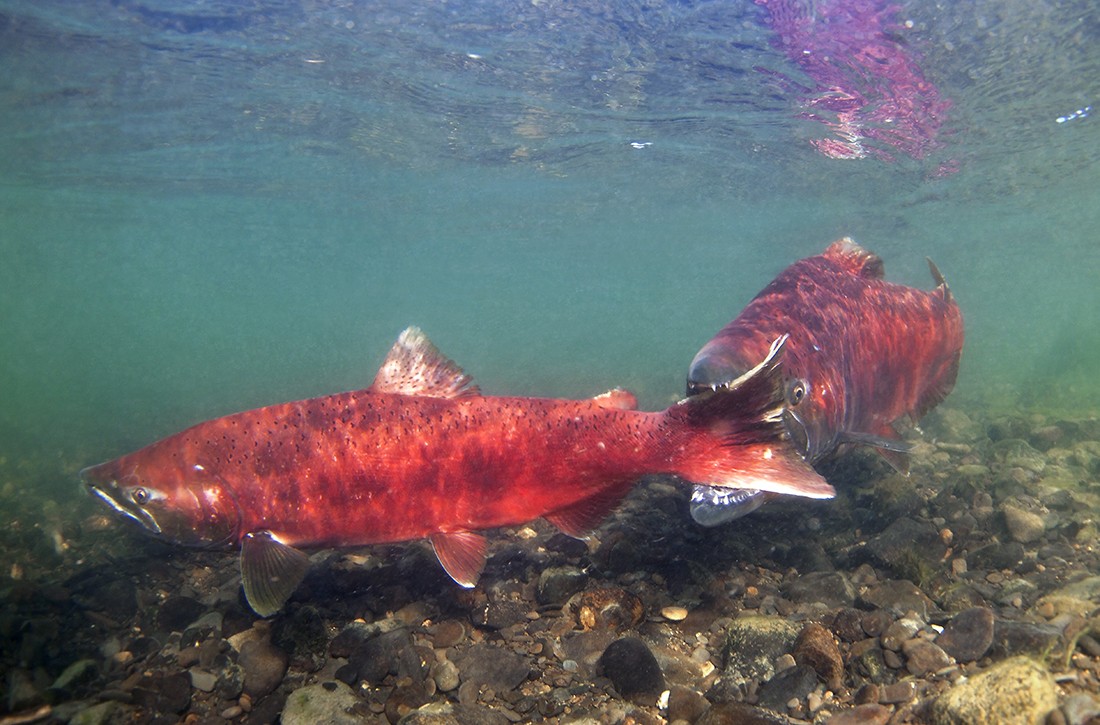
About the Fish on Your Plate

One of my firmest health convictions, besides the one about leafy greens, is that fish is good. Here in the desert I won’t be catching my own in any great quantity, so the question is what fish, exactly, is good. My own choice is based on taste and emotion more than reason. I love salmon and admire the way the Alaskan fisheries are managed, so I eat Alaskan salmon. But if you want to be more rational about your fish, please read the great compilation of evidence from Bill Lagakos at the wonderful Calories Proper blog:

http://caloriesproper.com/fish-blog-take-i/

Then make your choice with real information. And my nag for the day is: DON’T OVERCOOK IT. If your salmon is chewy or has a nasty grey layer just under the seared surface, it’s overdone. Sockeye, my own favorite, cooks in nothing flat, usually two minutes each side over a very hot grill or firepit. If the fillet is especially thick, maybe give it an extra minute on the skin side, but no more. If you buy it with the skin on, your dogs get a healthy treat too. Salmon loves assertive seasonings, and I like to brine it in strong salt water for half an hour before cooking. Then serve some leafy greens alongside and you can feel yourself getting healthier. And happier.

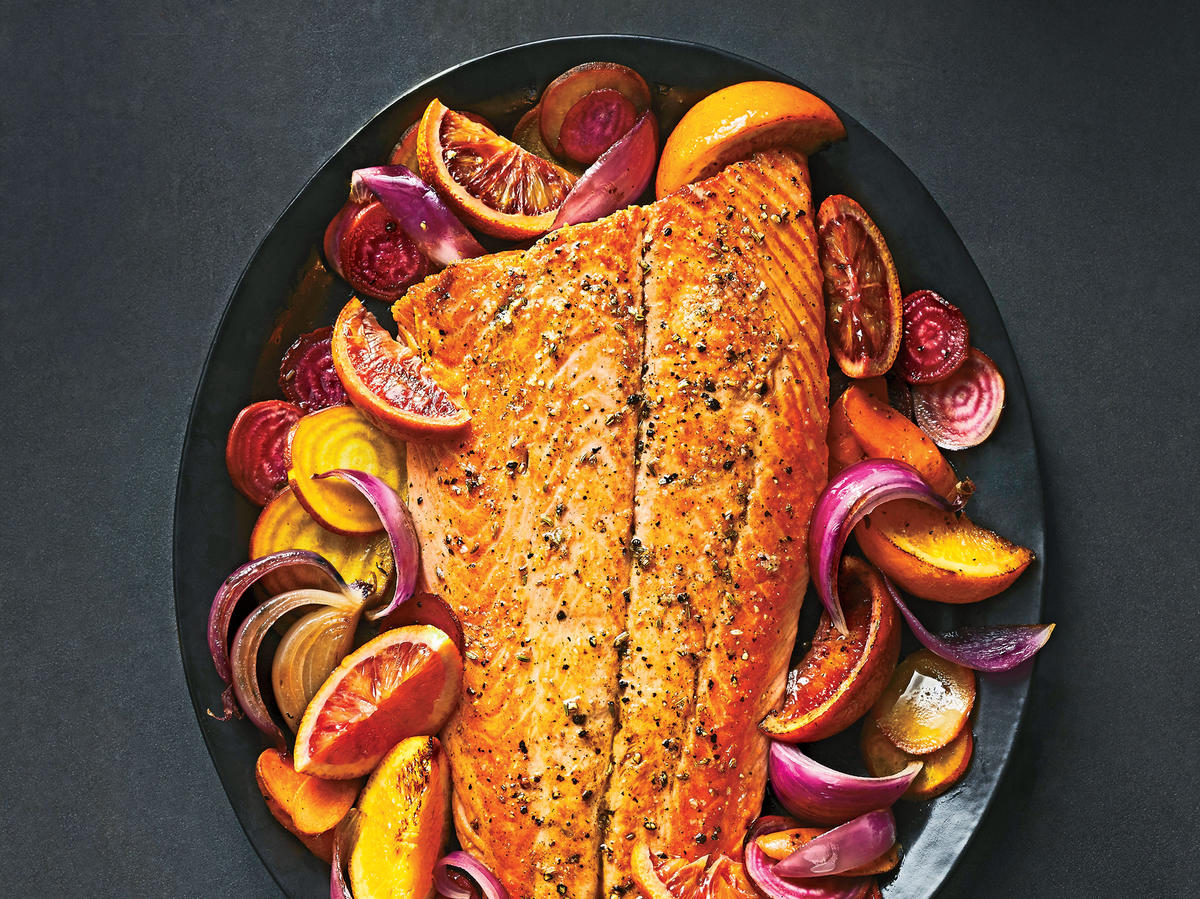
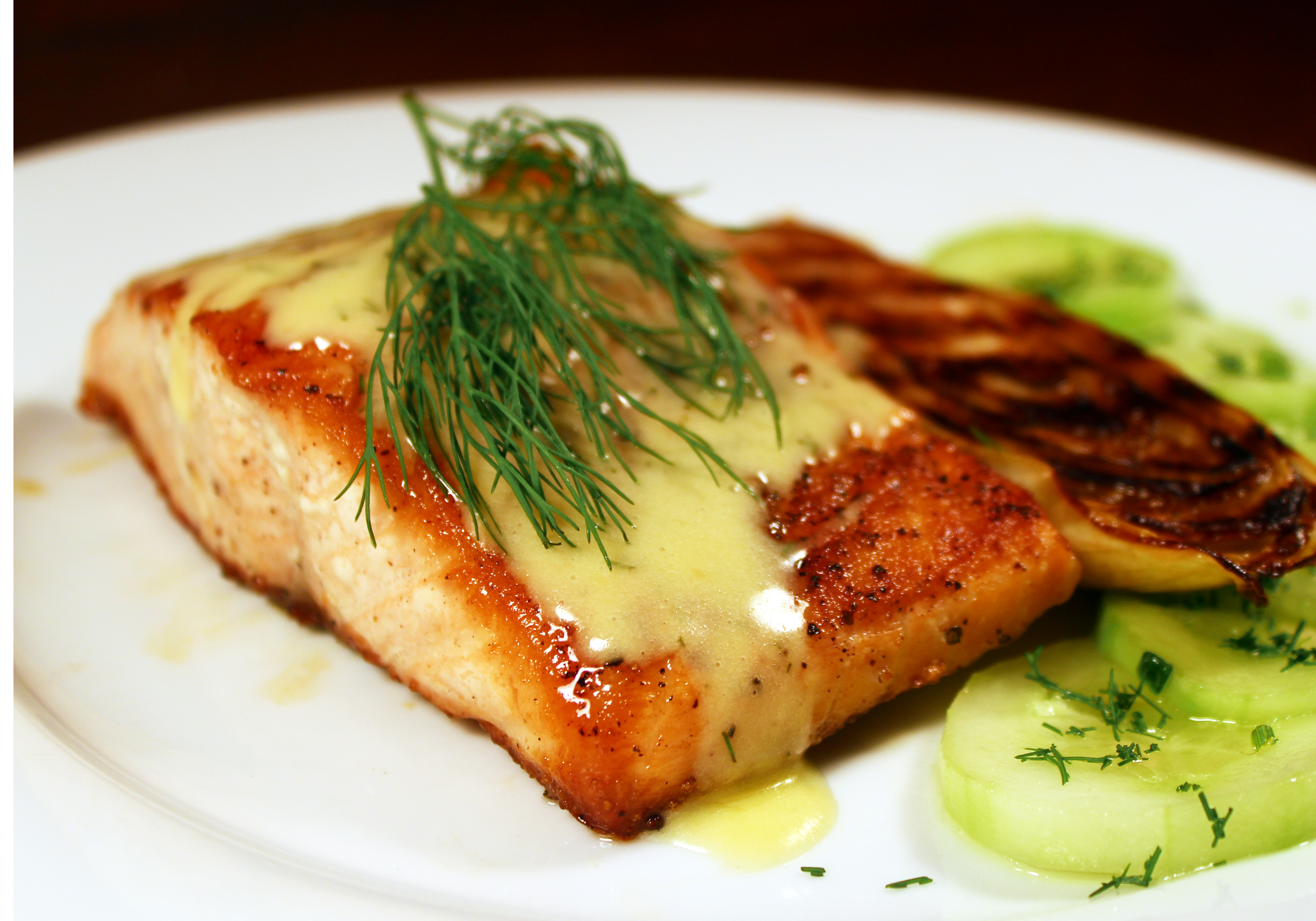
Below are some serving ideas that I borrowed from here and there because the photography is better than mine. My own quickie favorite is to take it off the grill, top with a generous pat of seasoned green garlic butter that I keep in the freezer, set it under the broiler just until the butter starts to melt if you didn’t thaw the butter beforehand, and eat with intense gratitude.

I think the beets and citrus shown here should be roasted a good bit longer than the fish, so that you can actually eat them, but it’s a good basic reminder that blood orange is brilliant with salmon.

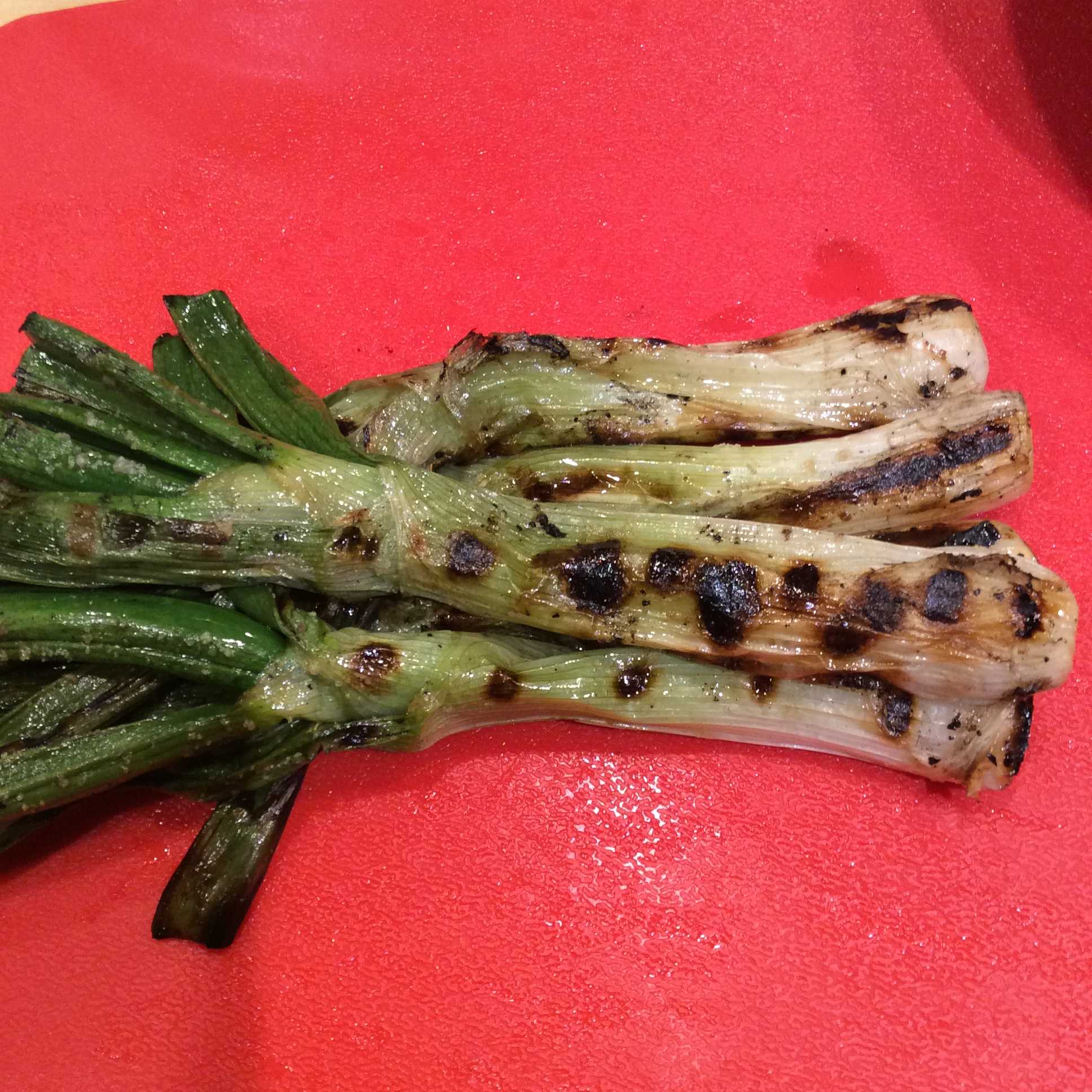
Grill some nice fat green or Egyptian onions to serve alongside and your health benefits increase.

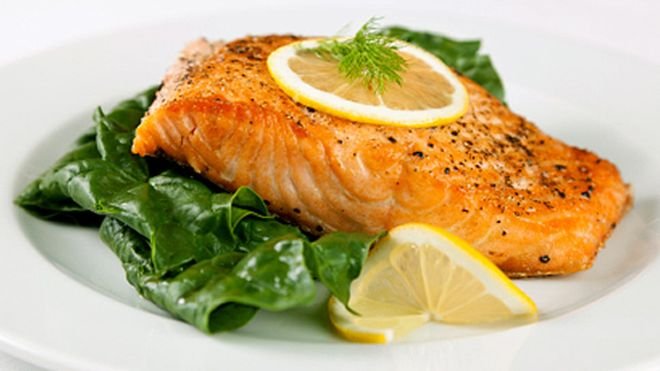
In a hurry? Take it off the grill and plop it on some dressed leaves and add a slice of lemon. Dinner in 15 minutes, or ten if you pan-roast and don’t take time to heat the grill.

Personally I would use bronze fennel fronds on top, for appearance and for taste and because it grows well in my yard, but if you’re a dill person, go for it. A generous shower of fresh thyme leaves is also a good finish for salmon, and this is one of the places that I love to use orange balsam thyme, which is otherwise difficult to use.

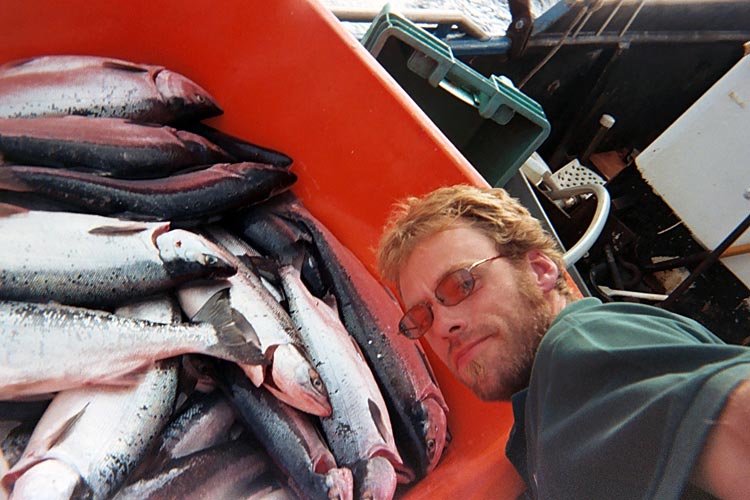
If you’re one of my local readers, the Fishhuggers come to our farmers markets in the summer and sell the salmon that Kenny catches in Alaska, as well as their own superb grass-fat beef and other healthy goodies.

Orange Peel in the Thrifty Kitchen

I’m  an almost-diabetic who uses low-carb food intake to maintain my excellent blood sugar, so citrus juice, which is a pretty concentrated belt of sugar, is mostly out of my diet.  I also love oranges and orange flavored things, and don’t like artificial flavors. So for a while I have been following with interest the analyses showing very high antioxidant activity in citrus peel and wondering how to incorporate it into my diet, and recently I got a chance to test this when I came across a bonanza of 20 large organic navel oranges that could not be sold because they had soft spots. I could have made orange-cello liqueur, but wanted something I could drink with lunch.  So I washed the oranges carefully, cut out the soft spots, cut them into chunks, and puréed  them in batches in my blender with only enough water to keep the purée  moving.  Each batch was blended at the highest speed for over a minute, to make sure it was completely liquefied.  I have a Vitamix, and I don’t really know how well this would work with other blenders, but probably well enough.

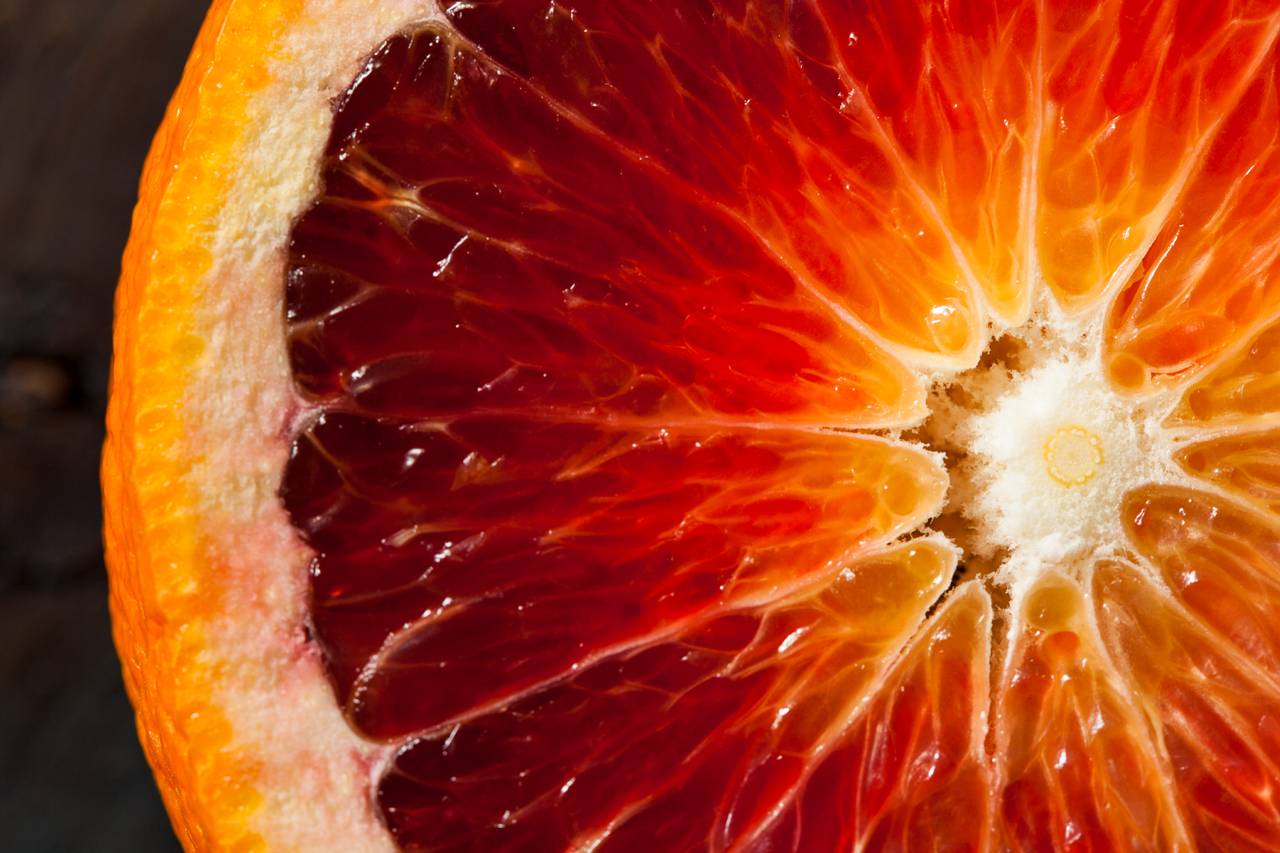
Please note that the oranges I was using were seedless. If you try this with seeded oranges, the seeds have to be carefully removed because they are intensely bitter, and this technique will not work at all with lemons because their inner white pith is so bitter.  I haven’t experimented with other citrus. I would say that tasting a little slice of the white pith might be a good test. If it’s very bitter, it might not work to use it this way. I think that blood oranges would work well, and I plan to try as soon as they come into season. Also, organic really matters when you are using the peel.

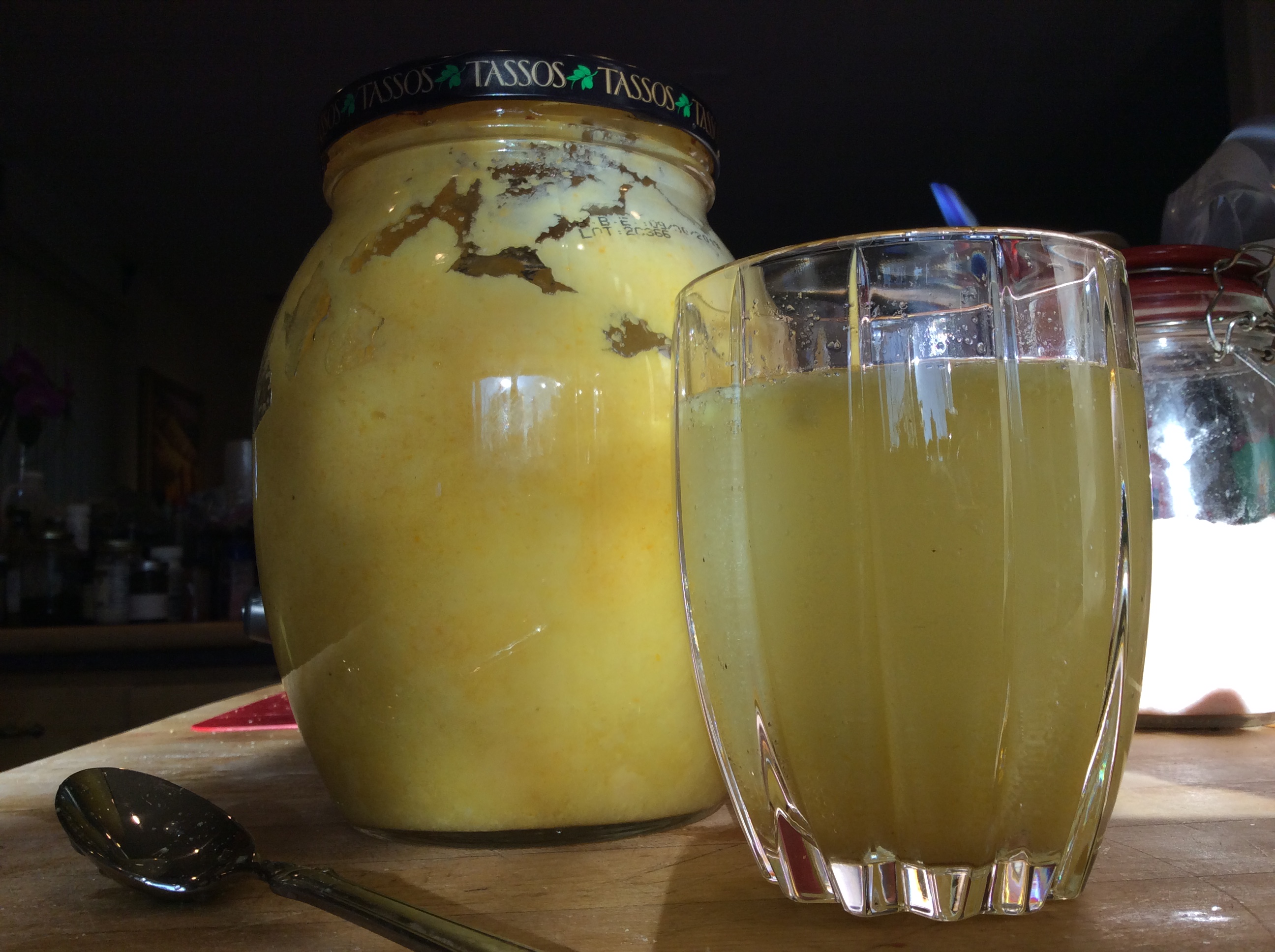
You end up with a thick smooth purée  that is only very slightly sweet, has a hint of bitterness, and is loaded with orange flavor and all the nutritional value than oranges have to offer. I use two or three tablespoons in a water glass, fill it with sparkling water, and sweeten with stevia sweetener. When you get near the bottom of the glass, be sure to swirl it around and drink up all the particles that settle to the bottom. Overall I’m probably taking in about a tablespoon of pure orange juice per glass, so the carb content is not high enough to worry me. I have also added it to a low-carb coffee cake with good results. Because of the intense flavor that the peel adds, you don’t need much.

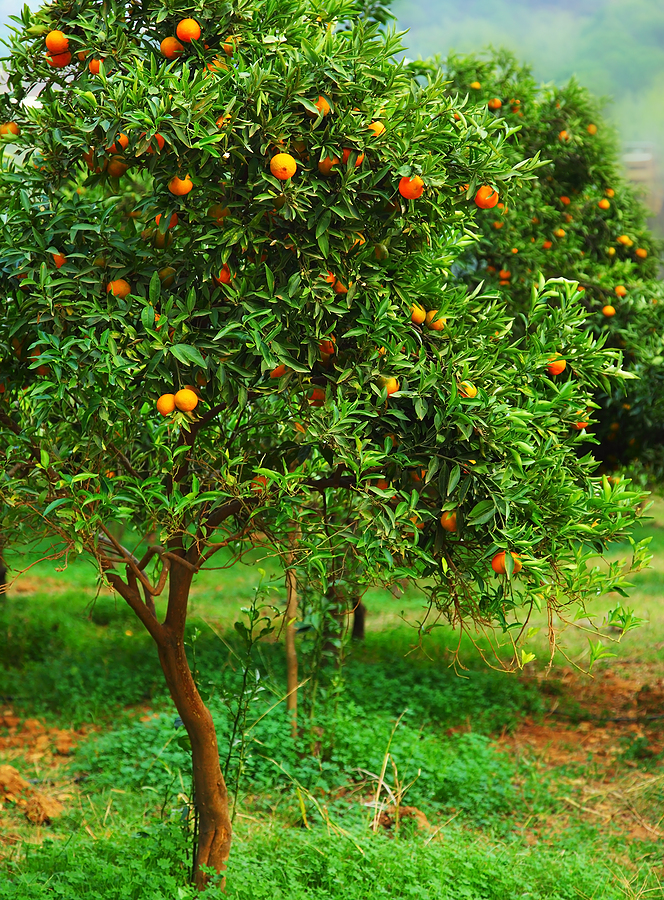
Orange trees are strikingly beautiful, and if you live in the citrus zone they are great edible landscaping material.

If you do a web search on citrus peel you will find articles suggesting that there are few diseases it won’t prevent or cure. Let’s not get carried away. The antioxidants that it contains, including  naringinen, hesperadin, and rutin, have some interesting anti-inflammatory activities, and there is no documented evidence that ingesting some amount of citrus peel and pith is harmful. It’s also a superb natural source of vitamin C, which can be a bit short in a ketogenic diet. It makes thrifty use of something ordinarily discarded, and it tastes good, adding strong flavor and a touch of bitterness that makes an adult drink out of a fruit that can otherwise be too sweet to enjoy very much of. You can read about its various possible benefits at the links below, including the interesting demographic information from the REGARDS study that higher levels of citrus consumption correlated with lower levels of ischemic stroke. Make of that what you will.


REGARDS study analysis indicating possible inverse relationship between citrus consumption and ischemic stroke:

https://www.ncbi.nlm.nih.gov/pmc/articles/PMC5086785/

A survey of antioxidants and anti inflammatory activities in citrus peel:

https://www.ncbi.nlm.nih.gov/pubmed/27719891

An animal study showing inhibitory effects on human prostate cancer tissue grafted into mice:

https://www.ncbi.nlm.nih.gov/pubmed/23673480

An animal study showing effects in reducing neuroinflammation:

https://www.ncbi.nlm.nih.gov/pubmed/26423872

There are other possibilities for eating citrus peel. I came across the following recipe while searching, and haven’t tried it yet, but it does look lovely, doesn’t it? Personally I would roast the fruit-veggie mixture first to soften them more, then the salmon by itself, since I despise overcooked salmon.

http://www.cookinglight.com/recipes/roasted-salmon-oranges-beets-and-carrots