Archive for the ‘home food production’ Category

King Corn

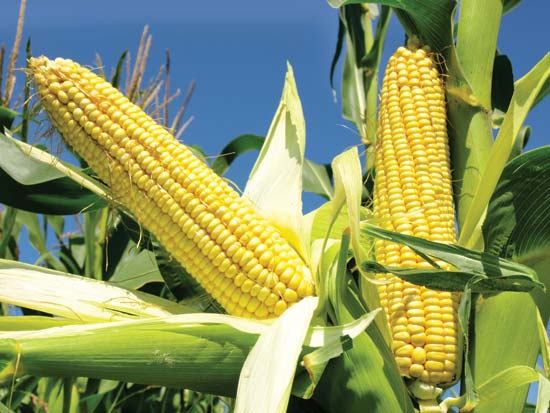
King Corn, a documentary about the supremacy of corn grown for production of sweeteners and animals in American agriculture, was released ten years ago. At the time, some reviewers considered it too low-key compared to supposedly harder-hitting documentaries like Super-Size Me! But I think that King Corn has held up a lot better than some of its more shrill and polemical contemporaries, and I am going to try to get you to watch it.

First, let’s consider whether the problem addressed is still a problem. Have rates of obesity or diabetes gone down since the movie was made in 2007? Quite the opposite. In adults age 40 to 59, obesity has risen to a stunning 41%. In 2015, 9.4% of American adults were diabetic, and another 84.1 million were considered pre-diabetic. Our scientific knowledge of the hazards of sugar in all its forms has grown by leaps and bounds, and so has our national sweetener consumption. So, uh, let’s keep talking about this.

With that in mind, I watched King Corn unfold. It is a sweet low-key film and doesn’t hammer you with a message. It just shows you things. Things like Earl Butz laying out the paradigm change to “more food, cheaper food!” Things like anhydrous ammonia being injected into the soil, and herbicides being rained onto the soil in 90 foot swaths, all to grow more corn. Things like genuine and literal mountains of corn being shoveled into confinement animal feeding operations and sweetener factories. Things like current farmers admitting that they won’t eat their own product, and the owner of a confinement cattle feeding operation saying “if the American consumer wanted grass-fed beef, then we could and would produce it.” Things like Dr. Walter Willet of Harvard, one of the greatest nutritional researchers in the world, explaining what all this means in terms of American health. Things like small American farmers going under as their neighbors consolidate to produce more and more and yet more corn. And, tragically, things like a delivery driver talking to one of the protagonists about the ultrasweet grape soda that he drank constantly when he was growing up, and about his father‘s eventual death of diabetes. “They amputated his toes first,” the driver says, “then his foot, then his leg below the knee, then above the knee. When they started cutting on his other leg, he gave up. He died.” The driver went on to say that he himself had lost a huge amount of weight just by giving up soda. I’m a doctor and this scene made me want to cry. Currently the national cost of diabetes in the US is calculated to be a stunning 105 billion per year, a figure that becomes even more remarkable when you learn that it does not include the cost of workdays lost. The cost in human suffering and loss of lifespan and healthspan is beyond calculation.

If you wonder what any of this has to do with an urban gardening and home food production blog, I would say that it’s the backbone of what I’m talking about here all the time. It simply is not possible to grow or make at home anything that is as unhealthy as most of what is sold to you in stores and restaurants. I seldom venture into large grocery stores these days, but when I do, what I see is aisle after aisle of things that are not really food. Don’t eat this stuff.  Bushels of money are being made out of messing up your health. Grow something, cook it, and eat it, or buy it directly from the person who grew it.  Take an interest in the health of the soil right around your own house. Take to heart the interview clips in King Corn that show Michael Pollan sitting and talking to the interviewer with his home garden in the background, Tuscan kale prominent.  Plant one little plot of kale, cook it six or seven different ways, and see what you like.  Use the fall and winter to start planning a small garden for spring. Find three recipes for leafy greens that you really enjoy, and make them often. Serve them to your family and friends.  This is not just a fun and loving but a subversive act.   Almost everything in our corporate food culture is designed to get you to eat things that are not good for you. There are corporations that exist to make a mint at the cost of your health,  and then other corporations that make further fortunes by making pharmaceuticals to treat your food induced health conditions and allow you to continue eating swill, but you are smart and wily and you are going to begin fighting back.

Natural Chaos

A garden bed with edible weeds in glorious (?) array

For a brief period earlier this year I had a lovely young helper in the garden, and he was a sponge for any information about plants and animals and a joy to have around. At one point, as he talked about how much he wanted a “yard farm” of his own, he looked around my yard and said thoughtfully “But mine will always be neat as a pin.” He didn’t say “by contrast,” but the implication was clear, and quite true.

Well, if there is one thing my urban homestead is not, it’s neat as a pin. Nature grows and blooms. Nature also surges, intrudes, overwhelms, dies back, regrows,  creeps, climbs, and insidiously gets Her own way. The gardener plays a part in natural chaos too; all the photos of lovely front yard veggie gardens that you see in magazines are taken before harvest. The gardener cuts the glowing rainbow chard, harvests the multicolored row of lettuces, picks the crimson tomatoes, and plucks the shiny apples, and suddenly things aren’t so camera-ready. Admittedly, many are neater than mine, since many gardeners lack my taste for edible weeds and my belief that nearly any plant has a purpose.  But if you want to get the most that you can get out of gardening, a degree of chaos tolerance may be a useful asset.

My blogging friend Luke of the Mortaltree blog summed this up so superbly that, with his permission, I’m linking to his post on the subject. So please hit this link and read his post “Taste of Chaos,” which really sums up the land-healing experience:

Taste of chaos

Luxury Dances With Penury

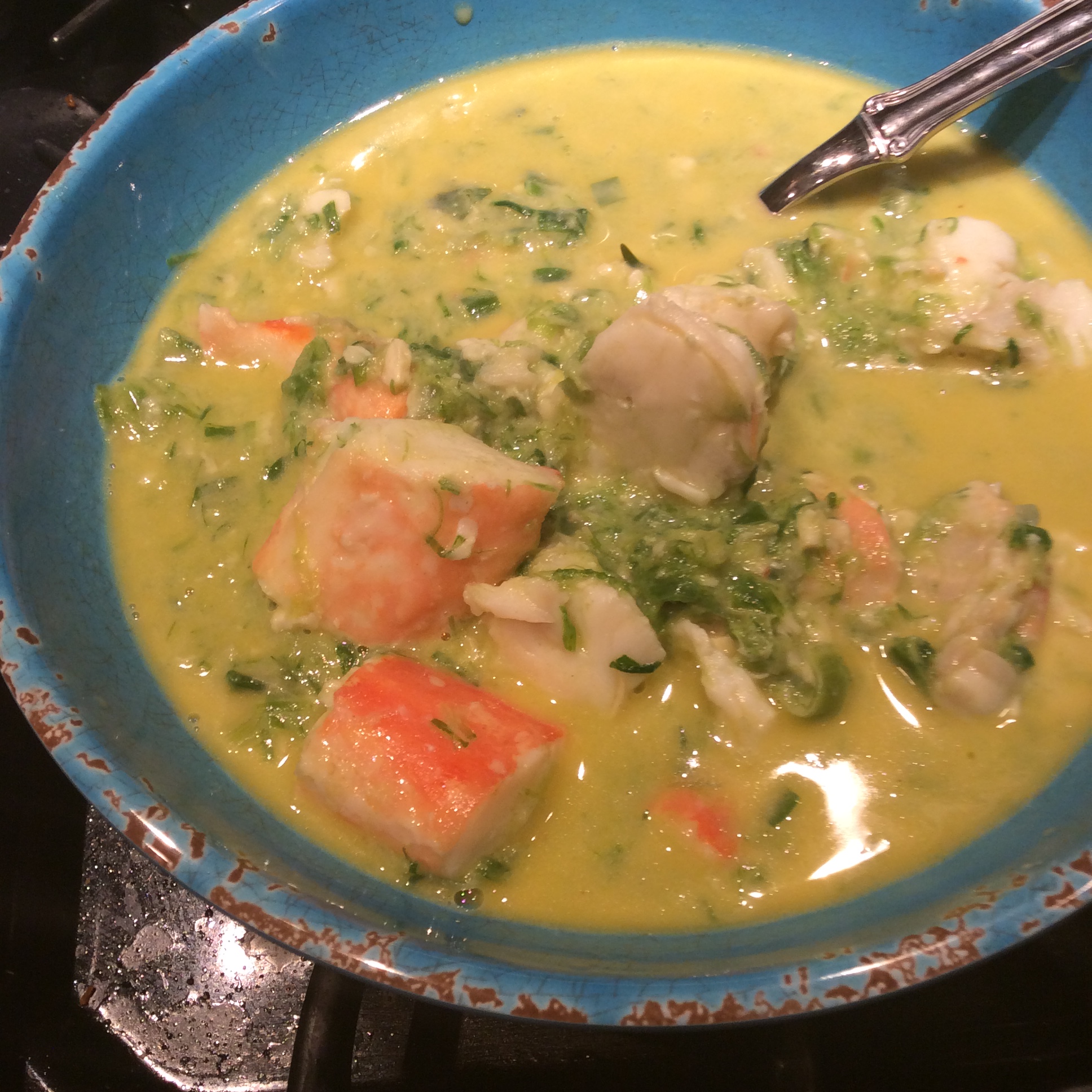
Tonight I ate one of the most extravagant meals I’ve had for a while, and somehow it led me to meditate upon thrift. The main ingredient, two legs of the highest quality Alaskan king crab I’ve come across in years, cost a bomb. But careful orchestration of other ingredients made this all come together in (reasonably) economical style.

Let’s start with the broth. I have written obsessively about the value of good broth, but that won’t stop me from doing it again. When it comes to seafood, it’s essential to remember a few basic things:

1. Seafood broth should be made from seafood, maybe with the addition of some white fish scraps but no salmon or other oily fish and no commercial clam broth. Any avid seafood eater can smell those spurious additions from a long way away.

2. You’re looking for the waste bits of otherwise excellent seafood; shrimp shells, crab shells, shrimp heads, etc. For the clean but intense broth above, I lucked into some lobster carcasses by trading Louisiana seafood stories with the proprietor of a luxury seafood shop. Accept what you are offered with glad thanksgiving.

3. Fish and seafood broth should be boiled at a furious boil for 20 minutes, not simmered for longer times. Then cool, drain, and use or freeze.

4. Build up intensity in layers. Boil, drain, cover new ingredients with the broth, and boil and drain again. You can freeze between boiling episodes. The lobster carcasses came my way over a year ago, and made a quart of rich stock. Then I thawed it and used it to boil shrimp shells, cooled it, and froze it again. Finally, it was thawed and used to boil the shells of the king crab. It was loaded with seafood flavor, but had a clean fresh taste because it was never overcooked.

Given a potent base like this, you don’t need much else. The meat of the two crab legs was cut into good-sized chunks. I used four large stout scallions from my garden, sliced crosswise at 1/4″ intervals and  whites kept separate from greens. My garden scallions are huge, and a dozen store-bought scallions would be needed to approximate them.   Other ingredients were butter, a cup of heavy cream, and three egg yolks from my backyard hens.

Sauté the white parts of the scallions in a quarter cup of butter over medium heat with a hefty pinch of salt until they are softened and translucent. Add the green parts, sauté another minute or two, and add a quart of rich seafood broth. Boil hard until reduced by about half, then add the heavy cream and bring to a boil. Taste and check for salt. Reduce heat and lay the chunks of crabmeat in the saucepan and heat through. Lift the crabmeat and some of the scallions in two soup bowls, leaving most of the broth and cream behind.

To make the egg yolk liaison, beat up the three egg yolks in a bowl, add about half a cup of the hot seafood broth from the saucepan slowly to the bowl while whisking rapidly, then pour the yolk mixture slowly into the saucepan while whisking rapidly. Let heat, whisking, just until the broth is steaming and lightly thickened. Taste. Any distinct “egg” flavor should have cooked away, and it should taste of the sea in the creamiest way.  Pour over the crab and scallions in the soup bowls, and finish each bowl with a generous pat of butter. Serve, eat, and marvel at the goodness to be found in the cosmos.

There are ways to make this even more economical. If you are a carb-eater, put a hunk of sourdough baguette in each bowl before spooning in the crab. The bread will be soaked with seafood essence and will provide elevation, so that one crab leg will serve two generously. Boiled salted fingerling potatoes or good cooked rice can be used the same way.

But in the final analysis this is a dish to make when you feel a bit flush and want to serve your love the best. It goes well with a buttery Chardonnay and a brief discussion of how lucky we are to be on the planet.

The best modern book on thrift and grace in cooking is Tamar Adler’s An Everlasting Meal. Read it, and cook on in good heart.

A Quickie Relish

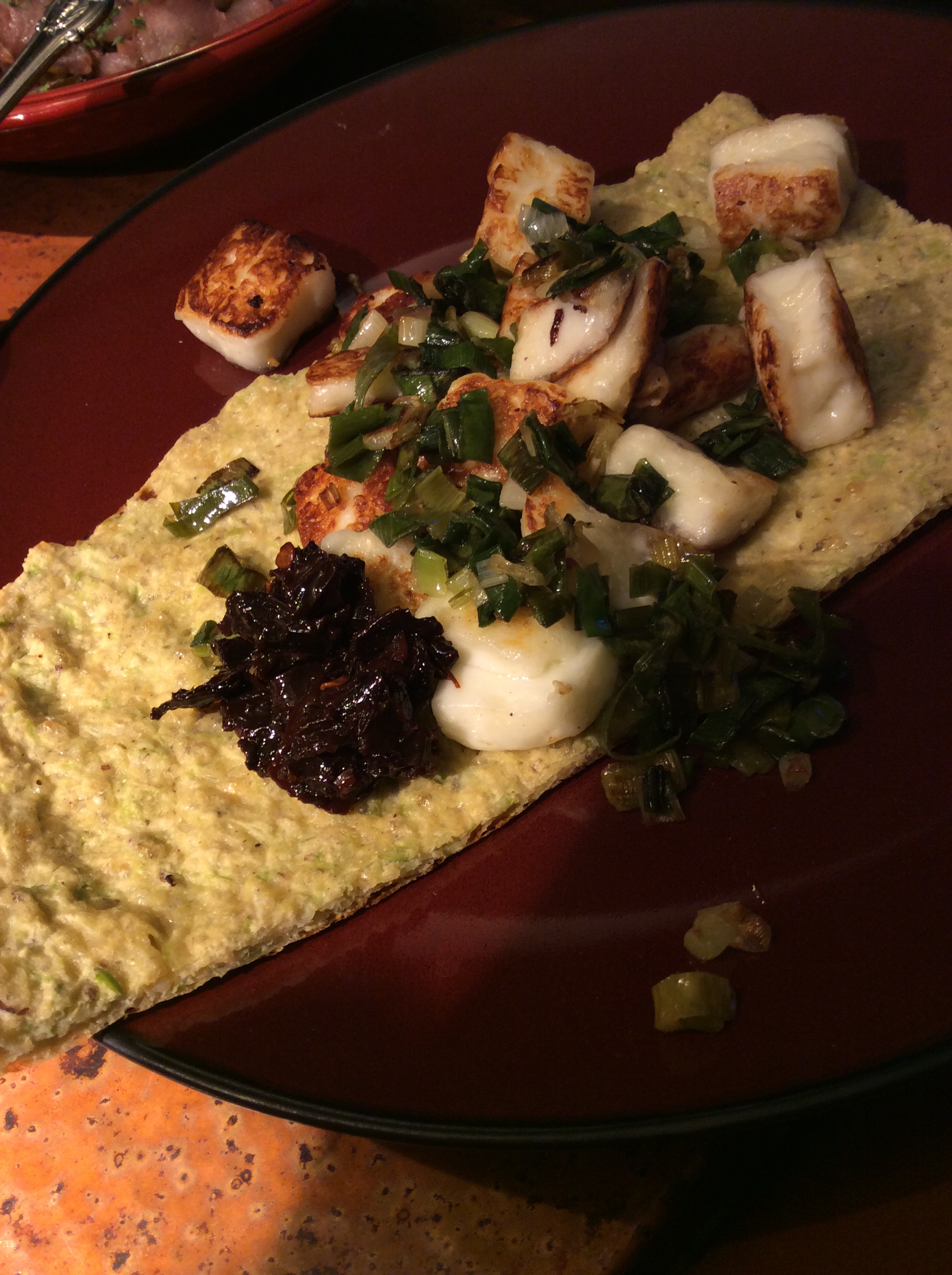
After posting the above picture in my post on making halloumi, I realized that the chile relish in the foreground deserved a post because it is so easy and so good. Its origin is Mexican, and I learned it from Diana Kennedy’s superb Mexican cookbooks, where it’s called Tia Georgina’s Salsa or Scissors Sauce. It’s great with a Mexican meal, of course, but also good with almost any other kind of food that could use grounding with a dollop of full-bodied mellow flavor with a bit of heat.

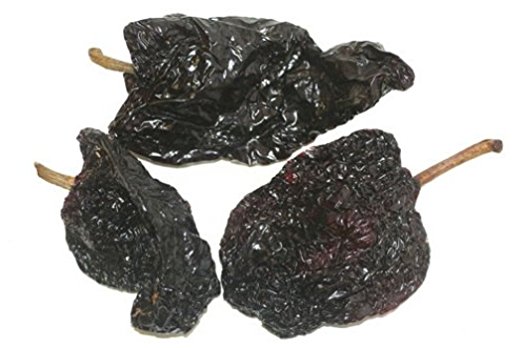
First, catch your anchos. The ancho chile is the ripened dried Poblano chile, and should be leathery and bendable rather than crisp-dry. The chile has a mild sweetness and marvelous notes of coffee and darkest chocolate in its meaty flavor. Pull the stems, seeds, and internal matter out of six ancho chiles. Cut them into thin strips with scissors. Add two chopped cloves of garlic and a half teaspoon of salt. Stir in half a cup of mild vinegar; I use about 2/3 homebrewed red wine vinegar and 1/3 water to decrease the acidity just a bit. Then add half a cup of oil. I prefer a mild olive oil. Then-this is key-let it sit covered overnight. This gives the chiles time to soften and lets their flavor bloom. In the morning stir it up, taste and adjust the salt, store in a jar in the refrigerator, and eat with nearly anything. It’s wonderful with grilled meats or chicken, great alongside scrambled eggs (especially if they are cooked with a bit of onion and green chile and garnished with cilantro,) and if you aren’t ketogenic it’s superb in nearly any kind of taco or just spread on a freshly grilled tortilla with a handful of crumbled queso fresco. Ah, those were the days…