Archive for the ‘greens’ Category

Mild Wild Greens:the Siberian elm


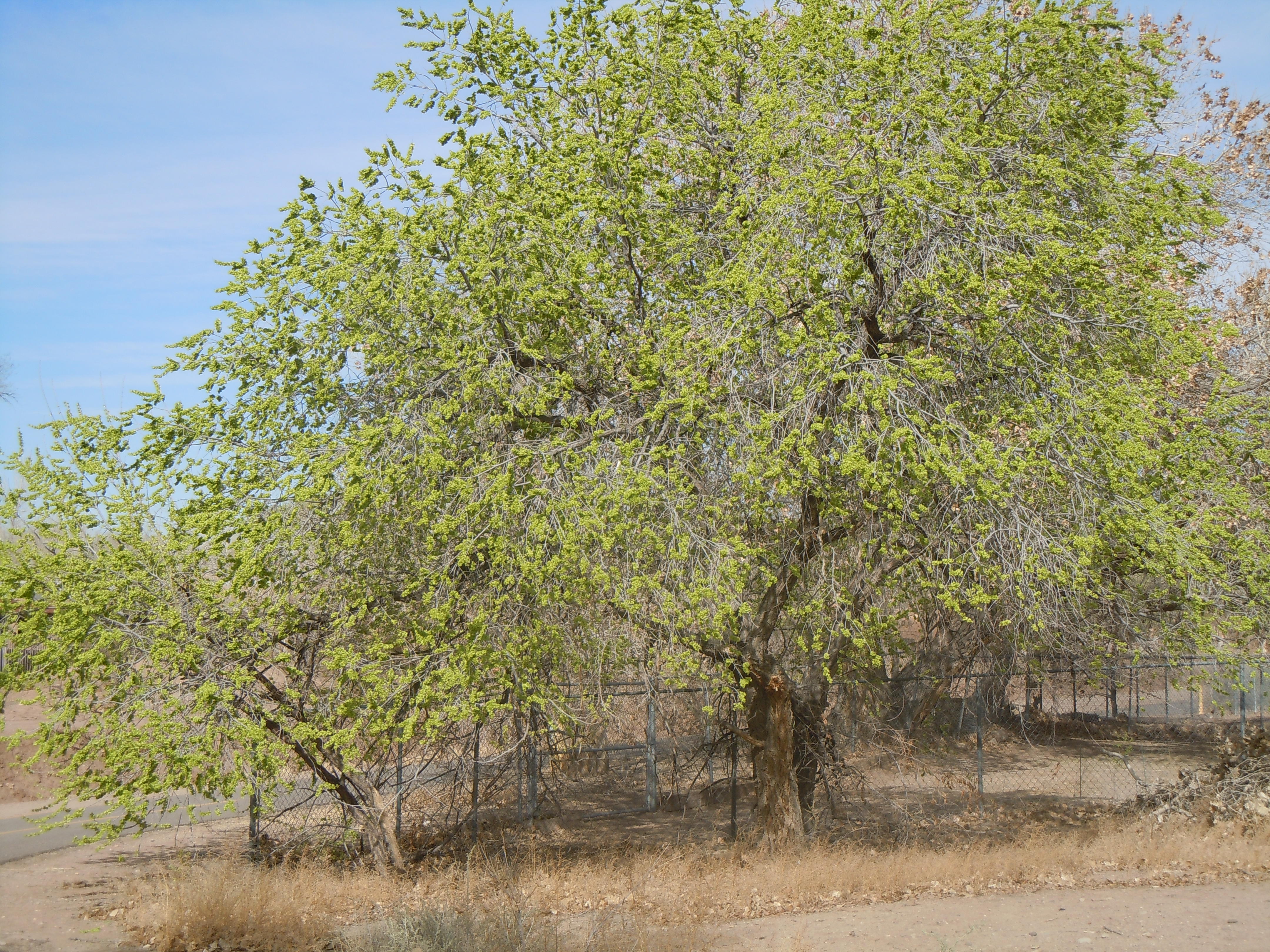
There are some plants for which I have an intense and personal dislike, and the Siberian elm is close to the top of the list. It’s one of our more common trees, because it’s so highly adapted to invade and crowd out more desirable trees. The seeds come up everywhere, and their hold on life is astoundingly tenacious. Even as tiny seedlings, they have a deep root system. If you don’t get the whole thing out, they will come up from the root, they spread by root, and they produce, by scientific measure, a trillion skillion seeds per tree per season.

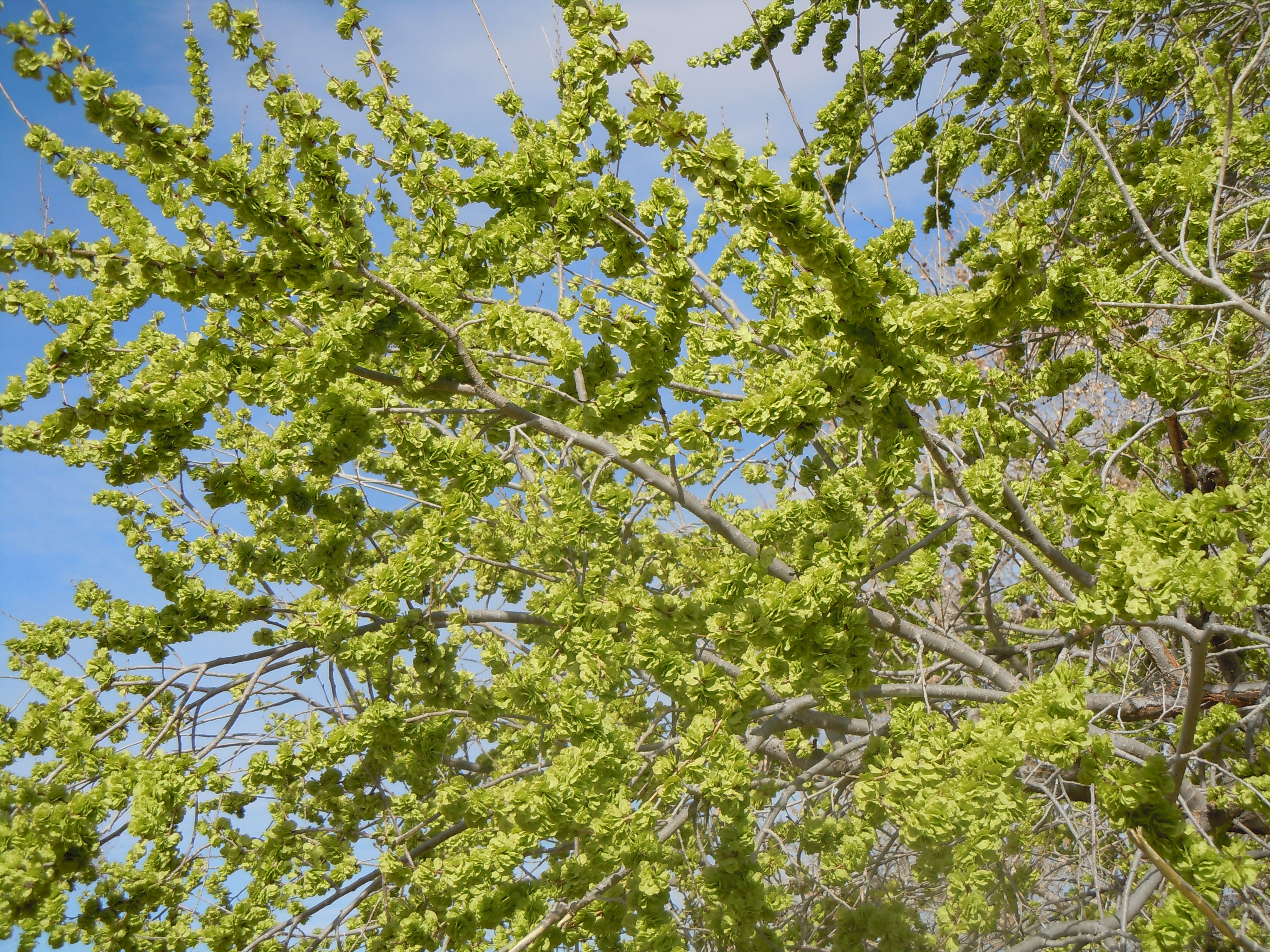
But this time of year, they have two good qualities. The first is that they cover their branches early in spring with bright lime green samaras, the casing within which the seed develops. They look fresh and green before anything else, which lifts my spirits toward spring. And, the samaras are edible and quite good, and available in mind-bending quantities. The samaras are round and paper-thin. Just pull them off the branches by the handful and add to salads or eat on the spot for a quick snack. Be sure to get them young, when fully expanded and a little over half an inch across but before the edges have started to dry and lose their intense greenness. Taste a few. If there is a “papery” feeling in your mouth, they’re too old. Use only those that are tender. The flavor is pleasant, mild, a little “green,” and very slightly sweet. They don’t have the texture or character to endure cooking. Just eat all you can, and if you have chickens, goats, etc., give them some too. There’s plenty.

Whenever you eat a food that is completely new to you, use good sense. Eat a little, wait a day, eat a little more only if you had no reaction to the first try. It goes without saying that you don’t put any wild plant in your mouth unless you are 100% sure what it is. For more on wild foods and foraging common sense, read anything by Samuel Thayer or John Kallas. Please don’t use my blog to identify plants, since identification is not my emphasis. You need a couple of good field guides for that. Start with Thayer’s Nature’s Garden and Kallas’s Edible Wild Plants: Wild Foods from Dirt to Plate and you may end up with an intriguing new hobby.

Addendum: when I wrote this post 6 years ago, I forgot to mention that the samaras are a great addition to spring salads, too. I had a little more to say about them this year, and you can read it here.

Spring in the food garden


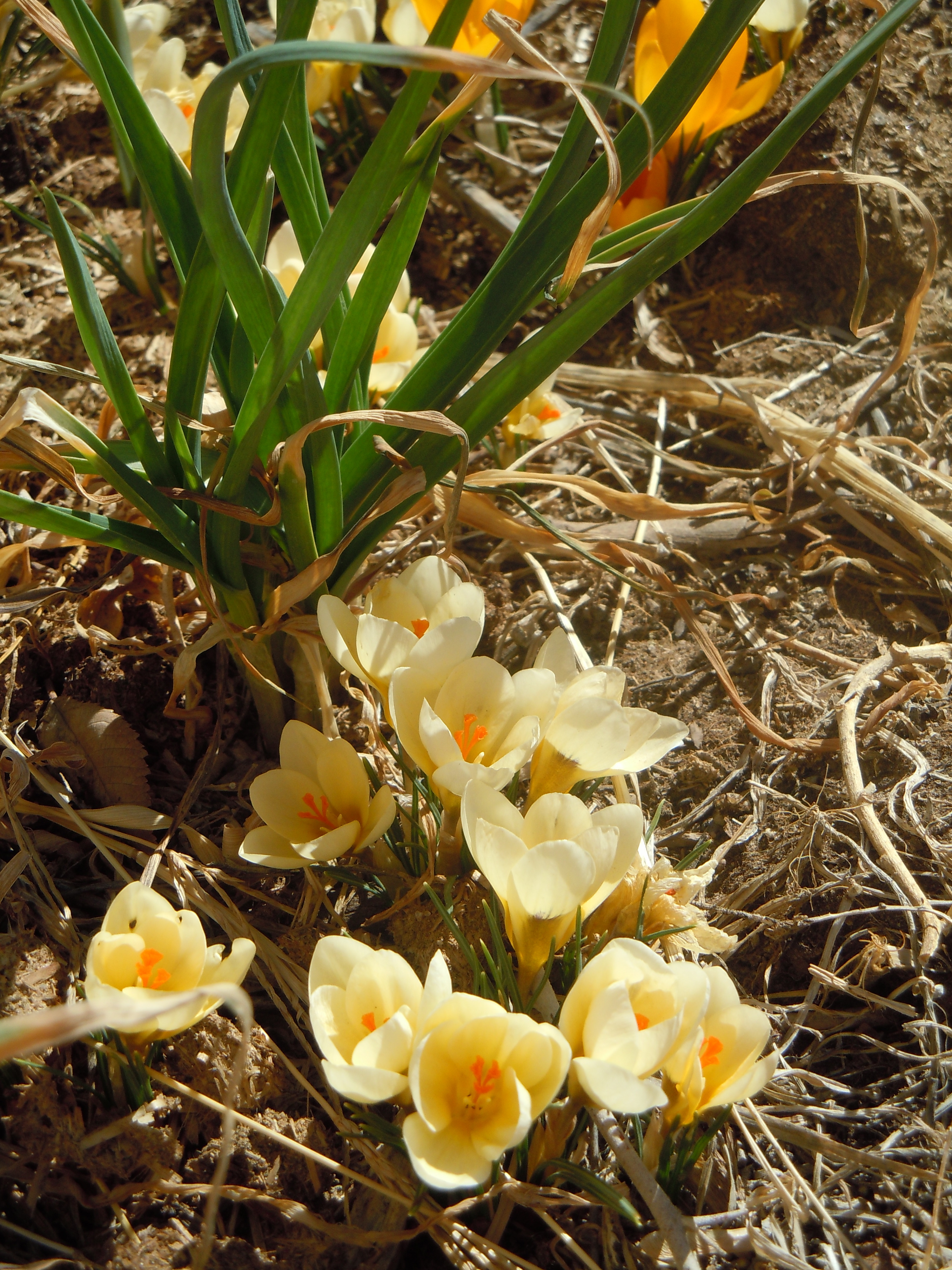
I’m not a winter person, so wherever I move, I always plant a patch of the early little species crocus “Cream Beauty” in my garden. When I see the first glowing blooms, I’ve officially survived another winter.

“Cream Beauty” is also a kind of floral nag, reminding me that there’s no time to hang around luxuriating in the sunlight; I need to be prepping and planting furiously. It’s one of the ironies of garden writing that, just when you actually have something to say, you have no time in which to say it. So here are a few spring tidbits in no particular order:

Last fall I coated all my “greens” beds thickly with horse manure, and dug it in as soon as the ground thawed in early February. Fresh manure needs to go on in the fall, but you can apply well-aged manure or finished compost now. Now the beds are ready to plant, and I put in three kinds of lettuce, several types of mustard, two kinds of spinach, snap and shelling peas, and a wide assortment of chicories, both leaf and heading. It’s important to get them in early so that they don’t fry in overly hot summer sunlight. Chard, parsley, and potatoes will be planted within the next week or two. Leeks and scallions were started in seed trays last month, and the multiplier onions, garlic, and shallots planted last fall are sprouting. I planted grey shallots once and didn’t find the bulbs useful- too small and too much work to peel- but they provide generous cuttings of sharp shallot greens every spring to season salads and soups. They are like chives but with a distinctly stronger flavor.

Every year I try a few things that are completely new to me, and one of my newbies this year is bladder campion, which, according to the catalog, provides young greens that taste something like green peas. It’s a common weed in wetter parts of the country, but here it needs some shelter and encouragement. Bear in mind that many plants which need full sun elsewhere prefer some shade from our high-desert sun. If you fail the first time, as I did with bladder campion last year, try giving a little afternoon shade.

Don’t forget to plant more peas than you need so that you can cut the sweet young greens for spring stir-fries.

If you’re going to try chickens this year, build the coop and make a brooder set-up now, BEFORE you buy the adorable baby chicks. I’m going to try a few meat chickens this year, so I’m building a large open-bottom cage to keep them in. It’s my first effort at carpentry, and I don’t think that there is a perfect 90 degree angle anywhere in it, but the chickens are unlikely to care. Make your chicken construction sturdy and raccoon-proof, not beautiful.

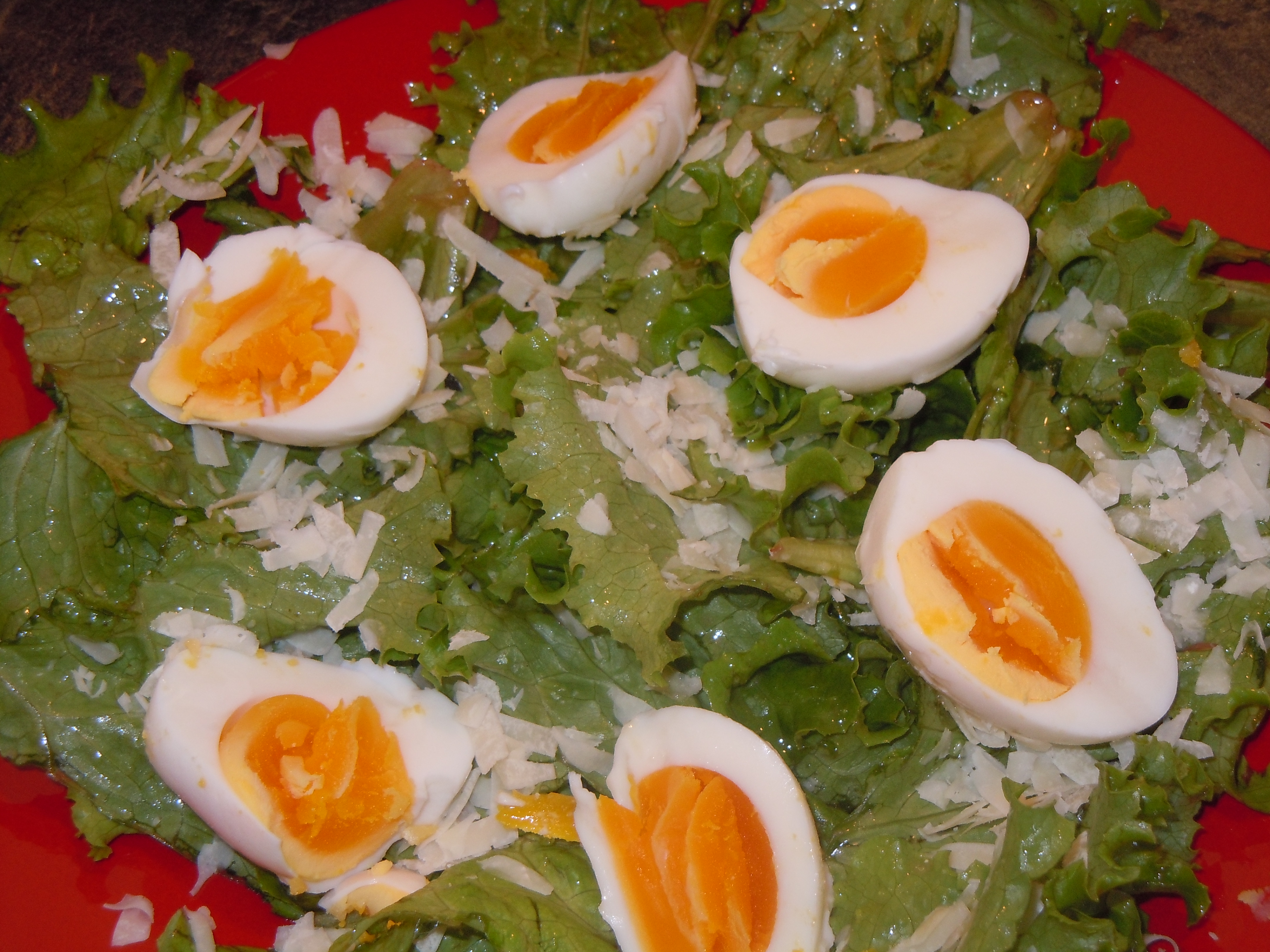
Gardening is a natural process, with all the entropy of any other natural process. Success does not pile upon success in an automatic fashion. Our freakishly cold snap is likely to result in some garden disappointments. My artichokes all seem to be dead, a sad event because they are offshoots of the first plants I grew from seed, many years ago. But that’s a reminder that nature is under no obligation to respect our sentiments. If you are very fond of getting your own way, gardening might not be for you. Nature offers some consolations too, like the glut of big brown eggs with deep orange yolks flowing out of the henhouse. There are a million ways to enjoy them, but while I’m waiting for the spring bulbs to bloom I enjoy eating what I think of as Daffodil Salad. The name comes from the colors, which remind me of the exquisite Poet’s Narcissus. Please know your edible flowers if you use them, and remember that daffodils are NOT edible.

To make a main dish, put three eggs per person in cold water, bring to a boil, simmer 10 minutes, and cool quickly in cold water. If you have your own hens, the eggs need to be at least a week old to peel cleanly. With store eggs this is seldom a problem. The ten-minute simmer gives yolks as shown, just barely solid in the center and a rich orange. Peel the eggs and cut them in half. Put the amount of salad greens you prefer in a big bowl; I use about three good-sized single handfuls per person. Toss with the dressing below or your own favorite vinaigrette. Pile on plates, top with the egg halves, and drizzle a little more dressing over the eggs. Scatter on some thin shavings of your best Parmesan and enjoy.

Spring dressing
1 small shallot or the white part of one scallion or the white part of one stalk of green garlic
juice of one lemon
1/2 cup best olive oil
2 tablespoons roasted hazelnut oil
half a teaspoon of salt, or to taste.
fresh pepper, about 15 turns of the mill
a small handful of chopped chives or about 2 tablespoons very thinly sliced shallot greens

Chop the shallot bulb, scallion, or green garlic bulb very finely and marinate in the lemon juice for fifteen minutes, with the salt added. Don’t skip the marinating step. After fifteen minutes stir in the other ingredients, shake in a jar, taste for seasoning, and use. Any not used immediately will last a day or two in the refrigerator.

The garden year: winners and losers


Like most gardeners, I try a lot of new stuff every year. Some of it fails, some is good enough to make a nice novelty but not good enough to make the long-term cut, and some new items become a part of my regular line-up.
This was a tough year for my garden, and everything that survived deserves some credit. The blistering heat, unusual for this area, and a lot of neglect on my part due to other pressing matters made for a veritable Darwinian demo of natural selection in action.

A special Most Tolerant Vegetable award goes to sweet potatoes. They might get an award for Most Nutritious Vegetable, too, and possibly for Most Delicious Vegetable. No matter what kind I plant, they seem to flourish. I pick so many of the leaves off for greens and salads that it’s a wonder they survive, but I got a very nice crop of roots too. I tend to like the dry yellow types better than the moister orange types, but the latter are healthier to eat, so plant both. Can’t beat ’em. Grow plenty.
The other winners were:

Squash: Waltham Butternut, Chiriman and Kikuza, three C. moschata subtypes. They were resistant to borers, laughed off squash bugs, and soaked up the heat. All had delicious flesh when cured, a little on the moist side but sweet, stringless, and close in quality to my beloved Buttercup, which I can’t grow here because the borers always get it. They were watered irregularly and tolerated that.

Greens: Malva sylvestris. This is an attractive ornamental with mauve flowers, and it makes good healthy leaves for greens in the hottest weather. I’ve chosen it over my old favorite Malva verticillata because it’s a more ornamental plant and equally good to eat. It’s less prolific, but that’s a good thing.

Chicory “Trieste sweet”. This was advertised as less bitter than other chicories, but in my garden it wasn’t. That’s fine with me, since I love the light clean bitterness of well-grown chicory in a salad, and this one was a very strong grower with pretty light green smooth leaves.

Carrot: “Purple Rain.” I love purple carrots for some reason, and the darker the better. This one fit the bill, dark purple right to the core. See chunks of it, loaded with anthocyanins, in the post “Root Vegetables Chairoscuro.”

Parsnips: “Turga.” I only grew a few, and next year I’ll be growing a lot more. They tolerated heat and drought and heavy clay soil. By December when not much else is available fresh, they’re sweet and delicious. They don’t need any special storage for the winter; just leave them in the ground and dig them whenever the ground isn’t frozen.

Potatoes: Red Norland. I adore Peruvian Purple potatoes and have always grown a lot of them,  but this year they were a complete crop failure, while ordinary Red Norlands came through shining, as they always do. So experiment all you like with exotic potatoes, but have a few hills of the Old Reliable. Even if you don’t have room to grow main crop potatoes for storage, you’ll want a few hills to dig for gossamer-skinned new potatoes.

Spinach: America. This very old hybrid is still going strong. Not as big as some, not as smooth as some, not as savoyed as some, it just produced lots of tasty leaves in cold weather and in hot, unruffled by the changes that nature threw at it.

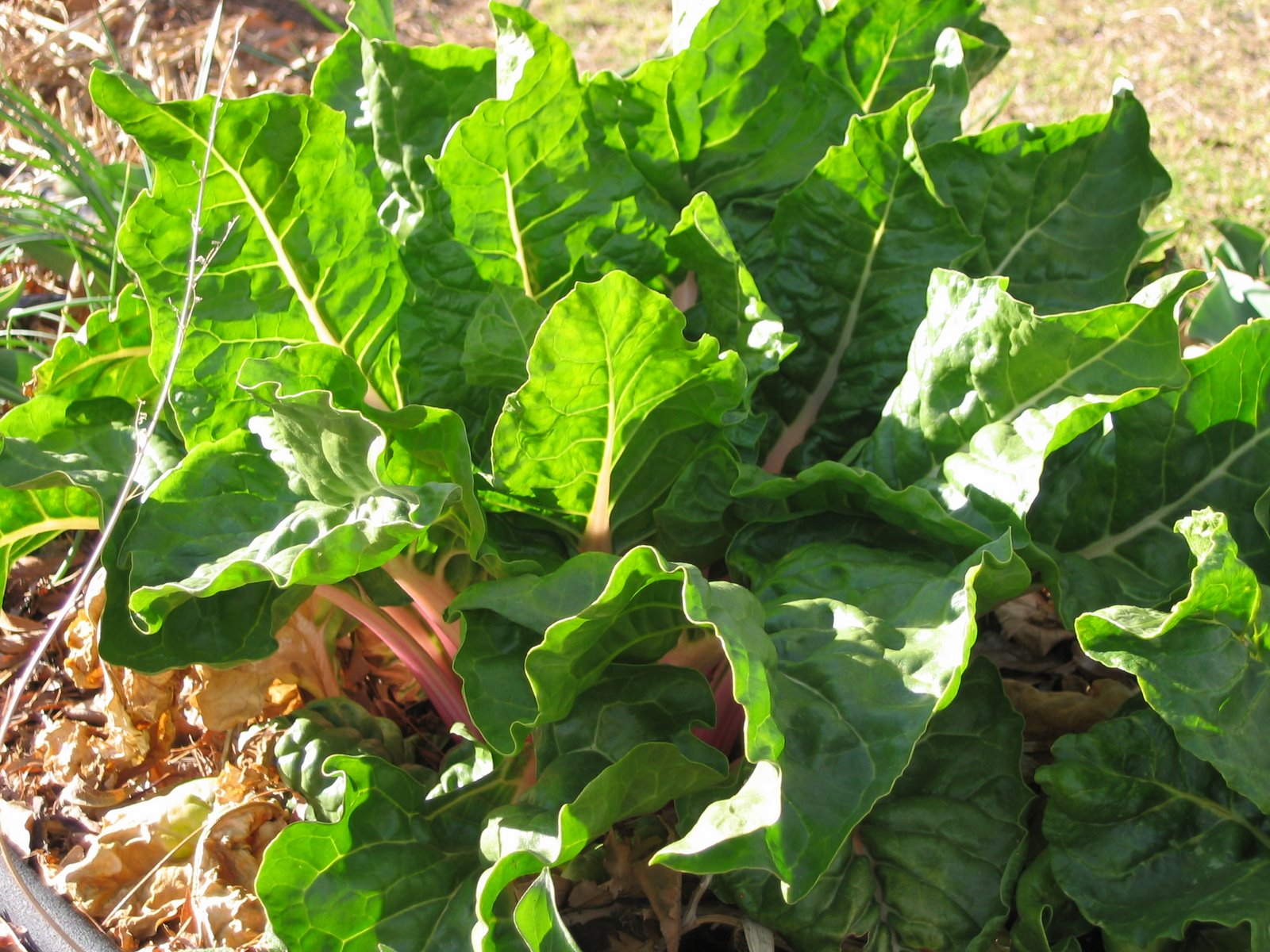
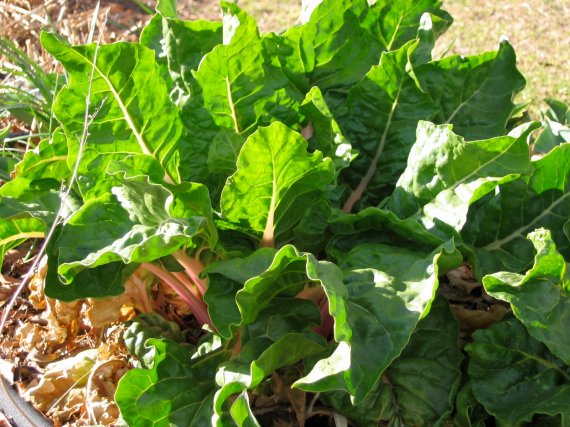
Swiss chard: Fordhook Giant. For years I flirted with the multicolor types, but they don’t produce as well as this old stalwart, and I grow leafy greens to eat, not to look at. It mixes nicely with flowers.

The losers:

Squash: Sucrine de berry and Musque de Provence. Both had come highly recommended by the catalog for flavor and lack of fiber, and unfortunately both were just awful. Both had stringy unpleasant flesh, and Musque had very little sweetness or flavor of any kind while Sucrine was watery and had a strong unpleasant scent and taste that one taster described as “Squnk.” Both were vine-ripened and cured for two months, so I can only assume that the seedstock was not pure, but since I rely on winter squash for a lot of my winter vegetable supply, I can’t take a chance on them again.  They are quite decorative on the end of my dining room table, and the chickens will eat the flesh if I bake it for them, but that wasn’t my plan for my squash supply.

Summer squash: Trombocino. This is a vining summer squash that gets high marks for flavor in some catalogs. I can only say that in my garden it was hugely prolific but had no flavor at all.  I’ll be going back to some zucchinis that I like better to eat.

Mirliton These are a common vegetable in Louisiana where I grew up, and they love heat, so I thought that if I supplied water they would do well here. Unfortunately, they shriveled in our dry heat. They might do better if given some shade, and I’ll probably try that this summer.

Milk thistle: I was bamboozled by some foragers into introducing this pernicious weed to my yard. It’s very pretty in an architectural way, but the leaves are touchy to pick, prickle removal is somewhat tedious, and the green that you’re left with doesn’t taste that great. The flavor isn’t bad, but certainly it isn’t anything I’d go out of my way to eat. And once having introduced them, they take hold with frightening avidity. Better not to get started with them. By the way, some people on the Internet say that if you boil the leaves, they can be eaten prickles and all, to which I say “Bah.” Further, I say that they’ve never really tried it. I would buy a ticket to watch one of those people eat a plate of thistle boiled stickers-and-all.
Books Worth Reading: John Kallas on Edible Wild Plants


The holiday weekend was a great time to read in a warm spot, which reminded me that I should be sharing more of the books that I think are really helpful. I should add that I don’t accept free review copies; whenever I review a book, I paid the same price for it that you will. I think that this is essential to an accurate judgment of the value-for-money aspect of the books that I recommend.
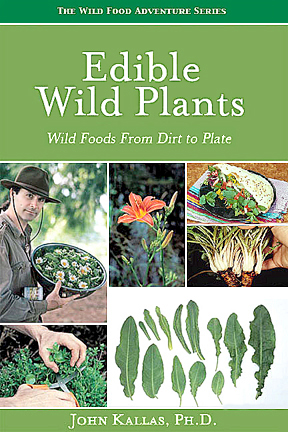
With that in mind, John Kallas’s Edible Wild Plants: Wild Foods from Dirt to Plate is a very good value if you want to get started in foraging. I get a lot of inquiries about wild foods, and this is a book that I can recommend without reservation to any beginner; if you read and pay attention, you will learn to collect a number of common plants safely and prepare them well. Kallas concentrates on leafy greens which are found in most parts of the country, and he organizes them by flavor category in addition to giving accurate botanical and ID information. This is a lot more useful and practical than you might realize if you aren’t accustomed to foraging for greens. A well-balanced dish of greens needs a range of flavor notes, as well as a base of mild greens to build upon, and as you learn the plants from Kallas you will learn the notable aspects of their flavors. In my opinion, nearly any experienced forager could pick up a tip or two here, about preparation if not about identification.
Only greens and shoots are found in this book. If this seems too limited, keep in mind that most of us aren’t going to spend the time needed to forage and prepare wild staples, at least not most of the time. It’s romantic to read about gathering wild rice or arrowroot, or to imagine spending a clear autumn day gathering and storing fruit or nuts, but the wild foods that are widely available throughout much of the country for much of the year and that you can forage in a few minutes on your way home from work are mostly greens and shoots. Besides, if most of us were to make one change in our diets and maintain it, the addition of more green veggies would be a good one to pick. If foraging gets you to eat more leafy greens, this is a good thing.
If, like me, you’re a Kindle addict, this book is available on Kindle. I use the Kindle app on my Ipad so that I can see the photos in color. I daydream about eventually having a large collection of good foraging books on one e-device that I can carry around in my backpack, but unfortunately most of the wild-foods books available for Kindle are not of high quality. This one is.
DR. Kallas’s website can be found here if you’d like to order the book directly from him. You can also read his reviews of foraging books, and his thoughtful comments are invaluable when deciding what books you want to add to your collection.