Archive for the ‘fruit’ Category

Canna Lilies

img_4917

Every year I try a few new edibles, and I try to lean toward perennials. I have a lot of edible perennials in the spring but very few that produce in hot weather, so I’m especially interested in any heat-tolerant edible. This spring I read about canna lilies as a multi-purpose edible, with young leaves, rhizomes, and flowers all edible. I have seen them perennialized in my area, they tolerate heat beautifully, and I grew up in Louisiana and still have a taste for overblown tropical flowers, so putting in a canna patch was a natural. They grew well and were very pretty, and didn’t even need that much water since they were well mulched.

The hitch came in the kitchen. I tried young tightly rolled leaves sliced on salads, flower petals on top of salads, and finally the season’s new rhizomes boiled. In all three cases the problem was that there was no objectionable flavor but also no desirable flavor. Cannas taste as much like nothing at all as it’s possible to imagine. Since I don’t know of any pressing nutritional reason to eat them, and since yield is low and they use up a fair amount of space, I doubt that I will try them again. I imagined that my goat would enjoy the leafy adult stalks, but to my astonishment she won’t touch them.

So, overall, no reason to keep growing them except that they’re pretty and can make a dramatic addition to summer flowers. And this leads to a bit of ranting about the concept of permaculture. I have recently perused with interest a book claiming that  permaculture could help feed a rapidly expanding world population in an environmentally sound way, but the picture of the authors’ market display shows nothing but standard annual vegetables.  Another book which purports to be a permaculture cookbook has recipes based almost entirely on standard annual vegetables.  If you hope to eat something other than asparagus and spring greens, what exactly do you grow? My weed patch is a partial answer to this question in my own yard, and I’m experimenting with a few Japanese and Andean perennial edibles (so far without much success.) Fruit is an obvious possibility but many of us have weight or blood sugar issues and need to limit the amount of fruit we eat. So in my view the question remains unanswered, and I will be growing and eating annual vegetables for the foreseeable future.  I’m also interested in the concept of wild-crafting, and in my case this means that I attempt to grow edible perennial weeds in my own yard, where I can control soil and moisture and not worry about overharvesting in the wild.

In springtime, the asparagus springs up, nettles and a host of other wild greens sprout, and I can feel like a real permaculturist for the entire month of April. After that, it gets a lot more limited and I’m a more traditional gardener. Unfortunately, canna lilies are not going to do anything to change that.

Mostarda di Frutta, and notes on artificial sweeteners in ketogenic diets

img_4900
While in Florence on my honeymoon many years ago I learned to love mostarda di Cremona, the sweet tangy mustardy fruit condiment. I bought a bulk kilo, hauled it home, and for many years enjoyed it with all kinds of things. Then I developed blood sugar problems and changed to a ketogenic diet and such treats were off my list of possibilities. Continue reading

Wax Currants

image

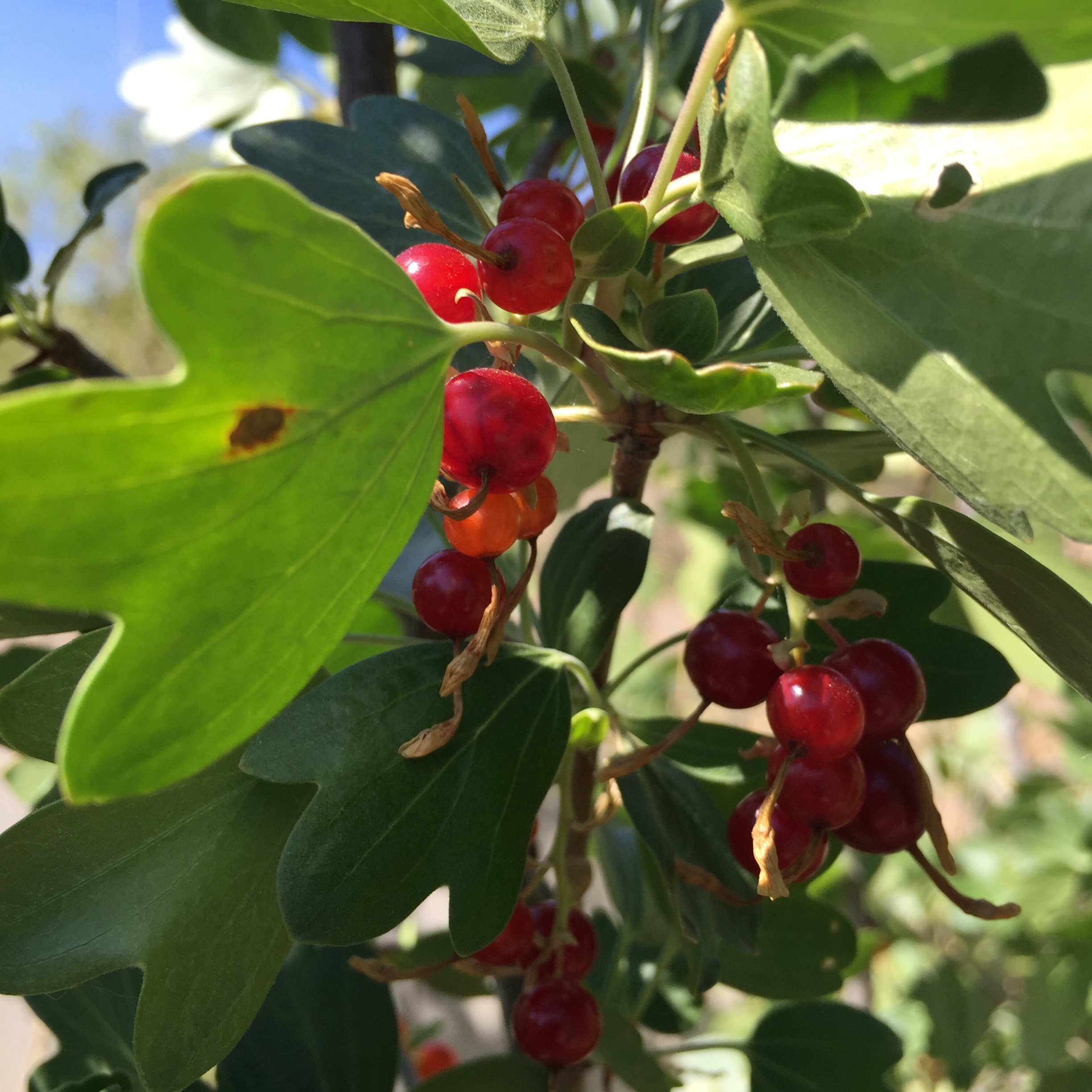
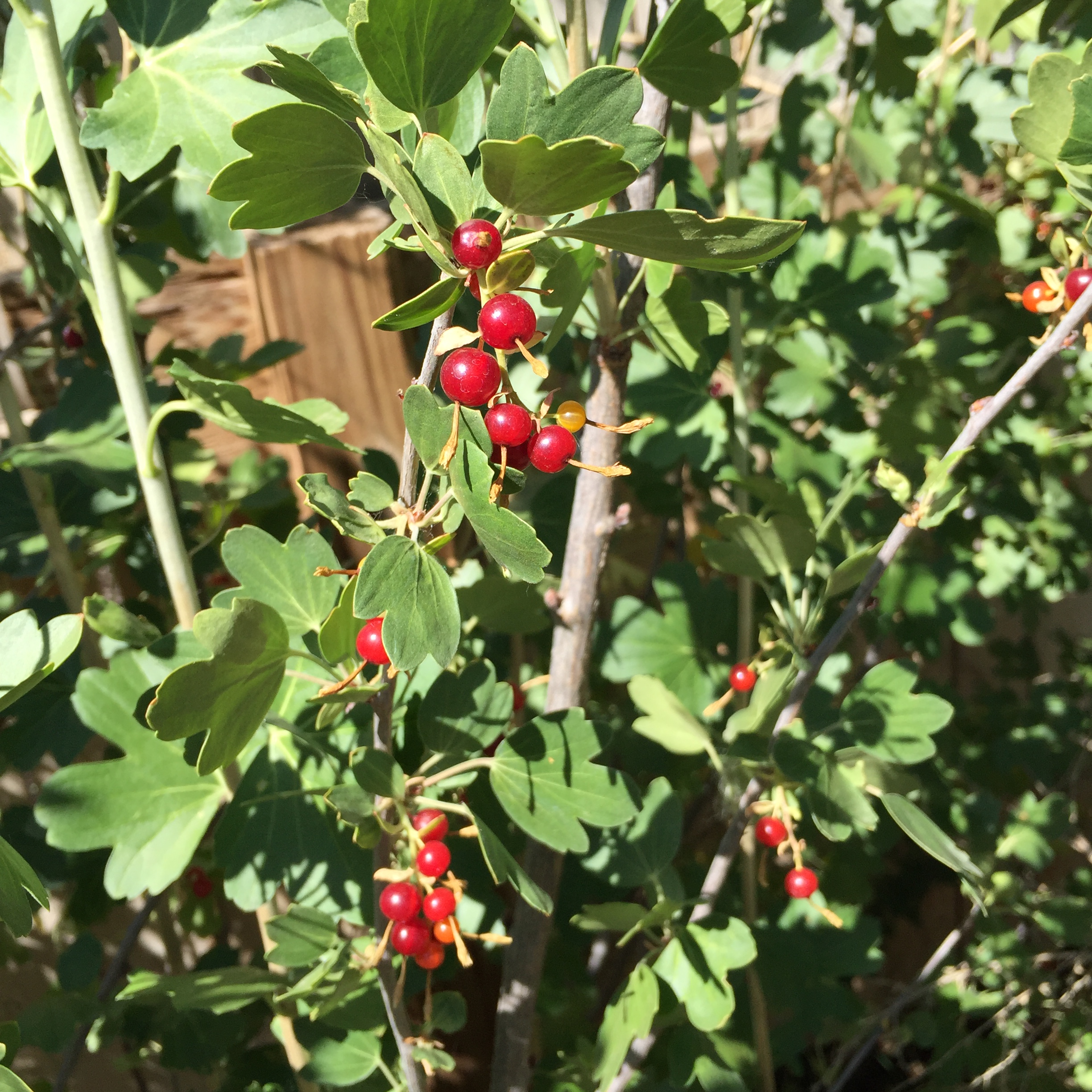
I have written before about clove currants and how I finally learned to leave them on the bush until they sweeten. Right now I’m enjoying wax currants, Ribies cereum. They thrive in the Southwest and don’t require much supplemental water. They are extremely pretty. And oh, they are delicious. From the hard green phase they first turn waxy yellow. At this stage they’re very tart and make a wonderful substitute for lemon juice, with a special tang of their own. A handful tossed over grilled fish or seafood is decorative as well as tasty. Then they get smaller and turn red, and are a sweet, spicy, sprightly fruit for snacking.

I would happily eat them by the bowlful, but here’s the issue: like all our native currants, they are very tedious to pick and clean. Each currant has a “tail” of withered flower that has to be pulled off, and the currant itself has to be pulled off the stem, and it all takes time, especially given the very small size of the fruit. I have read another forager’s suggestion to just leave the tails on, and have tried it, and all I can say is that it’s a lot like adding a handful of very short threads to your bowl of fruit. Tailing them is worth the trouble, to have this fruit at its very best. But most of us have jobs and families, and little time to sit around meditatively topping and tailing currants.

My bushes are young and only one of them is in fruit, so ecstatic snacking in the garden uses them up. But when I have more available, I speculate that juicing them would produce a gorgeous and delicious juice and eliminate the tedium of tailing them. The juice would also be very interesting as a cooking medium. I recall a dish I used to make ( back when I lived where I could get passion flowers to grow,) which involved cooking passion fruit juice with lemon grass and coconut milk, seasoning with salt and pepper, and dropping seared scallops onto a pool of the resulting sauce. The same sauce made with wax currant juice should be just as delicious and even prettier.

The bushes are large, 6-7 feet tall and nearly as wide when mature, and are healthy and not subject to any pests or diseases that I have noticed. They are attractive enough at any time, but when sunlit and covered with their sparkling carnelian fruit, they are beautiful.

image

A Cookbook to Make You Cook

Right now I am reading two cookbooks that could hardly be more different from one another. Both are large, high quality, available only in hardcover, and gorgeously illustrated. One will make you cook, and one will make you think. The think-book will be reviewed tomorrow.

The one that will make you cook:

image

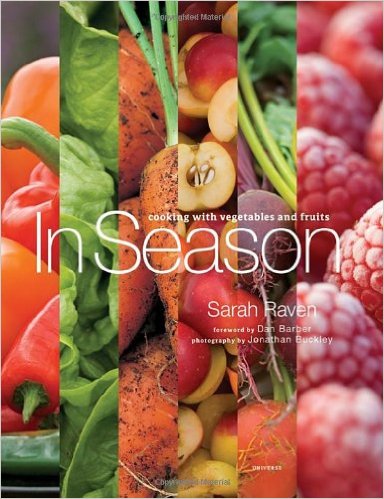
I have owned Sarah Raven’s addictive book about garden-based seasonal cooking for years. It has stood the test of time. Each spring I rediscover it, and it is on my bedside table right now. It seems to be neglected these days, which is why I’m doing my bit to get people to remember that it’s there. It is chock full of pretty photographs and, far more important, recipes that work and taste good. You can flip it open almost at random and come to a recipe that will become a kitchen favorite. It will help you cook your way through your garden or farmer’s market, and while your seasons might not correspond exactly to British seasons, you will cook through the seasons at your own pace in practice. The recipes are never tricksy or overly fussy, and lean toward full pure flavors.

Favorite recipes: Peaches with Bourbon, Romano Beans with Cream and Savory, Lamb with Thyme Tapanade, Cranberry Beans with Sage, Braised Celery, Parmesan and Walnut Crisps, scores of others.

Conclusion: buy it and cook from it. You will eat more fruits and vegetables and you will thereby be healthier and happier.