Archive for the ‘front yard gardening’ Category

Disaster Preparedness: what do sunchokes have to do with it?

image
Recently somebody checking out my garden over the fence asked if I was a “prepper.” My first response was “No, of course not,” because I don’t care to be associated in any way with the mindset that not-so-secretly longs for the end of civilization. I love civilization.

I do think, though, that a functioning urban homestead is in a good position to survive emergencies. And here’s the thing about emergencies: they happen. My own home state had a potent reminder of this some years back, when Hurricane Katrina broke the levee and New Orleans was flooded. Evacuees poured out of New Orleans and filled surrounding areas, and food and water supples were strained while roads were bumper-to-bumper and accommodations were scarce to nonexistent. All of this came under control with passage of time, but there were some grim weeks for all concerned. It can happen anywhere. Drought, epidemic, loss of power, you name the emergency and a well-supplied urban homestead is well on the way to getting through it and being able to help others. Nobody’s survival is guaranteed, ever. But we can improve the odds.

Urban homesteading is a mindset of reasonable self-sufficiency. I have no ambition to be a nation or a law unto myself. But reasonable forethought about emergency power, medical, water, and food strategies is, in my view, the responsibility of every citizen who has the luxury of a future to look forward to.

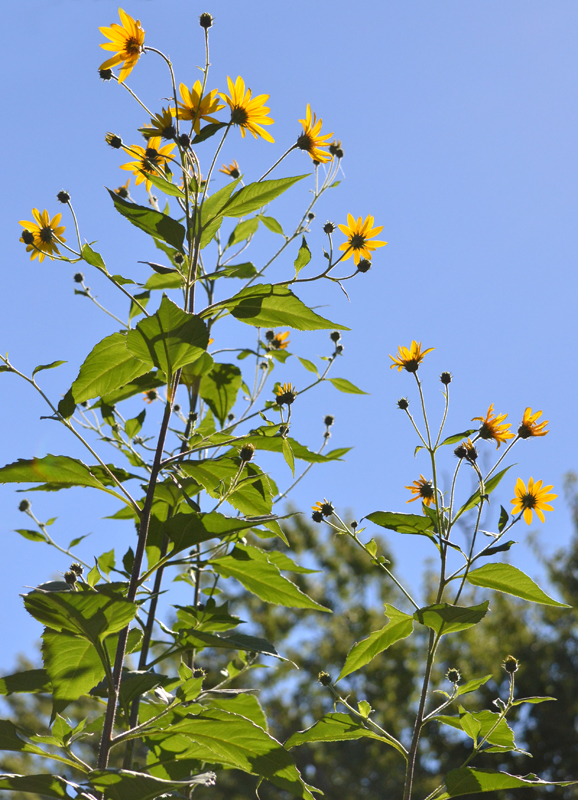
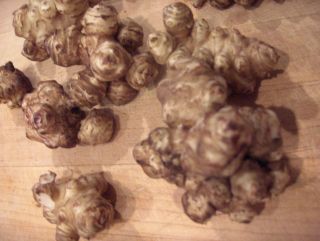
With that in mind, I’m keeping some plants around that I have no real desire to eat, and sunchokes (Jerusalem artichokes is another name) are a good example. They are perennial and, as far as I can tell, indestructible. The tubers taste good either raw or cooked. They are loaded with inulin, a prebiotic nondigestible sugar that keeps them from raising blood sugar. The inulin also accounts for their GI effects, including gas for many people and uncomfortable cramping for me. If food were scarce, though, a little cramping would be the least of my worries. More important, if my supply of commercial feed for my livestock were interrupted, they could last a while on weeds and sunchokes, which could be cooked in my solar oven to make them more available to the chickens. The goat could eat the stems and leaves as well as the tubers.
image
Besides their uses in disasters, they make a nice healthy green patch that I don’t have to fool with very much. In my desert area they need some supplemental water but not a lot. They are healthy and vigorous, by which I mean that you can’t kill them, and I confine them to one patch that can be mowed around to foil their plans for world domination.  They don’t play nicely in mixed plantings. The flowers are cheerful and have nectar for bees late in the season. They need to be dug and thinned in the fall. Don’t make any special effort to replant. Plenty will grow from the little bits that you missed. There are a number of different kinds that you can find with some trouble, but I planted a few tubers from the grocery store and they serve well enough.

Here’s an interesting post from Purdue with more details:

https://hort.purdue.edu/newcrop/afcm/jerusart.html


Elephant Garlic in the Semi-permaculture Garden

image

Last fall was the first time that I ever planted elephant garlic. This enormous bulbing  garlicky-tasting leek came from Nichols Garden Nursery. I planted in early fall and scattered lettuce seed over the bed to use the floor space in the spring. The garlic made fall top growth, but I left it to grow.

image

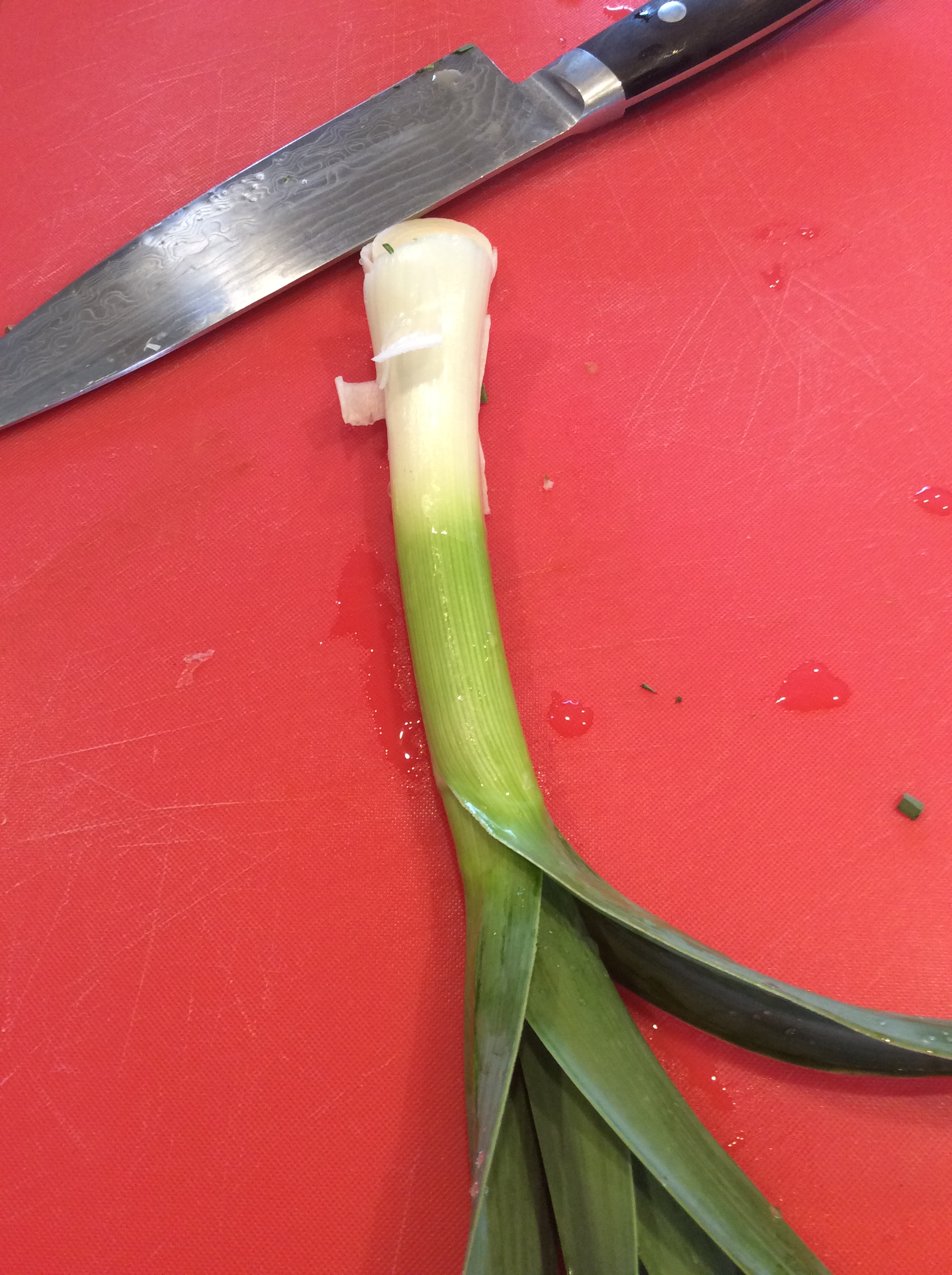
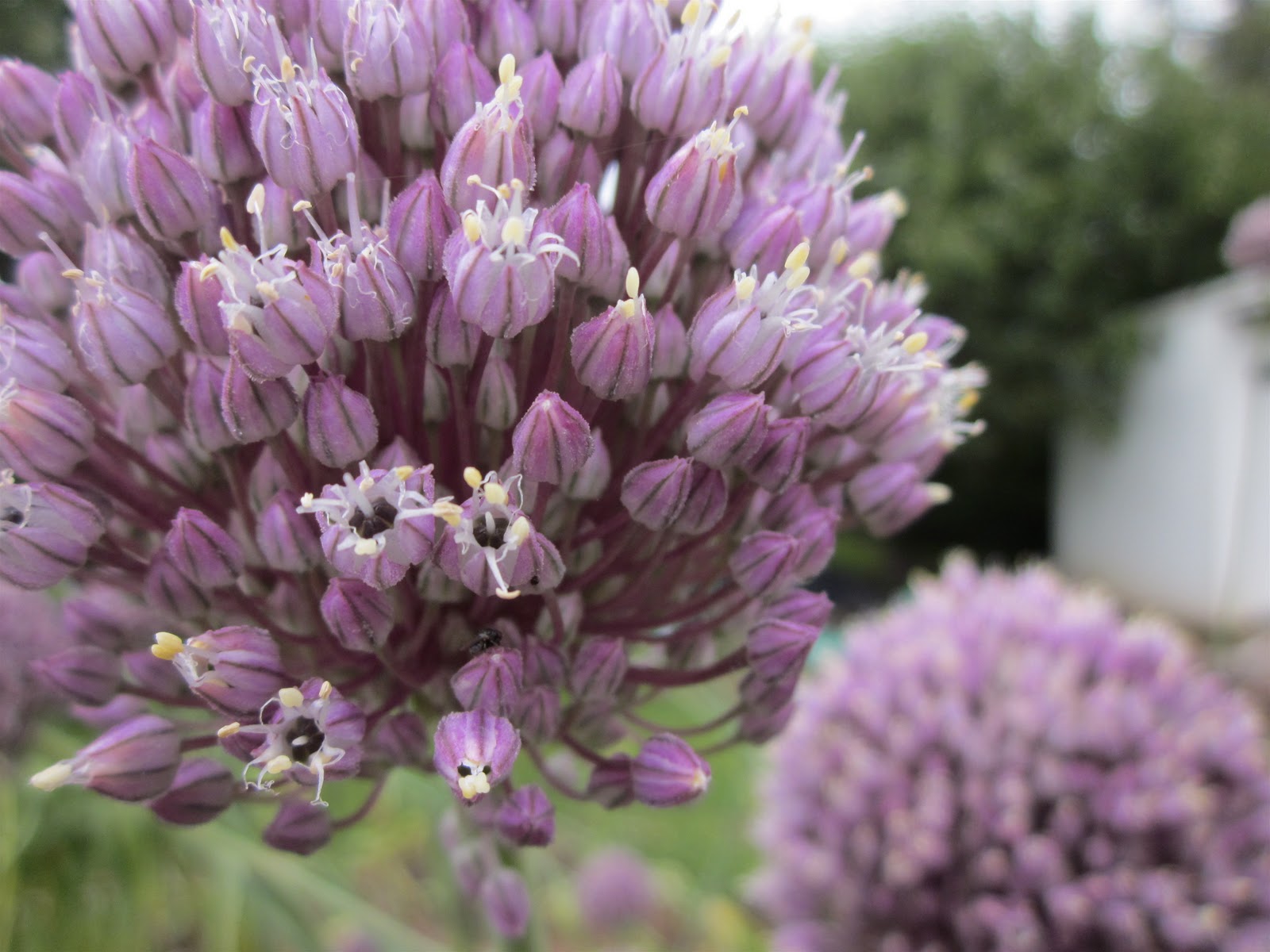
This spring I had a bed full of thick, sturdy, radiantly healthy green garlic, or rather green leeks in this case. I pulled some to use as green garlic, and was delighted by the warm, mildly garlicky flavor when sautéed in butter or olive oil with a little salt. I like all green garlic, but this one was my favorite. I didn’t let myself eat much of it, though, because I had my eye on a good bulb harvest. The bloomscapes care along in early May, and they make a nice subsidiary harvest if picked right away. Cooked at this stage, they are crisp, oniony, and sweet. Leave them more than 2-3 days after first appearance and they develop adamantine, unchewable fibers in the outer layer. Then come the flowers, and the few that I let bloom were very pretty. I forgot to take pictures so here are some borrowed shots:

image image

I have verified to my own satisfaction that if they are allowed to bloom the bulbs will be much smaller, so keep that in mind. The individual flowers make a tasty crunchy garnish, and are adored by bees, so they help carry pollinators through the hottest part of our summer, which is much appreciated.

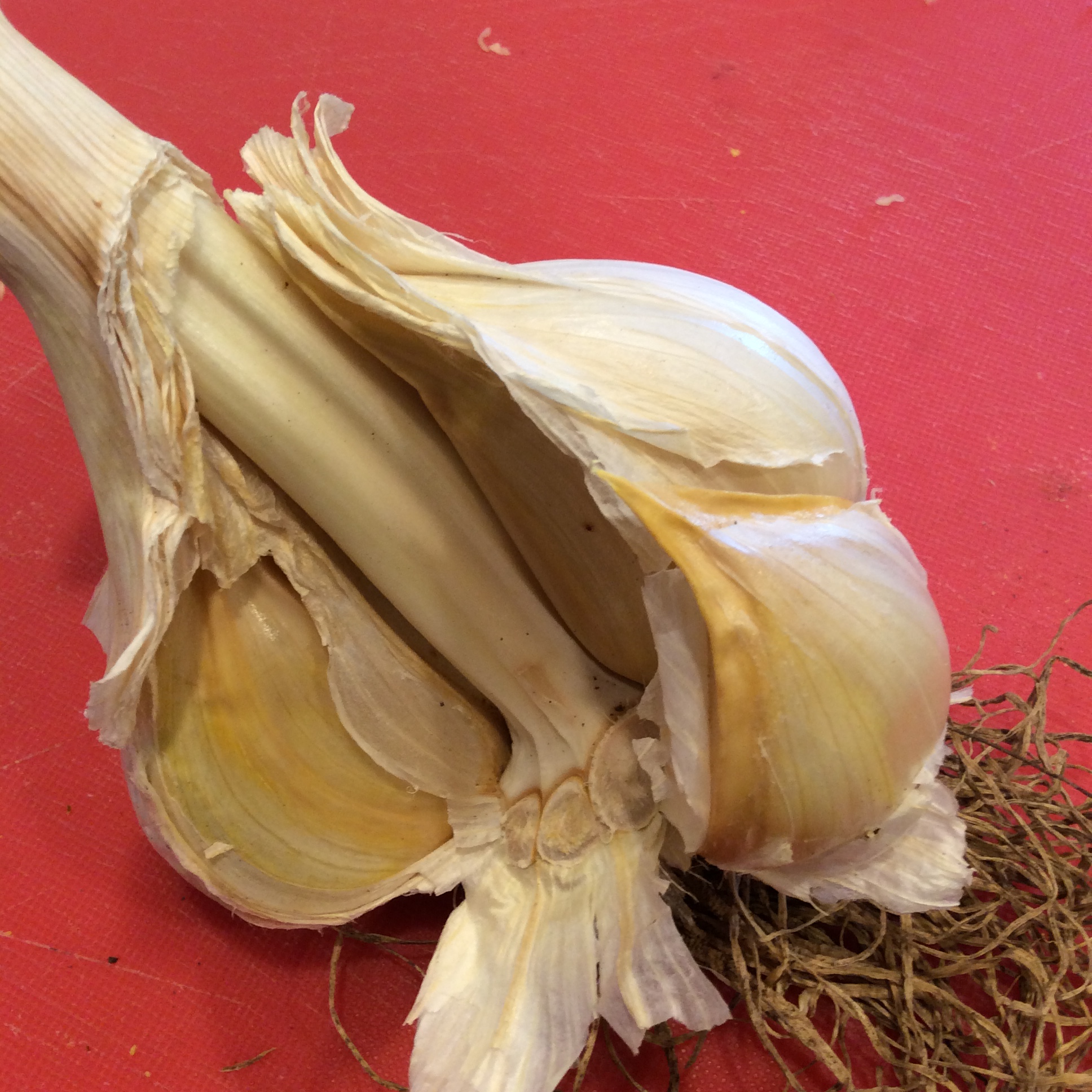
Finally the tops started to yellow and bulb harvest began. Digging them is great fun; the enormous bulbs give you a sense of buried treasure. One must be quite a gardener, one feels, to produce a plant like that. So much of the time gardening is humbling that a little ego-aggrandizement does not come amiss.

The kitchen use is another matter. After a few tries, I can’t take to elephant garlic cloves either raw or cooked. The flavor is weakly garlicky with a bitter edge whether raw or cooked and does no dish any good, in my opinion. One online gardener has suggested that I need to hold it for a month or two, until this quality subsides. We’ll see.

image

The greens are so good that I’ll continue to grow a lot of it, and next spring I’ll let myself harvest a lot more greens. I plan to divide my elephant garlic patch in two, and try two different growing methods. In one half, I’ll continue to grow it in the standard garlic fashion, digging and dividing and replanting each fall, and in the other half I’ll just let it perennialize and pull green garlic at will and see what happens. Of course I’ll be reporting back.


Pollinator Independence

image

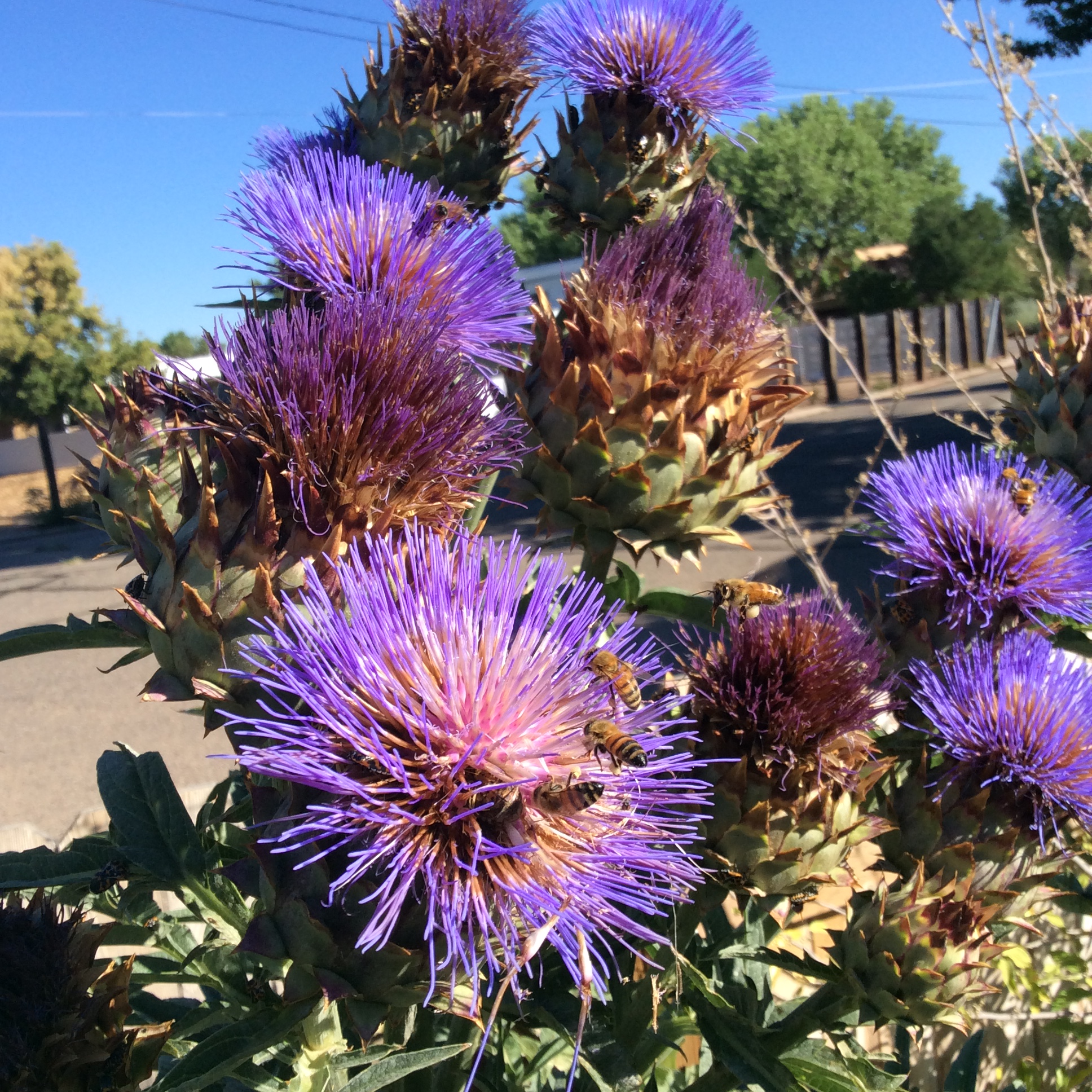
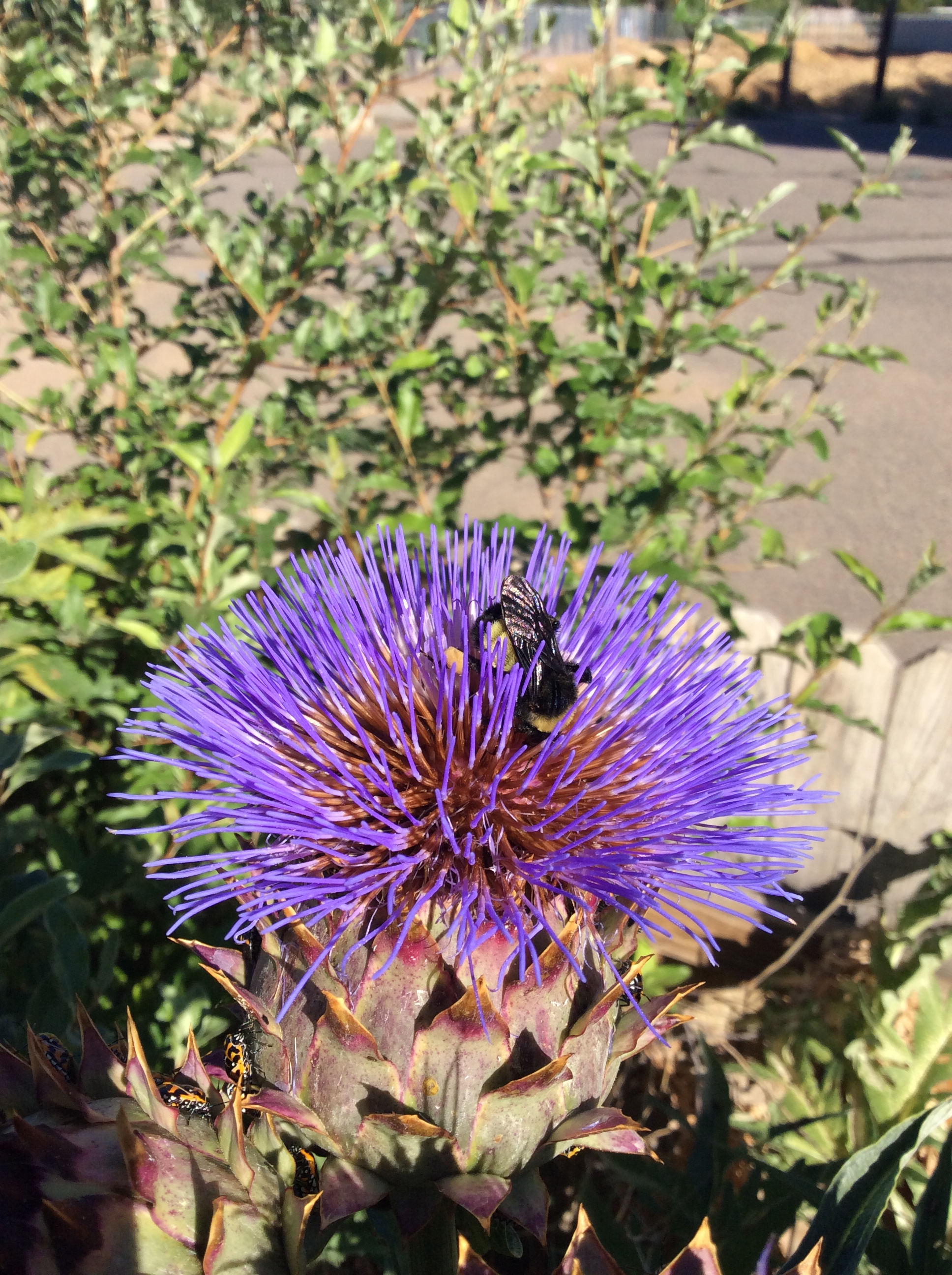
When I think about our country’s independence, I think about personal independence and how important food supply is to that. In maintaining a steady home food supply, one of the things you need is a steady supply of feed for your pollinators. I have been paying a lot of attention to trying to have a steady supply of nectary plants throughout the summer, and in our hot desert summer that can be difficult. Currently, the poppies are pretty much finished blooming, and I find that cardoons and artichokes are extraordinarily attractive to bees when allowed to flower.  I have a number of cardoon plants that grow beautifully in our hot summer and alkaline soil but have not turned out to be much good for eating; one day soon I will post on that depressing topic.  But the plants more than earn their keep by feeding my bees in fiery July.

Keep the pollinators in your thoughts when you do any yard planning and planting. Remember that they are extremely sensitive to sprays, and in my opinion there is not a good justification for a home gardener to use insecticide sprays in the garden.  Look around your neighborhood in July and August and see what is blooming or ready to bloom, and think about providing some of it for the bees and wasps.  Right now cardoons are front and center in my garden, cutting celery that I allowed to bloom is drawing beneficial tiny predatory wasps in large numbers, and sunflowers are just starting.  I planted a few cannas this year in order to do kitchen experiments with the bulbs in the fall, and as long as they are kept well mulched and given some water they sail through the heat, and those flowers also seem attractive to bees.

Bless our bees, because oh, how we need them.

image


Wax Currants

image

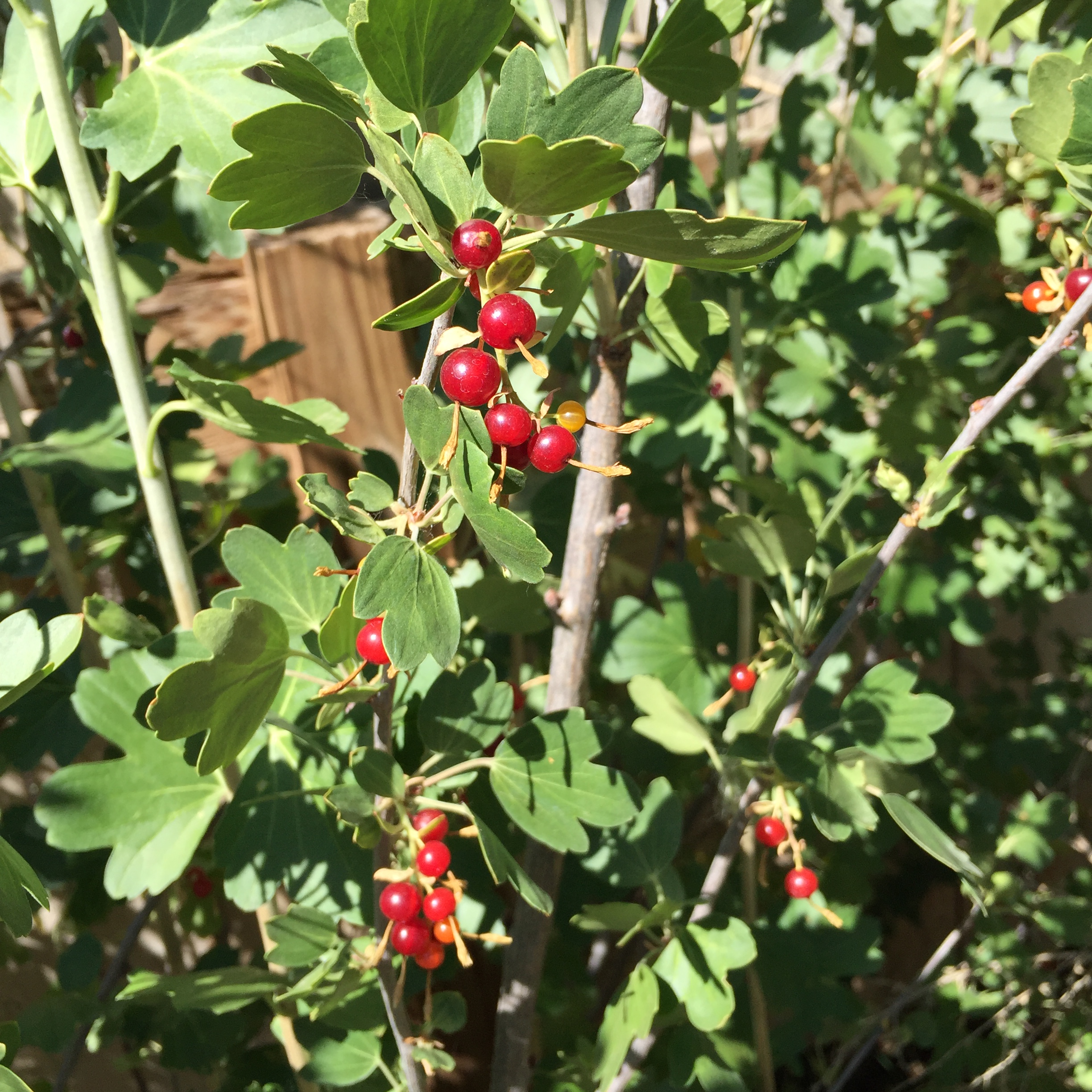
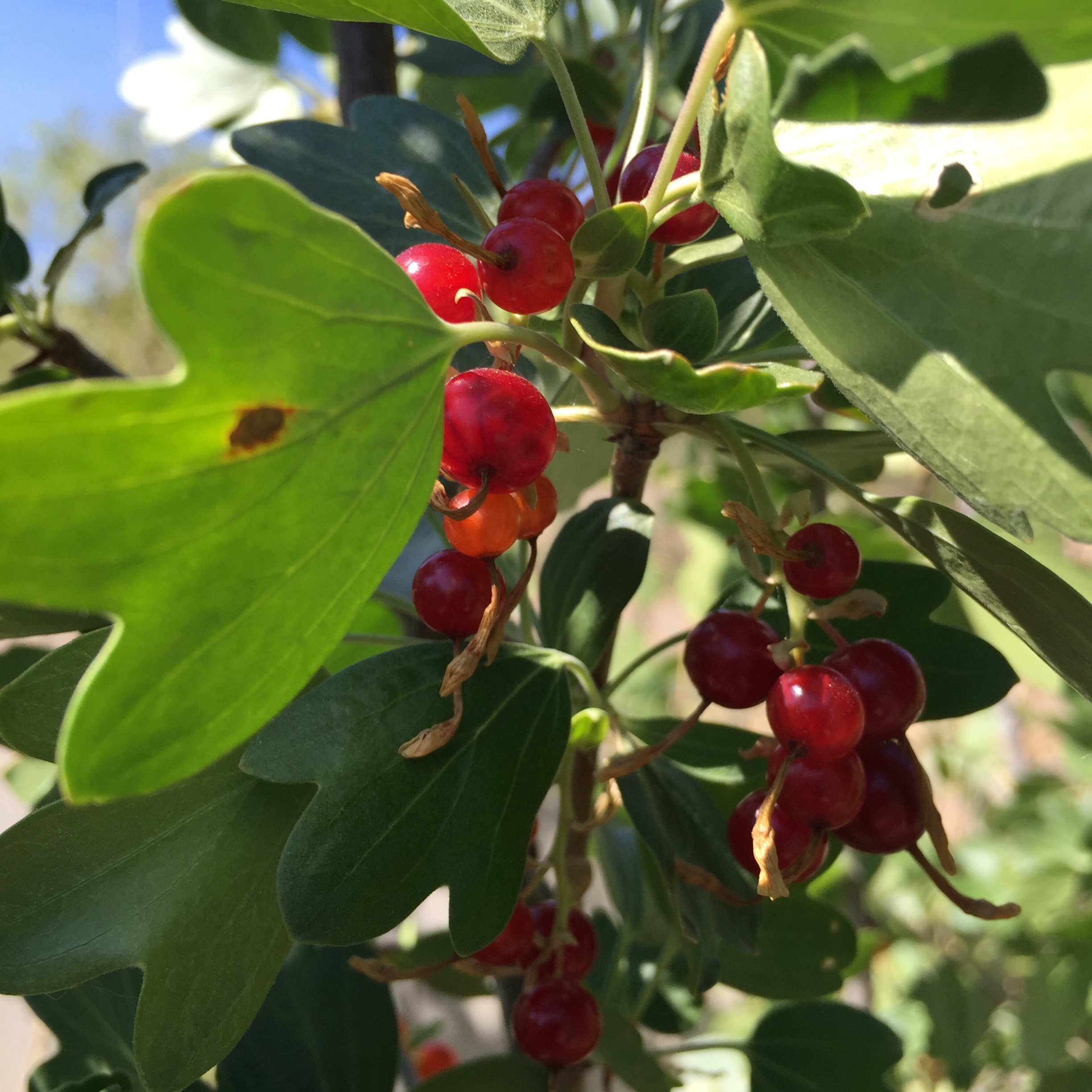
I have written before about clove currants and how I finally learned to leave them on the bush until they sweeten. Right now I’m enjoying wax currants, Ribies cereum. They thrive in the Southwest and don’t require much supplemental water. They are extremely pretty. And oh, they are delicious. From the hard green phase they first turn waxy yellow. At this stage they’re very tart and make a wonderful substitute for lemon juice, with a special tang of their own. A handful tossed over grilled fish or seafood is decorative as well as tasty. Then they get smaller and turn red, and are a sweet, spicy, sprightly fruit for snacking.

I would happily eat them by the bowlful, but here’s the issue: like all our native currants, they are very tedious to pick and clean. Each currant has a “tail” of withered flower that has to be pulled off, and the currant itself has to be pulled off the stem, and it all takes time, especially given the very small size of the fruit. I have read another forager’s suggestion to just leave the tails on, and have tried it, and all I can say is that it’s a lot like adding a handful of very short threads to your bowl of fruit. Tailing them is worth the trouble, to have this fruit at its very best. But most of us have jobs and families, and little time to sit around meditatively topping and tailing currants.

My bushes are young and only one of them is in fruit, so ecstatic snacking in the garden uses them up. But when I have more available, I speculate that juicing them would produce a gorgeous and delicious juice and eliminate the tedium of tailing them. The juice would also be very interesting as a cooking medium. I recall a dish I used to make ( back when I lived where I could get passion flowers to grow,) which involved cooking passion fruit juice with lemon grass and coconut milk, seasoning with salt and pepper, and dropping seared scallops onto a pool of the resulting sauce. The same sauce made with wax currant juice should be just as delicious and even prettier.

The bushes are large, 6-7 feet tall and nearly as wide when mature, and are healthy and not subject to any pests or diseases that I have noticed. They are attractive enough at any time, but when sunlit and covered with their sparkling carnelian fruit, they are beautiful.

image