Archive for the ‘edible landscaping’ Category

Eating Up the Ground Elder


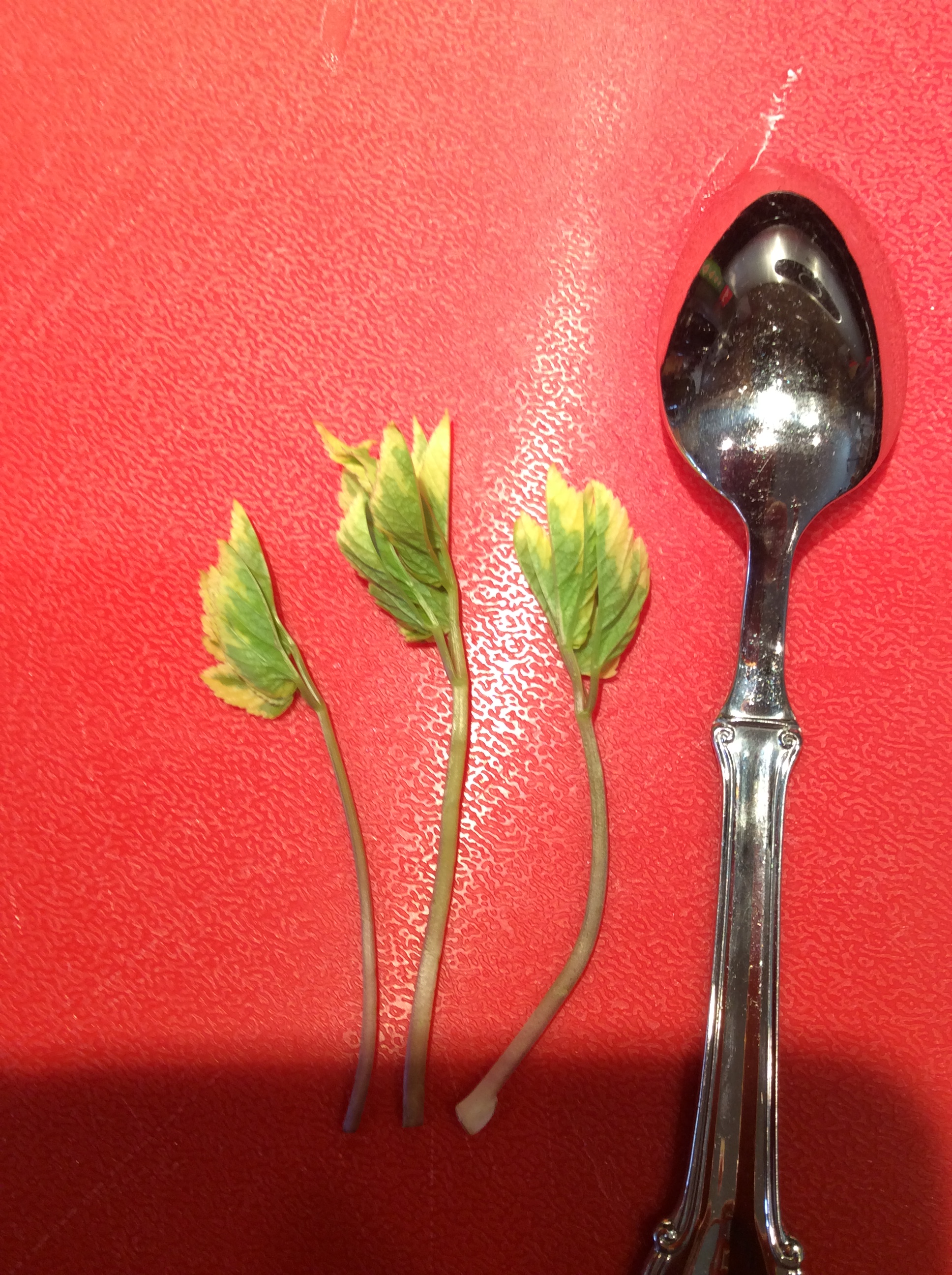
Ground elder is a famous invasive, and most sensible people would never dream of growing it on purpose. But I live in the high desert and tend to be fairly fearless about moisture-loving invasives, on grounds that if I get tired of them I can withhold water and watch them disappear. Therefore, I let some variegated ground elder grow under a plum tree and harvest it aggressively for salads.
It needs to be harvested young, before the leaves unfurl, and at this stage it has a strong celery-parsley flavor that I find appealing, and a lovely crisp texture. The furled young leaf at the top is pretty, but the stem is the real vegetable, so pick it as close to the ground as possible. Toss in a mixed salad, or arrange artistically on top.

When the leaf opens out it becomes tough and is no longer desirable eating. I have read that it also produces nausea in some people at this stage, so it’s definitely to be avoided.

If you live in a wetter climate, you may want to confine ground elder to a large pot, because it can get out of hand in a hurry.

Because each individual leaflet is small, I never get enough to cook, but I imagine that it would be good in stir-fries.

Be cautious with invasives, but don’t rule them out completely if your natural conditions will prevent them from spreading. And if you live in an area where it would be irresponsible to introduce ground elder, help solve the problem. Find a naturalized patch and start foraging.


Dandelion Time

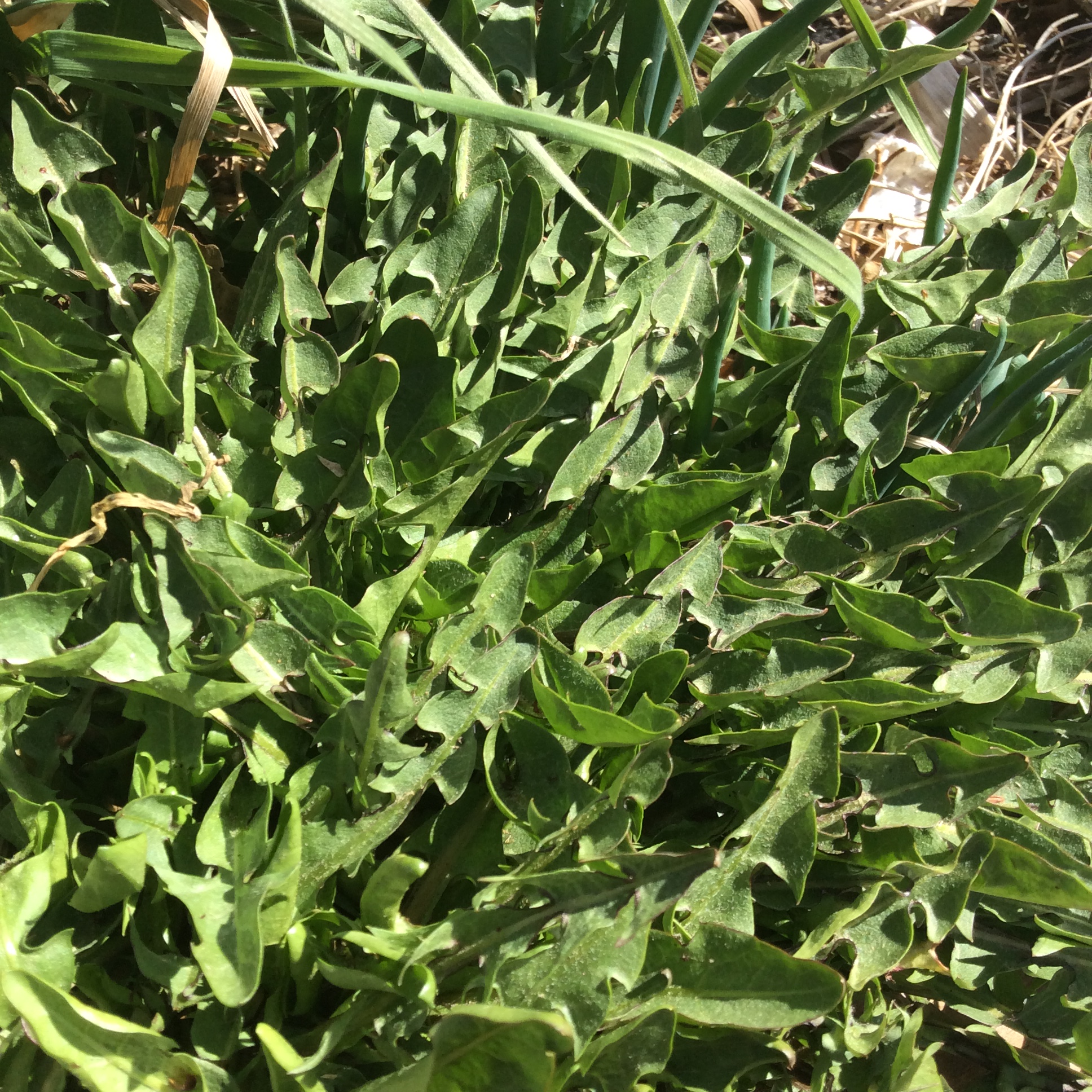
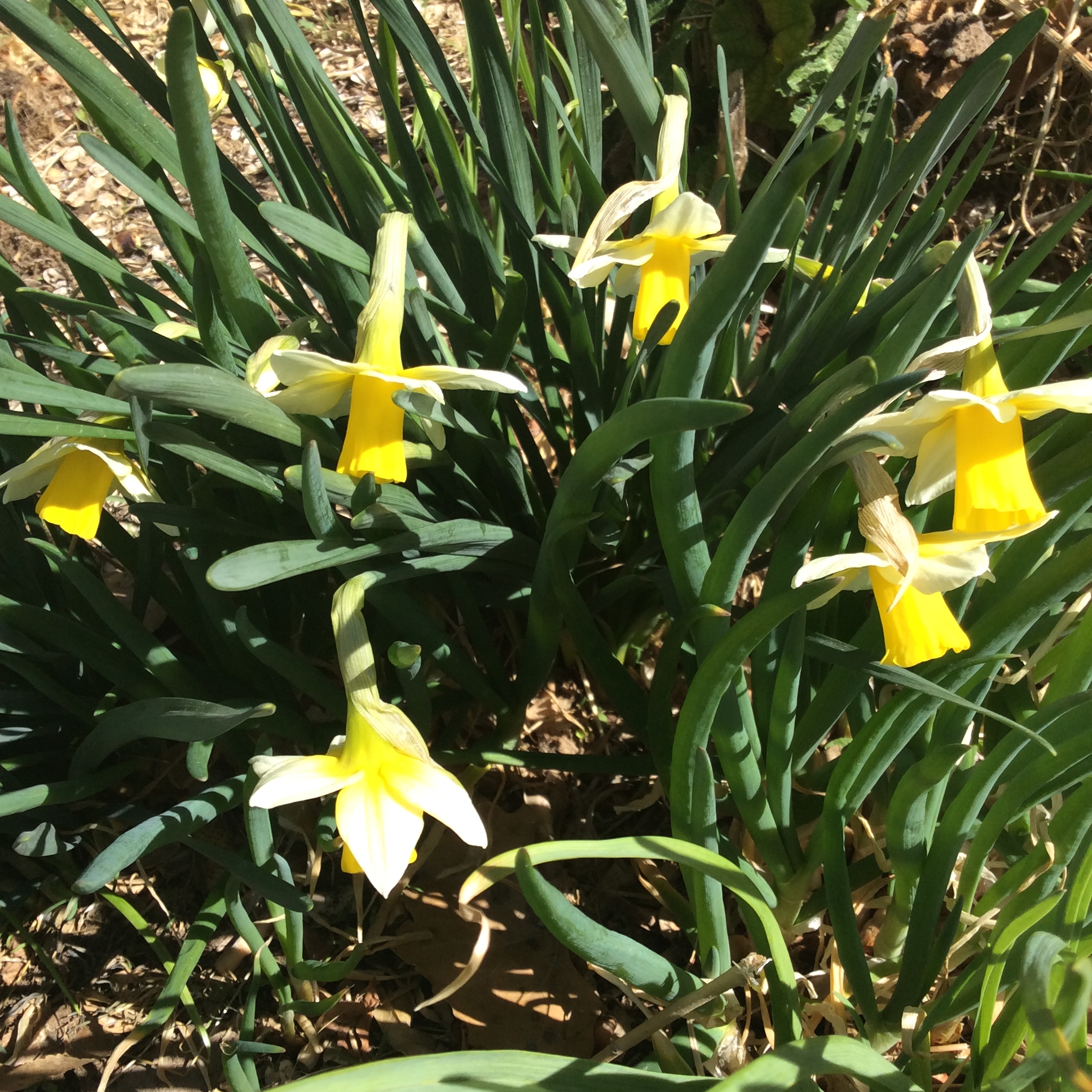
Just after the first nettles, the first dandelions are ready to eat. This happens about the same time that the earliest daffodils bloom.

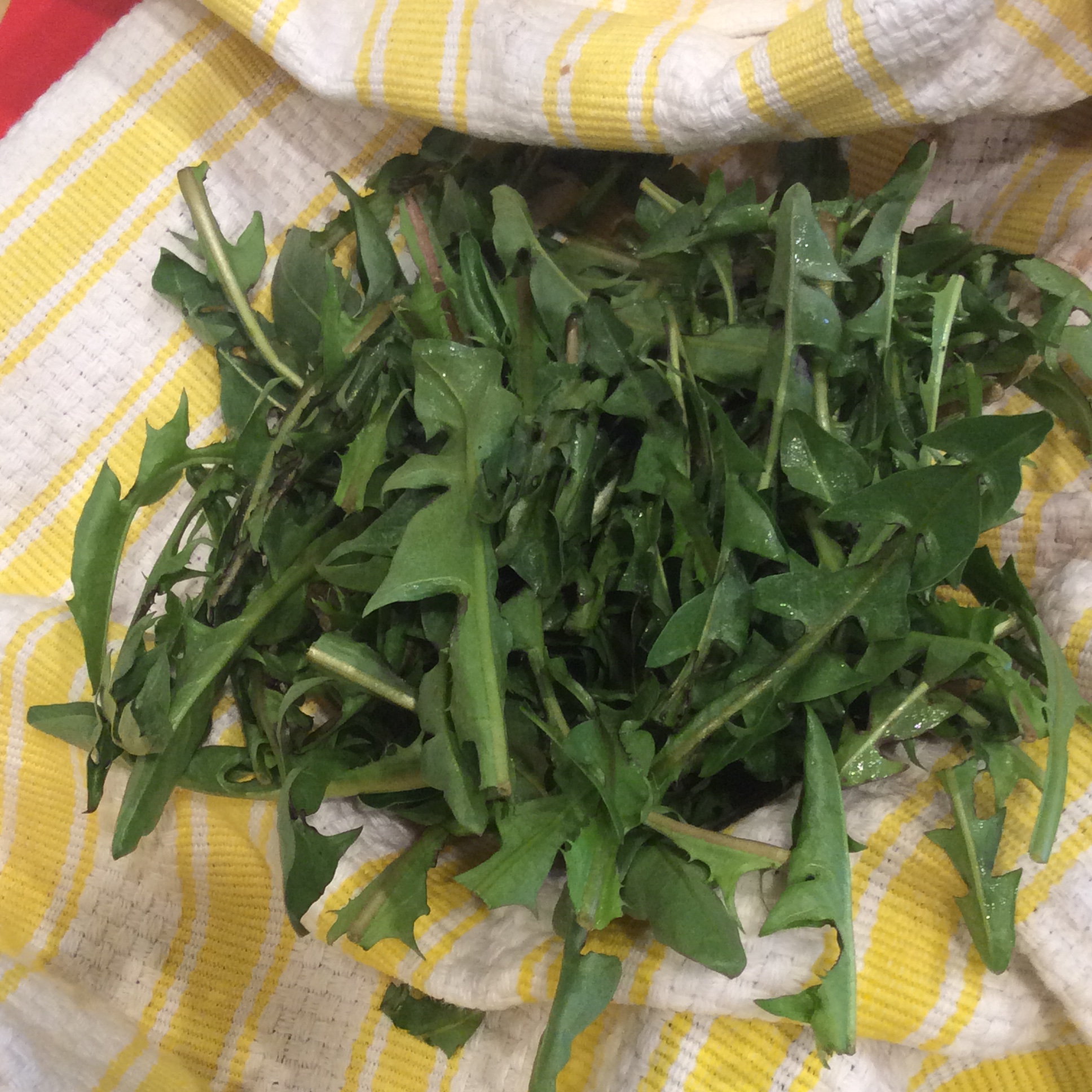
I have mentioned in another post that dandelions don’t seem to occur naturally in my neighborhood, and I went to a ridiculous amount of trouble to have them and paid good money for seeds that people in other climates would pay to get rid of.  Surprisingly, they take a long time to establish. I find that they are extremely straggly and thin the first year, and only a little more substantial in the second year. But in the third year, they make beautiful thick rosettes of spring time leaves that are perfect for salads.  Interestingly, the dandelions growing in my garden beds are not bitter, although in general dandelion leaves are famous for bitterness.  This may have something to do with my alkaline and highly mineralized soil. I’m really not sure. But it is a nice bonus. If yours are bitter, check out Dr. Kallas’s excellent book Edible Wild Plants: Wild Foods From Dirt to Plate, which contains a number of sensible suggestions about making bitter greens more appealing.

All sorts of medicinal properties are attributed to dandelions,  and if you’re interested in that you can read up on it. Personally, as I have said several times before, I think that all leafy greens are medicinal in that they are really, truly good for you. Eat them all, lots of them.

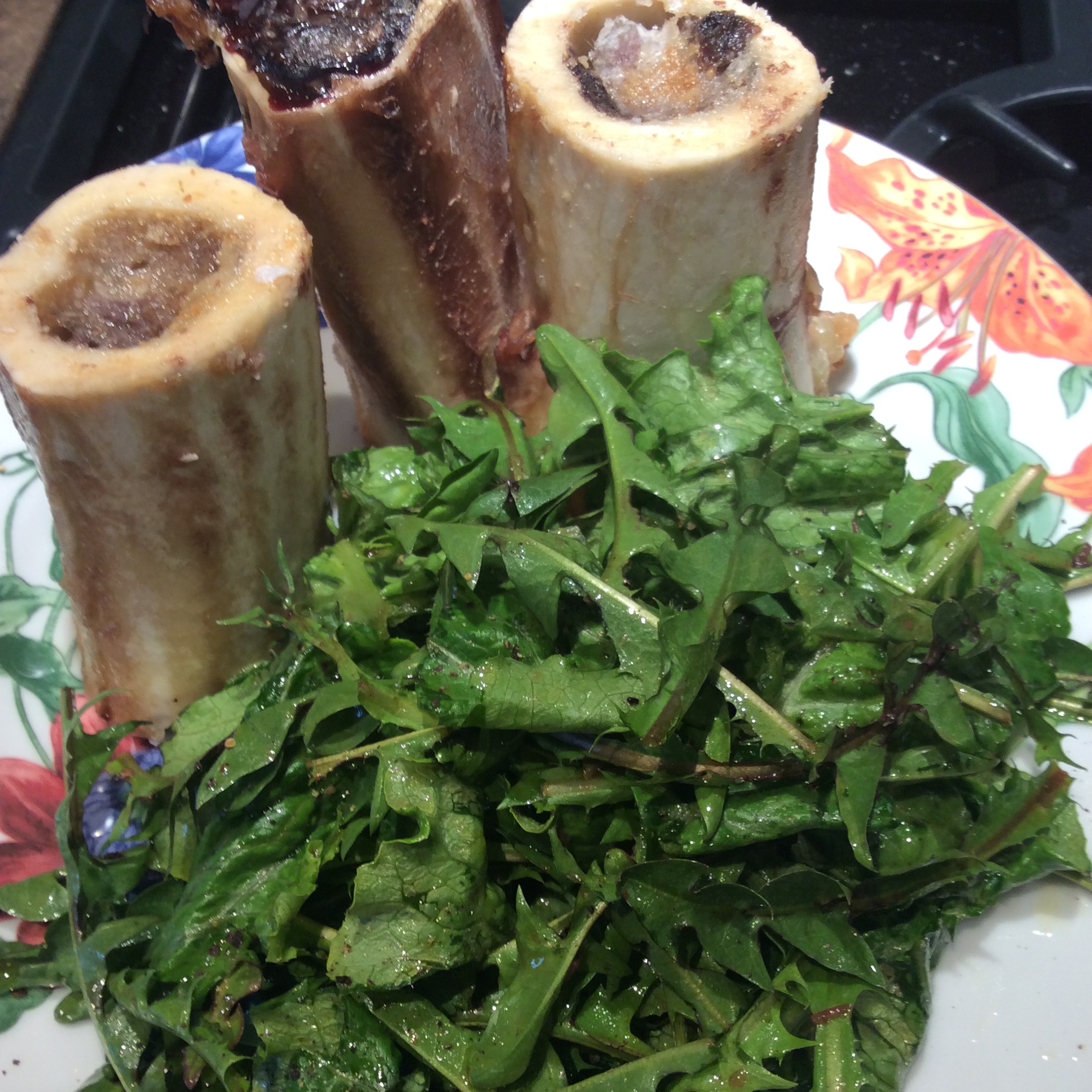
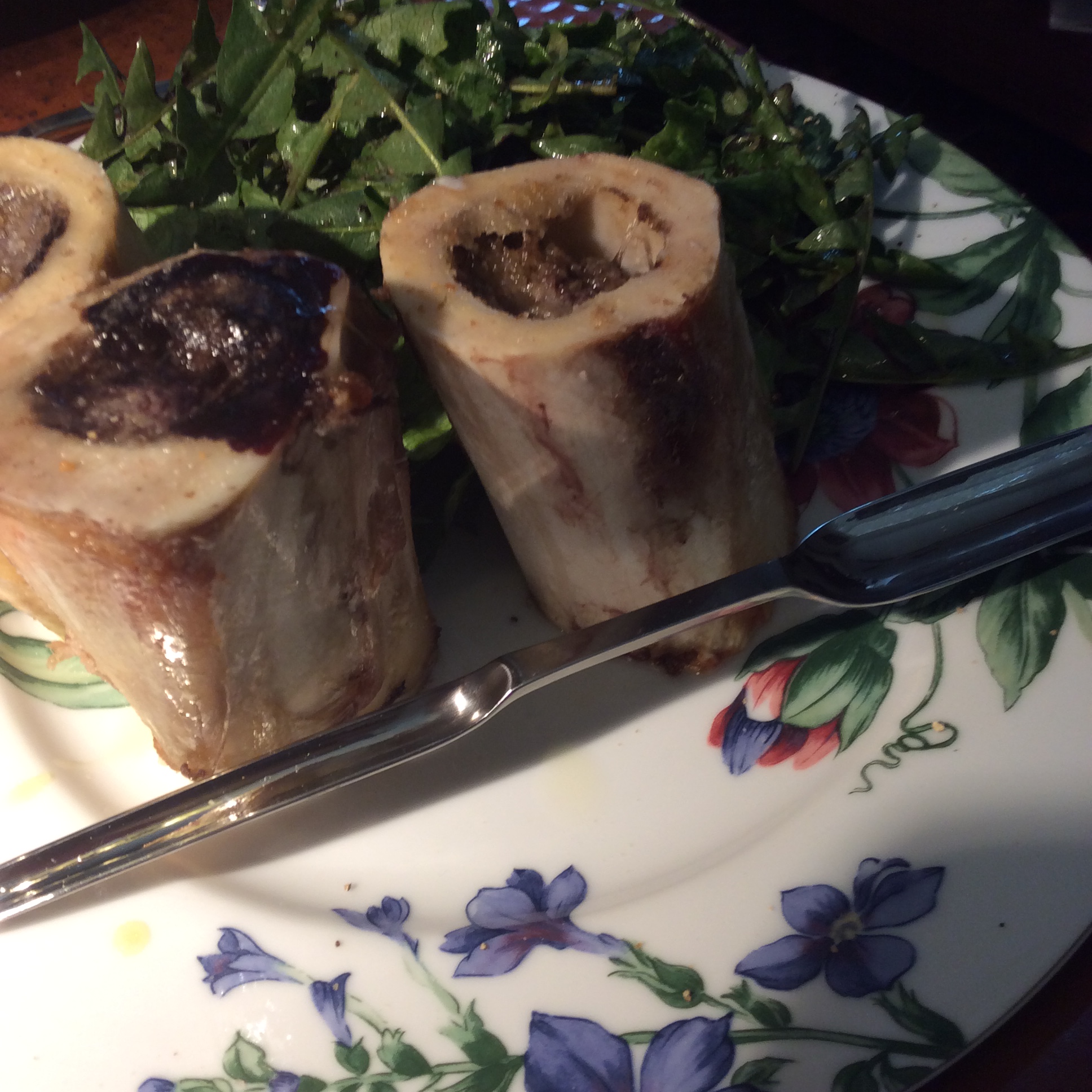
The early spring leaves are both tender and substantial in texture. I like them in a salad either by themselves or with a little bit of outer leaves of romaine lettuce added.  But if you want to add them to a more traditional mixed salad, they add a nice amount of “lift“ to the mixture at this stage.  At times when I lived where dandelions or more bitter,  I was very fond of adding crumbled bacon and hard cooked or Friday eggs to dandelion salads. With the nonbitter leaves that grow here, I prefer to eat them just with a good vinaigrette, and maybe a few bones’ worth of roasted marrow alongside to complete the meal. I roast the bones with salt and seasoning, then dig the marrow out and plop it on a pile of dandelion leaves dressed with good vinaigrette. Grind some pepper over the top, and yum.  It’s a delicious way to stay ketogenic, but if you are not a low-carbohydrate eater, you can enjoy the marrow spread on elegant little pieces of sourdough toast.

Incidentally, if you are a fan of bone marrow, you might want to keep marrow spoons around, as shown above. They have long, narrow bowls that are specially designed for digging this delicious substance out of the bone. You can get heirloom sterling silver ones from England for $700 or more apiece, or you can do what I did and buy stainless steel marrow spoons on Amazon for less than $10 each. They work just fine.

Garlic Chives, and Notes on Blanching

This time of year, so much is coming up and I am so busy planting, gathering, cooking, and preserving that often I don’t get any of it written about. But I did want to throw in a quick note about garlic chives. I have had a couple of clumps of them going for two years, but I have tended to forget to use them. I have, however, read that they are often eaten blanched in Asian countries, and I wanted to try that.

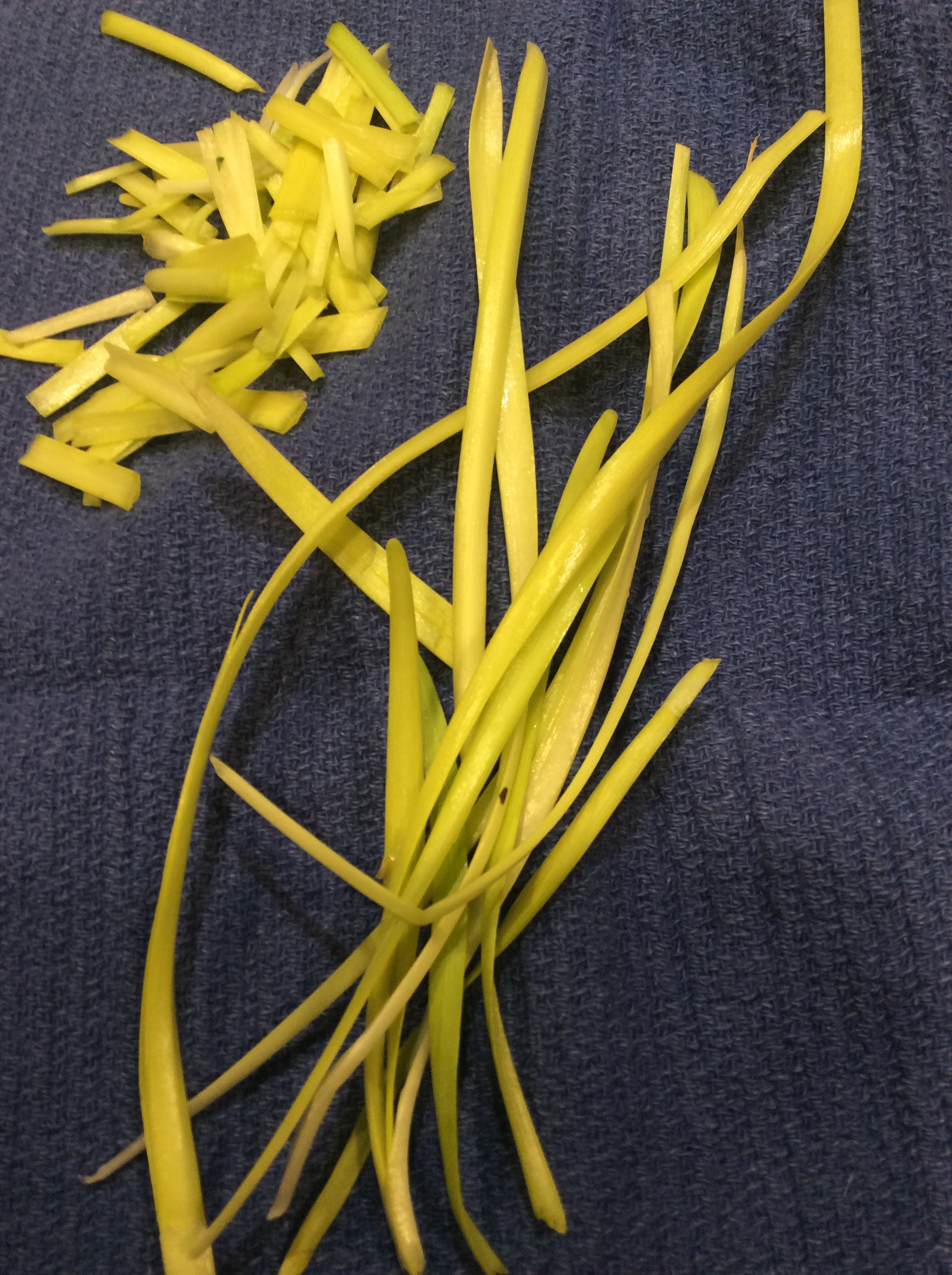
I don’t often go in for blanching because, in general, I do want my produce  kissed by the sun and full of all the nutrients possible. However, when I saw my two clumps of garlic chives coming up, I decided to try blanching one of them. There are some elegant ways to accomplish this, but I did it very inelegantly.  I hauled my big stockpot out to the garden, turned it upside down over one of the clumps, and set a rock on top.  This worked perfectly. About six days later I remembered to look underneath, and there were long chartreuse strands. I tasted one, and it had a mild and sweet garlic flavor, perfect for eating raw.  I picked them all, and have left the clump to see if it will rejuvenate.

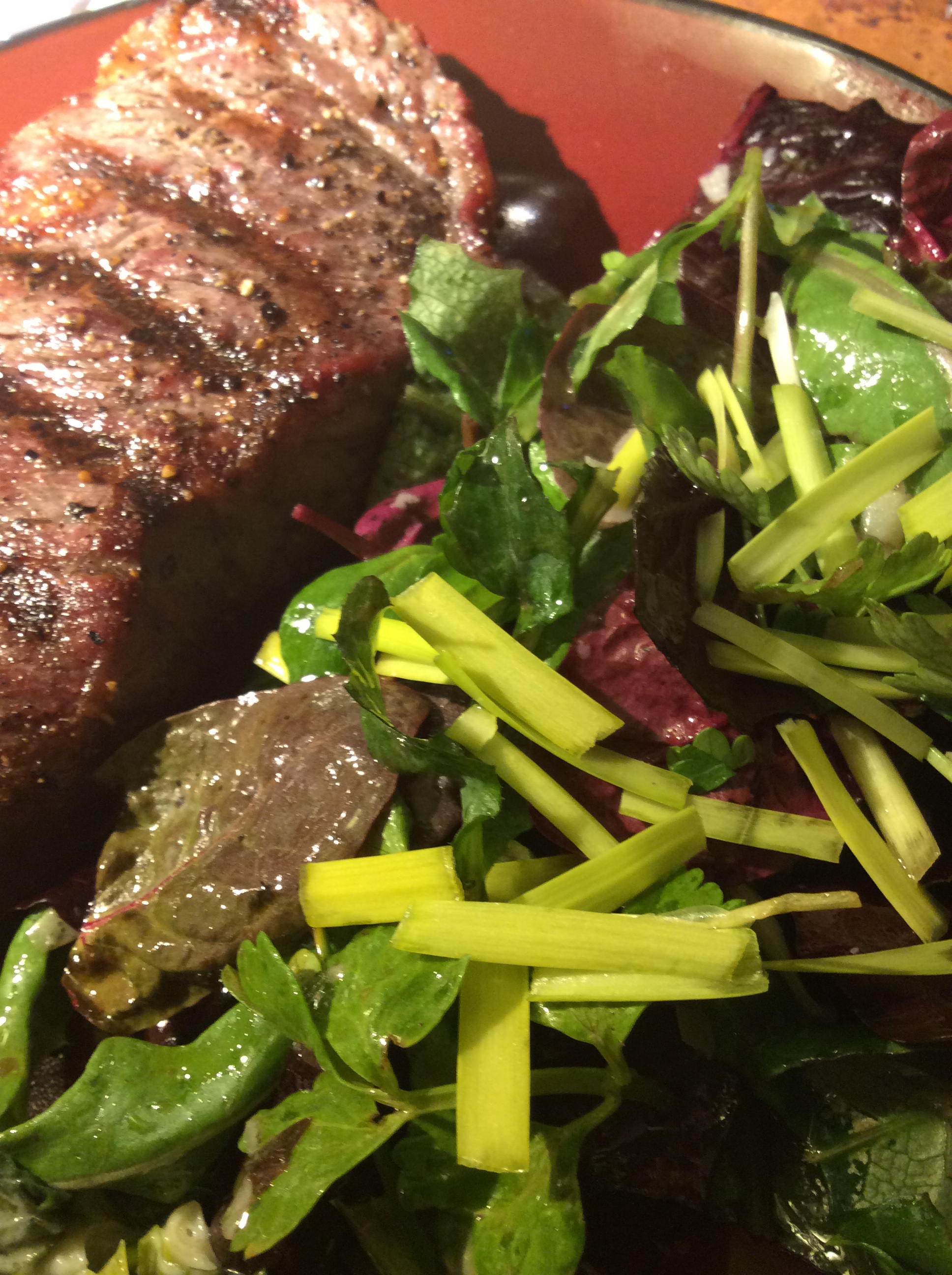
I used the glistening blanched chives over a salad, cut in 1” sections. They were delicious. Try blanching.

Because, yum.

Food Diatribe II: Leafy Green Season

Medscape just published an article worth reading. The information is from a prospective study of older adults living in the community, and showed a direct linear relationship between consuming one or two servings a day of leafy green vegetables and slower cognitive decline. In fact, eating leafy greens daily offered the cognitive equivalent of being 11 years younger.

One expert neurologist asked to comment on the findings responded with confirmation: “This study adds to the rapidly evolving and convincing evidence that you are what you eat when it comes to brain health,” Richard Isaacson, Weill Cornell Medicine, New York City, said. “From a practical clinical perspective, regular intake of green leafy vegetables should be a standard part of a risk reduction paradigm to delay cognitive decline throughout the lifespan.”

Amusingly, another expert said that it was “too soon” to recommend leafy greens, and advised waiting for further confirmation from future studies, a typical recommendation for new drugs but not typically applied to foodstuffs that healthy people have been eating for millennia. I do of course see his point, which is not to jump into thinking of leafy greens as a cure-all, but really now. So here is my response as a gardener, a doctor, and an avid reader of research: don’t wait. Some of the longest-lived and healthiest populations in the world have had  markedly high  consumption of leafy greens. There is no downside and no dangerous side effect to worry about unless you are on warfarin. So just do it. You can read the article here if you want, and it contains a link to the study. Then, just do it. Grow them if you can. If you have a small garden patch, make an investment in your family’s health by filling it with greens. If you don’t garden, you can haunt your farmers market or start making foraging trips. If you prefer to eat salad, choose darker greens, not lettuce hearts or iceberg, and eat a big bowlful.

Right now I’m still eating last fall’s leafy greens from under frost blankets. The collards and Savoy cabbage held up best, and are uniquely delicious after exposure to cold. I harvested Swiss chard for people and chickens all last summer, and then put a frost blanket over half  the row.  The new leaves of spring are the meatiest and most delicious that a chard plant ever produces, and the protected ones are nearly eating size, while the unprotected ones will come in some time next month. Just be sure to get them before the central stalk starts to elongate, because they lose their sweet meatiness and get strangely dirty-tasting when the flowering stalk starts to form. Green alliums are coming up everywhere, and my nettle patch is sprouting strongly.

If you keep animals for food, feed greens to your animals (not nettles, but chickens do love the leftover cooked ones.) I have a carnivorous friend who eats supermarket meat and insists that he’s a secondary consumer of vegetables, and I keep trying to tell him that on the contrary, he’s just a secondary consumer of GMO corn. Unless you are buying animal foods known for a fact to be grassfed or pastured and not grain-finished, you aren’t consuming the nutrients of vegetables.  But if you keep your own, it’s astounding what quantities of greens chickens will eat if they get a chance, while cattle, sheep, and goats can be raised to butterball fatness on grass and greens alone if you have enough. The nutritional profile of the eggs and meat is enhanced and the animals are much happier. I’ll have more to say about meat in the near future.