Archive for the ‘edible landscaping’ Category

The Oregon Giant Pea and the Taste of Early Summer

I think that I have written before about my entrancement with the snap pea/sugar pea called Orgeon Giant. In my opinion, it’s the most delicious thing of its kind  and I gorge on this type for as long as its season lasts. I begin to harvest my early spring planting in late May, waiting until the pods are bulging but not round and making sure to pull the strings off, and at first I eat them blanched in boiling salted water for four minutes and then sautéed in butter with a pinch of salt for a couple of minutes. They go well next to everything.
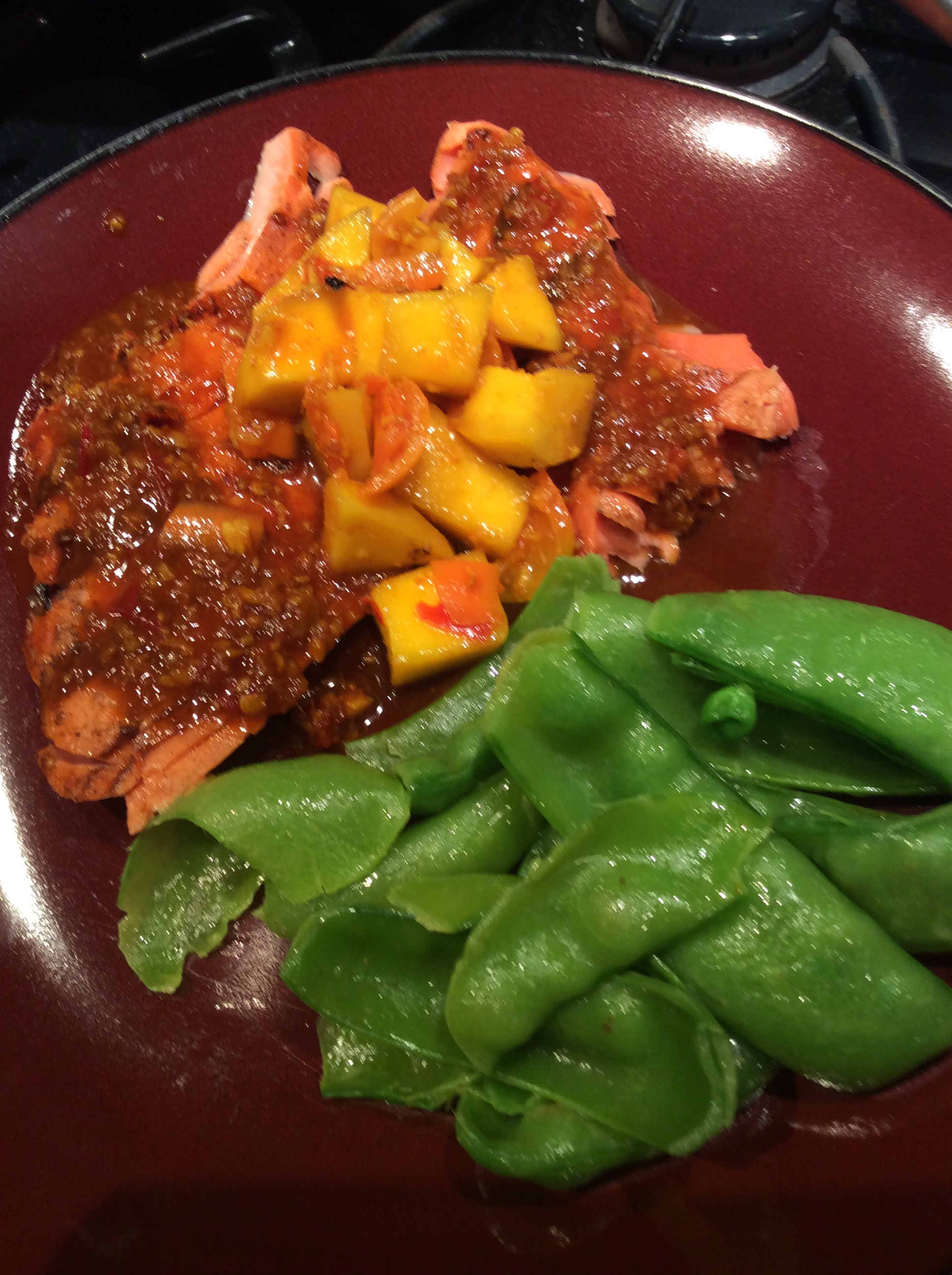
But as the season gets into full swing, I have enough of them to get ambitious. I continue to be obsessed with Joshua  McFadden’s new cookbook Six Seasons,and tonight I happened to be struck by his addition of English peas to Pasta Carbonara. I don’t eat pasta for carby reasons, but it occurred to me that the traditional carbonara flavors, while rich, are also rather full and gentle, and might go wonderfully with sugar peas even if there were no pasta involved. I hasten to add that there is no question that a large plate full of sugar peas will not do anybody’s carbohydrate count any good. However, we all have our vices, and I do tend to allow anything green.
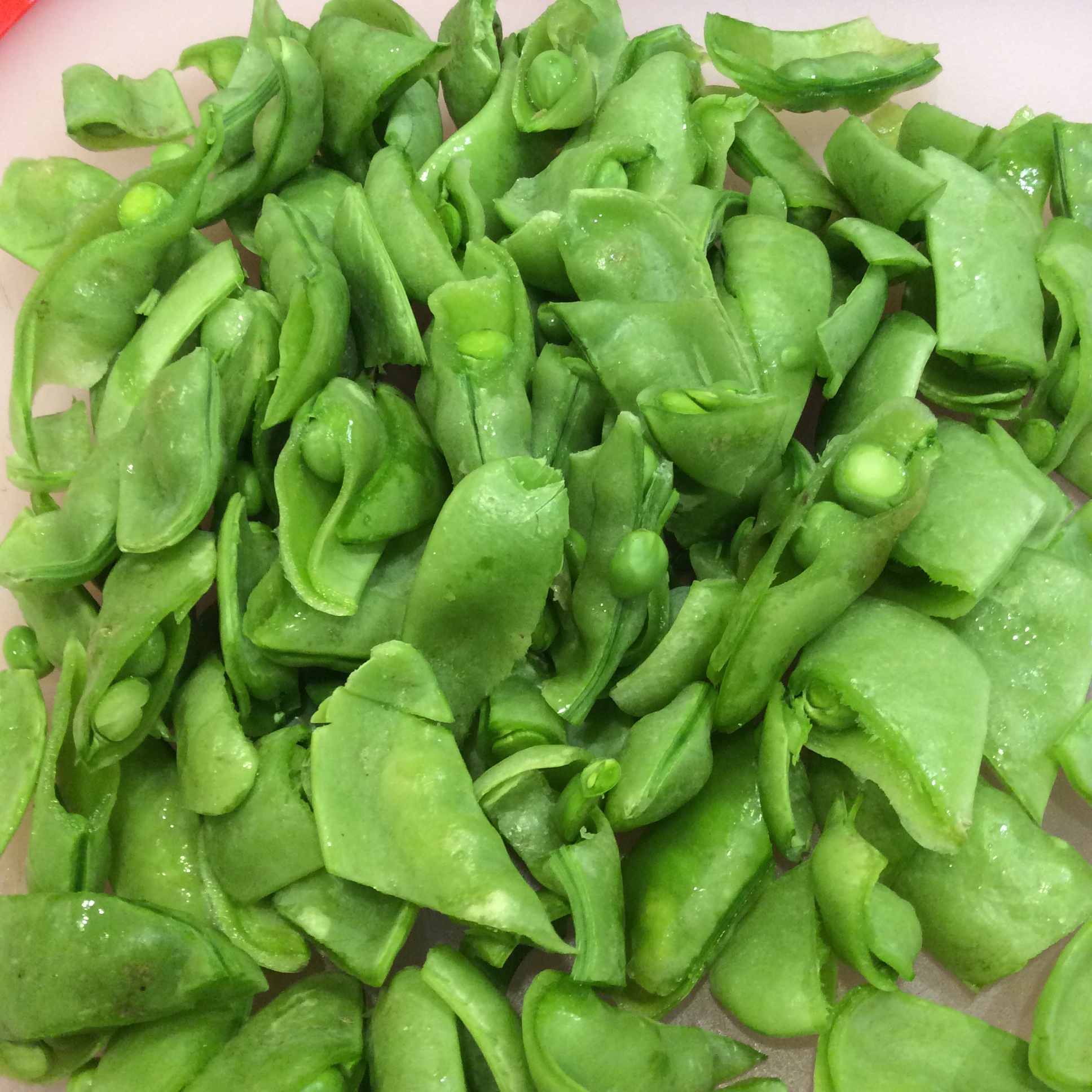
Have all the prepping done before you start cooking because it goes very fast.
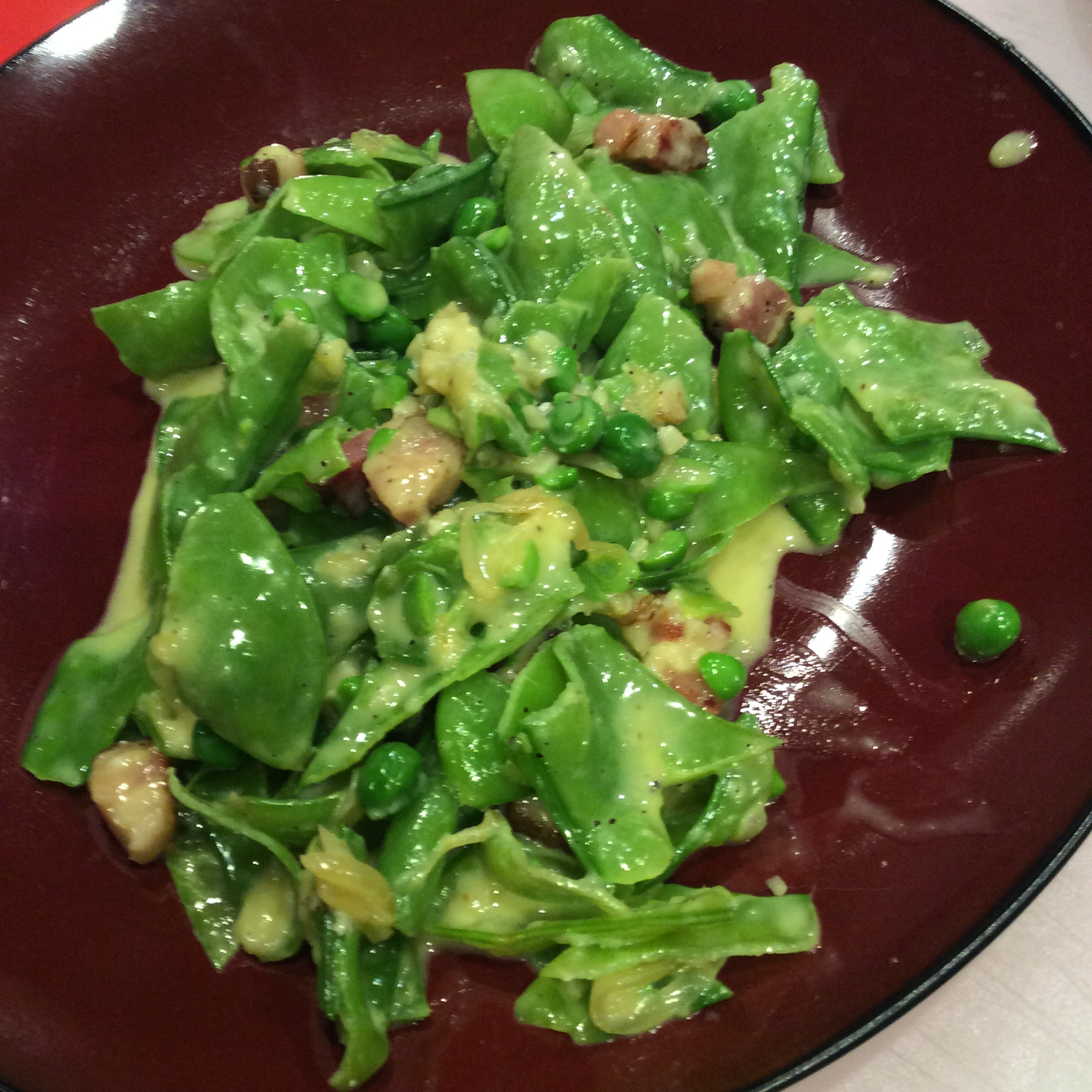
So I started with 2 quarts of enormous peapods, loosely packed. I picked them over and pulled the strings off, and cut them diagonally into pieces roughly an inch long as you see above.
There is no question that piggy products do peas a world of good. I did not happen to have the classic carbonara ingredient pancetta on hand and so I decided to use a thick slice of mild applewood smoked bacon. I cut it into cubes a little bigger than 1/4 inch square. I chopped two cloves of fresh garlic very fine, finely  chopped a small onion, grated about a cup+ of very good Parmesan, and separated out the yolks of three eggs. A quarter cup of heavy cream ended up smoothing out the mixture.
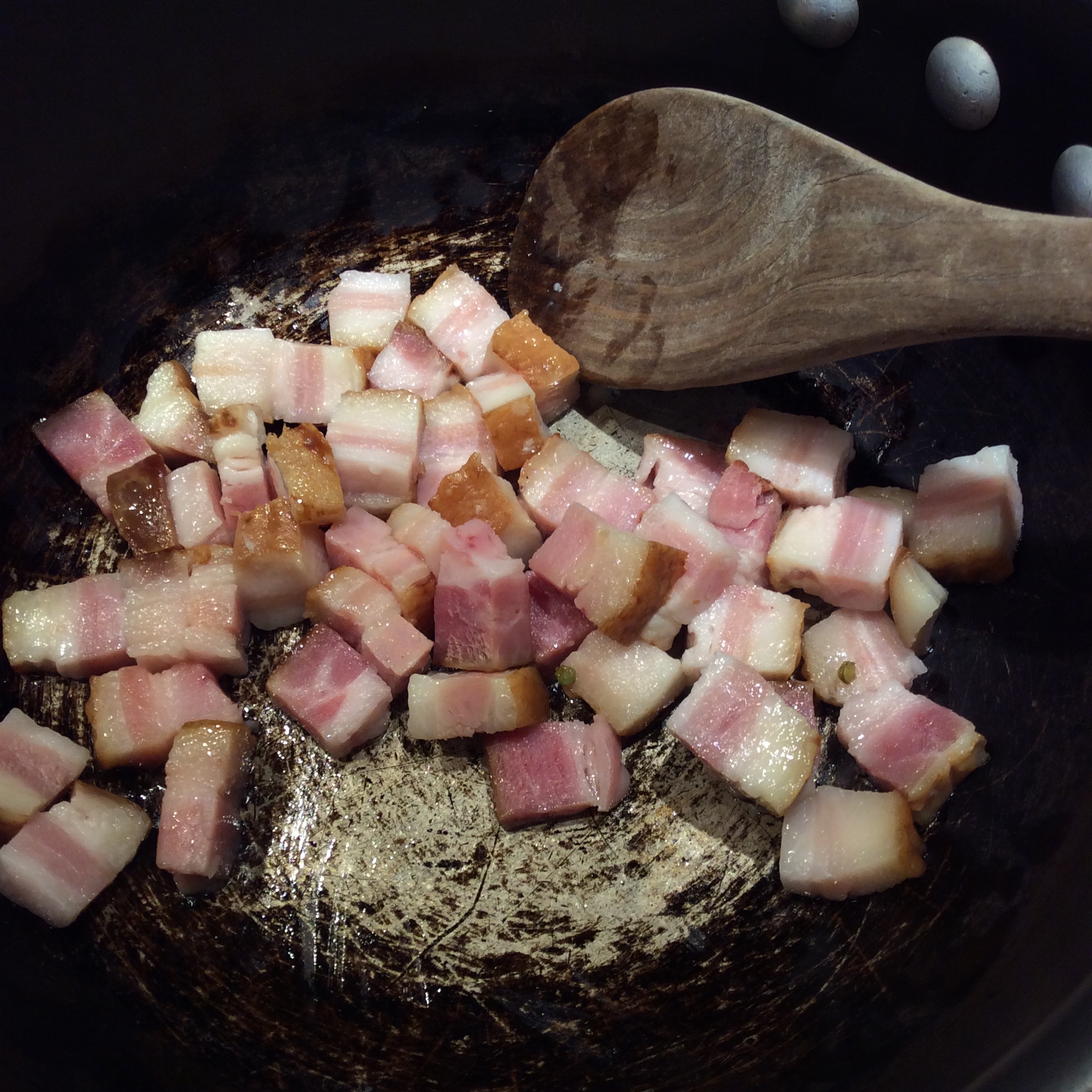
The bacon cubes were rendered gently over medium heat, and the onion and garlic thrown in when they were about half cooked. This mixture was cooked together until the onions were cooked soft without allowing it to color, and meanwhile a couple of quarts of salted water were brought to a fast boil. The heat was turned off under the bacon mixture, and the chunks of pea pods thrown into the salted water and cooked for exactly 4 minutes. The pea pods were drained well in a strainer but not shaken totally dry, and then returned to the hot saucepan, the bacon mixture added, the cream poured in, and sautéed over medium heat for about a minute. Now, working very fast off the heat and stirring  continually with a wooden spoon because a metal spoon would break up the peapods, the egg yolks were added and tossed around for a little under a minute, until the cream looked a bit thickened. Then the Parmesan was tossed in off the heat. When the sauce amalgam look thick and creamy, about a half teaspoon of freshly ground pepper was stirred in and the dish was immediately plated. You can add a little more cheese on the top if you like. Serve hot with some additional black pepper ground over the top.
This may be the purest expression of the sugar snap pea pod, somehow even more classic than the simple blanched pods. The pods retain some texture, and the swollen peas that float around the finished dish are pure essence of early summer. This is a main dish  and if you accompany it with some good white wine, you are very unlikely to want anything else.
Feeding Our Pollinators

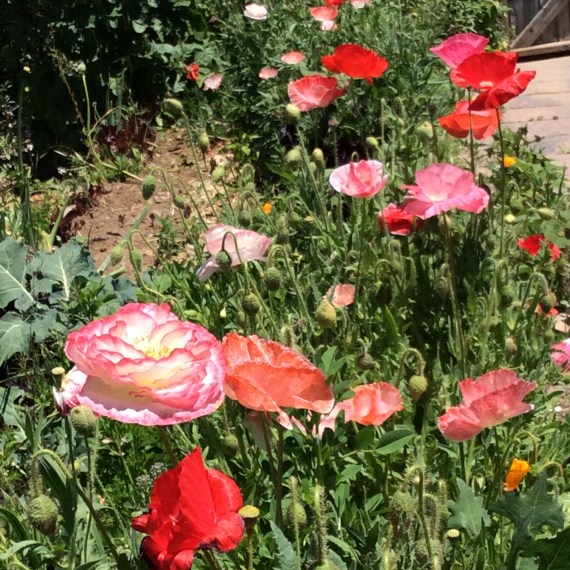
Sometimes I write a post that is a thinly disguised excuse for posting a bunch of pictures of flowers. However, it isn’t frivolous because flowers really matter. One of my gardening goals this year is to keep a fairly steady supply of flowers going for the pollinators and notice which ones they visit the most.

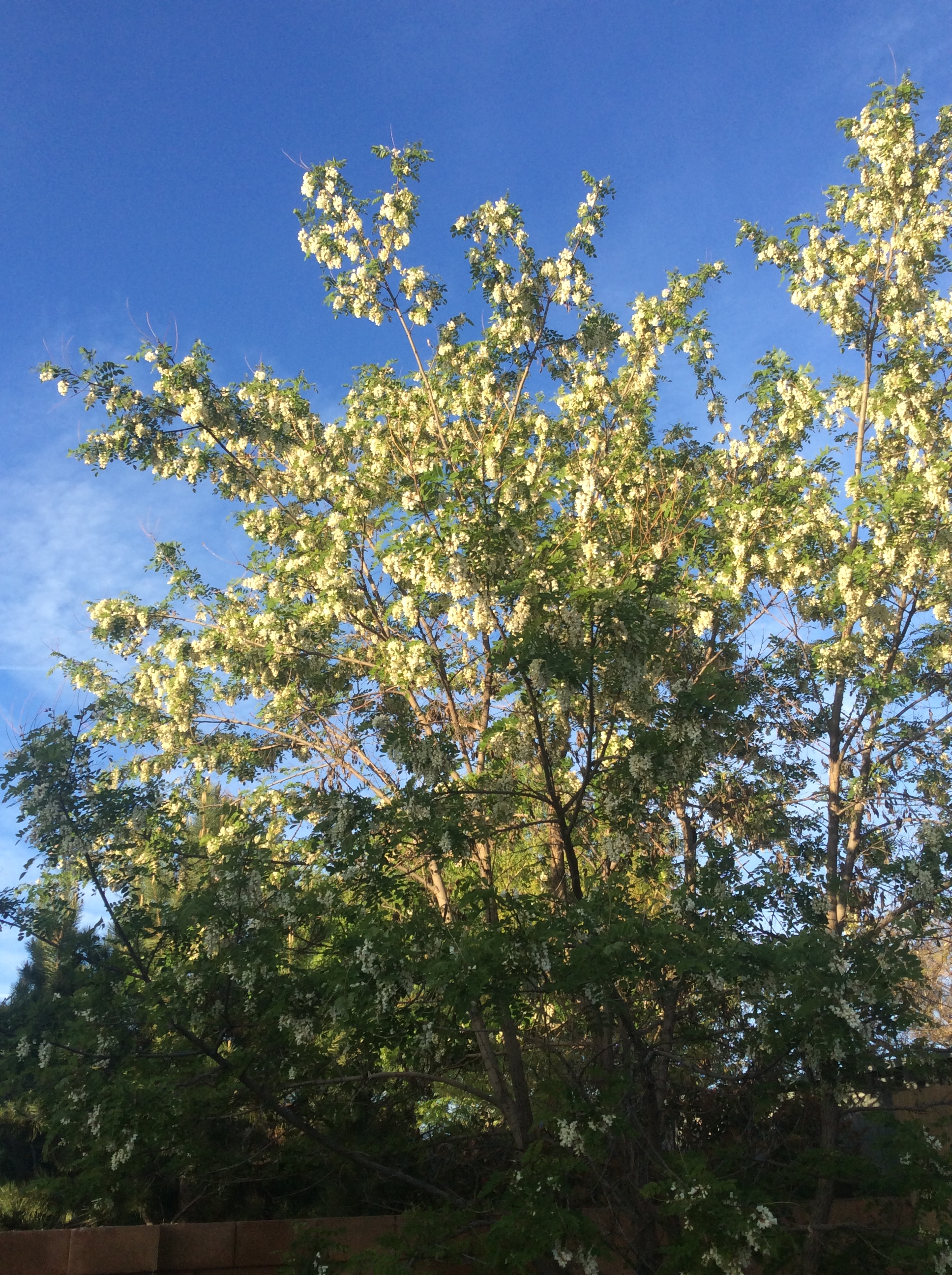
Starting in early spring, the Japanese plum trees were heavily visited. The next thing that bloomed was the black locust tree, and it was absolutely mobbed with bees. I could sit under the tree and listen to the loud hum.

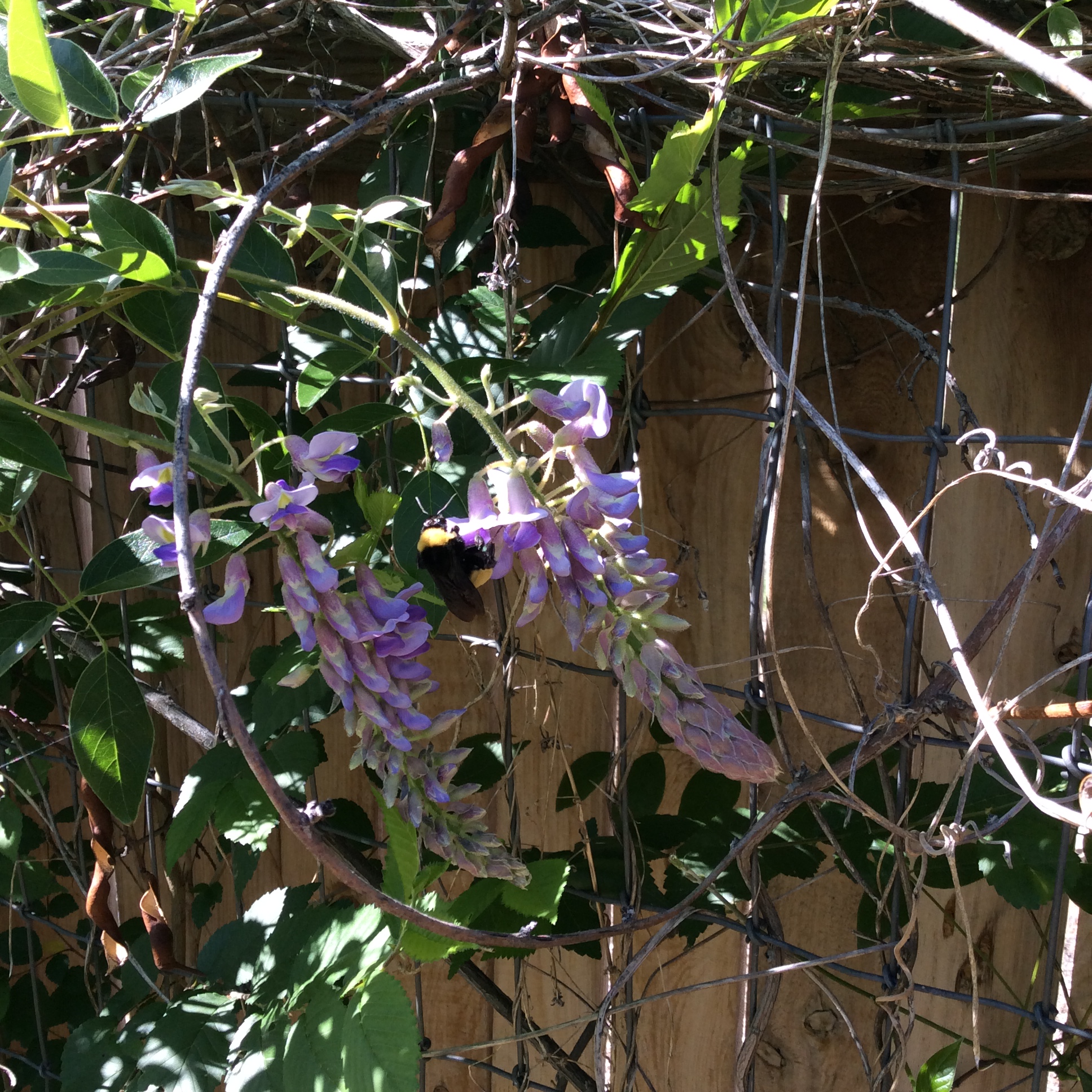
Next, wisteria, which seemed to be especially attractive to bumblebees.

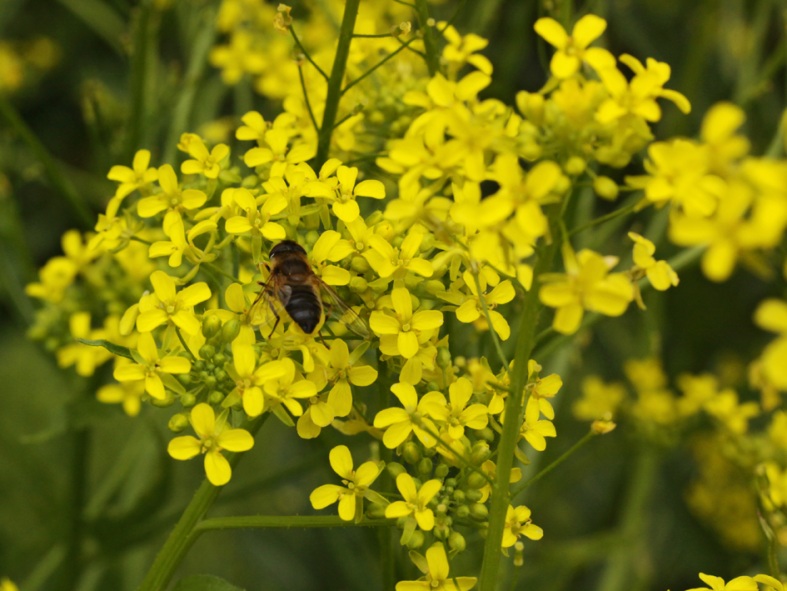
Turkish Rocket  proved to be a fair bee plant.

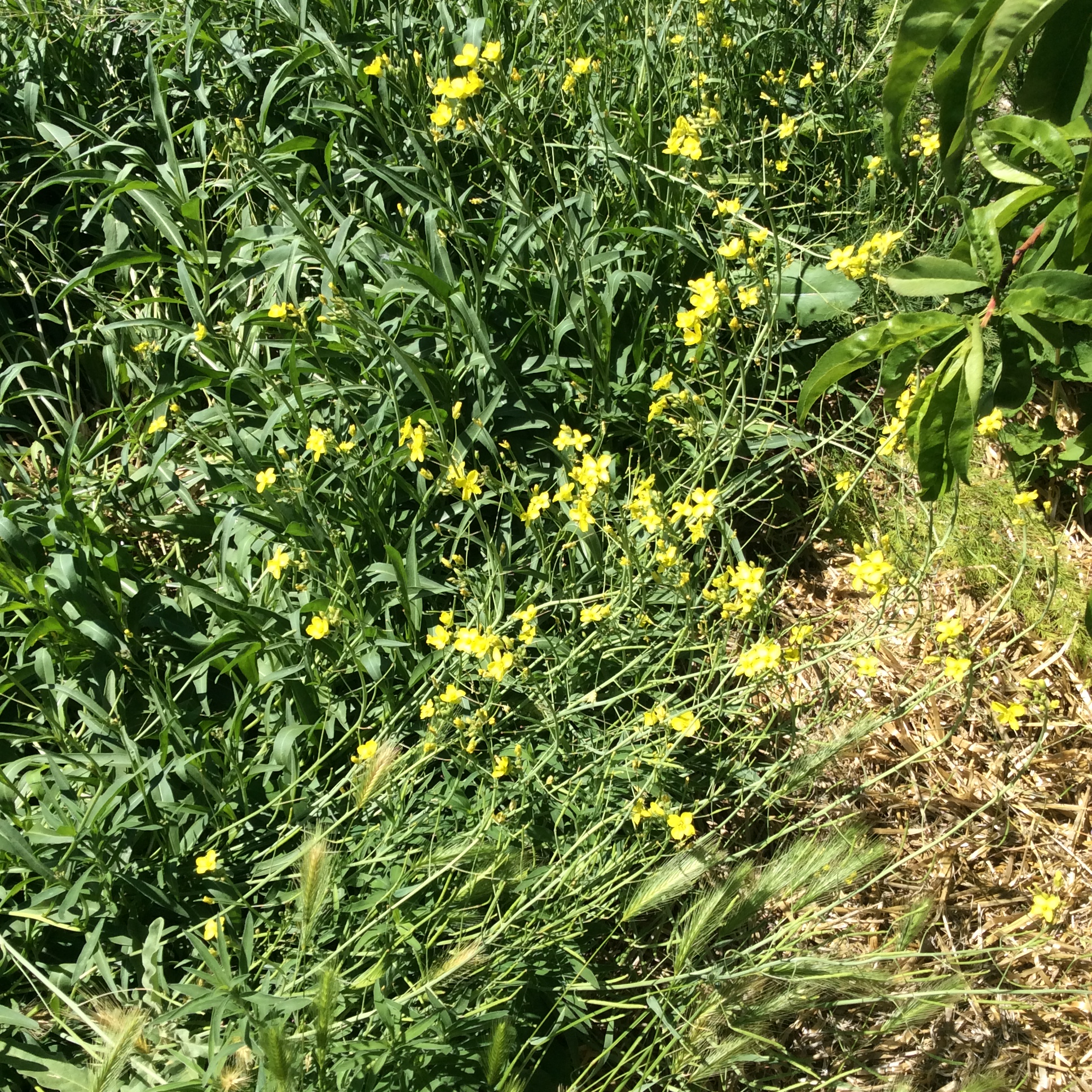
The olive-leaved sylvetta arugula is exceptionally attractive to pollinators of all kinds. It’s reliably perennial in my garden and can tolerate any amount of neglect.

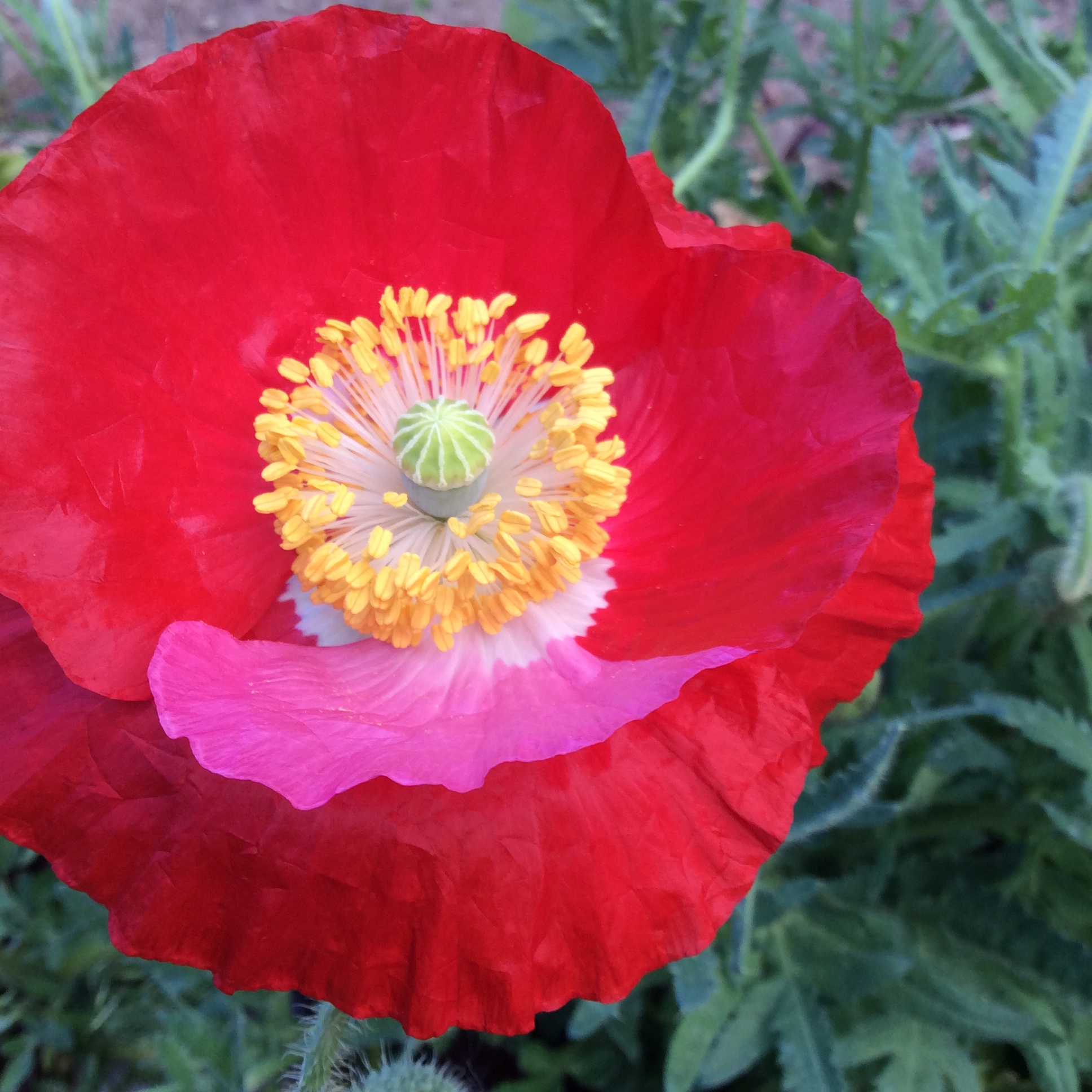
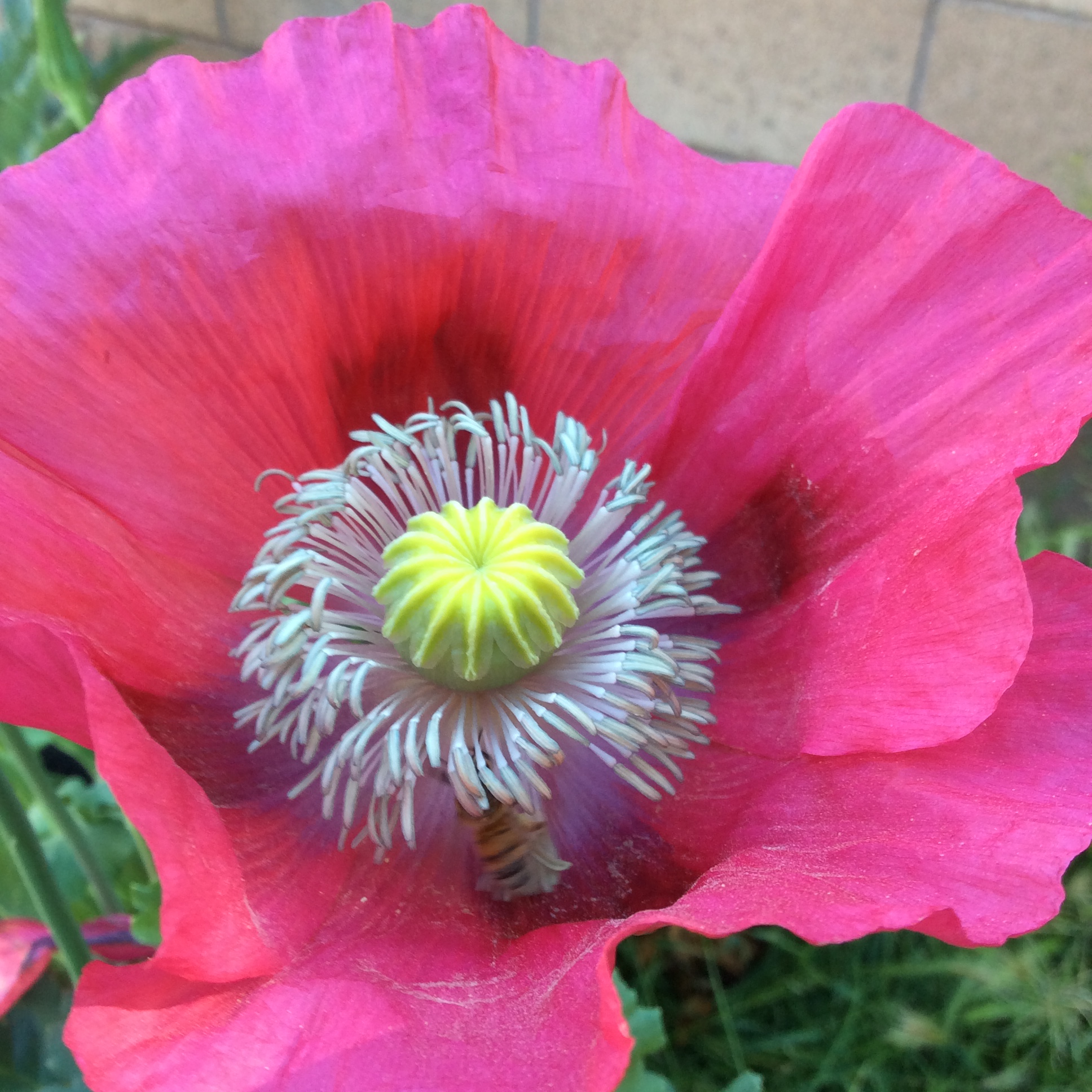
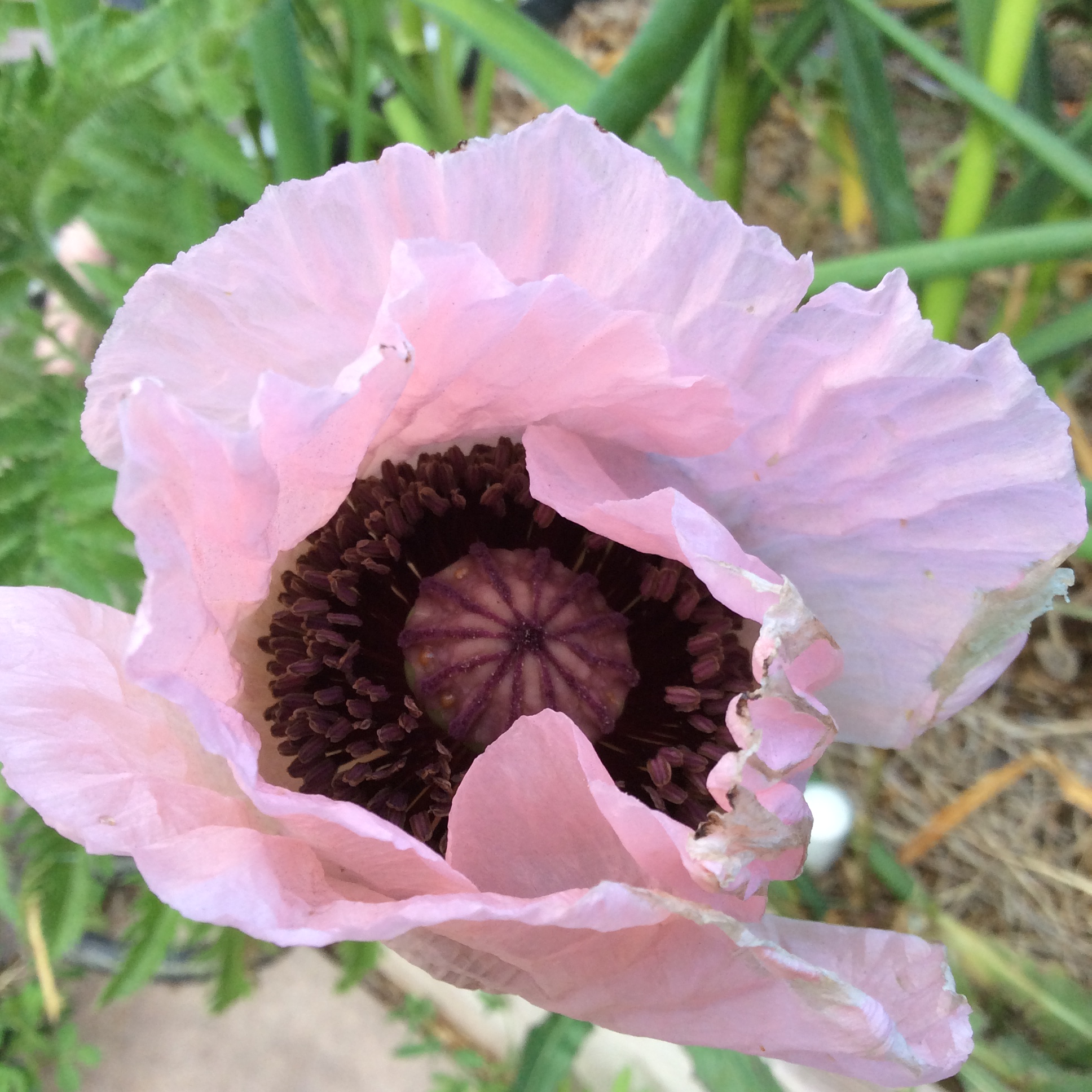
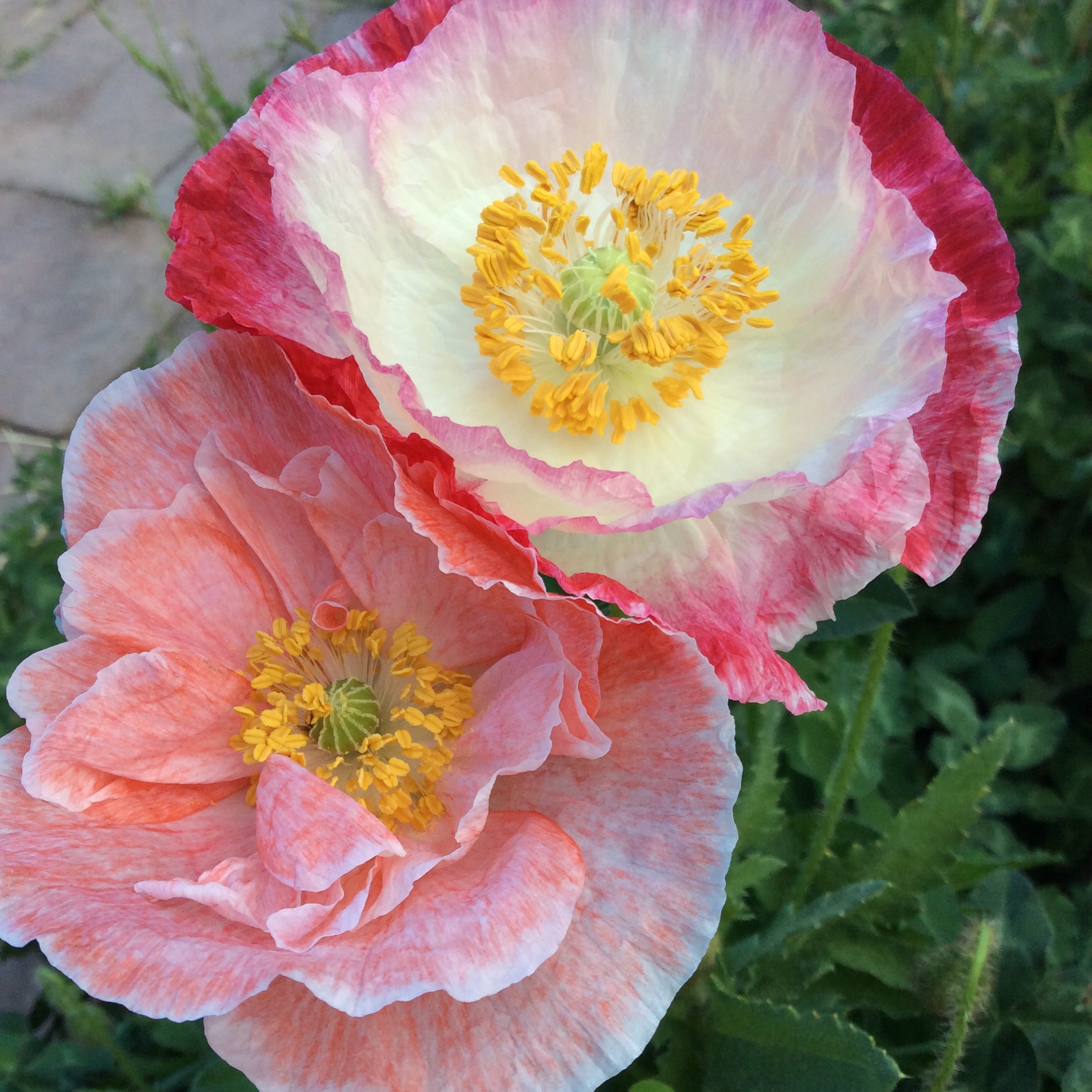
The most wildly attractive of all my nectary plants are the poppies. Lavish Shirley poppies, unimproved cornfield poppies, breadseed poppies, Oriental poppies, the bees adore them all. They would be worth a lot of trouble to have, but they aren’t any trouble.

IMG_5625

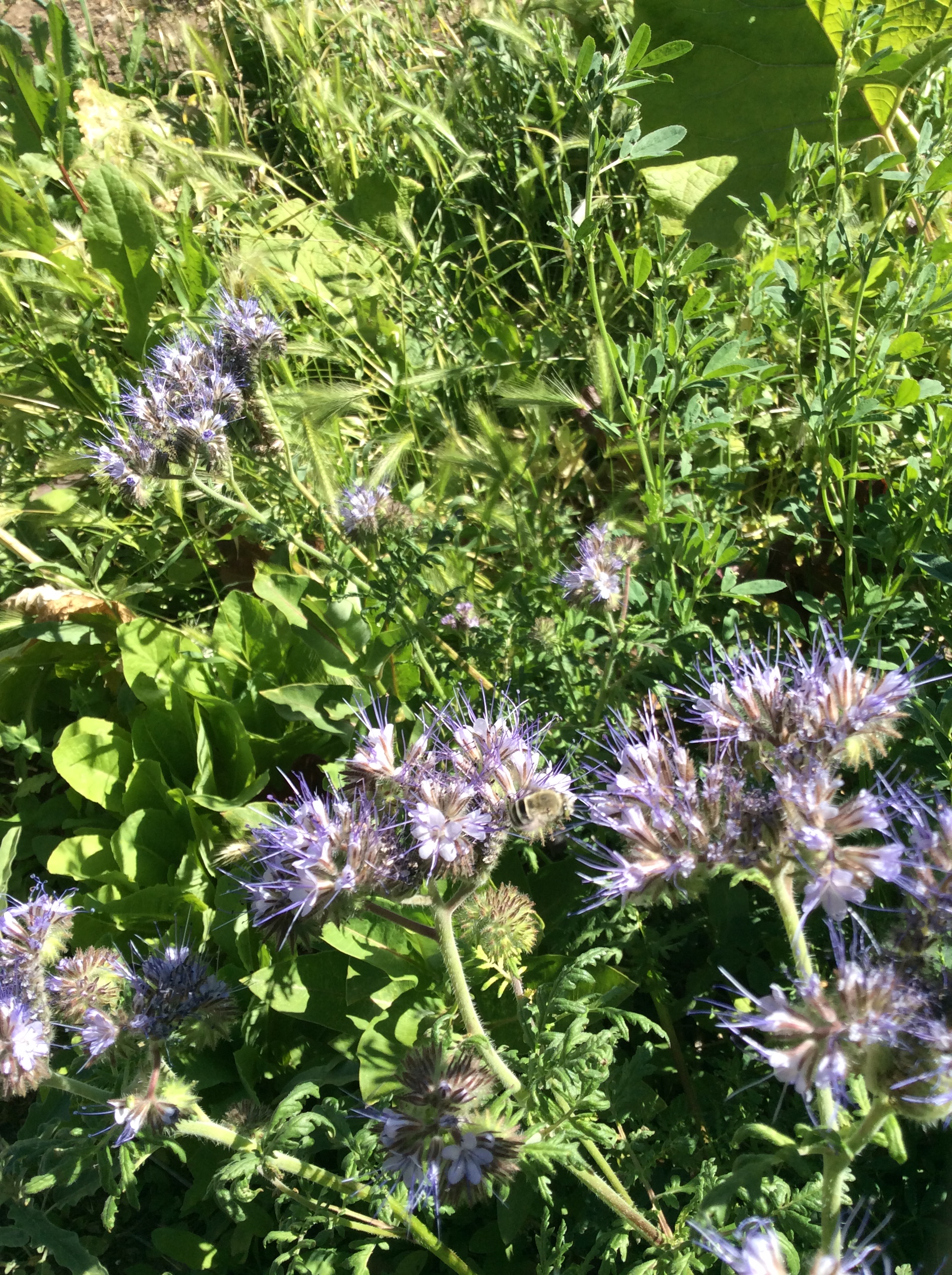
This year I planted patches of bee’s friend, Phacelia tanacetifolia, which is supposed to be the best nectary plant going.  In my garden it bloomed at the same time as the poppies and is being somewhat ignored in the poppy frenzy, but bees do visit it and I enjoy having it around, so I will certainly plant some more next year.

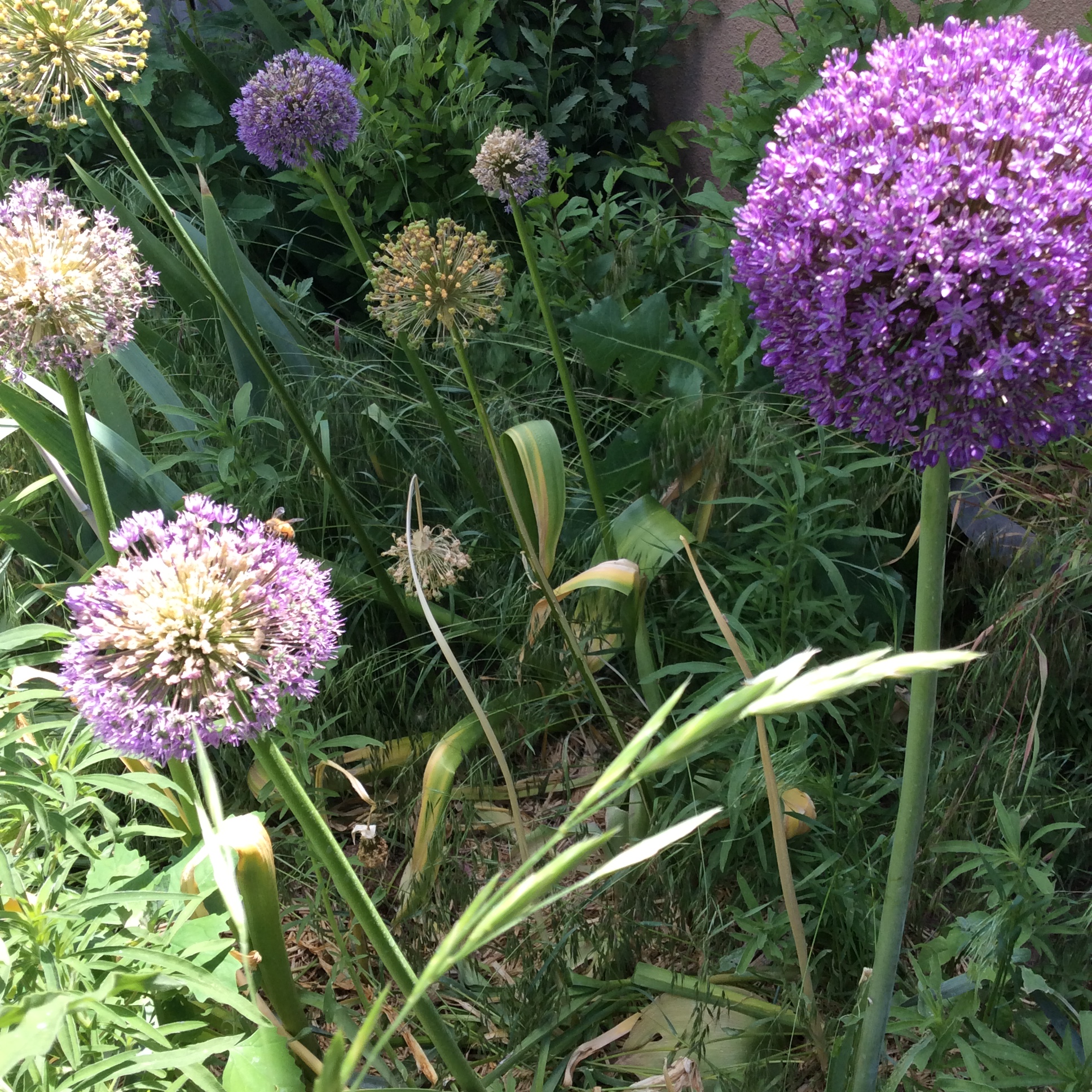
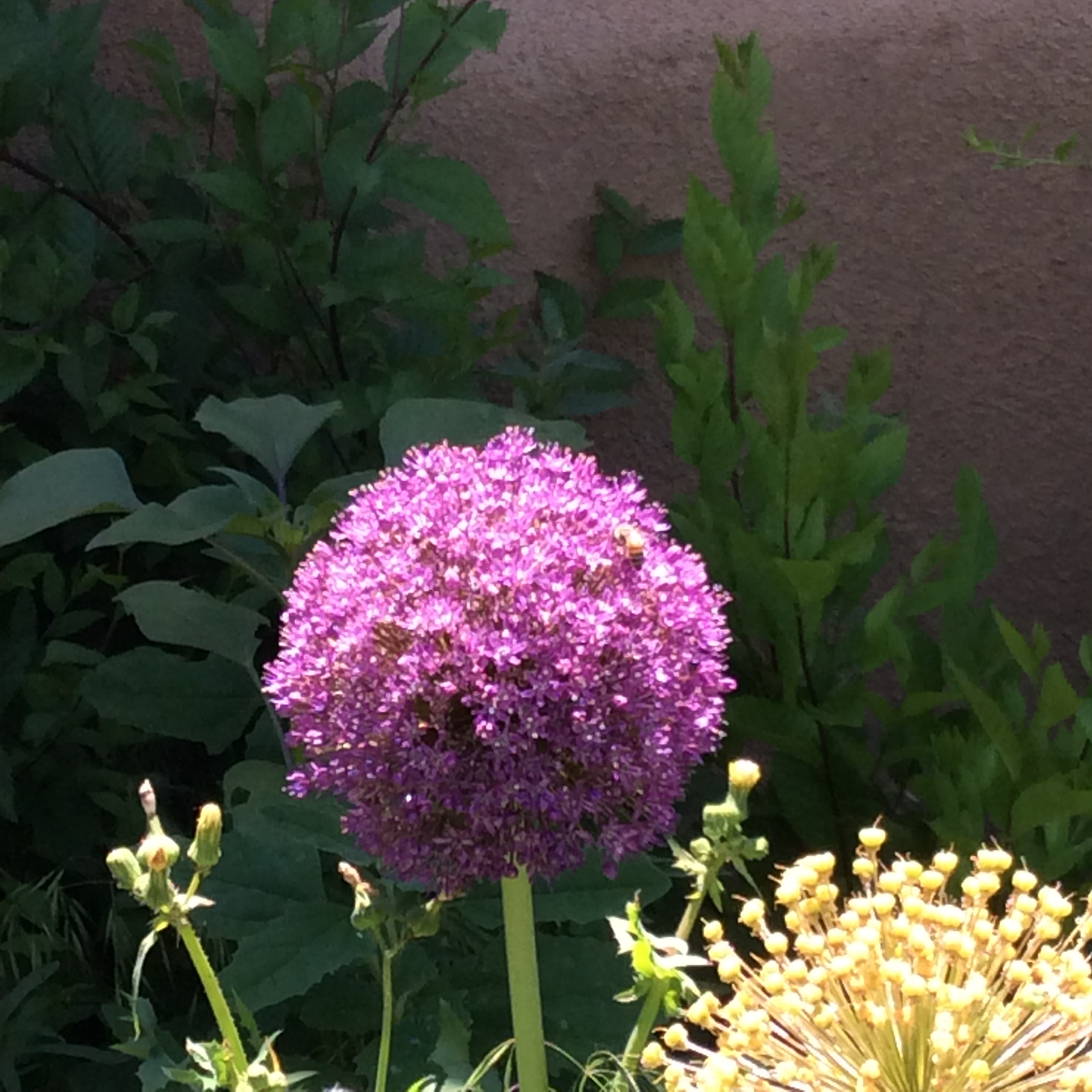
Ornamental and edible alliums that are allowed to flower are a hit with honeybees.

I plant alfalfa all over the place and always let some flower, and my common yard hollyhocks are visited frequently by bees.  There are many unspectacular flowers that the bees like just fine. I  grew a lot of arugula around my yard and let it go to flower so that it will see that self, and the bees like the small nondescript flowers.  If you grow vegetables in the mustard family and don’t get around to eating them all, you can always let one or two go to seed and the bees will enjoy them. Edible weeds dandelion and sow thistle are liked by bees, making them nice  to have around on two counts.

Just don’t spray. Please don’t spray.

Turkish Rocket in garden and kitchen

Last year I finally got around to planting  the perennial vegetable Turkish rocket, Bunius orientalis, and this year I was able to experiment with it in the kitchen. I had read that it was invasive and so I limited myself to five plants that I could watch carefully, meaning that my experiments were on a very small scale. So far, here’s what I found:

As so many have discovered before me,  the leaves are so strongly mustardy that they create quite an unpleasant burn in the back of the throat, and they are not a culinary object as far as I am concerned. Even my goat wouldn’t  eat them.

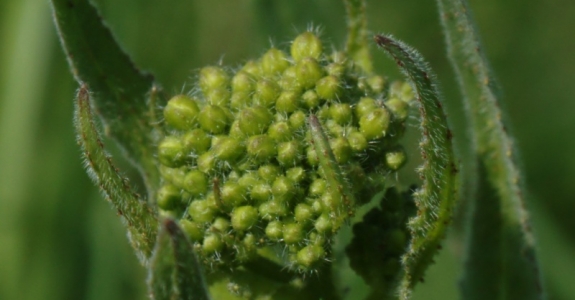
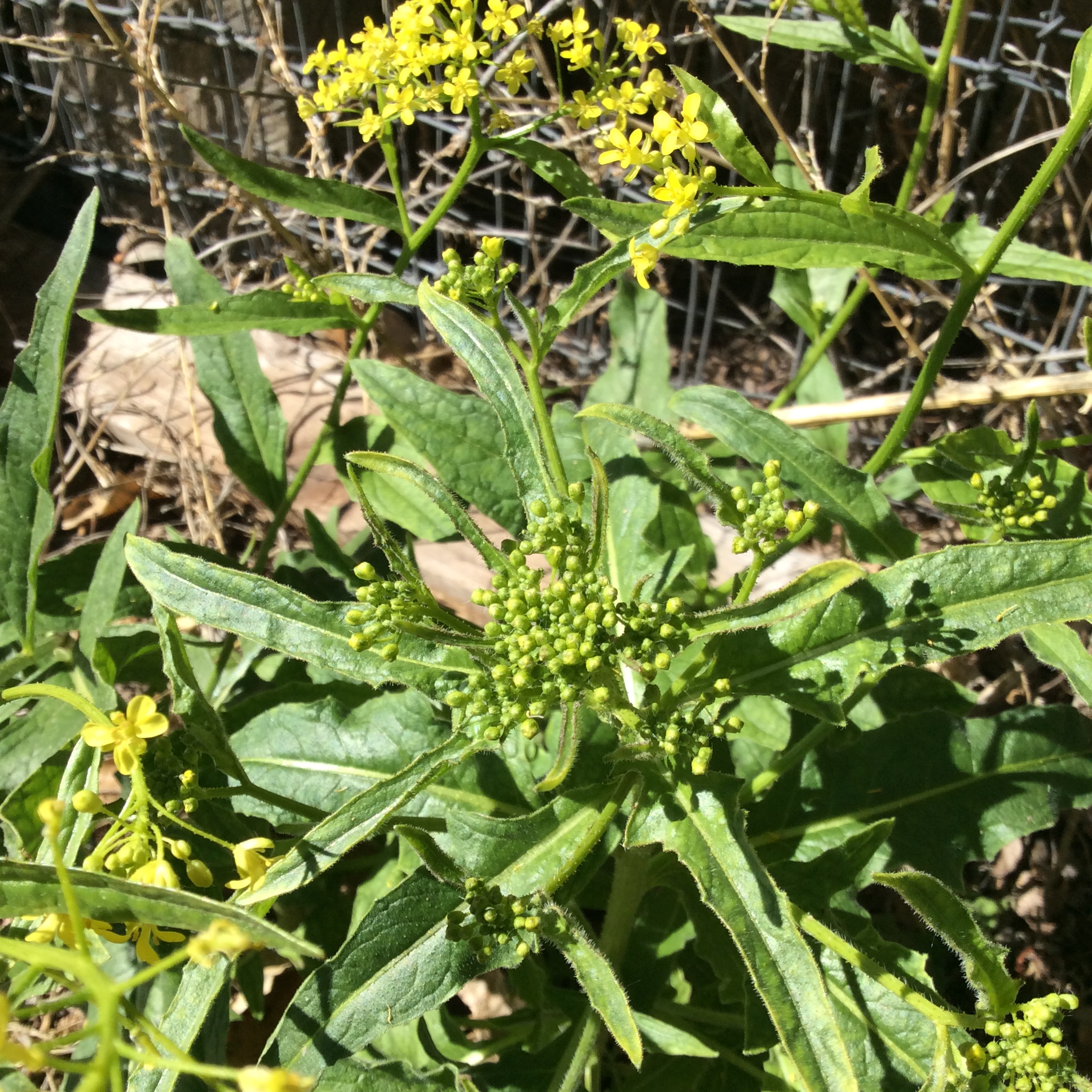
The bud clusters are used like broccoli rabe.  They can be very delicious, but timing is everything. The proper stage is shown in the photo above, when each stalk has one small bud cluster and the buds themselves are green, not yet showing the edges of bright yellow petals.  At this point, they can be blanched in boiling water for a minute or two, drained well, and then sautéed in olive oil with garlic and chili flakes and have the slight nutty-mustardy quality of good rabe,  with no burn as you swallow. You would need several well-established plants to get enough for a few servings, as far as I can tell, but they would certainly deserve their space.

Here’s a close-up of a stalk in the perfect stage for eating. Snap off the top few inches of stem with the buds and it will cook up beautifully.

This picture shows the next stage in the stalk’s development.  The stem has elongated and the small original cluster has spread into sub clusters. I had hoped that this would be a good stage for harvesting, since you would get more material than at earlier stages, however it was not to be. At this stage, even when  cooked, there is a very unpleasant mustardy burn that continues to build in the back of the throat for a few minutes after swallowing. Not a pleasant experience. Once the subclusters have started to show and some yellow shows on the outermost buds, don’t bother.  It is possible that they could be  cooked longer, cooled, and ground with olive oil, salt, and maybe a little lemon into a sharp mustard-like condiment, but I have not experimented with that and throw it out as a purely theoretical idea, possibly similar to a green horseradish sauce.  Because of the throat burn factor, if you choose to experiment with that idea, try it out privately before you foist it on hapless guests.

Then there is the flowering stage at which it is a bright cheerful yellow and is a fair bee plant, not highly preferred but certainly visited.

This is the stage that I am waiting for, so that I can plant a whole row of it and have a lot more to cook in the future.

For me this perennial vegetable fills a good niche  after the winter broccoli is gone, but before the spring broccoli begins producing. This time of year there are a lot of edible leaves in my garden but not too much else, so some textural variation is very welcome.

Regarding the claims of invasiveness, I am sure that this is true in many areas, but in my desert climate it requires a fair amount of water to grow well, so I doubt that it could grow outside the confines of my fence.

Milkweed, For People and Others


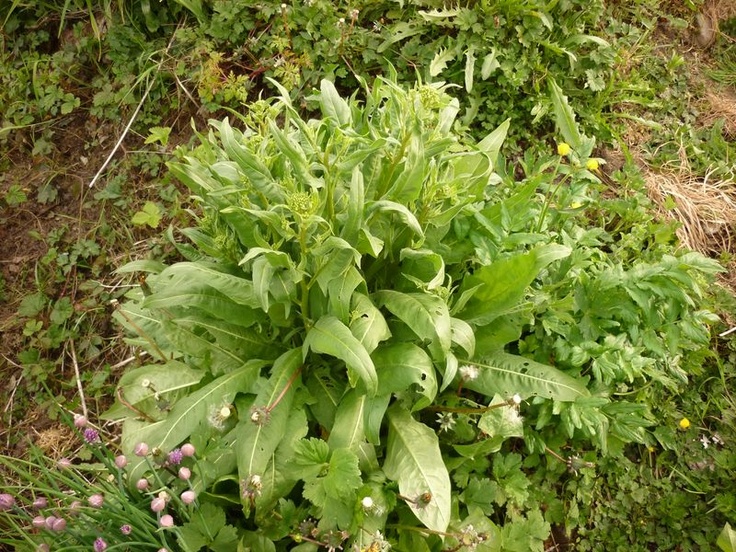
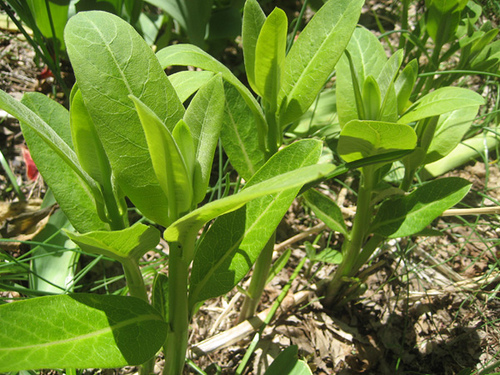
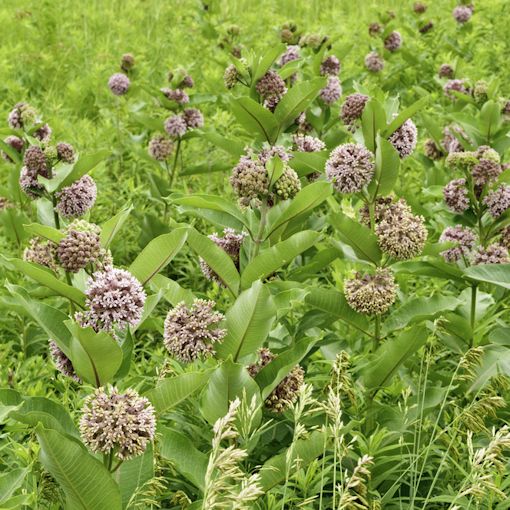
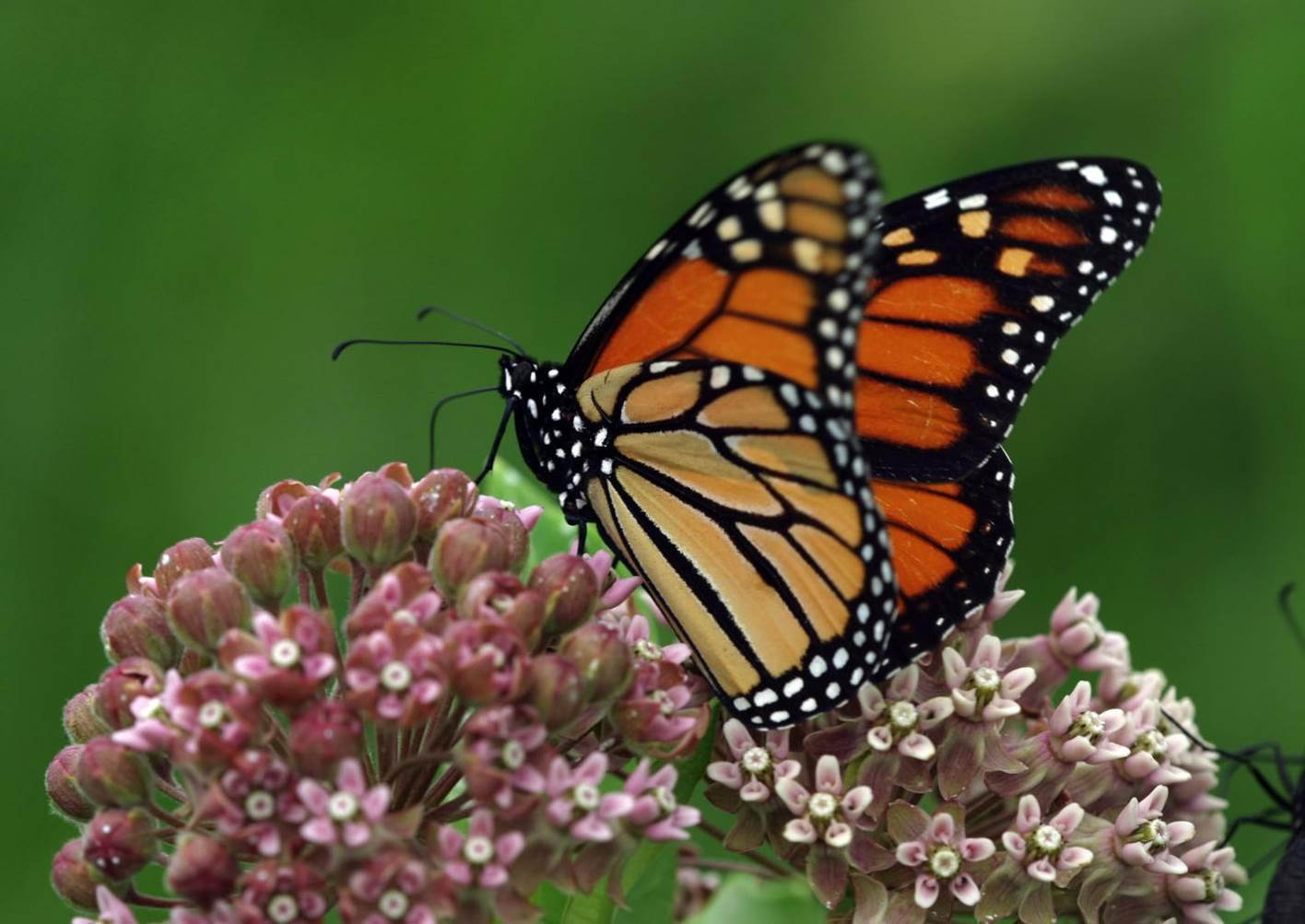
People who live in wetter climates would be surprised, and probably amused, to learn what efforts I’ve made to have common weeds like nettles, burdock, chickweed, and milkweed grow on my property. Common milkweed, Asclepius syraica, has been especially difficult because it really does like moist soil and doesn’t tolerate “dry feet” or alkalinity gracefully.  It took a couple of tries before I got any to germinate, and now I finally have a few plants, which have to be watered and tended and fussed over as if they were orchids until they get stronger. I had to borrow photos because my own milkweed is still a bit on the spindly side.

One might well wonder why I bother. One reason is that I like to eat milkweed, especially the young seed pods, but the shoots and buds are just fine too. It’s a true nose-to-tail vegetable. Another is that I am transitioning from annual veggies to perennial wherever possible, and A. syraica is a good useful perennial that doesn’t require soil disturbance to grow. A third reason is that the flowers are fairly ornamental and send out a cloud of perfume reminiscent of flowery vanilla.

A fourth reason can be seen on this map:

Monarch migration

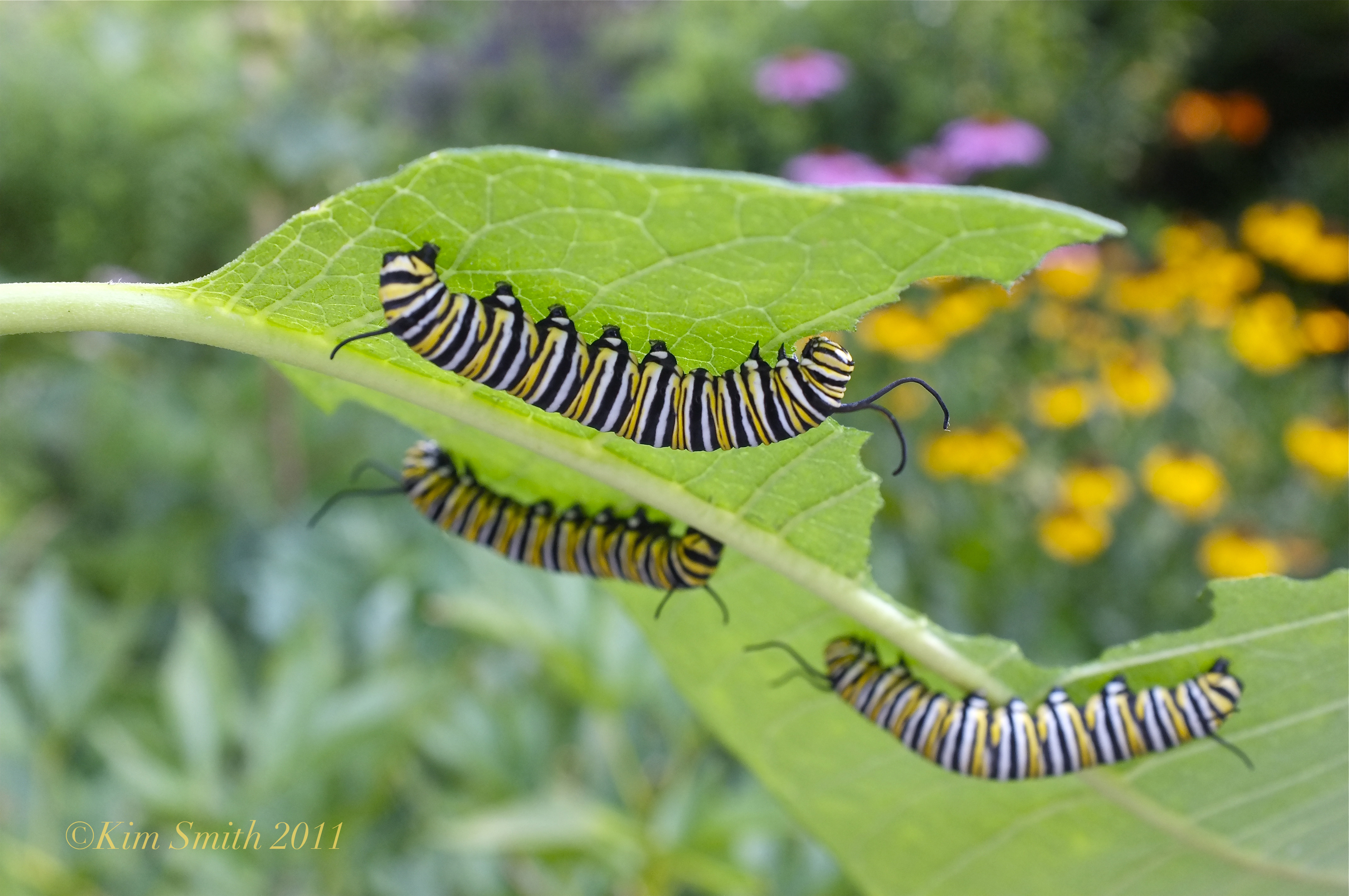
Notice how the sightings in New Mexico just peter out, while the ones in wetter areas east and west continue northward. Compare this to the maps on the same site for larvae and for milkweed. The migration of monarch butterflies from Mexico to the northern US is a migration of generations. The butterfly that arrives in Montana may be great-great-grandchild to the butterfly that flew north from Michoacon. All along the way they need breeding habitat, and their larvae feed on A. syraica and a couple of other closely related milkweed species. The leg of the journey through desert northern Mexico and southern New Mexico is a barren one, and a few milkweed oases along the way might help more monarchs make it to Colorado and further north. I can’t guarantee it, of course, but it seems worth a try. Adult monarchs will sip nectar from many flower species, but the fate of the larvae is tied to milkweed supply.

You can read more about monarch conservation here:

https://monarchconservation.org

Since my plants are still too young to pick for eating, I won’t be writing about milkweed in the kitchen until next year, but you can obtain the two wonderful field guides by Samuel Thayer, The Forager’s Harvest and Nature’s Garden, and be prepared to forage and cook any common wild edible. I never tire of recommending Thayer’s books, which contain great detail about identification and culinary use at various stages.