Archive for the ‘edible landscaping’ Category

Under the Frost Blankets

I have always tried to protect a couple of winter crops with frost blankets, but this year is the first time I got really serious about it at the right time of year. The right time of year is October, when you figure out which beds are going to be open during the winter and prepare them for planting.   Clean them of the debris of their previous crop, and fertilize a little more heavily than you usually would. Since I planned to grow mostly green things, I used blood meal and organic kelp meal.  If I had had more finished compost on hand, I would’ve used some of that too. Whatever you decide to use, fertilize, turn it in, water, and let the bed sit untouched for about a week.

Next, hunt your frost blankets. I cannot say enough good things about the heaviest weight of Agribon agricultural fabric, the one called Agribon 70. I got mine from Johnny’s Selected Seeds.  After a couple of years of fooling around with lighter fabric or two layers of lighter fabric, I have concluded that nothing but the 70 is worth spending my money on. The others all tear in our desert windstorms allowing the plants I have tended so carefully to be dessicated and killed.  It comes in rolls of 12 foot wide fabric, and 100 feet of it is one of the best gardening investments I ever made.

This is a heavy weight fabric and will actually smother the crops if it is allowed to just lay on top of them, so you need some kind of support.  If you are even slightly handy, no doubt you could rig something up with thin PVC pipe hoops, which I think would be the best possible solution.  I am not remotely handy, and so I bought a package of bamboo garden hoops.  These seem flimsy when you handle them but actually will do the trick.
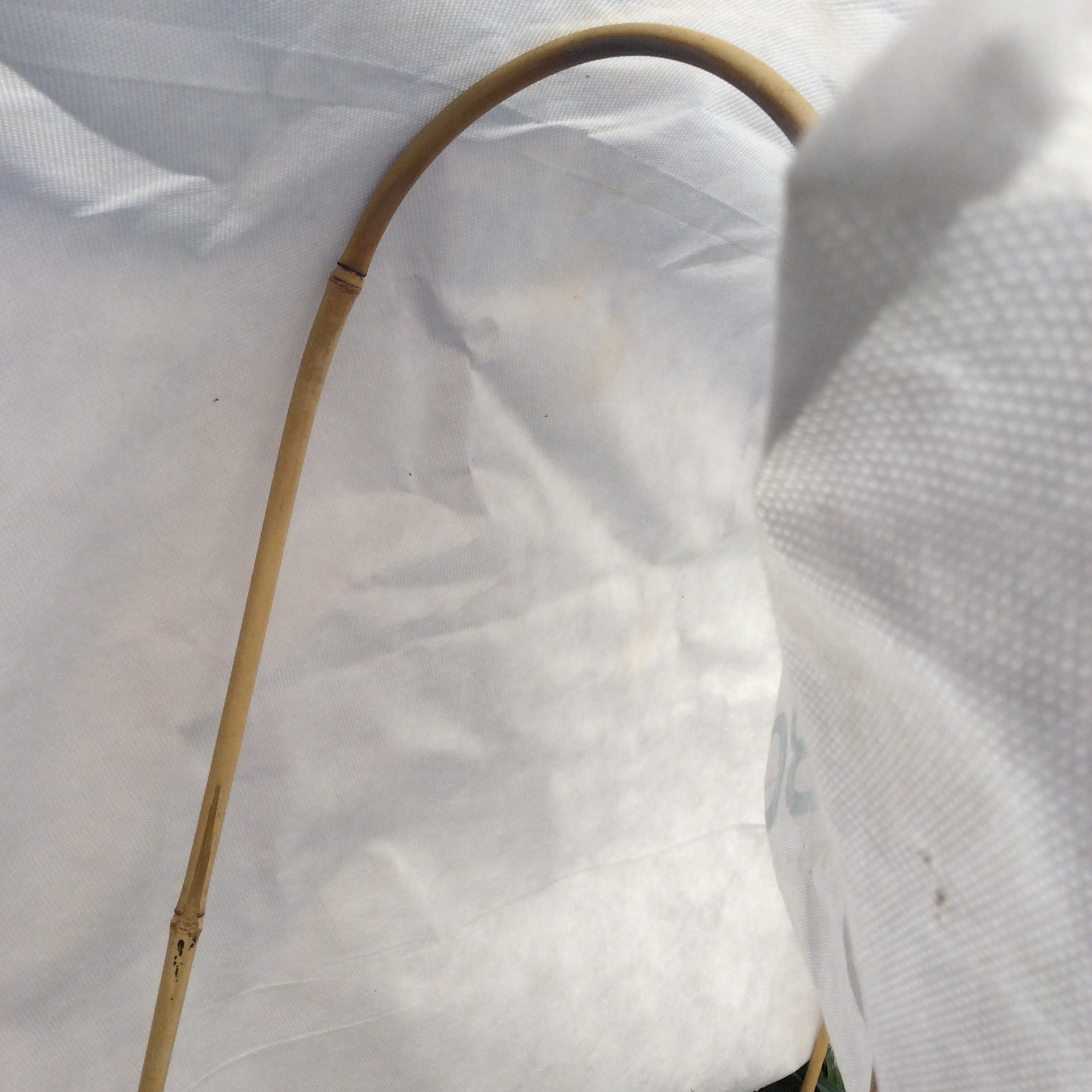
Put the fabric over them and weight it down all around. Don’t use fabric staples, because you will need to move it a lot for watering and harvesting. I use a small load of bricks that I bought from a neighbor. They need to be placed at least one brick per foot, because otherwise you will lose it all in a real windstorm.
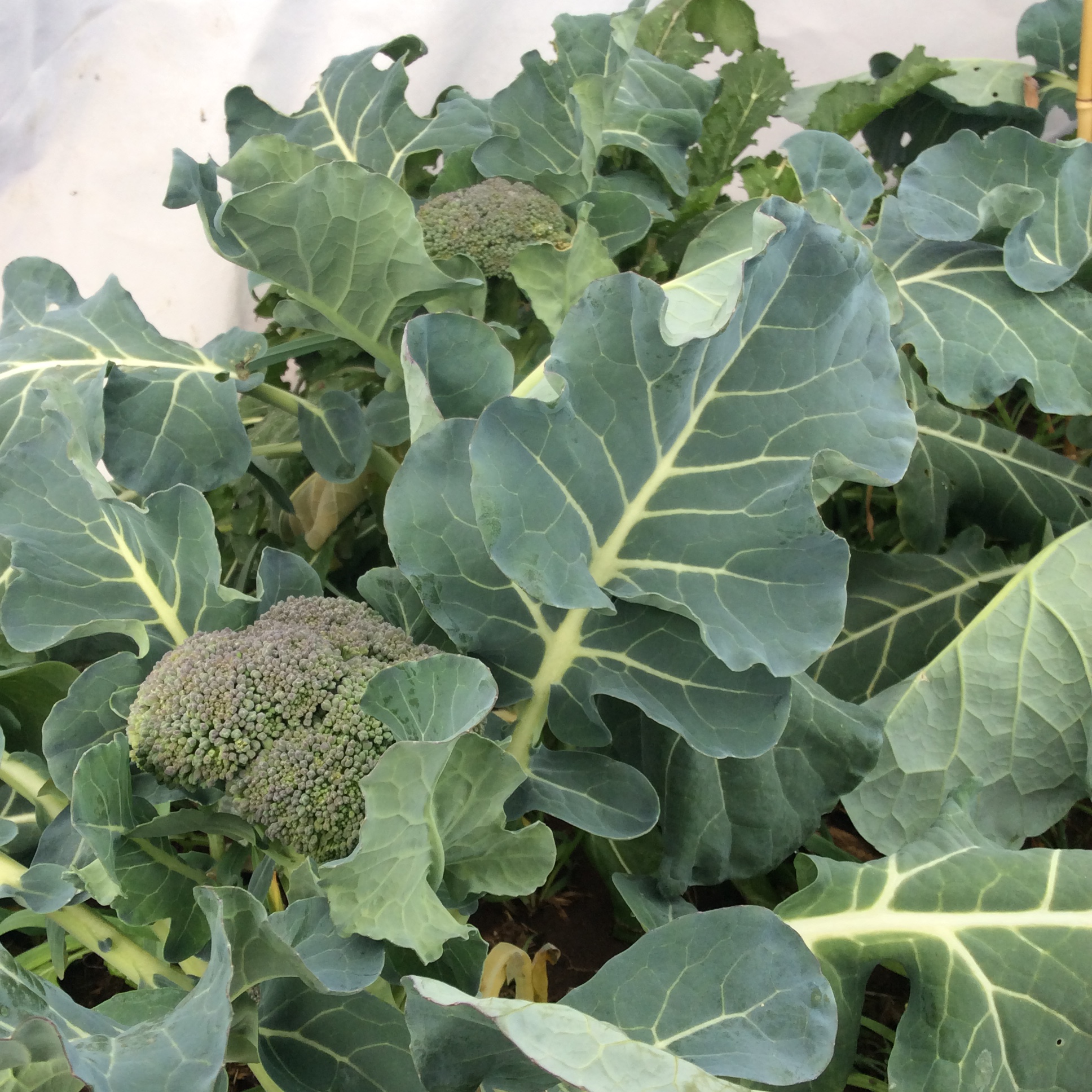
Next, decide what to plant.  Broccoli was an easy choice for me because I love it and also consider it one of the healthiest vegetables around, and the leaves and stalks are as edible as the buds.  I had planned to start my own from seed to get a known cold hardy variety, however in late October I saw some plants in my local garden center and decided to buy them because it would save time and trouble. Most of the broccoli sold in my area is chosen for heat tolerance, not cold tolerance, so no doubt I could have had heavier yields with a different variety, but this one is working out well enough.  I put the plants in 18 inches apart each way, which is pretty close, but they are not going to get quite as big as those growing in the open in other seasons.
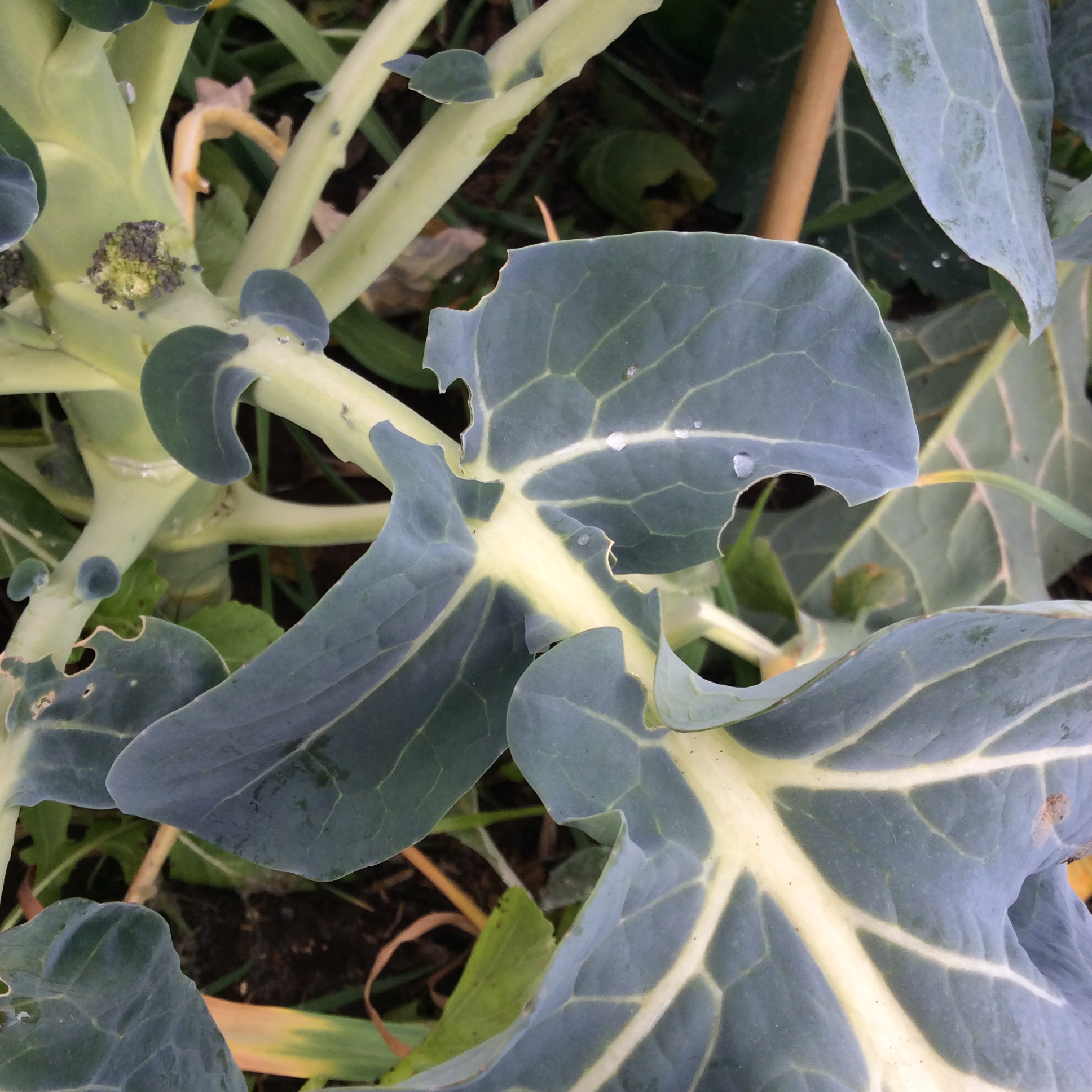
One of the joys of having a growing oasis in the winter is sticking your head under the frost blanket and just inhaling the scent of green growth. I also frequently break pieces off the broccoli leaves to eat while I’m watering. I try to restrict myself to the lobes at the base of each leaf, so that the overall appearance is a little less ratty, but as I see it nobody but me is really looking under there anyway.  Here, at the base of the leaf, you see the tiny little bud cluster that is going to become a side head after I cut the main head of broccoli.
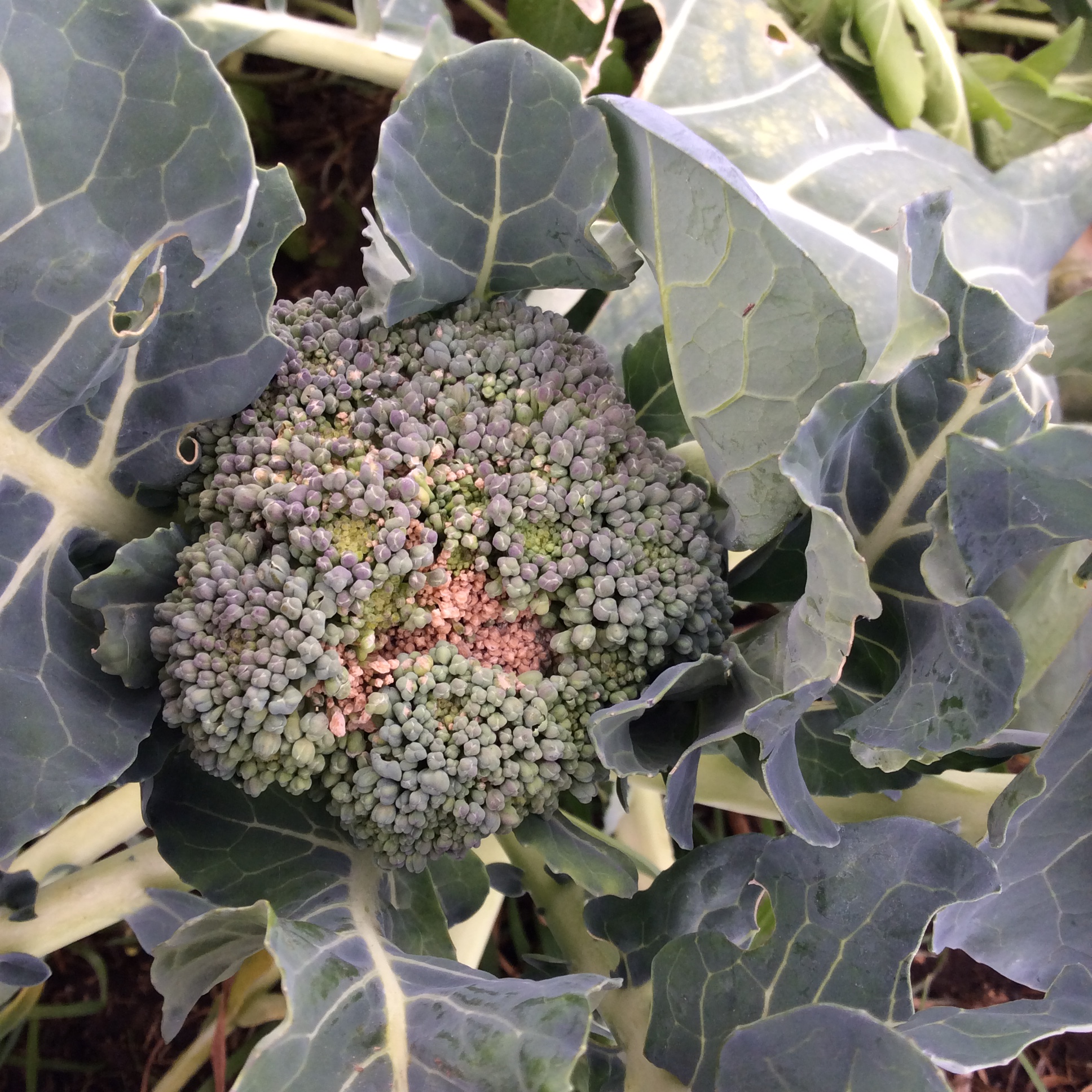
A few of my heads got brown bud, as you see above. There seems to be no real consensus about what this is, except that it probably is not a disease caused by a pathogen but related to growing conditions. I did notice that the plants that got the least water developed this condition. It also happens sometimes with my outdoor broccoli in very dry conditions. When I see this, I cut that head off and I am sure to keep that plant watered, so that it can concentrate on growing large side heads.  Overall, I still get a fairly good yield out of those plants.
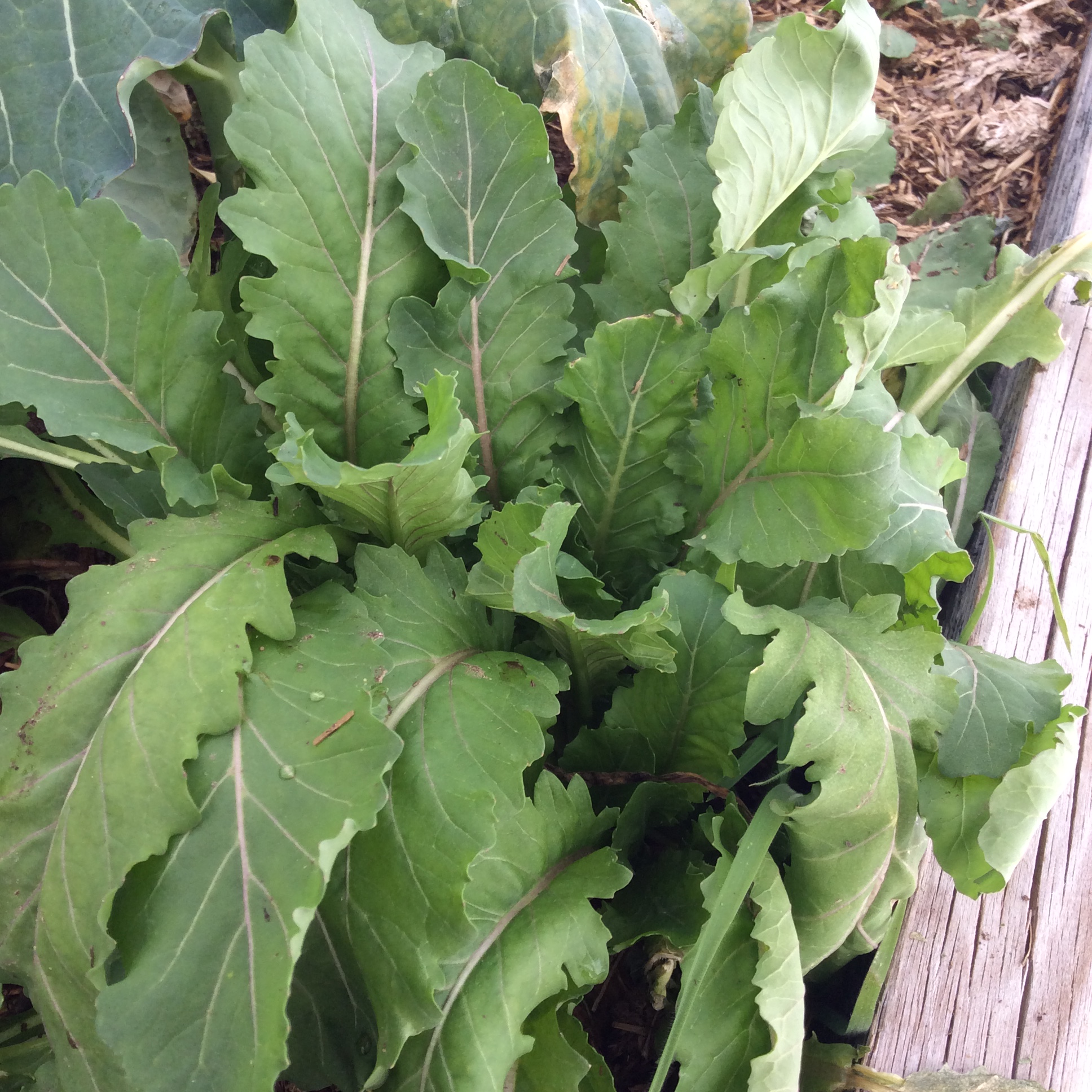
A delightful part of having a winter garden is that some of the things you let go to seed in the past come back around. Here you see a particularly healthy arugula plant that will go into a salad in the next day or two.  One of the reasons that I was careful to enrich the soil thoroughly is so that a lot of things could grow without hampering the broccoli very much
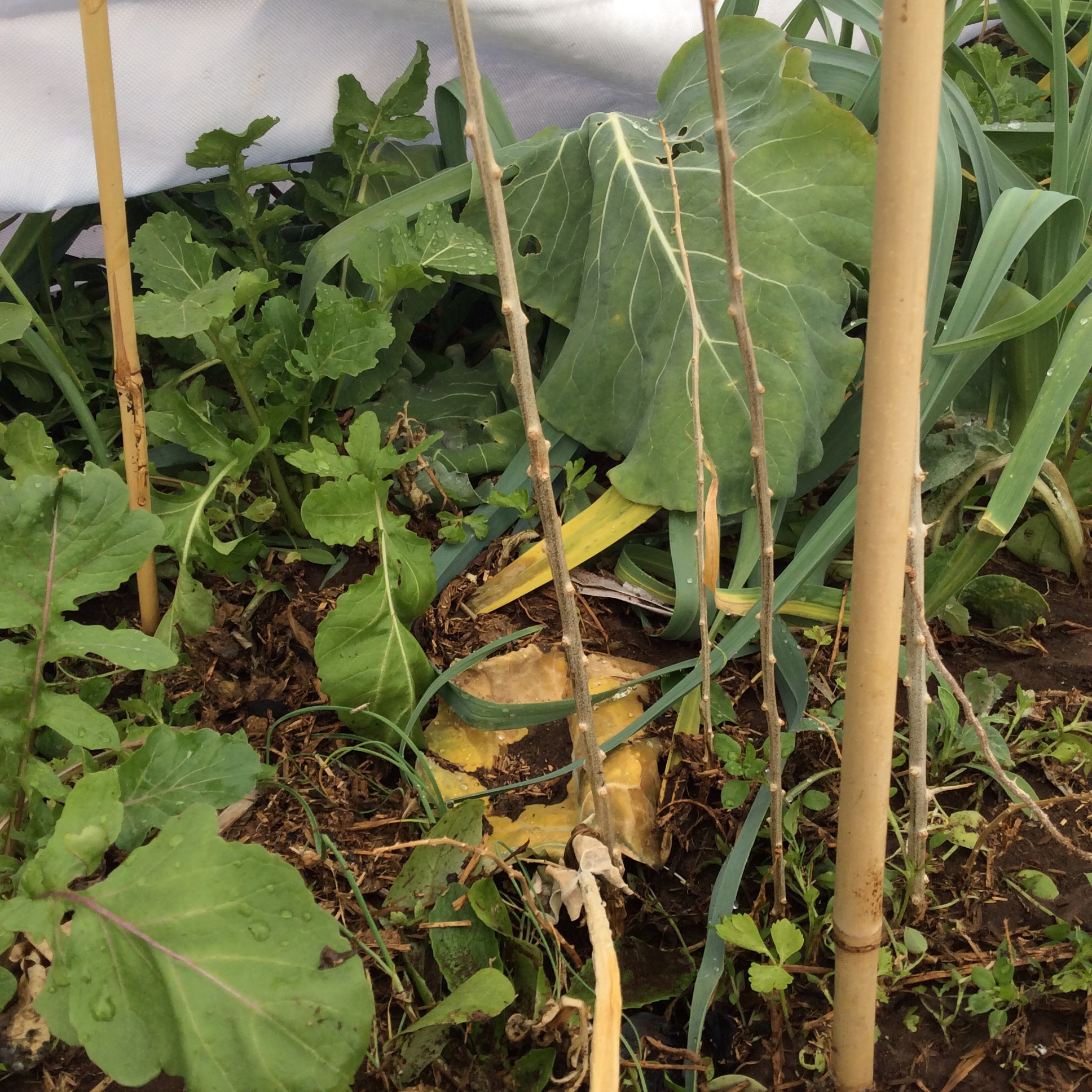
Here are a few interesting things going on. This is an area where a goji berry came up in the middle of the bed last year, and I cut it back hard before I covered the bed and I’m hoping to get some edible shoots out of it. You cannot get rid of gojis once you have them, so whack and eat them enough to keep them within limits.  This is a section of a few feet in the middle of the bed, where I planted Snow Crown cauliflower, and those plants died by November. I have done very well with the same variety in the open, so I don’t know what happened, but I do know that they did not like the conditions under the blanket. No problem. In the open space that they created by dying, you see leeks, garlic, arugula, chickweed, and celery coming up.  You might be able to spot tiny little leaks in the foreground from one that I let go to seed last summer, and then you can see larger leeks growing where I harvested last year‘s leeks  by cutting them off a few inches below the surface and leaving the base and the roots in the soil.  In each place that I did that, there are are two or three healthy leeks coming up from those roots. I am very pleased with this way of growing them, and I plan to keep experimenting with it.  The garlic is there because, after I planted my regular garlic beds, I had a lot of seed garlic left over and just stuck it in all over this bed before I covered it. My hope was to have green garlic earlier than usual, and it seems to be working out well.
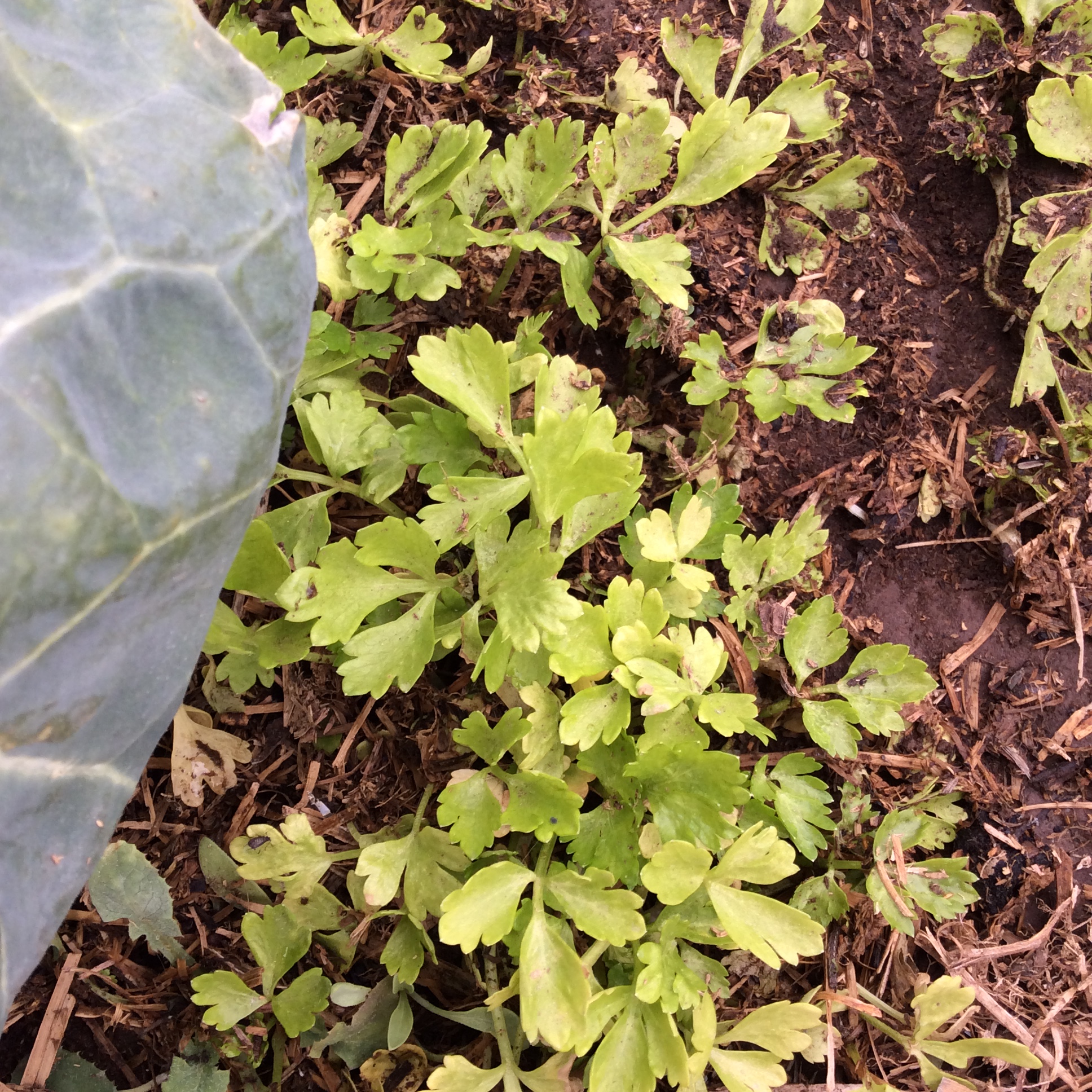
A closer look at the celery seedlings. These are the offspring of a hybrid celery called Tango, and the offspring of a hybrid are not necessarily true to the parent. However, it is likely that some will be close enough, and I’ll weed out the rest.
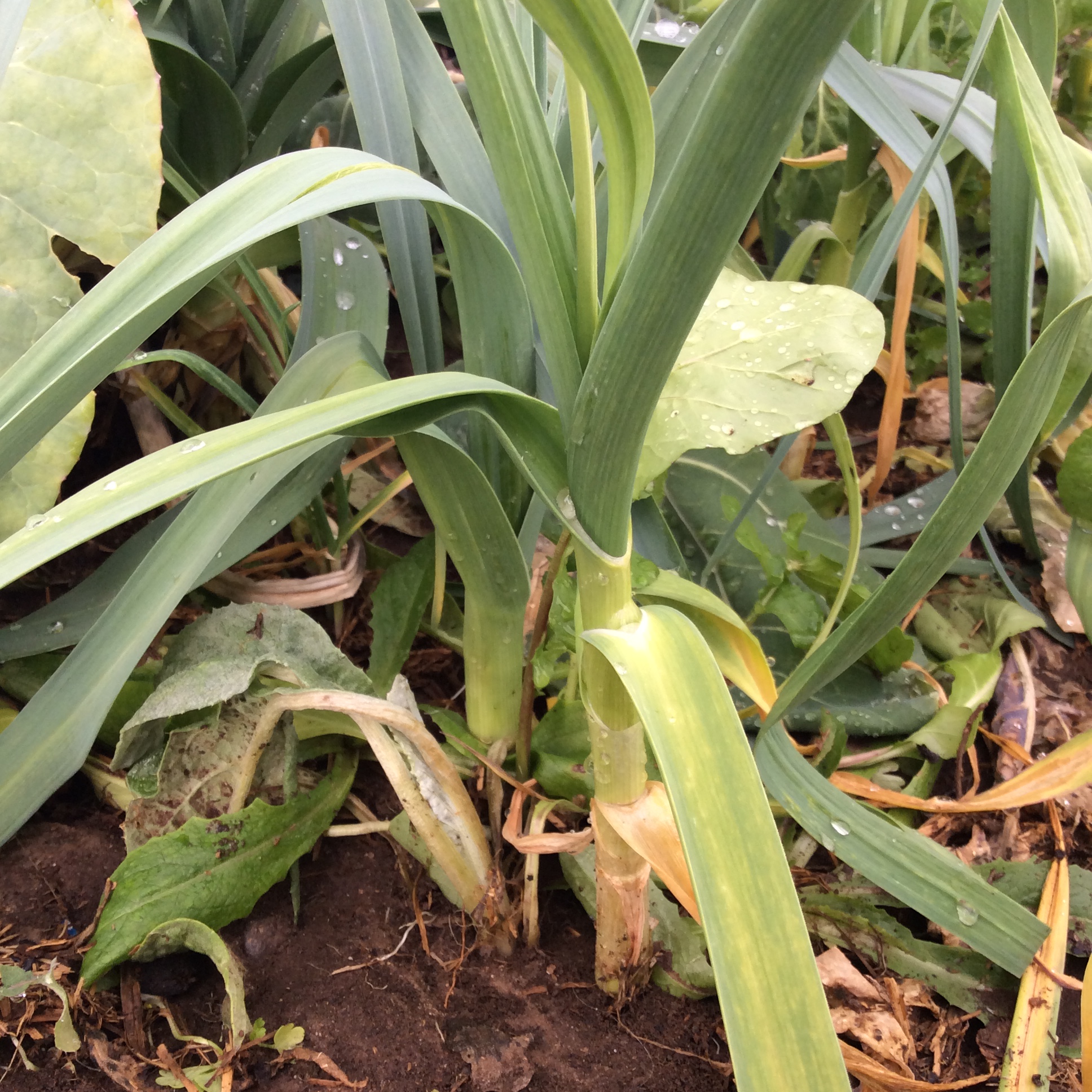
A closer look of the green garlic, growing lustily. These are the same shoots that you will see in the picture below, prepared for cooking.
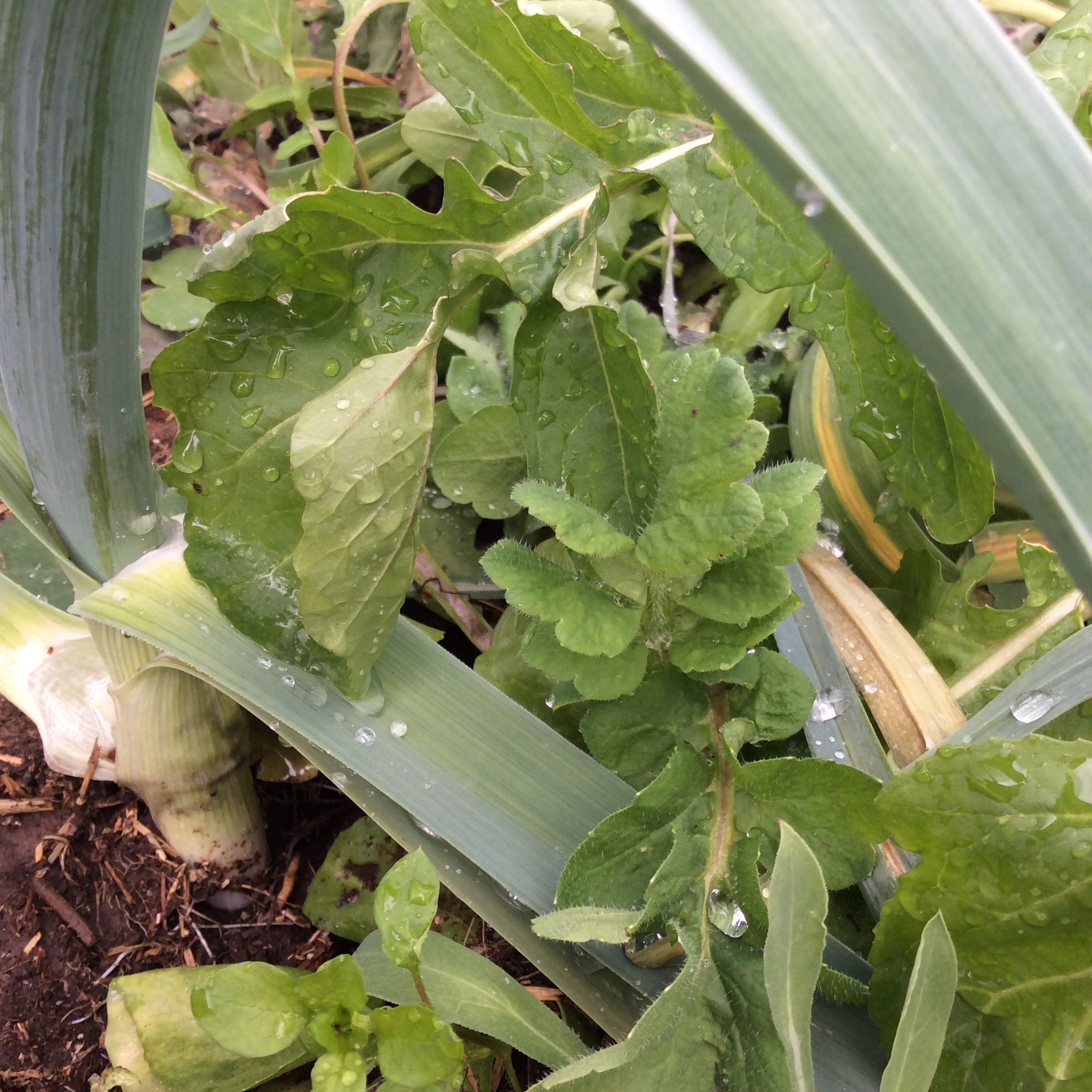
Above you see Shirley poppy, bladder campion, and chickweed joining the party wherever they can find room, next to a sturdy leek.
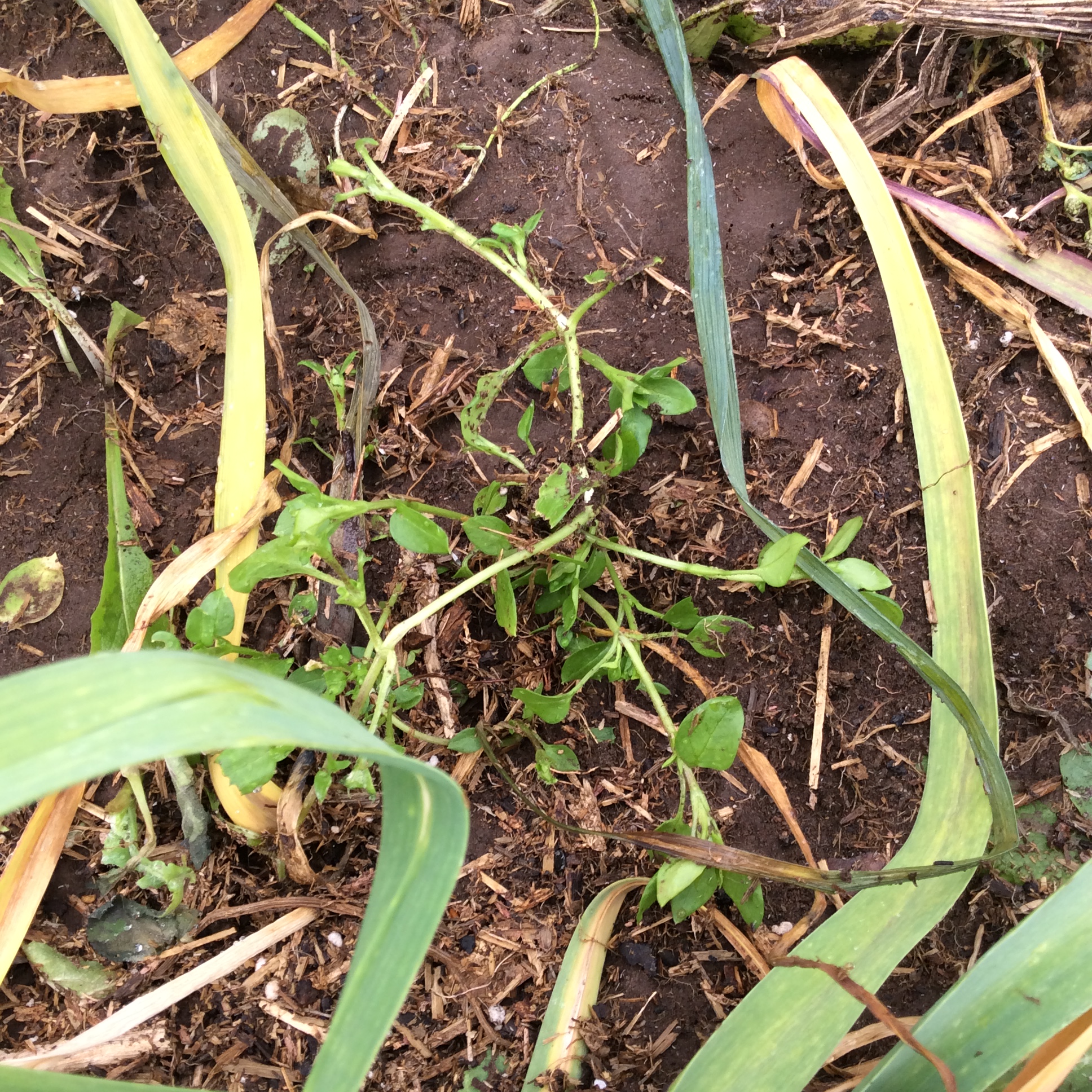
People who live in other parts of the country might be appalled to know that I planted chickweed on purpose, but it’s a tasty nutritious salad green and good edible ground cover that doesn’t grow here naturally. So whenever I see it seeding itself around a bit, I am quite pleased.
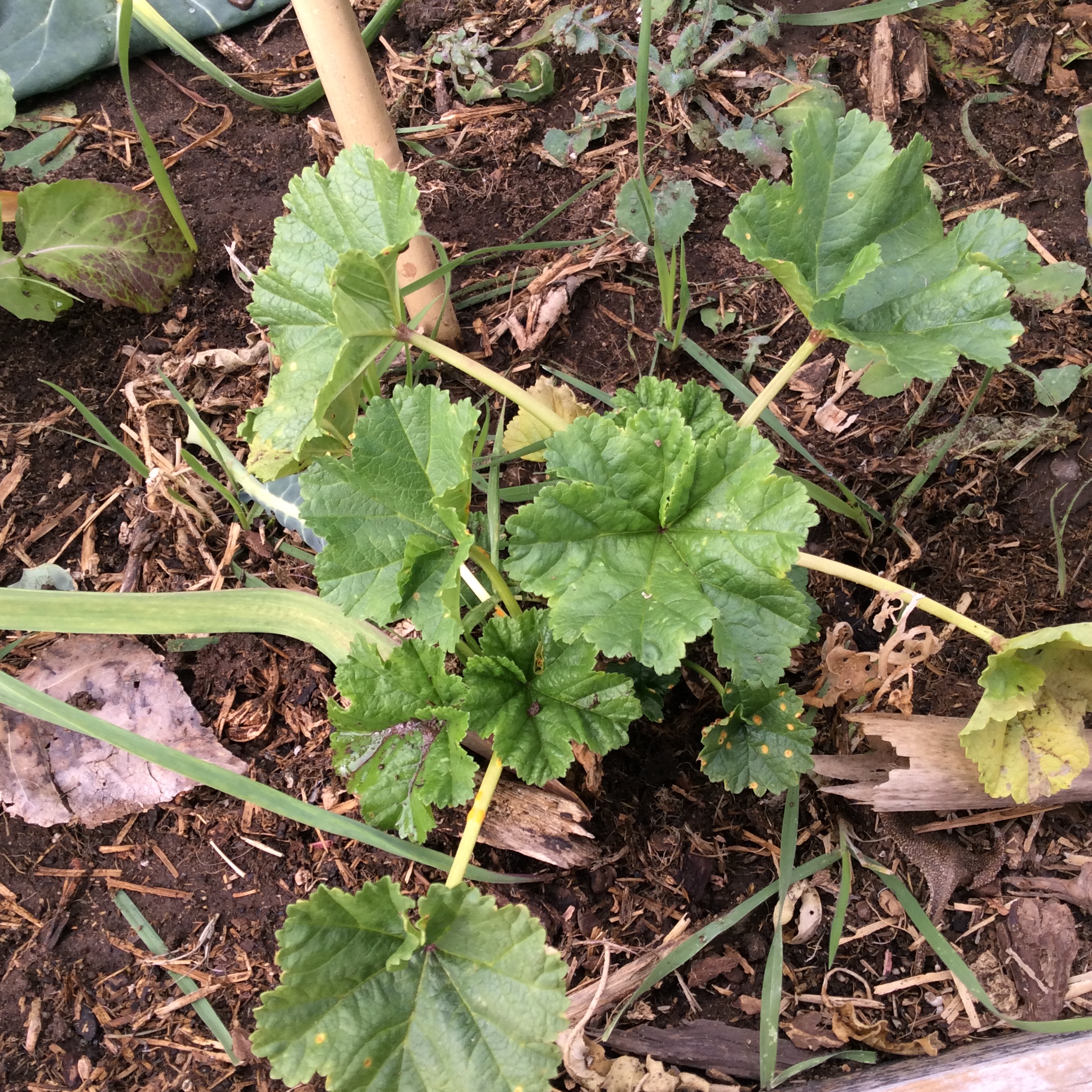
Mallow seeds itself around my garden, and I let some of it grow for greens and because the bees like the blossoms.  It will never be a favorite for greens, because it is just a touch on the slimy side, but as long as it makes up a quarter or less of a greens mixture you won’t notice that.  Behind the mallow you can see a small sow thistle, and I was hoping that these would get larger and more tender under the frost blanket than they do in the open ground, but so far this is not the case and I am not very impressed with them. Oh well.  The whole idea is to try things and see what works.
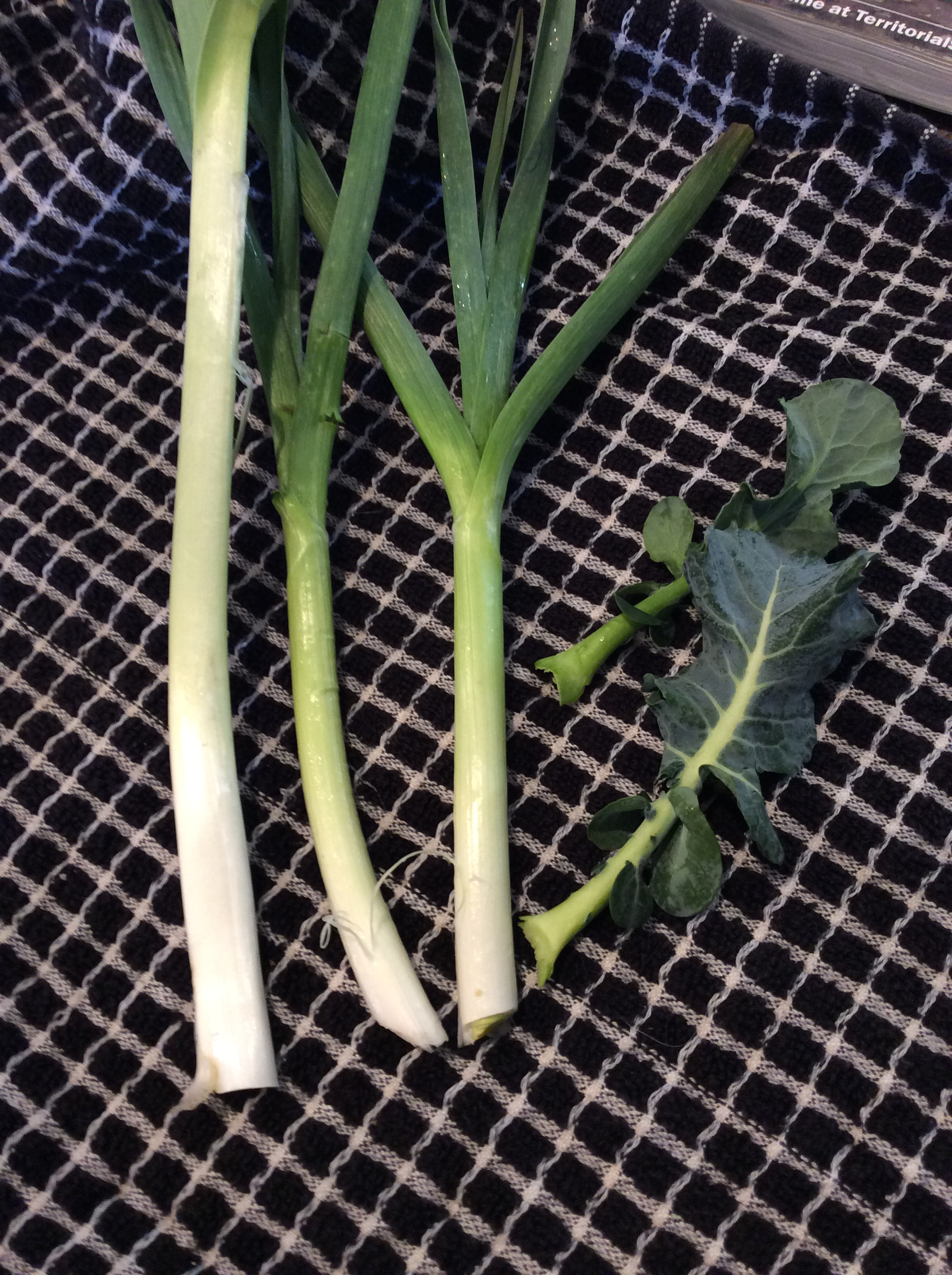
Lunch was a head of broccoli seasoned with the green garlic shoots above and fried eggs from the one valiant hen who is laying this time of year. Eating off your own property just feels good.

Orange Peel in the Thrifty Kitchen

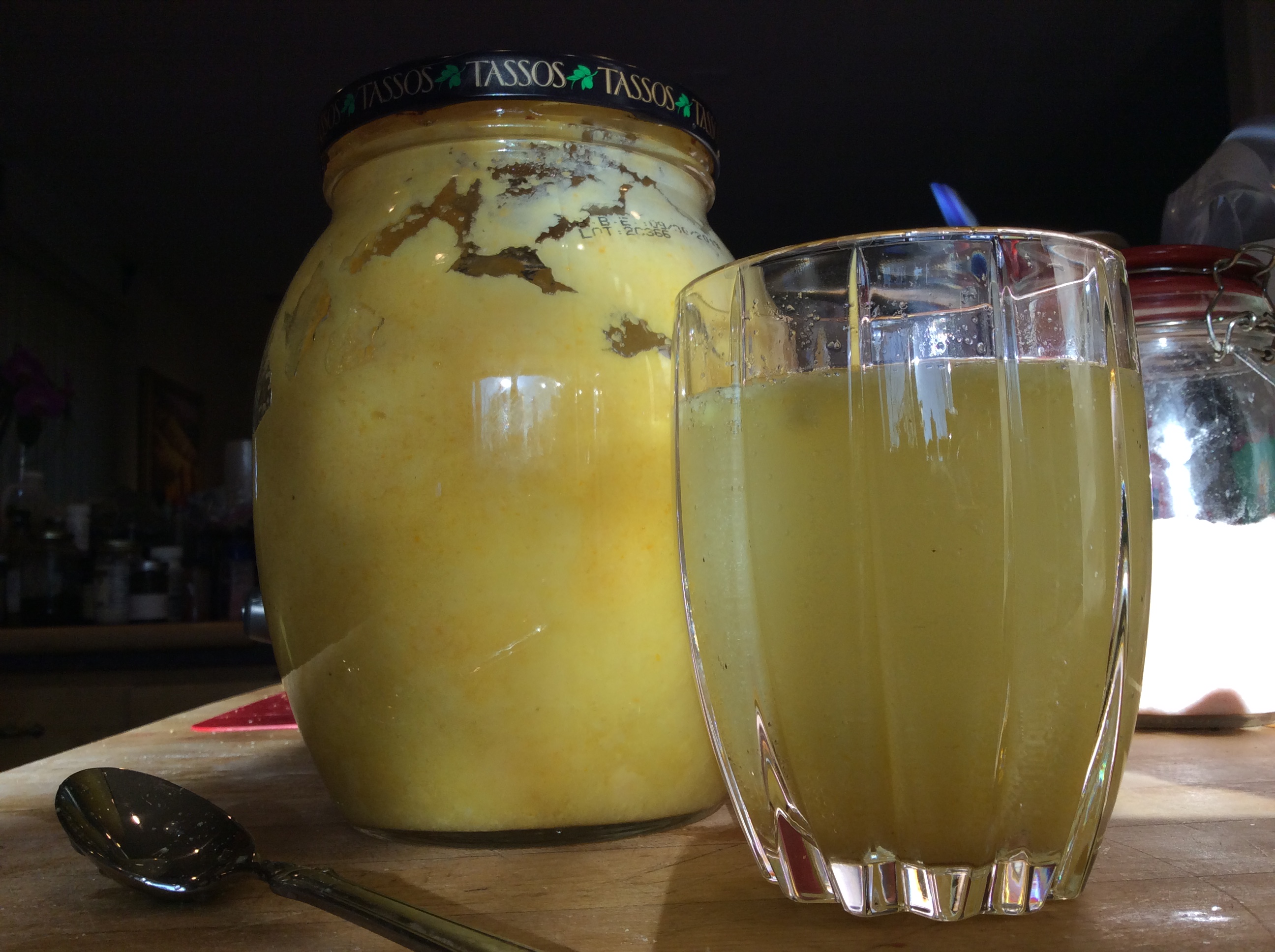
I’m  an almost-diabetic who uses low-carb food intake to maintain my excellent blood sugar, so citrus juice, which is a pretty concentrated belt of sugar, is mostly out of my diet.  I also love oranges and orange flavored things, and don’t like artificial flavors. So for a while I have been following with interest the analyses showing very high antioxidant activity in citrus peel and wondering how to incorporate it into my diet, and recently I got a chance to test this when I came across a bonanza of 20 large organic navel oranges that could not be sold because they had soft spots. I could have made orange-cello liqueur, but wanted something I could drink with lunch.  So I washed the oranges carefully, cut out the soft spots, cut them into chunks, and puréed  them in batches in my blender with only enough water to keep the purée  moving.  Each batch was blended at the highest speed for over a minute, to make sure it was completely liquefied.  I have a Vitamix, and I don’t really know how well this would work with other blenders, but probably well enough.

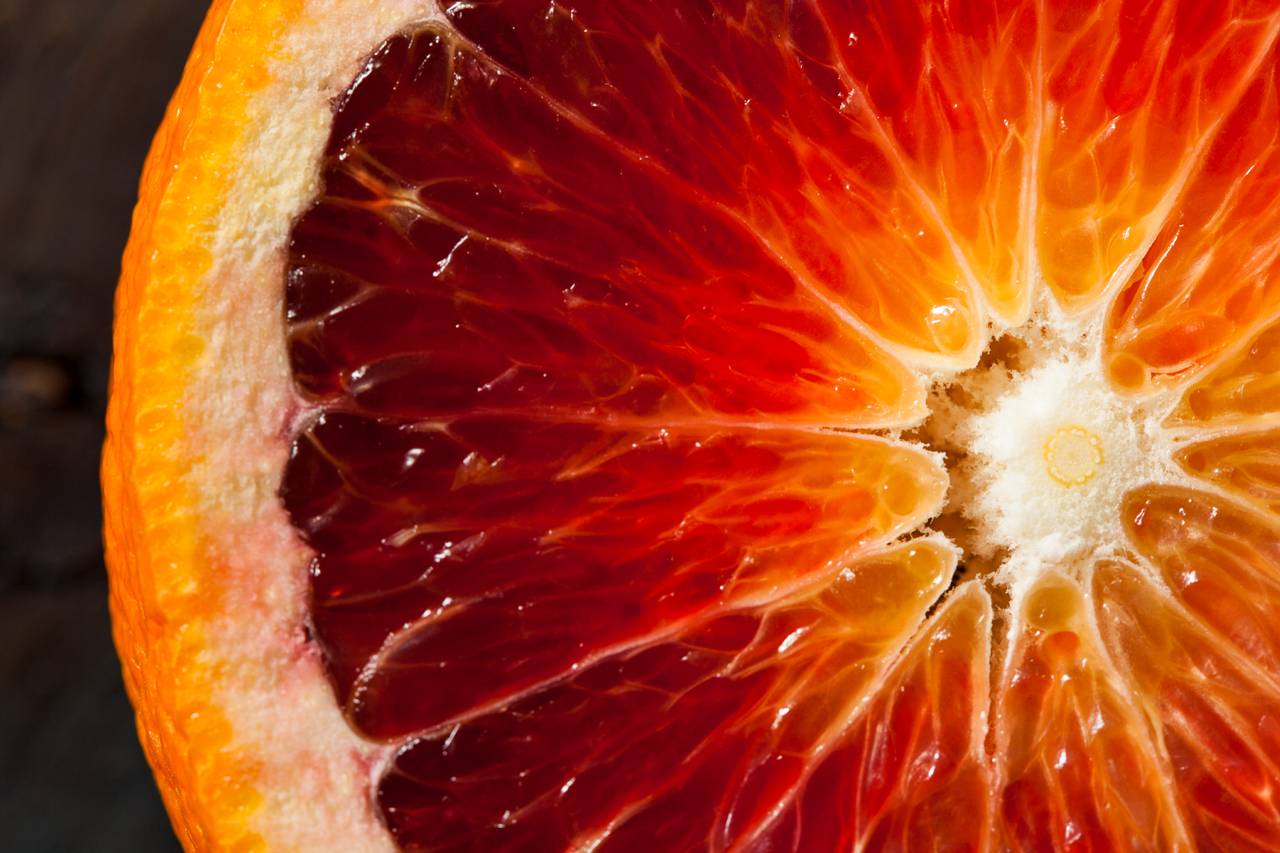
Please note that the oranges I was using were seedless. If you try this with seeded oranges, the seeds have to be carefully removed because they are intensely bitter, and this technique will not work at all with lemons because their inner white pith is so bitter.  I haven’t experimented with other citrus. I would say that tasting a little slice of the white pith might be a good test. If it’s very bitter, it might not work to use it this way. I think that blood oranges would work well, and I plan to try as soon as they come into season. Also, organic really matters when you are using the peel.

You end up with a thick smooth purée  that is only very slightly sweet, has a hint of bitterness, and is loaded with orange flavor and all the nutritional value than oranges have to offer. I use two or three tablespoons in a water glass, fill it with sparkling water, and sweeten with stevia sweetener. When you get near the bottom of the glass, be sure to swirl it around and drink up all the particles that settle to the bottom. Overall I’m probably taking in about a tablespoon of pure orange juice per glass, so the carb content is not high enough to worry me. I have also added it to a low-carb coffee cake with good results. Because of the intense flavor that the peel adds, you don’t need much.

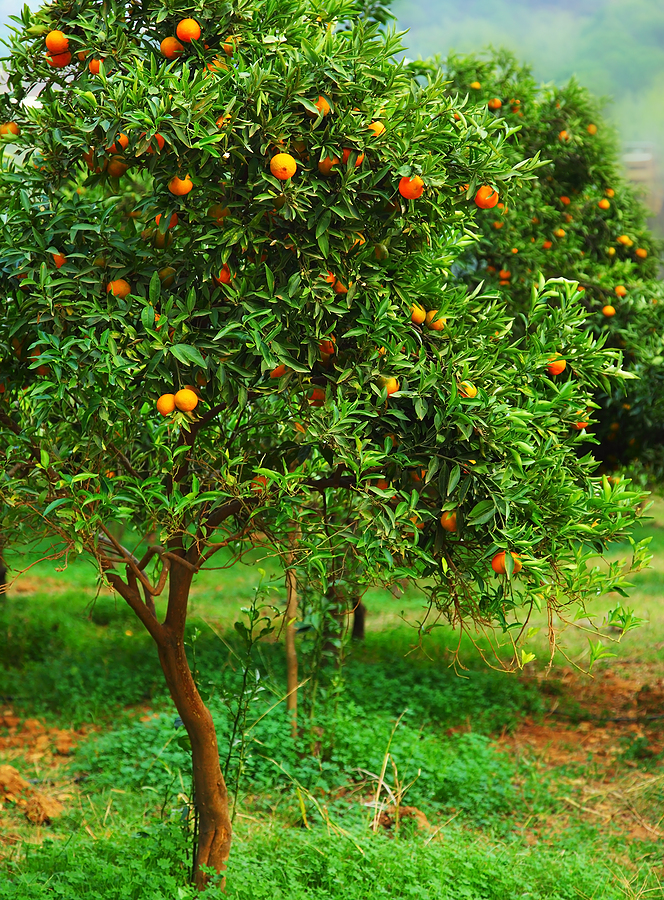
Orange trees are strikingly beautiful, and if you live in the citrus zone they are great edible landscaping material.

If you do a web search on citrus peel you will find articles suggesting that there are few diseases it won’t prevent or cure. Let’s not get carried away. The antioxidants that it contains, including  naringinen, hesperadin, and rutin, have some interesting anti-inflammatory activities, and there is no documented evidence that ingesting some amount of citrus peel and pith is harmful. It’s also a superb natural source of vitamin C, which can be a bit short in a ketogenic diet. It makes thrifty use of something ordinarily discarded, and it tastes good, adding strong flavor and a touch of bitterness that makes an adult drink out of a fruit that can otherwise be too sweet to enjoy very much of. You can read about its various possible benefits at the links below, including the interesting demographic information from the REGARDS study that higher levels of citrus consumption correlated with lower levels of ischemic stroke. Make of that what you will.


REGARDS study analysis indicating possible inverse relationship between citrus consumption and ischemic stroke:

https://www.ncbi.nlm.nih.gov/pmc/articles/PMC5086785/

A survey of antioxidants and anti inflammatory activities in citrus peel:

https://www.ncbi.nlm.nih.gov/pubmed/27719891

An animal study showing inhibitory effects on human prostate cancer tissue grafted into mice:

https://www.ncbi.nlm.nih.gov/pubmed/23673480

An animal study showing effects in reducing neuroinflammation:

https://www.ncbi.nlm.nih.gov/pubmed/26423872

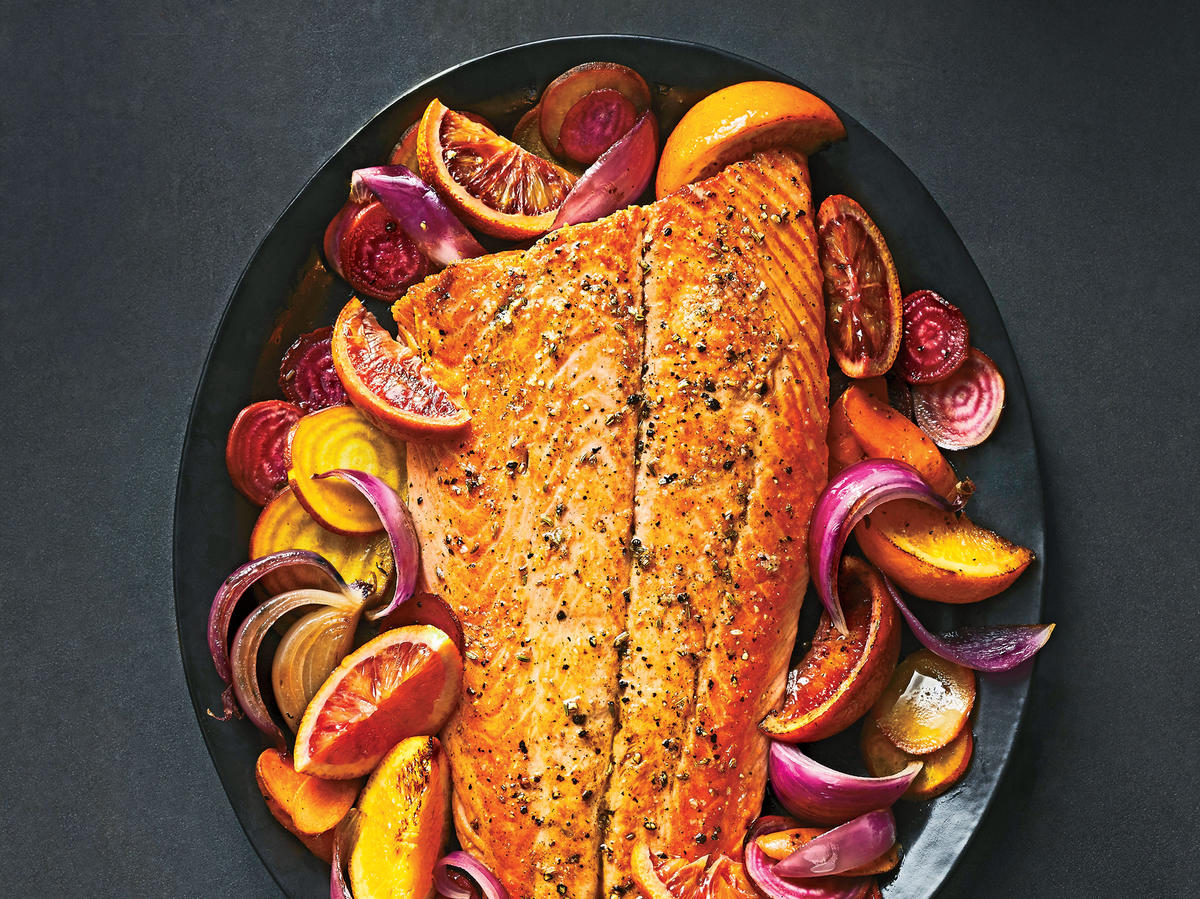
There are other possibilities for eating citrus peel. I came across the following recipe while searching, and haven’t tried it yet, but it does look lovely, doesn’t it? Personally I would roast the fruit-veggie mixture first to soften them more, then the salmon by itself, since I despise overcooked salmon.

http://www.cookinglight.com/recipes/roasted-salmon-oranges-beets-and-carrots


Snacking Greens

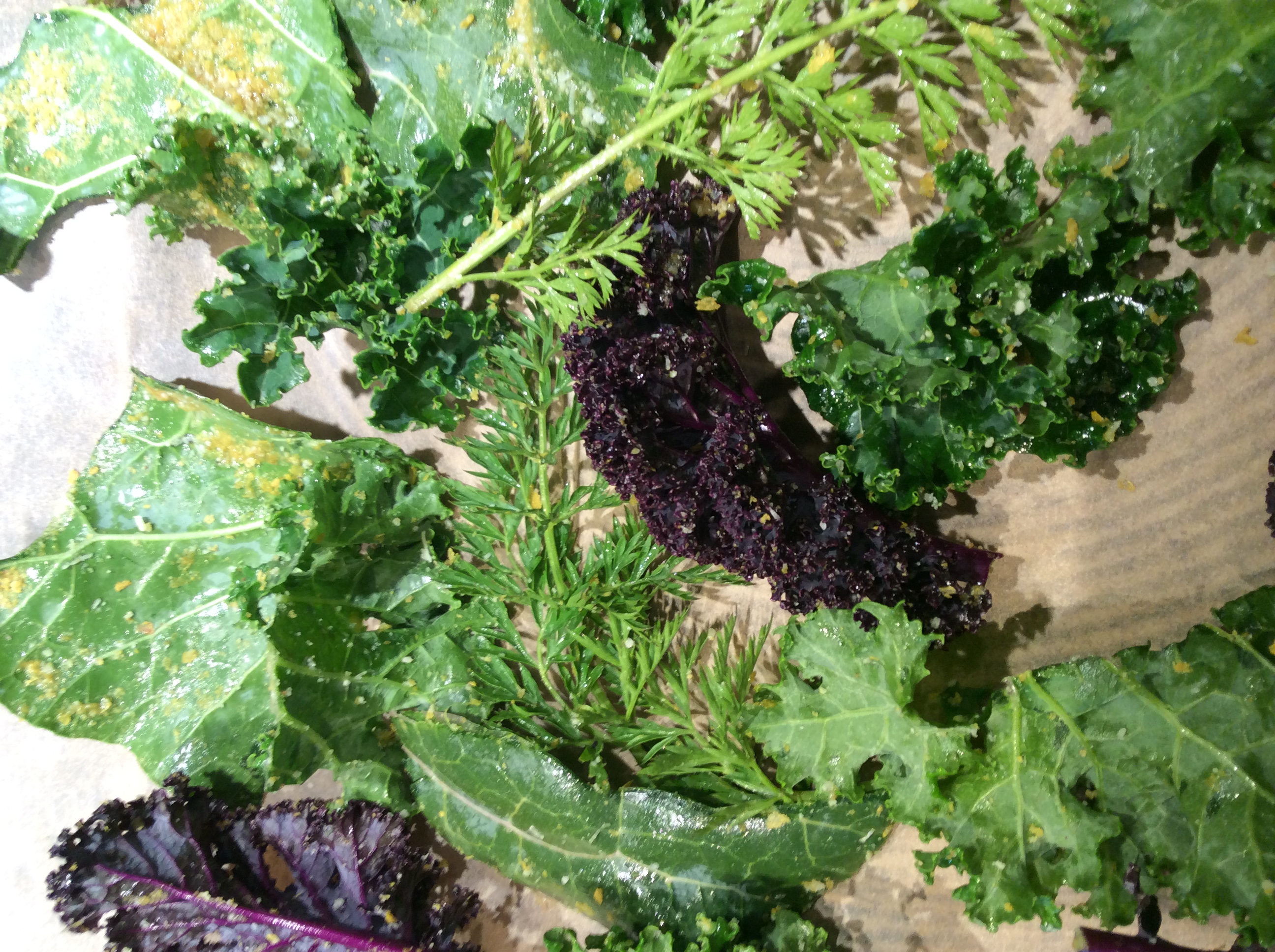
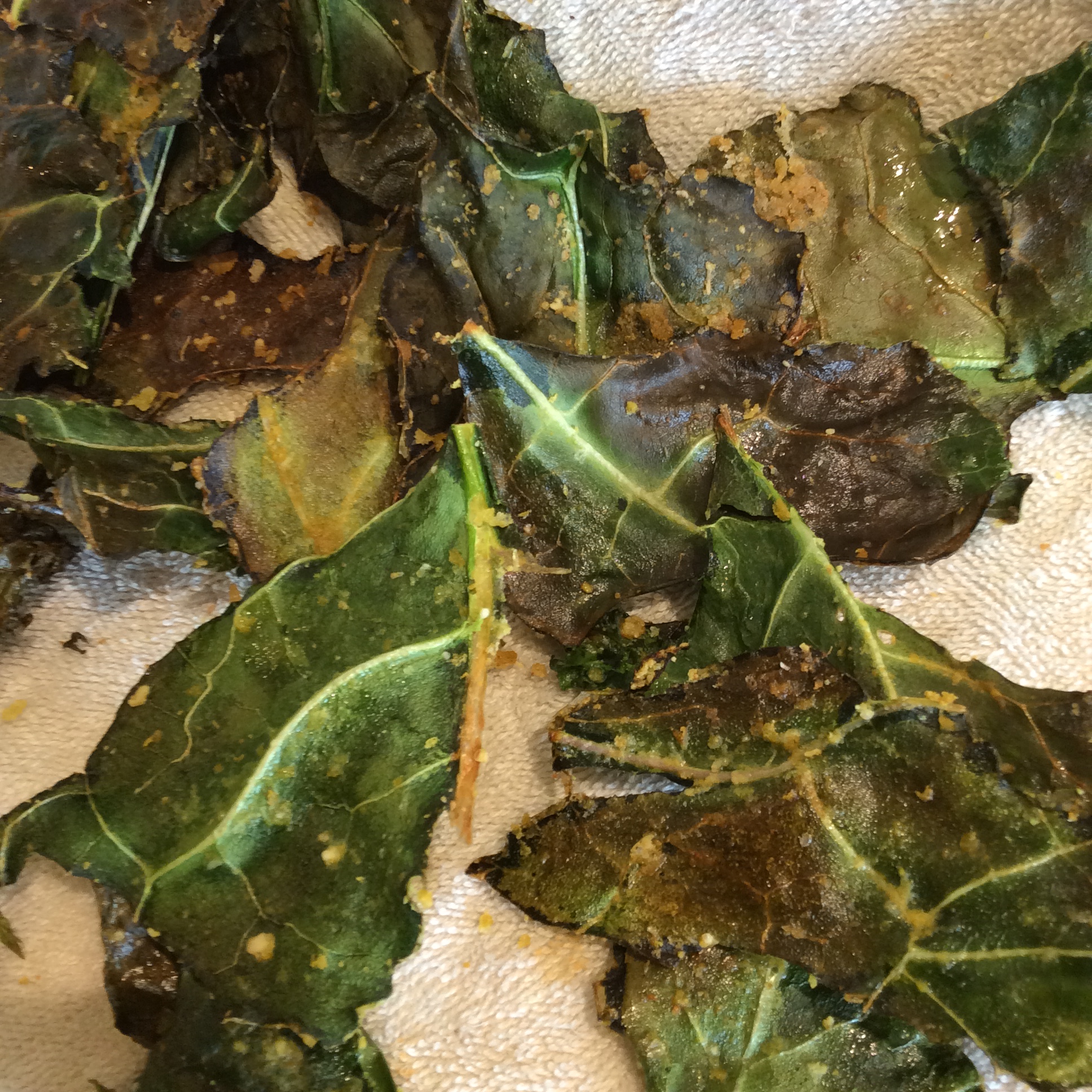
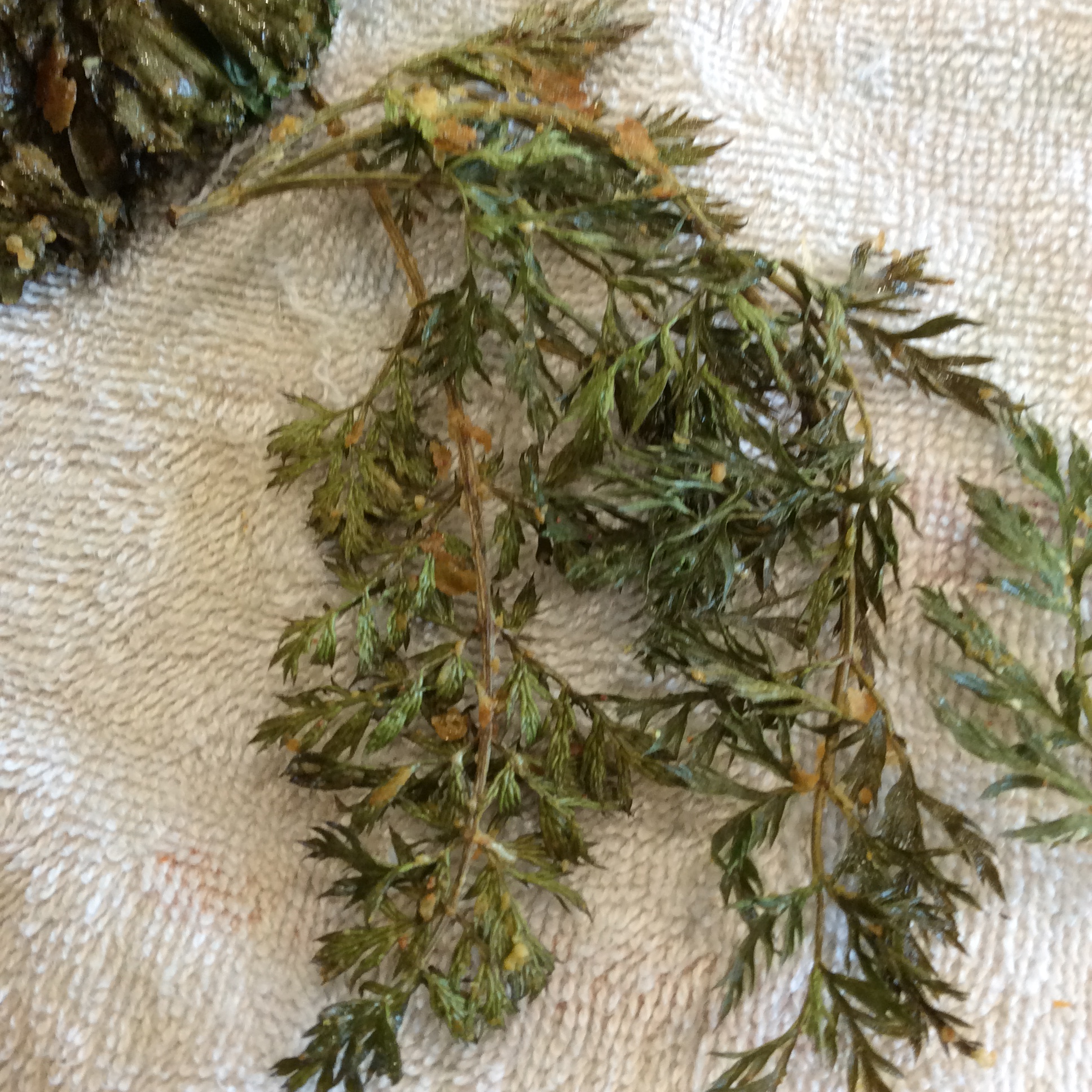
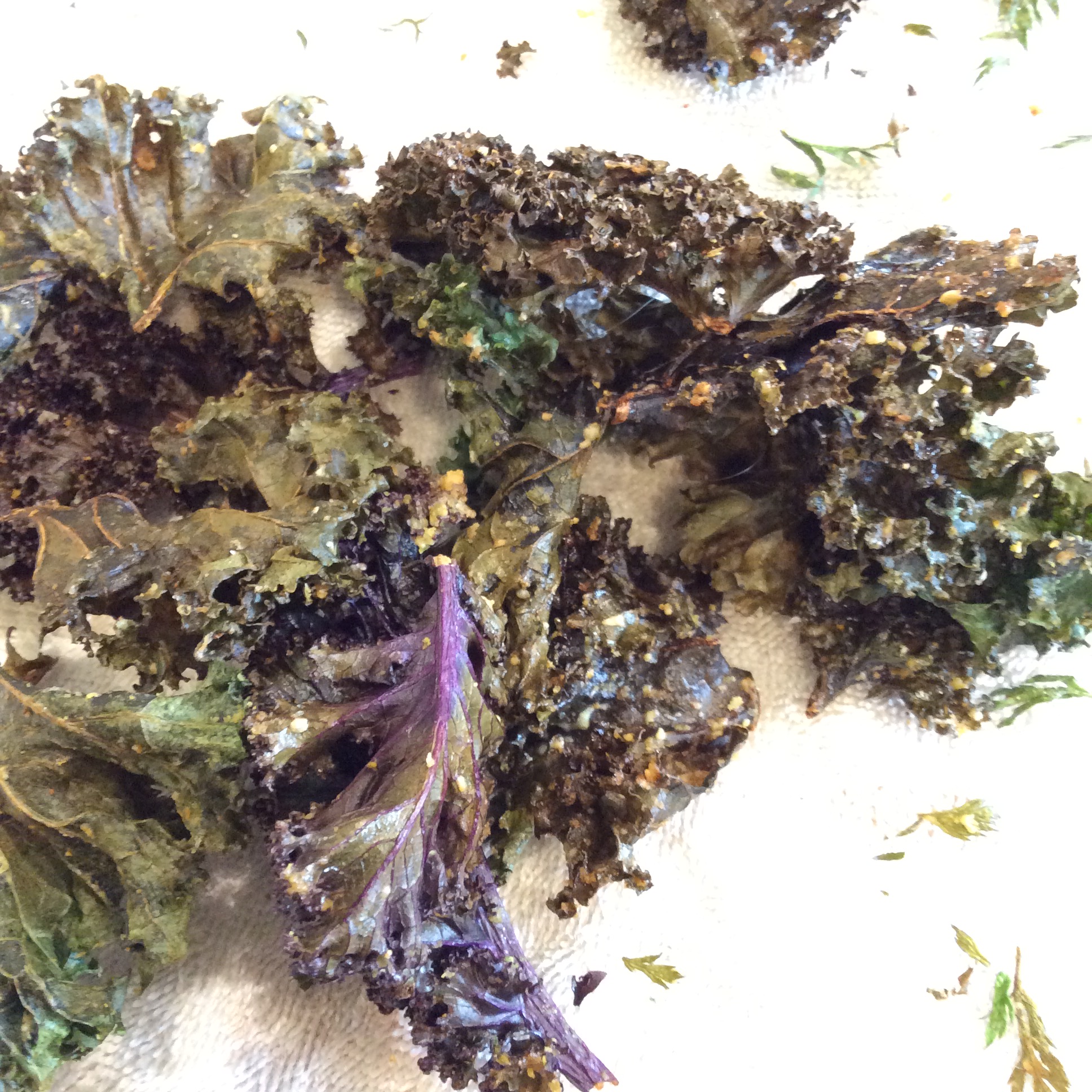
Probably everybody has made kale chips, the delectable snack made by oiling and seasoning pieces of curly kale and baking them at 375 or 400 until they are crisp. They are delicate, and not much good for dipping in anything, but they are quite wonderful by themselves. Recently I was making a batch and began to wonder about using some of my other available greens. Ultimately I used both green and scarlet curly kale,  carrot leaves, and torn sections of collard leaf because that was what was left in the garden.  The leaves were washed, allowed to drain, and 12 mid ribs removed from the larger leaves. In the case of the small carrot leaves, the stem was snapped off just below the lowest leaflet. I drizzle them with olive oil and seasoned with salt, finally grated Parmesan, nutritional yeast flakes, and a sprinkling of roasted ground garlic. If you want an exact recipe, there are dozens on the Internet. This is something you can do in a very improvisational way as long as you don’t oversalt.

Lesson learned:  don’t put them all on the tray at the same time, no matter how pretty it looks. The three greens finished at very different times.  Collards needed the least time, and despite several experiments I never did get them quite right. They go from olive-green and ready to eat to brown and burnt-tasting  in under a minute. Also, they don’t cook very evenly despite your best efforts, so ultimately what I ended up doing was just picking out the brown leaves, which taste burnt, and throwing them away. I still think there are real possibilities here but I did not get them to work as a satisfactory chip.

The carrot leaves were astoundingly good, with a perfect delicate crunch and a mild flavor. Even the stems had a good texture, lost their toughness, and tasted just fine.  I wish I had discovered this earlier in the year when I had more carrot leaves. But this is a good reason to keep a blog, or a written record of some kind, because if you don’t you end up “discovering” the same things every few years.  I am recording it so that I won’t have to discover this again. It’s a handy thing to know if you buy carrots with the leaves on. Remove the leaves as soon as possible before storing in the refrigerator, because they seem to go limp more quickly if still attached to the roots.

Curly kale was delicious, as it always is when baked this way.  I just love the stuff, and have no idea how large a bowl of kale chips I could eat, but I guarantee that it would be a big one.  If you live in a snowy climate, it is very likely that you can keep curly kale in good shape through much of the winner in your garden. Here in the high desert it does not get all that cold but we don’t have any snow cover and we have a lot of drying winds,  so by this time of year the curly kale that is growing uncovered looks pretty tattered. Also, for reasons I don’t know, there is an invasion of aphids in early December, and they are hard to wash off. But this year I did plant a row of curly kale and put frost blankets over it in early November, and that row is looking great and has no aphids.  So I have at least a few more batches of homegrown kale chips coming.

Incidentally, if you are cooking a meal and have the oven at 375 or so for something else, a few kale leaves out of the garden in a little pan make a great cook’s treat to tide you over until the meal is ready.

Fall Summation VI: the Magic Molly Potato

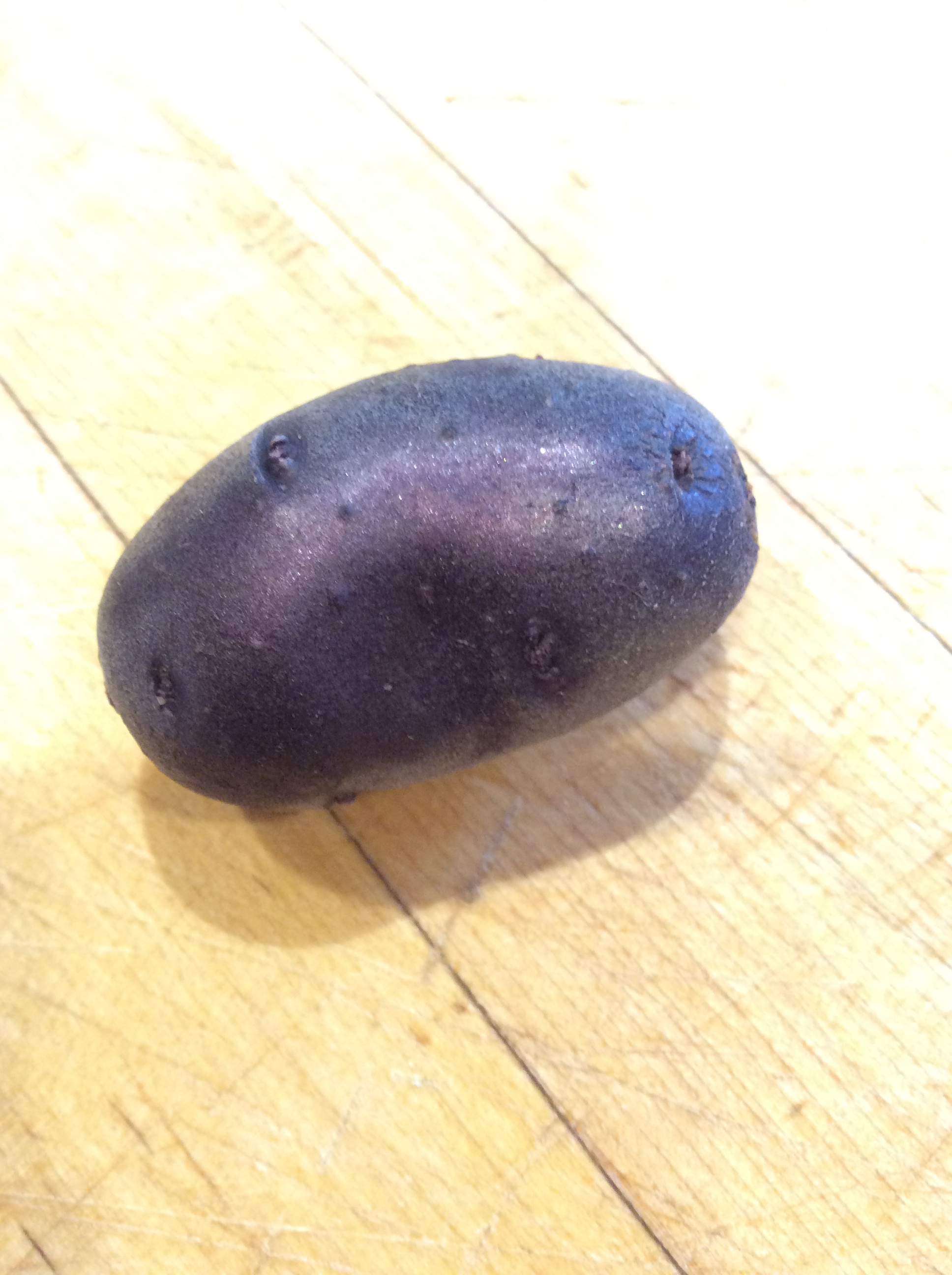
For various reasons related to my blood sugar I choose to eat a low carbohydrate diet most of the time, but a few splurges a year help keep me on the straight and narrow. This year my chosen splurge was purple fingerling potatoes, which I haven’t grown in many years. Fingerling potatoes are a little waxier and less starchy than standard potatoes, and purples have more antioxidants than other colors, but don’t kid yourself that you’re doing this for your health. If better health is what you want, eat greens instead. This is for a rare treat.

I got my seed stock from Moose Tubers,a wonderful source for all kinds of potatoes. I planted them whole, and only planted five hills and gave the rest of the seed tubers away. I was using newly broken ground and my soil is heavy clay and extremely alkaline, so I amended heavily with kelp meal and gypsum pellets to moderate the alkalinity. I watered deeply once a week, and other than that ignored them except to mulch a bit once they were about 6 inches high. I dug them in mid-fall, and each hill produced about six potatoes 1-2 inches long. I hasten to add that under halfway decent conditions the yield would almost certainly be a lot better. I was not interested in increasing yield. The last thing that I want is more potatoes around to tempt me.
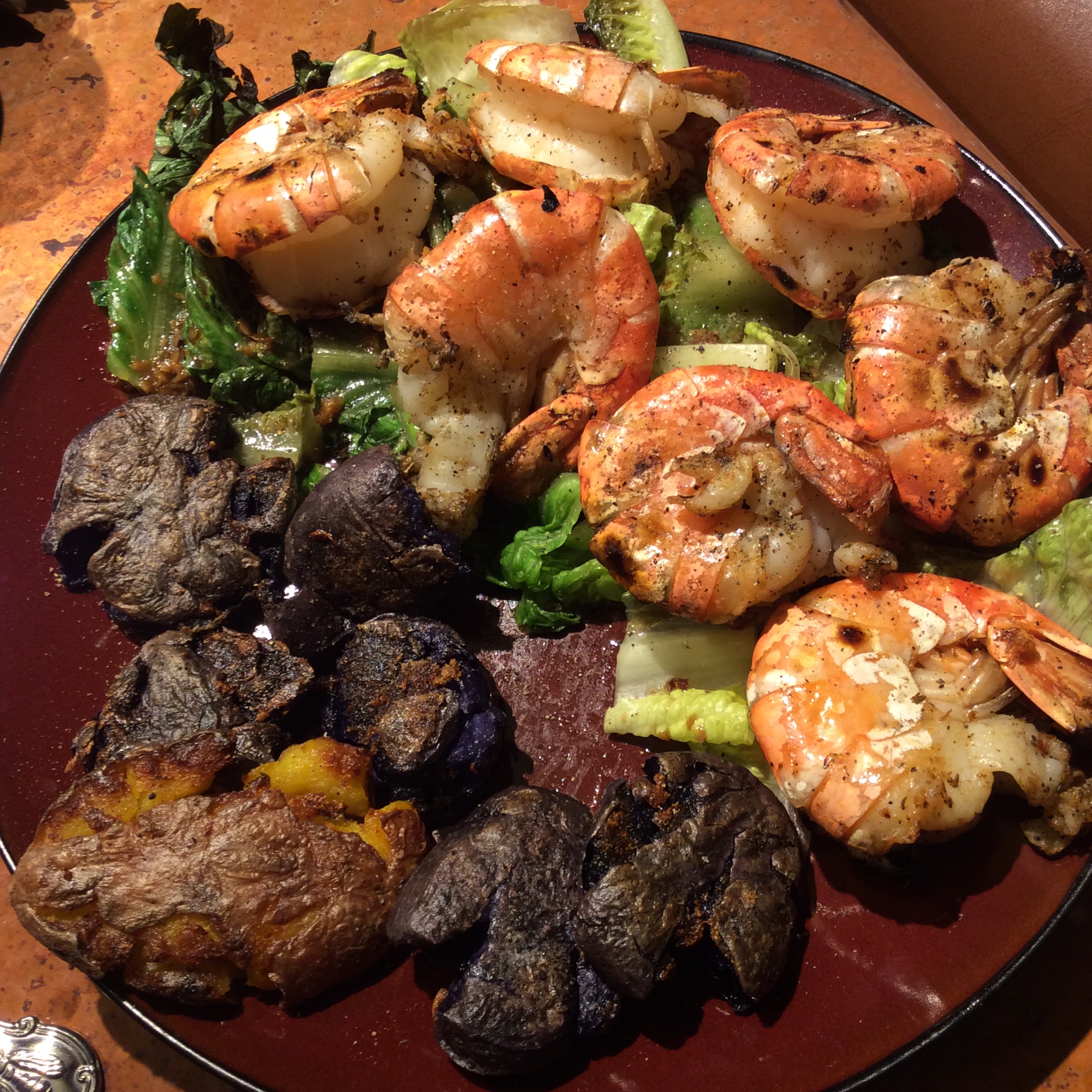
As far as how to cook them, there was no doubt in my mind what to do. My favorite way to use fingerling potatoes is to boil them for 10 or 15 minutes, just until a knife tip penetrates them easily, then drain. When cool, I lay them on the cutting board and press/smash them carefully with the flat bottom of a glass until they are about half an inch thick but still hold their shape. Then salt, and fry in olive oil or bacon fat until they get lovely and crusty on the outside. There is simply nothing better. Mindfully enjoy every mouthful, because if you have any blood sugar problems you are not going to eat them again for a while. But oh, are they delicious. And if you have normal blood sugar and no family history of diabetes, these are a healthy side dish that you can enjoy a little more frequently. Back before I had blood sugar problems I used to enjoy smashed fried fingerlings as the center of a vegetarian plate, surrounded by other vegetables chosen  according to the season.
Incidentally, under my hardscrabble conditions the plants were compact, maybe a foot tall and 18” wide, and the leaves were tinged with purple. They would have looked fine among ornamental plantings, as long as they were in a place where perennials would not be disturbed by digging up the tubers at the end of the season. In the plateful above I threw in a standard fingerling from the Co-op to see if it tasted better than the Mollies, and the answer was that it tasted more bland, so I would only bother with the Mollies in future seasons.