Archive for the ‘Books worth reading’ Category

Foraging Your Protein

image

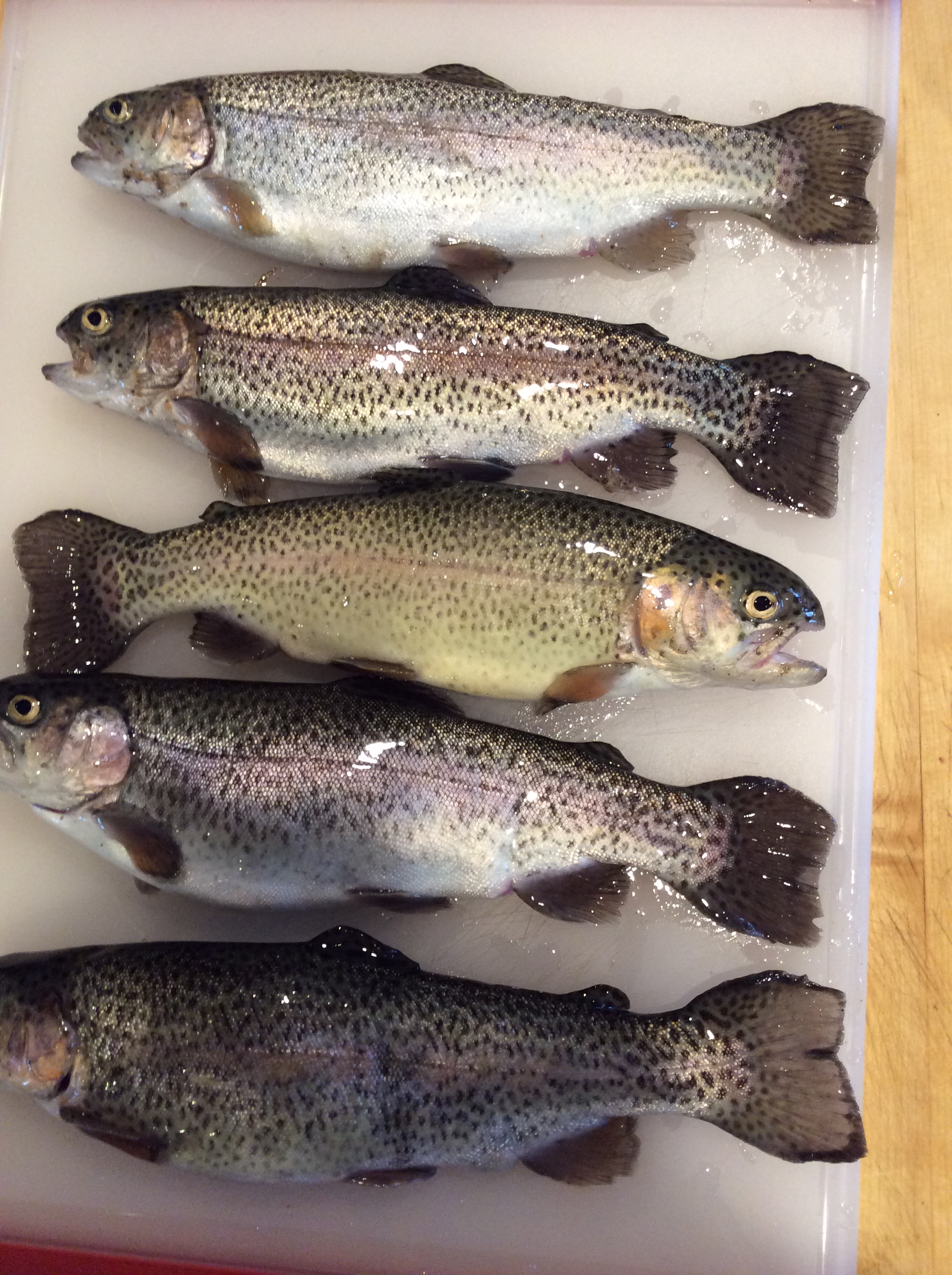
Here in the high desert, fishing might seem like an unlikely pastime. But we have world-class trout fishing, and recently I decided to learn to fish. After exactly one month of reading and practice, I had the day commemorated above. Of course this is balanced against several days when I didn’t get anything, which is part of the fun. NATURE DOES NOT EXIST FOR YOUR CONVENIENCE. If you insist on a sure thing, go buy your fish at the store.

For people like me who are learning on their own, here are my recommendations:

  1. First, get a basic book on fishing. Read it. I used Fishing for Dummies, and everything you need to know to get started is in there somewhere. A good book will help you understand what tackle you really need and what can wait.
  2. Study the section on reel types, but if you are new to all this, get a spincast reel for your first reel. They are so very easy to use. I caught all the trout above on a $20 spincast rod and reel. They work.
  3. Get a fishing license. It’s the law. Be sure to go to your local Fish and Game office and get it in person, because if you tell them you’re a beginner, they will load you down with useful advice about where to fish.
  4. Plan to be outdoors in a pretty area, and catching fish is a bonus.
  5. Practice casting in your back yard before you go out to fish.
  6. In popular fishing spots you will usually see lovely grandfatherly people who got there ahead of you. Walk up to them, tell them you’re a beginner, and ask for advice. A few will chase you off and the vast majority will bend over backwards to help you understand how to fish that particular bit of water.
  7. Before you ever catch your first fish, know how to kill a fish humanely and how to gut it, and how to fillet it if that’s your preference, so that you will actually enjoy eating it. The second trout that I caught was cooked without removing the bloodline. Yech. Watch videos on YouTube that show you exactly what to do. Do this BEFORE you ever go fishing. Don’t waste an animal’s life, ever.
  8. Don’t get too fancy too early. Don’t start with fly fishing unless you insist. Bait-fishing is very successful.
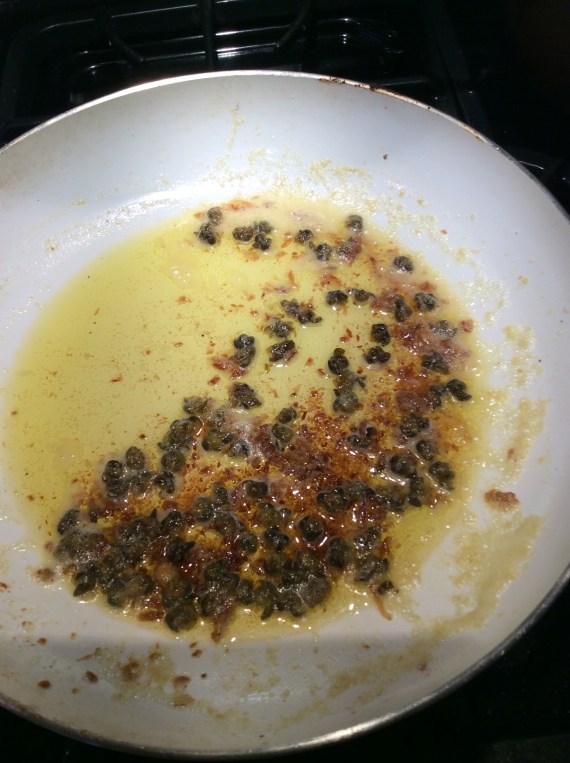
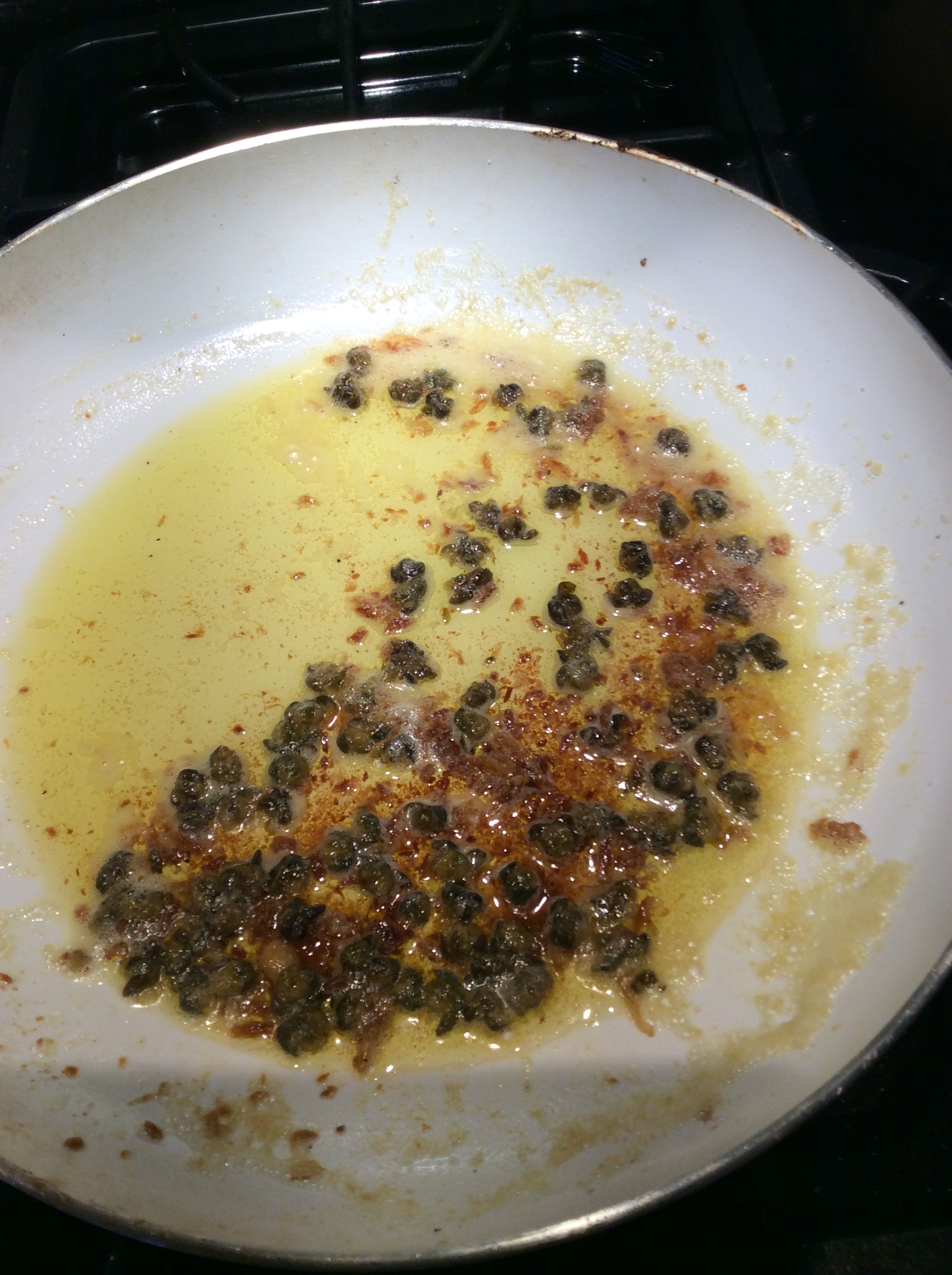
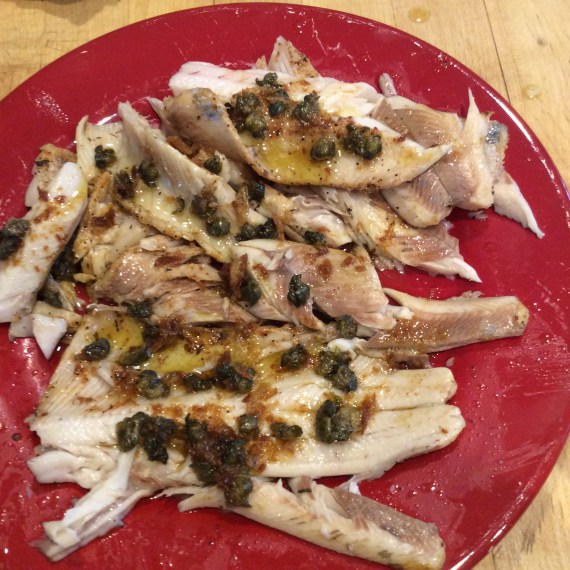
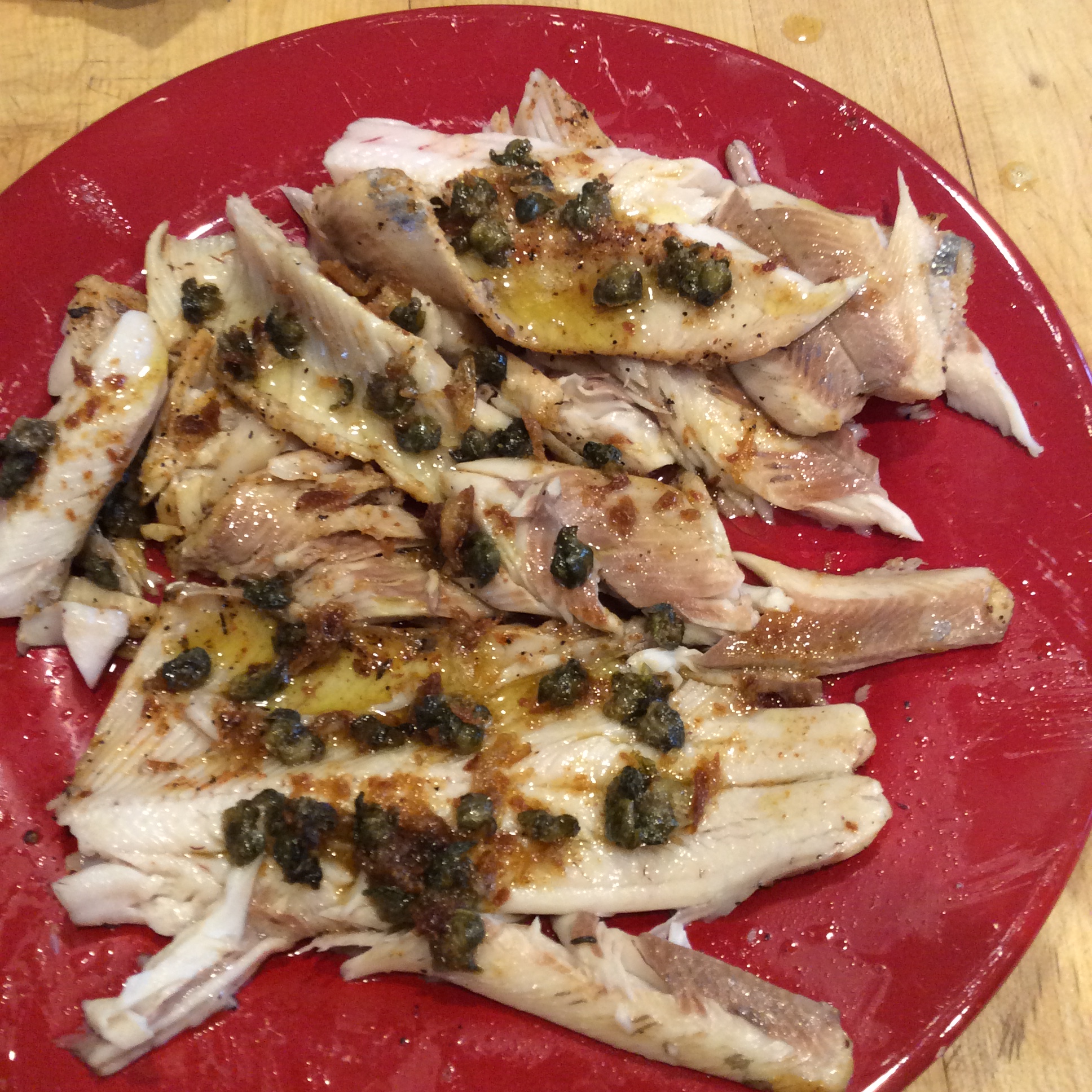
  9. Make sure you have butter, lemon, and capers in the house at all times, so that when you are finally successful, you can do your catch proud.
  10. Have fun, and post a picture of your first catch, because you may find out that you have fishing friends you didn’t know about.
  11. image
  12. image
  13. Basic sauce for trout: drain a tablespoon of pickled capers per fish. Chop up a clove of garlic per fish. Have ready a quarter of a lemon per fish. Warm a tablespoon of butter per fish, plus a tablespoon for the pan, in a skillet over medium heat. When it starts to bubble, add the capers and garlic and stir over medium heat until the garlic is slightly browned. Squeeze in the lemon juice,  cook hard for 30 seconds, and drizzle over the filleted cooked fish.
A Hopeful Sign

image
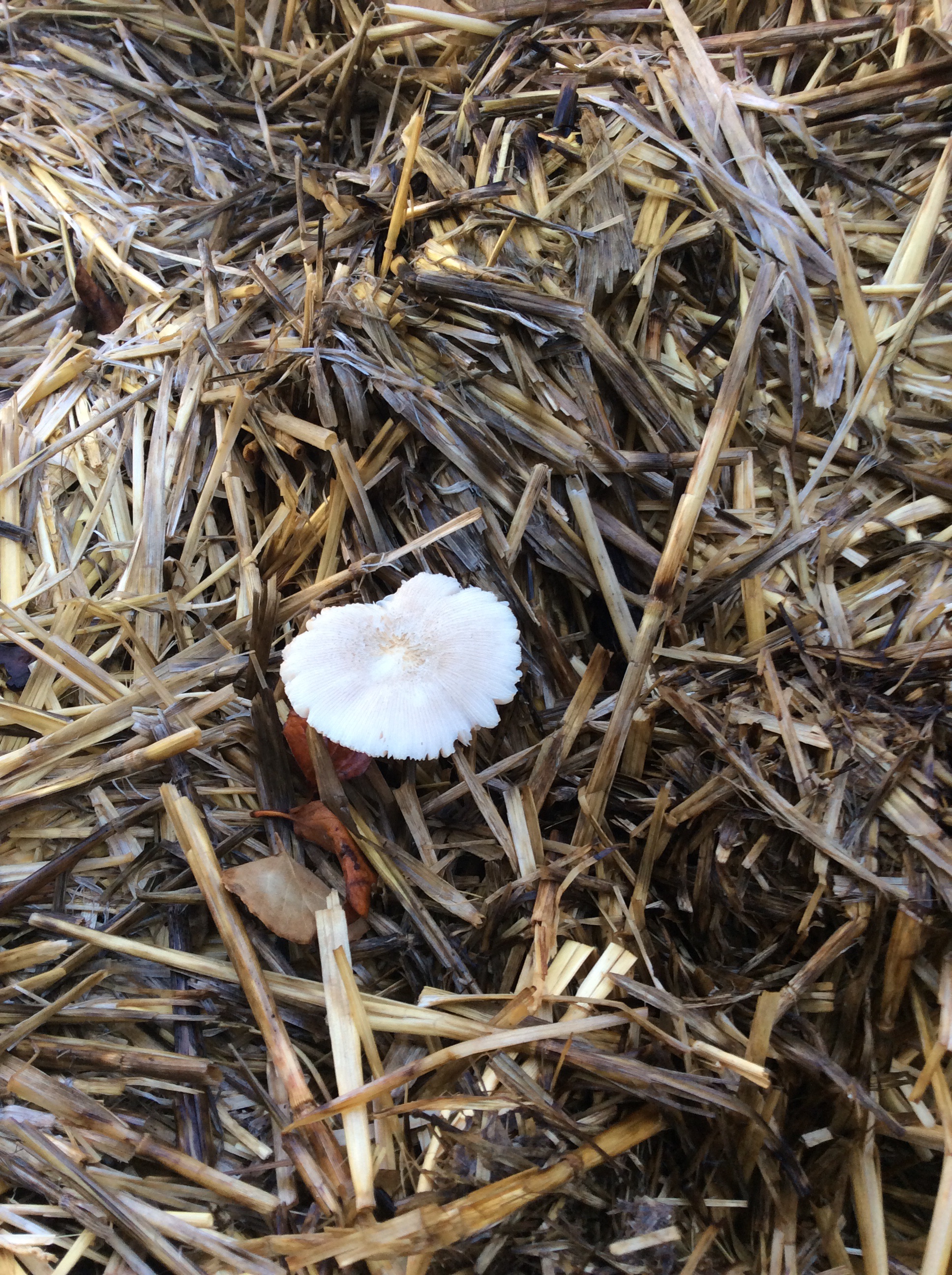
Early this spring I was mulling over the issue of a long narrow patch of ground that gets water from my garden sprinkler but doesn’t produce anything. I decided to try outdoor mushrooms. It was a fairly foolish idea because the area is fully exposed to our desert sun, but I do not lack for the damnfool quality. So in March I covered the strip 10″ deep with loose straw, wet it down, spread a bag each of oyster and King Winecap spawn, and paid it no further attention. The oyster spawn produced nothing, unsurprisingly. But this morning I found a tiny baby Stropheria putting a head up to have a look around.
I hope it goes without saying that you don’t eat any mushroom without carefully identifying it, even if you planted mushrooms in that very spot. Get at least 2-3 good mushroom field guides and don’t eat unless you are 100% confident of your ID. A mushroom-loving writer once remarked that ” There are old mushroom eaters and there are bold mushroom eaters, but there are no old bold mushroom eaters.” Take it to heart. Anyway, unless I get more mushrooms I will let this one go to spore rather than picking it.
Even if I never harvest any mushrooms the project is worth it, because the presence of a small fruiting body above ground indicates the presence of a large mycelium entity that you don’t see. I can’t encourage people enough to read Mycelium Running by Paul Stamets to understand the importance of this.
My spawn came from Fungi Perfecti. They have a fascinating array of kits if you want to stick your toe into mushroom growing, and they offer a wide variety of spawn and instructional books if you want to produce mushrooms on a bigger scale.

The I Hate Kale Cookbook

image
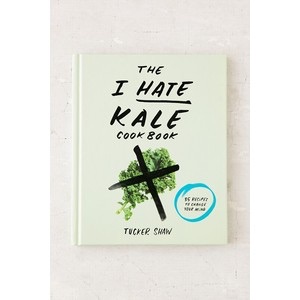
As much as I love lengthy and pontifical books about food, and glorious pictures that make me faint with hunger, there is room in my heart for small practical cookbooks with no frills and good recipes. Tucker Shaw’s I Hate Kale Cookbook is such a book. If you are an aspiring greens-eater, or even if you’re already pretty damn good at it, this book will help you eat more kale. There are useful tips for dealing with its special texture and 35 basic recipes that work, from which you can spin endless variations. In strict point of fact I would say that some are techniques rather than recipes, but never mind if they get more superfood down the hatch. Right about now, when the kale looms large in the garden and farmer’s market stalls are solid green, you need this book.
image
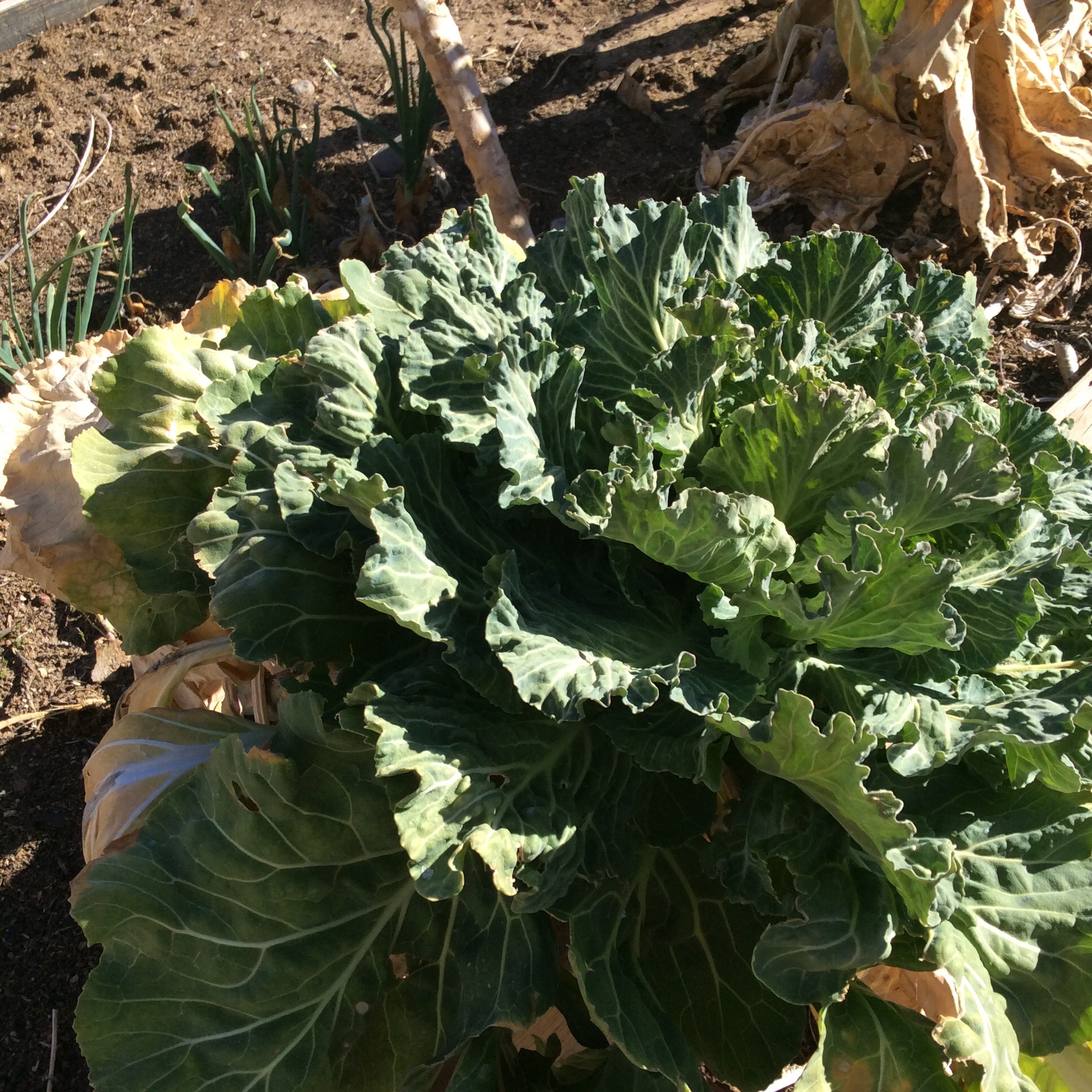
Shown above is the early spring growth of Portugese kale, also known as tronchuda. If you are going to have kale all summer and fall and again in the spring, you will need versatile recipes.

Leftovers Wraps for One

image
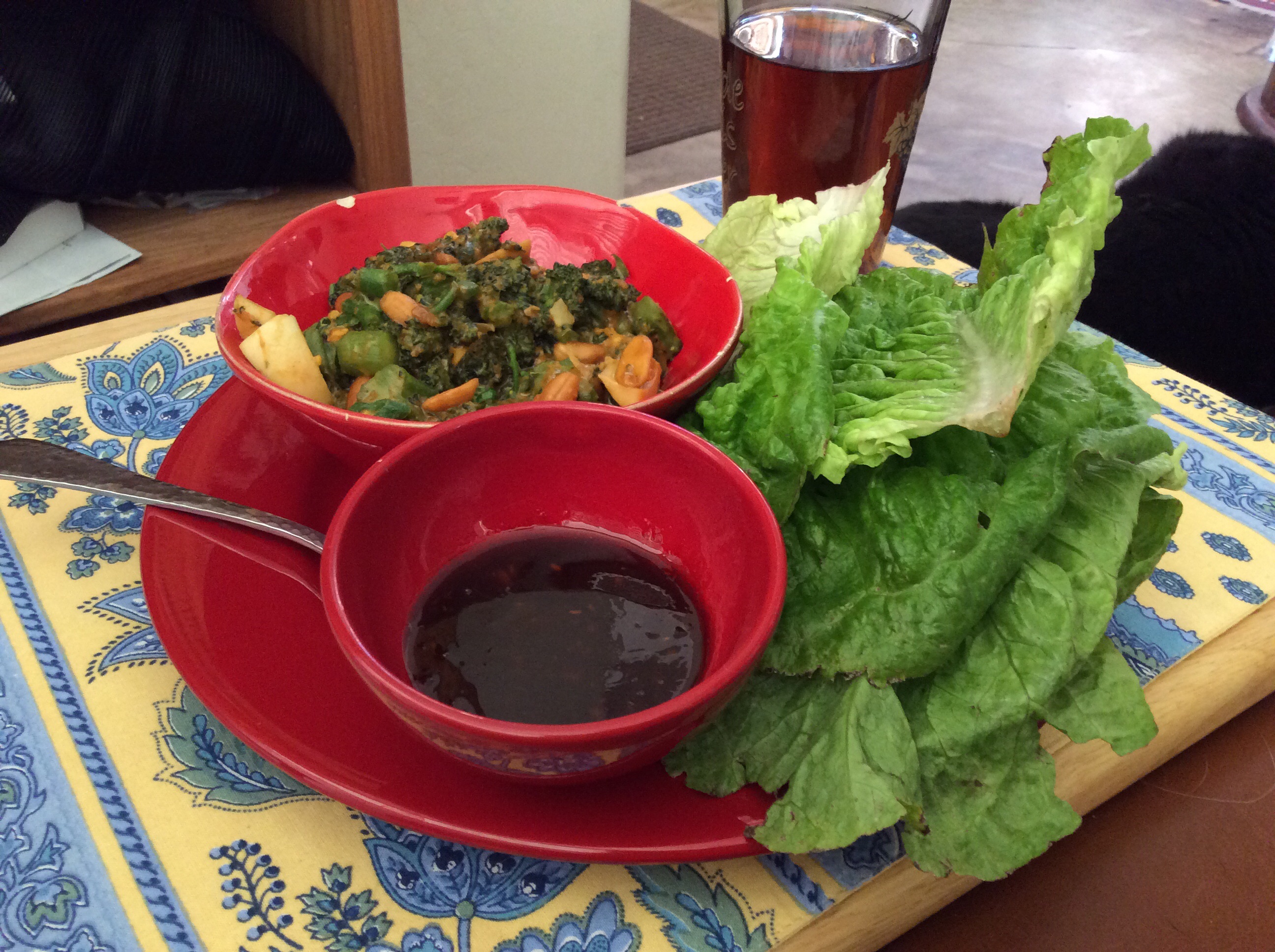
After I ate last night’s broccoli side shoots for one, I had several shoots left over, and tonight I pulled them out of the refrigerator for another veggie dinner. I also had last night’s Semi-Korean dipping sauce chilled, a couple of leftover hard-boiled eggs, a handful of roasted peanuts in my snack bag, and a head of romaine lettuce in the garden begging to be used. With the addition of a green onion from the onion row, my meal came together.
First I rinsed the biggest outer leaves of the lettuce quickly and set them in the dish rack to drain. Next, I thinly sliced the white part of the green onion while a small heavy saucepan heated up. I sliced the green parts separately, and chopped the cooked broccoli and eggs roughly. By this time the pot was hot, and I put in 2 tablespoons or so of oil and threw in the onion whites. They sizzled furiously as I stirred for about one minute, then the peanuts went in. After another minute, I added the chopped broccoli and about a quarter cup of the sauce, plus a glug of good soy sauce from the bottle that hangs out by my stove. After about one more minute of stir-frying, I turned the heat to medium, cooked just until the broccoli was hot, and stirred in the green onions. The chopped eggs were tossed in after the pot was removed from the stove. It was plated, wrapped in the romaine leaves a spoonful at a time, drizzled with more of the sauce, and eaten. Prep time and cook time together totaled twenty minutes.
Cooking for yourself is a great time to go improvisational because if something goes wrong you can shrug and, in a worst-case scenario, eat something else. That’s not so bad. And odds are that you will make some delightful discoveries along the way. The more you think through your available ingredients, putting them together on your mental palate, the less likely you are to make awkward combinations. And I want to put in a plug for prepping vegetables and possibly cooking at least some of them as soon as they hit your kitchen, so that you have fodder for really fast, really good meals. I recommend that any aspiring improvisational cook, or for that matter any cook, read Tamar Adler’s An Everlasting Meal. It’s a delightful read and a quick education in skilled use of leftovers.
Incidentally, when you find a sauce that suits you like my sort-of-Korean sauce suits me, make it in larger batches, keep it in the refrigerator, and see how many different ways you can use and enjoy it.